Get Premium
Dark mode theme is available exclusively for premium users. Learn more about the benefits of subscribing.
No fees, cancel anytime.

 Dark Mode Ad-Free Browsing Unlimited Content
 Ad-Free Browsing Unlimited Content Dark Mode
Join 1.2 million Panda readers who get the best art, memes, and fun stories every week!

Everyone misplaces things from time to time. Keys vanish, socks disappear into another dimension, and the TV remote ends up in the fridge when no one remembers putting it there. Most of us laugh it off, chalk it up to being distracted, and move on. But when someone deliberately creates the problem just to prove you weren’t paying attention, that’s a very different story.
Today’s Original Poster (OP) found herself questioning nearly a decade-long marriage after discovering that what she thought was another one of her mistakes had actually been staged. Living with ADHD had already made her second-guess her own memory and attention to detail, but one unexpected discovery left her wondering whether she’d been blaming herself for things that weren’t her fault all along.
More info: Reddit
Image credits: benzoix / Magnific (not the actual photo)

Image credits: luis_molinero / Magnific (not the actual photo)

Image credits: The Yuri Arcurs Collection / Magnific (not the actual photo)
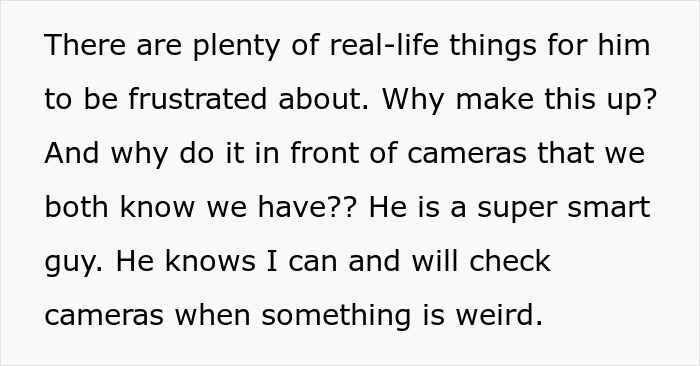
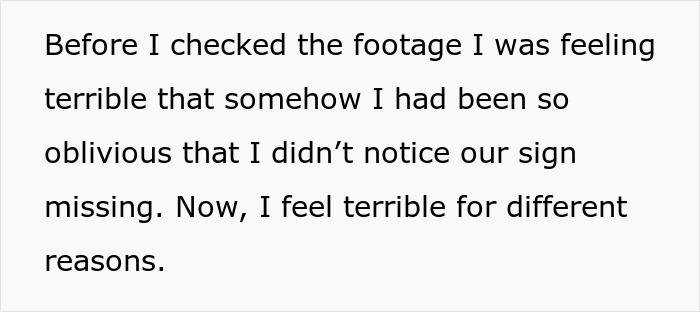
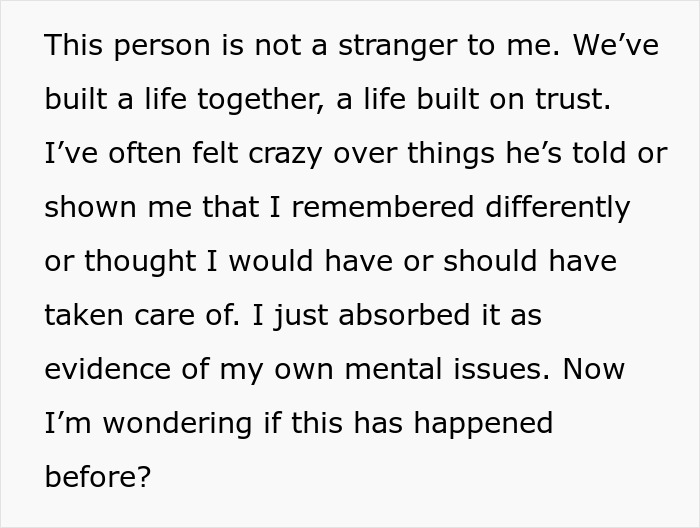
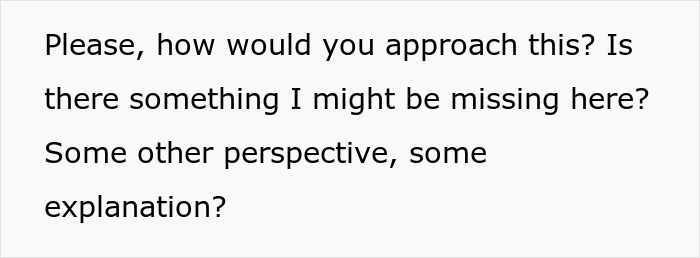
Image credits: ThrowRA_Feddit64
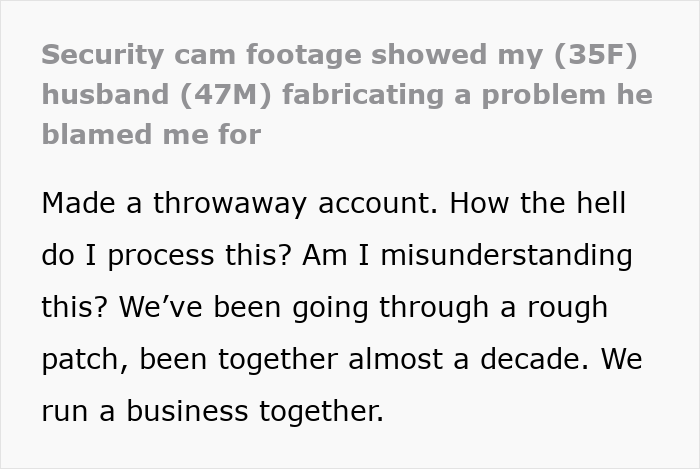
The OP explained that although she and her husband were going through a rough patch, they had been together for almost ten years and also ran a business together. Throughout the day, he would frequently text her lists and photos highlighting tasks she had forgotten or things he believed she had done incorrectly while they worked in separate areas.
Some of the disagreements centered on unfinished work, while others stemmed from what she believed were simple misunderstandings about who was responsible for certain tasks. Her husband, however, viewed those situations as signs of disrespect rather than miscommunication. This left her feeling increasingly discouraged, especially since she already struggled with forgetfulness due to her diagnosed ADHD.
Later that day, her husband stopped by their business to pick something up and sent her a photo of the entrance. One of the signs attached to the front door was missing. He immediately blamed her for failing to notice it earlier, arguing that the incident proved his longstanding complaint that he was always the one who had to catch problems and fix them.
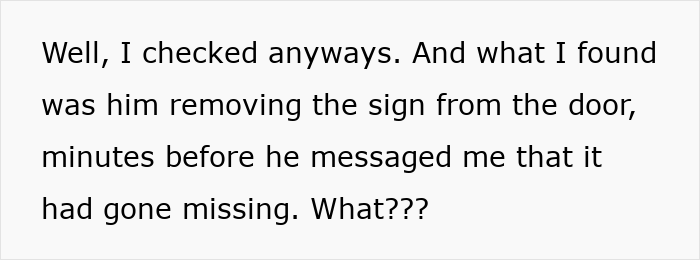
She told him she planned to review the security camera footage because she felt certain she would have noticed if the sign had already been missing when she locked up the night before. He discouraged her from wasting time combing through hours of video, insisting it wasn’t worth it. Despite his objections, she decided to check the footage anyway, and what she saw left her stunned.
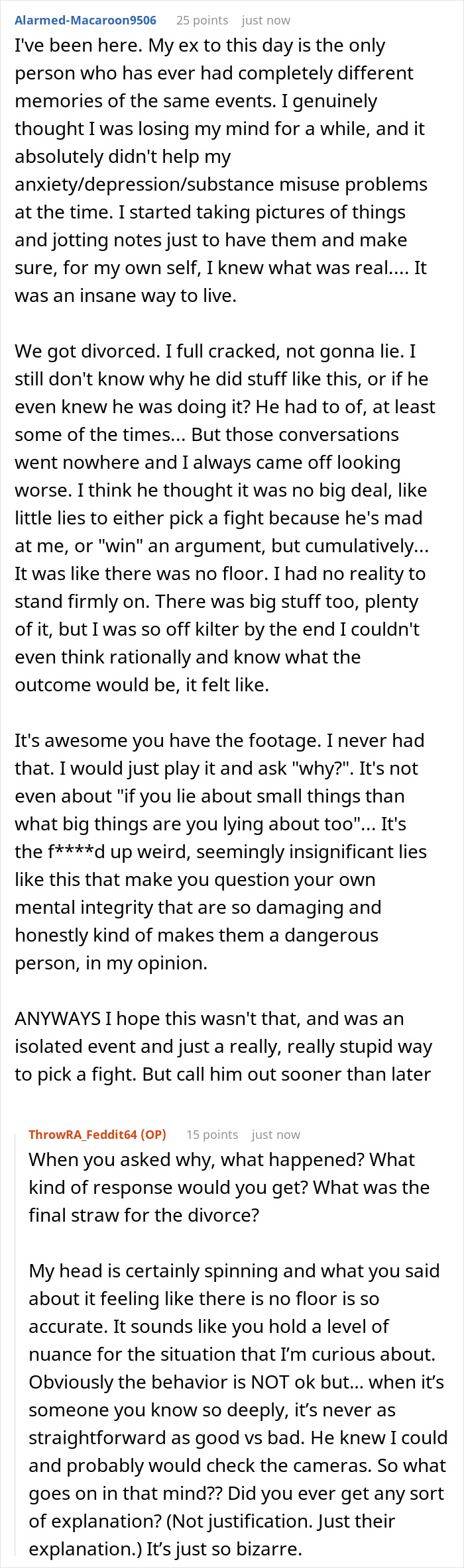
She saw her husband taking the sign off the door only minutes before sending her the text accusing her of overlooking it. She struggled to understand why he would create a fake example of her “supposed failures”. Much more than that, she remembered many occasions where he insisted events had happened differently than she remembered, or where he presented supposed proof that she had failed to do something.
Image credits: DC Studio / Magnific (not the actual photo)
The OP’s discovery naturally raises questions about trust. According to Psych Safety, trust and psychological safety are essential foundations of healthy relationships, especially during stressful periods. Psychological safety allows partners to be honest, admit mistakes, and voice concerns without fearing manipulation or unfair judgment.
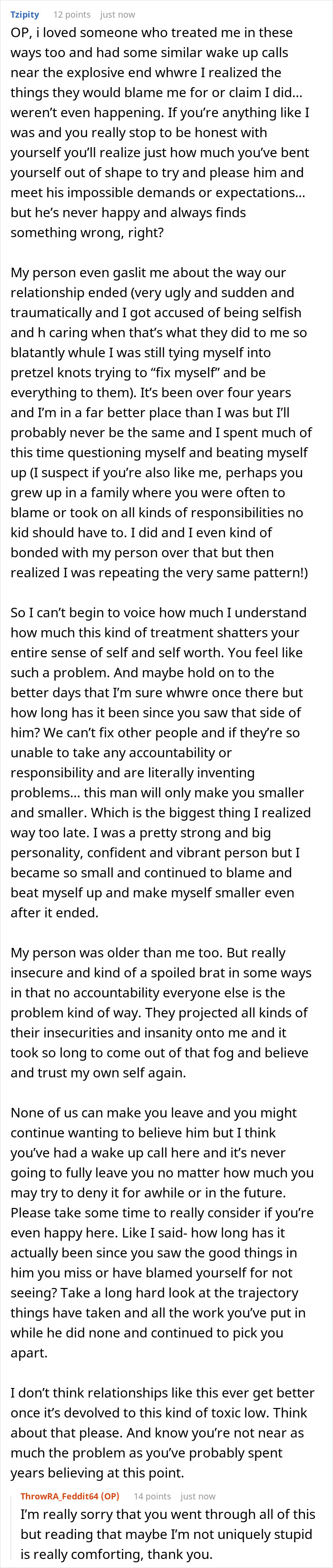
The poster’s ADHD diagnosis also adds important context to why the incident affected her so deeply. The ADHD Centre explains that many people with ADHD are more prone to self-doubt because they often receive criticism for being forgetful, distracted, or overlooking details. Over time, that repeated negative feedback can chip away at self-esteem, making it easier to second-guess memories, decisions, and perceptions.
That doesn’t automatically mean every disagreement is a sign of manipulation. However, HealthCentral notes that gaslighting involves repeatedly causing another person to doubt their memory, perception, or sense of reality through deception or denial. They also emphasize that discovering deliberate fabrication can understandably raise concerns about trust and communication.
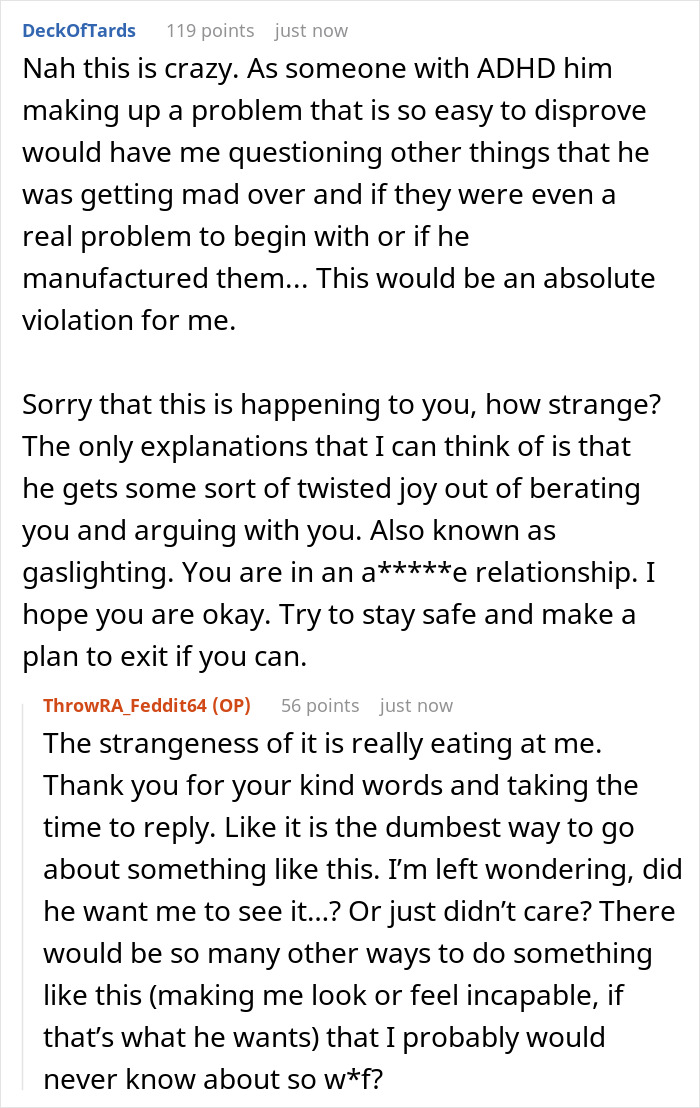
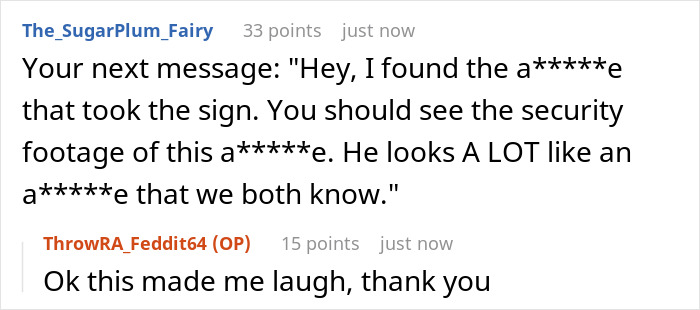
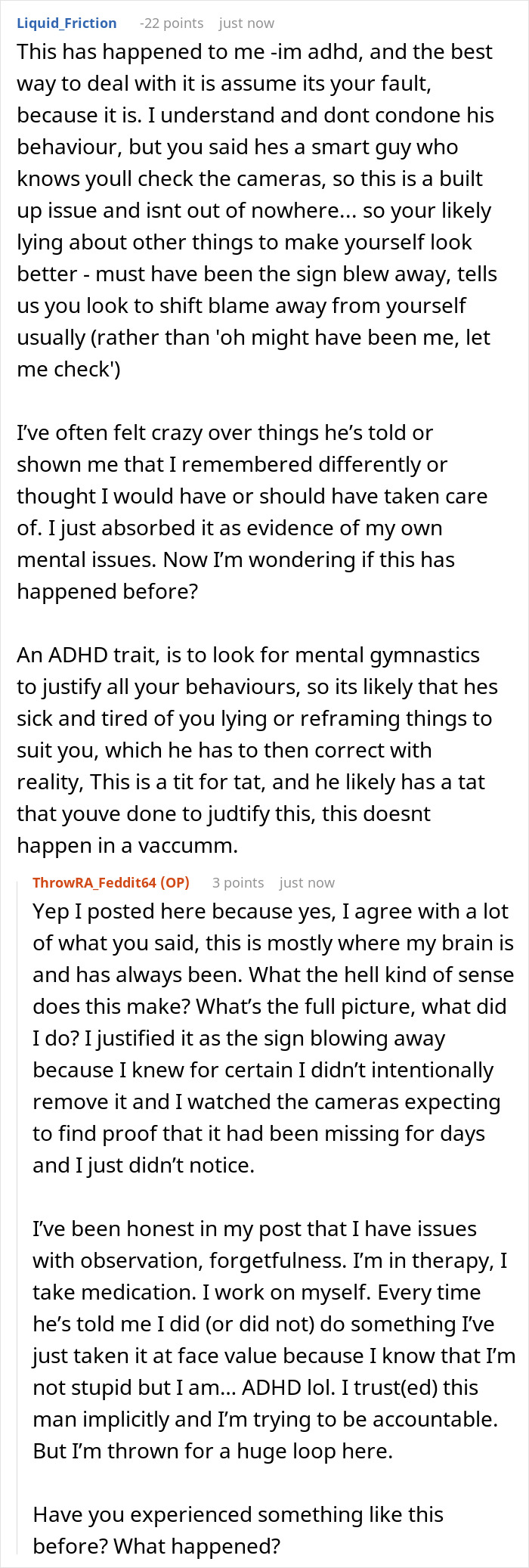
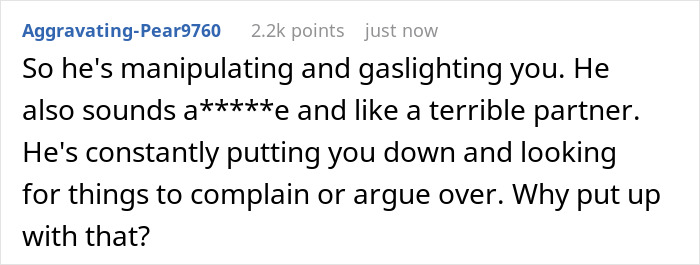
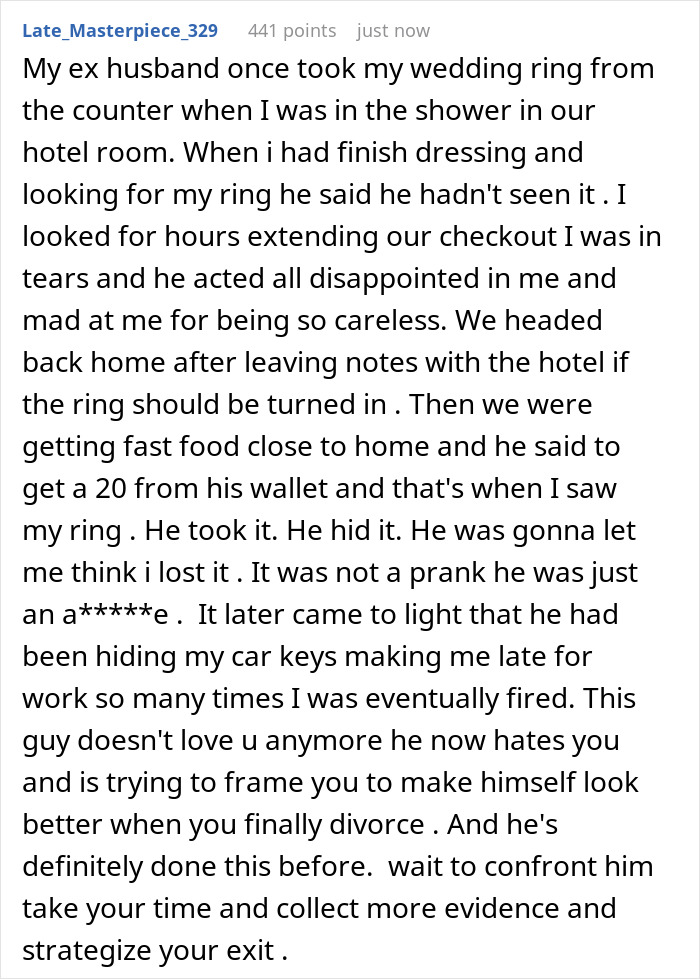
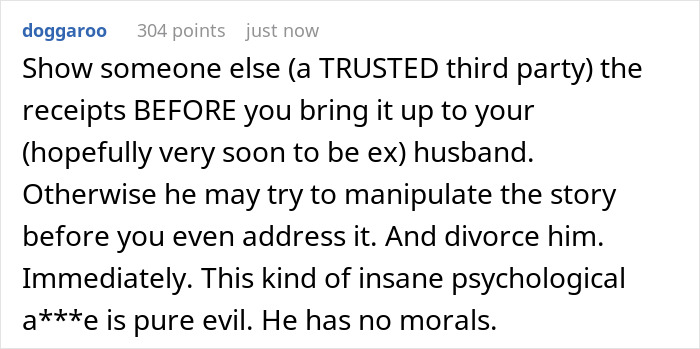
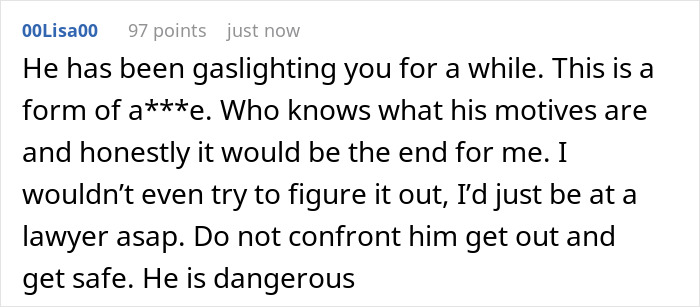
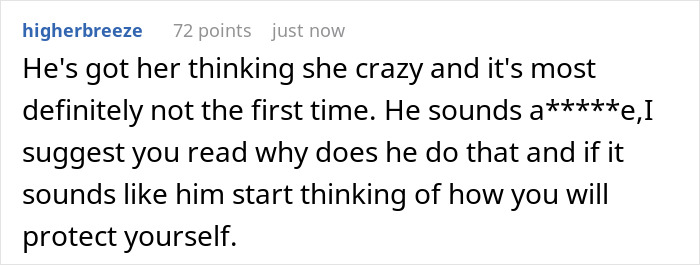
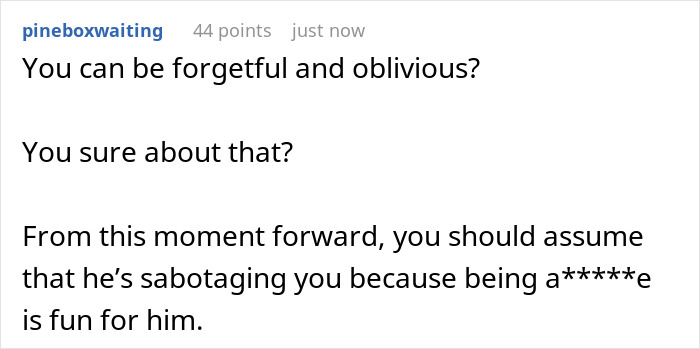
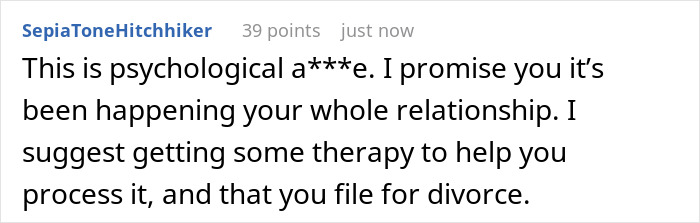
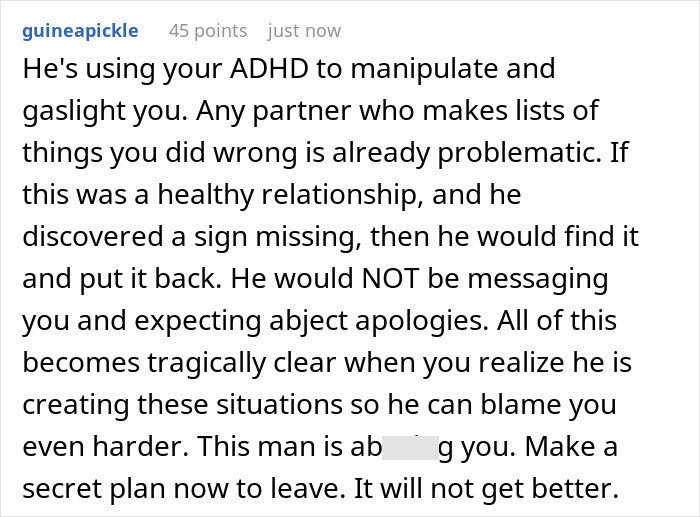
Netizens believed the security footage fundamentally changed the situation. They argued that the issue was no longer about forgetfulness but about deliberate manipulation, describing the husband’s actions as emotional toxicity and gaslighting. If you were in the OP’s position, would you confront your partner first or make a plan before saying anything? We would love to hear from you!






By entering your email and clicking Subscribe, you're agreeing to let us send you customized marketing messages about us and our advertising partners. You are also agreeing to our Privacy Policy.
Thank you! You've successfully subscribed to newsletters!

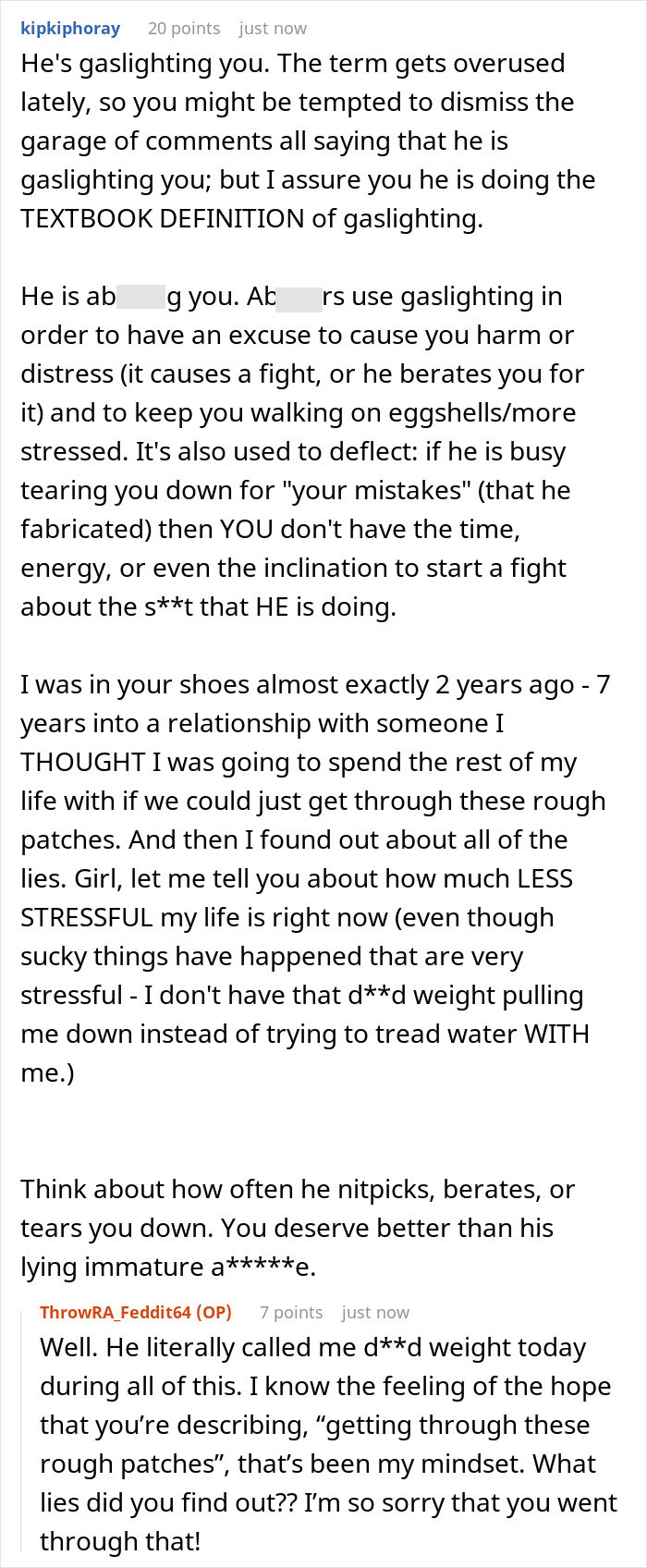
This is where the a***e starts. The guy makes her think she's more scatterbrained than she is until she becomes dependent. He now has control.

This is an actual case of gaslighting. People misuse that term so much, but here is an actual example of it.
Load More Replies...
Time to start moving your money and shutting down the businesses you share to get a divorce. He's not a supportive partner. He's an a****r.
This is where the a***e starts. The guy makes her think she's more scatterbrained than she is until she becomes dependent. He now has control.
This is an actual case of gaslighting. People misuse that term so much, but here is an actual example of it.
Load More Replies... Time to start moving your money and shutting down the businesses you share to get a divorce. He's not a supportive partner. He's an a****r.



































 No fees, cancel anytime













55
14