Get Premium
Dark mode theme is available exclusively for premium users. Learn more about the benefits of subscribing.
No fees, cancel anytime.

 Dark Mode Ad-Free Browsing Unlimited Content
 Ad-Free Browsing Unlimited Content Dark Mode
Join 1.2 million Panda readers who get the best art, memes, and fun stories every week!
Fear is a universal experience in the animal kingdom. For many species, survival depends on being exquisitely tuned to perceive and react to threats instantly.
From "fainting" goats to beetles that trigger internal explosions, these 15 animals have the most extreme fear responses on the planet.
Scientists have found that a handful of animals exhibit reactions ranging from mass panic to bizarre physical symptoms.
Whether through freezing, shedding limbs, or chemical warfare, these creatures prove that nature’s survival instincts are as fascinating as they are extreme. Here are 15 animals with the most extraordinary fear responses.
This post may include affiliate links.
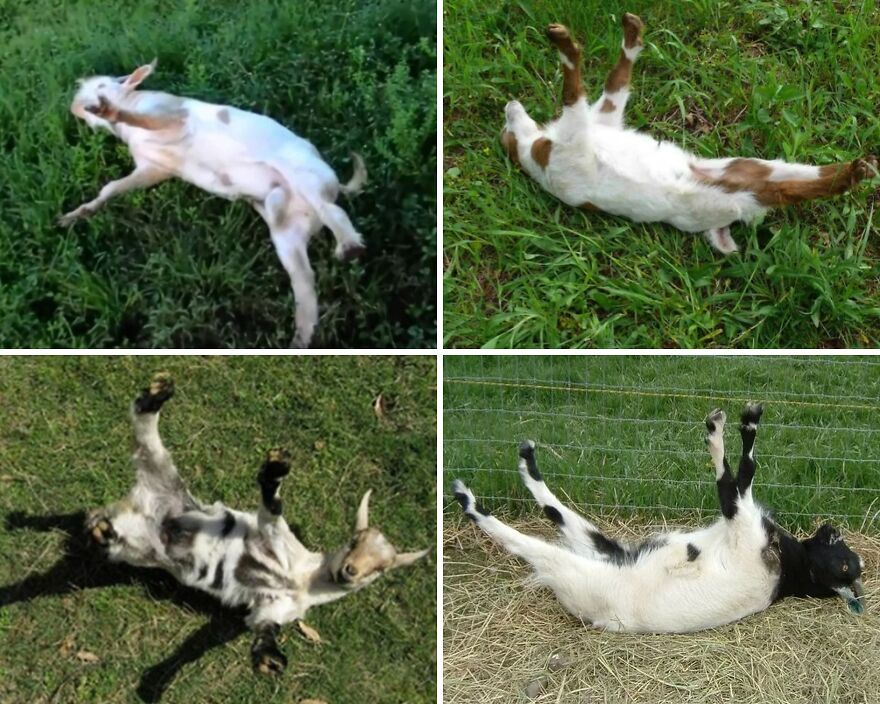
Watching “fainting” goats has become the most entertaining thing online because of how comically this breed freezes and collapses in fear.
Terry Laci of the International Fainting Goat Association explained why these drama goats choose to stiffen up as a self-defense mechanism: “What usually triggers the fainting is when they're startled or even excited, they will faint.
They'll fall over or stiffen up when we feed them in the morning. They get excited. And we've seen the bucks faint during mating seasons. I think it's the adrenaline rush” (per Science Channel).
Laci added, “It's confusing because they don't actually faint. They're fully conscious. It doesn't hurt them at all. They stay down for maybe 10 or 15 seconds, and they can hear and see.”
It is important to note that this is not a psychological fear response but a hereditary condition called myotonia congenita, which causes their muscles to lock up when they are startled.
Snakes are so scary that there is a literal term for the extreme fear of snakes (ophidiophobia), but did you know that these frightening reptiles can feel scared, too?
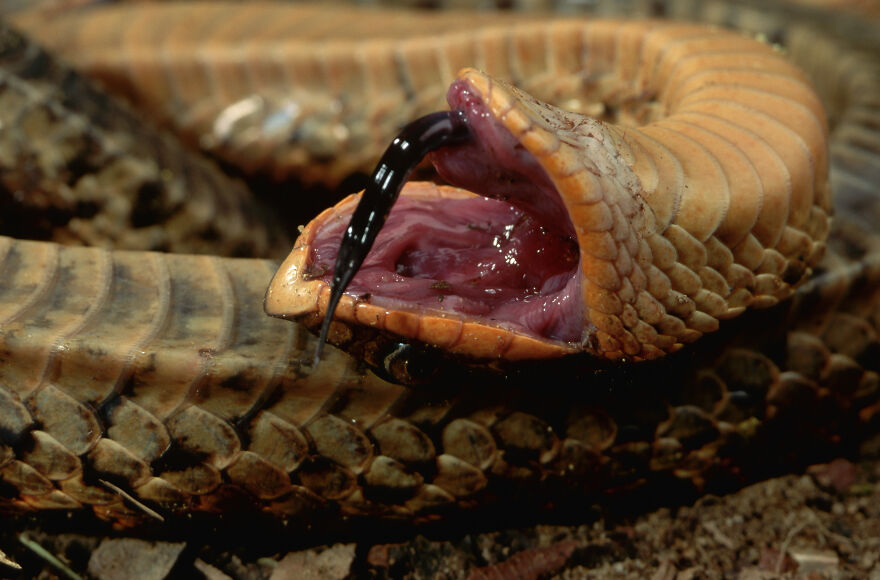
Hognose snakes adopt a deceptive appearance to escape predators. Instead of the common flight or fight response, these dramatic serpents choose to turn their bodies upside down, swirl bizarrely like “noodles,” and often stick out their tongues to appear like an unappetizing dead meal (per Humane World for Animals).

I have a hognose snake. His name is Hoggle and he's the sweetest, cutest, most precious snake in the world!! He's never played d**d because we don't stress him out, but they release their a**l glands when they do this. They look AND smell d**d.
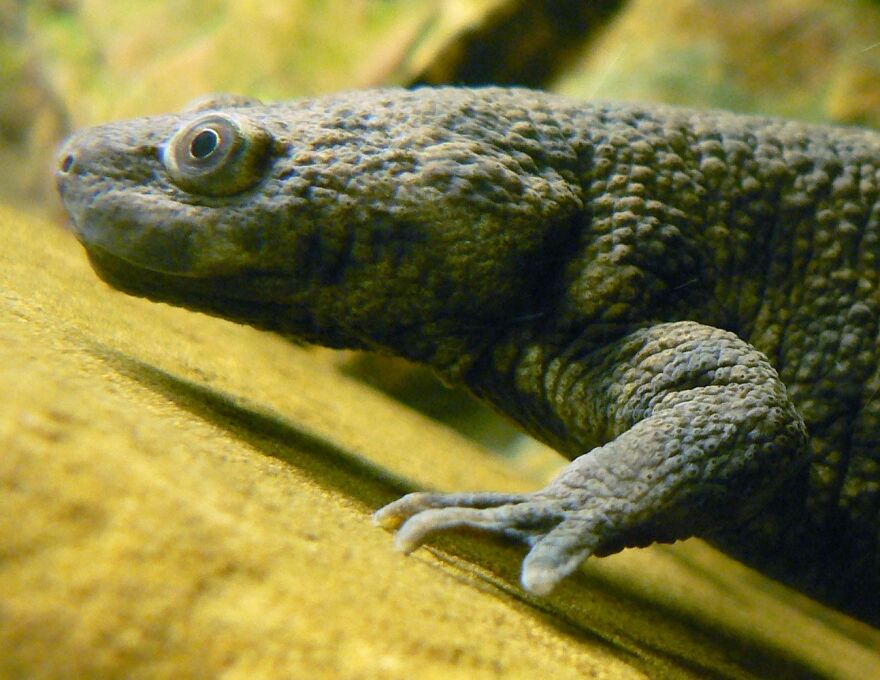
When defending its own life, the Spanish ribbed newt not only extends its pointy ribs through its skin but also coats them with toxins to deter potential aggressors (per EZNC).
To do so, this pointy beast flattens its body and arches its back, then literally swings its ribs forward until they just slide on through (per BBC Wildlife Magazine).
This unique life-defending mechanism takes its toll on the newt’s skin, but it heals quickly thanks to the collagen fibers surrounding the outer portion of its ribs.
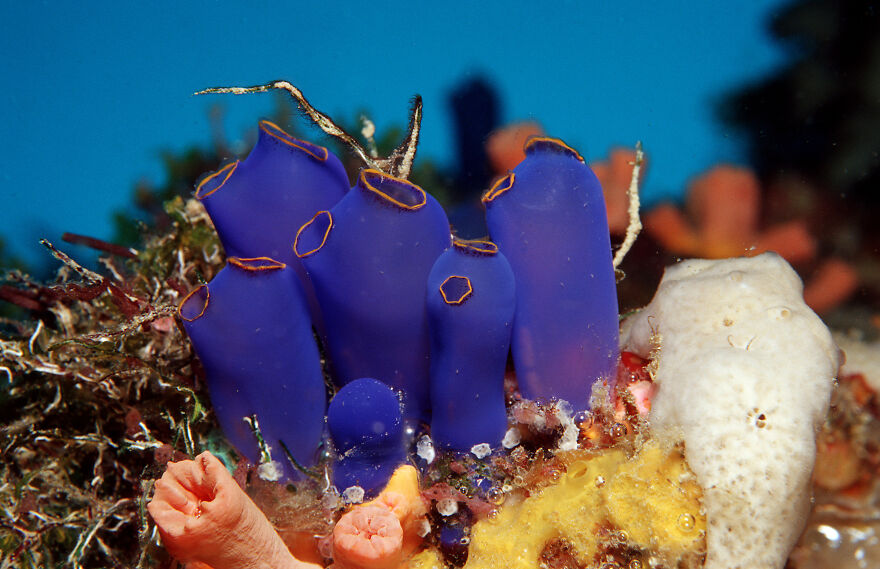
Sea squirts utilize a dramatic defensive tactic known as evisceration, where they eject their internal organs to deter predators. (per Discover Magazine).
As harrowing as this defense strategy might seem, the expelled, bad-tasting organs can actually deter potential aggressors, allowing for the sea squirt to make its great escape.
Scientists who studied this fascinating phenomenon closely found that sea squirts can grow new, functioning guts in just 12 days after ejecting their own stomach, intestine, and part of their rectum.
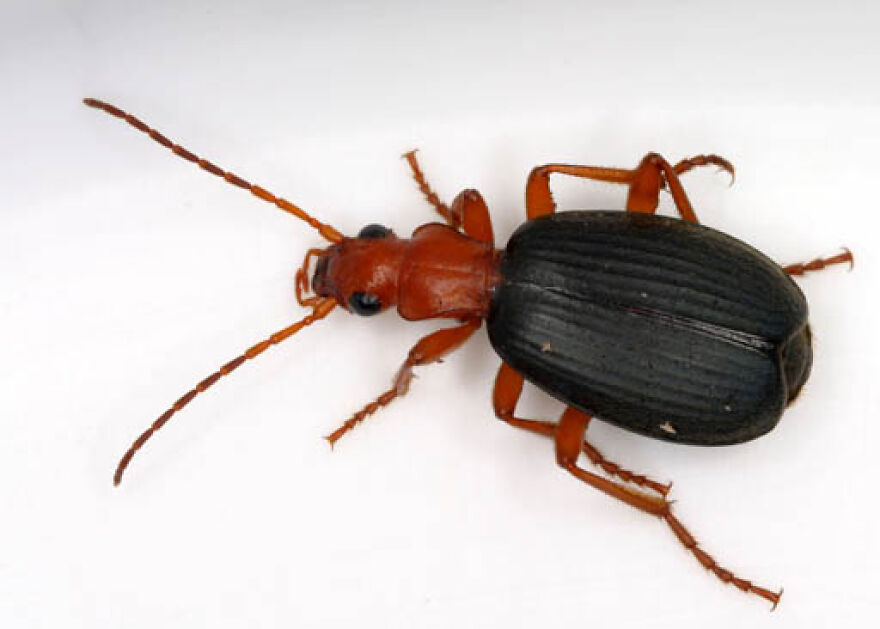
A small bombardier beetle is the last thing you want to snack on. Rare footage by Japanese scientists showed an unfortunate toad suffering the consequences of eating a formidable beetle.
Remarkably, the beetle remained inside for 88 minutes after swallowing. The toad vomited up its toxic meal due to a boiling-hot chemical explosion caused by the beetle inside.
The expelled mucus-covered beetle was still alive and kicking, proving that nature’s defense mechanisms are not always pretty, but they do the trick.
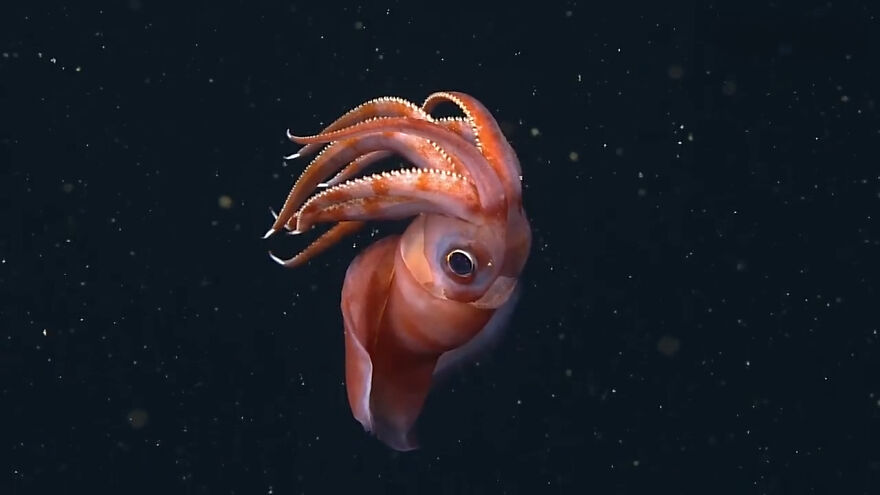
Here’s another surprise from the deep sea: the Octopoteuthis deletron squid is the only known squid that sheds off one of its eight arms as a form of survival (per Smithsonian Ocean).
Researchers have studied this unique behavior closely and found that the lost arm serves as a distraction as the squid flees the danger.
When trying to defend its own life, this formidable deep-sea creature grasps the aggressor, sheds its arm, and often escapes after releasing a distracting ink cloud.
The lost arm wriggles in the water for around 30 seconds and emits light in the dark ocean, serving as a glowing distraction for potential predators.
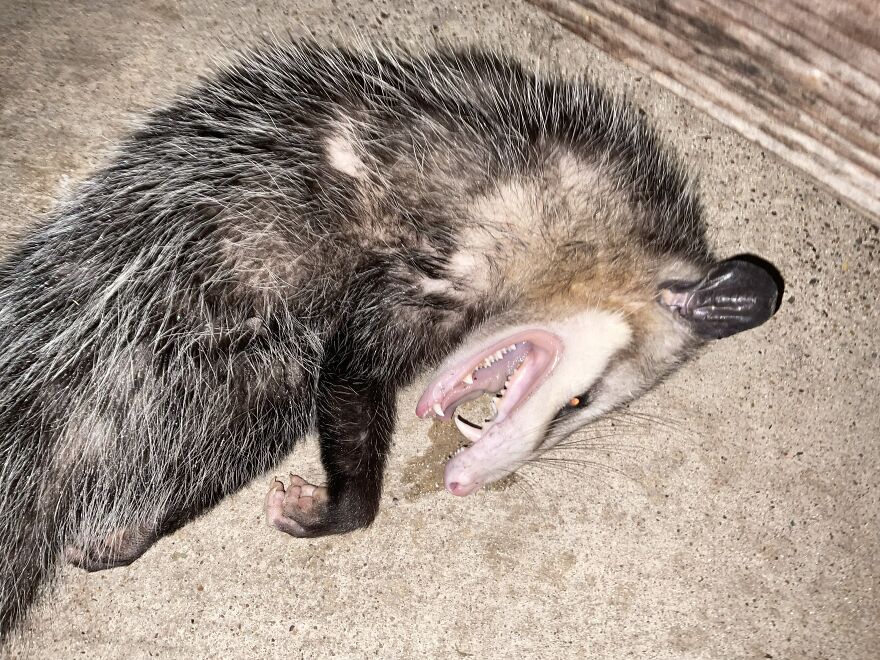
Opossums have one of the most extreme fear responses in wildlife. These dramatic “pouched” mammals display a unique defense mechanism to stay alive, aptly named “paying ‘possum ” (per OSUS).
Basically, when an opossum gets too scared, it enters an involuntary comatose-like state to avoid being eaten, since predators are thrilled by killing the animal before finally enjoying the “meal”; otherwise, there is nothing appetizing about eating a “dead opossum.”
In other words, opossums literally pass out when they’re scared; they don’t play dead, but they’re just that faint-hearted.
Miraculously, the frozen body of an opossum can sense when the danger has passed, and then somehow “return to life!”

"there is nothing appetizing about eating a “d**d opossum.”. Eating a live opossum is not very high on my list either.
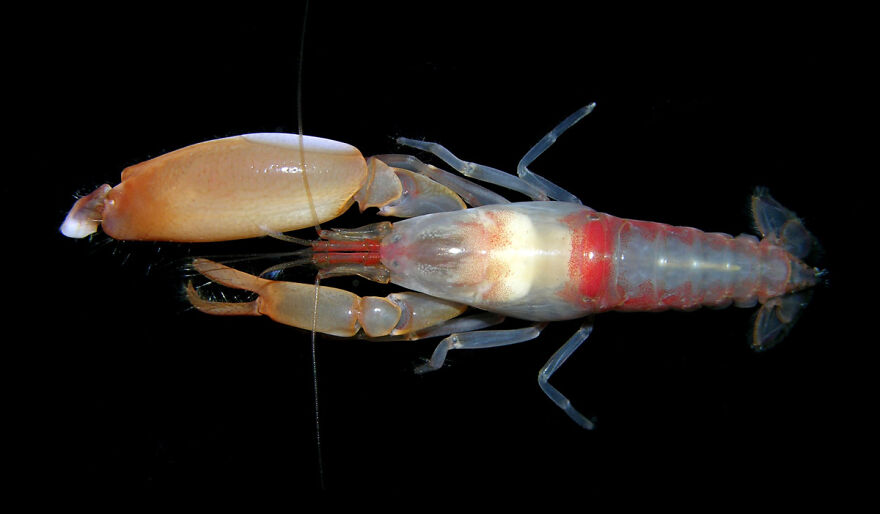
Could you guess what the “pistol” shrimp does to its unlucky intruders?
This finger-sized, violent shrimp employs a mighty defense strategy, captured in slow motion by BBC Earth Science.
The startling footage showcased a pistol shrimp defending itself against an intruding crab using an invisible yet lethal weapon.
As Richard Hammond tried to tease the shrimp out of his hide, the vicious animal immediately snapped its forceful claws to cause a deadly high-speed water jet, which can shoot forwards at approximately 60 miles an hour, that’s fast enough to vaporize the water and create a bubble.
The temperature could reach over a jaw-dropping 4000 degrees Fahrenheit inside the bubble; once it collapses, the intruder is killed with this superhot power released like a lethal shockwave.
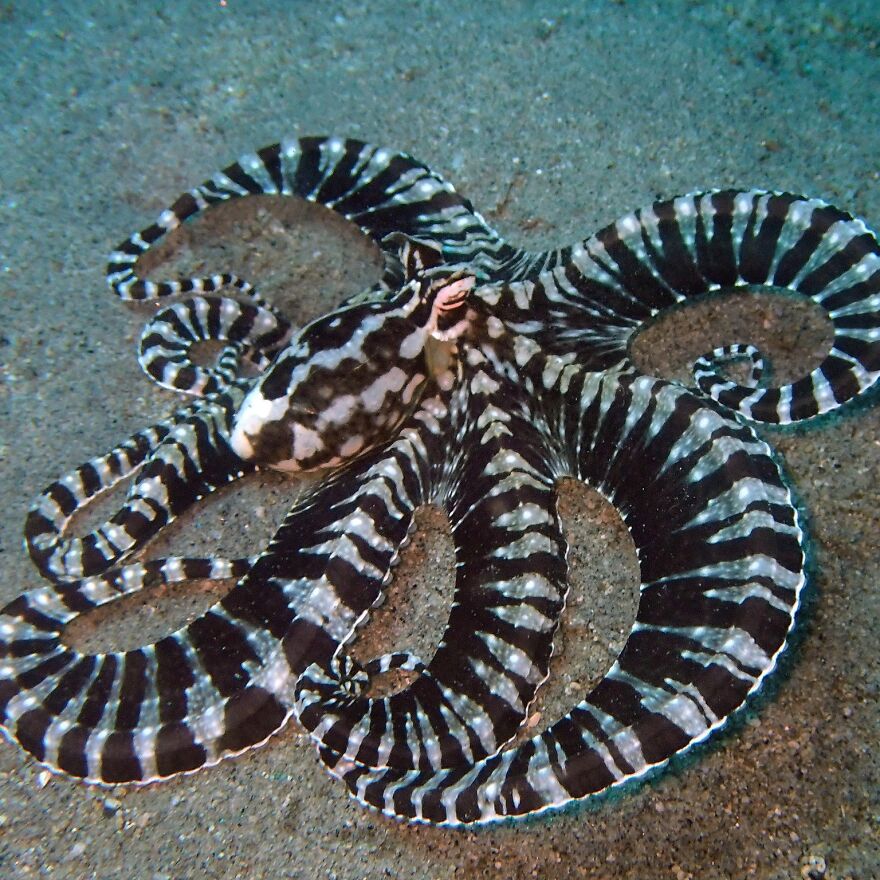
It sounds like a supernatural ability out of a sci-fi movie, but the mimic octopus can accurately impersonate other sea animals to deter its would-be attackers.
This master of disguise can mimic the appearance and behavior of unappetizing or venomous marine creatures, such as jellyfish, lionfish, sea snakes, crabs, and shrimps (per National Geographic).
This mimicry mastery is extremely rare in nature; oftentimes, animals can only take the appearance of one other animal.
Not only can the remarkable mimic octopus impersonate several animals, but also easily switch between them as it roams the waters.
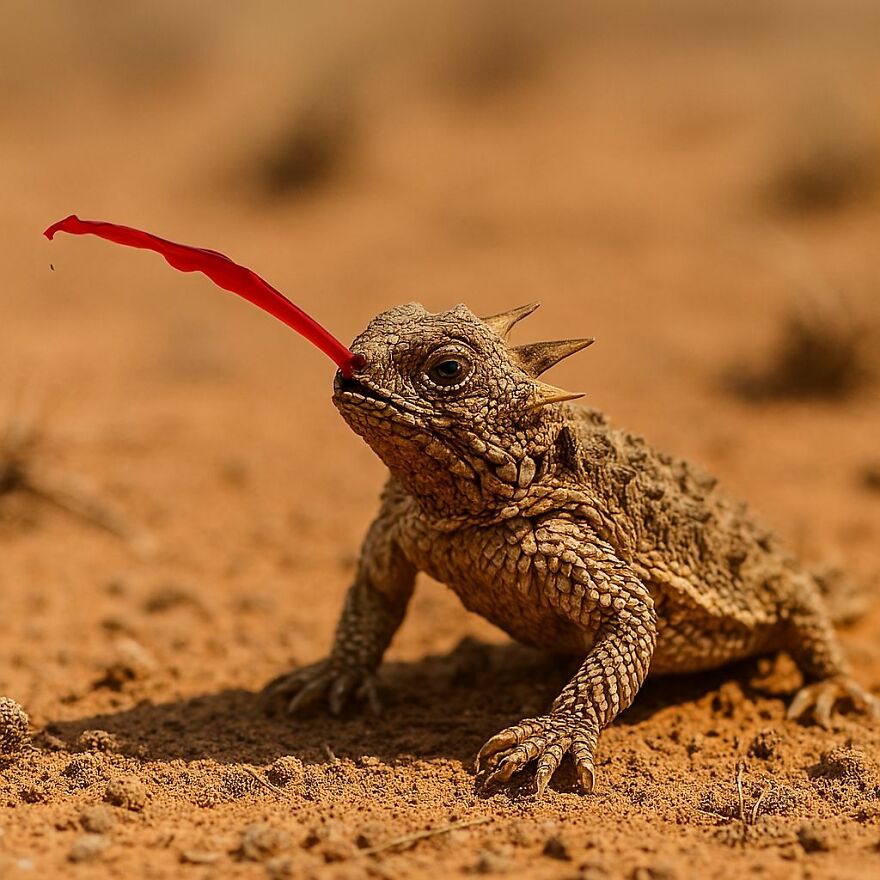
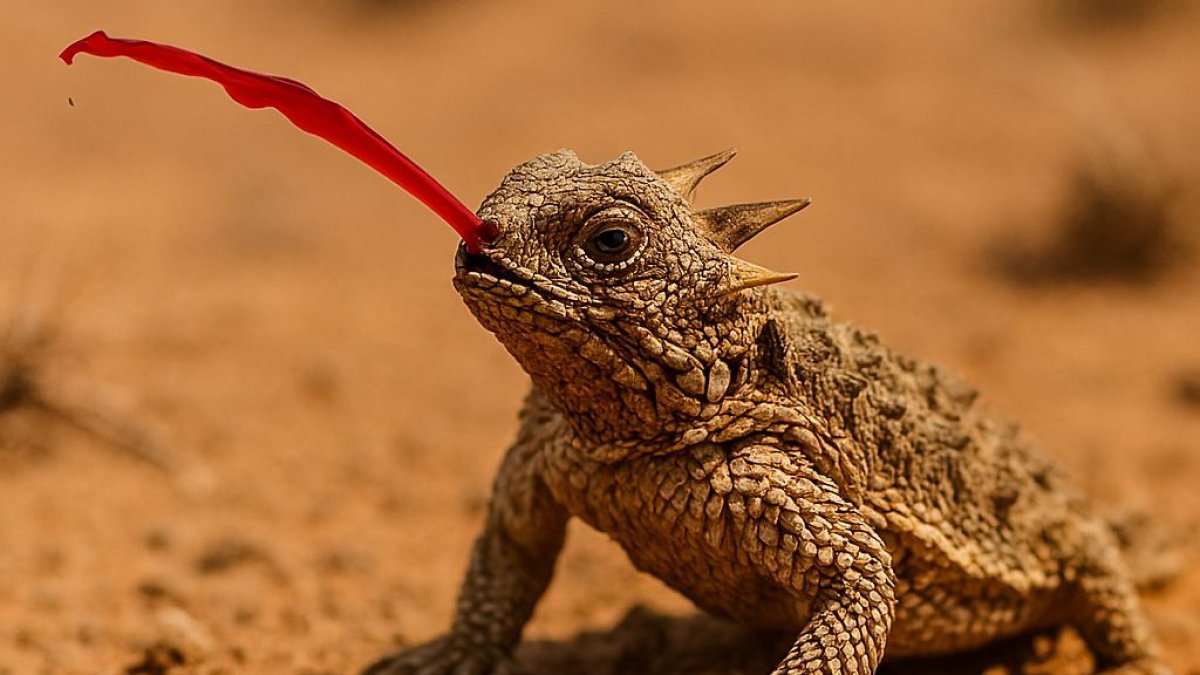
Short-horned lizards, also known as “horned toad” or “horny toad,” exhibit one of the most bizarre fear responses ever documented in nature.
When threatened, this eccentric species literally shoots blood from its eye, which can travel up to 3 feet (per National Geographic).
The goal behind this startling behavior is to confuse potential predators, but the blood also contains a noxious chemical to wolves, coyotes, and dogs. Have you ever seen a weirder use of blood?

It appears the blood is shooting from the toad's nose, certainly not the eyes, in this photo.
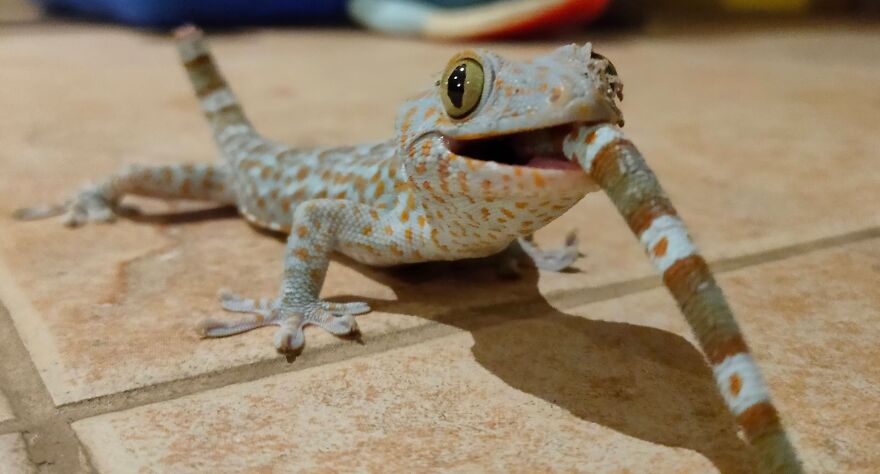
Losing a part of your body sounds horrifying, but for the tokay gecko, it’s a matter of life or death.
The infamous lizard wilfully sheds its tail when threatened and somehow regrows it later (per Australian Geographic).
The tail moves vigorously for several minutes after being detached, serving as a distraction for predators and allowing the gecko to make a stealthy escape (per the Smithsonian's National Zoo and Conservation Biology Institute).
The lizard can regrow its tail in about three weeks, though it often grows shorter than the original.
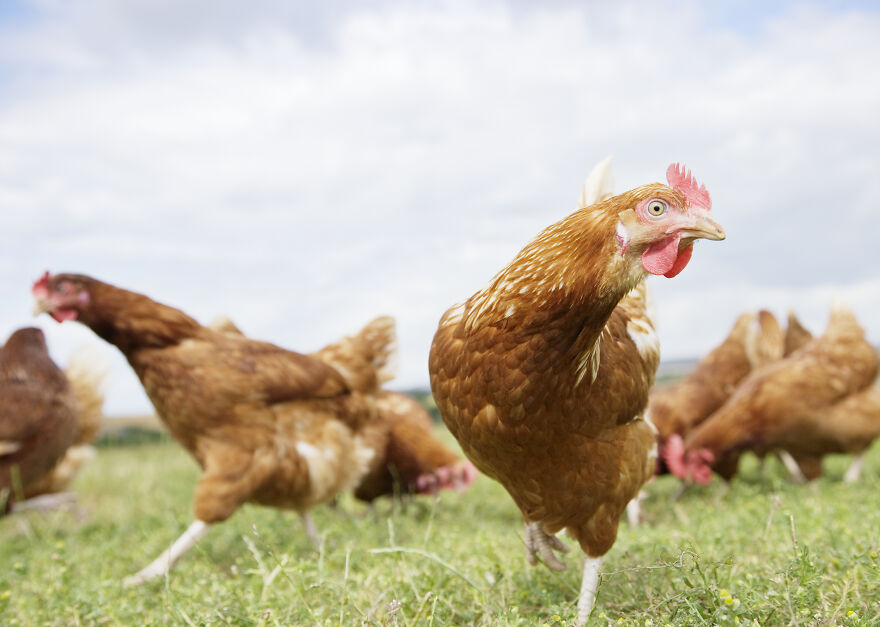
Chickens have always been linked to being weak and timid, and rightly so. These easily intimidated birds are so fragile that the word “chicken” became a widely used synonym for “coward.”
When in danger, these weakling chickens do everything imaginable to save their own lives, albeit comically.
Their stress-induced reactions include freezing, immobility, defensive behavior, escaping, and vocalizations. (per Poultry Hub Australia).
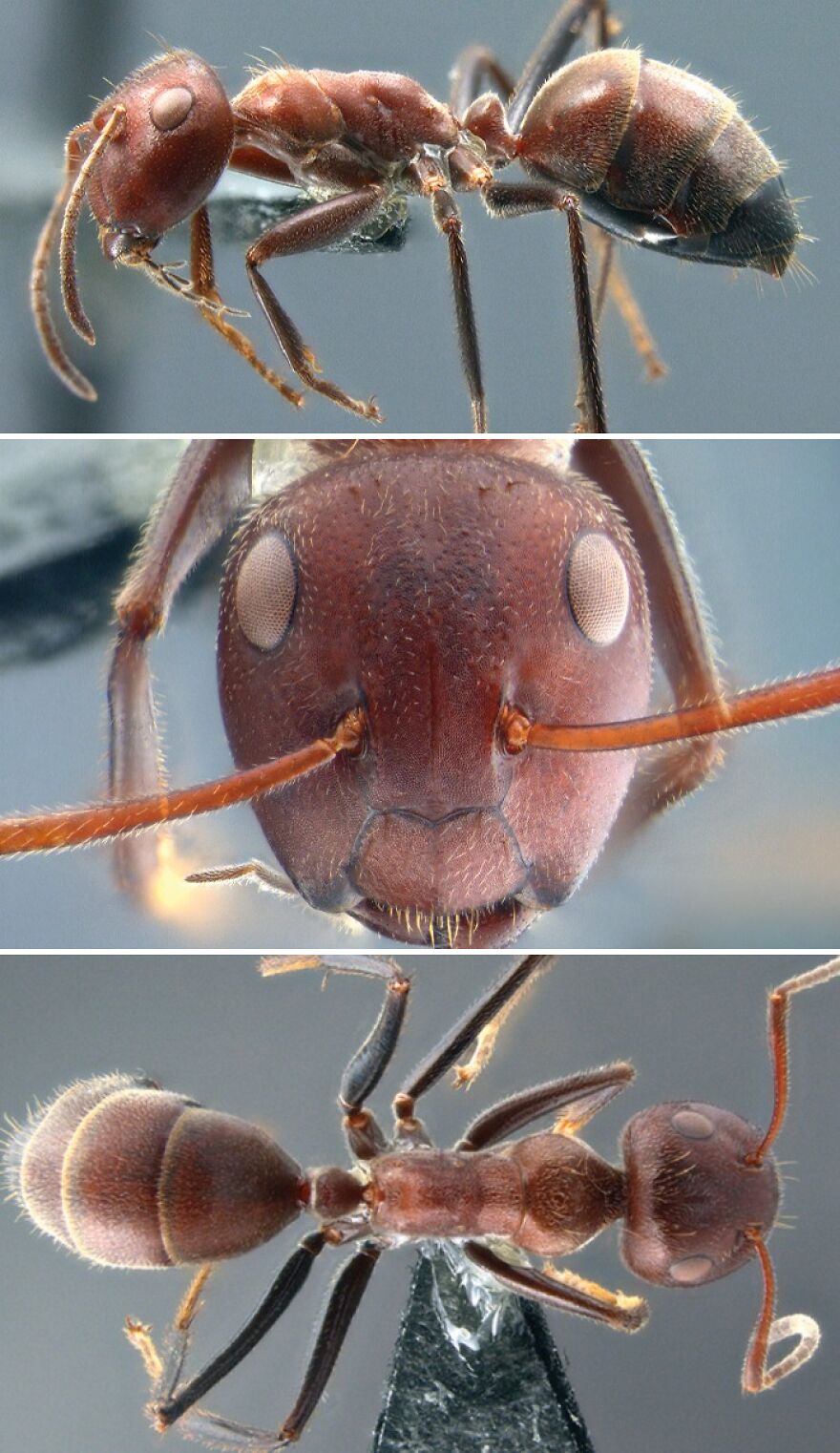
“Exploding ants” look harmless to any potential predator looking for an easy, tiny meal, but wait until they dare to get near their colonies.
These small but mighty brownish-red ants take explosive action when trying to protect the colony against any attacker foolish enough to draw near (per National Geographic).
In other words, “exploding ants” commit suicide for the sake of the rest of the colony. When they tear themselves apart, the ants release a bright yellow, sticky, and deadly goo that strangely smells like curry.
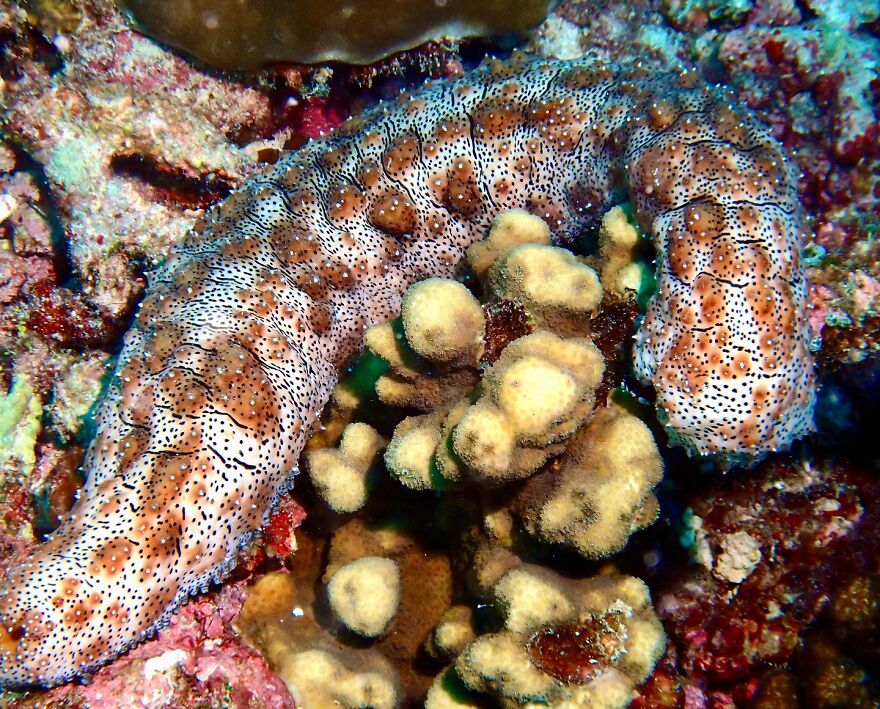
Sea cucumbers literally expel their guts when scared.
This stomach-turning defense strategy is meant to tangle or injure would-be predators through the sticky filaments ejected (per Nat Geo Animals).
These remarkable marine animals have no brain; instead, nerve rings surrounding their mouth tell them when to move, eat, or fight by ejecting their toxic guts.
Passing fish might even die if they get caught in this deadly lump (yikes!).
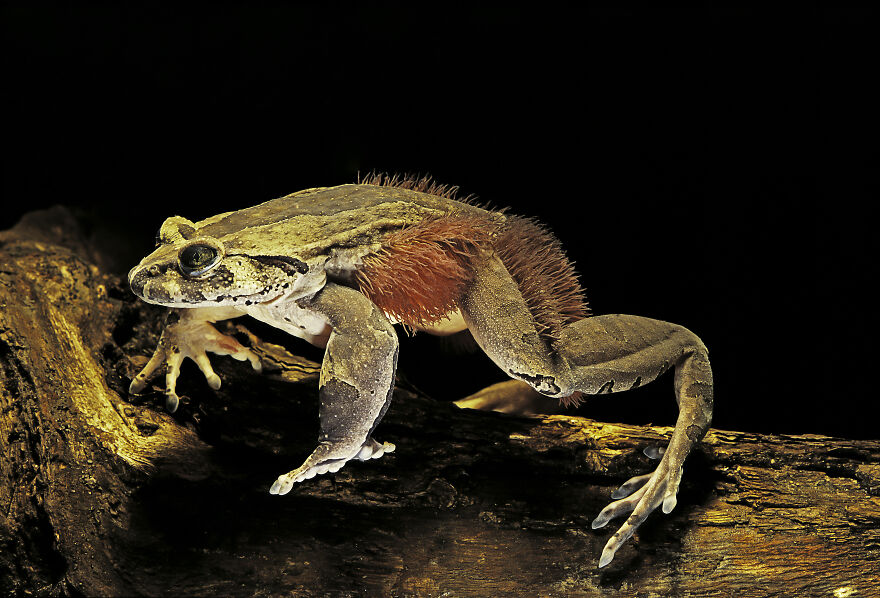
The freaky “Wolverine frog” earned much reverence for its horrific defense mechanism: the frog forces its sharp toe bones through the skin to create claw-like structures for defense. (per IFLScience).
The hairy frog, aptly nicknamed “horror frog,” exhibits transient claws that slip in and out of the skin of the fingers. These bizarre claws can make nasty cuts to the unfortunate attacker or handler, according to researchers working with wolverine frogs.
“Durrell (1954) later provided the first report of handling live Trichobatrachus and raised the more likely possibility that these claws are for defense as they can inflict ‘deep bleeding wounds to the person holding it’,” concluded the authors of a 2008 paper.
“This claim is verified by Cameroonians who hunt Trichobatrachus for food using long, heavy spears or machetes, such that they can kill the frogs without handling them and being harmed.”

































 No fees, cancel anytime