Get Premium
Dark mode theme is available exclusively for premium users. Learn more about the benefits of subscribing.
No fees, cancel anytime.

 Dark Mode Ad-Free Browsing Unlimited Content
 Ad-Free Browsing Unlimited Content Dark Mode
Join 1.2 million Panda readers who get the best art, memes, and fun stories every week!



If we were to base our perceptions on pop culture alone, we would expect people who work in sales to be as cutthroat and ruthless as Blake from Glengarry Glen Ross, or as flashy and calculated as Jordan Belfort in The Wolf of Wall Street.
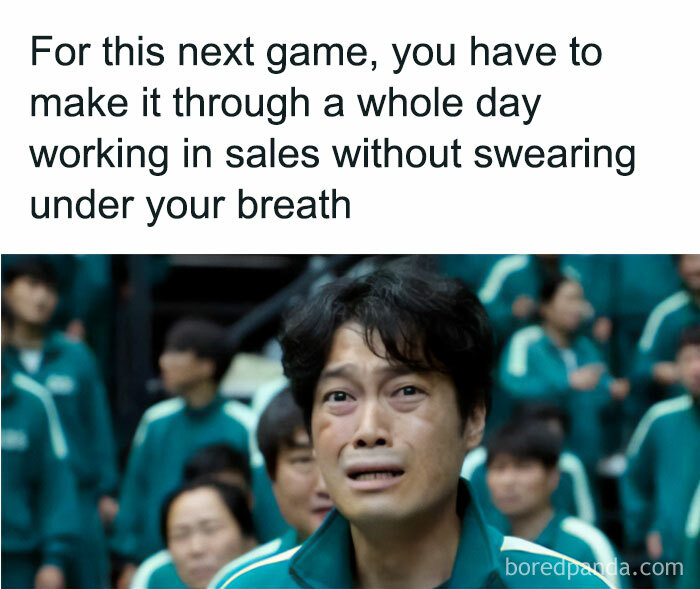
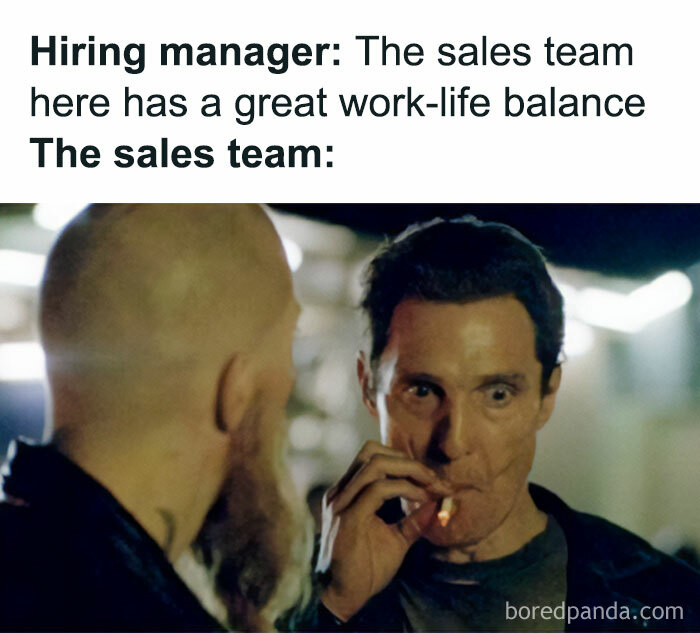
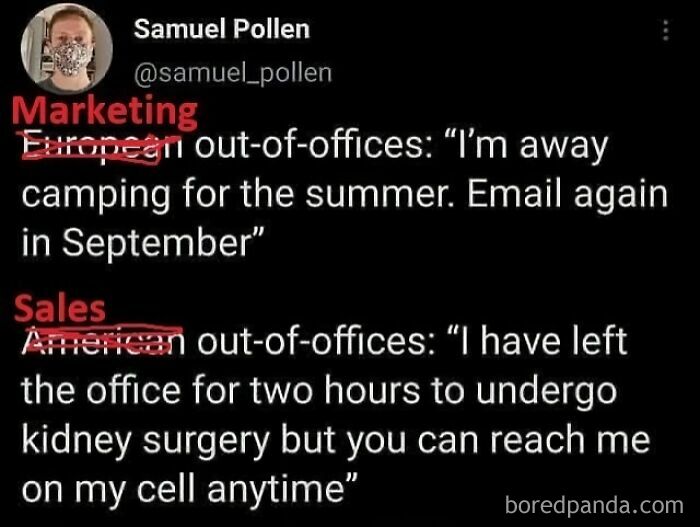
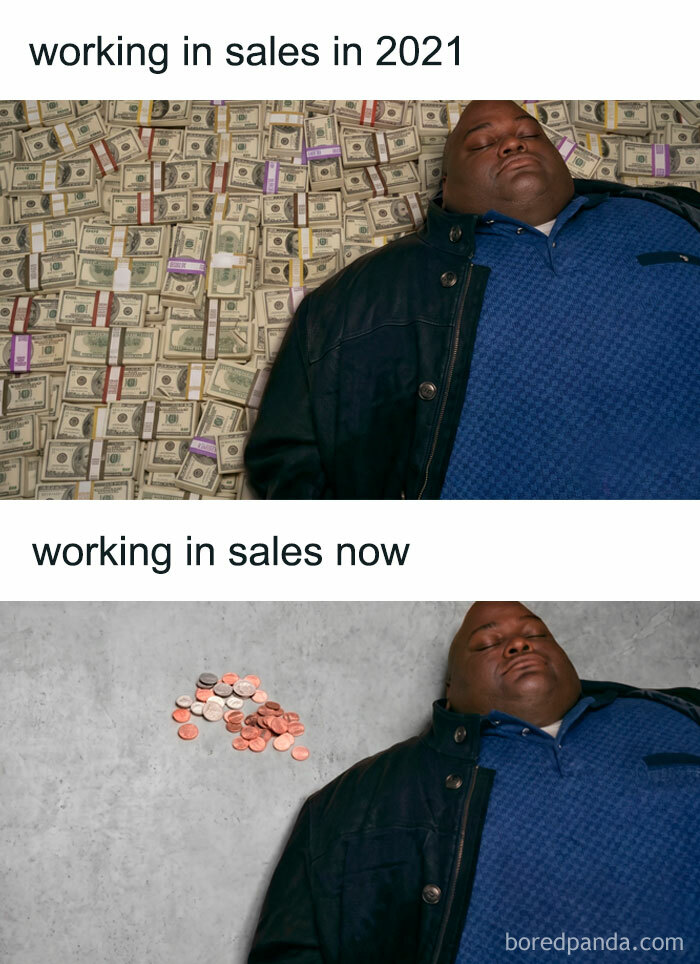
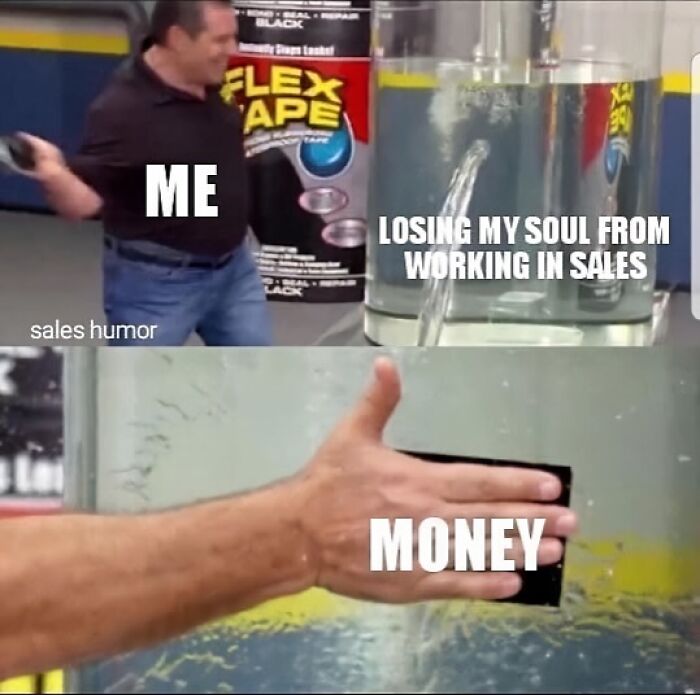
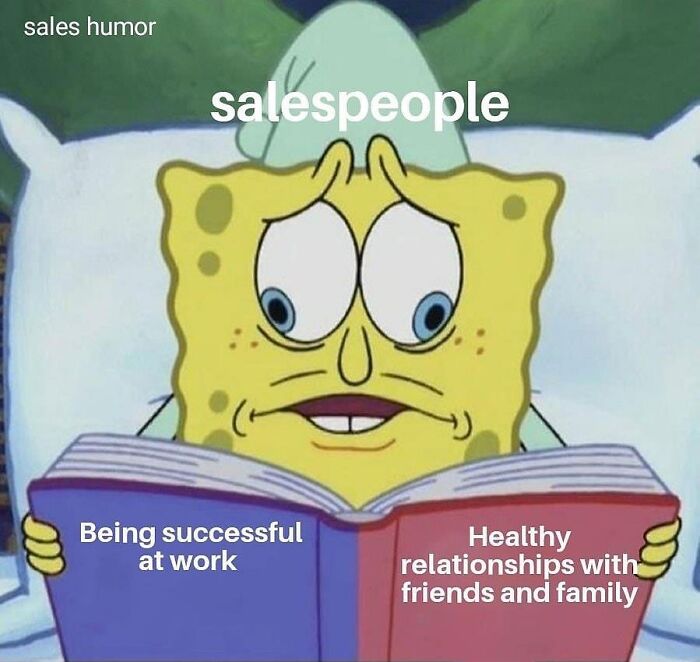
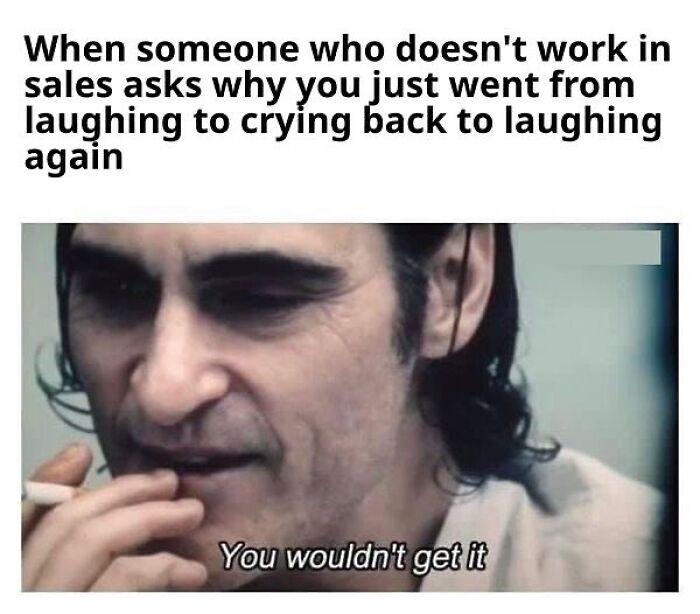
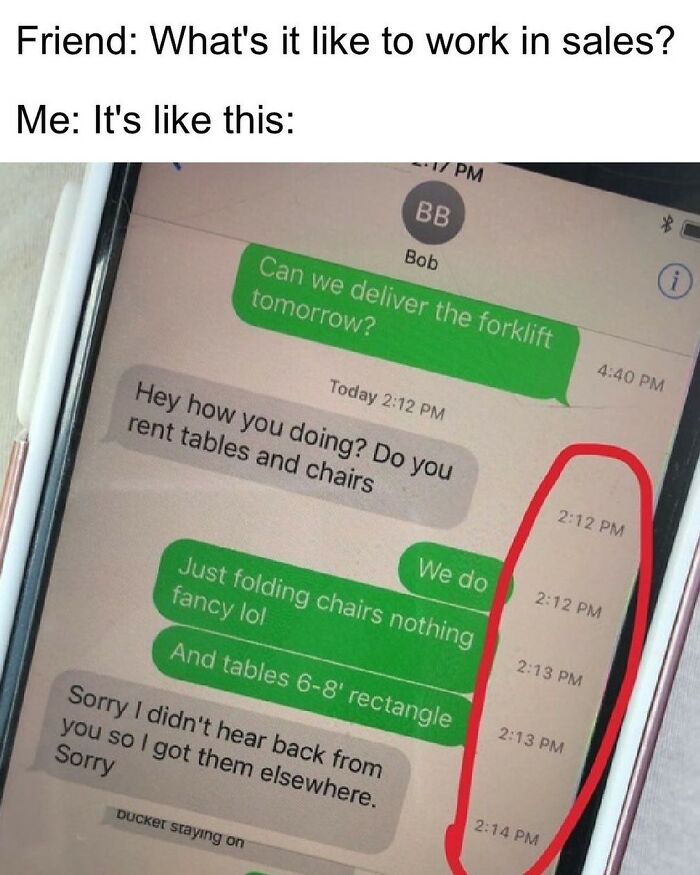
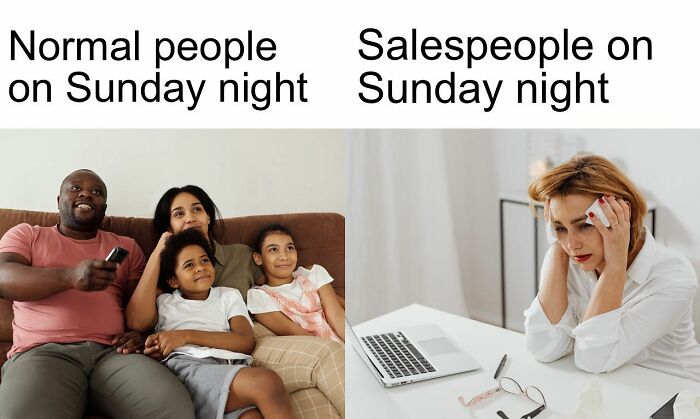
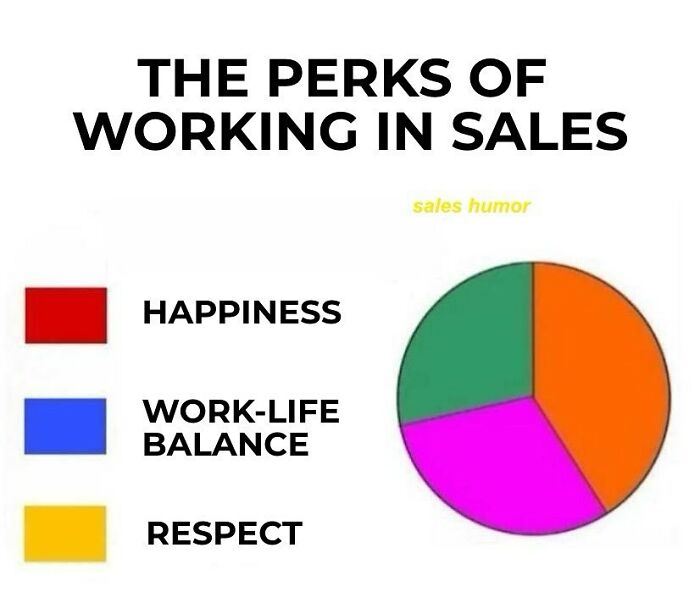
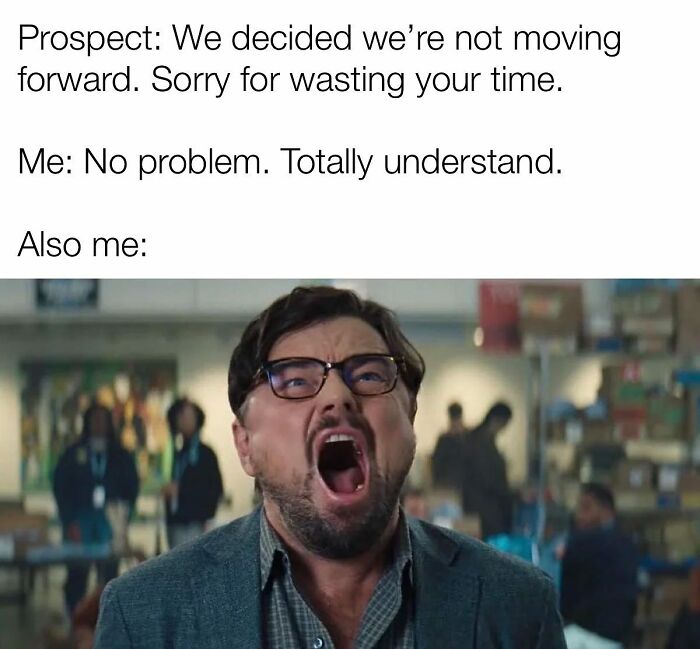
But as those in the industry would likely assert, the reality isn’t as glamorous and cinematic. They have their fair share of struggles and difficulties that can sometimes cause stress and overwhelm.
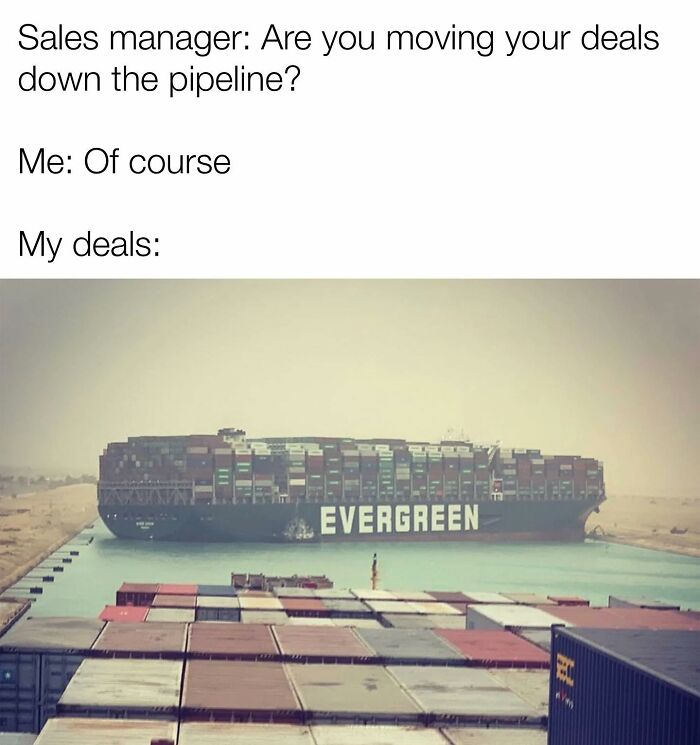
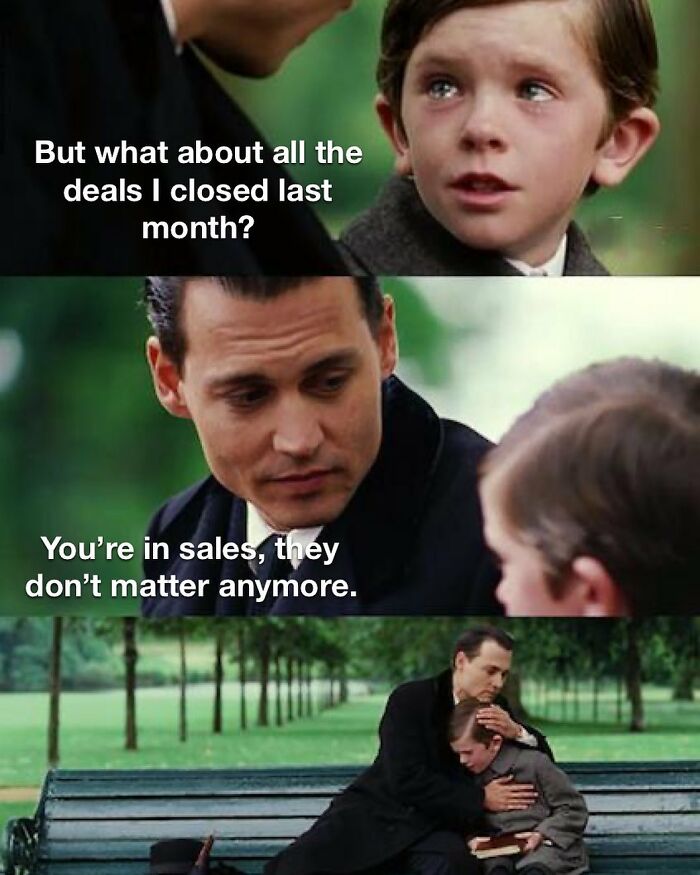
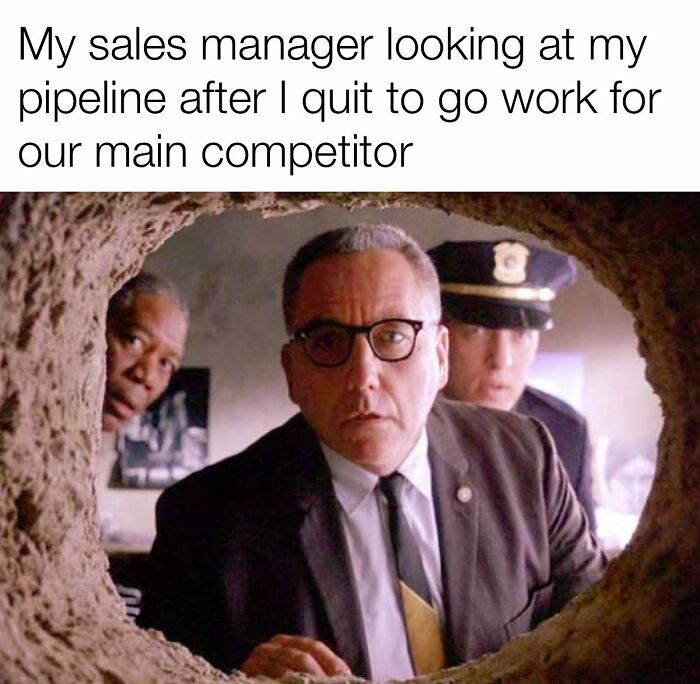
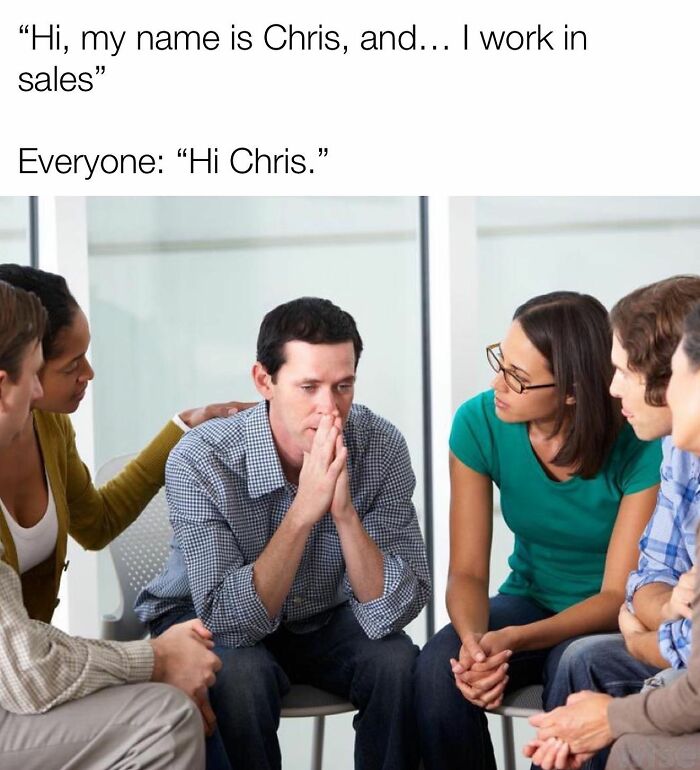
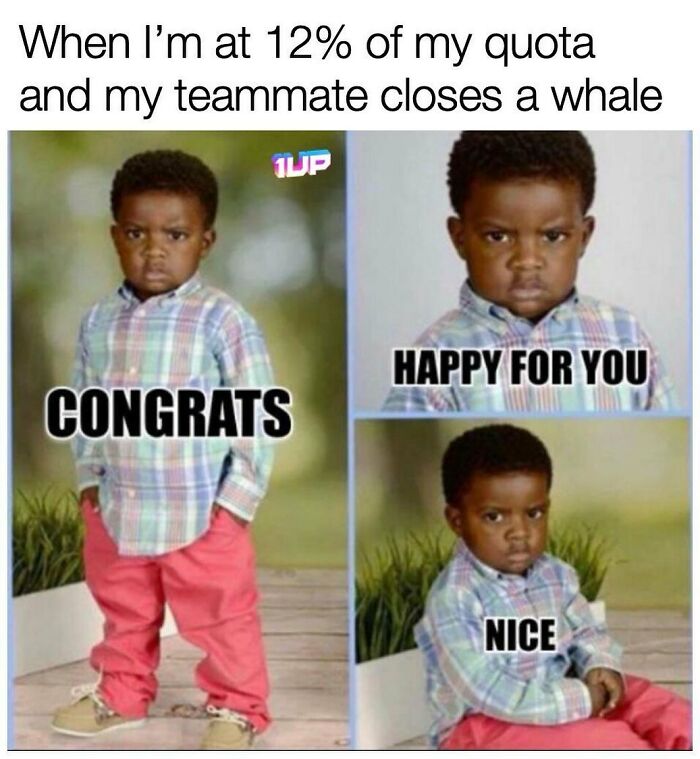
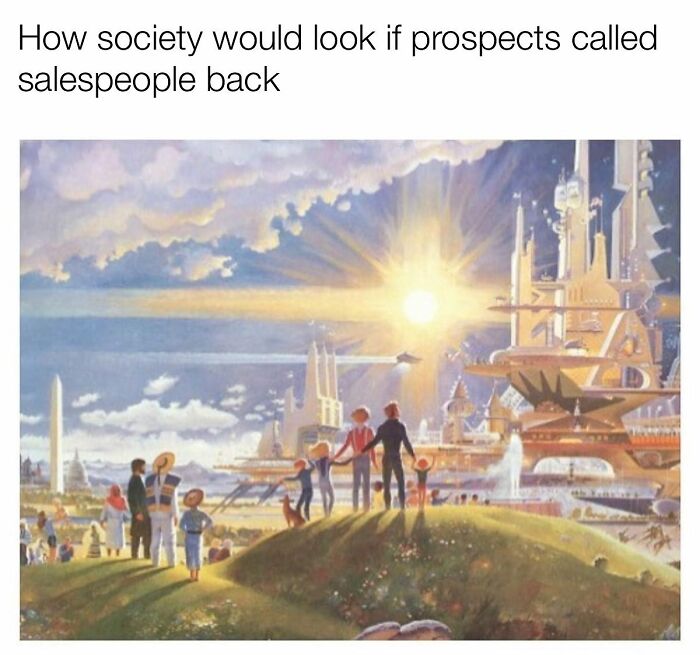
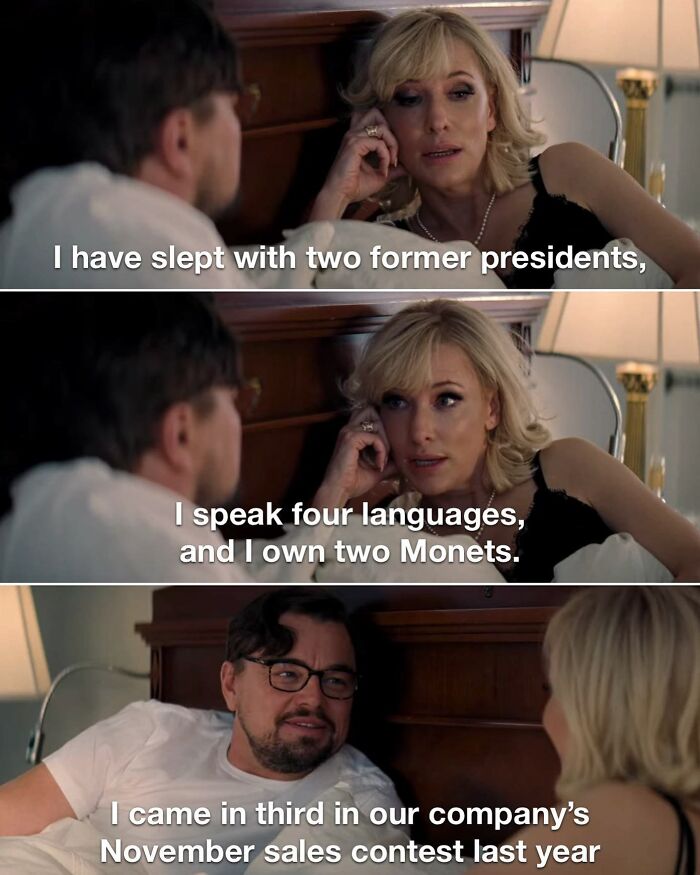
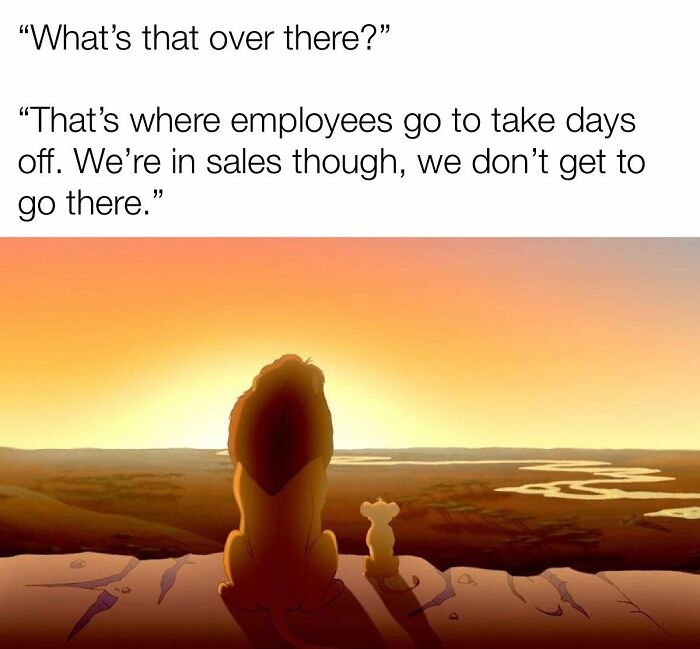
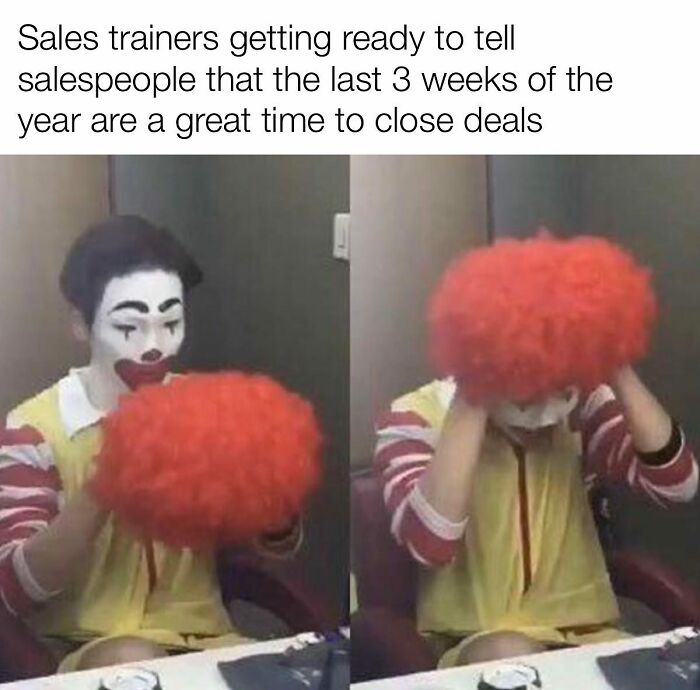
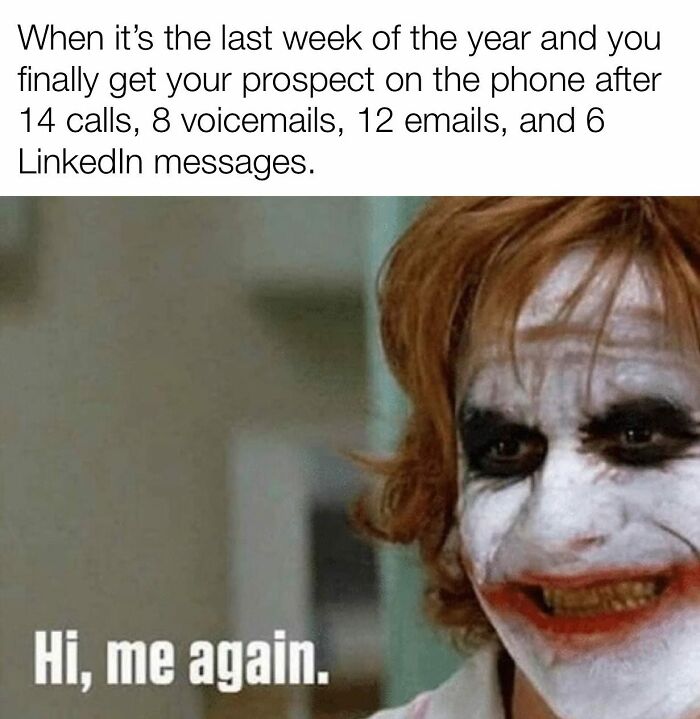
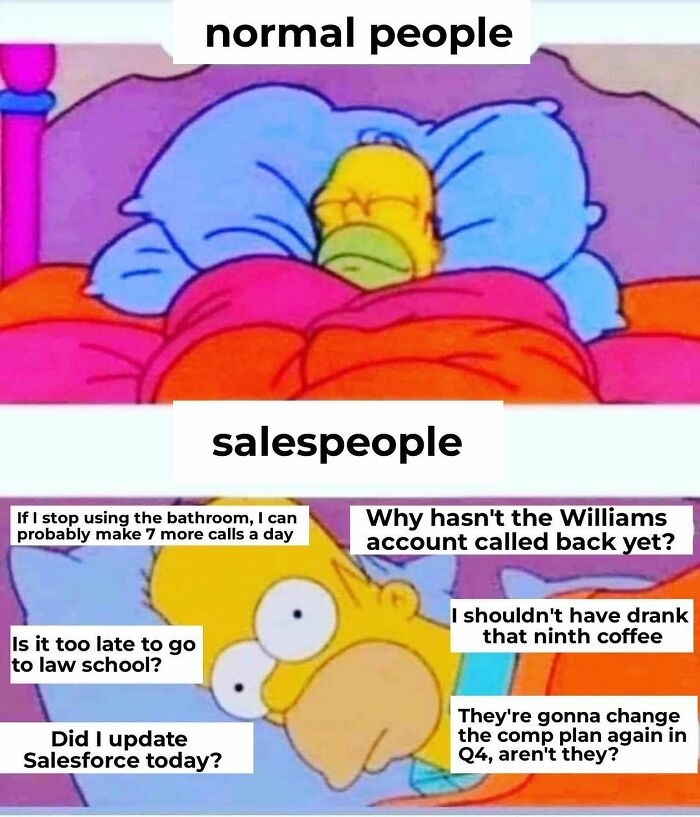
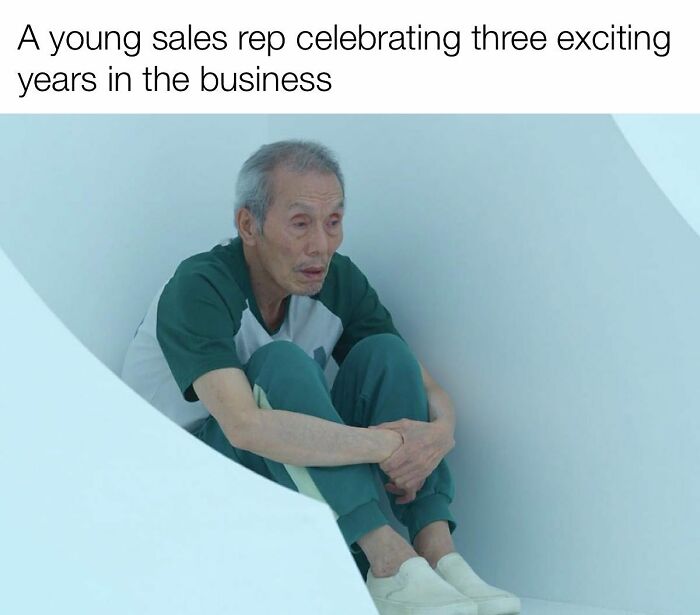
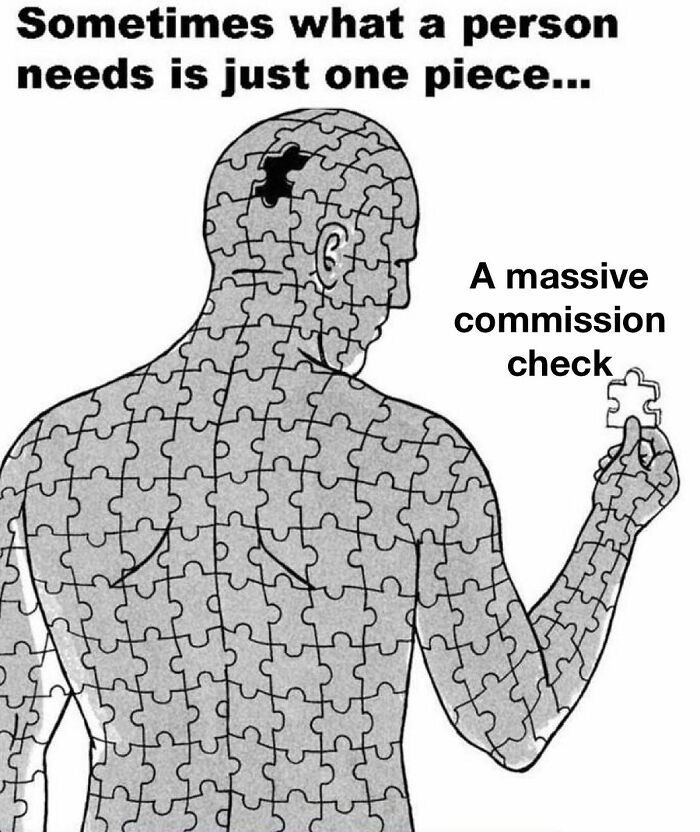
To express those plights in a lighthearted, relatable way, here are memes and posts from the Sales Humor Instagram page. If you’re in this line of work, these should resonate with you.
This post may include affiliate links.
So, how spot-on are these memes? According to Monica Panait, CMO of website-building platform Brizy, they are quite accurate. As she tells Bored Panda, working in sales can be emotionally demanding because you’re constantly putting yourself out there and hearing “no” more often than “yes.”
“Behind every joke about getting ghosted after five follow-ups or missing quota by a tiny margin is a real experience that salespeople deal with every day,” she said.
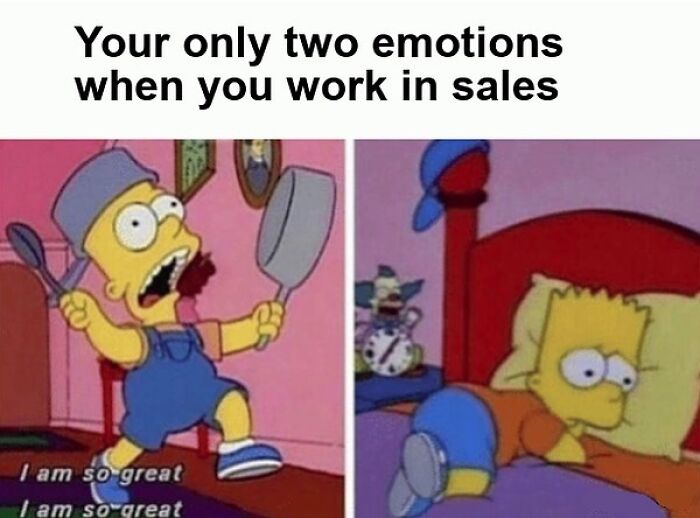
Kris Yankov, co-founder and growth marketer of Above Apex, says humorous sales memes reveal how the job can be an emotional rollercoaster. As he explained, they capture how starting a week can feel great because a big deal is closed, only to lose it by Friday.
“Humor helps people deal with that reality. When someone laughs at a meme about getting rejected after six follow-ups, it's because they've lived it themselves,” Yankov said, noting that memes create a sense of connection that reminds sales professionals that the challenges are normal, not personal failures.

Top - how you hope the Boss fight ends. Bottom - how it really ends.
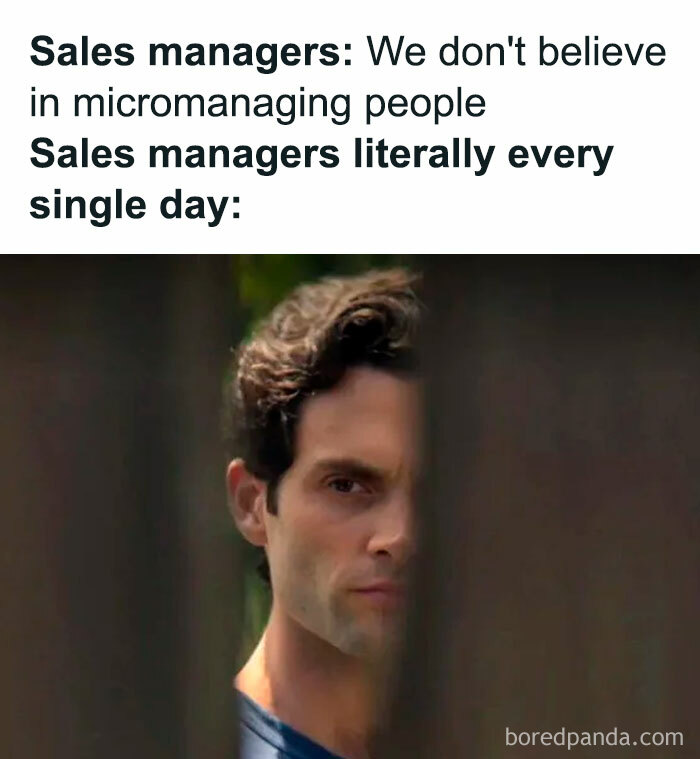
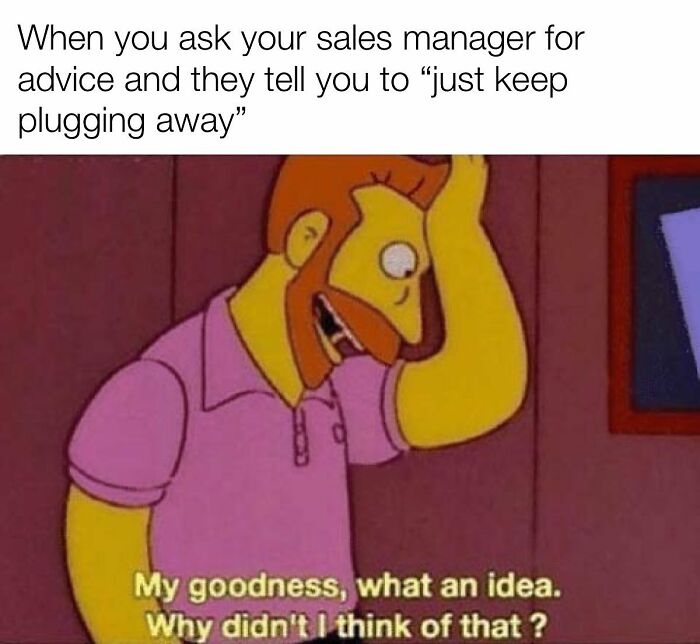
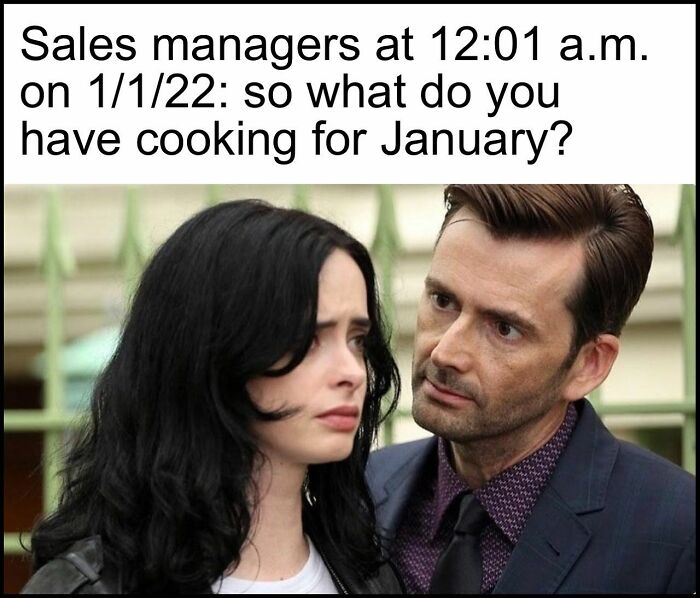
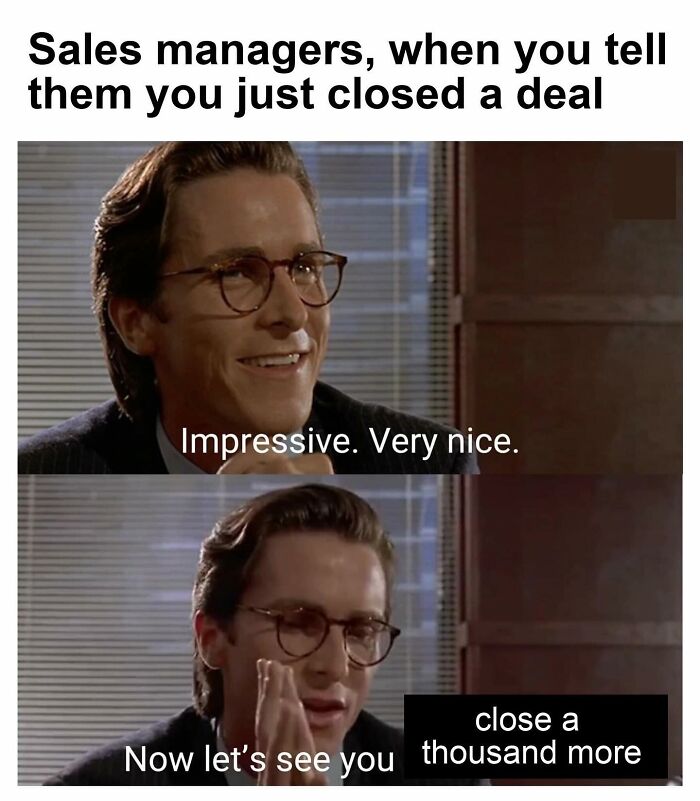
Many of these memes poke fun at the harsh realities of being in sales, such as unrealistic targets and expectations from managers. From an organizational perspective, it helps when co-owners can distinguish between high-performance expectations and workplace practices that harm morale and productivity.
According to Yankov, the problems begin when targets are disconnected from reality, or when managers focus more on monitoring productivity than helping people to improve.
“Great sales organizations challenge people, but they also invest in training, coaching, and removing obstacles. If employees feel trusted and supported, they'll often push themselves harder than any manager can,” Yankov said.
Meanwhile, Panait says high-performing sales teams need both trust and accountability. And when talented salespeople become disengaged, stressed, or spend more time updating dashboards, that’s when the system may need adjustment.
“Sustainable performance comes from empowering people, not constantly monitoring them,” she said.
So how can managers reduce burnout? Panait recommends focusing on controllable actions rather than obsessing over outcomes.
“Burnout prevention starts with creating an environment where people can learn from losses rather than fear them,” she said, stating that regular coaching, having realistic goals, and recognition for progress can have a huge impact on motivation.
Yankov shared a similar sentiment, but also emphasized the importance of managers recognizing that sales is a long game.
“The healthiest sales teams I've worked with were the ones where people felt challenged but not constantly stressed. When people have the right support system, they tend to perform better and stay in the profession much longer,” he said.































 No fees, cancel anytime