Get Premium
Dark mode theme is available exclusively for premium users. Learn more about the benefits of subscribing.
No fees, cancel anytime.

 Dark Mode Ad-Free Browsing Unlimited Content

 Ad-Free Browsing Unlimited Content Dark Mode
Join 1.2 million Panda readers who get the best art, memes, and fun stories every week!
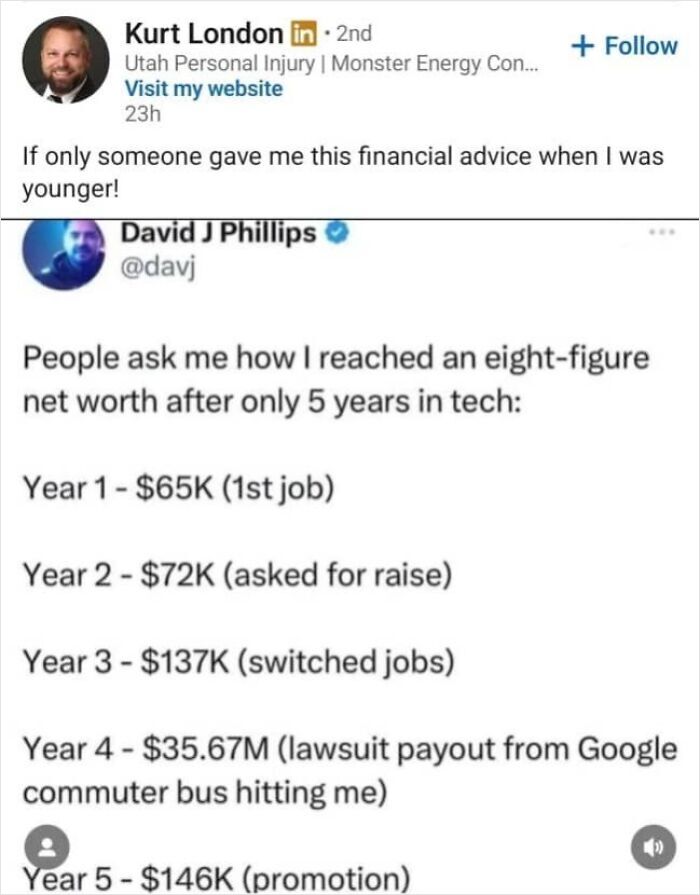
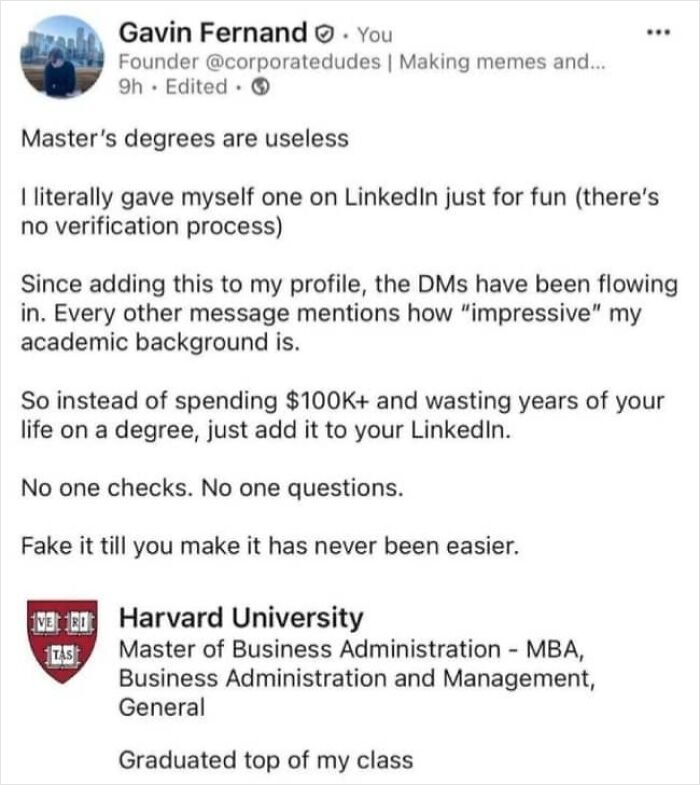
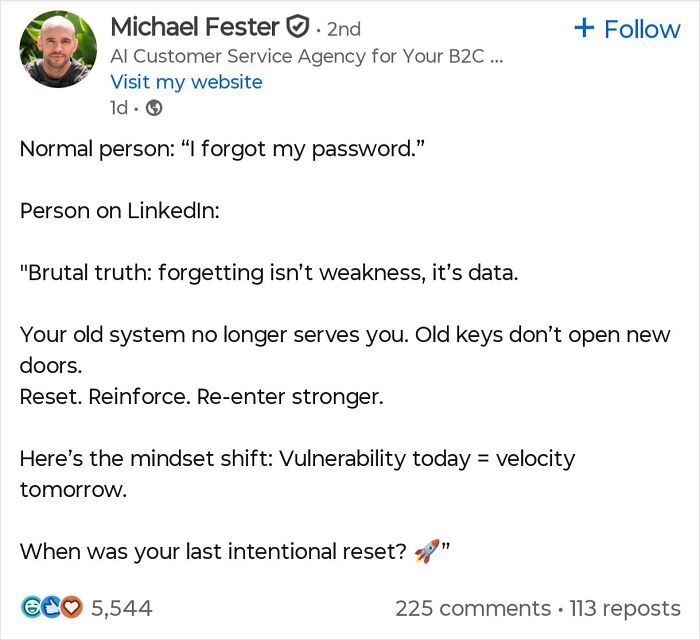
In the old days, people had to put on a professional front at work or around their boss, but social media has completely changed that. Now, with platforms like LinkedIn, folks feel the need to constantly project a version of themselves that, frankly, seems unhinged after a point.
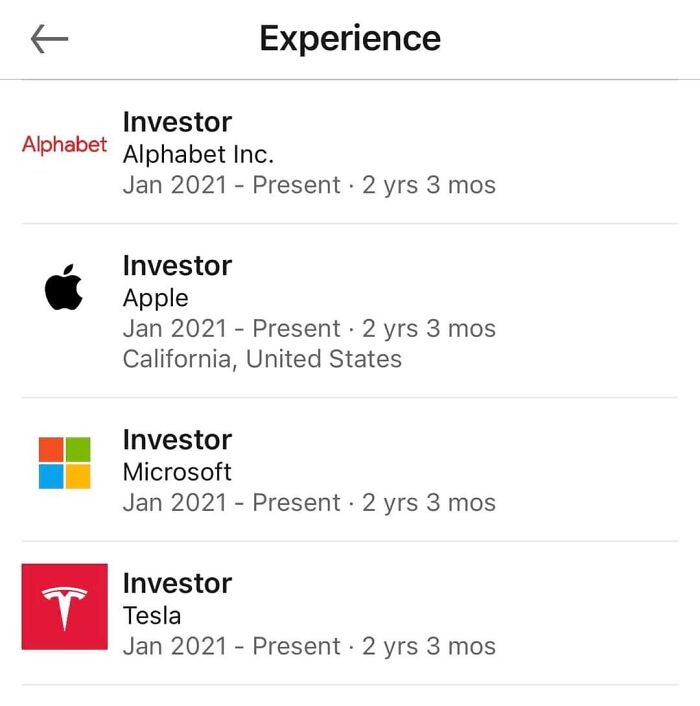
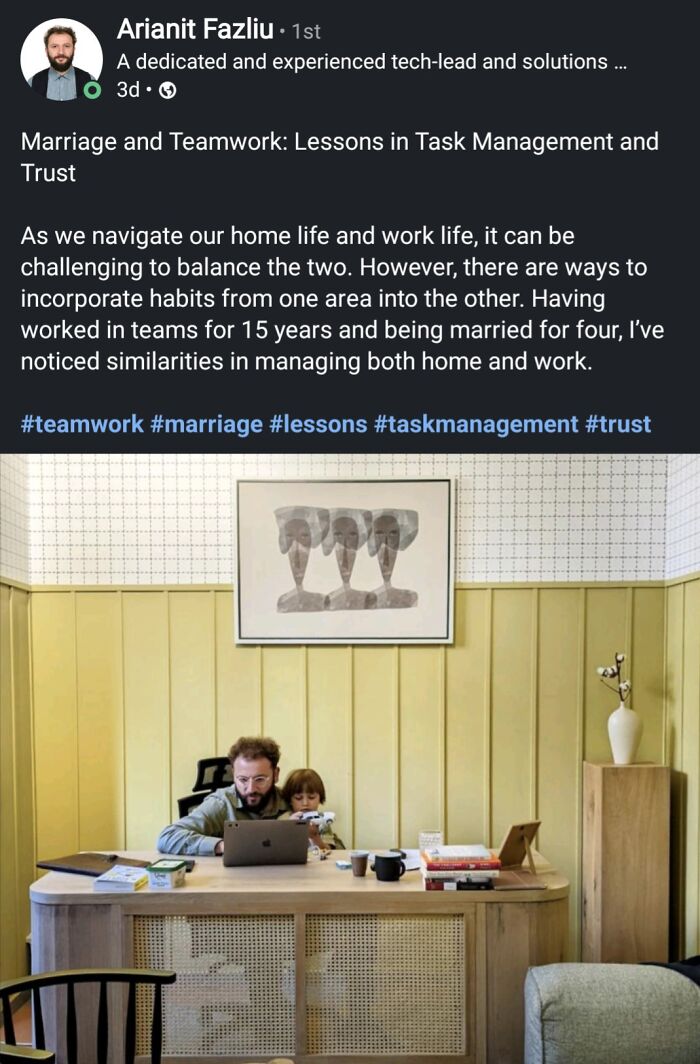
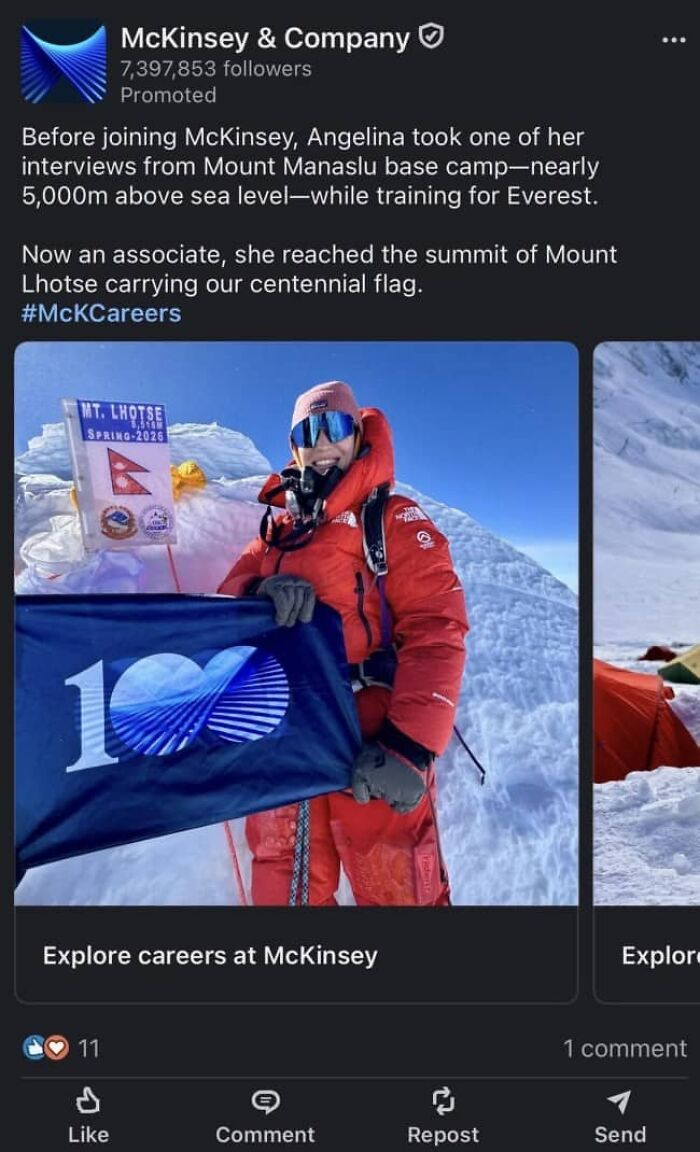
To give you a glimpse into the weird and crazy posts of people on this business platform, we’ve put together a list of their most bizarre posts. Hopefully you can survive the cringe fest ahead, and once you feel ready to handle it, scroll on.
This post may include affiliate links.

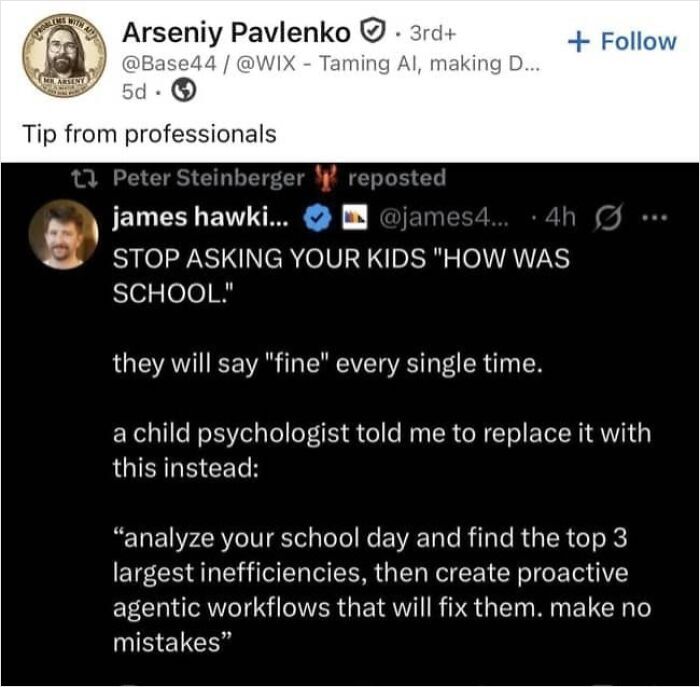
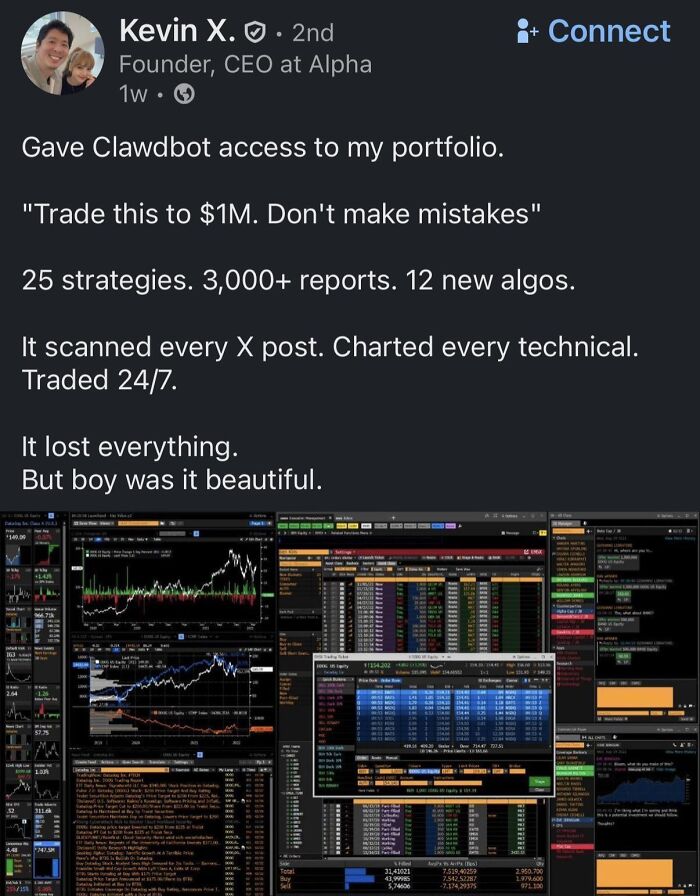
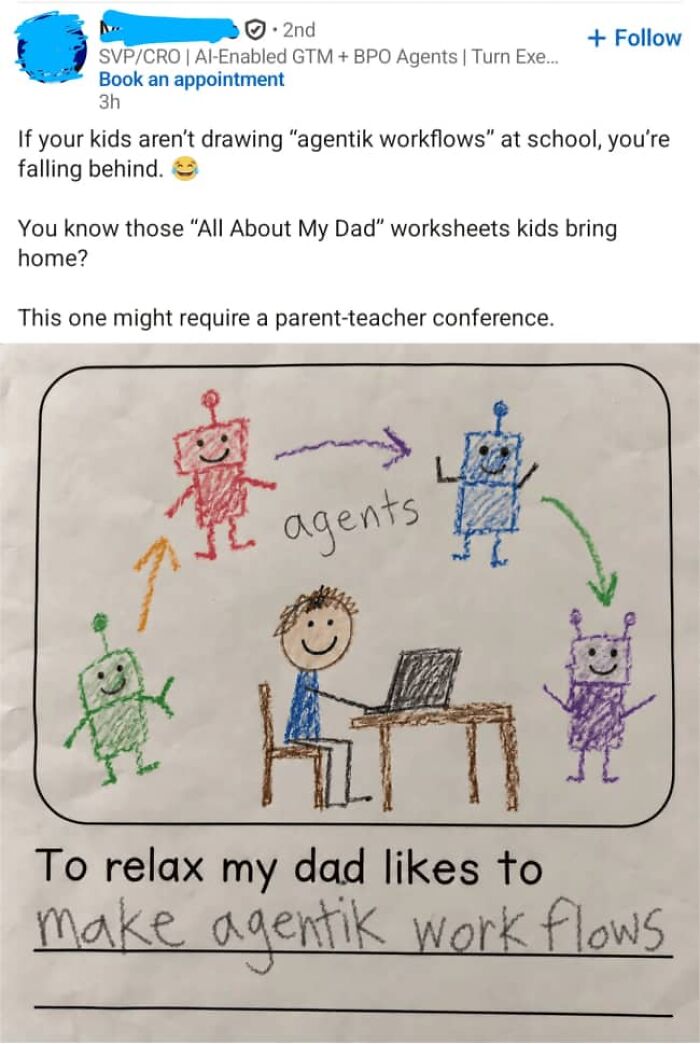
"I got too much homework. I shall fix that by telling my teachers to analyze their lesson plans by finding the top 3 largest inefficiencies, and tell them to create a proactive agentic workflow that will fix their need to assign us catch up homework. They shall make no more mistakes". .... "Well, I got detention and extra homework, now."
LinkedIn is a great platform for building a strong professional network, and Hootsuite research shows it has nearly 1.3 billion members across 200 countries. Currently, most of the audience posting there is younger, mostly aged 25-34, but it also includes C-level executives and senior-level influencers.
What’s cool about this platform is that it launched on May 5th, 2003, and Reid Hoffman originally founded it after building the first version in his living room. Later, in 2016, Microsoft acquired LinkedIn, and it now earns revenue from membership subscriptions, advertising sales, and recruitment services.
Even though people use LinkedIn mostly as a professional platform, research has found that its users are more satisfied than typical social media users. In fact, customer satisfaction scores were 77 on this business platform, compared to the average score of 74 from Instagram, Reddit, X, Facebook, and other apps.
Most users are concentrated in the United States (256M+), followed by India (179M+), then Brazil (100M+). Most users on the platform are men, while 43.2% are women, but this gender difference doesn’t seem to affect engagement for content creators much.

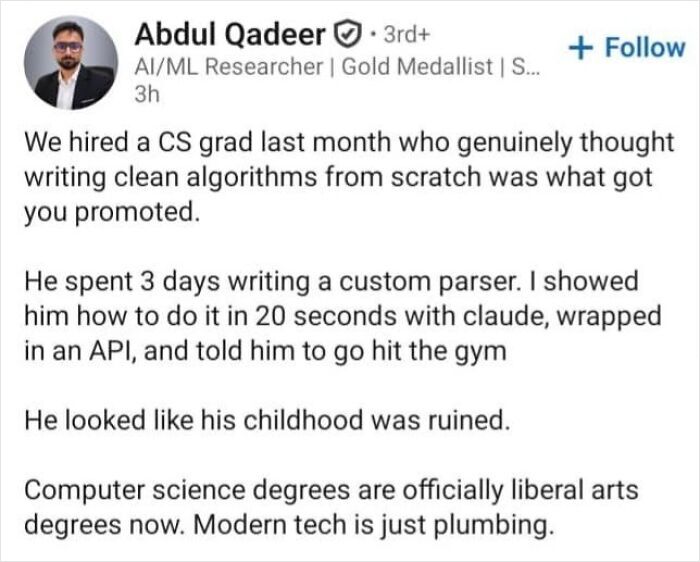
And like a building plumbed by idiots who learned from a cereal box, you’re about to be drowning in s***.
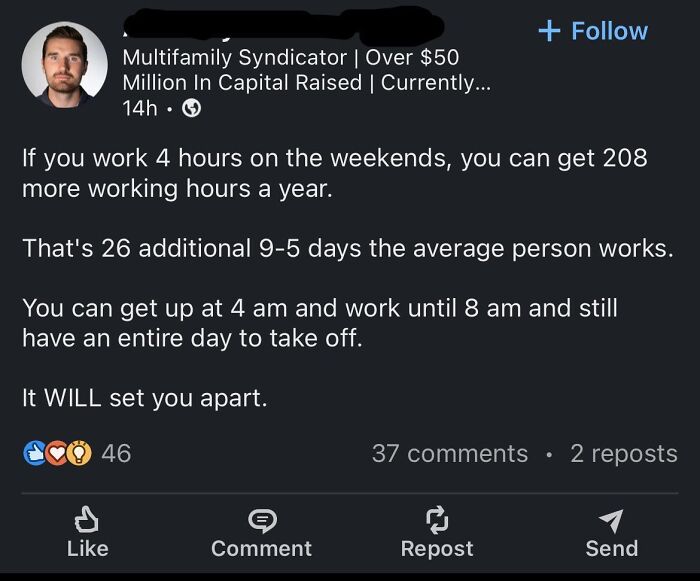
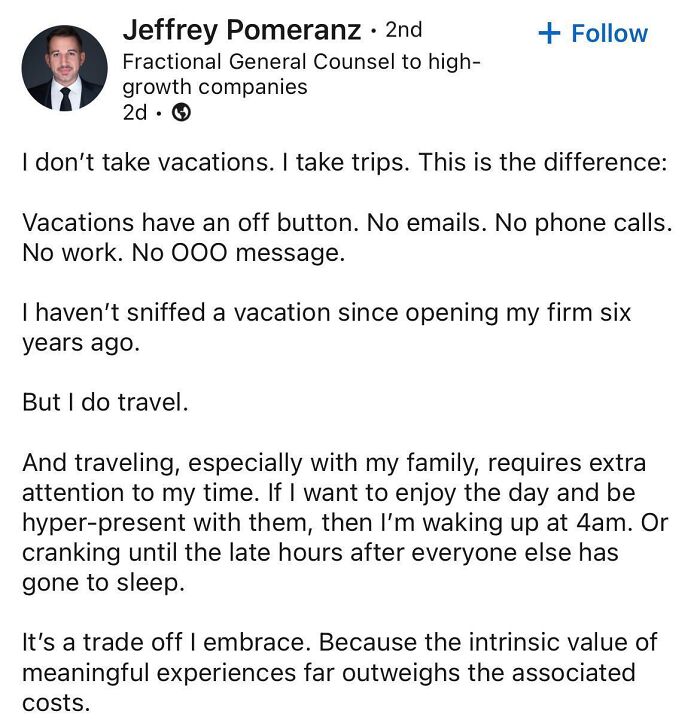
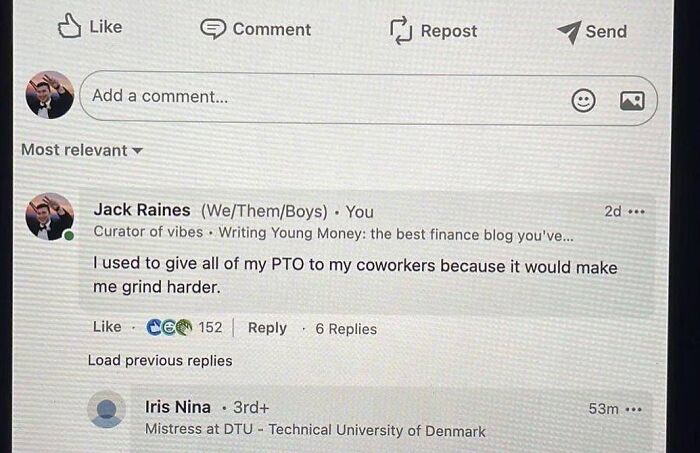
One thing that seems to set LinkedIn users apart from other social media posters is how heavily they subscribe to hustle culture and glorify the grind. According to New University, the idea behind this system is that folks should always strive for higher achievements like more income or a prestigious job title.
Following this belief can help someone become successful, but it can also have side effects, like making people feel pressured or stressed. LinkedIn users definitely seem to prioritize this productivity and hustle-culture mindset, since every second post seems to glorify the concept with stories and advice.
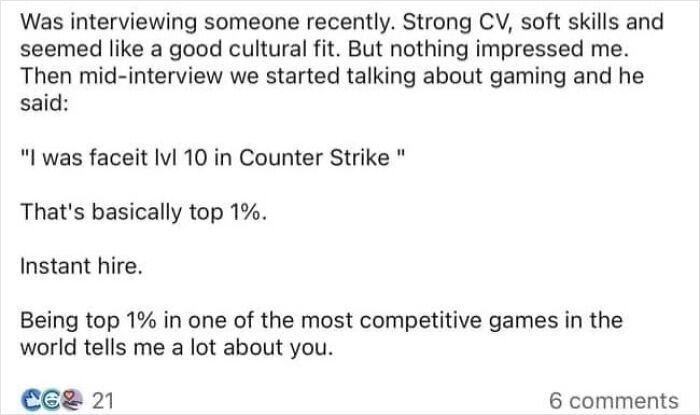
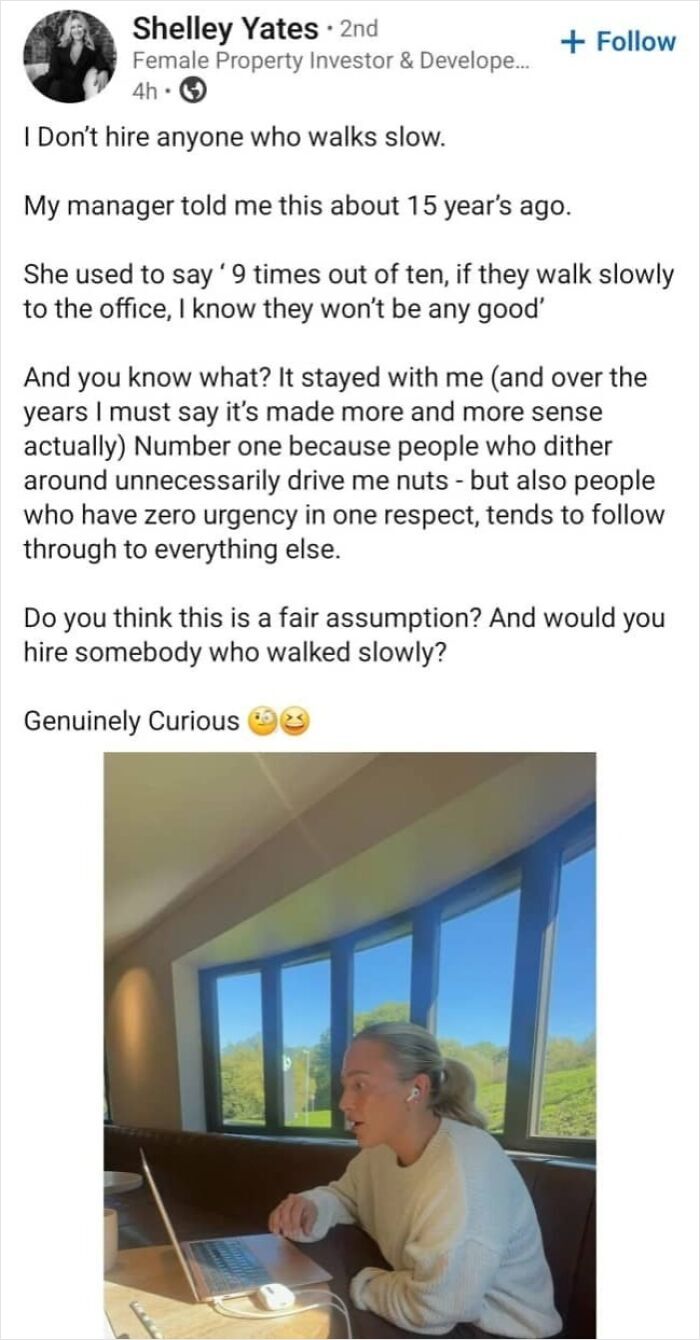
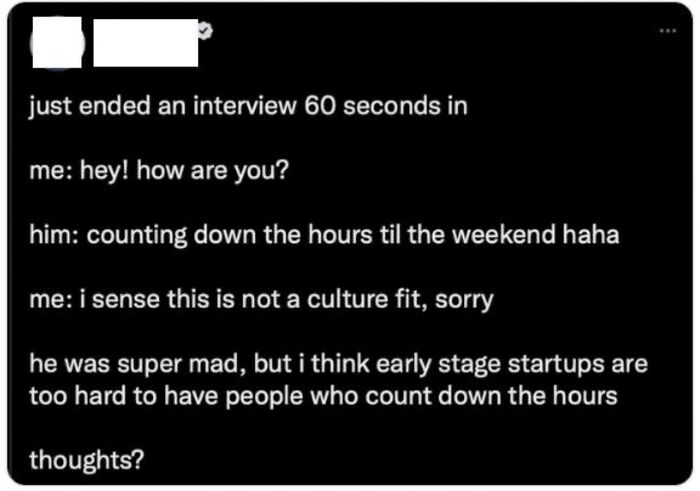
Yes, there undoubtedly are many jobs where insane reflexes, hand eye coordination, and a certain obsessive mindset (you NEED to stay singularily focused for a long time, both on each event as well as over the years) can be helpful. I'm not sure it necessarily outweights a good fit, CV, and soft skills outside of its use in clicking with the interviewer. Tells me a lot about you as an interviewer that you find this more relevant than all the other factors, which would connect the interviewee with the company and future coworkers. 🤔

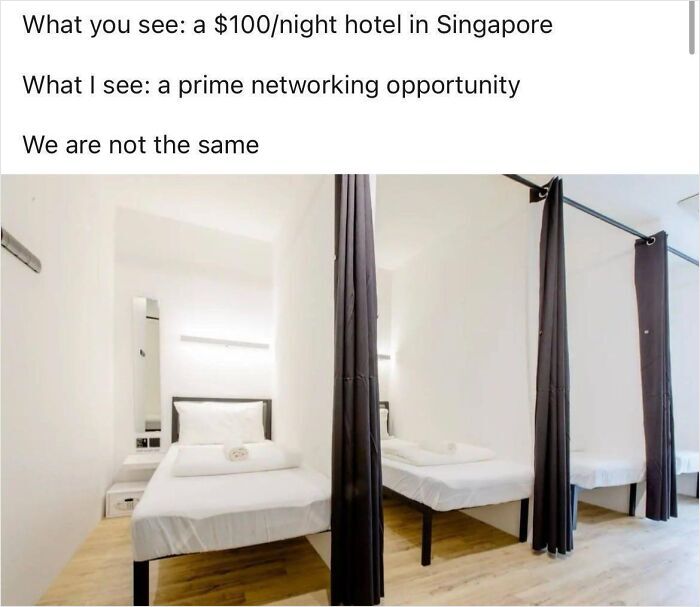
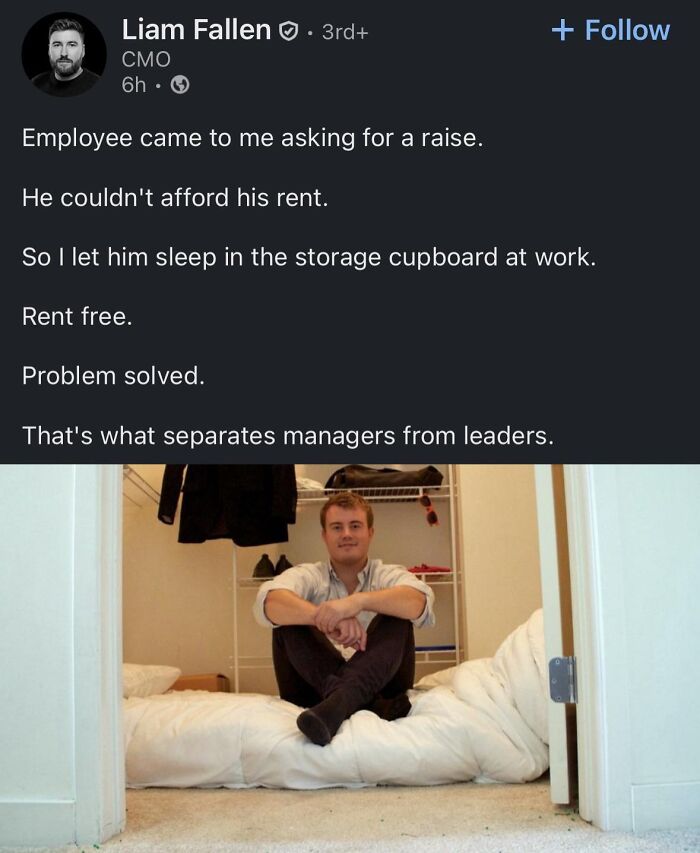
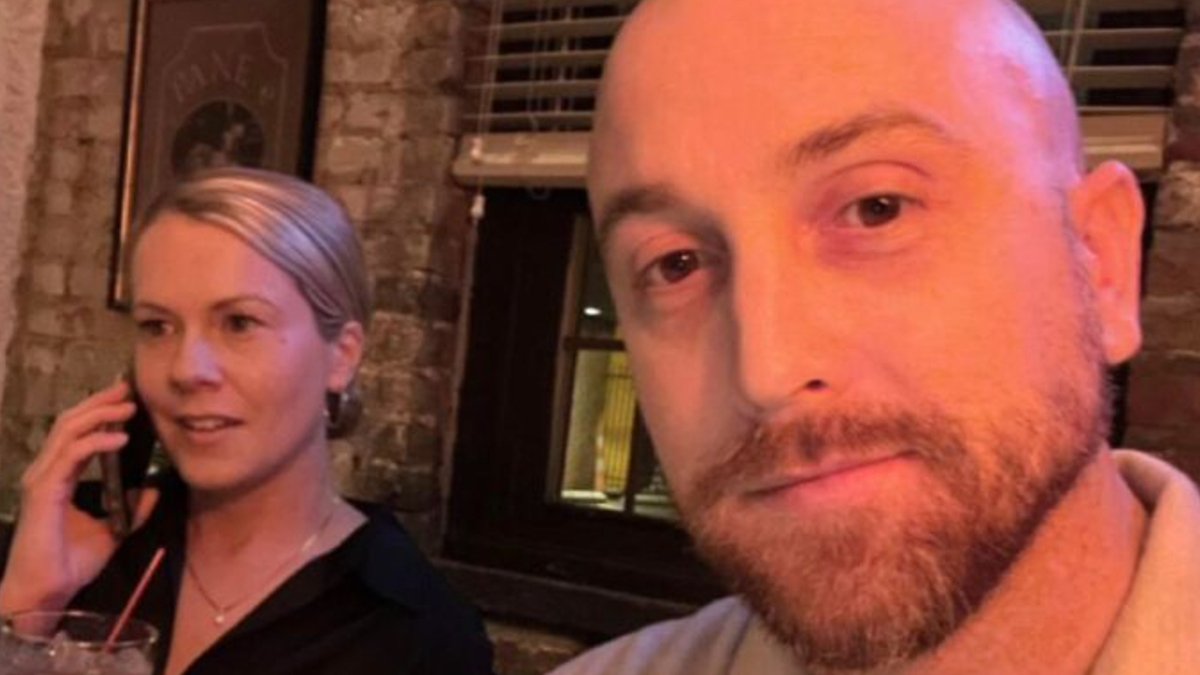
Networking with randoms who can't afford a decent hotel? Must be priceless contacts OP gathered there.
You might have noticed from this list of crazy LinkedIn posts that people seem obsessed with self-branding. That’s why they keep sharing stories about their work, lives, and learnings, hoping it will help them build an audience and possibly even convert into business for their company.
The problem is that younger people might feel constant pressure to keep proving themselves online. If they can’t keep posting, it might weigh on their minds and affect their self-esteem and self-worth. Unfortunately, this might also get in the way of forming meaningful connections with peers doing similar things, as they might focus more on building strong professional analytics.

#11, and that's where I give up...the sad self-delusion is just to painful to witness.
Just like other social media platforms, LinkedIn also promotes the idea that folks need to show their best selves online. This system can pressure people to showcase only their wins and hide obstacles or struggles they may be facing. This idea creates competitiveness and can lead to a lot of comparison.
Constantly seeing what others are up to and trying to match them can make people feel worried and insecure about their own abilities. People who also spend more time on these social media platforms tend to experience more depression and anxiety than the average person.

I hate absolutely everything about this, except the pets. Poor (hypothetical) puss and pupper, having to live in such madness.
For people struggling to post on LinkedIn or feeling intimidated by the “thought-leaders” who keep sharing advice online, Forbes says it’s important to get started. Folks can start small by focusing on people, groups, and topics they are genuinely interested in, and sharing what they know.
Rather than following social media trends or copying someone else online, the best thing is to be yourself, as this builds trust with other users. It’s also better to talk about something you’re passionate about than to force yourself into someone else’s mould.
There’s something wonderful about posting online and having an audience to read what you’re sharing. Don’t let the platform control you with its ideas of hustle culture, self-comparison, and promotion.
Instead, folks can customize their feed and reach out to people they genuinely care about and admire. Even sharing important insights or posts once in a while can build a following, rather than relying on a complicated system designed only to attract a mindless audience.
Using LinkedIn doesn’t have to be a cringy or terrible experience; it can actually be quite fun if folks choose to post online with their friends and loved ones. It can also help them steer clear of the competitive culture and make it a more wholesome and interesting place to be.
Of course, thought leaders and CEOs might post very serious content, but you can avoid that by curating your feed and choosing not to follow them.

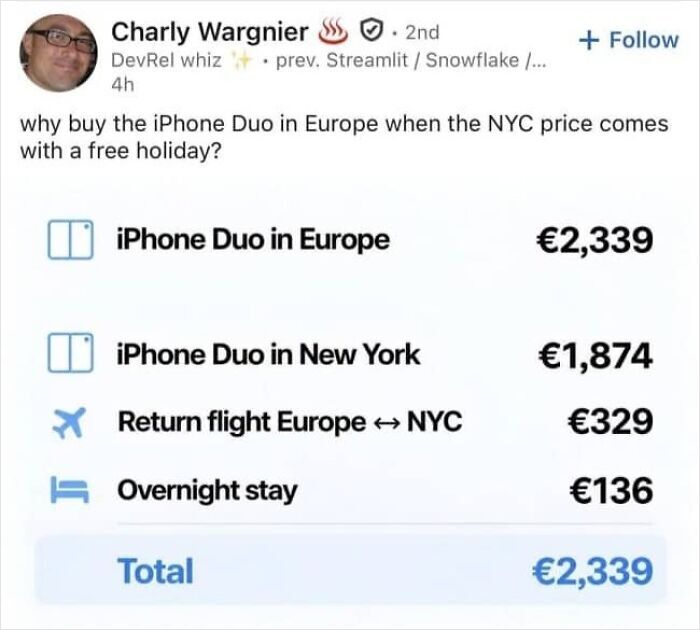
How to save money on an item you would only ever buy to demonstrate conspicuous consumption. You'd never take time to fly to New York for one: every second of your day is more valuable than diamonds, and you want to demonstrate that 465 euro just isn't worth it for someone as busy and essential as you.
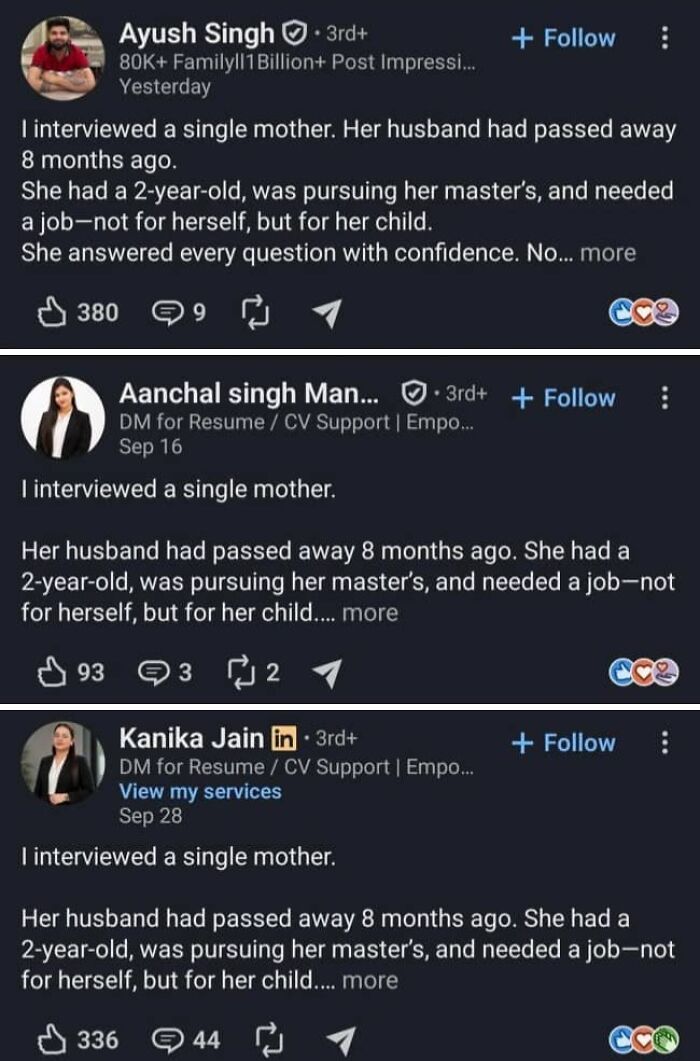
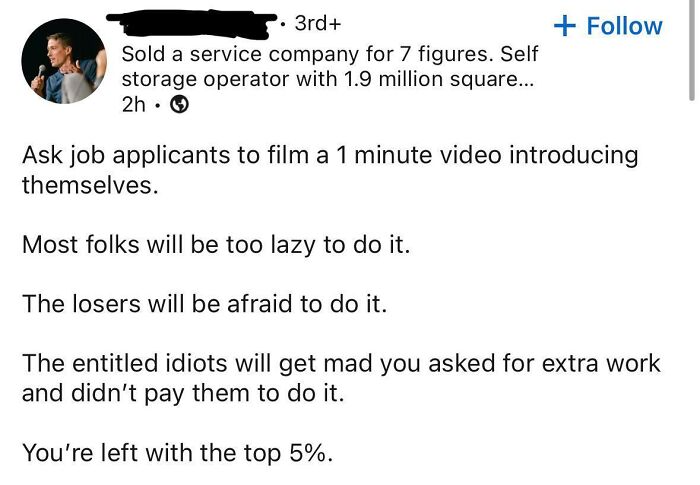
Ha, these Linkedin people don't know what they're talking about. Let me tell you, I interviewed a single mother. Her husband had passed away 8 months ago...
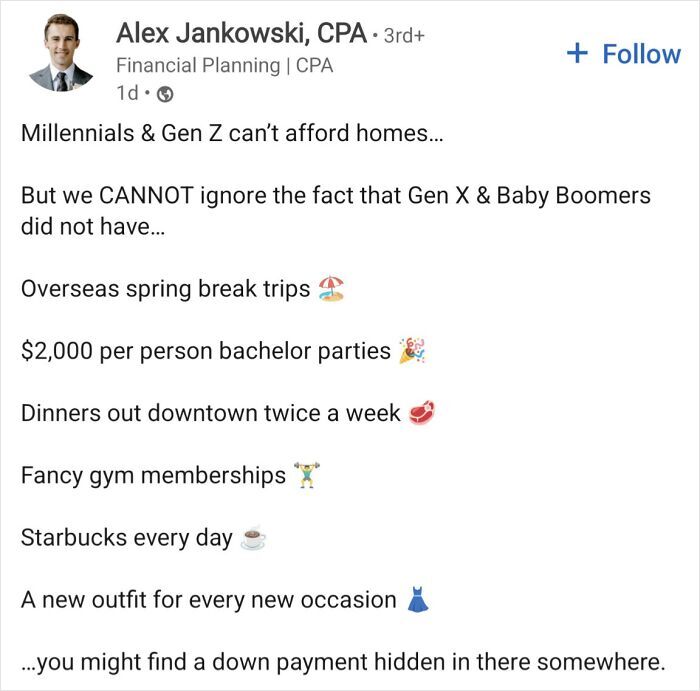
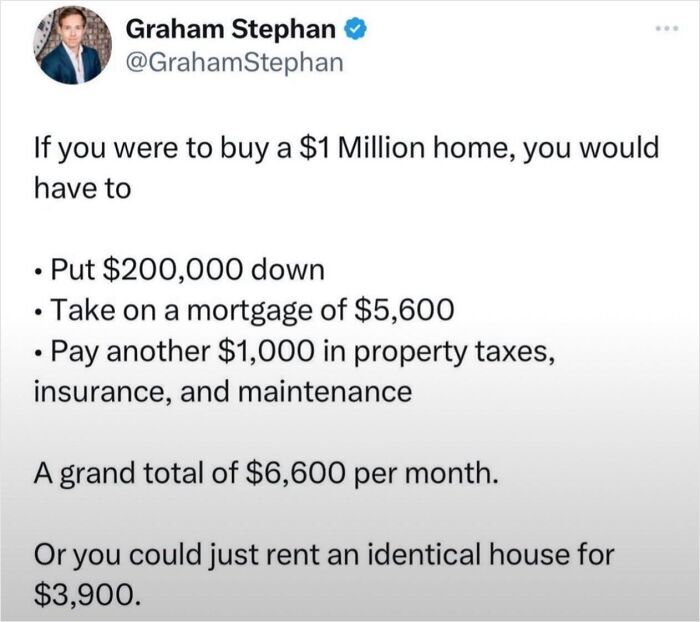
I was just ranting about this at home. A bank agent lectured me about my spending. I told her I had to pay bills, rent and food. I don't really buy much extras, unless absolutely needed. She said I could eat less. I'm low/mid income. It hit me after, and I want to go back and ask her, if she gives the same lecture to her wealthy, business owning clients, that they should cut back on their personal spending and pay more to their employees so they can actually afford a decent, well-earned life without needing to go into debt for necessities?
If you're gonna rent, you can rent a decent apartment and save for a decent, modest house and save some more for a fun, liberating retirement.
I could probably take a similar, strategically angled photo at any large snow pile made by the big snowplows in the parking lots mid winter.
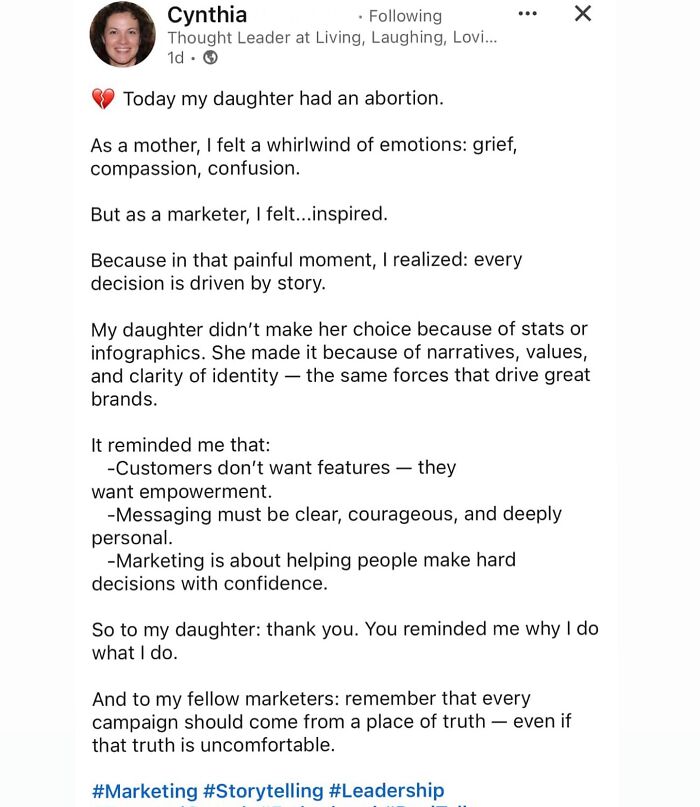
I'd love to see how she pulled off positive spin for her subsequent post, "Today my daughter went no-contact."
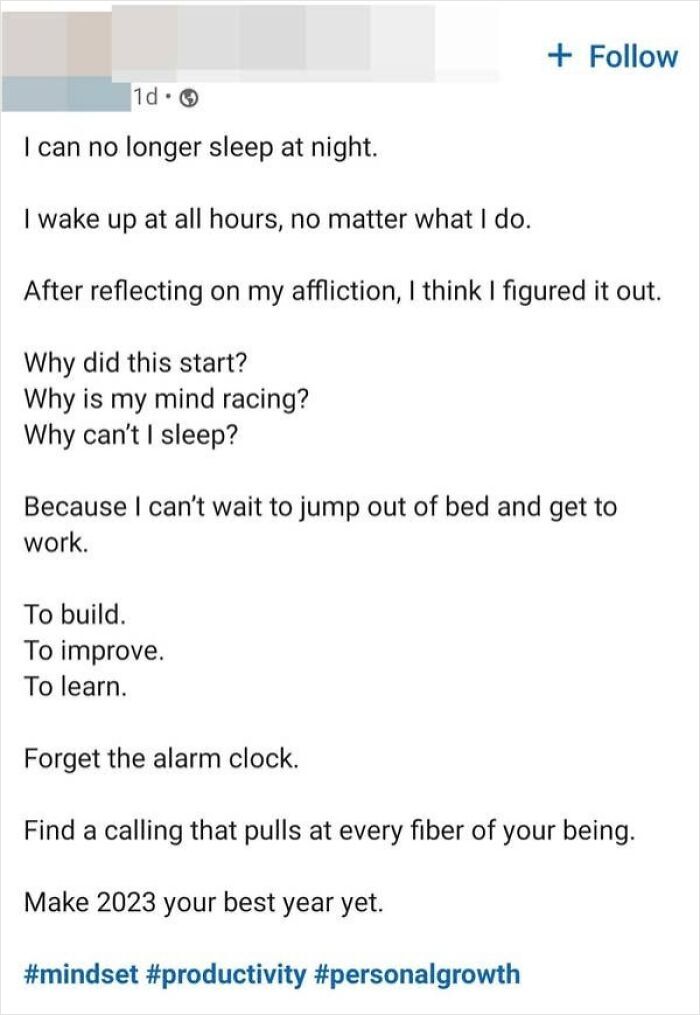
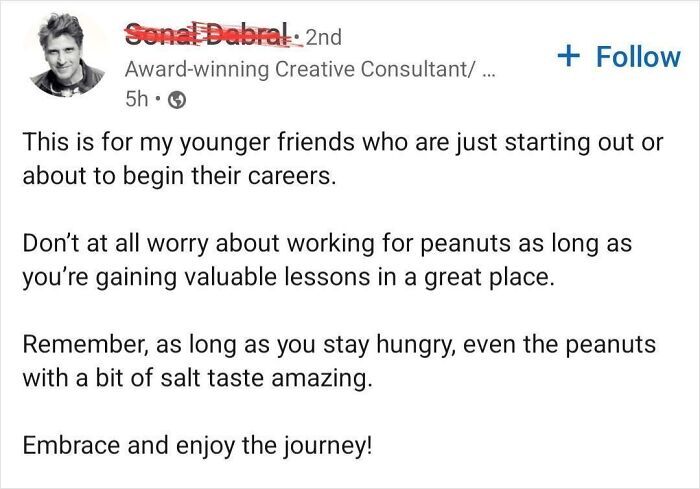
Back in my days, being so poor you can't afford a day off or a full night of sleep was considered a failure.
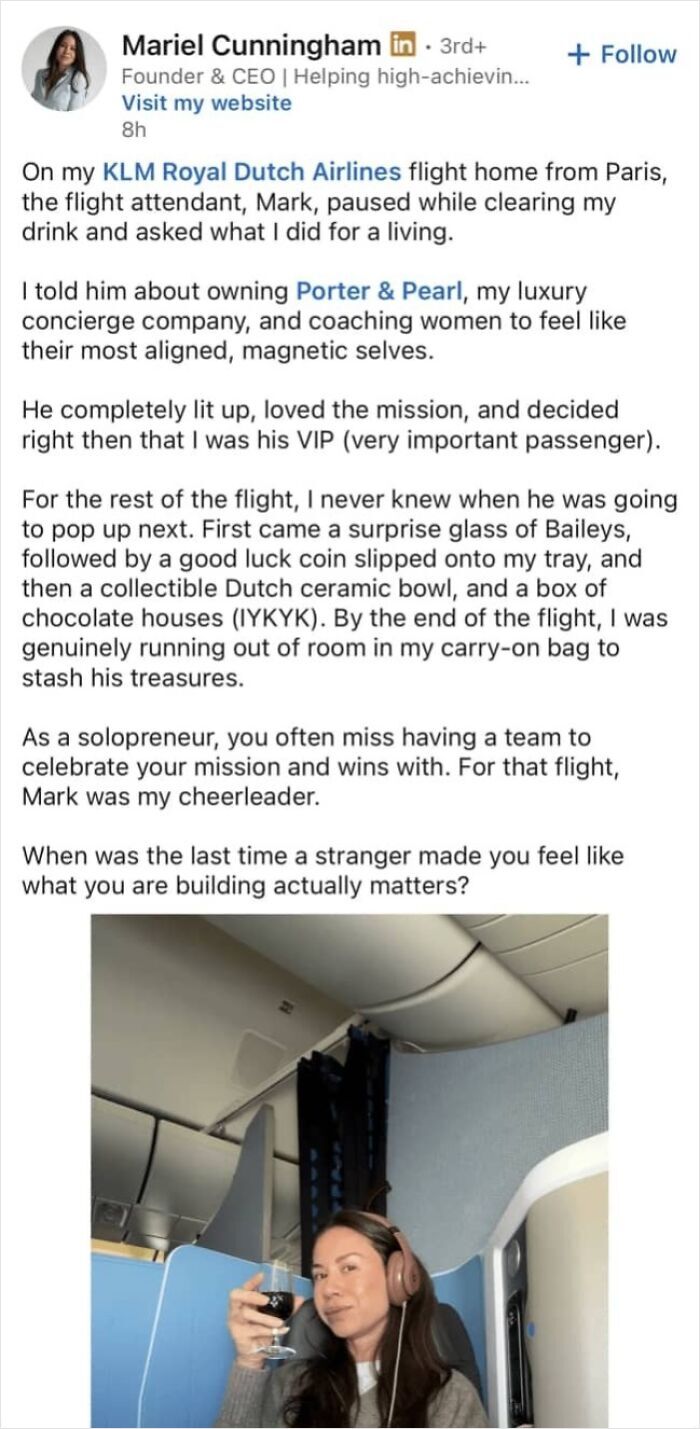
Linkedin is a social experiment to see how many people will use an app without actually knowing what it's for.

Back in my days, being so poor you can't afford a day off or a full night of sleep was considered a failure.
Linkedin is a social experiment to see how many people will use an app without actually knowing what it's for.


















 No fees, cancel anytime