Get Premium
Dark mode theme is available exclusively for premium users. Learn more about the benefits of subscribing.
No fees, cancel anytime.

 Dark Mode Ad-Free Browsing Unlimited Content
 Ad-Free Browsing Unlimited Content Dark Mode
Join 1.2 million Panda readers who get the best art, memes, and fun stories every week!

Crypto was supposed to mint a new generation of untouchable millionaires. But in recent years, it’s been starting to feel like a curse.
These crypto millionaires were busy flaunting their swanky lifestyles, luxury cars, and expensive trips online before everything took a dark and unexpected turn.
Their bodies wound up in the most bizarre locations, from sewers to suitcases, from Lamborghinis to beach shores.
Here are some of the most chilling stories of people who made a fortune through cryptocurrency and then wound up losing their lives.
Trigger warning: this article contains graphic details that may be distressing to some.
This post may include affiliate links.
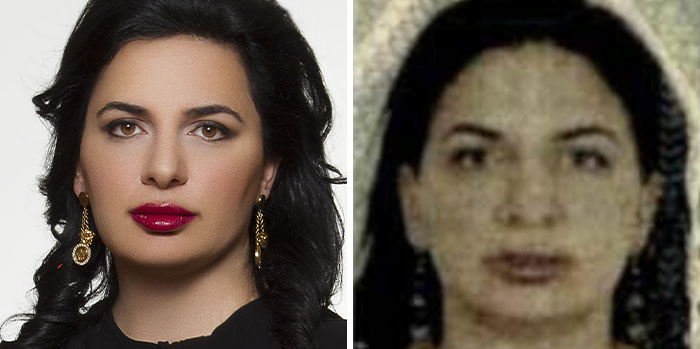
The fate of Ruja Ignatova remains one of crypto’s most chilling mysteries ever.
But is she alive, or was she silenced forever? No one knows for sure.
From when she was young, Ruja knew she wanted to be rich.
Born in Bulgaria and raised in Germany, Ruja was an Oxford University graduate and pursued a successful career in finance before turning into one of the world’s most wanted fugitives.
In 2014, she launched the cryptocurrency OneCoin and convinced millions of people worldwide to invest in it.
She called herself the “Cryptoqueen” and promised to deliver the kind of huge returns seen by early Bitcoin investors.
“In two years, nobody will speak about Bitcoin anymore,” Ruja told a cheering crowd of investors that had gathered at London’s Wembley Arena in 2016.
Sixteen months later, she hopped onto a plane in Sofia, Bulgaria, and was never seen again.
Ruja was supposed to show up at a massive gathering of European OneCoin promoters in Lisbon, Portugal, in October 2017. But on the day of the event, the always-punctual Cryptoqueen never showed up.
It is believed that at the time, she had suspicions about US officials launching a probe into OneCoin.
Two weeks after she was a no-show in Lisbon, she boarded a Ryanair flight from Sofia to Athens and went completely off the radar, before US investigators could close in on her.
“Investigators believe Ignatova may have been tipped off that she was under investigation by US and international authorities,” the FBI said following her disappearance. "She traveled from Sofia, Bulgaria, to Athens, Greece, on October 25, 2017, and has not been seen since."
Behind the scenes, OneCoin was a veil for her cleverly disguised investment fraud and didn’t have any digital record that legitimate cryptocurrencies like Bitcoin have.
The Cryptoqueen managed to scam people out of over $4 billion through her large-scale fraud scheme.
She and her partners conned unsuspecting victims out of billions of dollars, claiming that OneCoin would be the "Bitcoin k*ller," US Attorney and New York’s top prosecutor, Damian Williams, said in a 2023 statement.
“In fact, OneCoins were entirely worthless … (Their) lies were designed with one goal, to get everyday people all over the world to part with their hard-earned money,” he added.
Ruja, who orchestrated one of the largest crypto scams in history, is the only woman to land a spot on the FBI’s 10 Most Wanted Fugitives list. Giving her company on the list is a bunch of accused gang leaders and k*llers.
Over the years, there have been reports about Ruja being spotted here and there. But officials still haven’t nabbed her. Some even speculate whether she is still alive.
FBI investigators believe she may have had plastic surgery to change her facial appearance and that she might move around with armed guards.
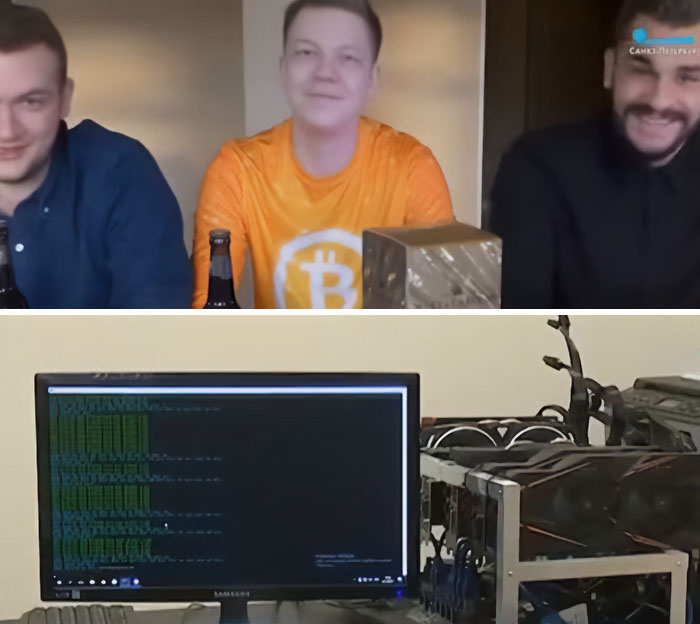
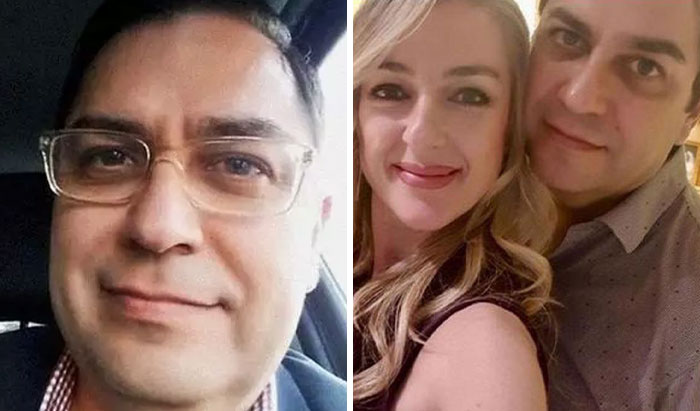
Roman Novak and his wife, Anna, believed they were meeting potential investors at a mountain resort near Dubai. But they walked straight into a dangerous trap and never made it out alive.
A convicted crypto fraudster, Roman had fled with around $500 million and was living a lavish lifestyle in Dubai with his wife.
Their timelines were filled with photos of themselves driving expensive cars, including a Rolls-Royce and a vintage British Cobra car, and flying in private jets to plush destinations.
But their troublesome past eventually caught up to them.
It was on October 2, 2025, that the couple was last seen after their driver dropped them off at a mountain resort, near a lake in the Hatta area, close to the UAE border with Oman.
Believing they were going to meet potential investors, the couple exited their car and entered another vehicle. They were then kidnapped and forcibly taken to a villa in the town of Hatta, where the abductors tried to steal their cryptocurrency.
The captors allegedly tortured the couple in front of each other in gruesome ways and forced them to provide access to their crypto wallets.
Cops said Roman frantically sent messages to his contacts at some point, claiming he was “stuck” and needed around $202 million.
When the alleged kidnappers found the crypto wallets empty, they ended the couple’s lives.
Their bodies were dismembered, and parts of them were stuffed into thick plastic bags, which were then doused in industrial solvents to speed up decomposition and erase DNA evidence.
An investigation into the couple’s disappearance began after relatives contacted authorities and said they hadn’t heard from them in a while.
Officials conducted a massive search of a 500-by-500-meter stretch of sand near the barren Hajar mountains where their phones had last pinged.
Their remains were uncovered in the desert area.
Officials believe the perpetrators also hid evidence of the crime in different areas.
“The k*llers had accomplices who helped organise the abduction,” said Svetlana Petrenko of the Russian Investigative Committee. “They rented cars and premises where the two victims were held by force.”
“After the m*rder, the perpetrators disposed of the knives and the victims’ personal belongings, leaving them in different emirates,” she added.
Roman had a notorious past in the Russian crypto scene and was convicted and sentenced to six years in prison in 2020 for a large-scale fraud case.
After being granted parole, he moved to the UAE in 2023 and continued seeking investors for different ventures.
He raised around $500 million from prominent Chinese, Russian, and Middle Eastern investors, presenting himself as the founder of a crypto payment platform called Fintopio.
But after hoarding the investment money, the husband and father allegedly fled with the cash.
The couple left behind two children.
Three Russian citizens, former police officer Konstantin Shakht, Yury Sharypov, and Vladimir Dalekin, were identified as suspects in the case.
They traveled from the UAE to St Petersburg following the alleged crimes and were arrested for the couple’s passing.
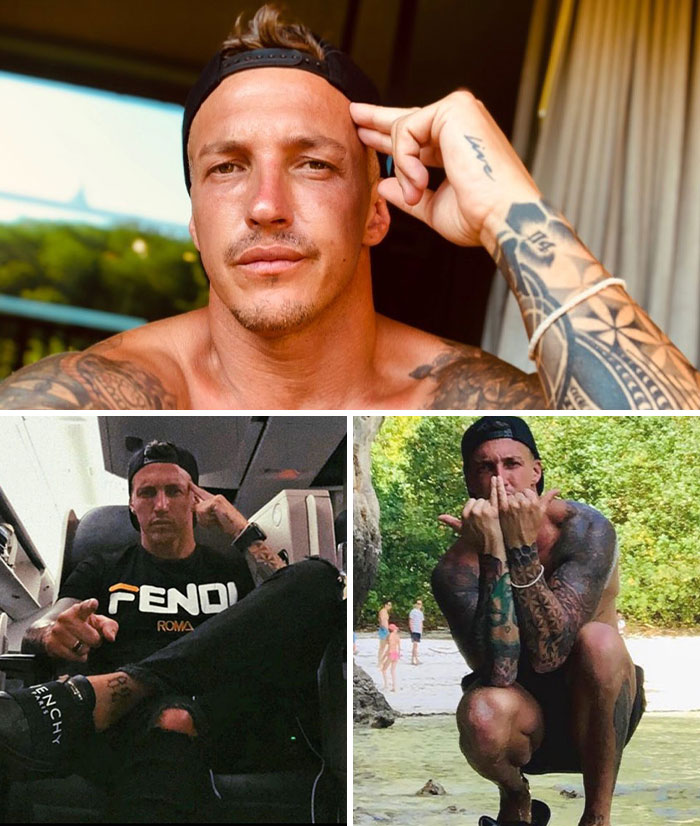
Just hours after the crypto market took a brutal hit, a well-known Ukrainian investor was found lifeless inside a luxury car.
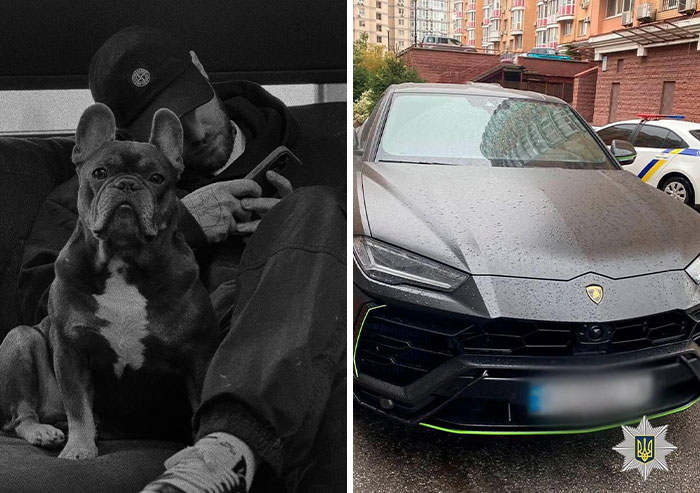
Konstantin Galish had sent a farewell note to his loved ones shortly before his body was found in a Lamborghini Urus in Kyiv, Ukraine, with a firearm wound in October 2025.
Also known as Kostya Kudo, Konstantin’s passing coincided with a major crypto market crash, which saw the prices of Bitcoin, Ethereum and most other cryptocurrencies drastically drop.
The Ukrainian crypto investor and blogger gained popularity by running the platform Cryptology Key and founding the Cryptology Key Trading Academy.
Cryptology Key’s YouTube channel had more than 97,000 subscribers, and thousands were following its Instagram page.
Over time, Konstantin’s wallet fattened, allowing him to buy luxury cars, including a 2012 Mercedes-Benz 220 CDI, a 2020 Lamborghini Urus, and a 2023 Ferrari 296 GTB.
He also reportedly donated millions to support his country’s military efforts and humanitarian aid after Russia launched a full-scale invasion of Ukraine in 2022.
However, Konstantin reportedly wrote about his financial struggles in his last message to his loved ones.
He reportedly lost at least $30 million from investors who put their trust in him to manage their funds.
When Trump announced a 100% tariff on goods from China and new software export controls, it triggered a historic market crash that coincided with the discovery of Konstantin’s passing.
The investor’s body was found in his Lamborghini with a self-inflicted firearm wound to his head. A weapon that was registered under his name was found beside him in the luxury car.
No foul play was suspected in his passing.
“Bro really took his own life over a 10% drop?” one commenter asked online.
Another wrote, “Money is not worth losing your soul.”
“Bro coulda sold his lambo but nah,” said another.
Danilo Kuzmin was living and studying in Vienna when his family suddenly stopped hearing from him.
His case began as a missing person report, but quickly became one of the most disturbing crypto-linked crimes Austria had ever seen.
It is believed the Ukrainian student and son of Kharkiv deputy mayor Sergey Kuzmin was burned in his father’s Mercedes. Perpetrators allegedly tortured him to extort a large amount of money he held in cryptocurrency.
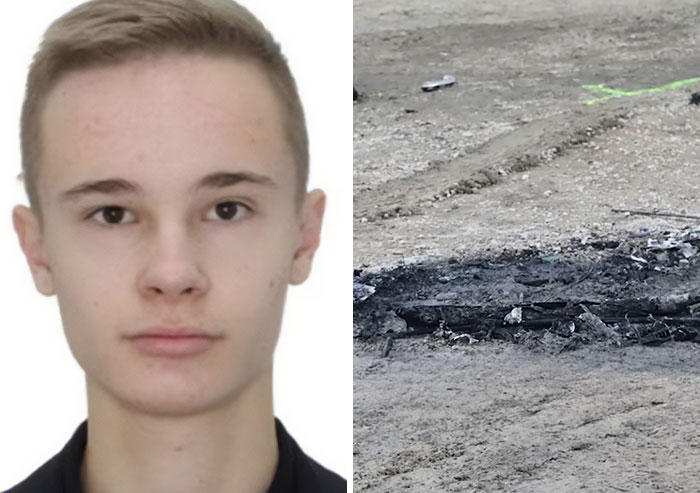
In December, 2025, Danilo’s charred remains were found in the backseat of the torched black Mercedes in Vienna’s Donaustadt district.
The autopsy findings made the case even more horrifying, as investigators reported signs of massive blunt-force trauma. Meanwhile, local news outlets said the injuries suggested he may have lost his life even before the car was set on fire. Other reports cited suffocation or heat shock as possible causes of de*th.
As the investigation continued, police discovered that Danilo was lured to a meeting in the underground garage of the luxury Sofitel hotel. He was allegedly beaten, forced into the car, and then driven to the location where the torched car was later found.
Investigators found a melted fuel canister in the backseat of the car, suggesting the vehicle had been deliberately set on fire.
Two Ukrainian men were arrested under international warrants. One of the suspects was not a stranger but a 19-year-old Ukrainian student who attended the same university as the victim.
Danilo had reportedly told the fellow student about his father’s crypto riches.
The information led the 19-year-old and his co-conspirators to hatch a plan to extort Danilo for his cryptocurrency. The suspects allegedly tortured him until he supplied them with access codes to his two crypto accounts.
A large amount had disappeared from Danilo’s family cryptocurrency wallets around the time of the attack, police said.
What made Danilo’s homicide so haunting was that he wasn’t k*lled as part of a Ponzi scheme or a faceless online theft. Shocked netizens pointed out that it was a betrayal of trust.
Social media users were quick to turn the tragedy into a brutal warning, with one commenter saying, “Keep your private life private. Always.”
Another said, “Never show off your richness.”

That is something that happened to a classmate of mine my Freshman year of High School. A kid came to school flashing a wad of cash, bragging he got it from his dad's safe. Two days later, he was sta.bbed multiple times with a BBQ fork by 3 Seniors looking for the money. It was actually just birthday money from his nana. He was trying to get in with the popular kids.
Gerald Cotten was 30 years old when he lost his life on his honeymoon.
That alone would have made the story tragic.
But Cotten was also the CEO of QuadrigaCX, once Canada’s biggest cryptocurrency exchange.
To thousands of customers, it was the platform where they bought, sold, and stored their digital assets. To investigators later looking into the wreckage, it became something much more sinister.
When Gerald passed away in December 2018, the money disappeared with him.
Quadriga had around 76,000 users waiting for access to their funds, which totaled roughly $163 million (C$215 million) in cash and cryptocurrency that they could not recover.
The reason sounded too strange to pass off as a coincidence. Gerald was reportedly the only person who knew the passwords to the encrypted accounts where the exchange’s funds were supposed to be stored.
There was no backup, no second person, and no emergency plan. Just one man, one set of keys, and then a sudden passing in the Indian city of Jaipur.
Gerald had traveled to India with his wife, Jennifer Robertson, in December 2018 for their honeymoon. They also had plans to visit an orphanage that they had helped fund.
Shortly after checking into a luxury hotel in Jaipur, the Canadian blockchain whiz began to feel unwell. He was taken to the hospital with symptoms that initially sounded like a severe stomach illness.
Within 24 hours, his condition deteriorated, and he collapsed.
Doctors later said he suffered cardiac arrest, with complications linked to Crohn’s disease. One doctor said the explanation was medically possible, but still unusual because of how quickly Gerald’s health had worsened.
No autopsy was performed. And this detail would matter later, because after Gerald’s passing was announced, the questions did not stop.
Why had the company waited weeks before telling users and investors he was gone? Why did he make a will leaving all his assets to his bride just days before leaving for the honeymoon? Why was his name reportedly misspelled on the de*th certificate? And how can the founder of a major crypto exchange be the only person with access to customer funds?
For Quadriga users, grief was not the main emotion. It was panic, followed by outrage.
Investigators found that Gerald had allegedly been moving customer money into personal accounts and using the exchange like a personal cash machine. His widow, Jennifer, told CBC that she knew nothing about the fraud, saying she had trusted him.
“I saw Gerry d*e, I was holding his hand when he passed away,” Jennifer said.
But many customers were not convinced.
Some believe Gerald faked his own passing and vanished with the money. The theory grew so large that lawyers representing affected users asked Canadian authorities to exhume his body to confirm both his identity and cause of passing.
The Internet, naturally, did not need an invitation.
Redditors and crypto sleuths began digging through blockchain records, company documents, old business ties, travel details, and anything else that might explain where the money had vanished.
One person joked that Gerald was probably “enjoying life on his private yacht.” Another Reddit user twisted the industry’s own warning into a bitter punchline: “Not your keys, it’s his crypto.”
Gerald’s case became one of crypto’s most infamous cautionary tales not because it involved a violent crime, but because it exposed something colder.
In traditional finance, losing a CEO does not usually mean losing everyone’s money. In crypto, it apparently could.
For thousands of Quadriga customers, that lesson arrived too late.
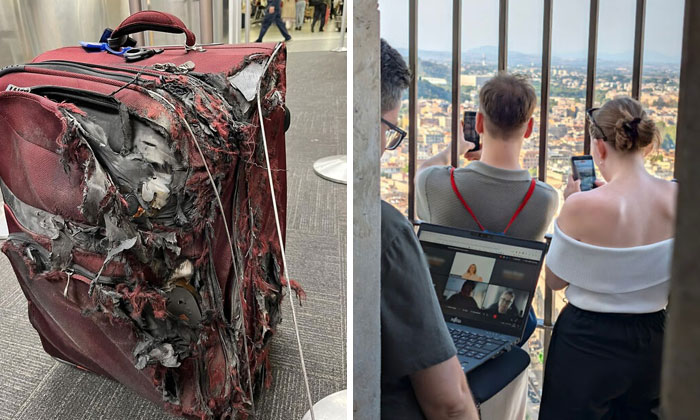
A group of children stumbled upon a red suitcase while playing near a stream in Buenos Aires, Argentina.
The discovery quickly led to the area being cordoned off as a crime scene, as the suitcase was found to contain the chopped-up remains of a missing crypto millionaire, Fernando Pérez Algaba.
Cops later found his head floating downstream in a rucksack.
His body was found with three firearm wounds, and his limbs were “cleanly” amputated, suggesting that an experienced criminal was behind his violent passing.
Fernando had gone missing on July 18, 2023.
He was a Barcelona resident but had rented a place in Argentina for about a week before his remains were found.
The landlord of the rented Argentina apartment said Fernando was supposed to hand back the keys on July 19 but failed to do so and didn’t answer his phone.
The deceased man had more than 900,000 followers on Instagram watching his lavish lifestyle.
The crypto millionaire made a fortune from renting high-end vehicles and selling cryptocurrency, but along the way, he developed a gambling problem that worsened during the Covid-19 pandemic.
Fernando also racked up debts with Argentina’s tax agency and ran into trouble with a notorious local gang that demanded $40,000.
Additionally, he owed $70,000 to the son of a man named Iglesias.
Investigators found that Iglesias left voice notes for Fernando, saying: “I’m going to k*ll you, I’m going to do something worse to you. I’m going to gouge out your eyes and cut off your hands so that you can’t have any more money in your life.”
“I swear on my children that I have no problem going to jail,” he added.
Another 20-minute-long voicemail featured Iglesias saying he would meet him “face to face.”
“You betrayed me, and you caught me. I have a poison with you that I hate you,” Iglesias said in another message.
Fernando’s device was also found containing messages from another man named Adrian Tesei, who seemingly had a separate issue with him.
“I’m not threatening you,” Adrian said in one message. “I’m telling you that I’m going to rip off your head. The money is mine, and you don’t play with mine.”
Fernando himself left a message on his phone, admitting he lost a lot of money on his crypto investments and seemed to be afraid of something possibly happening to him.
“If something happens to me, everyone is already warned,” the man wrote.
When the crypto millionaire’s remains were found, investigators noted that his body parts were cleanly amputated, suggesting that a professional may have been part of the gruesome crime.
One suspect was arrested shortly after the discovery.

Did anyone else immediately think of Jumangi after the first sentence?
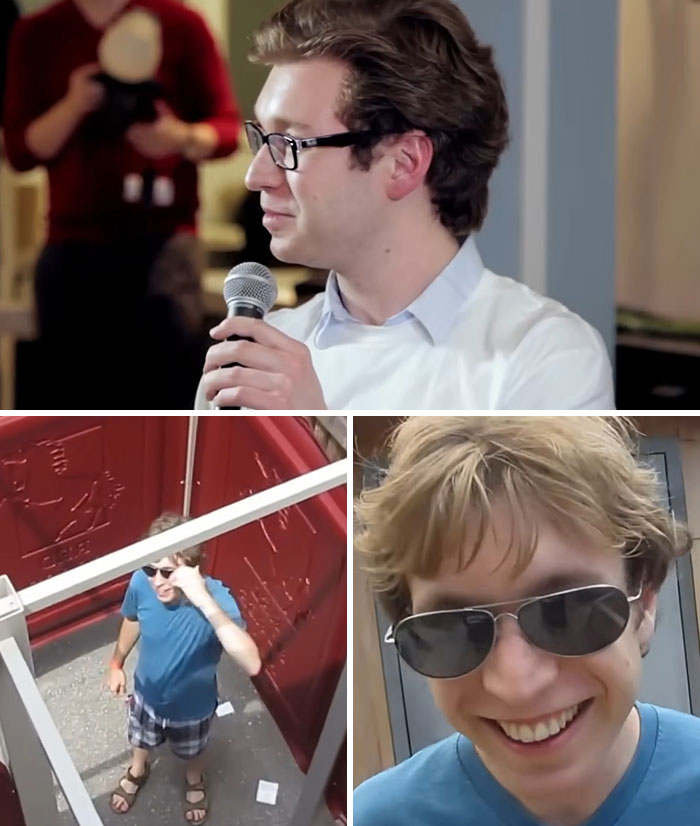
Pavel Nyashin was only 23 when the dream began to turn on him.
The Russian YouTuber and cryptocurrency investor had built an audience by talking about Bitcoin, trading, and the kind of money people imagined they could make if they got into crypto early enough.
Viewers would see bundles of cash just casually lying on his kitchen table.
But the attention that came with his crypto success may have also set a target on his back.
In January 2018, Nyashin was violently robbed inside his apartment after reportedly showing off his cryptocurrency winnings and wealth on YouTube.
A gang dressed in Santa Claus costumes barged into his cottage, beat him up, and stole 20 million RUB ($282,282) and $70,000 in cash. They also stole several iPhone X handsets from the address.
It turned out that some of the stolen money wasn’t even his; it belonged to potential Bitcoin investors.
After the robbery, Nyashin became depressed and moved to the eastern suburbs of St. Petersburg with his mother.
His YouTube channel, which once had around 20,000 subscribers, went quiet for months.
In May 2018, about four months after the robbery, Nyashin was found lifeless in his apartment and is believed to have taken his own life.
His passing became part of a wider conversation about the darker side of crypto’s boom years, when young investors were not just chasing money, but attaching their identity, reputation, and future to a market that could swing violently overnight.
From the outside, Bitcoin looked like freedom. But for others, it became pressure.
In one Reddit Bitcoin thread, user barking_bonerz shared that his brother had lost 15,000 Bitcoins years earlier and never fully recovered, leading to a su*cide.
“If I had missed out on $50M I might have k*lled myself too,” the user wrote. “Bitcoin totally f****d up his mindset to the point where you couldn’t talk about anything related to investing, money or finances without him storming off or crying.”
Alexei Dolgikh, 36, became a money laundering suspect just months before his $431,450 Lamborghini Urus rammed into a crash barrier in Moscow.
The crypto businessman was driving with three other friends at 93 mph when he lost control of the vehicle.
The luxury car went flying upside down and smashed into the busy road before erupting into an explosion. Parts of the car and wads of cash were seen strewn across the highway at the crash site.
The fiery crash instantly claimed Alexei’s life, along with another passenger identified as Ivan Solovyov. Two other passengers were injured and rushed to the hospital.
A few months before the crash, Russian banks had blacklisted the deceased crypto millionaire due to suspected money laundering.
He reportedly bought the Lamborghini 15 months before the crash and accumulated 586 fines, most of which were for speeding.
“According to preliminary information, at night on International Highway, the driver of a Lamborghini hit an obstacle, after which the vehicle overturned and caught fire,” the Moscow Prosecutor’s Office said in a statement.
“As a result of the accident, two young guys were k***ed, two more were hospitalized with injuries,” the statement continued.
Of the two injured victims, one suffered an open leg fracture, and the second sustained multiple fractures, the statement added.
Netizens online found the timing of Alexei’s passing suspicious, saying, “Not an accident, peons are NOT allowed to get wealthy.”
“They cut his brakes,” one commenter speculated.
Another wrote, “Are the banks throwing molotov cocktails into our supercars again? Grr.”

The value of a 2026 Lamborghini Urus was ~ $250k. I had to look. $400k just seemed wrong. "Stupid expensive, about as discreet as a flying chainsaw, though for some that’s a plus." ~ Car and Driver magazine
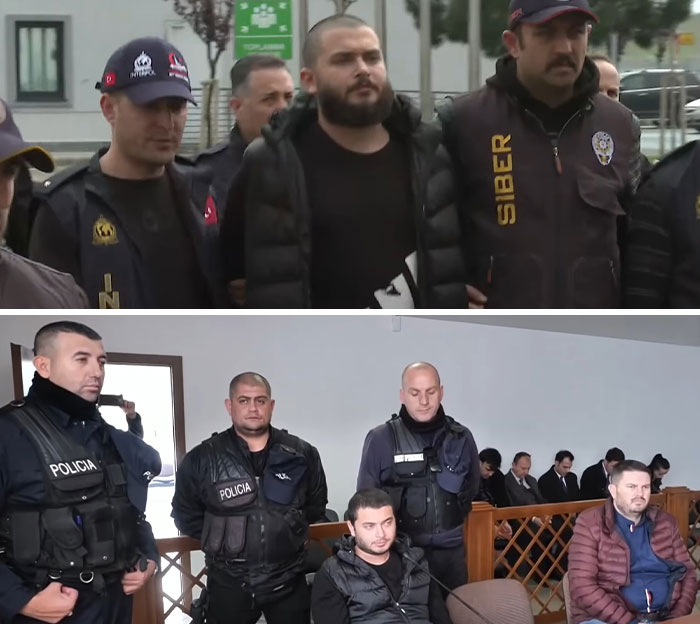
He was sentenced to 11,196 years in prison. But Faruk Fatih Özer didn’t live long enough to serve even half a decade.
Faruk was found hanging lifeless in the bathroom of his single-person cell at Turkey’s Tekirdag F-Type High Security Closed Penal Institution.
The deceased man founded Thodex in 2017 and once ranked among the country’s leading crypto exchanges in Turkey.
Thodex abruptly halted operations in 2021, and Faruk fled to Albania shortly after with the funds from the investors.
More than 400,000 users faced losses totaling up to an estimated $2.6 billion, a 2021 Chainalysis report said.
Faruk was arrested in Albania in August 2022 and extradited to Turkey by April 2023.
The cryptocurrency boss, along with his sister Serap Ozer and brother Guven Ozer, was found guilty of aggravated fraud, money laundering, and leading a criminal organization.
When Faruk faced the court, he said he would “not have acted so amateurishly” if his intent was criminal.
“I am smart enough to lead any institution on Earth,” local media outlets quoted him saying. “That is evident in this company I established at the age of 22.”
A prison sentence of 11,196 years each was handed down to the siblings.
While Faruk was serving out his prison sentence, he was found lifeless in his prison cell in November 2025. Initial signs suggested he took his own life.
In a statement he released right after the collapse of Thodex, Faruk spoke about how he considered ending his life or giving himself up. But he said he decided to instead escape to Albania and “stay alive.”
He claimed his plan was to “fight, work and repay [his] debts.”

“I am smart enough to lead any institution on Earth.......” hmmm, doesn't seem like you are.
Mircea Popescu was not the kind of crypto figure people remembered quietly.
The Romanian Bitcoin investor was loud, combative, controversial, and, to some people in the early crypto world, the “father of bitcoin toxicity.”
Mircea built a reputation for being deeply abrasive online. Bitcoin Magazine once described his influence as lasting, even though it came with documented instances of sexism, bigotry, and antisemitism.
Then, in June 2021, he passed away suddenly off the coast of Costa Rica. He was 41.
According to local reports, Mircea drowned at Playa Hermosa after being swept away by the current.
The beach itself became part of the conversation almost immediately as it was known for its strong waves and dangerous riptides. Drowning seemed like a realistic explanation, even for those who initially found the case suspicious.
But this was crypto, and Mircea was not exactly an ordinary tourist.
His passing quickly raised a question that felt almost absurd in scale: what happens to the Bitcoin fortune of a man who may have held billions?
Mircea had reportedly claimed at one point to control 1 million bitcoins. Others believed that the figure was exaggerated and estimated his holdings were far lower, but nevertheless still enormous. Either way, the uncertainty was the point.
The possibility that a huge amount of Bitcoin could’ve disappeared without anyone else knowing how to access his wallets fascinated people as much as the passing itself.
Was he a Bitcoin legend? A troll? A whale? A fraud? A dangerous ideologue? A chaotic early adopter who helped shape the culture of crypto before most people?
Depending on who was answering, he was all of them.
But officially, it was a drowning at a dangerous beach.
“He drowned? Screams foul play, imo,” one Reddit user said.
“IMO he was always a fraud and liar and maybe had a few hundred BTC at most in his entire life,” another wrote.
A third said, “He was one of the largest whales in Bitcoin. And one of the most important developers. You have no clue what you're talking about. The guy was a legend.”
Vyacheslav Taran was flying from Switzerland to Monaco when the helicopter went down.
The 53-year-old Russian billionaire, founder of Forex Club and president of the Libertex Group, was the only passenger on board the Airbus H130 when it crashed near Villefranche-sur-Mer, close to the French-Italian border, in 2022.
Both Vyacheslav and the 35-year-old French pilot lost their lives.
Libertex Group later confirmed his passing in a statement, saying it was with “great sadness” that the company announced the loss of its co-founder and chairman.
At first, the facts seemed straightforward.
A helicopter had crashed. Two people had passed. But almost immediately, the story began to grow larger than the crash itself.
Vyacheslav was not just a businessman. He was a wealthy Russian figure connected to foreign exchange and crypto trading. His company, Forex Club, had reportedly lost its license in Russia in 2018 after being accused of misleading investors.
What made people on the internet look twice was that a second passenger had reportedly been scheduled to fly on the helicopter, but canceled at the last minute.
Following an investigation, authorities did not suggest foul play. And there was no official indication that anything criminal had happened.
However, the timing was suspicious enough for the Internet to begin doing what it often does with sudden passings involving wealthy Russian businessmen.
Some pointed out that Vyacheslav’s passing came during a stretch in which several crypto-linked figures had died unexpectedly, including Nikolai Mushegian, who drowned in Puerto Rico, and Tiantian Kullander, the young co-founder of Amber Group, who lost his life in his sleep.
Others connected it to the wider list of Russian billionaires who had passed away in unusual circumstances that year.
The conspiracy theories came quickly in the comments section, with one person saying, “The 21st Century version of falling out of windows.”
“They’re cleaning house across the globe,” another claimed.
But Vyacheslav’s family pushed back against the rumors.
His widow, Olga Taran, publicly denied reports that her husband was linked to Russian intelligence or money laundering, calling the claims “lies.”
“This attack is unfair to Viacheslav who always actively supported Ukrainian people through his charity foundations, especially children who lost their parents,” she said.
She also asked people not to “tarnish his good name and memory,” saying the family was still waiting for answers while dealing with unbearable grief.
In the end, Vyacheslav’s passing had two sides.
On one side was the official account: a fatal helicopter crash still being investigated by aviation authorities.
On the other side was the unverified version the internet kept minting for itself: another dark mystery about crypto wealth, Russian billionaires, and sudden passings that felt too strange to be left alone.
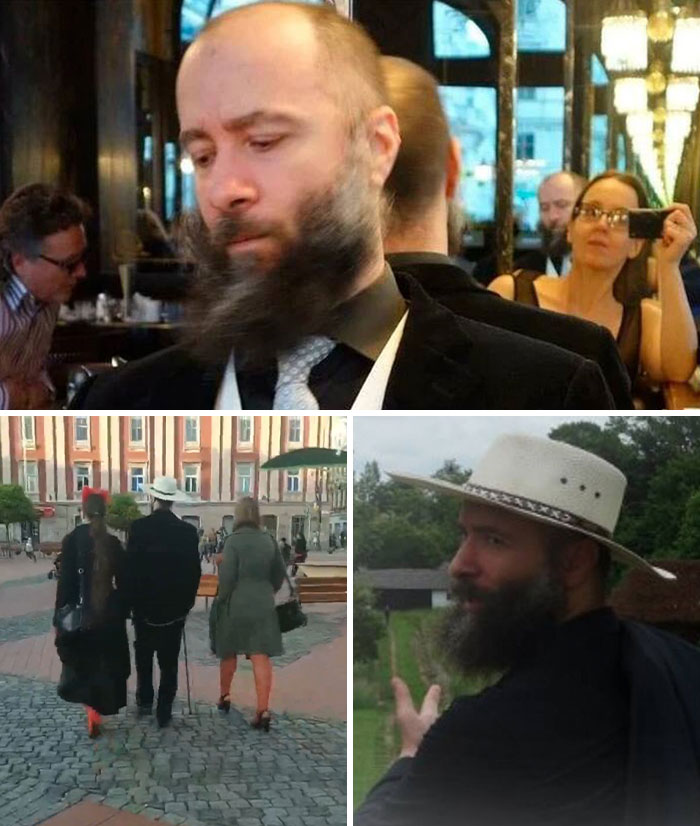
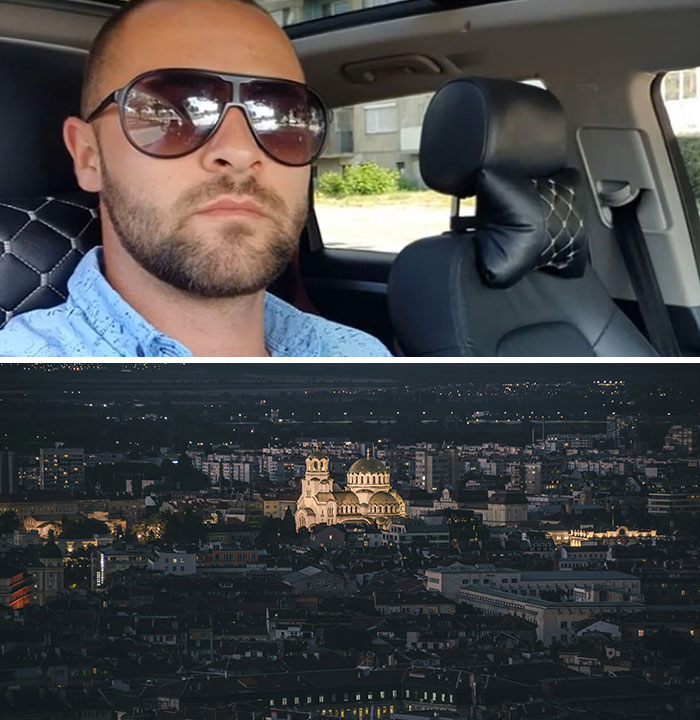
Christian Peev disappeared in early August 2023.
Days later, the search for the American crypto millionaire ended in one of the most gruesome ways possible.
His body was reportedly found chopped into pieces in a sewer in Sofia, Bulgaria, after a plumber was called to fix a blocked drain. He came across the flushed human remains and alerted authorities.
Christian’s cousin had reported him missing on August 10, prompting police to begin looking into his disappearance. Investigators soon traced his final known movements to the home of a man he knew: Vesco Valchinov, a bartender he had reportedly met at a bar five or six years earlier.
According to reports, the two men had not only known each other for years, but Christian had also introduced Vesco to cryptocurrency.
Surveillance footage allegedly showed the two men entering the suspect’s residence together on August 8, 2023. That was the last time Christian was seen alive.
Police later accused Vesco of k*lling him, dismembering his body, and trying to dispose of parts of his remains by flushing them down the toilet. Some parts of the victim’s body, including his head and bones, were reportedly still missing when the case came to light.
Another man, Konstantin Subotinov, was also arrested after police accused him of helping Vesco move and hide parts of the body.
The motive was not immediately clear.
But investigators believe that it may have been due to Vesco’s jealousy of Christian’s fortune.
The case arrived only after another crypto-linked k*lling shocked the world: Argentine crypto influencer Fernando Pérez Algaba was also found dismembered, but in a suitcase near Buenos Aires.
Social media users quickly noticed the pattern, seeing the homicide as another warning about crypto wealth, especially when money, secrecy, and the wrong circle of people collided.
“Don’t scam people who know where you live,” one commenter bluntly said.
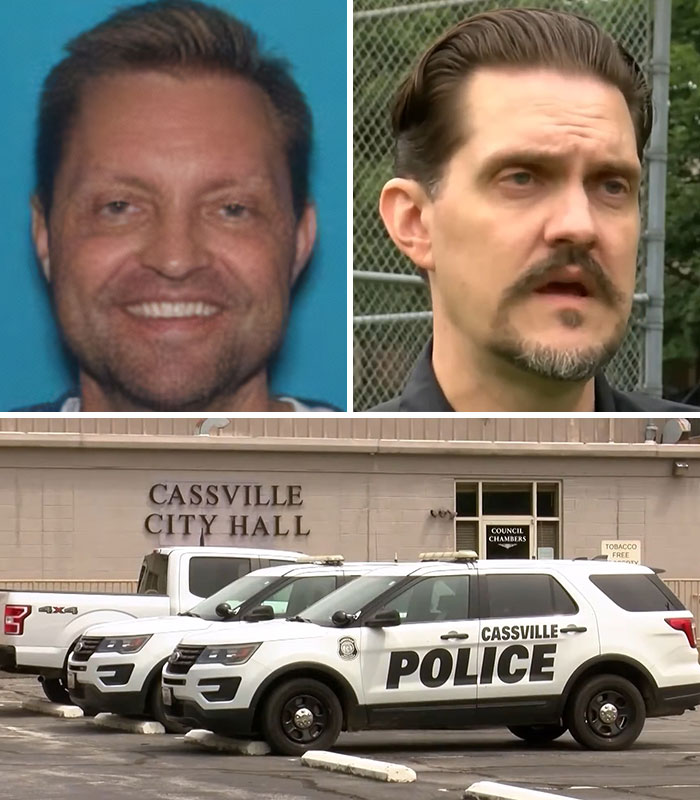
Dr. John Forsyth finished his overnight shift like it was any other morning.
The 49-year-old Missouri ER doctor and father of eight texted his fiancée to say he would see her soon.
He was engaged, expecting another child, and according to his family, excited about the life waiting for him outside the hospital. Then he disappeared.
John worked at Mercy Hospital in Cassville, Missouri, where his schedule was so intense that he sometimes stayed in a luxury RV parked near the hospital between shifts.
His coworkers found it strange that he didn’t show up to work on May 21, 2023.
After his previous shift, surveillance footage showed him walking toward the RV. He was also seen near the Cassville aquatic park, which had not yet opened for the summer.
His black Infiniti was eventually found there, unlocked.
Inside were the kinds of things most people would not leave behind if they intended to vanish: his wallet, two phones, a laptop, and important documents.
For his family, none of it made sense.
His brother, Richard, told reporters that John did not seem like someone who had left with a plan. He had a fiancée, a new baby on the way, and another daughter he was reportedly planning to visit.
There were no answers for days. Then, on May 30, 2023, two kayakers found his body in Beaver Lake, Arkansas, about 20 miles from the hospital.
He had lost his life from a firearm wound to the head.
John was not only a doctor. He was also a crypto enthusiast who had co-founded Onfo LLC with his brother, a “network mining” venture that aimed to bring people into digital currency without requiring upfront cash.
He had once been described as a Bitcoin millionaire, and his family said he had made vague comments about being in danger before his body was found.
Then there was the personal complexity. His second divorce had been finalized only days before he disappeared, with reports saying he had been ordered to pay significant monthly alimony and child support. At the same time, he had recently proposed to his pregnant fiancée.
In April 2024, Arkansas officials gave the answer they said the evidence supported. John’s passing was ruled a su*cide.
The Benton County Sheriff’s Office said investigators had found surveillance footage showing him riding a bicycle toward Beaver Lake, and the bicycle was later found near where his body was recovered. Officials said they had no evidence that contradicted the medical examiner’s conclusion.
Even though the case was closed as a su*cide, the story online was less tidy and seen as another crypto-adjacent passing where the facts gave investigators an answer, but left strangers with just enough questions to keep digging.
On Reddit, one person called the whole case “messy and tangled,” pointing to his divorce, money, prior danger claims, and what they saw as possible gaps in the investigation.
“They swept this case under the rug so damn fast. If you Google his name he isn’t even what comes up in the top 3 or 4 listings,” one Redditor said. “Nothing has been said about the outcome, just maybe su*cide and then dropped it. Very weird.”
Another claimed, “The guy’s life seems super sketchy.”
Javier Biosca’s case already had enough money, anger, and unanswered questions to fill a courtroom.
Then he lost his life.
The Spanish businessman was accused of running one of the country’s biggest cryptocurrency scams through a company called Algorithms Group, which allegedly promised investors returns so high they sounded almost impossible to sustain.
At first, the pitch was reportedly 20% to 25% a week. Later, it was dropped to 10%. Even then, people kept handing over money.
According to reports, more than 750 investors were allegedly caught in the scheme, with losses estimated at around €500 million.
Many investors, including judges, notaries, and Treasury inspectors, fell for his scheme.
Javier was arrested in June 2021 on allegations including fraud and misappropriation. He later spent time in prison before being released on €1 million ($1,163,000) bail in late 2022.
He was found lifeless about three weeks later.
On November 22, 2022, Javier reportedly fell from the balcony of an apartment in Estepona, Spain. He had been staying at a golf course villa with his family when the incident took place late in the morning. A worker found his body upon hearing a thud.
Early indications suggested su*cide, and the police did not suspect foul play. But the matter did not end there.
The Association of Victims of Cryptocurrency Investments and Zaballos Abogados, which represented affected investors, said they had asked Spain’s National Court to investigate the circumstances of his passing.
They requested an autopsy, statements from those present, and that no burial or cremation take place until the cause of his passing had been clarified.
Emilia Zaballos, President of the Association of Cryptocurrency Victims, also raised concerns about the possibility that criminal organizations connected to the case may have had some link to his passing.
For the victims, Javier’s passing created another problem. The man accused of defrauding them was gone while the money was still missing.
Somewhere between the balcony, the bail money, and the missing millions, the story refused to close neatly, with the accused mastermind lifeless and his investors still waiting.
Javier’s case has become another reminder that in crypto, the crash is not always on a screen. Sometimes, it lands in real life.
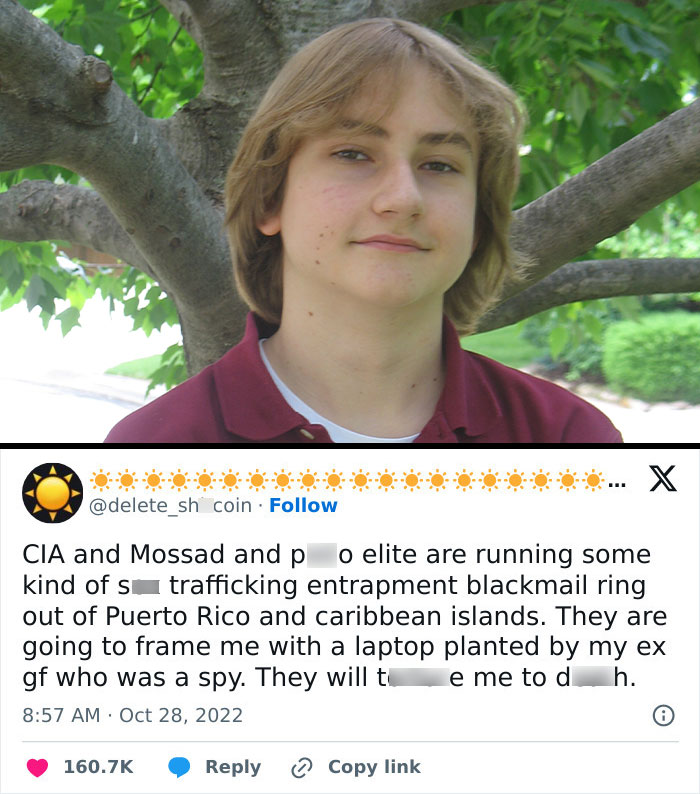
Nikolai Mushegian was only 29 when his body washed up on a beach in Puerto Rico in November 2022.
The crypto developer was not just another investor in the space; he was a co-founder of MakerDAO and a visionary in the early development of DAOs, stablecoins, and Web3 security.
But it was his final cryptic tweet that made news of his passing explode across the Internet.
Just hours before he was found lifeless, Nikolai posted a disturbing message claiming that intelligence agencies and powerful groups were going to frame him, torture him, and end his life.
“They are going to frame me with a laptop planted by my ex gf who was a spy,” he wrote on X. “They will torture me to de*th.”
Ashford Beach in San Juan, where his body was recovered, was known for dangerous swimming conditions, strong undercurrents, and rocky waters.
Police believe he accidentally drowned and said there were no signs of violence on his body, although Nikolai had a small laceration on his skull.
Despite no foul play ever being confirmed, many in the crypto world struggled to accept the explanation provided by the police.
Some pointed to his tweet being too eerie to ignore. Others argued that his increasingly worrisome posts suggested he was in mental distress in the months before his passing.
“3 possible futures for me 1) suicided by CIA 2) CIA brain damage slave asset 3) worst nightmare of people who f***ed with me up until now, I am sure these are the only options,” Nikolai wrote in a tweet in September 2022.
In the aftermath, some industry figures continued to insist that he had been m*rdered. Others saw a brilliant but troubled young man whose final days became a strange mystery.
MakerDAO co-founder Rune Christensen said Nikolai seemed happy to be working on his new stablecoin project, RICO, but had aired concerns about a criminal group interfering with his work.
One friend told the New York Post that Nikolai had become increasingly isolated before his passing.
“He had stopped talking to people and gotten very reclusive,” the friend said. “I think his mental health was getting worse, and he wasn’t asking for help. He had closed himself off.”
Another source claimed there was “no way” his ex-girlfriend was a spy. After they had a bad breakup, Nikolai was apparently living alone with his dog, Sunny, the source said, calling the deceased man a loner.
One source claimed his “paranoia” was “based on fact.”
“He’d discover things. He knew things. Nikolai got bored a lot with the mundane of life,” said the source.
He would chase after things and put himself in “weird positions,” not because of money but because he was “interested in why things were the way they were and the corruption behind it,” the source added.
At first, it was simply a car parked unassumingly in the parking lot of a hospital in the city of Dehradun, India.
But upon further inspection, the remains of a 35-year-old named Abdul Shakoor were found inside the vehicle, along with his documents, a diary, and a hospital admission card.
Investigators believe Abdul was tortured until he lost his life at the hands of his own associates, who fled after leaving him at the emergency ward of the private hospital in 2019.
It is believed Abdul’s associates may have turned against him after he was busted for scamming money from the residents of different areas in the Indian state of Kerala.
He “ran a bitcoin business and had allegedly collected around ₹ 485 crore ($50.67 million) for investing in cryptocurrency from residents of Pandikkad, Manjeri and Malappuram in Kerala,” a police officer said in 2019.
The police said Abdul allegedly suffered losses in his business and escaped to Dehradun as people who invested in bitcoins through his associates began chasing them for their money. This led to “animosity” between him and his associates, the police said.
“When his associates asked him about the money, Shakoor allegedly told them that his bitcoin account had been hacked,” they continued.
The associates were apparently not convinced and “hatched a plan” to retrieve the password for his account.
Abdul was living in a rented house in Dehradun at the time, and the associates “pressured him for the password to his account.”
“As Shakoor refused to give in, they began torturing him as they believed Shakoor still had hundreds of crores in his account and was deceiving them,” police official Arun Joshi said at the time, according to NDTV.
The associates tortured him until he became unresponsive. They then “took him to two hospitals in the city as he fell unconscious but when doctors at both facilities declared him dead, they fled, leaving his body behind,” the police officer said.
At least five people from Abdul’s business team, Faris Mamnoon, Arvind C, Asif Ali, Sufail Mukhtar, and Aftab Mohammad, were arrested after his remains were found abandoned in the car.
If you or someone you know is struggling with self-harm or s**cidal ideation, help is available: International Hotlines

Moral of the story is don't scam people and don't brag about how rich you are on social media.

Yup. I'm really struggling to find even the smallest shred of sympathy for any of these people. So much greed and arrogance!
Load More Replies...

Moral of the story is don't scam people and don't brag about how rich you are on social media.
Yup. I'm really struggling to find even the smallest shred of sympathy for any of these people. So much greed and arrogance!
Load More Replies... 






























 No fees, cancel anytime