Get Premium
Dark mode theme is available exclusively for premium users. Learn more about the benefits of subscribing.
No fees, cancel anytime.

 Dark Mode Ad-Free Browsing Unlimited Content
 Ad-Free Browsing Unlimited Content Dark Mode
Join 1.2 million Panda readers who get the best art, memes, and fun stories every week!
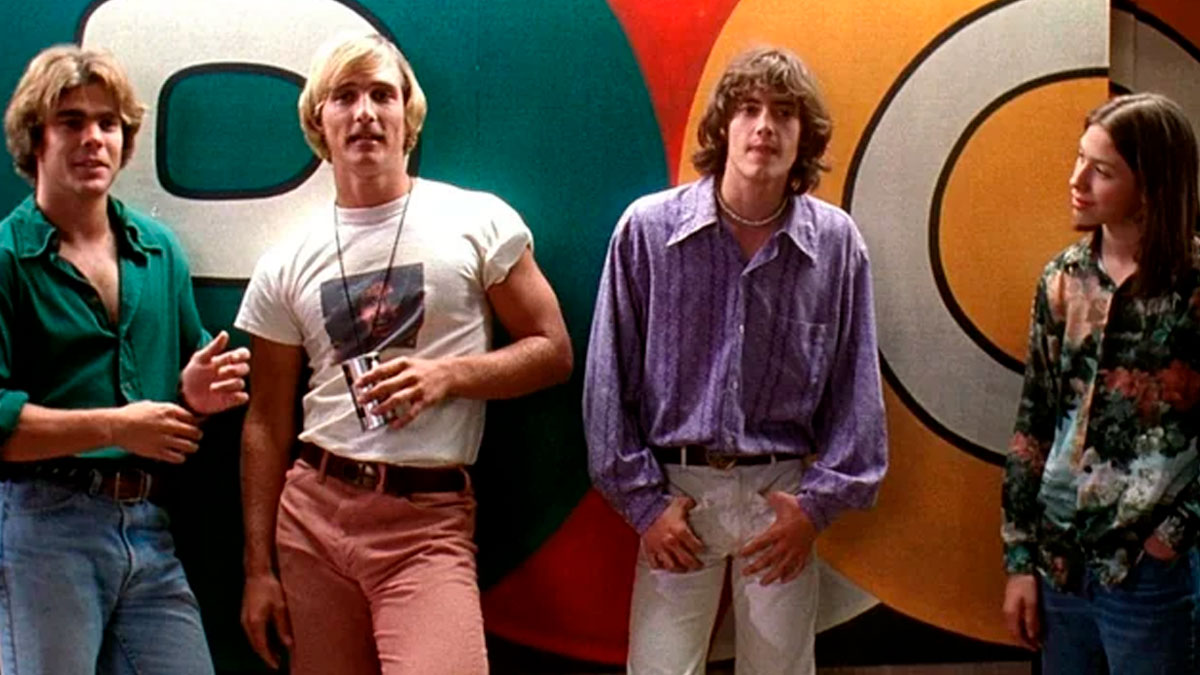
AI, humanoid robots, and self-driving cars may be stealing the spotlight in 2026, but let's be honest—there's something about the good old days that technology just can't replace. Whether it's the music, the fashion, the toys, or simply the way life felt before smartphones and social media, certain memories have a special kind of magic.
Today, we're taking a trip back to the 1980s. We went digging through the Instagram page 80sretronostalgia and rounded up some of their best throwbacks that'll have some of you saying, "I remember that!" and others wondering how people ever lived without Wi-Fi. So, Pandas, grab a snack, get comfortable, and prepare for a healthy dose of nostalgia because we're heading back to a decade that was colorful, quirky, and completely unforgettable.
This post may include affiliate links.

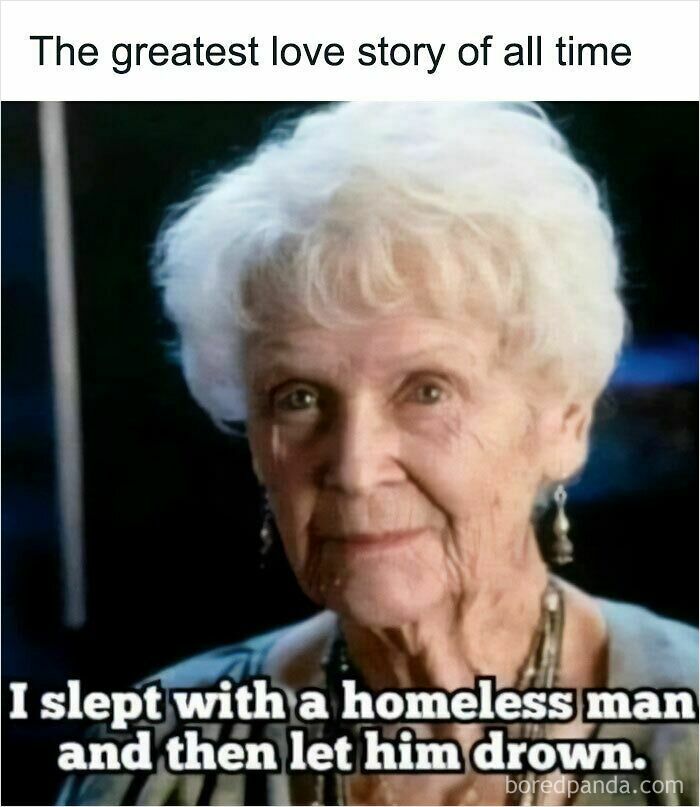
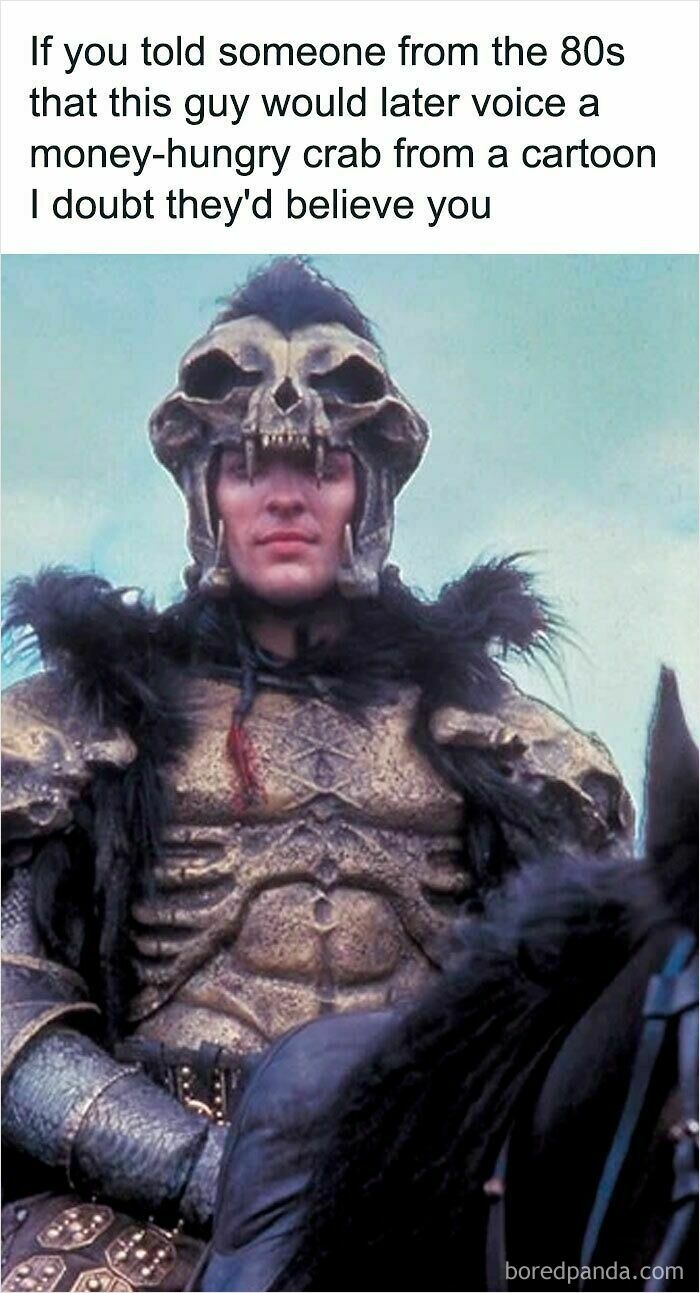
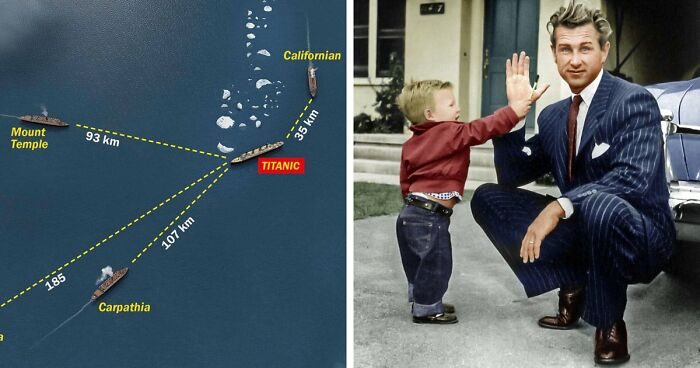
Then, threw a priceless artifact to the bottom of the ocean instead of catalyzing it's net worth to create generational wealth.

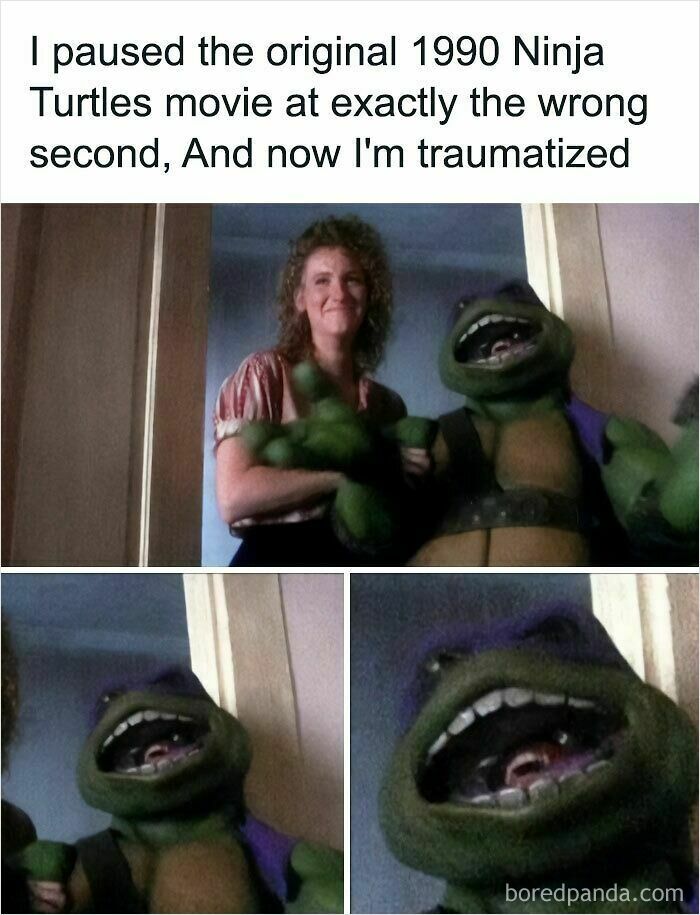
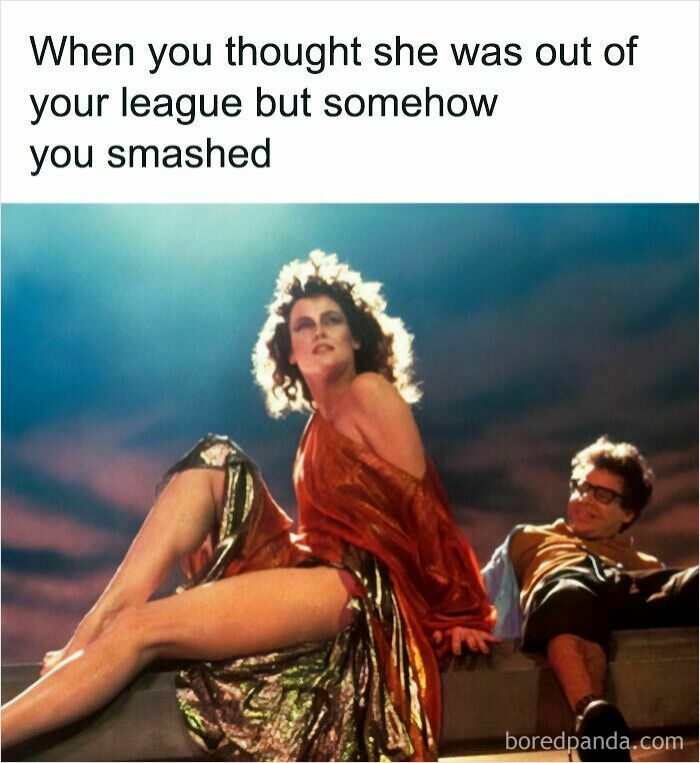
Oh my god, were the played by some crossbreed of Gremlins and Ewoks? Dafuq?!?

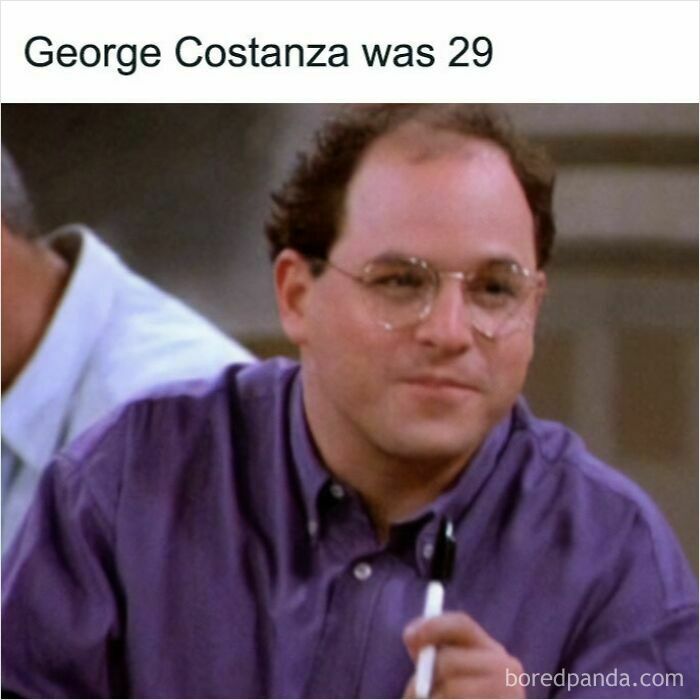
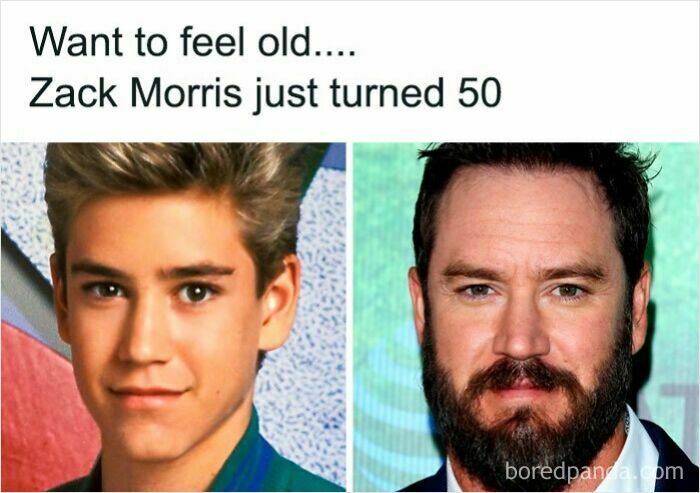
What?! I thought he was in his 40s. Same as the rest of the Seinfeld cast.

No exactly the same, but 21 Jump Street doors this gag really well

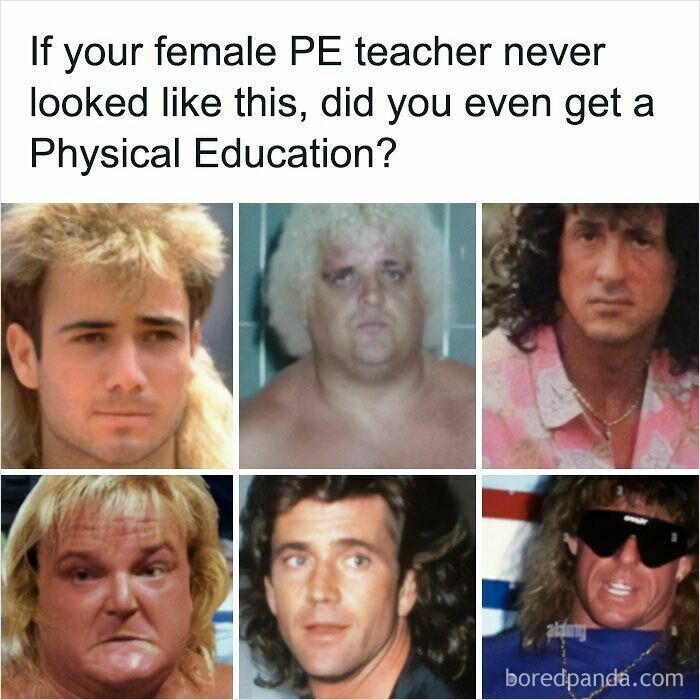
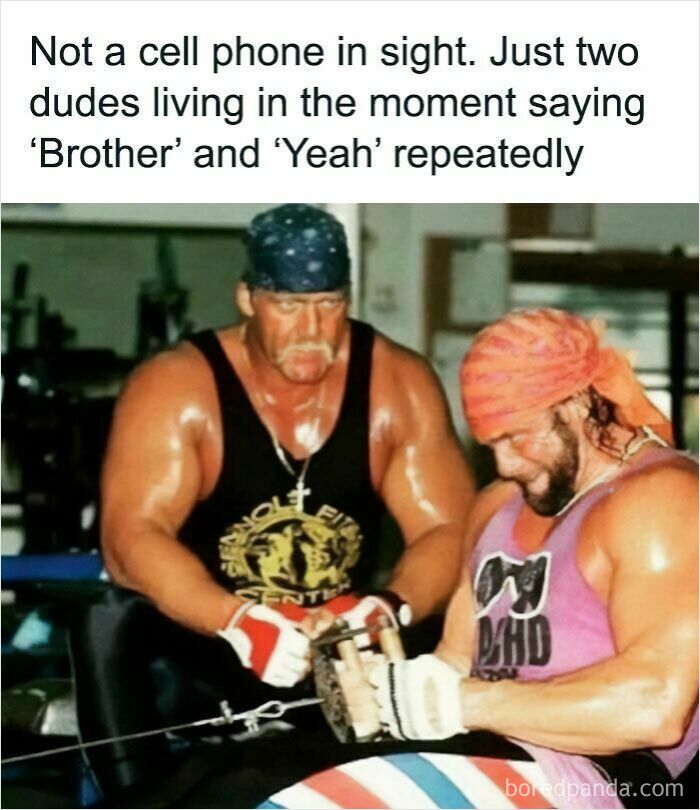
Randy Savage oooooyeeaaah! The guy almost became the persona he played, but not quite: he was very astute, very smart about wrestling and the business, and despite his over the top image was a shy and gentle dude. It seems that in all the backstage machinations, many of which were orchestrated by Hulk Hogan here (putting him unjustfiably in a position he would rather not be in), he always stayed decent and honest. Great guy. Also: he could pull coffee creamers out of thin air. Greatest quote: " it’s okay for macho men to show every emotion available, because I’ve cried a thousand times and I’ll cry some more — but I’ve soared with the eagles and I’ve slithered with the snakes, and I’ve been everywhere in between and I’m gonna tell you something right now: There’s one guarantee in life — there are no guarantees. And understand this, nobody likes a quitter, nobody said life was easy. So if you get knocked down and you take the standing eight count, you get back up and you fight again.


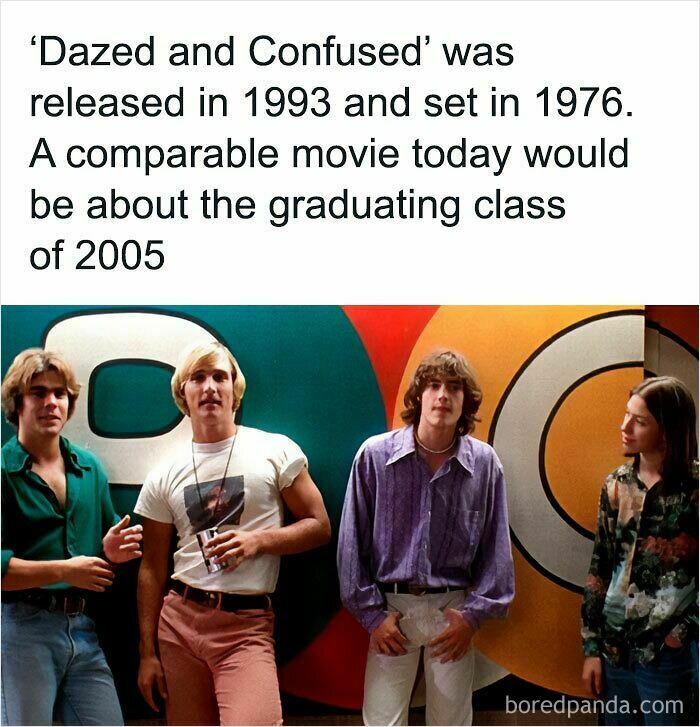
Big hair, and yet Working Girl never got a single mention.
Load More Replies... Big hair, and yet Working Girl never got a single mention.
Load More Replies... 


 No fees, cancel anytime