Get Premium
Dark mode theme is available exclusively for premium users. Learn more about the benefits of subscribing.
No fees, cancel anytime.

 Dark Mode Ad-Free Browsing Unlimited Content
 Ad-Free Browsing Unlimited Content Dark Mode
Join 1.2 million Panda readers who get the best art, memes, and fun stories every week!
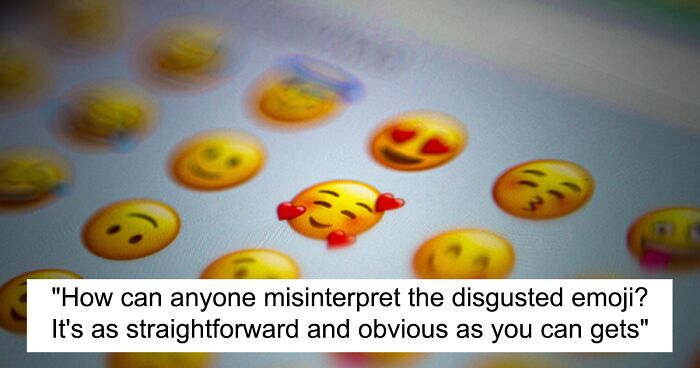
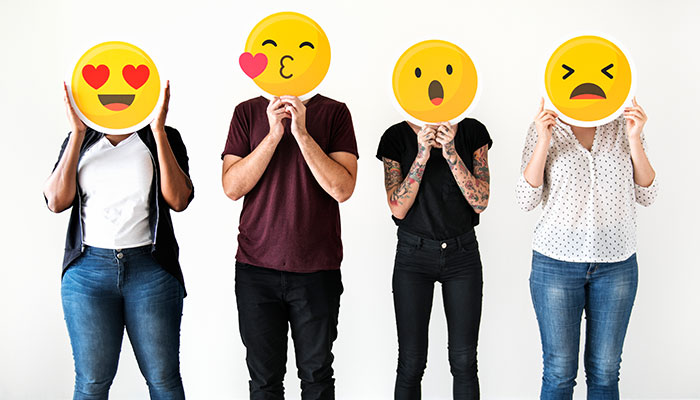
Women interpret emojis differently to men, a new study suggests.
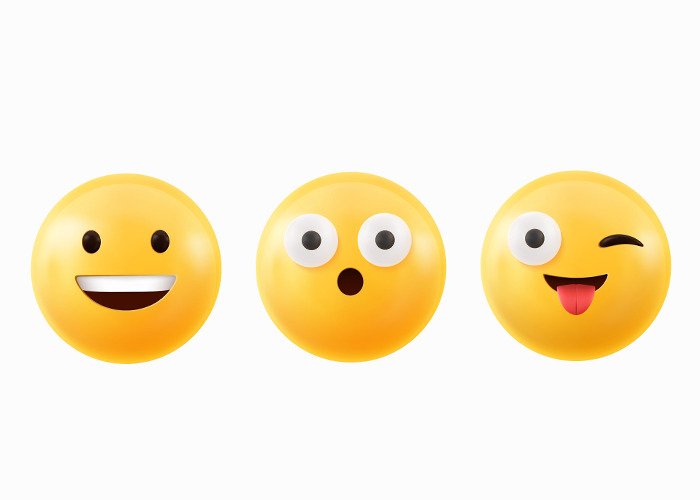
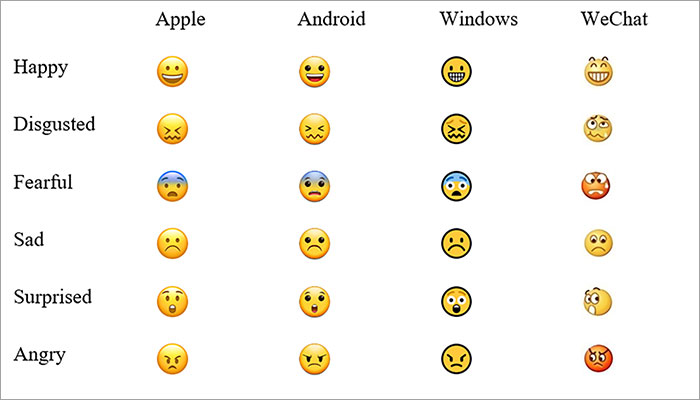
Researchers selected 24 emojis—taken from Apple, Windows, Android, and WeChat platforms—and labeled them according to six emotional states: happy, disgusted, fearful, sad, surprised, and angry.
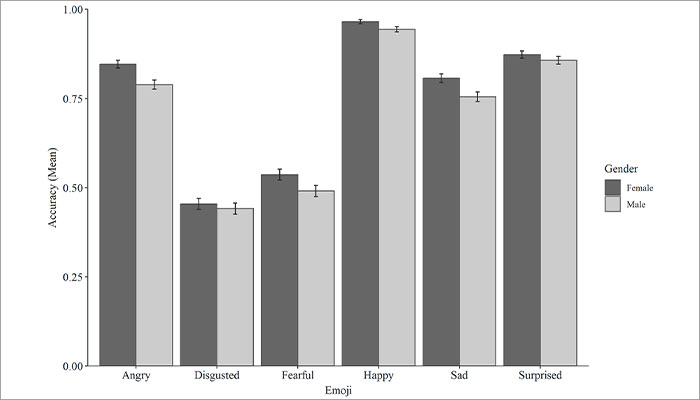
They found women were able to more accurately interpret happy, fearful, sad, and angry emoji labels compared to men.
Meanwhile, the interpretation of surprised and disgusted emojis showed no gender differences and were understood equally by both men and women.
Image credits: Freepick
To conduct their study, researchers recruited 270 people from the UK and 253 from China. The age range captured by researchers was considerate, as respondents were aged between 18 to 84 years old.
“It is important to note that the results reflect how often participants labeled the emoji in the same way as the researchers,” Dr. Ruth Filik, associate professor in the School of Psychology at The University of Nottingham, explained.
“So, we should think of the results in terms of there being differences across people in how they interpret emojis, rather than some people being better at it than others.”
Image credits: Unsplash
Image credits: National library of medicine
In addition to finding gender differences, scientists discovered more nuanced interpretations of the different digital pictograms.
“What I found most interesting and surprising is that there are so many individual differences in how people interpret these emojis.”
The team also found age to play a part in how the emojis were interpreted. Results show that younger respondents were better able to match the emoji to the assigned label compared to their older counterparts.
Image credits: National library of medicine
Image credits: National library of medicine
Surveyed individuals from the UK were better at labeling the emojis in the same way as the researchers compared to Chinese respondents, seemingly showing cultural differences between Western and Eastern use of emojis.
“For example, if Chinese participants use a smiling emoji to indicate they are being sarcastic, then they may be less likely to label it as ‘happy’ than UK participants,” Dr. Filik added.
“We should keep these differences in mind when using emojis in our messages.”
Image credits: Envato elements
The main takeaway from this study of a key element of our social media behavior is to pay careful attention to which emojis we use. As the researchers explained, emojis can add ambiguity to a conversation and may convey a different meaning from the one the sender initially had in mind.
This vagueness in the meaning of some emojis needs further research, which will prove especially important “when communicating across gender, age, or cultures,” scientists say.

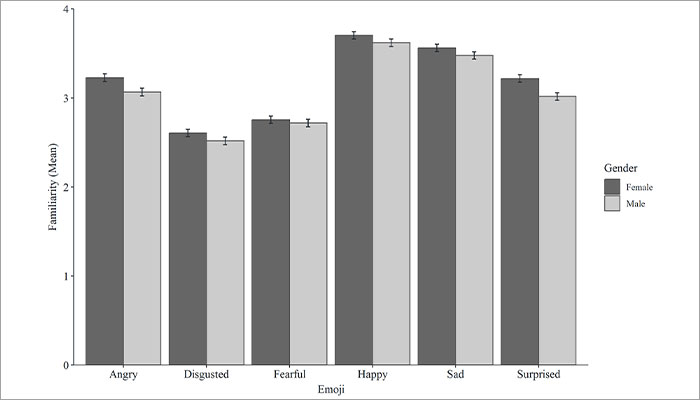
This is bad science and misleading with graphs. They looked at gender, age, and culture for this study. Number one factor with accuracy- familiarity with the emoji. Unsurprisingly, there's a huge correlation with how familiar someone is with the emoji and their ability to interpret it the way the person who made it wants it to be interpreted. If you look at the whole study the largest difference was between Chinese and English. I'm willing to bet if they added the eggplant and peach emojis to their study, the familiarity thing would really be driven home.

I would have said "despair". Less than 50% of participants thought it was disgust, I wonder if there was some kind of consensus among participants on a different feeling and what they really showed is the researchers got that one wrong.
Load More Replies... Researchers labeled emojis and women agreed with the labels more often than men. BP "journalist" Marina Urman: "Women were able to more accurately interpret happy, fearful, sad, and angry emojis compared to men." Researcher Dr. Ruth Filik, “... the results reflect how often participants labeled the emoji in the same way as the researchers. So, ... the results [show] differences across people in how they interpret emojis, rather than some people being better at it than others.” I'll go with Dr. Filik and disregard the "journalist".
Also, the way they did the research made me curious about the gender of the researchers. Particularly the one who labeled each emoji. I also would want to know if the participants were given choices. Lastly, the difference in accuracy between men and women seems small, I wonder if it's statistically significant.
Load More Replies... This is bad science and misleading with graphs. They looked at gender, age, and culture for this study. Number one factor with accuracy- familiarity with the emoji. Unsurprisingly, there's a huge correlation with how familiar someone is with the emoji and their ability to interpret it the way the person who made it wants it to be interpreted. If you look at the whole study the largest difference was between Chinese and English. I'm willing to bet if they added the eggplant and peach emojis to their study, the familiarity thing would really be driven home.
I would have said "despair". Less than 50% of participants thought it was disgust, I wonder if there was some kind of consensus among participants on a different feeling and what they really showed is the researchers got that one wrong.
Load More Replies... Researchers labeled emojis and women agreed with the labels more often than men. BP "journalist" Marina Urman: "Women were able to more accurately interpret happy, fearful, sad, and angry emojis compared to men." Researcher Dr. Ruth Filik, “... the results reflect how often participants labeled the emoji in the same way as the researchers. So, ... the results [show] differences across people in how they interpret emojis, rather than some people being better at it than others.” I'll go with Dr. Filik and disregard the "journalist".
Also, the way they did the research made me curious about the gender of the researchers. Particularly the one who labeled each emoji. I also would want to know if the participants were given choices. Lastly, the difference in accuracy between men and women seems small, I wonder if it's statistically significant.
Load More Replies...
















 No fees, cancel anytime














42
19