Get Premium
Dark mode theme is available exclusively for premium users. Learn more about the benefits of subscribing.
No fees, cancel anytime.

 Dark Mode Ad-Free Browsing Unlimited Content
 Ad-Free Browsing Unlimited Content Dark Mode
Join 1.2 million Panda readers who get the best art, memes, and fun stories every week!
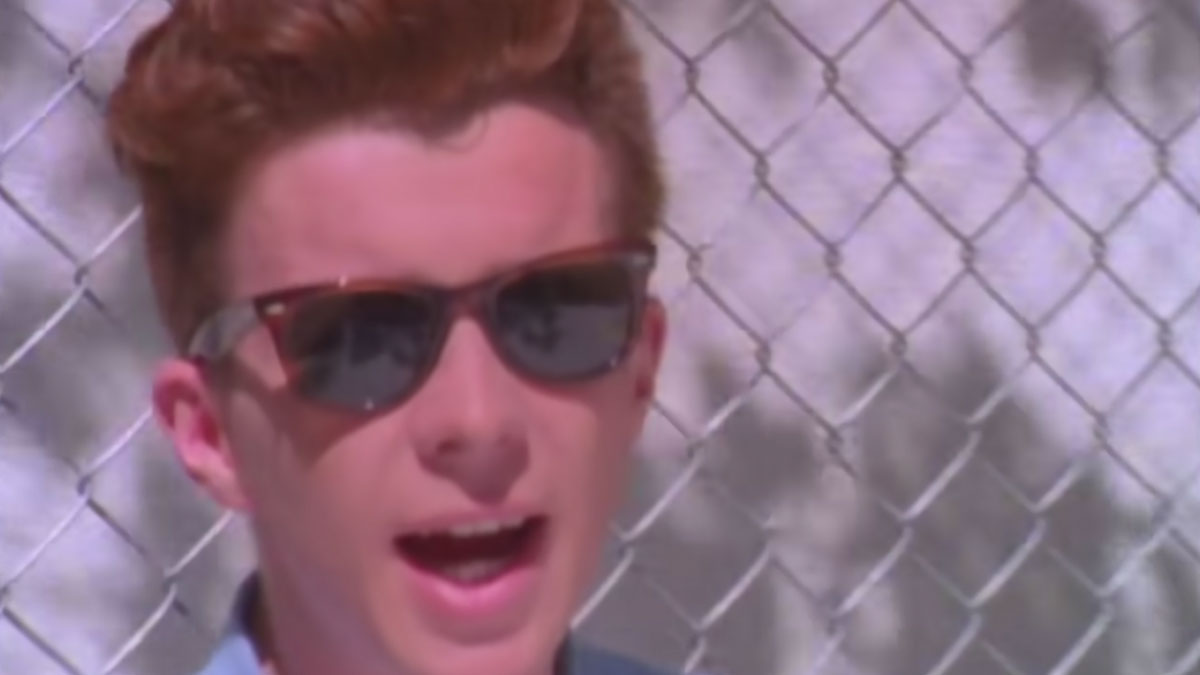
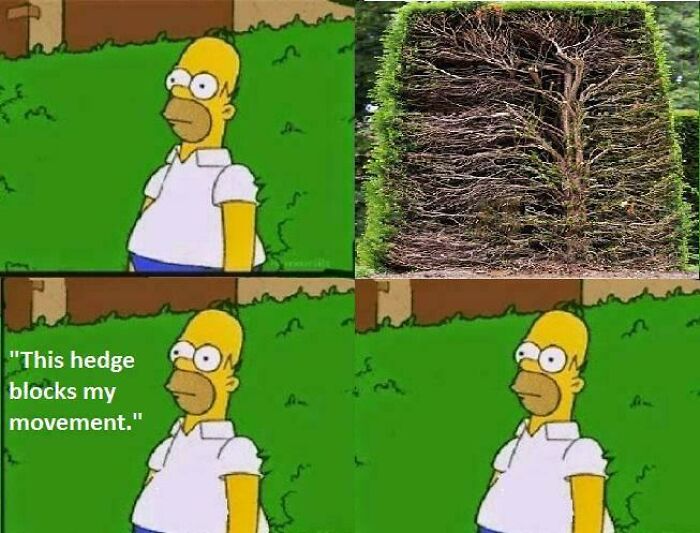
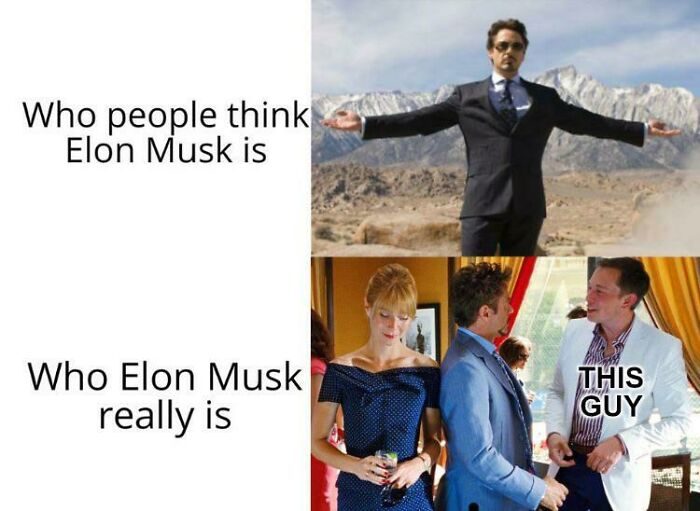
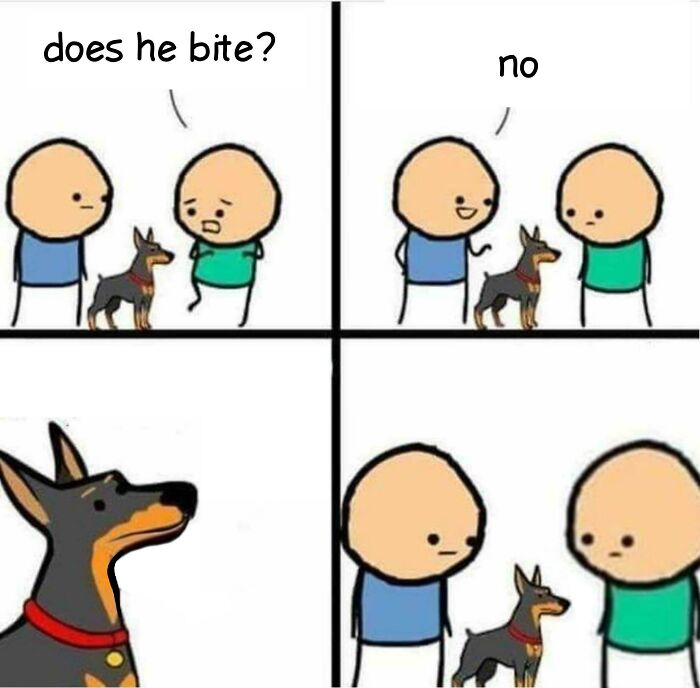
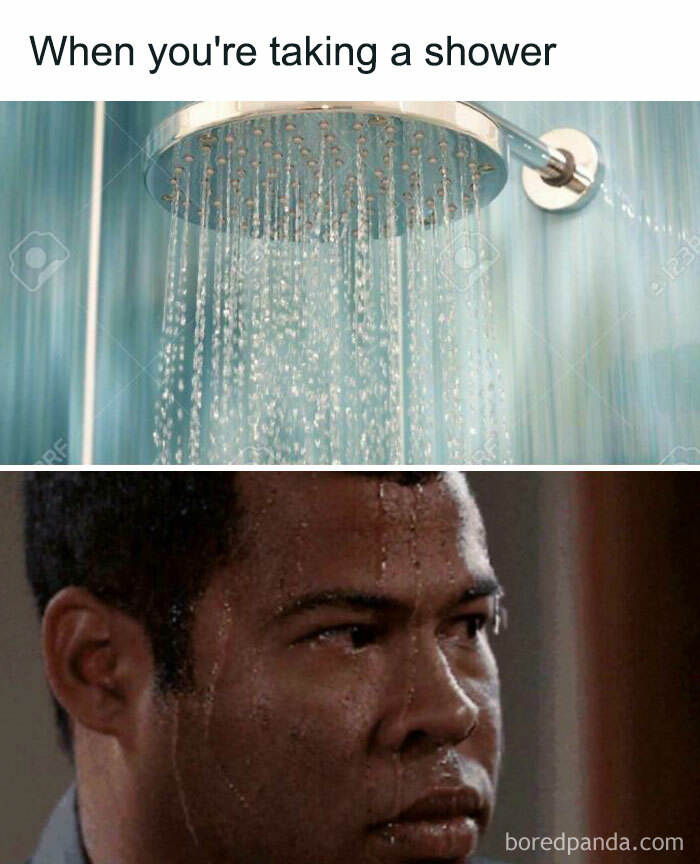
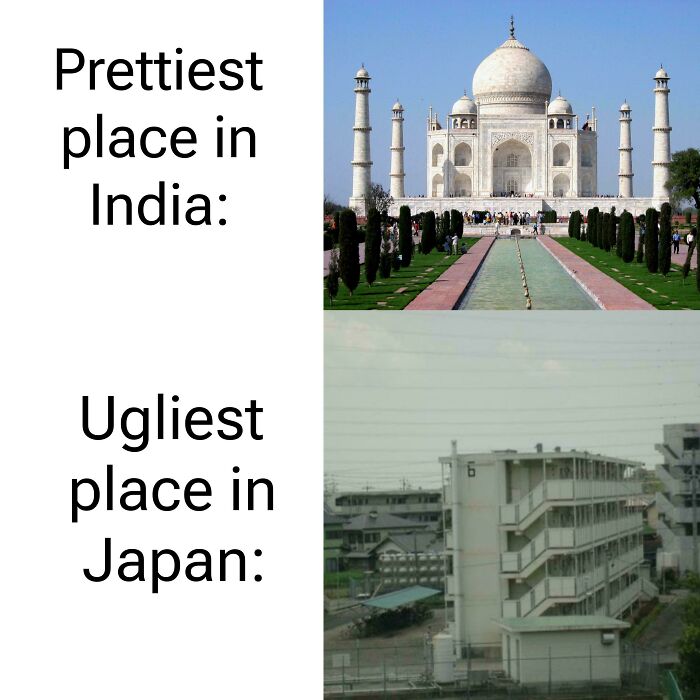
By now, most of us are aware of memes and what they mean in general. But what about the rebel child of the meme-verse — the anti-memes? They come with no hidden meaning, no metaphor, and no subtext. Yet, they manage to tickle our funny bone in the most surprising ways.
What makes them hilarious is that most of them are literally literal.
For example, the classic answer to the classic question: “Why did the chicken cross the road?” — “To get to the other side.”
The absence of a punchline is the punchline.
One of the platforms that helped popularize this style is r/antimeme, a space where posts strip away traditional meme structure.
We’ve rounded up some of the best examples so you can see exactly how and why these anti-jokes make people laugh.
This post may include affiliate links.

Depends. Have you ever talked to an avid gardener and got their opinion on compost... :-)
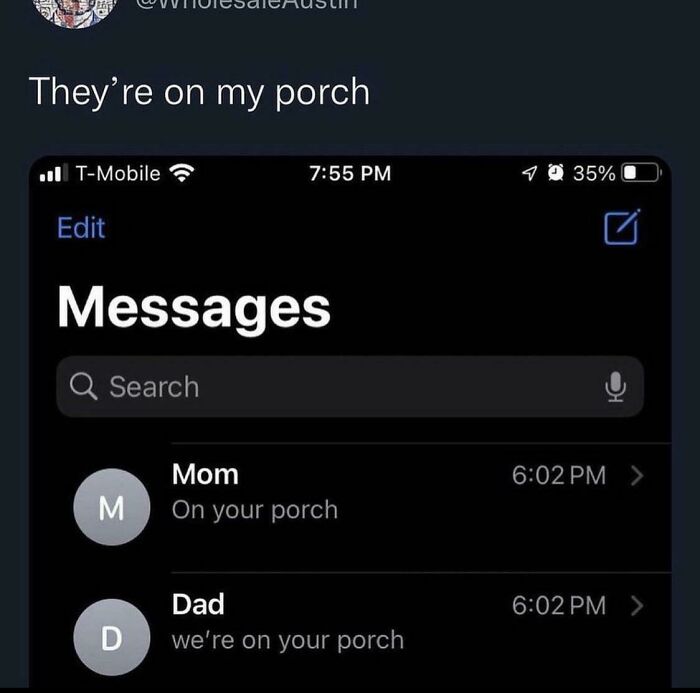
Idk man, I just feel like everything constantly revolves around that.


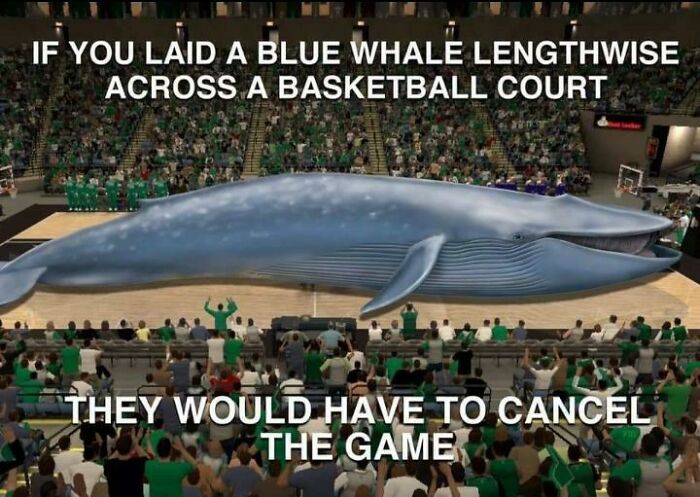
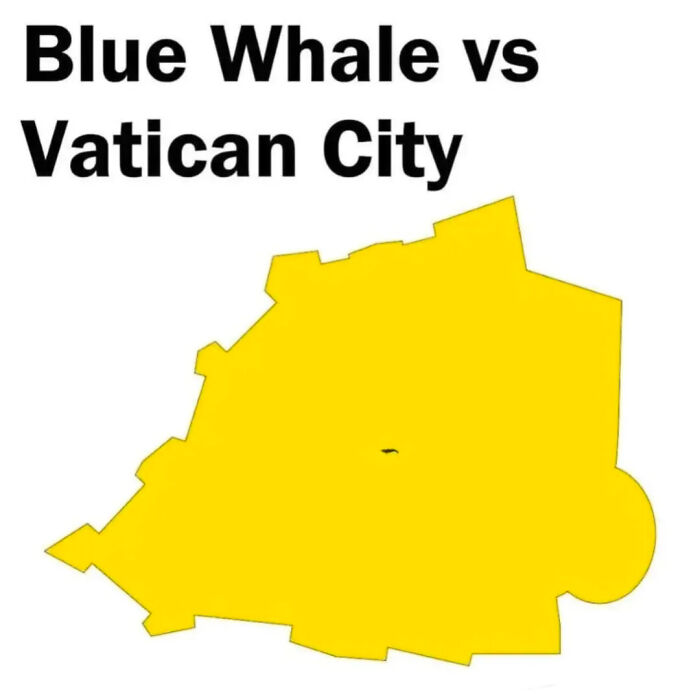
How did they get the blue whale into Vatican City? I don't know, but it's fun trying to imagine.
Numbers vary but it takes 23,000 to 130,000 average slaps to cook a chicken.
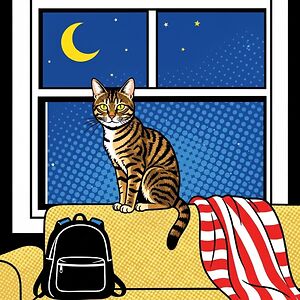
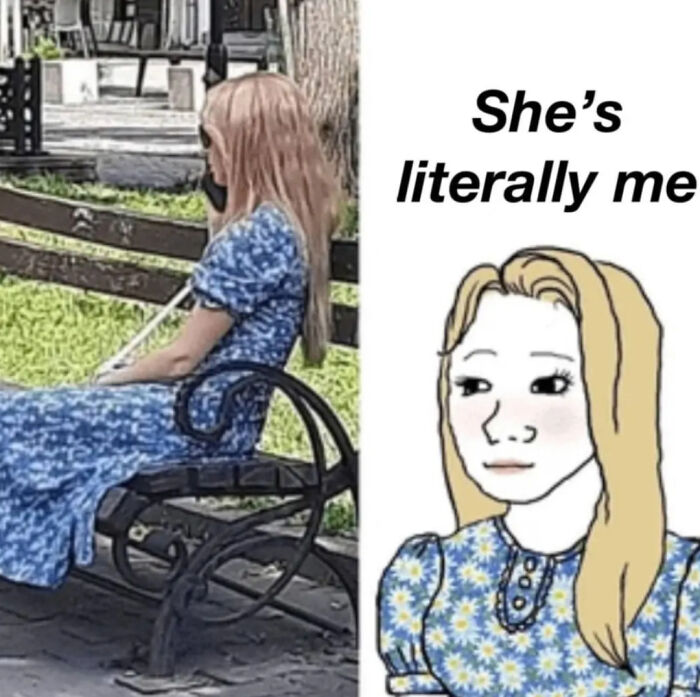
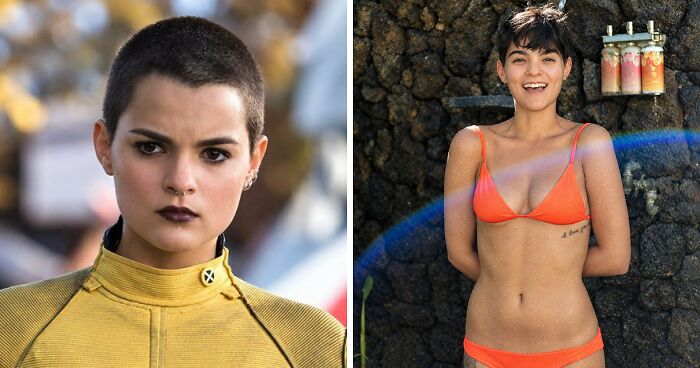
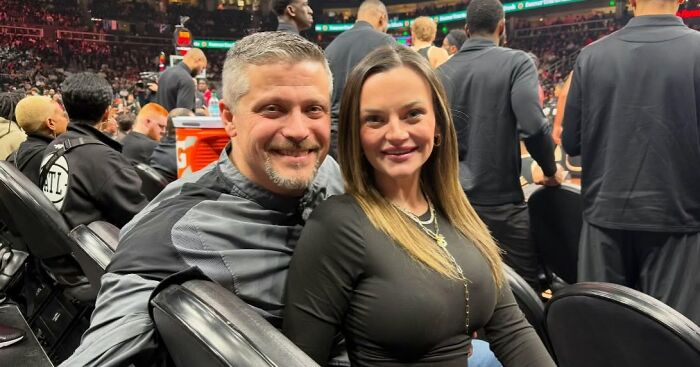
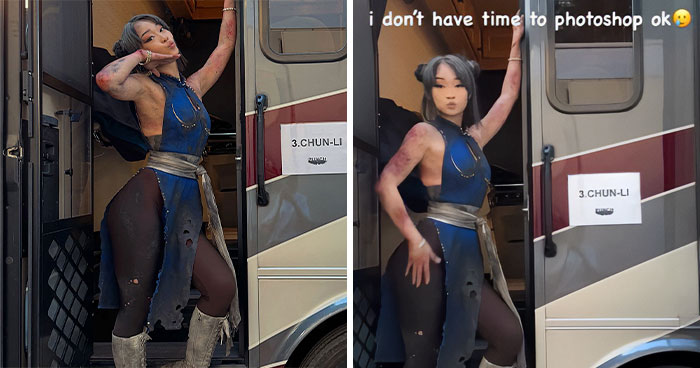
If she had brown hair and was wearing dark leggings, an intentionally random (yes, that's as cringe as it sounds) t-shirt and a hoodie, she's also me

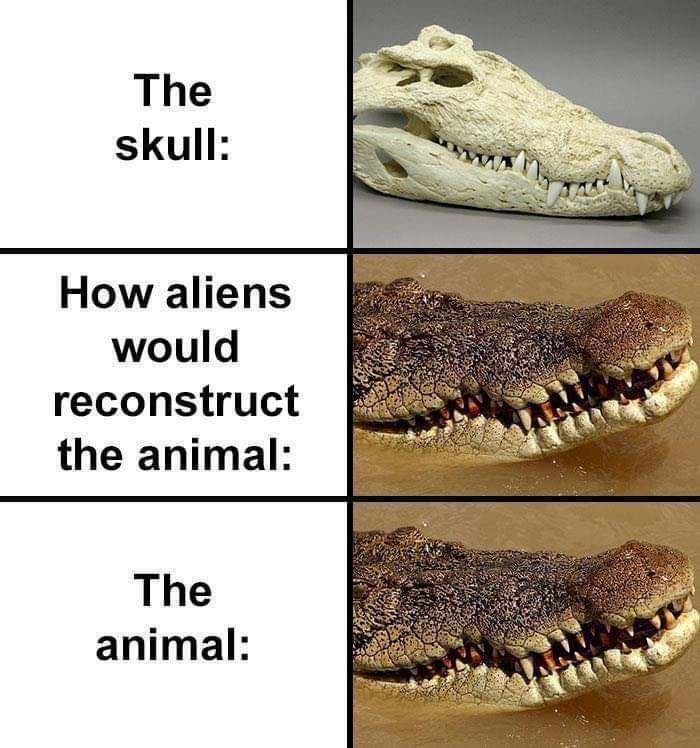
But this is a valid scientific concern! Other animals may have had fleshy parts not preserved by the fossil record. It's called shrink wrapping, if I remember correctly.
Fuqyaw it will. Fully covered somehow. But if not finacialistically profitable

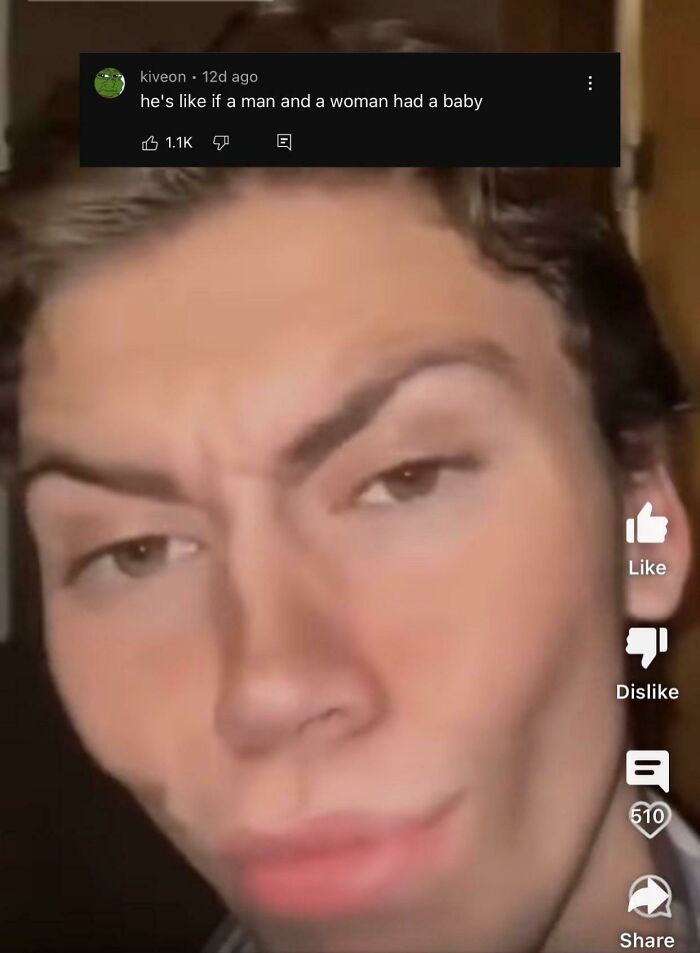
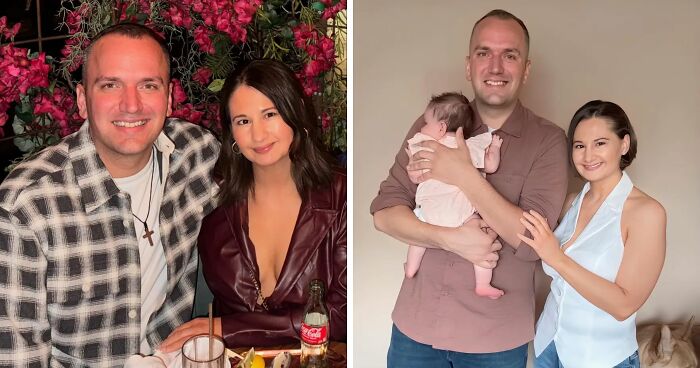
A man and a woman had a little baby, yes they did. They had threeeee in the family, and that's a magic number

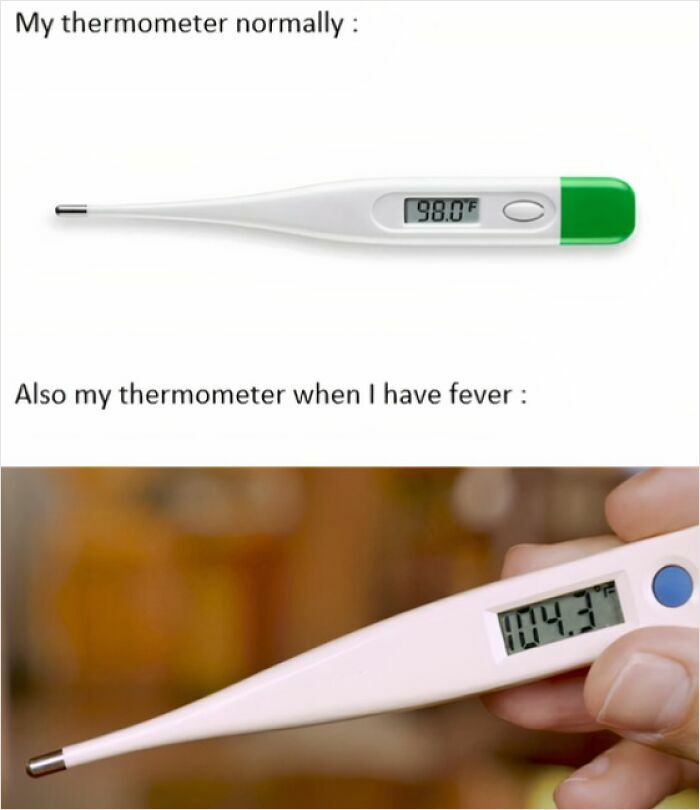
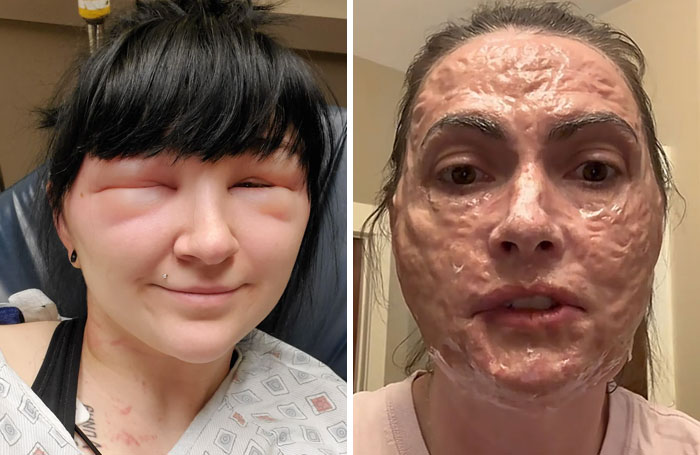
Used to be a fever wiped me out, got home after a day at work feeling more sluggish, 103.5. One positive of smart phones, sent that pic to my boss.


Still have zero idea what an "anti-meme" is... but what I do know is I'm probably getting too old for this sh*t.

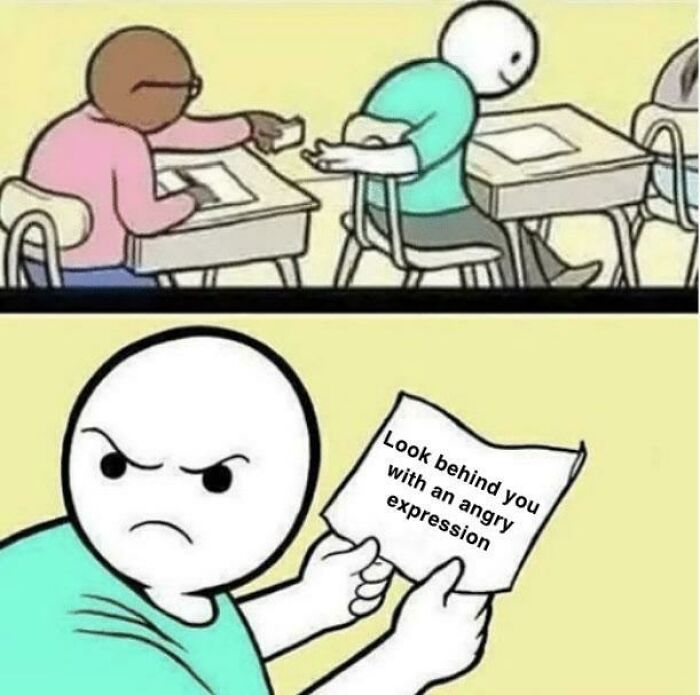
An anti-meme is basically where someone takes a meme, but makes it literally what the meme template is. For example, the one with the guy passing a note in class (currently at 31) usually shows the note saying something upsetting or controversial, which then makes the guy who gets it angry. In the anti-meme, he's just doing what the note tells him to. The joke is that there is no joke where you would expect one to be. (Idk how well I explained that but that's the best I can do lol)
Load More Replies...
IMO not a single one of these is "hilarious", and not a single one of them "manage to tickle my funny bone." If that were the case, every single factual statement and literal statement in existence would also be "hilarious" and would "tickle my funny bone" and that would just be insanity. These aren't "anti-memes", they're just facts and literal statements.
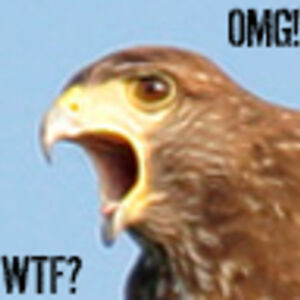
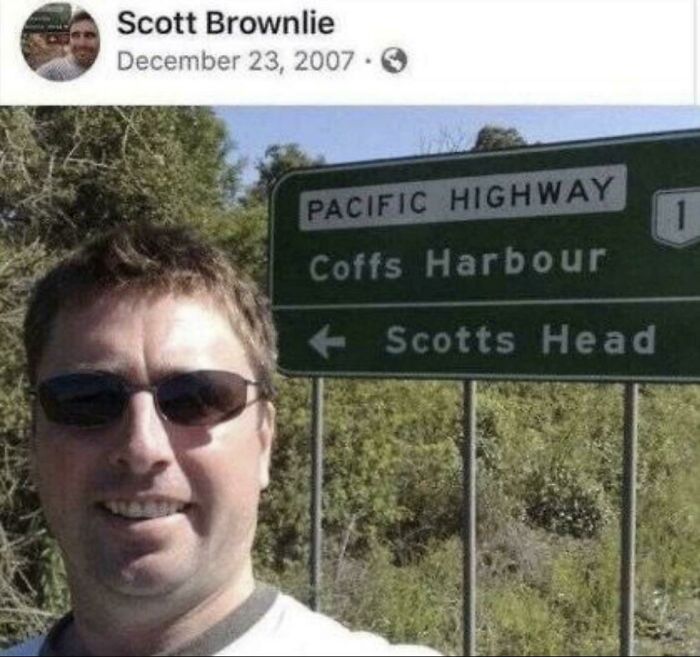
I was amused by the Scott's Head one, though perhaps partly because I'm Australian.
Load More Replies... Still have zero idea what an "anti-meme" is... but what I do know is I'm probably getting too old for this sh*t.
An anti-meme is basically where someone takes a meme, but makes it literally what the meme template is. For example, the one with the guy passing a note in class (currently at 31) usually shows the note saying something upsetting or controversial, which then makes the guy who gets it angry. In the anti-meme, he's just doing what the note tells him to. The joke is that there is no joke where you would expect one to be. (Idk how well I explained that but that's the best I can do lol)
Load More Replies... IMO not a single one of these is "hilarious", and not a single one of them "manage to tickle my funny bone." If that were the case, every single factual statement and literal statement in existence would also be "hilarious" and would "tickle my funny bone" and that would just be insanity. These aren't "anti-memes", they're just facts and literal statements.
I was amused by the Scott's Head one, though perhaps partly because I'm Australian.
Load More Replies...



 No fees, cancel anytime