Get Premium
Dark mode theme is available exclusively for premium users. Learn more about the benefits of subscribing.
No fees, cancel anytime.

 Dark Mode Ad-Free Browsing Unlimited Content
 Ad-Free Browsing Unlimited Content Dark Mode
Join 1.2 million Panda readers who get the best art, memes, and fun stories every week!

People often have a love-hate relationship with their in-laws. Some are absolute gems, while others… well, not so much. But one thing’s usually true: most in-laws adore their grandkids. That’s why it can get messy when babysitting turns from a favor into a full-blown negotiation.
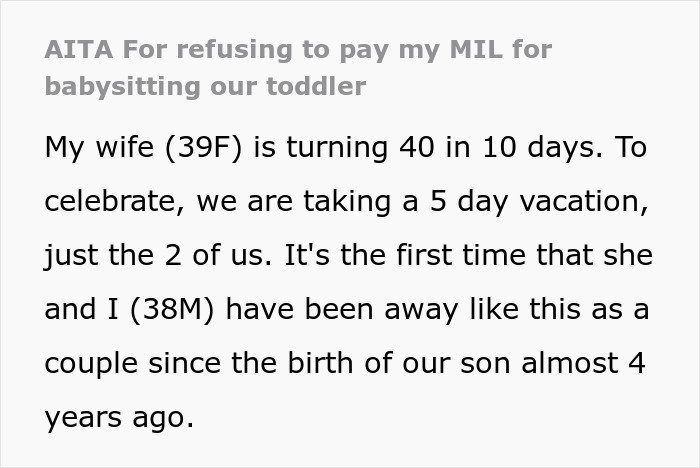
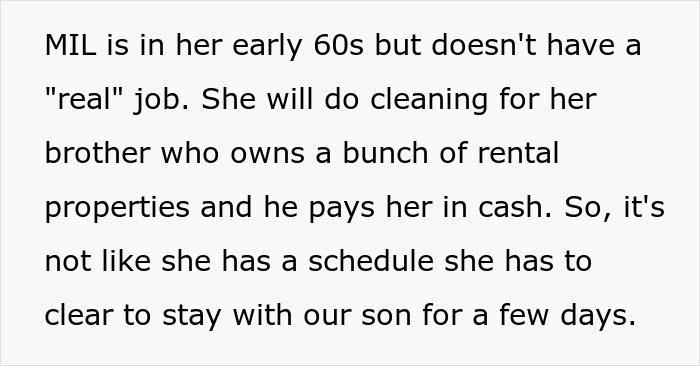
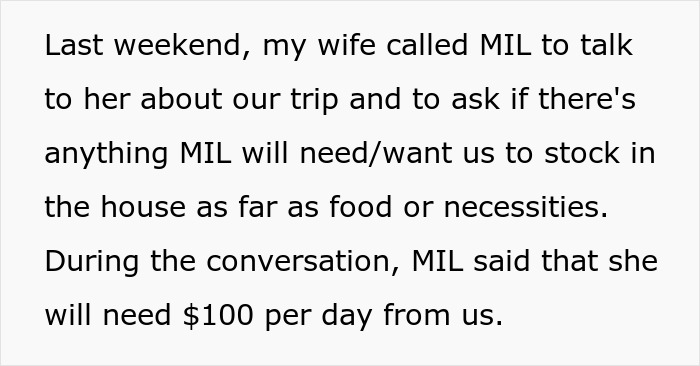
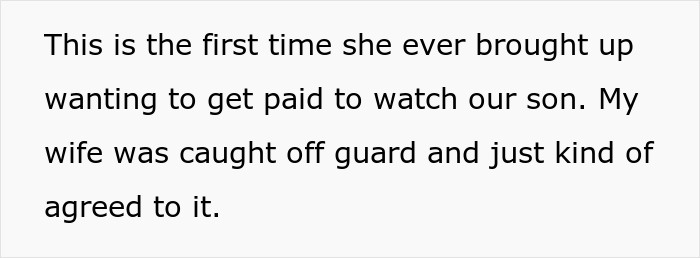
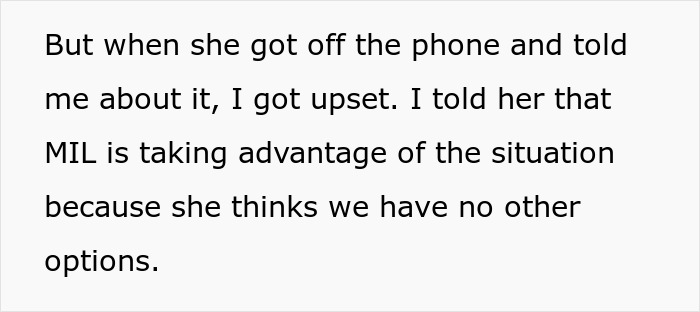
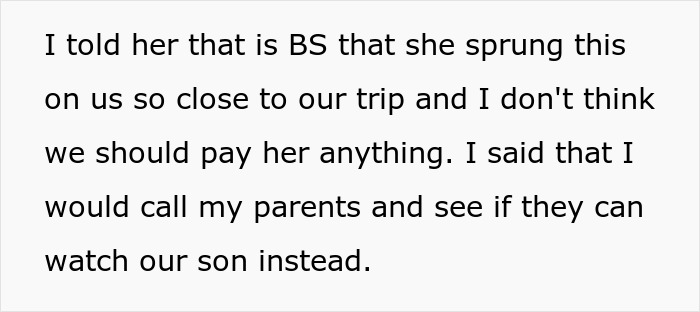
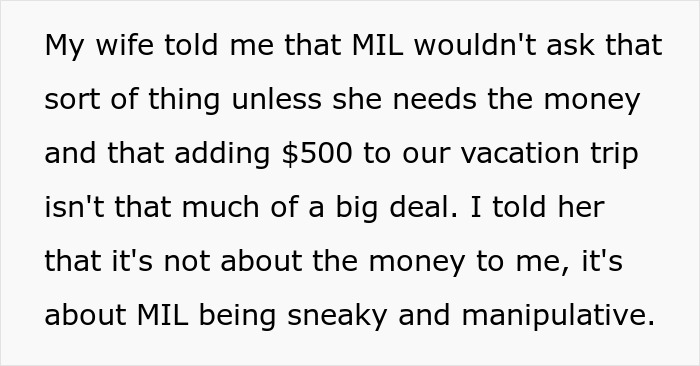
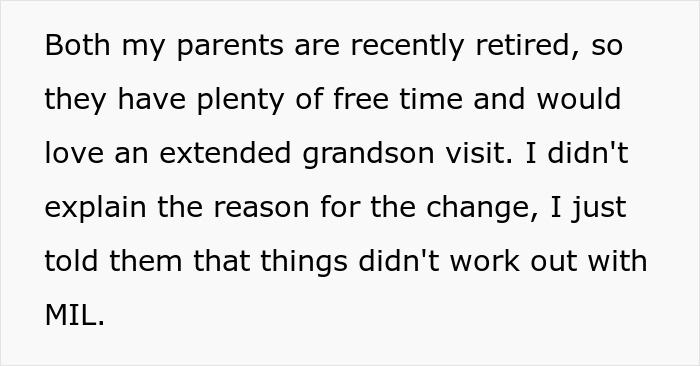
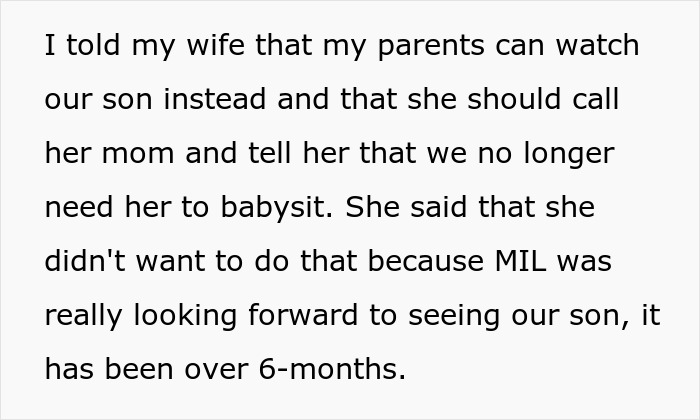
In this case, one dad felt totally blindsided when his mother-in-law suddenly asked for $500 to watch their son, just days before he and his wife were set to leave on a kid-free vacation. Calling it “manipulation,” he quickly made alternate plans with his own parents instead. Is this just a clash of expectations or did someone cross a line?
Image credits: unsplash (not the actual photo)
Image credits: unsplash (not the actual photo)
Image credits: notpayingaita
Image credits: unsplash (not the actual photo)
Becoming parents is a beautiful milestone, but let’s be honest, it comes with a trade-off. Sleep becomes a luxury, me-time feels like a distant memory, and spending quality time with your partner? That becomes a strategic mission. Amidst diaper changes, feedings, and school runs, couples often find themselves drifting apart without even realizing it.
It’s not that the love fades, it’s just buried under layers of responsibility and fatigue. And that’s exactly why carving out moments together becomes essential. Even something as simple as a coffee break or movie night can work wonders. But here’s the catch: you need a little help to make it happen.
Many turn to babysitters or nannies, but often the first call is to someone closer: family. In many Indian households, support from elders is almost woven into the family fabric. To understand this better, we spoke with Reema Kothari, co-founder of PKIN Luxury Clothing in Jaipur. A globally acclaimed boutique owner and a mother of two, Reema runs her business alongside her husband. “Our family has been our strength,” she says with pride. “They’ve been our cushion during the most hectic phases.” Her story is a testament to the power of familial bonds in balancing entrepreneurship and parenthood.
Reema shares, “When we were building our brand, my daughter was still little. We’d often be working late into the night. My in-laws would be the ones bathing her, feeding her, tucking her in.” It wasn’t just help—it was love in action. That kind of emotional scaffolding is hard to put a price on. For couples trying to juggle career and parenting, that backing can be the difference between burnout and survival. But it didn’t come without respect or communication. “It’s not about dumping responsibility,” Reema adds. “It’s about sharing it, gratefully and mindfully.”
“In India, it’s common for parents to live with us, but that doesn’t mean they’re obligated to drop everything for us,” Reema points out. This line speaks volumes. Cultural expectations sometimes blur the lines between support and over-reliance. While grandparents often want to help, expecting them to take over completely isn’t fair. They have their own lives, routines, and needs. “Help should feel voluntary, not demanded,” she says. The idea is to preserve harmony, not create silent resentment under the guise of family duty.
Image credits: unsplash (not the actual photo)
Communication, Reema emphasizes, is key. “Let them know your plans, involve them in decisions, and most importantly, ask—don’t expect.” It’s about building a collaborative dynamic, not a one-sided arrangement. She insists that being clear and open goes a long way in avoiding friction. “If they’re not comfortable with certain timings or tasks, respect that.” After all, they’ve already raised a generation—it’s not fair to assume they’ll take full charge of the next without pause.
She also advises parents to be considerate of grandparents’ time and emotional energy. “They may not say it, but long hours with toddlers can be exhausting, mentally and physically.” Aging bodies need rest, and their lives don’t revolve solely around grandkids. “Give them space. Don’t expect 24/7 support, and don’t guilt them into it,” she says gently. Reema believes that showing appreciation instead of entitlement keeps the relationship warm and loving.
“Don’t take advantage,” Reema states firmly. Just because family is around doesn’t mean boundaries can be ignored. She recalls how, early on, she and her husband created a simple calendar, marking days when they’d need help and days when they’d manage everything themselves. “It made our in-laws feel respected and gave us clarity,” she adds. The mutual understanding it fostered brought peace to both parenting and family dynamics.
Lastly, she touches on an important distinction. “There’s a difference between occasional bonding time and full-on babysitting duty.” While it’s lovely for grandparents to spend time with their grandkids, turning that into a recurring obligation can be unfair. “They’re family, not full-time caregivers,” she explains. In the end, it’s all about balance, appreciating their help without exploiting it, and remembering that love, not expectation, should drive every interaction.
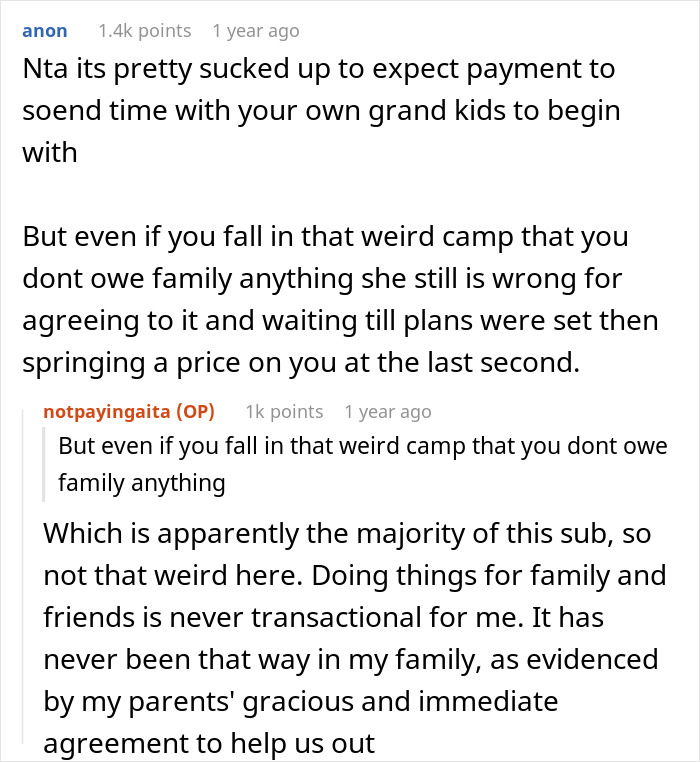
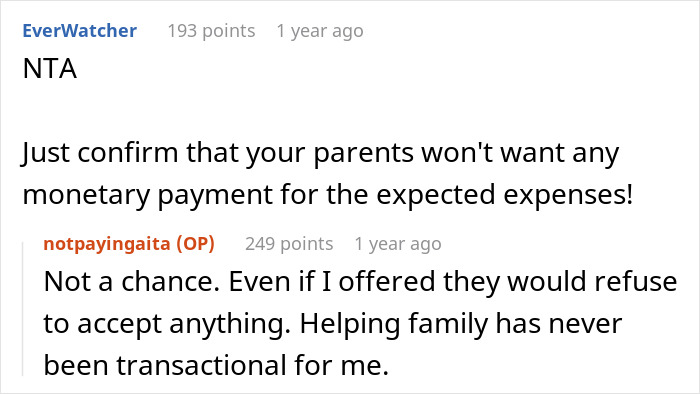
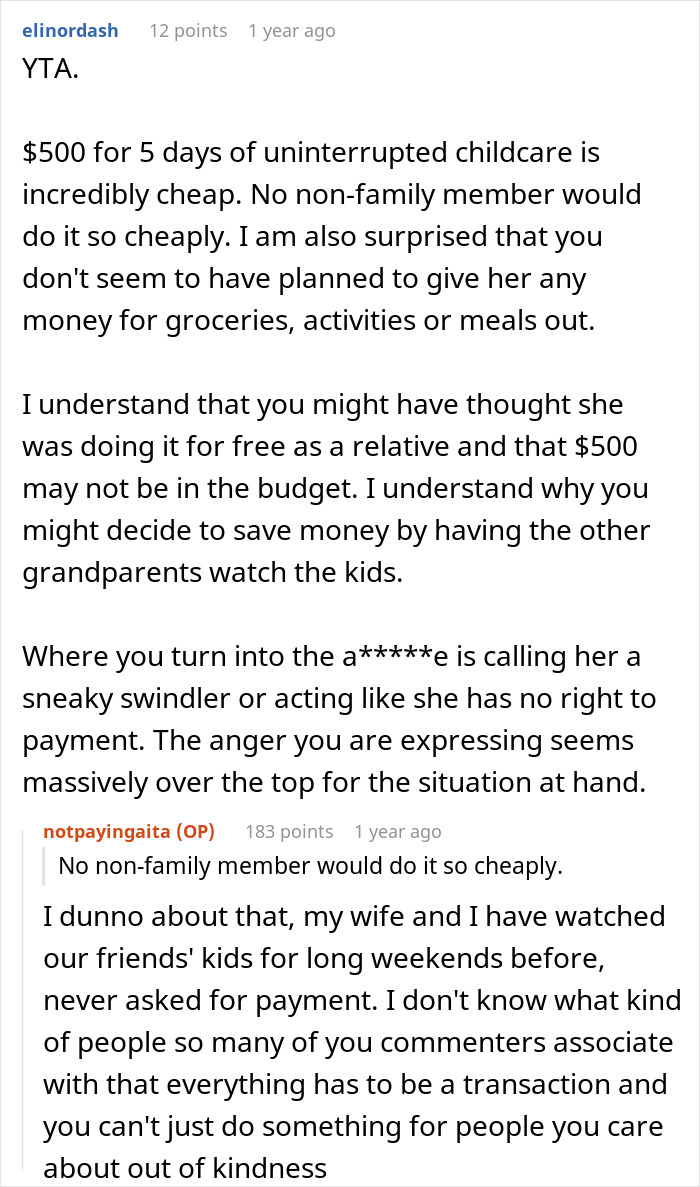
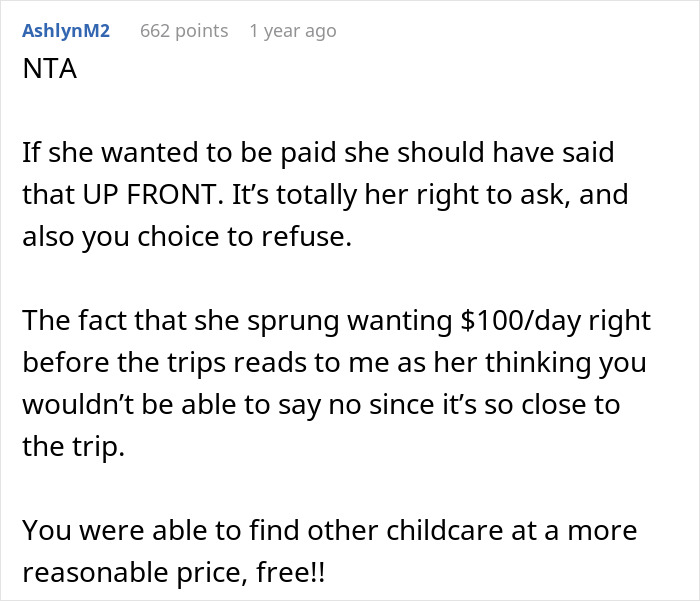
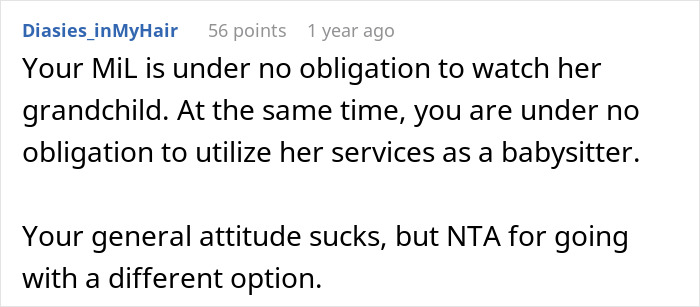
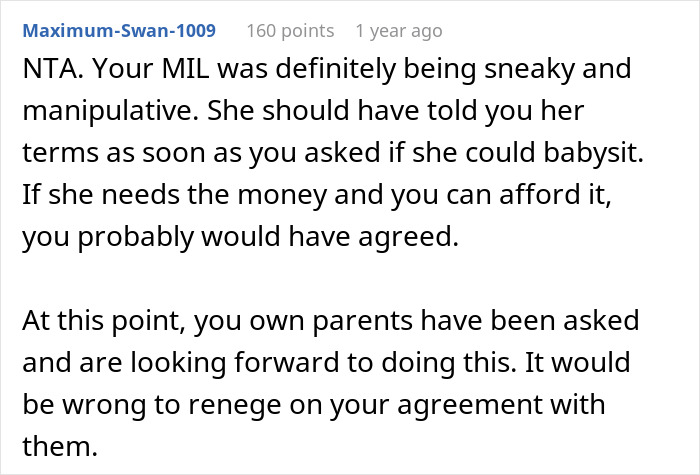
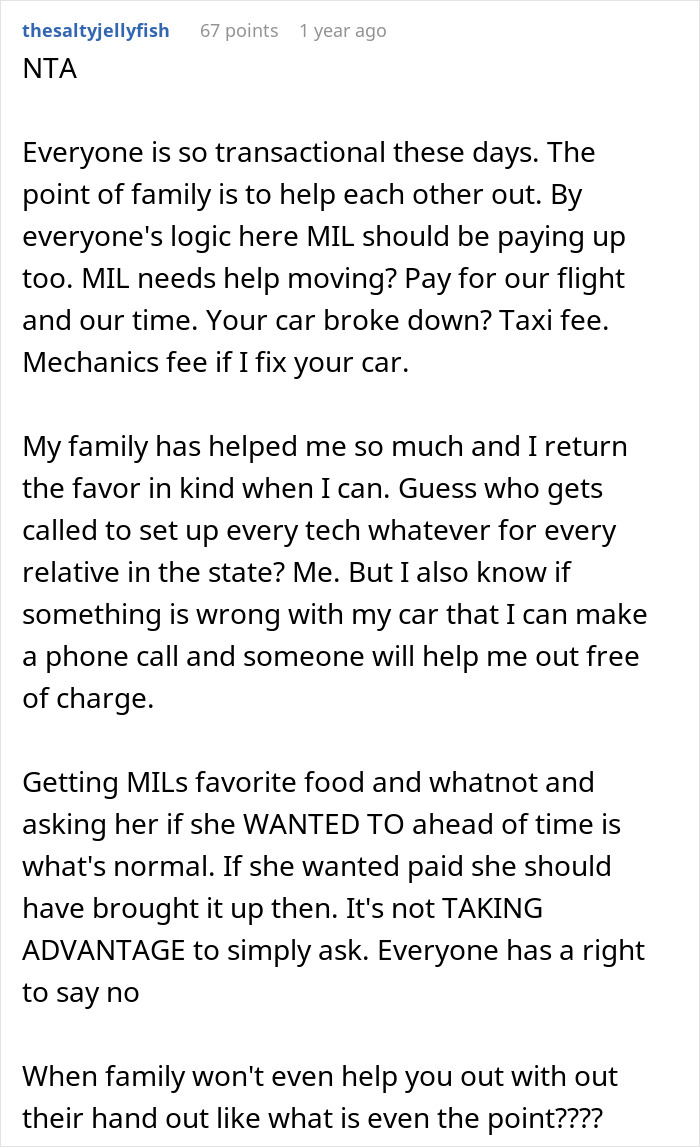
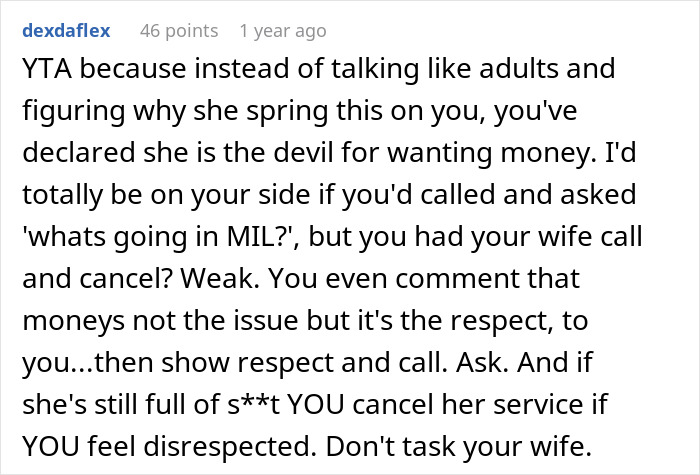
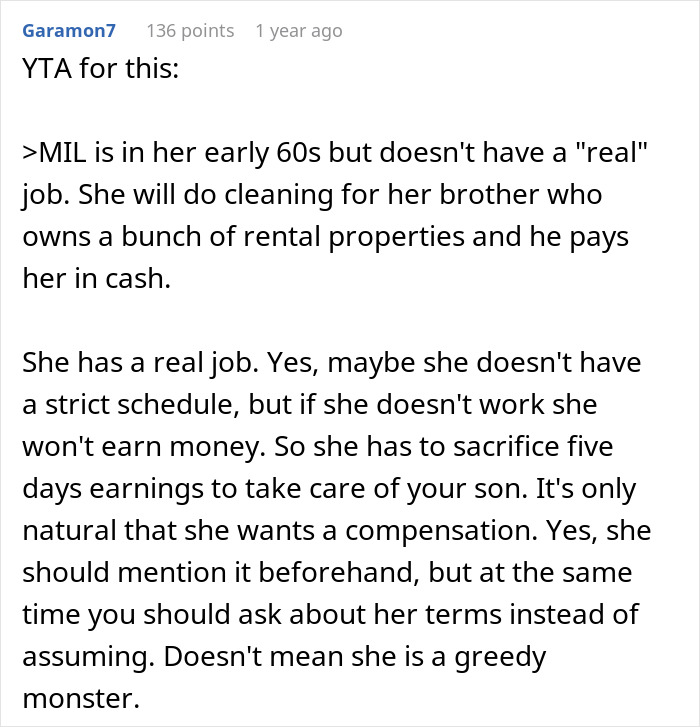
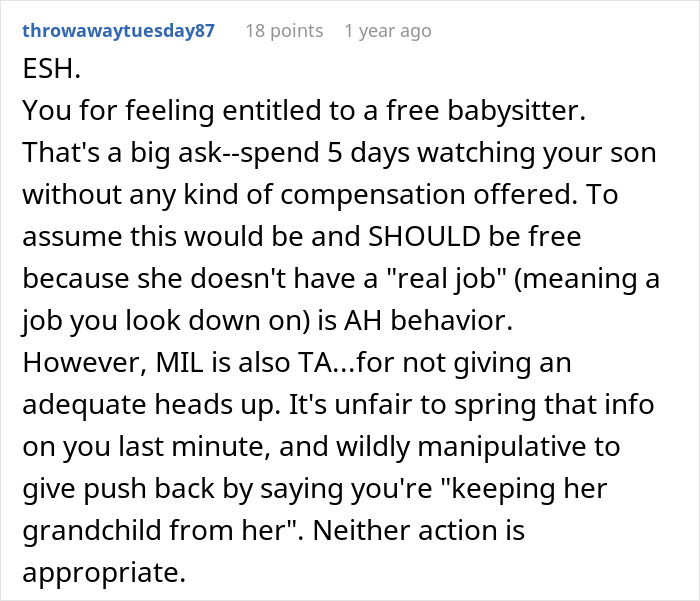
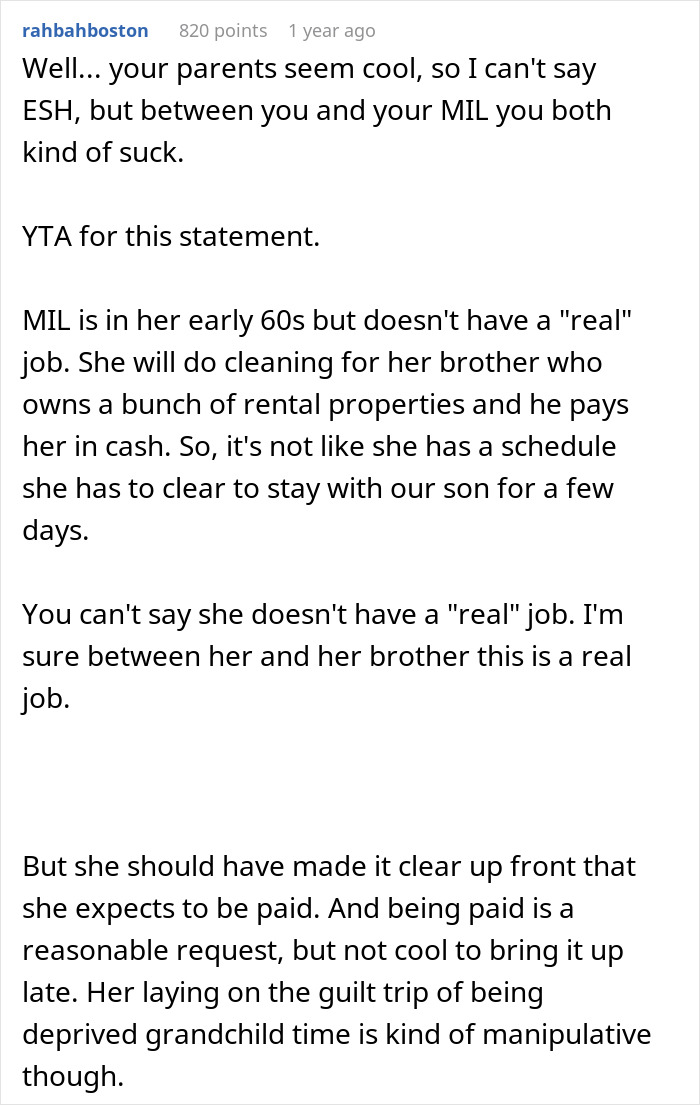
In this particular case, it really feels like a simple conversation early on could have prevented all the chaos. Expectations, especially with family, can be tricky, but they get even messier when people assume instead of discuss. The author clearly felt blindsided, while the MIL might’ve felt entitled to some compensation for her time. And honestly, both perspectives hold some weight.
What would you have done in this situation? Would you have paid the $500 for peace, or stood your ground like the author did? And do you think the MIL was being opportunistic or just honest about her needs a little too late? Let us know your take.

By entering your email and clicking Subscribe, you're agreeing to let us send you customized marketing messages about us and our advertising partners. You are also agreeing to our Privacy Policy.
Thank you! You've successfully subscribed to newsletters!
20Kviews
Share on Facebook
This "not real" job seems like something she does to earn her living. She's not yet eligible for Medicare and depending on exactly how old she is may not be eligible for Social Security either. I'm sure she doesn't have a lot of money to spare, but she's still willing to take five days off and forego her pay to be with her grandson. She seems to just be asking for something to help her get through not working for that time. I would think the wife would know about her mother's situation and assume she would be compensated. I would have to guess she wouldn't think to charge otherwise. Imagine being a grandparent and not being able to see your grandchild because you don't get vacation time at your job and can't afford to take the time off.
Yeah, that comment was off, but I assume OP meant a 9-5 structured job, where MIL would have to ask for time off. I think her asking for the money much later made OP uncomfortable, especially since he comes from a family where a grandparent wouldn't dream of asking for money to spend time with their grandchild (I know people like this). There is something icky about making family time transactional like that. What next, MIL pays you $30/hour to attend her Thanksgiving dinner? Weird. That being said, OP should leave some money in case MIL needs to buy something for the child, like medication, or there is an emergency. Edit: OP says "My wife's dad left when she was 5 and she hasn't spoken to him since before we got married. MIL kicked my wife out when she was 16 because MIL wanted to move in with a new BF 12-hours away and my wife didn't want to." and "Two years ago MIL's husband (wife's stepdad) threw out his back and couldn't do anything for pretty much 2 months. My wife and I both helped them extensively with work around their house, errands, groceries, etc. Never asked for a dime." Interesting.
Load More Replies... Agree with YTAs again. Assume MIL will take the child on various outings over the 5 days and might need some assistance with paying for food, treats, tickets, etc. Even if this isn't the case, 5 days is a big ask. Sounds like the father is a right p***k.

I agree that some money should probably be involved but the MIL is TA for not saying anything until the last minute and then using "preventing me from seeing my grandkid" as the excuse why she should be paid. Her asking for $500 last minute is the reason she's not seeing the kid.
Load More Replies...
So your mother does some cleaning jobs to earn some cash which she will not be able to do while watching your 4yo, which in itself is a full time job. yeah, YTA. And burning bridges along the way.
This "not real" job seems like something she does to earn her living. She's not yet eligible for Medicare and depending on exactly how old she is may not be eligible for Social Security either. I'm sure she doesn't have a lot of money to spare, but she's still willing to take five days off and forego her pay to be with her grandson. She seems to just be asking for something to help her get through not working for that time. I would think the wife would know about her mother's situation and assume she would be compensated. I would have to guess she wouldn't think to charge otherwise. Imagine being a grandparent and not being able to see your grandchild because you don't get vacation time at your job and can't afford to take the time off.
Yeah, that comment was off, but I assume OP meant a 9-5 structured job, where MIL would have to ask for time off. I think her asking for the money much later made OP uncomfortable, especially since he comes from a family where a grandparent wouldn't dream of asking for money to spend time with their grandchild (I know people like this). There is something icky about making family time transactional like that. What next, MIL pays you $30/hour to attend her Thanksgiving dinner? Weird. That being said, OP should leave some money in case MIL needs to buy something for the child, like medication, or there is an emergency. Edit: OP says "My wife's dad left when she was 5 and she hasn't spoken to him since before we got married. MIL kicked my wife out when she was 16 because MIL wanted to move in with a new BF 12-hours away and my wife didn't want to." and "Two years ago MIL's husband (wife's stepdad) threw out his back and couldn't do anything for pretty much 2 months. My wife and I both helped them extensively with work around their house, errands, groceries, etc. Never asked for a dime." Interesting.
Load More Replies... Agree with YTAs again. Assume MIL will take the child on various outings over the 5 days and might need some assistance with paying for food, treats, tickets, etc. Even if this isn't the case, 5 days is a big ask. Sounds like the father is a right p***k.
I agree that some money should probably be involved but the MIL is TA for not saying anything until the last minute and then using "preventing me from seeing my grandkid" as the excuse why she should be paid. Her asking for $500 last minute is the reason she's not seeing the kid.
Load More Replies... So your mother does some cleaning jobs to earn some cash which she will not be able to do while watching your 4yo, which in itself is a full time job. yeah, YTA. And burning bridges along the way.





































 No fees, cancel anytime































36
30