Get Premium
Dark mode theme is available exclusively for premium users. Learn more about the benefits of subscribing.
No fees, cancel anytime.

 Dark Mode Ad-Free Browsing Unlimited Content
 Ad-Free Browsing Unlimited Content Dark Mode
Join 1.2 million Panda readers who get the best art, memes, and fun stories every week!

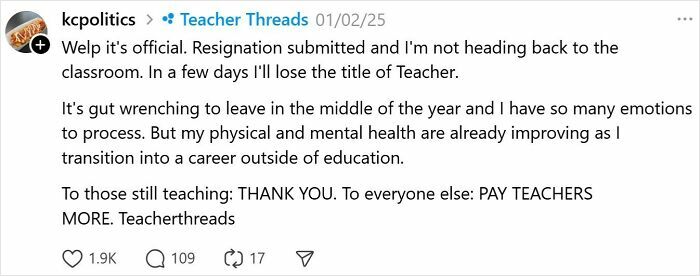
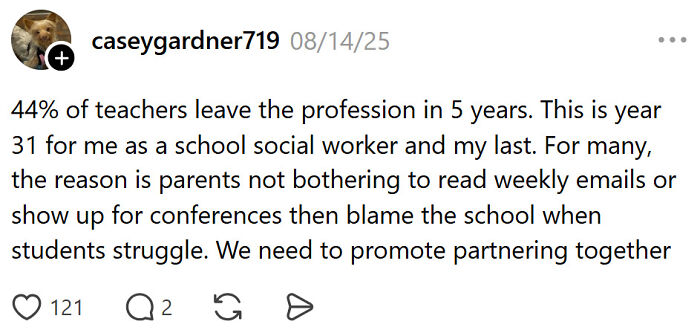
The teacher shortage is not a new story, but it is one that keeps getting louder and harder to ignore. In the United States alone, thousands of teachers leave the profession every year, and the pipeline of new teachers entering it is shrinking at the same time.
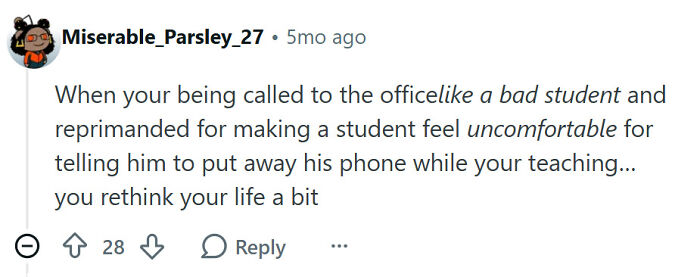
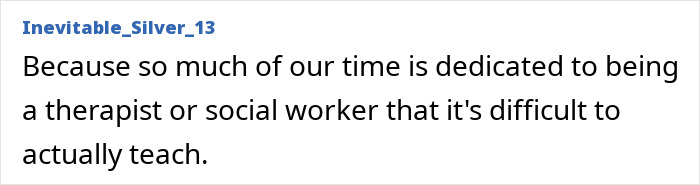
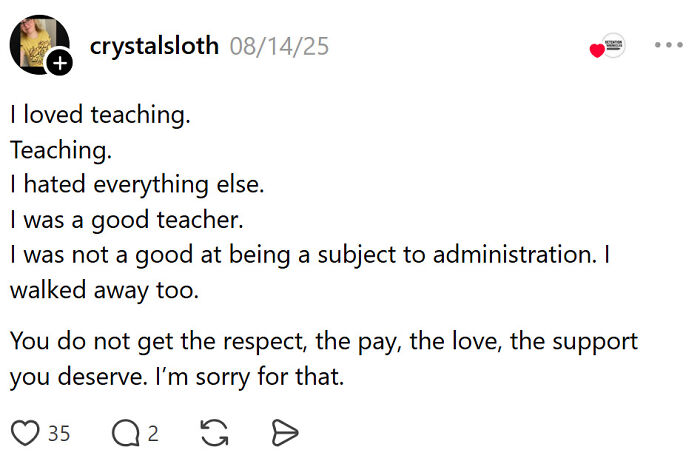
Something is broken, and it has been broken for long enough that the people who were holding it together with passion and goodwill have simply run out of both. These reasons were shared by real teachers, former teachers, and people who got close enough to the edge to understand exactly why others jumped.
This post may include affiliate links.

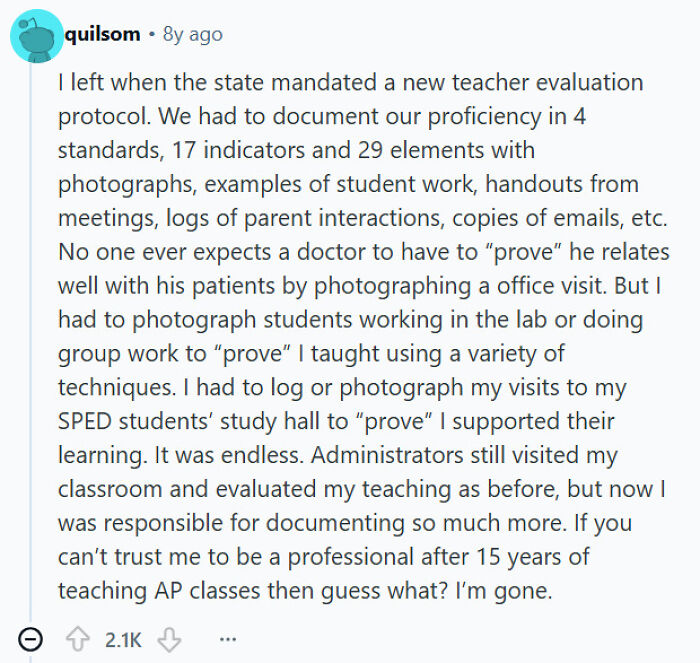
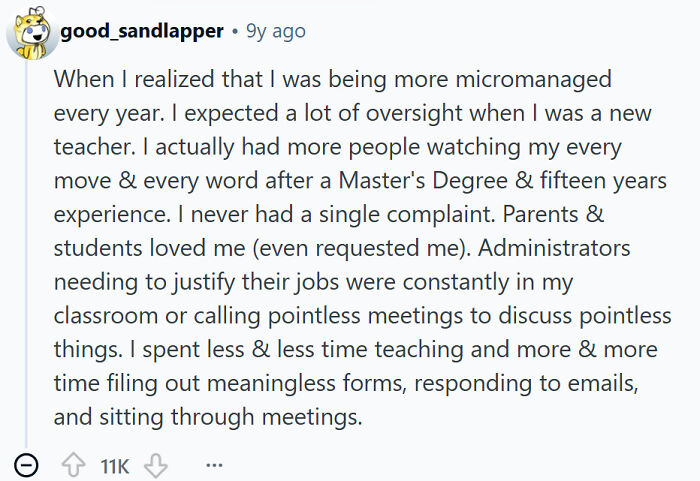
Probably some idiot middle management types making you jump through hoops to justify their existence.

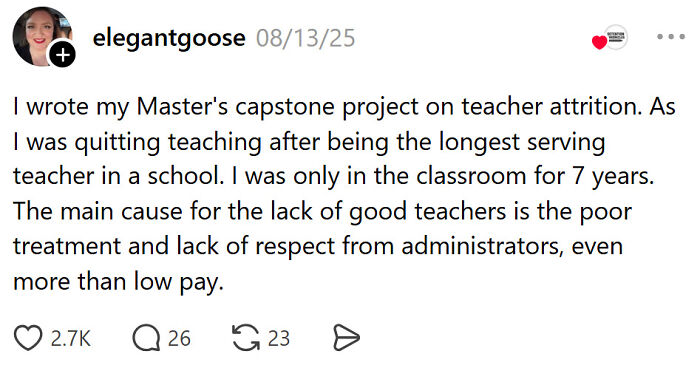
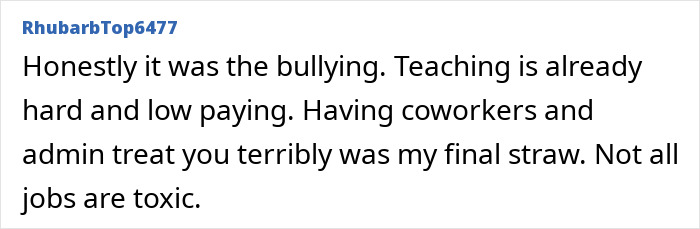
My niece taught in elementary school. The harassment she received from her principal was so awful she couldn’t eat or sleep. She lost so much weight from the stress that we were all worried for her health. Eventually she quit because she couldn’t take it anymore. She still does substitute teaching when her schedule allows.


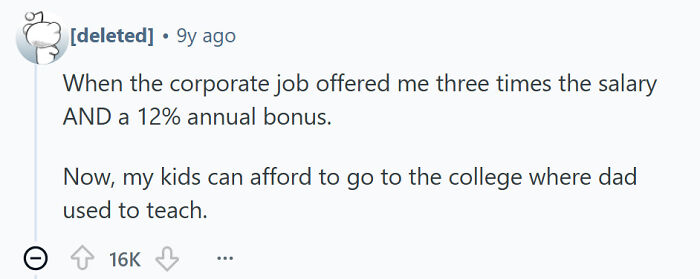
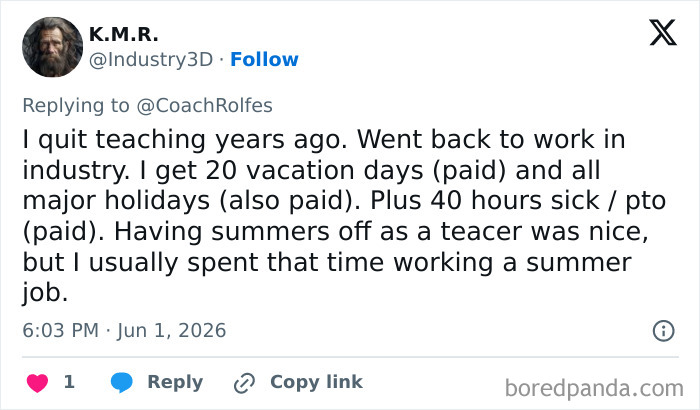
Either this guy was being paid terribly low wages, or that is a VERY nice corporate job.

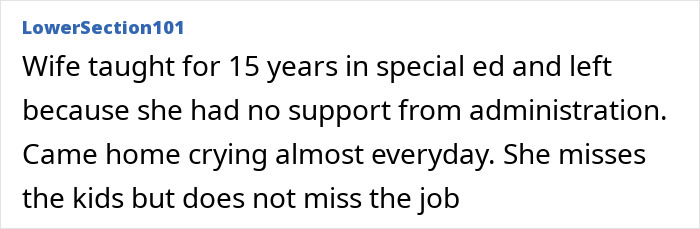
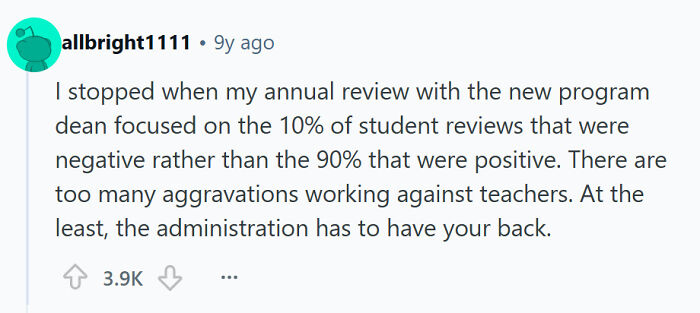
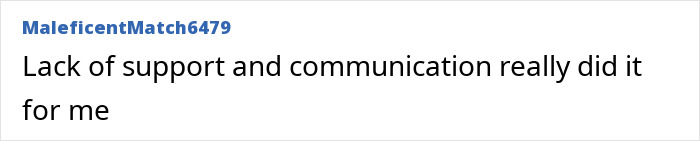
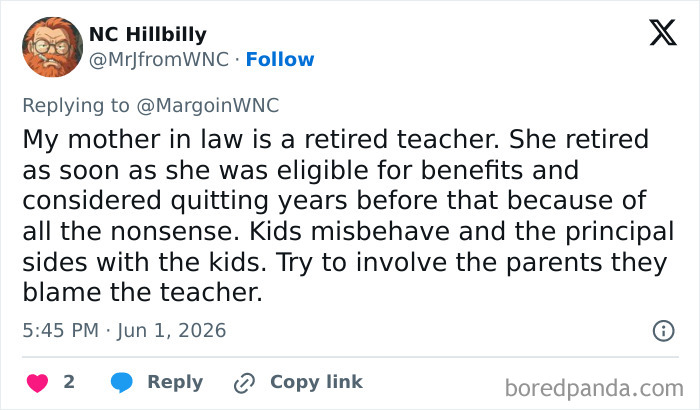
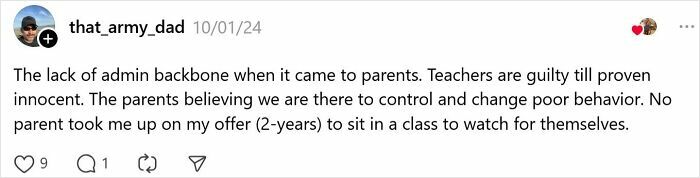
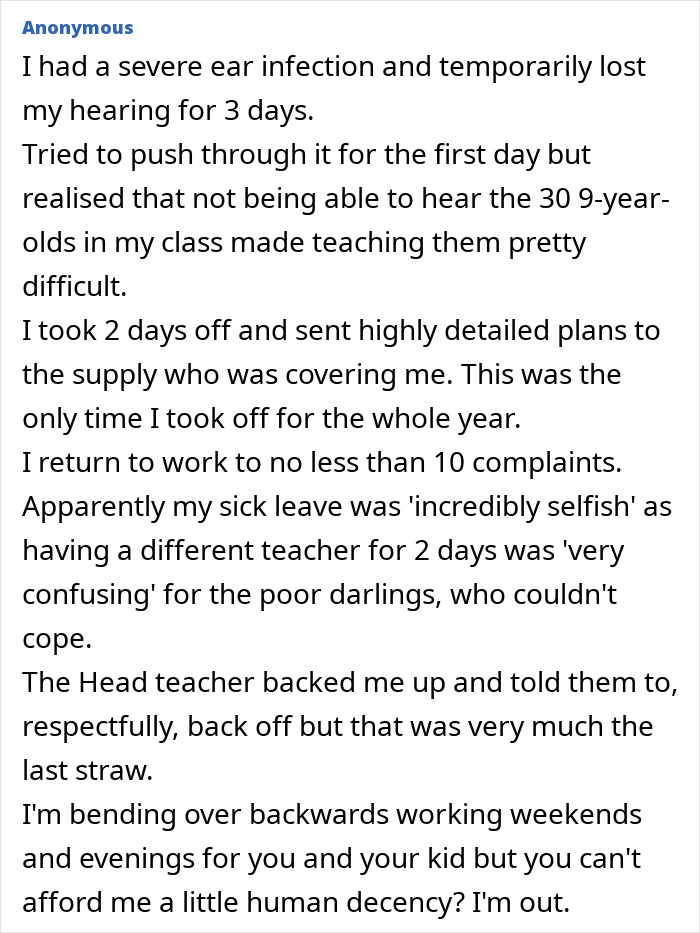
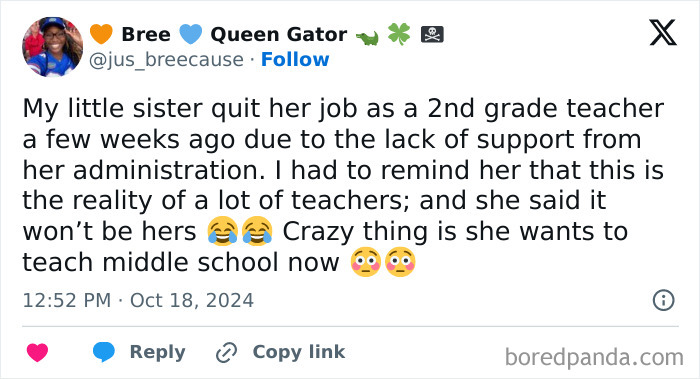
Apparently, the administration isn't *paid* to have the teachers' backs. And they wonder why teachers are quitting in droves...🙄

For me, it would have been gun training for teachers so they can be responsible for neutralizing shooters.

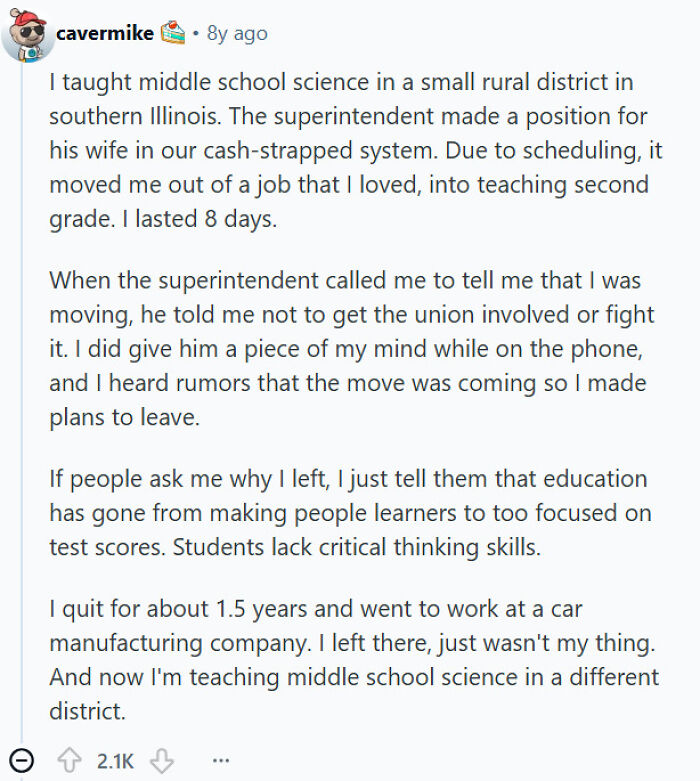
OP should have called the union and fought it. Superintendent had already tipped his hand that he was afraid of that.
In high school, I had a teacher who gave a speech about how we should "leave our problems outside the classroom," using as a negative example the story of a boy who couldn't concentrate or stay in class because his drunken father had burned him several times with cigarettes the night before. I liked that teacher, but honestly, I felt like punching him in the face.

*you're. I think grammar notsees suck but this text is from a teacher.

Free morning and afternoon duties, science and math night, open house, all free

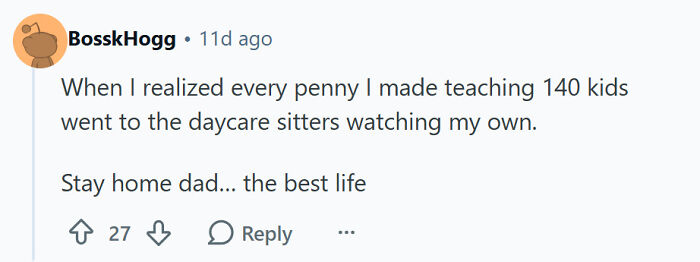
My husband did this. Basically, he was only making enough money as a teacher to have other people watch his kids. Ended up home schooling all four of them K-12. It was quite a ride. The last kid just graduated from HS. Hubs just took a job at the local high school. We shall see!

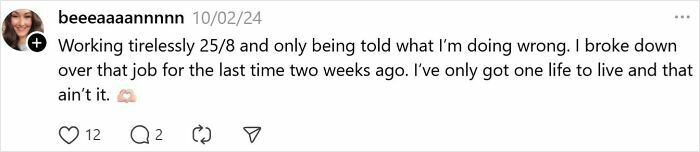
This was one of the things that made me leave my first teaching job. I have fibromyalgia so I knew it was going to be hard, but I really wanted to get through 12 months of full time work. By six months, I was exhausted, having a huge fibro flare up, and anxious to boot. My weekends were half doing prep work for the next week and half so exhausted I could do nothing but lie on the couch and watch tv.
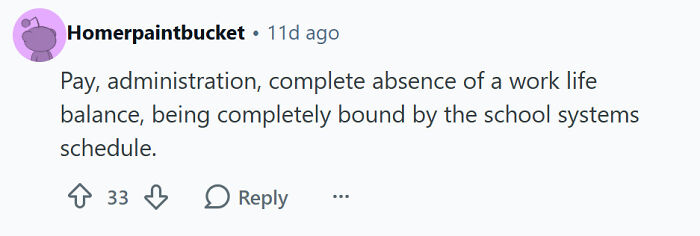
Teachers don't spend the summer "off". They spend it unemployed.
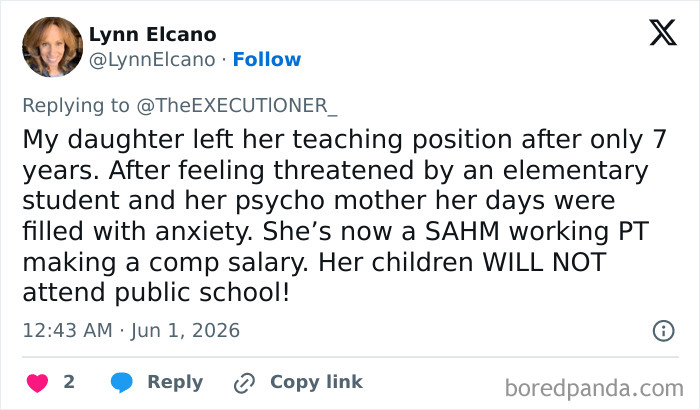
Hate to tell OP, but psycho parents are not limited to the public schools. Believe me.




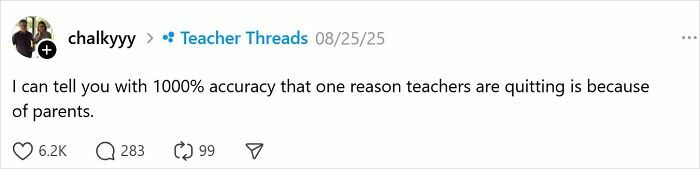
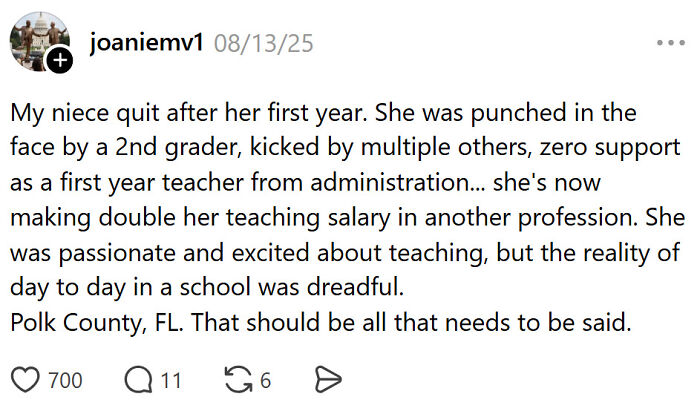
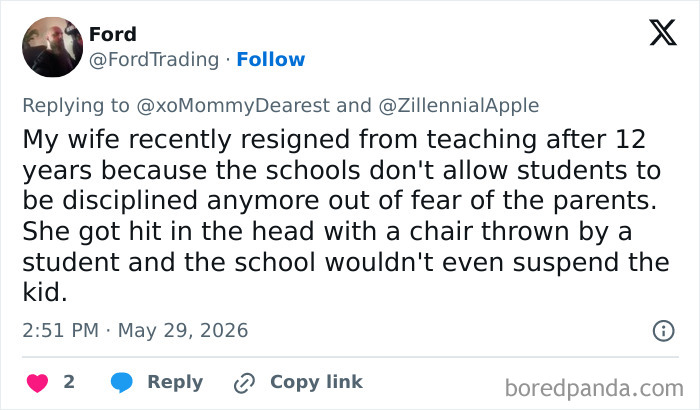
This is absolutely true. I had staplers and other items thrown at me by one kid, another tried to punch me in the face. One teacher had her pinkie fractured and her knee dislocated by the same student (two separate incidents in a week). None of these students were suspended. This was pre-K, btw. We were then told we just needed to build relationships with them. My assistant teacher was pulled to the ground by her hair! We couldn’t have meaningful consequences as it was seen as threatening the student. Parents weren’t required to meet with us or partner with us. I lasted four years.

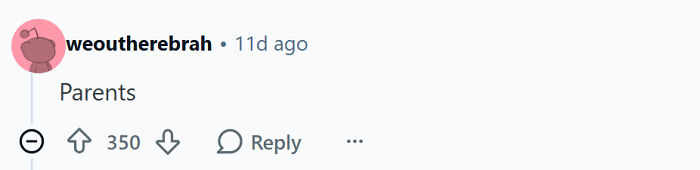
I think that it's a mixing pot of disasters waiting to happen. "Relaxed" parenting. Some through laziness, some through not being able to juggle the rat-race we are "living".
The bishop of the diocese parachuted in as principal an old buddy with no degrees in education, no teacher or principal's license, and no experience. You can imagine how little interested he was in upholding academic standards.
This is absolutely true. I had staplers and other items thrown at me by one kid, another tried to punch me in the face. One teacher had her pinkie fractured and her knee dislocated by the same student (two separate incidents in a week). None of these students were suspended. This was pre-K, btw. We were then told we just needed to build relationships with them. My assistant teacher was pulled to the ground by her hair! We couldn’t have meaningful consequences as it was seen as threatening the student. Parents weren’t required to meet with us or partner with us. I lasted four years.
I think that it's a mixing pot of disasters waiting to happen. "Relaxed" parenting. Some through laziness, some through not being able to juggle the rat-race we are "living".
The bishop of the diocese parachuted in as principal an old buddy with no degrees in education, no teacher or principal's license, and no experience. You can imagine how little interested he was in upholding academic standards.














 No fees, cancel anytime