Get Premium
Dark mode theme is available exclusively for premium users. Learn more about the benefits of subscribing.
No fees, cancel anytime.

 Dark Mode Ad-Free Browsing Unlimited Content
 Ad-Free Browsing Unlimited Content Dark Mode
Join 1.2 million Panda readers who get the best art, memes, and fun stories every week!
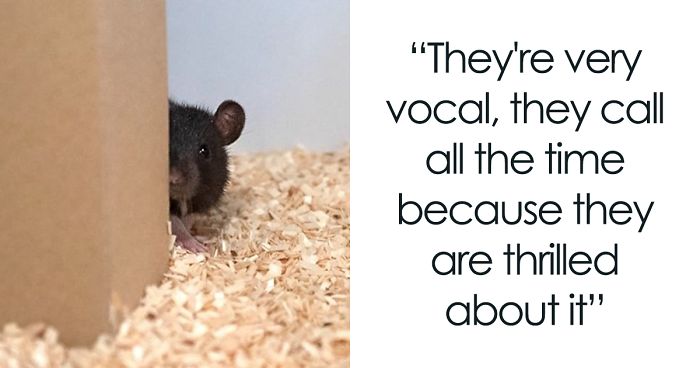
Hide and Seek is probably one of the most popular games in the world. You’ve played it, we’ve played it, little Timmy, who always tried to be sneaky and cheat, played it. Even new parents and their relatives get to relive the excitement by playing hide and seek with their children! Besides it being genuinely fun, there is a heap of science backing up how beneficial it is to a developing body and mind. In fact, hide and seek is such a universal game that it transcends all barriers of language, age, and even species.
Image credits: Humboldt-Universität Berlin
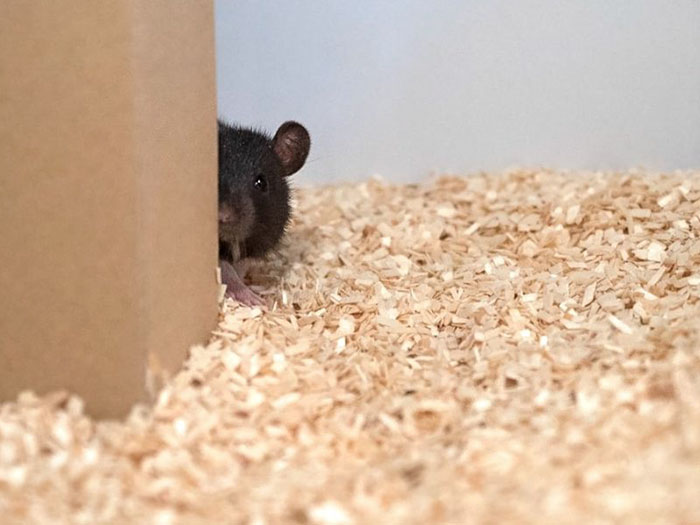
Michael Brecht, a Neuroscientist from Humboldt University in Berlin, stumbled upon some YouTube videos of pet owners playing with their rats. Many of them noted that their beloved animals love playing games, including hide-and-seek. Previous research has already concluded that rats enjoy rowdy games, but hide-and-seek is a complex game as it has specific rules and roles.
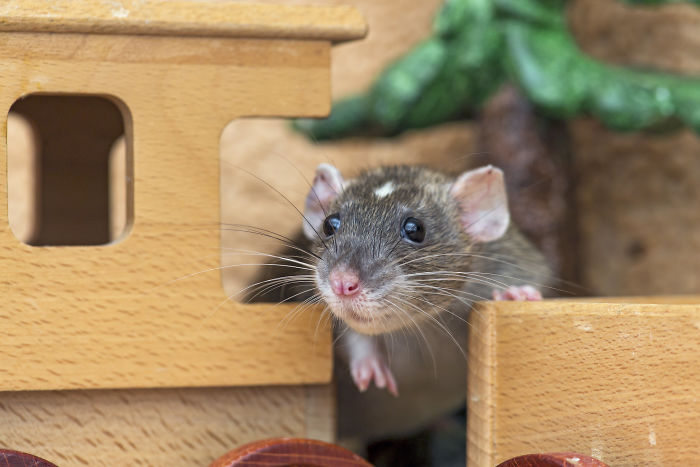
Image credits: Tambako The Jaguar (not the actual photo)
Brecht, with the help of his colleagues, set up an enclosed 30-square-meter playground with little shelters as well as transparent and opaque boxes. These served as hiding places for the rats. There were also a handful of hiding places for the experiment’s game master, Annika Stefanie Reinhold, as she was the one teaching them the ropes of hide-and-seek.
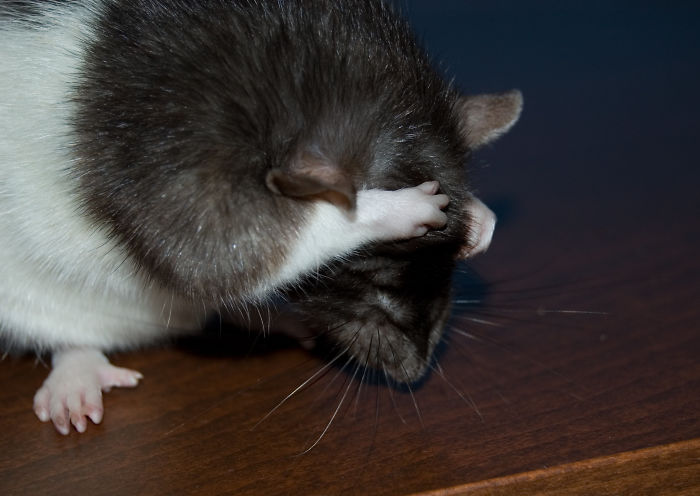
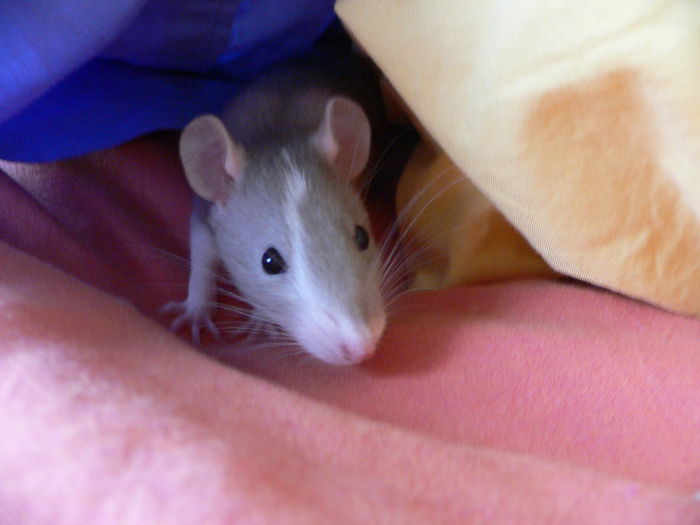
Image credits: Sue (not the actual photo)
Six rats were selected for this experiment. The game began with a rat being put into a lidded box. As soon as Reinhold hides, the box is opened remotely and the rat would jump out to look for her. The rats were rewarded with pats and tickles for finding the game master.
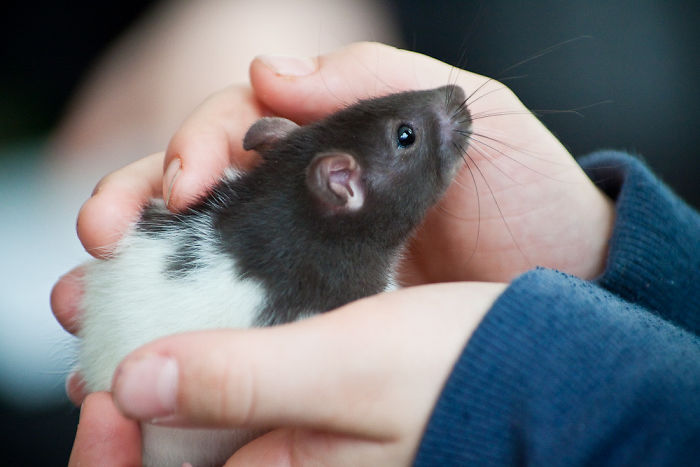
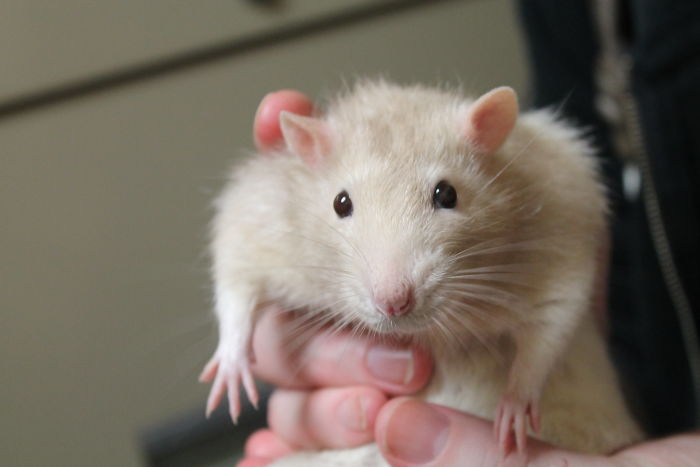
Image credits: Marco Nedermeijer (not the actual photo)
Then the roles change—the rat becomes the hider. Reinhold would crouch beside the now open box, letting the rat jump out and go hide in one of the prepared hiding places.
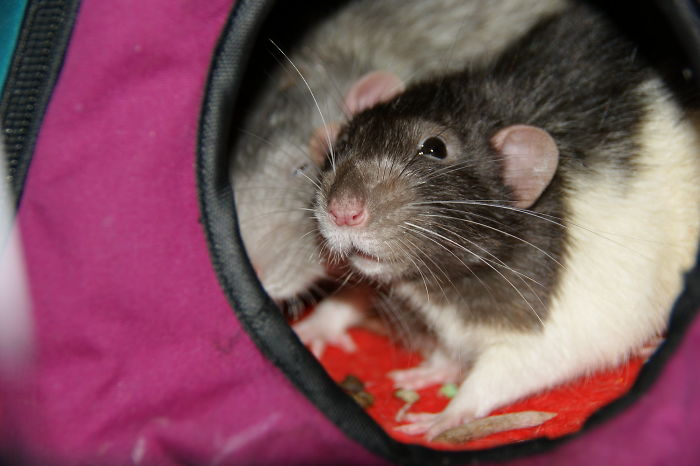
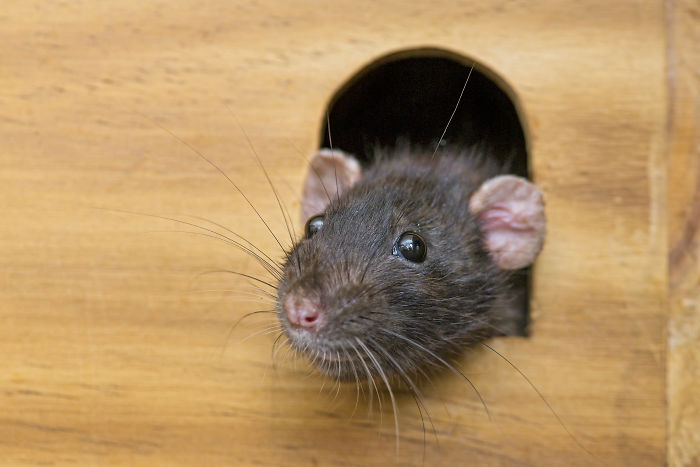
Image credits: Mike (not the actual photo)
In just 2 weeks of this experiment, five out of six rats knew how to play hide and seek in either of these two roles. They followed the rules of one rat seeking and others hiding and switching between these roles after the seeker has found the hiders.
Image credits: David Ascher (not the actual photo)
Most rough and tumble games, which the rats enjoy, do not include such elements as roles, rules and strategy, which, in contrast, is a huge part of hide and seek. This alone hints at how complex rat behavior can actually get. Neural tests also pinpointed the specific areas of the rat’s brain that processes such information as learning rules.
Image credits: Mariposa Veterinary Wellness Center (not the actual photo)
Previous studies on rats also support the complexity of their brain. Another study—also covered by Bored Panda—has shown that rats are capable of expressing empathy towards other rats. The behaviors studied in this experiment involved one rat releasing another one from an enclosure. One case even records the saving rat also sharing its chocolate treat with the saved one.
Image credits: Tambako The Jaguar (not the actual photo)
When asked whether the rats are doing this for fun, or because they are treated to a pet and a tickle, Brecht explained that the rats were jumping out of joy—something many mammals do when they are happy. They would also run off to a new hiding spot after being found without receiving a reward, thus prolonging the game. So, who said science can’t be fun?
175Kviews
Share on Facebook

Whoever thinks that rats are gross likely has not seen enough from them!
Load More Replies...


You said it! How many rats do you see cutting down rain forests? Or making other animals suffer for their own vanity? Only us humans are so inhumane.
Load More Replies... Whoever thinks that rats are gross likely has not seen enough from them!
Load More Replies... You said it! How many rats do you see cutting down rain forests? Or making other animals suffer for their own vanity? Only us humans are so inhumane.
Load More Replies...


























 No fees, cancel anytime










429
75