Get Premium
Dark mode theme is available exclusively for premium users. Learn more about the benefits of subscribing.
No fees, cancel anytime.

 Dark Mode Ad-Free Browsing Unlimited Content
 Ad-Free Browsing Unlimited Content Dark Mode
Join 1.2 million Panda readers who get the best art, memes, and fun stories every week!

55submissions
1week left
I love the internet. It always gives you the sense that there are perhaps no unique experiences. You'll just be going about your day, and the next thing you know, you’re staring at a meme that somehow captures exactly what you were thinking but could never put into words.
And that’s the beauty of a good meme. It doesn’t need a complicated setup or a punchline worthy of a comedy special. Sometimes, all it takes is an oddly specific observation, a perfectly timed image, or a sentence that is way too relatable to leave you scrolling.
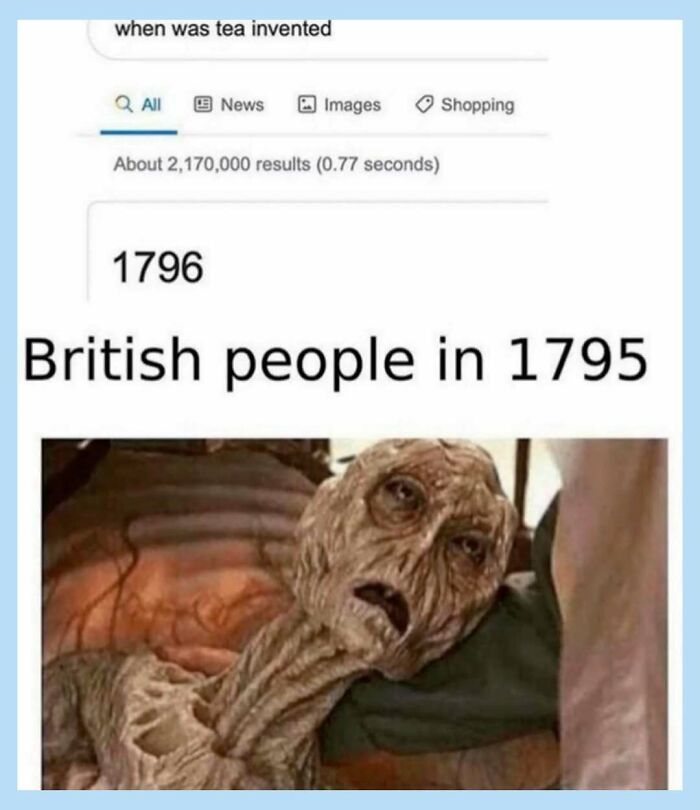
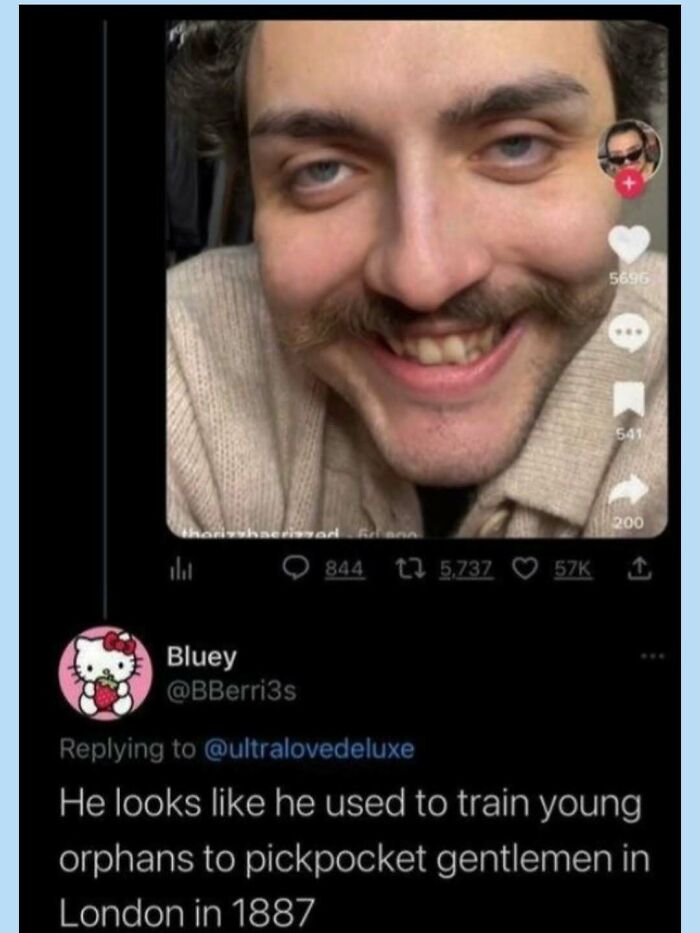
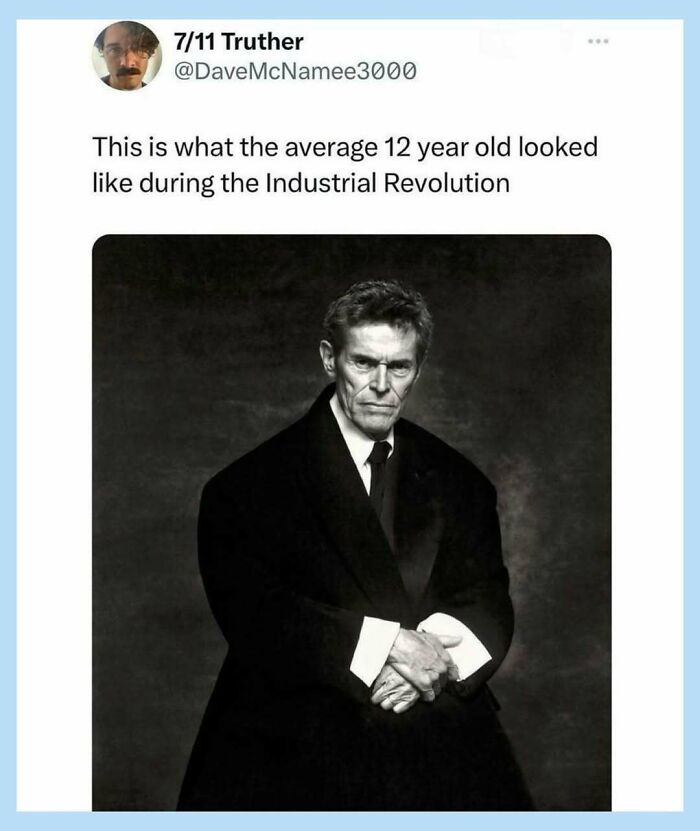
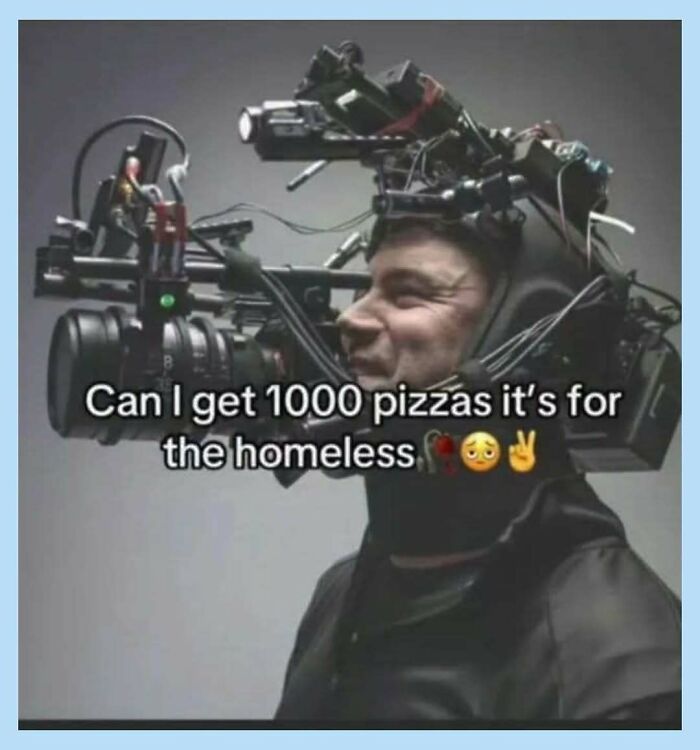
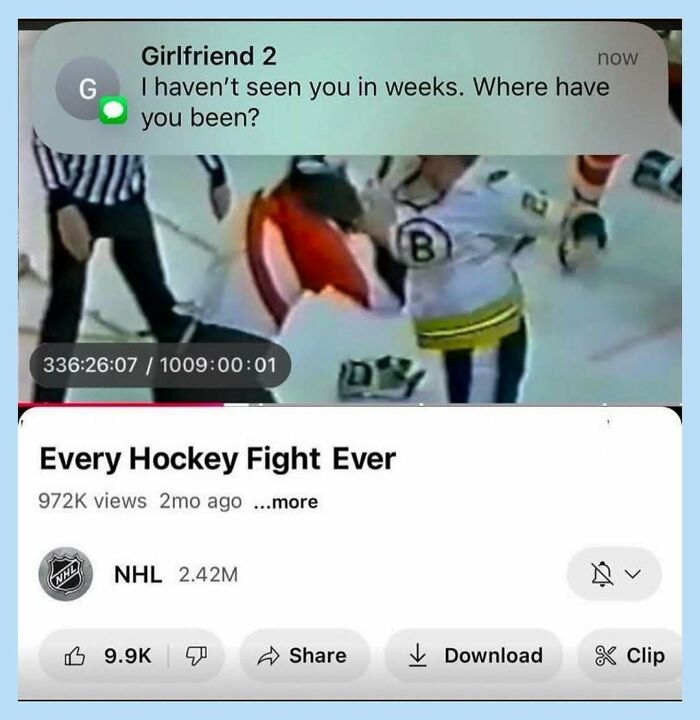
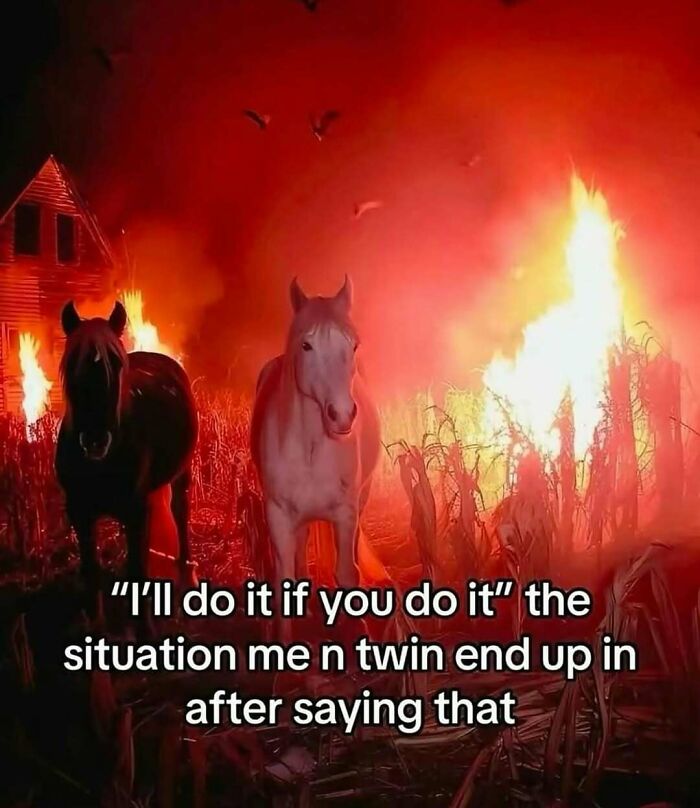
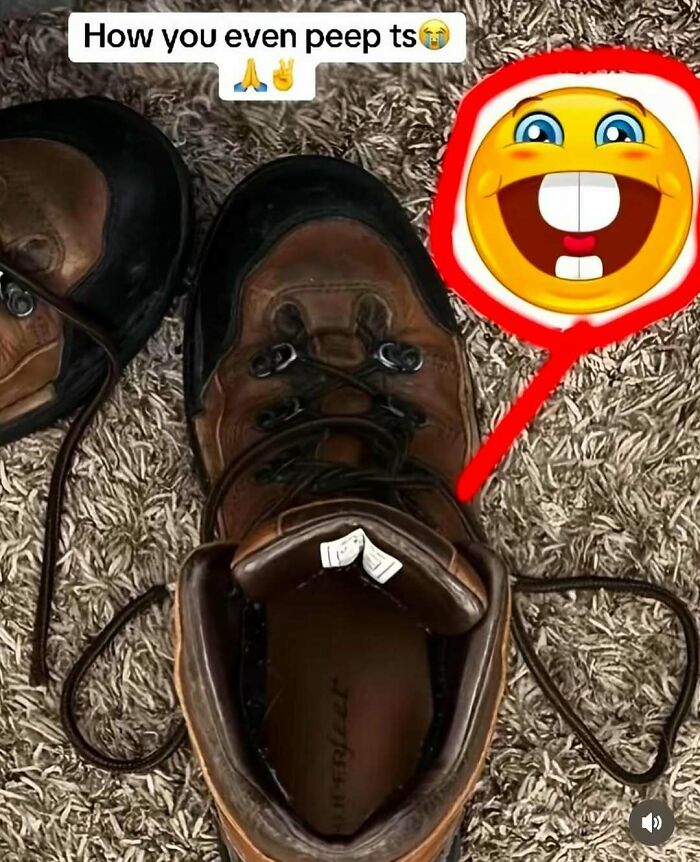
Today, we’ve gathered a collection of random memes courtesy of Towelies, an Instagram page followed by thousands of people. From painfully relatable moments to jokes that make absolutely no sense until they suddenly do, these memes are guaranteed to give your scrolling session a little more entertainment. So, get comfortable because you might be here for a while.
This post may include affiliate links.
One reason memes can be so effective is that they often capture experiences people thought were uniquely their own. Teravexa explains that this sense of recognition can make people feel understood and less alone, particularly when a meme reflects familiar experiences such as procrastination, workplace burnout, awkward interactions, or everyday frustrations.
Seeing a joke that mirrors something from your own life creates a moment of recognition that what seemed like a private quirk suddenly becomes a shared human experience. That relatability is part of what makes scrolling through memes so rewarding, because the humor is often accompanied by the reassuring realization that plenty of other people apparently behave the exact same way.
There is also a psychological reason why the punchline of a meme can catch us off guard in such an entertaining way. Psychotricks explains humor through the idea of incongruity, where something becomes funny because it clashes with the expectation we have formed about what should happen.
Our brains naturally use context to predict an outcome, and humor can disrupt that prediction with an absurd image, unexpected caption, or completely different interpretation. The amusing part comes when we figure out how the strange combination actually fits together. This is why a meme can initially seem nonsensical before suddenly making perfect sense once the joke clicks.

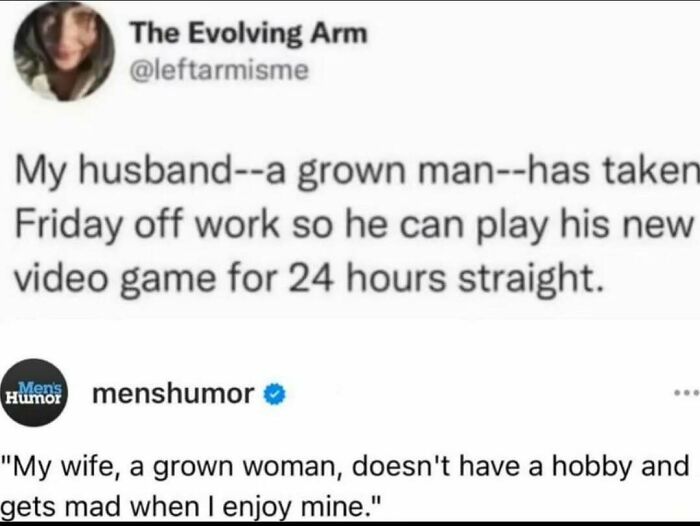
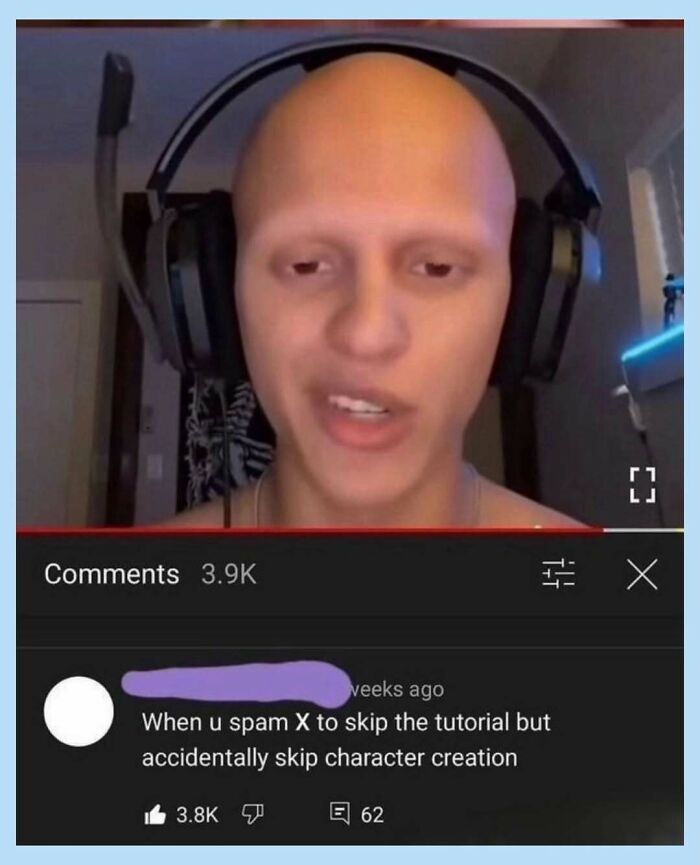
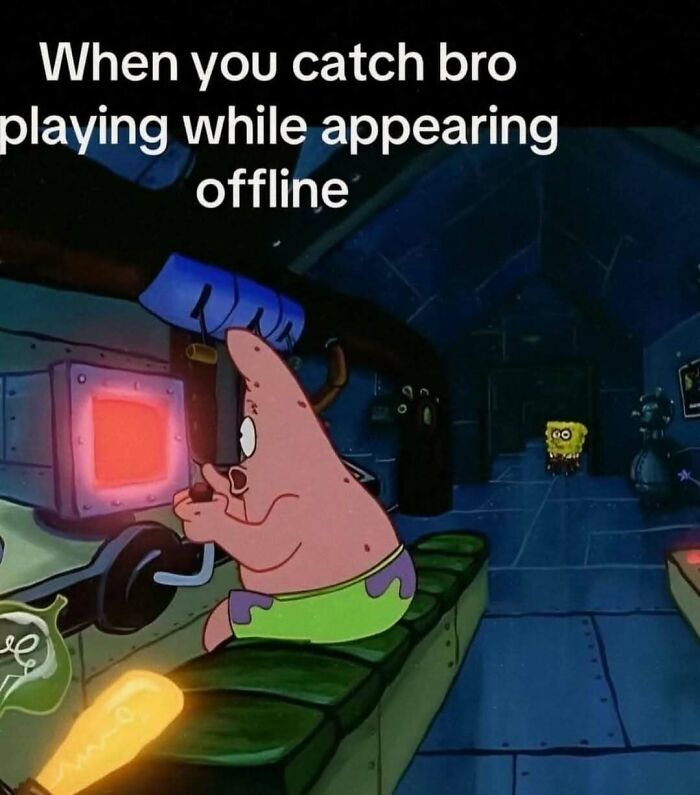
I did this when Baldur's Gate 3 came out, I was 50 years old. Not ashamed.
That balance between surprise and recognition is particularly useful for memes because the format allows creators to establish an expectation almost instantly. A familiar photograph or recognizable reaction already gives viewers a rough idea of what they are looking at, while the caption can then take the situation somewhere completely unexpected.
Once the viewer connects the two, the initial confusion turns into amusement. Puns and wordplay operate in much the same way, setting up one possible meaning before suddenly revealing another. A good meme therefore does not necessarily need an elaborate setup. The image itself can provide most of the groundwork, leaving only a small twist for the viewer to discover.
But the appeal of memes extends beyond the individual experience of finding something funny. Whisper Maker points out that sharing memes can become a form of social bonding because they create common ground between people. Understanding the same reference, format, or niche joke can signal shared interests and experiences, while sending a meme can communicate an emotion without requiring someone to spell it out.
A person who is exhausted might send a joke about being tired, for instance, allowing a friend to understand their mood without turning the exchange into a serious conversation. The meme becomes a small social shortcut through which people can say something while still keeping the interaction light.
This makes memes particularly useful for maintaining relationships in the middle of everyday life. Whisper Maker also notes that repeatedly sharing things that remind people of one another can create small moments of contact between more substantial conversations. A funny picture can effectively serve as a tiny check-in: it says that someone saw something, thought of another person, and decided to share it.
Memes can also turn individual frustrations into collective experiences. Laughing about an irritating boss, disastrous date, or sleepless night can make the problem feel less isolating because someone else recognizes the same absurdity. Research has even linked frequent use of memes, GIFs, and emojis in digital communication with greater self-disclosure, intimacy, and relationship maintenance.
Humor can also be useful when the thing being laughed about is not particularly funny to begin with. Research into humor and emotion regulation suggests that jokes can act as a small coping mechanism by changing the way people interpret stressful experiences. Through a process known as cognitive reappraisal, someone can reframe an unpleasant event so that it feels less overwhelming, more absurd, or simply easier to tolerate.
Turning an embarrassing moment into a joke does not mean pretending it never happened; instead, it can create enough emotional distance for the person to look at the experience from another angle. It was also found that humorous reappraisal can reduce negative emotions while increasing positive ones, helping explain why people often turn everyday disasters into something they can laugh about later.
Perhaps what makes all of this particularly fascinating is that memes have developed into much more than a format for delivering jokes. Research from Cambridge approaches memes as a form of modern cultural communication, because they combine imagery, language, familiar references, and shared knowledge.
Recognizable templates allow people to communicate complicated attitudes quickly: changing the text can transform the same image into a joke about work, relationships, politics, fandoms, or everyday life while retaining the format's underlying meaning. In that sense, the image provides something like a familiar framework, while the new caption supplies the individual message.

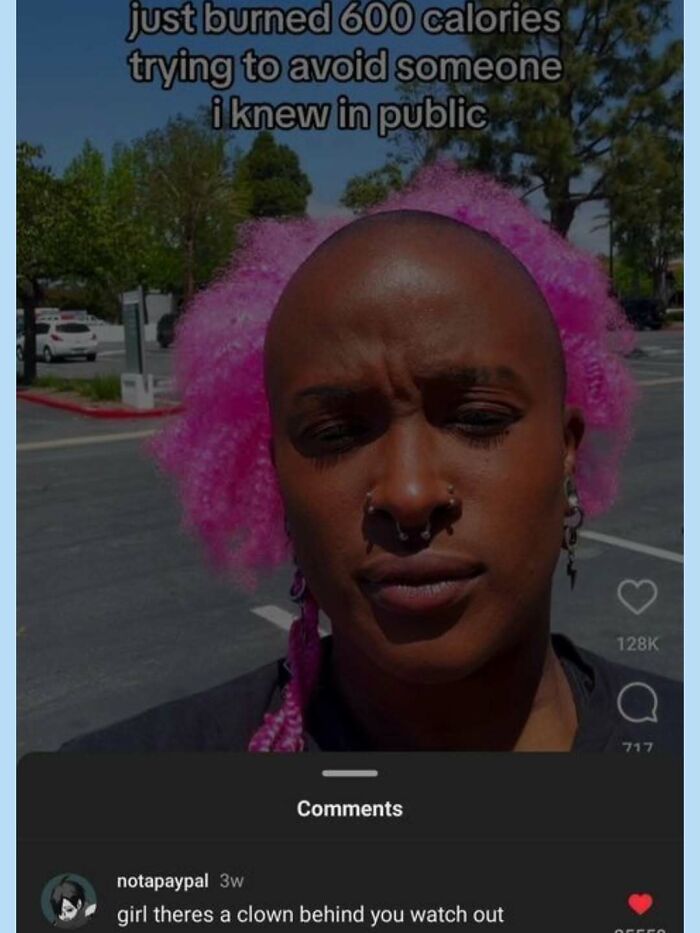
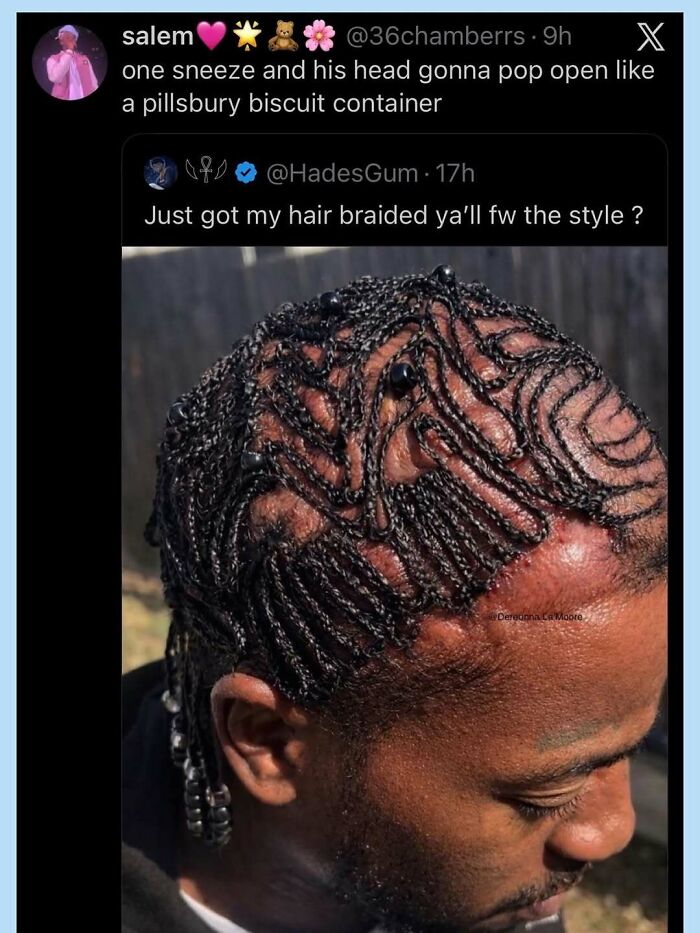
The tension headache was instant and terrible just looking at this, I used to complain about just one braid.
That combination of familiarity and creativity is also why memes can spread so easily across online communities. Another study highlights how memes can carry cultural knowledge, social attitudes, group identity, and even unspoken rules about what a particular community finds funny or relatable.
Understanding one can sometimes require knowing the original movie, celebrity moment, viral event, or internet joke behind it, but once that knowledge is shared, a surprisingly complicated idea can be communicated with just an image and a few words. All of a sudden, it has become a form of communication. One that can make people feel understood, bring friends closer, or even reframe a bad day.
To wrap it all up, perhaps that is what makes memes such a lasting part of internet culture. They can be silly, absurd, painfully relatable, or unexpectedly clever, but underneath the joke is often something familiar. And with a collection this random, there is bound to be something that speaks to your particular sense of humor.
Whether you laughed because a meme perfectly described your life, appreciated the unexpected punchline, or simply wondered how someone managed to come up with it, that's part of the fun. What kind of memes always get you? Are you more into painfully relatable memes, completely absurd ones, dark humor, clever wordplay, or those jokes that make absolutely no sense but somehow work?



















 No fees, cancel anytime