Get Premium
Dark mode theme is available exclusively for premium users. Learn more about the benefits of subscribing.
No fees, cancel anytime.

 Dark Mode Ad-Free Browsing Unlimited Content
 Ad-Free Browsing Unlimited Content Dark Mode
Join 1.2 million Panda readers who get the best art, memes, and fun stories every week!
Psychology is the scientific study of the mind, behavior and human experience. Diving into this field can help us better understand ourselves and everyone else that we encounter. But it’s an extremely complex discipline. So if you’re looking to learn more about psychology in an easy, digestible way, you’ve come to the right place.
We took a trip to Psychology Posts on Instagram and gathered their most fascinating fun facts below. Hopefully, these images will teach you something new and give you a fresh perspective on how humans work. Enjoy scrolling through, and be sure to upvote the posts that you think everyone could benefit from reading!
This post may include affiliate links.
When we make conscious efforts to manage our emotions, like anger, we're essentially engaging in a mental workout that strengthens neural pathways associated with self-control and emotional regulation.
This means that by choosing healthier responses to anger, such as deep breathing, mindfulness, or constructive communication, you're not only preventing a potentially explosive situation but also fostering a calmer mind.
It's a powerful transformation that goes beyond the momentary calm. It's about nurturing a calmer, more composed you in the long run.

I know this to be true. I'm working on it regularly now. It's working.
This connection suggests that understanding and appreciating dark humor requires complex processing and mental flexibility - traits typically associated with higher IQ levels.
Additionally, emotional stability helps individuals navigate potentially disturbing content without experiencing heightened distress.
Dark humor taps into the ability to confront life’s darker realities with a sense of wit, allowing for a nuanced perspective on sensitive subjects.
Rather than being desensitized, people with an appreciation for dark humor seem to strike a balance between empathy and emotional detachment, which may explain their ability to enjoy humor others might find uncomfortable.
As far as why it’s so important for us to study psychology, Verywell Mind notes that it can impact nearly every aspect of our lives. One of the most obvious uses is for mental health, particularly in therapeutic settings. But a greater understanding of psychology can also help experts develop educational programs, inform public policy, enhance performance and design social programs.
Ergonomics can also benefit from an understanding of psychology, as well as psychological research and self-help programs. We can even use what we’ve learned from psychology to better understand child development, informing us how to be more effective parents and teachers.
Have you ever noticed how your dog wags its tail wildly and looks at you with pure joy when you walk in the door? This reaction is more than just a greeting, it shows the deep connection between dogs and their owners.
Exciting research has uncovered a remarkable phenomenon: a dog’s brain releases a surge of oxytocin upon seeing their owner.
Known as the ‘love hormone,’ oxytocin is the same chemical that floods the human brain during moments of deep love or while bonding with a newborn. It cultivates those cozy, warm feelings and cements a lasting bond.
That is because they truly do love us. Sometimes without cause, unfortunately.

"You miss 100% of the shots you don't take" -- An overused quote
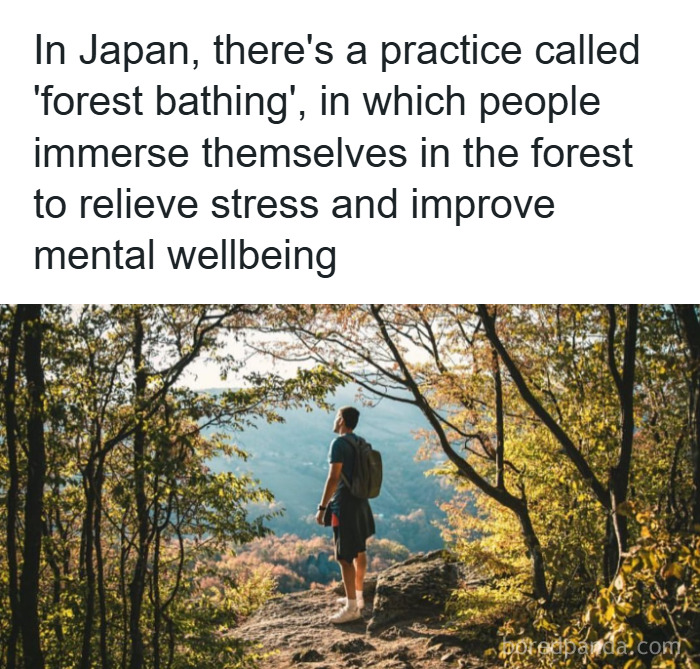
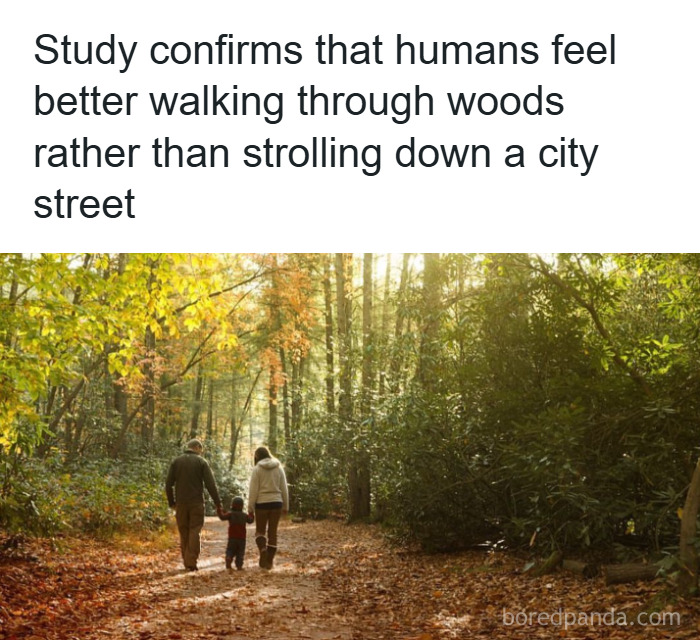
This is not exercise, or hiking, or jogging. It is simply being in nature, connecting with it through our senses of sight, hearing, taste, smell and touch.
You can forest-bathe anywhere in the world where there are trees. In hot weather or in cold, in rain, sunshine or snow. You don’t even need a forest. Once you have learned how to do it, you can do shinrin-yoku anywhere.
I have plenty of forest do do this in my land. It was a godsend during covid.
When it comes to what psychologists can do, they have many more options than simply being a therapist. They can also contribute to creating healthier workplaces, design and implement public health programs, research airplane safety, help design technology and computer programs, and study military life, as well as the psychological impacts of combat.
But becoming a psychologist isn’t exactly easy. It typically takes between eight to twelve years to become a licensed psychologist. This entails earning a bachelor’s degree, a master’s and/or doctoral degree, and one to two years of supervised experience and licensing exams.
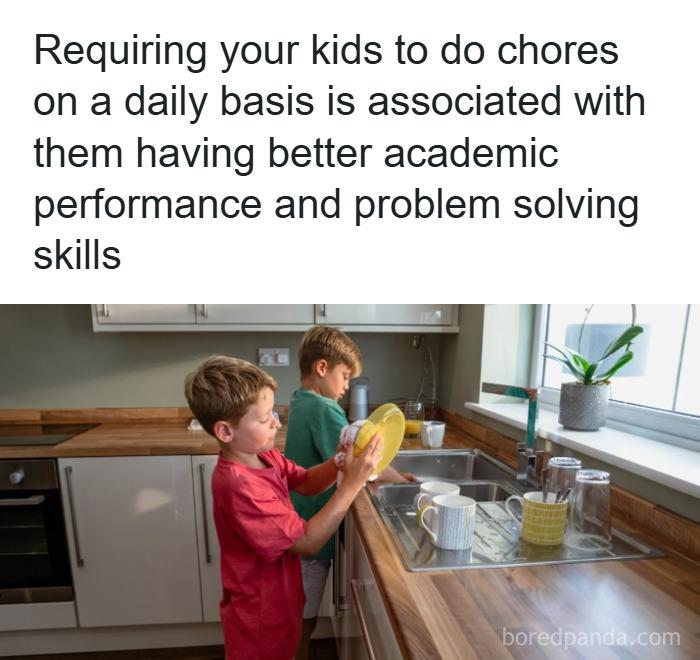
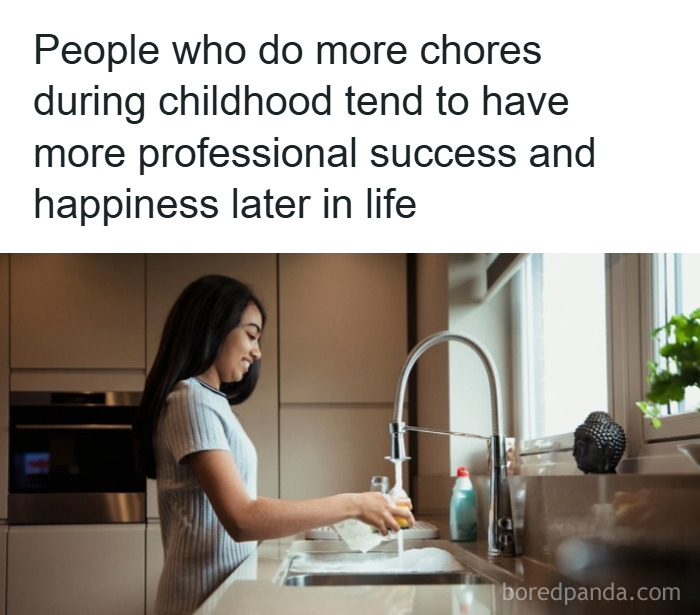
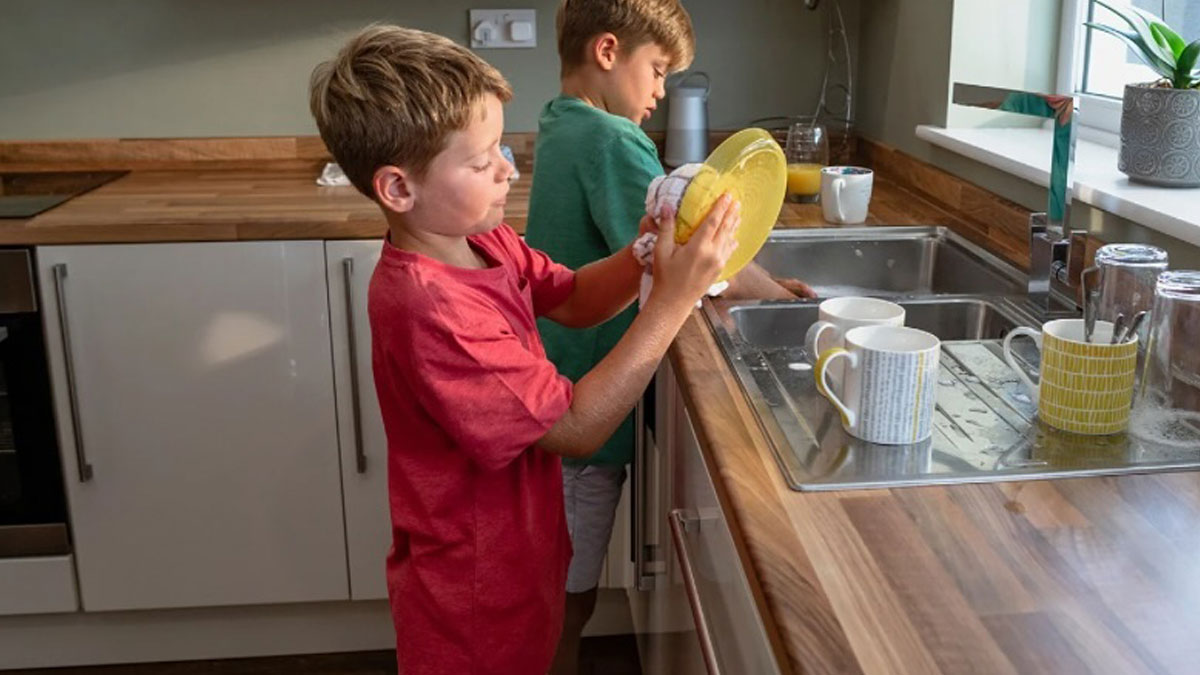
Engagement in self-care chores (e.g., making self a meal) and family-care chores (e.g., making someone else a meal) significantly predicted working memory and inhibition, after controlling for the influence of age, gender, and presence or absence of a disability.
However, for families with a pet, there was no significant relationship between engagement in pet-care chores and executive function skills.

Oh, really? Because my parents essentially used us as servants. You need to be careful.
The use of music in therapy for the brain has evolved rapidly as brain-imaging techniques have revealed the brain’s plasticity — its ability to change— and have identified networks that music activates.
Studies by the authors and other researchers have revealed that because music and motor control share circuits, music can improve movement in patients who have suffered a stroke or who have Parkinson’s disease.
Research has also shown that neurologic music therapy can help patients with language or cognitive difficulties, and the authors suggest that these techniques should become part of rehabilitative care.
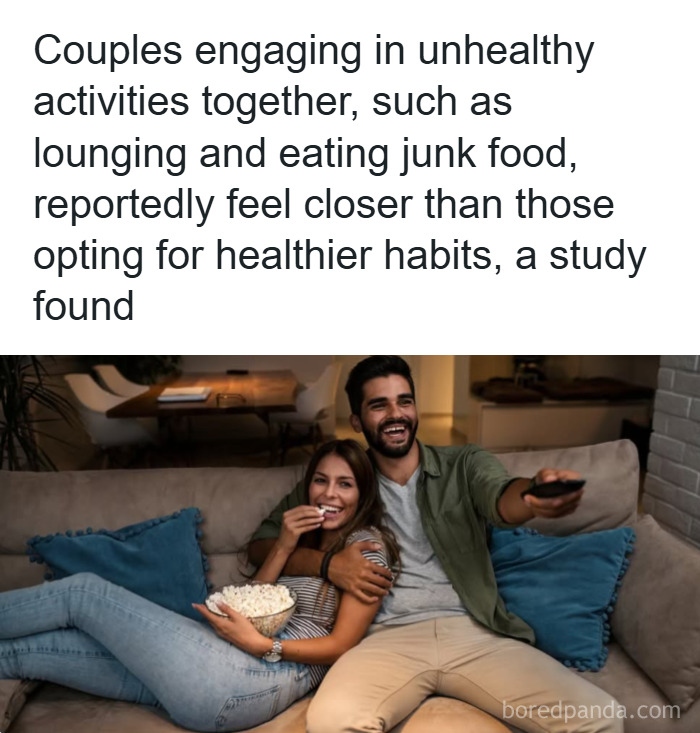
Clearly, we don’t all have time to spend a decade in school studying to become a psychologist. But if you want to learn the absolute basics, HelpGuide has got you covered. First, they note that it’s important to understand that psychology and common sense don’t always align. For example, plenty of people eat junk food, despite the fact that we know it’s unhealthy. We don’t always do what we know is “right.” So instead of making assumptions based on common sense, psychology makes sure that every hypothesis is scientifically tested.

Because it is harder to move farther away when you are lethargic and full of junk food?
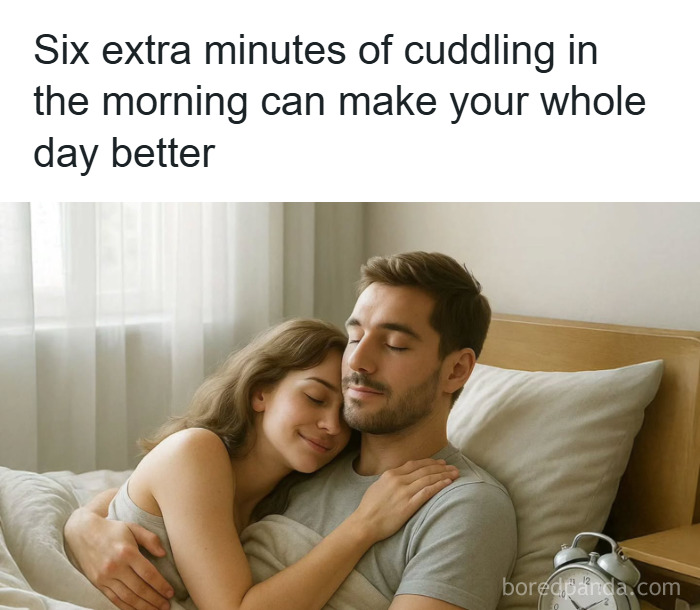
Morning cuddling is more than a cozy habit. Science shows it works like an emotional vitamin, setting the brain and body up for a calmer, happier day. Just a few extra minutes of affectionate touch after waking can lower stress, boost mood, and strengthen connection.

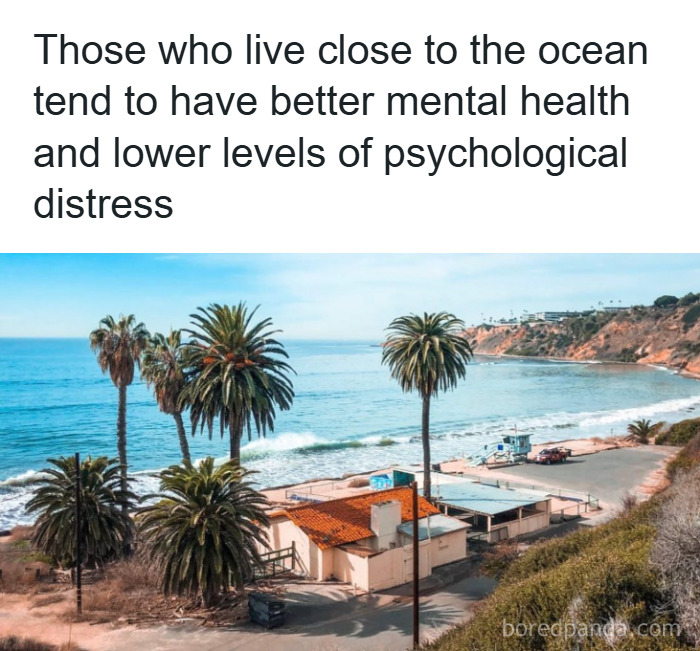
Those that can afford property close to the ocean are richer on average and have less to worry about.
There are also several major perspectives to consider in psychology: biological, cognitive, behavioral, humanistic, psychodynamic, and more. Each of these aims to understand problems stemming from different sources. For example, humanistic psychology aims to get to the bottom of issues caused by a person's specific experience. And possible remedies may include building positive qualities, such as gratitude, empathy and resilience.
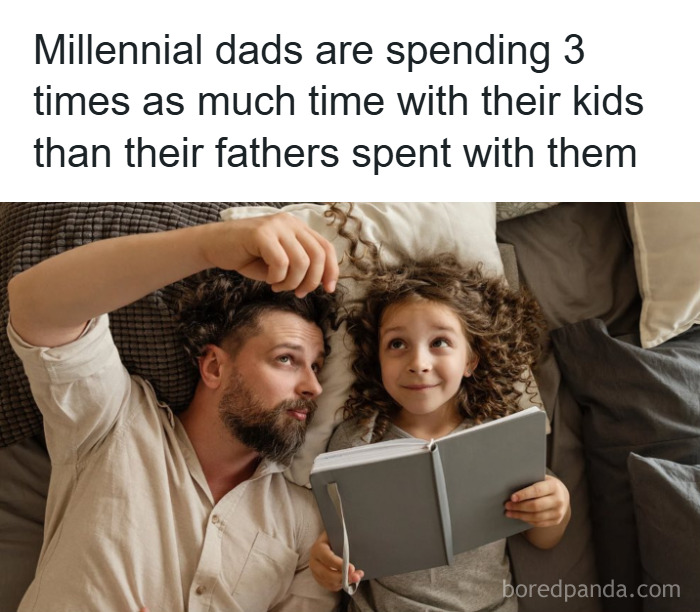
Back in 1982, 43% of fathers admitted they'd never changed a diaper. Today, that number is down to about 3%.
A new study has found that millennial dads are spending more time with kids. These fathers prioritize spending time with their families over DIY projects.
Millennial dads are also taking time off work to be more involved in raising their children.
Studies have shown that dads who take paternity leave have better relationships with their children.
There are also many different branches of psychology, including clinical, cognitive, developmental, social, personality, industrial-organizational, forensic, school, and health. Because each one has a unique focus of study, they each aim to understand behaviors present in different settings. After all, psychology is relevant to every single aspect of our lives.
The way we process what we see in just a few milliseconds can make us feel attracted or repelled by a city.
Research says that as we look at a city more, the way it looks can affect our experience of it more than we thought.
The way a city looks can affect how easy it is to walk around and understand where you are.
Researchers suggest that using certain patterns and designs in city planning can make people feel less stressed and tired.

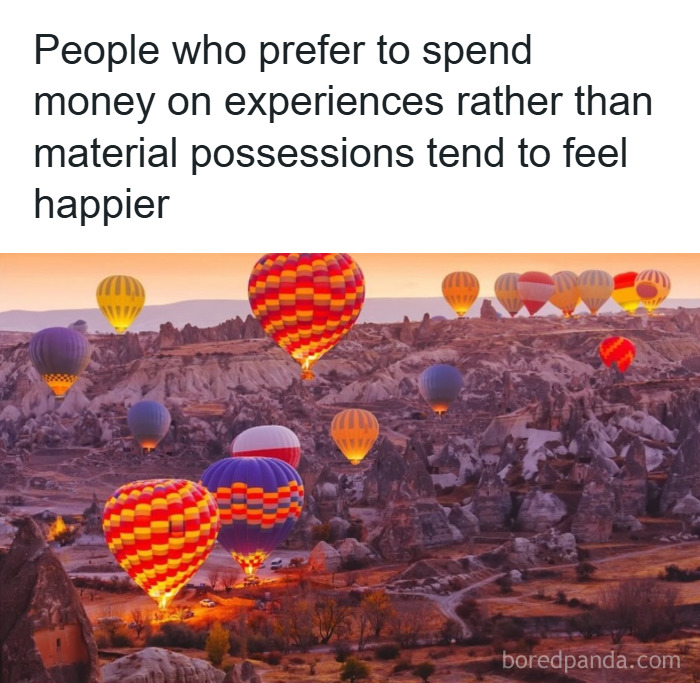
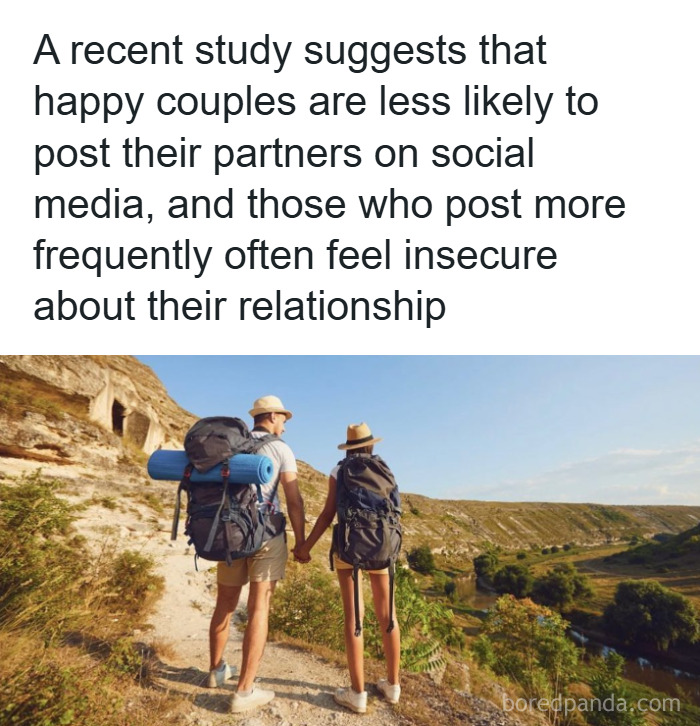
I think it depends on your attitude. Some people spend money on "experiences" so that they can post photos and show off if front of their friends. They consume expensive experiences in the same way other people buy an expensive car or a designer's dress. In my opinion, what makes you happy is to do what you feel like doing, to spend time with the people you love and to learn the difference between "I need" and "I want". Learning not to spend money you don't have, to buy things you don't need, to impress people you don't care about... that's the foundations of happiness.
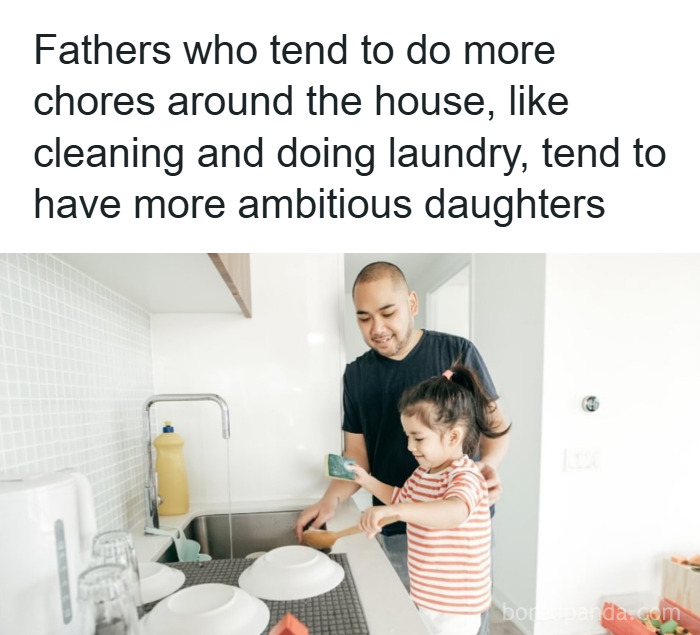
Ah. This may explain my daughter's lack of ambition....
If you’re looking for some more fun facts about psychology, Faith Behavioral Health has compiled a list on their website. First, they note that it’s important to understand our behaviors to improve communication, enhance relationships, boost personal growth, help solve conflicts, and inform our decision making.
Now, as for fun facts, they report that the Halo Effect often impacts our judgment. If you find someone likeable or attractive, you’re probably going to assume that they’re intelligent, honest and capable, even if they haven’t done anything to convince you of that.
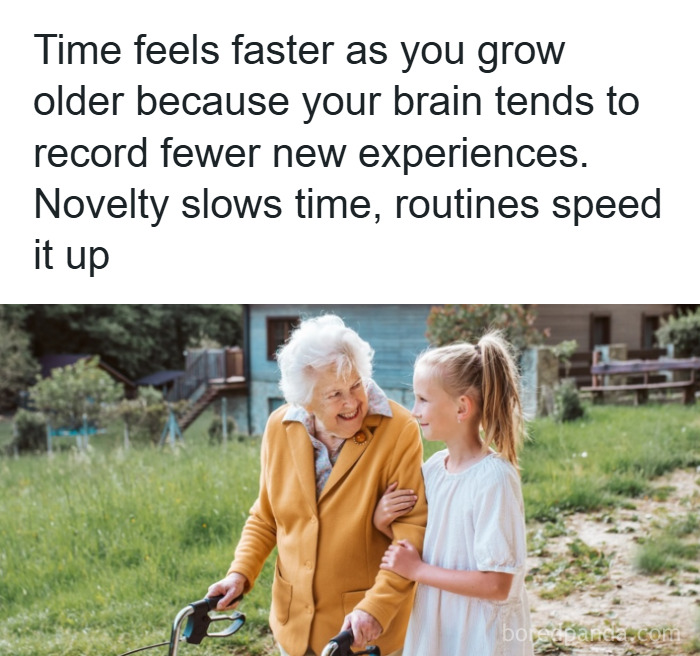
As you age, routines dominate your daily life. The brain, wired for efficiency, spends less energy processing repetitive and familiar experiences.
Without new events to mark the passage of time, the perception of days, weeks, and even years seems to blur together.
This phenomenon is rooted in how the brain allocates resources for memory formation.
Novelty stimulates the hippocampus, the part of the brain responsible for encoding memories, which creates richer, more detailed recollections.
In contrast, repetitive routines result in fewer distinct memories, making longer periods feel shorter in hindsight.

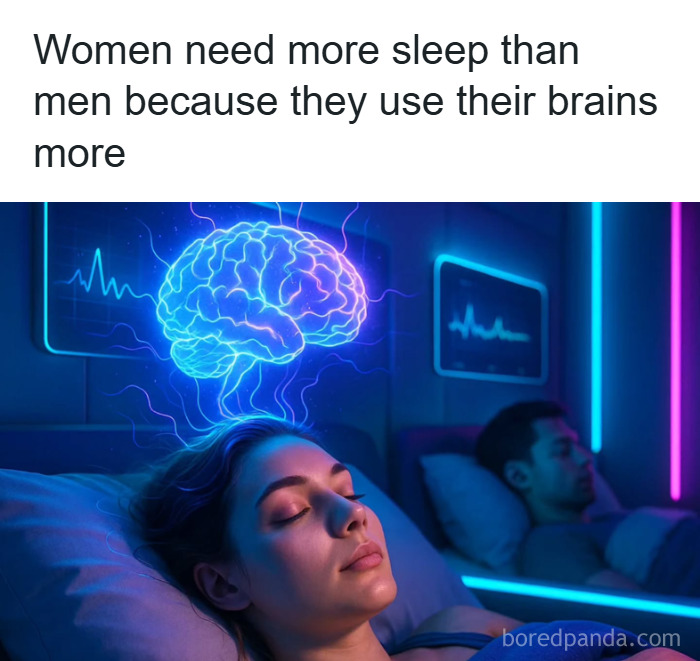
Why Women May Need More Sleep:
Cognitive Load and Mental Fatigue
Women often process more at once, handling multiple tasks and emotions simultaneously. This drains cognitive resources faster and heightens the need for restorative sleep.
Hormonal Cycles and Mood
Psychological stress during menstrual phases, pregnancy, and menopause often interacts with hormones like progesterone and estrogen. These changes impact both sleep quality and emotional balance, making rest more fragmented.
Sleep Disorders and Anxiety
Insomnia and restless leg syndrome are more common in women, both of which are linked to higher rates of anxiety and rumination — two psychological patterns that disrupt falling and staying asleep.
Emotional Processing at Night
Research shows women spend more time in REM sleep, the stage tied to emotional memory processing. While this supports resilience and empathy, it also increases the brain’s need for nightly recovery.
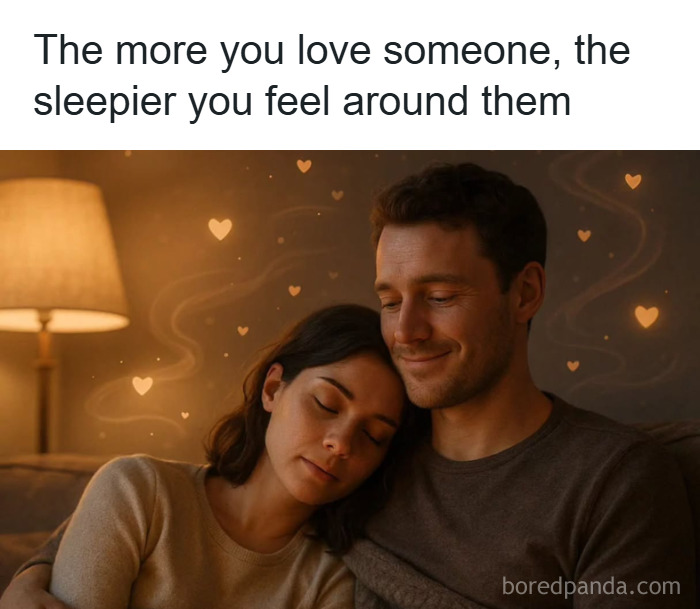
When you are with someone you deeply trust, your brain releases oxytocin, the bonding hormone that lowers stress and makes you feel safe. This sense of safety shifts your body into “rest mode,” slowing your heart rate and helping you feel calm, sometimes even sleepy.
Research shows that couples can go even further. Studies find that partners often sync up while they sleep, with heartbeats, breathing, and even movements aligning through the night.
Does that mean I love my work cos I keep failing asleep at my desk?
Something else psychology has taught us is that multitasking actually negatively impacts efficiency. So it’s probably best to just focus on one task at a time, and do that one well.
Did you know that body language makes up 55% of communication? Your posture, facial expressions, hand gestures and nonverbal cues might be saying a lot more than you realize.
And even if you don’t want to, humans instinctively conform to social norms. So it’s going to take active effort if you want to stand out.
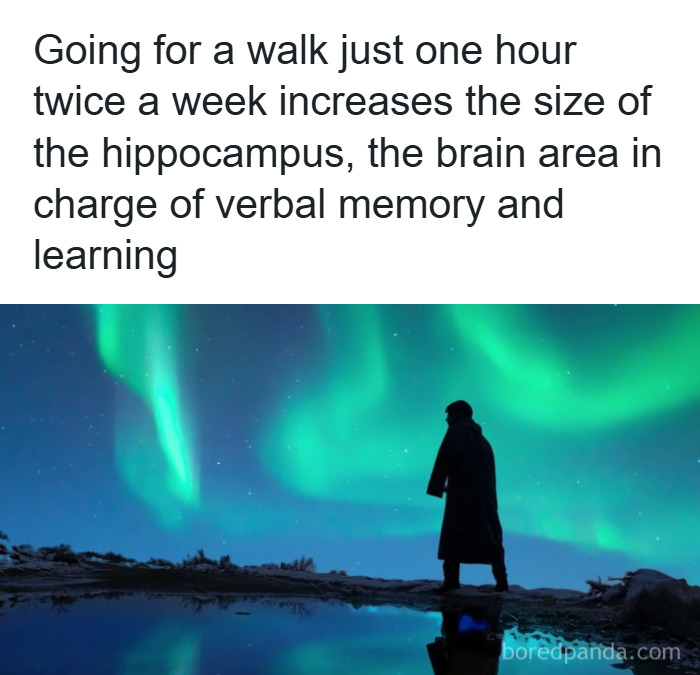
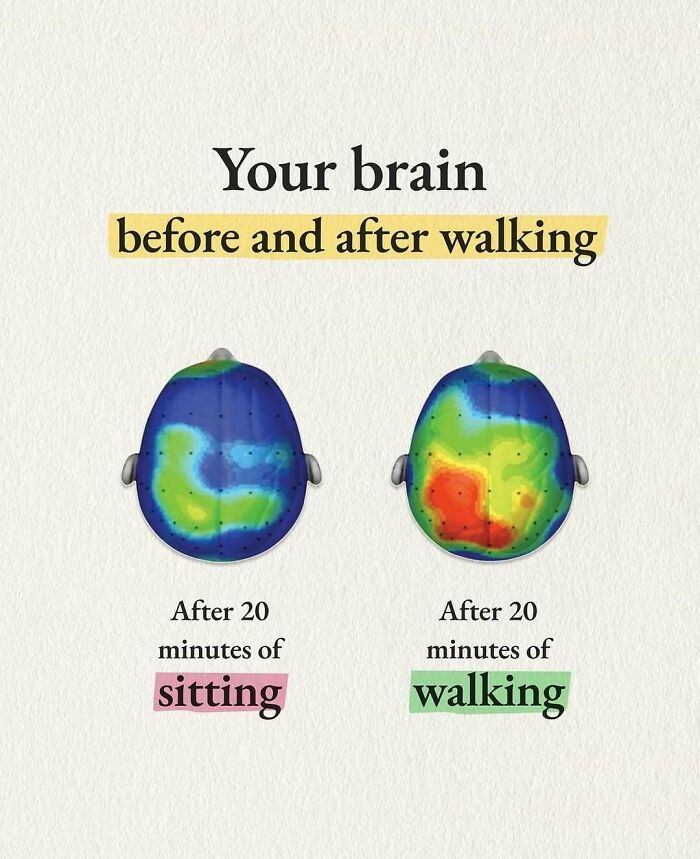
Exercise changes the brain in ways that protect memory and thinking skills. In a study done at the University of British Columbia, researchers found that regular aerobic exercise, the kind that gets your heart and your sweat glands pumping, appears to boost the size of the hippocampus, the brain area involved in verbal memory and learning.
Resistance training, balance and muscle toning exercises did not have the same results.
If you don’t want to walk, consider other moderate-intensity exercises, such as swimming, stair climbing, tennis, squash, or dancing.
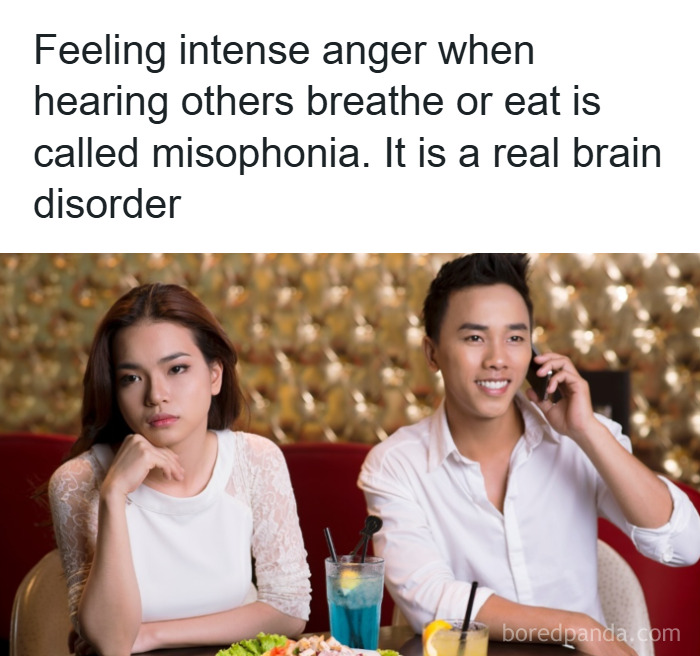
Researchers believe that misophonia is linked to heightened activity in the brain’s anterior insular cortex (AIC), an area associated with processing emotions and sensory input.
While we all might find certain sounds annoying from time to time, individuals with misophonia experience a more intense and visceral reaction.
Studies have shown that this condition is not just a matter of being overly sensitive but may be rooted in neurological differences.

How about if we feel irritation when we hear other people speak?
Gen Z is changing how the world thinks about drinking. Studies show that this generation drinks about 20% less alcohol than Millennials.
A report published by Time Magazine and The Conversation found that Gen Z’s choices are shaped by mental wellness, self-image, and a growing desire for control in both social and digital spaces. Unlike past generations that viewed alcohol as a symbol of adulthood or freedom, Gen Z sees clarity, stability, and balance as more valuable.
Partly because booze is getting more expensive and wages after dropping. It's a luxury that is harder to afford these days.
Has this list taught you something new about humans and how we interact with one another? We hope you’re finding this article informative and fascinating, pandas. Keep upvoting the images that you’d like to share with your friends, and let us know in the comments below what the most fascinating psychology facts you know are. Then, if you’re interested in checking out another list from Bored Panda featuring info about psychology, look no further than right here!
They don't call me Mr Memory for nothing! (In fact, I can't remember what they do call me....)
In many families, something strange can happen. Parents may show more care or protection toward the child who helps less, while the child who gives the most and stays loyal is often taken for granted. Psychologists say this is not always done on purpose. It can come from deep emotions and habits that parents may not even notice.
Some parents feel worried or guilty about the child who seems weaker or needs more help. They might give that child extra attention to feel like they are doing the right thing. But in doing so, they often forget the child who always helps and never complains. That dependable child becomes the “strong one” everyone relies on, even though they need love and rest too.
Cultural beliefs also play a part. In some families, parents believe that helping or caring is simply a duty, not something to be thanked for. The child who works hard and supports others may not be praised, because parents assume they will keep doing it. This can leave the helpful child feeling unseen or unloved.

"Parents ALWAYS defend the child ..." "Parents believe ..." Some of these are ridiculous. "Studies show ..." is pretty vague. One study, once? Involving dodgy parameters and only ten participants?
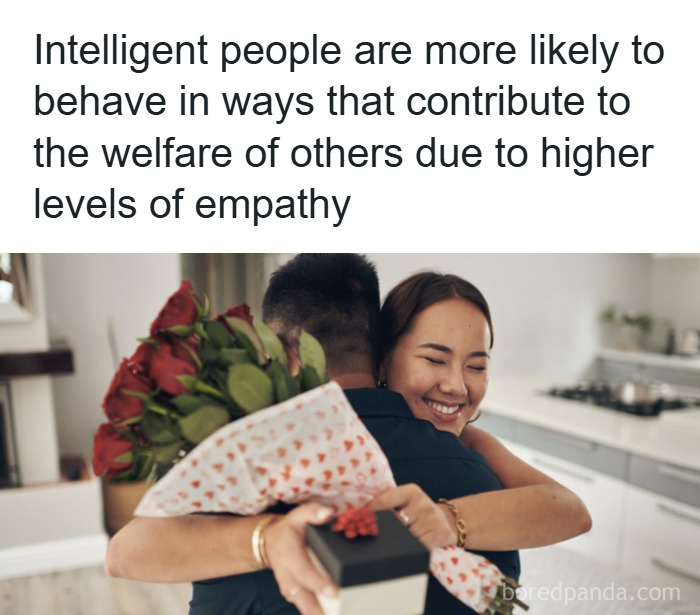
Researchers found that fluid intelligence (reasoning ability etc.) was significantly correlated with self-reported prosocial behavior.
Moral identity, perspective taking, and empathic concern could account for the positive association between intelligence and prosocial behavior.
The mediation effects of moral identity and empathy were consistent across gender.
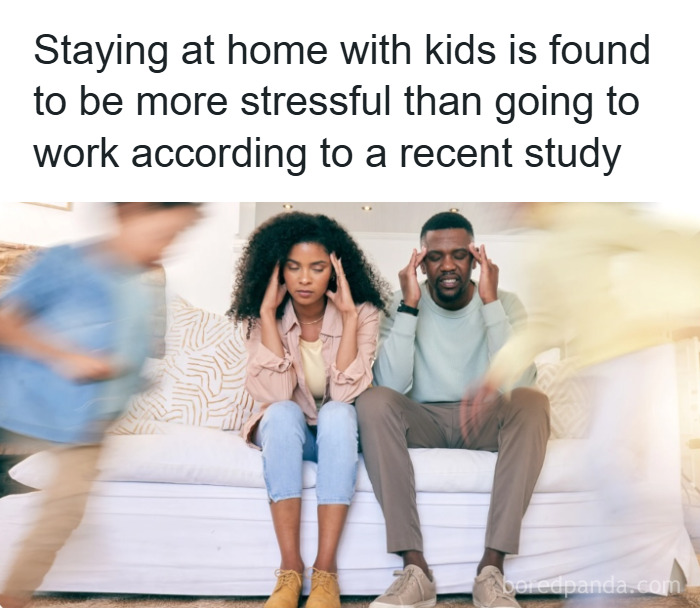
Parenting demands constant multitasking, attention to detail, and emotional resilience, often without the same clear boundaries and support systems present in a workplace.
Working environments also typically offer more predictable routines, whereas home life with children can be unpredictable and mentally exhausting.
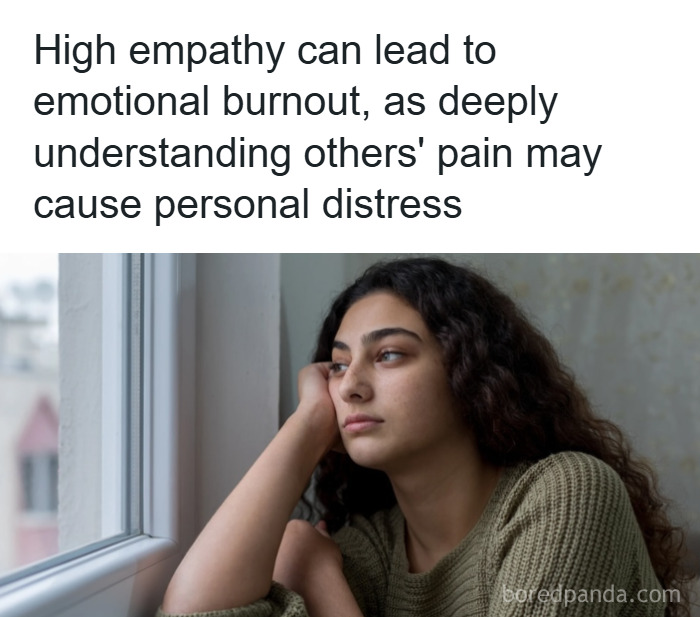
High levels of empathy are often seen as a strength, allowing individuals to deeply understand and connect with the emotions and struggles of others.
However, when individuals are highly empathetic, they often absorb the emotional pain of others, which can result in personal distress and exhaustion.
This phenomenon, known as “empathic distress,” occurs when the emotional weight of others’ suffering overwhelms the individual, making it difficult to maintain emotional boundaries.
Over time, this constant emotional engagement can lead to burnout, especially for those in caregiving roles, such as healthcare workers or therapists, where exposure to trauma is frequent.
The emotional toll of empathy can diminish one’s ability to regulate their own emotions, leading to fatigue, irritability, and a decreased ability to offer support.

I had to learn how to be less empathetically invested in patients to prevent burnout. I feel much more balanced now.
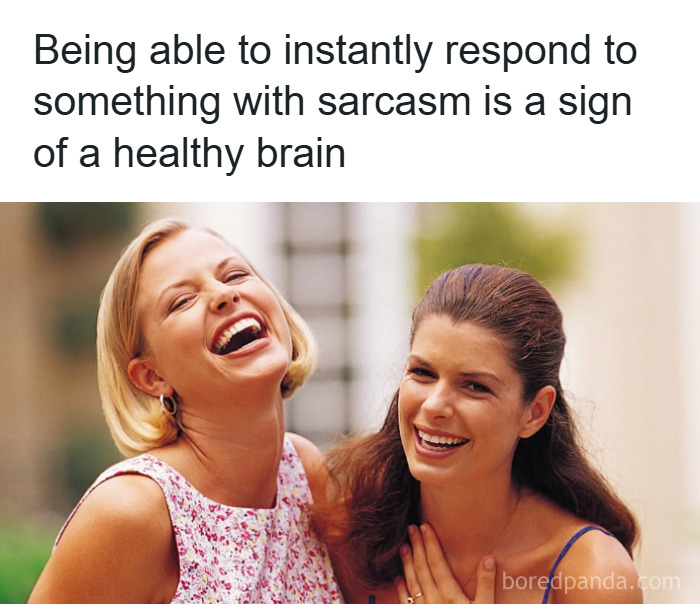
Sarcasm involves the brain’s ability to process and understand complex language, requiring the interpretation of literal and intended meanings simultaneously.
This mental juggling act stimulates areas of the brain responsible for creativity, social understanding, and abstract thinking.
The prefrontal cortex, which is key for decision-making and social cognition, plays a vital role in understanding sarcasm. By quickly recognizing the discrepancy between what is said and what is meant, your brain performs high-level cognitive tasks.
Understanding sarcasm also relies on recognizing others’ emotions and intentions, demonstrating emotional intelligence. Sarcasm processing indicates that your brain can handle complex communication and social cues, supporting cognitive health.
Wow. This is so great. I cannot wait for my healthy brain to start due to all my sarcasming.

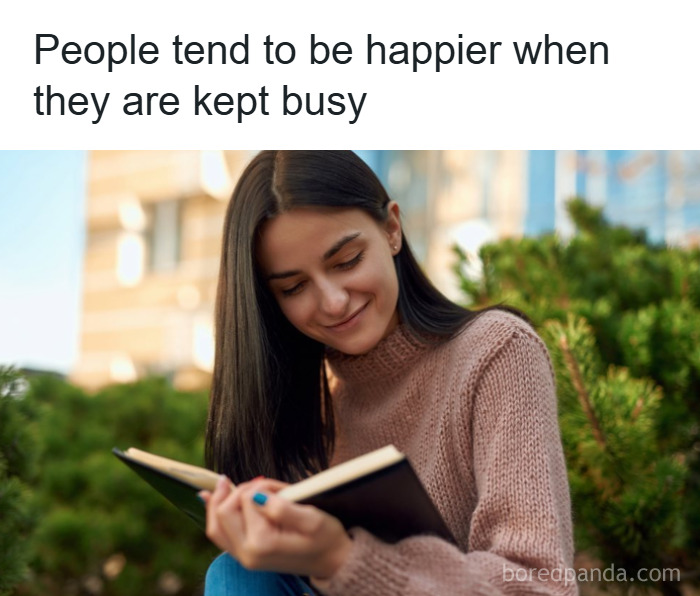
How about people are happier when they choose to keep busy? When I've been 'kept busy'--meaning I have to be busy a because some one or some thing outside has control and is forcing my efforts-- that can suck. When I choose what I want to do and when to do things, then I'm happier.
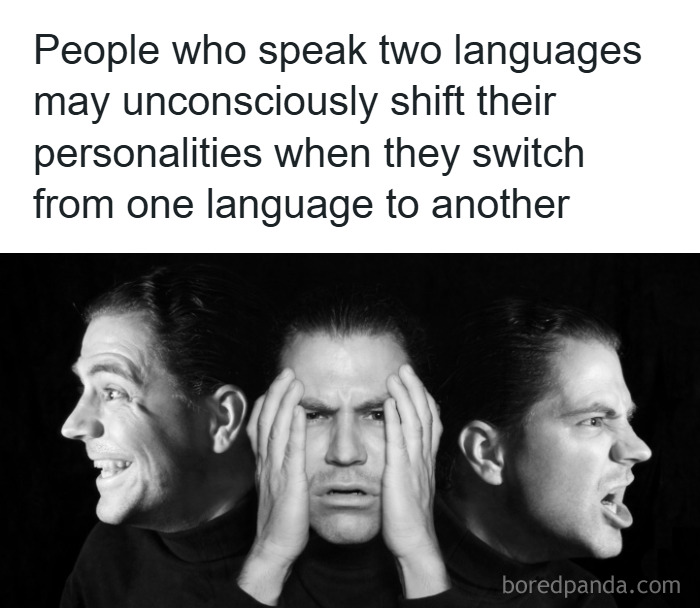
One study found that women classified themselves as more assertive when they spoke Spanish than when they spoke English.
They also had significantly different perceptions of women in ads when the ads were in Spanish versus English.
“In the Spanish-language sessions, informants perceived females as more self-sufficient and extroverted,” write the authors.
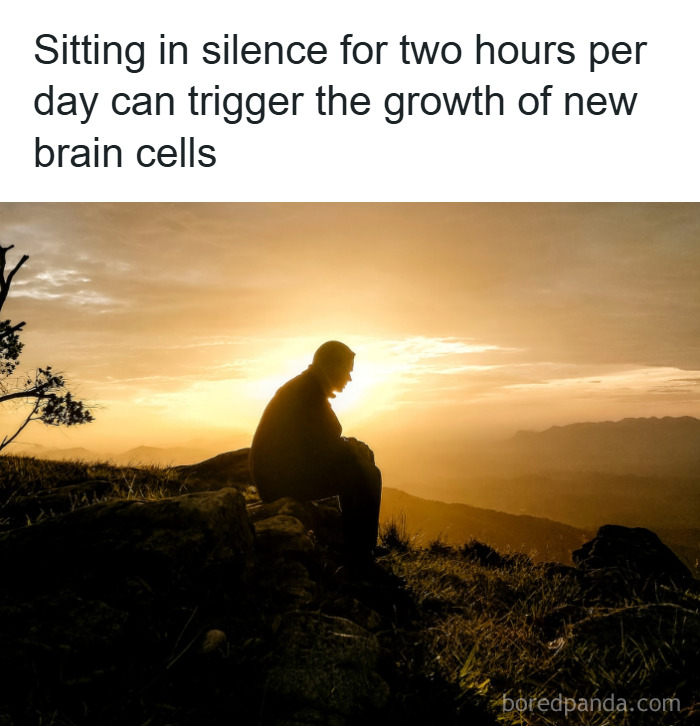
A 2014 study found that silence can stimulate neurogenesis, the growth of new neurons, in the hippocampus, the brain region involved in memory, learning, and emotional regulation.
While other forms of stimulation like music or noise had little or no effect, prolonged silence led to significant increases in cell development.
This matters because the adult brain was once thought to be fixed in structure. But research now shows that the brain can adapt and grow throughout life, especially when given the right conditions.
Silence may be one of those conditions.
How is anybody allowed to have two consecutive hours of silence anymore? There’s a lot wrong with the world, and this is part of it.
The study found that women whose wedding cost more than $20,000 divorced at a rate roughly 1.6 times higher than women whose wedding cost between $5,000 and $10,000. And couples who spent $1,000 or less on their big day had an even lower than average rate of divorce.
The wedding industry has long associated lavish weddings with longer-lasting marriages. Industry advertising has fueled norms that create the impression that spending large amounts on the wedding is a signal of commitment or is necessary for a marriage to be successful.
Overall, research findings provide little evidence to support the validity of the wedding industry’s general message that connects expensive weddings with positive marital outcomes.
This is one of the few that I do actually believe, based on what I've seen of friends and family. Pizza in the park or fish and chips on the beach, throw in a few friends and flowers and some streamers and drinks - this is the kind of wedding that begins a solid marriage!
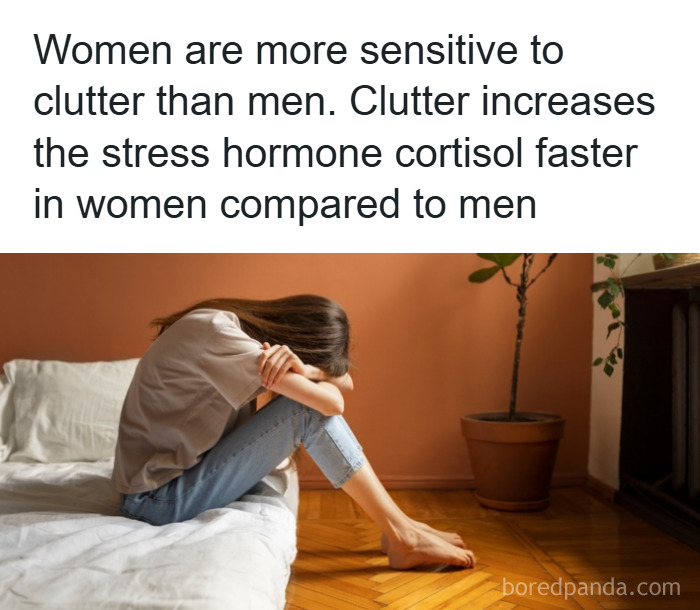
Women notice clutter more than men because they're much more likely to get stuck with the job of cleaning it up.
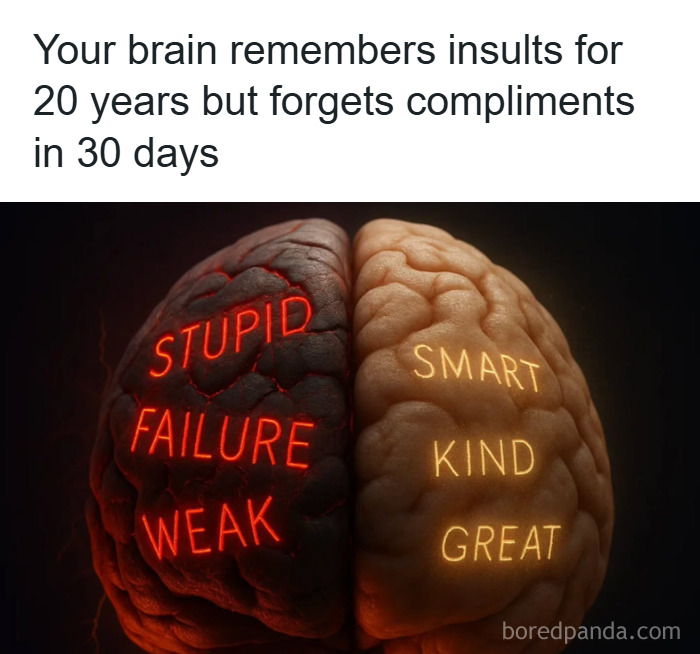
Why Negative Memories Stick More:
Survival Value. The amygdala becomes very active when we face danger or criticism, sending signals that help the brain store these events strongly in memory. This helped our ancestors stay alert to future threats.
Hippocampus Link. The amygdala works with the hippocampus, the brain’s main memory center, to make negative experiences easier to recall. Positive experiences activate these areas less, which is why praise often fades quickly.
Bad vs. Good. Research shows that one negative event can outweigh several positive ones. This is known as the “negativity bias.” Studies find this effect across emotions, learning, relationships, and even childhood development.
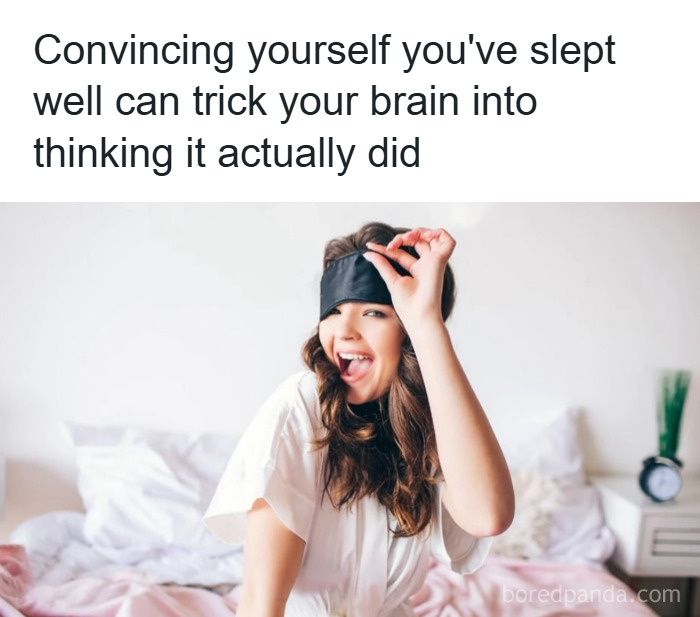
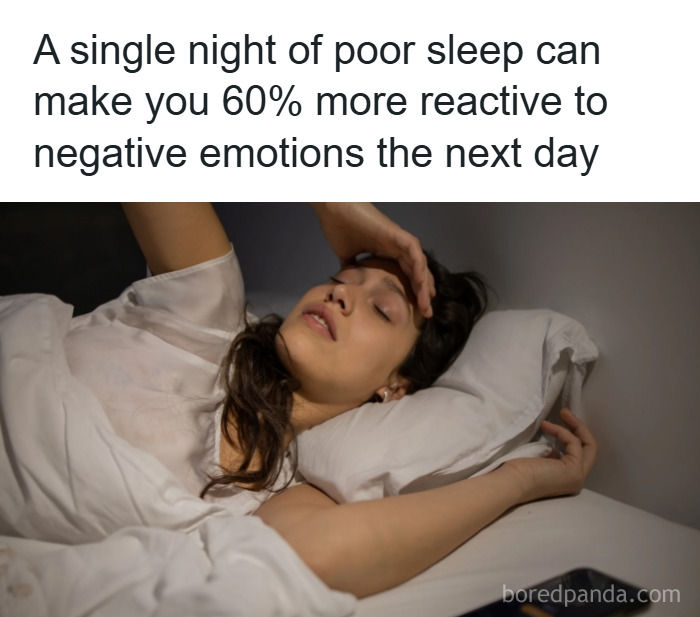
This heightened sensitivity to negative emotions is largely attributed to the dysregulation of the brain’s emotional centers, such as the amygdala, and impaired communication between these centers and the prefrontal cortex.
When we are well-rested, the prefrontal cortex, responsible for rational decision-making and emotional regulation, effectively communicates with the amygdala, the brain’s emotional processing center.
However, even one night of poor sleep can disrupt this connection, leading to an overactive amygdala and a diminished ability of the prefrontal cortex to regulate emotional responses.
As a result, you may find yourself more irritable, stressed, or anxious, and less equipped to manage everyday challenges.
I thought you could fool yourself into thinking you’d had a good night’s sleep. Which is it?
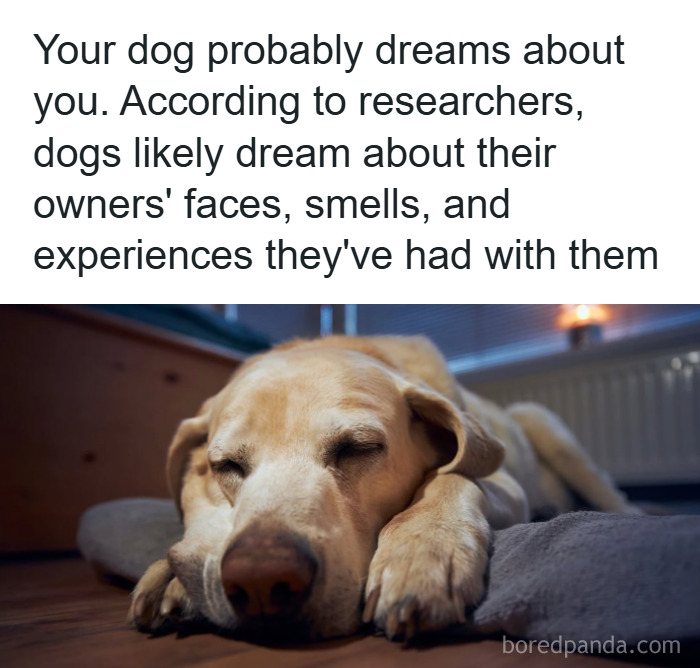
Dr. Deirdre Barrett, a teacher and a Clinical and Evolutionary Psychologist at Harvard Medical School, told People that dogs likely dream about their owners.
She says that while there’s no way to know for sure what dogs are seeing when they dream, it’s safe to assume that their dreams draw from everyday experiences, like humans.
“Humans dream about the same things they’re interested in by day, though more visually and less logically,” Barrett told People in 2016.
“There’s no reason to think animals are any different. Since dogs are generally extremely attached to their human owners, it’s likely your dog is dreaming of your face, your smell, and of pleasing or annoying you.”

Very recently I seen a one panel cartoon where there is a guy sitting in a chair his pet dog laying at his feet dreaming. The dog is dreaming. What the dog is dreaming is that he is sitting in the chair with his master at his feet laying in a fetal position.
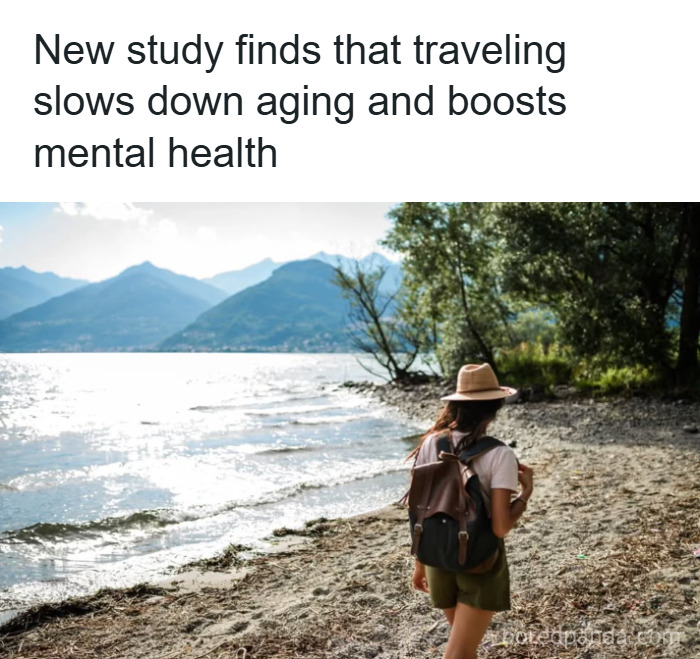
By immersing yourself in new environments, cultures, languages, and experiences, you’re giving your brain a powerful workout.
These new experiences create fresh neural pathways, helping to maintain brain plasticity - the brain’s ability to form new connections, which is key for maintaining memory and mental sharpness as we age.
Oh hooray! Now I just have to become wealthy so I can travel - what fun!
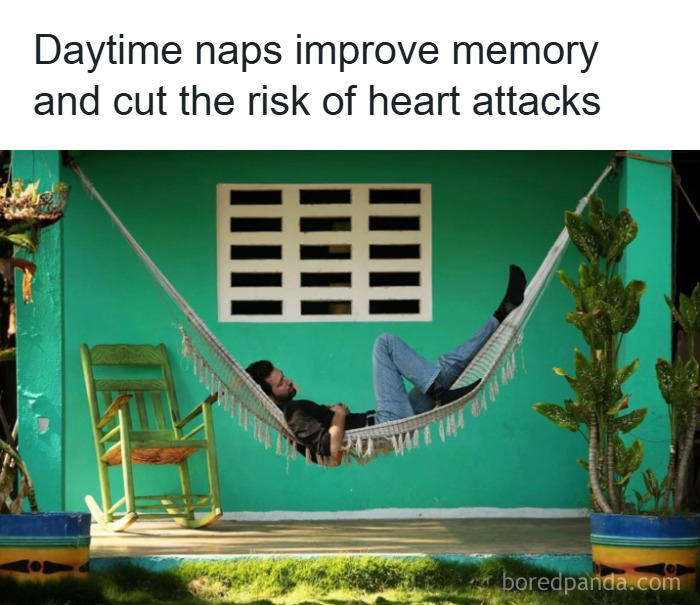
The study analysed data from people aged 40 to 69 and found a causal link between habitual napping and larger total brain volume - a marker of good brain health linked to a lower risk of dementia and other diseases.
While the researchers did not have information on nap duration, earlier studies suggest that naps of 30 minutes or less provide the best short-term cognitive benefits, and napping earlier in the day is less likely to disrupt night-time sleep.
Most people think strict parenting produces better-behaved kids.
However, research studies on discipline consistently show that strict, or authoritarian, child-raising actually produces kids with lower self esteem who behave worse than other kids, and therefore get punished more. Strict parenting actually tends to create behavior problems in children.

You need to take into account the 'history' of parenting. I was brought up in the 50's middle class where almost all parenting was authoritarian. All my friends were, and we just took it for granted. Yes, we were well behaved, but so were our cohorts. But that sort of parenting insisted on haveing stay at home mums - post war where many of the mums had done intricate war work, but suddenly were 'just a housewife'. Authoritarian parents were often unhappy parents, just because of societal norms.
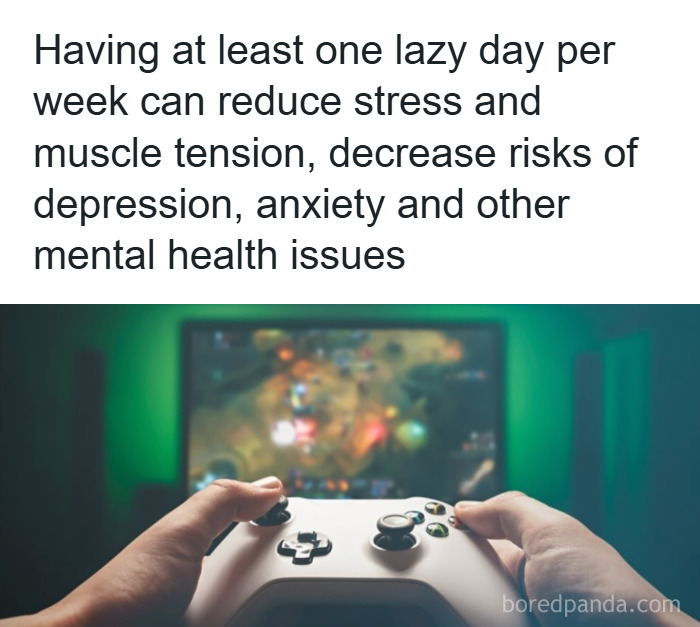
Doing chores can indeed perk you up. Because it feels so good when you stop.
When we cry, these stress-related substances are released, which may contribute to a sense of relief and relaxation.
Beyond hormone regulation, crying activates the parasympathetic nervous system (PNS), which helps restore the body to a calmer state after experiencing stress.
This activation slows the heart rate, promotes relaxation, and enhances mood recovery.
Some studies suggest that crying also increases the production of endorphins and oxytocin, which contribute to feelings of comfort and well-being.

You can even cry from too much positive emotion, aka crying with laughter or joy
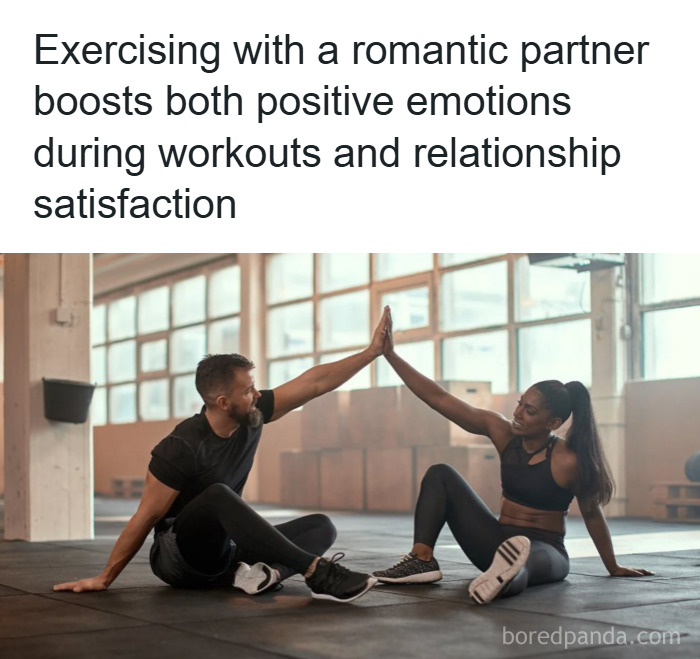
Research shows that people are more successful at exercising if they do so together with their romantic partner.
Multilevel models showed that on days when people exercised with their romantic partner, they experienced higher positive affect during exercise, higher daily positive affect, and were more satisfied with their relationship compared to days when they exercised without their partner.
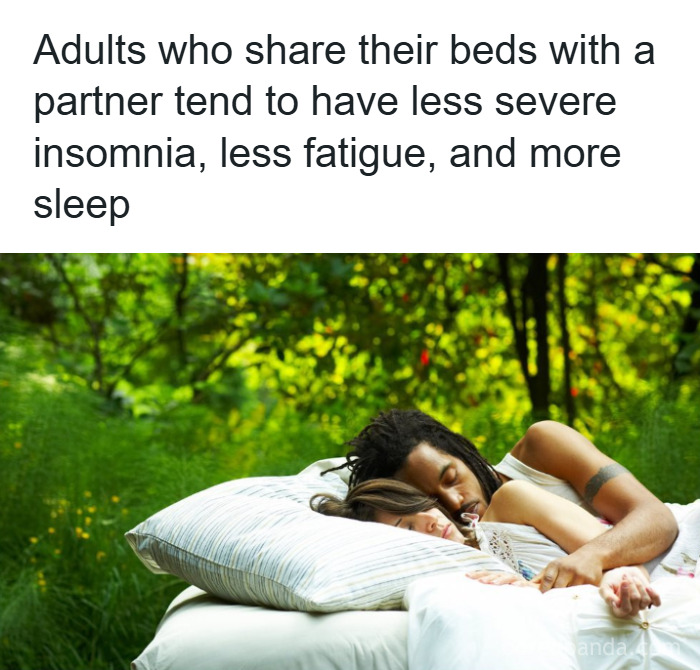
Young healthy heterosexual couples underwent sleep-lab-based sleep study of two sleeping arrangements: individual sleep and co-sleep.
Data were analyzed comparing co-sleep vs. individual sleep. Interaction effects of the sleeping arrangement with gender, chronotype, or relationship characteristics were moreover tested.
As compared to sleeping individually, co-sleeping was associated with about 10% more REM sleep, less fragmented REM sleep, longer undisturbed REM fragments, and more limb movements.
Unless their bed happens to be in the middle of a forest without shelter, of course.
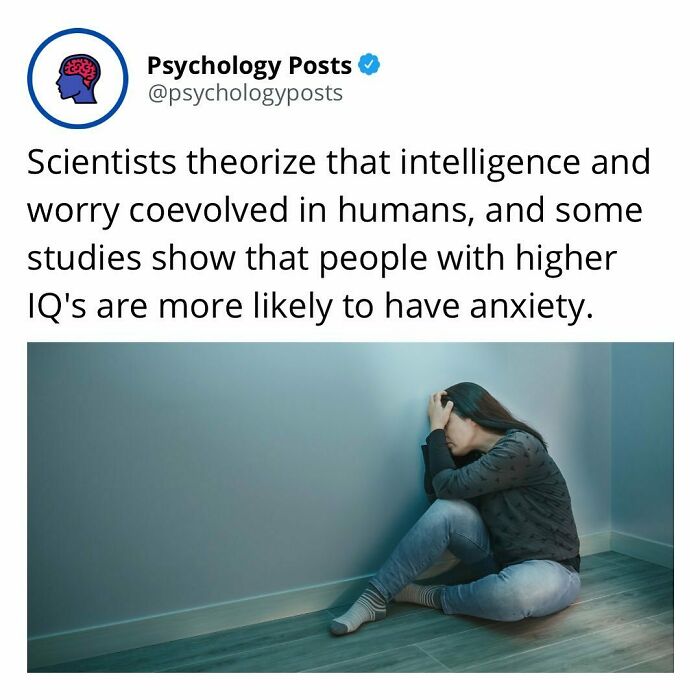
“The higher the IQ is, the greater the psychological fragility.” - Poinso (1994).
Researchers found that high anxiety in patients with generalized anxiety disorder (GAD) predicted high IQ whereas relatively low anxiety in controls also predicted high IQ.
That is, the relationship between anxiety and intelligence was positive in GAD patients but inverse in healthy volunteers.
The collective data suggest that both worry and intelligence are characterized by depletion of metabolic substrate in the subcortical white matter and that intelligence may have co-evolved with worry in humans.
You're worried because you're smart enough to understand how completely f****d everything is.
Why Hugs Are Good for You:
Hormone Boost. Hugs release oxytocin, the “love hormone,” which helps you feel safe and connected.
Less Stress. Hugs lower blood pressure and calm your heart rate.
Stronger Immunity. Hugs help the body fight off illness and keep you healthier.
There’s no perfect number of hugs a day, but experts say more connection means better well-being.
Researchers found a consistent positive relationship between profanity and honesty; profanity was associated with less lying and deception at the individual level and with higher integrity at the society level.
Our movements are controlled by the contraction of muscles through signals relayed by nerves. When going about our daily lives, our bodies tend to use whatever the least amount is of muscle-and-nerve "motor units" to perform an action.
Estimates vary, but researchers have pegged the amount of muscle mass recruited during maximal exercise at around 60%; even elite athletes who have trained to get more output from their musculature might only harness around 80% of their theoretical strength.
Why do we keep so much in reserve? Safety, essentially. If we were to exert our muscles to or beyond their absolute maximum, we could tear muscle tissue, ligaments, tendons and break bones, leaving us in dire straits.
"Our brains are always trying to make sure we don't get pushed too far to where we actually damage something," says Zehr. "If you actually used all the possible force or all the possible energy you could to complete exhaustion, you'd wind up getting into a situation where you might die."
I'm currently off work for a few days after pulling my back at work. My brain would disagree with this. What it wants to do and what this aging meatsack I inhabit is capable of doing are not the same...
Engaging in familiar activities, such as watching beloved films, can provide a sense of comfort and stability.
When you already know the outcome of a story, it reduces anxiety and creates a feeling of safety.
This is because our brains find predictability soothing; it allows us to relax without the tension of anticipating what’s next.
Additionally, rewatching movies can evoke positive memories and emotions associated with previous viewings, enhancing overall mood and well-being.
It’s similar to the concept of “comfort food,” but for the mind, bringing back a sense of nostalgia and emotional security.
People think I'm odd because I keep my books and re-read them fairly often. I try to explain that to me, they are old friends that I'm revisiting, and I gain something new every time.
Why Family Bonds Protect Health:
Emotional Support. Visits, calls, and regular care from children give elderly mothers a strong sense of love and value, lowering stress and loneliness.
Brain Benefits. Social connection stimulates the brain, helping to slow memory loss and reduce the risk of dementia.
Stronger Body. Studies link close relationships with lower inflammation, better immune function, and longer life expectancy.
In contrast, loneliness has been found to raise health risks at levels similar to smoking or obesity. Elderly mothers without strong family connections face higher risks of early death, cognitive decline, and poor emotional health.
Didn't exactly work out that way for Norman Bates and his mum.
A report by Deloitte and Asana in 2024 shows that Millennials experience higher levels of exhaustion than both Gen X and Gen Z. They are often called the “sandwich generation,” caring for both aging parents and young children while also pushing to meet intense work expectations.
Why Millennial Burnout is Different:
Work Culture. Hustle culture rewards long hours and constant availability, leaving little time to rest or recover.
Economic Pressure. High living costs, housing challenges, and stagnant wages increase stress and limit financial security.
Digital Overload. Always being connected to work through phones and email makes it difficult to disconnect, leading to mental fatigue.
Caregiving Stress. Many Millennials juggle raising kids while supporting parents, adding layers of responsibility that fuel exhaustion.
Or maybe people in war-torn countries, or living in extreme poverty in refugee camps, or our grandparents 100 years ago are also contenders for "the most burned out generation"?
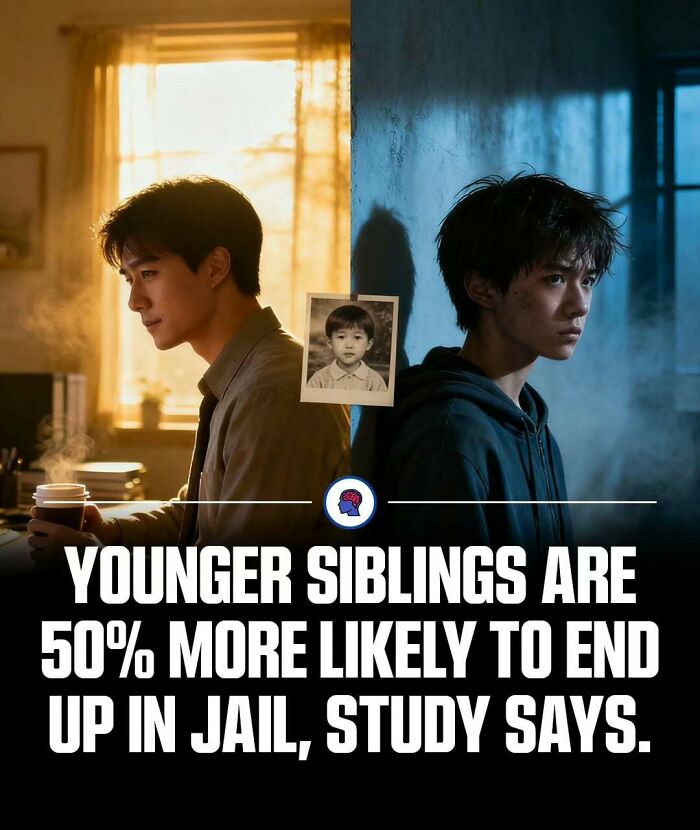
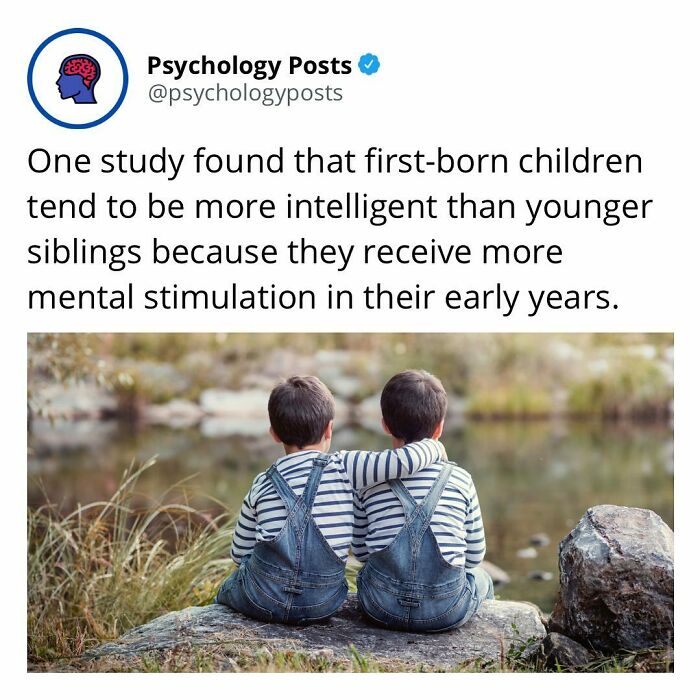
A study from MIT and Northwestern University found that second-born children, especially boys, are more likely to get into trouble compared to their older siblings. This pattern has been seen in many countries, suggesting that birth order plays a real role in shaping behavior, no matter the family’s background or income.
Researchers found that second-born boys are 20% to 40% more likely to be disciplined or face legal issues. In Denmark, they were 40% more likely to go to prison by age 21, while in Florida, school suspensions were up to 72% higher among second-born boys. Experts believe this happens partly because younger siblings often get less direct attention and supervision from parents, leading them to test boundaries more often.
Psychologically, hearing your name being called with no one around is a sort of auditory memory that is activated and replayed in your brain.
⠀
Auditory memory is one of your brain’s processes to take in information that you hear (sound, voice, audio), and store that information until the next time you recall it.
⠀
People that can listen to a song, and figure out how to play it on a guitar without knowing the chords have an excellent auditory memory.
⠀
Animals, such as parrots know how to say “hello!” and mimic different sounds and noises because of their strong auditory memory.
⠀
Your auditory memory can replay the sound of someone's voice saying hello, or calling your name in a way that's so vivid you actually think for a moment that they're there!
⠀
This strong level of auditory memory is most commonly experienced this when you’re either falling asleep or right after wake up in the morning.
⠀
This state between waking reality and the dream world is called the hypnogogic state, and its where your conscious and subconscious mind are meeting and interfacing.
Some people can get extremely angry over the smallest things.
One common reason is that these people subconsciously desire to be loved by others. When they act out in anger or frustration, they want someone else to come along and make them feel better.
They want someone to notice how upset they are and comfort them or offer advice on how to deal with their situation better next time.
If you find yourself getting angry over silly things such as traffic jams or slow drivers, or even over little things like spilled milk or dirty dishes in the sink, then there’s a good chance that these are all signs that you might have an underlying need for love and respect.
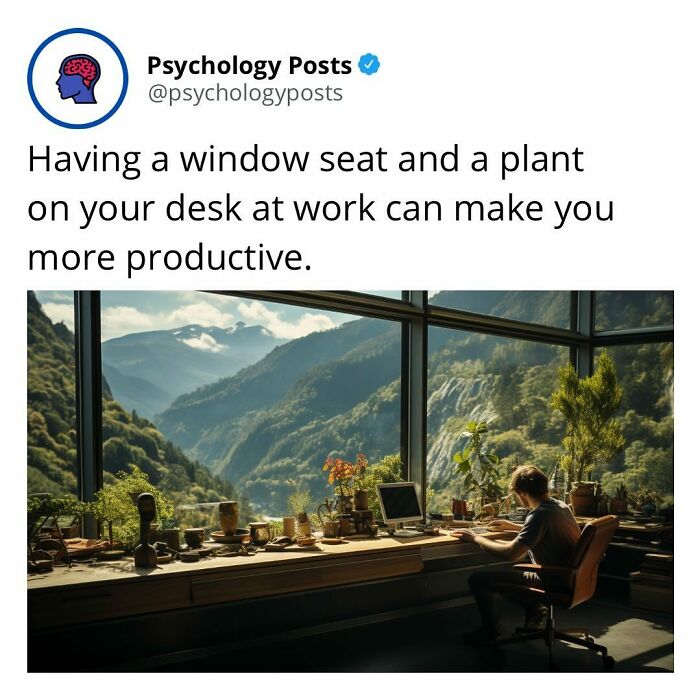
Natural elements and sunlight exposure related positively to job satisfaction and organizational commitment, and negatively to depressed mood and anxiety.
Direct sunlight was a dominant predictor of anxiety; indirect sunlight was a dominant predictor of depressed mood, job satisfaction, and organizational commitment.
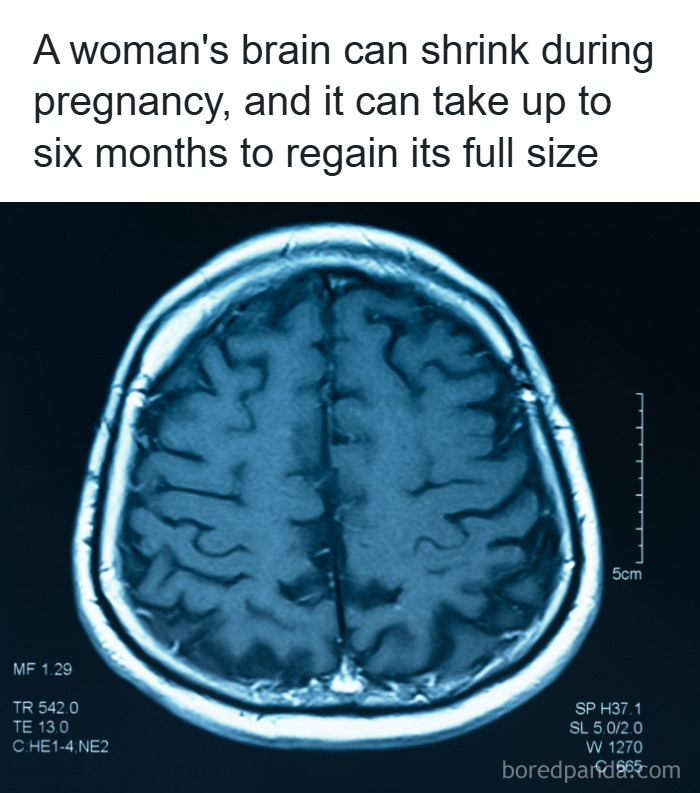
This is thought to be the brain’s way of fine-tuning itself for the demands of motherhood, with research suggesting that certain regions associated with social cognition and emotional regulation are affected.
Essentially, the brain becomes more specialized to enhance the ability to bond with and care for the newborn.
It can take approximately six months for the brain to regain its pre-pregnancy size. Scientists believe these changes may help mothers better understand and respond to their baby’s needs, fostering a deeper emotional connection.
So, it makes your brain numb so that you can cope with the pressures of a newborn?
Ah, so the girls in the household will be more successful than the boys who did diddlysquat?
This effect may be due to a concept called social homophily, or the idea that individuals form bonds based on shared characteristics, many of which can be traced back to genetics.
But there may also be a second phenomenon at work, according to the paper: social structuring, or the idea that people are drawn to others in their own social environment, which may itself be partially shaped by genetics.
For example, certain socially mediated traits, like educational attainment and body mass index, were particularly alike among friends, while those without a strong interpersonal dimension — such as height — were less likely to match up.
Yeah, but you tend to play with your neighbour's kids simply because they're there, not becuase they are 'similar'.
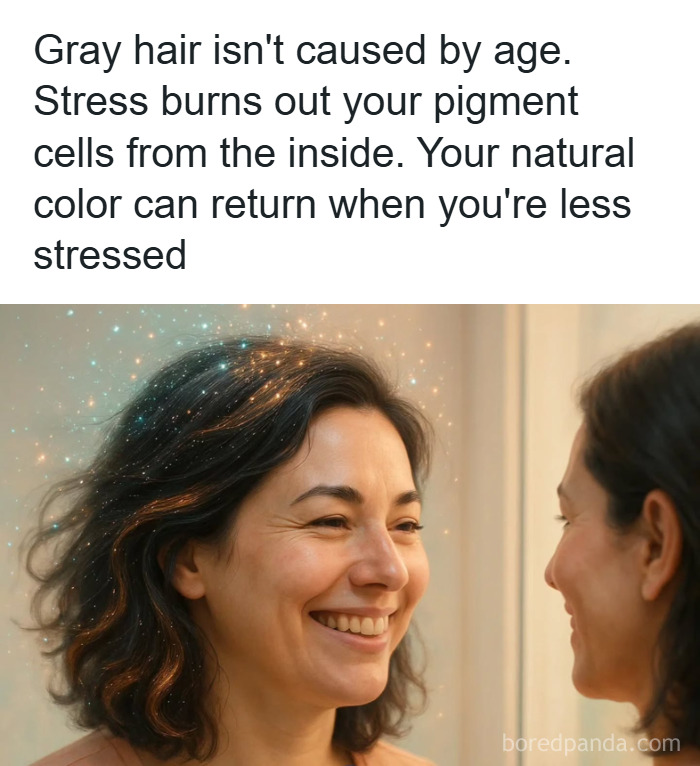
Why Stress Turns Hair Gray:
Stem Cell Depletion. Hair color comes from melanocyte stem cells in follicles. Stress forces these cells to mature too quickly, leaving no reserves for future pigment.
Nervous System Response. Stress activates nerves that release norepinephrine, flooding follicles and pushing pigment cells into overdrive, leading to gray growth.
Cortisol and Oxidative Damage. Chronic stress raises cortisol and increases oxidative stress, both of which damage the follicle environment.
Mitochondrial Role. These “cellular powerhouses” sense stress and play a part in both pigment loss and recovery.
Unlike aging-related graying, which is permanent once stem cells are gone, stress-linked graying can sometimes reverse. This makes gray hair a unique biological marker of mental health, reflecting how the mind and body interact over time.

Isn't age related. Also unlike ageing related grayiing? So it can be borh
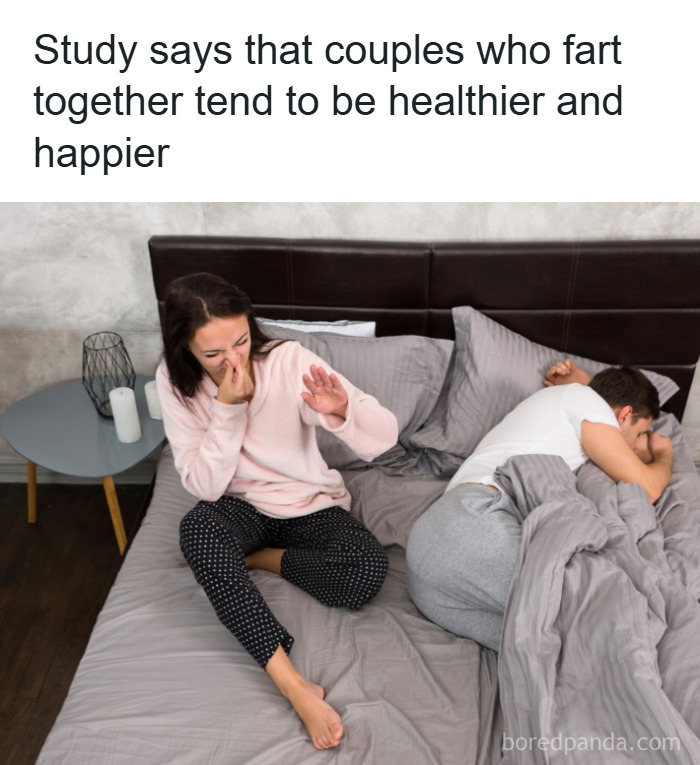
When couples fart together without embarrassment or judgment, they’re demonstrating a level of comfort and trust in each other.
This vulnerability strengthens emotional bonds, and can make the relationship feel more secure.
Moreover, sharing such a personal, sometimes awkward, experience can actually lower stress levels, as it brings laughter into the relationship.
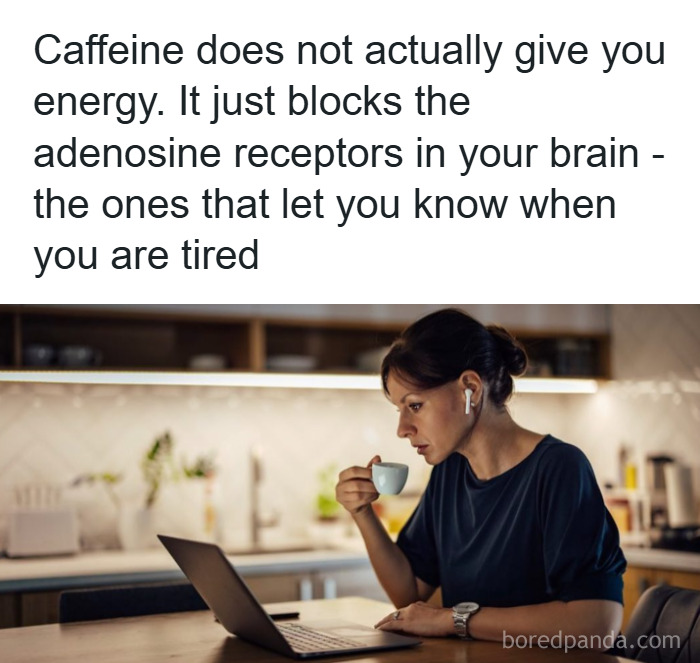
I can't believe people didn't know that coffee does not give you any energy
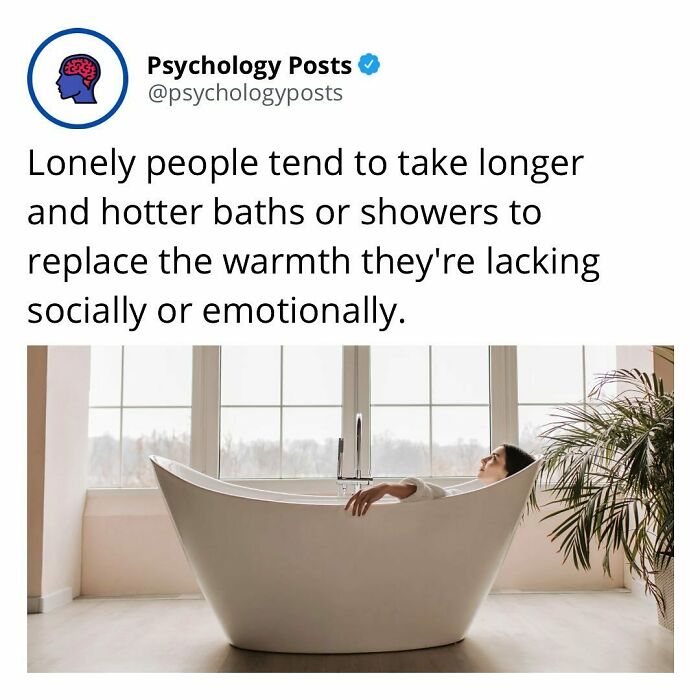
I used to take several hour long baths when I had a young family. I just liked lazing in warm water. Sometimes a cigar is just a cigar.
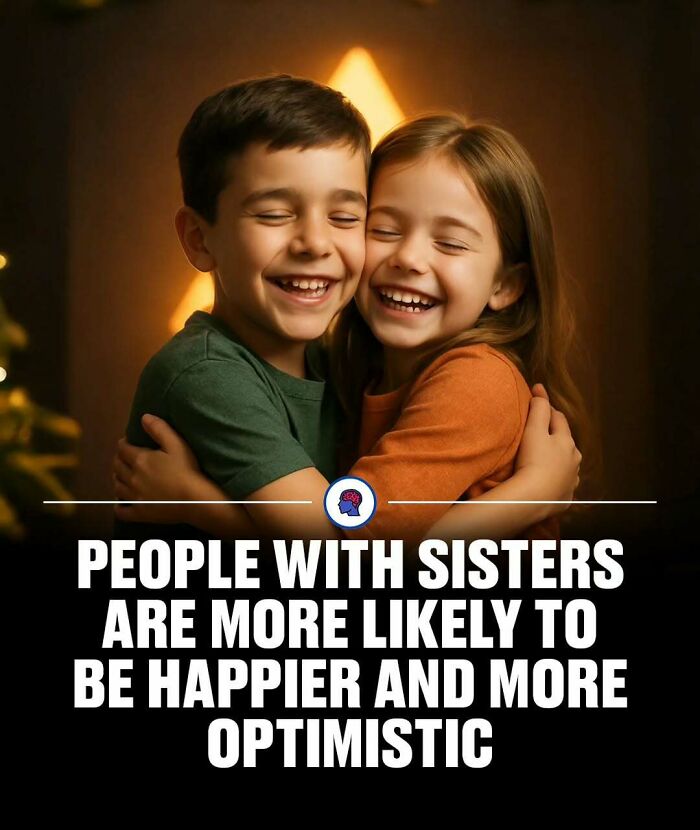
Why Sisters Help Mental Health:
Emotional Support. Sisters encourage open conversations and help family members share feelings. This reduces stress and makes it easier to handle tough times.
Building Empathy. Growing up with a sister means learning to see different points of view. Conflicts become practice for problem-solving and understanding others.
Less Loneliness. Studies show that people with sisters report lower levels of sadness, worry, and isolation, especially in teenage years and adulthood.
Role Models. Older sisters often take on caring roles, while younger sisters bring emotional warmth. Both help create a sense of family strength.

Ohhh. Colors. Red is from car exhaust, being barked at by strange dogs, or attacked my mosquitos?
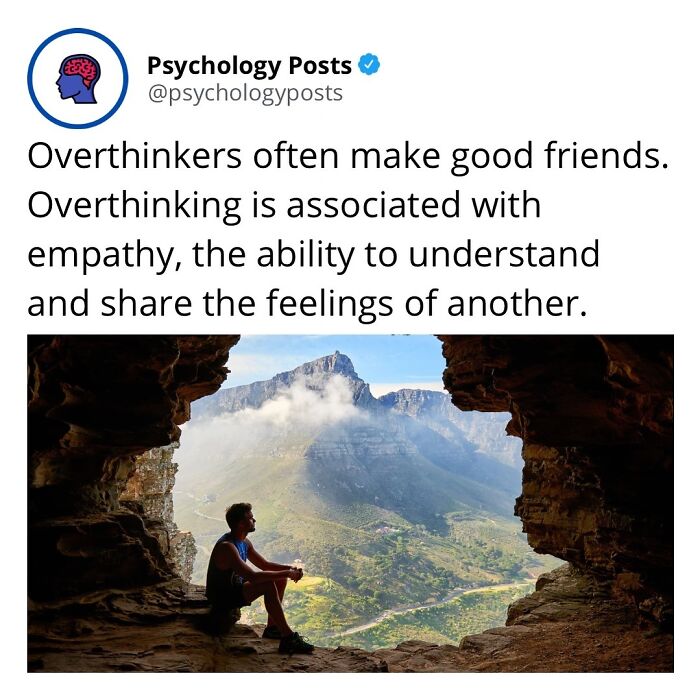
Empathy is characterized by the ability to understand and share an emotional experience with another person and is closely tied to compassion and concern for others.
Consequently, this increased emotional awareness and sensitivity may also be related to increased anxiety.
Behaviorally, empathy positively correlated with worry, worry and rumination positively correlated with anxiety, and significant indirect relationships were found between empathy and anxiety through worry and rumination.
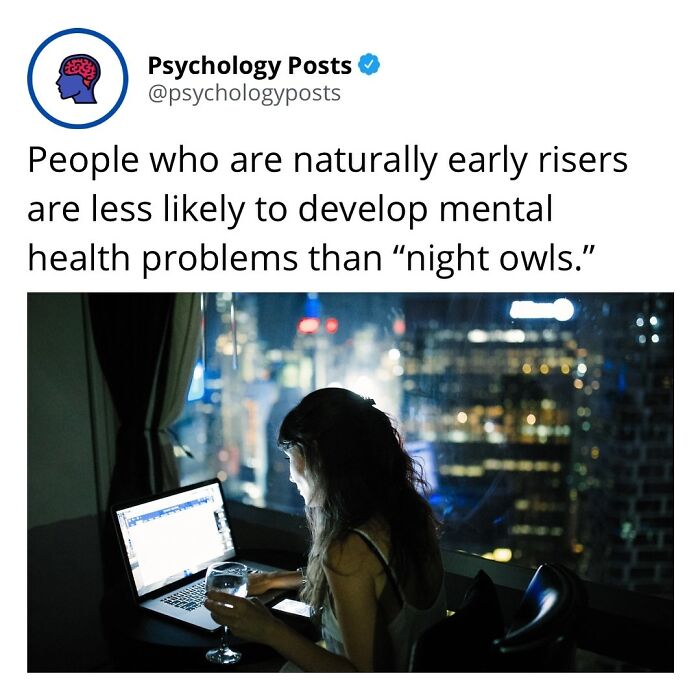
Being a night owl was associated with more emotional and behavioral problems, less emotional well-being, and fewer prosocial behaviors.
This association was independent of sleep duration and school start time.
Findings suggest that the timing of sleep, not just its duration, may be an important factor for youth mental health.
This study provides evidence supporting the idea that being an early riser may be associated with better mental health outcomes compared to being a night owl, especially in adolescents.
🙄 That’s because the world is run by and for the åsshats who like getting up at oh-dark-thirty. Those of us who like to go to bed late and then sleep late are expected to go against our natural inclinations. As a result, we don’t get enough sleep. Who wouldn’t have emotional problems in that case?
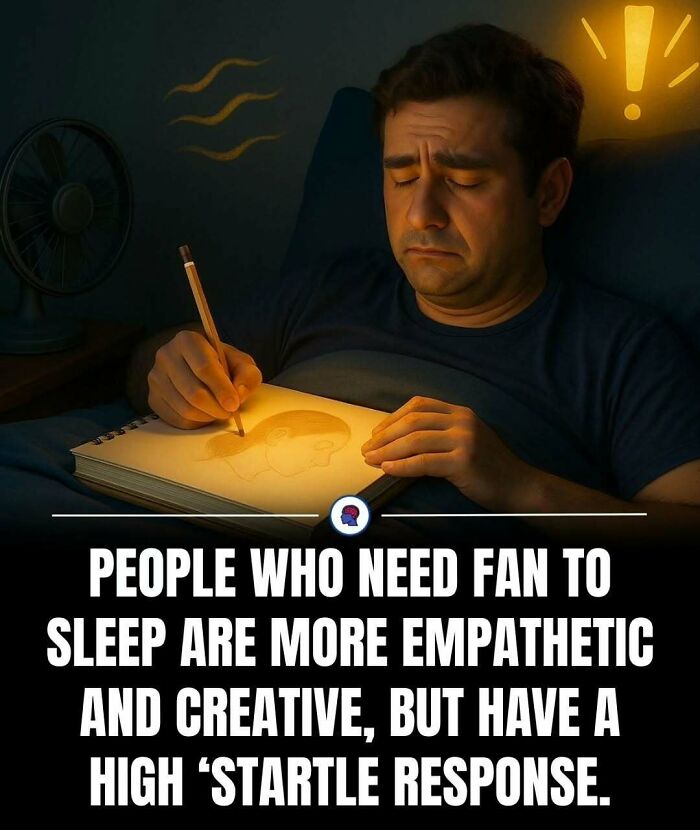
Why White Noise Matters for the Brain:
Emotional Sensitivity. People who need steady sound at night are often more emotionally tuned-in. They feel things deeply and respond strongly to changes in their environment.
Creative Thinking. Sensitive brains are also linked to creativity. A steady hum helps reduce distractions, giving the mind space for reflection and new ideas.
Calming the Nervous System. The noise from a fan or white noise machine acts like a blanket for the brain, covering sudden sounds that might otherwise wake someone up. This helps the brain relax into sleep instead of staying on alert.
Better Focus and Regulation. Research shows moderate white noise can improve focus and help regulate emotions. It lowers activity in stress-related brain regions, giving a sense of safety and calm.
Fan = white noise? Not in Australia, mate! Fan = cool enough to sleep!
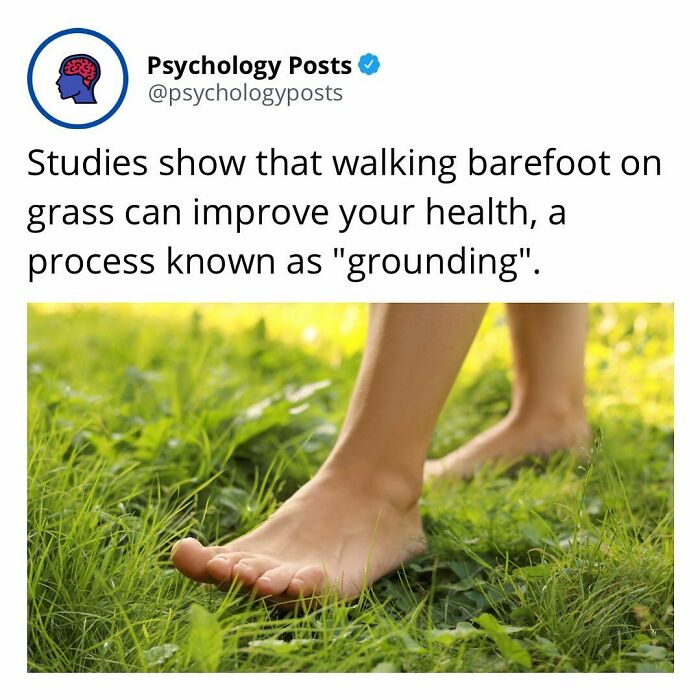
Emerging scientific research has revealed a surprisingly positive and overlooked environmental factor on health: direct physical contact with the vast supply of electrons on the surface of the Earth.
Modern lifestyle separates humans from such contact.
Research suggests that this disconnect may be a major contributor to physiological dysfunction and unwellness.
Reconnection with the Earth's electrons has been found to promote physiological changes and subjective reports of well-being.
Earthing (or grounding) refers to the benefits — including better sleep and reduced pain — from walking barefoot outside or sitting, working, or sleeping indoors connected to conductive systems that transfer the Earth's electrons from the ground into the body.
"direct physical contact with the vast supply of electrons on the surface of the Earth" - I'm sorry, what? Can you rephrase this in a way that doesn't make a science nerd cringe?
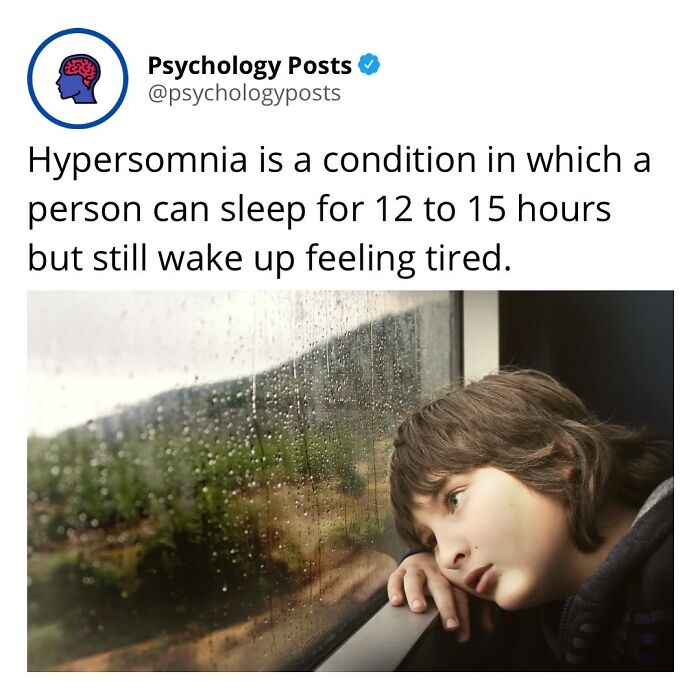
If you have hypersomnia, you fall asleep several times during the day. Hypersomnia affects your ability to function at work and socially, affects your quality of life and increases your chance of accidents.
Hypersomnia is more common in females than males. It’s thought to affect about 5% of the population. It’s usually diagnosed in adolescence or young adulthood (mean age is 17 to 24 years).
The cause of most cases of hypersomnia remains unknown. Researchers have looked at the potential roles of neurotransmitters in the brain and cerebrospinal fluid including hypocretin/orexin, dopamine, histamine & serotonin.
The way the world is now, I wish I could spend more time asleep.
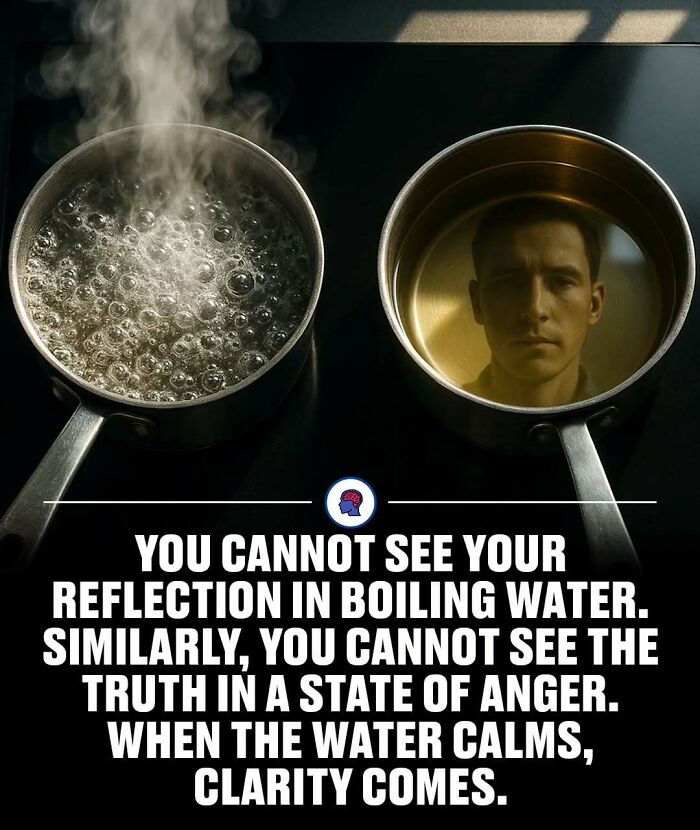
Strong emotions like anger cloud perception in the same way boiling water distorts a reflection. When the brain is overwhelmed by anger, resources shift toward quick reactions instead of careful thought. This reduces attention, slows decision-making, and biases perception.
In contrast, calmness allows the brain to regulate emotions more effectively. A calm state supports clarity of thought, better problem-solving, and empathy.
You would be amazed at how much clarity can be discovered in anger. Sometimes it's just a question of channelling it properly. Ask anyone who has finally escaped abûse.

Based on this list, apparently you'll be happier, healthier and smarter if you sleep 20 hours a day...

And have enough money to travel extensively several times a year
Load More Replies... 
Based on this list, apparently you'll be happier, healthier and smarter if you sleep 20 hours a day...
And have enough money to travel extensively several times a year
Load More Replies... 
























 No fees, cancel anytime