Get Premium
Dark mode theme is available exclusively for premium users. Learn more about the benefits of subscribing.
No fees, cancel anytime.

 Dark Mode Ad-Free Browsing Unlimited Content
 Ad-Free Browsing Unlimited Content Dark Mode
Join 1.2 million Panda readers who get the best art, memes, and fun stories every week!
Natural predators aren't just fearsome hunters. They are ecosystem architects that sculpt wild landscapes, influence evolution, and captivate human curiosity more than any other animals.
Found in remote mountains, vast desert plains, and deep ocean trenches, they stalk, hunt, scavenge, and dominate wherever they exist.
But apex predators aren’t simply dangerous. They are powerful, intelligent, and intricately evolved.
These masters of survival use finely tuned instincts and strategic planning honed over millions of years. They stabilize food chains, manage prey numbers, and secure the survival of their species.
Not every fierce hunter is an apex predator. Apex predators stand apart by shaping their environments with intelligence, creativity, and unmatched evolutionary success.
Instead of lumping all dangerous or scary animals together, we are entering a world where instinct, evolution, and survival strategy collide.
This post may include affiliate links.
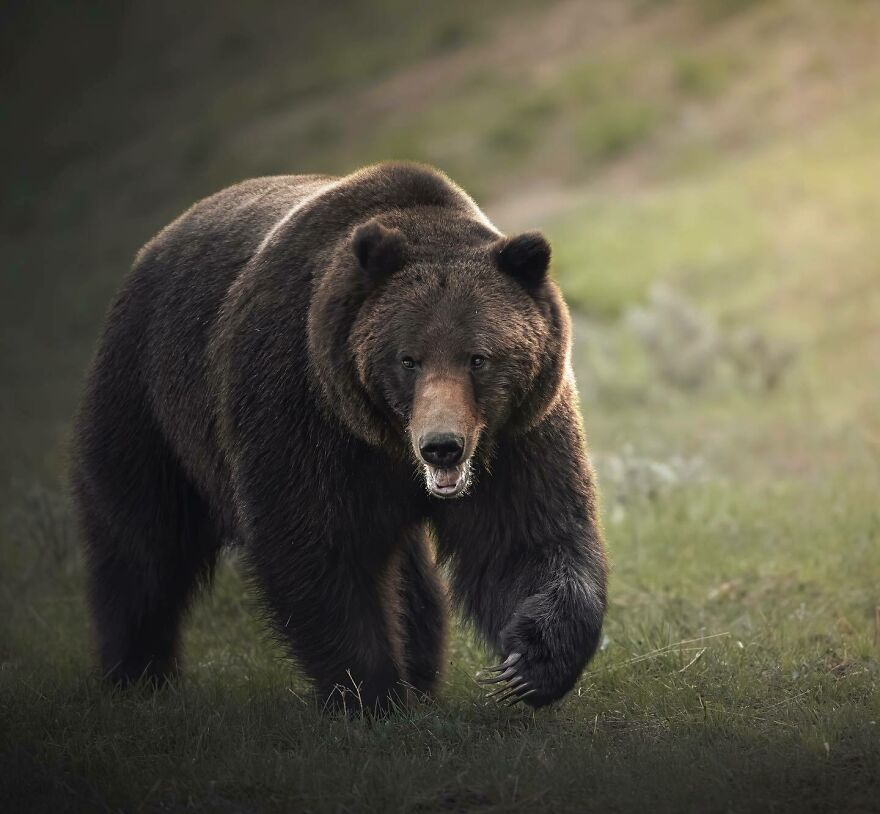
Grizzly bears may look like pure muscle, but they are also remarkably intelligent. They can shift from foraging for berries to chasing large prey within moments.
Their 35 mph sprint and powerful limbs make them nearly impossible to overpower. They often rely solely on their sense of smell to locate prey from up to 20 miles away.
With sharp memories and impressive problem-solving skills, grizzlies rival other apex predators in intellect and adaptability.
As ecosystem engineers, they bring salmon into forests and enrich the soil with marine nutrients. Clips of them fishing with their claws capture their instinctive hunting prowess.
Their strength is not just physical. Mental sharpness plays a major role in their dominance and resilience.
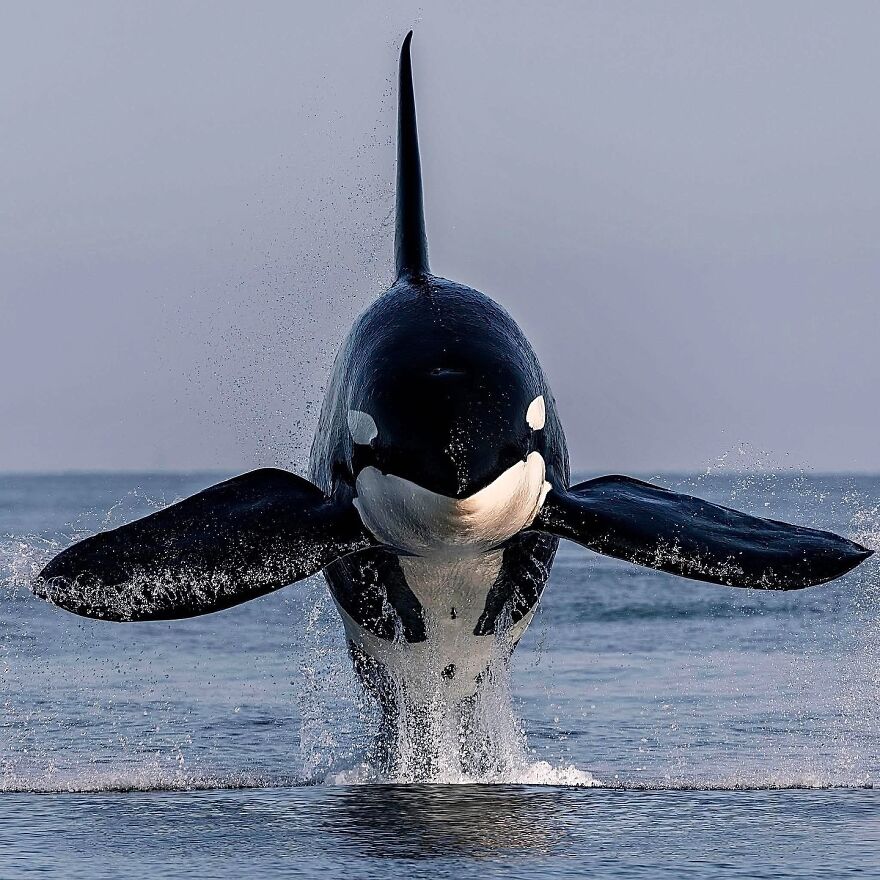
The nickname "killer whale" reflects their reputation for massive size and fearsome presence, but orcas are also highly intelligent hunters.
They combine strategic thinking and complex communication with brutal precision to dominate the oceanic food chain.
Each pod develops its own culture, complete with unique stalking techniques, whether hunting seals above the surface or ramming great white sharks for their livers.
Drone footage of orca pods reveals synchronized movements so fluid and silent they resemble elite special-ops units.
These apex predators shape entire marine ecosystems, regulating the populations of seals, sea lions, and dolphins and altering shark behavior.
Very few predators balance instinct and intelligence as effectively as orcas. That combination is why they are often recognized as some of the toughest animals alive, whether in the sea or on land.
Watch the channel Casual Geographic on YouTube. He calls orcas homicidal Oreos. It splits my sides every time.
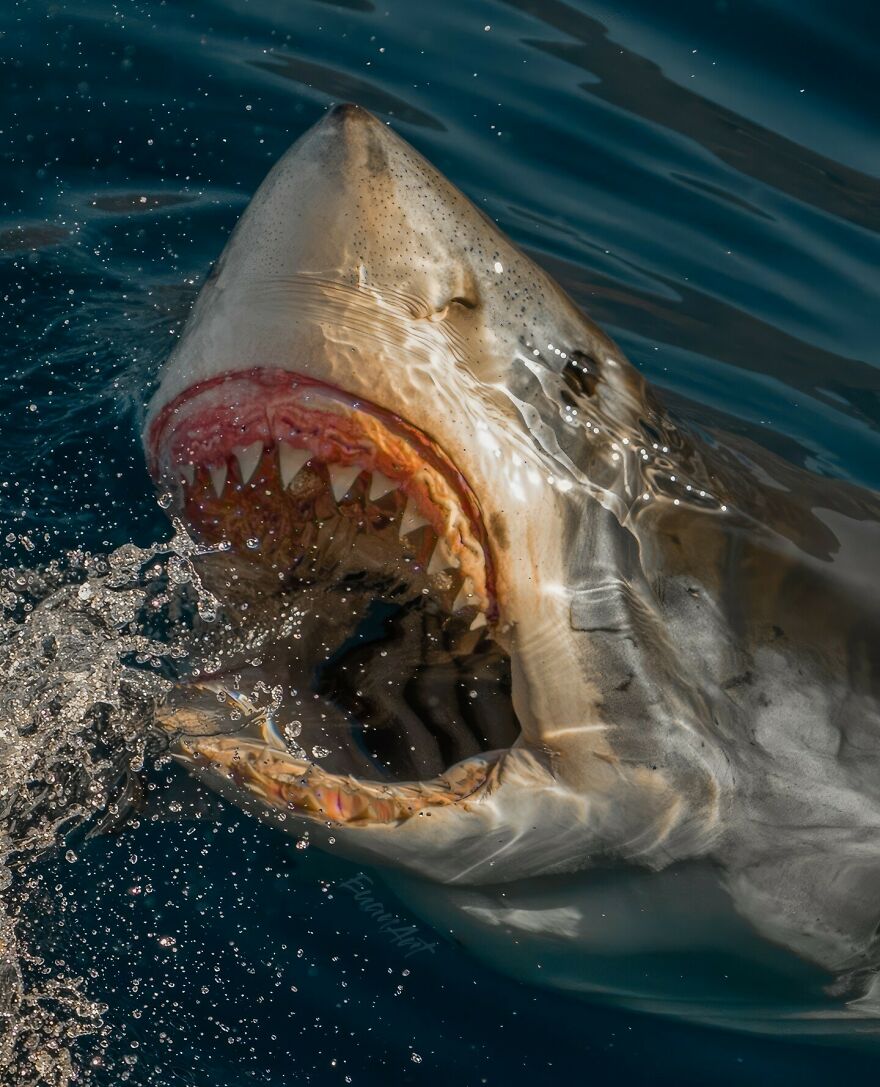
The great white shark is one of the most powerful weapons in the ocean, built for incredible speed, explosive attacks, and sensory precision. They use electroreceptors to detect the tiniest movements in the water, then rise out of the depths at 35 miles per hour to strike.
Sometimes, their movements are powerful enough to breach the surface completely.
Great white sharks are regularly seen dragging prey, such as seals or walruses, underwater with their powerful jaws. Under the water, they act almost like surgeons, removing weaknesses from marine populations and keeping the food chain healthy. They regulate fish and mammal populations to protect seagrass and coral.
Many people are afraid of great whites, but their predatory movements are always carefully planned, not random outbursts of senseless violence.
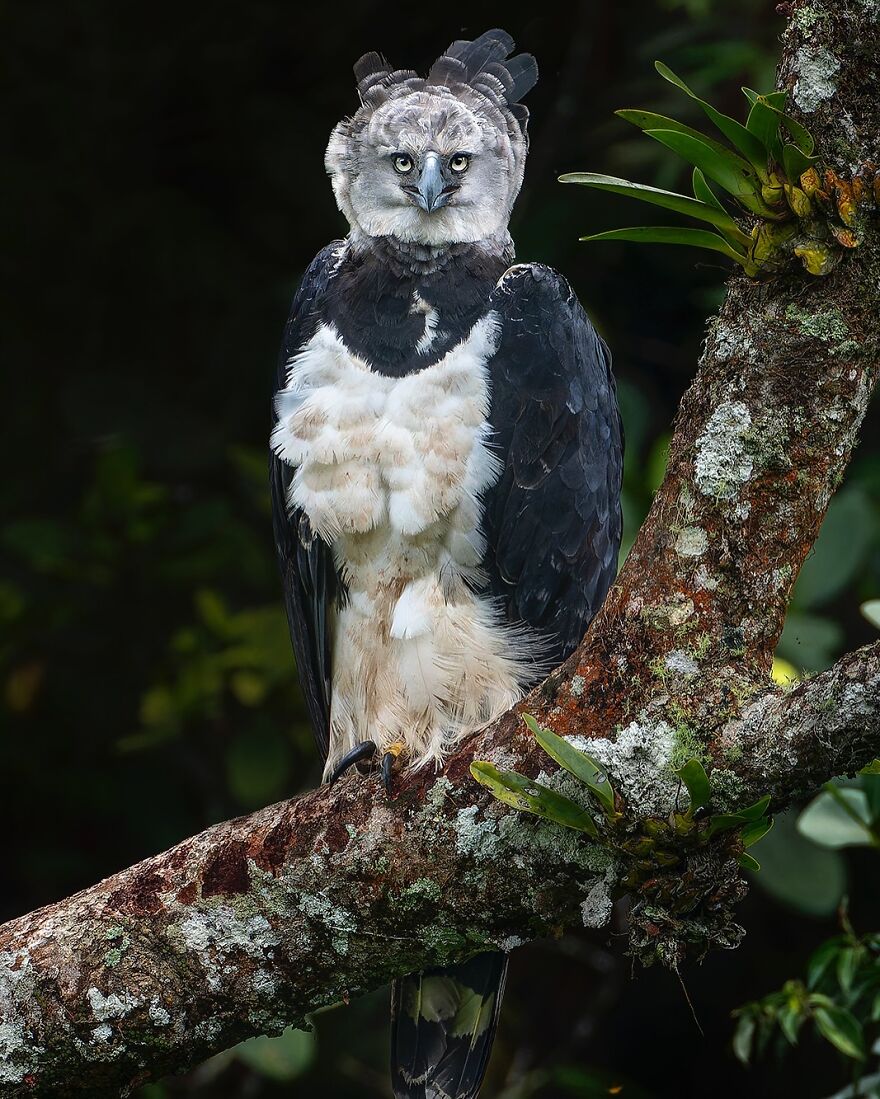
The harpy eagle is more muscle than feathers, with strength far beyond its size. They can pluck monkeys and sloths out of trees with their 4-inch-long talons and carry them off, while easily manoeuvring through the treetops. Harpy eagles fly with precision, and their exceptional eyesight helps them spot prey.
Helmet-cam conservation footage has exposed the harpy's regal intensity up close. It dominates the rainforest environment, regulating populations as a keystone predator. They prevent species overpopulation and maintain complex vegetative food webs.
The harpy eagle proves that predators aren't just massive land beasts; they're also airborne assassins that remain hidden until it's too late.
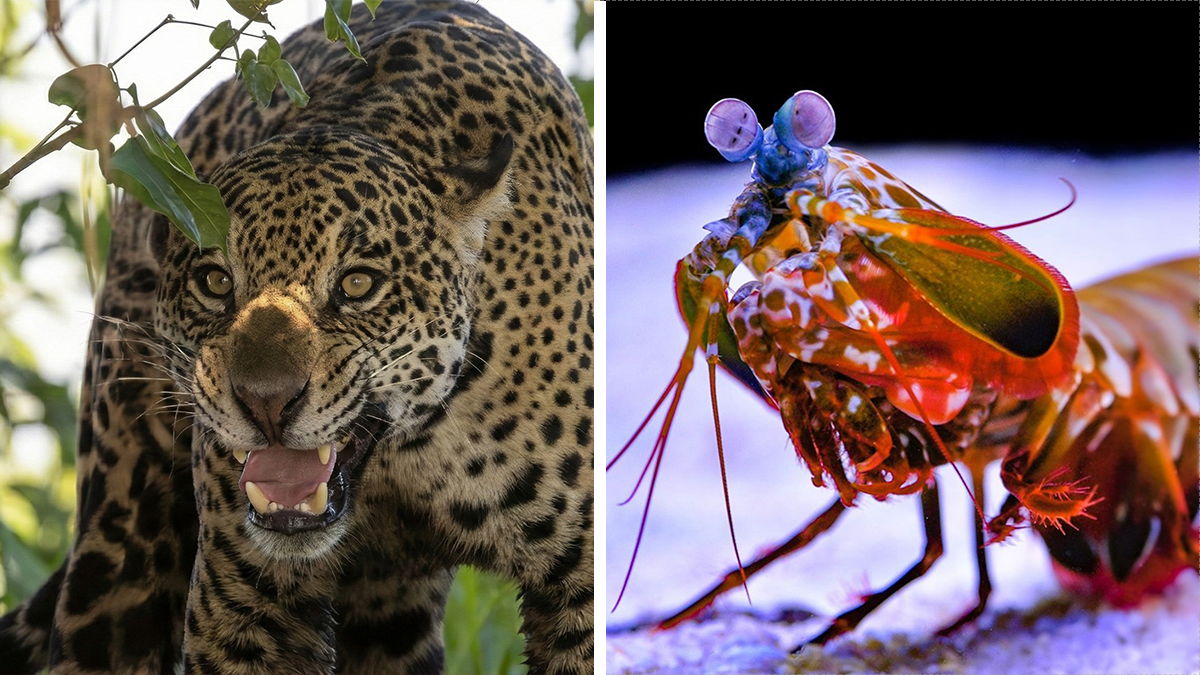
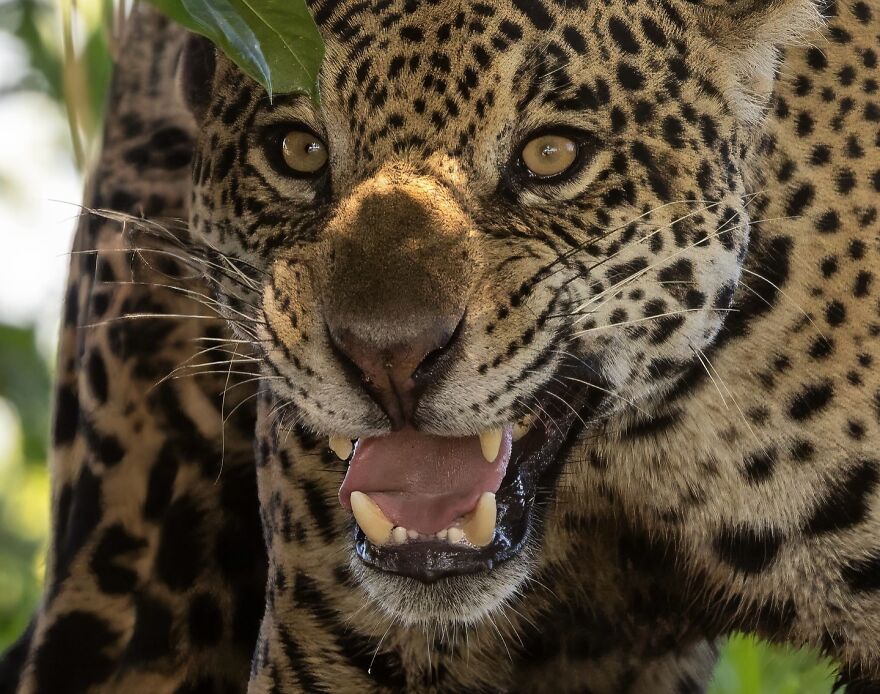
The jaguar is the undisputed jungle assassin, killing animals with one skull-piercing bite that no other big cat uses. Their lithe, muscular bodies allow them to silently stalk landscapes before attacking with deadly precision. Their prey ranges from easy kills, such as impala and gazelles, to larger prey, like crocodiles. They also hunt in the water, snatching up and killing fish and turtles with ease.
Viral Amazonian videos of jaguars tussling with crocodiles demonstrate their power and precision, and that's why they're so influential in shaping ecosystems and riverine habitats. They're agile, strong, and have retractable claws that make both attacking and defending a breeze.
In Indigenous cultures, jaguars have long been hailed as symbols of power, and that reputation perfectly aligns with their position as a top apex predator.

....jaguars aren't in africa so impala and gazelle are not on the menu....that's a leopard.....
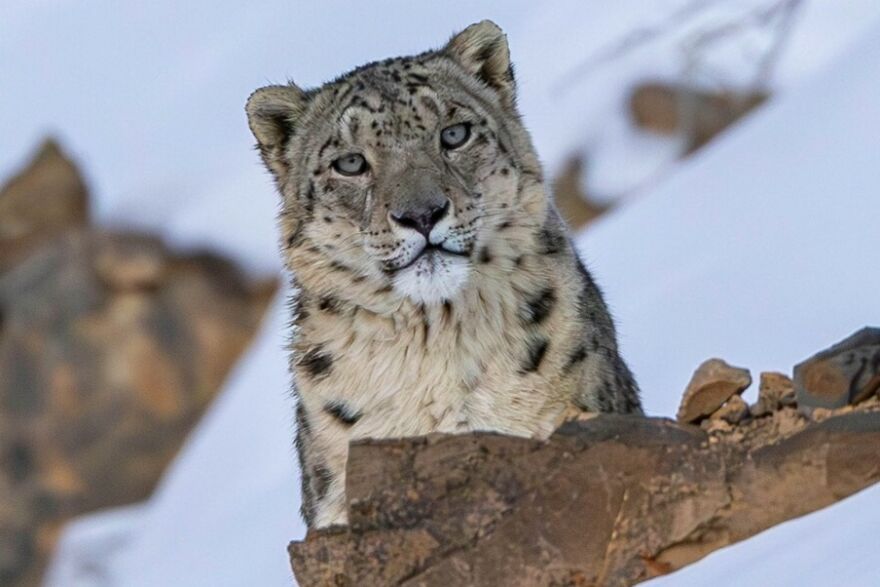
The snow leopard earns its title as the "phantom of the Himalayas" thanks to its beautiful, patterned coat, which lets it vanish into snow-covered cliffs and camouflage itself with expert stealth.
Adapted for high altitudes, these elusive big cats stalk prey with precision, using fur-lined paws and long balancing tails to navigate steep, rocky terrain.
With strong claws and a crushing bite, snow leopards take down large prey like blue sheep and ibex and hold their own in battles against rivals. Their leaps can reach 10 feet into the air or span 50 feet across gaps, and clips of them navigating cliffs often go viral because they appear almost mythic.
Surviving in low-oxygen, freezing conditions where few others can, snow leopards help stabilize mountain ecosystems by managing prey populations and maintaining natural balance at extreme elevations.
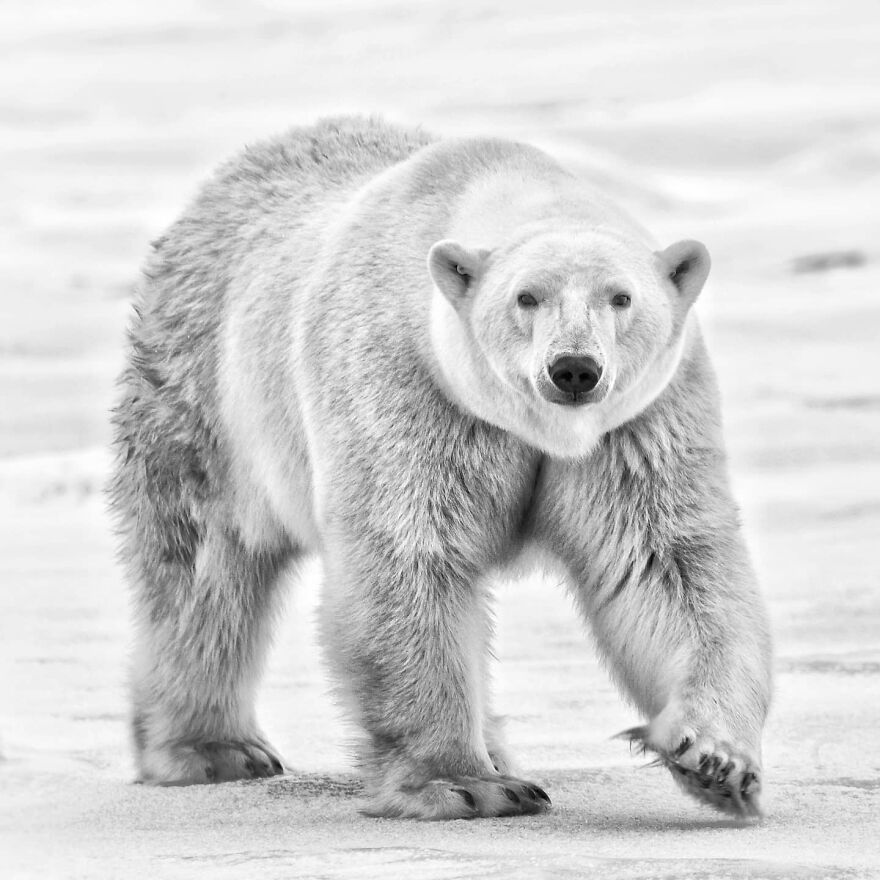
Polar bears are famed as the most terrifying of all the bears, and they're just as durable as they are powerful. They patiently stalk prey for hours, blending into frozen landscapes, then striking with crushing force. Their thick fur, insulating fat, and massive paws turn sub-zero environments into simple hunting grounds.
Footage of polar bears crossing melting sea ice is often used in climate change discussions, showing just how much apex predators are being pushed out of their home ranges. Polar bears are top predators in Arctic food chains, regulating seal populations through hunting.
Their struggle for survival proves just how durable and resourceful polar bears are, and they're slowly becoming global icons of resistance.
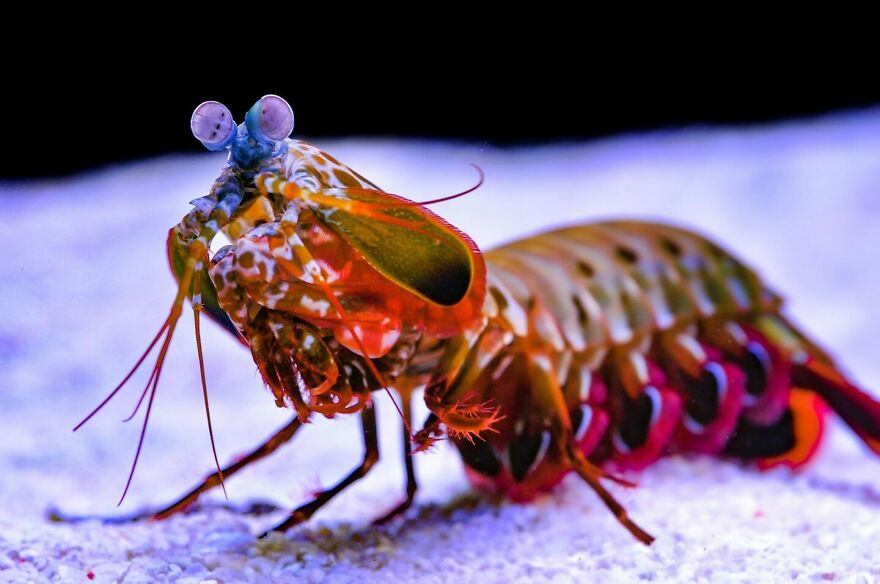
Shrimp aren't among the most feared animals on the planet, but they're incredibly capable predators with complex skills and abilities that help them survive. Mantis shrimp punch with the force of a bullet, and many viral videos show them breaking glass in aquariums. Their hammer-strike punch allows them to kill prey and defend themselves.
They prey on soft-bodied animals, such as fish and squid, and hard-bodied creatures, including crabs and clams. They create a landscape of fear that changes prey behavior in ways beneficial to them, and also helps them protect themselves from larger predators. Mantis shrimp do all of this while sculpting reefs and influencing micro-habitat diversity.
They can be as small as two inches in length, but this tiny apex predator can more than handle itself.
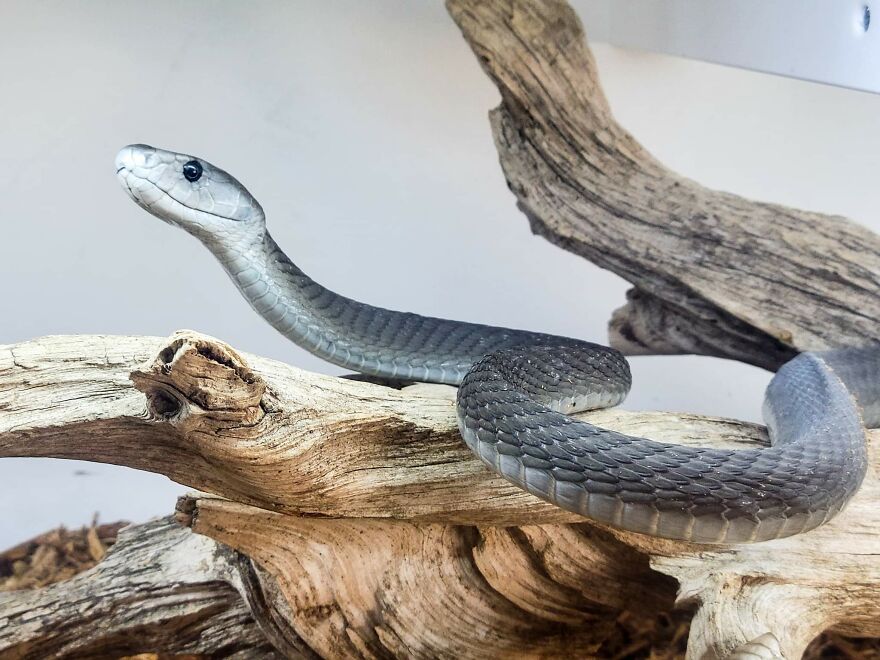
The black mamba blends speed, agility, and neurotoxic precision into an invaluable skill set, turning it into a nightmare for any unfortunate prey in its path. It's capable of slithering up to 12 miles per hour and delivering rapid, repeated strikes to subdue prey. Sometimes, this predator pursues fleeing prey, rather than waiting for the venom to take hold.
Black mambas are territorial and use threats to deter attackers. Their predatory activities are extremely beneficial to savanna environments with unchecked rodent populations, minimizing pests and infections. Videos of these snakes swallowing rats have many people wondering if they could also consume humans.
It's easy to see why black mambas are such fearsome predators; they're vicious and deadly, but they're also designed for ecological efficiency.
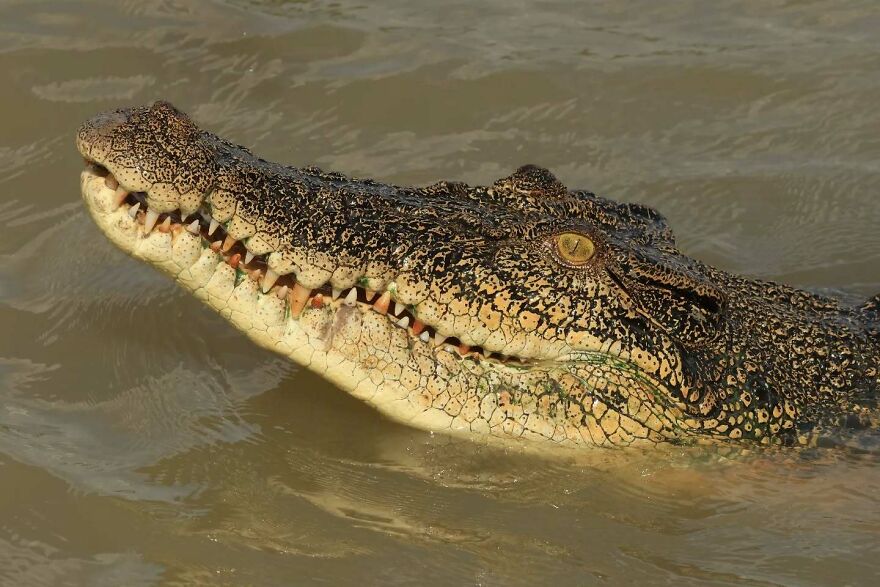
The saltwater crocodile, which can reach up to 17 feet long, is a lethal predator armed with prehistoric strength and modern-day precision.
Able to lie motionless for hours beneath murky water, it can explode into violent action, using the strongest bite force ever recorded to grab its target.
These crocodiles use their notorious death roll to kill prey and rip off large chunks of meat, swallowing them whole. This technique is a lethal, efficient takedown unmatched by most other predators.
Viral clips showing crocodiles lunging at animals like water buffalo highlight the immense power packed into their streamlined frames.
They dominate both saltwater and freshwater environments and even succeed on land, where they access new food sources and adapt to emerging habitat threats.

And another reason Florida is fun, the only state in USA with crocs and gators.
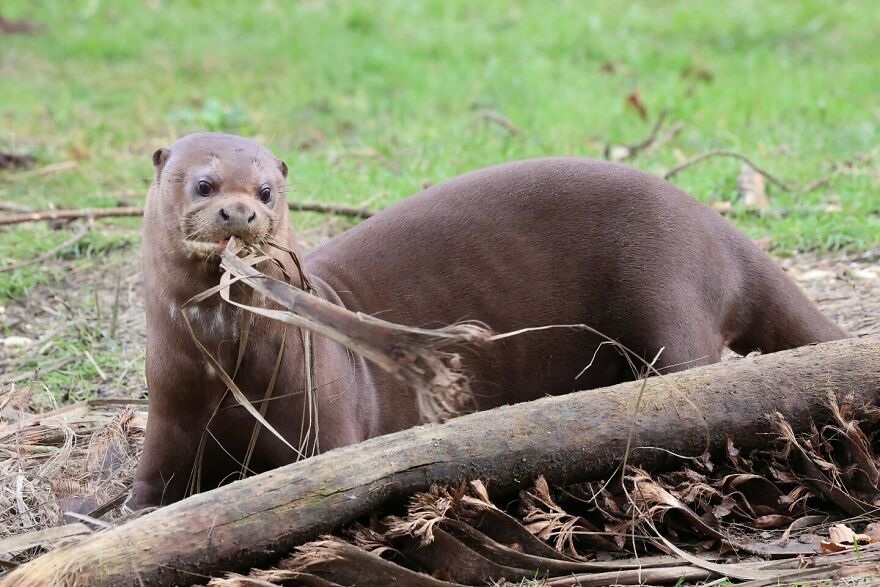
The giant otter may look adorable, but it is a serious predator. These six-foot-long hunters take down catfish, piranhas, and even caimans with lightning-fast swipes and lethal bites.
Their streamlined frames and webbed feet make them powerful swimmers, while sensitive whiskers help detect prey underwater.
Like wolves, giant otters rely on social cooperation to thrive. They often patrol in groups along rivers and wetlands, showcasing coordinated hunting behavior.
Their role in controlling fish populations helps preserve biodiversity in fragile ecosystems.
Giant otters are fierce, clever, and unexpectedly efficient. They show that apex predators come in all shapes, not just the traditional models of brute strength.
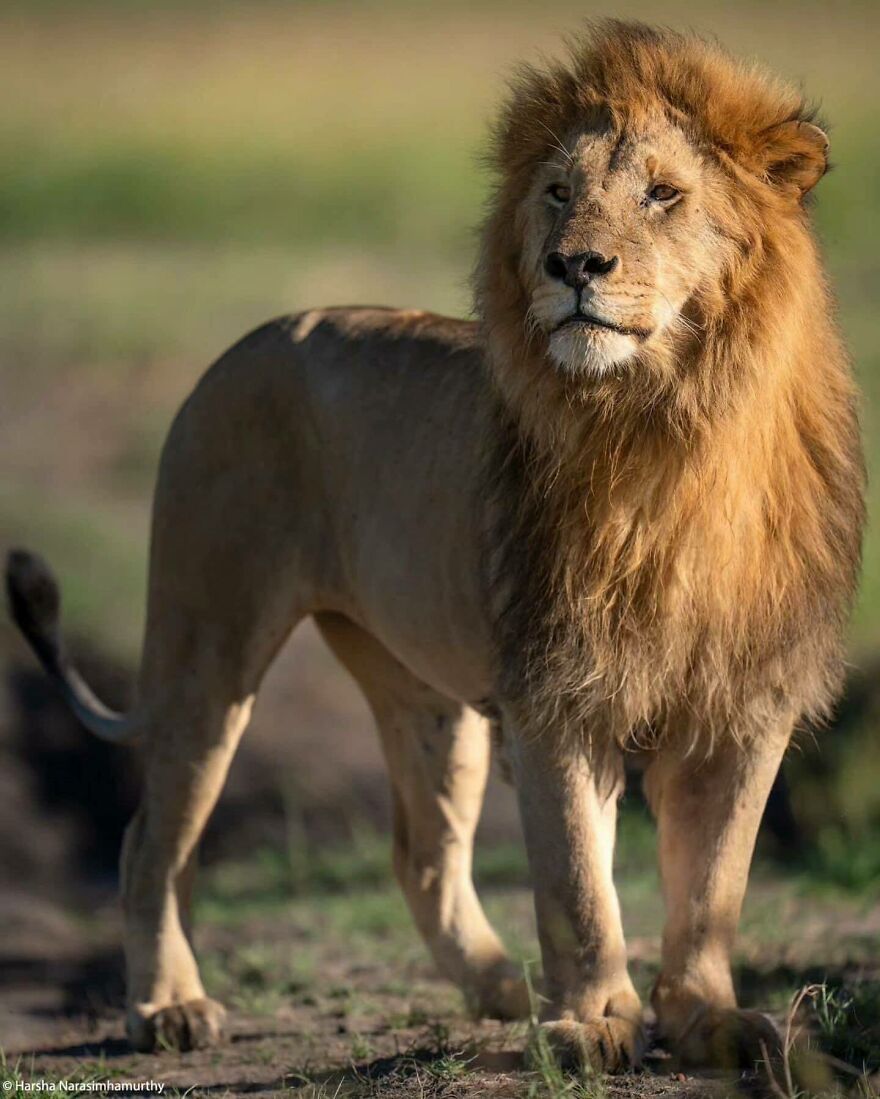
African lions have long ruled the top of the food chain. They remain master strategists of the North African savanna, thanks to their strength, intelligence, and coordinated teamwork.
Lionesses flank the pride while male lions defend territory and intimidate intruders, working together to manage their prey.
Their diet includes everything from gazelles, warthogs, and wildebeests to ostrich eggs and even elephants. Footage of lions facing down groups of hyenas or zebras often reveals the complex social power struggles of the wild, where lions can dominate prey through sheer presence alone.
As ecosystem regulators, lions influence both animal and plant populations, which, in turn, shape the savanna's vegetation and terrain. Their dominance, power, and presence have earned them the enduring title of kings.
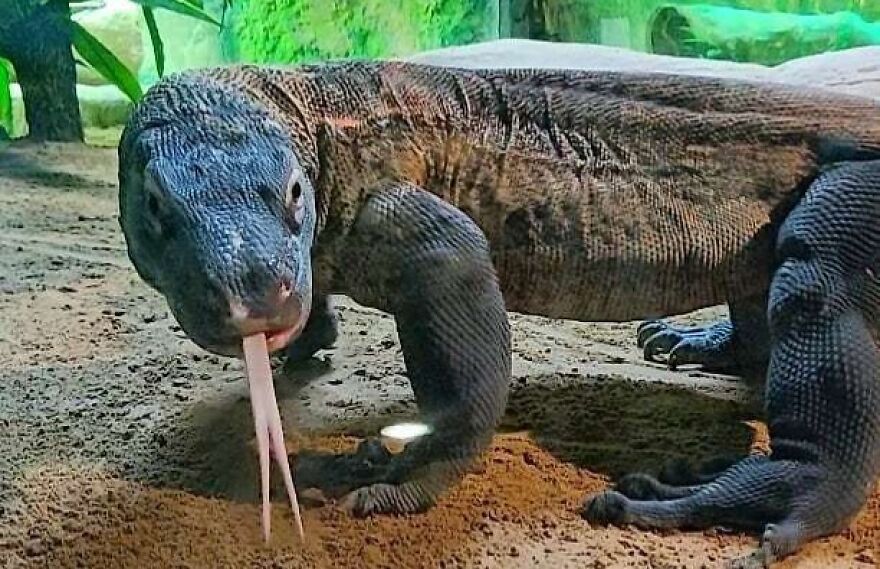
Komodo dragons hunt like shadows, striking at prey with serrated teeth and venomous saliva that weakens their prey over hours. Their strategy blends stealth and endurance, allowing them to stalk wounded prey and appear out of nowhere to secure the kill.
Their armor-scaled hides and prehistoric reptilian builds help them to blend into their surroundings and evade bigger predators. These stealthy reptiles also control herbivore populations and influence biodiversity with their eating habits, but they've also been caught on camera overpowering wild boars and deer.
They're clever and calculated creatures, and they owe their survival to skill and instinct, not luck.
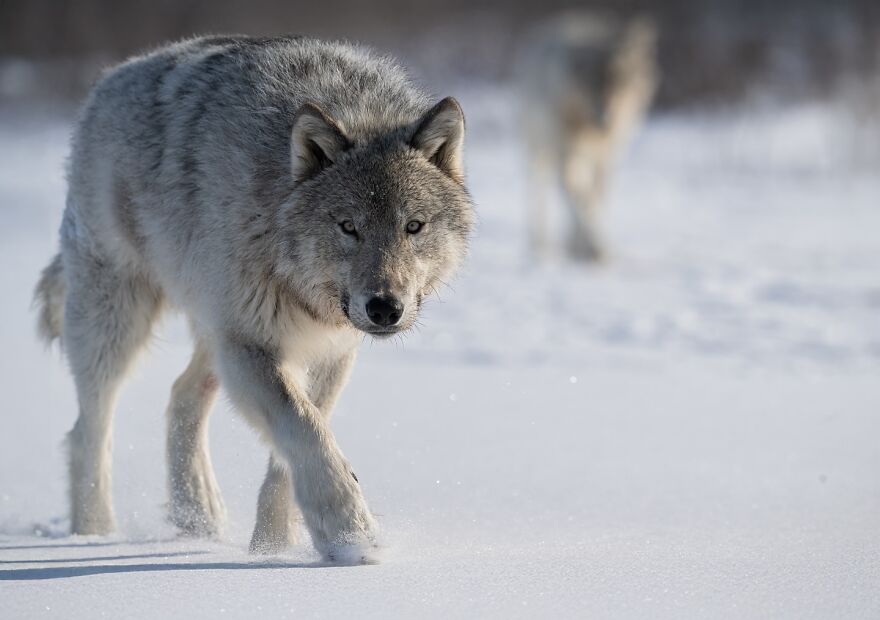
Wolves are the original teamwork predators, mastering endurance hunts and creating complex terrain strategies before humans began to domesticate them. However, gray wolves often have low population densities, demonstrating their adaptability and resilience.
They're built like seasoned athletes, herding and isolating prey before they strike. They often target the weakest individual, guaranteeing an easy victory. Their excellent sense of smell and high-powered legs allow them to tire out and take down large prey, even in the coldest conditions.
Footage of gray wolves returning to Yellowstone also demonstrated their ecological usefulness. Elk behavior evolved, vegetation growth improved, and rivers stabilized. They reshaped entire landscapes.
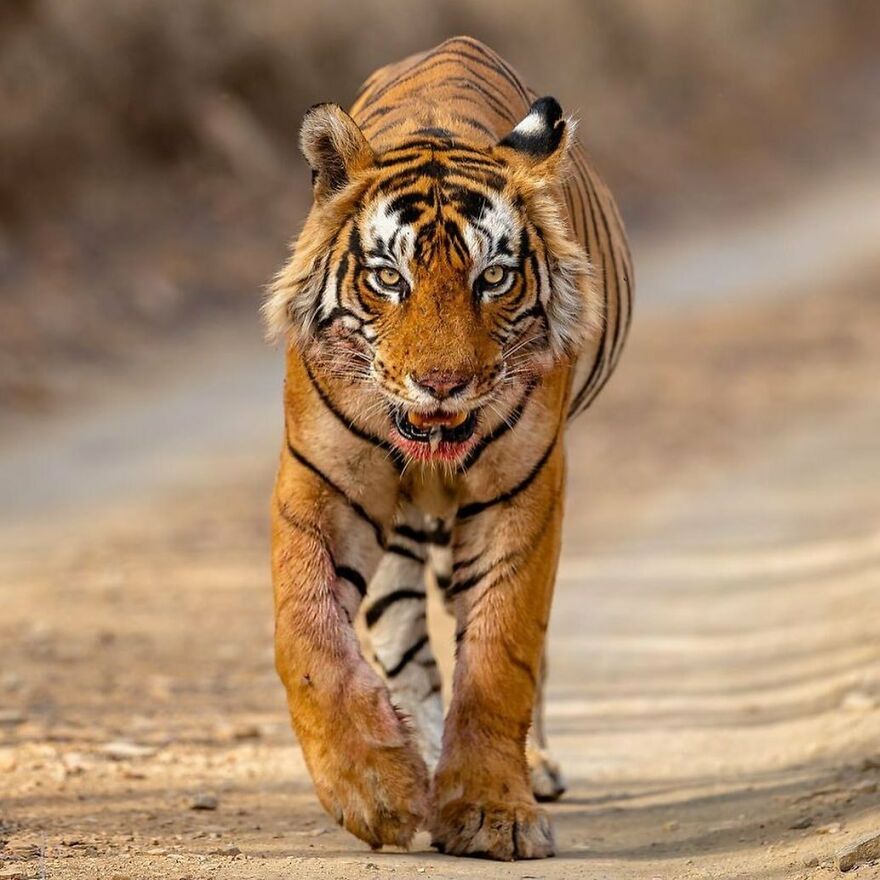
Tigers are solitary hunters built for silent, lethal ambushes in dense forests and swampy terrain.
With massive paws and incredible shoulder power, they can drag prey twice their size and pin down animals as large as bears. In fact, they are the only apex predator known to hunt adult bears.
Trail-cam footage has captured their strength in action, showing enormous leaps and explosive lunges. Though symbols of raw power, tigers are also masters of camouflage and adapt swiftly to changing environments.
As ecosystem guardians, they regulate prey populations and help maintain ecological balance across Asia.
Few predators challenge tigers. They have no natural enemies but still defend their territory and assert dominance when needed.

Apologies for the multiple fun fact comments. I just love reading about different animals and how unique they all are (it makes me feel better about the sh&t-show of a world we sometimes live in).
Facts are always welcome. They make up for some of the BS on BP.
Load More Replies...
JoRo, you missed giving us a fun fact about the most successful predator: Dragonflies often catch up to 95% of the prey they go after.
Oh my goodness. I didn't know that. I love a new fun fact, thanks Howdylee 🥰
Load More Replies...
Apologies for the multiple fun fact comments. I just love reading about different animals and how unique they all are (it makes me feel better about the sh&t-show of a world we sometimes live in).
Facts are always welcome. They make up for some of the BS on BP.
Load More Replies... JoRo, you missed giving us a fun fact about the most successful predator: Dragonflies often catch up to 95% of the prey they go after.
Oh my goodness. I didn't know that. I love a new fun fact, thanks Howdylee 🥰
Load More Replies... 






































 No fees, cancel anytime