Get Premium
Dark mode theme is available exclusively for premium users. Learn more about the benefits of subscribing.
No fees, cancel anytime.

 Dark Mode Ad-Free Browsing Unlimited Content
 Ad-Free Browsing Unlimited Content Dark Mode
Join 1.2 million Panda readers who get the best art, memes, and fun stories every week!
21submissions
Finished

Remember that epic moment from Space Jam (the first one, of course, with Michael Jordan) where Bugs Bunny gives his teammates that very Michael's 'Secret Stuff,' which makes them incredibly strong and confident? Yes, just plain water. It's probably one of the most famous examples of the placebo effect in popular culture.
There are actually many examples of this effect in the world - and sometimes we don't even realize that we face something similar at every turn. So, today we bring you Bored Panda's secret list... sorry, just a selection of things in this life that netizens seriously consider to be placebo effects.
More info: Reddit
This post may include affiliate links.
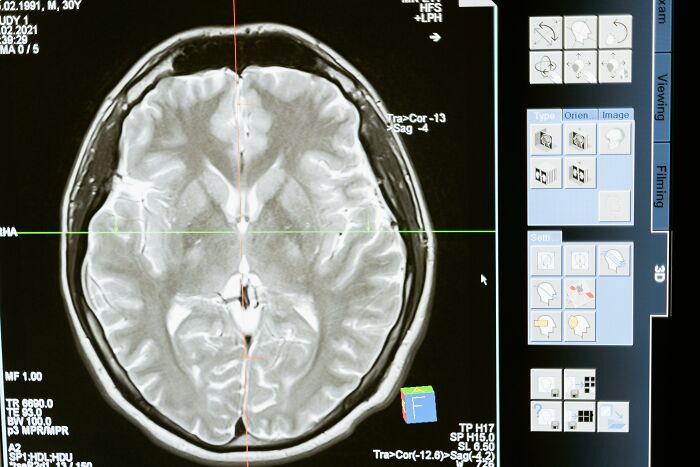 Back in the early 2000s, researchers were testing whether fetal tissue transplants could help people with Parkinson’s disease. Sounds like sci-fi, right? Here’s the kicker: to really test it, they set up a placebo-controlled trial. That means some patients got the actual brain implants… and others got sham brain surgery.
Yes. They literally cut into people’s heads, drilled into their skulls, opened the dura, and then… did nothing. Just closed them up again. All while these people were under the impression they might be getting real treatment.
And the patients volunteered. They were fully informed, and many of them still said “yeah, sign me up.” Because Parkinson’s is brutal, and there wasn’t much else.
What’s even crazier is that the placebo effect was strong. Some of the people who got the fake surgery still showed improvement — like actual, measurable symptom relief. Meanwhile, some of the ones who got the real transplant didn’t do much better. In fact, a few got worse and developed dyskinesias (uncontrollable movements).
The whole thing blew up ethically. Some people called it groundbreaking science. Others called it straight-up medical cruelty. But it did force the medical community to rethink how we test surgeries, especially brain-related ones.
Anyway, just thought that was one of the wildest examples of placebo power I’ve ever read. Imagine signing up for brain surgery and not knowing if it’s real or just a high-stakes illusion.
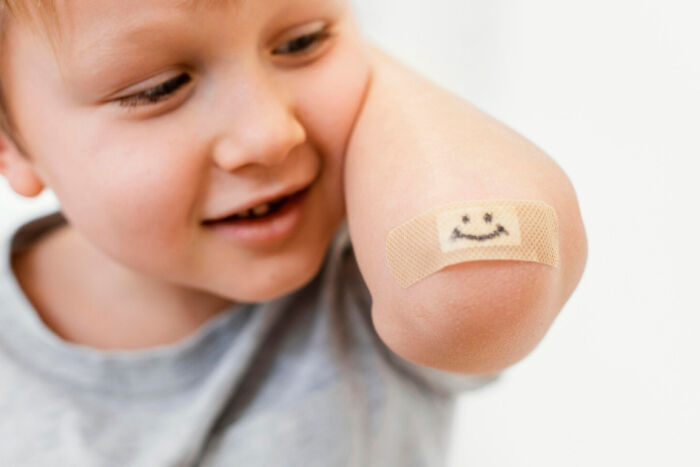 Giving a small child an ice pack or a bandaid fixed most "wounds." Especially if it comes with a hug and sympathy.
 Sugary food doesn't make kids "hyper" but it's moreso that kids are typically given sugary food for special occasions -often with other kids- like birthday parties or weddings or sleepovers etc.
 When I was in labour, nearing the end of it, a nurse told me I can push a button and my epidural dose will safety increase as needed.
Right before I was about to push, another nurse came in and said (about the button), "yeah the placebo effect is crazy".
Ruined everything for me.
 Most detox teas. People swear by them, but it’s usually just water, caffeine, and the power of believing you’re “cleansing”.
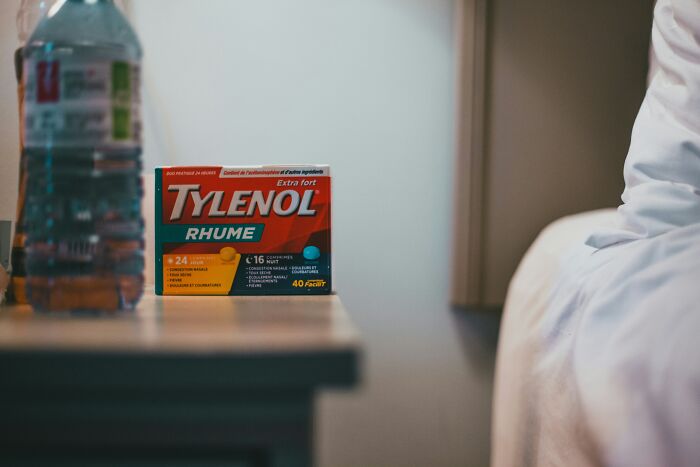 Branded pain relief medication. The ingredient is exactly the same as a cheaper non branded medication, even if the box says it targets a specific pain (e.g. for headache, for muscle ache) it is the same ingredient. The packaging, marketing and price makes people believe that the medicine works better - and studies find that people actually report better relief when taking it. So it subjectively does work better, but biologically it is doing the exact same thing but with an added placebo effect.
 Lie detectors.
Lie detectors don't work.
The person administering the test will convince the subject that lie detectors work every time and they are infallible at reading the results.
After the test, the interviewer will press the subject claiming that the lie detector showed a positive result.
All they are trying to do is to elicit a confession, but it is amazingly effective.
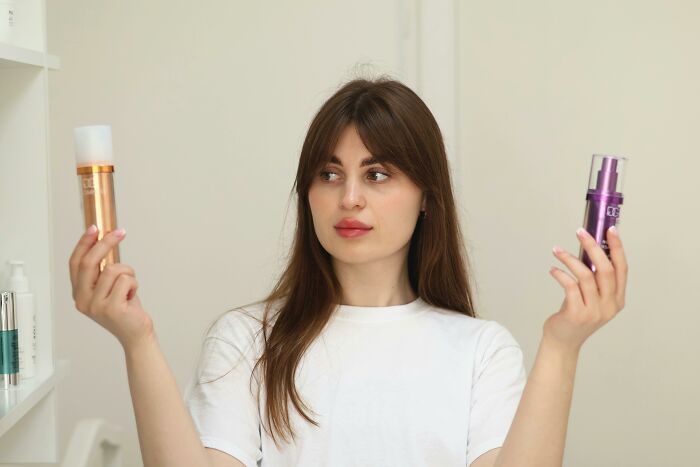 Postpartum hair loss products.
The placebo effect people fall for with postpartum hair products is that they start using them right as hair is naturally shedding, but the hair would’ve grown back anyway.
Since regrowth begins a few months later (part of the normal hair cycle), people think the product “worked,” when in reality, it was just their body resetting like it was always going to.
The product gets credit for something biology did on its own.
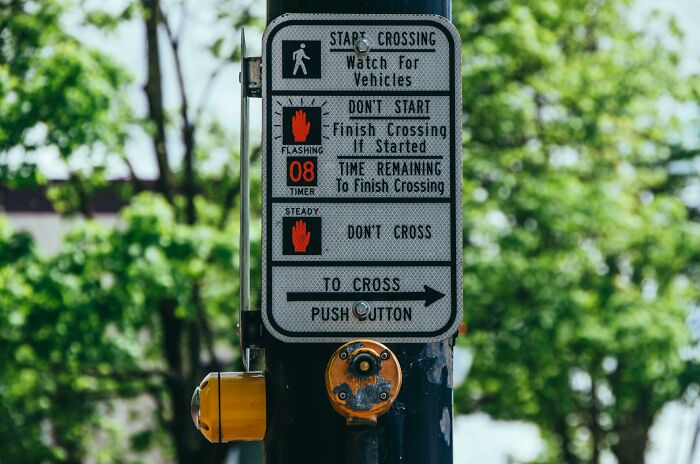 My favorite has always been that some crosswalk buttons don't actually do anything. But it makes people feel like they are in control.

Partially Incorrect. If the crossing does not have the do-not-cross sign lit, then the button turns it on. What the button does not do is change the traffic light sequence. That sequence is set for efficient traffic control - not for walkers.
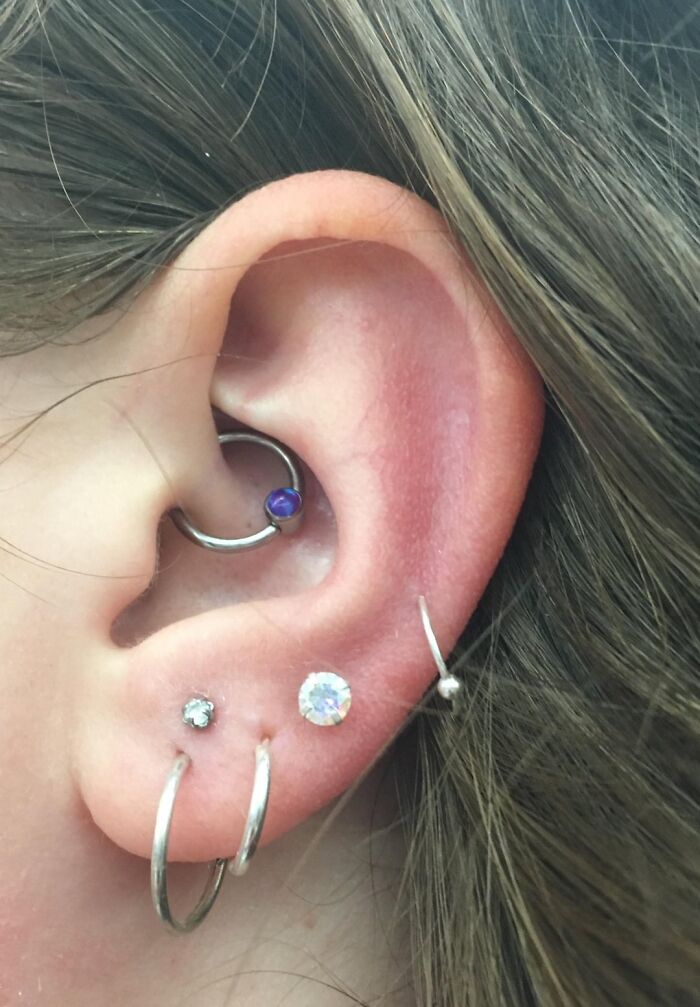 My favorite placebo is my daith piercing for my headaches. I swear up and down that when it was out that my headaches were dramatically worse. Idc if it’s real because I think it works
 Not so much a placebo, because there is an effect, but it's just not what people think. When people claim that fasting "gives me so much more energy!" What they are actually experiencing is impaired cognitive function, similar to being drunk or high, from depriving the brain of glucose.
 I think alcohol can be a placebo, I feel like people act drunk way too soon sometimes over way too little and over very little degrees. Not always and not all, some are truly sensitive, but some, I feel like it is obvious that they just give themselves the "permission to act drunk".
"I think ..." without facts is itself a placebo. You think ppl act drunk as if that was a fact. It is not.
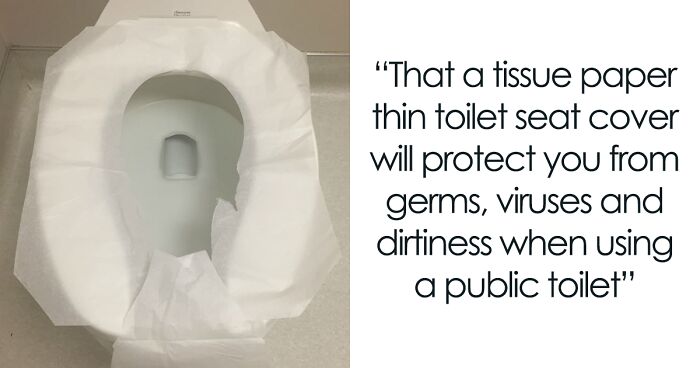
 That a tissue paper thin toilet seat cover will protect you from germs, viruses and dirtiness when using a public toilet. (I think this is more of an American west coast thing.)
 Many people firmly believe in the effectiveness of certain vitamin supplements, herbal medicines or alternative therapies for various ailments. Although in some cases there may be active ingredients with some effect, in many others, the improvement that people experience could be mainly due to their belief in the treatment, that is, the placebo effect.
People invest a lot of money and trust in these products, often without realizing that the benefit they feel might not be due to the intrinsic properties of the product itself, but rather the expectation that it will work for them.





















 No fees, cancel anytime
 then open in external browser


 and click "Open in External Browser"