Get Premium
Dark mode theme is available exclusively for premium users. Learn more about the benefits of subscribing.
No fees, cancel anytime.

 Dark Mode Ad-Free Browsing Unlimited Content
 Ad-Free Browsing Unlimited Content Dark Mode
Join 1.2 million Panda readers who get the best art, memes, and fun stories every week!
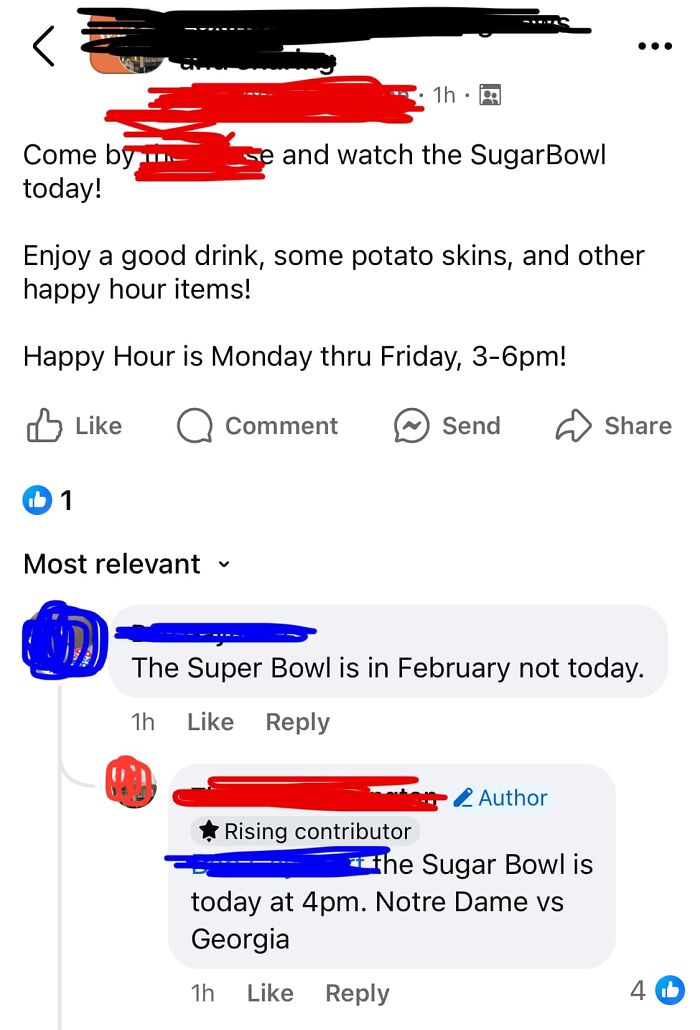
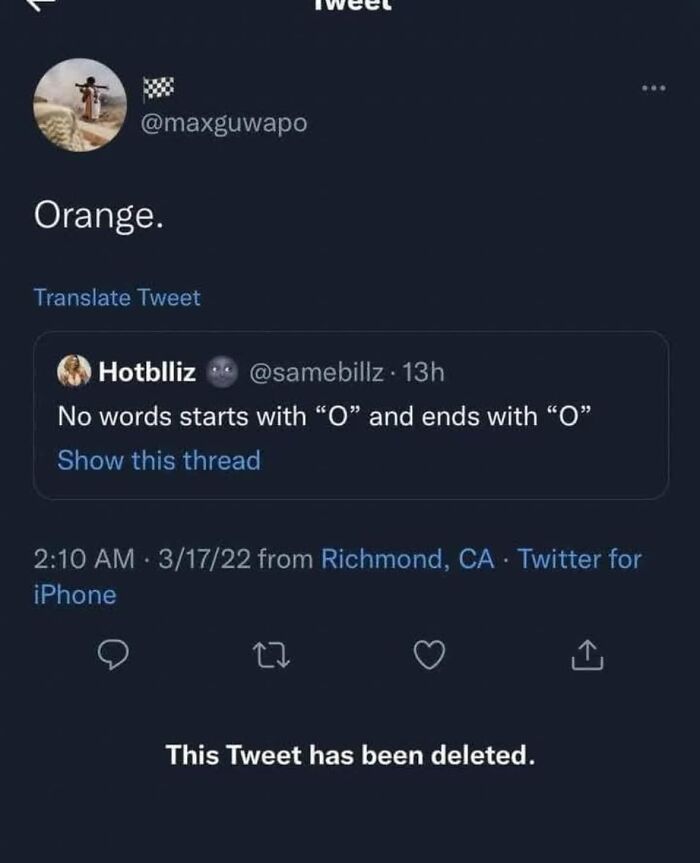
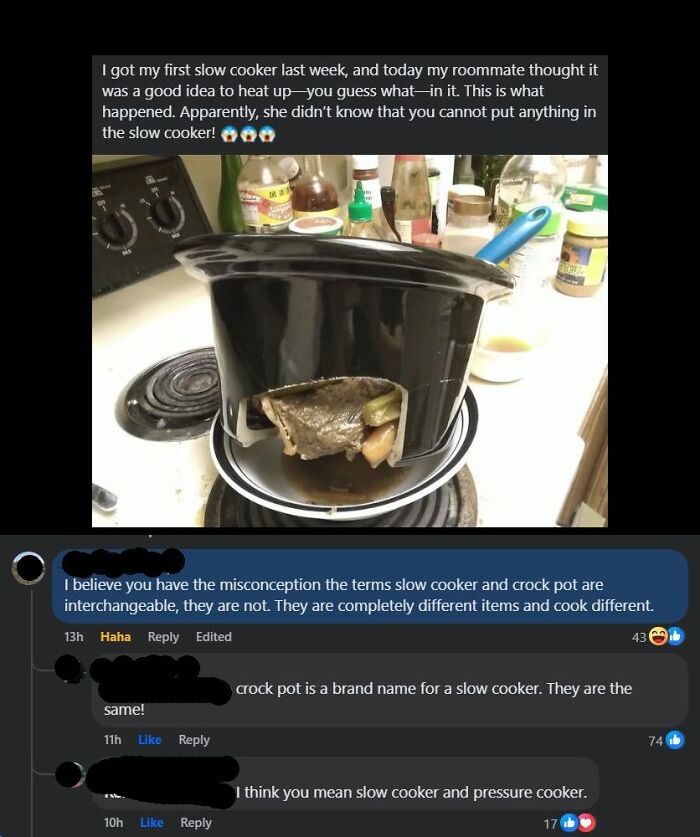
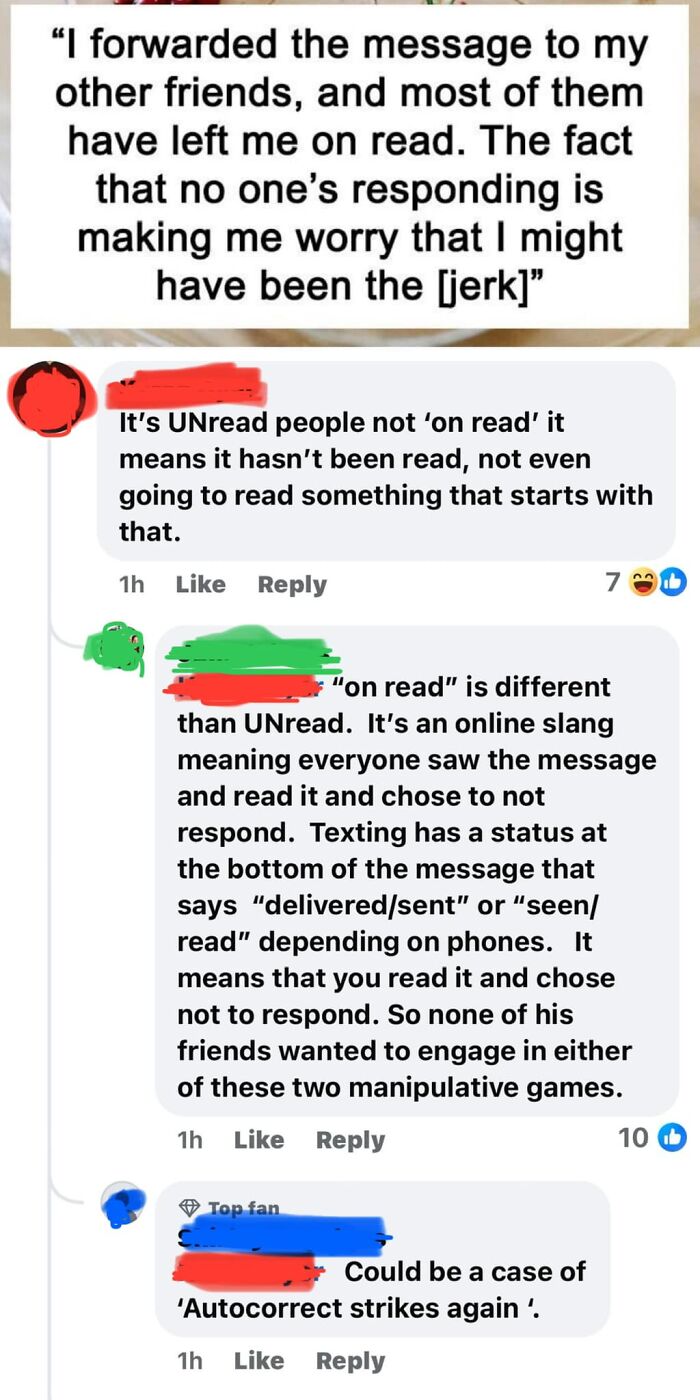
It’s very likely that you know at least one person who makes it their life’s mission to show how knowledgeable or smart they are, despite being far from knowledgeable or smart. These people are usually referred to by folks as know-it-alls, and they seem to be invading the online space more and more each day. The anonymity of the internet allows them to go about butting into everyone’s business, believing they know everything while everyone else is simply wrong.
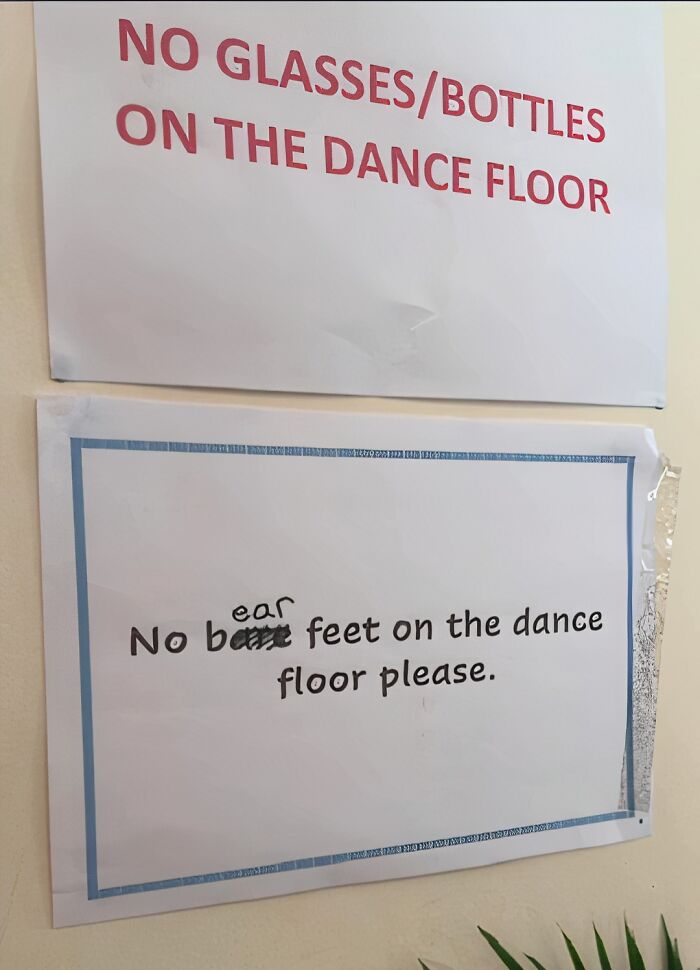
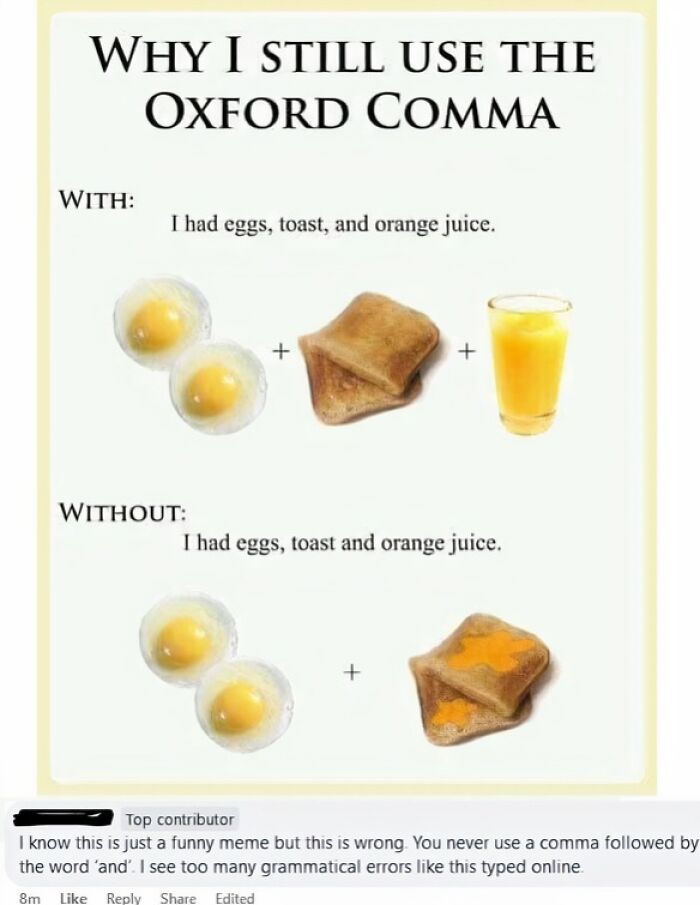
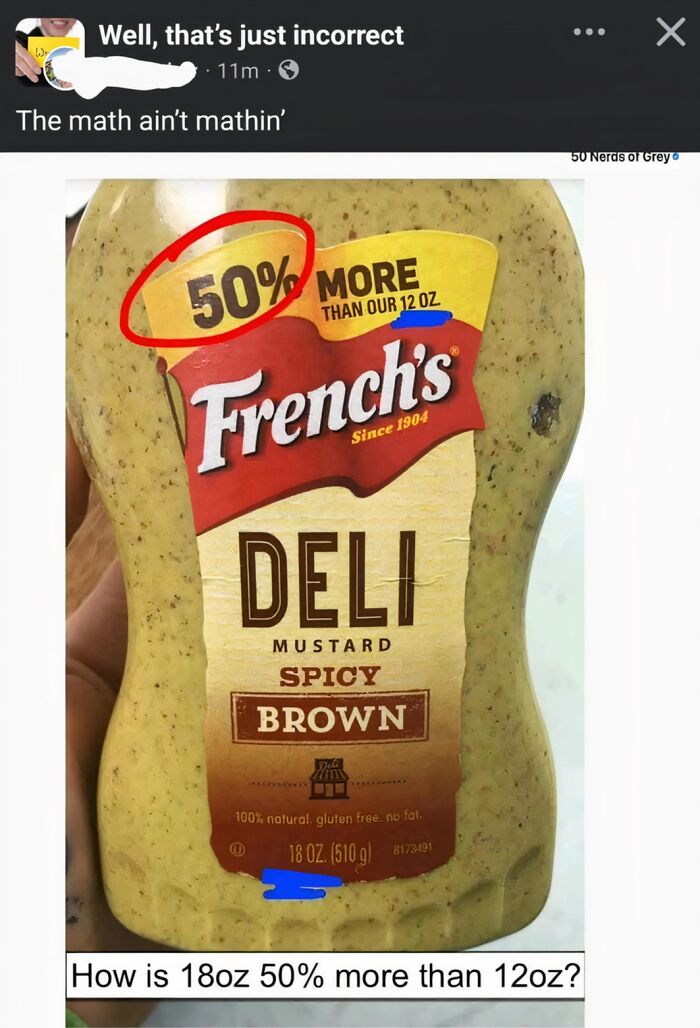
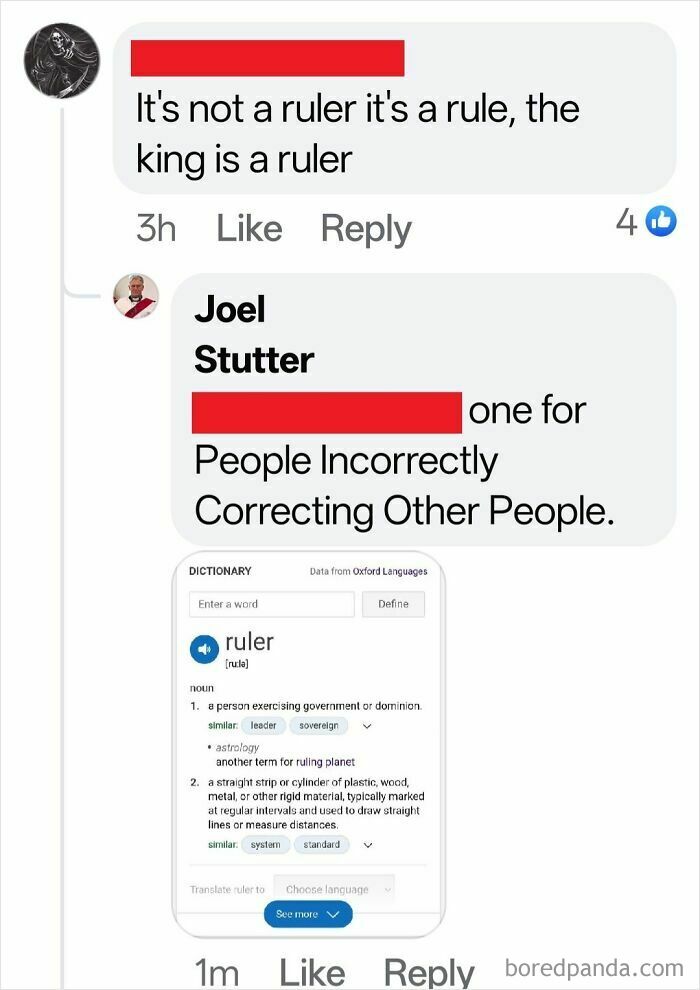
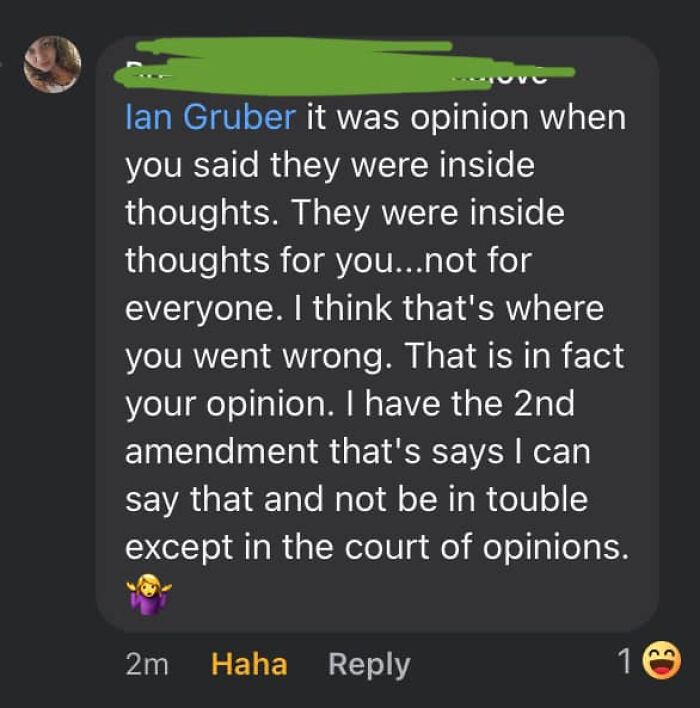
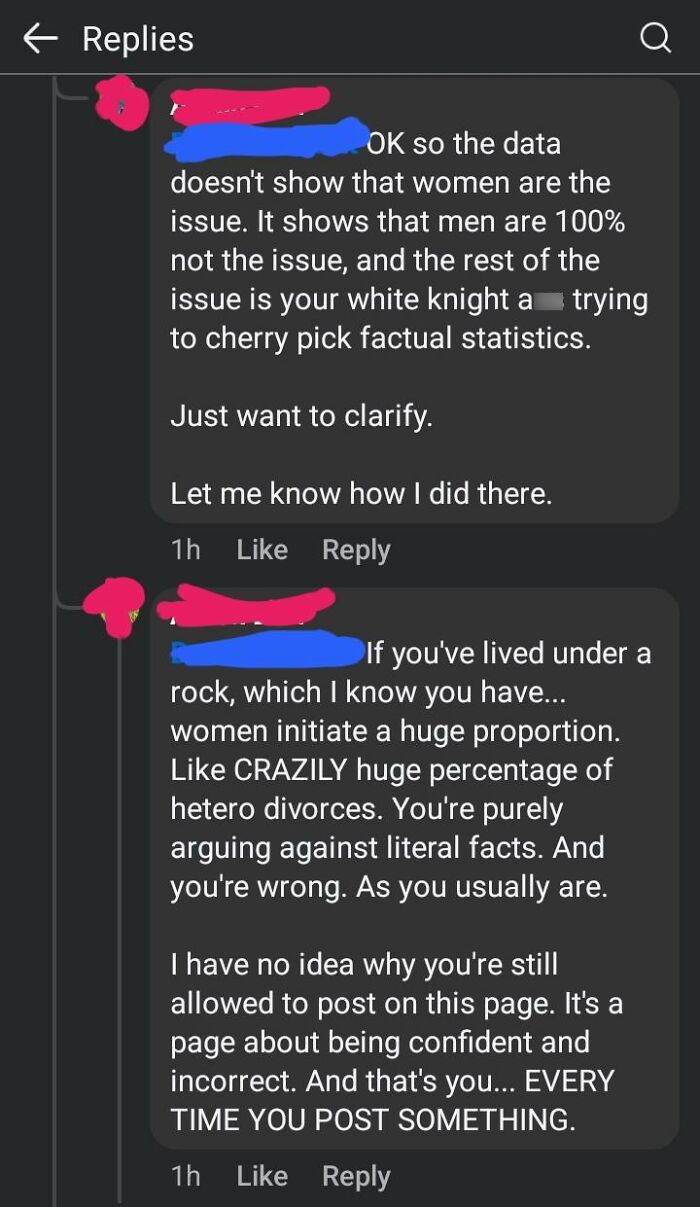
To gladly put them in their respective place, we have a whole list of confidently incorrect people from this Facebook group hilariously failing and choking on their own words. Scroll down to find them, and don’t forget to upvote those instances that made you feel bad for the people who voluntarily put themselves in these situations.
While you're at it, don't forget to check out a conversation with a board-certified clinical psychologist, Dr. Krista Jordan, who kindly agreed to share a few tips on dealing with know-it-alls.
Some people love correcting others because it reinforces their sense of intelligence and control in social interactions. According to Alfred Adler’s theory of the superiority complex, this behavior can stem from deep-seated feelings of inferiority.
By constantly pointing out mistakes, they create an illusion of dominance, using corrections as a way to validate their own intelligence and self-worth. Rather than simply aiming for accuracy, their need to correct others often serves as a defense mechanism to mask personal insecurities. – Daniel Hoadley
This post may include affiliate links.
Board-certified clinical psychologist Dr. Krista Jordan tells Bored Panda that if someone is acting like a know-it-all, they're probably trying to cover up their insecurities.
"People who are secure in themselves don't need to flaunt their knowledge and would not risk alienating people or hurting their feelings by bragging. People who need to act as though they know everything are just trying to soothe their deeply deficient self-esteem," she explains.
Also, humans as a whole have a tendency to overestimate their knowledge, which makes them think that they know more than they actually do. Even though we often lack the full information, we still believe we have enough for decision-making. This cognitive bias is called the Illusion of Information Adequacy.
Combined with naïve realism, a psychological bias that makes individuals think that their beliefs are objective and reasonable, it drives people to assume that anyone who disagrees with them is wrong despite their failure to consider what they might be missing.
Then there's a Dunning-Kruger effect, which deceives people into thinking they're an expert in everything. An issue with this is that individuals experiencing this cognitive bias feel the need to impose their ideas, as absolute truths, making others look incompetent or ignorant.
As you can imagine, being in the presence of a person who tries to put down others with their false sense of knowledge can be annoying, so we asked for some advice from Dr. Jordan on how to deal with them, online and in real life.
"The best way to handle a know-it-all, whether online or in real life, is to model having good self-esteem," she says. "Which means being humble. For instance, if a know-it-all is saying the earth is flat, you can just say, 'Well, that's interesting, I realize people have different opinions about that. My personal opinion is that it's round, but I know not everyone agrees with that,'" Dr. Jordan suggests.
"That will accomplish a number of things," she further explained, "including 1) avoiding a confrontation, because you stated that you don't expect everyone to agree with you, 2) showing the person who thinks they know everything what a mature and self-confident response looks like and 3) does not debase you in any way because you never asserted that the know-it-all was correct."
Most people probably aren't even aware they're being frustrating with their know-it-all behavior, so the last thing we were curious to know from Dr. Jordan is how to avoid becoming too overconfident with our knowledge.
"If you find yourself tempted to show off what you know around others, you probably want to look at your self-esteem. Not just superficially but deep down, how do you feel about yourself? Do you think that you have essential worth, regardless of your accomplishments or achievements? Or do you think you only have worth based on what you DO?"
"A healthy person has a balance of both, knowing that the moment they were born, they had essential value in the world (before they could possibly achieve anything) and they also know that achievements can be a fun source of healthy pride in the self. A person with good self-worth will not base it solely on what they know, or what they do for a job, or how much money they make, or anything external," she concluded.

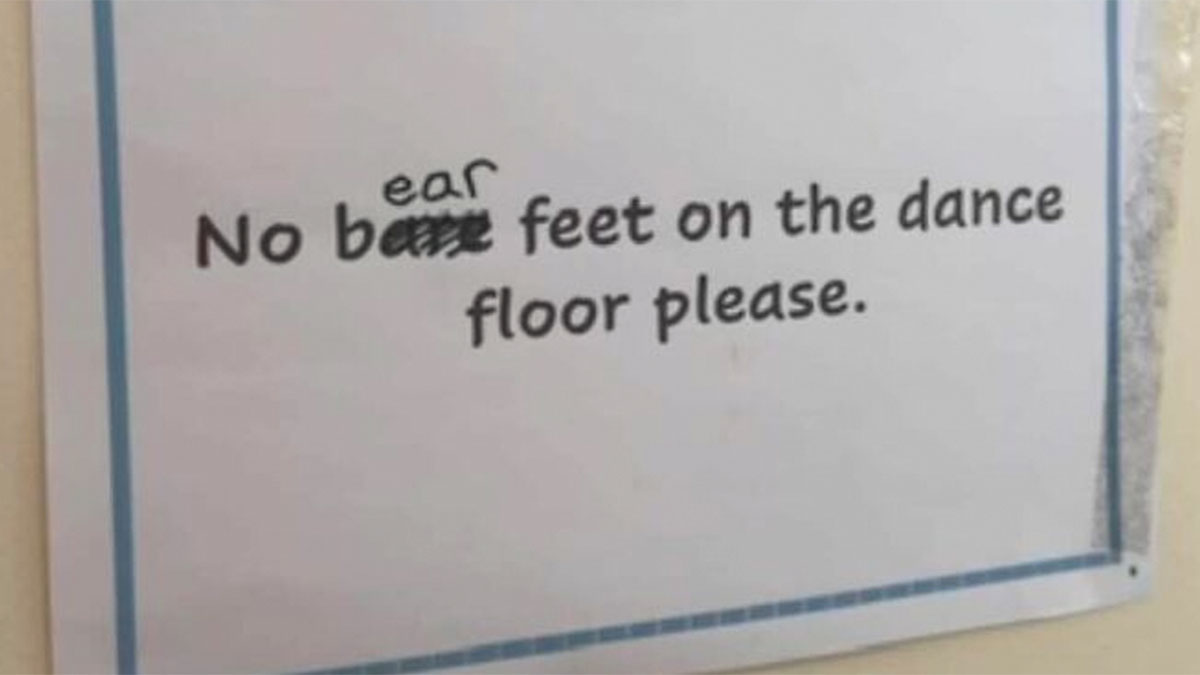
Can you incoherent me now? I'm unbabble to think straight and my eyes are obscened.
Can you incoherent me now? I'm unbabble to think straight and my eyes are obscened.





























 No fees, cancel anytime