Get Premium
Dark mode theme is available exclusively for premium users. Learn more about the benefits of subscribing.
No fees, cancel anytime.

 Dark Mode Ad-Free Browsing Unlimited Content
 Ad-Free Browsing Unlimited Content Dark Mode
Join 1.2 million Panda readers who get the best art, memes, and fun stories every week!
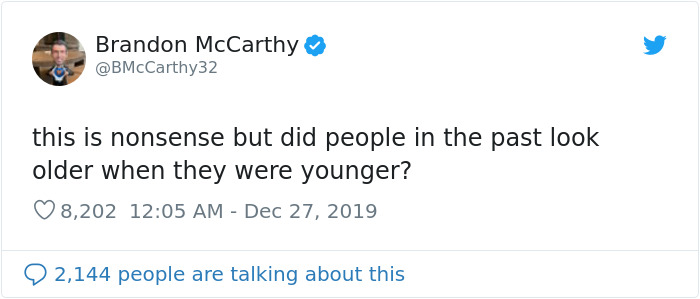
Former professional baseball pitcher Brandon McCarthy had a shower thought: did people used to look older in the past? So, he did what you normally do in these situations: he asked X (formerly Twitter) about getting old in the past.
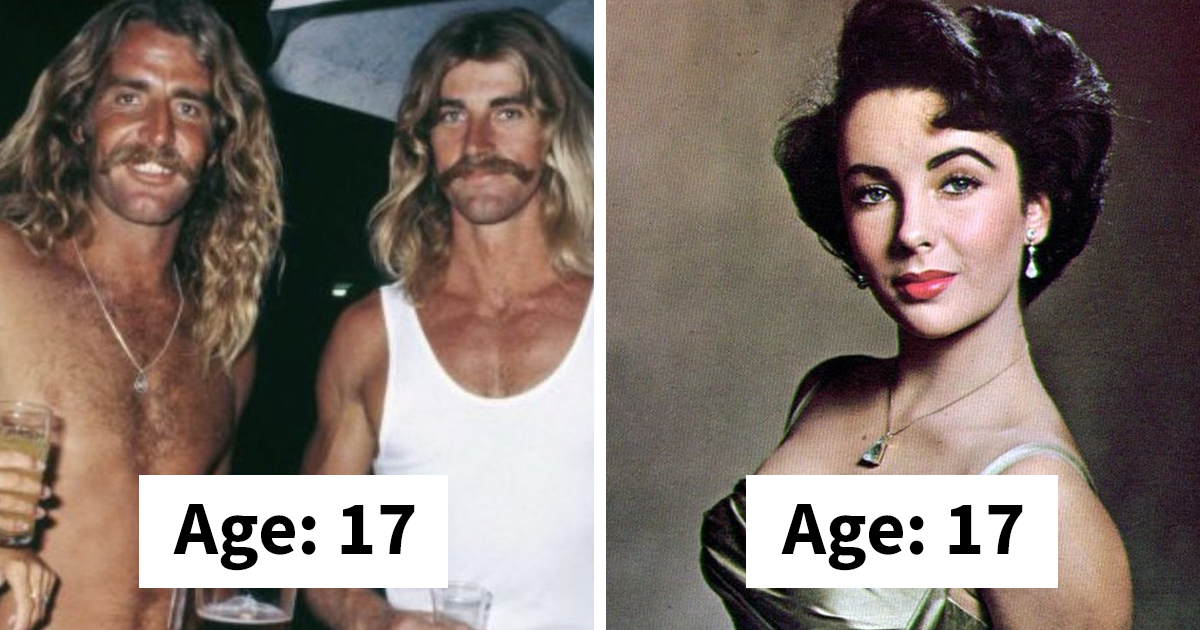
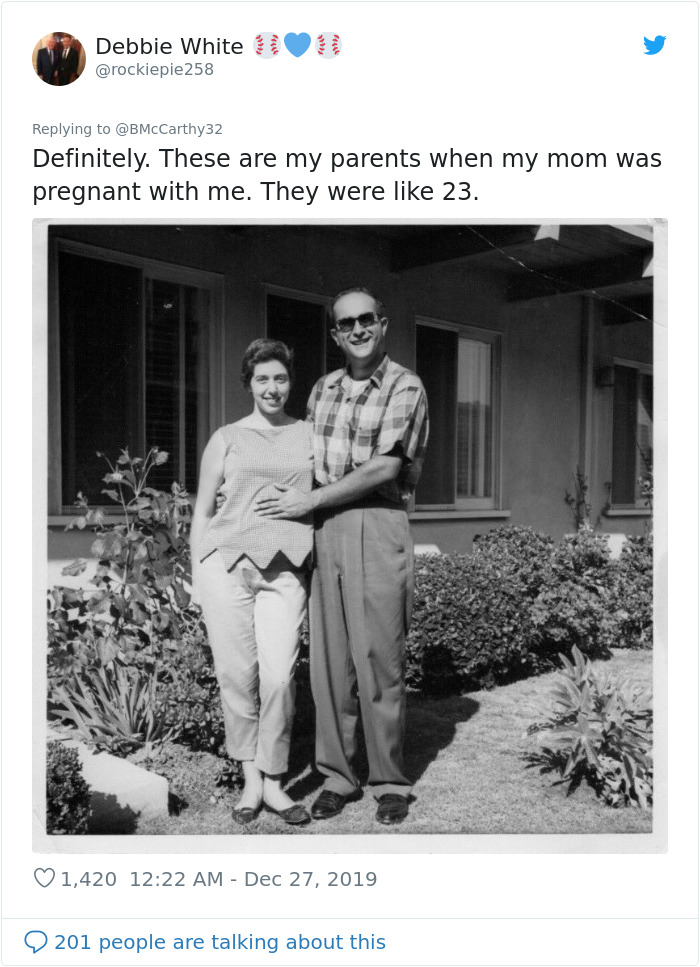
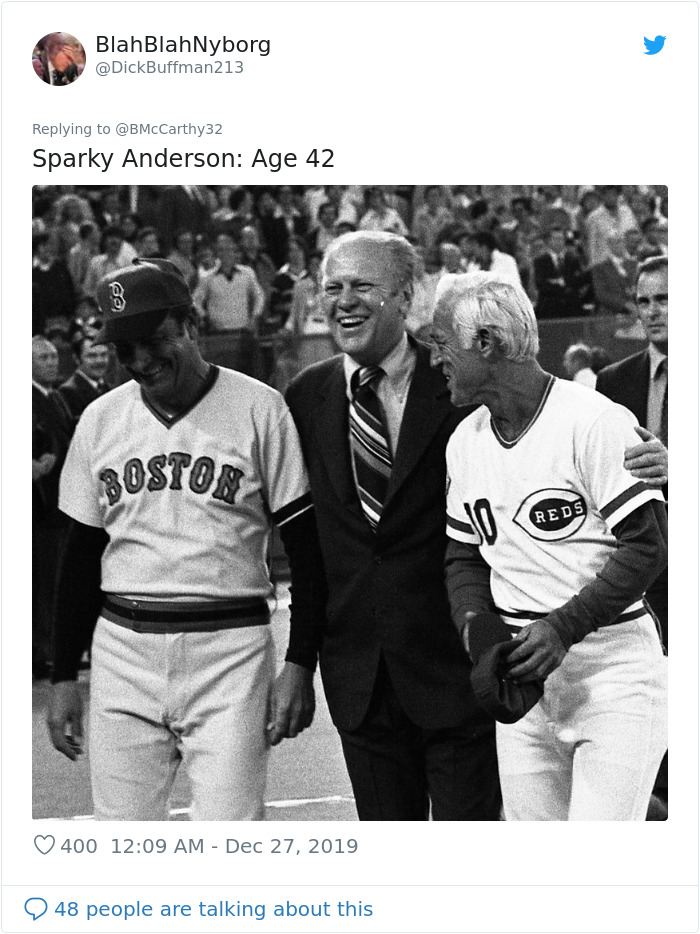
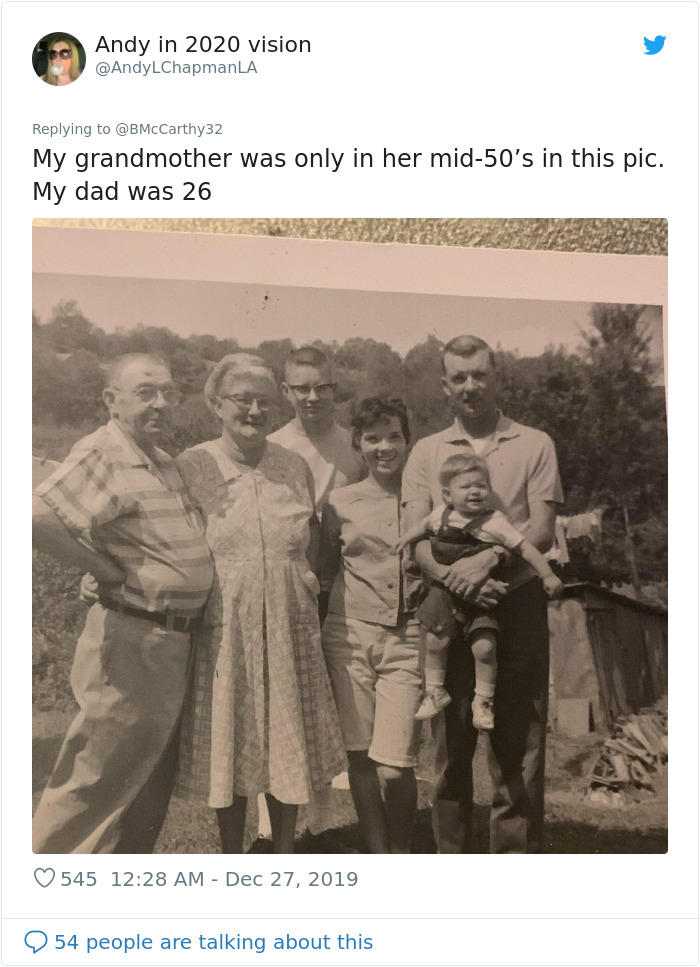
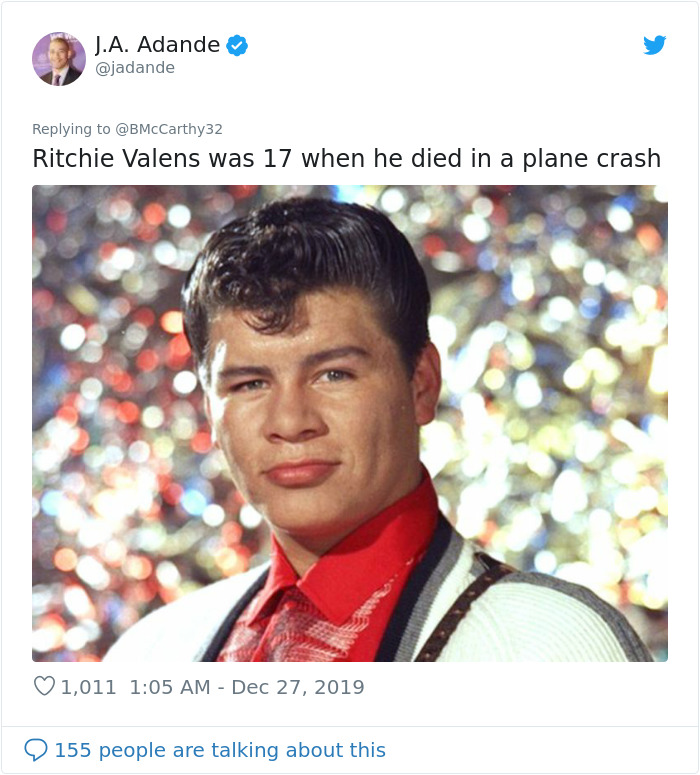
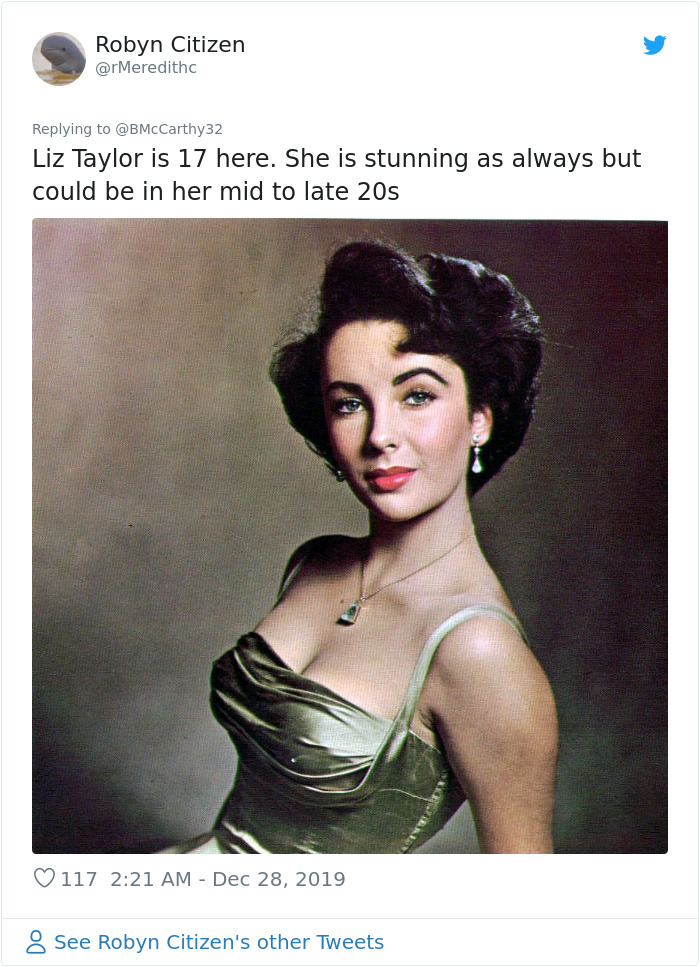
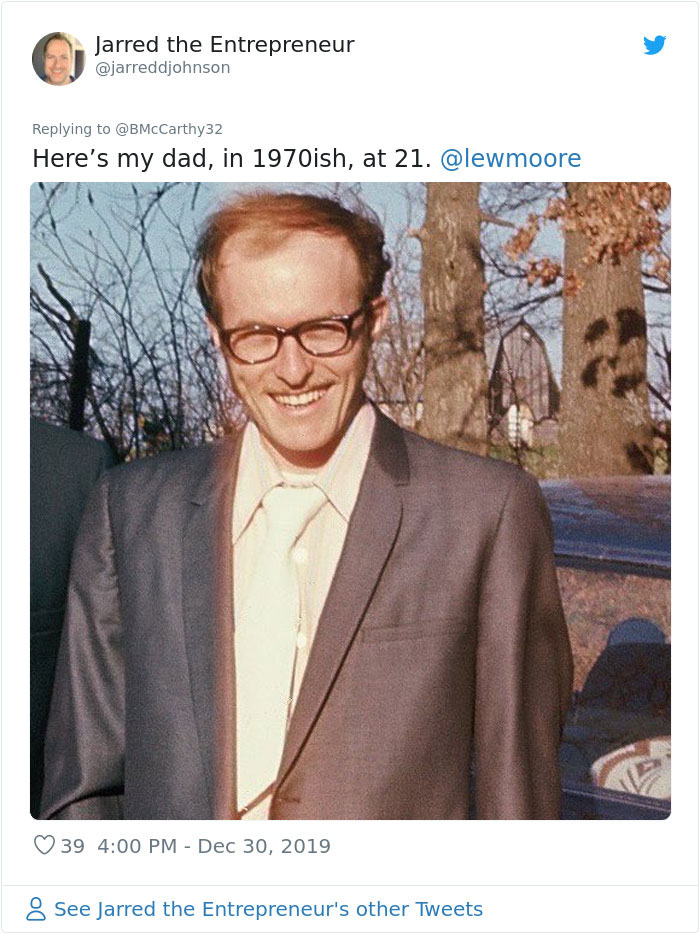
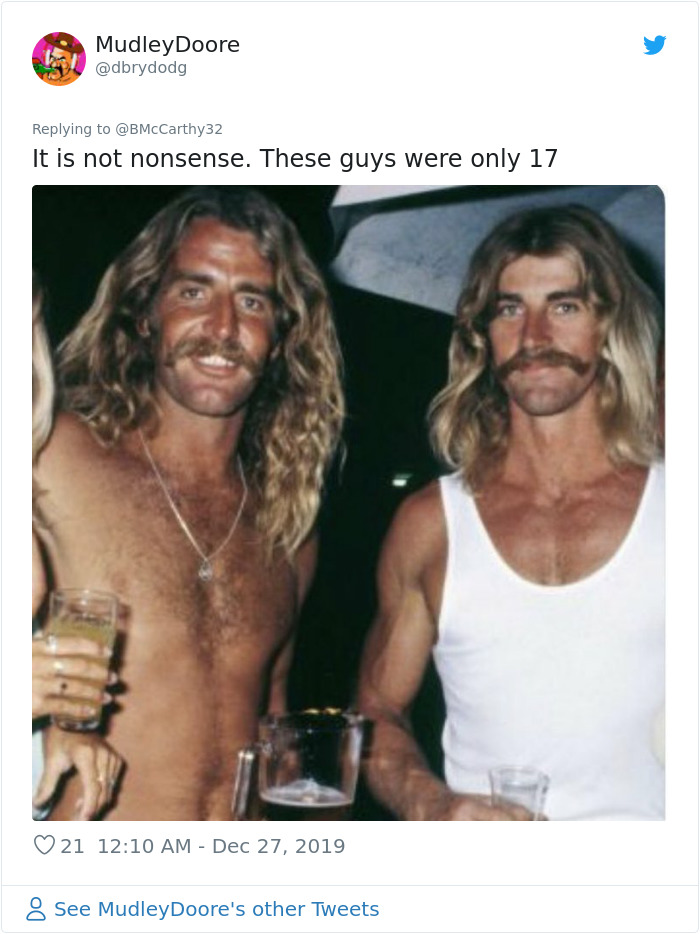
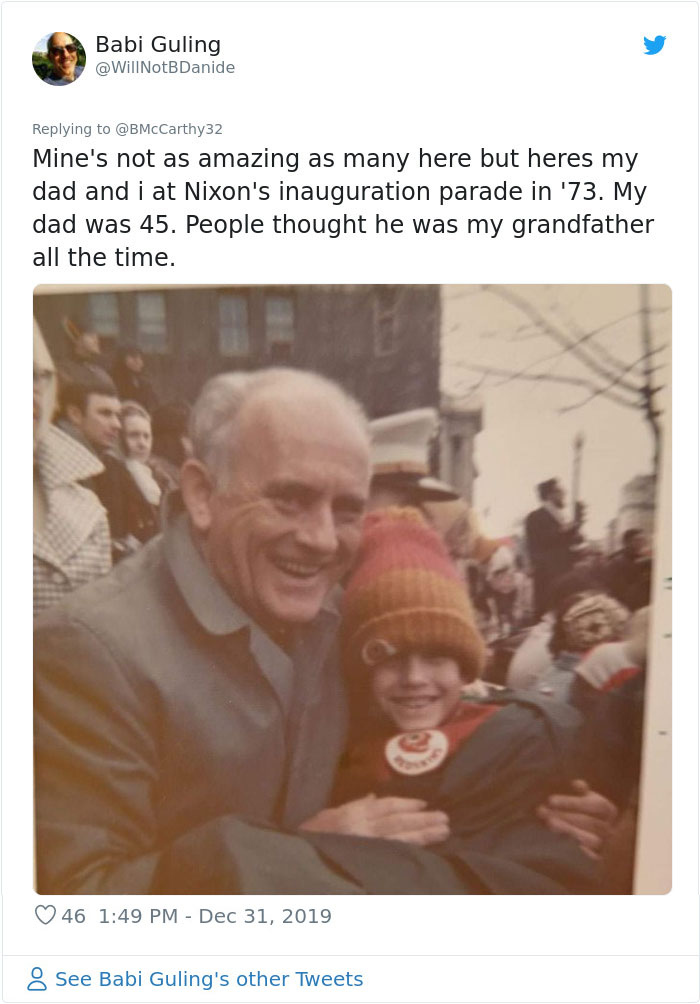
When you think about it, evolution is a very slow process, and humans are more or less the same basic issue model that they’ve been for years, so it can’t be the case, right? However, people started replying to McCarthy with old photos of their parents where 20-year-old dads look like they’re about to retire. And that’s irrefutable evidence that people used to look older right there!
Continue scrolling and check out these vintage photos and the interesting debate on why did people look older in the past.
More info: X
Image credits: BMcCarthy32
Image credits: rockiepie258
Image credits: DickBuffman213
If we got serious for a moment and forgot about the hilarious “did people used to look older” thread, we’d discover that different humans age differently, and that’s the way it has always been. Aging itself hasn’t really changed much over time. But how we live, our healthcare and our food are way better now. That’s why people today can live longer, stay healthier and age “slower” compared to folks in the past.
Image credits: AndyLChapmanLA
Image credits: jadande
You can’t say everyone in the past looked older than they were supposed to. It really varied from person to person. Some might’ve seemed older due to tough living conditions, but not everyone fit that bill.
In a similar vein, a 2015 study of nearly one thousand 38-year-olds revealed that while most had biological ages close to the number of birthdays they had notched up, others were in quite worse or better health.
Researchers used 18 physiological markers, including blood pressure, organ function, and metabolism, to evaluate the participants’ biological age. For some, the past dozen years had taken no obvious toll on their body’s biology.
Others, however, hadn’t been so lucky. A good many participants had biological ages in the 50s, and in one “extreme case,” a person had a biological age of 61, meaning that for every birthday over the past dozen years, their body had aged 3 years, thus shortening the life span significantly.
Image credits: KeahiKaiwi
Image credits: rMeredithc
Now that we know that people actually age at different rates and some are luckier than others, it would still be nice to clear the air about the visual aspect of aging and looking your age.
Here are our observations on why people looked older in the past:
Quality of the photos. These vintage photos, or rather the scans of them, aren’t of such good quality as the ones we take now. All the additional grain and “noise” makes the people in them seem less “defined,” thus also aging them quite a bit.
Vintage attire. All the people in the photos are usually dressed “out of fashion” to what we are used to seeing now. This is also a visually aging factor!
Self-care. These days we’re all about self-care, good food, and expensive skincare. People of yesteryear weren’t so focused on all this, and it did make their skin look less bright or aged beyond years.
Smoking. In 1965, almost half of Americans were current smokers. A scientific paper titled “Does cigarette smoking make you ugly and old?” explored the habit’s impact on appearance, identifying “cigarette skin” characterized by grayish, wrinkled skin. Despite study limitations, research consistently links smoking to the development of wrinkles.
While we’re pretty sure there are more factors as to why do people look younger now, these three that we’ve mentioned sum it up nicely. So, continue your excellent self-care routine, and nobody will guess your real age for years to come!
Image credits: jarreddjohnson
Image credits: dbrydodg
Image credits: WillNotBDanide
Image credits: pklinkne
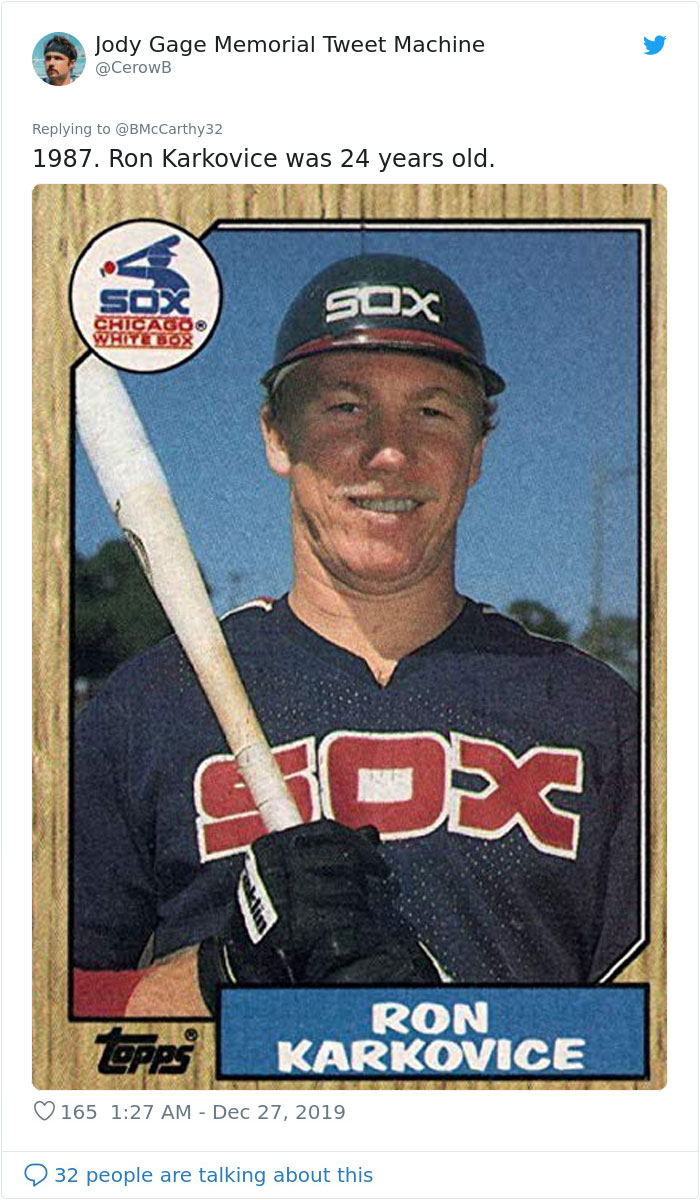
Image credits: CerowB
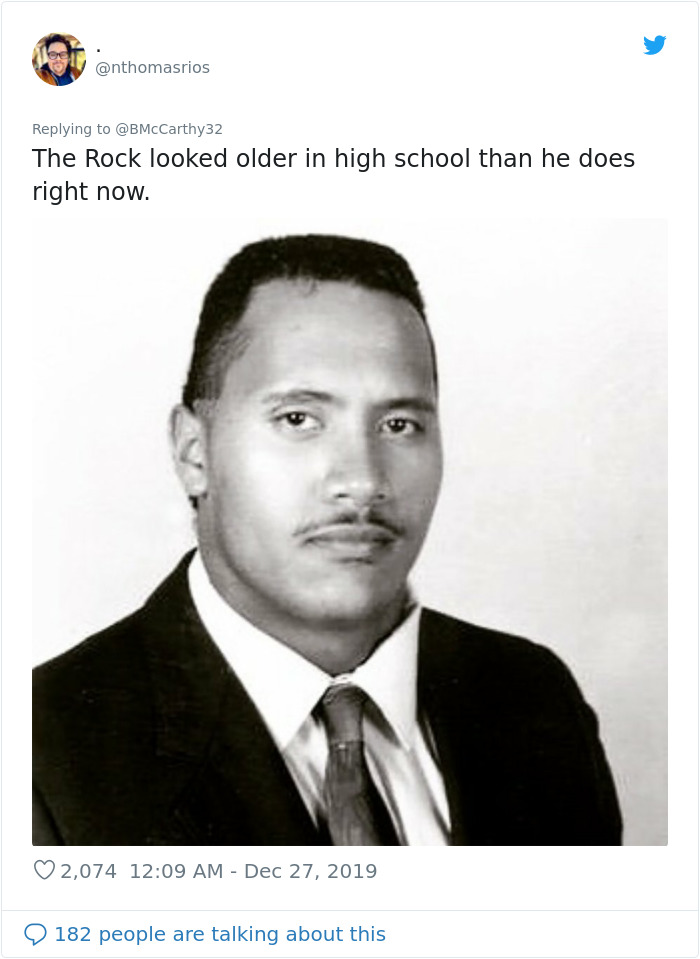
Image credits: nthomasrios
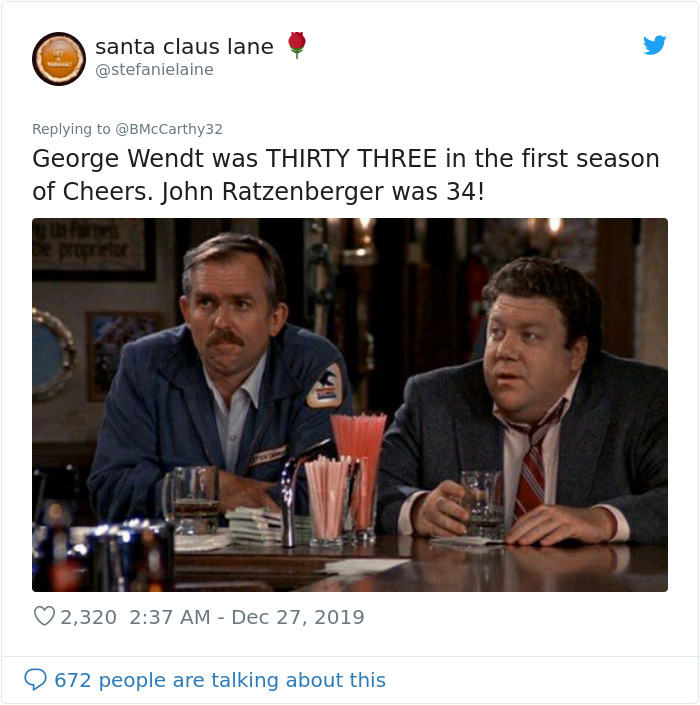
Image credits: stefanielaine
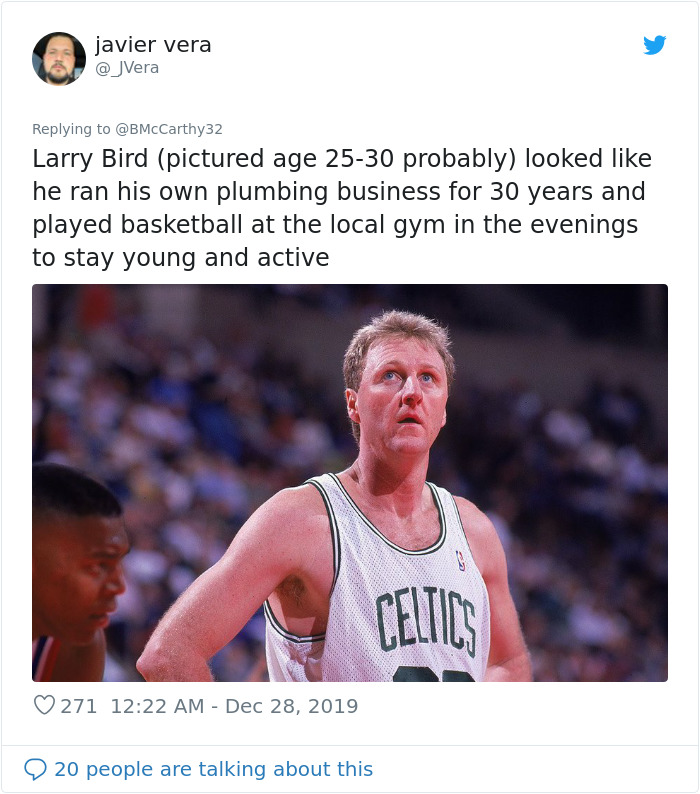
Image credits: _JVera
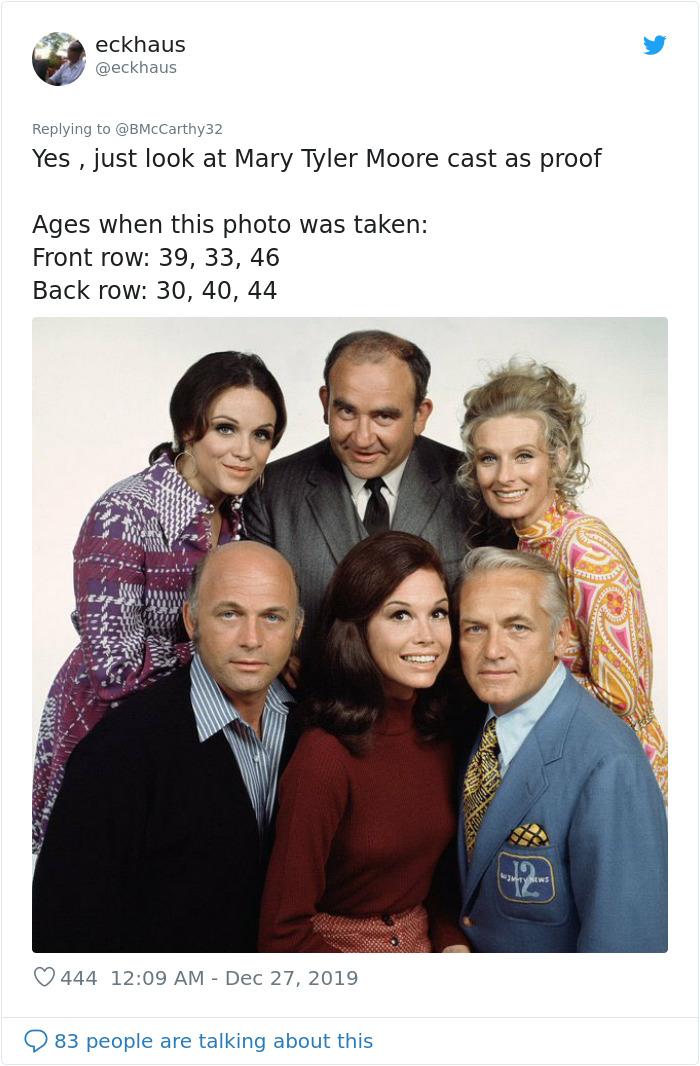
Image credits: eckhaus
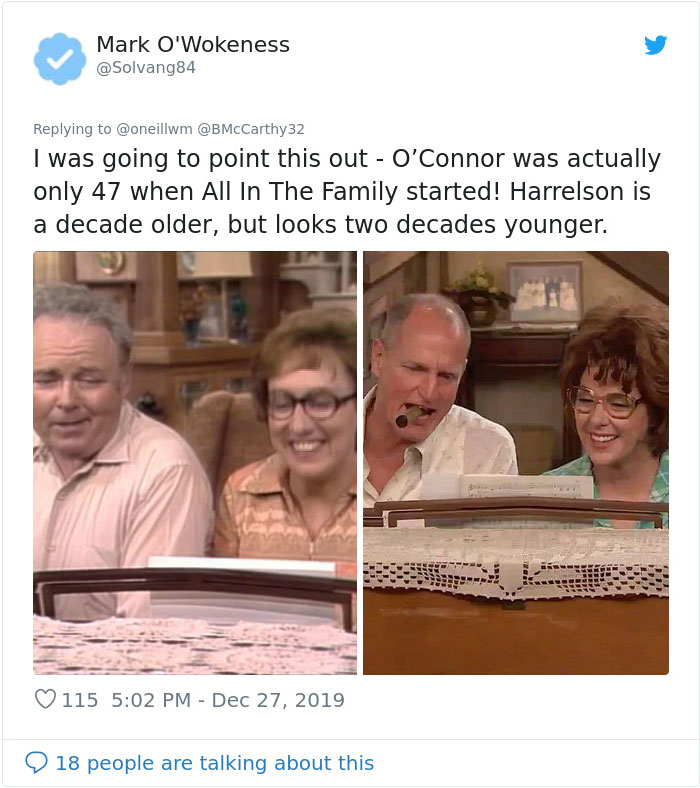
Image credits: Solvang84
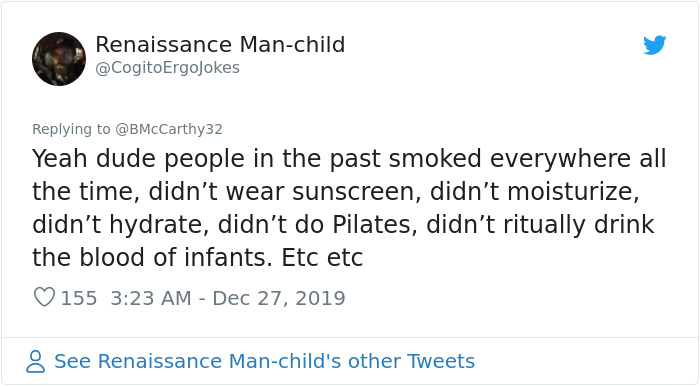
Image credits: CogitoErgoJokes
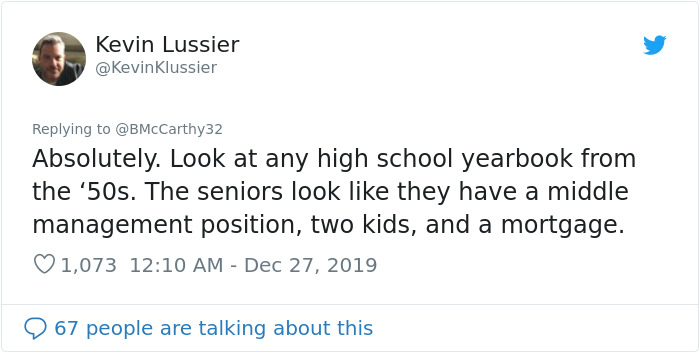
Image credits: KevinKlussier
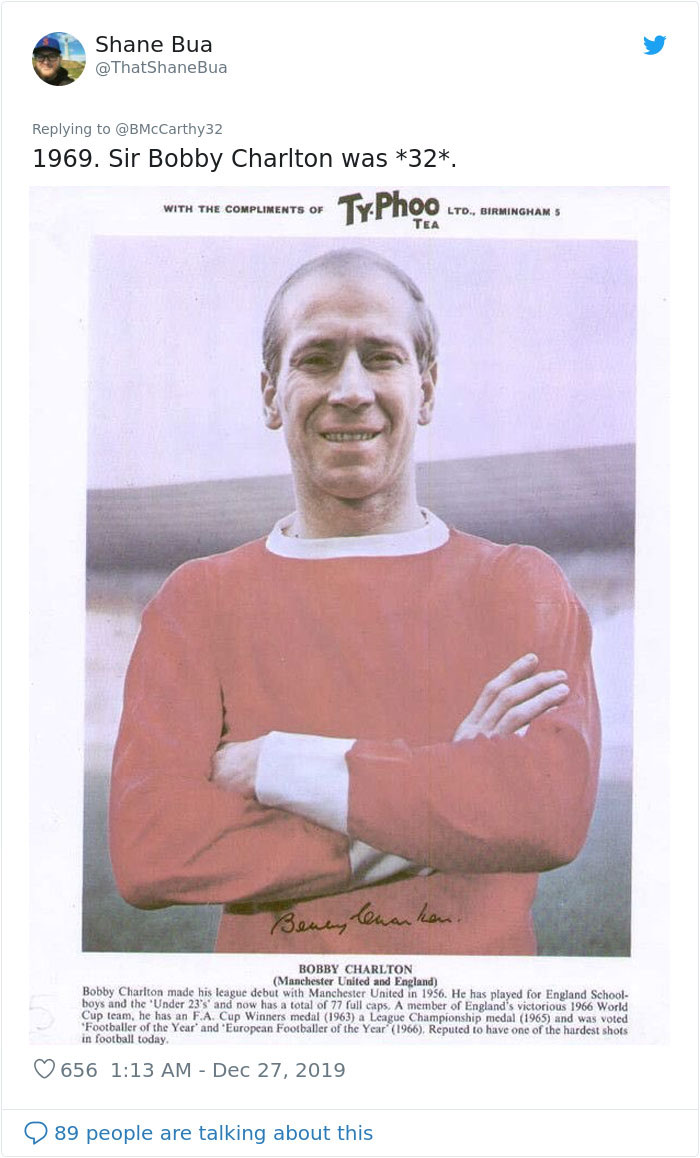
Image credits: ThatShaneBua
Image credits: zamartin
Image credits: DTMattSmith
Image credits: BaseballReba
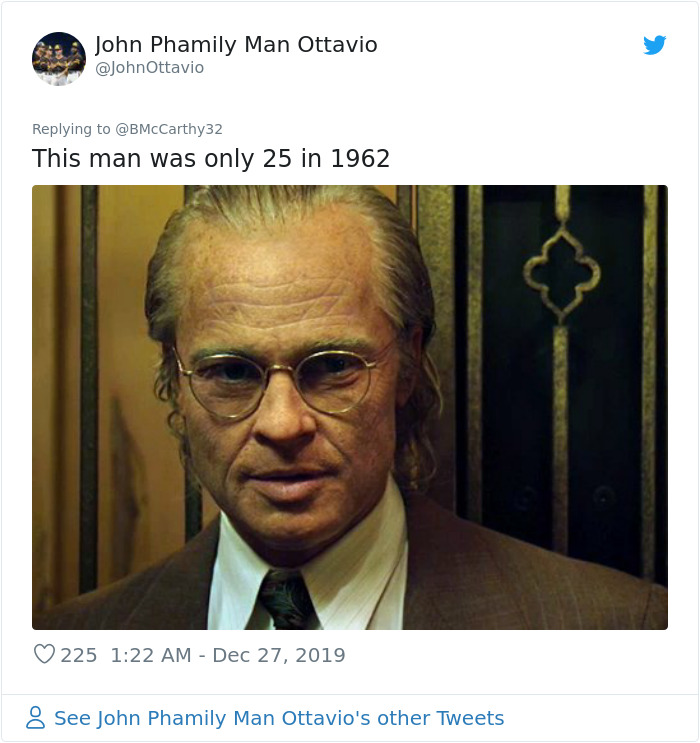
Image credits: JohnOttavio
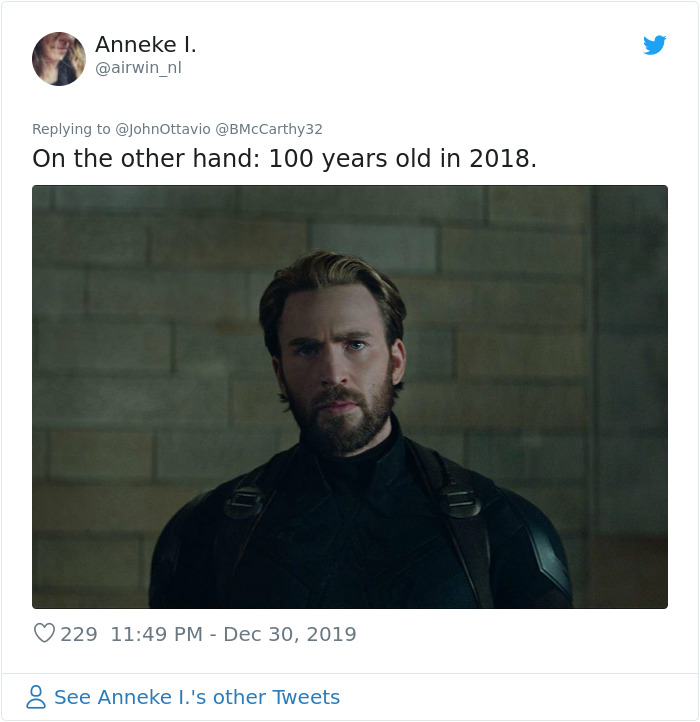
Image credits: airwin_nl
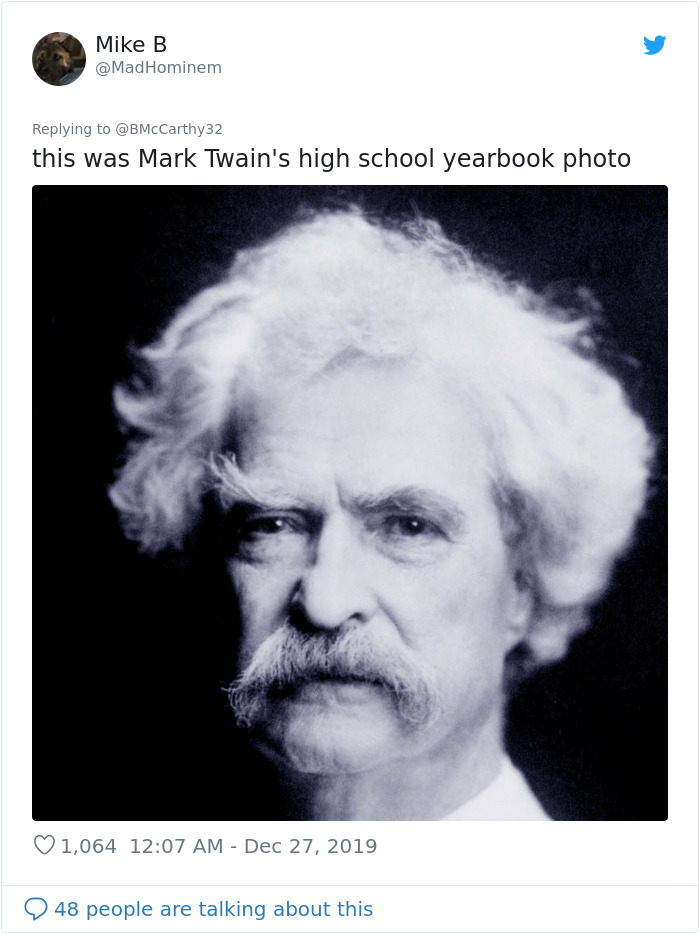
Image credits: MadHominem
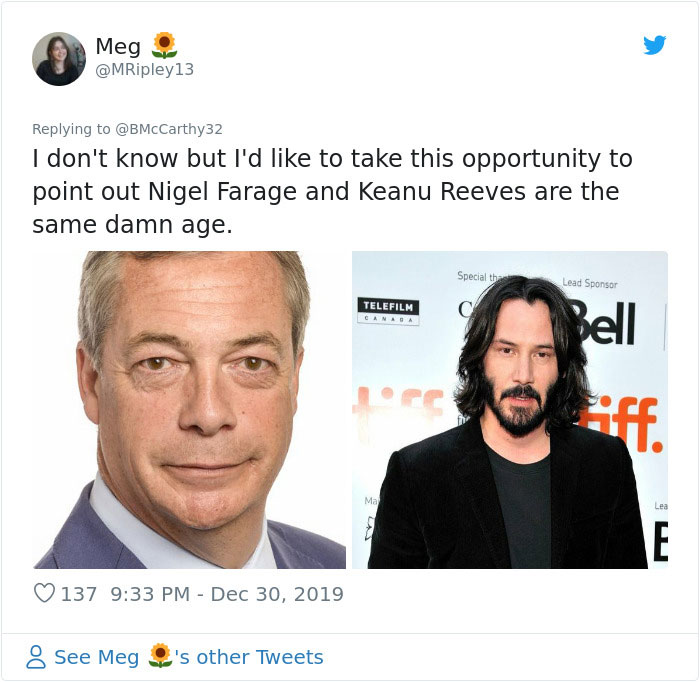
Image credits: MRipley13
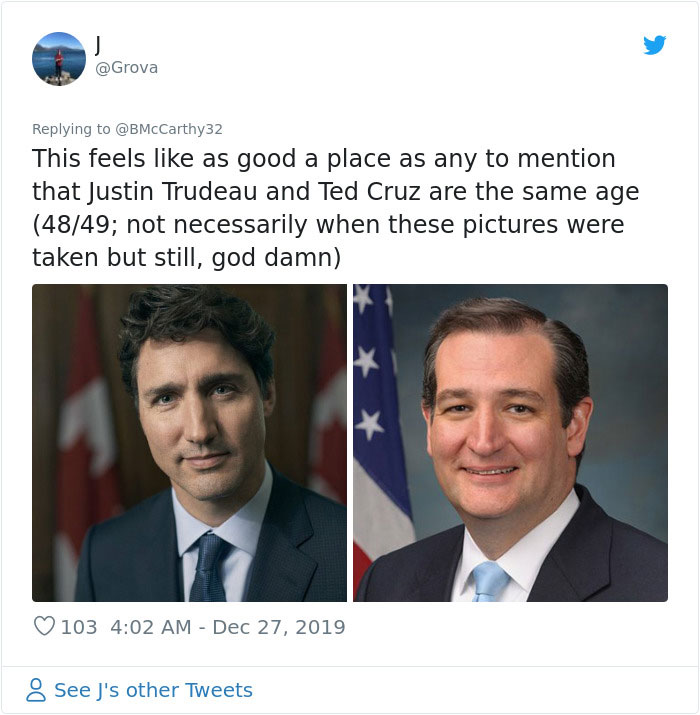
Image credits: Grova
Image credits: Reynaldo_8

Smoking was the main thing, I think. When I first started working in the late 70s, it was still normal to smoke all day long at work. If you didn't smoke people thought you were some kind of health nut/weirdo. It's really hard to fathom now, but you could even smoke in hospitals and doctor's offices back then.

I think we also think a lot of them look old because their styles look like something an older person would wear. That's because people tend to stick with the style they had at 23 in the 1960s (for example) which we now associate with a person who's 70. Others in these examples just didn't have good dental care or luck with their hairlines. You'll find people today in their 50s, with no teeth, or balding who look way older too.
Load More Replies...

Exactly -- the short, curled hair and the drawn on eyebrows were very aging for women -- prom pictures all look like 40 year old housewives dancing with teenage boys.
Load More Replies... Smoking was the main thing, I think. When I first started working in the late 70s, it was still normal to smoke all day long at work. If you didn't smoke people thought you were some kind of health nut/weirdo. It's really hard to fathom now, but you could even smoke in hospitals and doctor's offices back then.
I think we also think a lot of them look old because their styles look like something an older person would wear. That's because people tend to stick with the style they had at 23 in the 1960s (for example) which we now associate with a person who's 70. Others in these examples just didn't have good dental care or luck with their hairlines. You'll find people today in their 50s, with no teeth, or balding who look way older too.
Load More Replies... Exactly -- the short, curled hair and the drawn on eyebrows were very aging for women -- prom pictures all look like 40 year old housewives dancing with teenage boys.
Load More Replies...








 No fees, cancel anytime


























412
153