Get Premium
Dark mode theme is available exclusively for premium users. Learn more about the benefits of subscribing.
No fees, cancel anytime.

 Dark Mode Ad-Free Browsing Unlimited Content
 Ad-Free Browsing Unlimited Content Dark Mode
Join 1.2 million Panda readers who get the best art, memes, and fun stories every week!

Picture this: the sitting room floor is scattered with toys, and play areas sit ready and arranged, yet there’s no sign of any children.
Just down the hallway, a ten-year-old stands on a chair, stirring a pot of spaghetti sauce while carefully watching both the stove and the clock.
There’s no recipe book, no safety precautions, and no parental supervision.
Just upstairs, they can hear their parents arguing, or stressing about overdue bills, or perhaps they’re no longer home at all.
The child barely notices any of that anymore, and, later, they’ll pack lunch for their younger siblings and make sure their homework is finished. Then, they’ll double-check that the doors are locked and that the lights are off before bed.
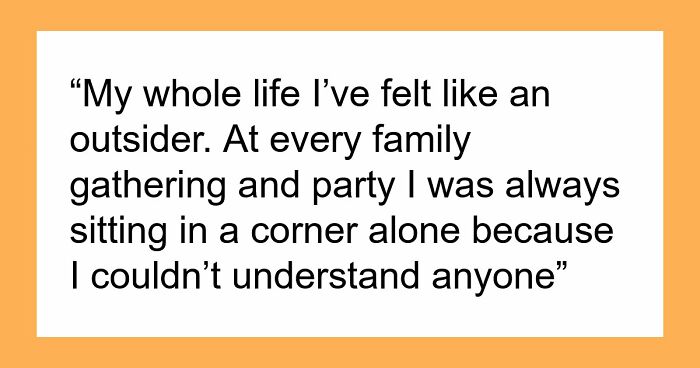
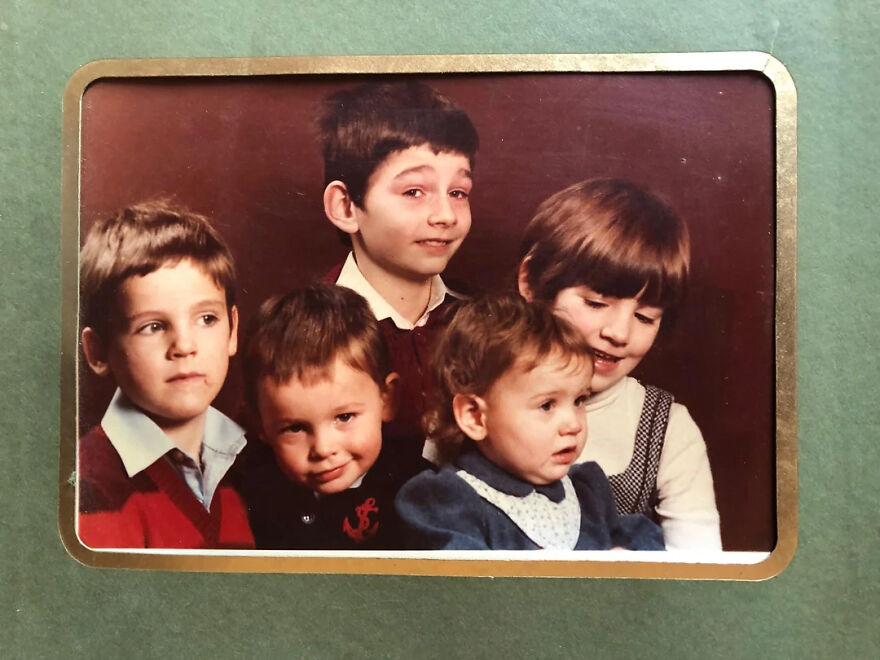
Image credits: Akeweboo / Reddit
From the outside, they seem mature, responsible for their age, and like the perfect little helper.
Society admires a person who is competent, dependable, and emotionally aware, yet forgets that these traits should develop with age. When caregivers are overwhelmed, absent, addicted, or unstable, children naturally try to fill in the gaps.
Without even knowing it, they’re being parentified.
Psychology Today defines parentification as “a role reversal in families”, with the child taking on age-inappropriate tasks and responsibilities that their parents should be handling.
A parentified child may learn to cook, care for younger siblings, soothe arguments, and learn to manage crises before they even understand what causes them.
This is a form of invisible trauma that forces a child to trade their playfulness and innocence for adult burdens.
Over time, their identity begins to revolve around being needed and around being the focal point of the family unit. Instead of being cared for, they become caretakers, with no time to truly enjoy their childhoods. It is a slow and silent destruction that is far more complicated than just growing up too fast.
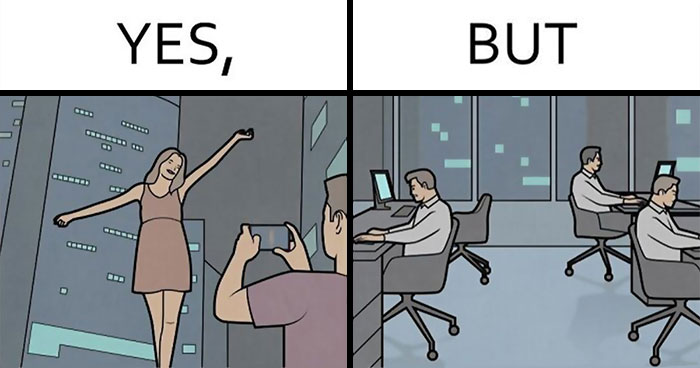
Image credits: Emilise / Reddit
What makes parentification particularly complex is that it often happens without obvious abuse or neglect. In many cases, parents don’t intentionally impose these roles, but they also don’t stop the child who steps in to fill their shoes.
In homes with a narcissistic parent, however, parentification is rarely accidental. The child is used, consciously or unconsciously, as an emotional resource to meet the parent’s own needs, with little regard for the damage it causes.
Parentification generally appears in two forms. Both can occur simultaneously, but they affect children differently.
Instrumental parentification is the more visible form. Per EBSCO, it involves “practical tasks”, such as cooking, cleaning, managing laundry, or caring for younger siblings. In some families, older children are forced to assume parenting roles typically left to adults.
They might supervise bedtime routines, walk siblings to school, or even help with paying bills.
While occasional chores are a healthy part of growing up, instrumental parentification crosses the line when these responsibilities become essential for the family’s survival. The child isn’t simply helping; they’re holding the family system together.
That pressure creates a constant sense of vigilance. If they forget something, the household might fall apart, and if they’re overwhelmed, there’s no backup plan.
As a result, these children often grow up with an intense sense of duty and self-reliance, but that comes at a cost. Soon enough, they become capable adults who are frequently exhausted and overburdened.
Emotional parentification is less visible but often causes more psychological trauma. In this dynamic, the child becomes responsible for managing their parents’ emotional worlds, acting as a de facto therapist. They might listen to adult relationship problems, financial fears, or personal trauma, or mediate arguments and provide comfort to one or both parents.
Sometimes they are asked to keep secrets, and at other times they simply learn that their family’s stability relies on them.
A child in this role becomes hyper-attuned to subtle emotional cues. They learn to read facial expressions, tone of voice, and mood shifts with remarkable accuracy because they know that their survival depends on anticipating emotional storms before they occur.
But this vigilance comes at a cost. The child’s own emotional needs are rarely addressed, and they further suppress them because their parents are already overwhelmed. Gradually, their identity becomes defined by empathy, caretaking, peacemaking, and support, long into adulthood. This dynamic often overlaps with enmeshment, where emotional boundaries between parent and child are almost entirely dissolved.
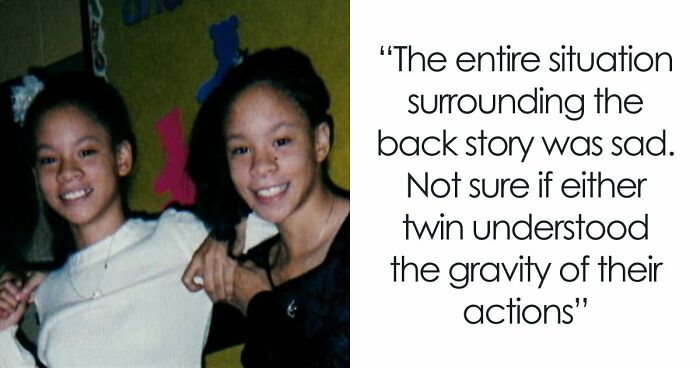
Image credits: sitwithwhit / Instagram
Many adults who were parentified only start recognizing signs that their childhood wasn’t normal well into adulthood, like when it shows up in their peer relationships, working lives, and other adult commitments. Parentification is also common in homes where a child has been assigned a scapegoat role or where siblings are treated with obvious golden child favoritism.
Certain experiences and emotions tend to resonate strongly with those who grew up in this role:
Recognizing these patterns can be both unsettling and validating. For many people, it finally explains why life has always felt like a responsibility rather than a natural experience of growing up.
The long-term effects of parentification run deep, and the impact is often misinterpreted as positive because parentified adults often appear competent.
They know how to handle chaos and adult responsibilities because they’ve been doing it since they were very young. But competence does not erase the emotional toll.
Image credits: nadia_ryzhakova / Instagram
Many former parentified children reach adulthood already exhausted. Per Verywell Mind, they’re often the go-to friend or star employee, but beneath the surface, they’re struggling with burnout.
This is because they learned early on that their value lies in helping others, so they overextend themselves to cater to others, despite the hit to their physical and mental health.
Rest can feel unfamiliar. Delegating tasks may trigger anxiety and depressive symptoms, and saying “no” can feel like failing someone.
Over time, this pattern leads to chronic stress and fatigue. The same resilience that once helped them survive their childhood becomes the force that pushes them to the brink of utter exhaustion.
Relationships also become complicated due to the knock-on effects of parentification.
Some parentified adults gravitate toward partners who need rescuing, unconsciously recreating the familiar dynamic of caretaking. Others go in the opposite direction, avoiding emotional closeness altogether.
Parentified people struggle with relationships due to their fear of being used or emotionally drained again. Intimacy feels risky, as if love might come with hidden obligations, and brings feelings of guilt and shame.
Balancing connection with personal boundaries becomes one of the central challenges of adulthood.
Perhaps the most subtle impact is a quiet sense that something inside feels unfinished.
Many adults who experienced parentification describe feeling as though a piece of childhood is missing, and they may struggle to remember carefree moments or spontaneous play.
The developmental implications of parentification may leave them emotionally stunted. When they see children laughing, being messy, or acting silly, it can evoke a strange mixture of joy and grief.
Joy because they recognize its innocence, and grief because they realize they never had the same freedom. It can feel as though a younger version of themselves is still waiting somewhere.
Note: Parentified children often grow up internalizing one of the wider family roles, most often the Hero or the Enabler, long before they have language for it.
Image credits: creating.sophie / Instagram
For many people, the realization that they were parentified comes as a surprise. It took this person until adulthood to understand that acting as their mother’s “emotional confidant” throughout childhood wasn’t healthy.
The persistent stress of parentification means they still struggle to define their own needs, especially when there is no conflict to settle or people to look after, and often can’t assert themselves.
Many adults experience this same late-stage realization, but others catch it earlier. For this Reddit user, witnessing how their friends’ parents cared for their children made them aware that their own upbringing was far from typical. For them, the roles of parent and child were distorted due to destructive parentification.
Finally understanding the effects of instrumental and emotional is both liberating and devastating, but what about those who are still coming to terms with it?
This woman, who describes herself as a “lost little girl”, is still questioning if she was parentified because while she wasn’t responsible for cooking or cleaning, she was the family’s “emotional manager”. The parentification scale is broad, and many adults struggle to place themselves on it.
That final moment of realization, whenever it hits you, is always a punch to the gut, but it can also mark the beginning of something important: the recognition that the burden should never have been theirs. Many people also find that parentification came alongside other painful family roles, including being treated as the black sheep of the family.
Healing from parentification often involves an unusual process: learning how to resign from a job that you were never meant to have. The first step is acknowledging the loss of your childhood.
Many adults resist this stage because they feel disloyal criticizing their parents or family circumstances, but grief is not about assigning blame. It’s about recognizing that certain developmental experiences were missing.
Allowing yourself to mourn for a childhood you didn’t have can be surprisingly freeing. It validates the exhaustion and confusion that may have followed into adulthood, and forces you to acknowledge where everything started.
For some people, healing also involves redefining their relationship with their parents.
This might mean shifting from the role of emotional caretaker to that of adult child and setting limits on how much advice, emotional support, or problem-solving you provide.
Remember, boundaries are not punishments; they are corrections to a system that once relied heavily on you. Learning to set those limits can also help break wider family patterns, including the importance of parents presenting a united front so children are never put in the middle.
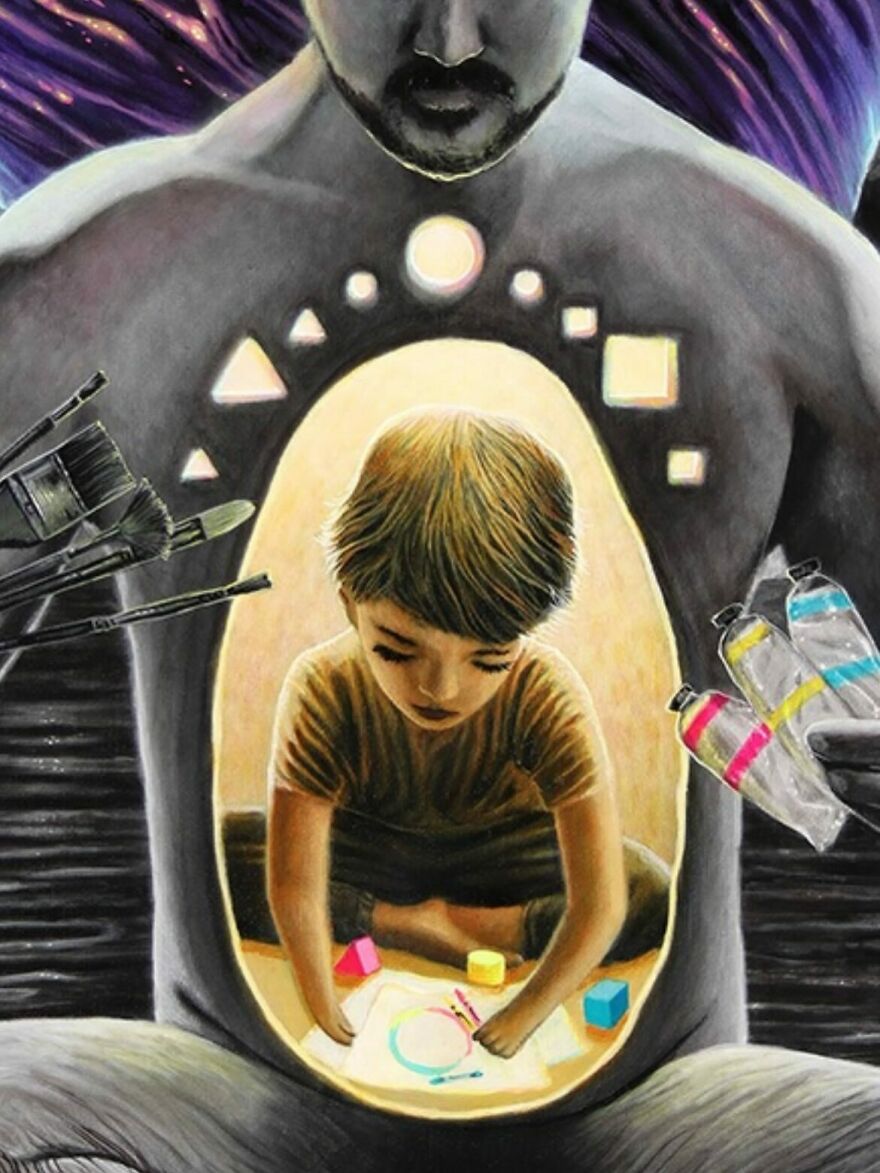
Image credits: dela_artist / Instagram
The most unusual step in healing is rediscovering play. For somebody who grew up feeling responsible for everything, activities without a clear purpose can feel uncomfortable at first.
But experimenting with hobbies can help you to reconnect with childlike curiosity and joy. The goal is to put adult problems aside for a moment and learn to enjoy things again.
The final step towards recovery is often therapy, particularly approaches that focus on “inner child” work. According to the Counselling Directory, it involves recognizing the younger parts of yourself that had to assume adult responsibilities too early.
By acknowledging these experiences and offering compassion to that younger self, many people begin to release long-held patterns of hyper-responsibility.
Over time, they learn a new internal message: you are allowed to need care too.
Healing takes time and energy, but it will eventually pay off. Adults who were parentified as children may need extra support, but what’s important is that they’re no longer ashamed to ask for it.
Parentified children often grow up believing their strength is what enabled their families to survive difficult times, and, in many ways, that belief is true. Their resilience, empathy, and determination may have stabilized households that were struggling.
But strength should never be expected of someone so young, especially if it forces them to become the emotional support system for the entire family.
Children are meant to explore, laugh, make mistakes, and rely on adults for safety and guidance. They should only assume responsibilities appropriate to their age.
If you recognize any of these thoughts, emotions, or experiences in yourself, you are not alone, and it may help to remember something simple but profound:
You were never meant to be the pillar of your family. It’s okay to step down and let someone else carry the weight for a while so you can take care of yourself. In fact, it could be the most emotionally-rewarding thing you’ve ever done.
For more guidance on navigating complex family dynamics, explore the Bored Panda Family Hub.
The 7-7-7 rule of parenting aims to develop the relationship between a parent and child.
It involves reserving 7 minutes in the morning, 7 minutes after school, and 7 minutes before bed for bonding and support. It improves emotional regulation and emotional and psychological well-being.
Parentification is not always classified as child abuse in a legal sense, but mental health professionals widely recognize it as a form of emotional neglect. When a child is consistently required to meet an adult’s emotional or physical needs at the expense of their own development, it causes lasting psychological harm regardless of the parent’s intentions.
Yes. While parentification is often associated with oldest or eldest daughters, only children are also highly vulnerable. Without siblings to share the burden, an only child may become the sole emotional anchor for one or both parents, making the role even more consuming and difficult to escape.

By entering your email and clicking Subscribe, you're agreeing to let us send you customized marketing messages about us and our advertising partners. You are also agreeing to our Privacy Policy.
Thank you! You've successfully subscribed to newsletters!

I've been a parent since I was 2.5. Talking this through with my therapist has been one of the hardest things I've ever done. And it sets you up to find yourself in some truly scary situations because you don't know how to say no and all you know is putting others ahead of yourself.

Clearly someone who has no clue what they're talking about
Load More Replies... I've been a parent since I was 2.5. Talking this through with my therapist has been one of the hardest things I've ever done. And it sets you up to find yourself in some truly scary situations because you don't know how to say no and all you know is putting others ahead of yourself.
Clearly someone who has no clue what they're talking about
Load More Replies...


































 No fees, cancel anytime










28
4