Get Premium
Dark mode theme is available exclusively for premium users. Learn more about the benefits of subscribing.
No fees, cancel anytime.

 Dark Mode Ad-Free Browsing Unlimited Content
 Ad-Free Browsing Unlimited Content Dark Mode
Join 1.2 million Panda readers who get the best art, memes, and fun stories every week!
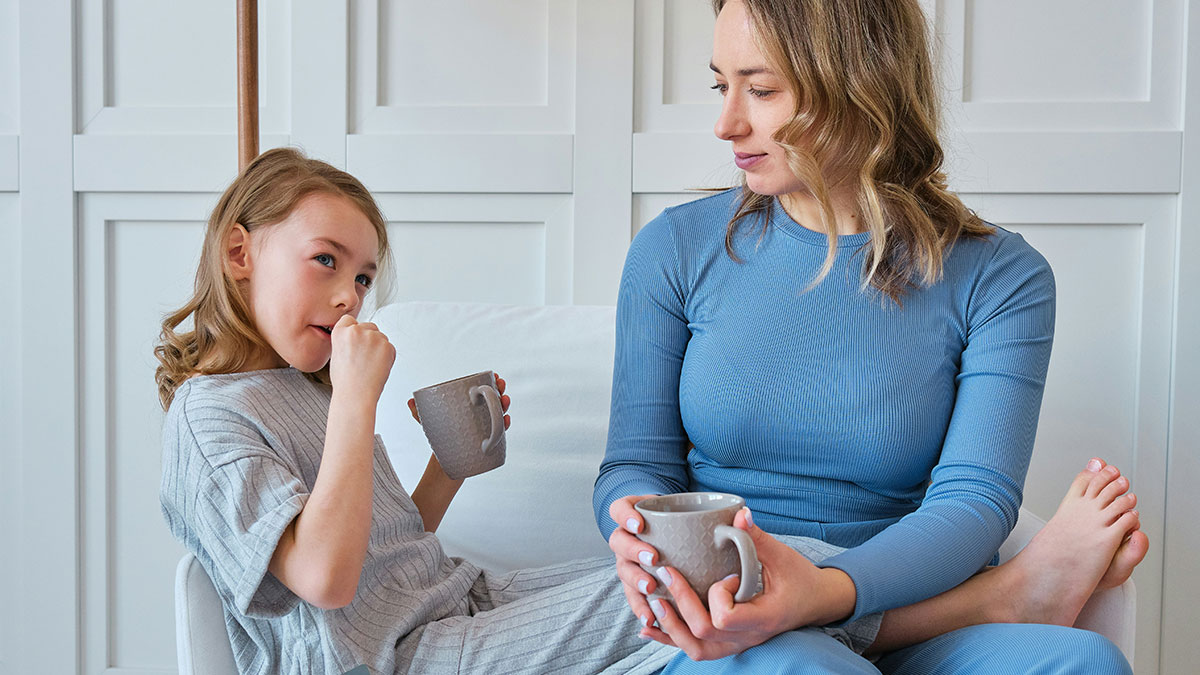
When you’re an adult, school can feel like a lifetime ago. But when you’re a kid, it’s basically your whole world, and trying to fit in can be tough.
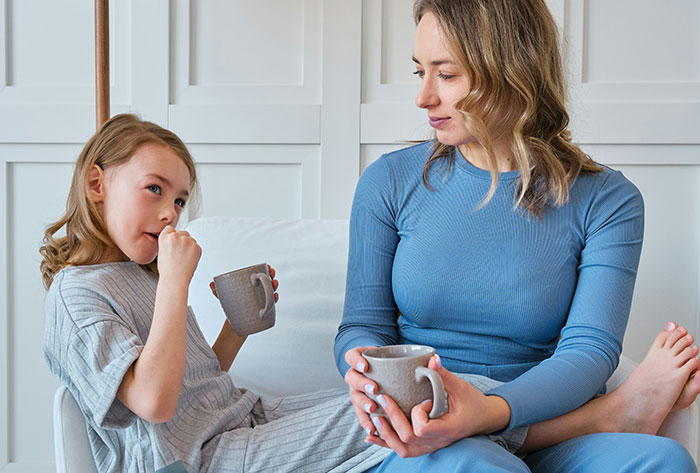
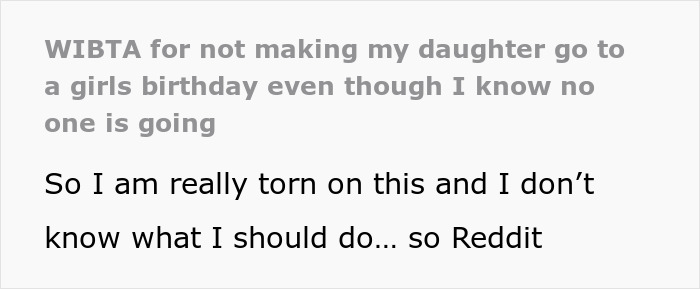
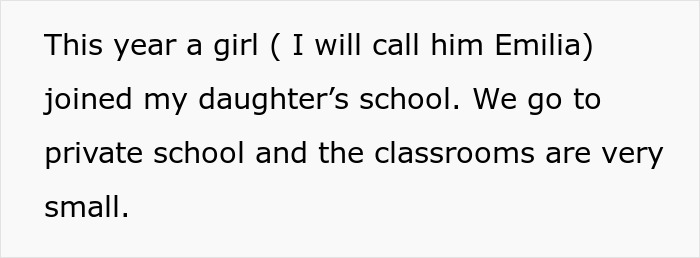
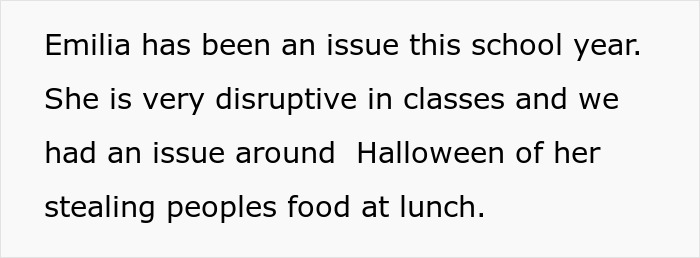
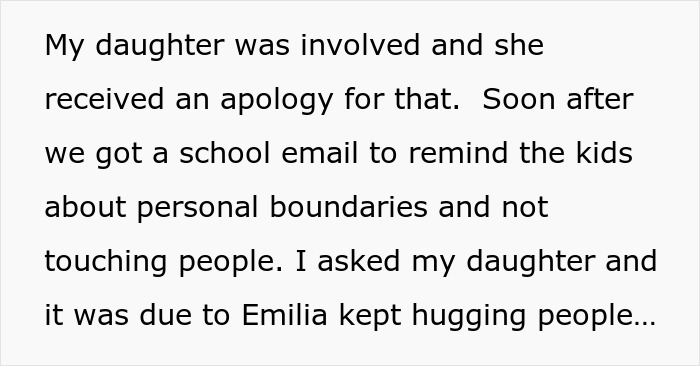
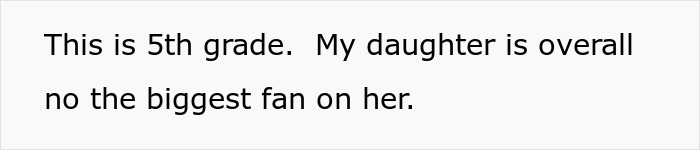
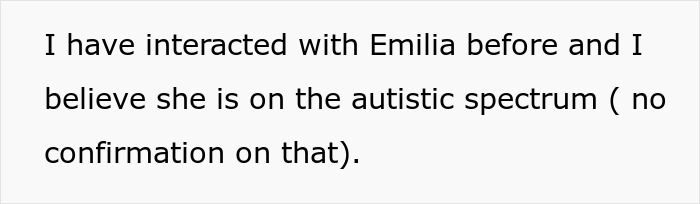
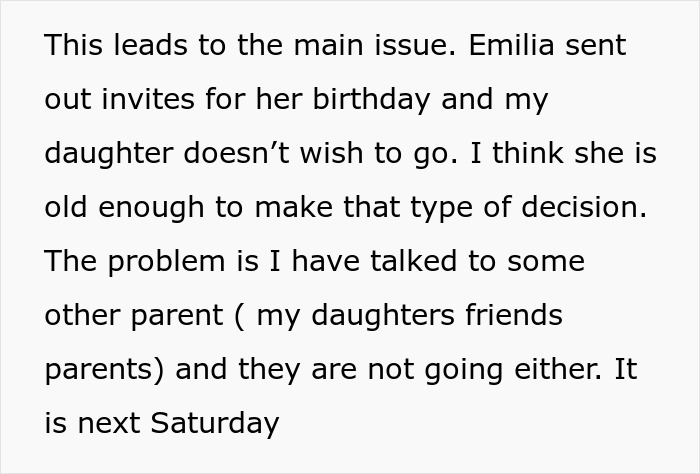
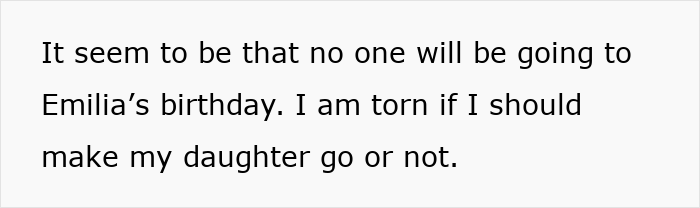
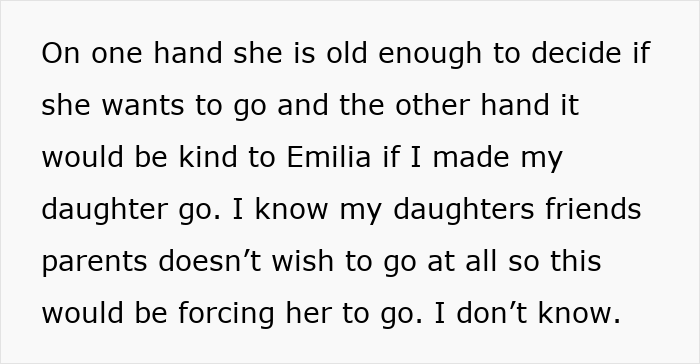
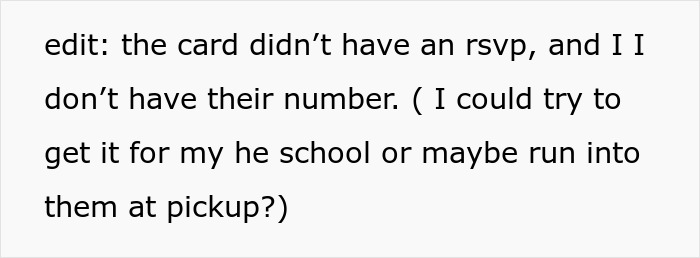
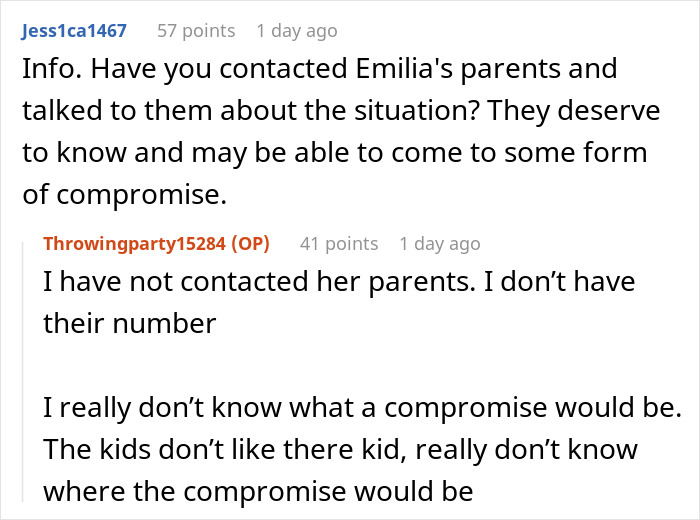
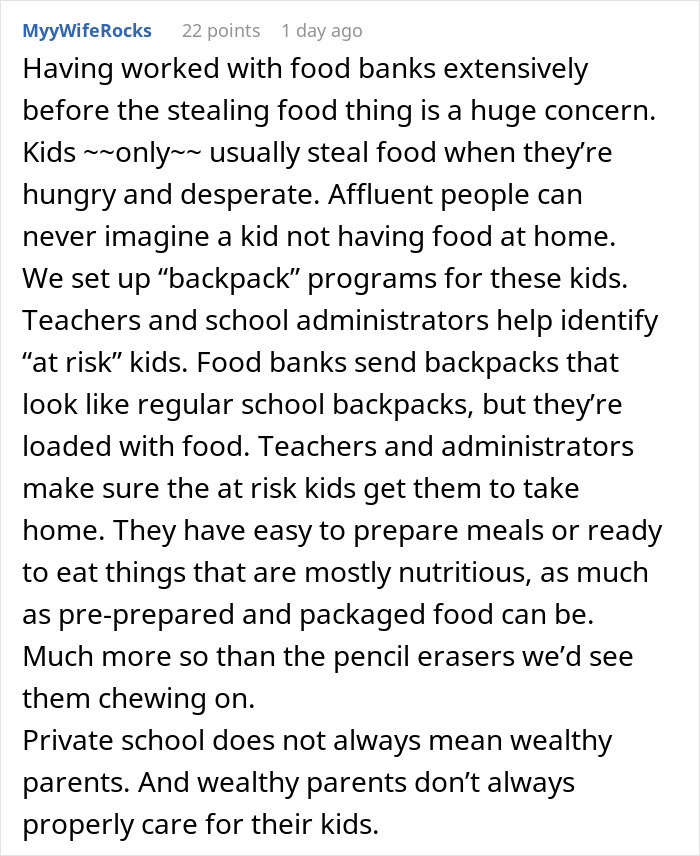
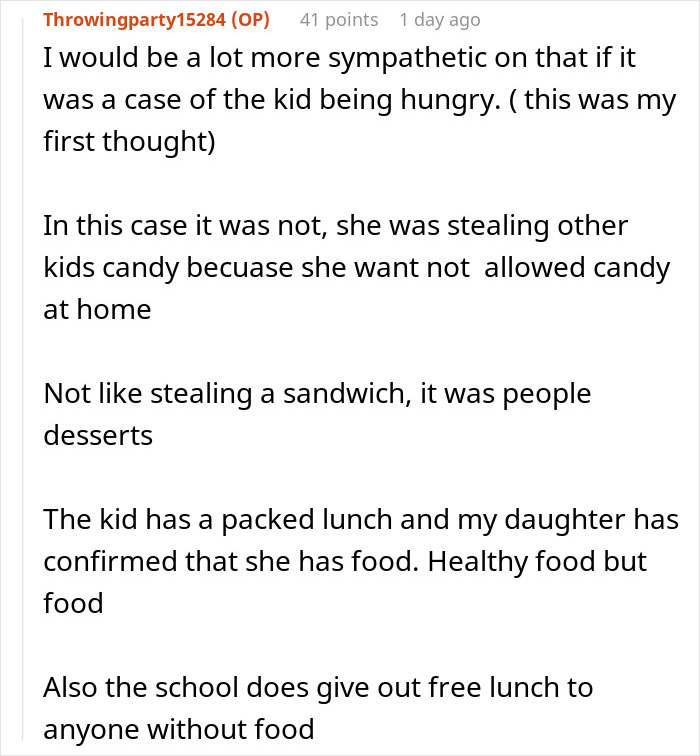
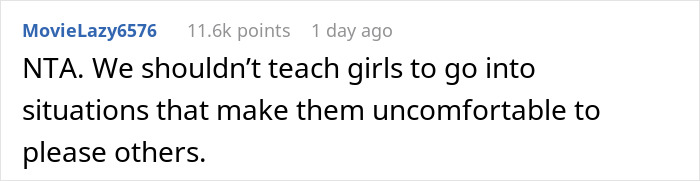
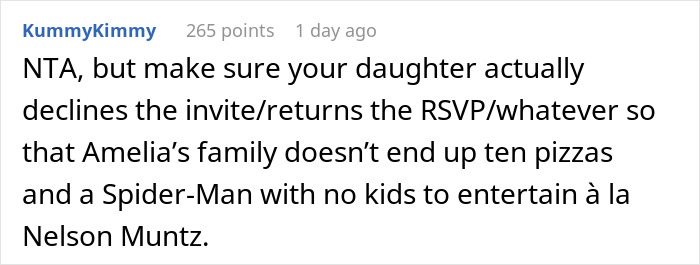
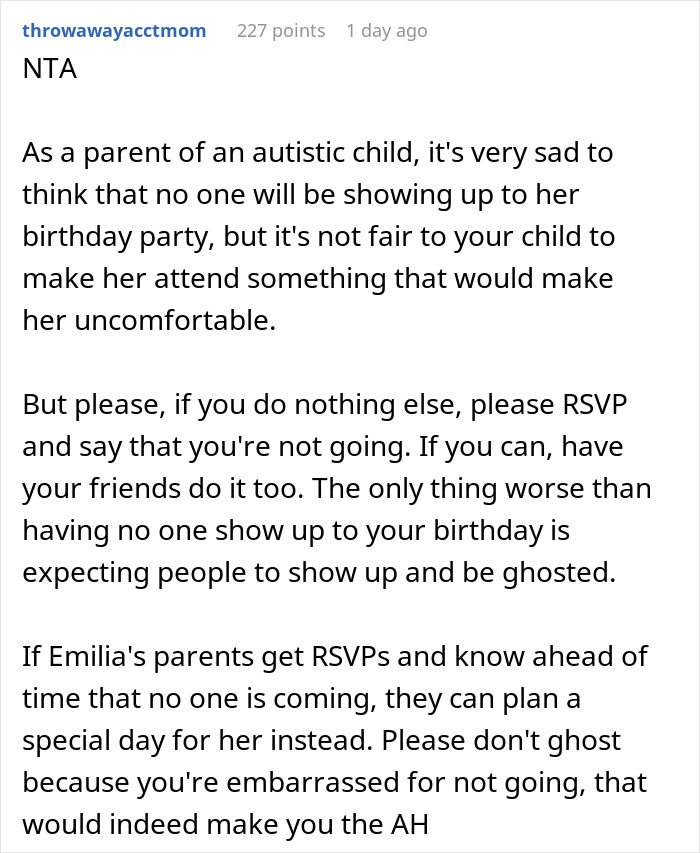
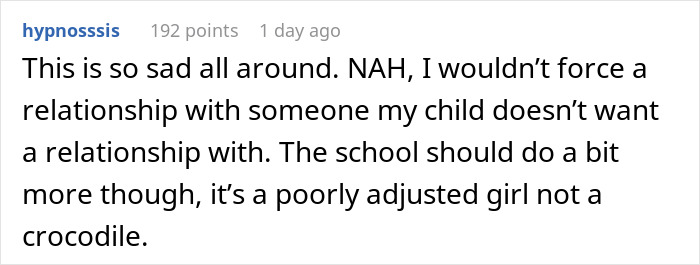
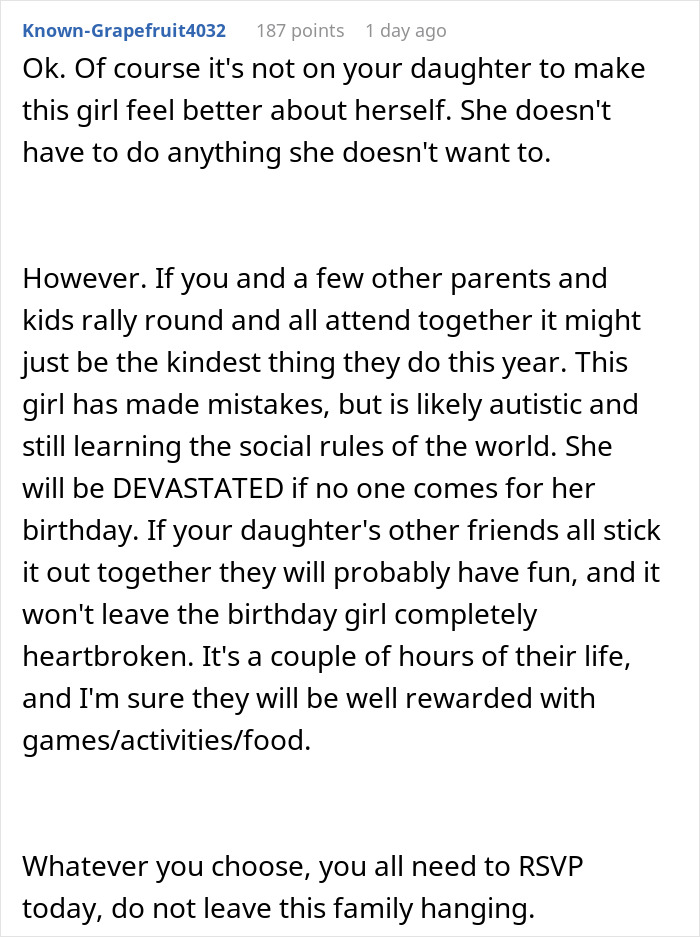
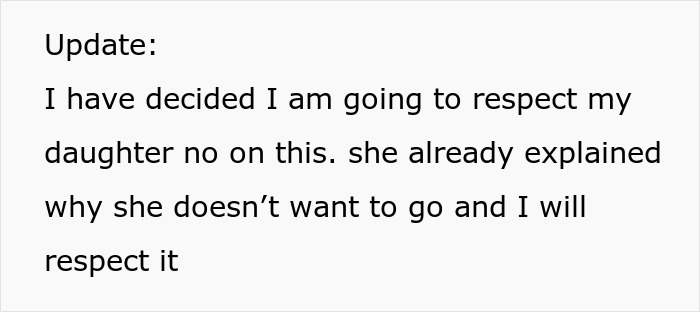
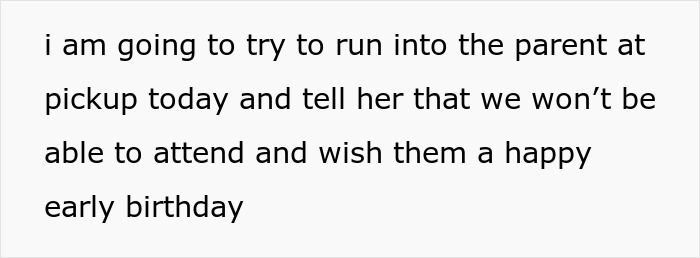
One Redditor recently found out their daughter was invited to a classmate’s birthday party. The problem is, it sounds like no one plans to show up… including their daughter, who doesn’t want to go. Now the parent is torn: respect her “no,” or push her to attend so the birthday girl isn’t left alone.
Read the full story below.
Image credits: Andrej Lišakov (not the actual photo)
Image credits: Curated Lifestyle (not the actual photo)
Image source: Throwingparty15284
Image credits: Getty Images (not the actual photo)
As children, many of us are honest, sometimes painfully so. We say exactly what we think, often without realizing how much it can hurt. Growing up usually teaches us a different set of rules. We learn how politeness works, how empathy feels, and we remember, all too well, how crushing it would be if no one showed up to our birthday party.
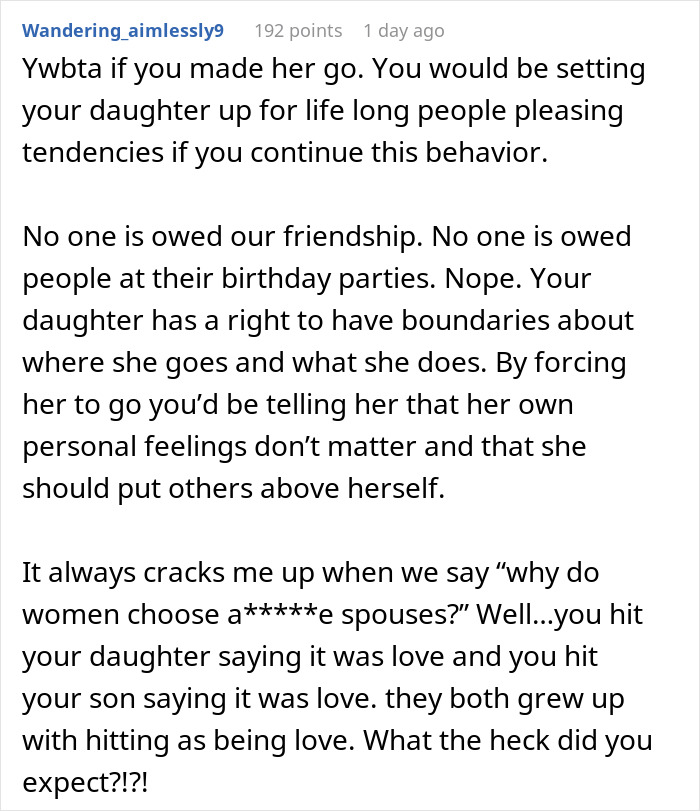
That’s why it’s easy to understand why the parent in this story felt for the birthday girl and wanted to soften the situation somehow. At the same time, asking a child to do something they truly don’t want to do brings up another question. Even when the intention is good, it can quietly slide into teaching people-pleasing rather than kindness.
People-pleasing often sounds harmless, even admirable, but it tends to make life harder for the people who practice it. In fact, about half of self-described people-pleasers say it actively complicates their lives. That’s where one small word enters the conversation: no.
It’s a short word, yet it carries a surprising amount of weight, especially for those who struggle to use it. Still, it doesn’t have to be harsh or dramatic. According to experts, saying no can be done with ease and clarity, and it’s usually far kinder than ghosting or offering excuses everyone can see through.
Rachel Wilkerson Miller, editor in chief of SELF, suggests rethinking what saying no actually represents.
First, she notes that your time, money, and energy are your most valuable resources. How you spend them shapes the life you’re building. If you say yes to everything, it’s worth asking whether that’s truly aligned with how you want to live.
Beyond that, saying no becomes a way to practice boundaries more broadly. Realizing you can say “no thanks” or “I’m not into that” without everything falling apart can be genuinely freeing. Once you experience that a few times, it changes how you move through the world.
Saying no can also reveal a lot about the people around you. Someone who refuses to accept a polite decline over a small request may not be especially respectful of boundaries in general, and that’s useful information to have.
There’s another side to this, too. Agreeing to something you don’t want to do can end up hurting the other person. If you’ve ever spent time with someone who clearly doesn’t want to be there, you know why—it’s obvious. You can feel the pity or obligation in the air, and it doesn’t feel good. Sometimes, saying no is what actually gives them the kinder option.
Image credits: A. C. (not the actual photo)
Seen this way, saying no isn’t rude or cold. It can actually be polite, honest, and considerate.
“We’re raised to be polite or not rock the boat and to avoid hurting someone’s feelings, and yet in trying to be nice, we end up being vague and unclear and often more hurtful than if we were just candid,” Priya Parker, a conflict resolution facilitator and author of The Art of Gathering: How We Meet and Why it Matters, told Time. “There are so many ways to decline with grace, but instead of saying we’d rather not, we flake, or we’re ambivalent and say ‘maybe,’ which is horrible for the host.”
Parker recommends a simple structure when turning down an invitation: acknowledge the invite, honor something about it, thank the host for thinking of you, and then clearly decline without unloading your reasons onto them.
Here’s what that might look like in practice: “That sounds like such a great time. I can’t be there, but thank you so much for the invitation.” It’s direct and doesn’t require a backstory.
In general, there are plenty of ways to decline, depending on the situation and your relationship. For instance, if the timing or the activity doesn’t work for you, it’s okay to say that, especially if you’re open to connecting in a different way later on.
Wilkerson Miller suggests phrasing like, “Oh, that concert sounds really fun, but I can’t really do big outings on weeknights because of work! But have a great time!” You can also add, “I’d love to catch up soon—maybe another time,” if that feels genuine.
Thoughtful compliments can help too, as long as they’re sincere. If someone is known for hosting great gatherings, acknowledging that effort shows you see what they’re trying to create. You might say something like, “You always have the most creative ideas for parties.” And if you genuinely wish you could be there, Parker suggests adding: “I can’t believe I can’t make it to this. I really want to come—please put me on the list if you do it again in the future.”
In the end, saying no doesn’t require overexplaining or guilt. It can be honest and respectful all at once, and learning to do that can make situations like this a little easier for everyone involved.

By entering your email and clicking Subscribe, you're agreeing to let us send you customized marketing messages about us and our advertising partners. You are also agreeing to our Privacy Policy.
Thank you! You've successfully subscribed to newsletters!


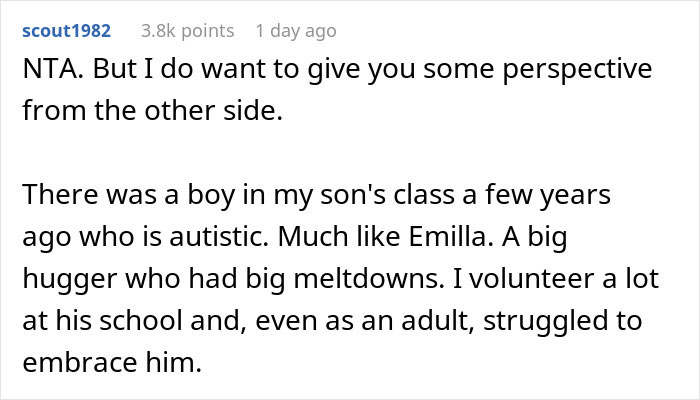
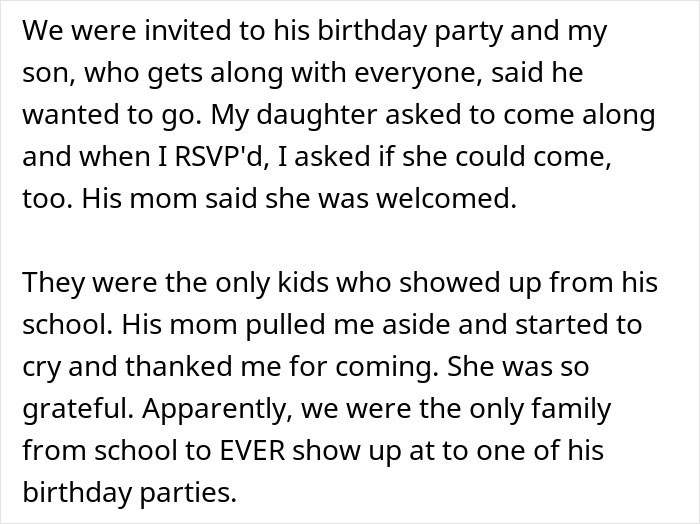
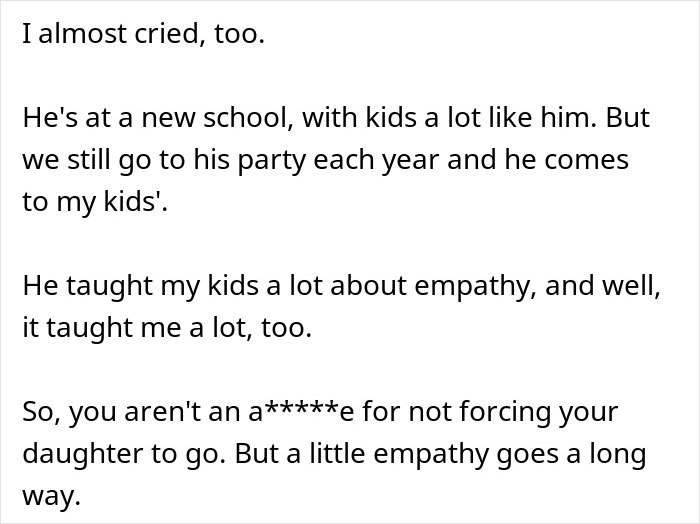
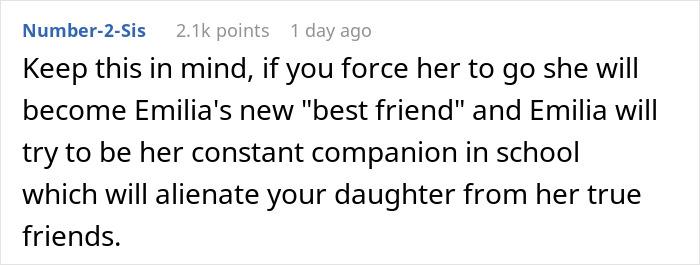
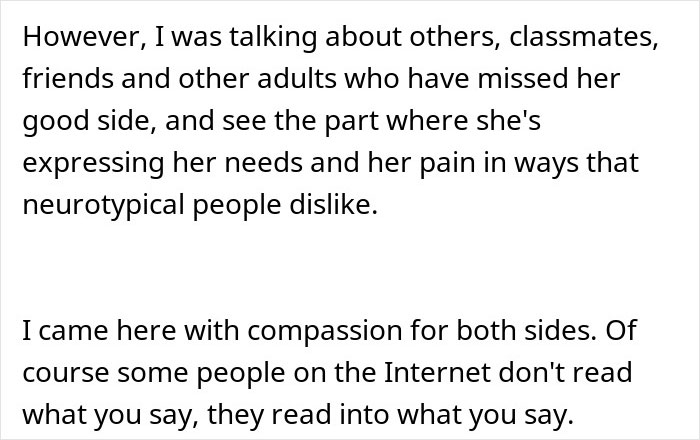
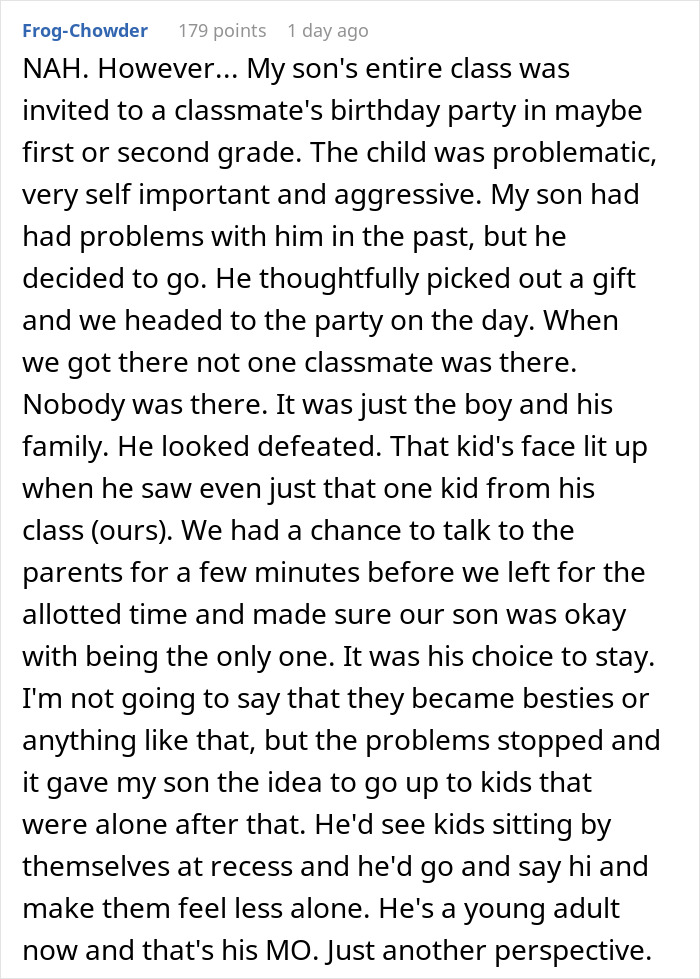
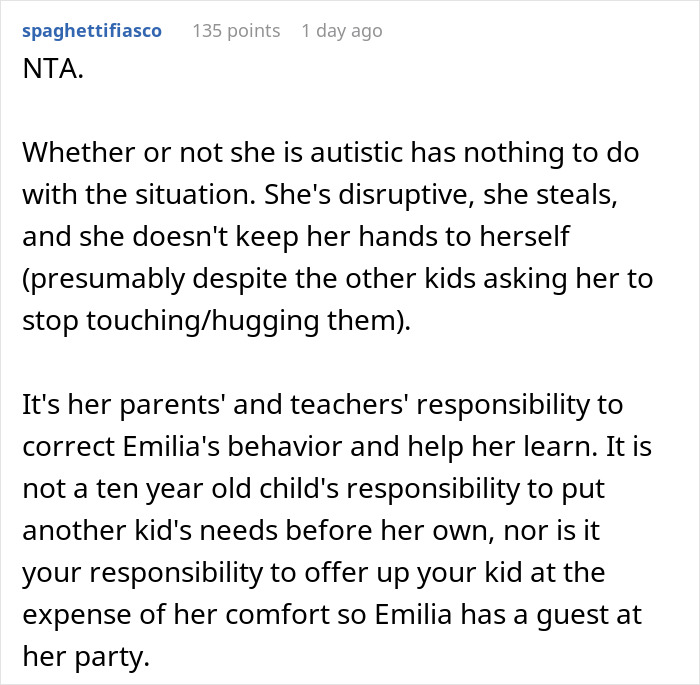
The downside to better awareness of autism, is that people are diagnosing themselves and others without a real medical evaluation. Maybe the kid is neurodivergent. Maybe the kid is just a jerk. But being neurodivergent is an explanation, not an excuse for bad behavior. I am autistic.

I am one of those people: I know I'm not "normal", but have never bothered to get diagnosed. I don't talk about it, other than occasionally to my wife and immediate family. Never as an excuse for anything, just as a possible reason why something doesn't make sense to me...
Load More Replies...
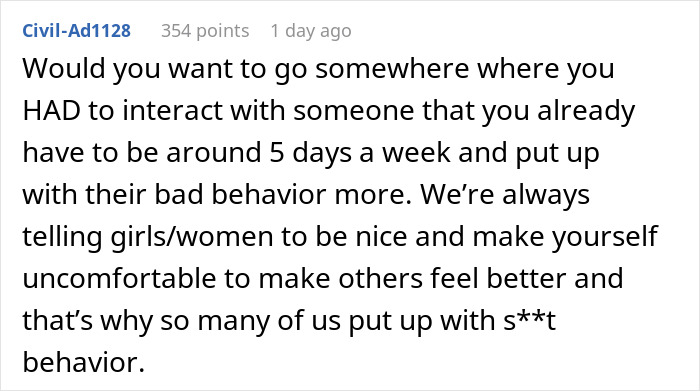
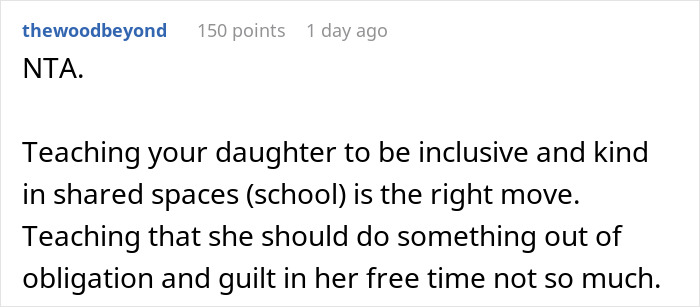
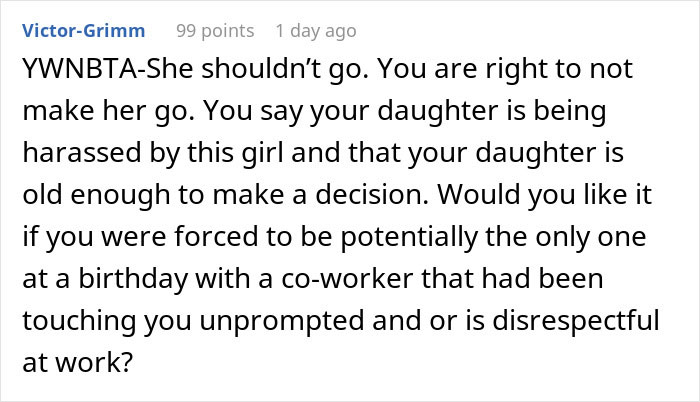
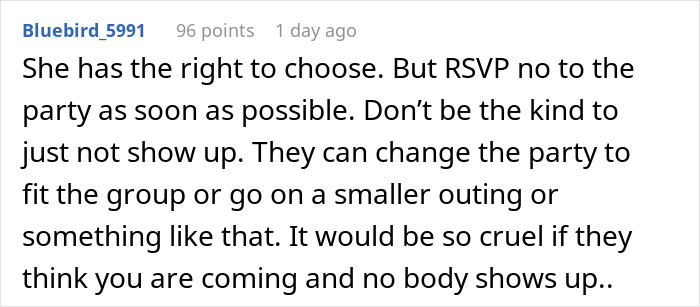
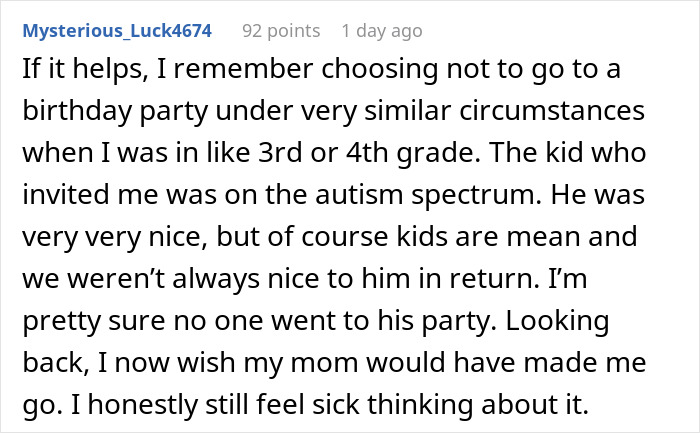
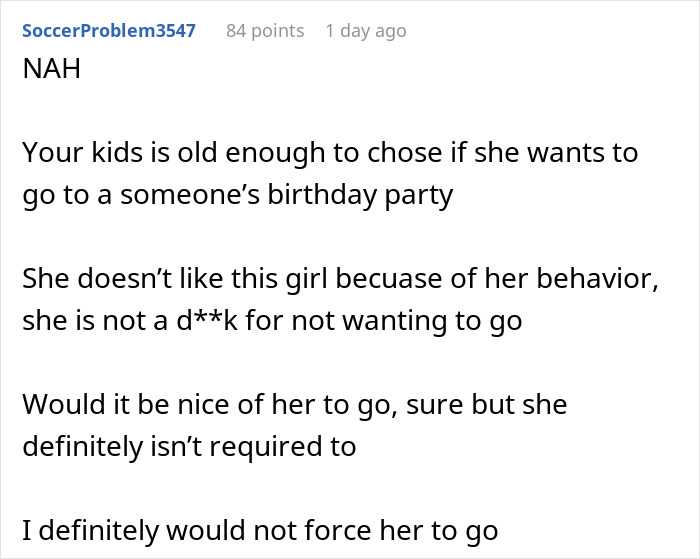
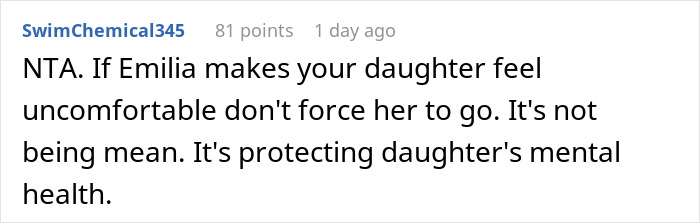
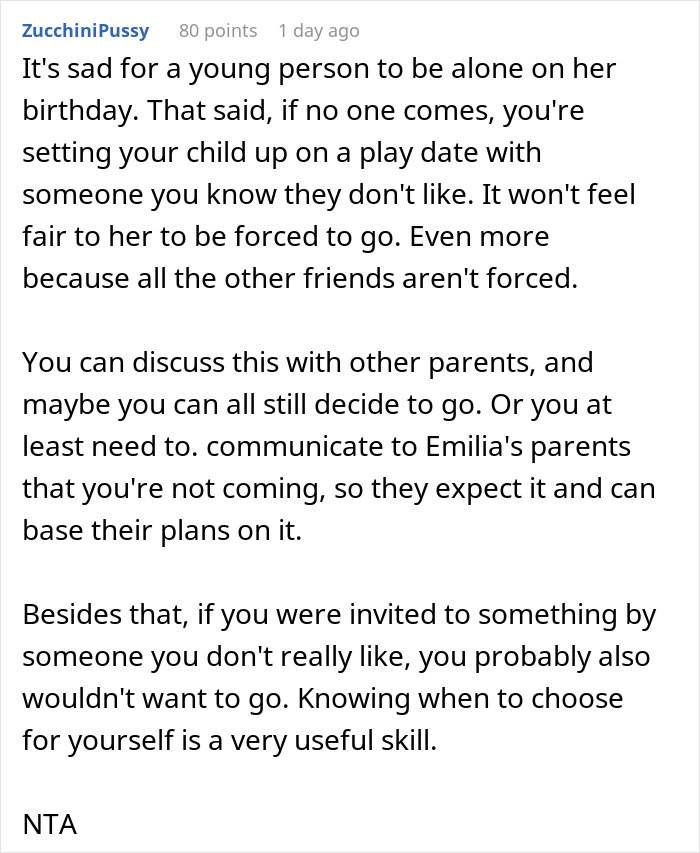
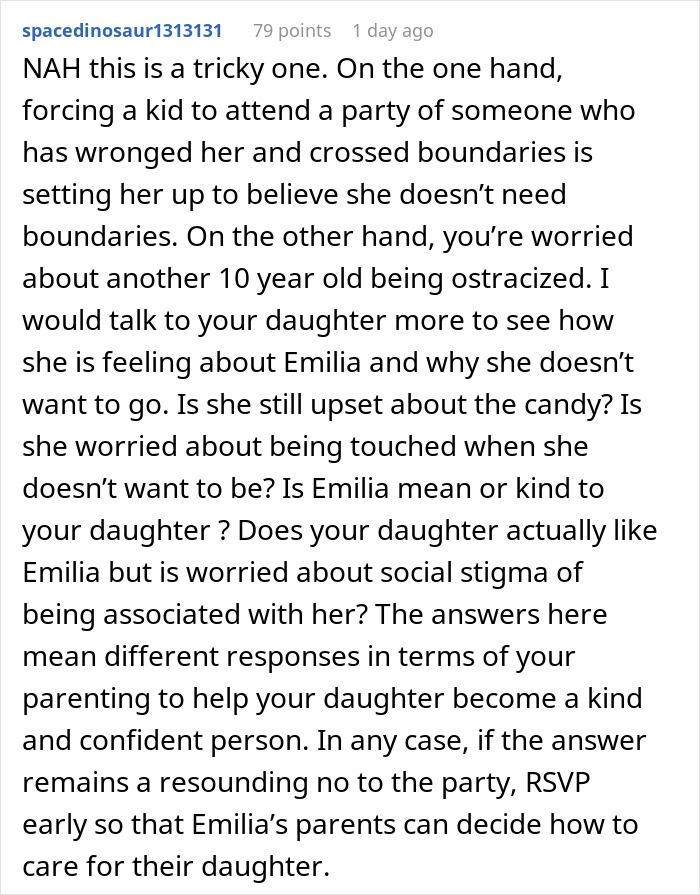
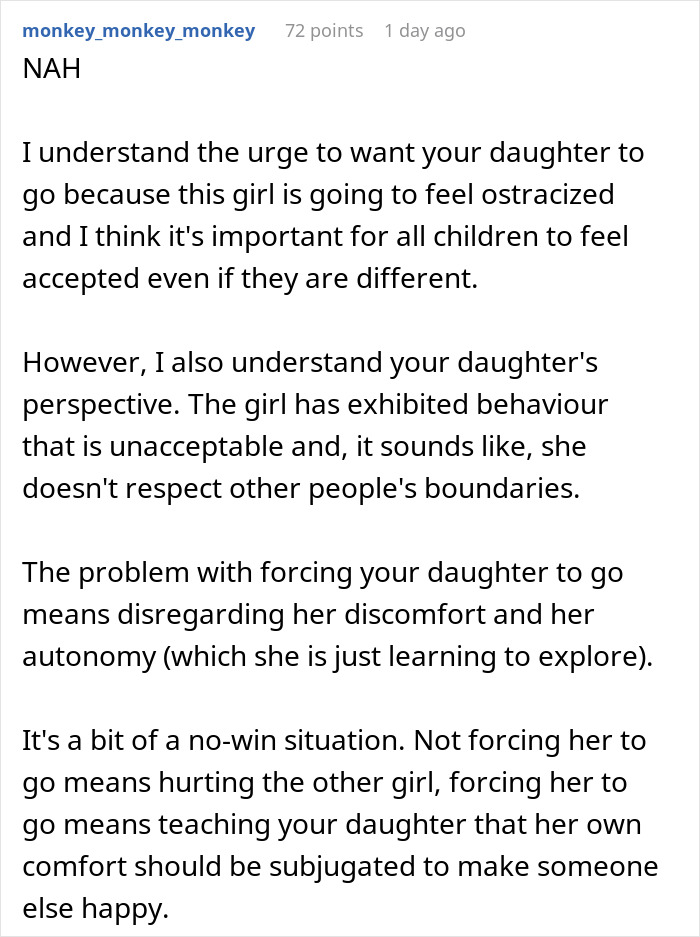
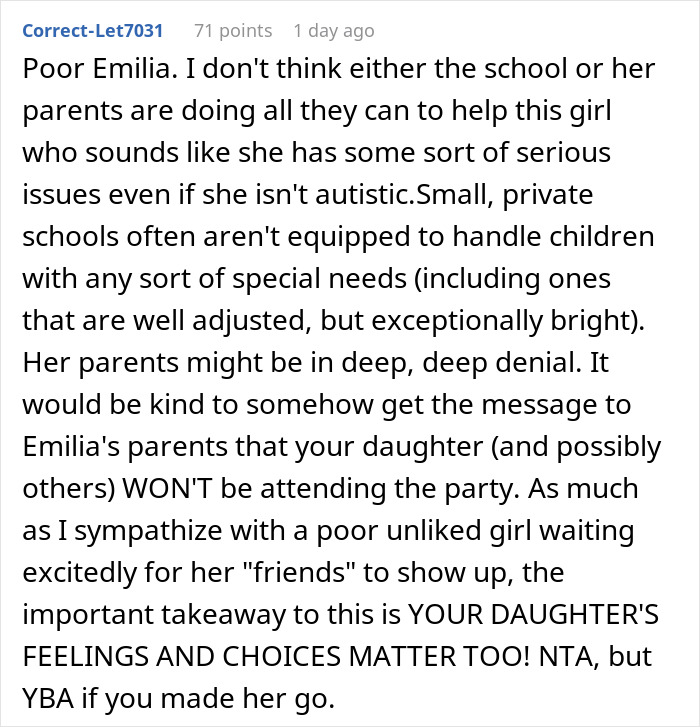
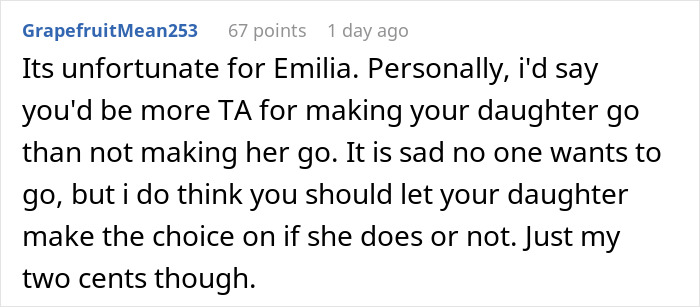
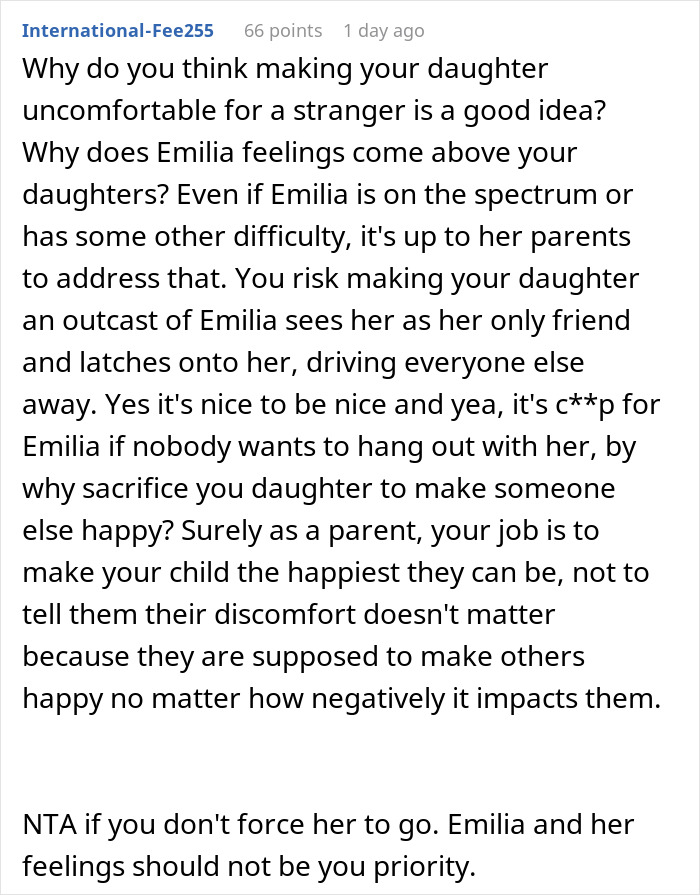
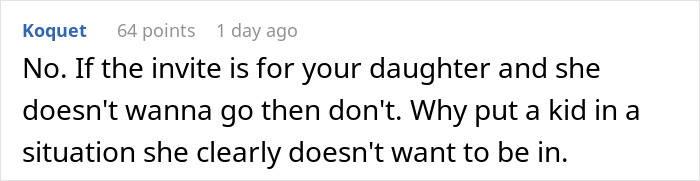
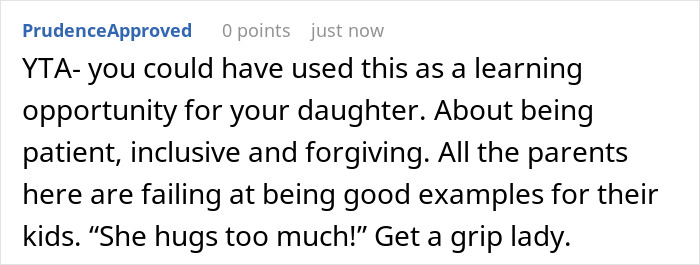
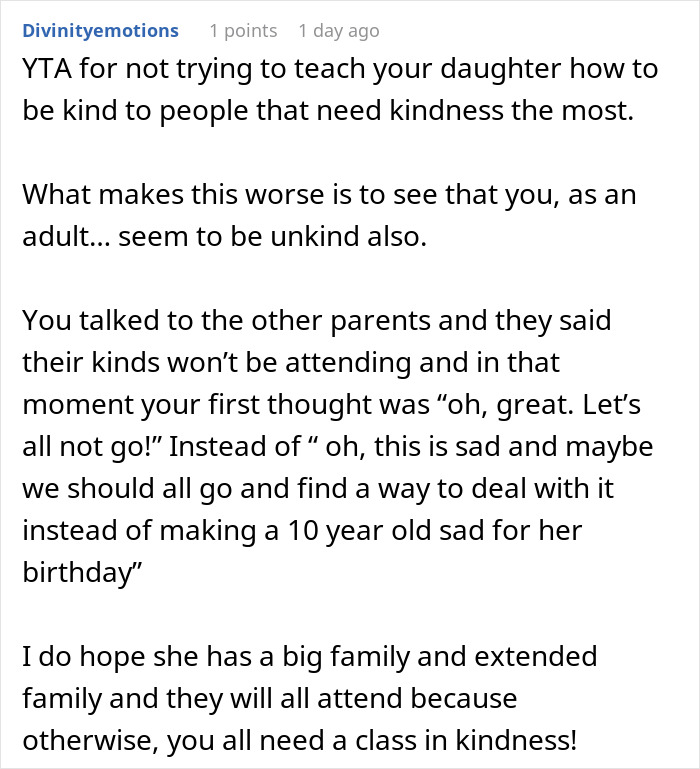
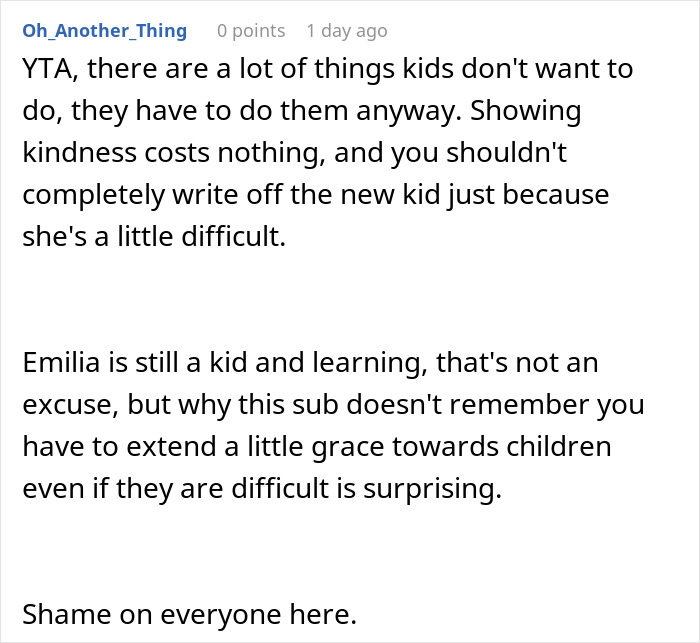
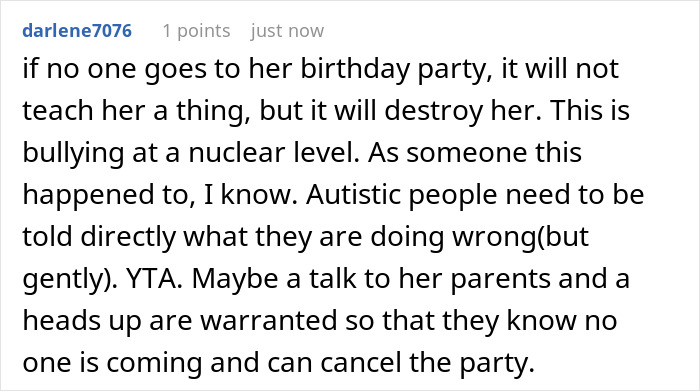
Why do some people act like not forcing a kid to go to the birthday of someone they hate will make them not learn kindness? What about being kind to your own kid? There are ways of learning kindness that don't involve being forced to do something you don't want to do
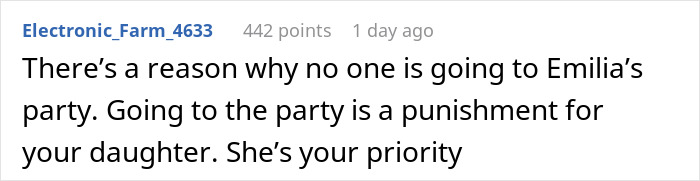
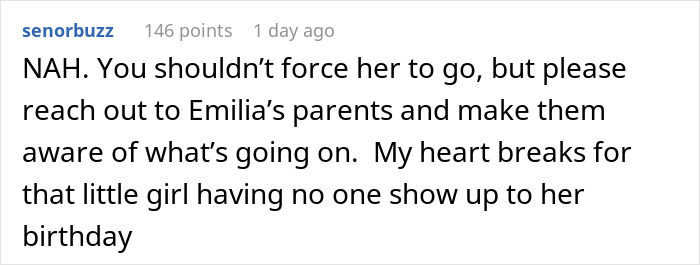
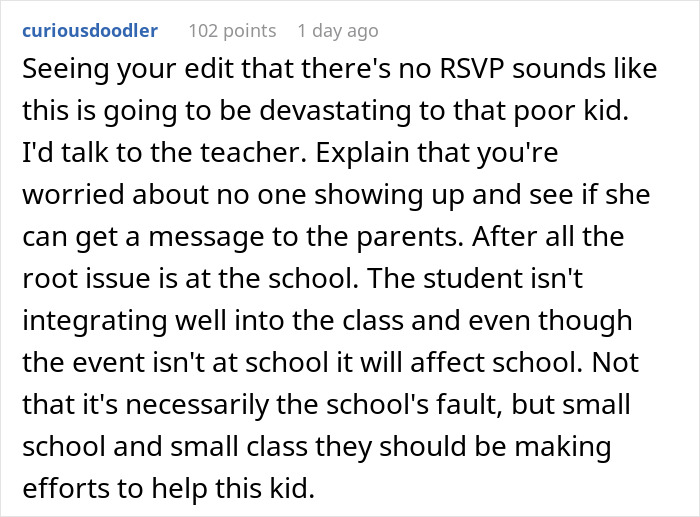
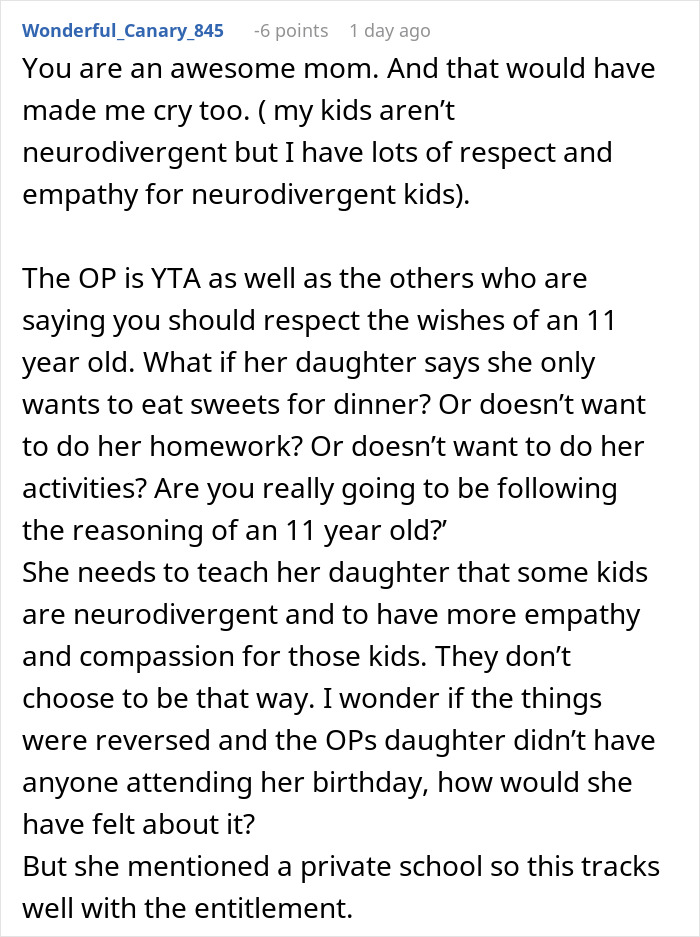
Emilia's mum definitely needs to be informed that no one is planning to attend her party. It's understandable that other children aren't friendly with her because of her behaviour at school, even if it is because she is neurodivergent. At age 11 you aren't going to be friends with someone who doesn't respect personal space and steals from you.
The downside to better awareness of autism, is that people are diagnosing themselves and others without a real medical evaluation. Maybe the kid is neurodivergent. Maybe the kid is just a jerk. But being neurodivergent is an explanation, not an excuse for bad behavior. I am autistic.
I am one of those people: I know I'm not "normal", but have never bothered to get diagnosed. I don't talk about it, other than occasionally to my wife and immediate family. Never as an excuse for anything, just as a possible reason why something doesn't make sense to me...
Load More Replies... Why do some people act like not forcing a kid to go to the birthday of someone they hate will make them not learn kindness? What about being kind to your own kid? There are ways of learning kindness that don't involve being forced to do something you don't want to do
Emilia's mum definitely needs to be informed that no one is planning to attend her party. It's understandable that other children aren't friendly with her because of her behaviour at school, even if it is because she is neurodivergent. At age 11 you aren't going to be friends with someone who doesn't respect personal space and steals from you.






 No fees, cancel anytime








34
37