Get Premium
Dark mode theme is available exclusively for premium users. Learn more about the benefits of subscribing.
No fees, cancel anytime.

 Dark Mode Ad-Free Browsing Unlimited Content
 Ad-Free Browsing Unlimited Content Dark Mode
Join 1.2 million Panda readers who get the best art, memes, and fun stories every week!
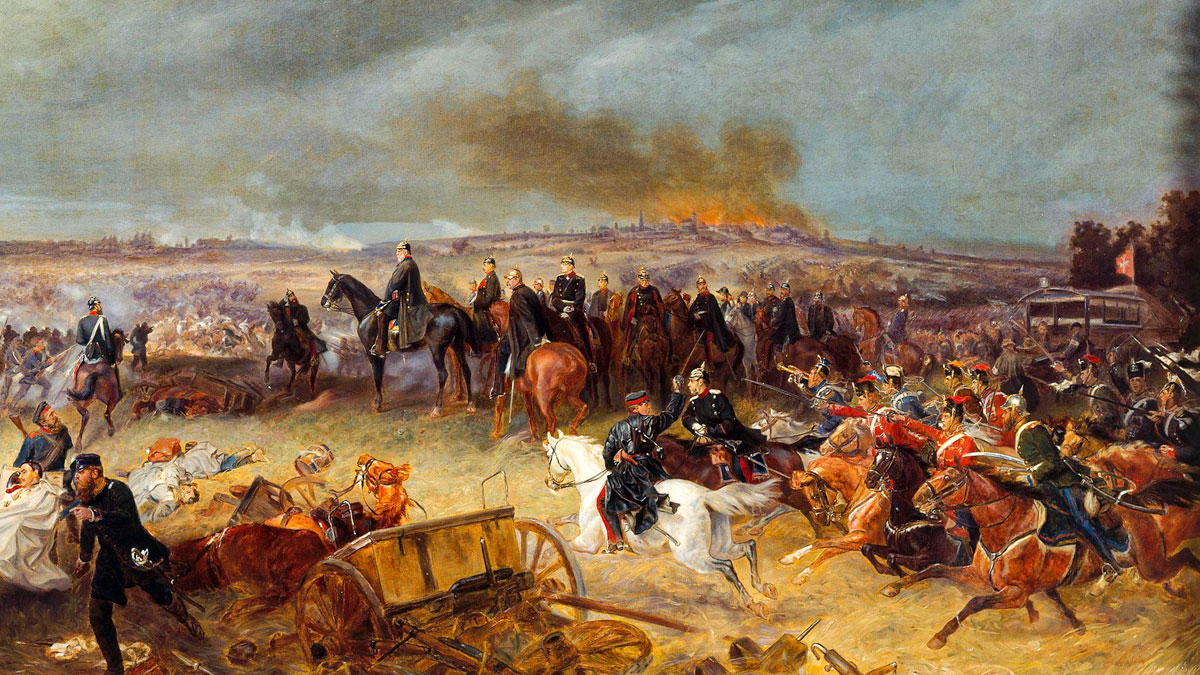
Depending on how closely you paid attention during history class, you might be a treasure trove of historical facts, or you might know almost nothing about the past. But even if you remember every single story that your teachers ever told you, there are hundreds more that you may not have heard.
And if you’re interested in expanding your knowledge about the past, we’ve got a list of fascinating yet often overlooked stories right here. History buffs on Reddit have been sharing tidbits of information that sound too wild to be true, so we’ve compiled our favorites below. Enjoy reading through these tales full of fun facts to share with friends, and be sure to upvote the stories that prove that reality really is stranger than fiction!
This post may include affiliate links.

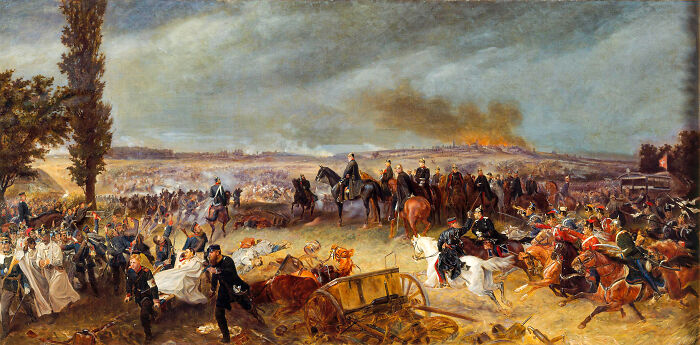 That time Liechtenstein sent 80 soldiers to war and they made a friend so they returned with 81.
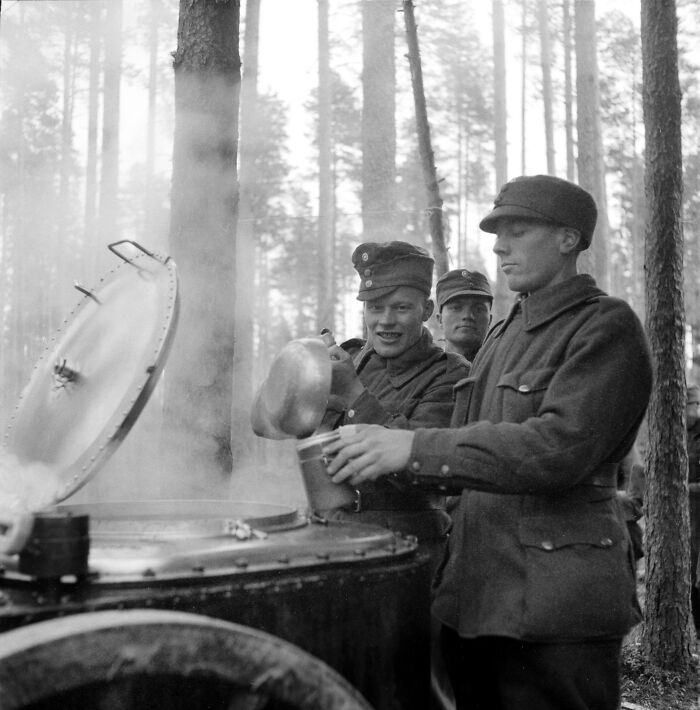 The Winter War of Finland, where Finland held out against USSR with a fraction of the forces. In the end Finland lost more tanks than they started with as they captured and used Soviet tanks.
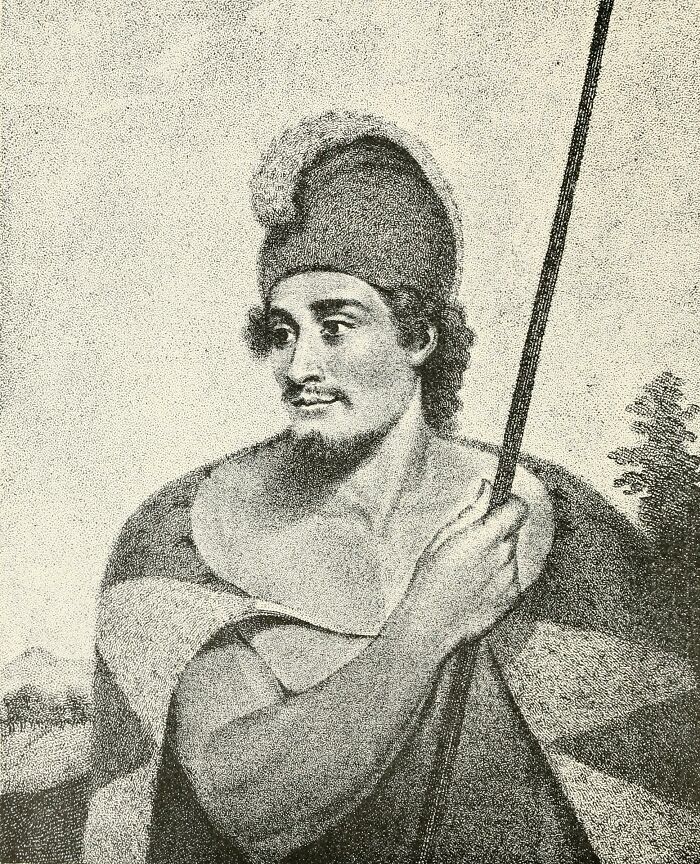 The Hawaiian Kingdom, especially King Kamehameha The Great and King Kalakaua. I sadly know many that believe that the Hawaiian Islands were never a nation.
When in fact one has to wonder where they would be today if the united States didn't annex them. Kalakaua was the first King to circumnavigate the globe, and the iolani palace had electric lighting, and plumbing before the White House. There was even a point where hawaii boasted a higher literacy rate than the united States and Europe.
But, we'll never know now.
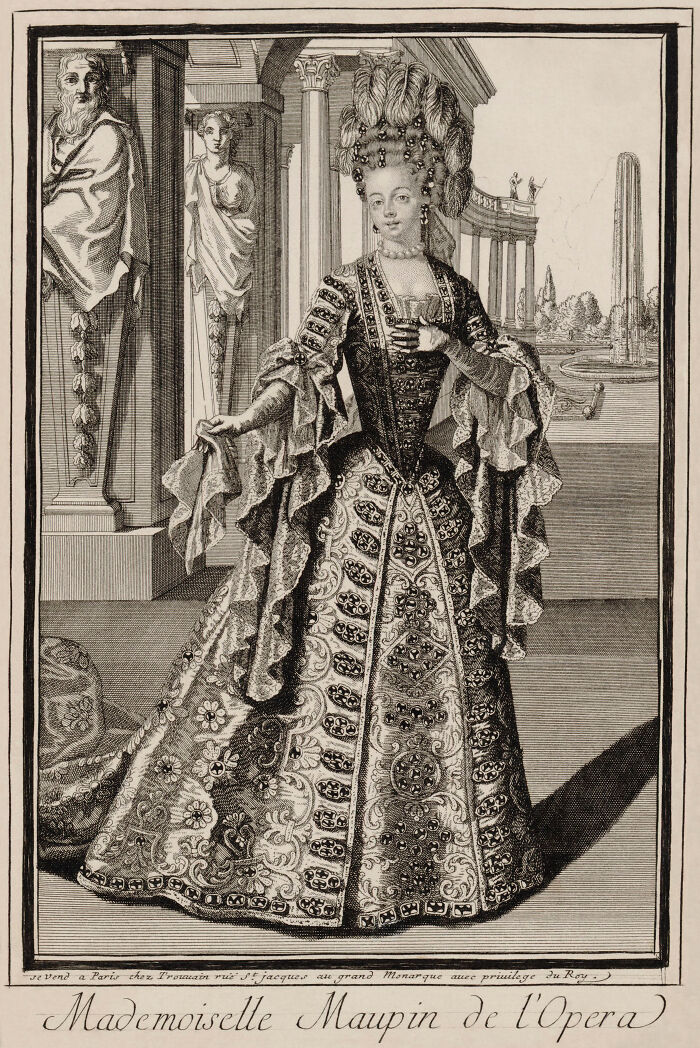 I'm so surprised I haven't seen anything about one of my favorite lesser-known historical figures, Julie d'Aubigny, because boy oh boy was her life interesting.
So when Julie was born in 1673 in France, her dear old dad was one of the guys who trained court pages, and so of course as Julie grew up she trained right along side them, dressing as a boy and learning fencing. When she was 14 she got married off, but pretty soon after the wedding her husband got called to go work down in southern France, but Julie stayed in Paris, so that got him out of the picture for a while.
Around 1687 Julie got together with this dude who was an assistant to a fencing master, but then the dude accidentally [unalived] his opponent in a duel, and so the couple fled the city. As they made their way south, the two earned money by giving fencing exhibitions and singing in taverns, and Julie dressed in guy's clothes while doing this but didn't pretend to be a guy, she just like men's clothing. Eventually though, Julie got bored of her current beau and became infatuated with a young woman. But this young women's parents became concerned for her and sent her away to live in a convent with nuns, so naturally Julie followed her and entered the convent herself, pretending to be interested in becoming a nun. Then, once inside the convent, Julie put her escape plan into action. One night, an older nun passed away and so Julie broke her girlfriend out of her room, hid the nun's body in the girl's bed, and set the room on fire.
Yep. She set a convent on fire.
The two were together for about three months before the girl returned to her family, and Julie went to go back to Paris and earned money by singing. During this time on the road, one night this dude insulted her, so she challenged him to a duel and won by driving her sword through his shoulder. The next day though she felt kinda about it, and asked how he was doing. He sent one of his buddies to apologize to her and she went to visit him, and they ended up 'doing the do'. (after their affair ended they became lifelong friends). After he healed though he returned to his post in the military, and Julie continued to Paris where she met another man and had another affair.
(in the meantime she contacted a Count and the guy managed to get her a pardon from the king for her many, many crimes, like setting a convent on fire for example)
After this she joined the Opera in Paris and stayed with them for a while, having several relationships (with both men and women) until one day at a ball, she kissed a young woman in front of everyone (again she never tried to conceal her gender) and was promptly challenged to a duel by three separate dudes.
She beat them all, but had kinda forgotten that duels weren't allowed in Paris.
She fled to Brussels for a while and waited for things to calm down, and then returned to the Opera and continued her career for several years more. Eventually, the woman she was in a relationship with passed away and left her inconsolable, and soon retired and took refuge in a convent. She passed away at the age of 33, and has no known grave.
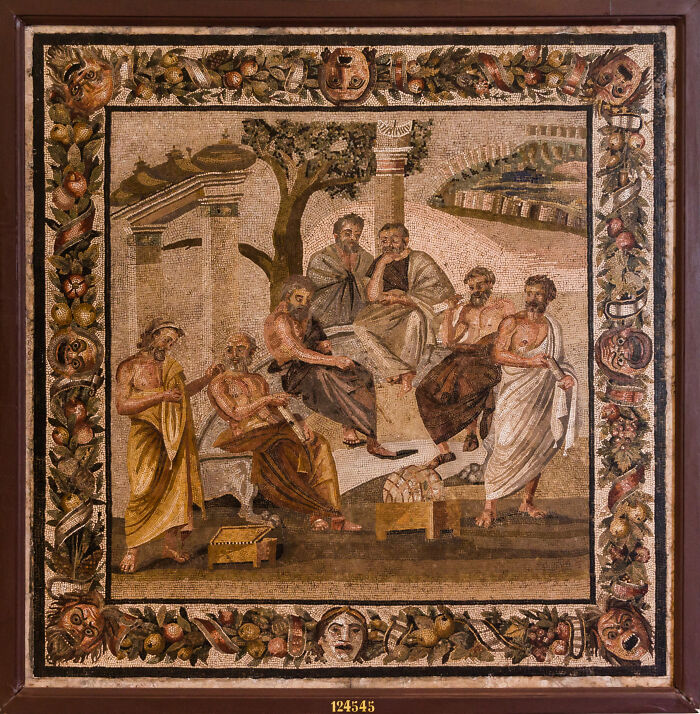 When Plato gave Socrates's definition of man as "featherless bipeds" and was much praised for the definition, Diogenes plucked a chicken and brought it into Plato's Academy, saying, "Behold! I've brought you a man." After this incident, "with broad flat nails" was added to Plato's definition.

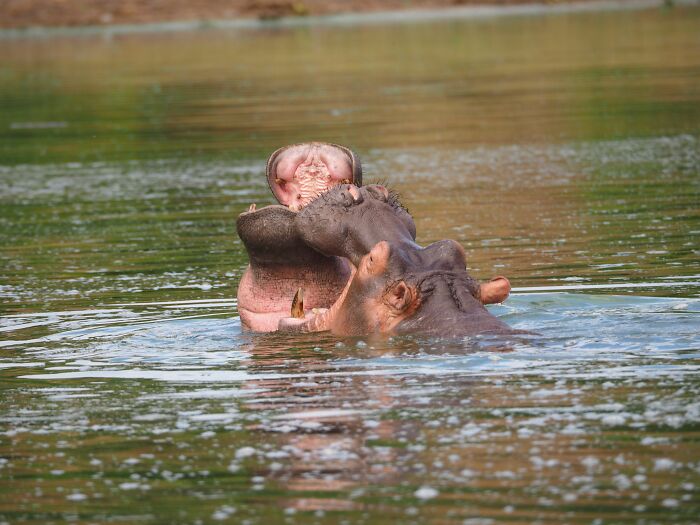 The American hippo bill. During a meat crisis in 1910, some American legislators wanted to introduce African hippos to the southern wetlands so we could all enjoy "lake cow bacon." Obviously, the bill never passed.
ThirdMoonOfJupiter:
This type of thing actually happened in Australia. In Queensland, they were suffering from an infestation of cane beetles in the sugar cane crops. They introduced the cane toad, a natural predator of cane beetles, to fix the problem. Instead, cane toads became more of a pest than cane beetles and are still a problem today.

Austrailia's numerous attempts at biological instrumentalisation really are a number of "Why not? What could go wrong?" - "Oops. That's what" repartees.
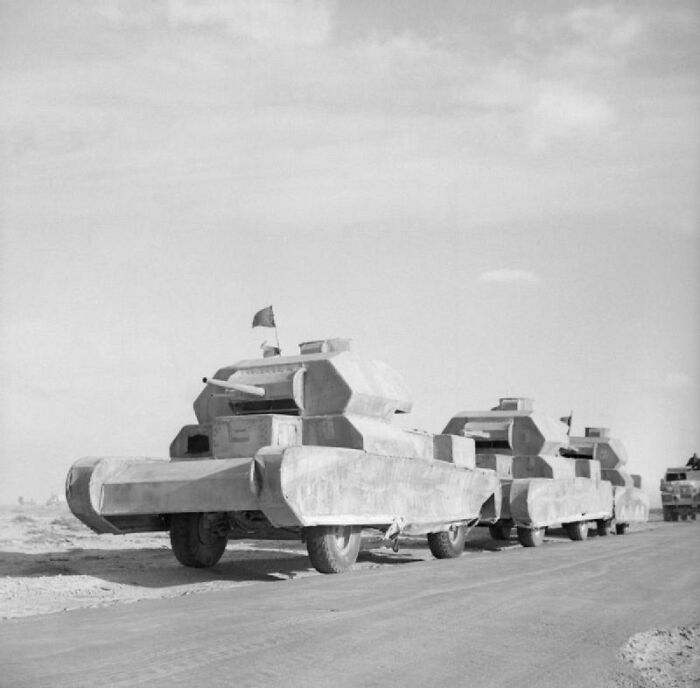 World war 2 Ghost Army Regiment. Allied force who recruited from art schools and theatre. Used deception tricks such as inflatable tanks to deflect attention and deceive the enemy.
Both insane and genius at the same time.
Jurnis_:
The germans did this as well.
Some less successful then others.
They put a massive effort into building a fake wooden military base to made the British think their main forces were further North(i think, maybe south).
They built fake building fronts with wood, wooden trucks, wooden planes, even a wooden train and scarecrow guards in uniforms.
The British 'bombed' it with fake wooden bombs. One of which (reportedly) had "It was only polite to let you finish building" written on it.
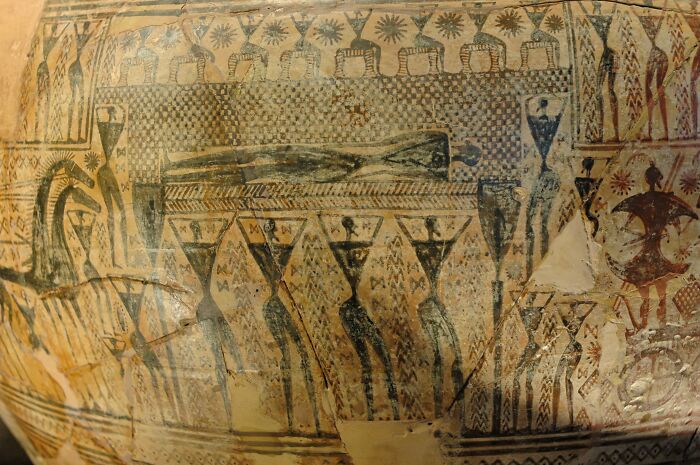 Romans believed in other peoples gods/goddess. So when they would attack a city they would pray to the god/gods of said city to abandon the occupants and support the Romans instead. If they won they would give the god a special place in Rome or completely incorporate it into the state religion.
Also the Ancient Greeks did not view [anything] as gay or straight, they saw it as dominant and submissive. In short they had no concept of being gay.

Generally, your status affected which you were. The higher status male would be dominant (giver) and lower submissive (taker). There was a rumour that one of the Caesars (I forget which one) decided to be the submissive, which was not normal, but I don't know if this was ever substantiated. The men who were having these 'relations' were usually married at the time. As well as not having a concept of 'gay', most marriages were not for love, so it wasn't unusual for extra marital pursuits to happen regardless of gender of partner.
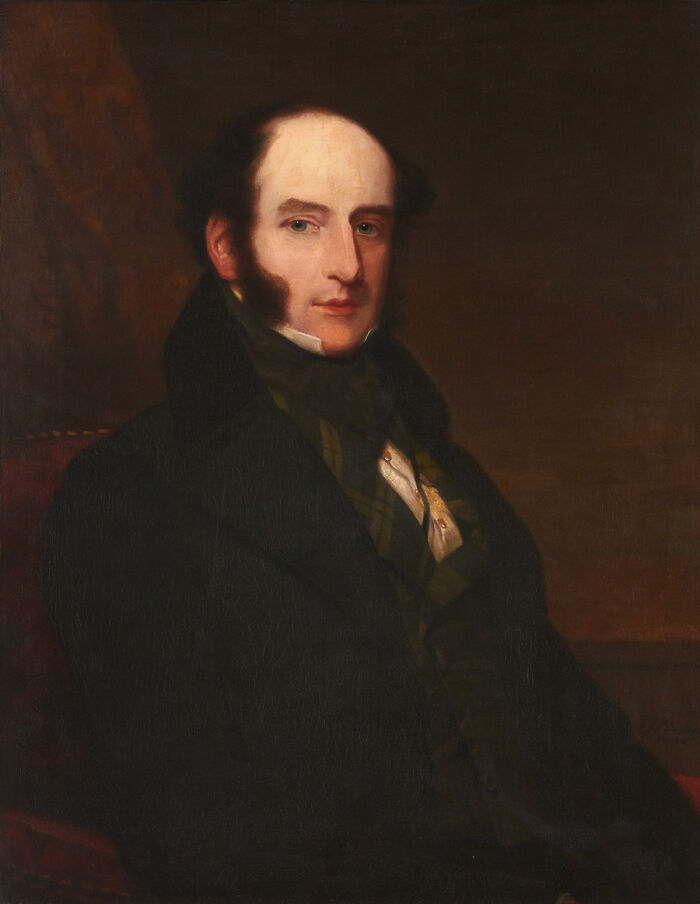 Robert Liston, for whom Listerine is named if memory serves, is the only person in history to have performed a surgery with a 300% mortality rate, meaning that three people passed away from one operation. The patient passed away of gangrene, Liston cut the fingers of his assistant who also passed away from gangrene, and he literally scared an onlooker to d**th by cutting his coattails. This was back when anesthetics were non-existent and speed made a bigger difference.
I think Listerine was named after Joseph Lister, but the rest is accurate...
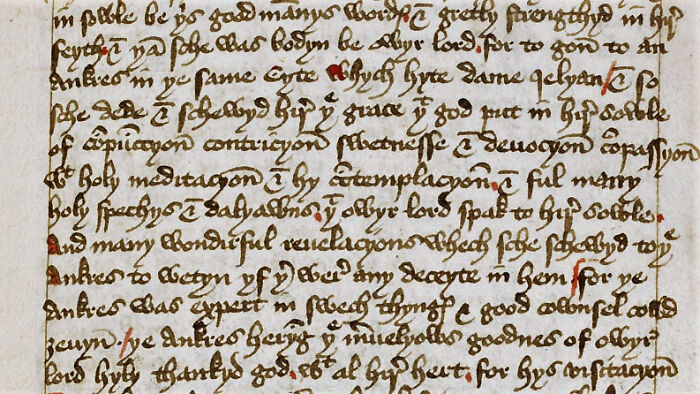 Margery Kempe! 14-15th century self appointed holy woman of King's Lynn. No one wanted to write a book about her and she couldn't write herself, so she dictated it to someone because she was very holy and deserved to have a book written about her! The end result is that you get all her, ahem, quirks and 'unique' theology without it being watered down by someone trying to make her fit a mould.
All of it is gold, but a couple of my favourite bits:
The time she went on a pilgrimage to the Holy Land and the other pilgrims she was travelling with ditched her because she was getting too into it and ruining their holiday.
The time a piece of the church roof fell in during a service and landed just on her. She was knocked out but goes on to describe the incident as proof that Jesus loved her the most because it didn't actually end her.
The multiple times she was accused of heresy for being just a little too much into Jesus.
I love her so much.

After her 14th child, Marjorie negotiated a celibacy contract with her husband so she could focus on her work. Among the concessions, she agreed to stop fasting and have dinner with him on Fridays.
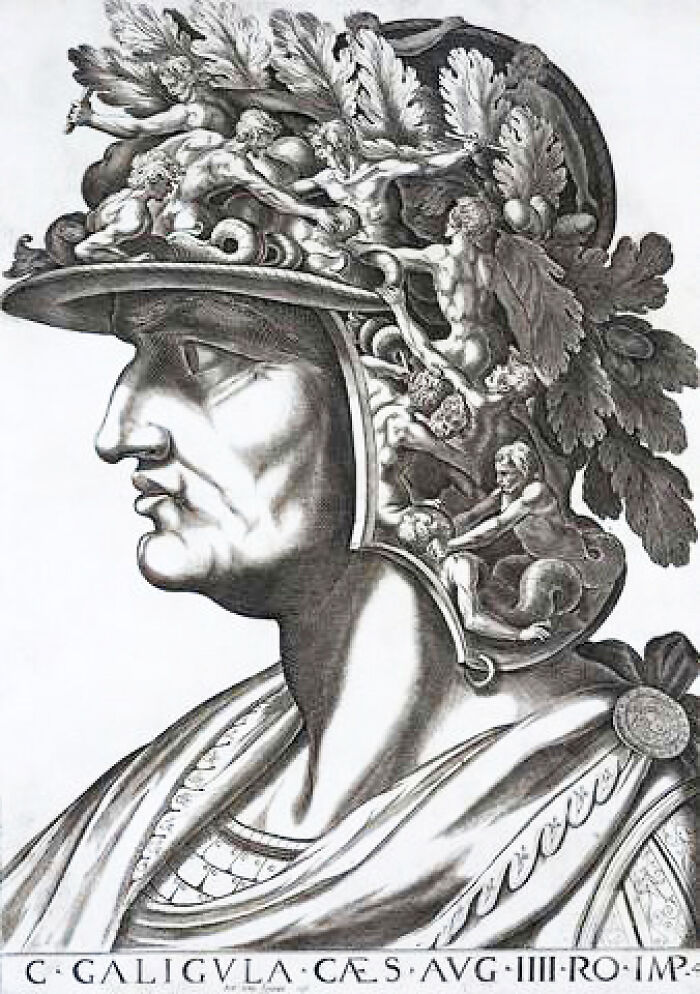 Caligula, former Roman emperor, once declared war on Neptune, commanding his armies to go to the beach and just start stabbing the water.

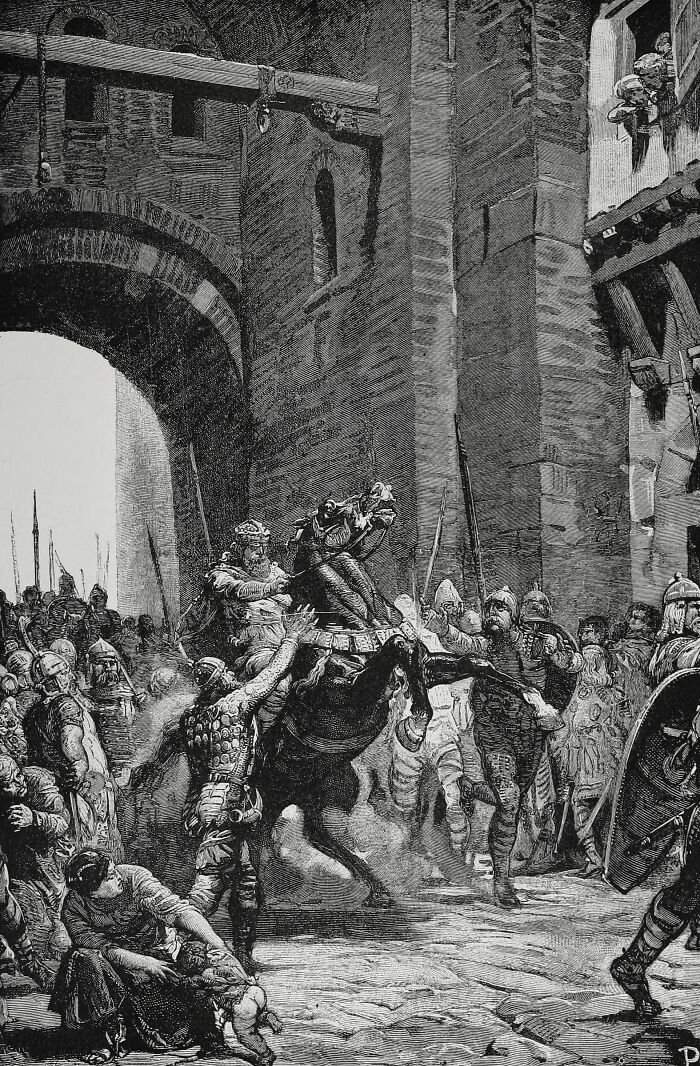 Alboin, King of the Lombards, took his wife Rosamund as a spoil of war after he [unalived] her father in the Lombard-Gepid War. Then at one point he made her drink from her father's skull, which he kept as a trophy and fashioned into a mug, telling her to "drink merrily with your father." She had him [unalived].
Women can be so touchy. Must have been "her time of month" for sure. /S
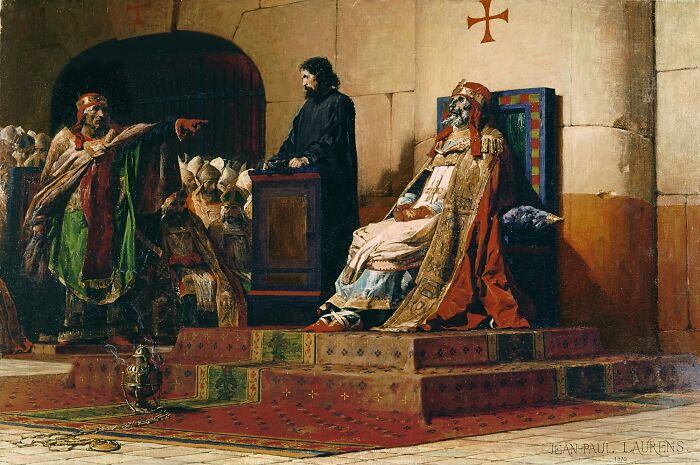 The time a pope dug up another pope's skeleton, put it on trial, found it guilty, had it reburied, dug it up again, and chucked it into the river.
**Edit**: Well people seem interested so here's an abridged version of the Cadaver Synod. Crazy time in papal history.
So... Pope Stephen VI really hated the guy that was pope before the guy that was pope before him, aka Pope Formosus. I believe their relationship would be called "pope twice removed". That line will work on two levels in just a second.
Anyways, so Steph super hated him. It was pretty much all because of powerful families and politics and grudges. Still, Pope is a literally life long gig, and that means the guy he hated had been gone for a bit by the time Stu became Pope. So what did Steven do? Why he dug up the ultra deceased previous pontiff and put his skeleton on trial of course!
He was found guilty, striped of his garments, had three fingers removed (they were his blessin' fingers), was redressed in peasant garb, and reburied in a pauper's grave.
This didn't feel like enough for Ol' Stevie Vi, so he dug him up again and had him chucked into the Tiber River.
Stephen VI was then imprisoned for the whole thing and later strangled. History!
"Crazy time in papal history." Gotta say it really takes some work to stand out amidst all the crazy in the history of Popes, but Stephen VI managed
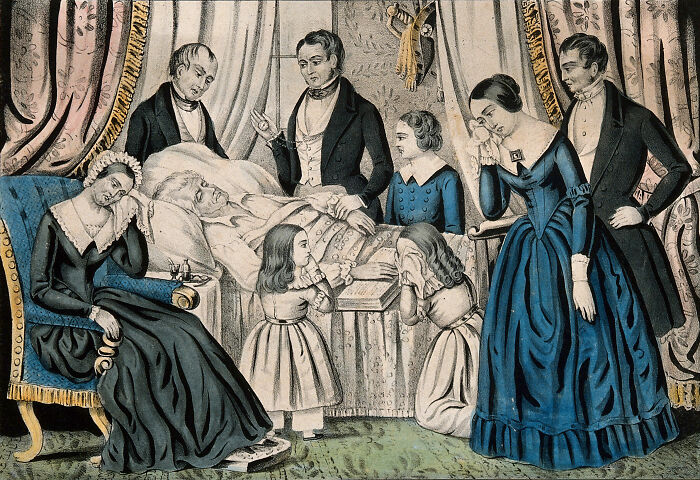 President Andrew Jackson was so vulgar his parrot was ejected from his funeral for profanity and vulgar language.

That's my cousin... The president, not the parrot, though honestly I think I'd rather be related to the bird, if it were up to me.
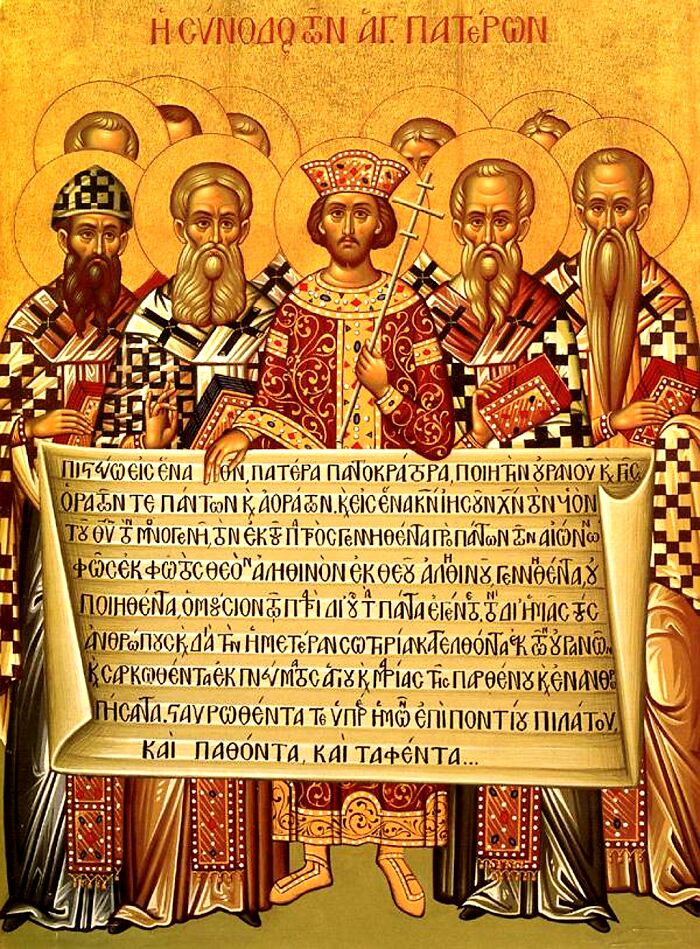 I think the Great Schism is overlooked a lot, and really funny. It starts with a single pope, then two others saying, "what the hell" declaring themselves pope, and all the while excommunicating each other.
Hmm...that gives me quite the idea! 🤔🤔🤔 i am now the POTUS! Bye bye dummy! 😎😎
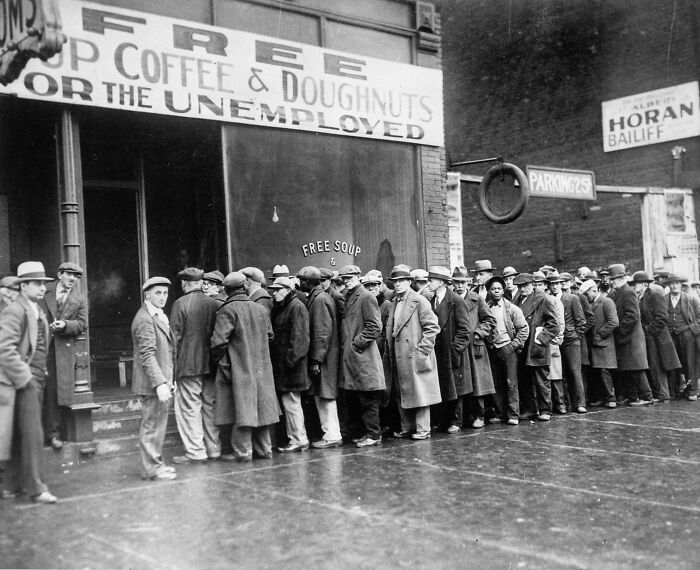 Hundreds of U.S. communities started using their own currencies during the Great Depression in order to bypass economic downfall. Of course there was the Dust Bowl and other factors at play, but it generally worked. Sometimes, it's as simple as stepping outside the systems that are in place. Some of our problems really only exist on paper.
Not only US communities. Germany had "Notgeld" (emergency/necessity money) in hundreds of varieties, and I'm sure other countries and communities did, too. There's quite an interesting Wikipedia entry.
 Pink wasn’t always a girl’s color and blue a boy’s color — in fact, it was once the other way around.
The distinction of blue for boys and pink for girls didn’t take full hold until the middle of the 20th century.
Pink was more expensive to make and was considered stronger than the more understated light blue
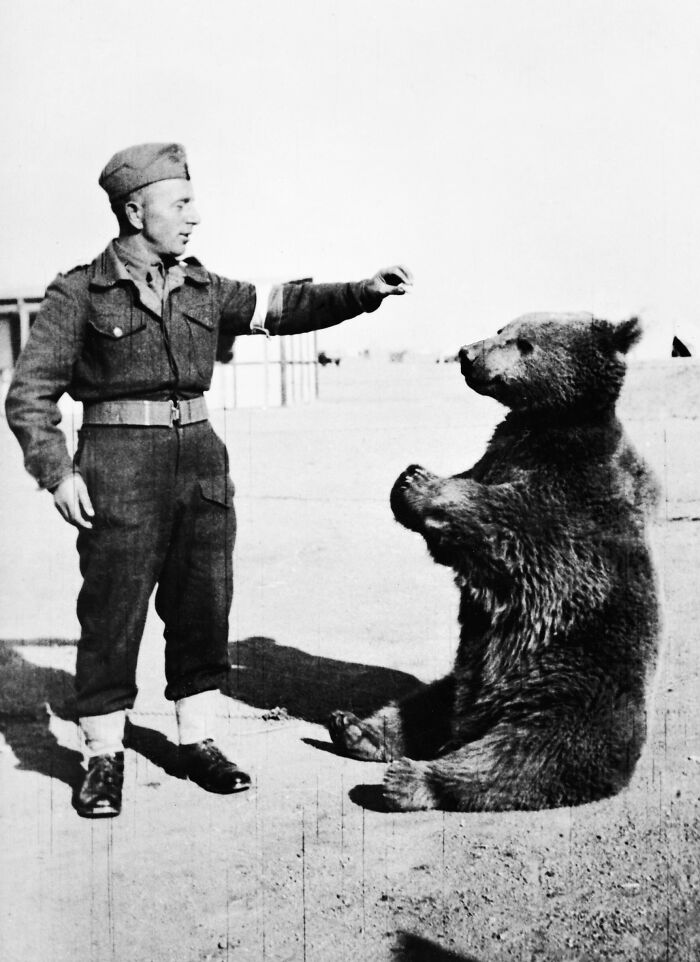 During WW2 there was a bear named Wotjek in the Polish military. He was with a refugee and got they put him in the army. He was taught to salute and liked beer. Basically just a mascot but he helped carry ammo a few times.
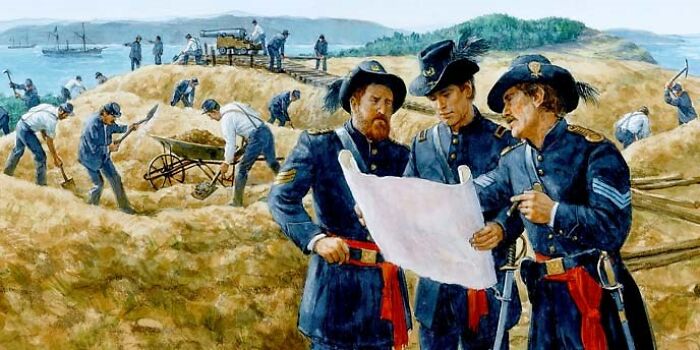 The Great Pig War:
A border war between the US and Canada (at the beginning still a British colony), which was triggered by the slaughtering of an American farmer's pig by a Canadian farmer who found it snacking on his potatoes. It is a conflict that involved several thousand armed men, including for a time the notorious Southern hothead George E. Pickett (later of Pickett's Charge), and which lasted for thirteen long years - yet which is rarely mentioned in the history books of any of those nations.
No shots were fired. Nobody was hurt. Shortly after its began, a lone Royal Marine was whacked in the eye by a rock hurled from the American position. He was shipped to Fort Victoria for treatment, lived to return to his station with sight intact, and is the only documented casualty of the entire conflict. For most of the time, the two sides spent their hours smoking, playing cards, and sneaking out to visit the other sides' lines, to swap navy rum purloined from the British Quartermaster, for tobacco and fresh American produce, which was scarce on the opposite side.
The site of the British main position, which today lies within the US' San Juan National Historical Park, is the only bit of non-diplomatic soil in America, over which the Union Jack is flown daily.
Easily qualifies as *The. Best. War. Ever.*
It does overshadow the long-standing (50 years!) border squabble between Denmark and Canada on Hans Island, dubbed "Whisky War" for sheer action and number of participants. They're somewhat equal in ridiculousness. The war over Hans Island (resolved in 2022) consisted of each countries delegates coming to the island, exchanging the "enemy's" flag for their own, "pillaging" whisky or akvavit (depending on faction) and leaving their own plag and a bottle of booze for the opposing number in turn.
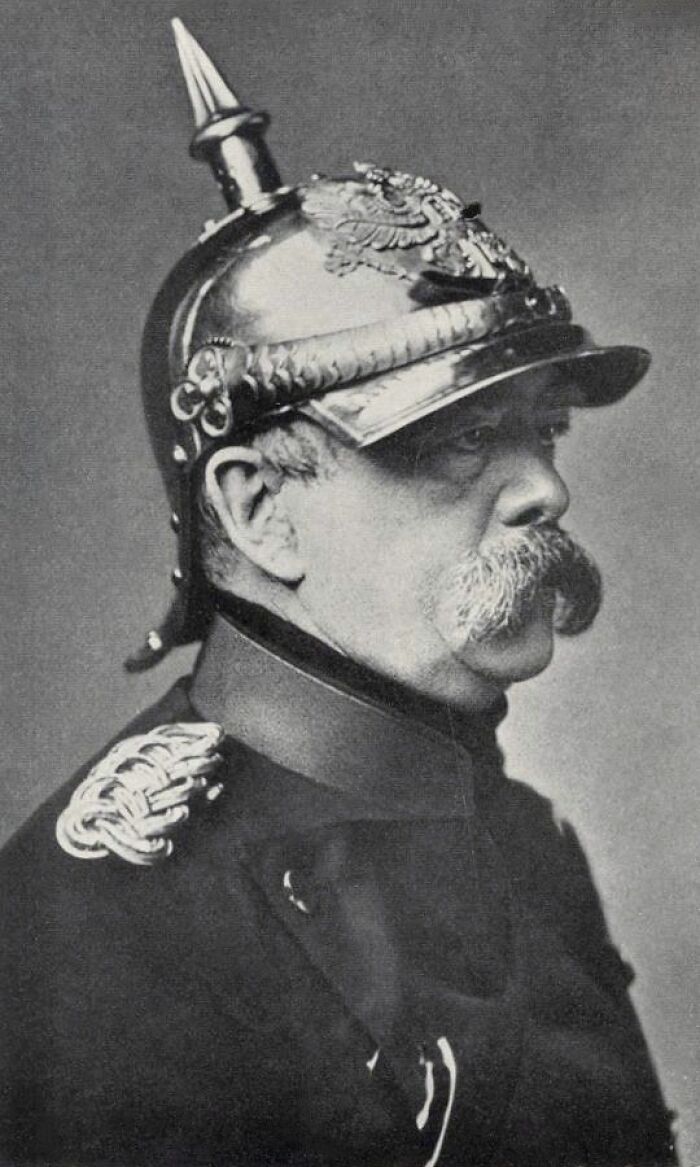 My favorite story which I love to tell people is during the battle of Verdun (WWI), the Germans outfits would get ruined I.e helmet spikes falling off. So fast forward to some high up German commanders coming to visit them. The soldiers are scrambling to look good for them but alas, their helmets are ruined. So what do they do? They carve potatos into a spike and stick it on their heads. Always makes me laugh.
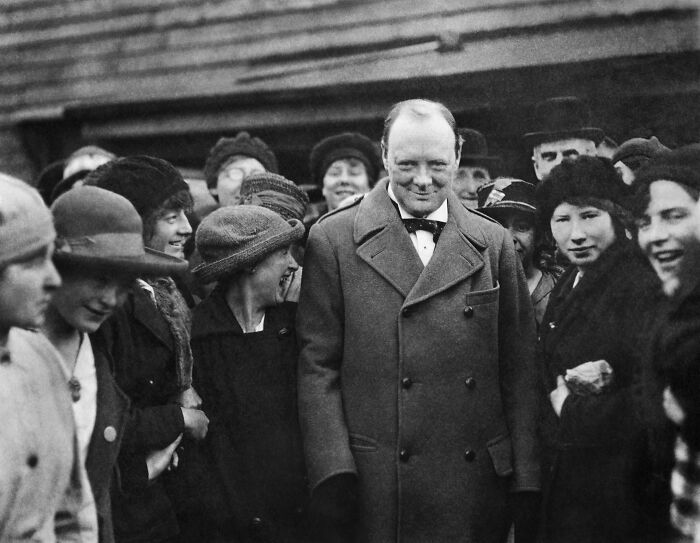 During WWII, while London was being bombed. Winston Churchill didn't like the idea of being stuck in the cellar of 10 Downing Street (where the PM of GB typically reside while they are in office). So he had his staff set him up with a lawn chair on the roof. He bring a bottle of Whiskey, a cigar, and just watch from the roof as London was bombed while everyone else sat huddled together in the cellar praying to not take a direct hit.
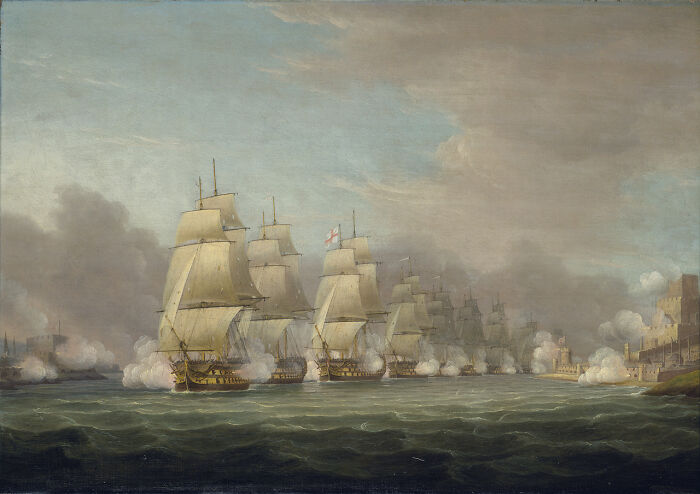 The time a 340 year old museum piece was used to repel an invasion.
The Dardanelles Operation was a fairly minor skirmish during the Napoleonic wars. The Ottomans aligned with the French against Britain and Russia. The British sent a fleet to intimidate the Turks and force them to reopen the strait.
As the British fleet sailed towards Constantinople, French engineers worked with the Turkish army to repair and improve shore defenses. Part of this included reactivating a 340 year old supercannon modeled on the one used in the famed Turkish conquest of Constantinople in the 1400s.
This cannon weighed 17 tons and fired stone cannonballs that were two feet in diameter.
After meeting little resistance from the Turkish fleet, the British were forced to withdraw after taking heavy damage from the shore batteries, including from the colossal "Dardanelles Gun".
**Tl;DR: Trebuchets are nice, but can they fire a 360 kg projectile over 2400 meters?**.
Hmmm. Imagine controlling a strait to affect a war's outcome 🤔 A novel idea for sure...
 Cato the Elder, a roman senator, would give several vehement speeches, all ending in something along the lines of "Carthago delenda est," roughly translating to "Carthage must be destroyed. Carthage did end up getting destroyed a couple years after he passed away.
Years later, Cato the Younger was on the Senate. Julius Caesar was reading a note during a meeting, causing Cato to accuse him of being a spy. After Caesar denied the accusations, Cato asked Caesar to read out the note, because if he really was innocent, he wouldn't have anything to hide. Caesar agreed. It was a love note from Cato the Younger's sister.
Furthermore, I think Carthage should be destroyed.

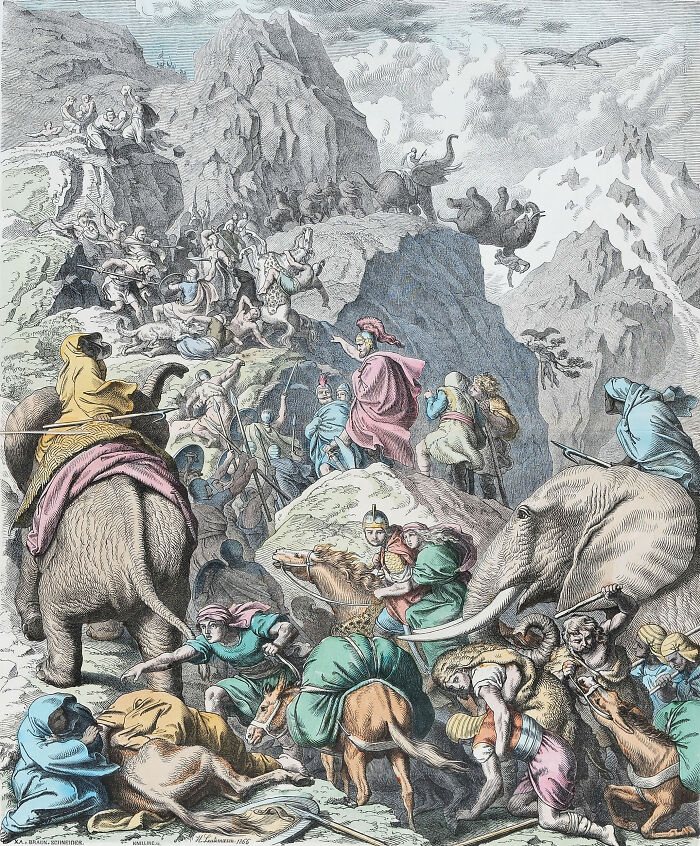
I disagree. Any place that can gig the Romans by having the balls to sneak *elephants* over the Alps to attack Rome *from behind* has earned a great deal of respect and should be allowed to thrive.
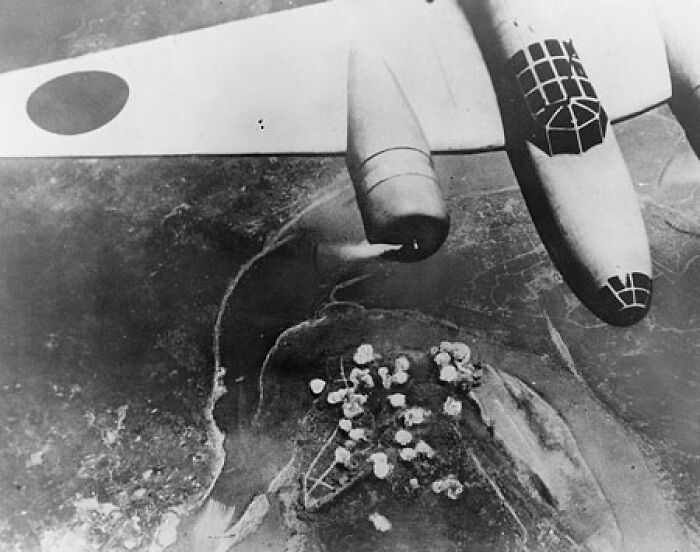 During the First Sino-Japanese War, a Chinese admiral pawned one of the main guns on his flagship to a scrap dealer, in order to pay off some gambling debts.
This was the same war where the Empress embezzled from the army to fund her palace renovations.

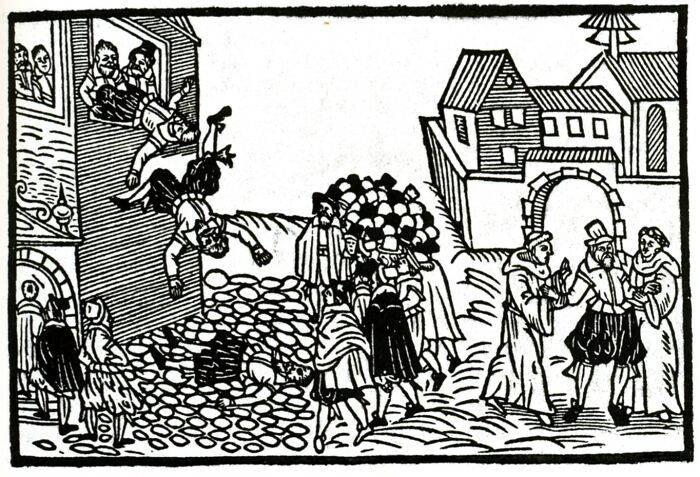 The Defenestration of Prague.
The Thirty Year's War, one of the most devastating wars in early modern Europe, started when a group of Protestants tossed a couple of Imperial delegates out of a window. The delegates survived the 70 foot fall because they landed in a pile of manure.
this was actually the 3rd Defenestration of Prague. I guess tossing people out of windows was kinda the popular thing back them.
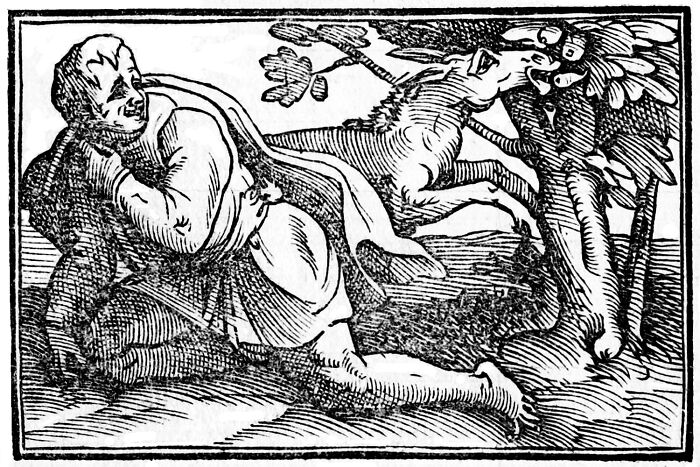 The Greek stoic philosopher Chrysippus [passed away] of laughter after watching a drunk donkey trying to eat a fig.
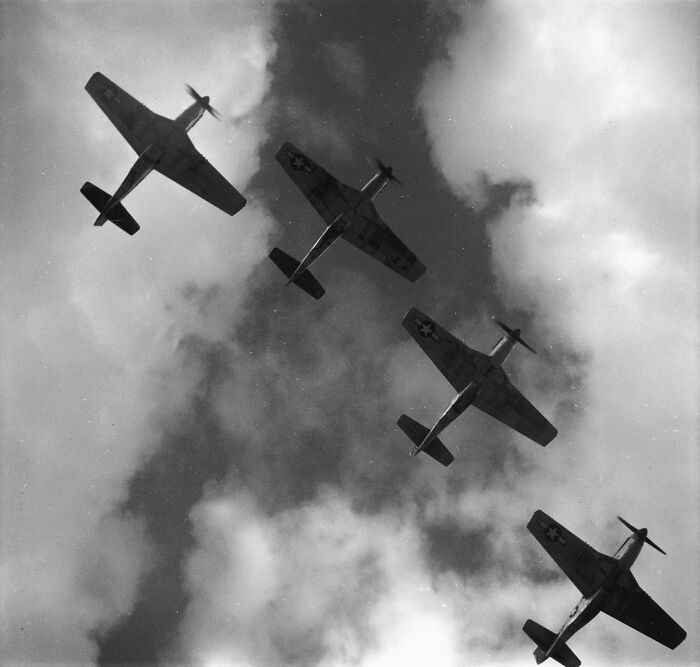 In WWII England an English physicist figured out that the Germans were using directional radio beacons to guide the buzz bombs towards London. He designed a transmitter that would synchronize with the German transmissions and, as the buzz bombs got closer the Britain, overwhelm the German signals with one that steered the bombs so that they'd drop into open farm fields. The Germans never did figure out what he's done, instead they racked their brains trying to figure out how the Brits were 'bending' their radio beacon beams. There are some fascinating books written about WWII electronic warfare, but not many people are into that or aware of them.
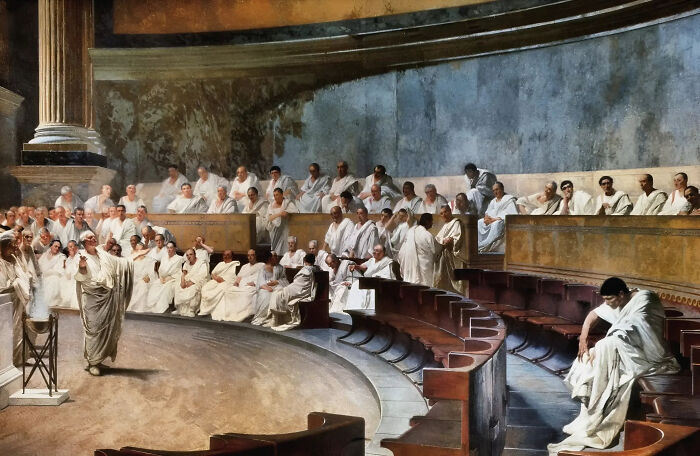 Julius Caesar was captured, near the island Pharmacusa, by pirates, who already at that time controlled the sea with large armaments and countless small vessels.
To begin with, then, when the pirates demanded twenty talents for his ransom, he laughed at them for not knowing who their captive was, and of his own accord agreed to give them fifty. In the next place, after he had sent various followers to various cities to procure the money and was left with one friend and two attendants among Cilicians, most [cruel] of men, he held them in such disdain that whenever he lay down to sleep he would send and order them to stop talking.
For eight and thirty days, as if the men were not his watchers, but his royal body-guard, he shared in their sports and exercises with great unconcern. He also wrote poems and sundry speeches which he read aloud to them, and those who did not admire these he would call to their faces illiterate Barbarians, and often laughingly threatened to hang them all.
The pirates were delighted at this, and attributed his boldness of speech to a certain simplicity and boyish mirth. But after his ransom had come from Miletus and he had paid it and was set free, he immediately manned vessels and put to sea from the harbour of Miletus against the robbers. He caught them, too, still lying at anchor off the island, and got most of them into his power. Their money he made his booty, but the men themselves he lodged in the prison at Pergamum, and then went in person to Junius, the governor of Asia, on the ground that it belonged to him, as praetor of the province, to punish the captives. But since the praetor cast longing eyes on their money, which was no small sum, and kept saying that he would consider the case of the captives at his leisure, Caesar left him to his own devices, went to Pergamum, took the robbers out of prison, and crucified them all, just as he had often warned them on the island that he would do, when they thought he was joking.
-Plutarch, *The Life of Julius Caesar*.

One ancient talent of gold is worth roughly $4,760,000 to $5,300,000 in todays US dollars, depending on the historical weight used. The conversion is based on ancient weight measurements multiplied by the live market price of gold, which is trading around $4,499 per troy ounce. Historical definitions for 1 gold talent break down as follows: Greek/Biblical Talent: Weighs roughly 33kg to 34kg (approx. 1,061 to 1,094 troy ounces). Value: $4,775,000 to $4,925,000. Roman Talent: Weighs closer to 32.7kg (approx. 1,042 troy ounces). Value: $4,688,000. So, now by doing the math using the Roman Talent, since Julius Caesar was a Roman: Pirates asked for 20 Talents of Gold, or about $93,760,000. Caesar said it was too little, and offered 50 Talents, or about $234,400,000.
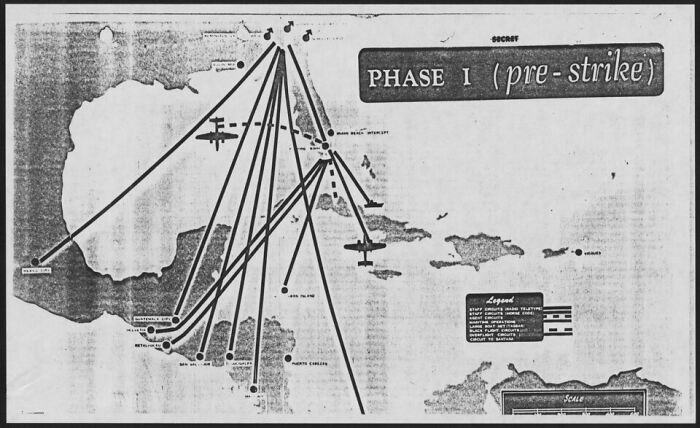 26th of September, 1983 - Russian early warning systems detected what they thought were nuclear launches from the United States. One man, Stanislav Petrov, deemed the reports a false alarm and decided not to pass the information to his superiors. Should he have done so, the USSR probably would have launched a retaliation against a non-existent nuclear attack, which would have prompted the US to launch its own retaliation.
27th of October, 1962, during the Cuban Missile Crisis - a Russian nuclear submarine thought it was under attack, as a US ship was dropping practice depth charges near it in an attempt to force it to surface. Flotilla commander Vasili Arkhipov was the sole officer against the use of a nuclear torpedo. Had the sub launched that torpedo, the US probably would have retaliated.
Had either of these men not been in the right place at the perfect time, we probably would not be alive today.
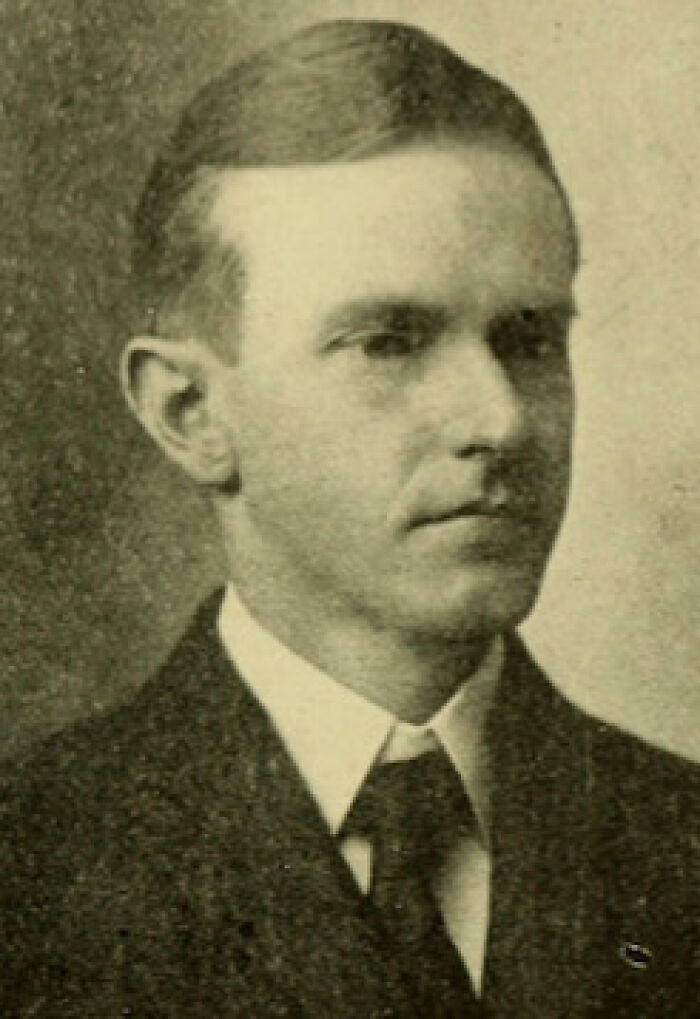 When Calvin Coolidge was president he went on a fishing trip to South Dakota (for THREE MONTHS). Unbeknownst to him, the local officials were stocking the locations he was fishing with extra fish because they wanted him to like South Dakota. Why? They wanted federal money and support to create Mount Rushmore.

He was known as silent Cal. At a diner party an arrogant women sitting next to him said she made a bet she could get him to say more than three words. He replied "You lose." He had A pet racoon in the white house.
So the first printing "technology" was carving entire pages of books onto wooden blocks then stamping all the blocks onto paper to produce books.
This was extremely time-consuming because of all the carving that was required. In addition, these blocks only allowed you to reproduce one particular book. Still, it was an amazing technology that allowed people to pass on stories and knowledge. People became more educated and intelligent. To this day, still one of the most important inventions in history.
Then, someone came up with the idea that instead of carving entire pages onto blocks, why not carve single letters and use those letters to compose words and sentences? That way, not only do you do less carving, you also get way more scale and can produce any material you want.
This simple idea to go from carving entire pages to just letters? It took 400 years before someone came up with it. *400 years*. The average life expectancy at that time was around 40 years. ~~That's 10 generations~~ (Lifespan doesn't mean generations) of people who have come and gone before someone realized there was a better way to do things.

I've posted this elsewhere before but it's worth repeating here: "Although paleoanthropologists now date the emergence of anatomically modern humans to about 150,000 years ago, the wheel has only been known for about the last seven thousand years. In other words, for about 143,000 years our ancestors dodged or stared dumbly at big, roundy, rolly things hurtling by without it entering anyone’s head that the concept might be useful. What’s more, the people who chased the richer game pickings on offer in Beringia and crossed into the western hemisphere *before* the wheel was invented never got the wheel memo at all."
There was a word that American soldiers used to call medics over to them if injured (WWII) over in Japan. The name "Tallulah" was chosen due to the "l" sounds in the name. The Japanese pronunciation of this was noticeable, not nearly as noticeable as them yelling "medic", which was done by the Japanese soldiers to lure American medics over to end them.
Anyway, I wrote a poem about this history tidbit in college, and I think it will always be one of the least suckiest things I've written.
During the Second Punic War, Hannibal (the Carthaginian general) repeatedly outsmarted and decisively beat the Romans, to the point that many Romans honestly thought the end was near. It wasn't until Scipio Africanus was made general that the war turned in their favor and they won.
The interesting part: some time after the war, Scipio visited the court of the king of Syria and met Hannibal there, and the two of them had a conversation. Scipio asked Hannibal who he thought were the three greatest generals of all time. Hannibal replied that Alexander was the greatest, Pyrrhus was the second best (a slight jab at Scipio since Pyrrhus fought Rome in the Pyrrhic War), and Hannibal himself was the third best. Scipio thought this was an arrogant answer, since Hannibal had been beaten by Scipio but still thought himself a better general than Scipio. Scipio asked how high on the list Hannibal would be if he had managed to win the war. Hannibal replied that in that case, he would be even greater than Alexander.
I like to think of it as a sort of indirect compliment. Sort of sweet almost.
Edit: Almost forgot, after the war the senate accused Scipio of misappropriating war funds, which he took offense to after everything he had done for Rome. He stayed salty about it until he died, and his epitaph read "Ungrateful fatherland, you will not even have my bones."
In grade school I learned that Rome fell in the 400s.
Then in high school, I learned that that was only the western empire, and the Eastern Empire (Byzantine Empire) survived until 1453.
Then in college I learned that the tzars of Russia, the kings of Spain, the Holy Roman Emperors, German kaiser, various rulers of Liechtenstein, and probably many others have all claimed, at one point or another, to be the last heirs of Rome. So it's not entirely clear when/if the empire is/was finally "done".
My favorite trick question is now, "when did the last Roman emperor passed away?".

The last Holy Roman Emperor was Francis II, who died in 1835, but abdicated in 1806 due to the Napoleonic Wars
My mother's uncle, who fought in the Korean War, had an interesting story about fighting the Chinese. I heard this story later after he had passed away from my uncle, my mother's brother. He typically wouldn't talk about his experience in Korea with anyone, but he and my uncle were close and he would share some things with him sometimes about it.
Everyone was sick with dysentery, so everyone basically was in their foxholes with no pants on because they were continuously having diarrhea. They were attacked by Chinese and their position was overrun, so they were in melee combat with bayonets. The Chinese must have been suffering from dysentery also, as many of their soldiers had no pants on. So imagine Chinese soldiers and American soldiers, bayonet fighting, with no pants on. At the time it wasn't so funny, but he was able to look back at the experience with a bit of sick amusement.
One of my favorites was during the French Revolution (and wars with the rest of Europe) there was a point where the Dutch Navy couldn't get out of the spot they were harbored at in the Netherlands because the harbor froze over. The French army approached and, noticing the ships trapped in the ice, charged and captured 14 Dutch ships.
Many people like to say this is the only time in history that a cavalry charge captured naval units, but that's not actually true. There was a time during the Spanish American wars for independence (Simon Bolivar and co.) where Jose Antonio Paez led a charge of his cavalry into the Apure River in what is today southwest Venezuela and captured 14 enemy boats that were traveling down the river. This is even more impressive because Paez didn't have the benefit of having a frozen, sturdy surface to ride over *and* he charged through alligator infested waters to do it.

So that's why in early versions of Civ a spearman could defeat a battleship?!
Franz Ferdinand's car - which he was assassinated in - had the licence plate: A11 1118. World War one ended in the eleventh of November 1918, or 11/11/18.
I'm late to the party, but this is a little too good to pass up. The Tsar Nicholas II instituted prohibition (yes, they really did try it) in Russia in 1914. The tsar needed his armies to be ready (and sober) to mobilize for the conflict that had broken out in Europe in August of 1914.
Nicholas had learned the hard way the level of dependence his army and navy had on alcohol during the disastrous Russo-Japanese war of 1904-05. There are reports of Russian naval officers being so drunk that they opened fire on, and sank, other Russian ships. There is also another account of a group of Russian soldiers going AWOL and attacking a Japanese encampment on the mere rumor that the enemy had some booze with them. They risked their lives for drinks. Russian soldiers (and to a greater extent, officers) were drunk, uncontrollable, and insubordinate.
So at the outset of World War One, Nicholas II decides that Russia will not suffer the same fate they did in 1905. He bans all sales of alcohol in shops subject to the Empire's authority except in first class restaurants.
Thus began Russia's sorry experiment in prohibition, concerned that their soldiers would be too drunk to be able to function if they were legally allowed to buy alcohol.
To expand (because I was curious) 1/2 The Russian state had a monopoly on vodka production: the prohibition cost the tsar one QUARTER of tax income - converting (simplified) millions of farmers, who were now forced to sell at a much lower price or find something else to do with tons and tons of grain, into moonshiners (i.e. criminals), and leading to a massive wave of unemployment from former distillery related areas. Russians across all levels of society were píssed because of the prohibition (alcoholism being seen as a way of life rather than a problem), tax income had just dropped by 25% - with a COSTLY war going on, and those who were not suffering from hangovers were at a significant risk of going blind or dropping déad from toxic moonshine or being shót at the front. Farmers also lost a lot of their surplus grain to requisitions, because they wouldn't sell at inflation induced prices and the tsar couldn't pay more but had armed forces to win the argument Cue revolution.
The Aztecs are overlooked in most history classes, but they were far from the primitive tribesmen that most people think of.
At the height of its power Tenochtitlan, the capital of the Aztec Triple Alliance, was rivalled in size by cities like London and Constantinople, and it was all built on a *giant artificial island*. It's a shame their culture was obliterated, because though they might have been a bit too obsessed with sacrifices, they were an incredibly fascinating civilization.
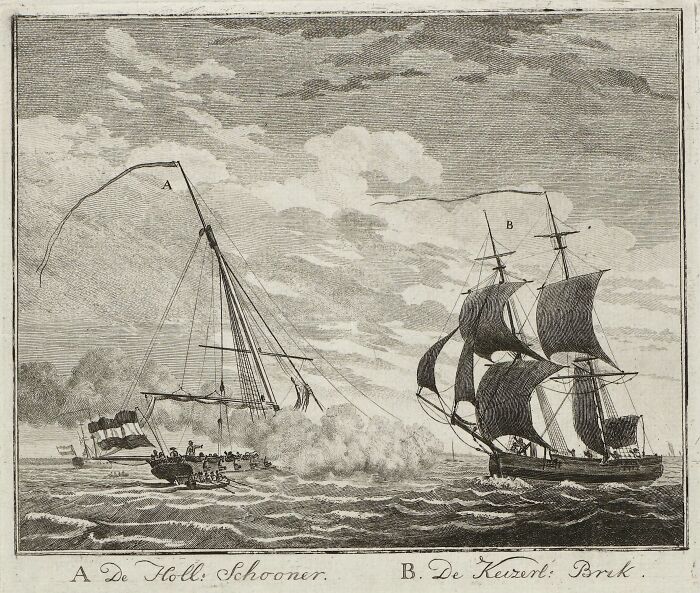 The Kettle War. The only casualty was a soup kettle and the soup inside.
I skimmed a bit and the gist is a revolt and dispute over land. See below for the link.
President Andrew Jackson beat up his would-be assassin with his cane and had to be pulled off by Davy Crockett so he wouldn't end the guy.

Im going to say European kings named Charles.
The Charleses in France had an unfortunate tendency to be labelled with less-than-complimentary epithets: Charles the fat, Charles the bald, and Charles the mad. That always tickled me.
Also King Charles II of England was a [savage]. Ever been to a pub called the Royal Oak? That is named after the tree Charles climbed to escape the roundheads when he was fleeing the civil war.
Top quotes:
'I always admired virtue but could never imitate it'
(In response to his brothers concerns about assassination attempts on Charles II) "I am sure no man in England will take away my life to make you King."
(When parliament questioned his aptitude for kingship in parliament) "I'm definitely the best king in England at the moment.".
Mark Twain and his buddies decided to join the Confederate army. It was an excuse to get away from the wives, hang out in the woods, and drink. This went on for a couple of weeks, until word came that the Union army was advancing. Shortly thereafter, all the men quit their made up unit and headed home.
During WWII, there were sightings up and down the eastern coast of U Boats. Hemingway heard there was one off of Key West and decided he should hunt it down. He and a couple buddies loaded up a boat with booze, guns, and grenades. They were unsuccessful, and returned home shortly after the booze ran out.
Marita Lorenz was a double agent hired to [unalive] Fidel Castro in one of the many (unsuccessful) assassination attempts of the CIA. She was to become his mistress, get close to him and [unalive] him. The problem was that she actually ended up falling in love with him. So one day, she dumped her poison pills and told Fidel of the CIA's plan. Then, Fidel walks up to her, hands her a pistol and says shoot me. When she couldn't, he replied saying no one can. Straight out of a James Bond movie or something.
Winston Churchill and Joeseph Stalin had a "Naughty Document" that literally carved up Europe into spheres of influence for after WW2 - people often forget how shady some of the Allies' actions were.
I don't think this counts as 'overlooked' . The Yalta agreement, which also included the US president Roosevelt (but not De Gaule, the French leader in exile) is what was used to divide Germany into zones controlled by the 4 main allies (sometimes people do forget the French zone, maybe the British as well) which put in place the divisions that survived from the end of the war until the fall of the Berlin Wall in 1989. Edit: not just Germany, but everything behind what became known as the Iron Curtain, throughout the whole cold war. And its effect still influences events in Eastern Europe, e.g. Ukraine, to this day.
Michelangelo totally got his nose broken when he was sixteen for being a jerk to his contemporary. Nobody knows exactly what was said, but Pietro knocked him so hard in the face that accounts of the time say that his nose was just barely holding onto his face. Dude woke up to Medici screaming Pietro into a corner and was just like, "Bro, what?"
The Confederate battle flag as most people recognize it today was never actually the official national flag of the Confederate States of America, which went through three different official flag designs. Instead, the familiar design was primarily used as the battle flag of Robert E. Lee’s Army of Northern Virginia and was also later adapted for use as a Confederate naval jack.
It is very widely speculated by historians that the main reason Robert E. Lee was defeated at Gettysburg was because he was suffering from severe diarrhea.
Lee is known as one of the most brilliant military tacticians of his time and was rarely beaten by strategy alone. Any time he was on the scene, it was an almost guaranteed victory for the South. Beyond Lee's brilliance, the North didn't have too many notable generals speak of and replaced replaced generals often, making it hard for the North to have a consistent plan. So it didn't look like there was much hope for the North at Gettysburg.
During the battle, Lee made a lot of uncharacteristic mistakes that ultimately led to a Northern Victory and turned the entire war in favor of the Union. These mistakes puzzled historians, because they were so unlike him, so they began to look at the journals of the officers who were with Lee during the battle and found that all of them described Lee leaving the tent often to relieve himself and being very sweaty and unfocused.
Is there a hypothesis then that Lee lost the war because he was ill? Or on something?
Fort Blunder. If you look at the Vermont and New York border with Canada, you'll notice it follows the parallel up to Lake Champlain, then bumps north a smidge.
That's because a surveyor was drunk and accidentally plotted the location of a fort to defend against Canada about a mile and a half into actual Canada.
They corrected the error with a border negotiation.
Albrecht von Wallenstein was a mercenary during the Thirty Years War. It is rumored that every time he took over a villiage, he would order all cats to be [unalived].
I looked it up. Apparently he was VERY sensitive to sounds ("hyperacusis") to the point that he reportedly had streets around his quarters covered in straw to muffle the sound of horses' hooves. He also suffered from syphilis, which exacerbated the noise sensitivity. Cats youwling through the night (as well as barking or howling dogs) were a severe trigger. He also punished his men for excessive noisiness like bánging doors or speaking too loudly. I've no idea how he managed notoriously LOUD battlefields, what with all the shooting, cannond and shouting/screaming..
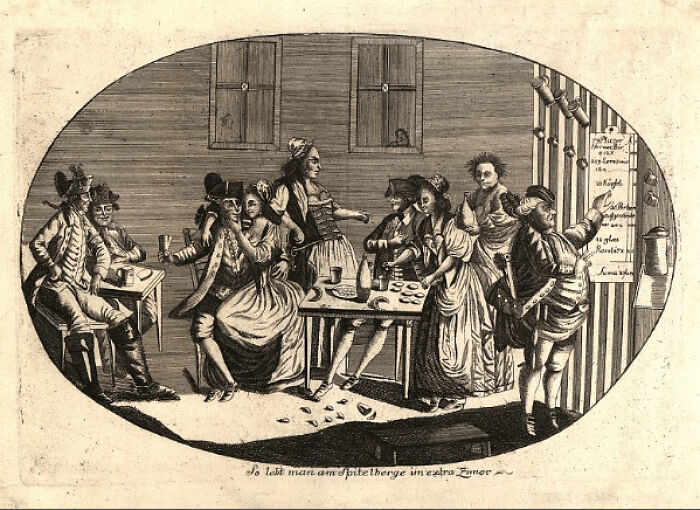 The Austrian Army got drunk in the late 1700s and ended up [unaliving] all of their own men because they thought the Turks already invaded so they just started fighting each other. The Turks strolled in 2 days later, pleasantly surprised and happy to take Austria with little effort. This is the short version of course.

Very short since Austria never fell to the Ottomans and the last Ottoman invasion of Austria was in 1683. Vienna is in the northeast of Austria and the furthest the Ottomans went to the west were the gates of Vienna. The Polish-Lithuanian King and an allied force of Germans from the Holy Roman Empire counter-attacked the Ottomans and the Ottomans never tried again after that. That only worked because the Austrians fortifying Vienna were some steely-eyed soldiers and were not going to give up their city.
The War of Jenkins' Ear is a particular favourite, from 1739-1748 or thereabouts. It was between Spain and the British Empire, and came from a captain called Jenkins wanting to get back at a Spanish guy who had cut his ear off - ten years before.
The best thing? It got sort of absorbed into another war - I believe the Spanish Sucession - and was technically never resolved. So Britain and Spain are still, on a vague technicality, at war.
Magellan never completed his trip around the world (the first documented circumnavigation) because he was convinced that his belief in Christianity made him invincible. He and another one or two of his crew that he'd also convinced waded on shore and took on a group of islanders in the Pacific (sorry, I forget which Islands at the moment) and they were torn to shreds so completely that there were no remains to recover, just red stained sea water.
The name of the island was Mactan, these days part of the Philippines. Its king Lapulapu (or Lapu-Lapu) was more difficult convince of the superiority of Christianity over local belief systems (unlike many other islanders Magellan and his crew managed to convert).
Woolly Mammoths and the pyramids coexisted.
Andrew Jackson's inauguration party was lit. The place was packed even before Jackson showed up. Thousands of people attended, with tons of overflow to the White House. He even took a basement entrance to avoid the multitudes. The sheer amount of people led to furniture being destroyed and food being ground into the carpet. By the end of the night, the party organizers had to lure the crowd out by the promise of serving more liquor on the White House lawn. Jackson stayed at a hotel that night. Historians have since tried to downplay the ruckus, stating that it could have been exaggerated by Jackson's political opponents in order to make him look unruly. But, it could have also been down played by Jackson supporters in order to make him look less unruly...
Anyway... Later on in his presidency, a dairy farmer from New York gave Jackson a 1400 pound block of cheese. Jackson had to invite random people in to eat it. The stench of cheese persisted into the Van Buren administration. To this day, the White House celebrates "Block of Cheese" day, in which it opens lines of communication with interests groups and various everyday citizens.
There was a British spy during WW2 that pretended to be a German spy. (double-agent?) The Germans initially overshot London with their artillery, and he told them they hit it perfectly. This continued through the entire war.
I think what in fact happened was that captured German spies were "turned": they were spared execútion on condition they send false reports. Those included reports that V1 flying bombs were overshooting their target, with the result that the range was reduced and bombs landed in rural areas, causing less damage.
The English like to pretend that their country hasn't been successfully invaded since the Normans in 1066. They are wrong. In 1688, the Dutch King William III landed an invasion force at Torbay, marched down to London, caused the king to flee in terror and jumped on the throne after barely meeting any resistance. However, due to the fact that a lot of English people supported William, this event is known as a 'revolution' (the Glorious Revolution) rather than an invasion.
The last invasion of mainland Britain was the Battle of Fishguard in 1797. Wikipedia has an article about it.
After his presidency, Thomas Jefferson went back to Monticello, but people kept showing up at all hours, wanting to talk to him. He'd let them in for a chat, but it became such a burden that he built another home, Poplar Forest, to get some peace and quiet. I guess he never considered turning people away.
Wilmer McLean just wanted a quiet life. His house happened to be right in the middle of the first battle of bull run during the American Civil War. Shrapnel from one of the first artillery shells of the war actually fell down his chimney into their soul that was cooking . After the second battle he decided he wanted some peace and moved to a place called Appomattox..just to have his home commandeered (and later stripped for souvenirs) for the signing of the surrender by Robert E. Lee.
So basically, the civil war began and ended in this guys' house.
The Byzantine Empire (or the Eastern Roman Empire or whatever you would call it).
All of it.
All the stumbles, all the resurgences, not to mention all the meaningless disasters.
Any nation surviving for 1000 years from the dark ages to the start of the Renaissance has served well in its time, all things considered.
Historians mistakenly believed that there had been a pope named John between antipope Boniface VII and the true John XV. Therefore, they mistakenly numbered the real popes John XV to XIX as John XVI to XX. These popes have since customarily been renumbered XV to XIX, but John XXI through John XXIII continue to bear numbers that they themselves formally adopted on the assumption that there had indeed been 20 Johns before them. As a result, there was never a pope by the name of John XX.
The Sea Peoples. I am totally fascinated by them, I am currently reading 1177 B.C The Year Civilization Collapsed by E.H Cline. It focuses on Egypt, who really was the only civilization to withstand the Sea People.
A footnote in history but a classic one that I always enjoyed: LBJ had several Hilarious and inappropriate ways of interacting with others. He would constantly insist that colleagues go skinny dipping with him, as a way to gage their temperament and occasionally to negotiate deals. He would brag about the size of Johnson and make people few inferior if they couldn't measure up. He also would having meetings in the toilet with the door open, taking a dump and dictating his will. He also had a car that turned Into a boat and would drink unsuspecting passengers into the water making them think they were in mortal danger.
He didn't make the car into a boat-it was an Amphicar, and it was a commercially sold vehicle for a short period. It is actually in his Museum in his ancestral home near Fredericksburg, Texas
One of my favorites is the Battle of New Orleans in the War of 1812, just the sheer blinding luck that happened on that day toward the American defenders would almost make you think that it was written for a Hollywood movie. The defenders had to enlist everyone from businessmen, farmers, and pirates, yes I said pirates, to help protect New Orleans. Also there were so few firearms to go around that only the defenders at the earthworks were allowed to carry them and everyone else was forced to carry basically anything they could, pitchforks, scythes, hunting knives or crude carved wooden spears. And arrayed against the defenders were one of the most professional and experienced armies the world had ever seen.
The British were fresh off of the Napoleonic War where the learned bloody lessons in war that they would surely be able to use against the Americans. Unfortunately there were just a ridiculous series of events that would almost be comical except for the fact that it happened in a time of war where men died in droves. The British chose to attack New Orleans because if you could control New Orleans you controlled the outflow of the Mississippi into the Gulf of Mexico and thereby the rest of the world.
Unfortunately for them the year of 1812 was basically the coldest year on record for Louisiana to that date and the British lost some of their Caribbean conscripts to desertion because of the cold. Next came the unfortunate choice of landing ground but to be fair they had limited options given the terrain of the region and the size of the ships the British needed to bring all of their troops and equipment for the battle. So they had to land in a semi-solid swamp, i.e. mostly mud, which meant that many of the heavier tools of war like their cannons were stuck in the mud or left on the ships after discovering how much mud they had to move through. Next came the fact that the Americans knew they were coming and were able to choose the location of the battle beforehand and were able to prepare the field with a hastily created earthworks "fort" and a cannon armed firing position set up across the river with a field of fire directly on the field where the British would have to attack from.
This particular position was amazingly lucky as they avoided detection until they began firing on the British at which time the British formed a detachment and sent it across the river to attack the cannons, unfortunately they had to row against the flow of the Mississippi and were unable to land anywhere near the enemy position thereby giving them more firing time. By the time the British attacked the cannon emplacement the Americans were out of ammunition of which they had little to begin with and immediately retreated allowing their position to be taken. All the while the British were attacking the defenders on the other side of the river.
The British had numerical advantage, more and better equipment for their soldiers and more importantly they were trained and battlefield experienced whereas most of the defenders were white and blue collar workers. The next unfortunate mishap for the British was that they for whatever reason had forgotten their siege ladders on the ships, meaning they had no easy way to scale the earthworks meaning that they took massive casualties and were unable to take the "wall". Also at this same time the Americans with rifles were ordered to target any officer they could in an attempt to breakup the enemies' cohesion which worked better than it had any right to.
As the higher ranks were decimated: Generals, Colonles, Captains, Lieutenants and in some cases even Sergeants from any given formation were [unalived] leaving the remaining men to fall back on their training which was to wait for orders and in these cases entire formations were slaughtered as they stood waiting for orders. This battle couldn't have gone any worse for the British, they had every advantage and honestly there was no logical reason for anyone involved on either side to expect that the British wouldn't win this battle. The defenders were simply trying to do the impossible because to do nothing was unacceptable to them. Now I'm an American but even I don't think we had any right to win that battle, it's one of the reasons I find it so fascinating.

"died" equals "unalived. "Slaughtered" equals "slaughtered." I bet the "Colonles" were happy to be unalived. They had no colons. Who edits this site? Bonzo the Chimp?
Attila the Hun had a son named Erp.
He also left this son absolutely nothing (dividing his kingdom between three other sons).
So he got no inheritance, and a hysterical name.
In the events leading up to the Meiji Restoration in Japan (1860s), a man named Takasugi Shinsaku formed one of the first armies consisting of soldiers from all classes of society - until then only members of the Samurai class could fight. There was one unit made up of Sumo wrestlers, and I just think that's pretty cool.
No, this is a twisted version of history. There had been many non-Samurai soldiers, including the Ashigaru, a light infantry force, for centuries, who fought alongside (although not literally, as they would be used on different parts of a battlefield) the Samurai. This is referring to the sweeping reforms that started at that time and ended up officially removing the Samurai class, replacing it with a professional army.
This is better known after the success of Hamilton, but Alexander Hamilton was hella gay for John Laurens (allegedly) to the point where one of his descendants hacked up parts of their letters.
Disagree with me if you like but I think WWI gets way overlooked (in the USA at least). I think it's because WWII was a conflict with much more American involvement and a clearer cut version of "good versus evil." I'm not trying to say it's a popularity contest or talk down any importance of any events in either. But I will say I think WWI and it's plethora of technological advancements gets a little less press.
In my experience in Australia it was the other way round. ANZACs were more involved in WWI and our Prime Minister during my schooling put more emphasis on Australian exploits than other history in the curriculum.
George Washington's bar tab.
It was a farewell celebration in his honor. The site mentions the number of guests as well as what alcohol was stocked. You think that night you went clubbing and puked on a bouncer was "partying hard?" George Washington and his buddies would've laid us all under the table.
CBA to look it up again, but I did the sums on this a while ago and it worked out to something equivalent to a couple of bottles of wine per person. I could (and have) easily put away more than that in an all-night drinking session, such as my late wife and I used to enjoy, usually for no particular reason, every few months. Edit: so I did the sums again, something closer to 4 bottles of wine per person, but even so, yeah, easy, no problem.
Pretty much all of African history except Mandela's fight against apartheid and the history of Egypt. I barely know anything about it, but it boggles my mind how many people dismiss the idea of African civilizations and all that jazz. A lot of people still have bad misconceptions about Africa such that there was barely any civilization and it being a haven for barbarism (what does that even mean btw?).
In 1800 Robert Fulton invented the torpedo which actually just floated, because nothing could propel it.
A year later in 1801 he invented the steam boat.
I'm guessing so he'd have something to sink.
I thoroughly enjoyed hearing how Kamikaze pilots would crash into things to damage them. However, this wasn't as effective as they thought. Unfortunately and hilariously, the ironic problem was that nobody was able to go back and report that it wasn't working that great.
Europeans may know but as an American, I found out the royal family is actually German in music history in my 2nd year of college.

George I, Elector of Hanover, who only spoke German, was German? By all the gods man, this is how I find out?
The Toledo War - a border dispute between Michigan and Ohio that almost broke out into armed conflict between the states' militias. Ever wonder why Michigan has the "upper peninsula" when it logically should be part of Wisconsin? The Toledo War is why.
Genghis Khan is generally considered the Greenest of conquerors, in that he k****d so many people he reduced carbon emmssions (such as from fires) enough to actually reverse global warming for a bit.

My absolute favourite battle, unfortunately I can't find the detailed information any more, is the battle stopped by a rabbit. The two armies lined up ready to engage and destroy each other. When a startled rabbit ran the entire length of the line between the two opponents. The soldiers of both sides collapsed in laughter and retired in disarray, despite the repeated urging of their furious commanders.
Genghis Khan is generally considered the Greenest of conquerors, in that he k****d so many people he reduced carbon emmssions (such as from fires) enough to actually reverse global warming for a bit.
My absolute favourite battle, unfortunately I can't find the detailed information any more, is the battle stopped by a rabbit. The two armies lined up ready to engage and destroy each other. When a startled rabbit ran the entire length of the line between the two opponents. The soldiers of both sides collapsed in laughter and retired in disarray, despite the repeated urging of their furious commanders.




























 No fees, cancel anytime