Get Premium
Dark mode theme is available exclusively for premium users. Learn more about the benefits of subscribing.
No fees, cancel anytime.

 Dark Mode Ad-Free Browsing Unlimited Content

 Ad-Free Browsing Unlimited Content Dark Mode
Join 1.2 million Panda readers who get the best art, memes, and fun stories every week!
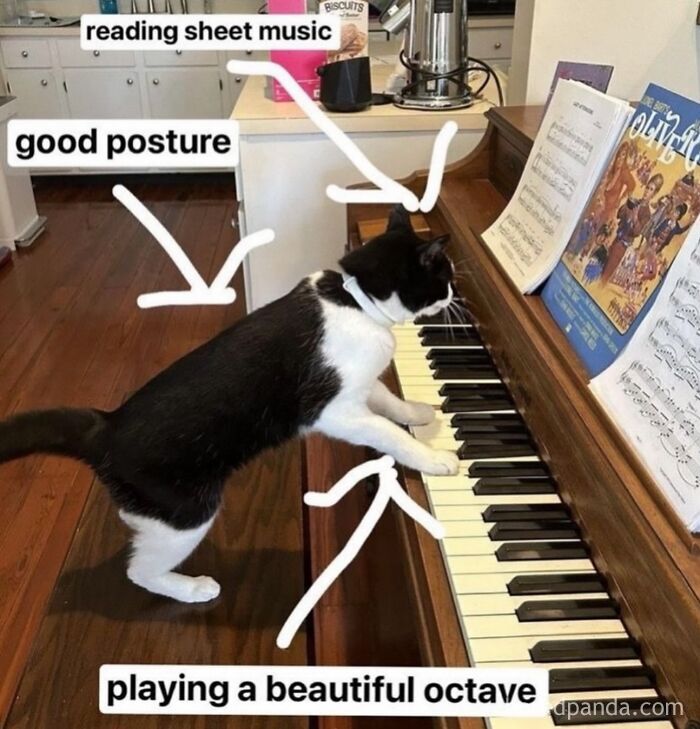
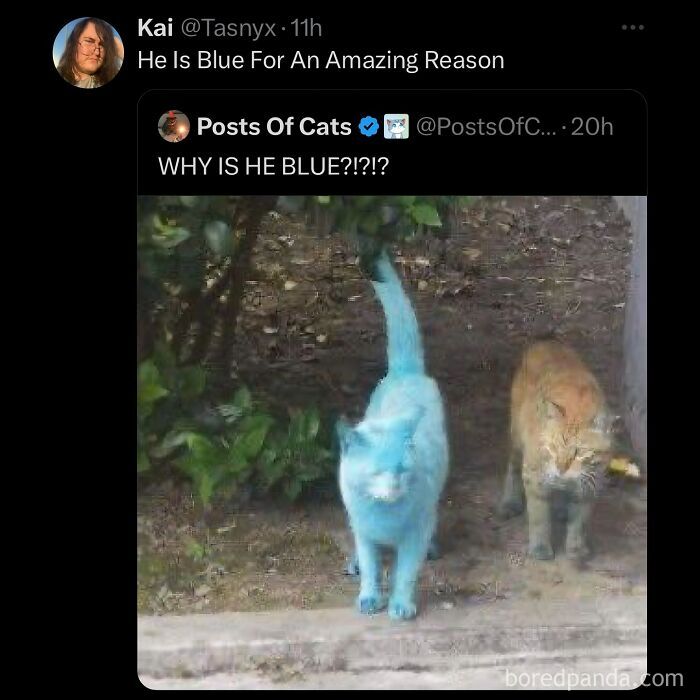
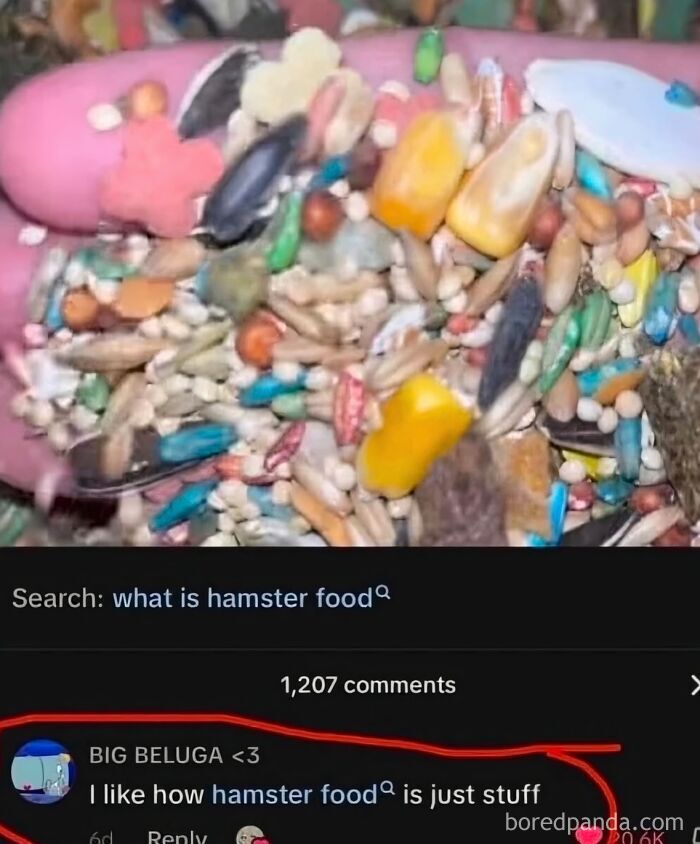
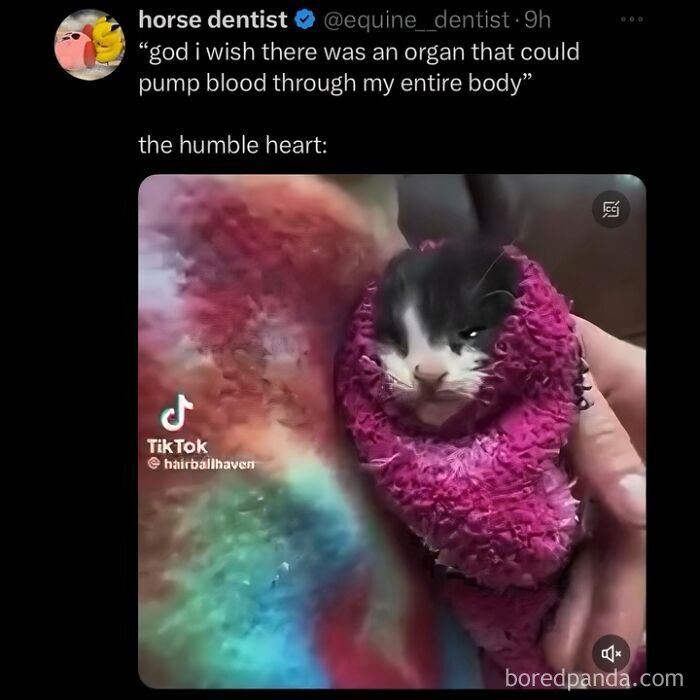
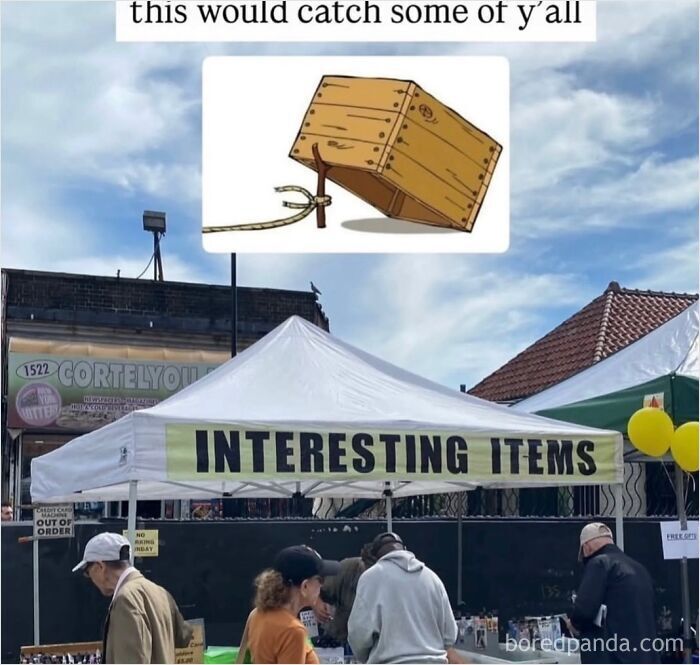
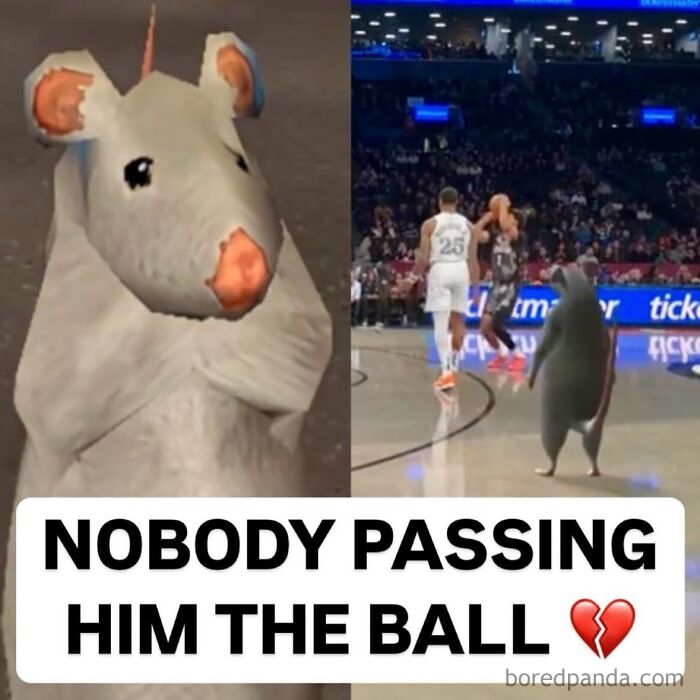
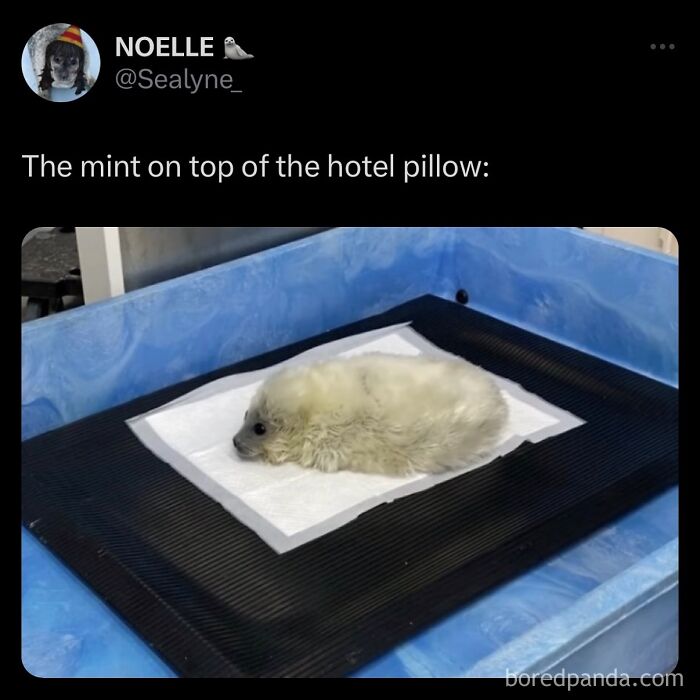
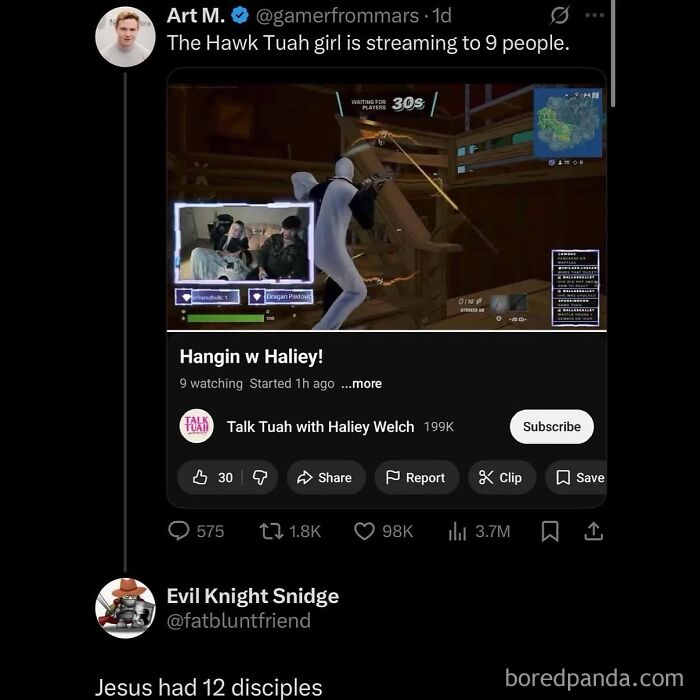
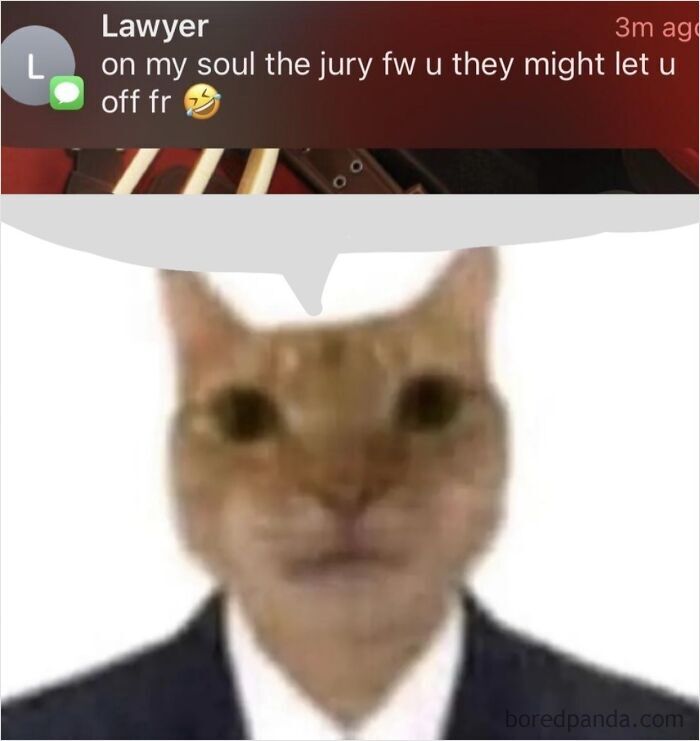
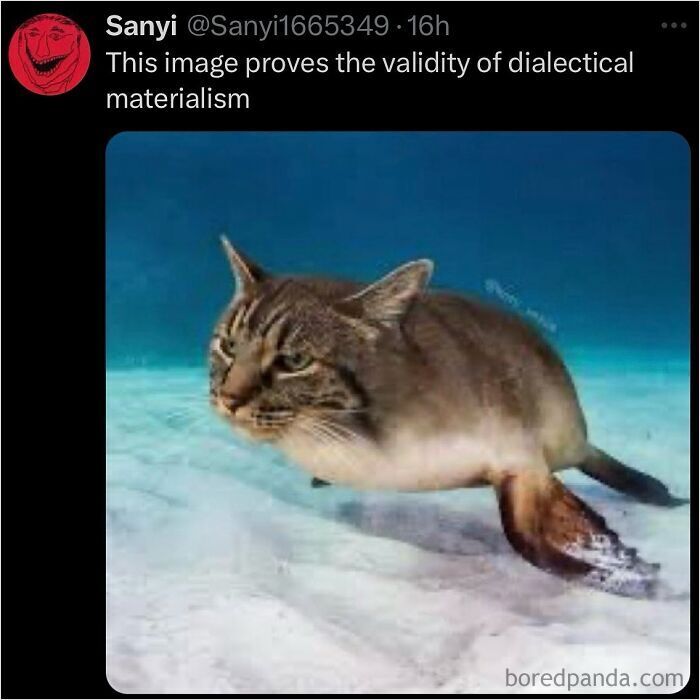
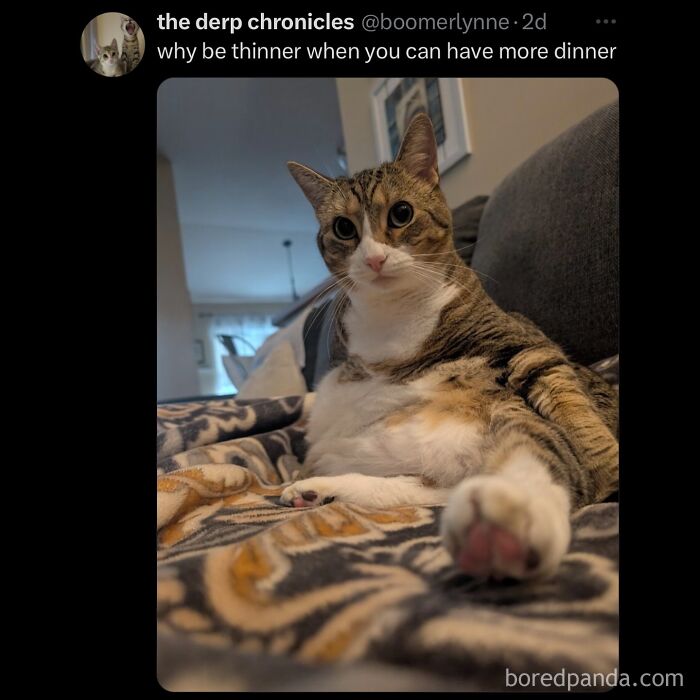
Context is a crutch. Most of the time, knowing the backstory, the source, the original post, and the thread that preceded it adds something to a meme. But on the rare occasion, context would actively ruin it. In the space between what you are looking at and any reasonable explanation for its existence, the joke comes alive.
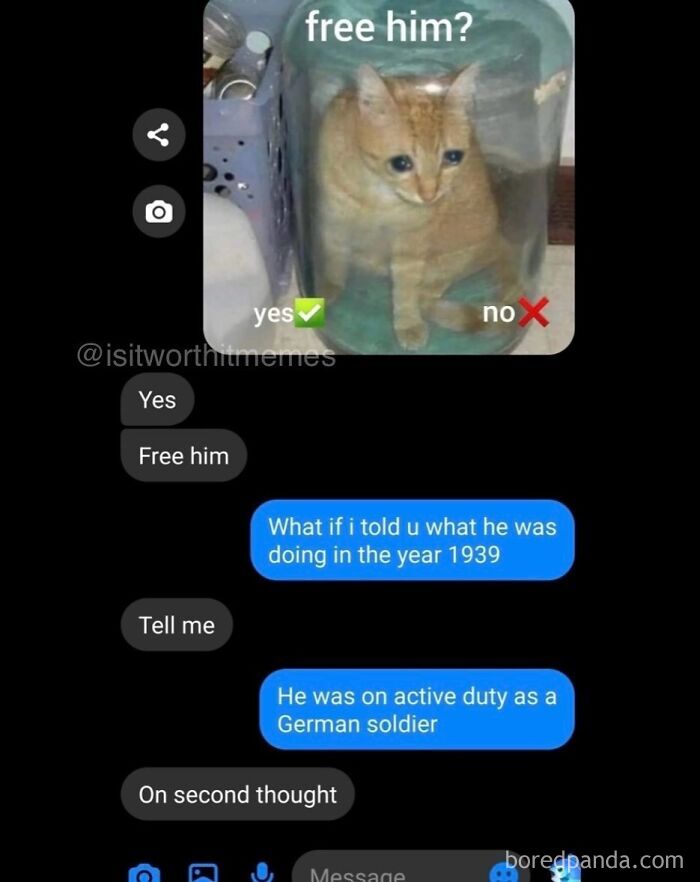
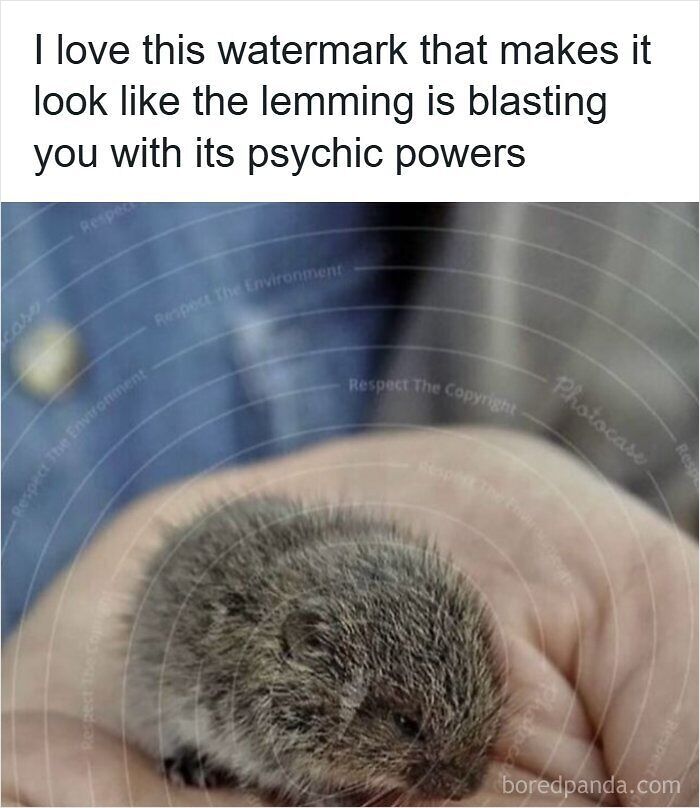
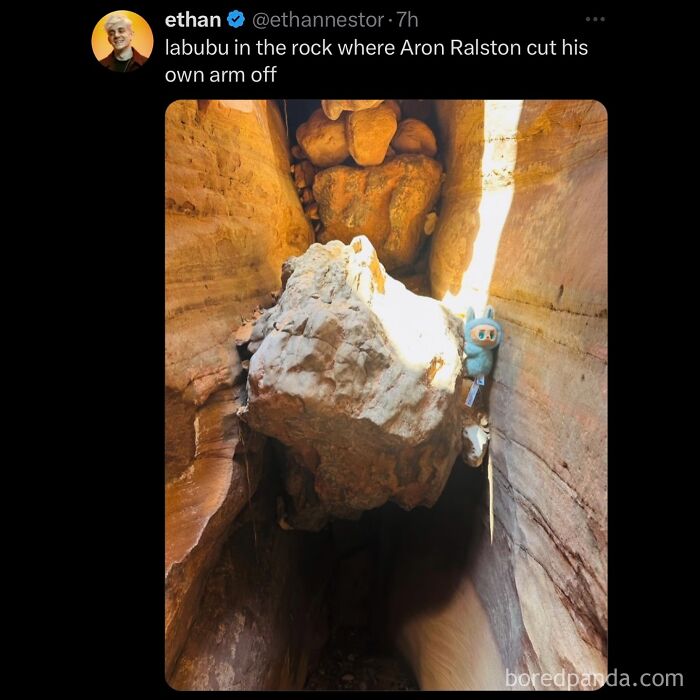
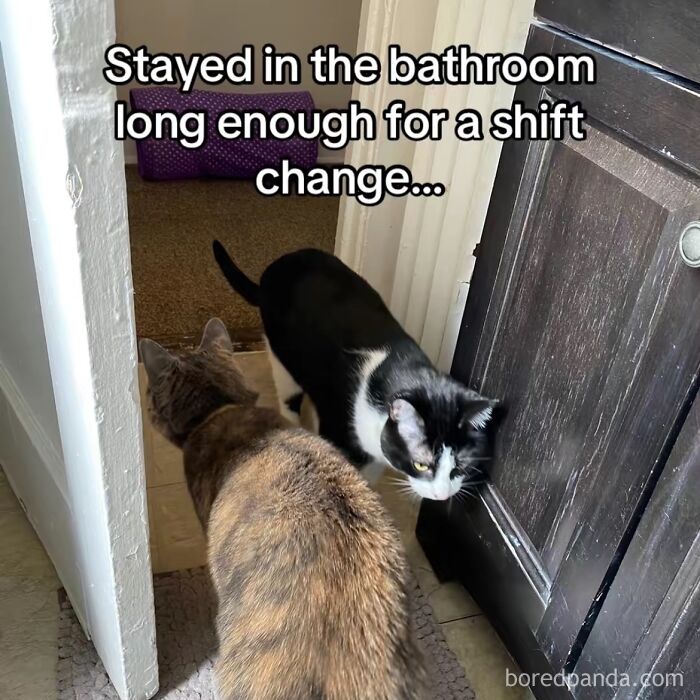
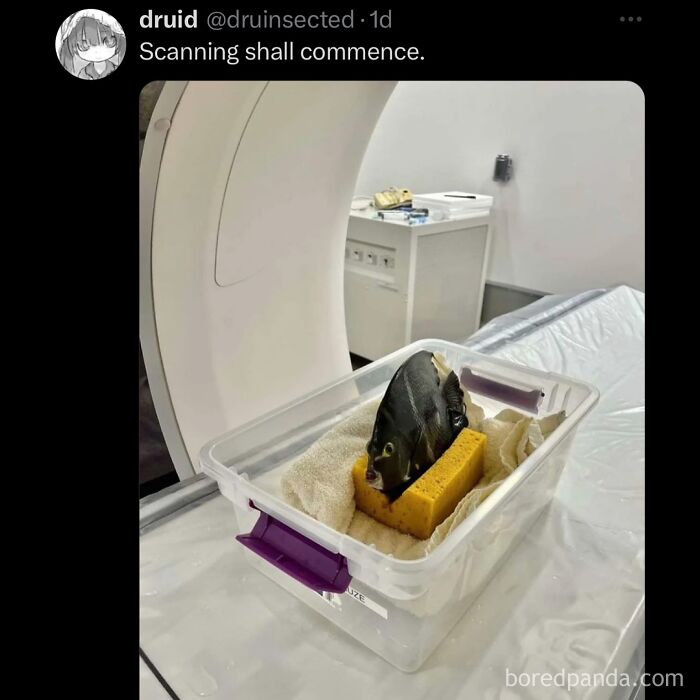
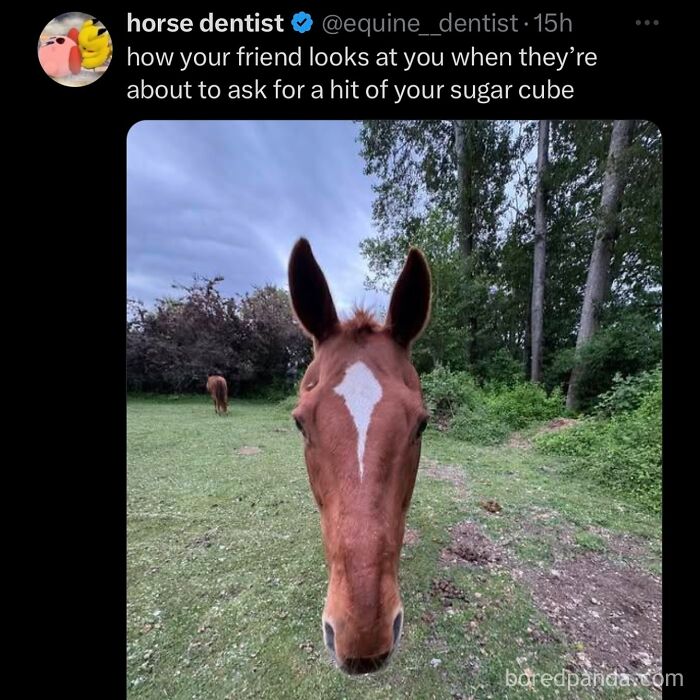
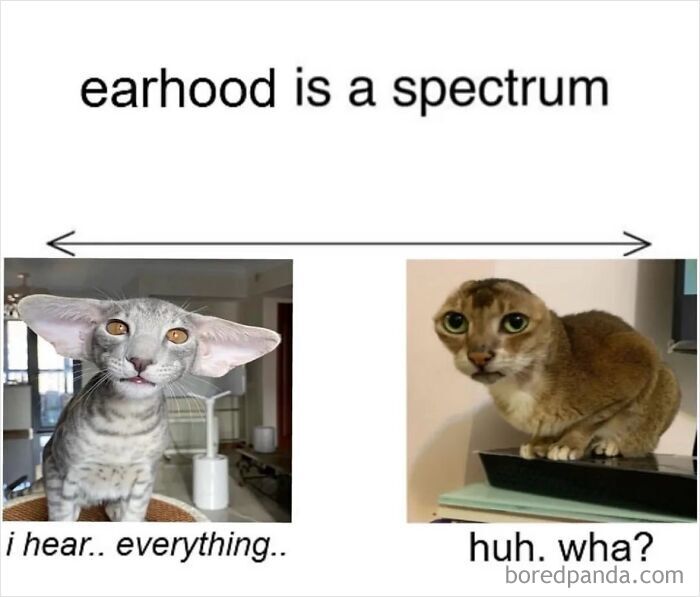
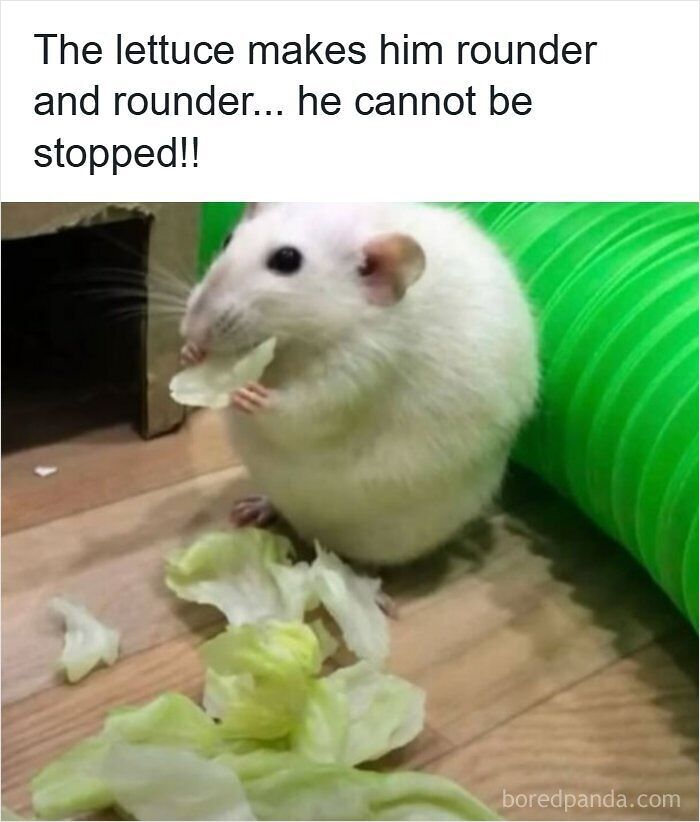
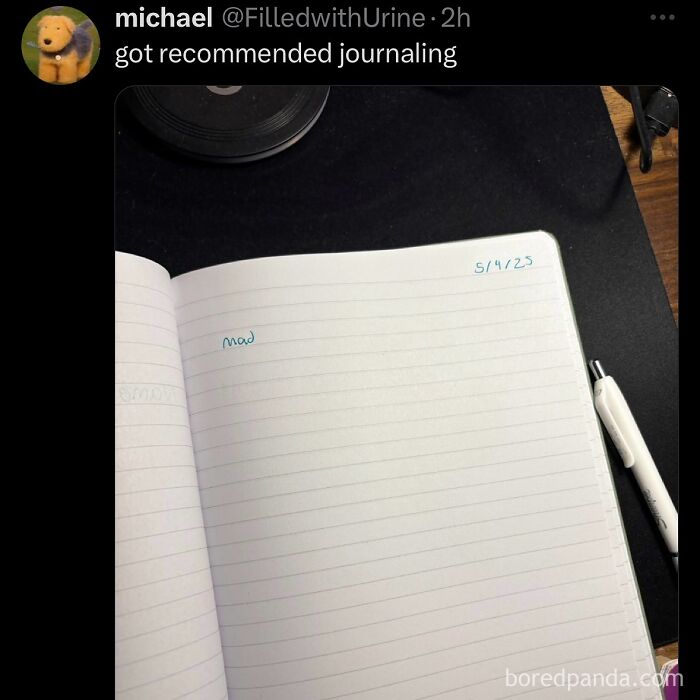
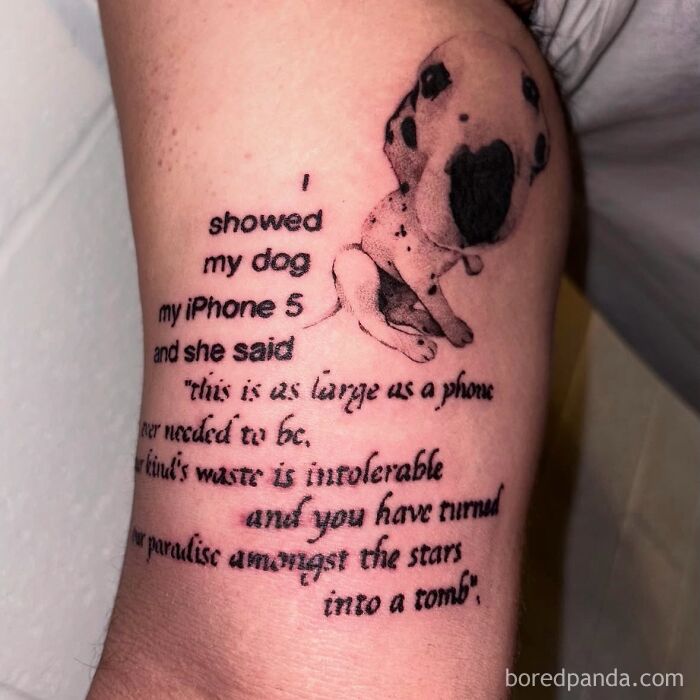
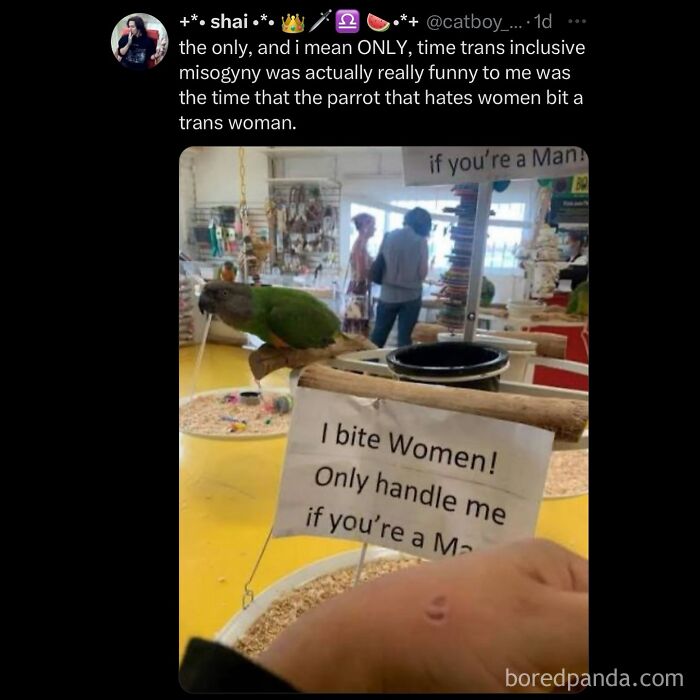
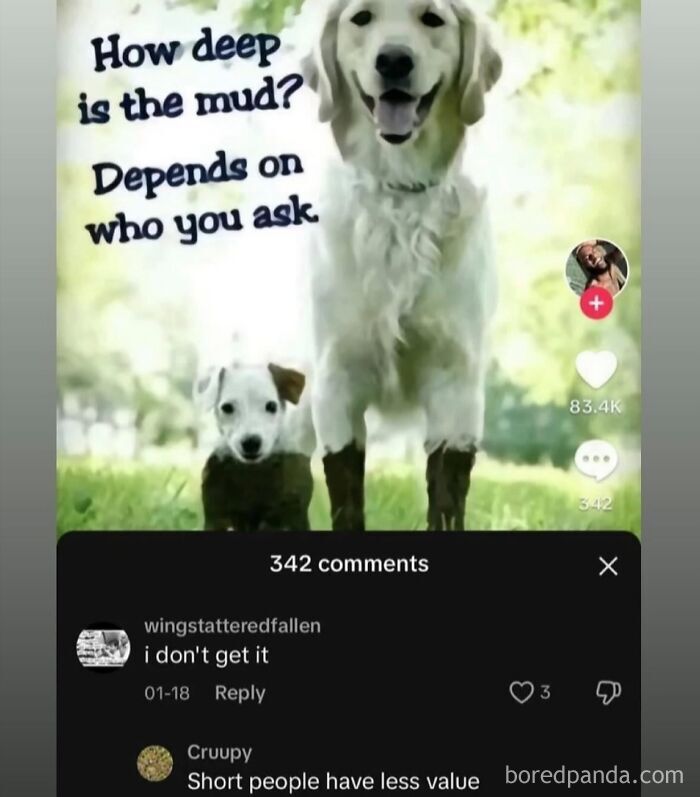
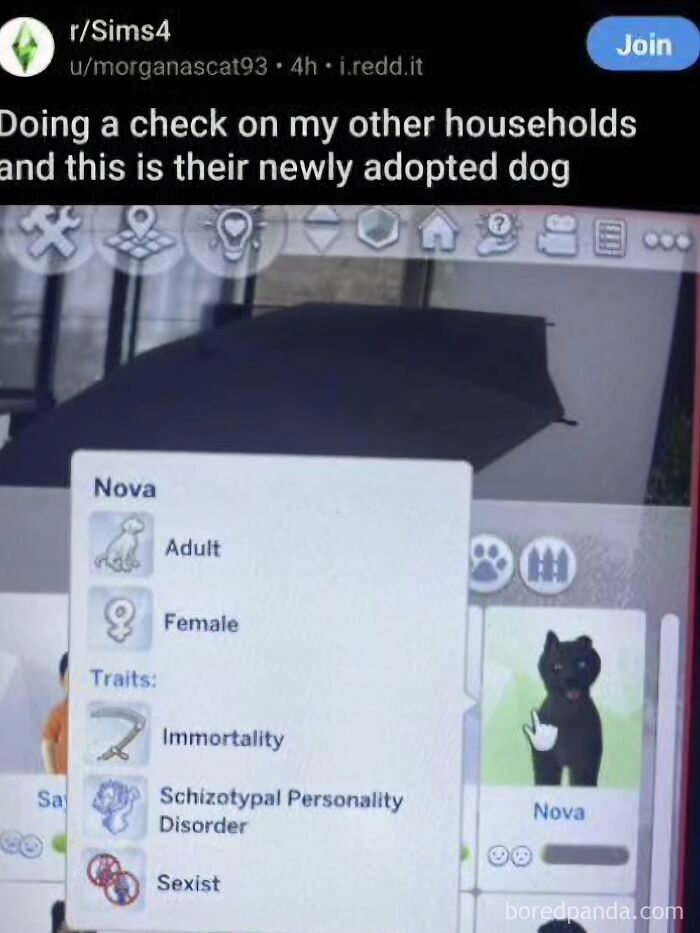
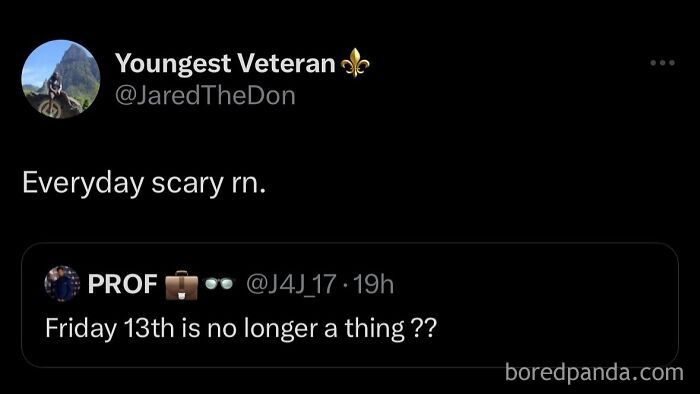
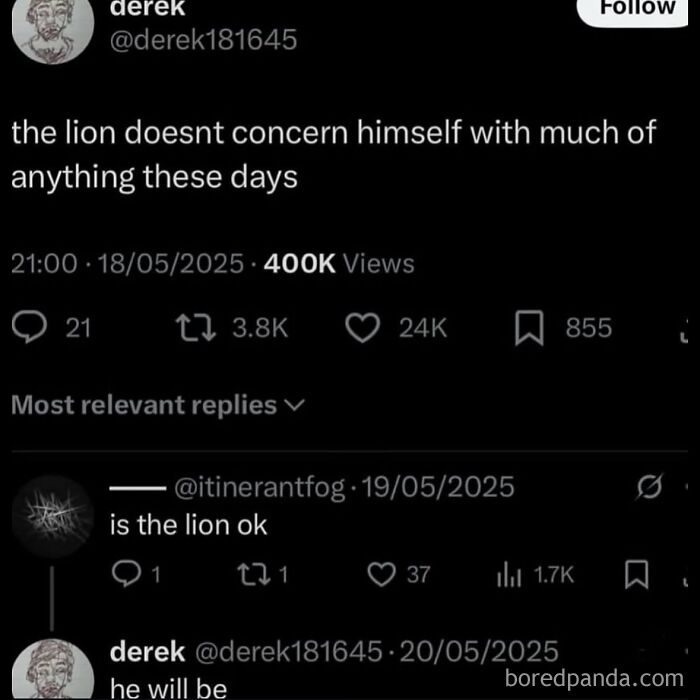
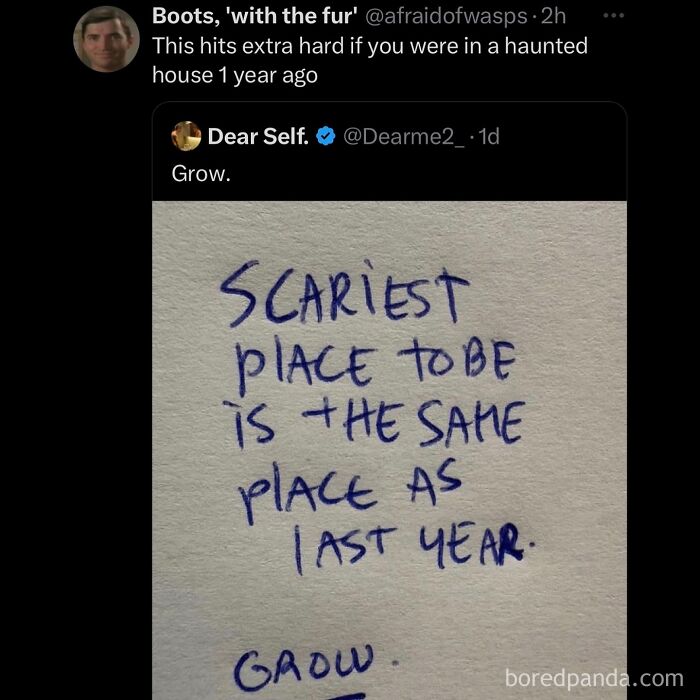
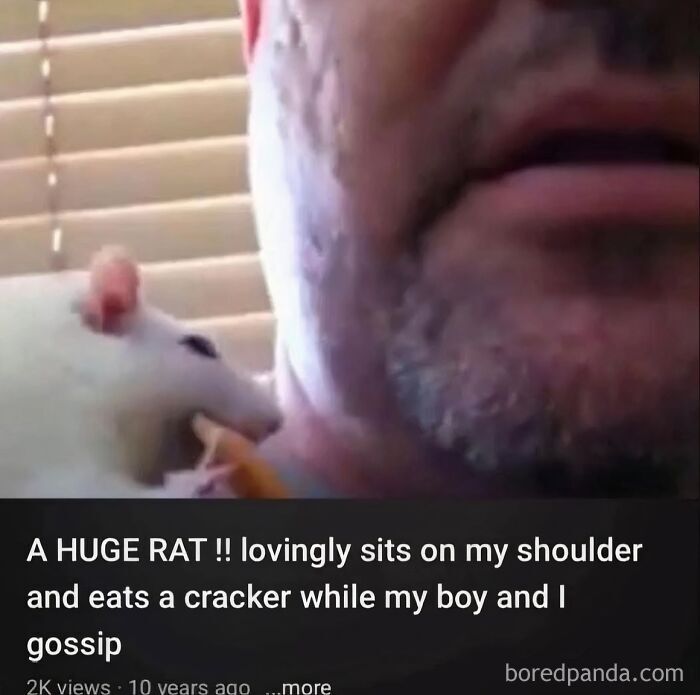
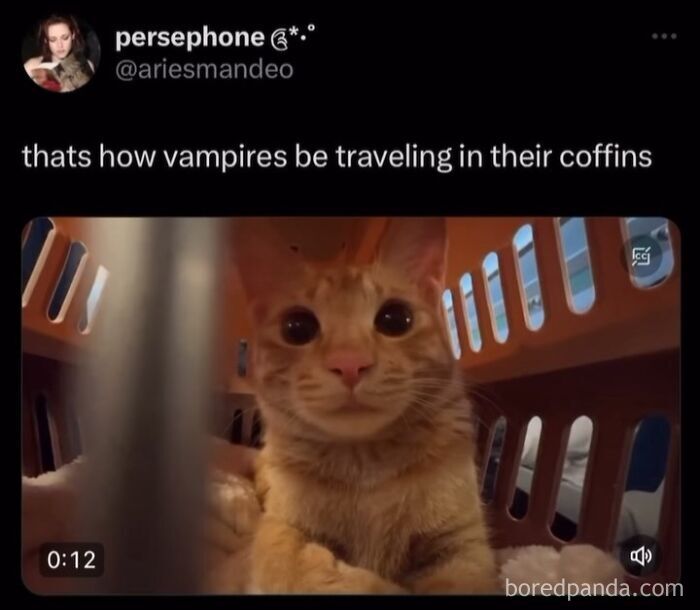
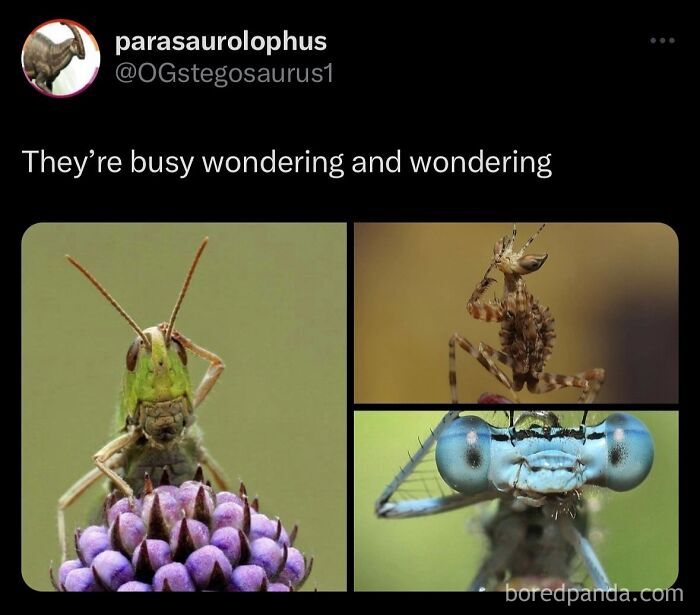
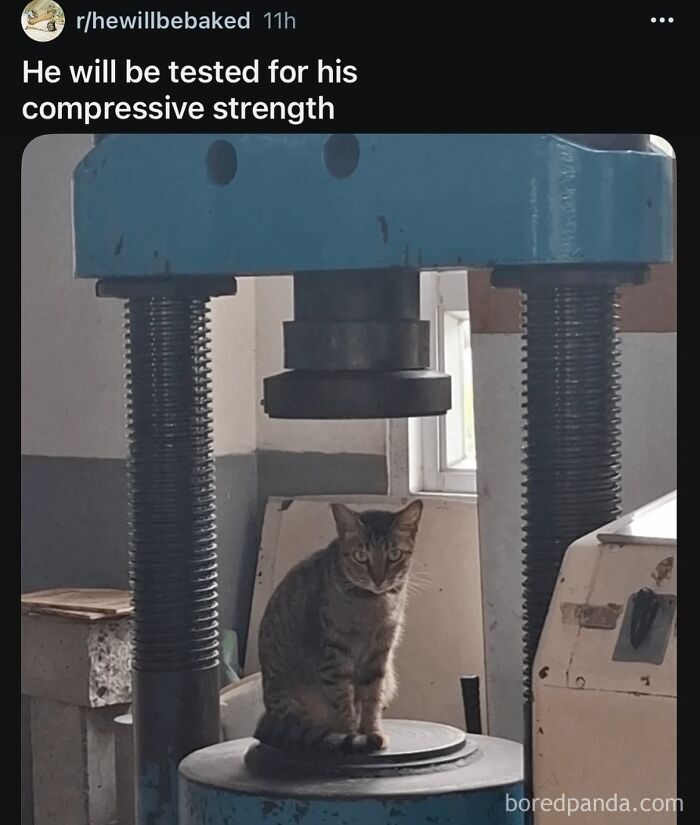
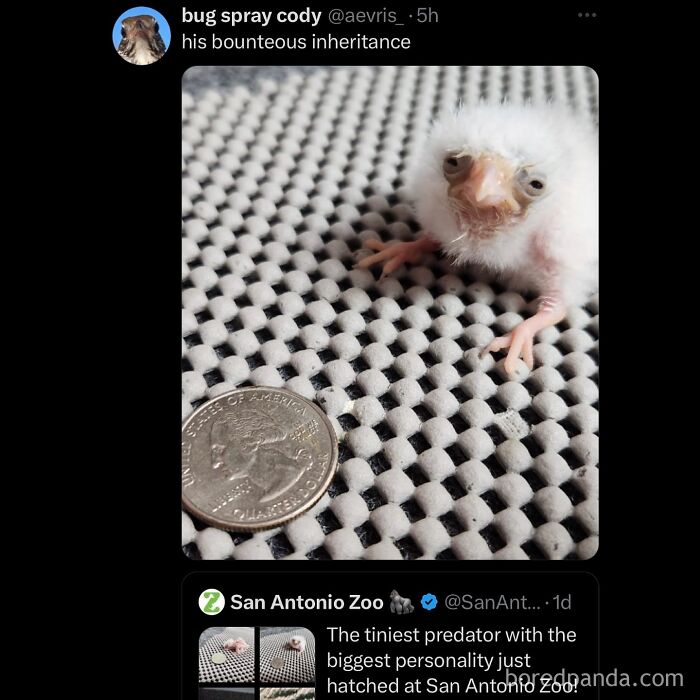
The @isitworthitmemes page has built an audience on exactly this premise: memes so completely unmoored from any traceable origin that adding an explanation would be the comedic equivalent of describing a punchline before delivering it. You won't find a "this started because someone posted a photo of their uncle's garage in 2019" preface. Leave your context at the door, please; we are about to get random and rowdy.
This post may include affiliate links.
Absurdist humor has a philosophy behind it that is actually very complicated, more than these bizarre memes would lead one to believe. Albert Camus argued that human beings are wired to search for meaning in a universe that has no interest in providing any, and that the collision between the search and the silence is the defining condition of human existence. He called this the absurd, and he meant it seriously.
What he probably did not anticipate is that a generation would take his entire philosophical framework, compress it into a picture of a frog holding a sign, and post it without comment to 400,000 followers. The Theatre of the Absurd, which produced Samuel Beckett's Waiting for Godot, is probably the direct ancestor of the no-context meme. Beckett won the Nobel Prize for his contributions to the genre, so maybe in a few decades these memes stand a chance.
The reason confusion is funny rather than just confusing comes down to a very specific neurological event. Expectation violation theory, developed by researcher Thomas Elliot, proposes that humor occurs when the brain predicts one outcome and receives a completely different one. The prediction failure triggers a rapid reappraisal process, and when the new information is harmless, the brain rewards the resolution with laughter.
The no-context meme is a pure delivery mechanism for this: your brain tries to find the logic, fails, tries again, fails differently, and somewhere in that loop the whole thing becomes funny before you have consciously decided it should be. You are not choosing to laugh here, your brain is cashing out the confusion as comedy because that is the most efficient thing to do with it.
Comedy has a taxonomy that most people use without knowing it exists. Incongruity humor relies on violated expectations, while superiority humor relies on watching someone else fail. Relief humor steps in when you are releasing tension that has been building.
Benign violation theory, developed by researchers Peter McGraw and Joel Warner, proposes that something is funny when it is simultaneously wrong and harmless, which is why a cat falling off a counter is hilarious and a person falling down stairs is not, until you confirm they are fine, at which point it immediately becomes hilarious.
The no-context meme lives almost entirely in the incongruity and benign violation categories, which is why the response is involuntary. The wrongness is the whole mechanism, and the harmlessness is what gives you permission to enjoy it.
Surrealism is where the visual language of chaotic internet humor actually comes from, even if nobody making the memes knows or particularly cares. Salvador Dalí and René Magritte spent the 1920s and 1930s creating images that looked technically coherent and made no logical sense: a melting clock, a man whose face is replaced by an apple, a pipe beneath the words "this is not a pipe." if you are not ready to translate memes into high art, you might want to scroll away now.
The surrealists were trying to access the unconscious mind by bypassing rational thought, which sounds very serious until you look at a Magritte painting and realize it has exactly the energy of a nonsensical meme posted in the wee hours of the morning. Monty Python brought the same logic to television in 1969, building sketches that began in one place and ended somewhere with no narrative connection to the start. The through line from Dalí to Monty Python to the @isitworthitmemes page is straight and unbroken.
Not everyone finds absurdist humor funny, so be careful who you send it to. Studies on humor preferences tell us that people who score high on 'openness to experience', one of the five core personality traits in psychological research, gravitate toward surreal and absurdist comedy more than those who score lower.
Openness to experience goes hand in hand with comfort with ambiguity, tolerance for information that does not resolve neatly, and a general preference for novelty over familiarity. The person who stares at these memes and waits for the explanation is not dumb. They just need the loop to close before they can enjoy the joke, and the no-context meme specifically refuses to close the loop.
Gen Z humor is an acquired taste, and it became chaotic as a deliberate response to growing up entirely online. They were exposed to irony at an age when previous generations were still watching Saturday morning cartoons. Gen Z has developed what researchers call a meta-awareness of humor formats, making straightforward jokes feel dated.
The meme that makes no sense is funny because it promised to make sense and then did not, and the audience is in on the trick because they have been in on every previous version of it. It is humor that assumes fluency, which is also how you know it belongs to a generation that grew up speaking internet as a first language.
The closing argument for the no-context meme is simple and has nothing to do with philosophy or neuroscience. Sometimes something is funny, and no further explanation is available or needed. Demanding a rationale for laughing at a banal image is the comedic equivalent of asking why a song makes you feel something, and getting an answer would not improve the experience.
The memes you are about to encounter lack context because that's not what they were built for. The point was the two seconds between seeing it and whatever your face did next, and that already happened before you finished reading this sentence.





















 No fees, cancel anytime