Get Premium
Dark mode theme is available exclusively for premium users. Learn more about the benefits of subscribing.
No fees, cancel anytime.

 Dark Mode Ad-Free Browsing Unlimited Content
 Ad-Free Browsing Unlimited Content Dark Mode
Join 1.2 million Panda readers who get the best art, memes, and fun stories every week!
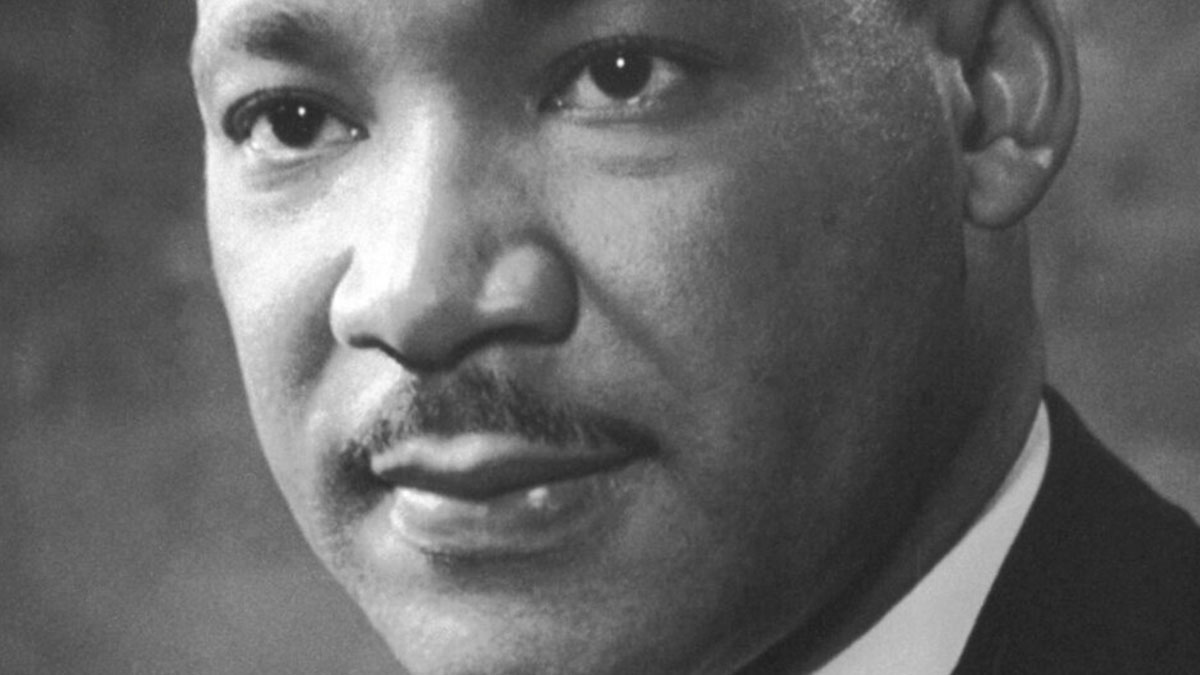
If you weren’t a huge fan of your history teachers in school, you may have spent countless hours sleeping through their classes and struggling to recall seemingly useless facts for exams. But the truth is that history can be fascinating for everyone; you just have to know where to start.
Netizens have been sharing their absolute favorite obscure facts from history online, so we’ve compiled a list of them below. There’s a good chance that you haven’t heard these stories before, but there’s also a pretty good chance that you’ll love them once you do! Enjoy finding out about some of the most bizarre and intriguing moments in history, and be sure to upvote the facts that you wish you had been taught in school!
This post may include affiliate links.
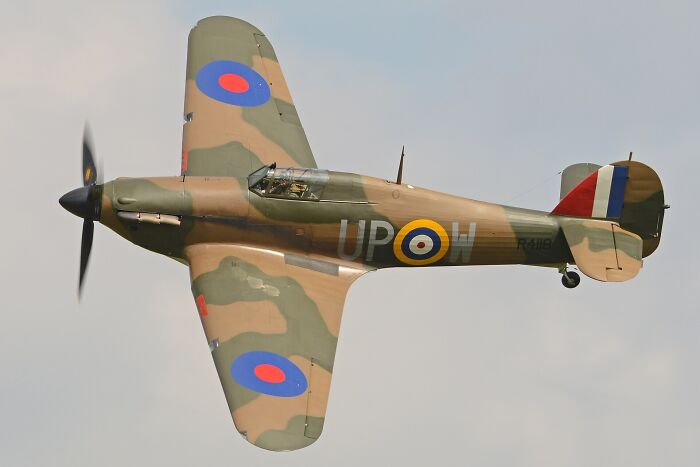 During WW2 the British were making a hasty retreat from Norway. Initially they were going to destroy 10 land based Hurricane planes so that the Germans couldn't capture them, but they seemed too good to waste so a plan was made to land them on the British carrier HMS Glorious and bring them to England.
There were just two problems: The landing speed of the Hurricanes was too high for the carriers length and the planes had no arresting hook.
The solution discovered by pilots was to place a 15lbs *sandbag* in the tail of the plane which allowed it to brake harder and make a full stop on the carrier. All 10 Hurricanes landed on the carrier.
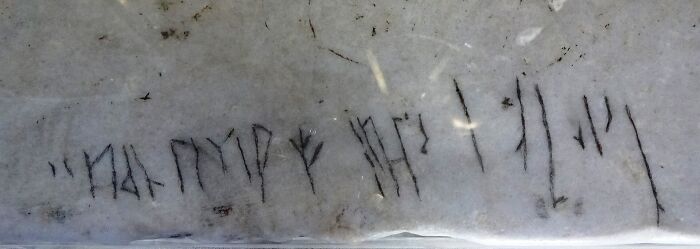 There is stone-carved Norse graffiti in Istanbul.

There was a special guard for the Byzantine Emperors in the early 2nd millenium that was mostly recruited from Norsemen/Vikings. Can't recall the name.
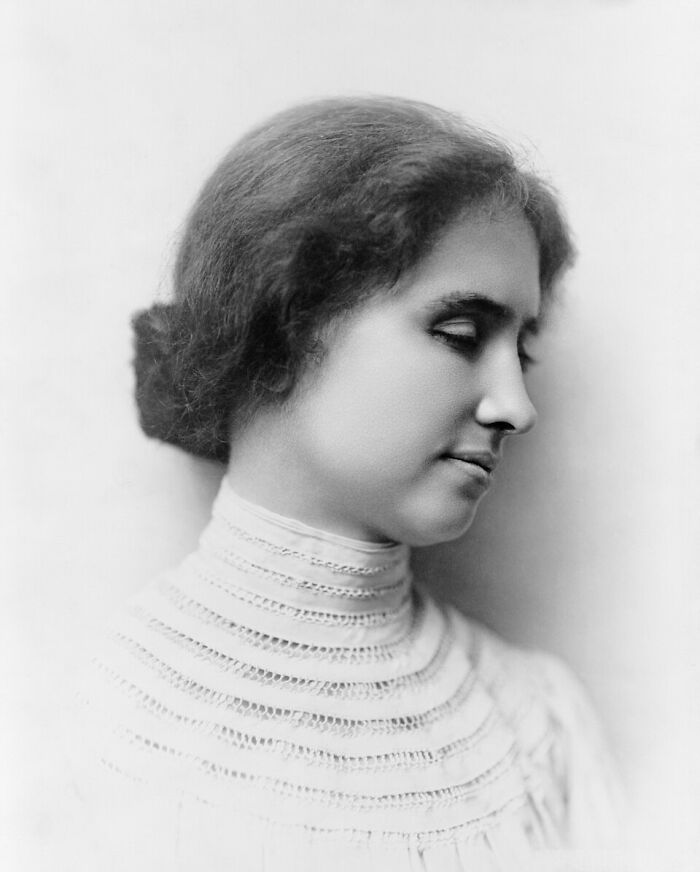 Helen Keller had a robust adult career as a socialist activist and was a member of the Socialist Party of America and the Industrial Workers of the World.
>"The few own the many because they possess the means of livelihood of all ... The country is governed for the richest, for the corporations, the bankers, the land speculators, and for the exploiters of labor. The majority of mankind are working people. So long as their fair demands—the ownership and control of their livelihoods—are set at naught, we can have neither men's rights nor women's rights. The majority of mankind is ground down by industrial oppression in order that the small remnant may live in ease." —Helen Keller, 1911
Apparently not much has changed in a hundred years.
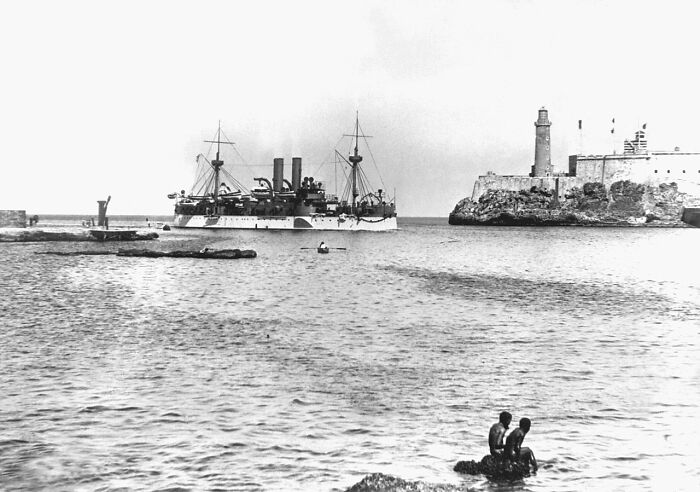 During the Spanish American war an American ship fired cannons at a Spanish owned island. None of the cannon balls did any damage. The governor (I think) rowed out to the ship to apologise to the captain for not returning the salute as they had no cannons/gunpowder. The captain then had to explain that they were at war and he had actually been attacking the island. The governor surrendered. The American fleet had more pressing places to be and couldn't leave a military presence at the island but luckily there was an American citizen who lived there and he said he would take care of the place in their absence.
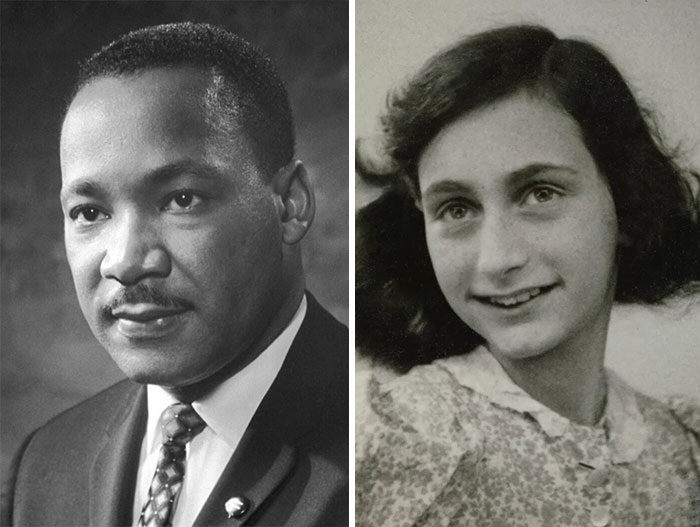 Martin Luther King Jr and Anne Frank were born in the same year. Which is odd given we associate them with different periods of History.
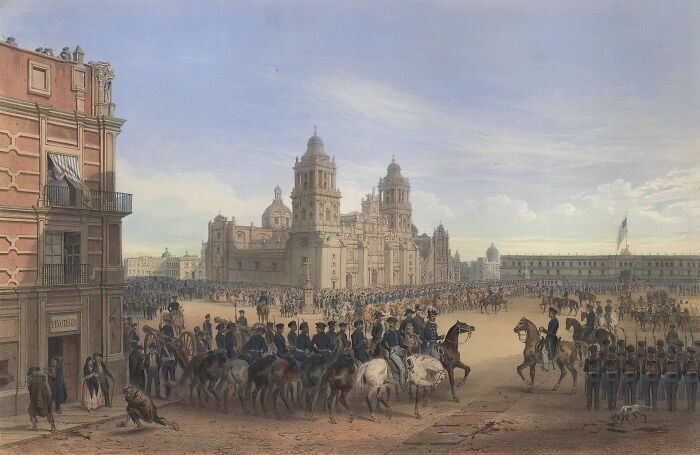 There was a group of Irish Catholic troops that defected from the American side to the Mexican side during the Mexican American war. American Army was full of protestants, who treated the Catholics pretty poorly. They decided to defect and join the Mexican troops, who were primarily Catholic.
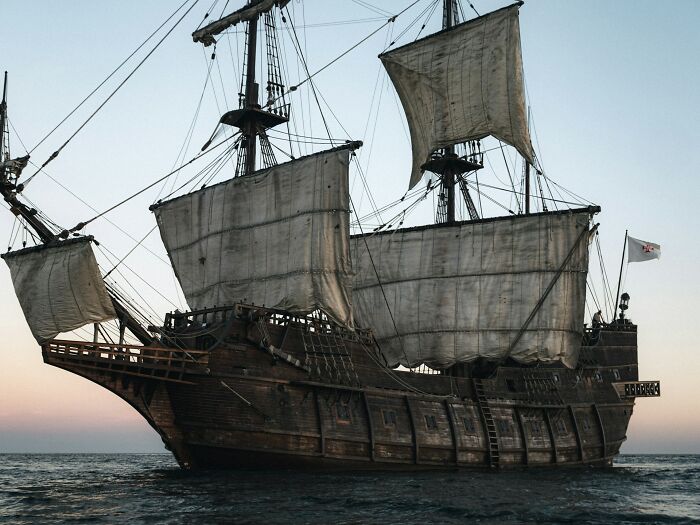 That pirates were the only government of New Providence in the Bahamas for eleven years from 1706 to 1718. Merchants came from all over to trade rum, gunpowder and ammunition for stolen goods (and make a huge profit) and pr*stitutes came from all over the world to make their fortunes. (By making a lot of pirates.).
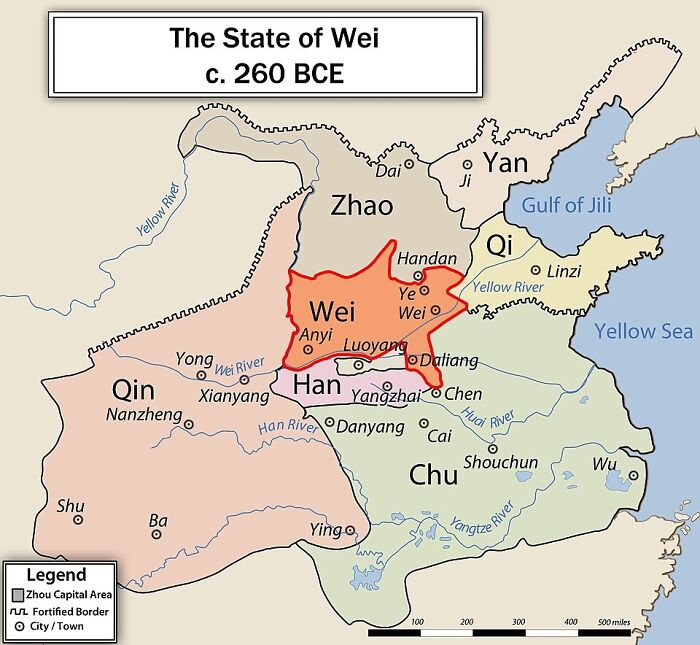 The Wei of ancient China (iirc, these stories come from about 400 CE) had some contact with The Land of Wa, which we call Japan. During voyages and such, they would have what is called a 'Fortune Keeper.' It's a guy who would not bathe, not eat meat, stay away from women, and generally act depressed all the time.
The idea is that he suffers all the horrible things that could go wrong so that way it doesn't affect the voyage. When he gets back home he gets rewarded with gold, women, food, slaves, the works. If something goes wrong...they k**l him. Because clearly he wasn't doing his job.
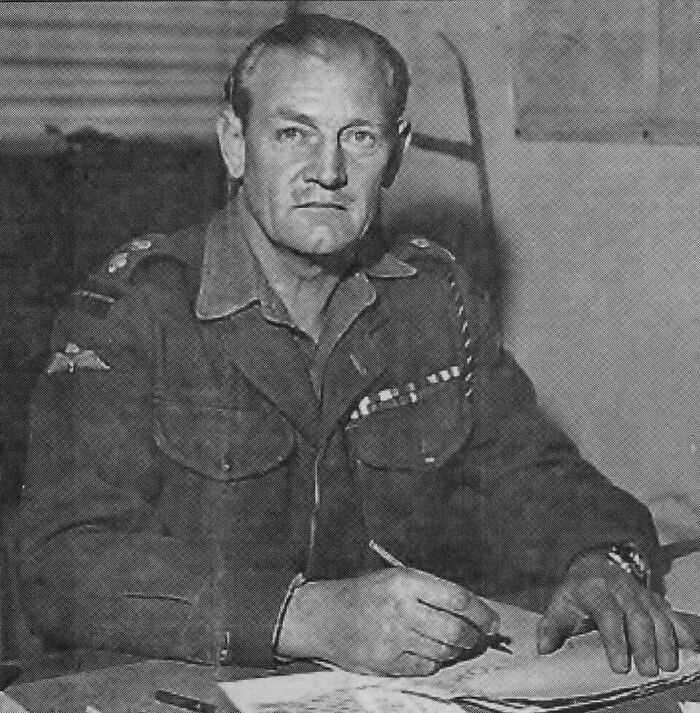 The only person to make a confirmed k**l with a longbow in WWII was an officer called "Mad Jack" Churchill. He believed all officers were improperly dressed without their swords, took a German outpost captive with a broadsword and a revolver, and joined the commandos because he thought it would be fun.
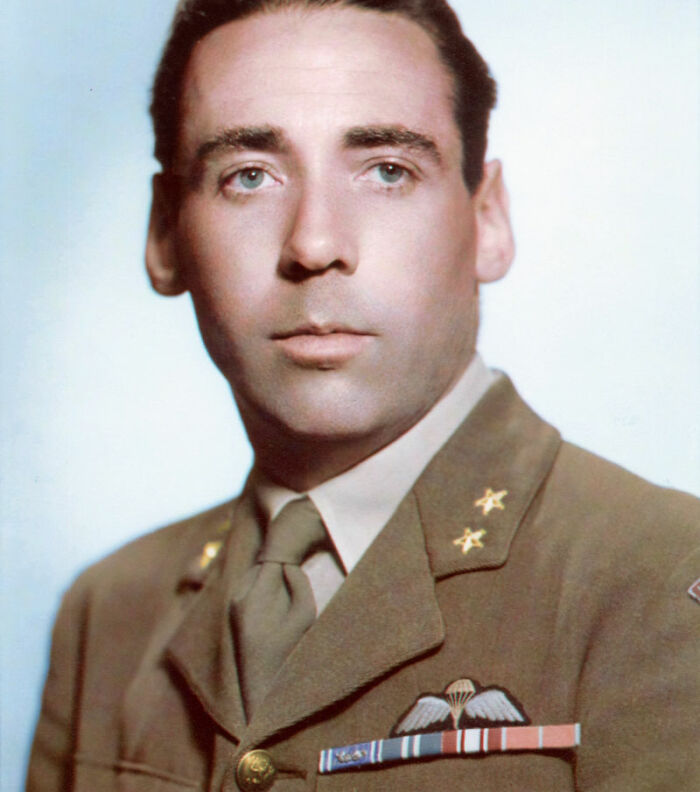 Jan Baalsrud was part of the Norwegian resistance. He was the only one (of eight) to escape capture during a failed mission to destroy a German air control tower at Bardufoss.
As wikipedia tells it :
*"Jan and others swam ashore in ice cold Arctic waters. Jan was the only soldier to evade capture and, soaking wet and missing one sea boot, he escaped up into a snow gully, where he shot and k****d the leading German Gestapo officer with his pistol. He evaded capture for roughly two months, suffering from frostbite and snow blindness. His deteriorating physical condition forced him to rely on the assistance of Norwegian patriots. It was during this time in a wooden hut at Revdal, which he called Hotel Savoy, that Jan was forced to operate his legs with a pocket knife. He believed that he had blood poisoning and that drawing the blood out would help. Not long after that Jan was left on a high plateau on a stretcher in the snow for 27 days due to weather and German patrols in the town of Manndalen, Kåfjord, his life hanging by a thread. It was during this time while he lay behind a snow wall built round a rock to shelter him that Jan amputated nine of his toes to stop the spread of gangrene, an action which saved his feet. After that it was thanks to the efforts of his fellow Norwegians that Jan was transported by stretcher towards the border with Finland. Then he was put in the care of some Sami (the native people of northern Fenno-Scandinavia) who with reindeer pulled him on a sled across Finland and into neutral Sweden, where he was safe at last. From Saarikoski in northern Sweden he was collected by a seaplane of the Red Cross and flown to Boden*".
 My favorite involves a bit of knowledge on pirates and how they operated.
While everyone knows that pirates flew a pirate flag, most don't know that every pirate flew their own version (Calico Jack is the pirate that flew the skull and crossbones). This was how most pirates could be identified before they attacked. Most also don't realize that the black pirate flag was not the flag that was predominately flown. Typically they wouldn't fly any flags or would hide under a nearby countries colors instead. Once they decided to attack another ship or harbor, they would generally run up a solid red flag. This was basically a warning shot saying "if you surrender now, we won't k**l you." The black pirate flag that has all of the fame associated with it was the last flag that would be flown. After the red flag had been shown for what the pirates deemed a necessary amount of time (usually the time it would take them to close the distance between them and their target) they would fly the black flag, which basically said "it's too late to surrender. we aren't taking prisoners, sorry friend"
Anyway - I told you all of that to tell you this story.
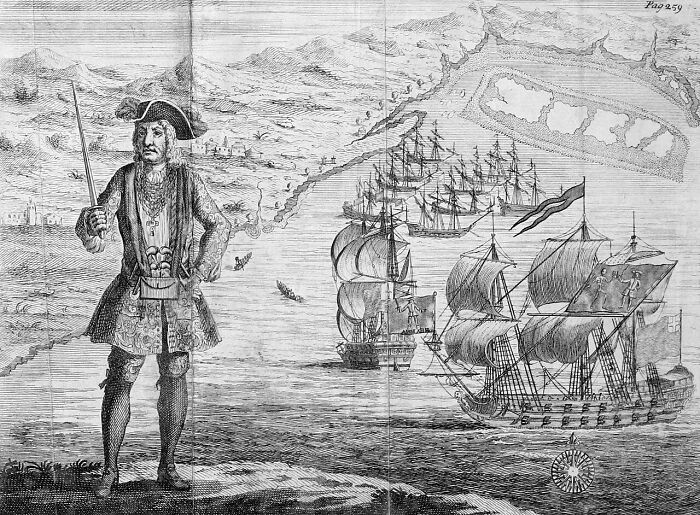
Black Bart (Captain Bartholomew Roberts) was one of the more well known and feared pirates of the ages. If you haven't heard of him, he's right up there with Blackbeard in infamy. In June of 1720, Black Bart sailed into the large harbor of Trepassey with his black flag flying. Naturally, everyone in the harbor panicked because Black Bart was not the kind of guy you f****d with. His ship was extremely well armed and his crew had seen years of battle. In fact, he was so feared, that all 22 merchant ships in the harbor abandoned ship. They could have easily defeated him in battle as 22 vs. 1 is a pretty one-sided affair, but no one wanted to risk a tangle with Black Bart.
**TL;DR** Black Bart captured 22 merchant ships and over 100 fishing boats without firing a single shot all based on his reputation.
For an additional fun fact, pretty much every pirate you've ever heard of was only active in a roughly ten year span (1715-1725). Most pirates were only active for 2-3 years.

Whenever a ship of the Royal Navy sinks another ship (this includes submarines), they raise a black skull and crossbones flag.
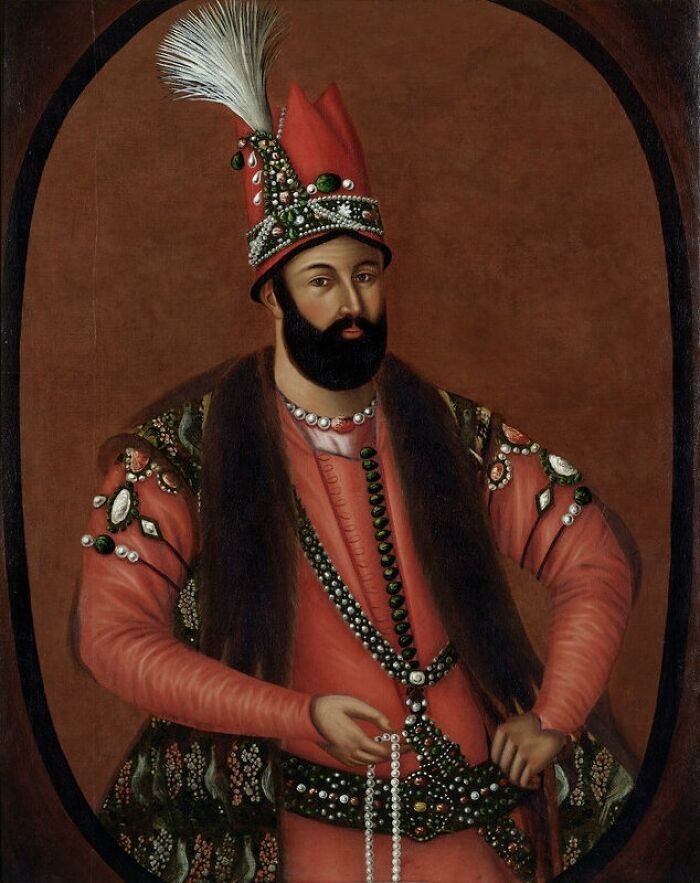 There was a caravan owner in Persia who was robbed of his goods. He took his complaint all the way to Nader Shah, the monarch at the time. Nader Shah asked the merchant where the robbing took place and when the man revealed it was by a certain tree, Nader ordered his men to whip and flail the tree every day. After about a week of this the thieves were so scared that a man would go to such great lengths just to harm a tree that they put all of the possessions back.
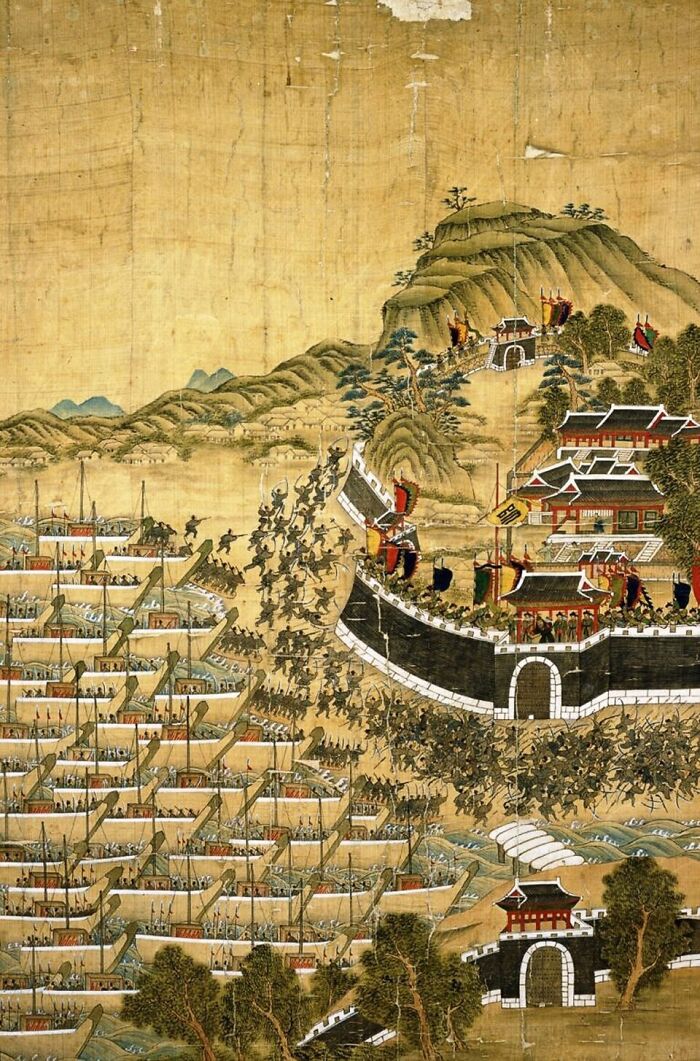 African mercenaries hired by Portuguese traders and missionaries fought for the Japanese in Korea during the Imjin War (1592-1597).
They even show up in a painting depicting the Chinese military withdrawal from Korea!

No evidence that African mercenaries were hired by Portuguese traders to fight for Japan in Korea. These individuals were not "mercenaries" hired by the Portuguese. Scholars debate their exact origins and roles, but records suggest they were enslaved individuals or sailors brought to Asia by European traders.
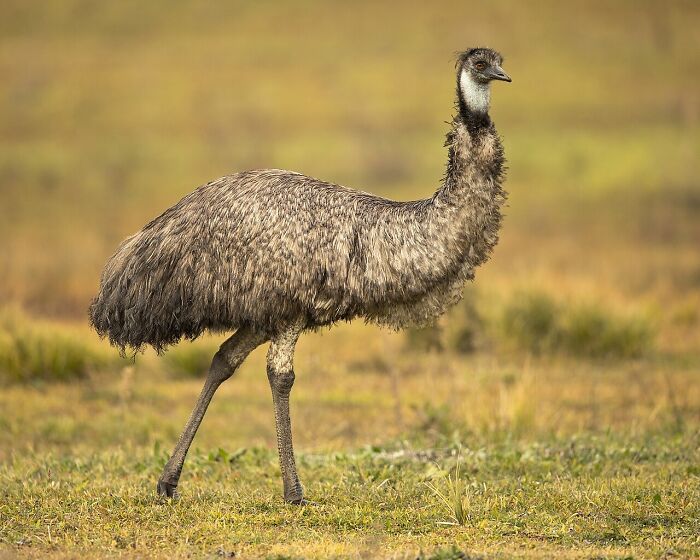 Australia fought a war against Emus...and lost.
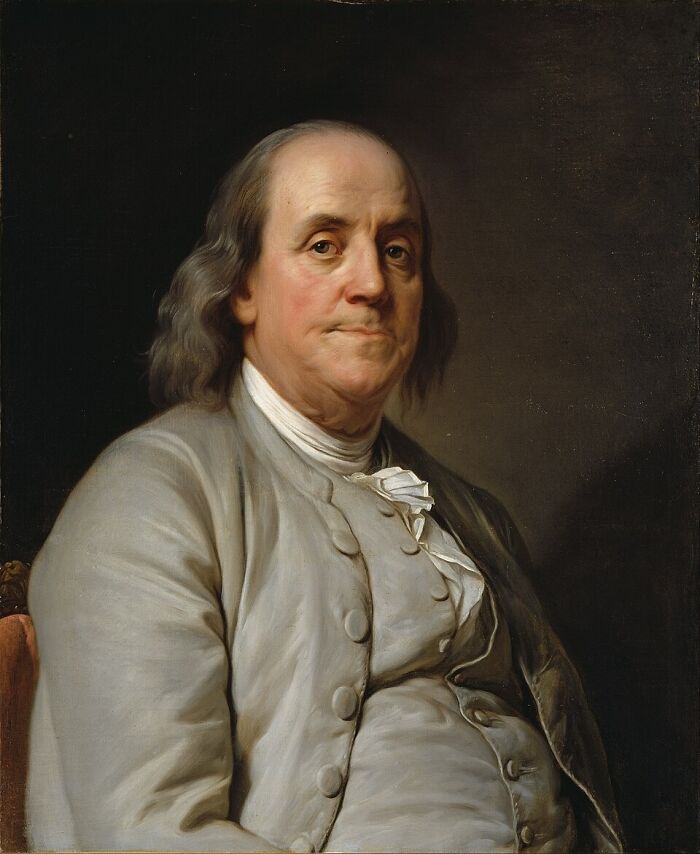 Benjamin Franklin was banned from parties during the Constitutional Convention, because he loved to gossip at them and the CC was supposed to be a secret.

He was also a member of Englands Hellfire Club ... interesting group
 Growing up, my dad would read me a story from an old National Geographic about Glacier Girl. A P-38 Lightening that when returning home from a mission with it's squadron and two B-17s had to make an emergency landing on a ice field. All pilots and crews survived and the machines were left to history. The Nat Geo article was about the research, finding, and excavation of the planes. Turns out only one that wasn't crushed by the 200 some-odd feet of ice was this P-38. It was a favorite bedtime story of mine.
**YEARS** later, a relative died who was from rural Kentucky, specifically Middlesboro, Kentucky. It's a very small town in Appalacia, about a mile from the Cumberland gap. As we were heading home after the funeral, we saw a tiny sign on the side of the road that said, 'P-38 Restoration Site' and my dad and I being big historical flyboys, wanted to stop and check it out. Through sheer coincidence it was the Glacier Girl that I had learned about in my childhood. And this was the place where they took it after they removed it from the ice. It was amazing the condition it was in! There was still 1942 air in the tires! At the time it was still being worked on but now it is in flying condition and a very rare plane. I don't believe many types of that P-38 survived the war.
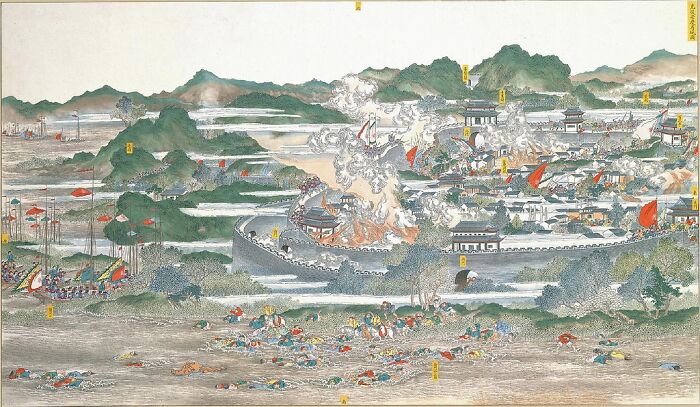 Not sure if this counts, but the Taiping Rebellion (1850-1864) is one of the most fascinating events of the 19th century. And I never even knew it happened until taking a Chinese history class in college. Basically what happened was a Chinese scholar failed his exams a bunch of times, went crazy and decided he was Jesus's brother, aka the son of God. He gathered supporters in southern China and basically took over the entire country in a few short years. However they failed to capture Beijing, and internal drama + a very b****s peasant army eventually brought an end to the conflict. After an estimated 20-60 MILLION PEOPLE DIED! In WW1 38mil people died, just to put it into perspective. And the American Civil war, fought during roughly the same time, saw 1.2 million casualties.

Just imagine an American who had bankrupted many business attaining tyrannical power and distributing a picture portraying himself as Jesus.
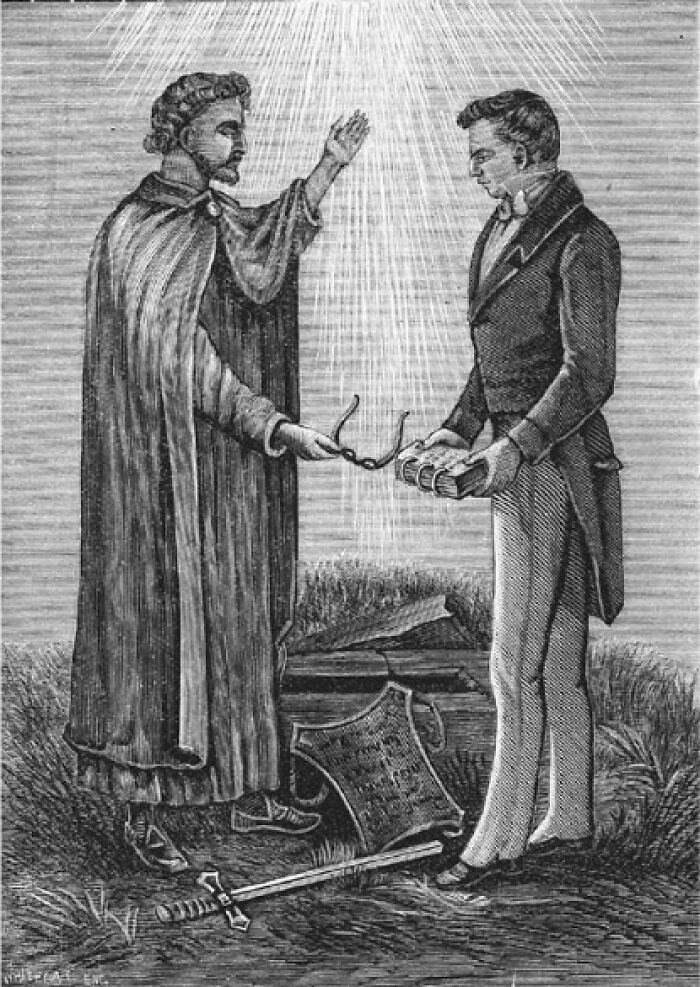 Joseph Smith, the founder of the Mormon church, was married to at least 34 women. Some as young as 14 years old and many who were already married to other men. He was known to send men away on missions for the church and then marry their wife while they were away.
The guy was a pig. So was Brigham Young. Disgusting people.
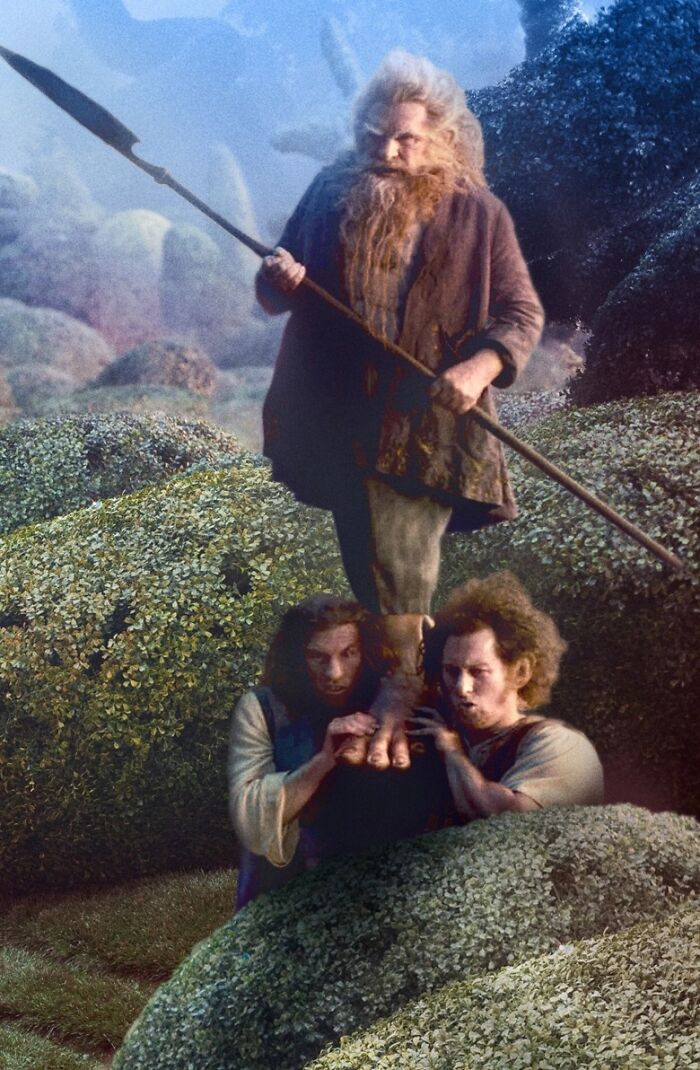 The monopods/dufflepuds in Chronicles of Narnia are based on creatures described in Pliny the Elder's "Natural History" (in turn based on citations from other authors).
As a kid, I had always thought they were C.S. Lewis' own invention. When I read the Natural History, I was blown away at how many books I've read have drawn from it. Even more surprising were all the entries that have been investigated and found to be accurate and traceable to places and things that still exist in the modern world (the floating islands is the most fun & amazing, although the dog-k*****g cave is pretty cool too).
It's just awesome to think that this book that was written nearly 2000 years ago, without the type of access to data that we have today, could still have so many entries with more-or-less valid information in them.
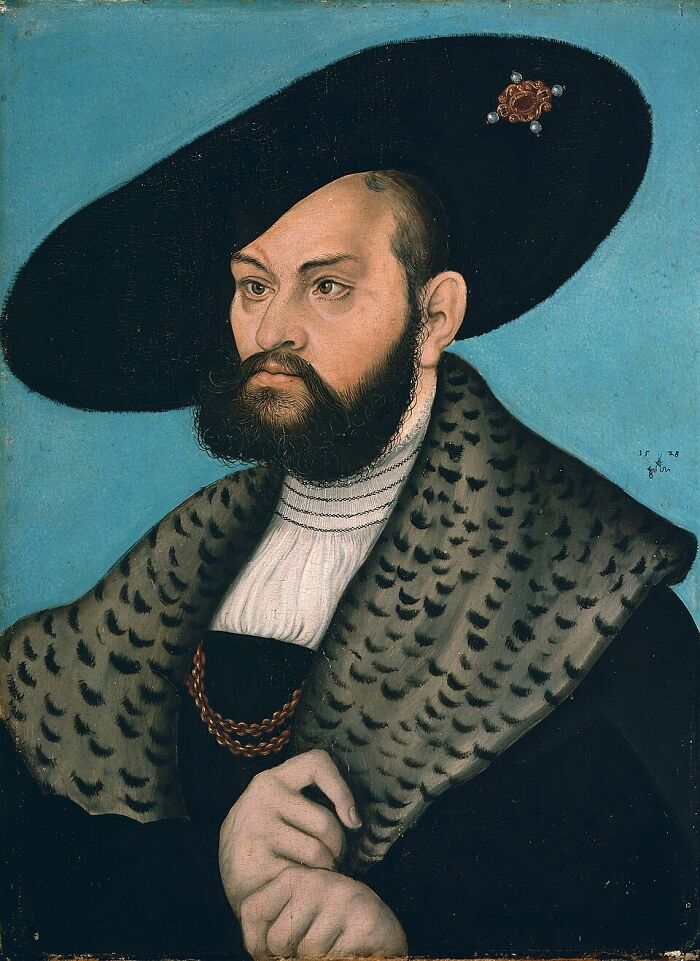 The Duchy of Prussia was formed when the last Grandmaster of the Teutonic Knights converted to Lutheranism in 1525.
Grandmaster of a crusader order converts to a heresy and turns a genuine crusader state into a secular power... at the same time Cortes is conquering mexico and spreading Catholicism there.
Everyone has seen the heroic painting of Washington crossing the Delaware. The actual crossing didn't really look like that. It was a sneak attack in the middle of the night.
Washington's heroic words when getting into the boat for the crossing: "Shift that fat a*s, Harry! But do it slow or you'll swamp the d**n boat!"
He was speaking to General Henry "Ox" Knox. Knox himself enjoyed telling this tale after the war.
If you ever see a full-length portrait of Henry Knox, you'll realize that Washington wasn't kidding.
Proposed Operation Northwoods by the CIA
An operation where the CIA would commit terrorist attacks in locations all over the United States and blame it on Cuba in order to go to war with them with "reason"
Luckily, this was rejected by the Kennedy Administration.
King Henry of Jerusalem died after his dwarf(named Scarlet) landed on his head.
There must be an amazing story that goes with this factoid.
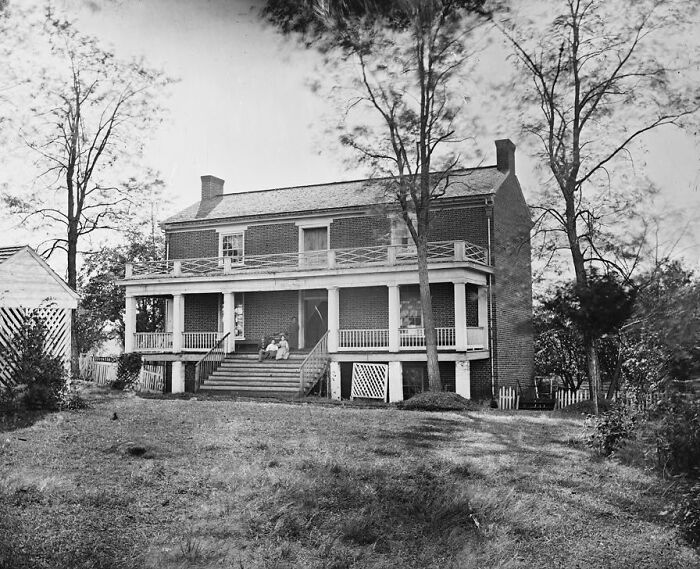 The first battle of the American Civil War, Bull Run, took place on Wilmer McLean's farm. During the surrender of said war, General Lee sent a messenger to the community of Appomatix Court House, where Willmer Mclean just so happened to have resettled in his new house. As fortune would have it, the messenger knocked on McLean's door asking for the use of his residence for the surrender. Thus the war is said to have "started in his front yard and ended in his front parlor.".

This is so abridged as to make no sense, in that it doesn't say where Wilmer McLean had resettled from. The missing information is that he had moved from the Manassas area after the first battle of Bull Run (the first battle of the Civil war), where his home was pretty much on the battlefield, to somewhere away from the front lines where the war wouldn't reach him.
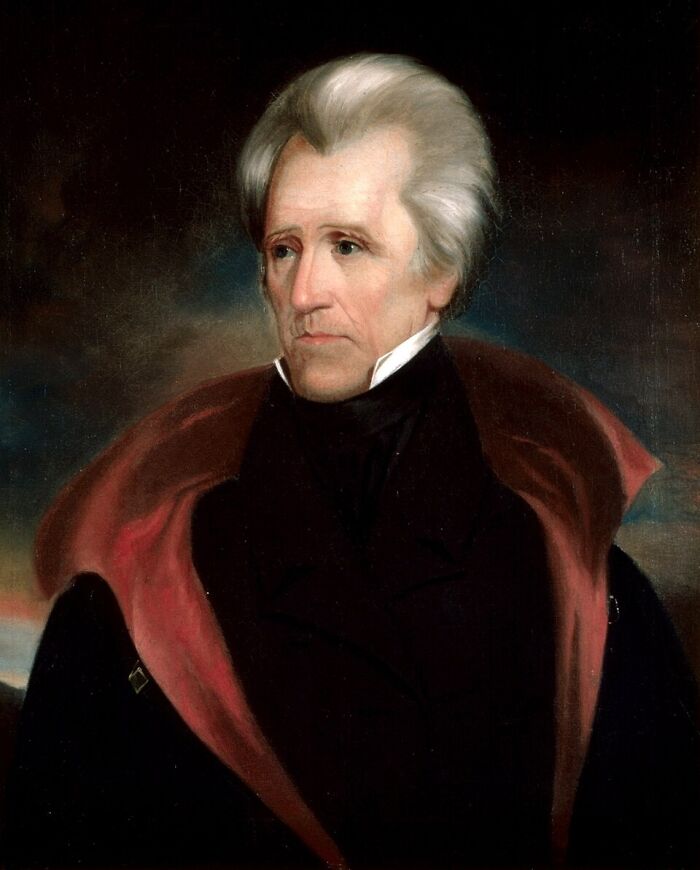 President Andrew Jackson had a parrot as a pet. When Jackson died, his parrot was present at the funeral but was kicked out for swearing too much.
In 1972, every single one of the 159 counties in the state of Georgia (the state with the second most counties in the U.S.) voted Republican.
In 1976, four years later, every single county in Georgia voted Democrat.
That Lucky Luciano was let out of prison by order of the Secretary of the Navy to secure the Elizabeth and New York ports during WWII, and he set up guides for American GIs in Sicily when the Americans were traveling north through Italy.
A man named William Walker really wanted a country. He tried 3 times.
* First he invaded Sonora and set up the Republic of Sonora, gradually expanding its borders until it claimed *over a third of freaking Mexico* and the Mexicans got annoyed. They sent in the Army and Walker fled across the border to the US where he was arrested for *trying to form another country by invading Mexico* but was released because the public was on his side.
* Then he invaded Nicaragua some 20 years later, encouraged by the rousing success of his Mexican adventure, with 60 men and a whole lotta s***k. He then somehow conquered the country (with 60 men!), reintroduced Slavery, declared war on Costa Rica because why not, and renamed the country to Walkeraugua. No joke. He did not last long and after an army *raised and funded by Cornelius Vanderbilt* (the 19th Century was freaking metal) and every single, other Central American government invaded "Walkeragua" he fled back to the US.
* After a year of resting Walker again invaded Nicaragua, only this time he attack Honduras at the same time. This did not go well and he was captured by Honduras and ex*cuted.
The Great Molasses Flood of Boston!
Back in winter of 1919, in the North End neighborhood of Boston, a heat wave raised the temperature of a 2.3M Gallon (8,700m^3) tank of molasses and the tank exploded due to a pressure buildup. It released a 25ft high wave of molasses careening down the streets at 35mph!
21 people died, 150 injured, and many animals were caught in the sticky, suffocating mass. Apparently some of the d**d had to be chiseled out after the molasses hardened. Read more here!
Not the most interesting fact, but Alexander Hamilton is the only person depicted on circulating US currency who was not born in a current US territory.
We know Andrew Jackson was born in the United States, but nobody is sure of which state. It's either North or South Carolina.
Probably Jefferson's Bible, which would later become known as the Jeffersonian Bible. For those who don't know Thomas Jefferson took a razor blade to his Bible and removed all references to Jesus' divinity, instead making it a book solely about Jesus' moral teachings. He like many of the United States' founding fathers considered themselves deists and non-traditional Christians!
Too many Christians today do the exact reverse of what Jefferson did. They leave in the references to divinity and cut out all the moral teachings.
The Republic of California initially was supposed to have a pear on it, not a bear. Captain Bartlett (as in Bartlett pears) "suggested it strongly."
William Todd, the designer of the bear flag, either didn't read the note correctly or just realized that a pear would be stupid, and put a bear on it instead.
During World War I, 25% of all mass of all ships on the planet were sunk by submarine warfare. That s**t is insane.
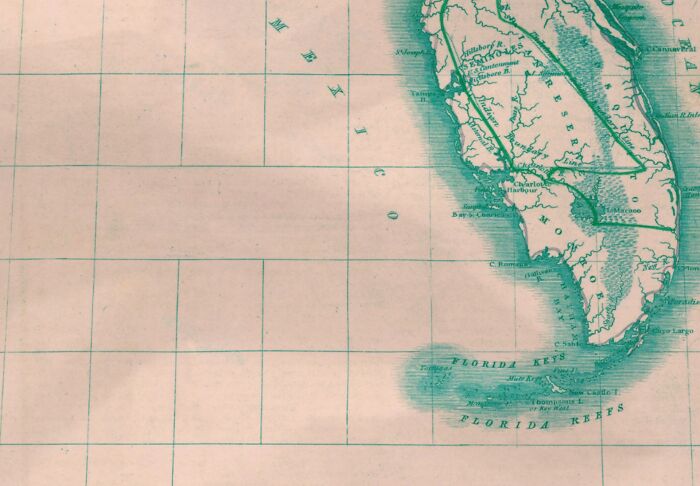 The area of West Florida successfully seceded from the Spanish Government and formed their own country in 1810. It did not last long and was annexed later that year. However, It was the original lone star republic flying a flag of blue with a white star.
West Floriday, that lovely nation,
Free from king and tyranny,
Thru’ the world shall be respected,
For her true love of Liberty.

The map isn't West Florida, which is the "panhandle" bordering on Alabama and Georgia. The map is the southern part of east Florida, the peninsula.
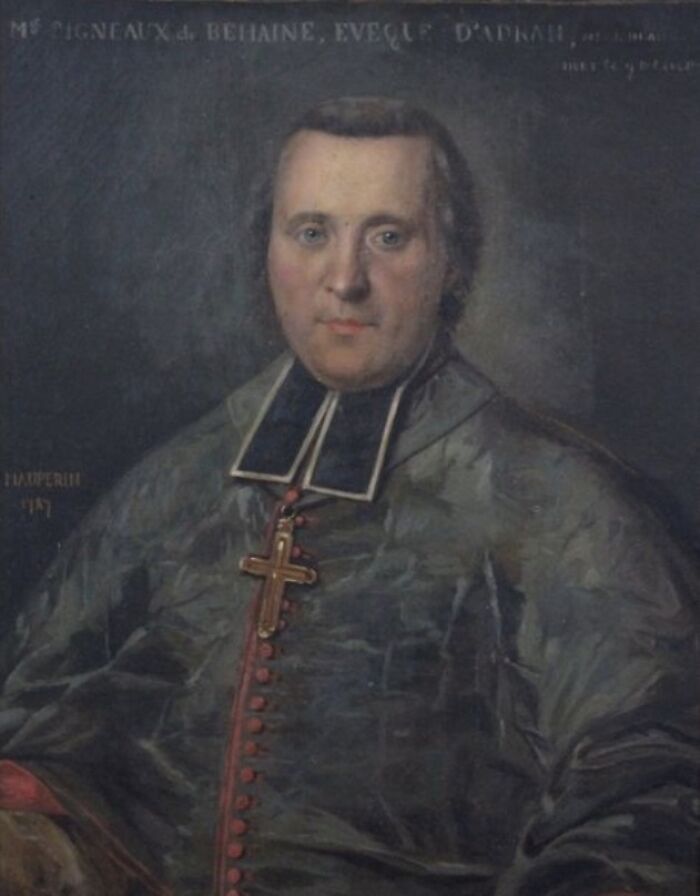 In the 18th century, a Jesuit bishop, Pigneau de Behaine, best known for his role in assisting a Vienamese emperor to establish the Nguyễn Dynasty in Vietnam, arrived at the court of Louis XVI in Versailles in Feb. 1787. Pigneau had difficulty gathering support for a French expedition to install the Vietnamese emperor to the throne because French was helping America at the time. This was also largely due by the poor financial state of the country prior to the French Revolution. He raised an army by other means and eventually accomplished his goal, establishing the Nguyen dynasty in Vietnam.
While the Mardi Gras celebrations in New Orleans are known worldwide, the oldest annual Carnival celebration in the U.S. started in Mobile, Alabama in 1703 (15 years before the founding of New Orleans).
 I have a lot of em... so lets go with the Allied effort to hunt down German weather stations clandestinely set up in Greenland during World War II, which I would say might be the least heralded campaign of the war!
The United States actually began doing this in 1940 at the behest of the Danish Government following the German occupation of the country. The job fell principally on the shoulders of the Coast Guard at that point, who patrolled with ships and aircraft, looking for German weather ships, or supply boats attempting to reach weather stations the Germans had set up on land.
The reason Greenland was so important in this regard was that a weather station set up on Greenland’s eastern coast - which is immense and hard to patrol - offers an excellent window into the weather fronts as they move towards Northwest Europe. Obviously weather plays a huge part in military planning, and this being before satellites allowed such easy predictions to be made, the extra day of forewarning offered by a station in Greenland was of incredible value to military planners. So Germany wanted to set them up there, and it fell to the United States to protect Danish interests in not allowing this to happen. The first direct combat between Germans and Americans (and by direct I exclude convoy contact with U-Boats) occurred during one of these patrols when a Coast Guard cutter, the USS *Northland*, boarded and captured the Norwegian flagged ship *Buskoe*. A landing party went ashore and captured three German soldiers operating the weather station the ship had been resupplying. This all happening three months before America entered the war!
Aside from the Coasties though, the “Sledge Patrol”- a 15 man, mixed force of Norwegians, Danes and local Eskimos, all supported by the US - spent much of the war patrolling the coast hunting Germans as well. Only, doing it on land in subzero arctic weather instead of in a comparatively warm and cozy boat. On dog sleds, 2 and 3 man patrols would head out for a few months at a time and attempt to find German weather stations (As many as four teams were operating in Greenland at a time) in a cat and mouse game. Although the teams were to small to a*****t the German stations they could radio the positions to the Coast Guard who would send a landing party. Generally, the Germans were the mice and had to pack up their stuff and flee if discovered, but the Germans did strike back and attack the Sledge Patrol’s base-camp at Eskimonaes, k*****g one member of the team, Eli Knudsen (the only loss they endured).
The last land-based weather station of the Germans was knocked out in October of 1944. Based on Little Koldeway island, the German station was spotted by the USS Eastwind during a coastal patrol. A landing party of Coast Guardsman trained in special raiding tactics by commandos made a nighttime landing and caught the Germans by total surprise, and were able to get most of their documents intact even! No more land-based stations were attempted after that, although off-shore trawlers were still utilized (The USS *Eastwind* would take the *Externsteine* as a prize only a week after the raid on Koldeway).
I'm mostly drawing from is "War in the Outposts" by Simon Rigge, part of Time-Life's series on WWII, which is also where the photos come from.
The last letters of marque and reprisal issued by the United States was to the Goodyear blimp, so it could watch the California coastline for Japanese subs. The blimps carried the awe-inspiring weaponry of a single Springfield .30-06.
I've always enjoyed the fact that Scottish sailor John Paul Jones (having emigrated to the US) and his men raided Whitehaven and then later stole Lady Selkirk's teapot, with her tea still in it.
OK, British people, help us out here! Who are all of these people? And no, I'm not in the mood to look it up. Any item put up on BP should have enough information to explain itself.
A nurse asked president Reagan what happened as he rushed into a hospital with a gunshot wound. He responded, "I forgot to duck.".
Pres. Truman's decision to drop the atomic bombs may have been influenced by a mistranslation. When Japan's prime minister was asked about his thoughts on the Potsdam Declaration, his response could have been taken to mean "no comment" or "we're ignoring it.".
My favorite obscure history fact comes from David Hackett-Fisher's Washington's Crossing.
While Washington himself was not obscure at all.. the man was truly a legend.
Two facts:
Paraphrasing of course:
The men of the continental army were playing a game in where you through a lead pipe (similar to the shot put I imagine) and the competition was who could throw it the longest. Washington comes up and heaves this pipe further than anyone else could. He then tells the men "if someone can beat that, come get me and I'll do it again"
Second: While marching to Trenton to fight the Hessians/British forces they had to cross a valley/creek.. Washington's horse lost its footing and starting sliding down the slope.. Washington grabs the horses mane and lifts it up with all of his might to and gets the horse back on equal ground. The men were astonished by his strength and is horsemanship.
Mine is how the word "Yankees" actually is derived from Dutch settlers in New England.
Common Dutch names include "Jan" and "Kees". Jan-Kees, Yankees.
Tycho Brahe had some weird pets, most notably a pet dwarf that he made eat under the table at every meal. He also had a pet elk that died because it drank a bunch of beer and fell down the stairs.
It used to be common for nobility and royalty to own dwarves. They were kept for entertainment and as a status symbol. They also kept "natural fools" who were people with learning disabilities.
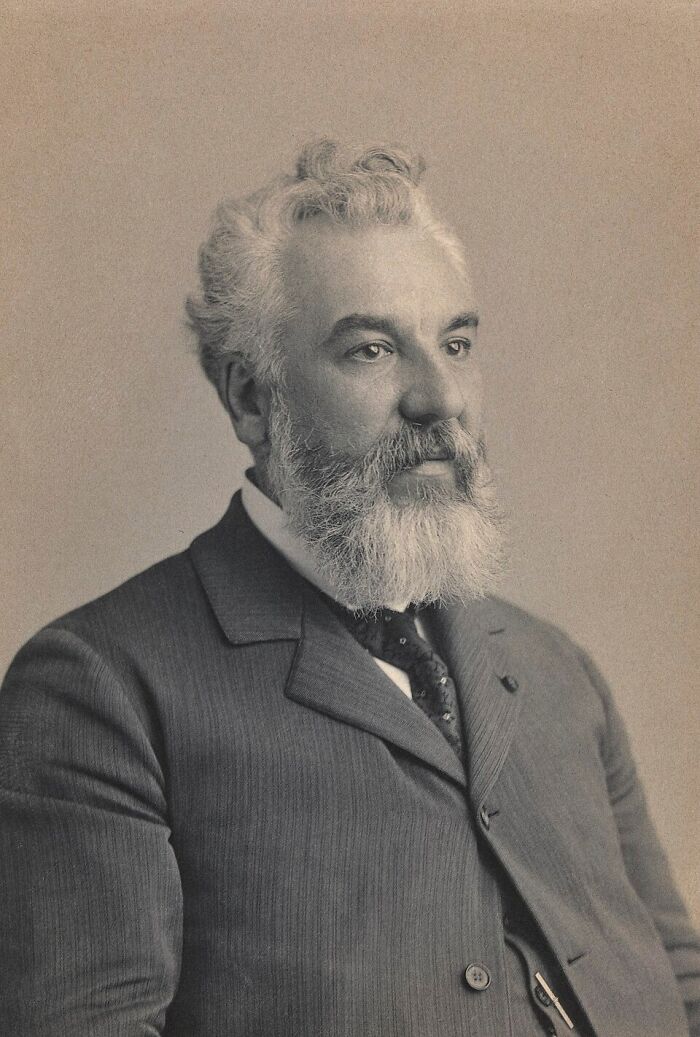 Alexander Graham Bell did not invent the telephone. Alexander Graham Bell stole (and potentially improved) the idea but crucially he was the first to be awarded a patent in the US and as a result is remembered as having invented it. Which he didn't.
False. The dispute concerned Bell's experimental use of a liquid transmitter similar to one described by Elisha Gray. Bell used it only as a proof of concept, and it was soon superseded by electromagnetic transmitters and receivers in practical telephones. regardless of the details of the patent dispute, the liquid transmitter was not the technology on which the telephone industry was built.
I'd like to add the Erfurter Latrinensturz (Erfurt latrine disaster). In the 12th century, during a meeting of mostly noble people in the Domprobstei in Erfurt (Thuringia), two floors crashed and the people fell into the latrine underground. They dïed falling into faeces. 😐 Wiki-link below.
I'd like to add the Erfurter Latrinensturz (Erfurt latrine disaster). In the 12th century, during a meeting of mostly noble people in the Domprobstei in Erfurt (Thuringia), two floors crashed and the people fell into the latrine underground. They dïed falling into faeces. 😐 Wiki-link below.

































 No fees, cancel anytime