Get Premium
Dark mode theme is available exclusively for premium users. Learn more about the benefits of subscribing.
No fees, cancel anytime.

 Dark Mode Ad-Free Browsing Unlimited Content
 Ad-Free Browsing Unlimited Content Dark Mode
Join 1.2 million Panda readers who get the best art, memes, and fun stories every week!

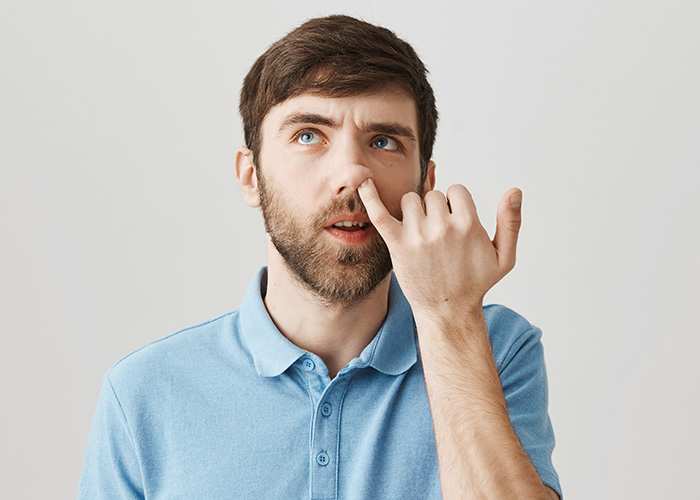
For many, a stubborn booger can be hard to ignore and getting it out might even make breathing easier. But according to a new video from the YouTube channel Institute of Human Anatomy, the way people go about it can turn a minor annoyance into a dangerous nosebleed.
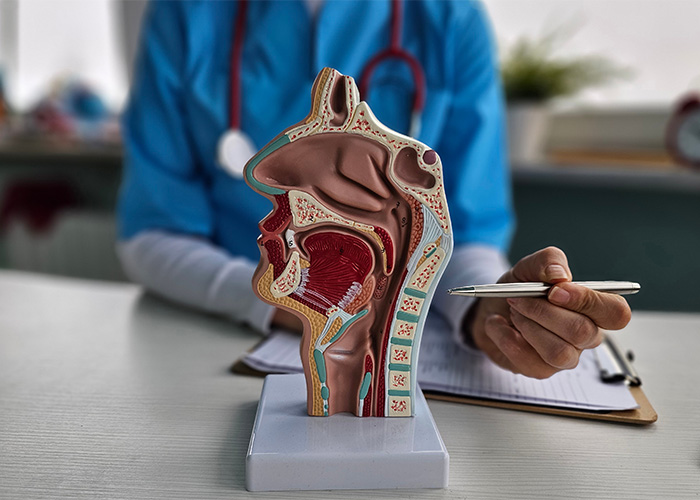
In the video, uploaded last Sunday (October 4), the show’s host, Jonathan, examined an actual human nasal cavity to show what a finger can reach and why one particular spot is so easy to injure.
“Hopefully, you’re not going two knuckles deep into your nasal cavity looking for buried treasure,” he joked.
Most people think of the nose as the part they can see in the mirror. Jonathan started there, then showed the much larger cavity behind it.
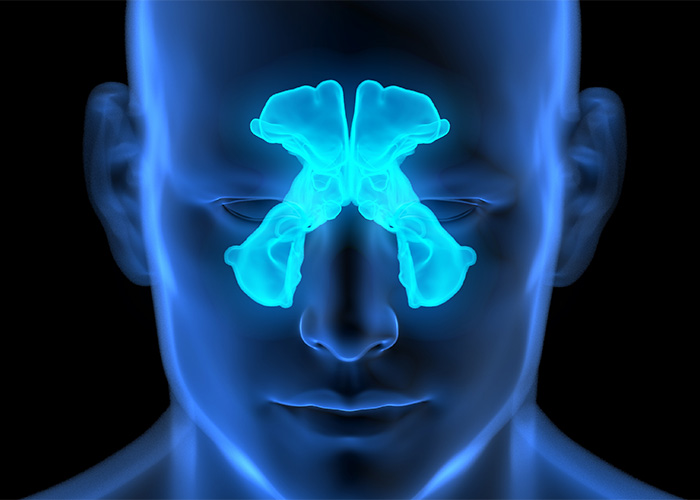
He identified the nasal septum, the wall dividing that cavity into left and right sides. He then showed the curved structures called nasal conchae, or turbinates, that project into the space. Their shape gives incoming air more surface to pass over.
Jonathan explained that the extra surface helps prepare air for the lungs. Mucus adds moisture, while the vessels beneath the tissue help warm it. The septum also has a rich supply of vessels, some of which lie close to its delicate surface.
The host pointed to a spot near the front of the septum called Kiesselbach’s area, or Little’s area. Several arterial branches meet there, with blood supplied through branches of both the internal and external carotid arteries.
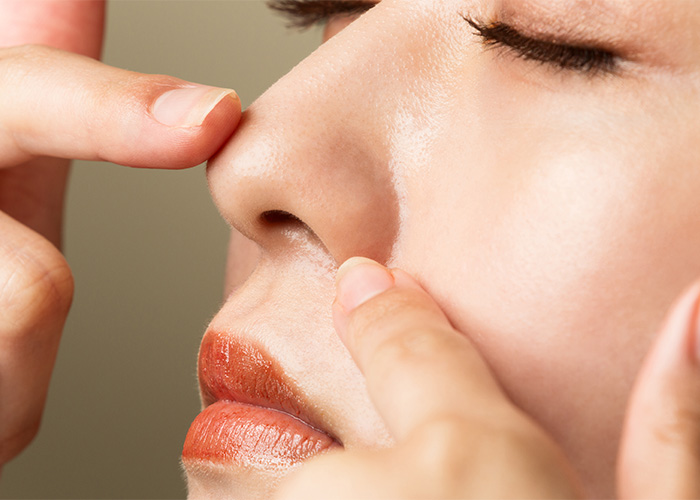
It is also close to where a fingernail lands when someone picks their nose.
“If you start to scratch that mucosal layer hard enough, you can rupture some of those blood vessels,” Jonathan explained.
He said that usually caused an anterior nosebleed, which starts near the front of the nasal cavity. Dry air, irritation and forceful nose blowing can affect the same area.
The amount of blood may look frightening, but these bleeds are usually manageable. Most nosebleeds originate toward the front of the nose, often around Kiesselbach’s area.
Jonathan then turned to posterior nosebleeds, which begin deeper in the nasal cavity. He said ordinary nose picking was unlikely to cause one: most fingers simply cannot reach that far.
These bleeds are less common, but their location makes them more difficult to control. Blood can travel backward into the throat, and pinching the front of the nose may not put pressure on the source.
Jonathan recalled a patient whose bleeding appeared to start spontaneously and would not stop. The person’s systolic blood pressure was around 170 and they had a history of hypertension, but were not taking their medication.
He did not claim that the elevated pressure caused that particular bleed. He said it was a concern in the case, especially because uncontrolled blood pressure can make a nosebleed harder to stop.
The host then discussed older age and medications that interfere with clotting as factors that could complicate a bleed. These include warfarin, apixaban, aspirin and clopidogrel.
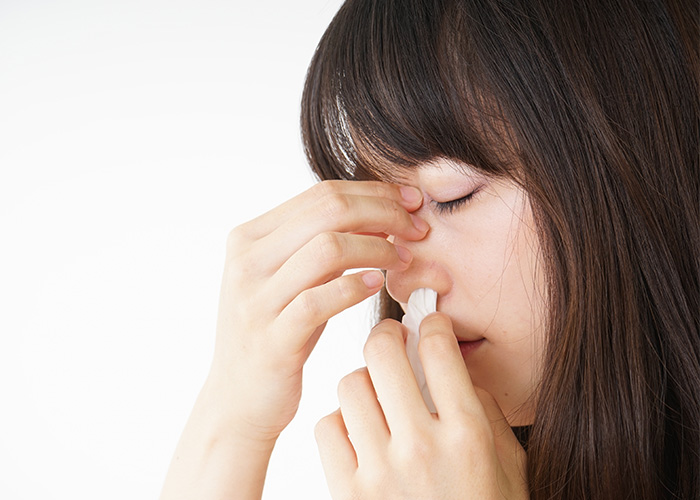
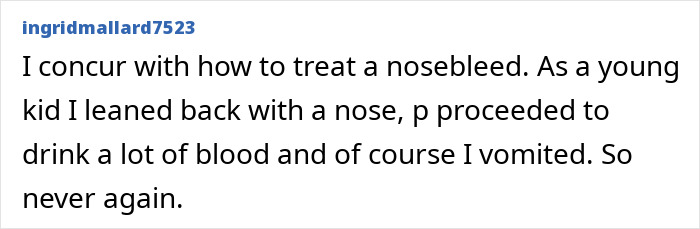
If the nose started bleeding, Jonathan recommended a gentle blow to clear some blood and clots. He then advised sitting upright, leaning slightly forward and pinching the soft part of the nose, just above the nostrils.
The pressure should be held continuously for 10 to 15 minutes. Letting go every few seconds to check gives the vessel less time to seal. Tilting the head back is a mistake, he explained, because blood can run into the throat.
The UK’s National Health Service (NHS) guidance likewise recommends leaning forward and maintaining pressure on the soft part of the nose for 10 to 15 minutes.
For a more stubborn bleed, Jonathan mentioned a couple of sprays of oxymetazoline, sold as Afrin, after the initial gentle blow and before applying pressure. He also said soft material in the nostril could add pressure. The aim was to compress the bleeding tissue rather than merely soak up blood.
He advised seeking medical attention if the bleeding was heavy or would not stop, or if the person felt weak or lightheaded. A significant amount of blood running down the throat was another warning sign.
A posterior bleed, on the other hand, might require specialized packing or a balloon device to reach the vessel.
“Is it useful to pick one’s nose?” the video asked. “Sometimes,” Jonathan said.
He explained that mucus traps dust, debris and microorganisms before they travel deeper into the respiratory system. Tiny hairlike structures called cilia normally move that mucus toward the back of the nose, where it can be swallowed. Near the nostrils, exposure to air can dry some of it into a booger.
If a large piece irritates the tissue or partly blocked airflow, removing it could help. “There’s nothing inherently wrong with removing it,” Jonathan said.
The trouble begins when someone repeatedly scrapes at the inside of the nose with a fingernail and ends up damaging the Kiesselbach’s area.






























 No fees, cancel anytime






















28
0