Get Premium
Dark mode theme is available exclusively for premium users. Learn more about the benefits of subscribing.
No fees, cancel anytime.

 Dark Mode Ad-Free Browsing Unlimited Content
 Ad-Free Browsing Unlimited Content Dark Mode
Join 1.2 million Panda readers who get the best art, memes, and fun stories every week!
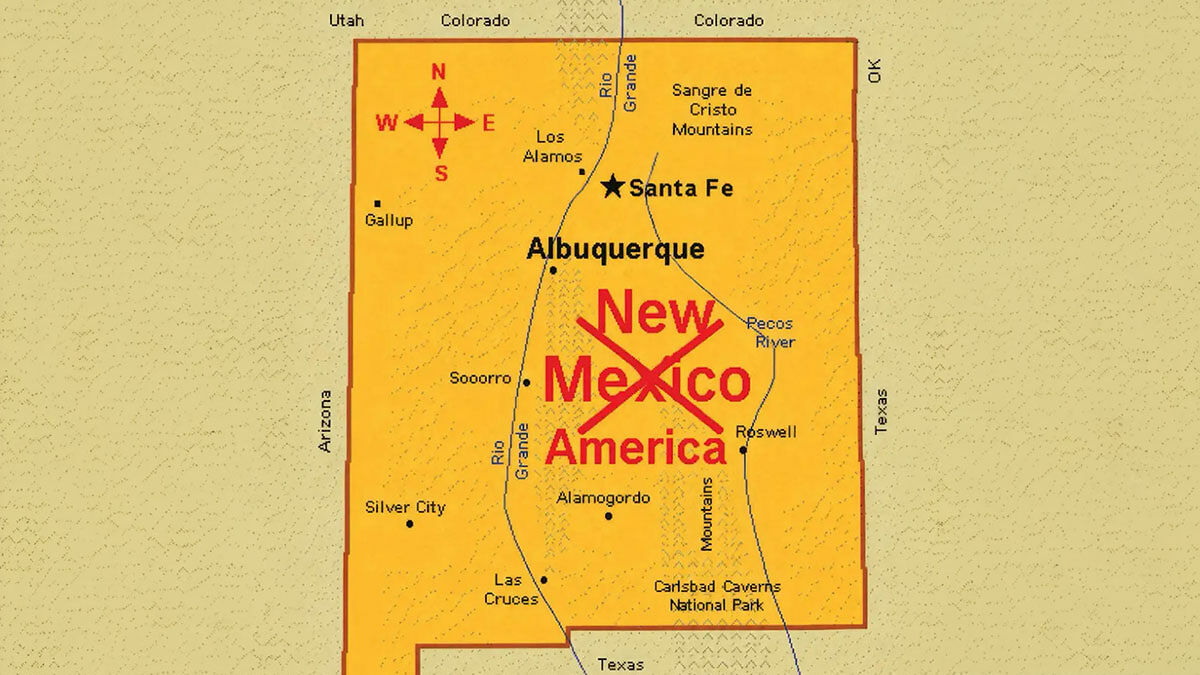
Donald Trump has once again put a familiar place name at the center of a political controversy, and one governor is making it clear she isn’t playing along.
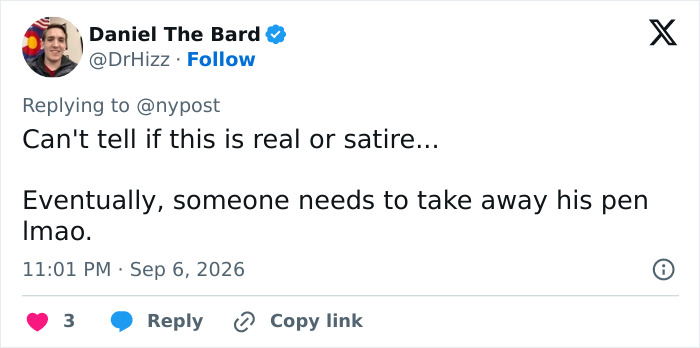
The president’s latest social media post has sparked confusion, mockery, and a heated backlash from officials who say he has no business trying to alter a name that carries centuries of history.
One social media user joked, “Every other day he is renaming things to distract people its hard to keep track now.”
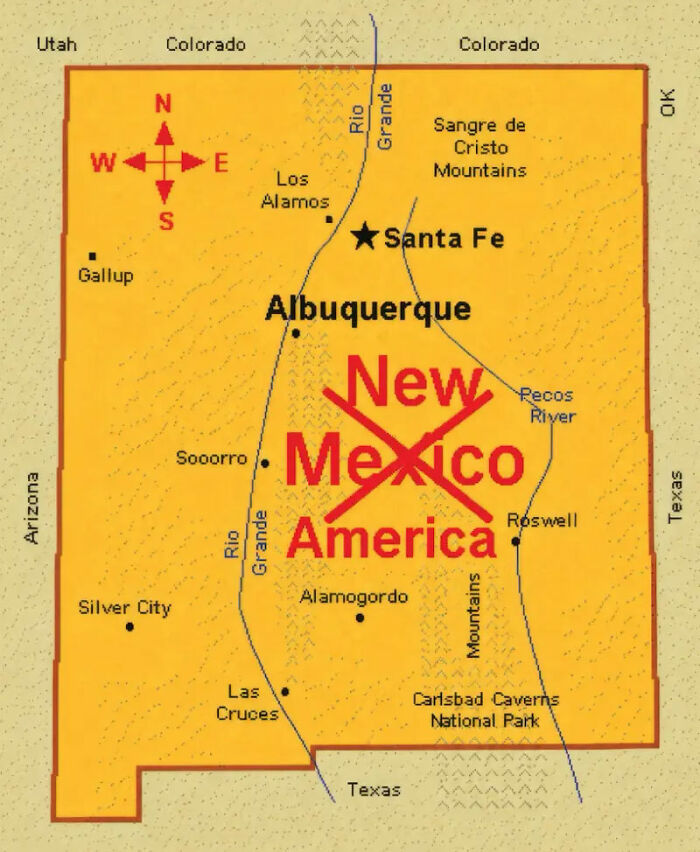
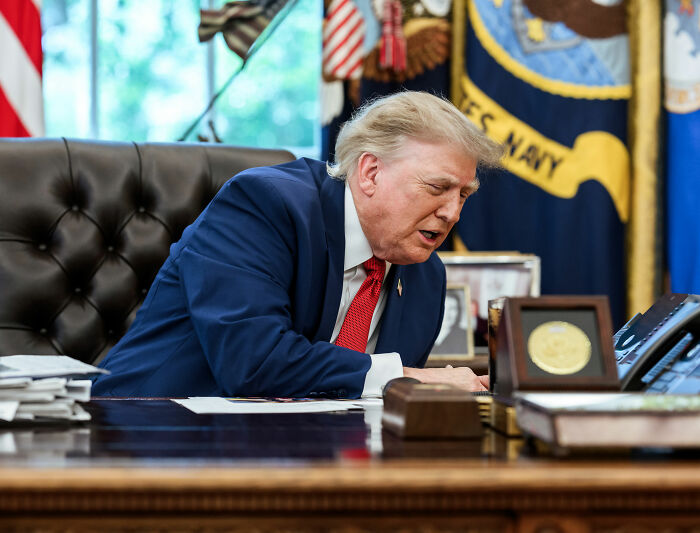
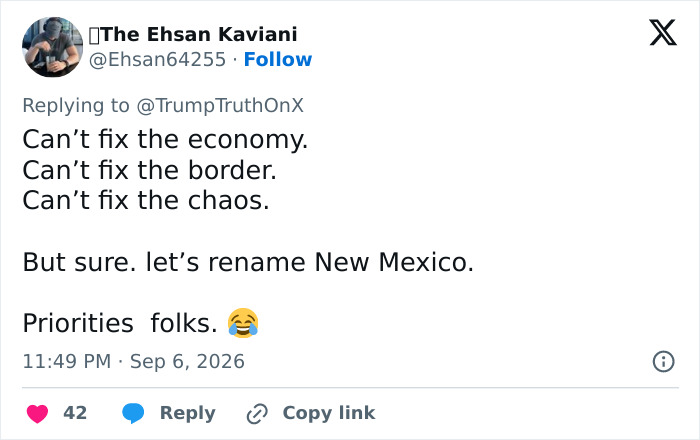
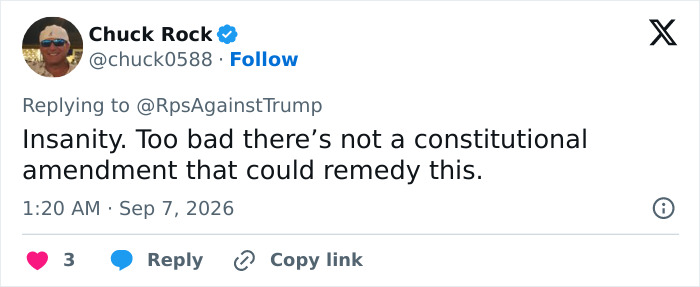
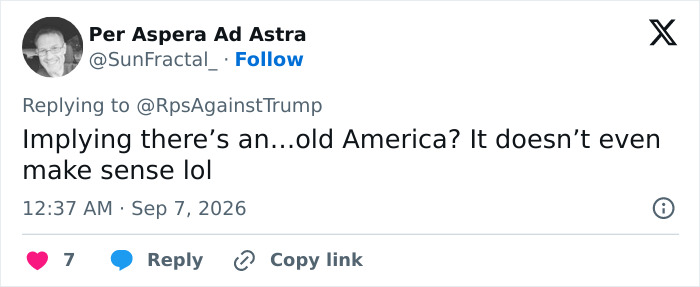
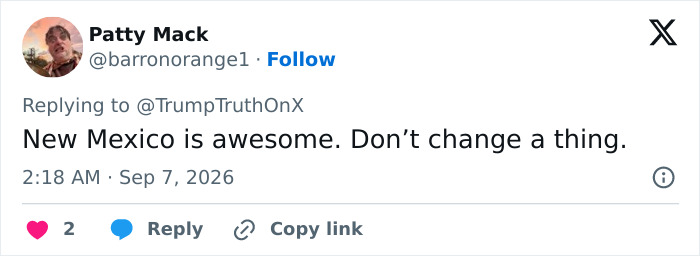
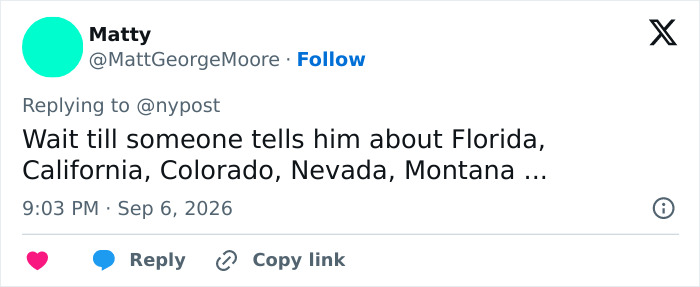
The controversy began on Sunday, September 6, when President Donald Trump shared an unusual map of New Mexico on Truth Social that appeared to cross out “Mexico” and replace it with “America.”
The image effectively gave the state a new name: “New America.”
The White House’s official X account later amplified the post by resharing the image, turning what might otherwise have been dismissed as an online joke into a much bigger political story.
Trump followed up with a message explaining his reasoning, writing, “Many people suggested changing the name of New Mexico, one of the great vote cheating states of all time, to NEW AMERICA.”
He added, So much more prestigious and beautiful for the people of that potentially incredible State. Wow, I Love It!!!”
Before Trump shared his map, a satirical social media post falsely claimed that he had signed an executive order giving the Interior secretary 30 days to rename New Mexico.
However, the claim was later debunked, and Trump never signed such an order.
But his decision to share a map depicting the proposed change did not sit well with New Mexico officials.
U.S. Sen. Martin Heinrich responded by saying there were three names he would always call by their actual names: “The Gulf of Mexico / Lake Ontario / New Mexico.”
Sen. Ben Ray Luján was even more direct, writing, “It’s New Mexico, always has been and always will be.”
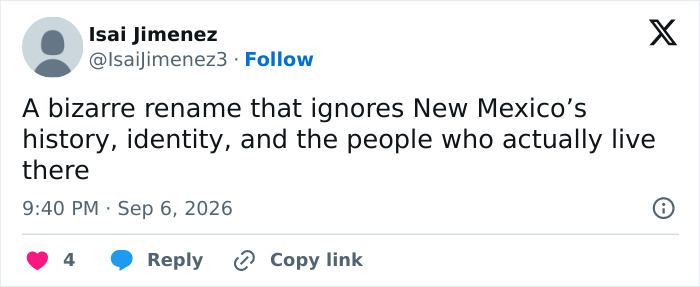
Rep. Melanie Stansbury simply responded, “Oh hell no… We’re New Mexicans. Period,” while Rep. Gabe Vasquez argued that the state’s name was inseparable from its identity, saying, “You don’t get to erase New Mexico. Not our name. Not our history. Not our culture.”
But the strongest response still came from the state’s governor, Michelle Lujan Grisham.
Trump: Many people suggested changing the name of New Mexico, one of the great vote cheating states of all time, to NEW AMERICA. pic.twitter.com/iKtMGo9R7c
— Republicans against Trump (@RpsAgainstTrump) September 7, 2026
Gov. Grisham quickly rejected the idea that New Mexico’s name was something the White House could simply reconsider.
Responding to Trump’s post, the governor pointed to the state’s long history, arguing that the name existed long before the United States itself.
New Mexico’s name, she noted, “isn’t up for debate — it’s been ours since before the United States existed. What is up for debate? Who’s showing up for working families.”
In a broader response, she argued that while Trump was focusing attention on a name change, families were dealing with rising gas and grocery costs, access to health care and the struggle to find affordable housing.
She also highlighted policies in New Mexico that her administration has pursued, including investments in free child care, college tuition, and housing.
Her closing jab was particularly pointed: “While the White House wastes time coloring on maps, Nuevo México is busy doing the work.”
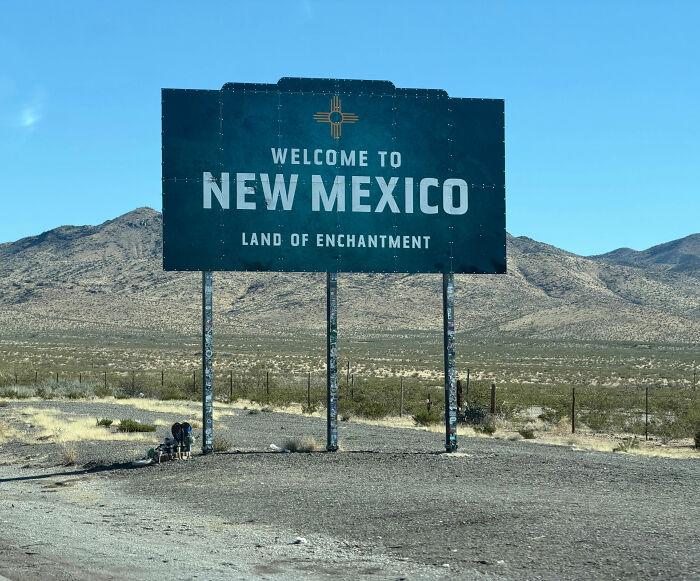
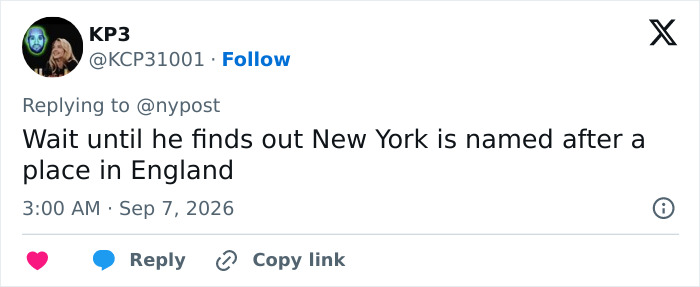
The governor’s response rested on a historical detail that can easily get lost in modern political debate: New Mexico did not get its name from the United States, nor was it named after the country of Mexico as it exists today.
The name traces back to the Spanish term “Nuevo México,” which Spanish explorers and colonists used in the region centuries ago.
Spanish exploration and settlement of the area began long before the United States was established.
New Mexico’s identity has been shaped over centuries by Native American communities, Spanish settlers, Mexican rule, and later U.S. statehood.
The state did not become part of the United States until the 19th century, and it was admitted as the 47th state in 1912.
The confusion surrounding Trump’s latest post did not come out of nowhere.
His administration has already made headlines with controversial attempts to change the names used for major geographic features.
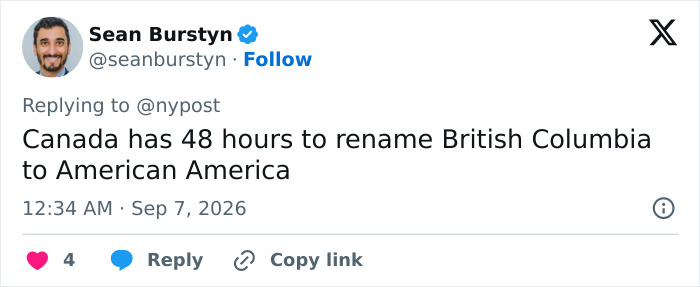
In January 2025, Trump ordered the federal government to use “Gulf of America” instead of “Gulf of Mexico” in federal documents and communications.
More recently, he officially renamed Lake Ontario as ‘Lake America’ for U.S. federal use after signing an executive order on August 27 that directed Interior Secretary Doug Burgum to update the federal Geographic Names Information System.
However, while a president can direct federal agencies on how certain geographic features are identified in federal records, that does not give the president unilateral authority to change the legal name of a U.S. state.
Executive orders can affect how federal agencies refer to places such as federal lands, national parks, and bodies of water. But a state is different.
Its legal identity falls under state sovereignty rather than being something the president can simply change from the White House.
In New Mexico’s case, changing the state’s name would require action under the state’s own constitutional process, including approval by New Mexico voters.

By entering your email and clicking Subscribe, you're agreeing to let us send you customized marketing messages about us and our advertising partners. You are also agreeing to our Privacy Policy.
Thank you! You've successfully subscribed to newsletters!


I'd like to propose a different name change. Let's rename President Donald Trump to Former President Donald Trump.

How about "Disgraced Former President"? I mean we'll end there anyway ...
Load More Replies... I'd like to propose a different name change. Let's rename President Donald Trump to Former President Donald Trump.
How about "Disgraced Former President"? I mean we'll end there anyway ...
Load More Replies...
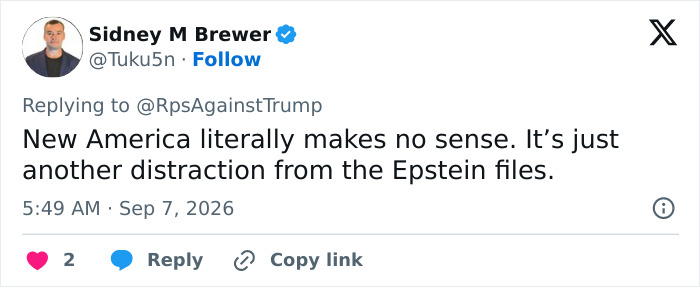
How can the gouvernment lose time with such nonsens? Ah! Distraction from the EPSTEIN FILES !!!!!!





















 No fees, cancel anytime





29
21