ADVERTISEMENT

We can only guess what the future will look like. But the past? We have evidence to help us paint a picture of it. To visit it.

There's a cool subreddit called 'Nature Was Metal' and its members are like online paleontologists, digging around the internet in search of pictures of dinosaurs and other creatures that are now extinct.

Often, they find pretty good ones: photos of real uncovered skeletons or image projections, built around them.

This subreddit is like a time machine, which may not physically take us to visit the long-gone days, but it certainly allows us glimpses of it, and that can be just enough to please our burning curiosity.

#1

This Artist Tom Björklund Draws Neanderthals As People And Not As Biological Specimens. I Have To Say, Out Of All The Art I've Seen Of Neanderthals, This Is The One That Humanizes Them The Most

This Artist Tom Björklund Draws Neanderthals As People And Not As Biological Specimens. I Have To Say, Out Of All The Art I've Seen Of Neanderthals, This Is The One That Humanizes Them The Most

Salt_x Report

RELATED:
    #2

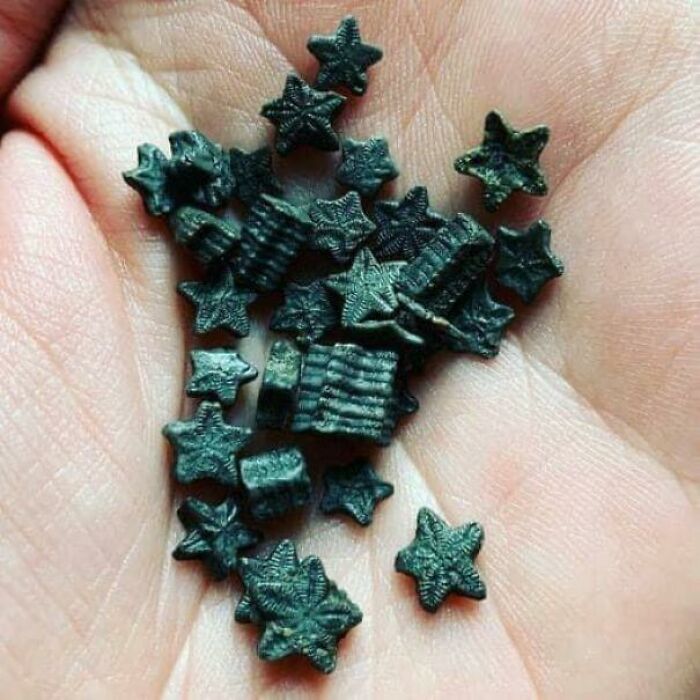
    Crinoid Fossils Can Be Found In Some UK Rivers And Were Once Thought To Be Fairy Coins. Sometimes Called ‘Star Stones’

    Crinoid Fossils Can Be Found In Some UK Rivers And Were Once Thought To Be Fairy Coins. Sometimes Called ‘Star Stones’

    User Report

    Extinction has been a natural part of the planet's evolutionary history. In fact, 99% of the four billion species that have evolved on Earth are now gone.

    And the process continues.

    The International Union for Conservation of Nature (IUCN) Red List has tried to estimate the number of extinctions over the last five centuries but unfortunately, we don't know everything about all of the world's species over this period, so it's likely that some will have disappeared without us even knowing they existed in the first place, so its numbers can be an underestimate.

    Still, that's the best guess we have. The IUCN Red List estimates that 900 species have gone extinct since 1500.

    ADVERTISEMENT
    #3

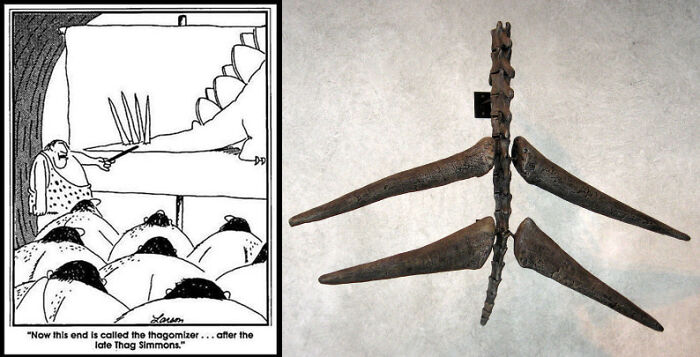
    In 1982, The Comic Strip 'The Far Side' Jokingly Referred To The Set Of Spikes On A Stegosaurus's Tail As A "Thagomizer". A Paleontologist Who Read The Comic Realized There Wasn't Any Official Name For The Spikes And Began Using The New Word; "Thagomizer" Is Now The Generally Accepted Term

    In 1982, The Comic Strip 'The Far Side' Jokingly Referred To The Set Of Spikes On A Stegosaurus's Tail As A "Thagomizer". A Paleontologist Who Read The Comic Realized There Wasn't Any Official Name For The Spikes And Began Using The New Word; "Thagomizer" Is Now The Generally Accepted Term

    mtlgrems Report

    #4

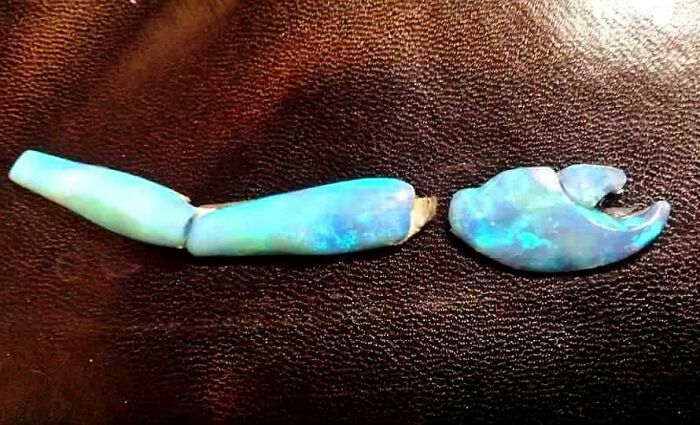
    Opalized Crab Claw

    Opalized Crab Claw

    If a cavity has formed because a bone, shell or pinecone was buried in the sand or clay that later became rock, and conditions are right for opal formation, then the opal forms a fossil replica of the original object that was buried.

    KimCureAll Report

    ADVERTISEMENT
    #5

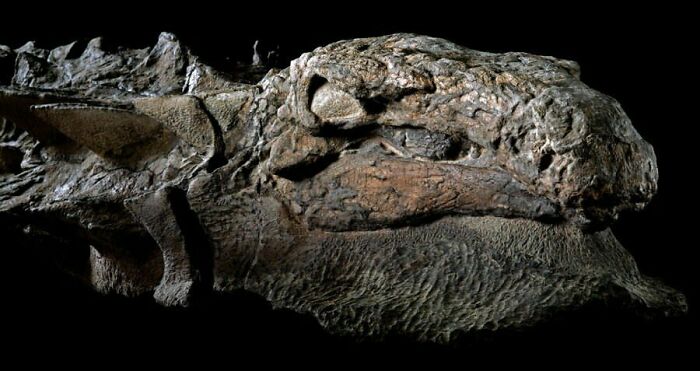
    This Isn’t A Dinosaur Fossil; It’s A Mummy

    This Isn’t A Dinosaur Fossil; It’s A Mummy

    A 110 million-year-old Nodosaur was swept to sea by a flooding river, sank, landed on its back, and was pressed into the ocean floor. It’s so well- preserved that it still has intestines and weighs 2,500 of its original 3,000 lbs

    m0rris0n_hotel Report

    ADVERTISEMENT

    To understand the biodiversity problem we need to know how many species are under pressure; where they are; and what threats are they facing.


    To do this, the IUCN Red List of Threatened Species evaluates species across the world for their level of extinction risk. It does this evaluation every year and continues to expand its coverage.


    But the IUCN has not evaluated all of the world's known species. In many taxonomic groups, it has assessed only a very small percentage. In 2021, for example, it analyzed only 7% of described species.

    #6

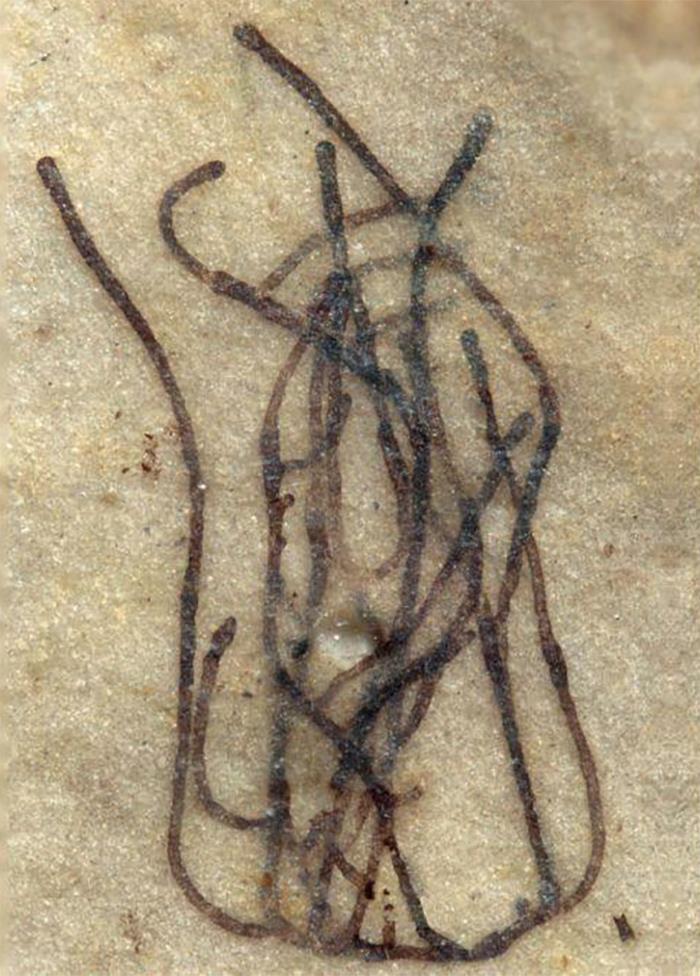
    It May Not Look Like Much, But This Tiny, Billion-Year-Old Green Algae Is The Ancestor Of All Land Plants On Earth

    It May Not Look Like Much, But This Tiny, Billion-Year-Old Green Algae Is The Ancestor Of All Land Plants On Earth

    Peachy-Persimmons Report

    #7

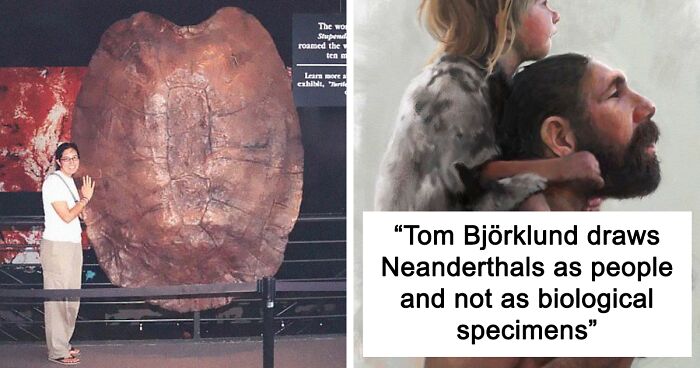
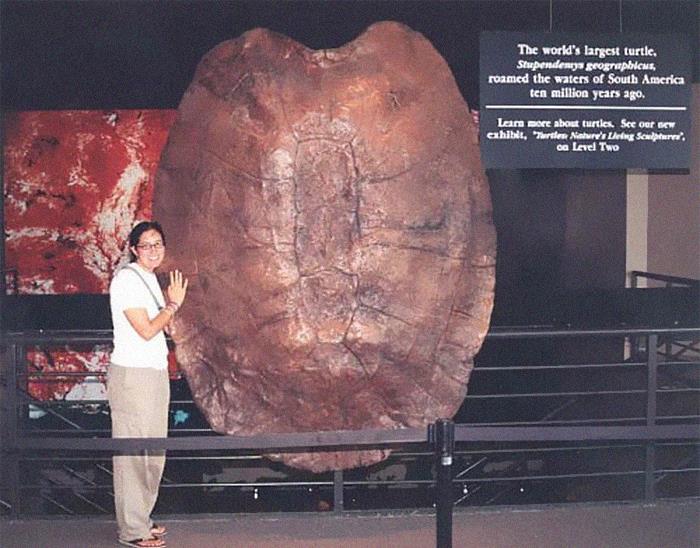
    10 Million Years Ago, Turtles Could Eat You With A Single Bite

    10 Million Years Ago, Turtles Could Eat You With A Single Bite

    billenbijter Report

    #8

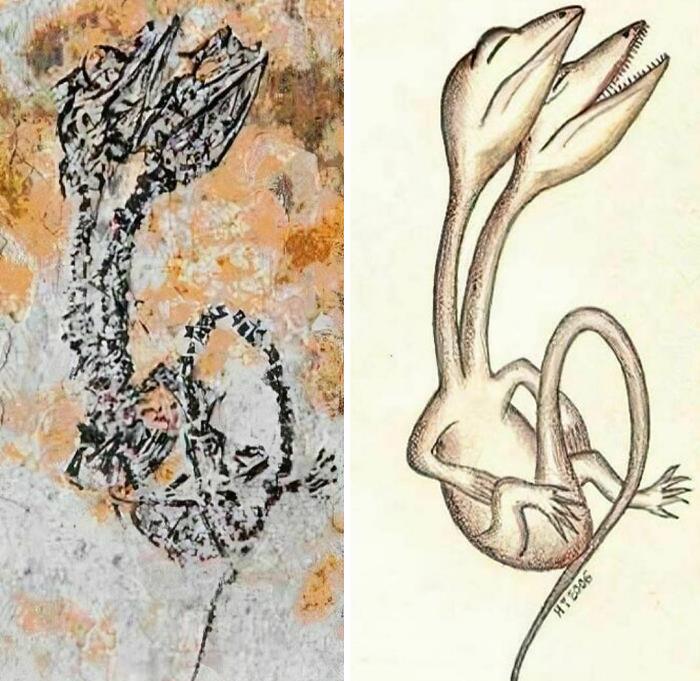
    A 120-145 Million Year Old Dinosaur With Two Heads Was Found In Yixian, China

    A 120-145 Million Year Old Dinosaur With Two Heads Was Found In Yixian, China

    It's super rare because the chances of a two headed animal are small and for it to even fossilize are even smaller.

    Narendra_17 Report

    ADVERTISEMENT
    ADVERTISEMENT
    #9

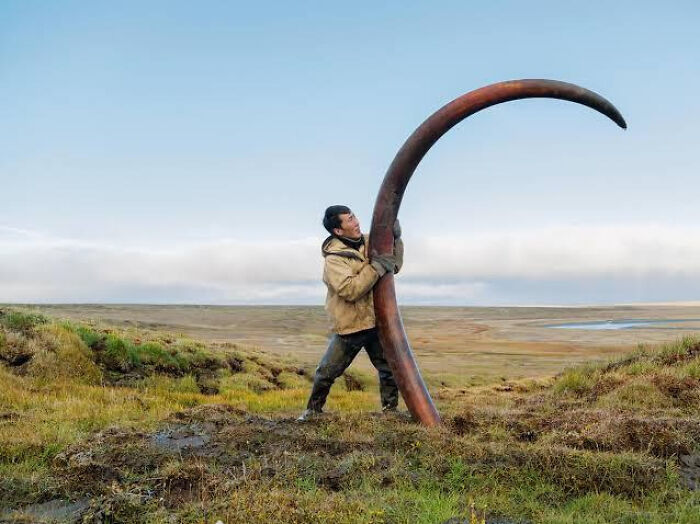
    Imagine Just How Huge And Metal This Mammoth Must Have Been... Tusk Of A Woolly Mammoth In Siberia

    Imagine Just How Huge And Metal This Mammoth Must Have Been... Tusk Of A Woolly Mammoth In Siberia

    mariospants Report

    As we'd expect, animals such as birds, mammals, and amphibians have seen a much larger share of their species assessed – more than 80%. On the other hand, only 1% of insects have. And less than 1% of the world's fungi.

    The lack of complete coverage of the world’s species highlights two important points we need to remember when interpreting the IUCN Red List data:

    1. Changes in the number of threatened species over time do not necessarily reflect increasing extinction risks;

    2. The number of threatened species is an underestimate.

    #10

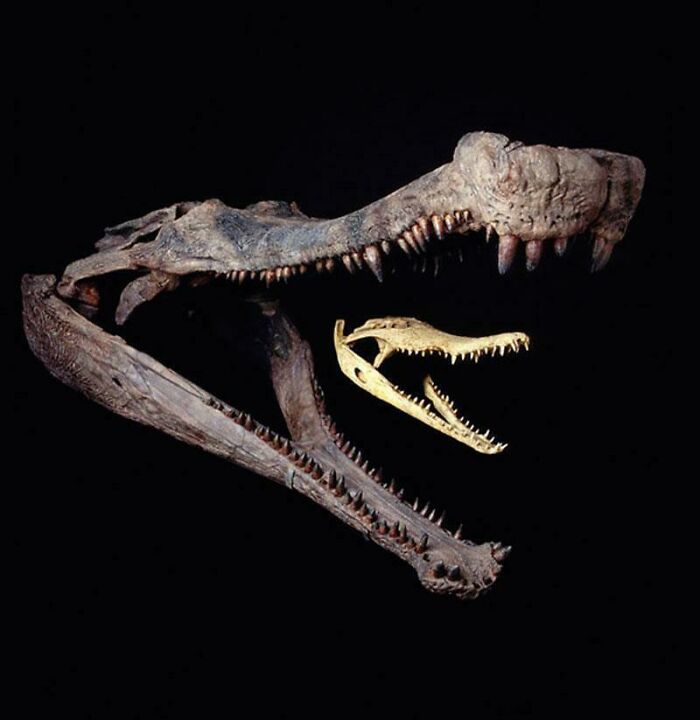
    A Comparison Between The Skull Of A Sarcosuchus And A Nile Crocodile

    A Comparison Between The Skull Of A Sarcosuchus And A Nile Crocodile

    No-Promotion-2955 Report

    #11

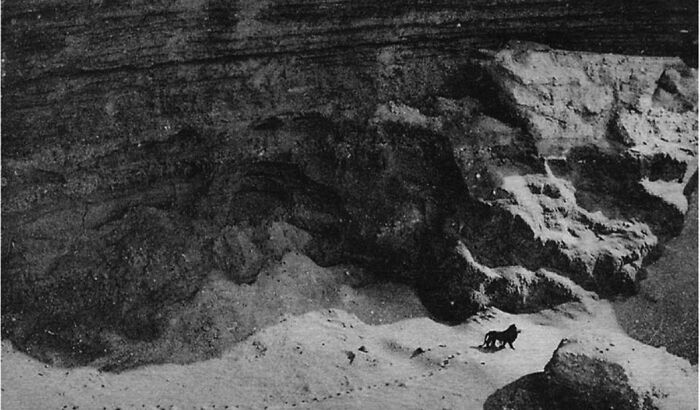
    The Last Photo Taken Of A Wild Barbary Lion. Taken In 1924

    The Last Photo Taken Of A Wild Barbary Lion. Taken In 1924

    User Report

    ADVERTISEMENT
    #12

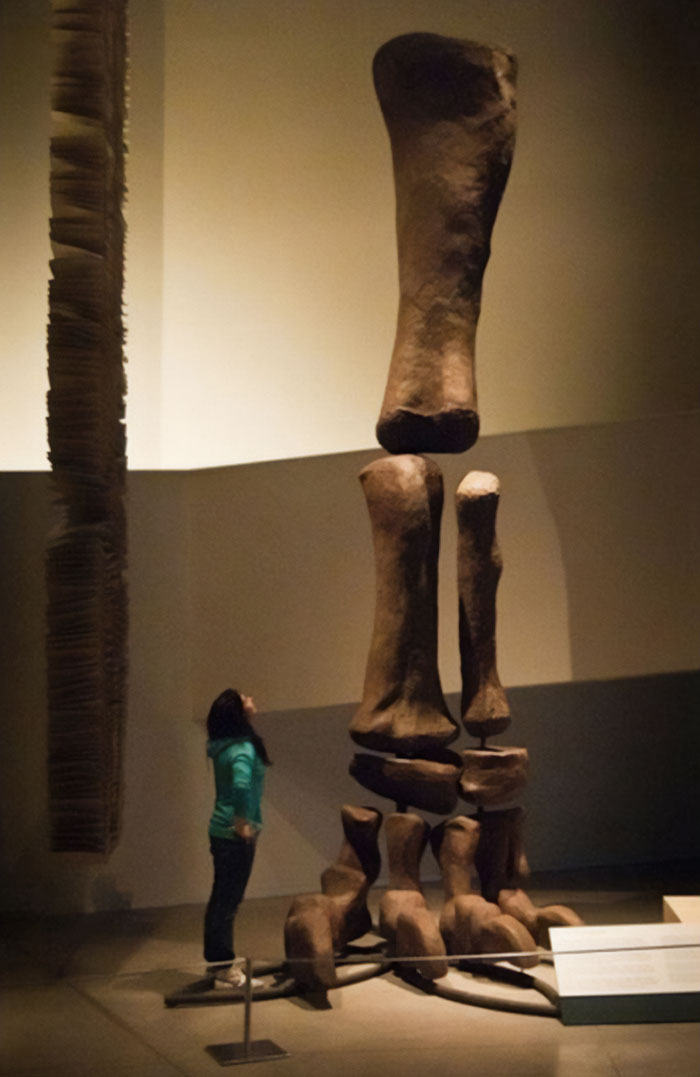
    The Giant Monster That Was Argentinosaurus

    The Giant Monster That Was Argentinosaurus

    Husdjur Report

    ADVERTISEMENT
    #13

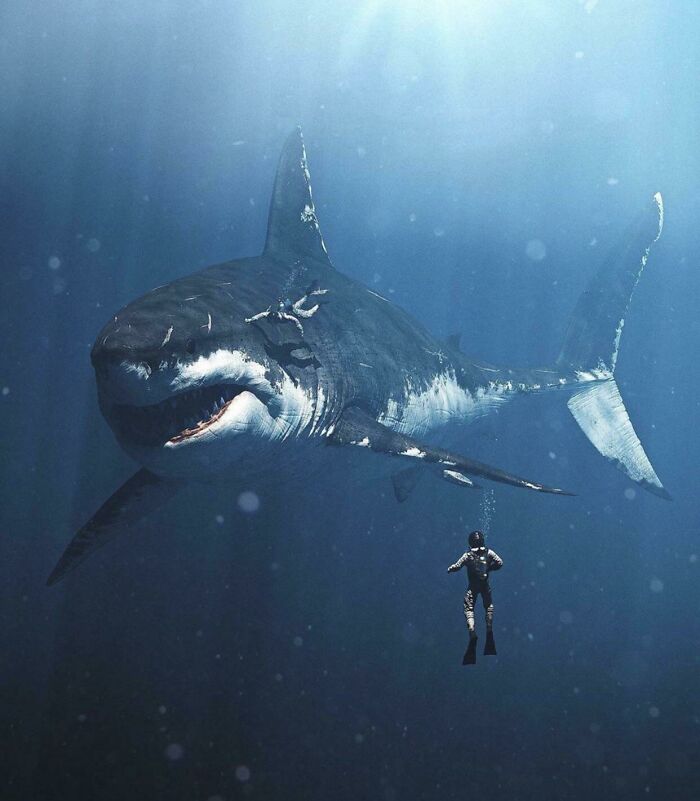
    Megalodon & Human Size Comparison

    Megalodon & Human Size Comparison

    _KingScar Report

    In total, the IUCN Red List has evaluated 40,084 species across all taxonomic groups to be threatened with extinction in 2021.

    But as noted before, since birds, mammals, and amphibians are the most well-studied groups, their numbers are the most accurate reflection of the true number (and therefore, understudied groups such as insects, plants, and fungi will be a large underestimate).

    #14

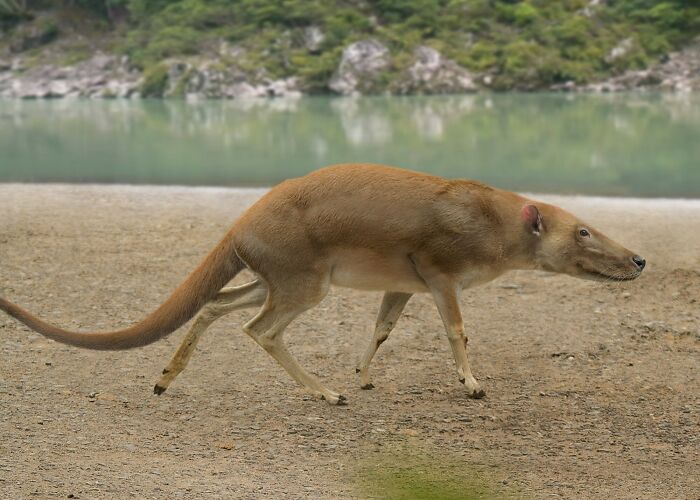
    Indohyus - The Earliest Known Ancestor Of The Whale

    Indohyus - The Earliest Known Ancestor Of The Whale

    User Report

    ADVERTISEMENT
    #15

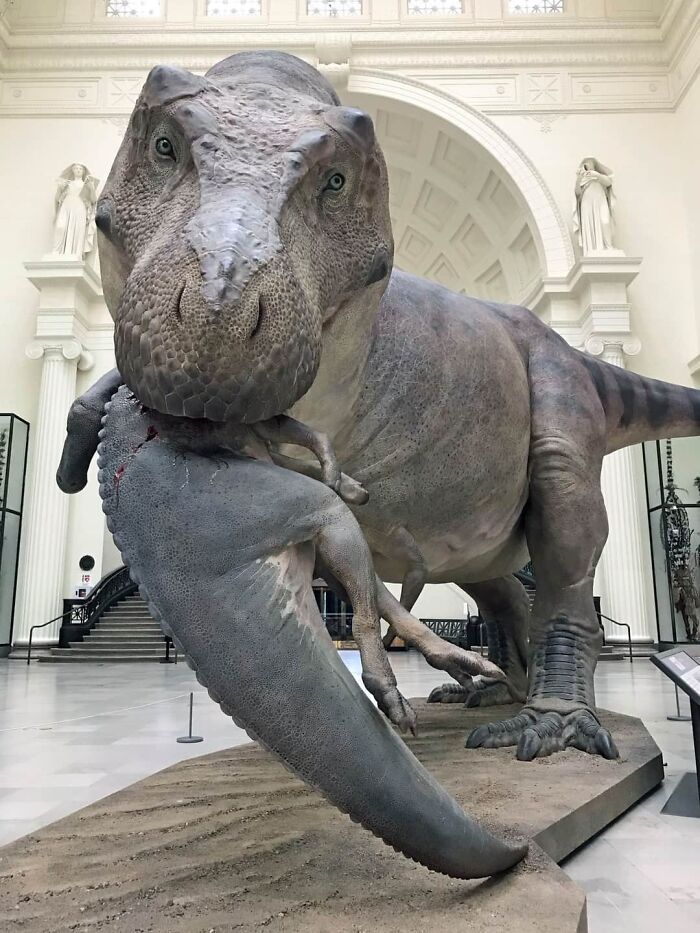
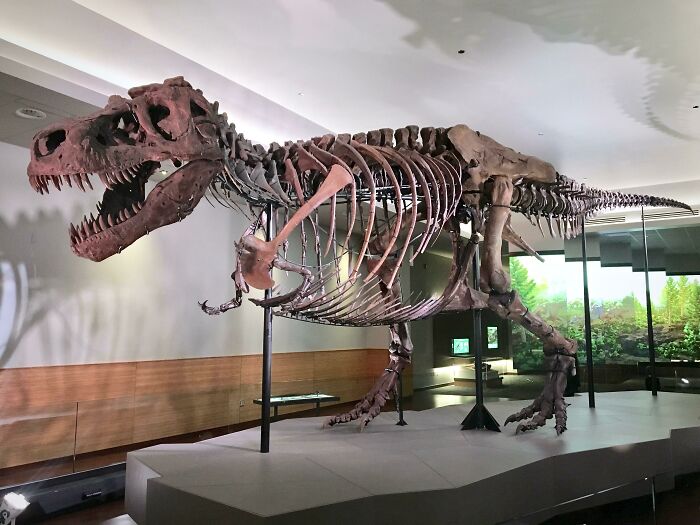
    Reconstruction Of Sue, The T. Rex, In The Field Museum In Chicago

    Reconstruction Of Sue, The T. Rex, In The Field Museum In Chicago

    Notice the eyes and the snout, to this day I never saw a reconstruction that looked terrifying and cute at the same time. Blue Rhino Studio made the model for this exhibition. Photo taken from their Facebook page.

    AlJRaba Report

    Never miss a story that brings joy to the world. Follow on Google News

    #16

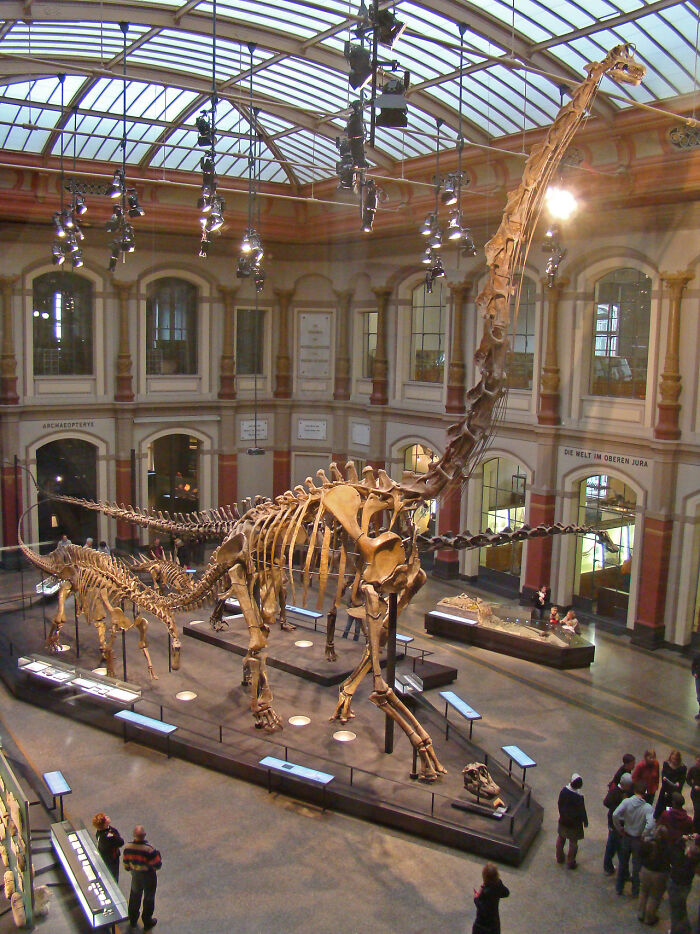
    This Brachiosaurus Skeleton

    This Brachiosaurus Skeleton

    mtlgrems Report

    ADVERTISEMENT
    #17

    The Diversity Among [intimate] Erectus Around The World. [intimate] Erectus Existed For 1.9 Million Years And Was The Most Successful Human Species

    The Diversity Among [intimate] Erectus Around The World. [intimate] Erectus Existed For 1.9 Million Years And Was The Most Successful Human Species

    AddisonDeWitt_ Report

    Many think that humans are also doomed to disappear. Paleontologist Henry Gee thinks the most insidious threat to humankind is the so-called extinction debt.

    ADVERTISEMENT

    "There comes a time in the progress of any species, even ones that seem to be thriving, when extinction will be inevitable, no matter what they might do to avert it," Gee wrote in Scientific American.

    "The cause of extinction is usually a delayed reaction to habitat loss. The species most at risk are those that dominate particular habitat patches at the expense of others, who tend to migrate elsewhere, and are therefore spread more thinly. Humans occupy more or less the whole planet, and with our sequestration of a large wedge of the productivity of this planetwide habitat patch, we are dominant within it. H. sapiens might therefore already be a [not alive] species walking."

    #18

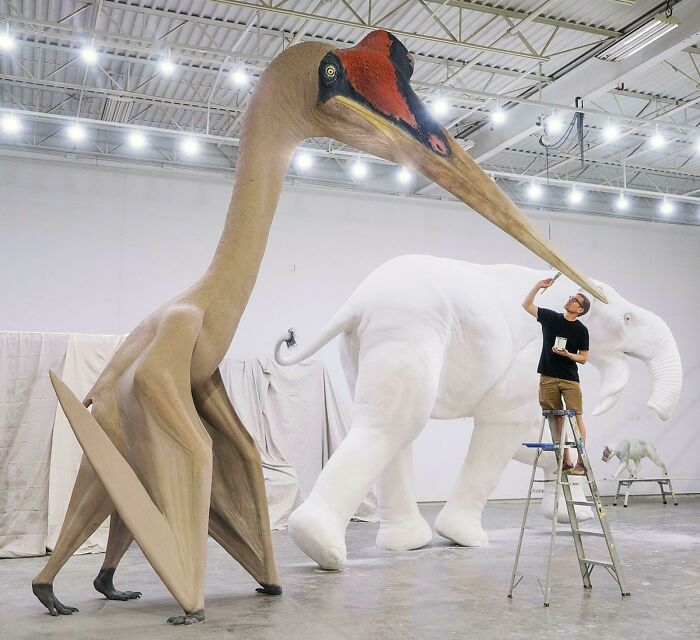
    Quetzalcoatlus, The Biggest Flying Animal Ever!

    Quetzalcoatlus, The Biggest Flying Animal Ever!

    Rabano11 Report

    #19

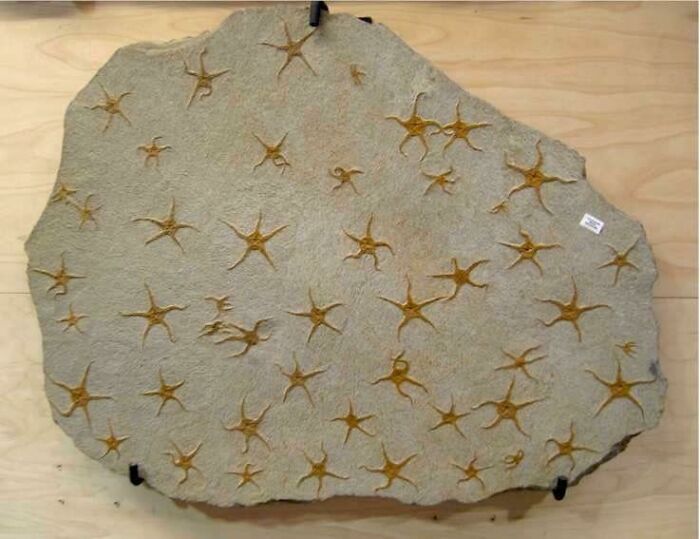
    These Starfishes Embedded In Stone As A Fossil

    These Starfishes Embedded In Stone As A Fossil

    Peachy-Persimmons Report

    ADVERTISEMENT
    #20

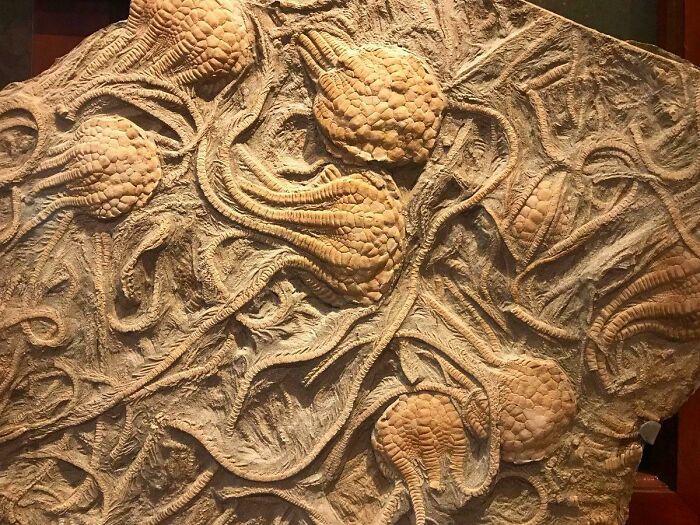
    These 250-Million Year Old Detailed Crinoid Fossils

    These 250-Million Year Old Detailed Crinoid Fossils

    Peachy-Persimmons Report

    ADVERTISEMENT
    #21

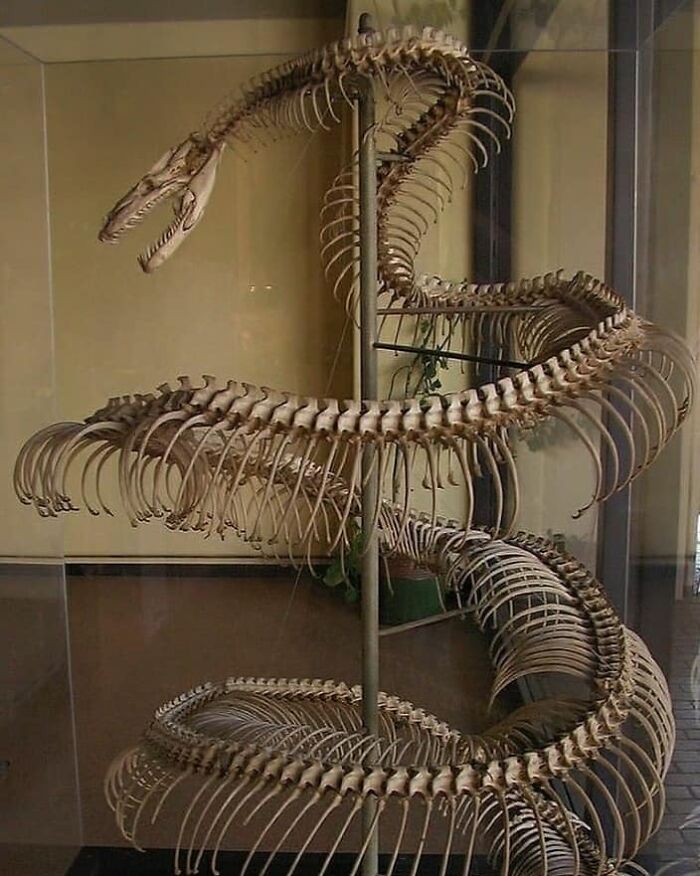
    Titanoboa Skeleton

    Titanoboa Skeleton

    Ryunysus Report

    "The signs are already there for those willing to see them," Gee said. "When the habitat becomes degraded such that there are fewer resources to go around; when fertility starts to decline; when the birth rate sinks below the passing rate; and when genetic resources are limited—the only way is down. The question is 'How fast?'"

    The paleontologist suspects that the human population is set not just for shrinkage but collapse. I guess, time will show.

    #22

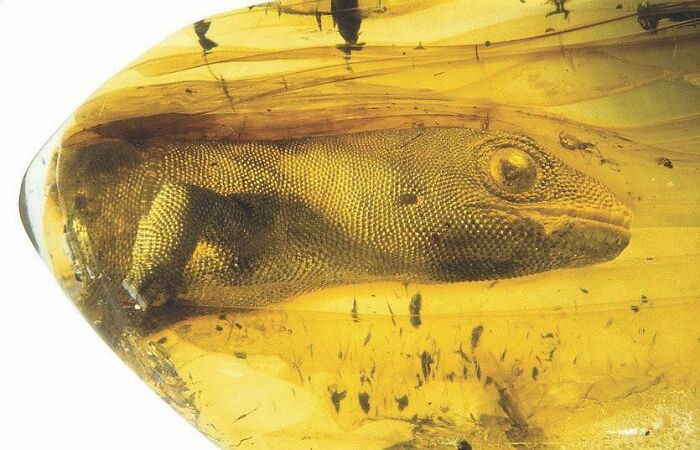
    23 Million Year Old Lizard Found In Fossil

    23 Million Year Old Lizard Found In Fossil

    Peachy-Persimmons Report

    ADVERTISEMENT
    #23

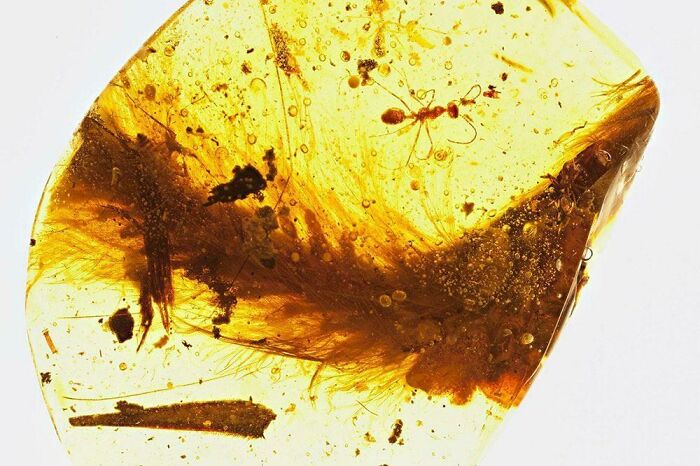
    Tail Of A 99m Yo Dinosaur, The First One Ever Discovered. Perfectly Preserved, Still Covered In Feathers

    Tail Of A 99m Yo Dinosaur, The First One Ever Discovered. Perfectly Preserved, Still Covered In Feathers

    User Report

    #24

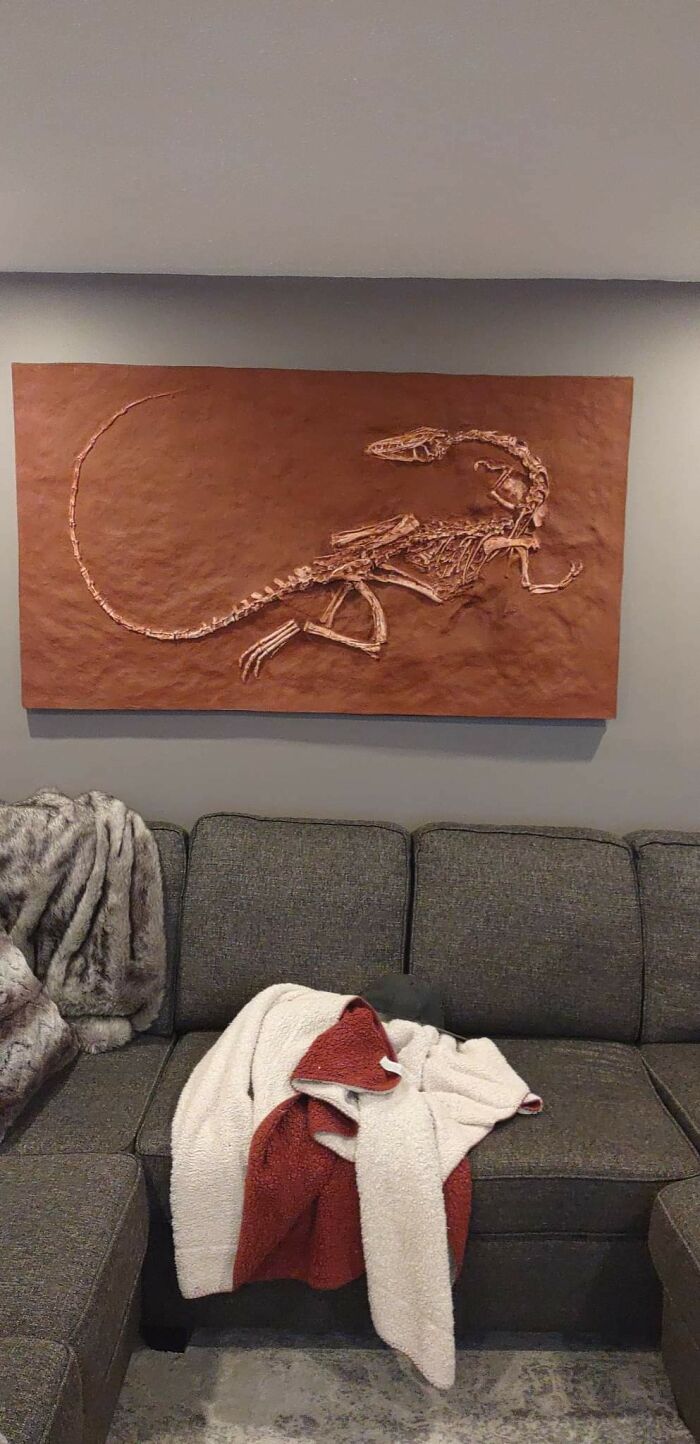
    Had To Drive 14 Hours To Get Her, But I Finally Have My Little Own Coelophysis

    Had To Drive 14 Hours To Get Her, But I Finally Have My Little Own Coelophysis

    User Report

    ADVERTISEMENT
    #25

    Sue Is The Largest T.Rex To Be Found So Far, At 90% Of The Body Complete

    Sue Is The Largest T.Rex To Be Found So Far, At 90% Of The Body Complete

    Peachy-Persimmons Report

    #26

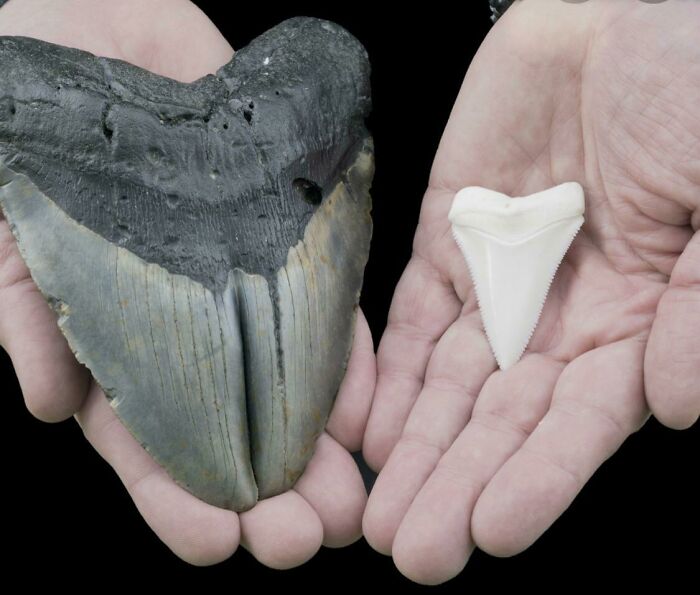
    A Megalodon Tooth Compared To A Great White Shark!

    A Megalodon Tooth Compared To A Great White Shark!

    Rayan2550 Report

    ADVERTISEMENT
    #27

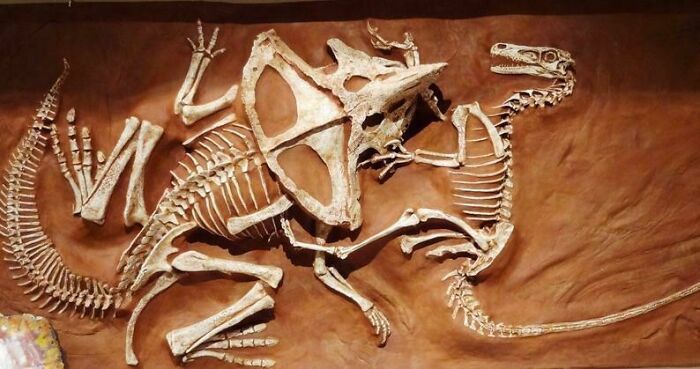
    A Raptor And Protoceratops’ Fight Preserved In The Sand

    A Raptor And Protoceratops’ Fight Preserved In The Sand

    Peachy-Persimmons Report

    #28

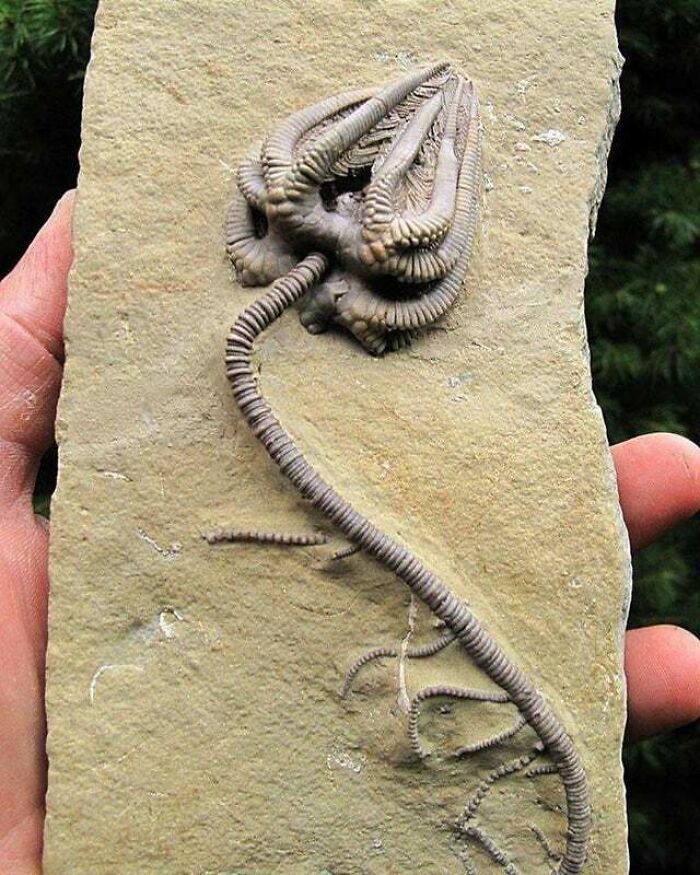
    An Incredibly Intact Crinoid Specimen Fossil Dating Back To About 345 Million Years Ago!

    An Incredibly Intact Crinoid Specimen Fossil Dating Back To About 345 Million Years Ago!

    monomotive Report

    ADVERTISEMENT
    #29

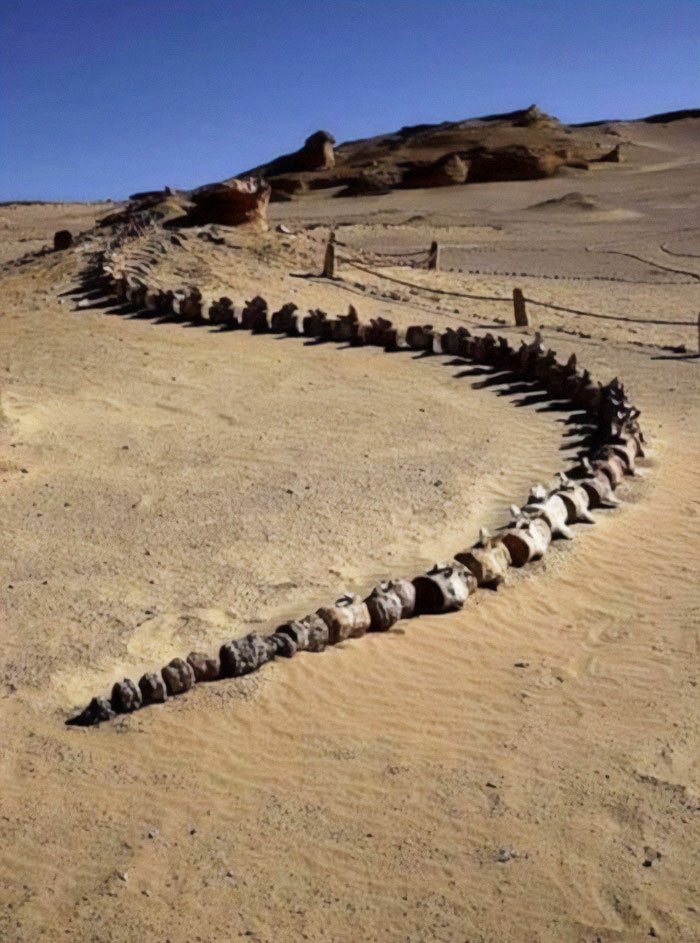
    The World’s Only Intact Fossil Of An Early Whale - The Basilosaurus Dating About 40 Million Years Ago - Has Been Uncovered During A Excavation At Wadi Al-Hitan In Egypt

    The World’s Only Intact Fossil Of An Early Whale - The Basilosaurus Dating About 40 Million Years Ago - Has Been Uncovered During A Excavation At Wadi Al-Hitan In Egypt

    jaketocake Report

    #30

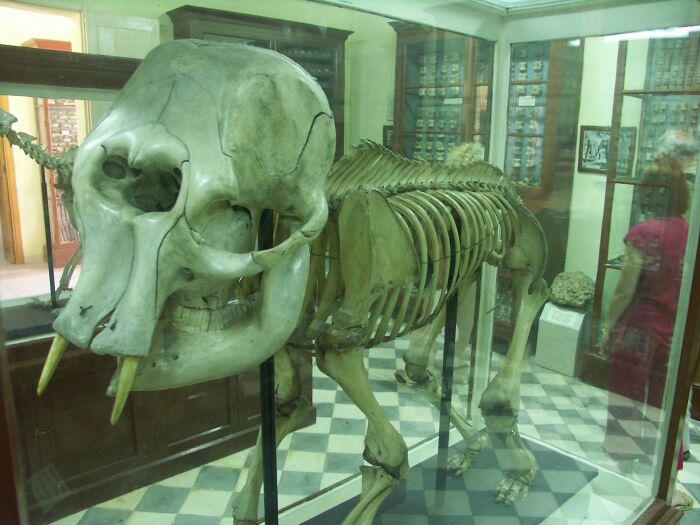
    Cretan Dwarf Mammoth. It's Possible Its Skull Was The Origin Of The Myths About Cyclops In Ancient Times. (Not My Photo)

    Cretan Dwarf Mammoth. It's Possible Its Skull Was The Origin Of The Myths About Cyclops In Ancient Times. (Not My Photo)

    ACJ96 Report

    ADVERTISEMENT
    #31

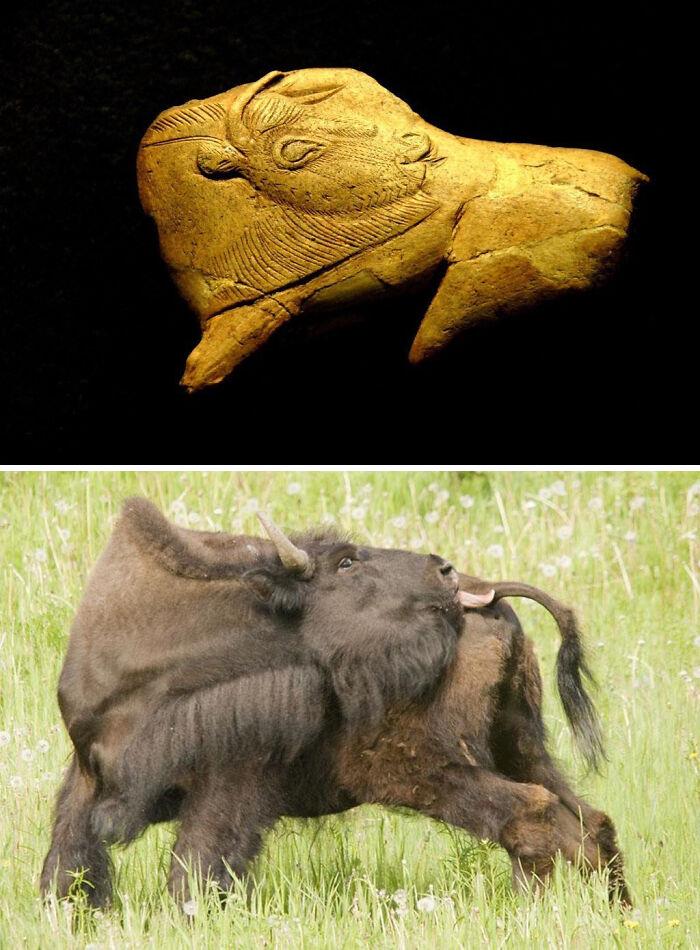
    The Licking Bison Of La Madeleine Was Carved On A Reindeer Antler Fragment In Upper Paleolithic France Sometime Between 20,000 And 12,000 Years Ago. It Depicts The Now Extinct Steppe Bison

    The Licking Bison Of La Madeleine Was Carved On A Reindeer Antler Fragment In Upper Paleolithic France Sometime Between 20,000 And 12,000 Years Ago. It Depicts The Now Extinct Steppe Bison

    Pardusco Report

    #32

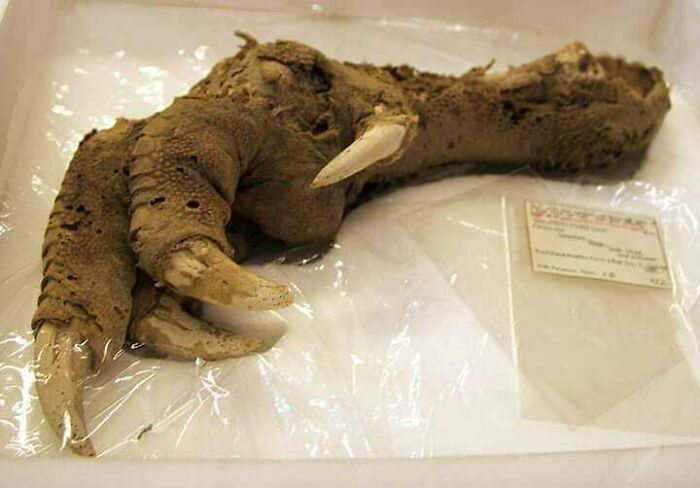
    A Preserved Foot Of The Giant Moa Bird. An Extinct Species Native To New Zealand. It Grew To Be 12 Feet Tall

    A Preserved Foot Of The Giant Moa Bird. An Extinct Species Native To New Zealand. It Grew To Be 12 Feet Tall

    Sleeeepy_Hollow Report

    ADVERTISEMENT
    #33

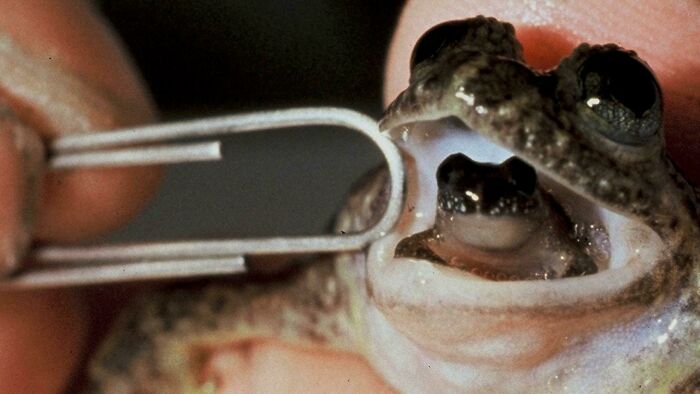
    When Breeding, Australian Gastric-Brooding Frogs (Rheobatrachus) Would Stop Producing Gastric Acid, Swallow Their Eggs, And Carry Them In Their Stomachs Past Metamorphosis. Extinct Since 1985

    When Breeding, Australian Gastric-Brooding Frogs (Rheobatrachus) Would Stop Producing Gastric Acid, Swallow Their Eggs, And Carry Them In Their Stomachs Past Metamorphosis. Extinct Since 1985

    masiakasaurus Report

    #34

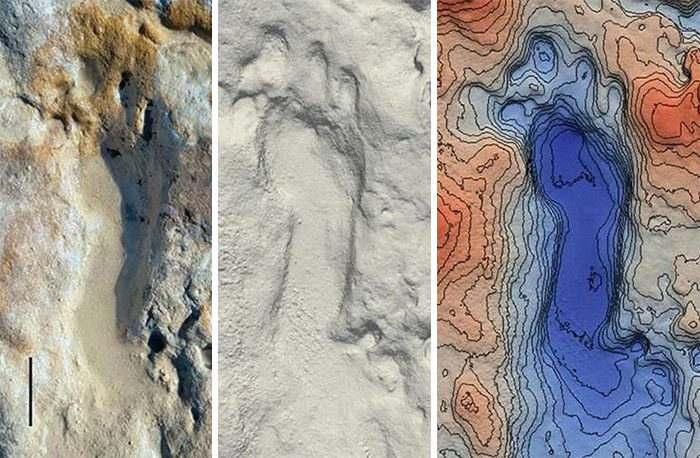
    100,000 Years Ago, A Group Of Neanderthals In Spain Walked Down To The Beach

    100,000 Years Ago, A Group Of Neanderthals In Spain Walked Down To The Beach

    sylvyrfyre Report

    ADVERTISEMENT
    #35

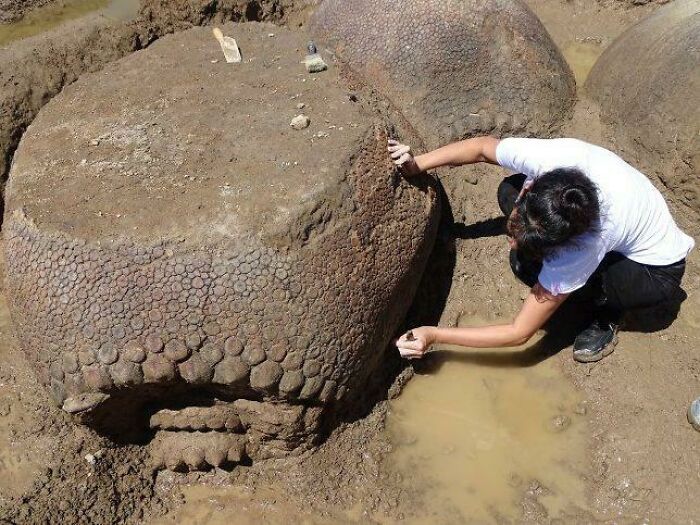
    An Argentinian Farmer Recently Found 20,000 Years Old Fossilized Glyptodons

    An Argentinian Farmer Recently Found 20,000 Years Old Fossilized Glyptodons

    Peachy-Persimmons Report

    #36

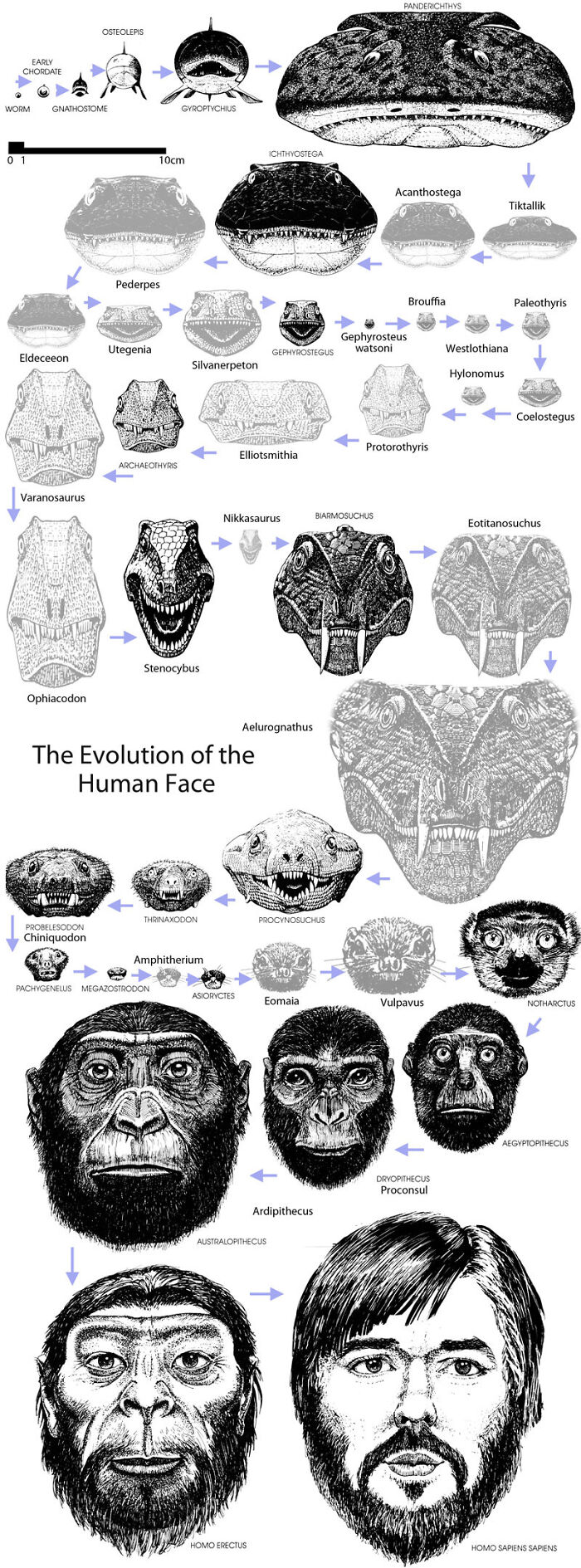
    The Evolution Of Our Face

    The Evolution Of Our Face

    Ivan_Botsky_Trollov Report

    ADVERTISEMENT
    #37

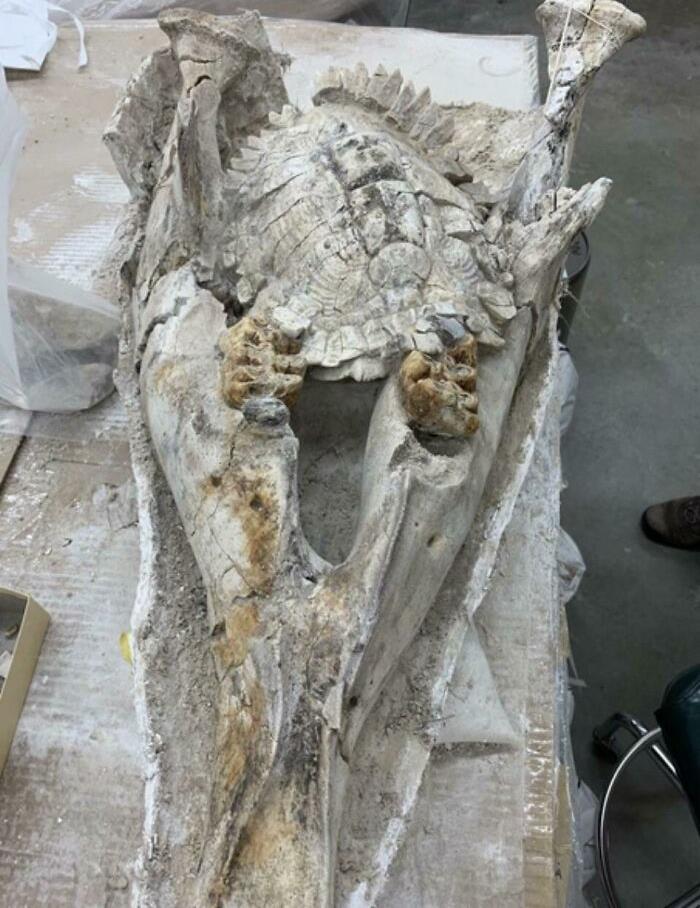
    A Rare Fossil: The Shell Of A Tortoise Stuck In The Jaw Of An Ancient Elephant

    A Rare Fossil: The Shell Of A Tortoise Stuck In The Jaw Of An Ancient Elephant

    Scientiaetnatura065 Report

    #38

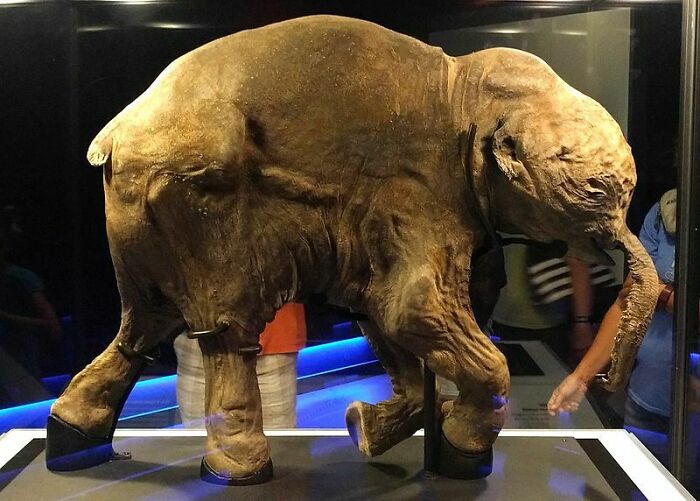
    I See Your Various Well-Preserved Animals And Raise To You A Smushed Baby Mammoth (Credit Ruth Hartnup)

    I See Your Various Well-Preserved Animals And Raise To You A Smushed Baby Mammoth (Credit Ruth Hartnup)

    User Report

    ADVERTISEMENT
    #39

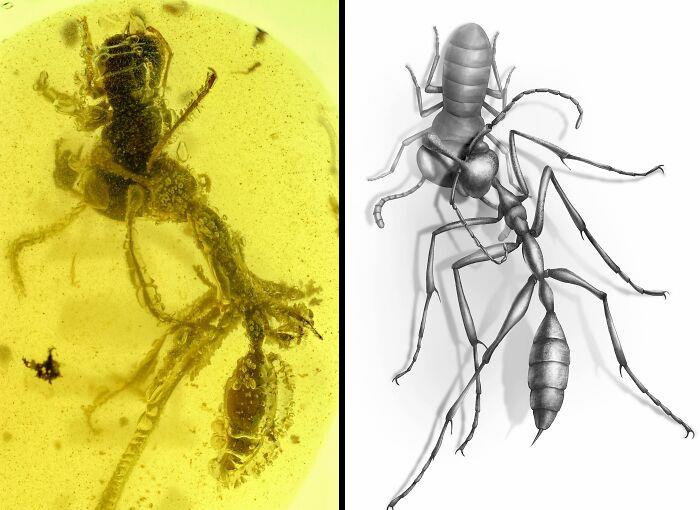
    Prehistoric 'H**l Ant' Stuck In Amber Biting It's Prey For 99 Million Years

    Prehistoric 'H**l Ant' Stuck In Amber Biting It's Prey For 99 Million Years

    Jeski221 Report

    #40

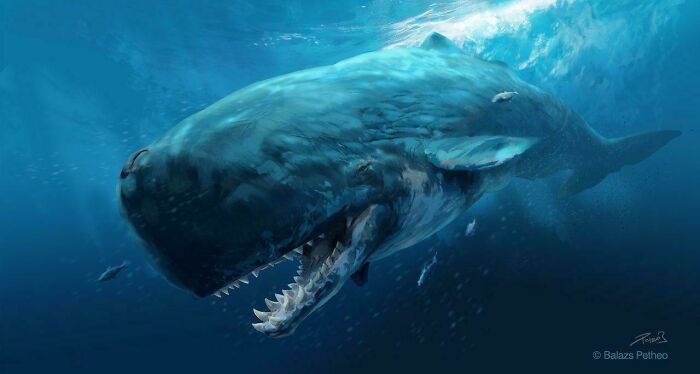
    Livyatan Is An Extinct Genus Of Sperm Whale And Is Most Notable For Being A Member Of The Raptorial Sperm Whales (Hyper-Predatory Sperm Whales) And Having The Strongest Bite Of Any Tetrapod

    Livyatan Is An Extinct Genus Of Sperm Whale And Is Most Notable For Being A Member Of The Raptorial Sperm Whales (Hyper-Predatory Sperm Whales) And Having The Strongest Bite Of Any Tetrapod

    tgood139 Report

    ADVERTISEMENT
    #41

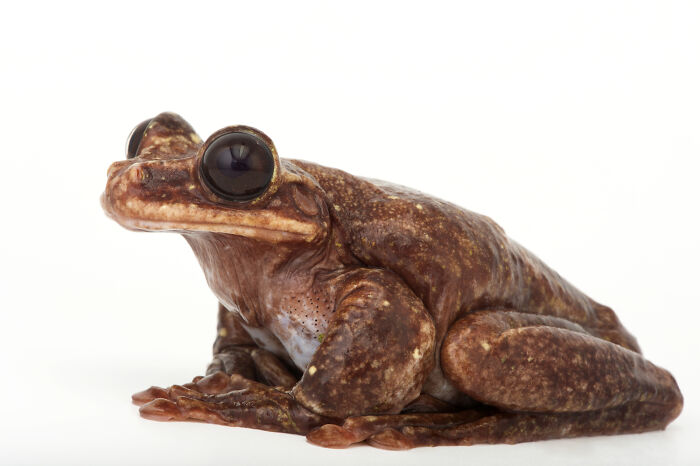
    This Was Toughie, The Last Known Living Rabbs' Fringe-Limbed Treefrog. He Was Captured As An Adult In Panama In 2005 And Died In Captivity On September 26, 2016

    This Was Toughie, The Last Known Living Rabbs' Fringe-Limbed Treefrog. He Was Captured As An Adult In Panama In 2005 And Died In Captivity On September 26, 2016

    Pardusco Report

    #42

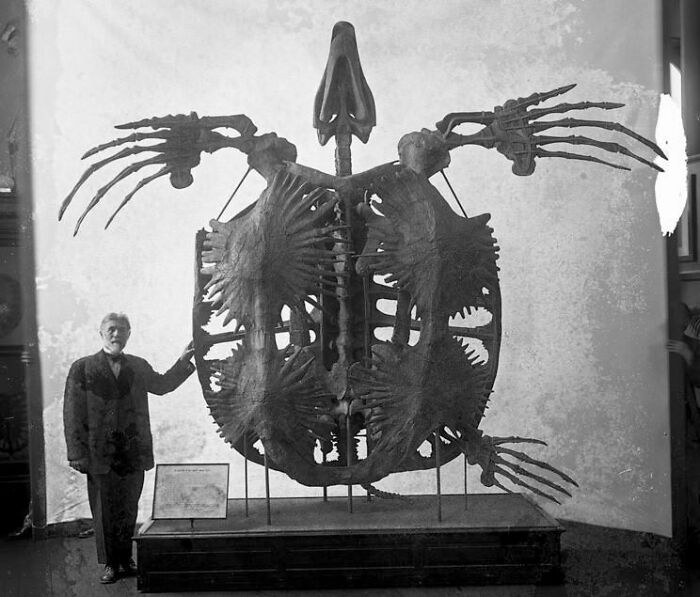
    Skeleton Of Archelon Ischyros

    Skeleton Of Archelon Ischyros

    Ryunysus Report

    ADVERTISEMENT
    #43

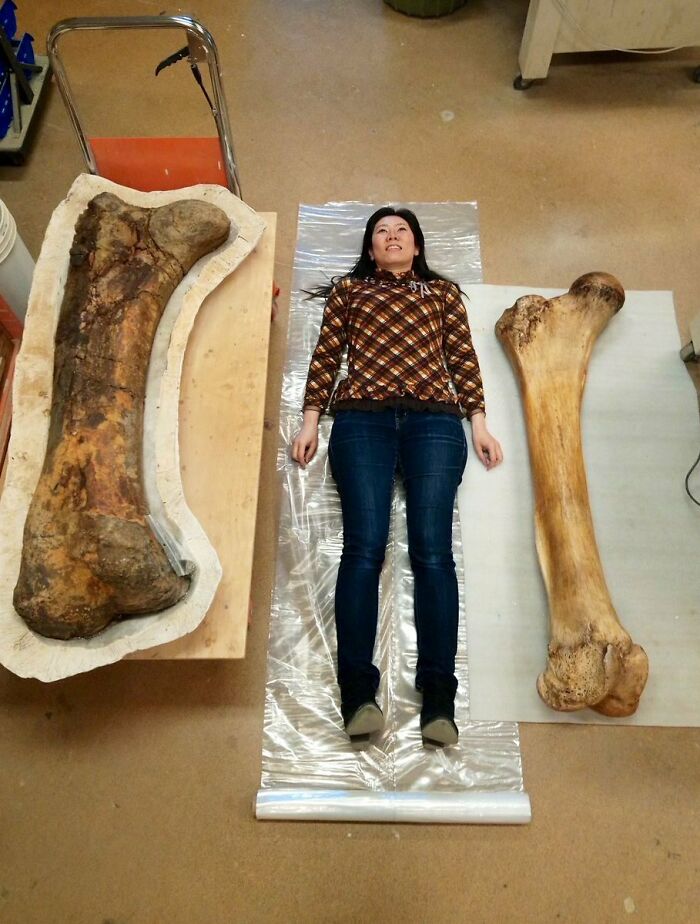
    Triceratops Femur (Left) vs. Elephant Femur

    Triceratops Femur (Left) vs. Elephant Femur

    TheGreatHsuster Report

    #44

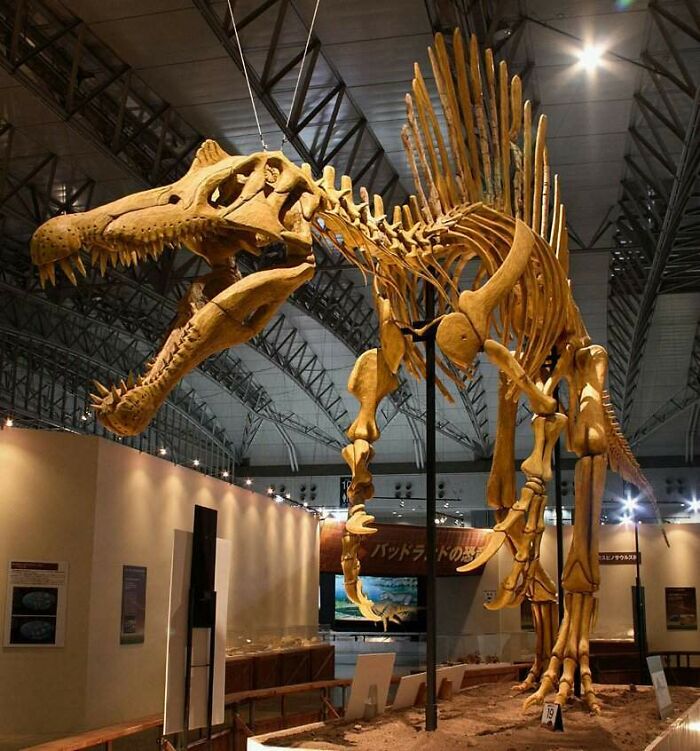
    This Spinosaurus Skeleton

    This Spinosaurus Skeleton

    mtlgrems Report

    ADVERTISEMENT
    #45

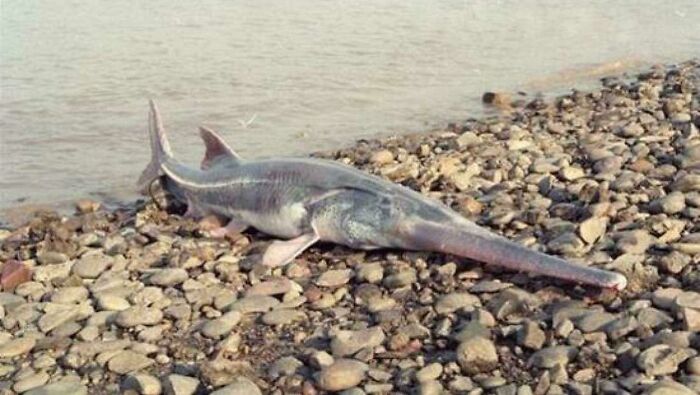
    Giant Chinese Paddlefish Now Officially Extinct

    Giant Chinese Paddlefish Now Officially Extinct

    User Report

    #46

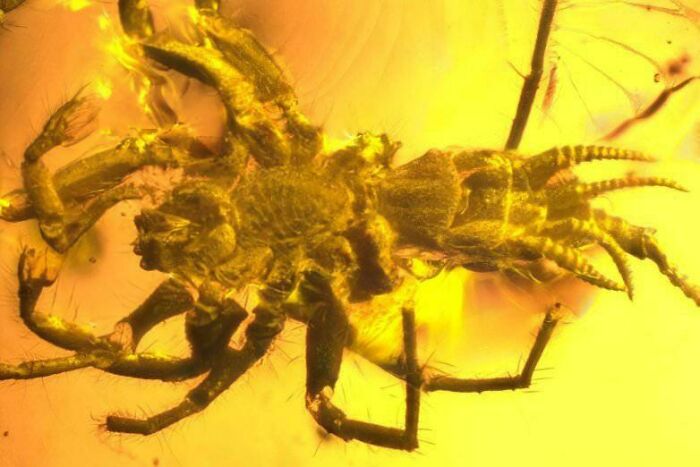
    Prehistoric Spider-Like Arachnid Found Preserved In Amber

    Prehistoric Spider-Like Arachnid Found Preserved In Amber

    User Report

    ADVERTISEMENT
    Add New Image This post is a community curated image gallery Add Image
    Add New Image

    Add Your Photo To This List

    Please use high-res photos without watermarks

    Upload Photo

    Not your original work? Add source

    Publish