Get Premium
Dark mode theme is available exclusively for premium users. Learn more about the benefits of subscribing.
No fees, cancel anytime.

 Dark Mode Ad-Free Browsing Unlimited Content
 Ad-Free Browsing Unlimited Content Dark Mode
Join 1.2 million Panda readers who get the best art, memes, and fun stories every week!
A museum is one of the most interesting places you could set foot in. Every artifact on display tells a complex and compelling story, a lot of which you won’t learn in school textbooks.
That said, working in one should be rewarding, especially if you love nerding out. And as this list may prove, being a museum employee could be one of the more underratedly cool jobs anyone could have.
We collected these posts from various internet forums. If you’ve ever worked in a museum (or still do), we would love to hear from you, too!
This post may include affiliate links.
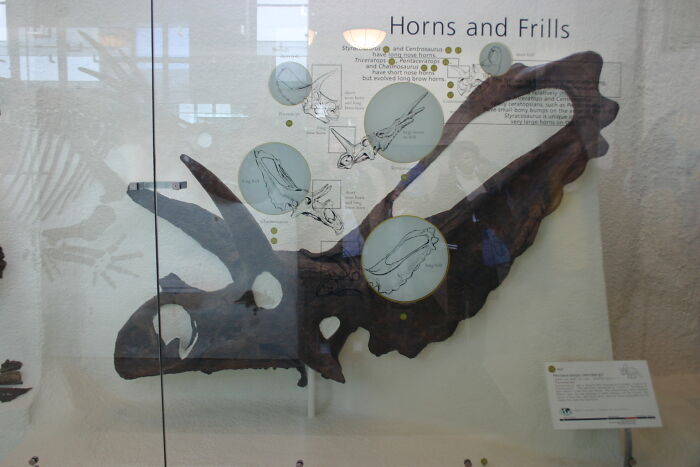 Museum employee here - boxes of fossil fragments were stored under the University of Oklahoma football stadium for over 50 years before someone looked at them. They ended up being the skull of Pentaceratops, the largest skull of a land-living animal ever found.
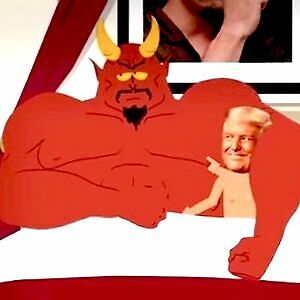
Oklahoma - they don't even believe dinosaurs were real.
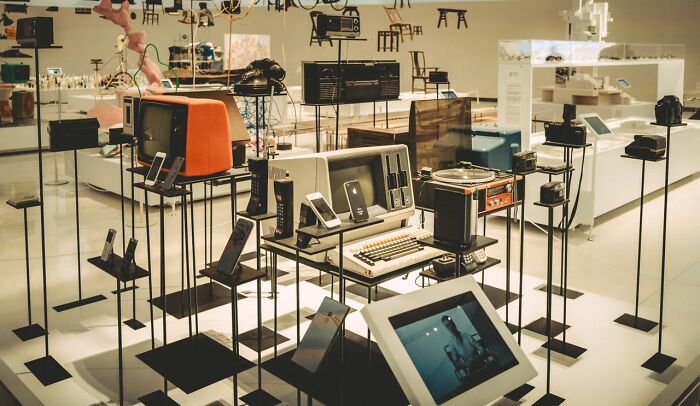 Worked in a science museum. It's not exactly not public, but when the museum was closed or on slow days we used to test out ideas we found on the internet for science activities. Anything from liquid nitrogen hurricanes to green and purple fireballs - if we had the ingredients, we could try it.
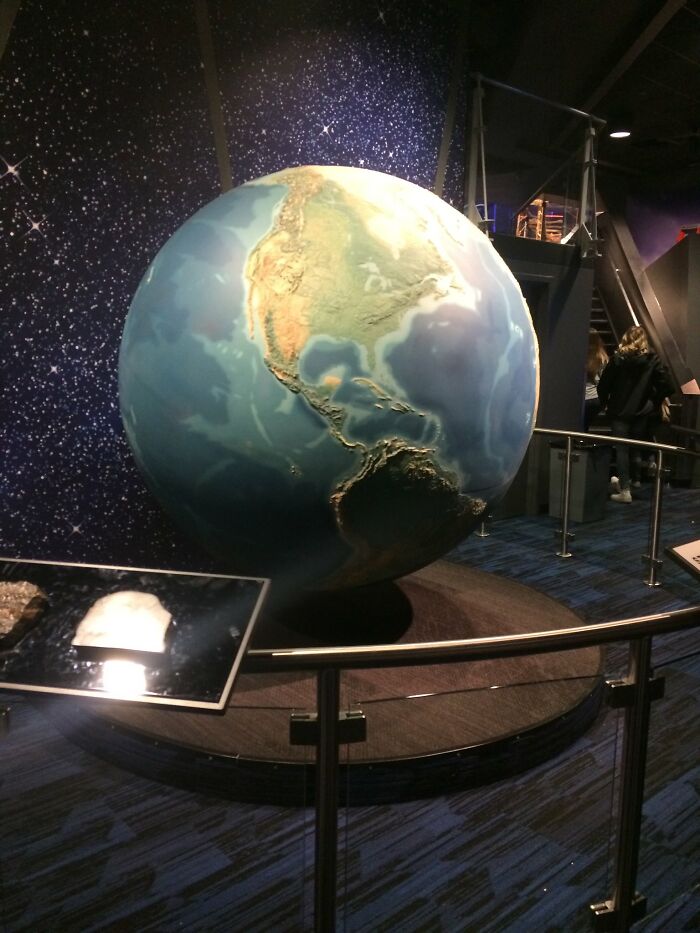 The Earth Globe and Moon wall display at the Clark Planetarium were hand-painted in the 1950s! That's why we don't have the dark side of the moon in our display. We didn't know what it looked like yet!
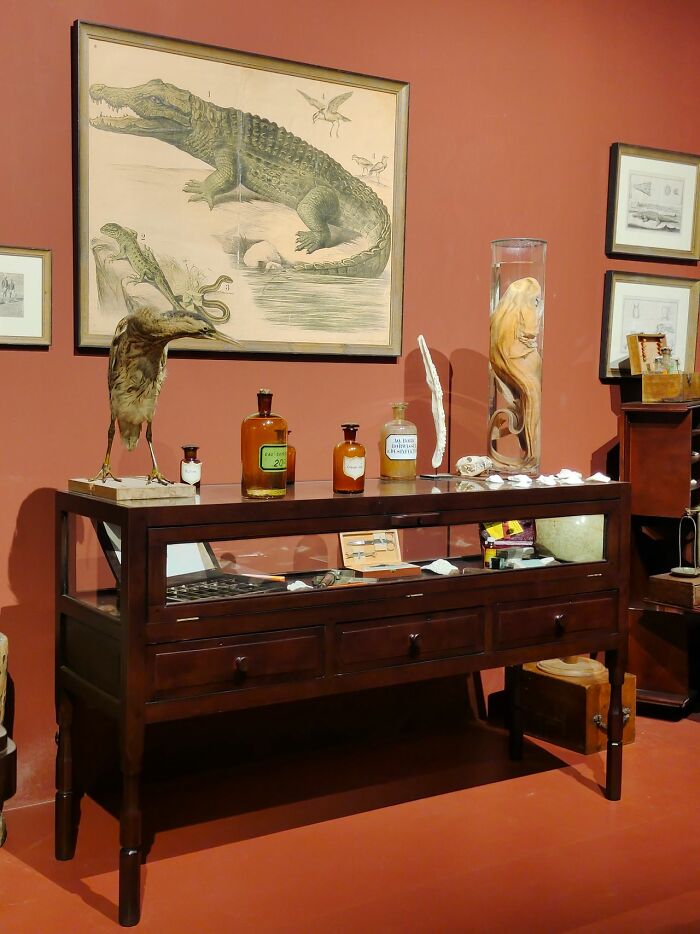 Taxidermy likely had arsenic in it, old mirrors have mercury, and a lot of stuff has lead in it 🙃 museum collection workers really need more research done for occupational safety than exists rn
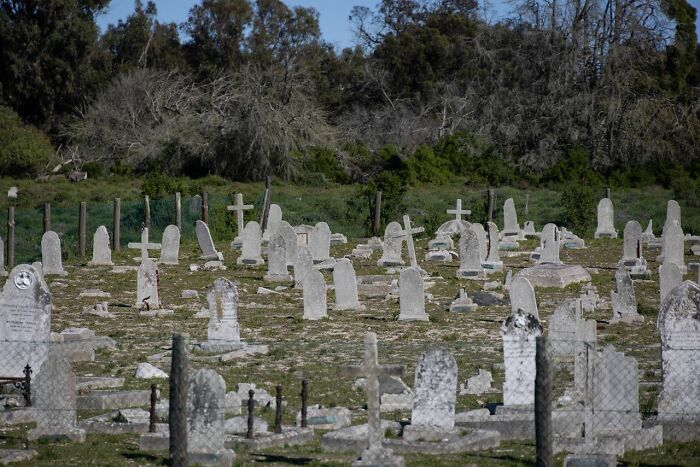 The museum I work at was built over where there used to be a cemetery... over 80 years later they started construction to make an underground level, the builders found bodies and to this day people have all kinds of stories and fears about the place
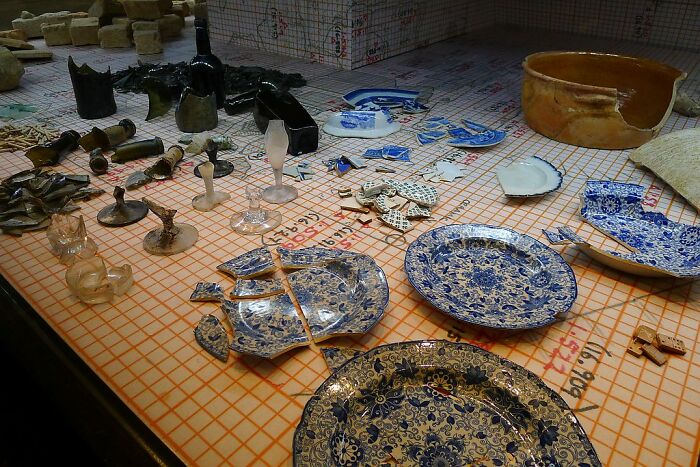 Didn't work there but visited a friends uncle who was a professor of anthropology. He took us 'behind the scenes' at Sydney museum to see weapons and decorations/jewelry made from creatures that were now extinct.
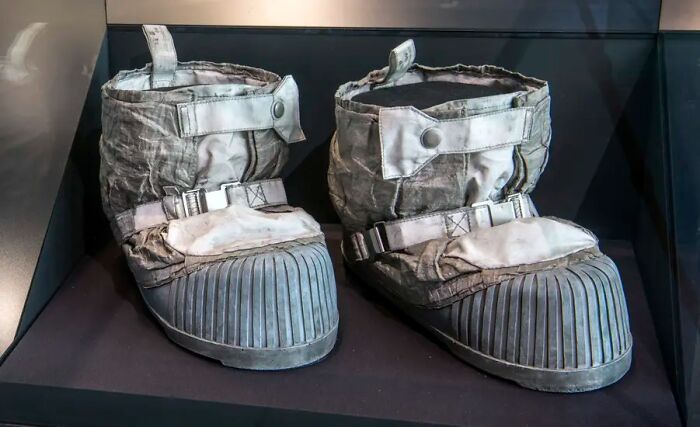 A couple of times, I was in Charles Lindbergh's pants. Also Neil Armstrong's boots. Also saw Buzz Aldrin's underpants.
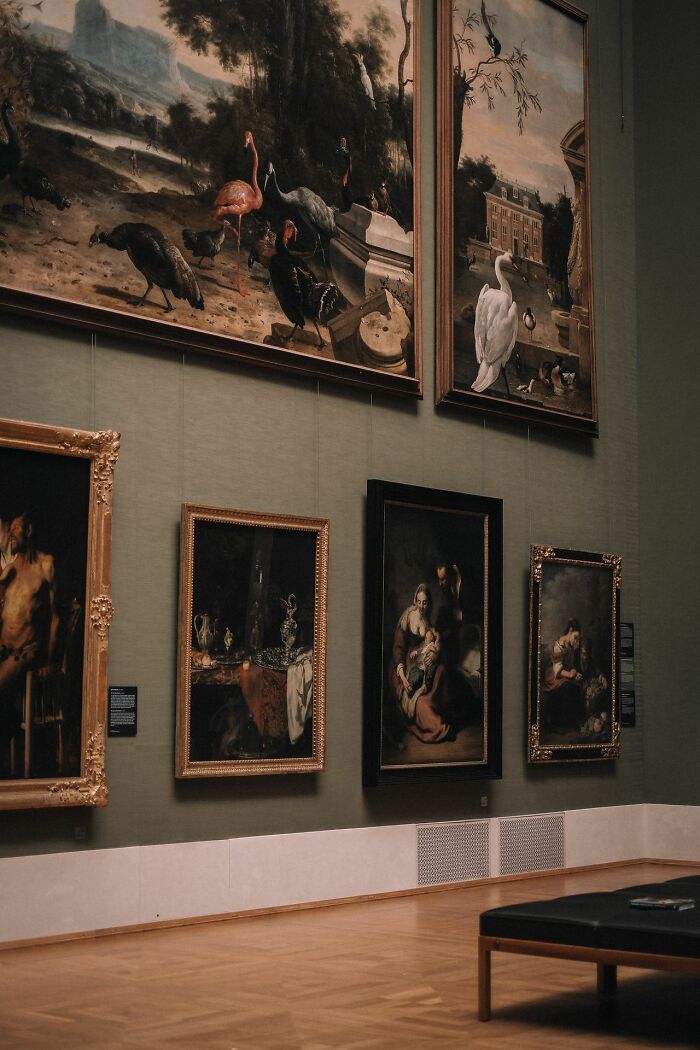 art conservation fun fact - there's a painting from the 1800's in the Brooklyn museum where excessive burnt umber (?) pigment in the oil paint prevented crosslinking, and the painting slowly started to slide right off the canvas - they tried hanging the painting upside down to stabilize it, but that didn't work
Teddy Roosevelt's samurai outfit, gifted to him at a state dinner by the Japanese ambassador. He then drunkenly put it on and ran around the White House in it, iirc.
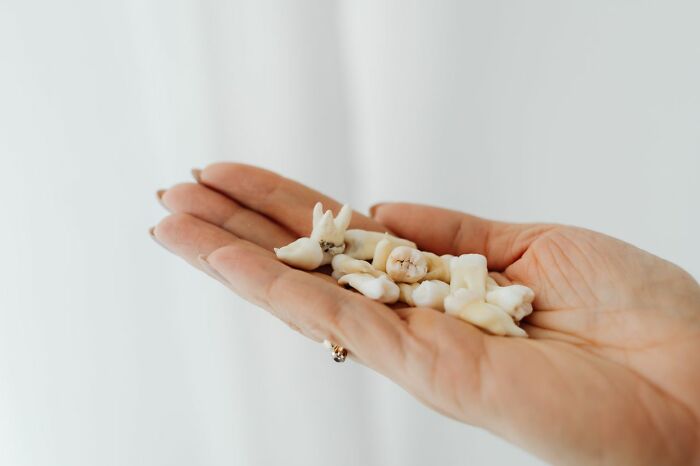 I worked at the Truman Library in collections. It was my first month and a coworker needed photos of an artifact. Told me the location but not what it was. President Truman’s teeth. One got stuck to my glove and I nearly gagged. And that’s when I learned people hang on to things. His dentist donated the teeth years after he passed.
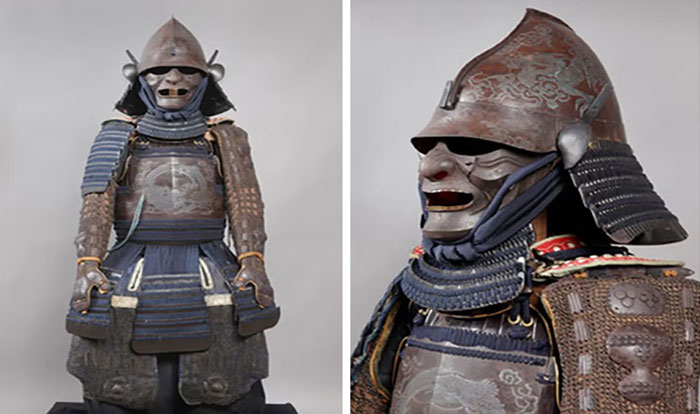 I worked at the Biltmore House for a few years. My favorite things were the two sets of samurai armor. Between that, some of the wall hanging, a few books and the katanas I always thought Vanderbilt was a bit of a Japanophile. Plus the rooms in the sub basement with the bared gates, that was fun to go check.
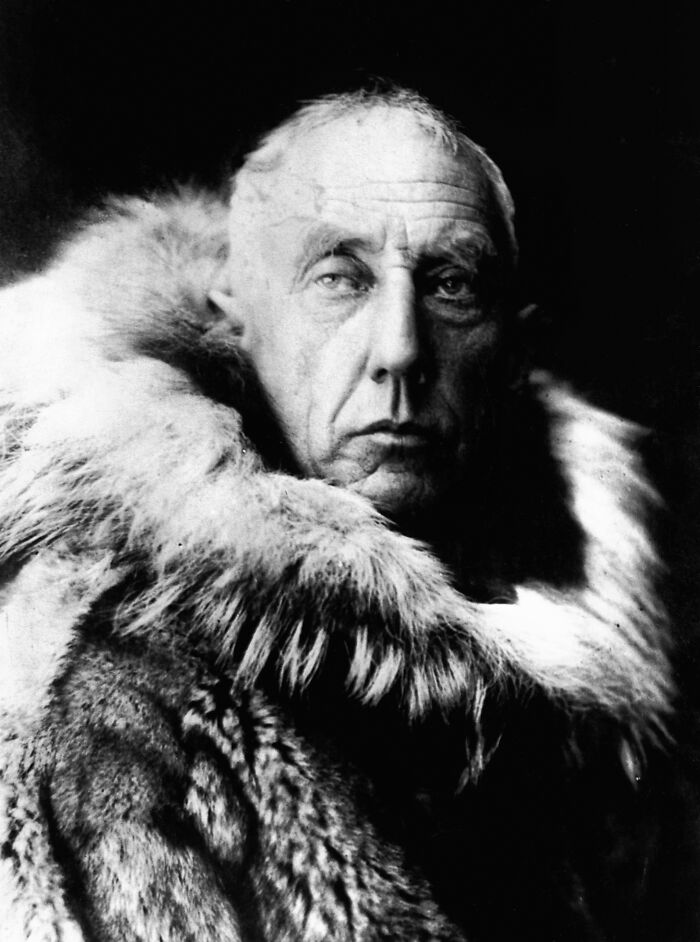 I got to hold a pair of Roald Amundsen's skis.
SPACE SUIT STORAGE. It's like a morgue but better. Fun story - one of the best ways to transport space suits is in coffin boxes. Always tripping over coffin boxes everywhere on shipping days.
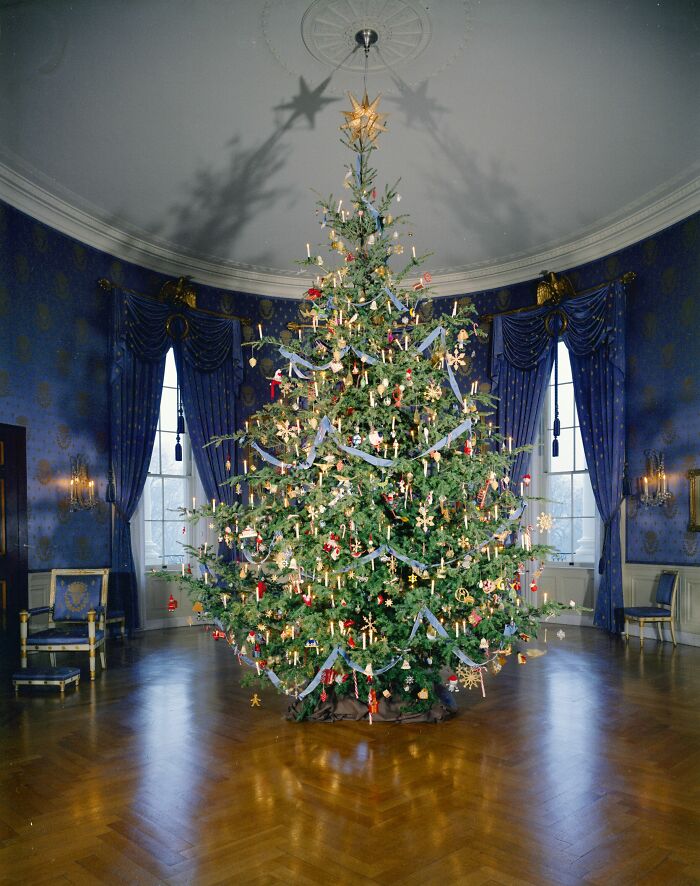 Franklin Pierce was likely the first US President to display a Christmas tree in the White House.
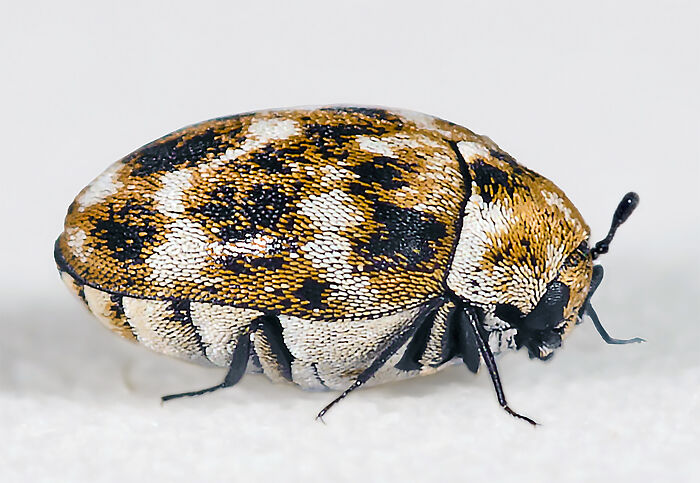 The dermestid beetles at AMNH are descendants of the original colony discovered in an elephant-sized box which had been shipped from across the ocean. Not much evidence of elephant left.
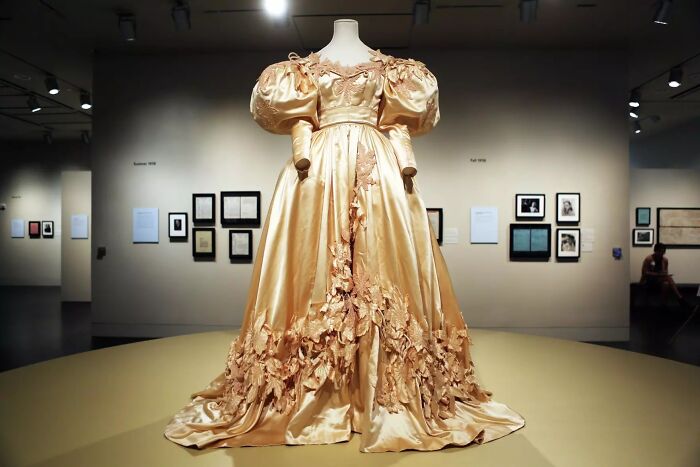 There are multiple sets of the Gone with the Wind dresses and the items on display in an exhibition are often copies so the originals stay safe.
 a Lewis and Clark original map of the Pacific Northwest, kept in the Library of Congress archives because it's too fragile to display
There are photoreactive minerals that change colour permanently when exposed to light for more than a few minutes. You literally can't put them on display.
Did some work experience in a local studies library, they had some of the most amazing maps locked away in the basement. It had never occurred to me that I'd never seen an ancient map in person but the hand drawn details are astounding

Ooo! Check out the story of Gilbert Bland, map thief. A seeming nobody, he was travelling around the libraries and archives of North America, claiming to be a researcher. But, with a razor blade, he was slicing rare maps out of books and folios and selling them to map collectors for a pretty penny. He got away with it for a shockingly long time and they still do not know the full damage of his thievery.
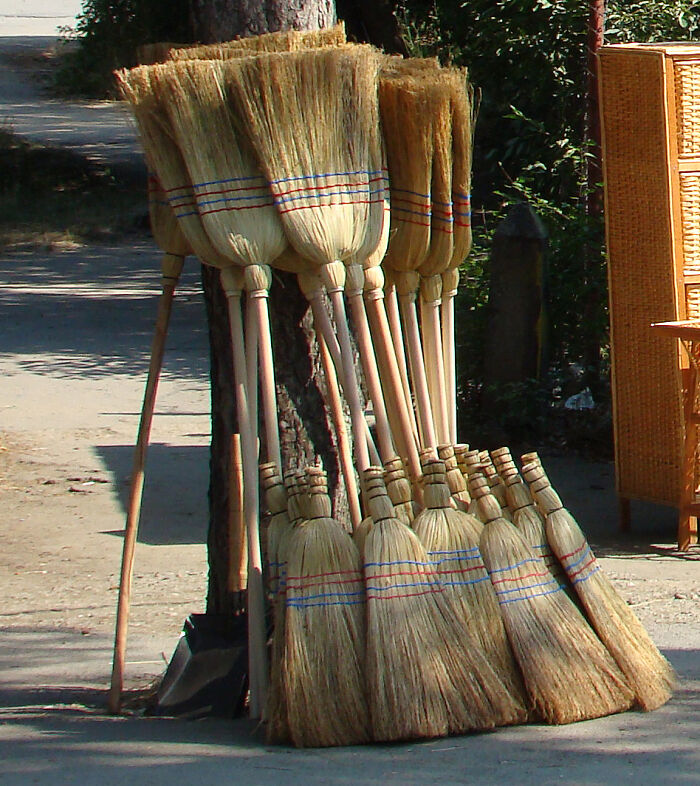 My super nerdy one even by museum standards is that the American broom industry was started by Levi Dickenson of Hadley, Massachusetts in 1797.
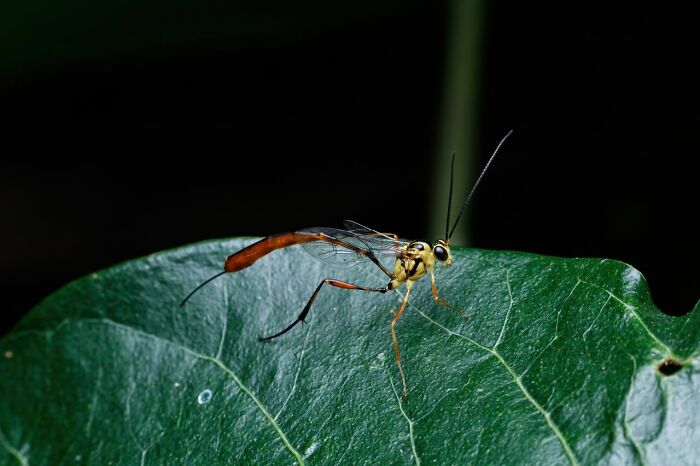 Former museum worker…we had little textile munching bugs so we brought in teeny tiny parasitic wasps and a giant, sub zero freezer to get rid of them.
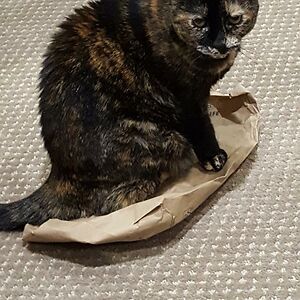
That sounds like the fly predators we put in the manure pile at the barn. They're also parasitic wasps that eat the fly eggs.
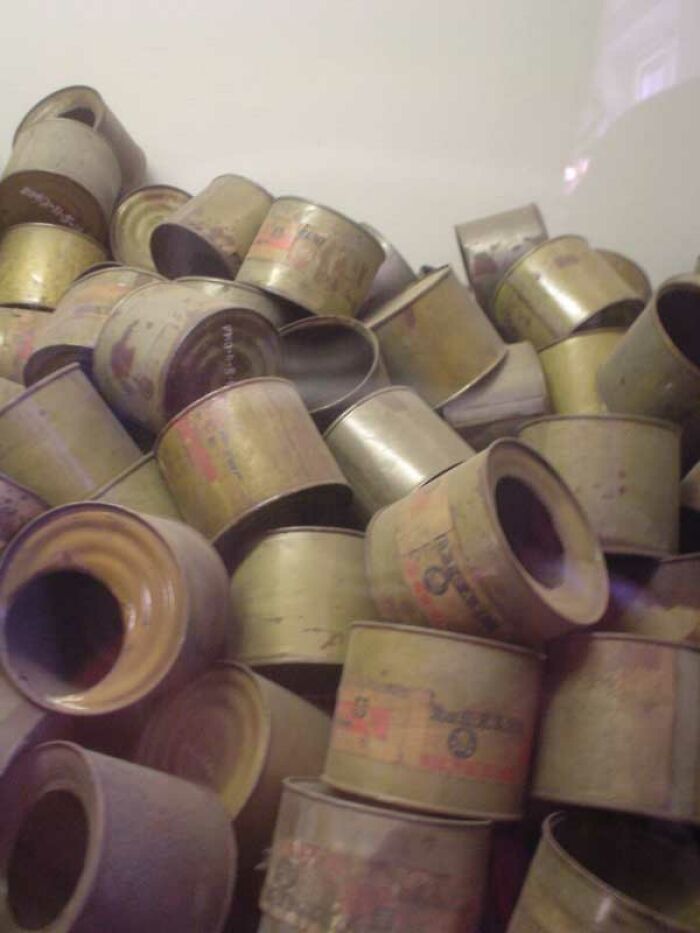 That canisters of Zyklon-B are still terrifying even if they are encased in Lucite.

"Zyklon B, translated Cyclone B, was the trade name of a cyanide-based pesticide invented in Germany in the early 1920s. It consists of hydrogen cyanide (prussic acid), as well as a cautionary eye irritant and one of several adsorbents such as diatomaceous earth. The product is notorious for its use by Nazi Germany during the Holocaust to murder approximately 1.1 million people in gas chambers …" (Zyklon B, Wikipedia)
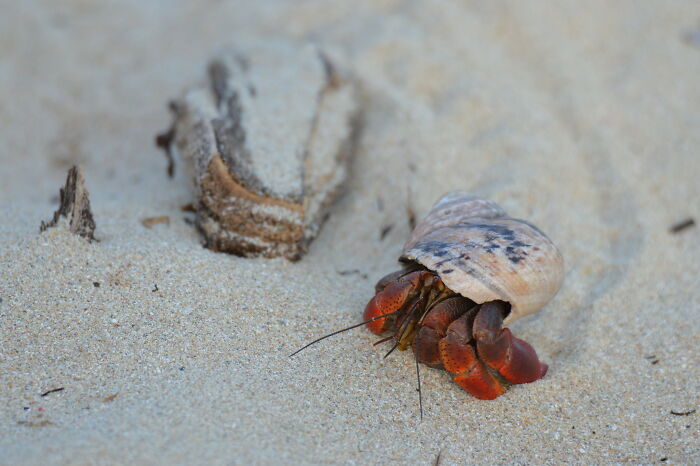 There's like 800 species of hermit crabs. I would guessed like 10

TIL. "I would have guessed like 10". There are 9 "families" of hermit crabs. Wikipedia gives both 800 and 1200 as the number of hermit crab species. Wikipedia is also self-contradictory on whether "true hermit crabs", "left-handed hermit crabs", "terrestrial hermit crabs", "symmetrical hermit crabs" and "anenome hermit crabs" are five groups or three.
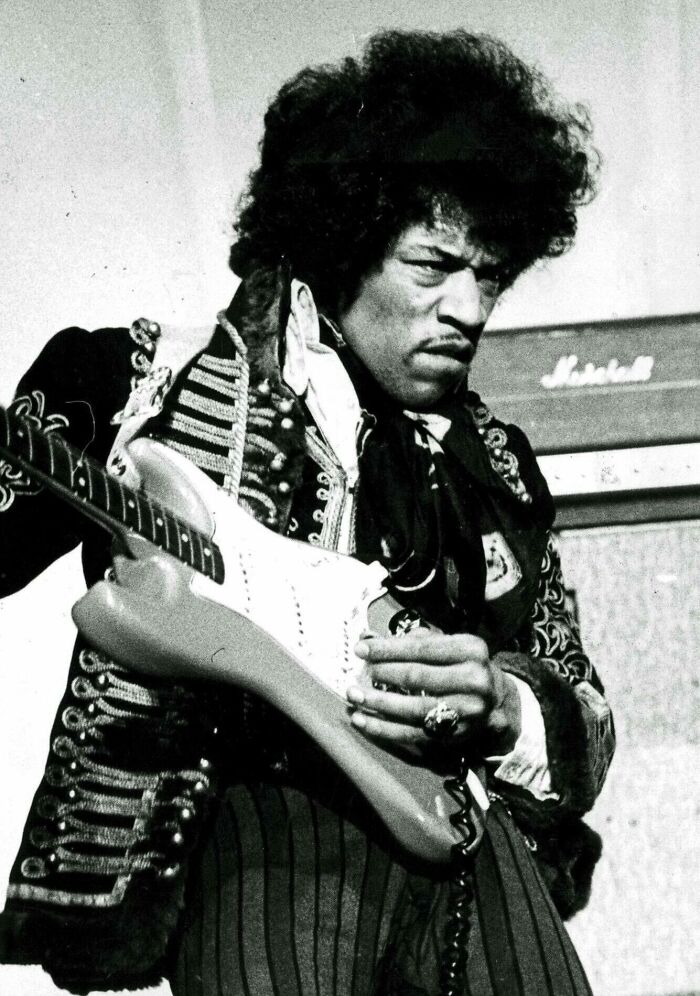 I’m a volunteer at a museum.
Jimi Hendrix was very clean and tidy. He vacuumed every day.
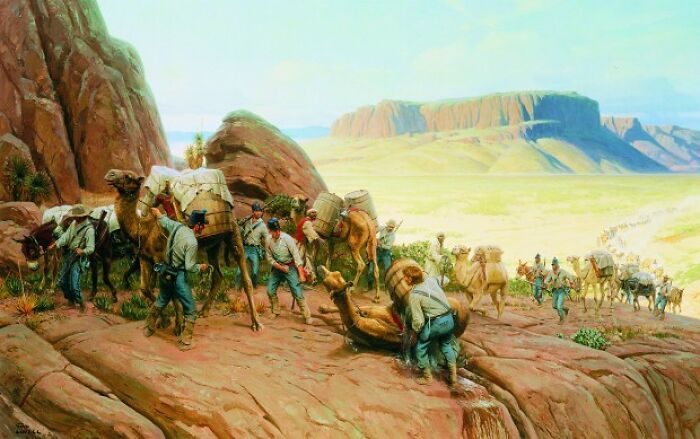 Franklin Pierce's Secretary of War, Jefferson Davis, formed the US Camel Corps, which was a success until the Civil War ended it. The Rio Grande River valley wasn't successfully fully mapped until an expedition used camels.
The herd had somewhere between 70-80 animals. They were used to transit and explore the Southwest between Texas and California (and also the aforementioned Rio Grande expedition). They were pretty successful but no one wanted to continue the experiment after the war and the camels were cut loose.

I grew up in New Mexico and the last of the camels (or their descendants) could still be encountered in the desert from time to time
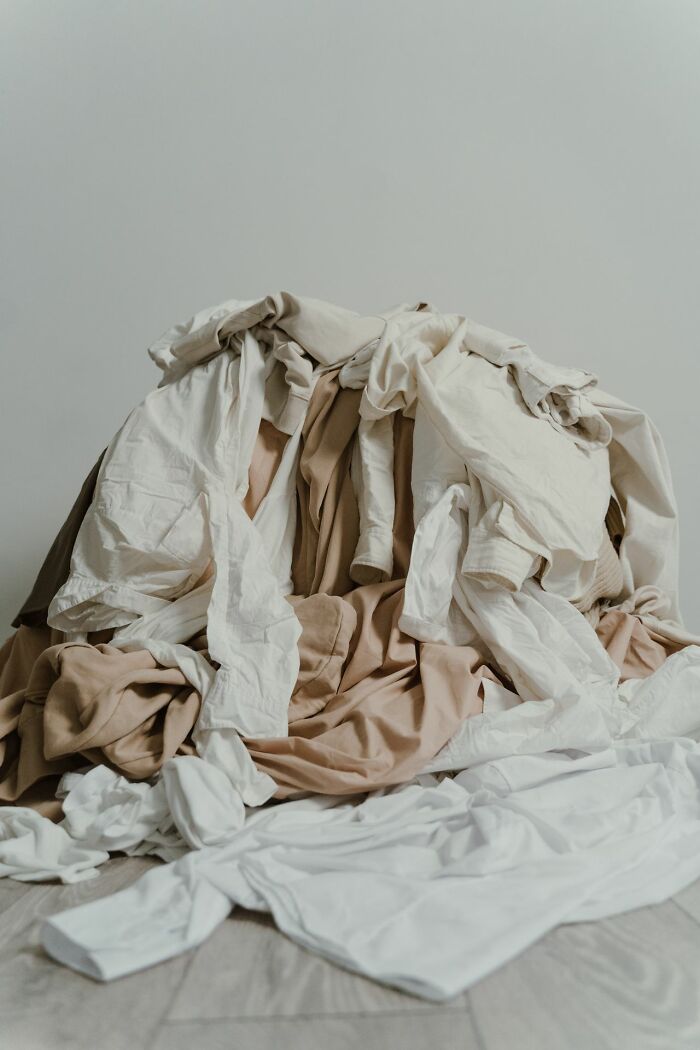 Submariners during WWII/The Cold War smelled so bad after a tour that it was often easier to just buy new clothes than try to wash what they had onboard.
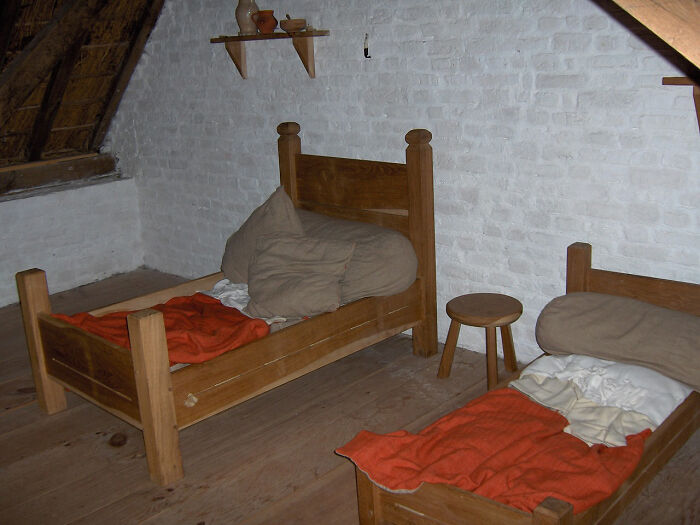 The saying "goodnight, sleep tight don't let the bed bugs bite" comes from the rope bed and straw filled tickings (mattress) of the early settlers.
 Volunteered in a museum call center... you have no idea how many people expect museums to have the funds and staff to travel to their homes and "check this thing out .. I think they'll want it... how much will you pay for it, etc"
Also, it was a safe place for seniors, people with unique perspectives (re: conspiracy heavy) to chat.
I really enjoyed that gig. Great group of volunteers and staff
According to Britannica, the executives of the companies that made Zyklon B was put on trial after the war as an accessory to m****r. Two men from one company were found guilty by a British military court and hanged. The director of a different company was initially convicted to a five year sentence, but he was eventually acquitted after multiple appeals. I believe that company is a subsidiary of IG Farben today.
Pickled deformed babies, in big jars of formaldehyde. In the closed section of the Otago University Anatomy Museum.
The super secret Egyptian temple buried in the bowels of the Field Museum.
My museum has an entire collections room full of Galapagos tortoises. I was awe-struck when someone brought me in there when I first started.
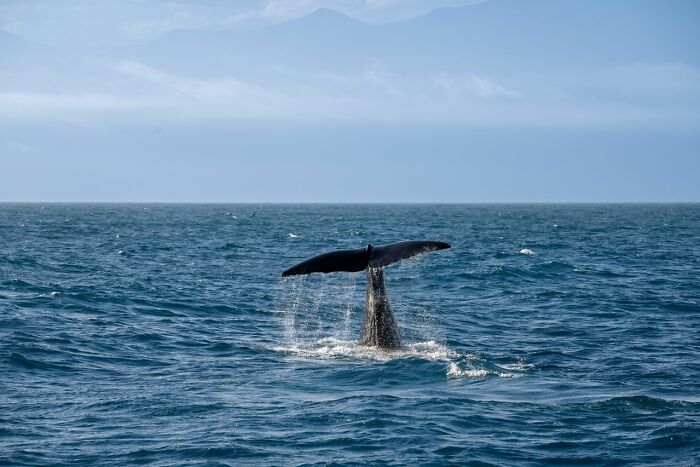 The one I learned yesterday is that it is illegal to hunt whales in Kansas.
It's illegal to hunt whales in all US states, landlocked or not. "In 1972, the United States Congress passed the Marine Mammal Protection Act (MMPA). The Act makes it illegal for any person residing in the United States to kill, hunt, injure or harass all species of marine mammals, regardless of their population status. In addition, the MMPA also makes it illegal for anyone to import marine mammals or products made from them into the United States." (Overview of Laws and Regulations Protecting Whales, Animal Law MSU)
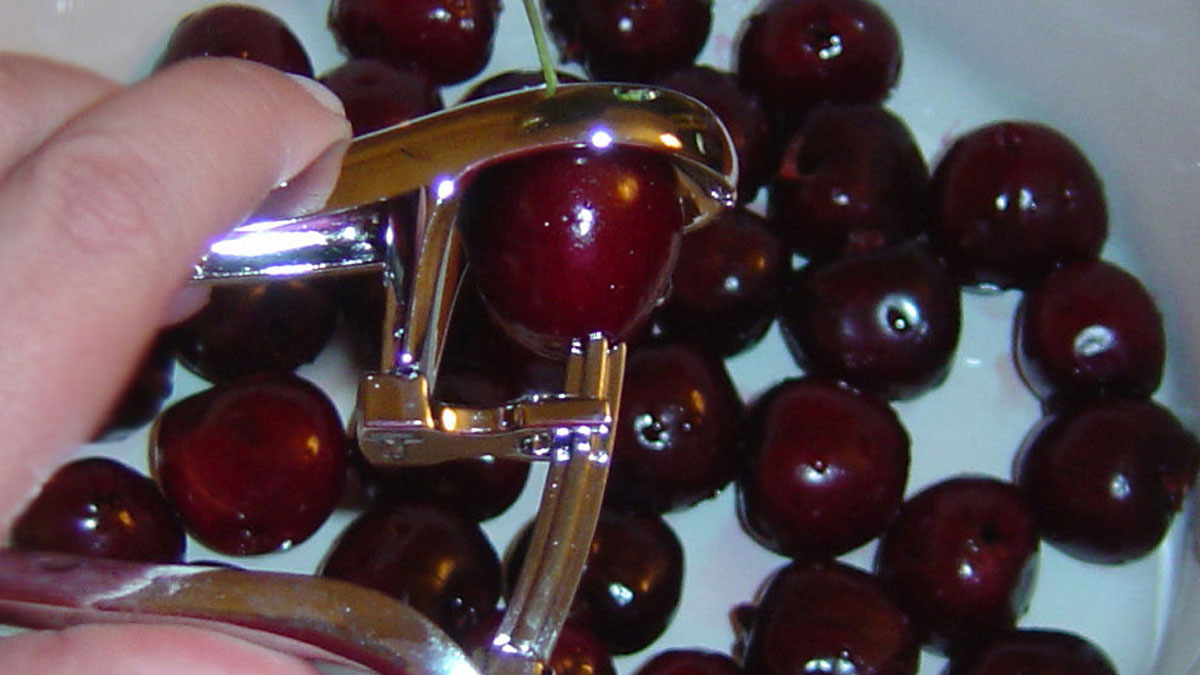
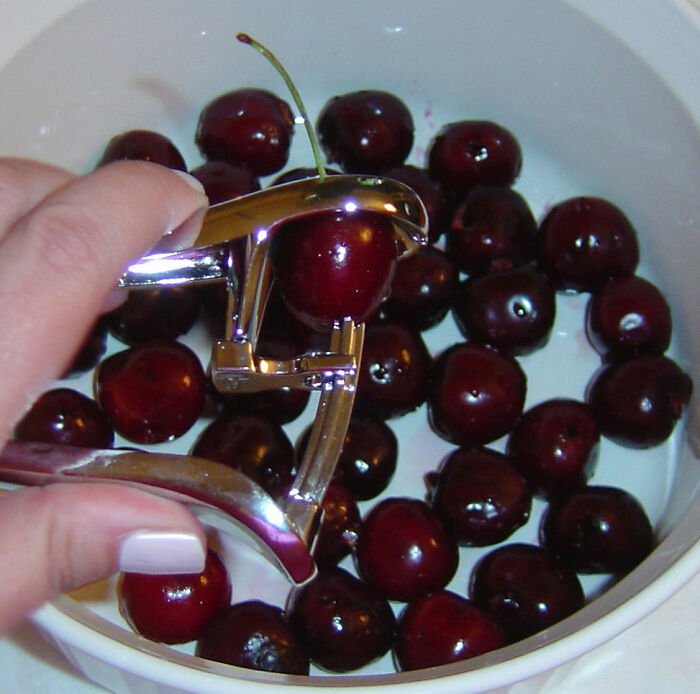 Cherry pitters used to be the most indispensible kitchen gadget. They were the microwaves of their era. There is a practically a sedimentary layer composed just of cherry pitters in the Earth’s crust, they were once so ubiquitous.

Having once made a cherry pie without the benefit of a cherry pitter (cutting out each pit by hand with a knife, and red-stained fingers for days), this sound like slightly less extreme hyperbole than it might at first appear.
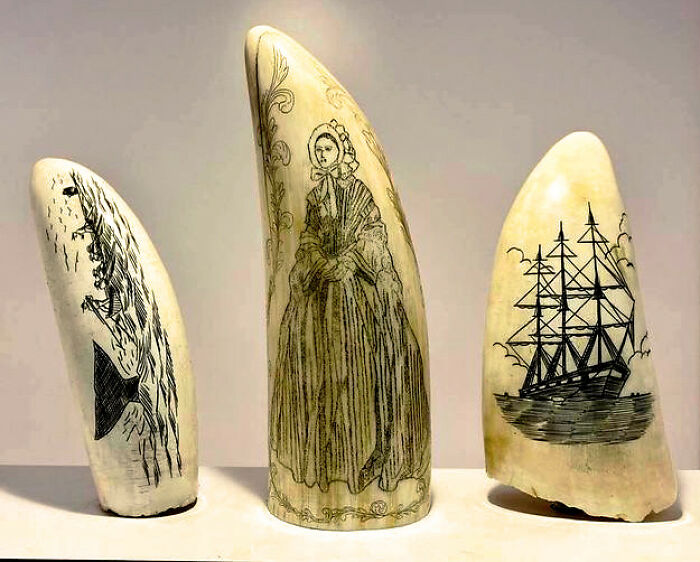 Museums like to boast about what makes them different. Example- I used to work at the South Street Seaport Musuem. The former curator loved to tell people that the museum had the 3rd largest collection of scrimshaw. (I thought the 1885 schooner was the real star of the Musuem’s collection…)
 Most museum fires are electrical fires that start in their own building(s).
The Virginia Museum of Transportation had so many cool railroad bits and bobs floating around in storage, especially while they were working on the restoration of the 611 steam engine.
A drum hand-collected by Margaret Mead that's one of three like it left in the world (iirc).
OMG, just about looked up to see what a "drum hand" was :p Enough internet for today .
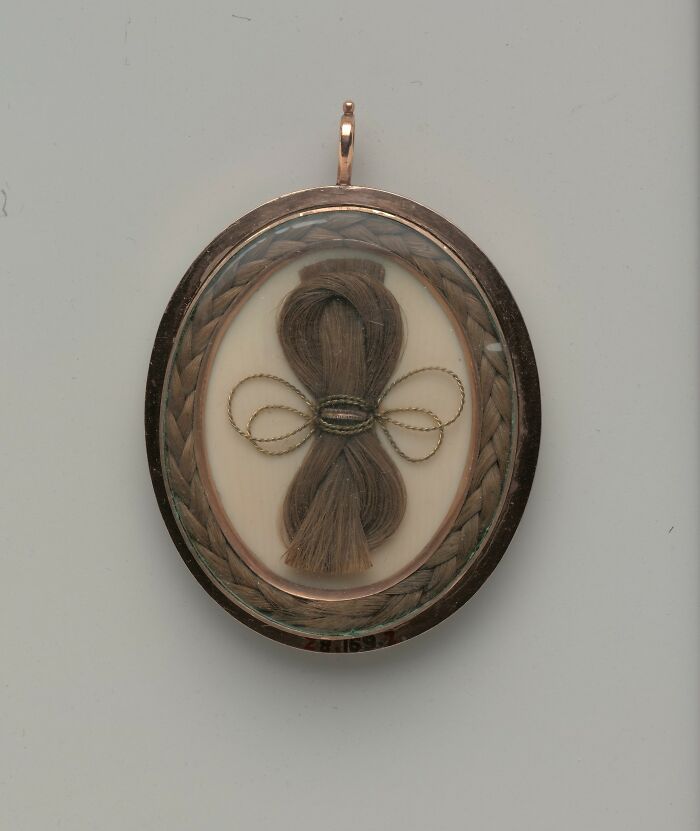 Victorian hair art. So disturbing we didn't have any on display at that museum. As one classmate said, "that's not art, that's the shower drain!".
I once had to help mop out the vault that stored the excavated remains from a Fort Ancient site where I volunteered as a teen. We got to see what was removed from the graves. It was a pretty intense and somber day.
Competitive barbershop music started in Tulsa, Oklahoma. At SingUnited Headquarters, you can see dolls dressed in handmade costumes of all the quartet and chorus champions going back to 1947. They MIGHT come alive and sing in four-part harmony at night. We aren’t sure. (I hope they do!)
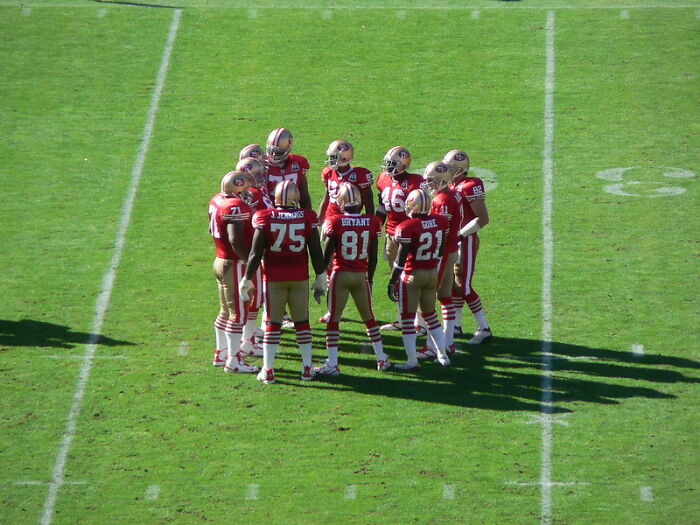 That the San Fransisco 49ers were named after the CA Gold Rush of 1848 also known as the greatest migration in American History! Also why their color is gold to pay homage to that era! CA also became a state in 1850 and quickly enacted the Foreign Miners Tax (1850) there was so much money being made, local and state governments quickly implemented property, yield, and gross revenue taxes on mining claims! -Discovery History Museum Docent, circa 2006-2008
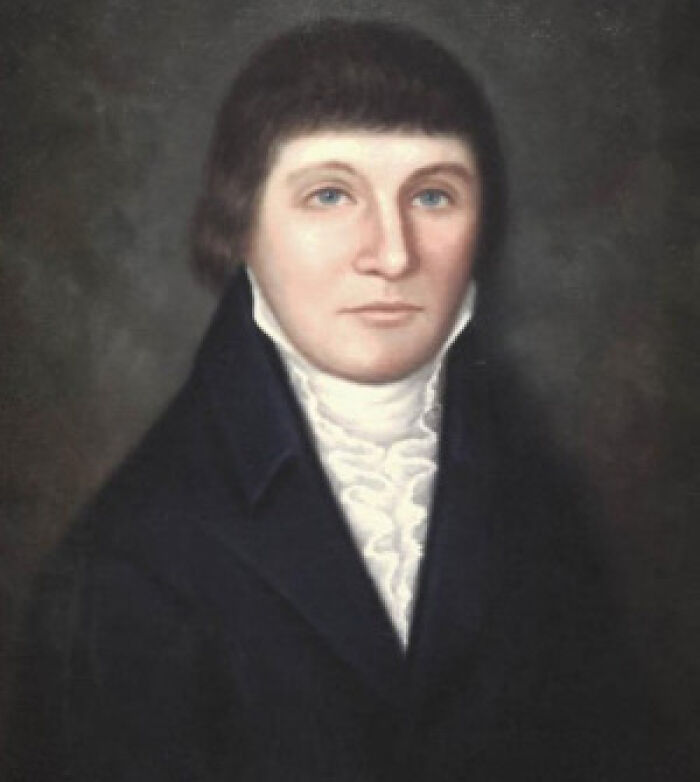 I recently learned about The Gourd Patch Conspiracy. A group of loyalists during the American Revolution tried to [end] Governor Richard Caswell in 1777. He was our very first governor (Also governor a second time) and was elected 6 times to office.
Richard Caswell was governor of North Carolina in the 18th century. For those wonder who "our" refers to.
135 laxatives previously belonging to Charles Lindbergh. Fun story - Jane Addams used the same kind of laxatives.
Used tissues. Used bandaids. Random trash. Unidentifiable fragments of wood. A board that was supposed to call cats to it or some weird hocus pocus like that. All things we had to take very seriously and treat with the same care we did everything else because some dumdum decided to accession everything.
Dinosaur storage, need I say more?










 No fees, cancel anytime