Get Premium
Dark mode theme is available exclusively for premium users. Learn more about the benefits of subscribing.
No fees, cancel anytime.

 Dark Mode Ad-Free Browsing Unlimited Content
 Ad-Free Browsing Unlimited Content Dark Mode
Join 1.2 million Panda readers who get the best art, memes, and fun stories every week!

No one wants to be the subject of disturbing facts and creepy stories. But reading about them from the safety of your own home, tucked under a cozy blanket? Listening to a true crime podcast while doing the dishes? Bring it on.
For those who love all things dark and spine-chilling, we’ve rounded up some eerie finds from the Morbid Knowledge Instagram page. Fair warning: some of these contain upsetting content, so proceed with caution—but if you’re here, you probably wouldn’t have it any other way.
This post may include affiliate links.

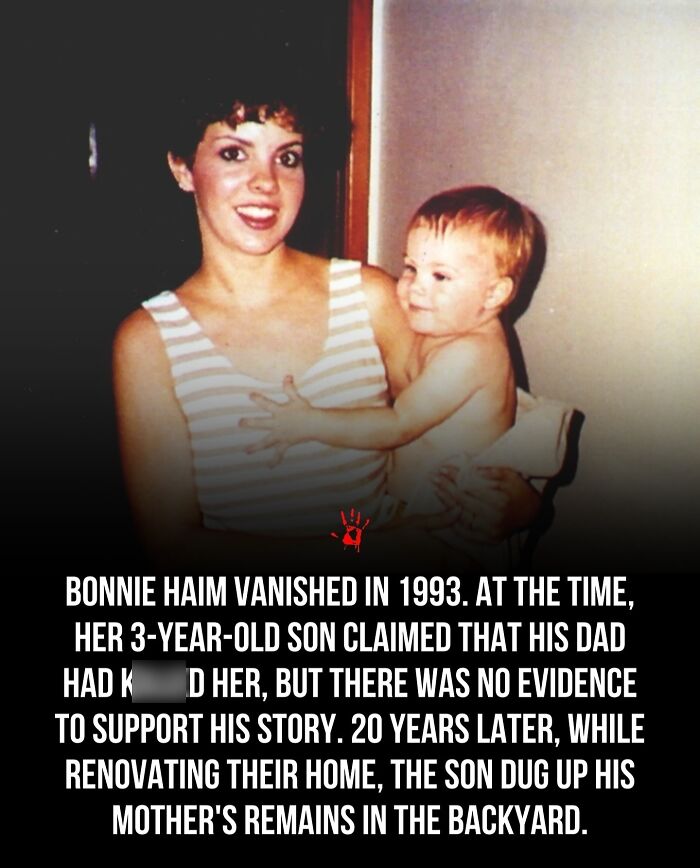
It's all horrific, but that last sentence always gets to me (this case has been posted on BP at least twice in the past)

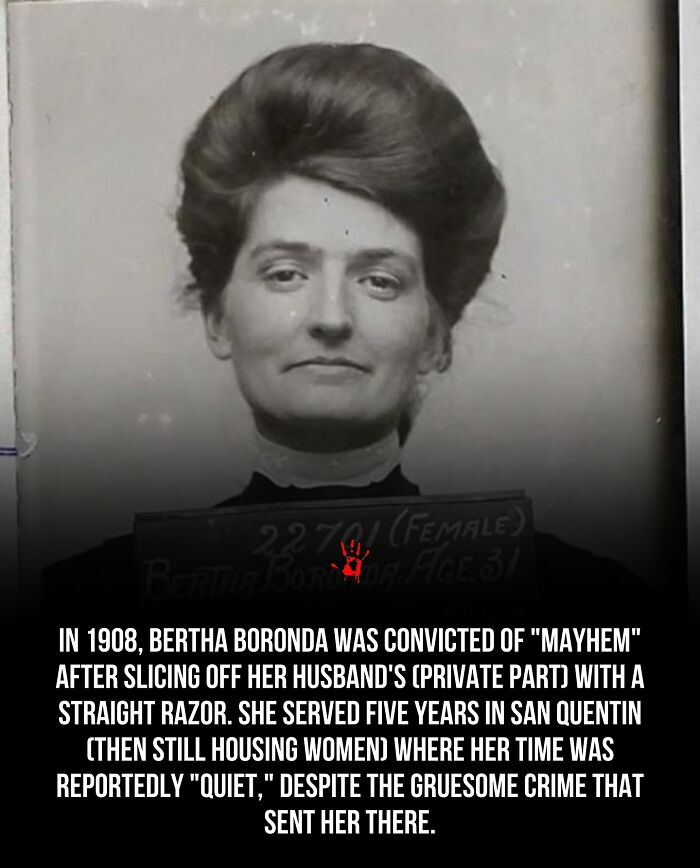
Of course whe was ''quiet''. She was probably happy to be around other women and no man who was likely abu.sing her.

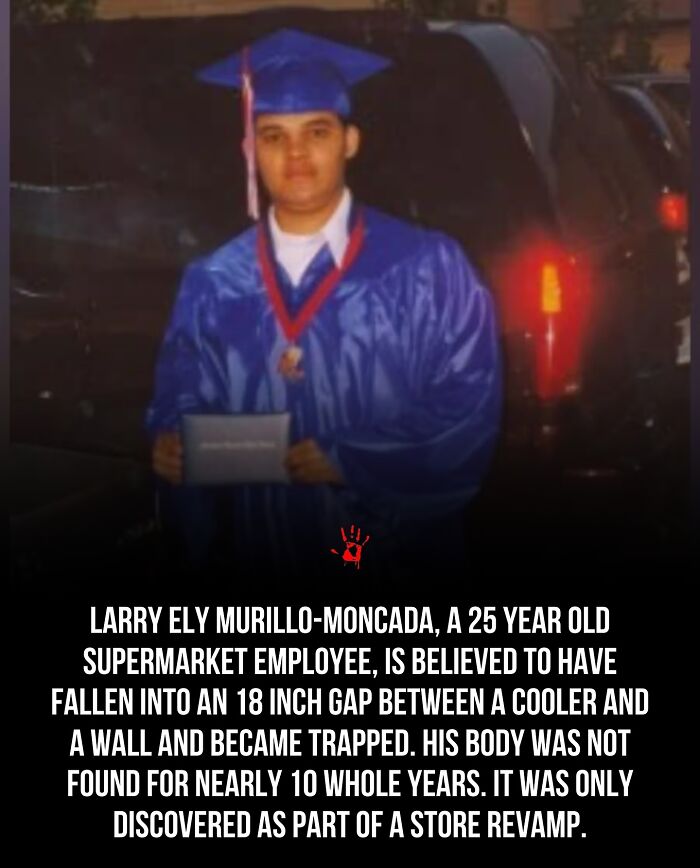
Apparently people had complained about the smell back there for years but nobody suspected it was a d**d body.
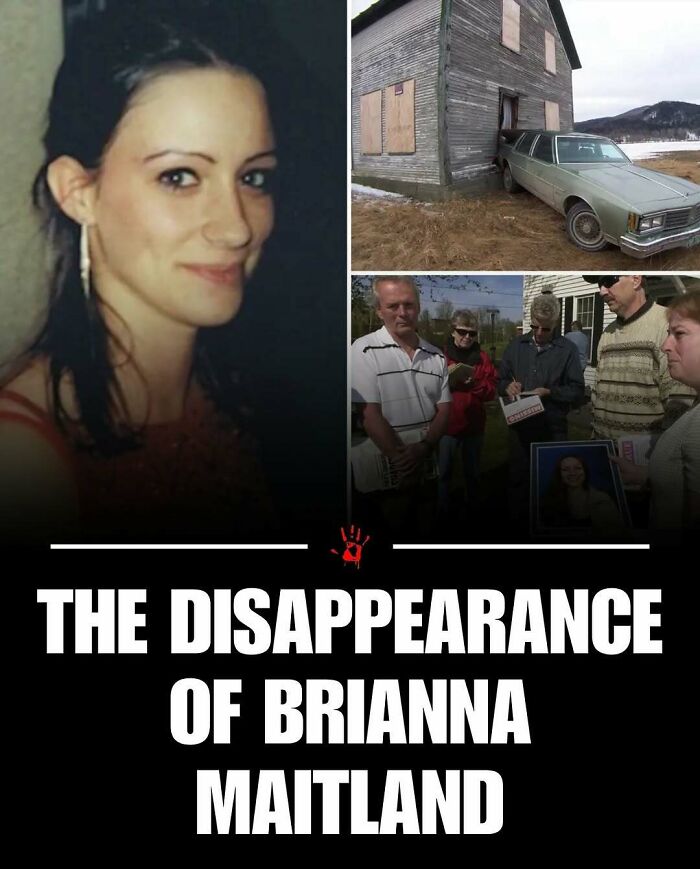
Brianna Maitland was a 17-year-old living in northern Vermont. In early 2004 she had recently moved out of her parents' home and was trying to become more independent while finishing high school. Brianna worked as a dishwasher at the black lantern inn in Montgomery, Vermont. The job often required late shifts, and coworkers were used to seeing her leave the restaurant sometime after midnight. On march 19, 2004, Brianna finished her shift shortly after midnight. she spoke briefly with coworkers, got into her car, and drove away into the quiet rural roads of northern Vermont. The following day, a state trooper driving along route 118 noticed something unusual near an old barn. A car was partially lodged into the side of the building. The vehicle was Brianna's oldsmobile. instead of crashing head-on, the rear of the car appeared to be pushed or backed into the barn's siding. Despite searches of the surrounding fields and woods, investigators found no trace of Brianna near the scene. The area around the barn was quiet and remote. Investigators have explored several possibilities over the years, including foul play, a staged crash, or someone forcing her vehicle into the barn. Some theories suggest she encountered someone shortly after leaving work. More than twenty years later, Brianna Maitland has never been found. Her abandoned car in the side of the barn remains one of the most unsettling images in missing person cases.

Isn't this at least a weekly occurrence? The names and details change, but the same story happens over and over.

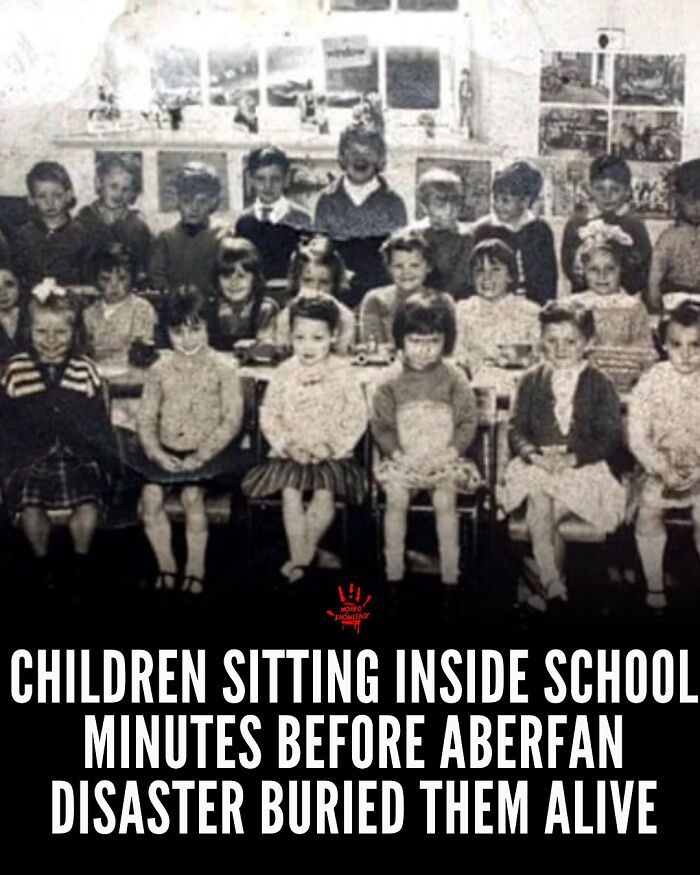
For those not familiar. On 21st October 1966 a colliery spoil tip collapsed burying Pantglas Junior School and a row of houses in Aberfan,Wales. 116 children and 28 adults were kìllèd.

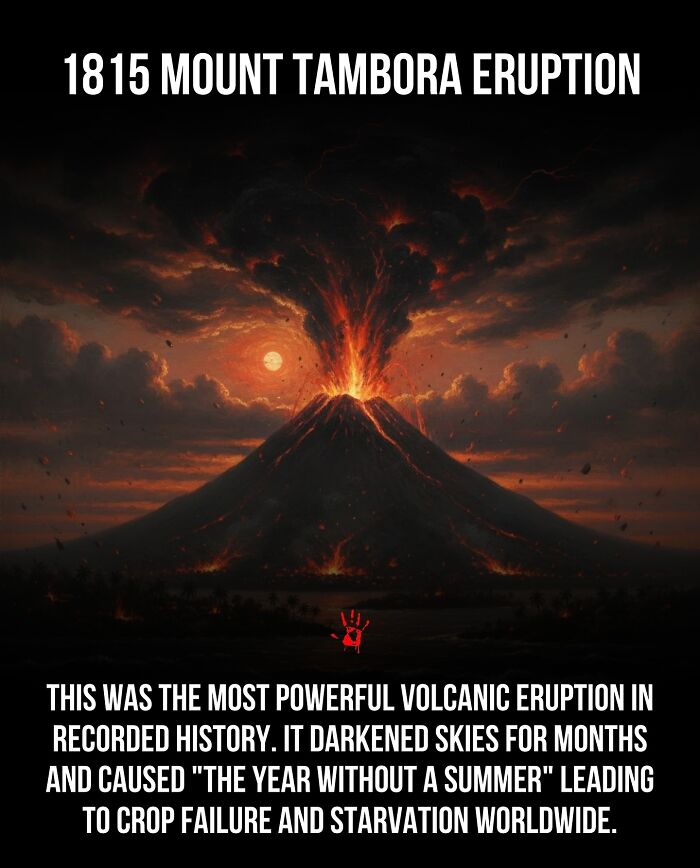
It did also give Mary Shelley an opportunity to write what would become one of the most important works of literature in the 19th century. She (and others including Percy Byshe Shelley and Lord Byron) were stuck in a villa on Lake Geneva. The summer weather in 1816 had been absolutely awful due to the eruption the year before. They got bored and had a competition to write a scary story...and in a roundabout way, Frankenstein's monster was created!

Here’s it typed out, everything I could make out at least. The title is Shed “Did you see it? It wants you. It was smiling right at you. Did you smile? No. Why? Are you are you are you? Yes are you Do the doses help? do they have you Have you…had a good day …smiled today Are you? Have you ever eaten flies? You’re smiling. Where are your eyes? Have you eaten today? Are you Have you ever eaten… Are you …flesh Look me in the eyes All LOOK ME IN THE EYES Did you see it in the shed? It was in the Light, today It was happy to see you Are you happy? Have you ever eaten flesh? smiled Eat you? No Is it like metal? Your brain is a mirror Reflecting light Have you looked in a mirror today? Gazer look at yourself You haven’t seen your eyes. Your eyes are like skies, empty You have eyes, you know? Nobody could ever love your eyes like we do I could eat your eyes Your eyes are like pools of honey in a sea of honey Melting in the sun

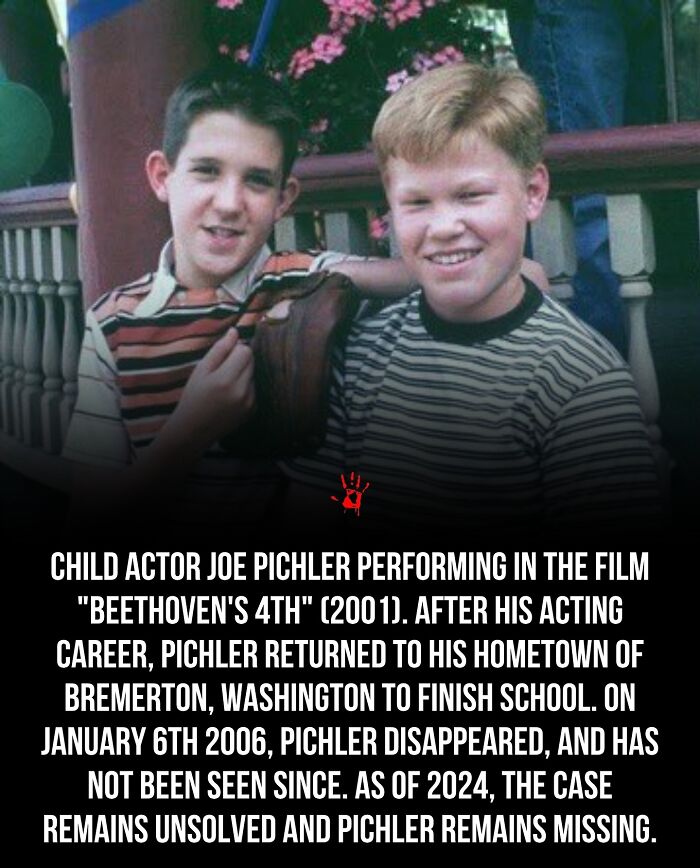
Are we not going to mention he’s stood next to Jesse Plimmons? No? Anyone? Okay.

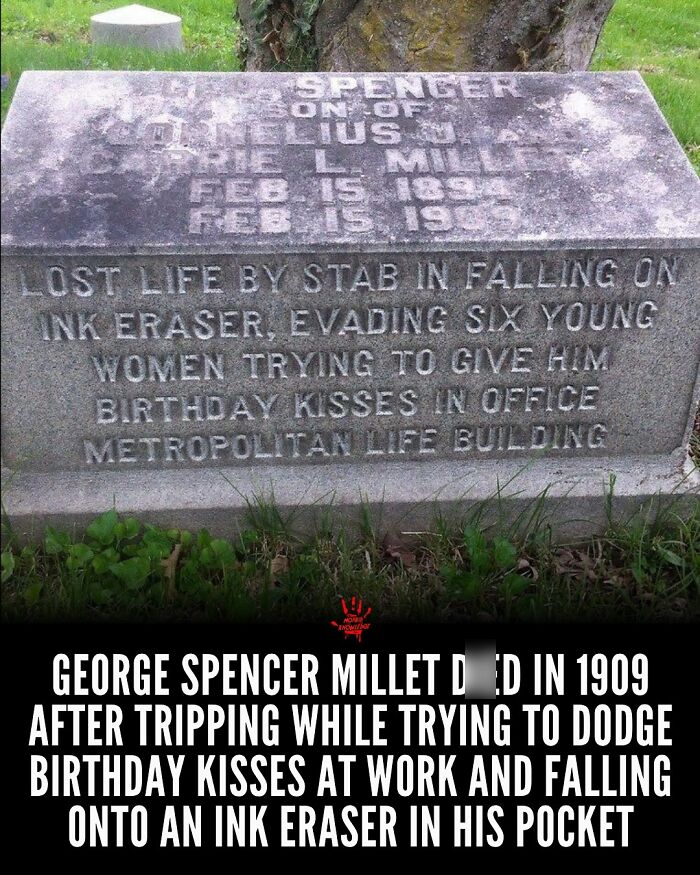
"Ink erasers" were sharp little knives, meant to scrape the ink off the paper.

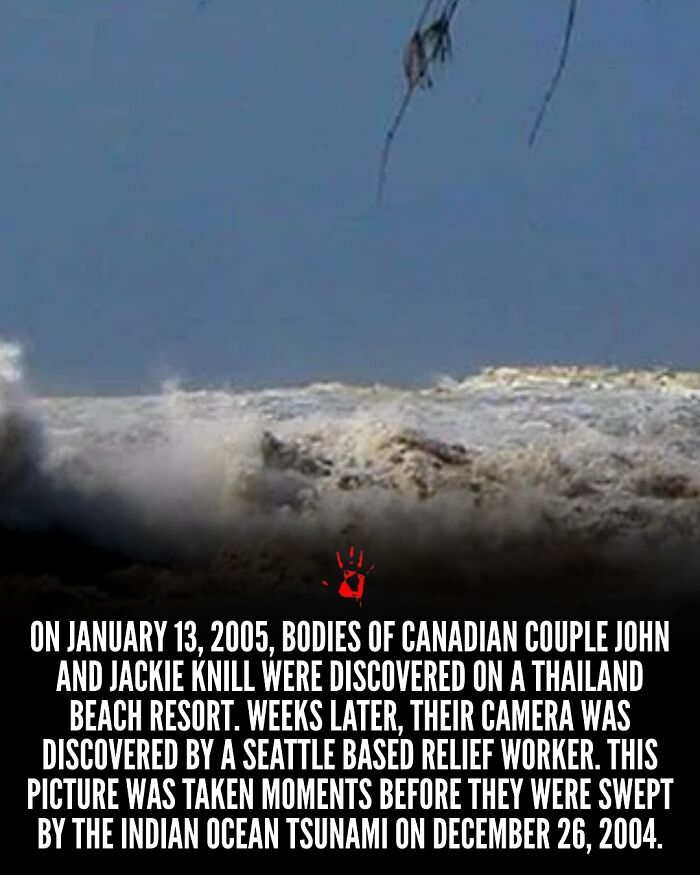
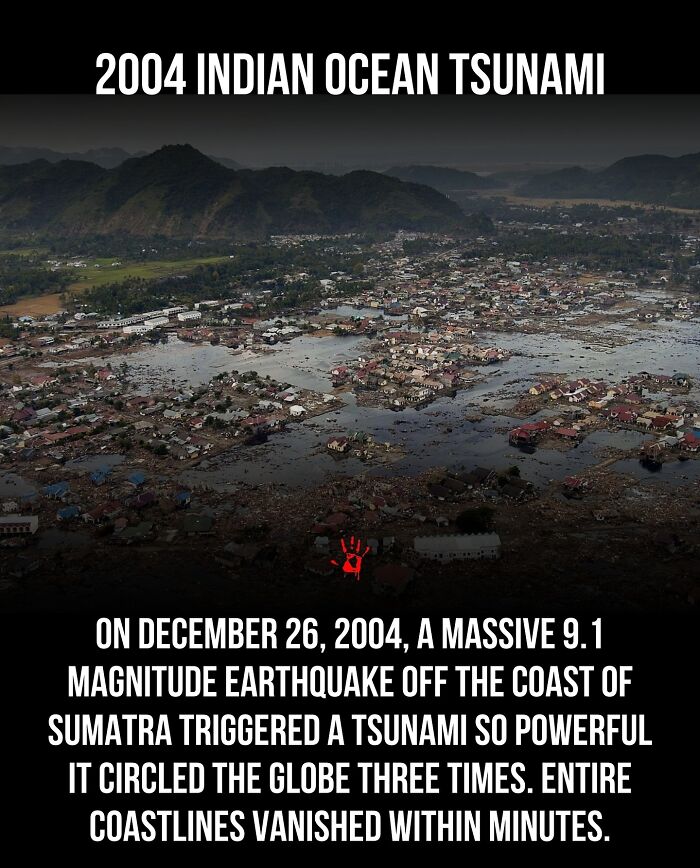
One beach got lucky. A little girl who had studied tsunami in her class the week before recognized the warning signs and told her dad who alerted everyone. They were able to get to safety before the beach was submerged.

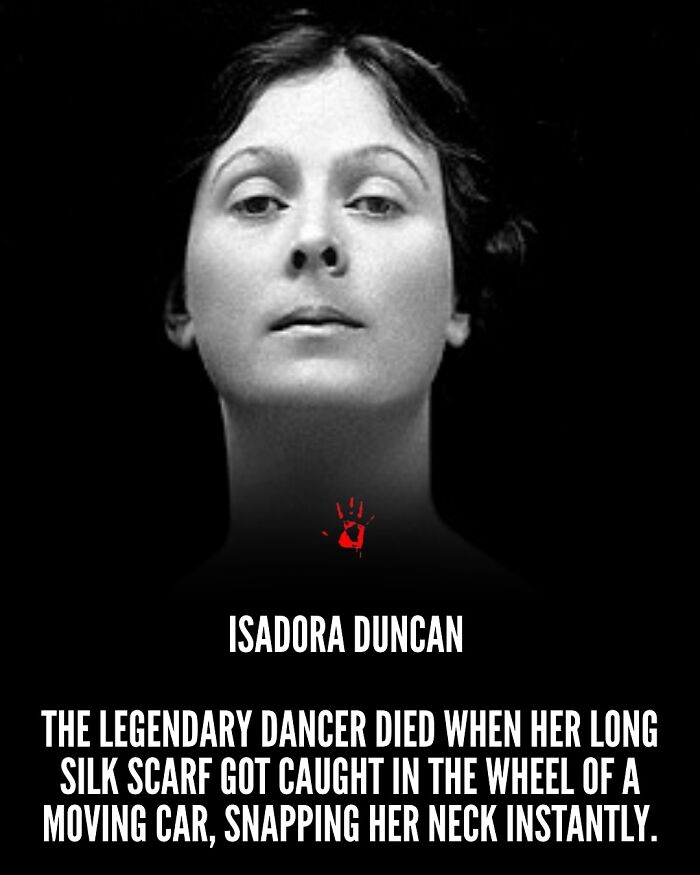
The car was a 1927 Amilcar CGSS Roadster (not a Bugatti as is often reported). As she departed, she famously told companions, "Adieu, mes amis. Je vais à la gloire!" ("Farewell, my friends. I go to glory!"). "Isadora Duncan Syndrome": This incident coined the medical term for strangulation caused by scarves or clothing getting caught in machinery or wheels.
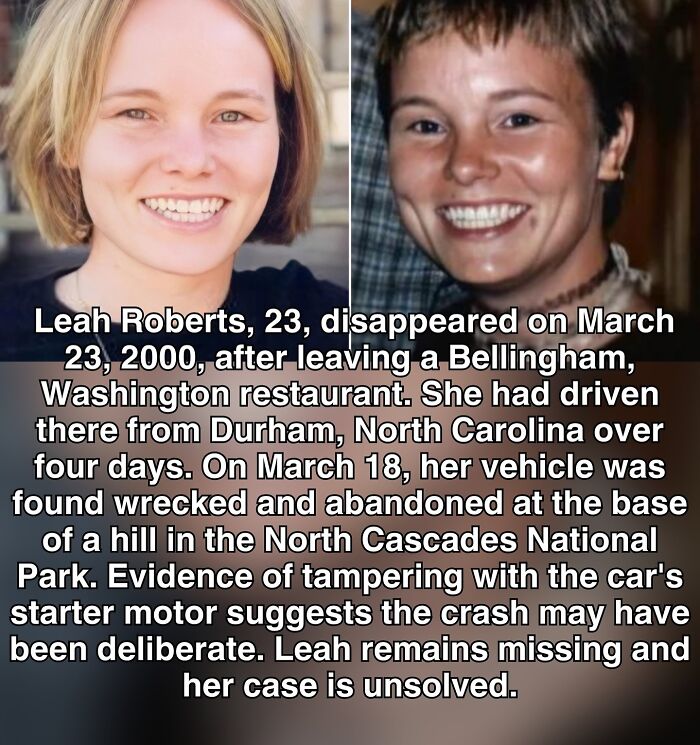
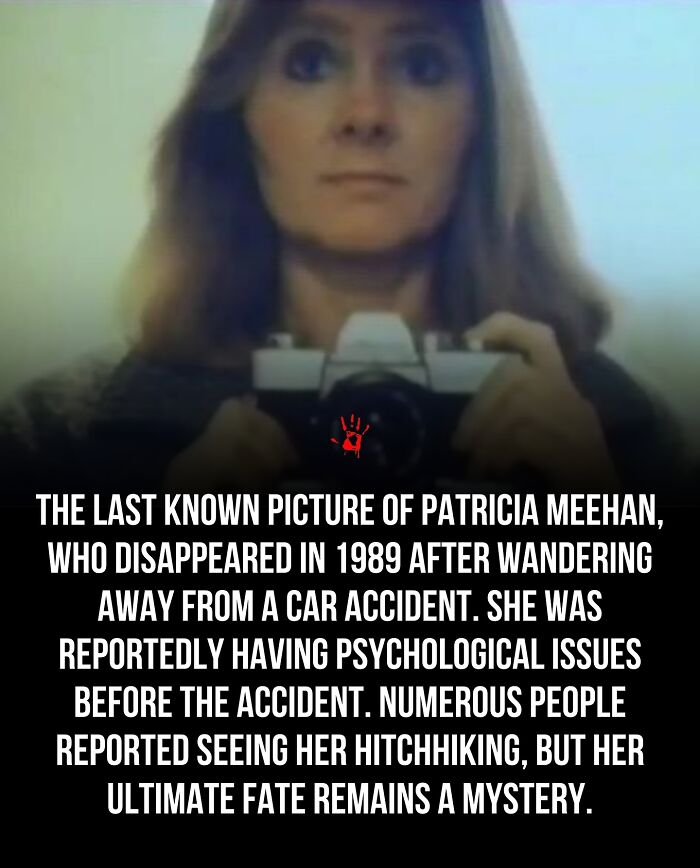
Honestly the number of young women who vanish after a non fatal car crash is so high you'd think they'd actually investigate this....and yet

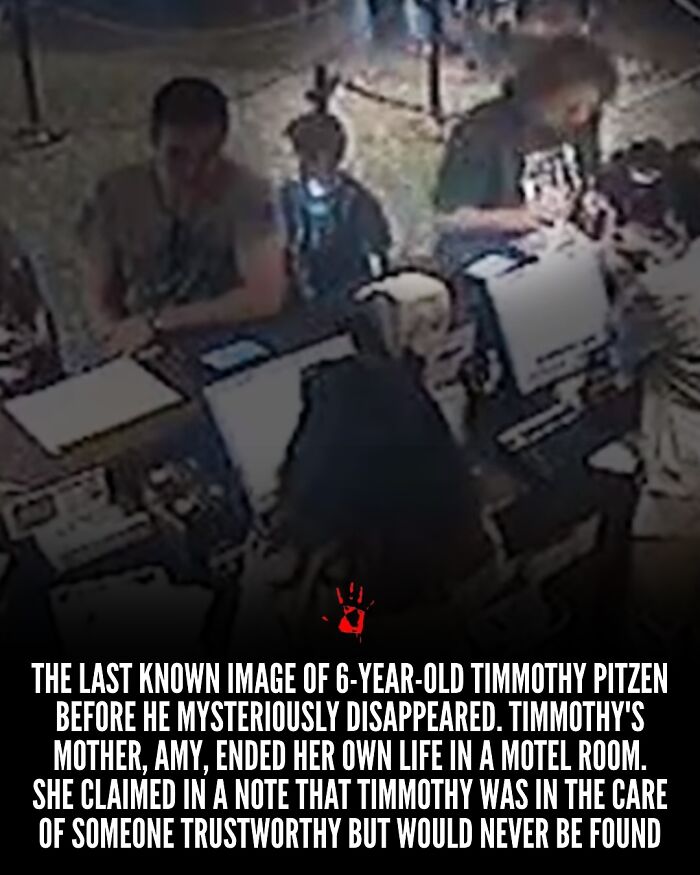
I know this isnt unheard of unfortunately but it did make me think how often women are s******l and cant make that decision because of their children. How does it go from- "I cant leave them" to "hell, ill just take them with me" it's a sad world when a person is backed into this corner bc they felt it wasn't okay to say "I am not a good mother. I cant do this." "They're driving me crazy...I need help." Or "I just cant go on like this. I just wanna make them stop" When they do...they are made to feel subhuman but this is obviously not better. It all cant be wrong...we need to have more grace.
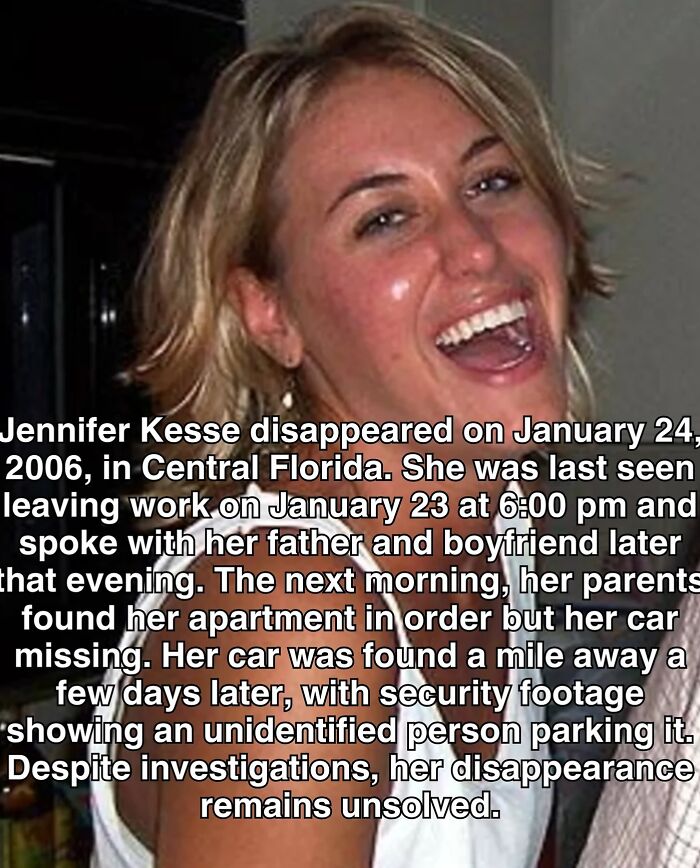
In October 2025, her father announced that investigators had identified new DNA evidence and significantly narrowed the pool of suspects, and the case is no longer considered cold.
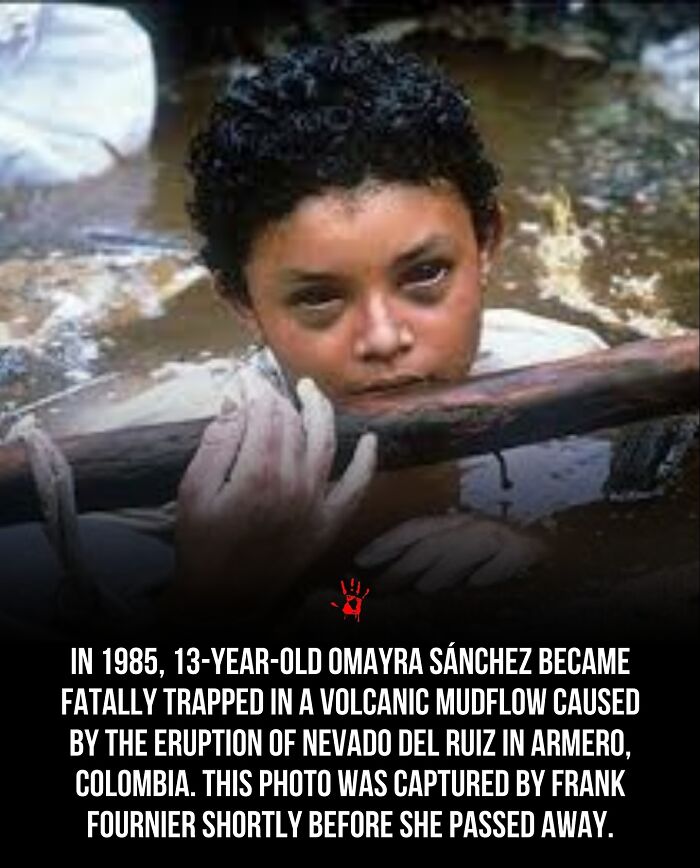
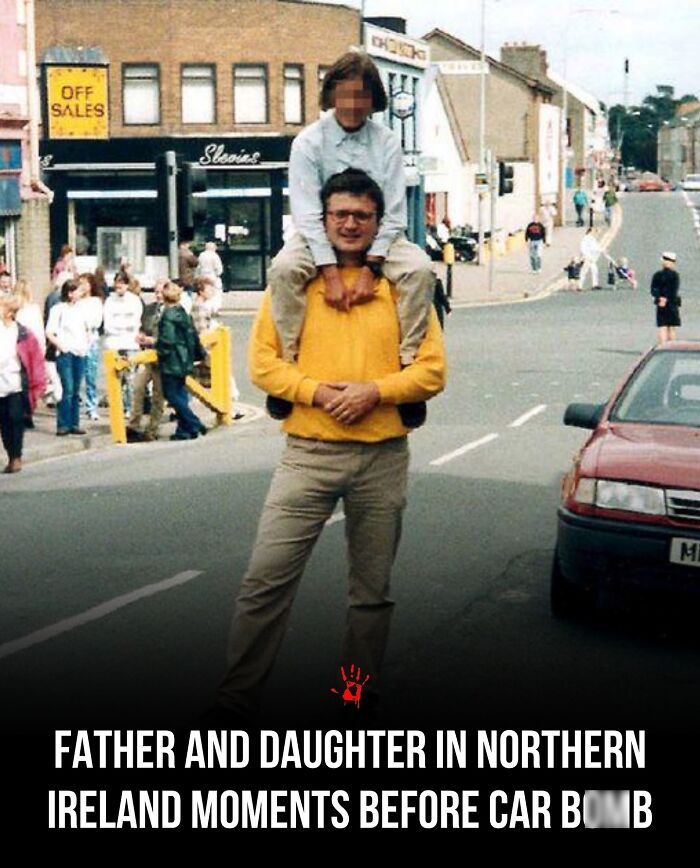
Whilst the father and daughter both survived, 29 people, including the Spanish photographer who took the picture, died in the explosion and over 200 were injured. Omagh, County Tyrone, August 15th 1998.

Please, BP, as much as I enjoy looking up additional info and sharing what I find, or providing facts I already know, it's a bit frustrating when a post is so fragmented that it really doesn't give any context and understanding of what we're supposed to take from it
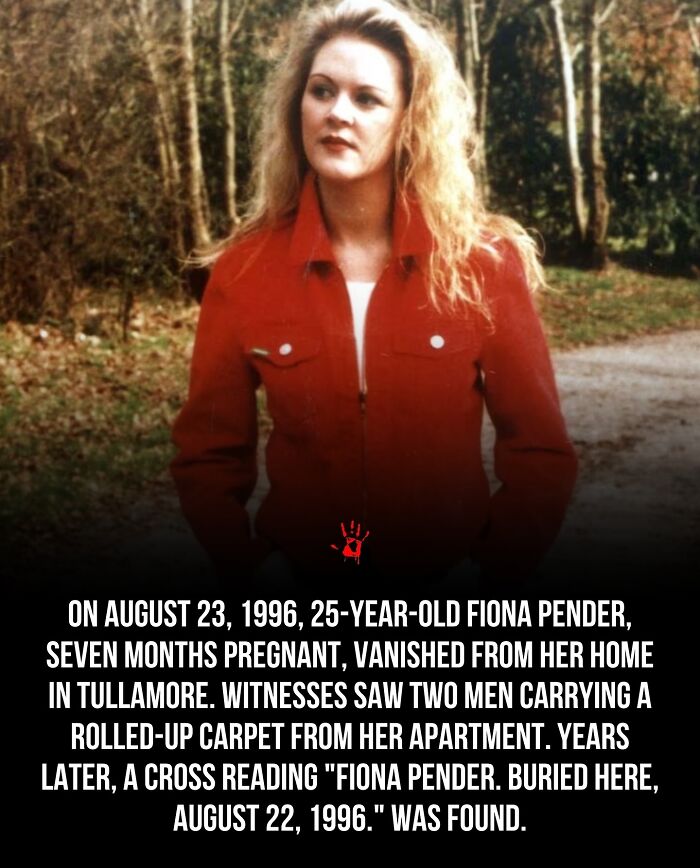
Tullamore, Ireland. No remains were found and it'snow an open m*rder case. As per Garda (on their website)
"We have met the Enemy and he is Us." (#Si hostem requiris circumspice.)

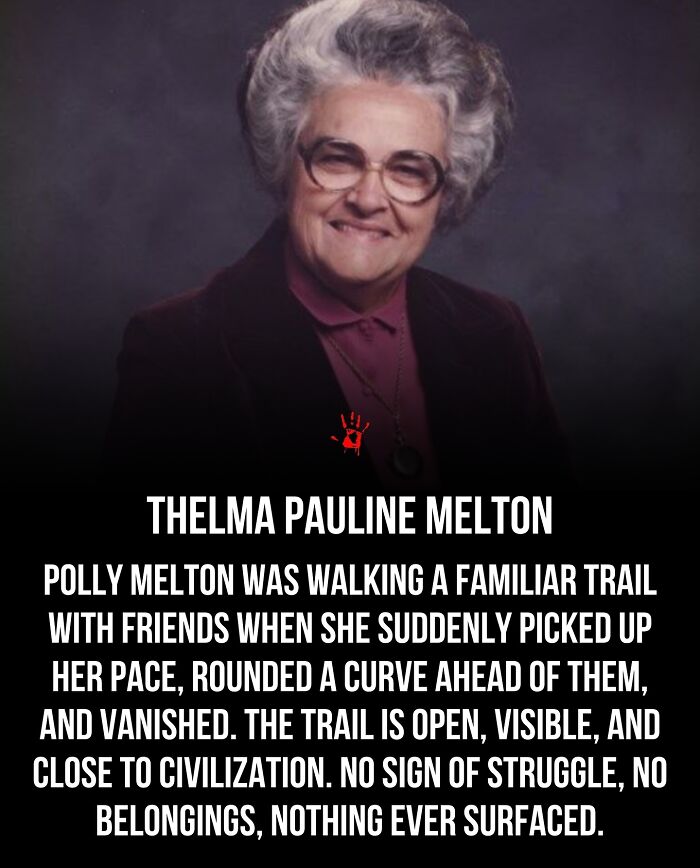
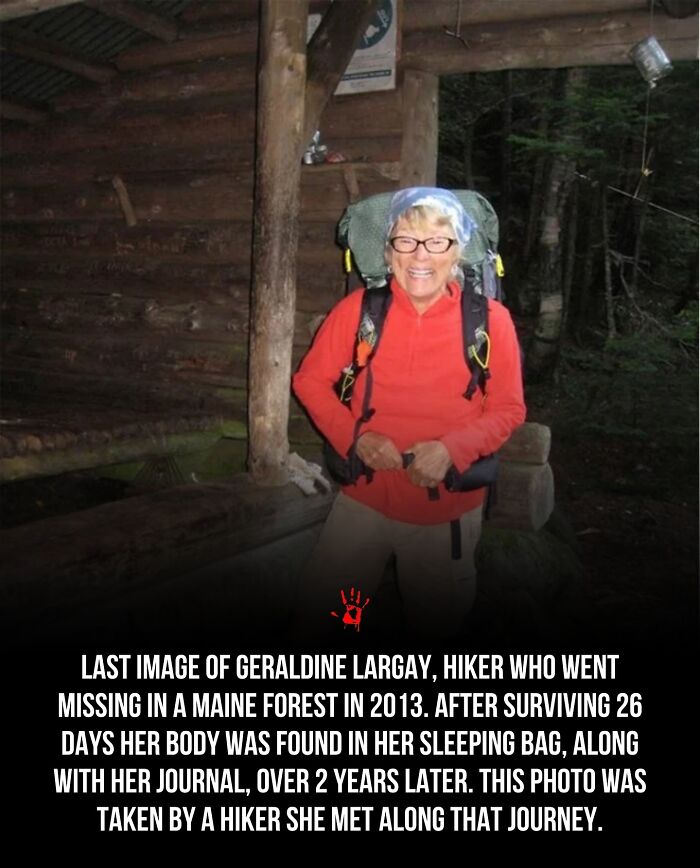
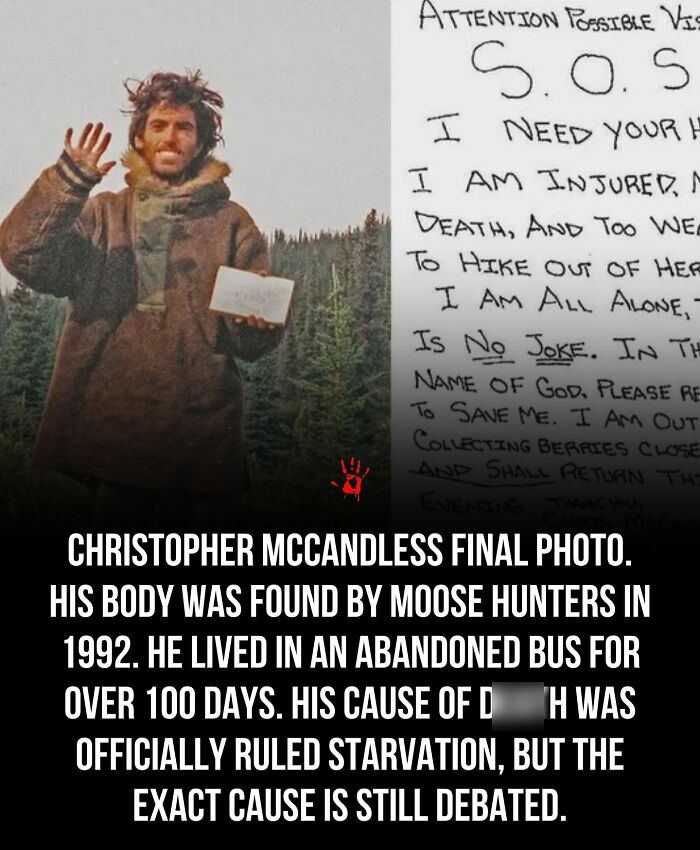
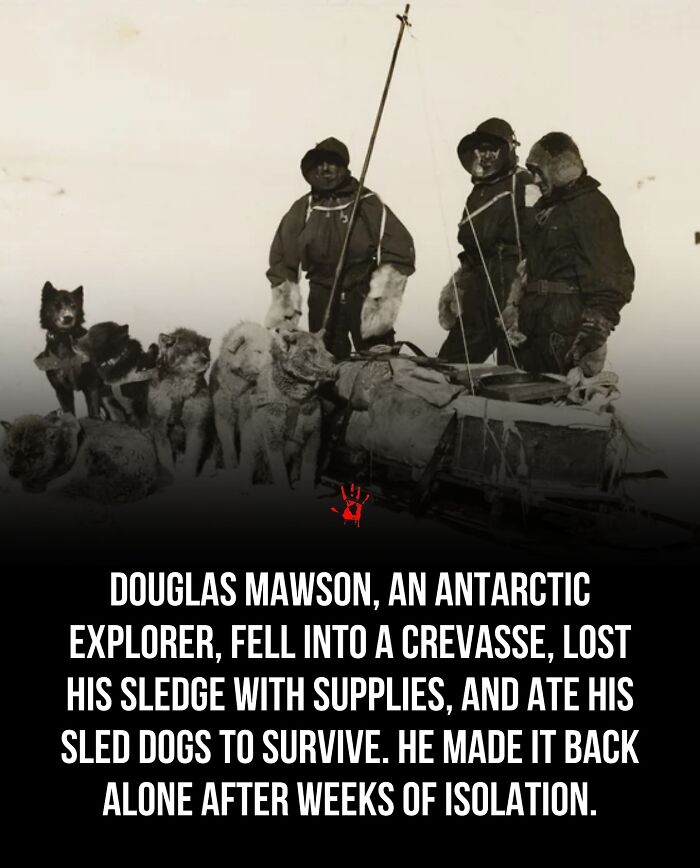
She wandered off the Appalachian Trail and became lost. Died from lack of food and water and exposure.
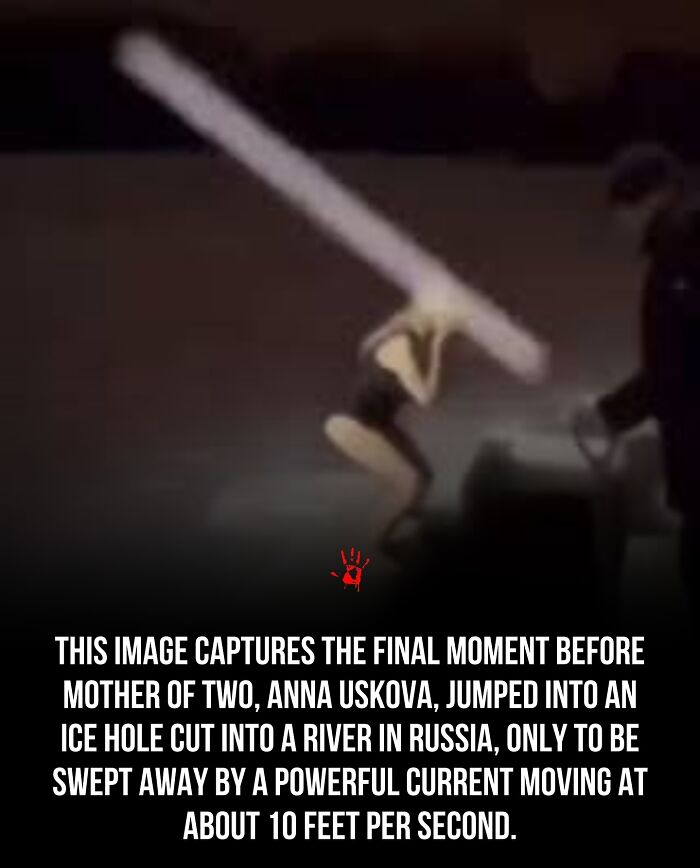
This happened in Russia. In the Orthodox church it is believed that water becomes holy on January 19th (Epiphany) those who dunk themselves three times will cleanse their sins away. It was not her intent to harm herself and the incident was witnessed by her family to include her children. Her husband tried to save her. Her body was never found.
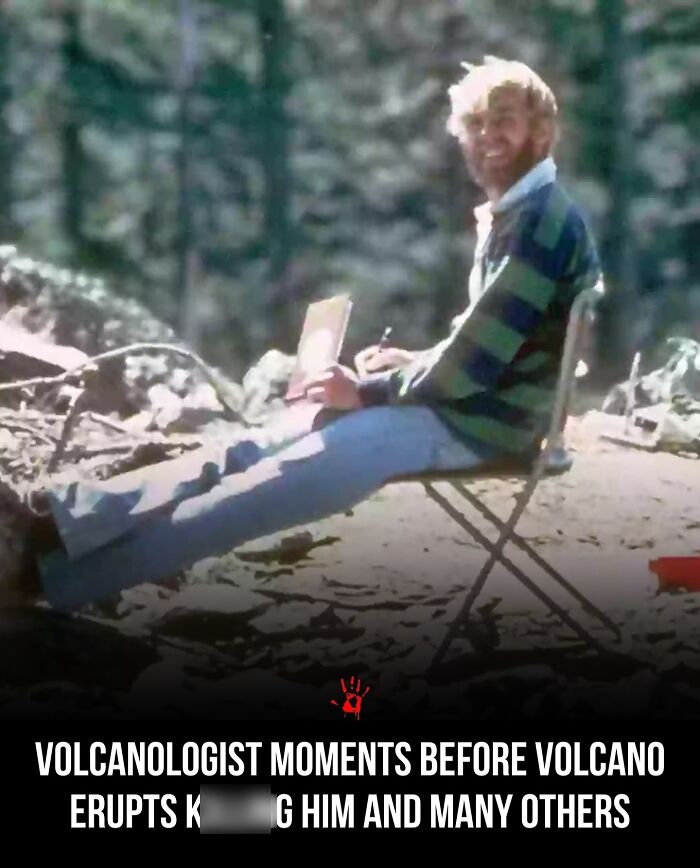
David A. Johnston. He was stationed at an observation post about 6 miles from Mount St. Helens to monitor its activity. He was kílled when the volcano erupted, obliterating his observation posts.
@BP...STOP with the AI slop images...there are thousands of photographs of the horror of WWI.

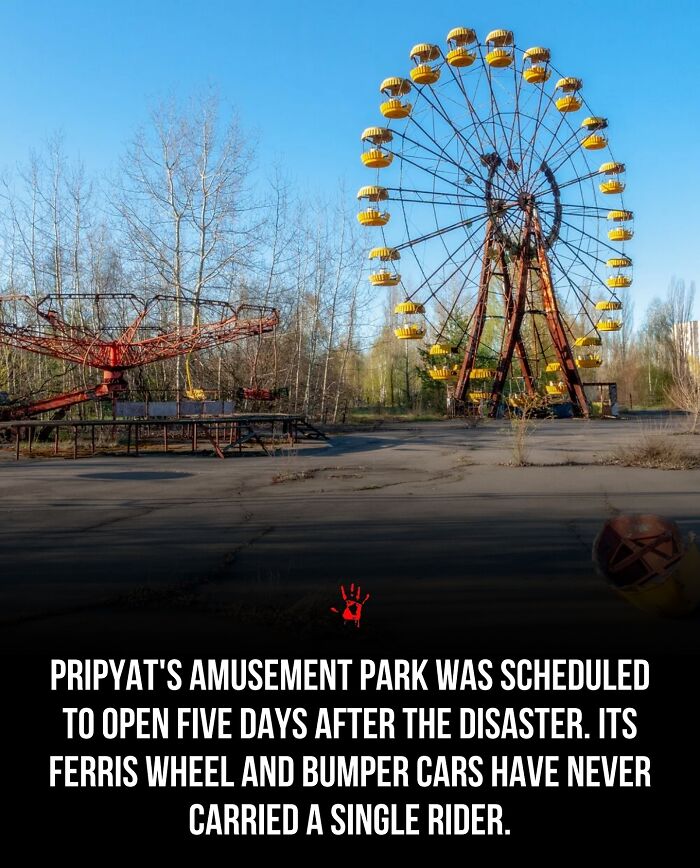
This is Chernobyl nuclear accident, OMG BP, must I do everything for you?
Are we sure he wasn't just on a sesh? He was after all The Merry Monarch, and the King who brought back partying. 🎵 🎶
Rodney Alcala. He was already a convicted sëx offender, and actively committing mürders, when he appeared on the show. He won, but the young woman who chose him refused to go on the date because she found him creepy.
It was r**e, 13 counts. Some of the women were probably homeowners. BP should pay me to correct their posts.
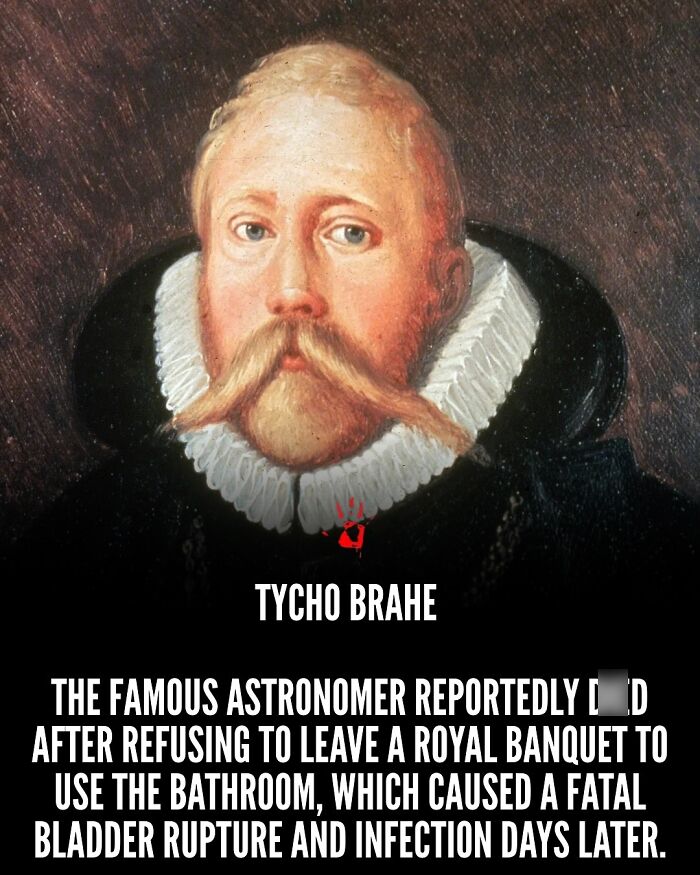
Deemed a myth. "Modern science suggests that his d***h was likely caused by acute urinary retention—an inability to pass urine—possibly due to an enlarged prostate or kidney infection that led to uremia (toxic levels of waste in the blood)." As per BBC
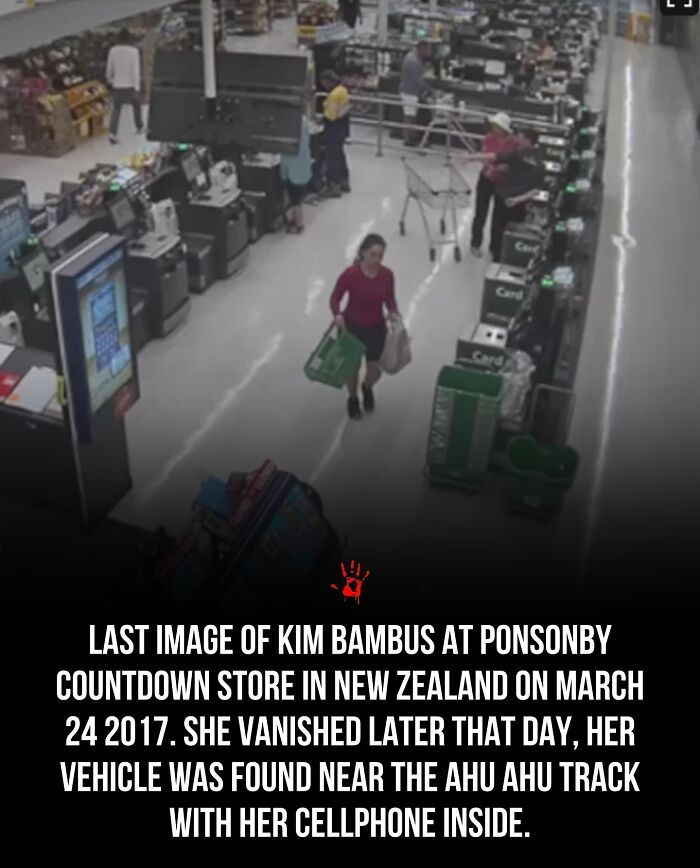
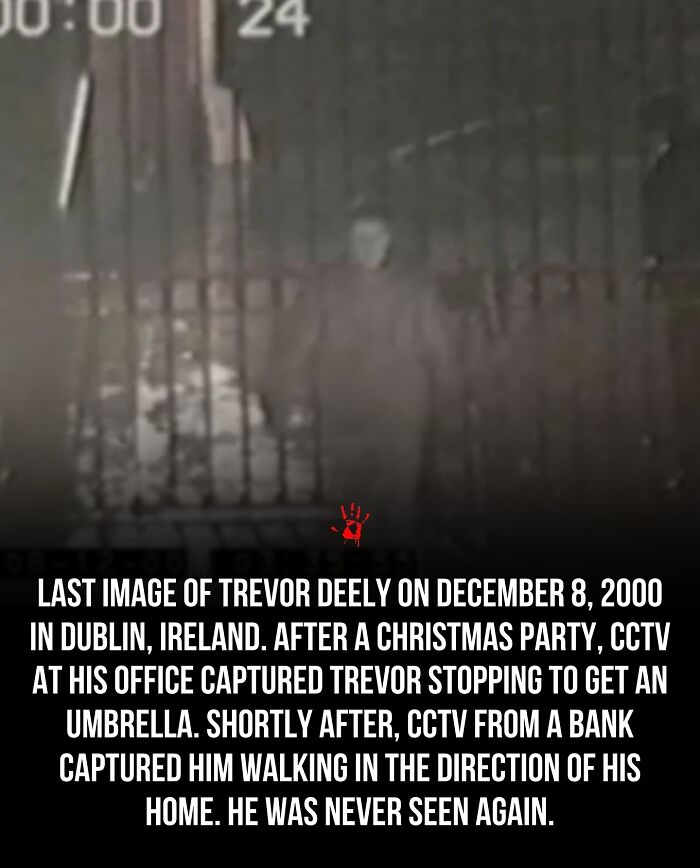
This one is WILD. Some guys were walking around and hiding near the bank. Trevor unexpectedly returns. He gets the umbrella and is seen leaving with two men in dark clothes who had been waiting in a courtyard off to the side for over 20 minutes follow him and he's never seen again.
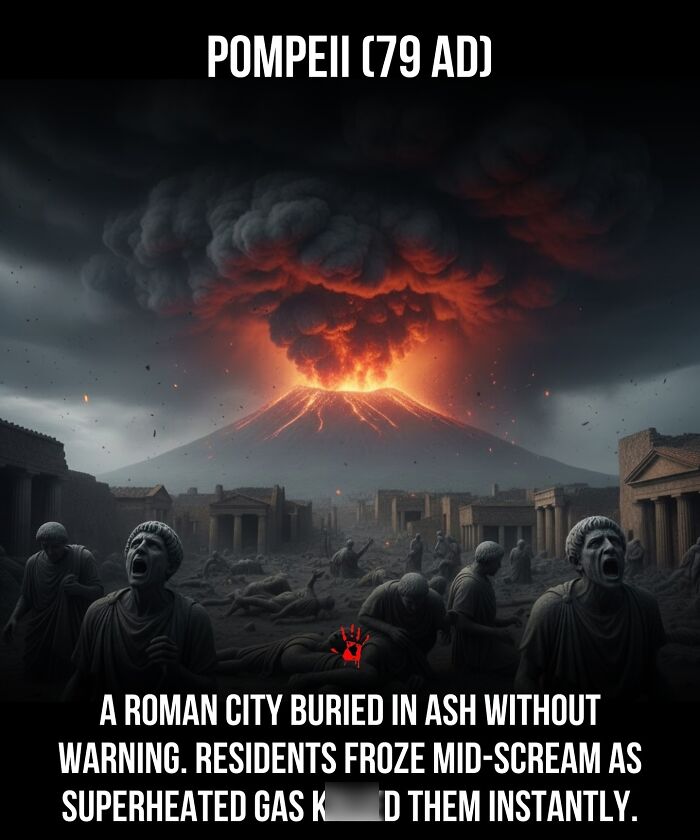
I visited the open-air museum site as a child. It was haunting to see, especially as an impressionable young child. The actual skeletons in the display are, in fact, encased inside the plaster casts, adding to the haunting feeling. This feeling remains with me to this day, but it was an immensely interesting experience and it's not that I'm "scarred for life", it just made a profound impact on me seeing this, especially when seeing what was believed to be a mother tenderly holding her child in their final moments. Recently the tested DNA revealed it being a male, so not a mother, which in no way changes the both touching as well as horrific sentiment
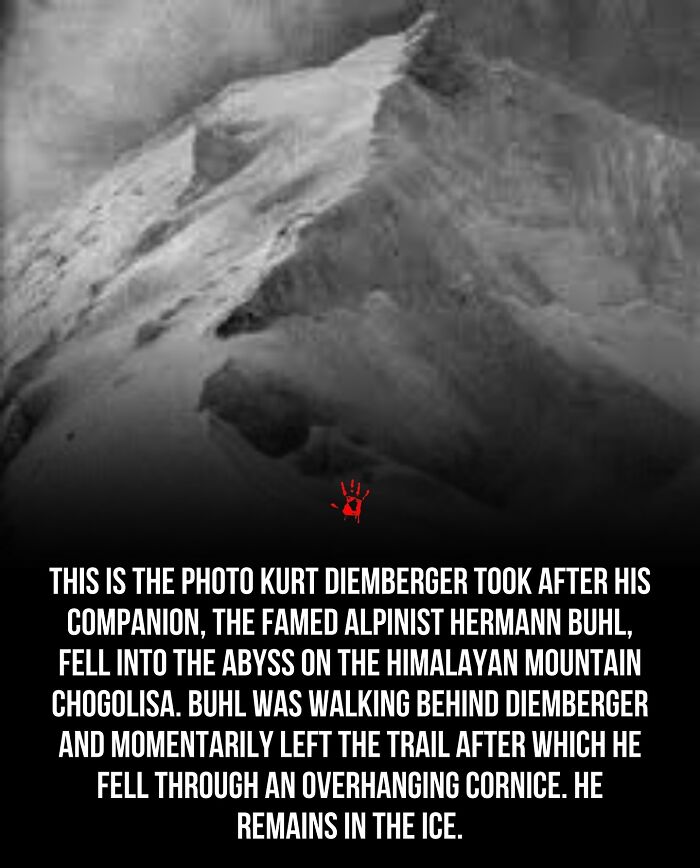
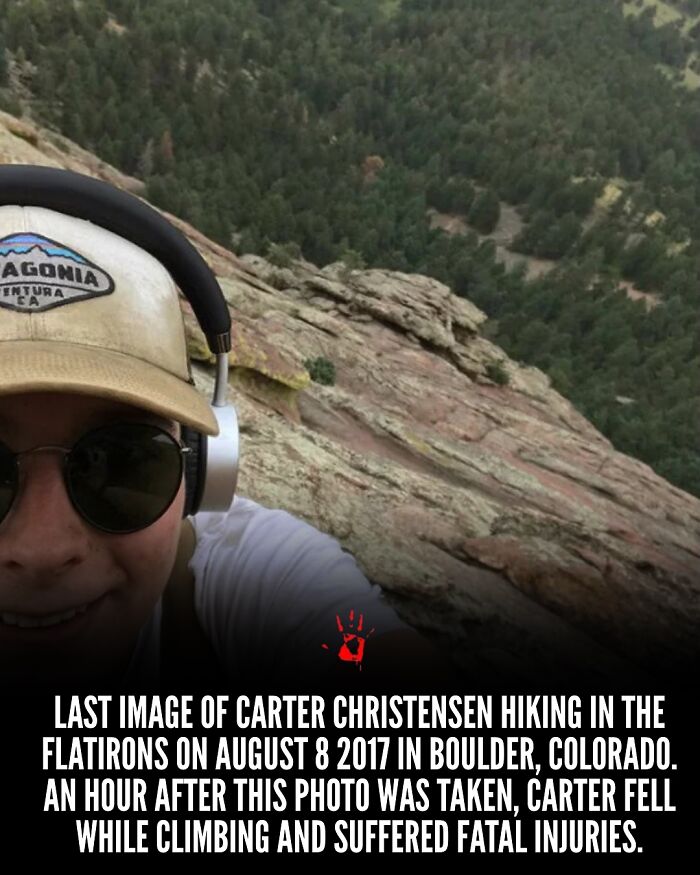
My brother fell while climbing the 3rd flatiron as a teenager and fortunately only suffered a broken leg.
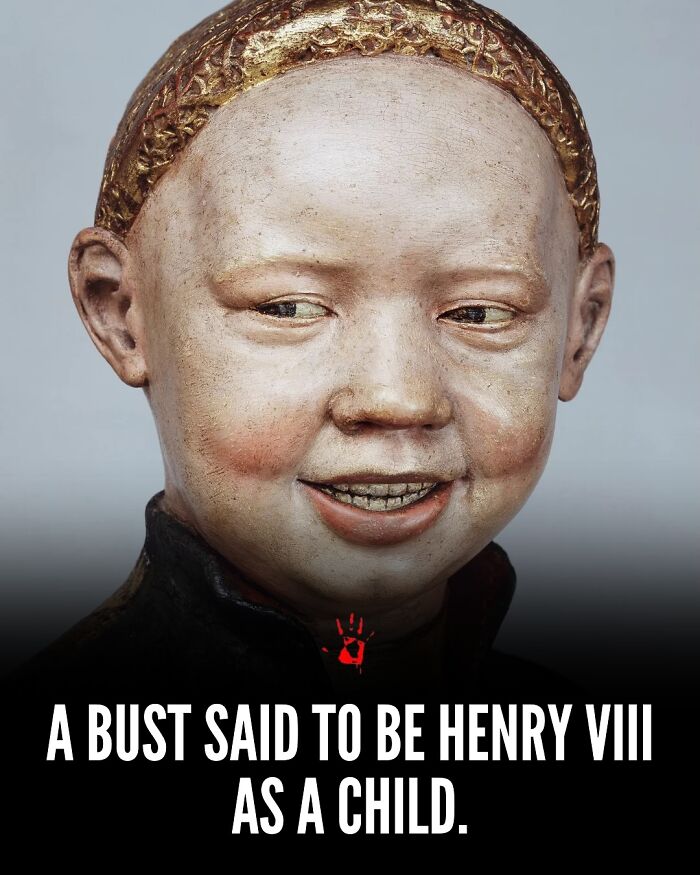
This was common back in medieval Europe to solidify peace etc between nations. It was usually common practice not to 'consummate' the marriage at this age, they would have to wait until the girl was of age, usually once she started puberty. Still creepy but childhood wasn't really a thing back then. Boys of 7 would be sent off to be pages (upper society), poor kids would be working fields with their parents from the day they could walk and talk.
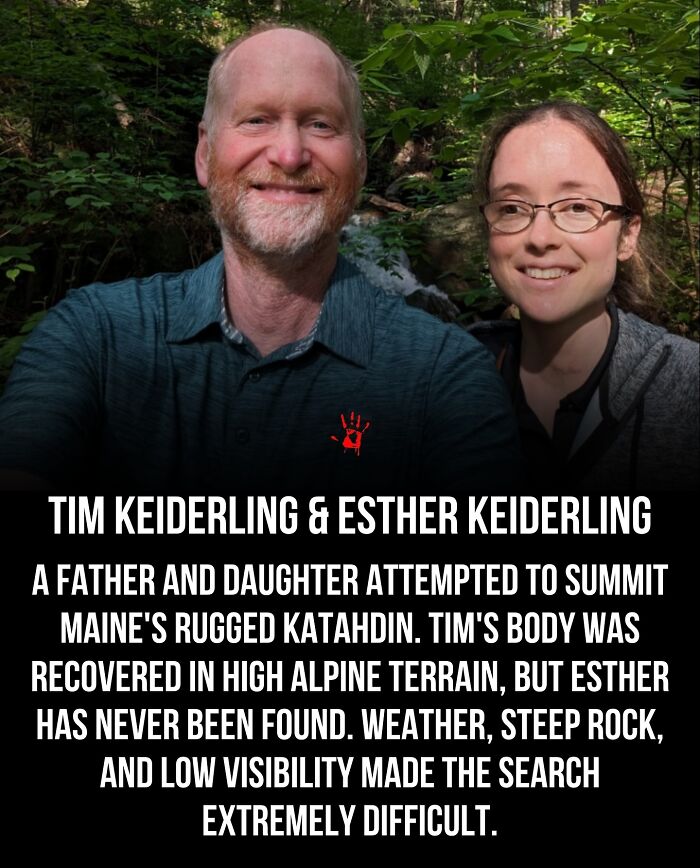
Esther's body was recovered a day after her father's. Tim d1ed from hypothermia in extreme weather conditions, while Esther d1ed from blunt force trauma, likely caused by sliding down a steep, icy boulder field.
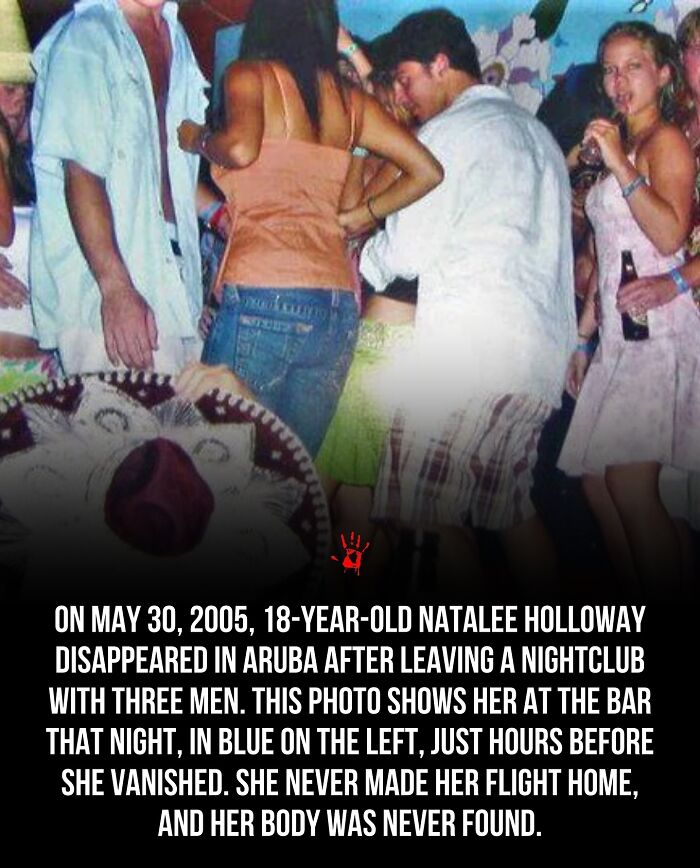
In 2023, Joran van der Sloot, the prime suspect in Natalee's disappearance, confessed to kīlling her and dumping her body in the ocean. He was serving 28 years in a Peruvian prison for the 2010 műrder of Stephany Flores, when he was was sentenced for 20 years in US federal prison on extortion charges, when he confessed.

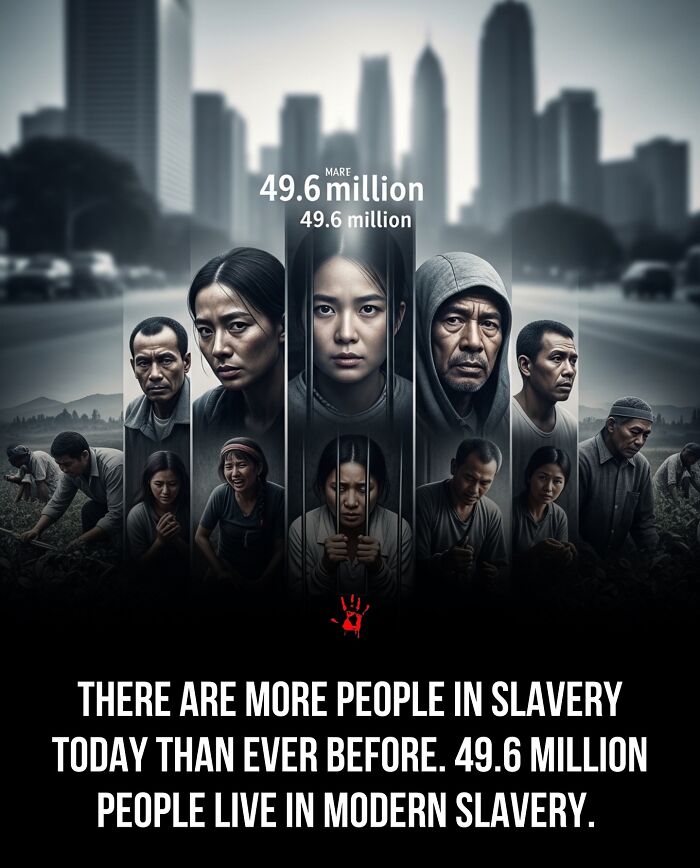
The organisation that this is quoted from counts public servants, policemen, and farmers who sell their produce to the government as "slaves". This myth needs to be busted.
I'll repeat one of my comments I wrote under one of the images, but slightlymodified: Please, BP, as much as I enjoy looking up additional info and sharing what I find, or providing facts I already know, it's a bit frustrating when some posts are so fragmented that it really doesn't give any context nor understanding of the historic incidents/facts and what we're supposed to make of or take from it

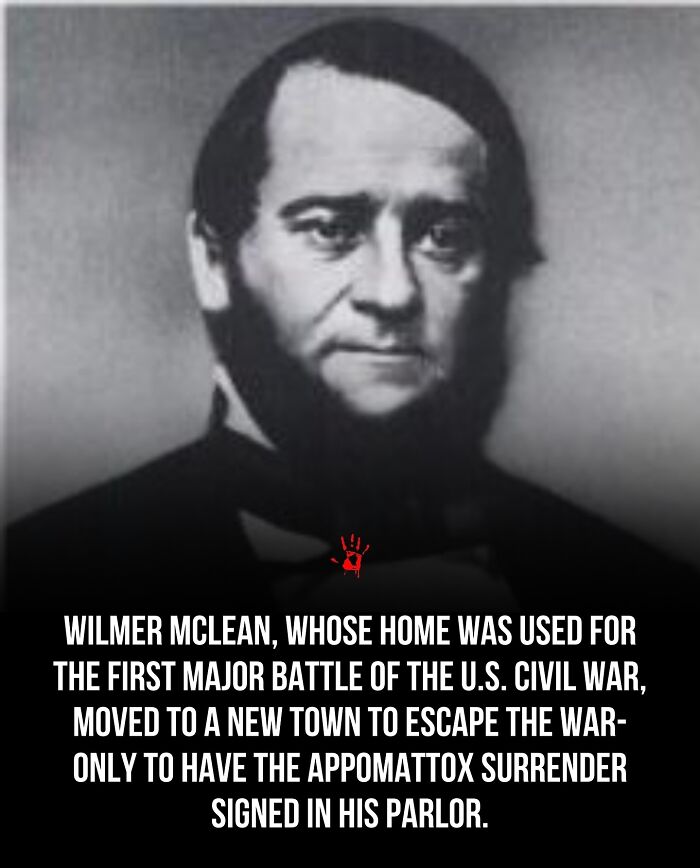
The war was 38 minutes long, that's what we were supposed to take from that.
Load More Replies... Most of these are neither morbid nor mysterious. Some were interesting, though.

If you are interested in more details on any of these, I suggest you search them on YouTube. I've watched a number of videos that explain them in great detail.
I've seen most of them on Mr. Ballen's channel over the years.
Load More Replies... I'll repeat one of my comments I wrote under one of the images, but slightlymodified: Please, BP, as much as I enjoy looking up additional info and sharing what I find, or providing facts I already know, it's a bit frustrating when some posts are so fragmented that it really doesn't give any context nor understanding of the historic incidents/facts and what we're supposed to make of or take from it
The war was 38 minutes long, that's what we were supposed to take from that.
Load More Replies... Most of these are neither morbid nor mysterious. Some were interesting, though.
If you are interested in more details on any of these, I suggest you search them on YouTube. I've watched a number of videos that explain them in great detail.
I've seen most of them on Mr. Ballen's channel over the years.
Load More Replies...



























 No fees, cancel anytime