Get Premium
Dark mode theme is available exclusively for premium users. Learn more about the benefits of subscribing.
No fees, cancel anytime.

 Dark Mode Ad-Free Browsing Unlimited Content
 Ad-Free Browsing Unlimited Content Dark Mode
Join 1.2 million Panda readers who get the best art, memes, and fun stories every week!

Will AI take my job? It’s a question burning in the brains of many people out there. Artificial Intelligence has been around for ages, but it’s really exploded onto the mainstream scene in recent years. From ChatGPT to Claude to Gemini and others, robots are being tasked with doing work that previously only humans could do.
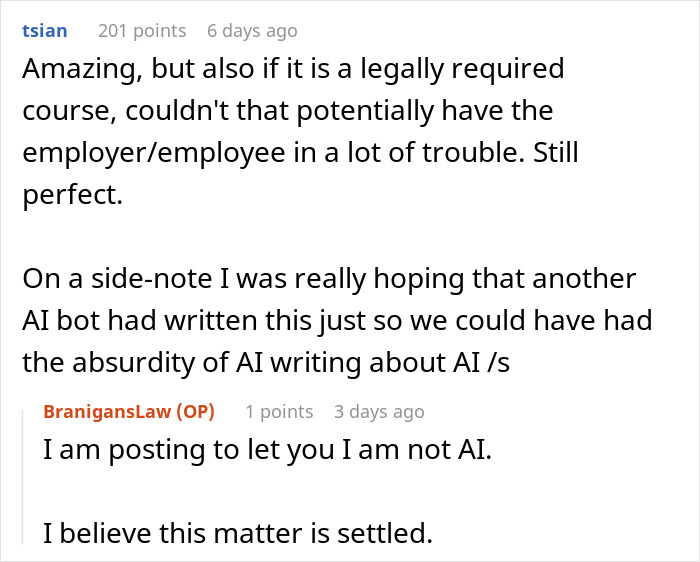
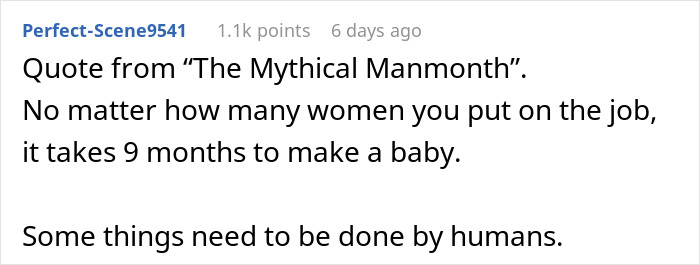
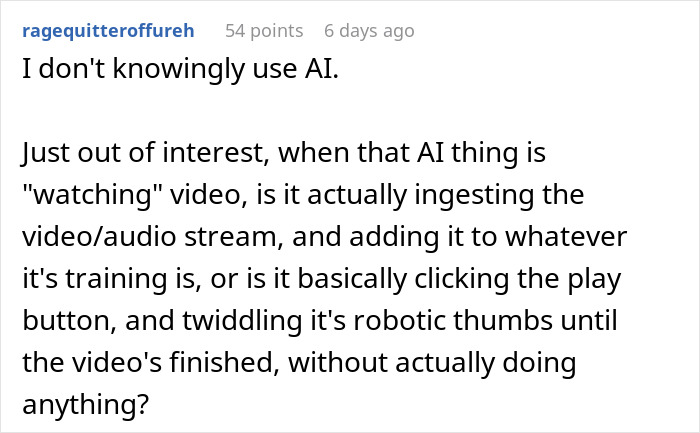
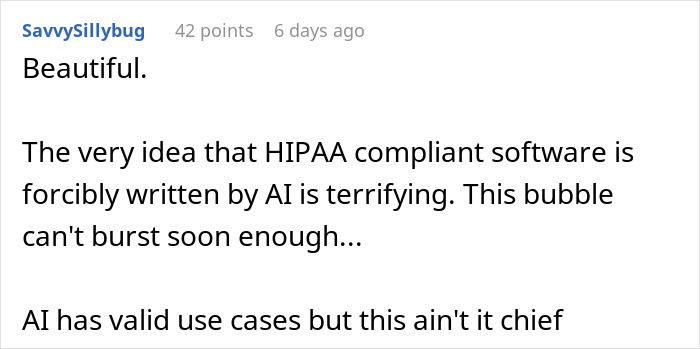
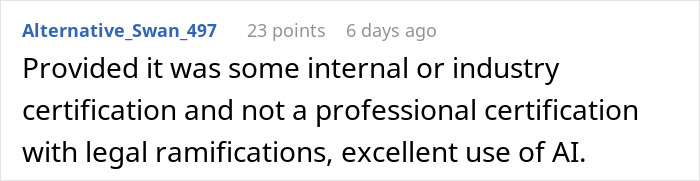
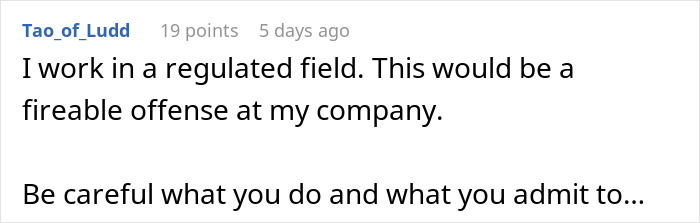
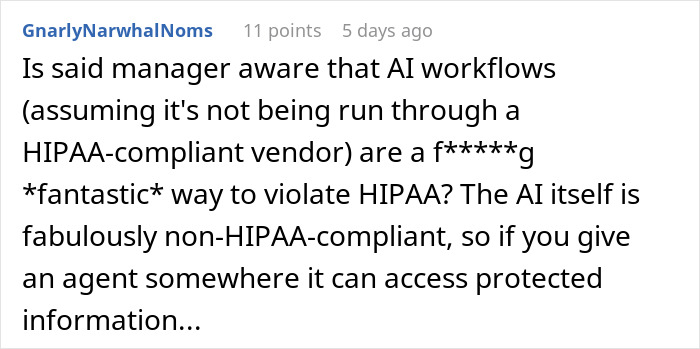
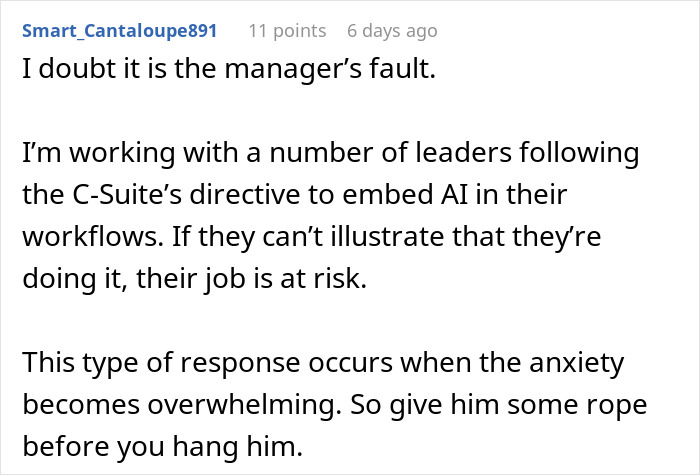
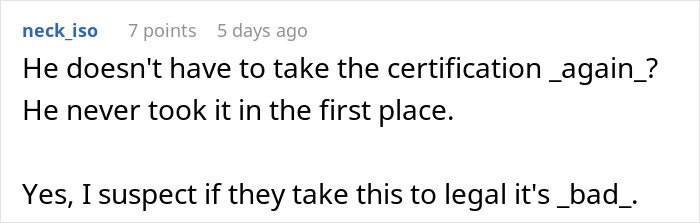
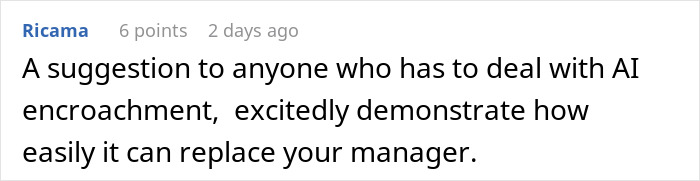
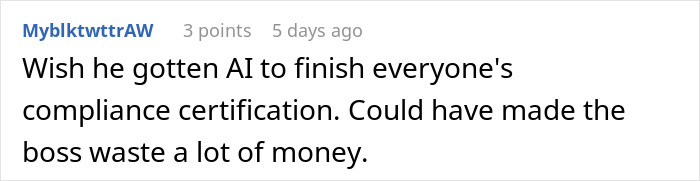
A person has told how their friend’s boss “fully drank the AI Kool-Aid” and has been asking his staff to use it for pretty much everything. What the IT manager didn’t expect was for one employee to follow that instruction to the T. The guy called on Claude to take a mandatory compliance test for him, and the manager finally learned why some things still need to be done by living beings.
Image credits: ArthurHidden / Magnific (not the actual photo)
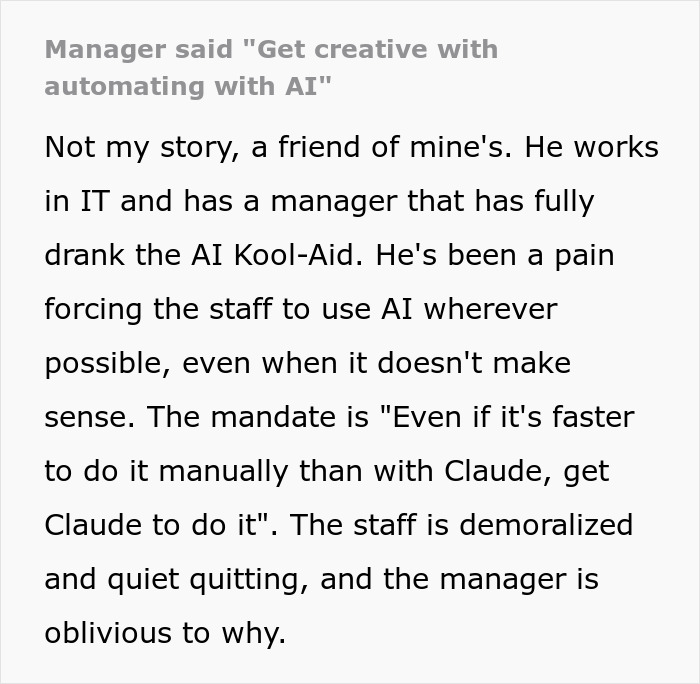
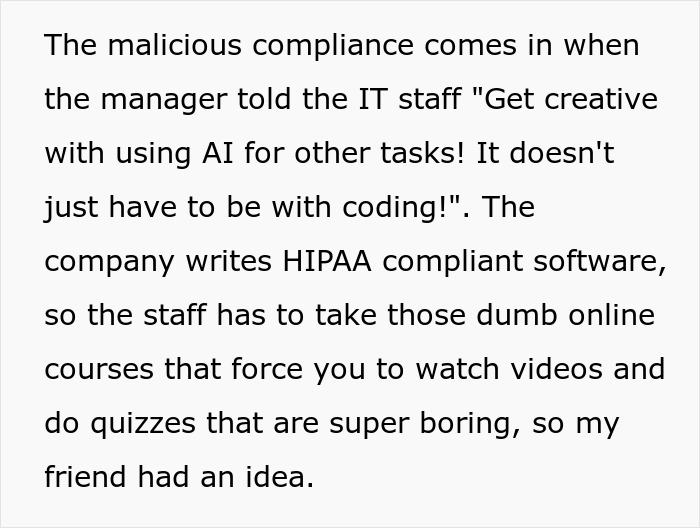
Image credits: The Yuri Arcurs Collection / Magnific (not the actual photo)
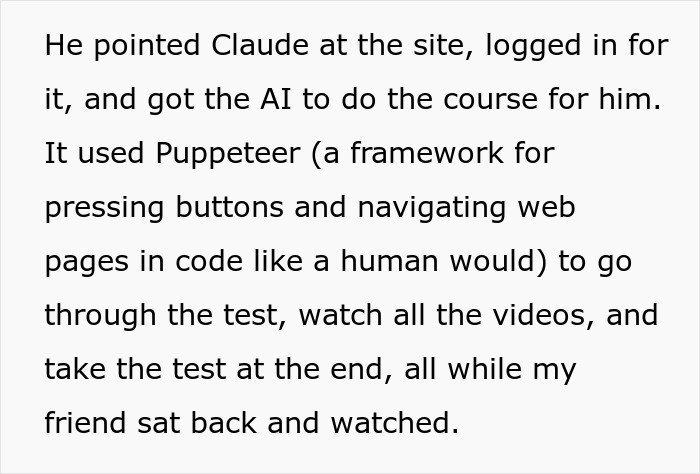
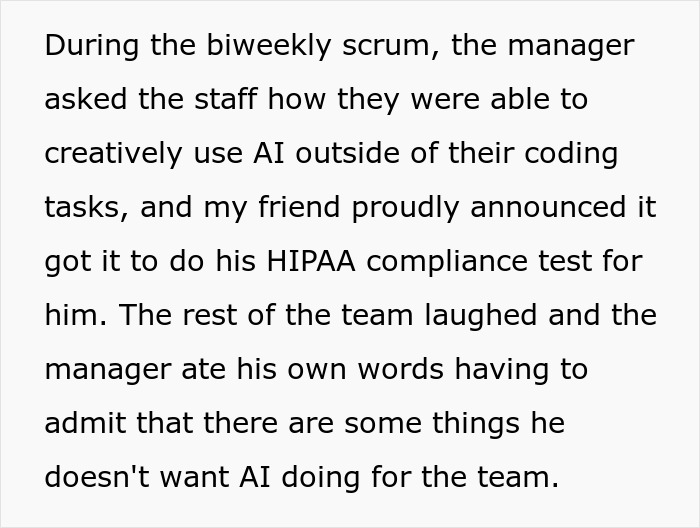
Image credits: cookie_studio / Magnific (not the actual photo)
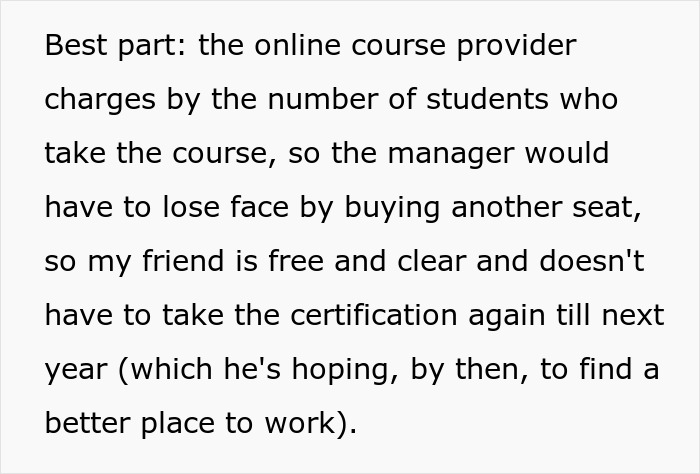
Image credits: BranigansLaw
Artificial Intelligence has left many workers feeling intimidated, and for good reason. According to data from outplacement firm Challenger, Gray & Christmas, companies have already announced nearly 50,000 job cuts linked to AI this year alone. “Those layoffs account for roughly 17% of the roughly 300,000 total job cuts announced so far in 2026,” reports CBS News.
Not all jobs are at risk, though. The ones safest from AI and automation are those that require human qualities that a robot cannot replicate. Things like social skills, emotional intelligence, and interpersonal relationships.
“Fields that are more creative and don’t stick to a rigid routine will also lower the risk of AI replacing jobs in that field,” notes the U.S. Career Institute. “The most common jobs found to have a low risk of automation are jobs in the medical field, as they are complex and require flexibility; medical situations can be unpredictable.”
Image credits: KamranAydinov / Magnific (not the actual photo)
Positions least likely to be affected by automation include nurses, doctors, therapists, and counselors. In the education sector, teachers, instructors, and school administrators are considered fairly safe. The U.S. Career Institute also lists musicians, artists, writers, and journalists as those with a low risk of being affected by automation. Hairdressers, cosmetologists, personal trainers, and coaches are also unlikely to be replaced by robots- for now…
It’s not always a matter of robots replacing people. Experts say 50% to 55% of jobs in the U.S. will be reshaped by AI over the next two to three years.
“For many employees, this will mean that they retain the same or a similar role but face radically new expectations for how they work and what they produce,” explains the Boston Consulting Group’s team. “For company leaders, it will require a clear vision for how the transformation is managed, including a scaled, strategic approach to upskilling and reskilling and the restructuring of career ladders.”
The consultants say that in around five years from now—or perhaps further in the future—10% to 15% of jobs in the U.S. could be eliminated because of AI.
“Managers need to get on board,” they warn. “Those who cut their workforce beyond AI’s ability to replace it will see productivity drop, institutional knowledge disappear, and critical talent walk away. Those who fail to dramatically rethink work will see their competitors grow faster and more profitably.”












By entering your email and clicking Subscribe, you're agreeing to let us send you customized marketing messages about us and our advertising partners. You are also agreeing to our Privacy Policy.
Thank you! You've successfully subscribed to newsletters!

























 No fees, cancel anytime












28
9