Get Premium
Dark mode theme is available exclusively for premium users. Learn more about the benefits of subscribing.
No fees, cancel anytime.

 Dark Mode Ad-Free Browsing Unlimited Content
 Ad-Free Browsing Unlimited Content Dark Mode
Join 1.2 million Panda readers who get the best art, memes, and fun stories every week!
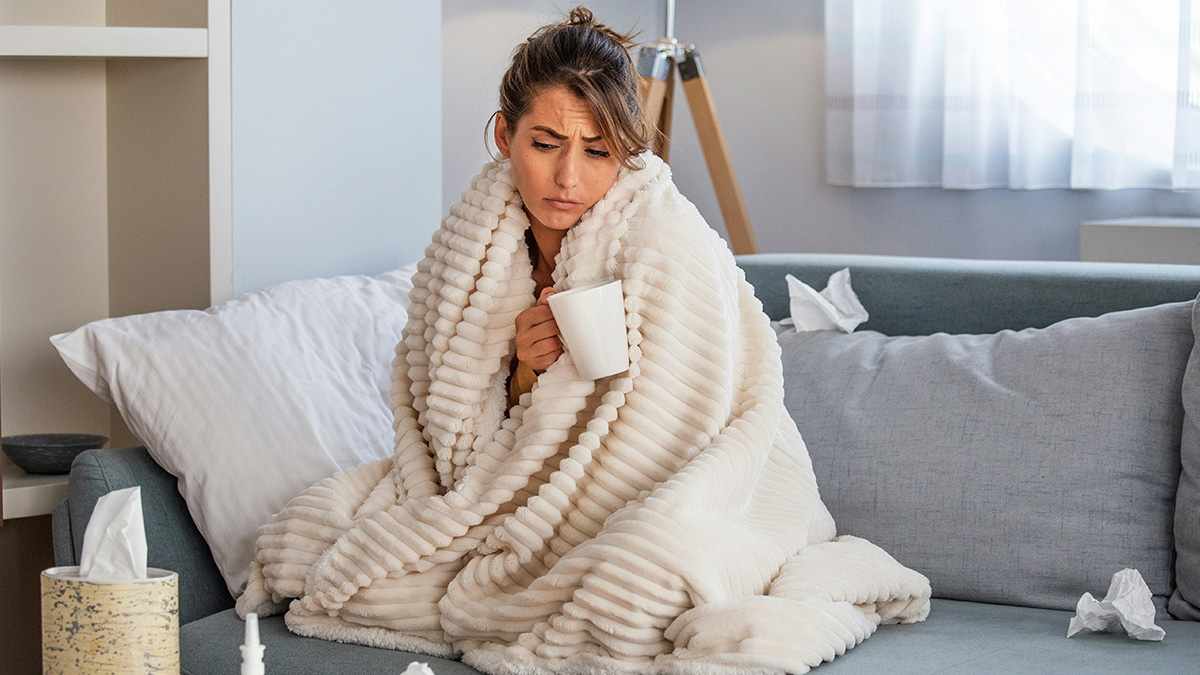
Many couples feel a certain pressure to impress (or at least maintain a cordial relationship) with their partner’s parents. For those lucky enough to have kind, welcoming in-laws, that usually isn’t too difficult. But for others, dealing with difficult in-laws can quickly turn everyday life into a stressful experience.
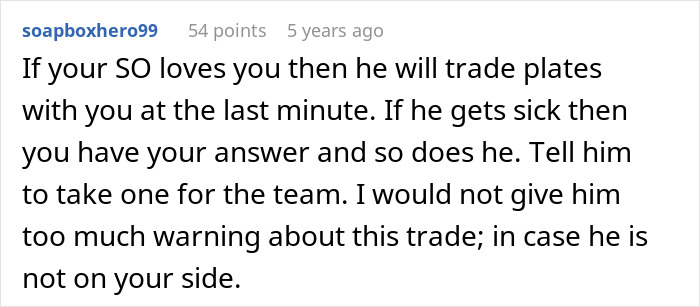
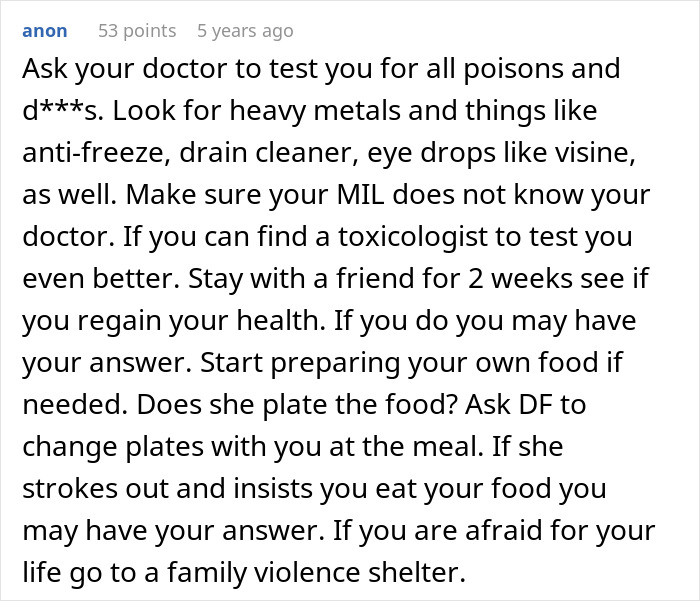
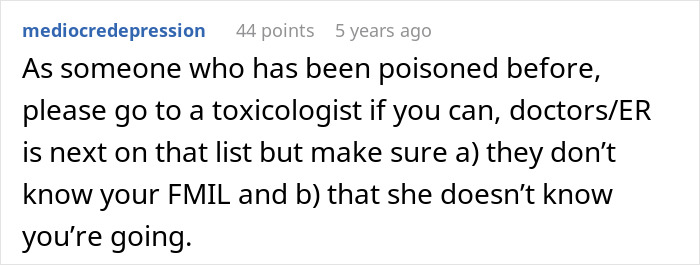
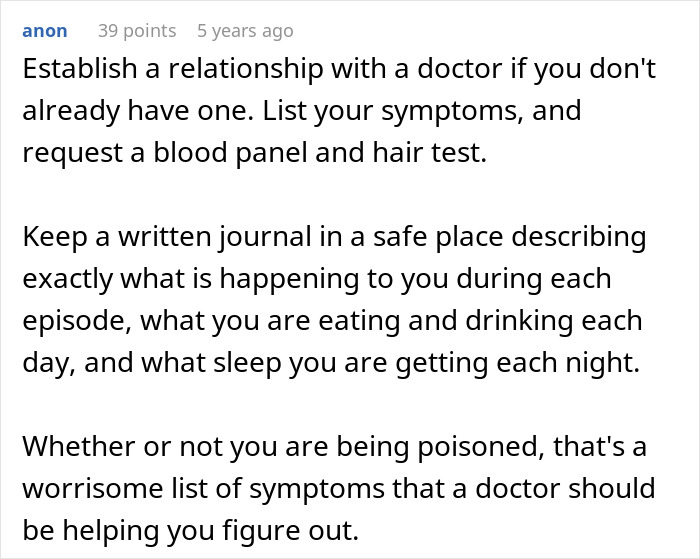
One person recently shared a story about what happened while living with their partner’s family. Despite describing themselves as relatively healthy and active, they began experiencing nausea, dizziness, and stomach issues after meals. The strange part? The symptoms seemed to appear only after eating food prepared by their partner’s mom. When they cooked their own meals or ate out, they felt perfectly fine. Keep reading to learn more about the unsettling pattern they started to notice.
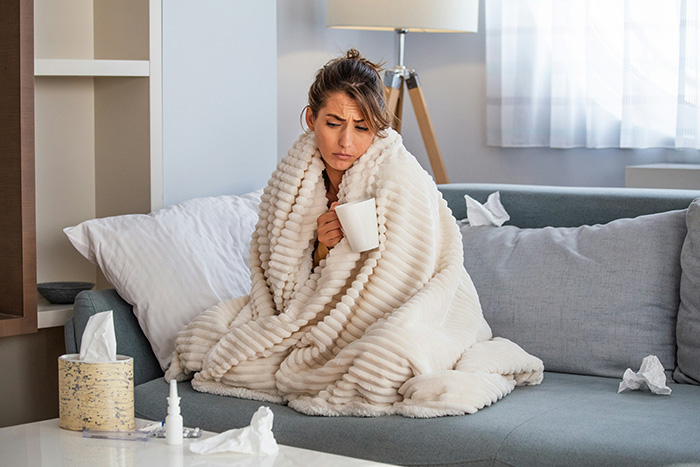
Image credits: Getty Images / Unsplash (not the actual photo)
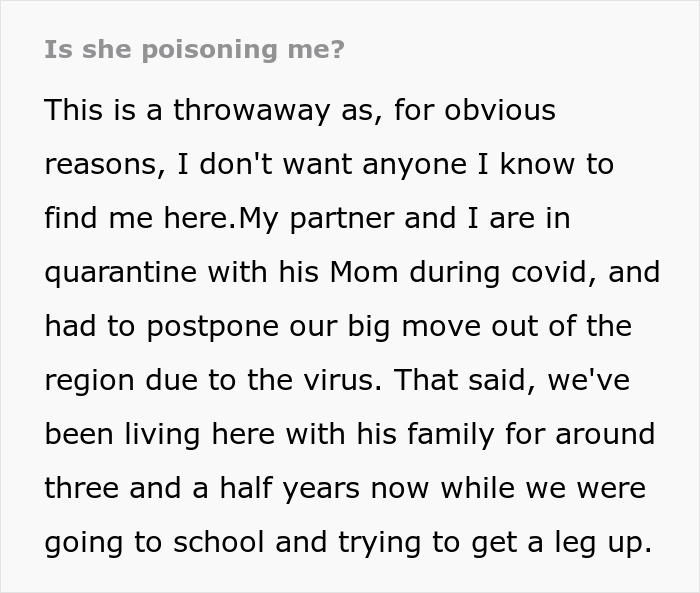
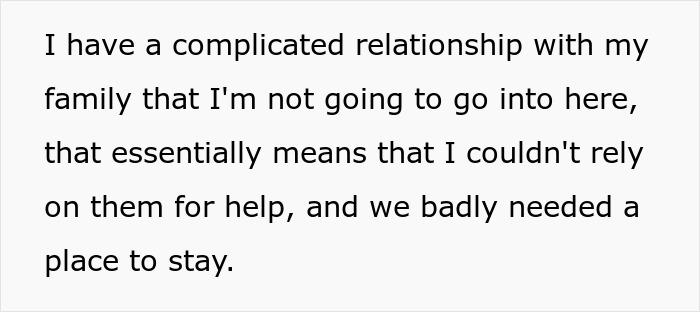

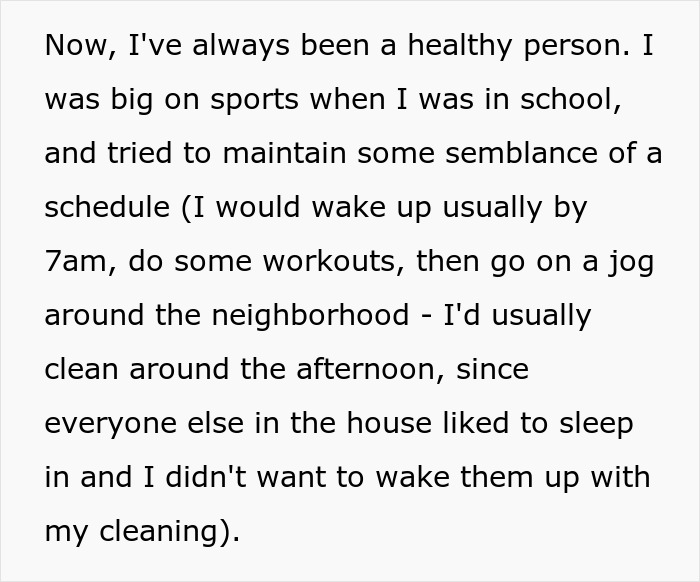

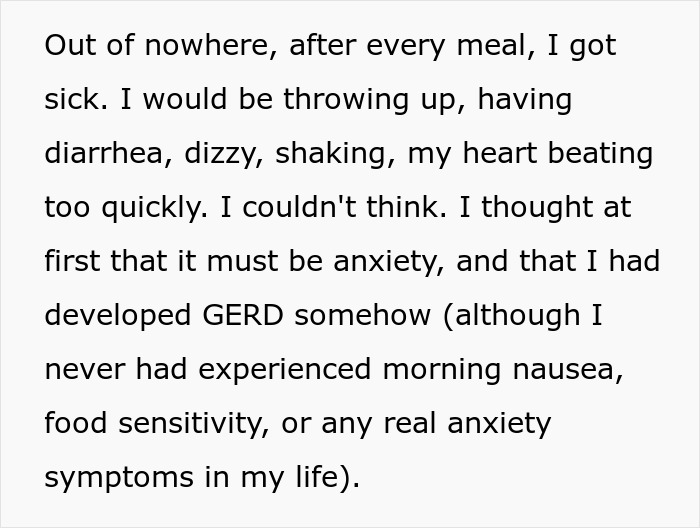
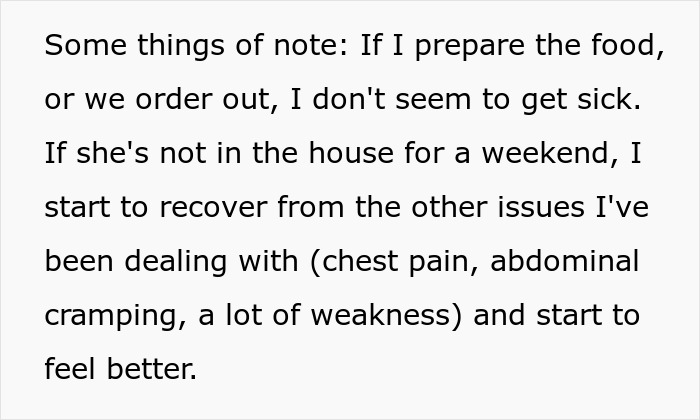

Image credits: Gustavo Fring / Pexels (not the actual photo)
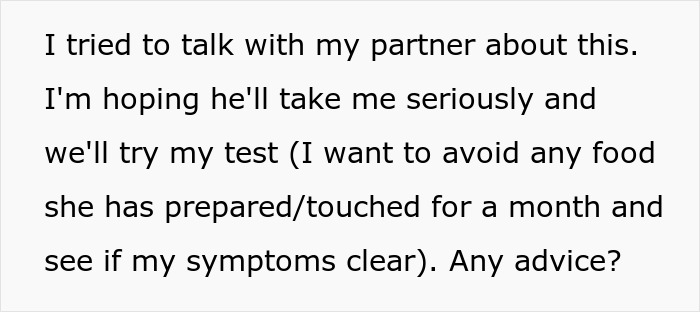

Image credits: BigOlWalrusMan
Now, whether the author’s partner’s mom was actually harming them cannot be said with certainty. However, situations like this do highlight the importance of understanding different types of contamination that people can encounter in everyday life. One of the most common forms is foodborne illness, which occurs when food is contaminated or not stored or prepared properly. Bacteria, viruses, or toxins in spoiled food can cause symptoms like nausea, vomiting, diarrhea, and stomach pain. According to the World Health Organization, an estimated 600 million people fall ill each year after eating contaminated food. This shows how easily food-related illnesses can happen, even without anyone intentionally causing harm.
Another thing many people don’t realize is that contamination doesn’t only happen through food. Harmful substances can enter the body in several ways: by swallowing them, breathing in fumes, or even absorbing them through the skin. Some dangers can come from nature itself. For example, wild mushrooms may look harmless, but certain varieties can be extremely toxic if eaten. The problem is that toxic and edible mushrooms often look very similar. Because of this, experts strongly advise people not to consume wild mushrooms unless they have been identified by someone trained in mushroom safety. What appears to be a harmless ingredient could actually be dangerous.
Pesticides are another example of substances that require careful handling. These chemicals are commonly used to control insects and pests, especially in gardens and agricultural settings. While they are effective for their intended purpose, they can also pose risks to humans if used improperly. Some pesticides can be absorbed directly through the skin, while others may enter the body through inhalation if their fumes are breathed in. Exposure to certain pesticides can affect the nervous system and may lead to symptoms such as dizziness, headaches, or difficulty breathing. This is why safety instructions and protective equipment are so important when using these products.
Hydrocarbons are another group of substances that can be dangerous if handled incorrectly. This category includes everyday liquids such as gasoline, kerosene, motor oil, lighter fluid, furniture polish, lamp oil, and paint thinner. These products are commonly found in garages or storage areas, which makes them easily accessible in many households. If someone accidentally swallows these liquids, they can choke or inhale them into their lungs instead of their stomach. When hydrocarbons enter the lungs, they can interfere with breathing and may cause serious inflammation in lung tissue. Because of this risk, even small amounts can be extremely harmful if ingested.
Many household cleaning products can also pose serious dangers if they are misused. Some cleaning agents are highly corrosive and can cause chemical burns when they come into contact with the skin, eyes, or mouth. Products such as drain cleaners, oven cleaners, rust removers, and strong toilet bowl cleaners contain chemicals designed to break down stubborn grime and buildup. While these formulas are effective for cleaning, they can be harmful if accidentally swallowed or spilled on the body. Chemical burns from these substances can sometimes be just as severe as burns caused by fire.
Certain substances can be especially dangerous for children, even if they are relatively safe for adults when used correctly. For instance, iron supplements meant for adults can become extremely hazardous if swallowed by young children. Just a few tablets can cause serious toxicity. In severe cases, symptoms may appear quickly, including vomiting blood or experiencing bloody diarrhea within a short period of time. Because children are naturally curious and may mistake pills for candy, keeping medications stored safely out of reach is incredibly important.
Experts also warn about the risks associated with small electronic batteries. The North Dakota Center notes that lithium coin batteries—often found in items like remote controls, watches, and toys—can be extremely dangerous if swallowed. When these batteries become lodged in the throat, they can react with saliva and generate an electrical current. This reaction can cause severe burns in a very short amount of time. Because the batteries are small and shiny, children may be tempted to play with them, which is why safe storage and quick action in case of ingestion are critical.
In conclusion, everyday substances (whether food, chemicals, or common household items) can sometimes pose serious health risks if not handled carefully. Staying aware of potential hazards, storing products safely, and paying attention to unusual symptoms are key steps in protecting ourselves and those around us. When something feels off, it’s always best to trust your instincts and seek the right guidance or professional advice.
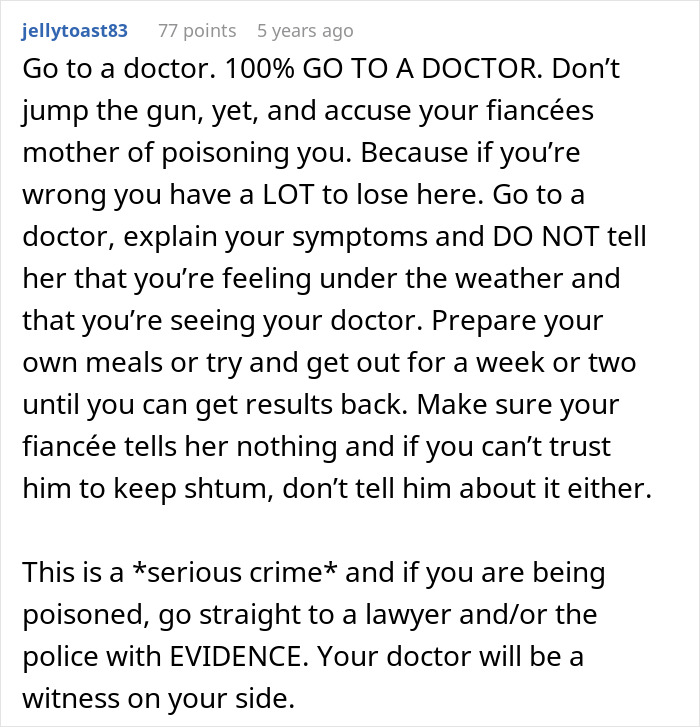
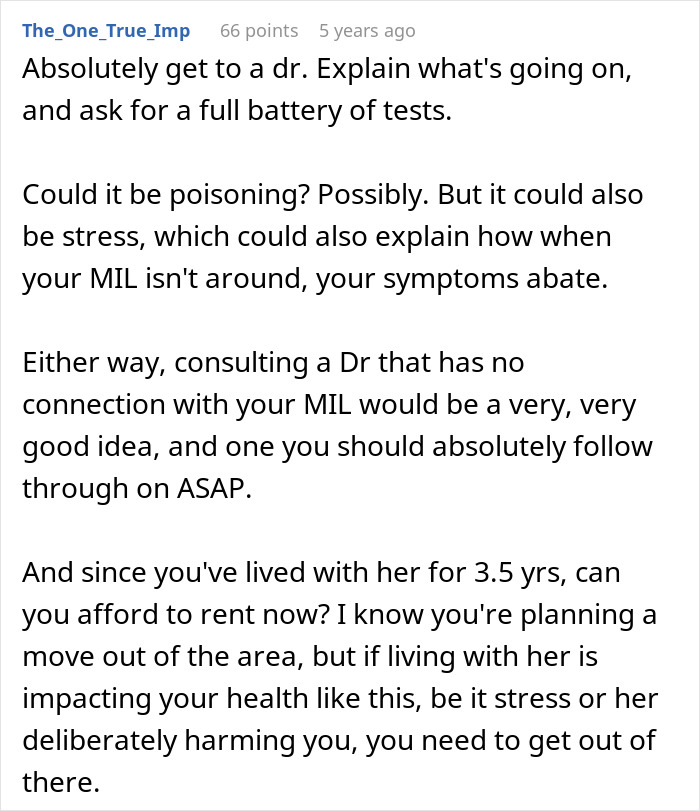
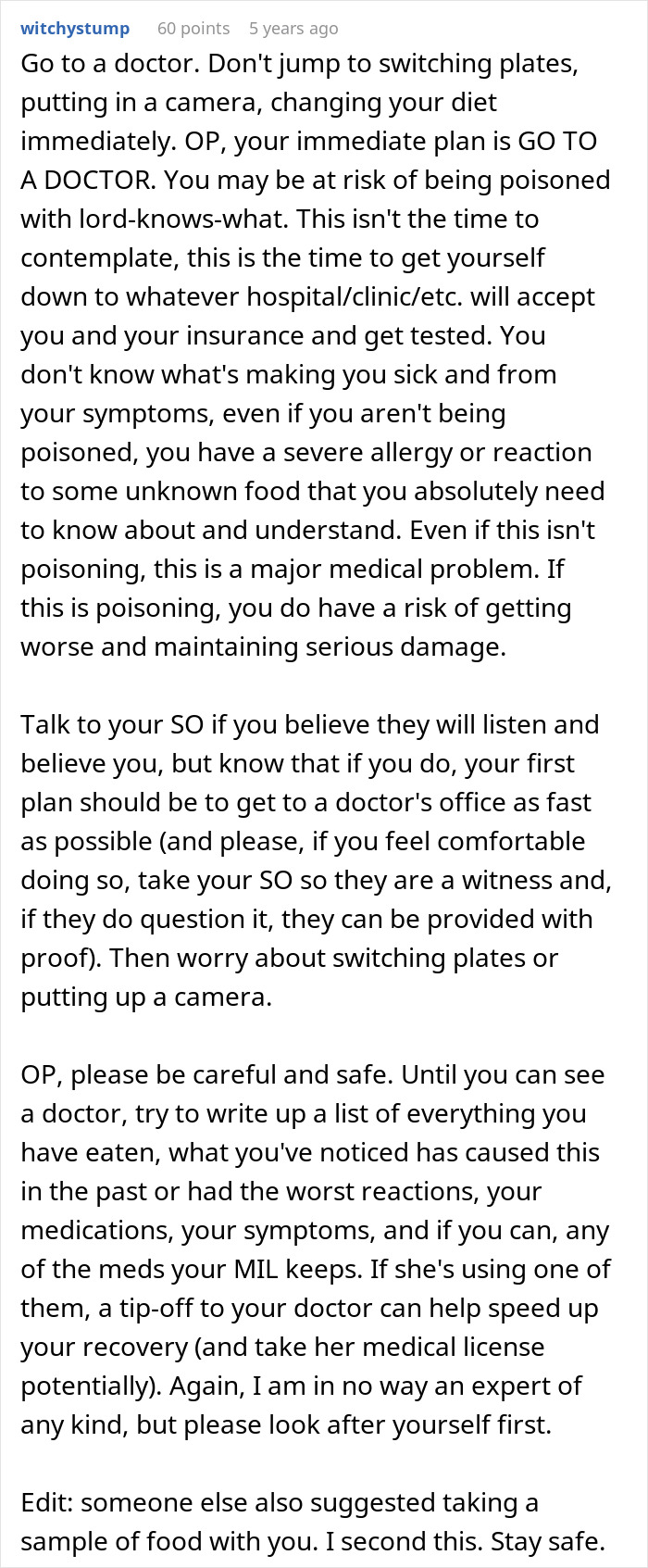
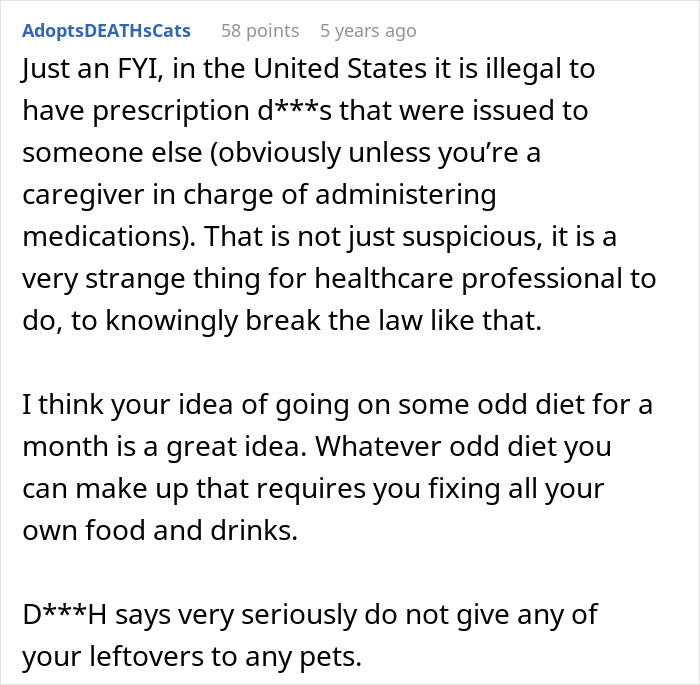
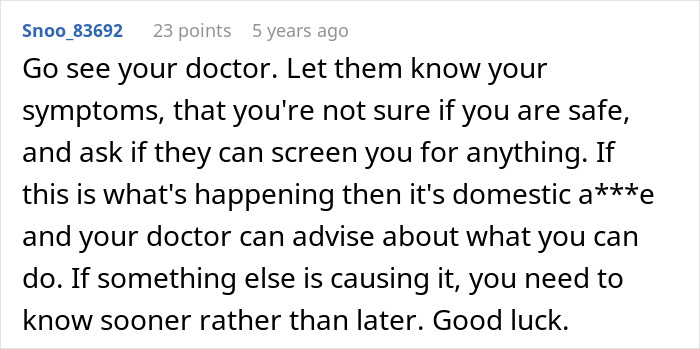
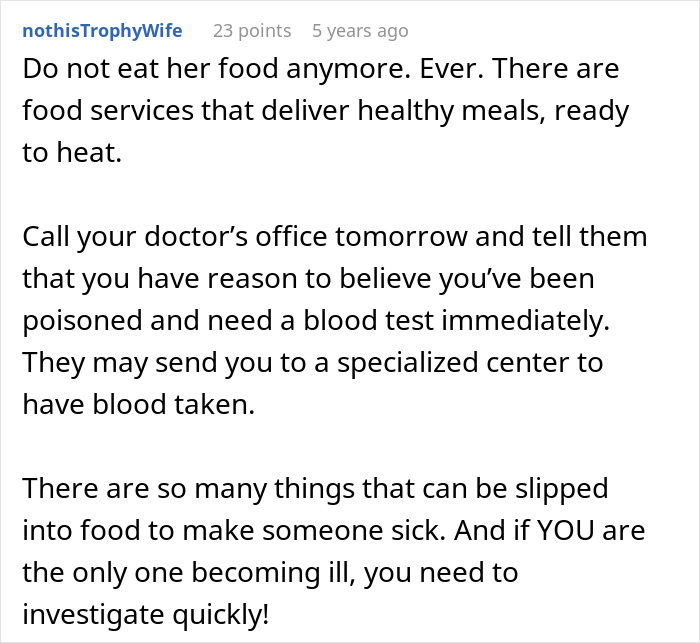
Now, coming back to this particular case, the author’s suspicions seemed quite strong, especially given the pattern they described. While it’s impossible to know exactly what was happening, situations like this can understandably raise serious concerns. After all, when your health is involved, it’s always better to be safe than sorry and pay attention to warning signs. What are your thoughts on this situation? Do you think the author’s concerns were justified, or could there be another explanation for what they experienced?




By entering your email and clicking Subscribe, you're agreeing to let us send you customized marketing messages about us and our advertising partners. You are also agreeing to our Privacy Policy.
Thank you! You've successfully subscribed to newsletters!


Update ? Honestly BP quit posting stuff with no updates and outcomes already ,

Update ? Honestly BP quit posting stuff with no updates and outcomes already ,





































 No fees, cancel anytime









29
7