Get Premium
Dark mode theme is available exclusively for premium users. Learn more about the benefits of subscribing.
No fees, cancel anytime.

 Dark Mode Ad-Free Browsing Unlimited Content
 Ad-Free Browsing Unlimited Content Dark Mode
Join 1.2 million Panda readers who get the best art, memes, and fun stories every week!
Artificial intelligence has become one of the biggest workplace conversations in recent years, with companies racing to adopt the technology. At the same time, thousands of workers worry about what it could mean for their careers. For many employees, job security now feels less certain than ever.
This former Meta employee knows that fear all too well. After spending 2 years working behind the scenes at one of the world’s biggest tech companies, they watched a major shift unfold inside their department. At first, it seemed like just another corporate transformation, but over time, they began noticing signs that something much bigger was happening.
More info: Reddit
Image credits: New Africa / Magnific (not the actual photo)
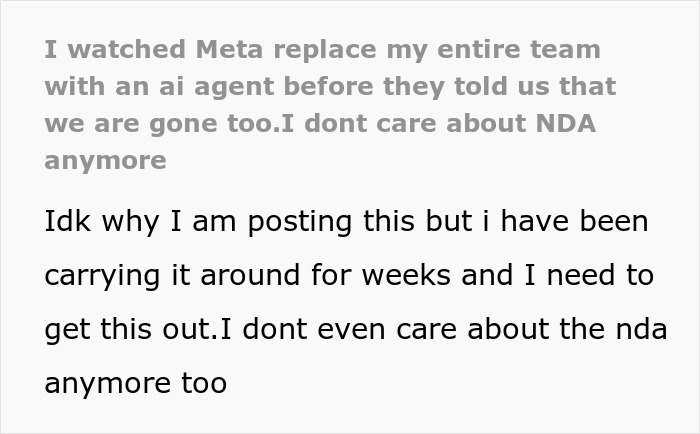
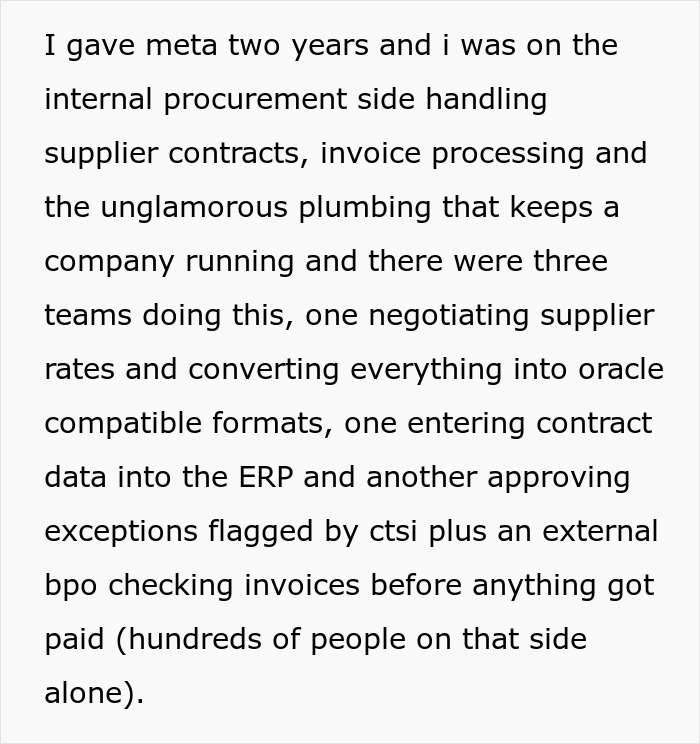
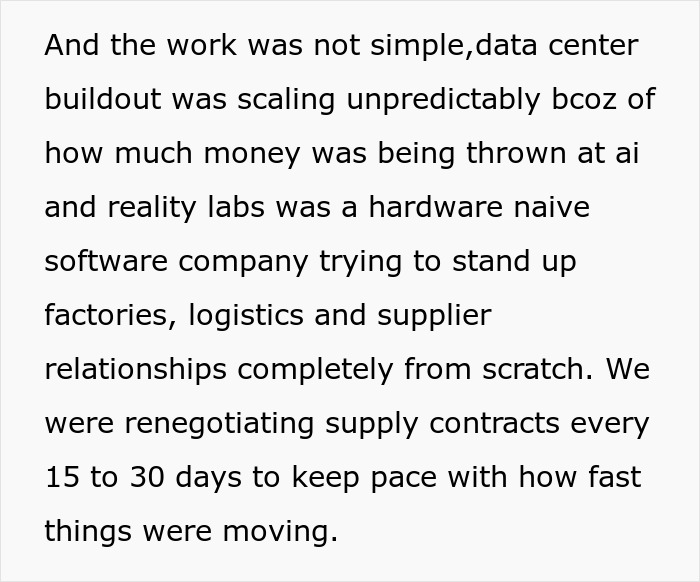
Image credits: standret / Magnific (not the actual photo)
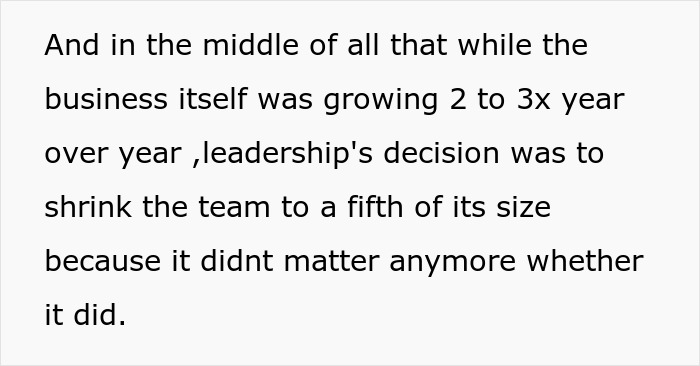
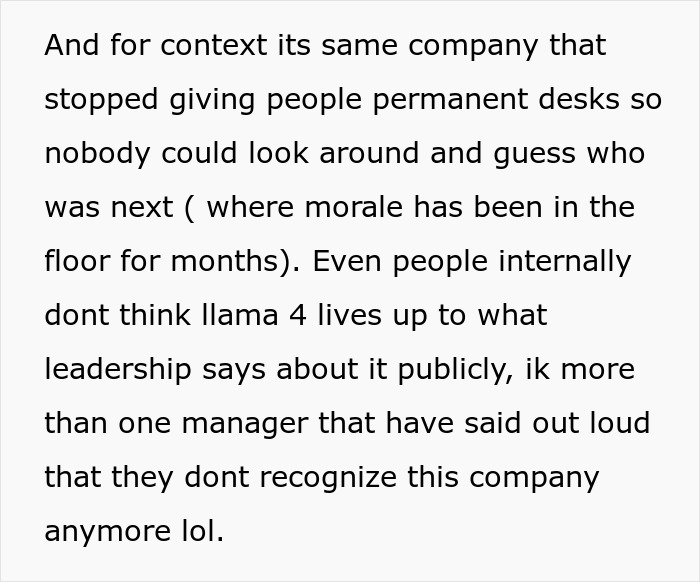
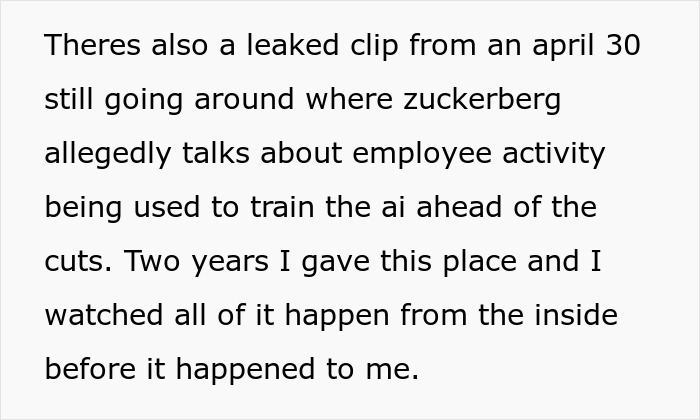
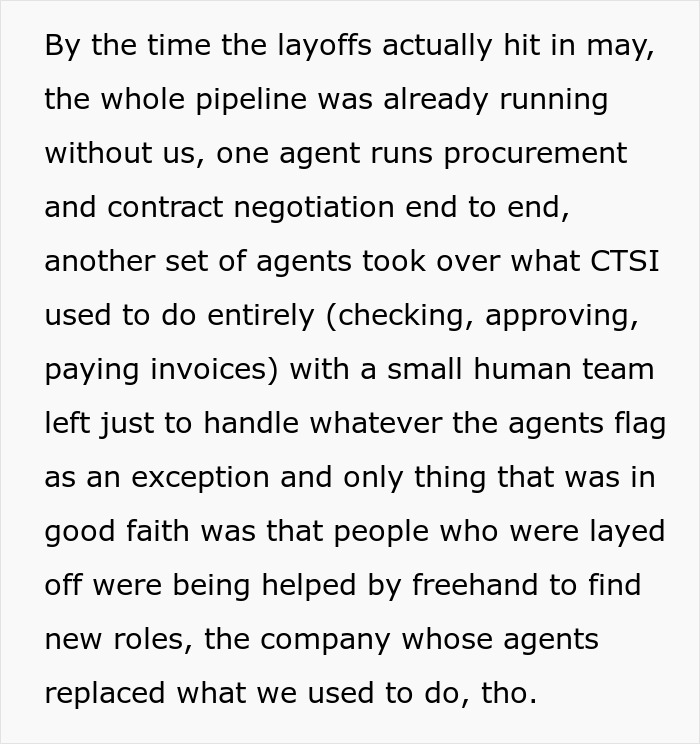
Image credits: hryshchyshen / Magnific (not the actual photo)
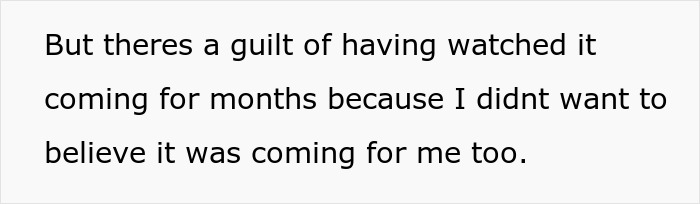
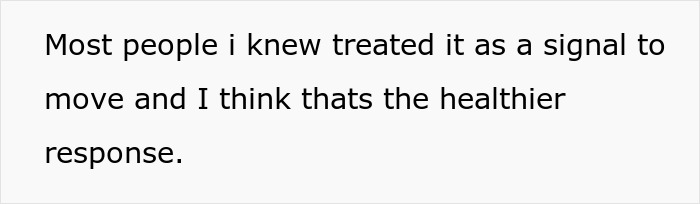
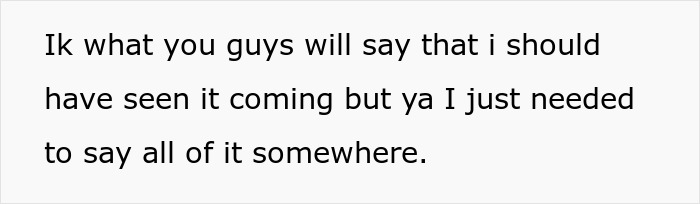
Image credits: timotheejuju
The Original poster (OP) had spent two years working on Meta’s internal procurement team. His job involved managing supplier contracts, processing invoices, and making sure different parts of the company had what they needed to keep moving. His work was a behind-the-scenes kind that makes sure everything else runs smoothly.
At first, the narrator thought that the changes happening inside Meta were just part of the company’s massive AI push. The business was growing, teams were scrambling to keep up, and everyone was trying to adapt to a new reality. But slowly, the atmosphere began to change, and the employees could feel that something bigger was happening.
The poster watched as the company came to rely more and more on AI systems and less on people. While some employees saw the warning signs and started looking for new opportunities, the author admitted that he didn’t want to believe it was happening to him. He kept telling himself that his team was too important to be affected.
When he was finally laid off, the man realized he had been watching the writing on the wall for months. By that point, the work his team handled was already being done differently, and the people who kept those systems running were replaced by artificial intelligence.
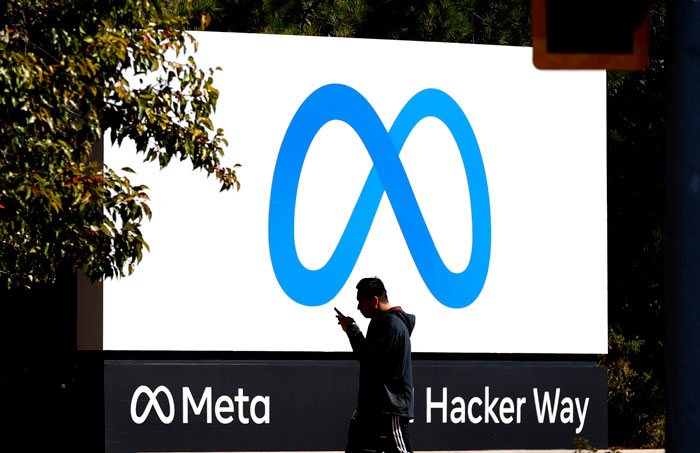
Image credits: Justin Sullivan / Getty Images (not the actual photo)
The fear the narrator described is becoming more common as AI continues changing the way companies operate. According to the World Economic Forum’s Future of Jobs Report 2025, technological changes, especially in AI and automation, are expected to reshape the workplace in the coming years significantly. Workers may need to adapt as certain roles and tasks are transformed.
Research from the International Labor Organization shows that jobs involving repetitive digital tasks are among the most exposed to generative AI. Clerical and administrative roles remain among the most vulnerable because many of their tasks involve processing information, managing documents, and handling routine workflows, which many companies are now trying to automate.
However, experts say the future of work is likely to be more complicated than simply humans being replaced by machines. The OECD explains that AI can improve productivity and change how jobs are performed, and companies need to manage the transition carefully. Employees like the narrator need to learn how to adapt when technology changes the role they built their careers around.
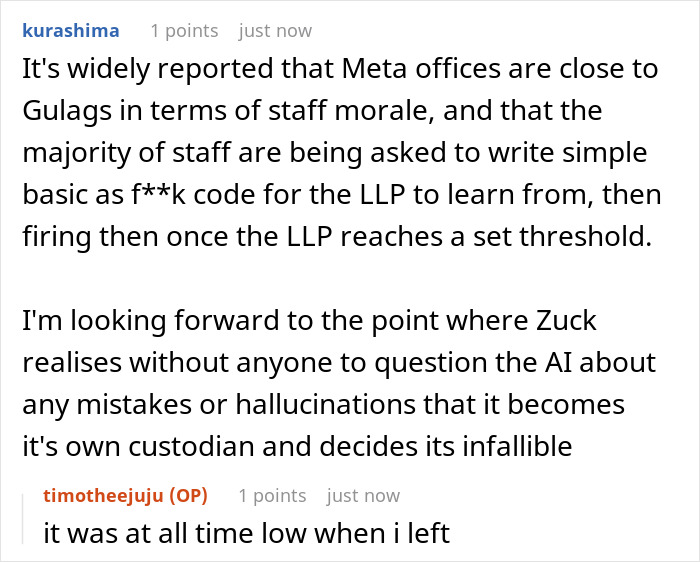
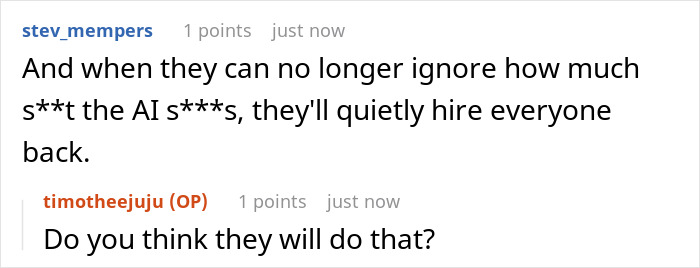
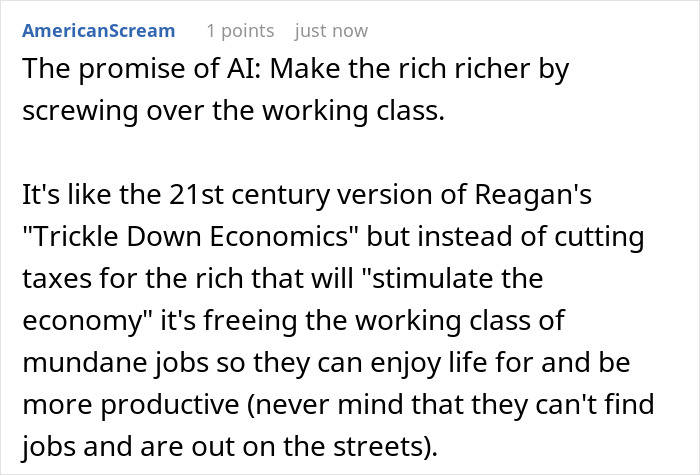
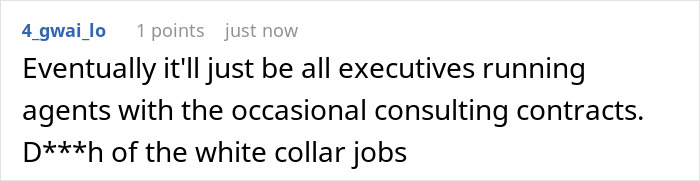
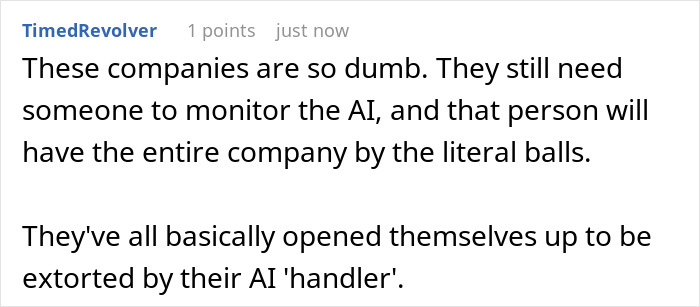
Readers criticized big companies for rushing to replace workers without considering the consequences. They also pointed out that even with AI taking over more tasks, businesses will still need people who understand the work and can catch mistakes when things go wrong. What do you think? Can AI really totally replace humans?


By entering your email and clicking Subscribe, you're agreeing to let us send you customized marketing messages about us and our advertising partners. You are also agreeing to our Privacy Policy.
Thank you! You've successfully subscribed to newsletters!

“I didn’t want to believe it was coming for me too.” - Historically, this has been the engine of oppression. Plausible deniability seems to be so strong within the human condition. Idly standing by and watching it happen to others & maintaining an apathy based on “it’s not my fight to fight” is the most dangerous mindset. It doesn’t matter if it’s social, judicial, economic whatever group or class is being threatened. If it comes for one, it will eventually come for all. Unless you’re a 1%-er who also happens to be cishet, white and over 45, it is indeed your fight to fight. Whether it’s employment-related or based on any other variable, you will be a target. So when you see it happening to the “other” know you need to rise up alongside.


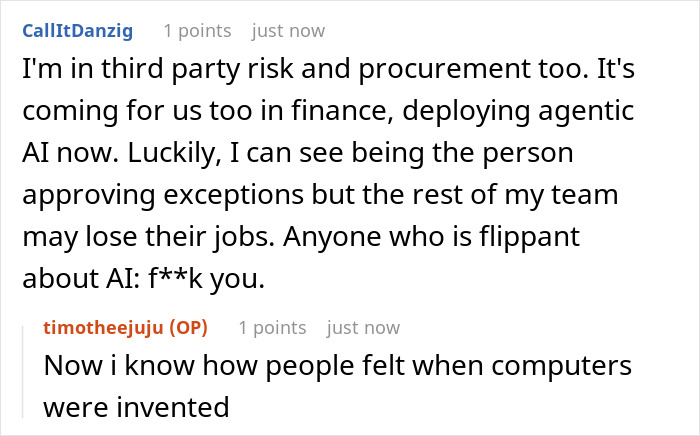
That comment about 'now I know how people felt when computers were invented'...tricky. Technically, yes, they had people for that beforehand, but why do I somehow feel that *this* 'exchange' isn't so much about precision as it is about profit? A thousand times more than it was then?
“I didn’t want to believe it was coming for me too.” - Historically, this has been the engine of oppression. Plausible deniability seems to be so strong within the human condition. Idly standing by and watching it happen to others & maintaining an apathy based on “it’s not my fight to fight” is the most dangerous mindset. It doesn’t matter if it’s social, judicial, economic whatever group or class is being threatened. If it comes for one, it will eventually come for all. Unless you’re a 1%-er who also happens to be cishet, white and over 45, it is indeed your fight to fight. Whether it’s employment-related or based on any other variable, you will be a target. So when you see it happening to the “other” know you need to rise up alongside.
That comment about 'now I know how people felt when computers were invented'...tricky. Technically, yes, they had people for that beforehand, but why do I somehow feel that *this* 'exchange' isn't so much about precision as it is about profit? A thousand times more than it was then?

























 No fees, cancel anytime









33
4