Get Premium
Dark mode theme is available exclusively for premium users. Learn more about the benefits of subscribing.
No fees, cancel anytime.

 Dark Mode Ad-Free Browsing Unlimited Content
 Ad-Free Browsing Unlimited Content Dark Mode
Join 1.2 million Panda readers who get the best art, memes, and fun stories every week!

Working as a doctor is one of the most noble and prestigious things you can do in life. And yet, this career is beyond stressful. You’re constantly on the verge of burnout. You’re literally responsible for people’s lives. And don’t even get us started about the long and winding path to getting your license in the first place and the patients you meet along the way.
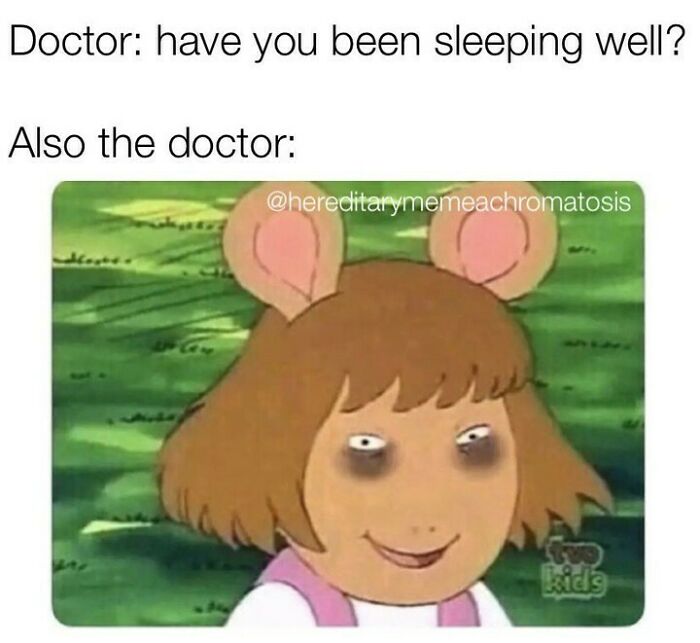
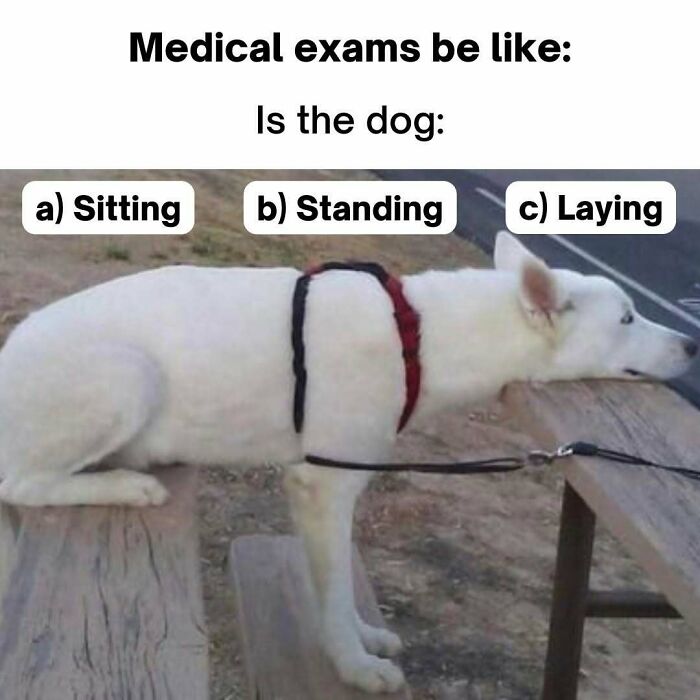
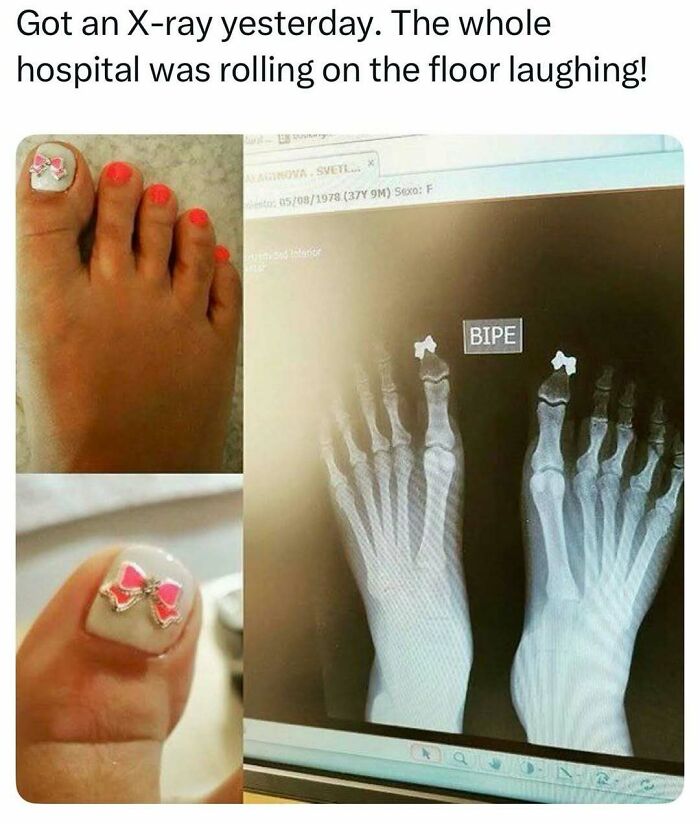
We want to give you a well-deserved break from your work and studies, so we’ve collected some of the most hilarious and relatable medical memes from ‘The Doctors Funny’ Instagram account. They’re something fun to scroll through while you’re waiting for your health checkup or in between shifts at the hospital.
This post may include affiliate links.
Technical skills, emotional resilience, manual dexterity, quick decision-making skills, thoroughness, and a vast wealth of knowledge are all vital for anyone hoping to become a doctor. However, in the chaos of getting your medical degree and finishing your residency, you might forget about the importance of emotional intelligence, empathy, and basic kindness.
In other words, some doctors forget that they’re treating actual living, breathing, thinking, and feeling human beings. A professional’s bedside manner is vital. It works as a wonderful complement to their more technical and intelligence-driven skills.

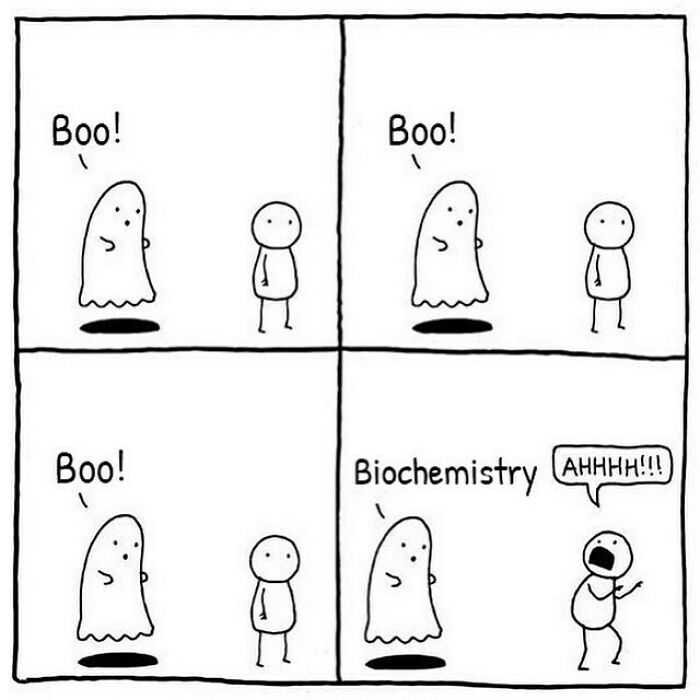
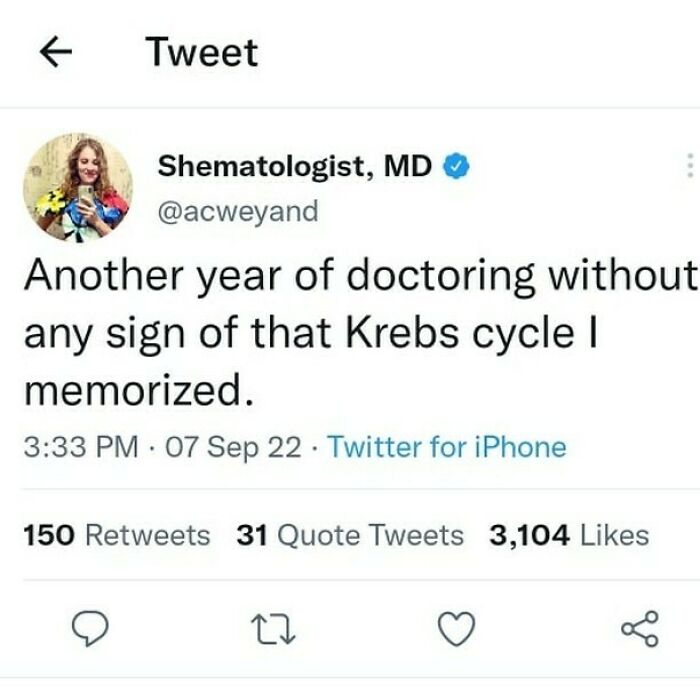
More like Organic Chemistry! 😫😫😮 (The hardest pre-med class everyone has to take even though you'll never use it once you're a doctor.)

According to Wendy L. Patrick, J.D., M.Div., Ph.D., physician-patient interactions are “important components of the hospital experience.” In short, patients who believe that their doctor has a good bedside manner are more likely to perceive their treatment as effective.
“Because patients are by definition in a vulnerable position when they meet with their doctor, mannerisms matter,” she writes in a post on Psychology Today.

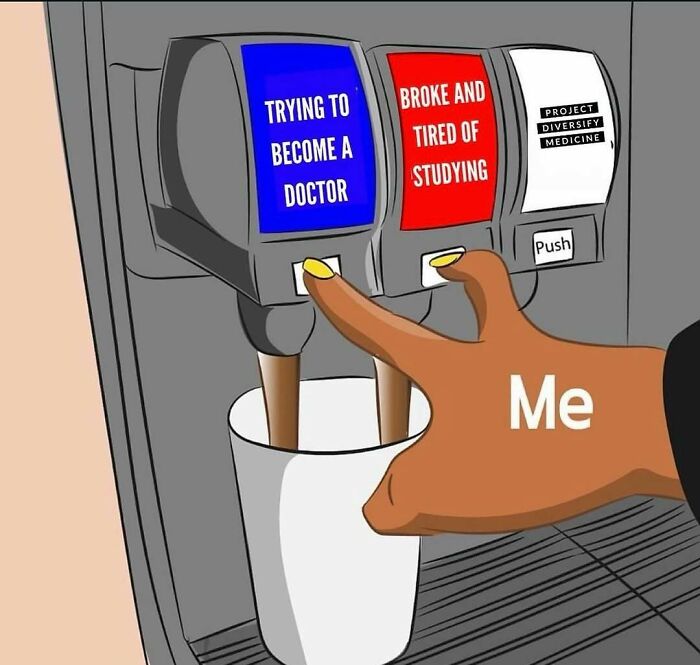
Debt. That's why. Crushing student debt. If you don't become a doctor you'll never be able to pay it back.
“Most of us form impressions immediately when we meet new people—for better or for worse. This can be particularly true in a medical setting, where patients are uncomfortable and anxious for information,” Patrick explains.
Doctors who manage to make their patients feel at ease make them more likely to comply with their treatment. What’s more, this leads to reduced symptoms and improved recovery.

The probability of an adverse outcome varies as the cube of the onlookers
In terms of good bedside manner, what truly matters for patients is eye contact, as well as genuine interest and patience.
For example, patients are less likely to trust their doctors who avoid their gaze, are distracted, and feel rushed or stressed. In other words, the perception of disinterested and disengaged medical professionals pushes patients away.

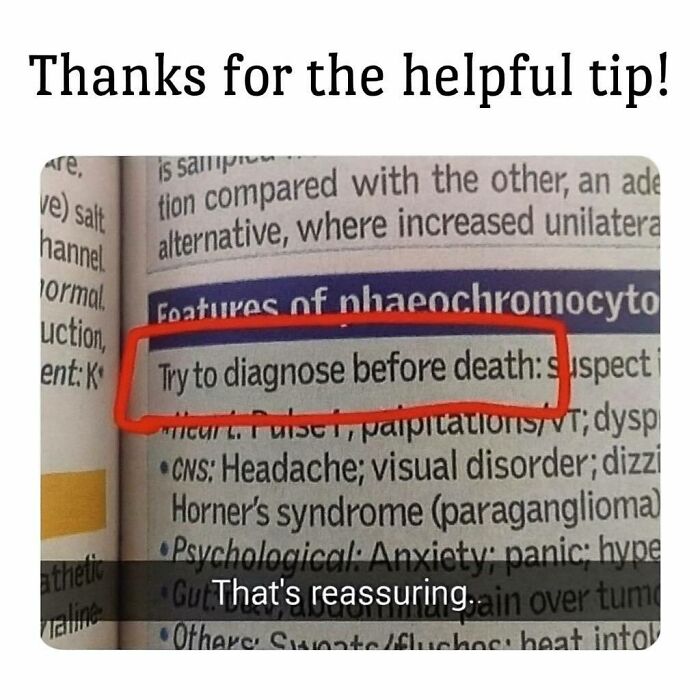
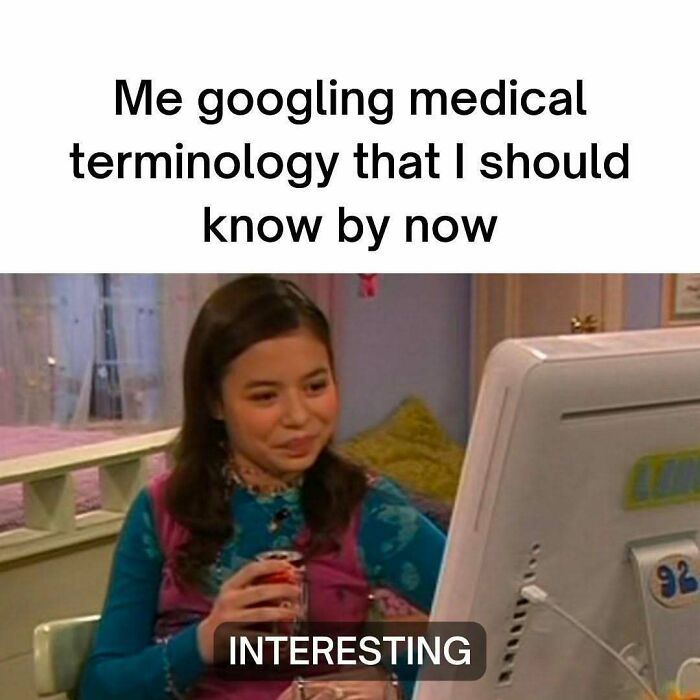
"Phaeochromocytoma is a rare, usually noncancerous tumor that develops in the inner part of an adrenal gland. It causes the gland to make too many stress hormones like adrenaline."--Google
I was in the hospital one time and the doctor treating me was obviously quite sick. I told her it sounded like she needed a doctor. 😁 Or to just go home and stop coughing near me - I was already sick enough. (She WAS wearing a mask thankfully)
Meanwhile, St. George’s University emphasizes that a doctor’s ability to communicate with their patients is fundamental to their bedside manner. Good communication helps build rapport and creates trust. Bad communication undermines the entire relationship.
“The ability to communicate is probably the most important skill a physician can possess. The ability to convey genuine concern about and interest in a patient is an integral and inseparable part of the medical communications process,” said Dr. Bernard Remakus.

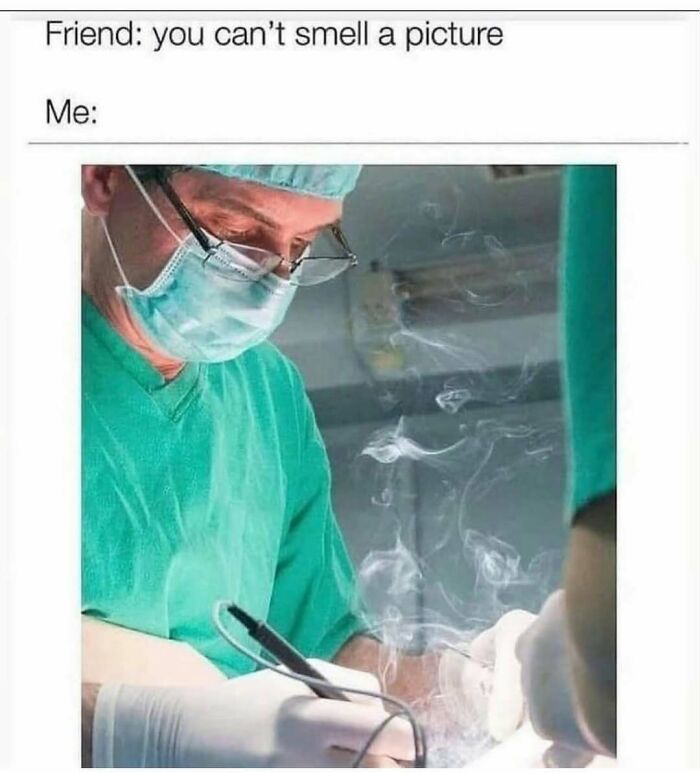
I had a biopsy done on a mole on my right shoulder when I was a teenager. It was supposed to be a simple procedure, so I only had a local in the area of the biopsy and was completely awake. While the doctor was biopsy-ing it, he apparently saw something suspicious/weird, so he removed more tissue in the surrounding area. He then decided to use cauterization on the incision instead of stitches. The smell of my own burning flesh was... disturbing on several levels. I have never forgotten that smell, 30 years later. I was adopted into a Mexican family, and the smell of my burning flesh was very similar to pork carnitas and pork chicharrones (fried pork skin.) I've been unable to eat carnitas or chicharrones since XD
“Good bedside manner sets the stage for a successful interaction between patients and doctor. Research has shown that good bedside manner can be — and should be — initially taught in medical school,” added Dr. Theresa McCann, Professor of Behavioral Sciences at St. George’s University.
Not everyone is naturally talented at communication, but the good news is that you can develop those skills every single day through interactions with your patients, colleagues, and students. Taking part in physician-patient simulations also helps you practice your skills so that you’re both more competent and confident.

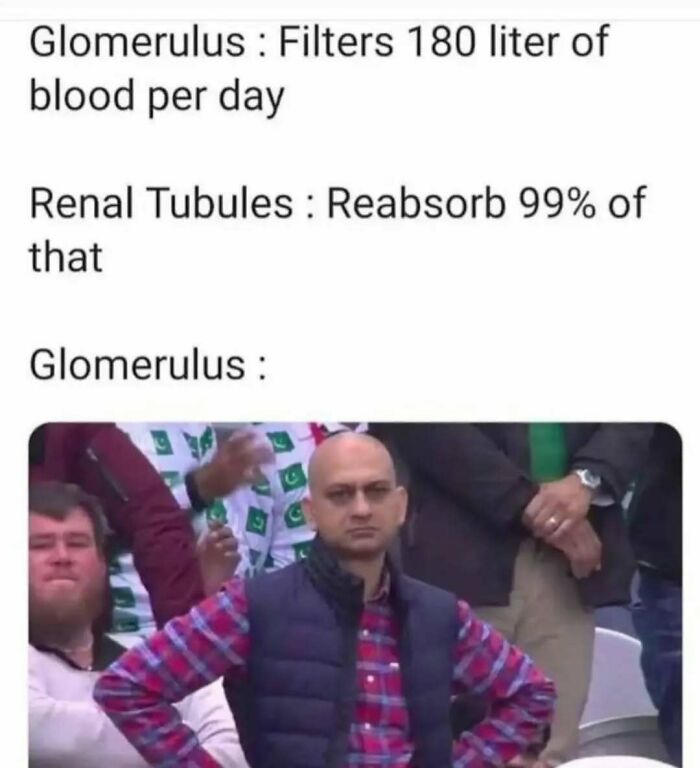
If the tubules didn't do that, there would be no blood for the glomerulus to filter out... or a pulse for that matter (edit: spelling)
It's always lupus! (Yes, I realize the irony that a wolf is saying that.)
According to Dr. Lisa Doggett, if your patient has brought their family or friends to the hospital, it’s important that you acknowledge them and don’t ignore them. In the meantime, sit down when you talk to your patients, so that you don’t create the impression that you’re in a hurry.
These small moments of politeness and empathy can really help you leave a positive first impression.
Something else to keep in mind is the vocabulary you use. On the one hand, you want to give the impression that you’re competent and knowledgeable. On the other hand, you want to be on the same page as your patients and actually get through to them. You want to find the right balance of medical jargon and plain language that works for you.
“Physician communication is most effective when a doctor speaks honestly, professionally, and confidently, and discusses a patient’s condition and proposed treatment in language the patient can easily understand,” Dr. Remakus explains
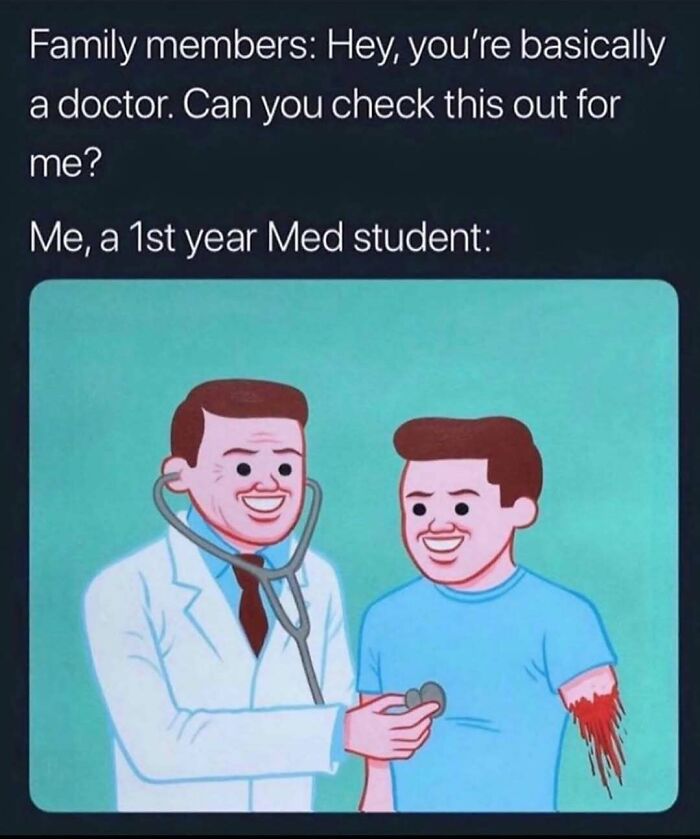
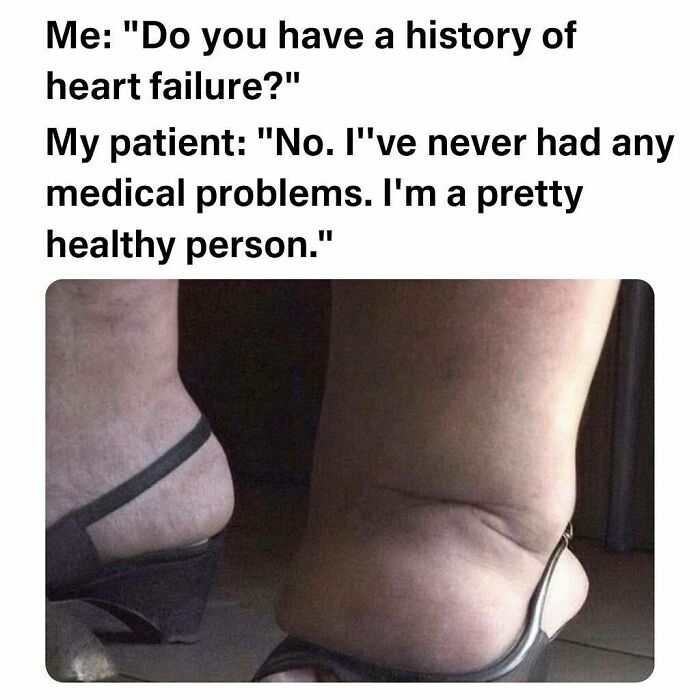
Sadly, this is the attitude of the obese members of my family. Morbid obesity runs in my family, and several family members have actually díed due to complications/comorbidities, and a number of family members have had to have amputations due to diabetic gangrene caused by obesity. And yet they will insist they are "healthy". My mother, in fact, loves to say that "her bloodwork is perfect" and that "her labs are great" while being obese. It makes me sad because I have lost a lot of family members, and the ones who remain are in complete denial.
And just like in any relationship, it matters whether your doctor is an active listener. If they’re not mentally present in the conversation, it shows.
Don’t rush. Don’t hide behind your computer screen. Genuinely listen to your patients.
“Sometimes you have to interrupt a patient who is long-winded or tangential, but especially at the beginning of an appointment, you should let them talk without interruption for at least a few moments. My most important tip is to be present. Simply give the patient your full attention during the visit and minimize distractions,” Dr. Doggett advised.
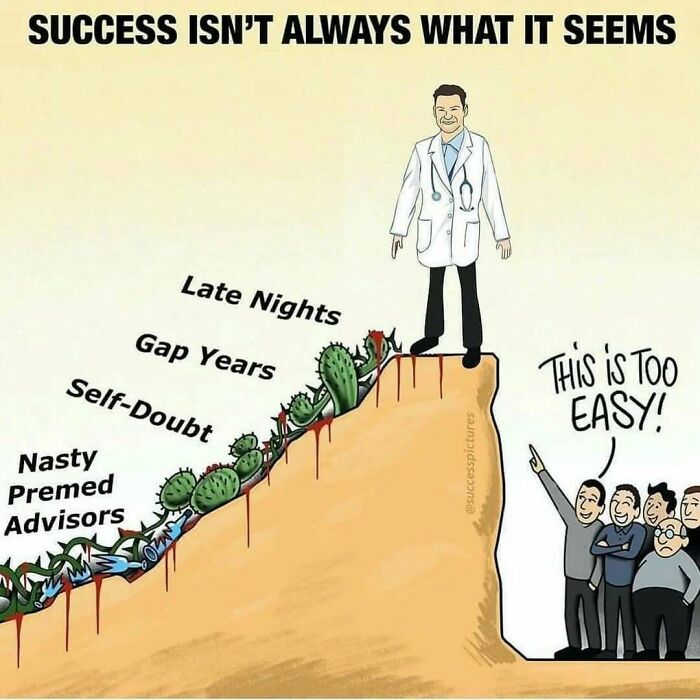
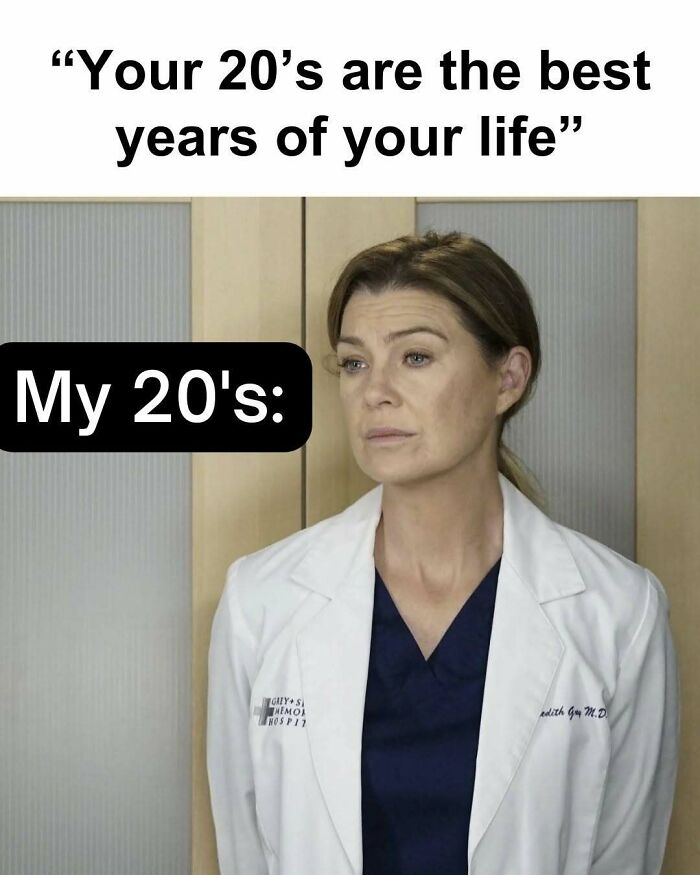
When you were a kid, you were dreaming. As an adult, you're much more aware of the pitfalls that you never dreamed about.
We want to hear from you! Share your opinions, words of wisdom, jokes, and funny stories in the comments at the very bottom of this list.
If you’re a medical student or a doctor, what have been the toughest challenges that you’ve had to overcome so far? What, for you personally, lies at the core of proper patient care?
Meanwhile, if you’re an ‘ordinary’ person just like us, what is your relationship with your family doctor like? What’s their bedside manner like?
What do you do daily to take care of your health? How often do you get a checkup? Let us know!

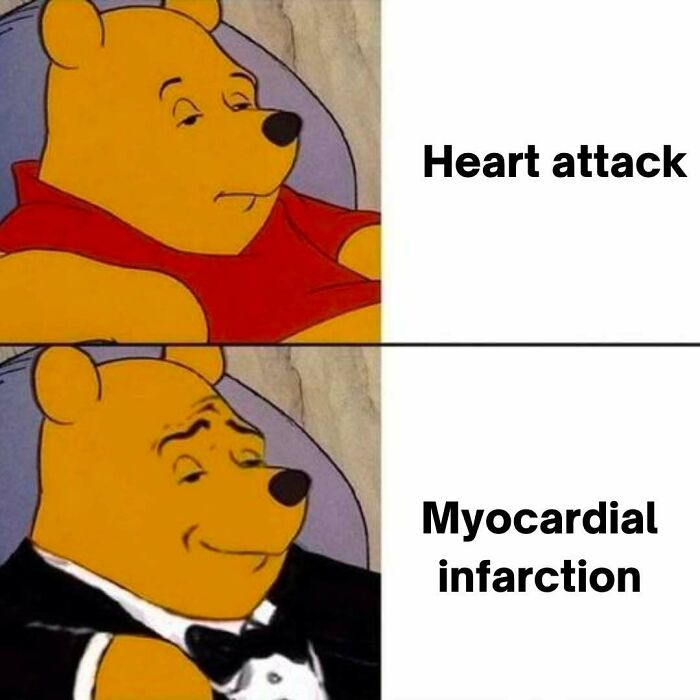
I told my friend once that the medical term was "myocardial infarction" and he went around telling everyone "I hope you have an infarction." Chaos.

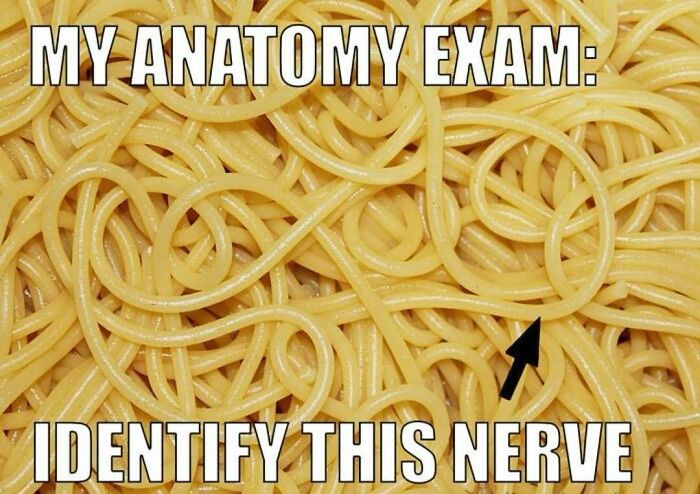
le the same person, let him have whatever he wants , it's upto him which type of pasta they like
"That should póison the water supply enough to bring on an acute shortage of medics, and lower the pass mark to something I might aspire to achieve"
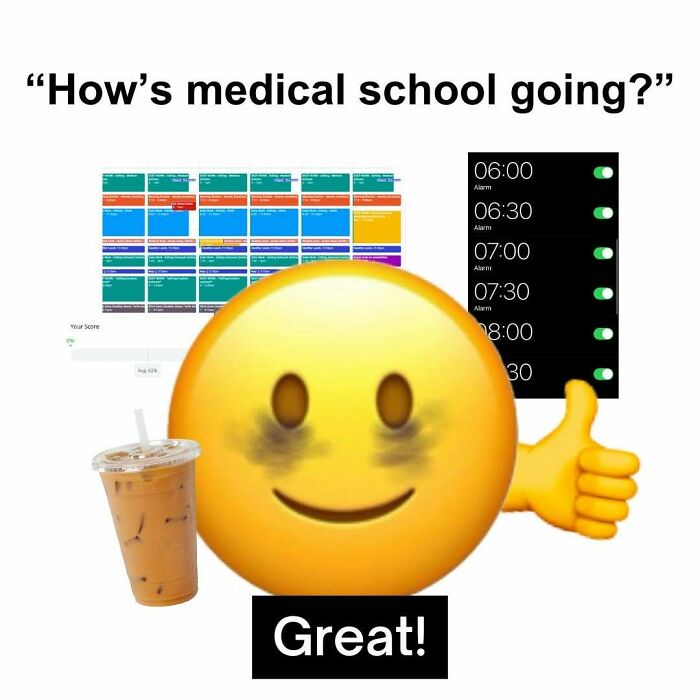
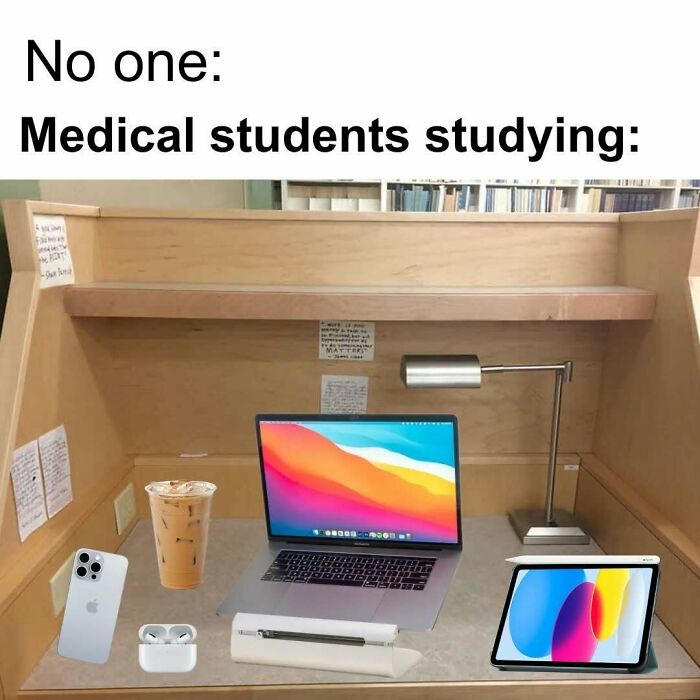
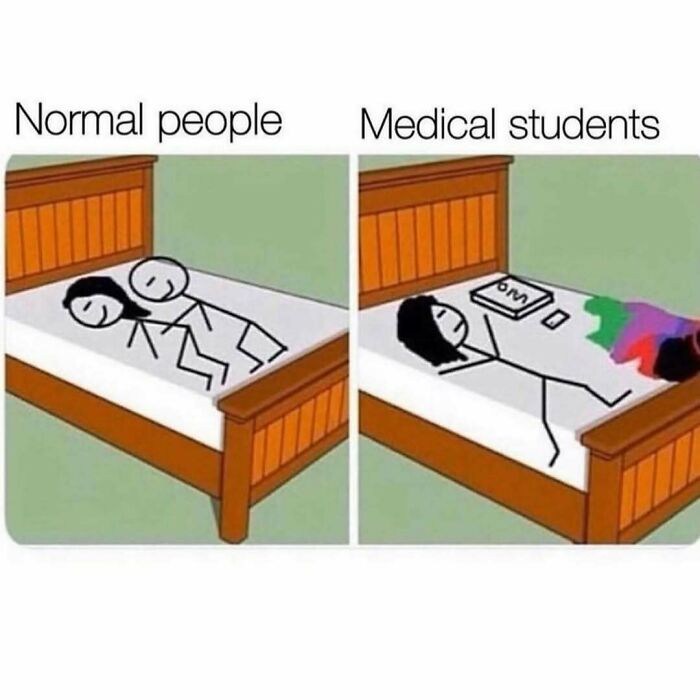
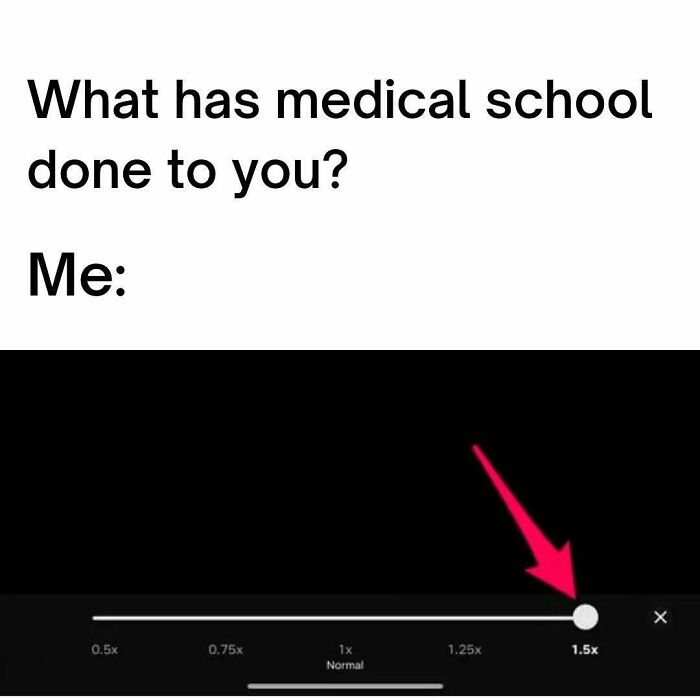
My phone looks like that every day. I have a REALLY hard time getting up in the morning.
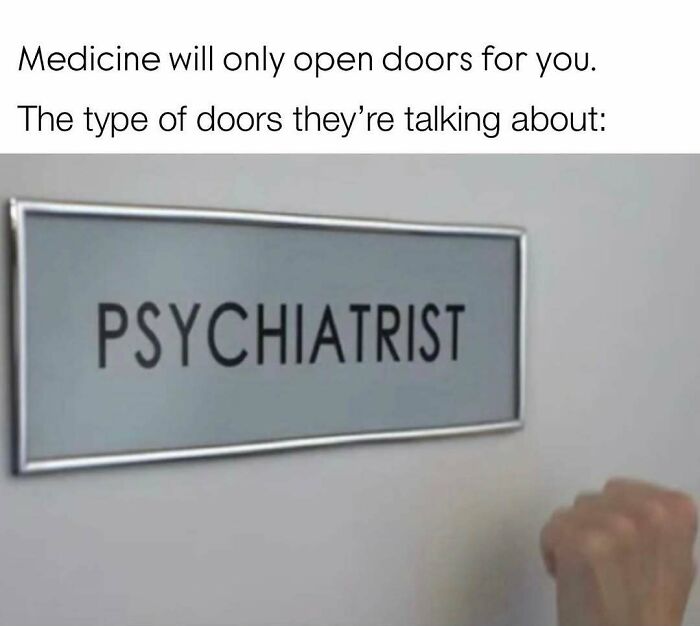
Psych is the way to go. We have reasonable hours and prioritize self care.
You're in the wrong profession if you expect to keep thinking like that
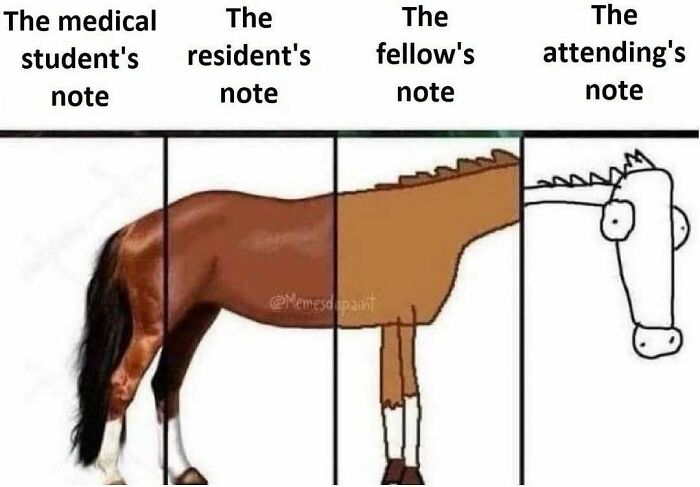
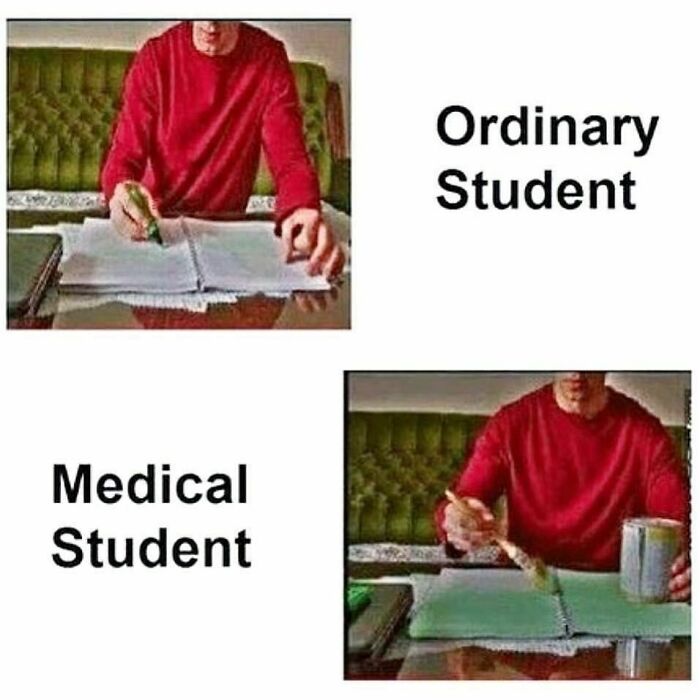
What on earth was the actual subject of this painting supposed to be about? XD

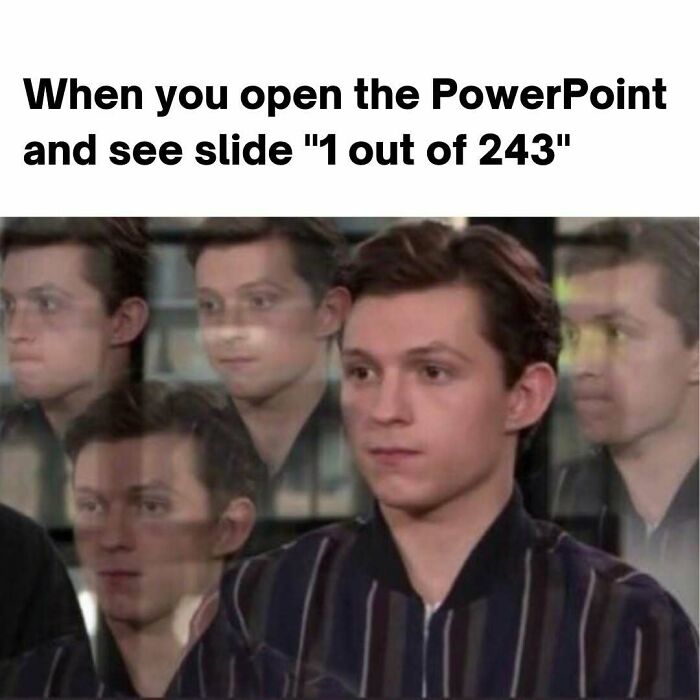
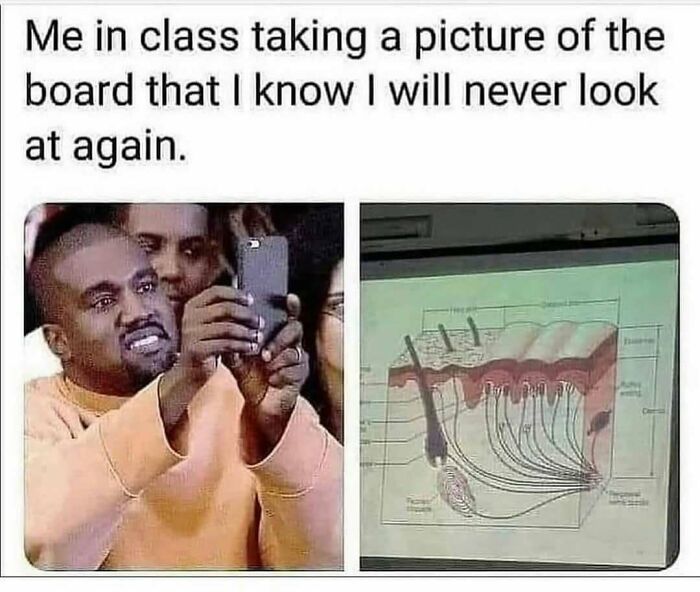
I suggest just resketching it quickly in your notes. You'll find the diagram online so it's alright if you don't have time to redraw everything, especially if you're not planning on reading your notes later on. But if you try to resketch it, at least you look at it carefully for a little bit.















 No fees, cancel anytime