Get Premium
Dark mode theme is available exclusively for premium users. Learn more about the benefits of subscribing.
No fees, cancel anytime.

 Dark Mode Ad-Free Browsing Unlimited Content
 Ad-Free Browsing Unlimited Content Dark Mode
Join 1.2 million Panda readers who get the best art, memes, and fun stories every week!

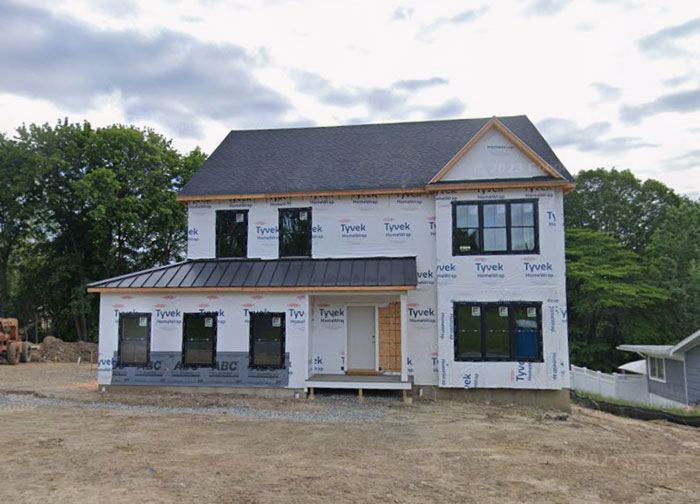
When Dr. Daniel Kenigsberg’s friend passed through his old neighborhood in Fairfield, Connecticut, in May 2023, they noticed a large house was being built on a piece of land Kenigsberg owned. There was just one problem. Kenigsberg had never sold it.
The 70-year-old endocrinologist bought the half-acre lot at 51 Sky Top Terrace in 1991 and had owned it outright since 2011, after the loss of his brother. The property also held plenty of sentimental value. It sat next to the childhood home his father had purchased for just $5,000 in 1953, and the family had owned land in the area for generations.
Kenigsberg had eventually moved to Long Island and built his career as a doctor, but he had never completely abandoned the idea of returning to Fairfield. “Certainly if one of my children wanted to live in Fairfield, Connecticut, I’d be very happy about that,” he said.
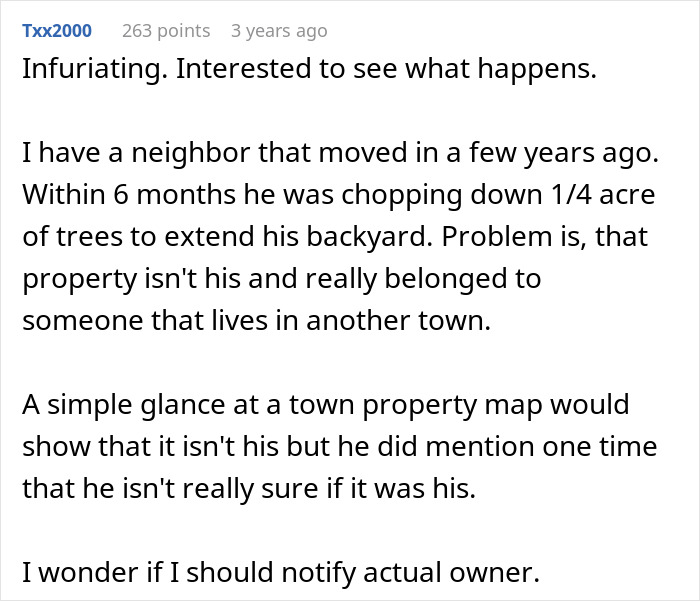
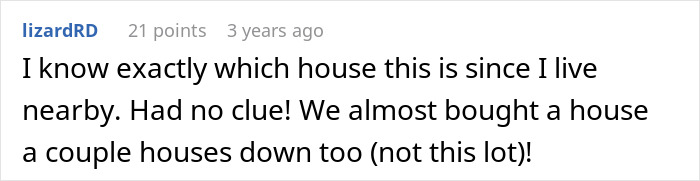
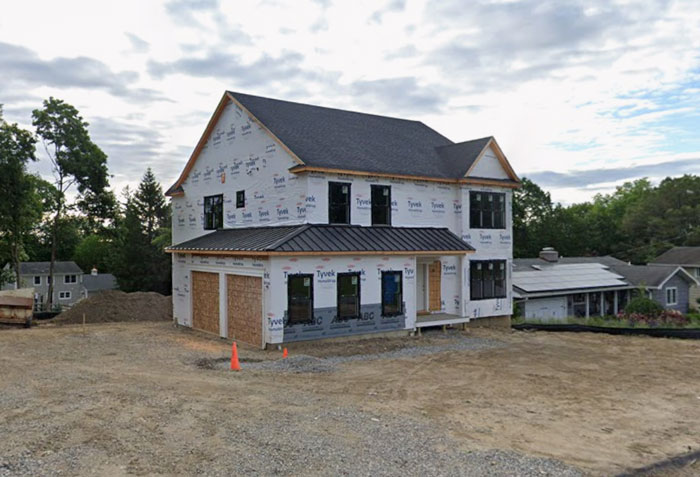
So when his friend told him a four-bedroom mansion was going up on the property, Kenigsberg was understandably confused until he went to see it for himself. He was then shocked to see that the property had already been cleared of its trees, and construction on the house was nearly complete.
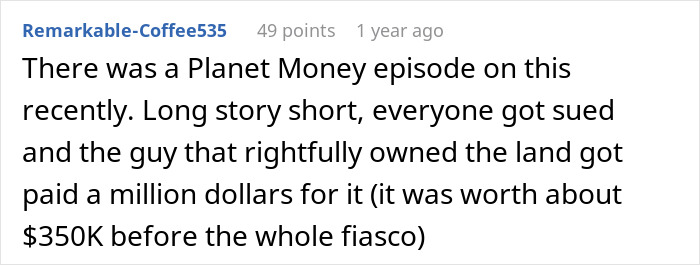
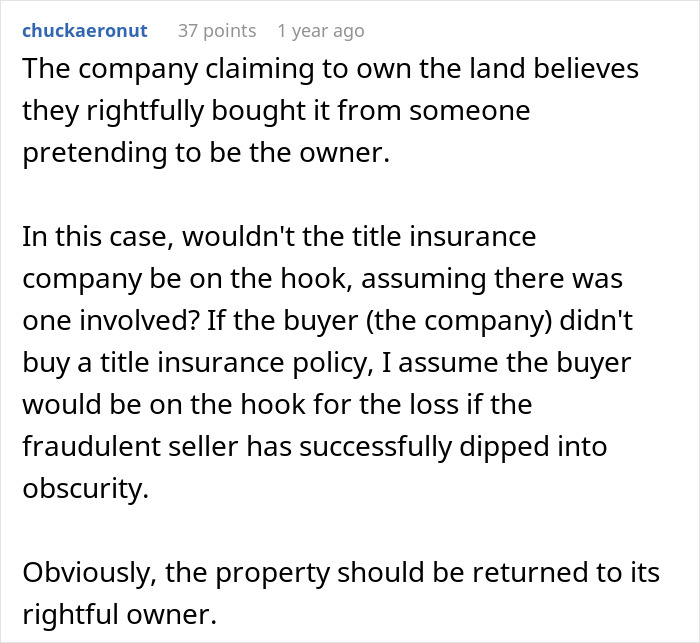
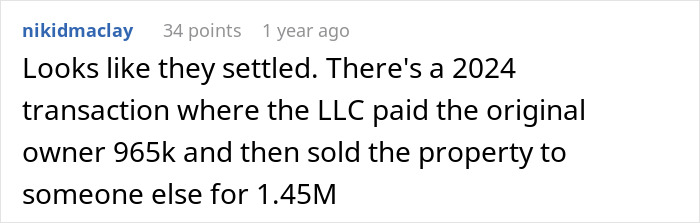
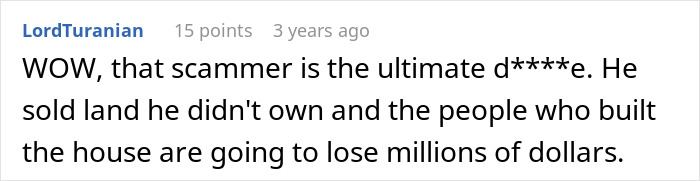
The planned home was valued at around $1.45 million, making the surprise considerably larger than simply discovering somebody had put up an unauthorized garden shed. Documents showed that the land had been sold in October 2022 to a developer, 51 Sky Top Partners LLC, for $350,000. The developers believed they had completed a legitimate real estate transaction and had started building a luxury home on the lot.
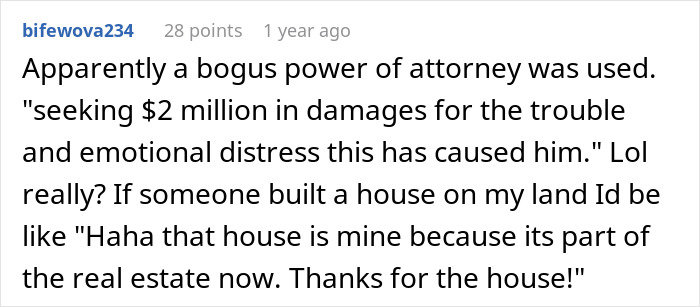
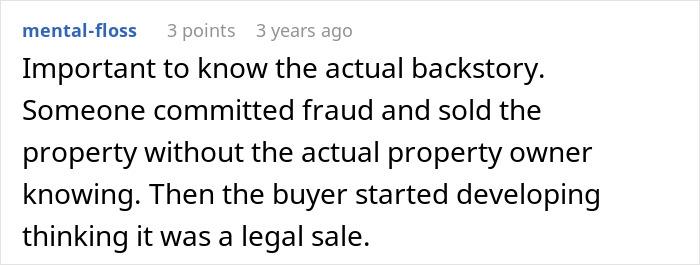
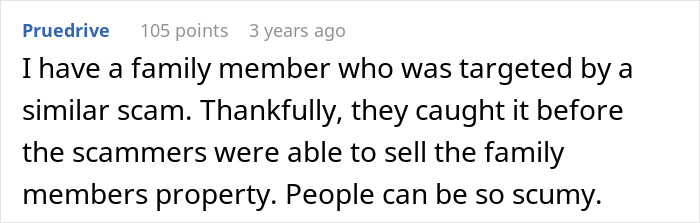
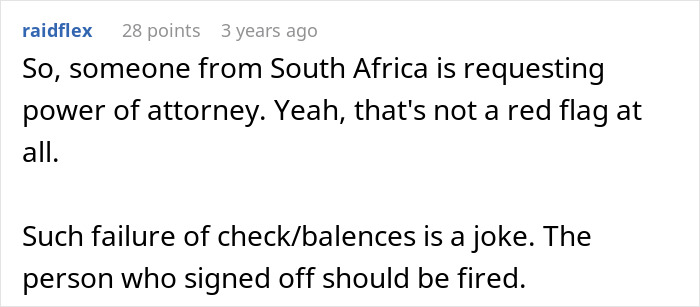
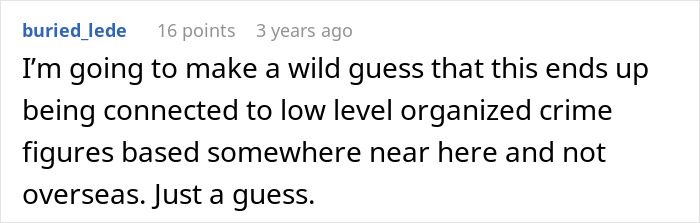
However, Kenigsberg hadn’t signed anything. Instead, investigators discovered that someone in Johannesburg, South Africa, had allegedly impersonated him and arranged the sale. The scammer reportedly found Kenigsberg’s identity and property information, then created a fake passport and forged a power of attorney claiming to give them authority to sell the land.
And remarkably, the documents weren’t even particularly convincing. The passport reportedly contained the wrong birthdate, an incorrect address, and a photograph that didn’t match Kenigsberg. Yet the impersonator managed to get the transaction through. Consumer protection lawyer Kevin Kneupper later explained just how straightforward this type of fraud can be.
“It’s really easy to go find who owns land,” he noted, explaining that property ownership records are available online in many places. A scammer can then use that information to identify the owner and simply “pretend to be him”. However, there was another rather significant problem with the South African identity. Kenigsberg had never lived in Johannesburg and wasn’t even traveling there when the transaction supposedly took place.
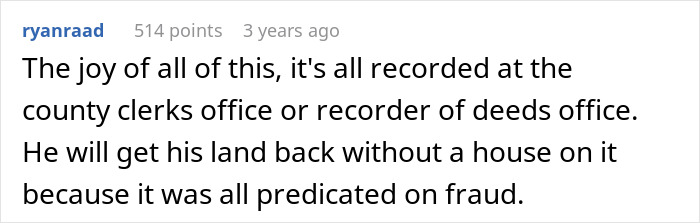
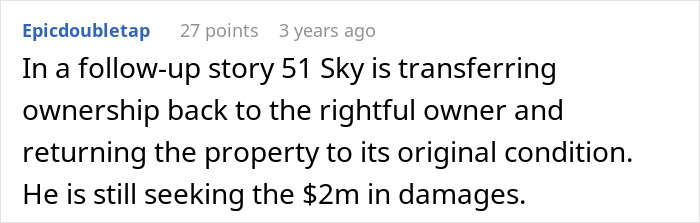
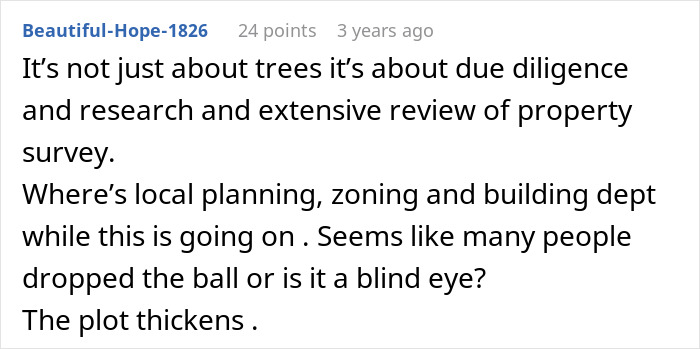
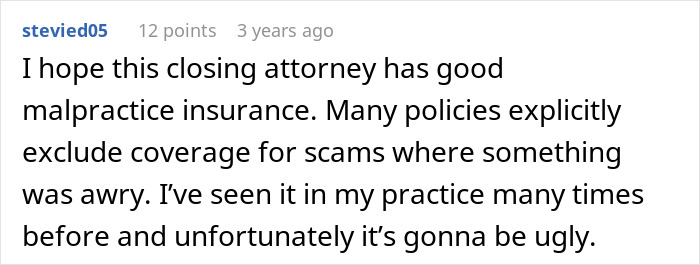
By the time the real Kenigsberg learned what had happened, the fraudulent sale was already a reality and a multimillion-dollar-looking house was sitting on his property. He subsequently filed a lawsuit seeking to have the deed transfer overturned and the property dismantled. He sued 51 Sky Top Partners LLC on nine counts, while the attorney who handled the transaction was also named in the suit.
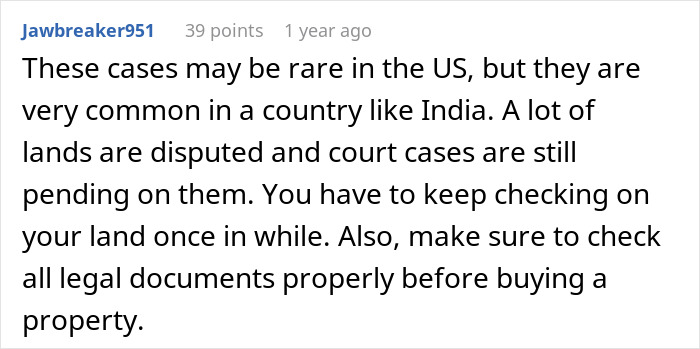
Kenigsberg’s attorney suggested that the incident wasn’t necessarily an isolated trick, and that scams like that were quite common in South Africa. The police initially investigated the case before it was handed over to the FBI, where it reportedly remained open.
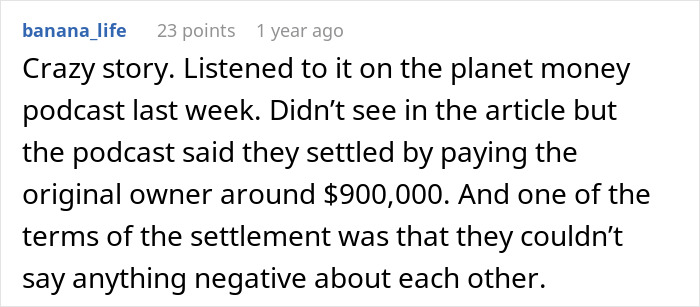
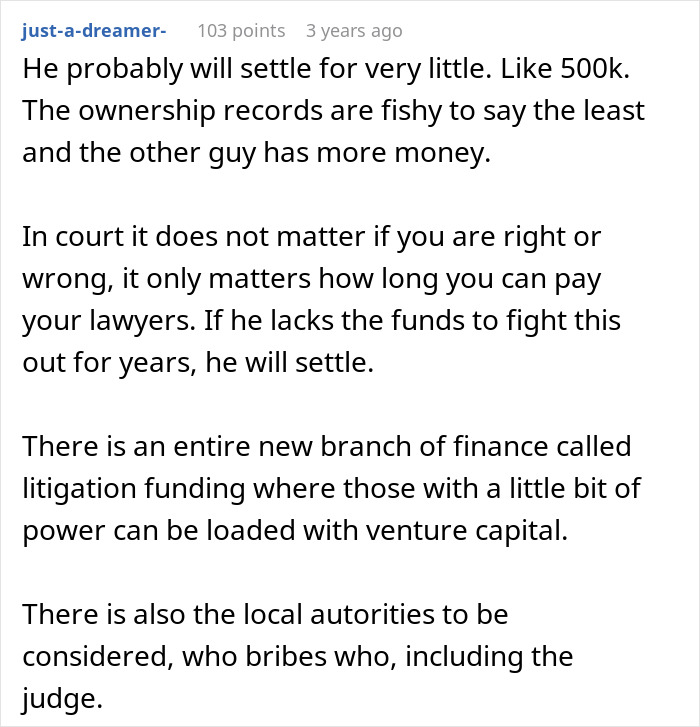
Meanwhile, construction on the house was halted while the legal battle played out. And after nearly a year of legal wrangling, Kenigsberg reached a private settlement with the parties in April 2024. The exact terms were not made public, although sources reported that he received a payout.
What do you think about this interesting situation? Would you trust online property records to be enough to protect ownership, or should there be more safeguards? We would love to hear from you!

























By entering your email and clicking Subscribe, you're agreeing to let us send you customized marketing messages about us and our advertising partners. You are also agreeing to our Privacy Policy.
Thank you! You've successfully subscribed to newsletters!

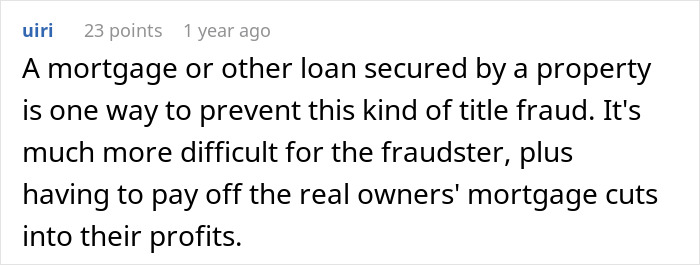
In our county, you can lock down titles to land the same way you can lock down your credit reports. Once you do, no one has access to them. I worried about this as I own and live on land, but don't have a house on it. Now I'm thinking maybe this would be one way to get a house on my land. LOL

In the UK, if you own land or property(even if with a mortgage) you can sign up with the UK land registry, and they will automatically notify you if any enquiries are made on your property, and send you an annual no 'change report'. It's free.
Load More Replies...
This is common in South Africa, I was reading about another one just last week.

¿Estás cansado de que el sol deslumbrante arruine tu experiencia de conducción? Los autos que utilizan Polarizado, podrían ser la solución que has estado buscando. Somos una empresa como 15 años de experiencia en Polarizados Bogota. https://polarizadosboutique.com.co/ Polarizados Bogota
In our county, you can lock down titles to land the same way you can lock down your credit reports. Once you do, no one has access to them. I worried about this as I own and live on land, but don't have a house on it. Now I'm thinking maybe this would be one way to get a house on my land. LOL
In the UK, if you own land or property(even if with a mortgage) you can sign up with the UK land registry, and they will automatically notify you if any enquiries are made on your property, and send you an annual no 'change report'. It's free.
Load More Replies... This is common in South Africa, I was reading about another one just last week.
¿Estás cansado de que el sol deslumbrante arruine tu experiencia de conducción? Los autos que utilizan Polarizado, podrían ser la solución que has estado buscando. Somos una empresa como 15 años de experiencia en Polarizados Bogota. https://polarizadosboutique.com.co/ Polarizados Bogota
























 No fees, cancel anytime







33
5