Get Premium
Dark mode theme is available exclusively for premium users. Learn more about the benefits of subscribing.
No fees, cancel anytime.

 Dark Mode Ad-Free Browsing Unlimited Content
 Ad-Free Browsing Unlimited Content Dark Mode
Join 1.2 million Panda readers who get the best art, memes, and fun stories every week!

Some people are real sticklers for “rules” even when the easy way out is to follow what you actually know. It can be difficult to work with such folks, especially when employees are forced to bend to their unreasonable rules. Obviously, it can trigger drama at the workplace.
One person went online to share how they got a new supervisor who had never touched machines but wanted everyone to follow the official manual to repair them. Well, the employee complied maliciously, watched chaos erupt throughout the place, and the new guy regretted his actions! Here’s how it all went down…
Theory helps you understand things, but practice is what helps you perfect them. For instance, when someone gets hands-on experience, they grasp their work better than those who have only studied the theory behind it. But I am no expert on this, so Bored Panda reached out to Apoorva Kale, an industrial and organizational psychology practitioner.
She believes that when new supervisors don’t have any hands-on experience, seasoned workers on the floor might find it difficult to trust and respect such a person. After all, these people have worked for years and rely on field hacks to keep things running smoothly. This can be disrupted when they are forced to follow rigid rules.
“Also, different perspectives on safety and risk can spark tensions and create misunderstandings. Managers who come from corporate settings might have a conservative view of safety and insist on following protocols. But the workers know how to balance safety and keep things moving efficiently,” she added.
Apoorva stressed that this can cause stress and frustration among employees because their experience isn’t being appreciated. In the end, their experience teaches them how to handle tricky situations in the best way possible, and rigid rules are unnecessary obstacles. These just make the workday tougher, which nobody wants, our expert noted.
She also explained, “Being undervalued naturally takes a hit at their motivation and job satisfaction. And workers might refuse to go the extra mile when their expertise is dismissed. They may even start looking for other opportunities where their skills are appreciated.”
She cited a 2022 survey to support her point. Out of 2,000 Americans, almost half (46%) had left a job because they felt unappreciated, and another 65% admitted they would work harder if they felt management noticed their contributions.
We also conversed with Apoorva about how organizations play a major role in ensuring that these conflicts don’t arise in the first place. She believes that it all comes down to a leadership style that emphasizes respect and collaboration. Organizations also need to create open communication channels where frontline workers feel heard and valued.
She suggested that “companies can reduce conflict by encouraging and involving experienced employees in developing or adapting procedures when a new manager steps in. Moreover, these new joinees should undergo a training program where they get hands-on exposure, so they are empathetic about workers’ problems.”
“Lastly, recognizing contributions of both management and technical teams helps in creating a positive workplace culture, which is a win for everyone involved,” she concluded. Well, that only sounds fair.
After all, when Glassdoor surveyed more than 5,000 adults, 56% of workers ranked a strong workplace culture as more important than salary, with more than three-in-four workers saying they’d consider a company’s culture before applying for a job there.
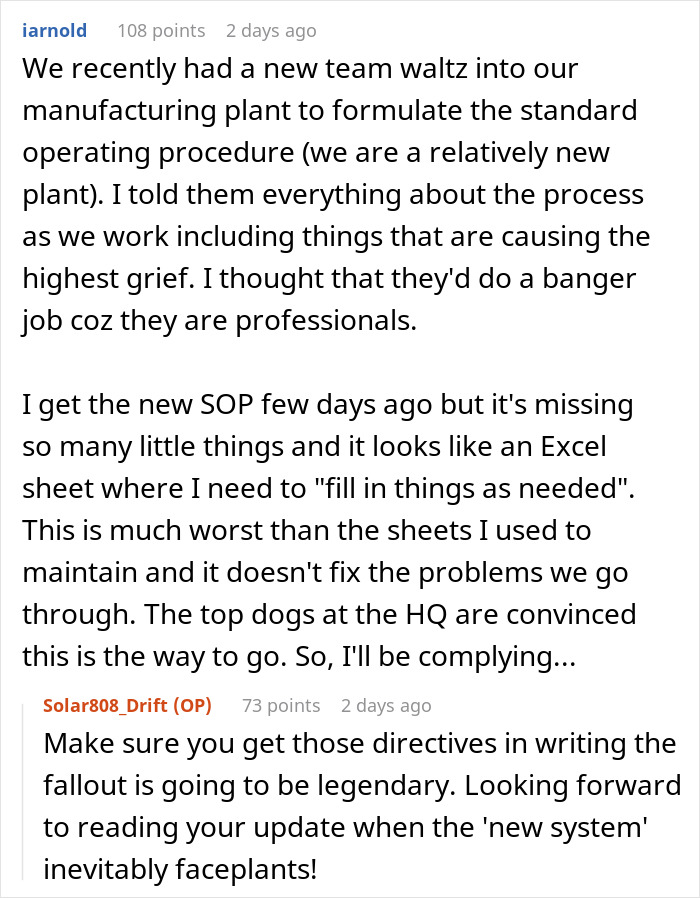
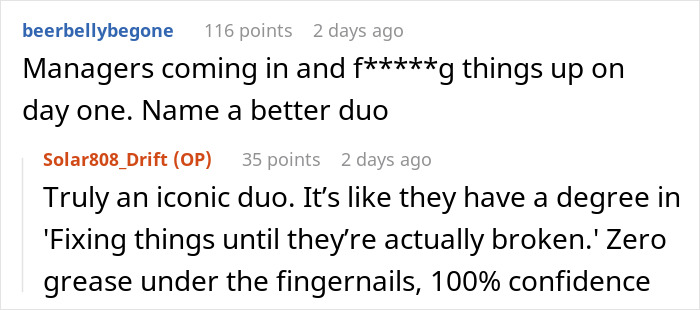
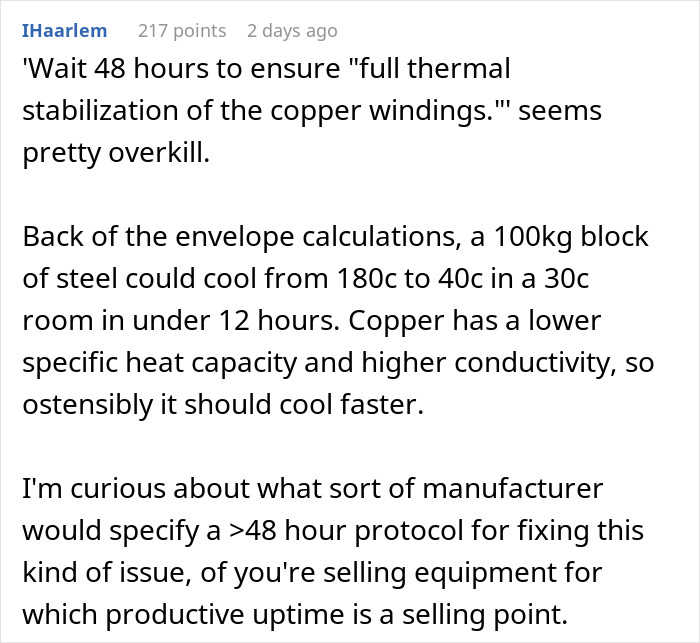
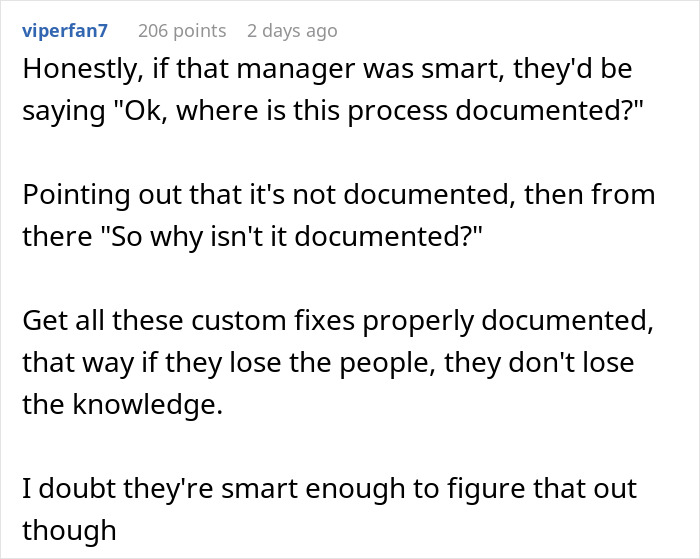
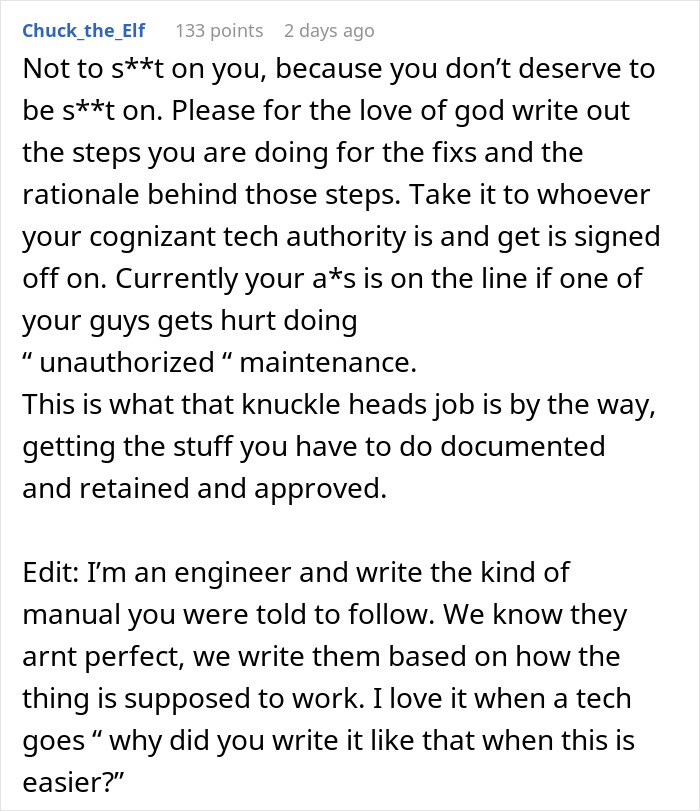
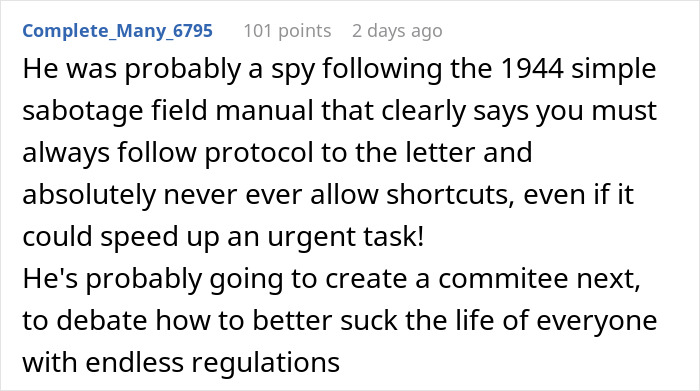
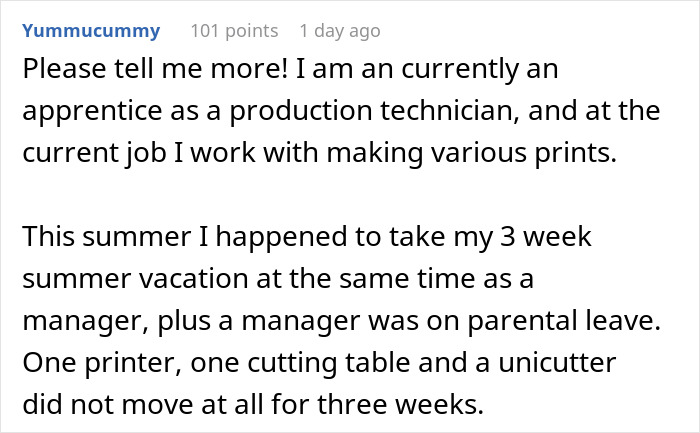
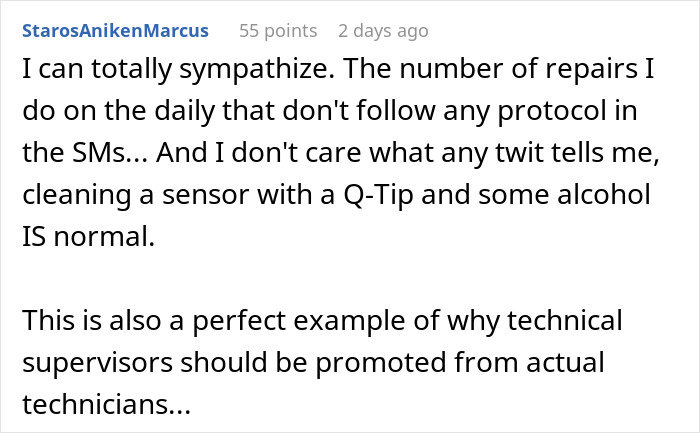
The author reacted out of frustration with the new supervisor and his rigid rules. Netizens were all for teaching the new guy a much-deserved lesson. What are your thoughts on it? Let us know in the comments. Also, if you want to read another malicious compliance story at the workplace, check out an older one we covered.





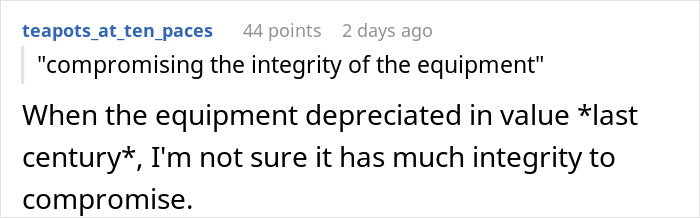

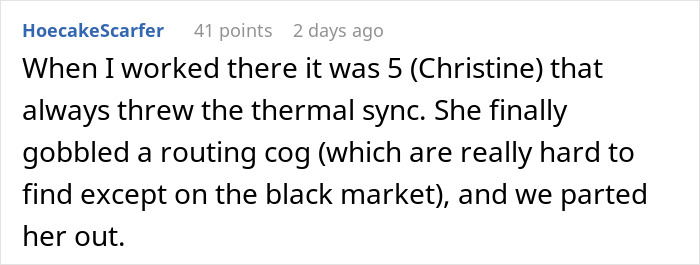

Read a story about a fellow who had retired but who knew the machinery inside out. They ran into a problem and could not resolve it and it was costing a lot in down time. Called him back and he said his fee would be (IIRC)15K . They agreed. He came in and put an 'X' mark on the schematics showing where the issue was. They balked at the fee. So he resubmitted his bill. "X - 1$, Knowing where to put it - 14,999$"

I may have done this a couple times dealing with a new department head. They hired in one guy to lead the Production Services Department (maintenance and tool&d*e) with a biology degree.

Different industry, but I know all about mechanical "personalities" from all the vehicles I have driven. I can't even tell you how many times I ask the previous driver if a vehicle what quirks I need to know about and them saying nothing, just to discover them myself when a latch won't open, a light won't work, or a transmission jerks when shifting into 3rd.
Read a story about a fellow who had retired but who knew the machinery inside out. They ran into a problem and could not resolve it and it was costing a lot in down time. Called him back and he said his fee would be (IIRC)15K . They agreed. He came in and put an 'X' mark on the schematics showing where the issue was. They balked at the fee. So he resubmitted his bill. "X - 1$, Knowing where to put it - 14,999$"
I may have done this a couple times dealing with a new department head. They hired in one guy to lead the Production Services Department (maintenance and tool&d*e) with a biology degree.
Different industry, but I know all about mechanical "personalities" from all the vehicles I have driven. I can't even tell you how many times I ask the previous driver if a vehicle what quirks I need to know about and them saying nothing, just to discover them myself when a latch won't open, a light won't work, or a transmission jerks when shifting into 3rd.




































 No fees, cancel anytime









42
7