Get Premium
Dark mode theme is available exclusively for premium users. Learn more about the benefits of subscribing.
No fees, cancel anytime.

 Dark Mode Ad-Free Browsing Unlimited Content
 Ad-Free Browsing Unlimited Content Dark Mode
Join 1.2 million Panda readers who get the best art, memes, and fun stories every week!
Everyone knows that the service industry is not for the faint of heart. Dealing with people day after day can seriously test your patience, from rude encounters to outright angry ones. But sometimes, it’s not even the customers who end up being the most frustrating part of the job.
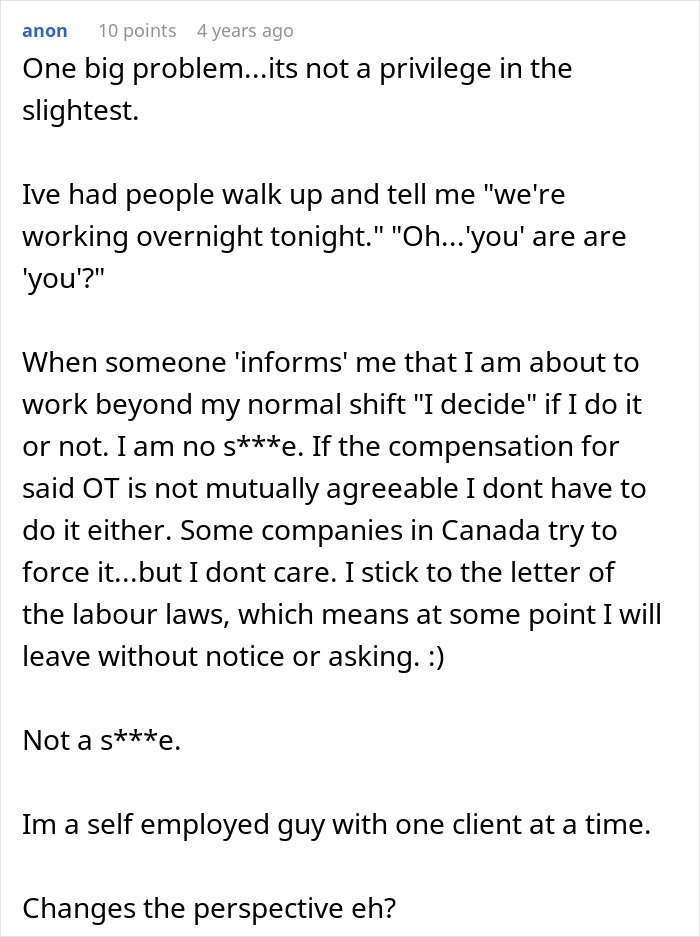
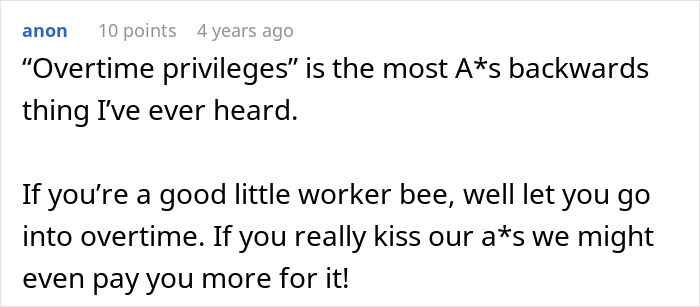
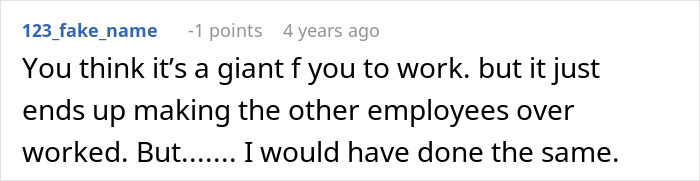
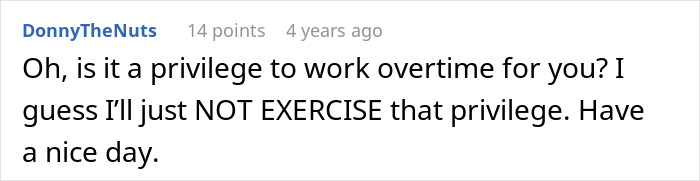
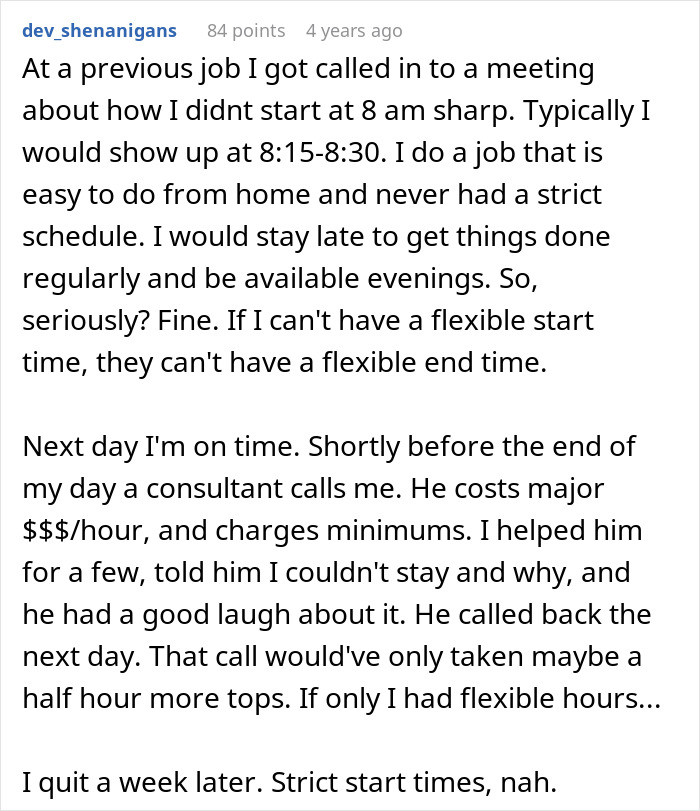
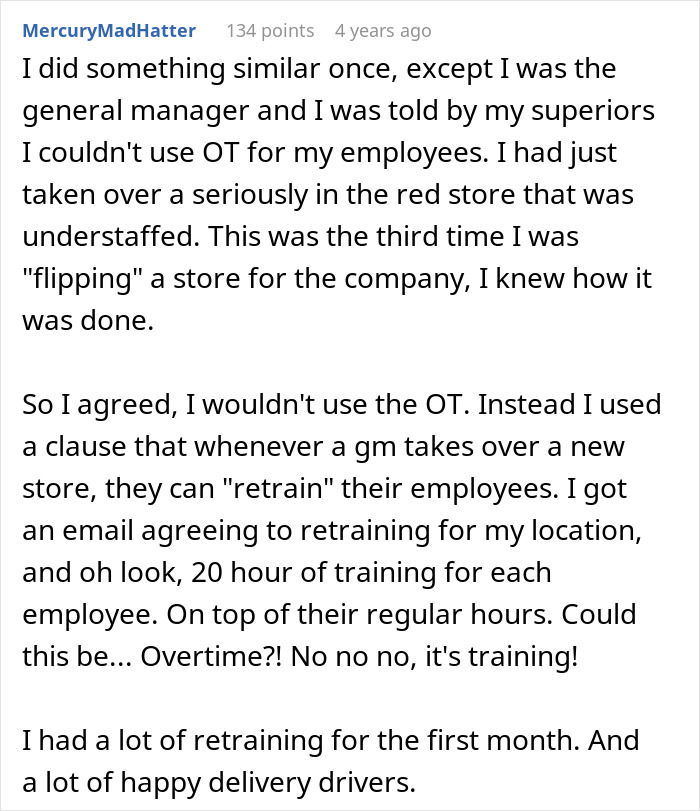
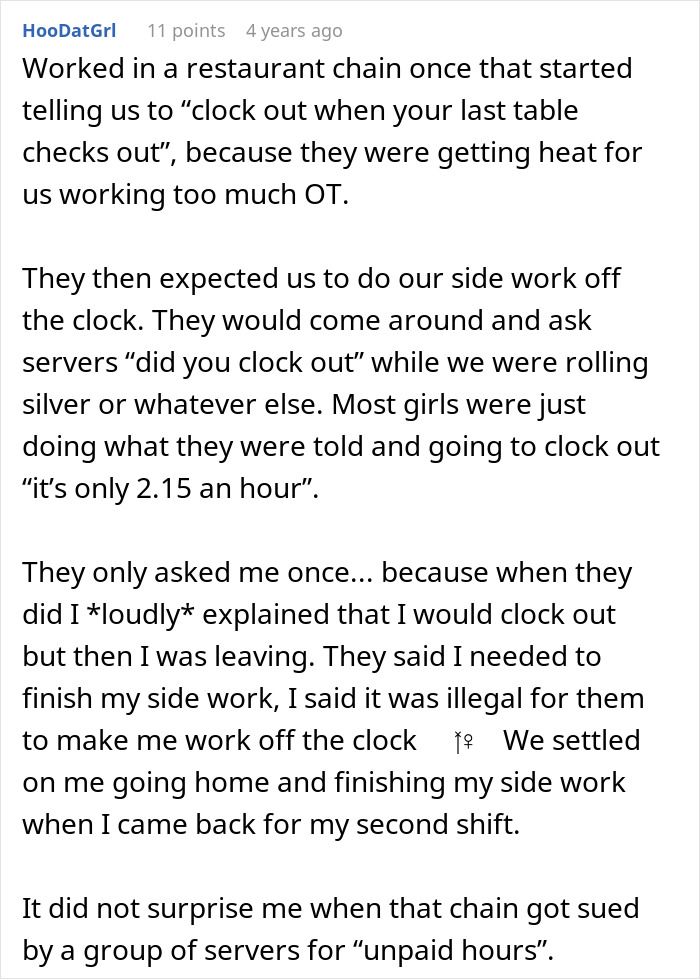
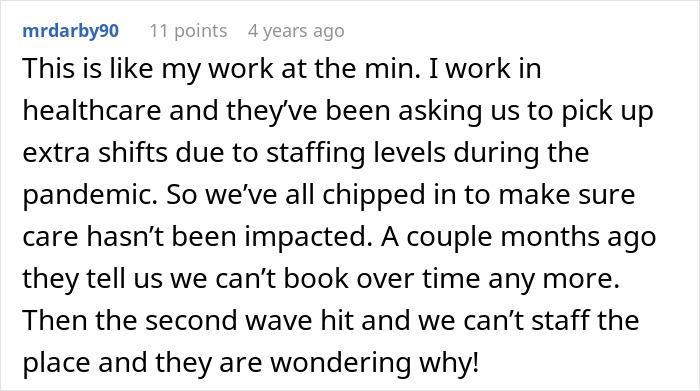
This Redditor used to work at a coffee shop and often picked up overtime to help her coworkers survive the busiest rushes. Her manager, however, decided she was doing too much and banned her from taking any extra hours. So the very next day, she followed that rule to the letter, clocked out right on time, and left the manager to deal with the inevitable chaos.
Read the full story below.
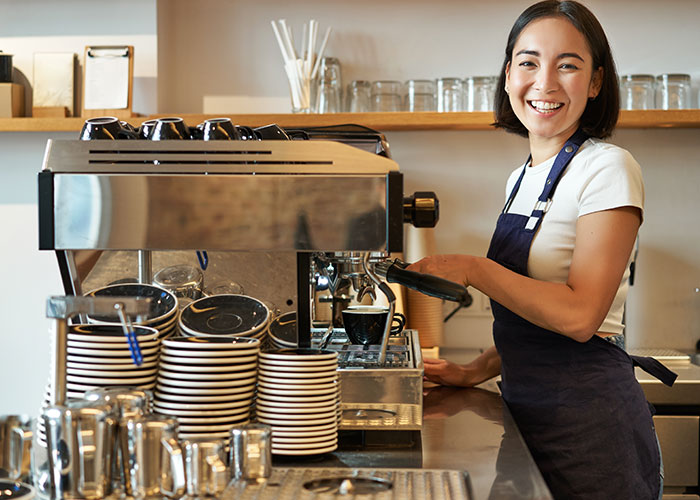
Image credits: benzoix / envatoelements (not the actual photo)
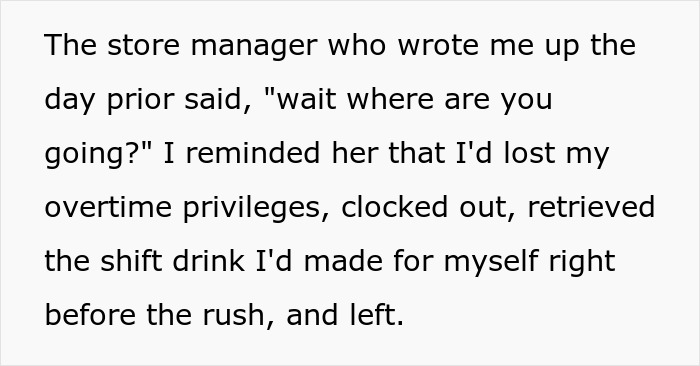
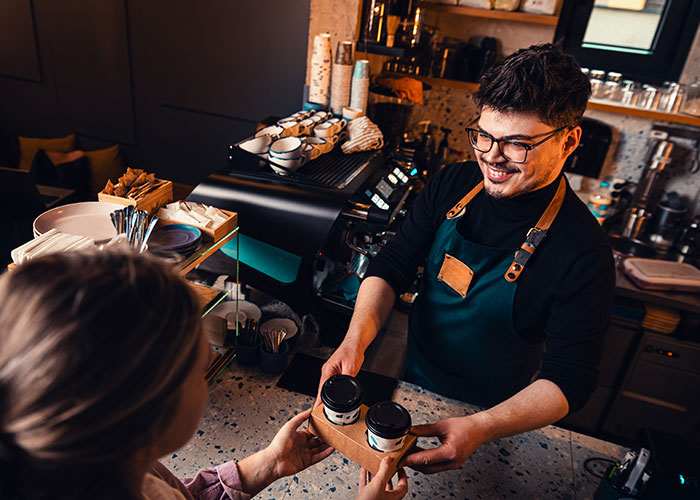
Image credits: piasupuntongpool / envatoelements (not the actual photo)
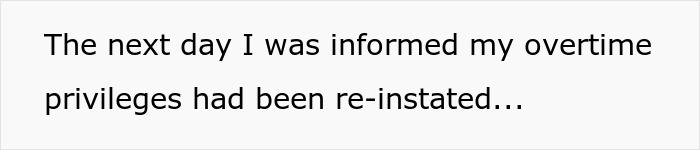
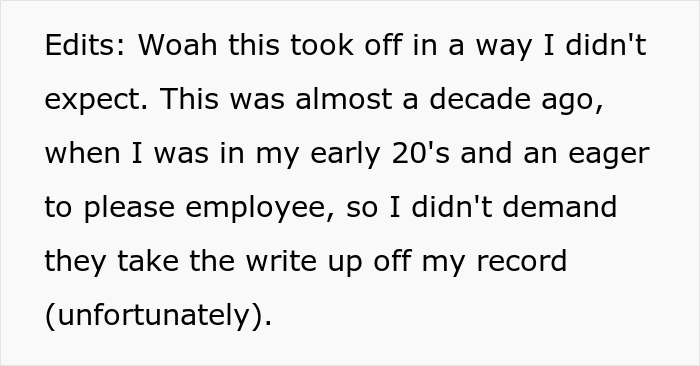
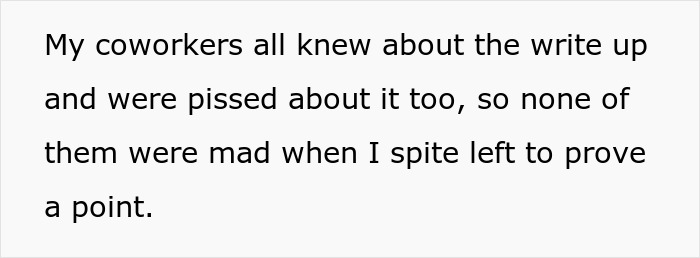
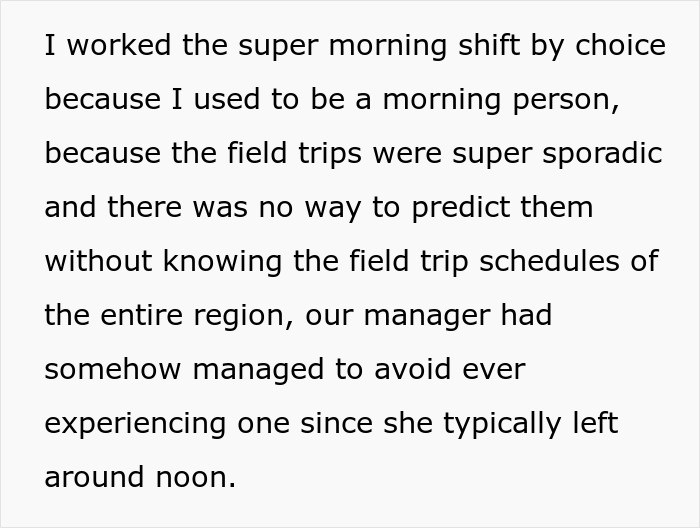
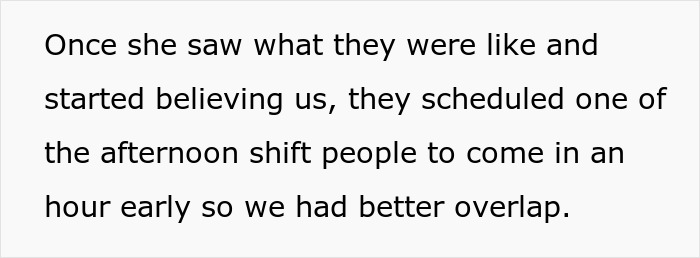
Image credits: HeyPesky
Image credits: zoranzeremski / envatoelements (not the actual photo)
Working in a coffee shop has built up a romantic reputation over the years. It is easy to picture it as a cozy, carefree job where you stand behind the counter with indie music playing, pour cappuccinos and iced lattes, chat about Brazilian or Kenyan blends, and maybe sneak in a few pages of a book when the café slows down. For many people, it seems like the perfect side job for your late teens or early 20s.
That is the version people tend to imagine. The reality, however, is far more demanding. Being a barista comes with a long list of challenges that rarely make it into that dreamy picture.
According to Daily Coffee News, the job often starts well before sunrise and involves handling complex, messy equipment while preparing hot drinks and food to exacting standards in fast, high-pressure environments. All of this happens while standing for hours on end and keeping up with nonstop orders.
On top of the physical workload, there is the emotional side of the job. Baristas are expected to stay calm and friendly no matter what kind of behavior comes their way. This includes dealing with people who are impatient, rude, or even openly hostile.
In many places, especially in the United States, good service is rewarded mainly through tips rather than stable wages or benefits. That adds another layer of pressure, as baristas must balance intense demands with a pleasant attitude just to make a livable income.
Knowable Magazine describes this strain as the “barista’s burden.” Psychologist Dr. Alicia A. Grandey from Penn State University has spent years researching the effects of forced emotional labor on service workers. She explains that constantly projecting positivity while suppressing negative emotions can take a serious toll over time.
Grandey knew that toll firsthand long before she began studying it, as she once worked at Starbucks herself. “I’m a reasonably social person, but it was exhausting,” she shared with Knowable Magazine. “I would come home from a day of making drinks and my face would hurt. I thought I was just being whiny.”
Her work later linked this pattern to long-term issues such as anxiety, insomnia, chronic exhaustion, and depression. She also observed higher alcohol consumption among workers who regularly fake positive emotions on the job.
She also pointed out a cultural difference in how this pressure plays out. In the United States, the expectation of constant friendliness often invites customers to cross personal boundaries. In countries like Italy, baristas tend to focus more on efficiency and professionalism without the same demand for emotional availability. As Grandey put it, the idea of “service with a smile” should never give customers the right to ignore basic respect.
Some baristas have found ways to protect their well-being where they can. Samuel Louis Schaefer, owner of Mockingbird Coffee in Michigan, shared with Daily Coffee News that rotating tasks helped prevent burnout among his staff. When certain difficult customers came in, his team used subtle signals to switch positions so no one person carried the full emotional weight. Outside of work, he relied on decompression through swimming, quiet time, and rest.
Emilia Martinez, a longtime barista and manager at Klatch Coffee in San Francisco, emphasized how much a supportive manager matters. Feeling validated, she said, makes a world of difference. She also stressed the importance of leaving the emotional weight of the shift at the door when heading home and reminding herself that even the hardest days eventually pass.
The author of the story clearly did not have a manager who wanted to support her. Instead, she was met with a strange rule and criticism despite already putting in hard work. It is a real shame when a negative experience comes not only from customers, but also from inside the workplace itself.
Keeping this in mind, the next time a line feels too long or a coffee takes a couple of extra minutes to prepare, it might help to remember how much unseen effort goes into every single cup. A little patience and understanding can go a long way, and hospitality workers deserve that respect just as much as anyone else.
















By entering your email and clicking Subscribe, you're agreeing to let us send you customized marketing messages about us and our advertising partners. You are also agreeing to our Privacy Policy.
Thank you! You've successfully subscribed to newsletters!


"Wait, you wont work for free?" Shocked pikachu face.
Load More Replies...

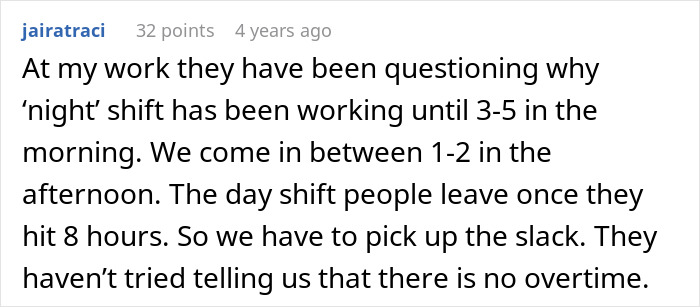
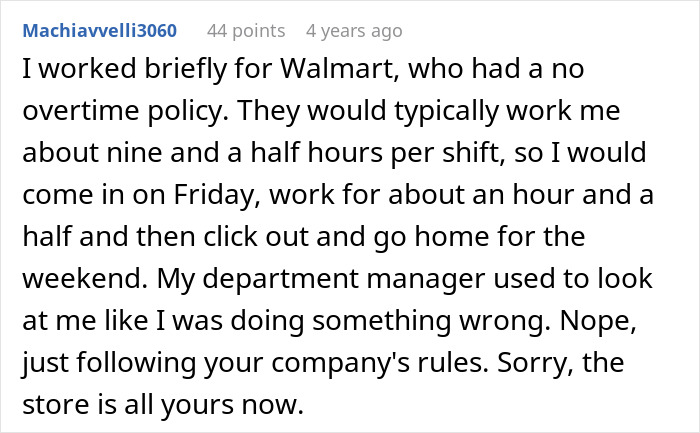
Anytime HR sides with the employee it is because the lawsuit would cost more than capitulating.
Load More Replies... Yeah, never clock out and continue working. It's bad all around. Once you cross that line once, it's easy to keep doing it. You set the expectation that this is an option, one they will eventually ask to use. Most places forbid you from working off the clock because doing so sets you up to sue them, so they will fire you. Plus it tells corporate that the store/team can do more with less, and that is a losing game.

Forty years ago i worked in a grocery store. I kived a five minute walk from the store, so if someone missed a shift, they would call me. One week , I went over 40 hours ( i had 45 not crazy ) . Git a big lecture, etc. Bext day, manager comes to me and asks if i can cover. My response: i could but then i would be over 40. Shocked pichachu.
"Wait, you wont work for free?" Shocked pikachu face.
Load More Replies... Anytime HR sides with the employee it is because the lawsuit would cost more than capitulating.
Load More Replies... Yeah, never clock out and continue working. It's bad all around. Once you cross that line once, it's easy to keep doing it. You set the expectation that this is an option, one they will eventually ask to use. Most places forbid you from working off the clock because doing so sets you up to sue them, so they will fire you. Plus it tells corporate that the store/team can do more with less, and that is a losing game.
Forty years ago i worked in a grocery store. I kived a five minute walk from the store, so if someone missed a shift, they would call me. One week , I went over 40 hours ( i had 45 not crazy ) . Git a big lecture, etc. Bext day, manager comes to me and asks if i can cover. My response: i could but then i would be over 40. Shocked pichachu.






















 No fees, cancel anytime
 then open in external browser

 and click "Open in External Browser"







21
8