Get Premium
Dark mode theme is available exclusively for premium users. Learn more about the benefits of subscribing.
No fees, cancel anytime.

 Dark Mode Ad-Free Browsing Unlimited Content

 Ad-Free Browsing Unlimited Content Dark Mode
Join 1.2 million Panda readers who get the best art, memes, and fun stories every week!
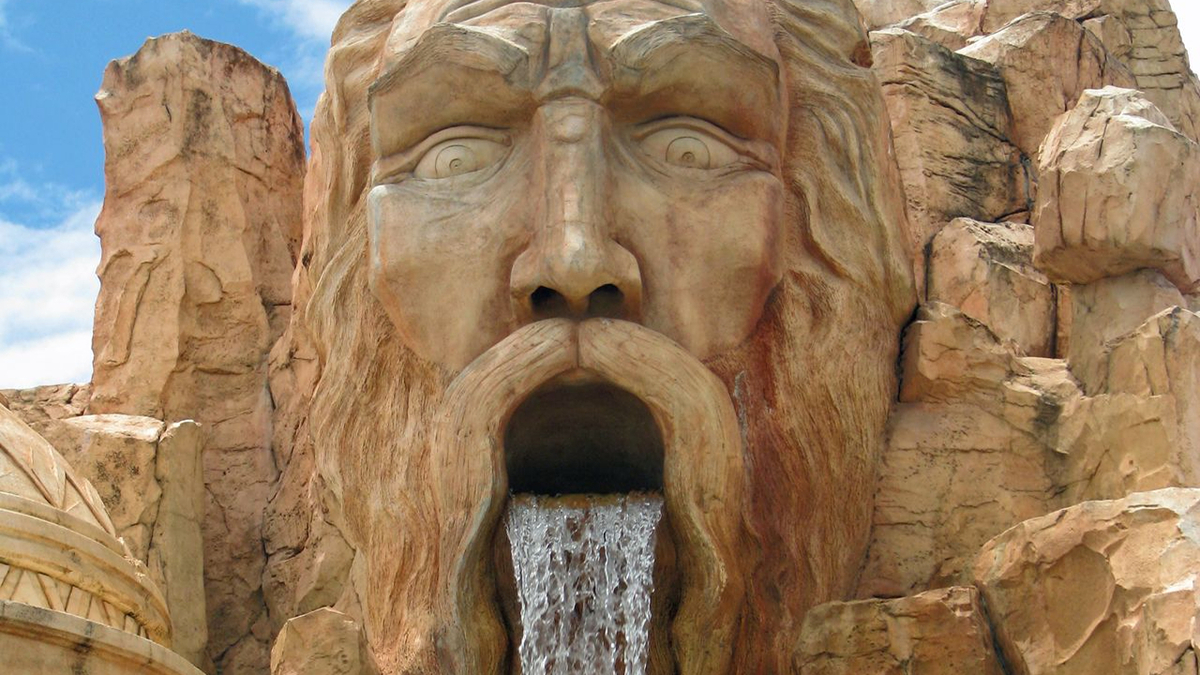
Rivers have mouths, mountains have feet, and books have spines. Clocks have hands, chairs have legs, and needles have eyes. The Earth has a heart, while the Moon has a face. Making difficult decisions takes guts and backbone.
We use these expressions all the time, usually without giving them a second thought. But if you were to count all the body parts scattered throughout our vocabulary, you’d probably be surprised by how many you’d find.
What’s more, this is hardly unique to English. In French, stairs have noses. In Ukrainian, garlic has teeth. Travel to southern Mexico, and a speaker of Isthmus Zapotec will tell you a car has a stomach. Across the globe, people use human anatomy to describe things that aren’t human at all.
Philosophers and linguists have spent centuries trying to explain this curious tendency. And it turns out there’s more to it than just clever metaphors. The way we talk reveals a great deal about how we think and understand the world around us.
 Exclusive Content Ad-Free Browsing Dark Mode Exclusive Content Ad-Free Browsing Dark Mode































 No fees, cancel anytime