Get Premium
Dark mode theme is available exclusively for premium users. Learn more about the benefits of subscribing.
No fees, cancel anytime.

 Dark Mode Ad-Free Browsing Unlimited Content

 Ad-Free Browsing Unlimited Content Dark Mode
Join 1.2 million Panda readers who get the best art, memes, and fun stories every week!

Some facts are fun party trivia, like knowing why flamingos stand on one leg, while others are the kind of information you really hope you never need but will be incredibly glad to know if trouble strikes.
The world is full of everyday hazards, unexpected emergencies, and surprisingly common situations that can turn serious in seconds, and a little knowledge can go a long way when things go sideways. Recently, people online were asked to share facts everyone should know that could potentially save a life.
Their responses covered important bits of knowledge that might help someone recognize danger, react quickly in an emergency, or avoid making a bad situation worse. After all, knowing what to do when things go wrong is useful, even if you never get the chance to show off your newfound expertise.
This post may include affiliate links.
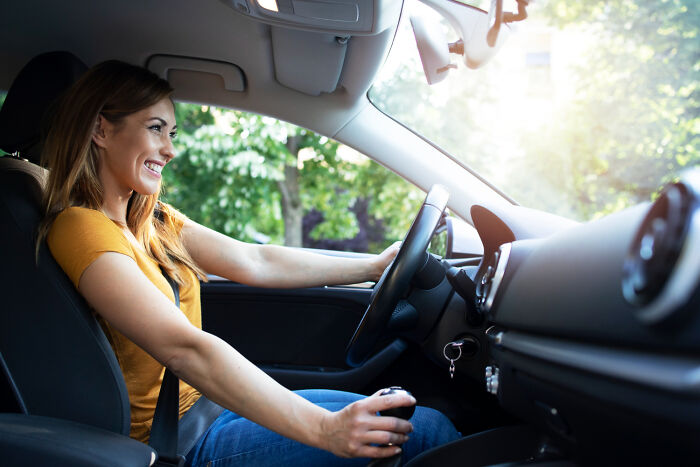 Don't mouth off to strangers in cars, don't make aggressive gestures, don't drive aggressively in response to them. Just drive, you’re nothing more than a passive spectator.
There's a great saying about road raging: "Don't pretend to be crazy, because one of these days you're gonna run into someone who's pretending to be sane."
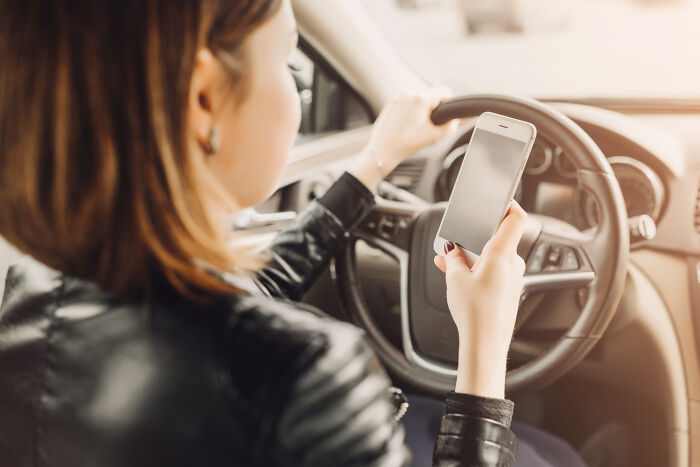 More people pass away from distracted driving than from drinking and driving, so put down your phone.

I used to have a "I only look at it at red lights rule", but that rule is f*****g s**t, because the first ever fender bender I was ever in was because I put down my phone after the light turned green and automatically started moving forward. Only problem was the car in front hadn't started moving at all. I was too busy looking at where I was putting my phone to notice. I was a very, very stupid boy. Never again.
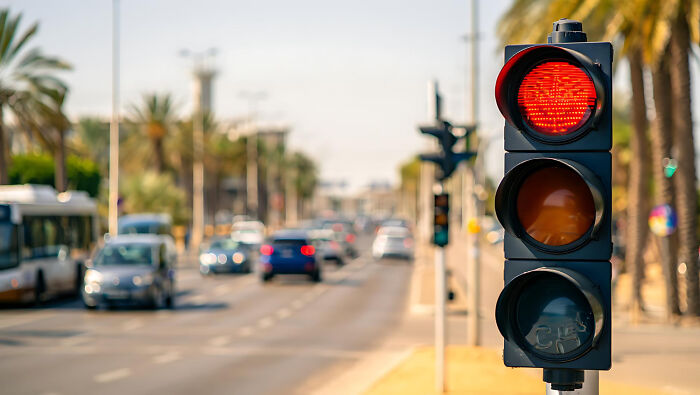 Wait a couple seconds after a light turns green at a 4 way intersection,
Someone always seems to run it after it just turns red, waiting a couple seconds and double checking.
seen too many tragic crashes because someone did not want to stop for the red light.
Knowing a few important facts can make a significant difference when an emergency occurs, especially when there is little time to figure out what to do. The American Red Cross explains that emergency preparedness helps people recognize danger, seek appropriate assistance, and provide useful help before professional responders arrive.
Basic knowledge of first aid, for example, can help a bystander understand how to respond when someone experiences cardiac arrest and may need CPR or an automated external defibrillator (AED). Being prepared does not mean handling every situation alone, but knowing which steps to take can help people respond more effectively when every minute counts.
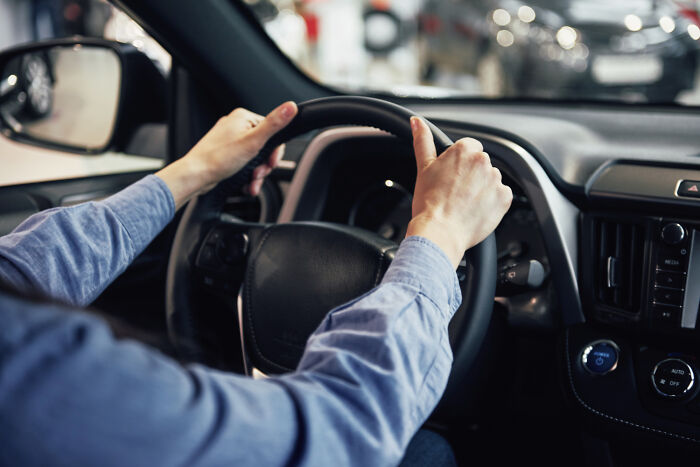 if you’re driving and end up in a situation with a runaway engine and your brakes aren’t working, shove that thing into neutral. even though the engine keeps on running, the power is disconnected from the wheels, so you just need to focus on steering and coasting to a stop.
 If you're near a body of water with children, make sure at least one person is assigned to watching them. People think being in a group with plenty of adults will keep kids safe, but all it takes is a split second and a child could drown without anyone realizing.

Every adult should be watching kids near water. Especially if there's a group of them. One person can easily get distracted with one child. Don't just leave it to one person to be vigilant.
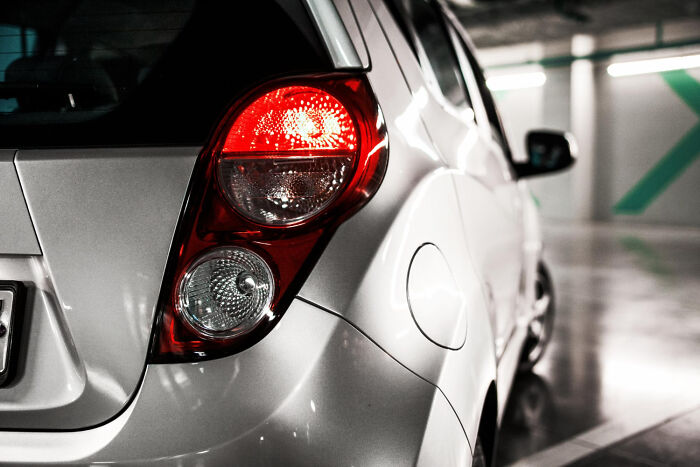 My uncle told me this when I first started driving:
“Never trust a blinker”
It’s saved me from a few close calls / accidents. True for crossing the street as well.
I see so many drivers turning without using their blinker, or turning it on as they're turning. Too many jaded drivers out there.
Preparation can also make it easier to think clearly when something unexpected happens. Learning emergency procedures in advance gives people an opportunity to practice their responses, making it easier to remember practical steps such as checking the surroundings for hazards, calling emergency services, or providing appropriate first aid. However, acting quickly should never mean putting oneself in danger.
Entering an unsafe area without assessing the risks could create another casualty, and sometimes the safest response is to move away from danger and contact trained professionals. First-aid knowledge can also help people provide immediate assistance for severe bleeding, wounds, and breathing difficulties while waiting for medical care, although it is not a substitute for professional treatment.
 If someone is holding you against your will in public, just collapse on the ground motionless.
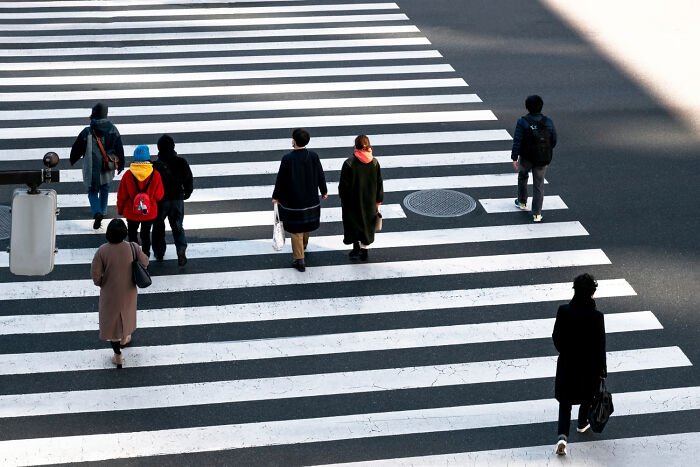 Just because you have the right of way as a pedestrian doesn’t mean you won’t get hit by a car if you’re careless. Never surprise a driver when you cross the street. You hesitate and make sure the driver sees you. You don’t just March into the road because you pressed a button.
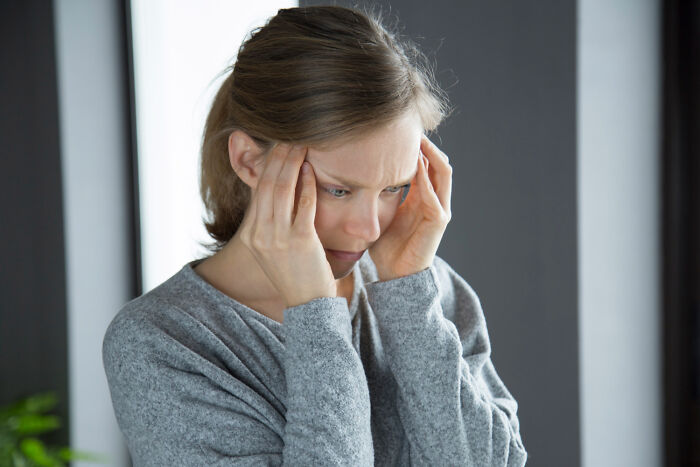 If you have a headache that comes on suddenly and is the worst one you've ever had, go to the ER. I survived a subarachnoid hemmorage.
Everyday safety also depends on recognizing that seemingly insignificant decisions can have serious consequences. Westgard explains that the effort required to make a choice does not necessarily reflect the level of risk involved. Skipping a routine safety check or postponing necessary maintenance might save a few minutes, but it can also remove an important safeguard.
These decisions are particularly easy to overlook when everything appears to be working normally, since there may be no immediate indication that anything is wrong. Understanding why safety precautions exist can help people appreciate their value even when the danger they are designed to prevent seems unlikely.
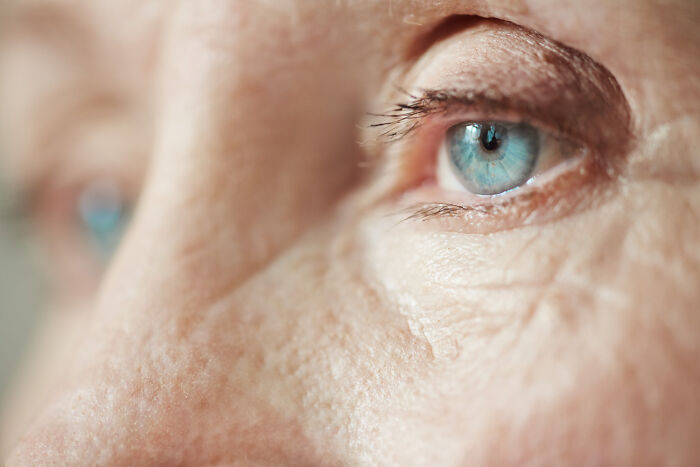 Be aware of emergency medicine. Know what a real emergency is.
I recently had a detached retina. I did not know what that was about. But when I reached the ER I was moved to the active treatment zone in minutes.
Typical people should be aware of medical emergencies like pneumothorax, retinal detachment etc.. there are about 20 of them and it is good to know of them.
 If you’re in a nightclub and the fire alarm goes off, no one will move & just continue dancing or waiting to get served at the bar etc.
Get yourself out there asap, to the smoking area atleast. 99/100 it’s not real, but when it is it’s horrific.
I’ve not been in a situation like that, but I’ve been a club that burnt down with people inside years later. Can’t help but think that I wouldn’t have actually left and thought it was a false alarm if it happened when I was there.
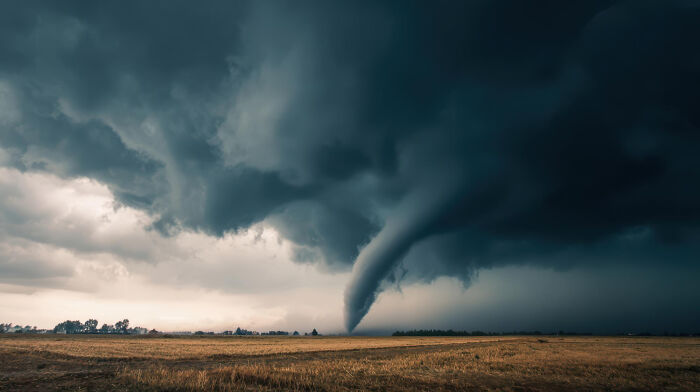 If you hear the rumble/noise (for lack of better words) of a train when it’s bad weather, and there’s no train or tracks around you, get to the basement or best possible area of your house because there’s a tornado.
The risks can become greater when several small mistakes accumulate. An overlooked inspection, a delayed repair, and the pressure to finish a task quickly might each seem manageable on their own, but together they can create conditions in which an accident becomes more likely.
People may also become comfortable with shortcuts after taking them repeatedly without experiencing any problems. Since the immediate reward of saving time is obvious while the potential consequences remain uncertain, it is easy to convince oneself that an extra precaution is unnecessary.
Recognizing these patterns can encourage people to take everyday safety measures seriously rather than waiting for something to go wrong before changing their behavior.
 If you throw up coffee grounds, get to an ER. It looks like coffee grounds. It’s internal bleeding
 Do not throw water on an oil fire in the kitchen. Get a tea towel or cloth,wet it, wring it out, then throw it over the pan.
 You should have your home address number clearly labeled for EMS (mailbox numbers for example) and ideally a wide path throguh your home in case of the need for a stretcher.
Mostly applies to elderly but also anyone here with aging parents, you’d be surprised how much time is lost trying to find the right house on a street or weave through a home with tight spaces just to get a patient out.
Good advice for those with disabilities, too. Also, if you rent an apartment, you can register to be put on a fire rescue plan list, so fire fighters know you may be stuck inside the building, unable to have gotten out. You don't necessarily need to be elderly or physically disabled. It's advisable for anyone who has anxiety disorders, neurodivergent, asthmatic. If you are asthmatic, keep respirator mask near your door, and make sure your inhalers are easily accessible. Always make sure you know all your fire escape routes and how to operate a fire extinguisher.
Preparation is equally important when the challenge involves responding to an emergency that cannot be prevented entirely. CBS News discusses how having a plan in advance can reduce uncertainty by helping people understand where to go, whom to contact, and what to do first.
Familiarity with these steps can make a stressful situation easier to navigate because fewer decisions have to be made under pressure. Preparing with family members or other people who may be involved can also establish a shared understanding of everyone's responsibilities. Although no plan can guarantee that someone will remain calm during a crisis, having practical steps to follow can provide a useful starting point when circumstances become overwhelming.
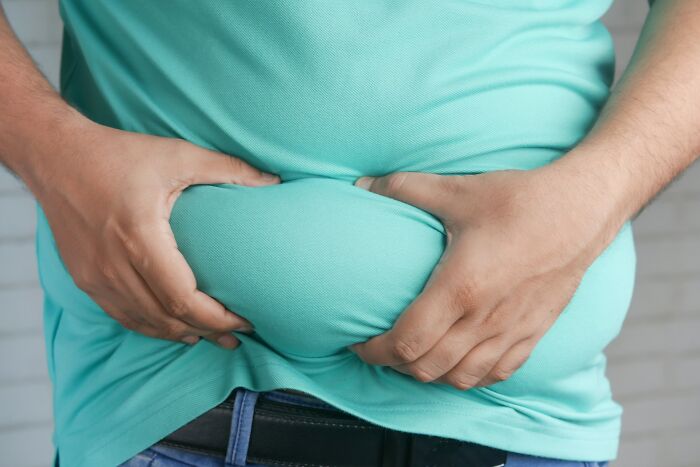 Being obese is not ok. The harm it does to your health is catastrophic. Get help if you can’t lose it yourself. I speak from experience. Type 2 diabetic with health issues even though I finally lost the weight.
 Know how to perform a self Heimlich maneuver on yourself in case you are ever alone and choking on food.
Another important part of staying safe is recognizing warning signs instead of automatically assuming that everything will turn out fine. People may overlook concerning developments because they expect everyday life to continue as usual, a tendency known as normalcy bias.
Others might dismiss unusual symptoms or behavioral changes as temporary stress, aging, or a passing phase. Fear, denial, and discomfort about raising sensitive concerns can also prevent people from taking action.
The difficulty is that early warning signs are not always obvious, and symptoms such as fatigue, irritability, sleep disturbances, or reduced functioning can have several possible explanations. Nevertheless, paying attention to significant or persistent changes can help people recognize when further investigation or professional assistance may be necessary.
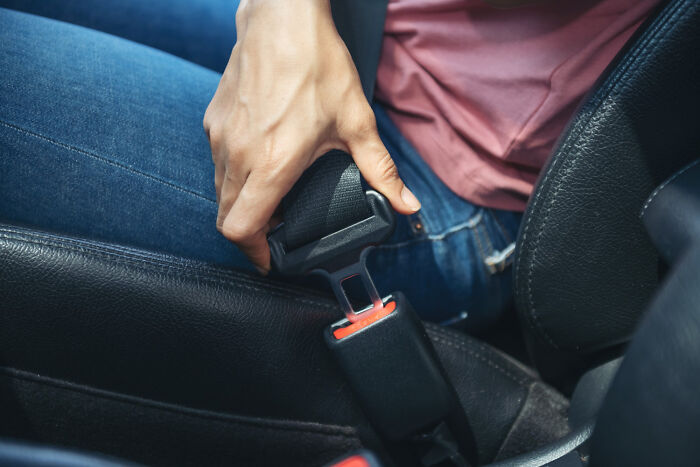 If your car ever goes into the water, unbuckle your belt first and then roll the windows down!!

Because i was a strange child, i used to be obsessed with reading a Readers Digest book called something like “What to doin an emergency” and this is something i remember from this book.
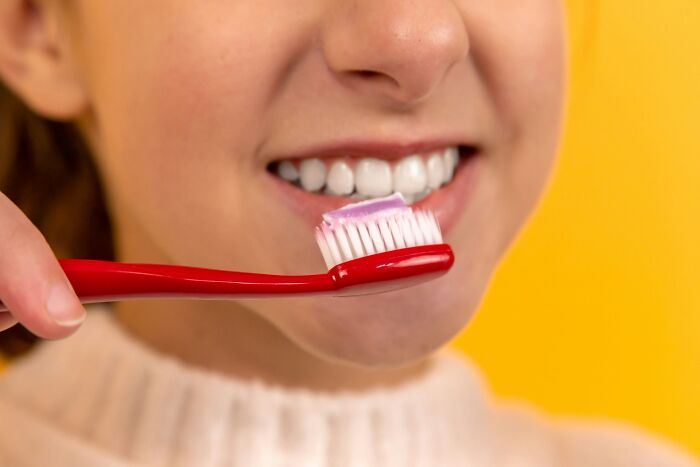 Brush your teeth when you first get up in the morning, before you drink anything. Plaque builds up during the night. The same plaque that causes heart disease and dementia!
 One thing I learned from a NatGeo show. Smoke goes up so if you are in a sloped enclosed area and there is a fire, always move down and not up to avoid smoke inhalation and suffocation. Obviously away from the source of the fire if you know where it is.
Research into health and safety also emphasizes the value of identifying problems before they become more serious. Recognizing warning signs early can create an opportunity to intervene before a condition progresses or causes lasting harm. In medicine, symptoms such as chest pain, difficulty breathing, sudden severe headaches, confusion, or loss of consciousness can indicate an emergency requiring immediate medical attention.
Understanding when these symptoms warrant urgent help can prevent dangerous delays. The same principle applies to mental health, where noticeable withdrawal, persistent hopelessness, major behavioral changes, or increased substance use may signal that someone is struggling. These signs do not automatically indicate a particular condition, but taking them seriously can encourage supportive conversations and timely professional help.
Fire alarms anywhere, but I worked in a hotel and fire can spread so quickly that every second matters. I don’t care if I look like the crazy one running out the door. I really do not care. That’s what you need to do if you hear a fire alarm in any area of a hotel. I’ve witnessed security walking around trying to find fires, not knowing anything, and they look calm. Don’t trust ANY staff during an alarm GTFO.
I don't get why some people just stare in confusion or weirdness when you leave during fire alarms.
If you’ve had too much to drink, take ibuprofen or aspirin.
Never, ever mix paracetamol/acetaminophen with alcohol. You will fry your liver very quickly.
This might sound obvious, but put your phone down when you’re crossing a street, and always be conscious of the idea that there are drivers out there having the worst day of their life.
It usually feels obnoxious to me when I see people blindly crossing a street; completely oblivious to the idea of an unhinged (or hammered) driver crossing paths.

This makes me crazy. I held a girl in the street after a hit and run and it was awful.
Ultimately, useful knowledge is not limited to learning how to respond when a crisis is already underway. It also involves understanding everyday hazards, recognizing when something is wrong, and taking sensible precautions before a situation escalates.
A basic safety habit, a familiar emergency plan, or the ability to identify a worrying symptom may seem like a small thing to know, but each can influence the decisions someone makes when circumstances change unexpectedly. The key is to distinguish reliable guidance from unverified advice and learn practical skills from trustworthy sources whenever possible.
Knowing what to look for and how to respond cannot prevent every emergency, but it can help people make better-informed decisions and improve their chances of getting the right help at the right time.
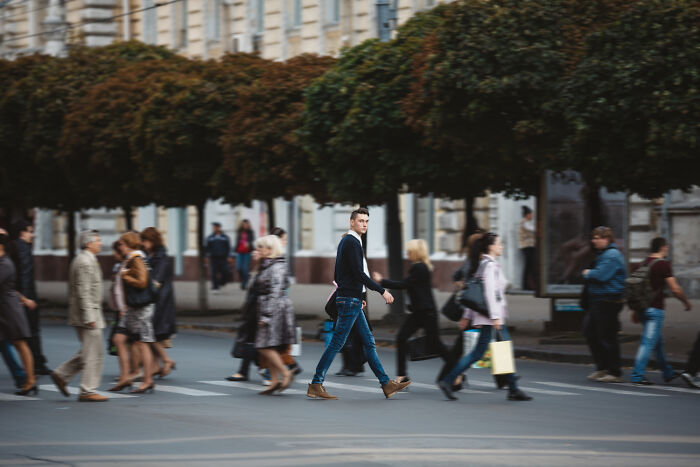 Don’t forget to look the ‘wrong way’ when crossing the street in England. Even knowing this, habit is so strong Americans pass away every year in London.
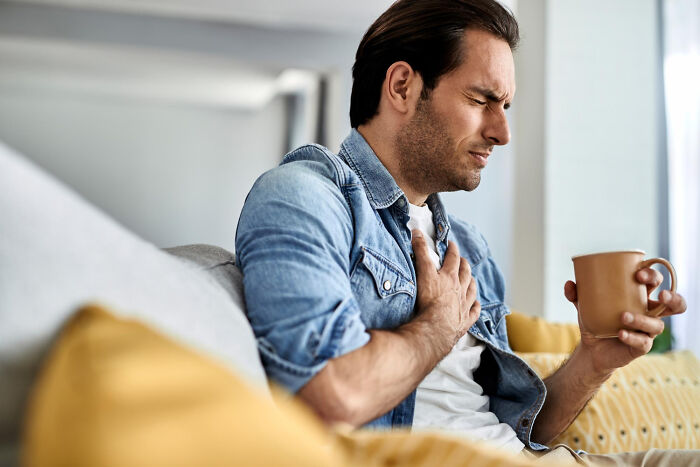 A strong sense of impending doom is a warning sign of a medical emergency. It's often associated with strokes, but a number of other conditions can cause it and it can be your first and only symptom before something goes severely wrong.
Edit 2: "I feel like this all the time, haha" if you are seriously feeling impending doom as your baseline you are probably in need of medical aid, like yesterday. Either for a mental health issue, or a chronic condition that you are unaware of, like slowly advancing cancer. It's seriously not normal or okay... so like, please don't joke about it? I made this post in good faith because I sincerely care about you random anonymous strangers online and hope my advice can help someone someday.
Edit: Elaborating a little bit more on what a sense of impending doom is.
When you're feeling it in relation to a medical episode, you're literally sensing your upcoming passing. It's a really unique feeling that different people experience differently. It's distinct from anxiety, usually because it doesn't evoke a flight or fight response by itself, it's just a sense that tells you you're passing away the same way your stomach tells you your hungry. It can lead to anxiety as a reaction, but you will notice it as a different feeling that coexists with your anxiety, not anxiety itself.
Panic attacks can cause you to feel a sense of impending doom. In that case it's your panic attack that needs to be addressed.
If you're feeling a sense of impending doom, you will usually have other symptoms that something isn't right. Faster heart rate, short of breath, unusually fatigued, upset stomach, sore shoulder, weird sounds coming from your body, vertigo, loss of appetite. If you don't have any other indication that something is wrong, you're probably fine just making an appointment with your doctor or going to a walk in clinic.

I had a sensation of impending doom once, coupled with a feeling of being a millimetre out of sync with myself. I told my walking companion thought I was having a heart. He pooh-poohed the idea, but I looked up heart attacks when we got back from lunch. These are indeed both symptoms. I told my boss I was taking the afternoon off to see a doctor. It turned out to be not a hear attact, but merely severe angina. Close enough for me, though.
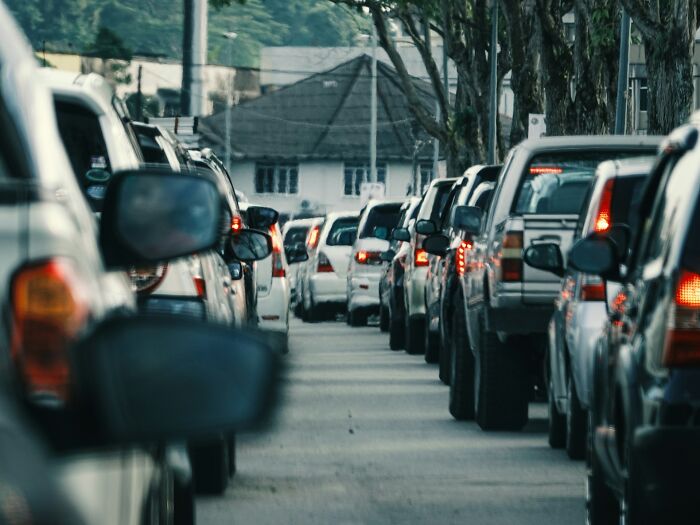 I read this somewhere:
For drivers when driving, always act like other drivers DO NOT know what they’re doing. Yes - DO NOT … don’t assume all drivers know what they’re doing
Better to be safe than sorry.
Sometimes, the most important thing you learn is a small detail you never thought you would need until the moment arrives. Knowing how to recognize a warning sign, respond to an emergency, or avoid a seemingly harmless mistake can make a real difference when it matters most. While nobody can prepare for every possible situation, being curious and willing to learn can help us make safer decisions and look out for the people around us.
Now we're curious. What's one fact you think absolutely everyone should know because it could save their life? Maybe it's something you learned in school, a useful tip someone once shared with you, or a piece of advice you only discovered by chance. Share it in the comments below! You never know when a fact you pass along might be exactly what someone else needs to hear.
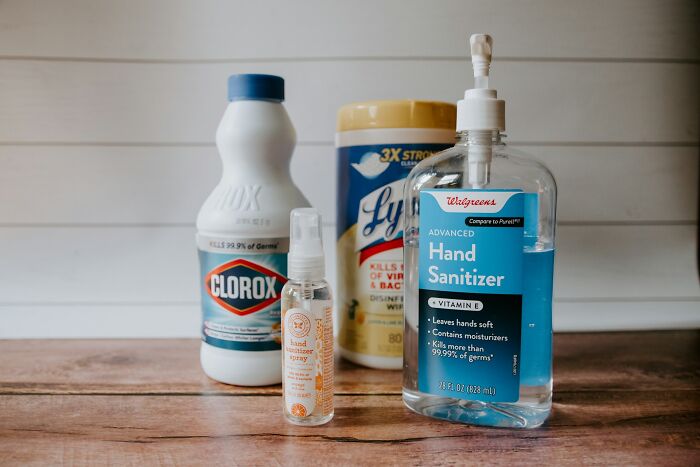 Don't ever mix bleach with other other cleaning products or even with vinegar.
 A drowning person may pull you down to save themselves.
The key is “Reach, Throw, Row, Go”:
Reach: from the side, reach with your arm and try to pull them in.
Throw: if reaching doesn’t work, throw something they can use to save themselves.
Row: if they’re too far away from land, get a boat and row your way out.
Go: if you can do so safely, get in the water to help them.
If someone is with you, and they can - have them notify local emergency services so they can send rescuers and medics az needed.
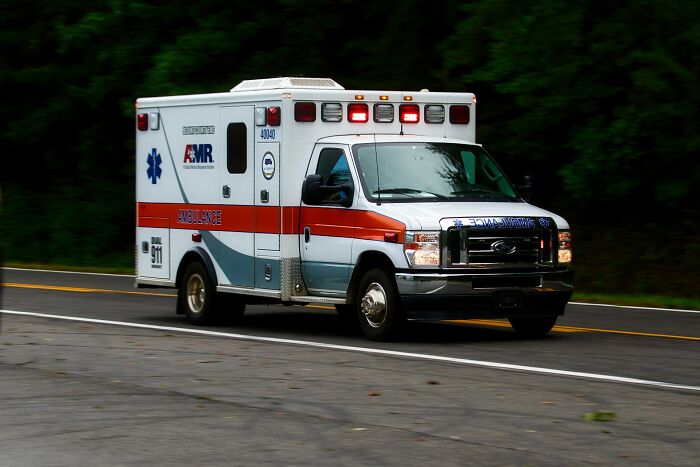 Think about what to do if 911 doesn’t answer immediately in an emergency. Last week it took at least 4 minutes for 911 to pickup in Denver while trying to report a crime. I’ve watched my baby go unresponsive and turn purple in my arms (before I knew CPR) and keep thinking about how we didn’t have 4 extra minutes that day—we just happened to still be in the hospital.
Never swim straight against the pull; swim parallel to the coastline until you break free of the current.
If you have to walk alone somewhere and someone suspicious pops up, MAINTAIN EYE CONTACT. Make sure you know you see them. Pretend you're on a call and don't be friendly with them.

Also, take in as many detail of that person as you can. Hair/ skin color and markings like tattoos, facial features like a beard etc, what they are wearing… these descriptors will help immensely if you have to call law enforcement for help.
Never think you’re too young to be having a stroke.
Have emergency supplies in your car! I always carry an air pump and jump cables. I also have fuses and a screwdriver. If it’s cold, consider adding in blankets and snacks/water. I have an older car that once broke down on a cold night. Lesson learned.
Emergency bivvies are a good addition to a first aid kit and/or breakdown kit.
When in doubt, go to the ER after a hard hit to the head. Even a small brain bleed can be debilitating to lethal…and you don’t get a second chance.
if you smell gas, dont flip any light switches. just get out and call for help from outside.
Find out where the main electrical distribution board is located in your home and determine which circuit each fuse/circuit breaker controls. If you enter your home and find a parent, spouse, child or even a pet lying next to an electrical appliance, do not - under any circumstances - run toward them or touch their body. Especially if they are in pool of water. First, cut off the power supply; only then should you move to provide assistance.
If you can’t breathe due to anaphylactic reaction or throat swelling, tuck your chin down as close to your collar bone as you can. It creates a small gap you can breathe through. Saved my dad at age 60 when his throat closed after tasting clear liquid in storage that turned out to be arsenic for removing tree roots. He failed to label the bottle, and when he came across it years later, he thought maybe it was water.
His aunt, who was a physician, taught him this as a small child and he remembered it as he was losing consciousness.
If you have any family history of colorectal cancer, or even a relative with lots of polyps, you should start getting colonoscopies much earlier than recommended for the average person. You should maybe start getting them in your thirties. Talk to your doctor.
Further to choking- don't assume just because they can speak their airway isn't obstructed! I knew of a patient who got some ham stuck, every time they breathed out the ham moved off the airway, but breathing in it flopped back down. So the patient could talk, but was choking!

#90 if you can speak while choking, use it to say something like "help, I'm choking"
I keep a can of wasp spray next to my bed in case of an intruder. It shoots 20 feet. I think it's better than a gun (which can harm others) or a baseball bat (you have to get too close).
 That ethanol (alcohol we can drink) is the literal antidote to methanol toxicity. Methanol is present in low levels of most alcohol but it isn't usually a problem because it's vastly outnumbered by ethanol. However, if the distillation process is performed incorrectly (say, in a home setting) you can accidentally concentrate the methanol (which is toxic) instead of the ethanol.
If you think you or someone else may be suffering from methanol toxicity- the cure is regular ethanol (alcohol). You can temporarily treat someone or yourself by drinking alcohol. Then you safely get your a*s to a Dr, ER, Healthcare facility, ASAP! But knowing that could save a life.
Untreated methanol toxicity can be fatal, depending on the amount consumed & the amount of time that's passed.
I tell my kids.: somebody's home brew- totally fine. Somebody's home distillation- not even once!
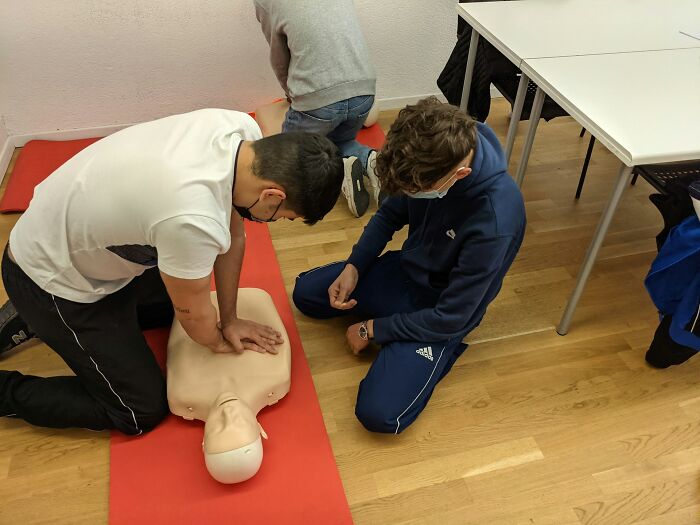 CPR - sounds basic, but someone in my family had a heart attack in the lobby of a hotel. The ambulance was on island time and the hotel did not have anything on hand to help. A bystander saved his life by doing CPR.
 Always carry an aspirin with you and chew and swallow it if you have chest pains. Could save your life and prevent severe damage to your heart if having a heart attack.
Use the city as your mirror. When you are walking, observe the reflections in shop windows to see if someone is following you.
If someone has a seizure put them on their side and keep their airway clear, do not put anything in their mouth. Also keep an eye on how long they seize—anything over 3 minutes is a medical emergency.
If you end up with a cut or break in your skin, and then this becomes infected, really swollen, red, painful and you feel unwell with a fever... Get to the doctor or hospital ASAP. I had a perianal abscess in my intimate downstairs area, and thought it would go away by itself in a few days. Got rushed to hospital and by that point I was so unwell I was super weak, couldn't walk, was vomiting, and my abdomen was so swollen I looked like I was about to give birth. I also couldn't pee. Turns out it was sepsis. Got surgery under general anaesthetic and was off work for 2 weeks to recover at home. The infection in the wound came back so had to get even more antibiotics. Then about a year later, I got an infection in the exact same spot (turns out they didn't get out all of the infected tissue before, because the infection went so deep). So I had to go back into hospital for more surgery.
TL DR: don't ignore any signs of chronic infection, as it could lead to sepsis which can be fatal.
Always keep your eye on your blood pressure, you can feel fine but it can be at life threatening levels.
Always cross the street if a person down the street is screaming like a maniac giving them a wide berth does not work this is more of a recent thing since on my walk to work last week saw someone try to walk by someone screaming their head off not even at them and the person just turned and started attacking him.
If you are ever forced to eat your own dogs to survive, don't eat their livers.

























 No fees, cancel anytime