Get Premium
Dark mode theme is available exclusively for premium users. Learn more about the benefits of subscribing.
No fees, cancel anytime.

 Dark Mode Ad-Free Browsing Unlimited Content
 Ad-Free Browsing Unlimited Content Dark Mode
Join 1.2 million Panda readers who get the best art, memes, and fun stories every week!
History is primarily shaped by the decisions individuals, groups, and societies make. Seemingly insignificant, little, and even last-minute choices have the potential to change the course of events and leave a lasting impression on the world. Many such instances await you in the list below, carefully curated by our Bored Panda team in hopes that it piques your interest in the bizarre side of history and reminds us that even the slightest and split-second decisions can hold a lot of power.
This post may include affiliate links.
In 1983, Soviet Lieutenant Colonel Stanislav Petrov received a warning that US missiles were incoming. Protocol called for a retaliatory launch, but Petrov judged the alert to be a system error. He was correct, the system had misinterpreted sunlight reflecting off clouds and his decision likely prevented a nuclear war.
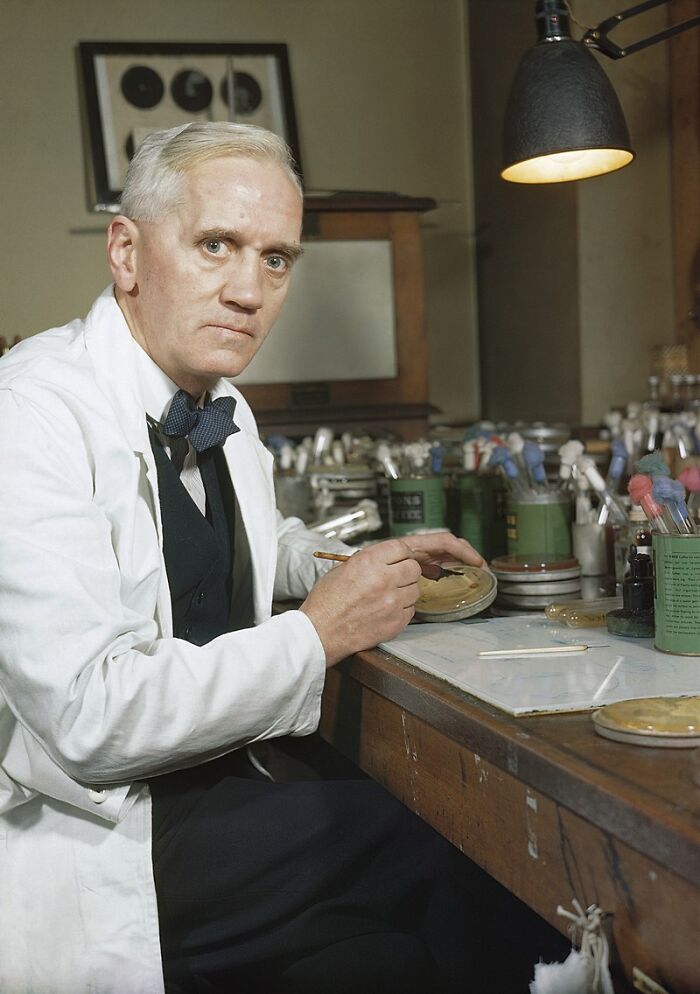
In 1928, Alexander Fleming narrowly decided against throwing out some contaminated petri dishes before going on vacation. Upon his return, examining these specific dishes revealed mold that destroyed nearby bacteria. This chance observation, stemming from his choice not to discard the plates, led directly to the discovery of penicillin and the subsequent development of antibiotics.
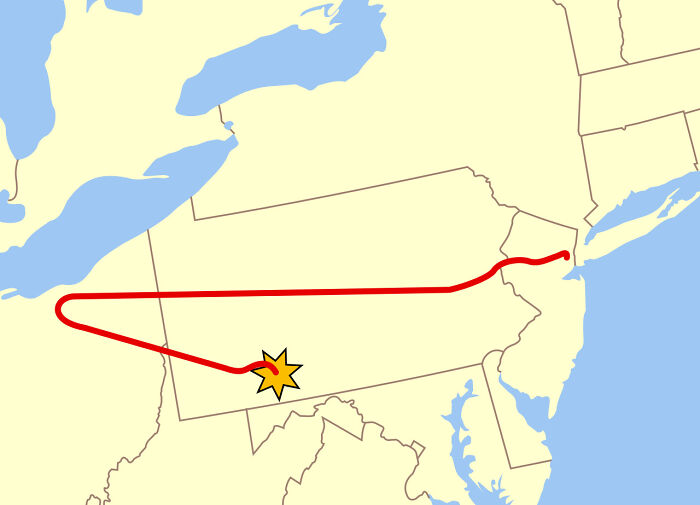
On September 11, 2001, passengers and crew aboard hijacked United Flight 93 made a critical decision to fight back after learning the plane was headed towards Washington, D.C. Their actions caused the plane to crash before hitting its intended target, likely the U.S. Capitol building. Because of their intervention, Flight 93 was the only one of the four hijacked planes that day that failed to reach the terrorists' goal.
Have you ever wondered what leads us to make certain decisions? Well, this article should’ve definitely sparked this thought in your mind. Just last year, Harvard scientists gained new insights into how neurons (nerve cells) in the brain communicate during decisions and how connections between neurons may help to reinforce our choices.
The neuroscientists at Harvard Medical School who studied mice were the first to combine structural, functional, and behavioral analyses to explore how neuron-to-neuron connections support decision-making.
During the Cuban Missile Crisis in 1962, Soviet Naval officer Vasily Arkhipov was aboard submarine B-59 when US ships deployed depth charges nearby. The submarine's captain and political officer believed war had begun and wanted to launch a nuclear torpedo, but Arkhipov disagreed. Since launching required agreement from all three senior officers, Arkhipov's refusal prevented the use of the weapon and possibly averted a nuclear war.
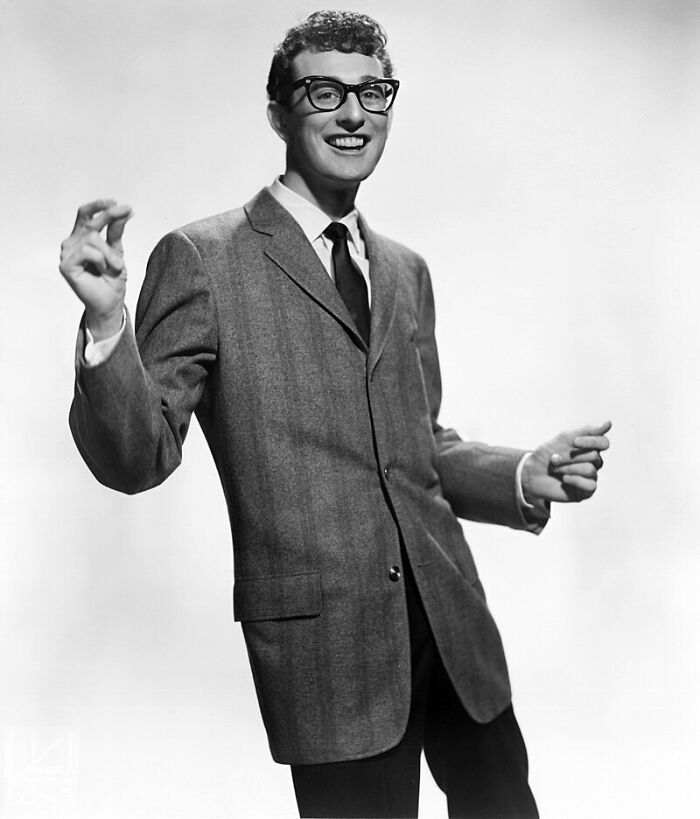
Buddy Holly, Richie Valens, and J.P. "The Big Bopper" Richardson died in a plane crash on February 3, 1959. They had been scheduled to travel by bus to their next concert. However, Holly decided to charter a plane so they could arrive early and do laundry, as they were running low on clean clothes. This last-minute decision led to the fatal flight known as "The Day the Music Died."
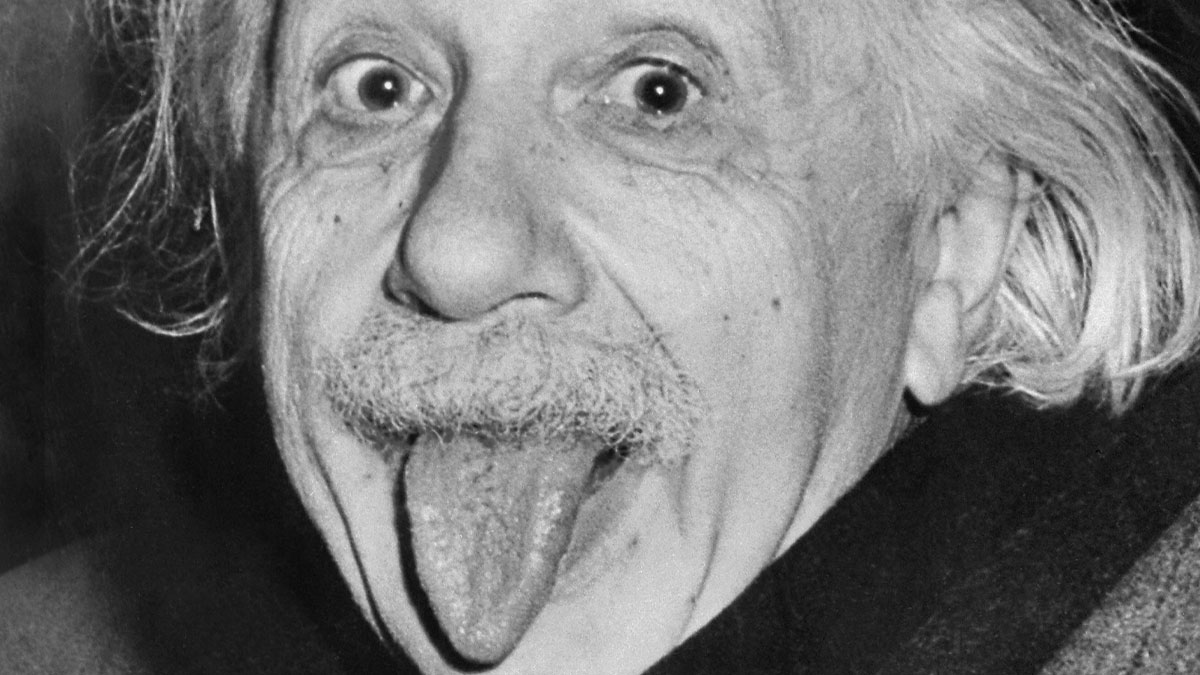
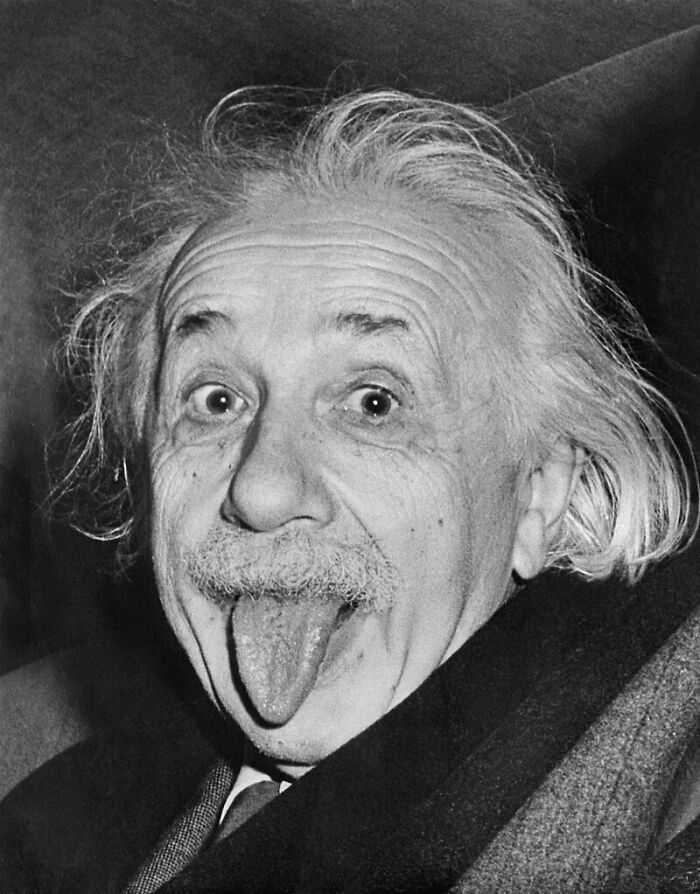
Despite his usual reluctance to engage in politics, Albert Einstein signed a letter to President Roosevelt in 1939. It warned about the possibility of Germany creating atomic weapons. This action contributed to the start of the Manhattan Project, which ultimately had a major effect on warfare and global politics.
“How the brain is organized to help make decisions is a big, fundamental question, and the neural circuitry — how neurons are connected to one another — in brain areas that are important for decision-making isn’t well understood,” said Wei-Chung Allen Lee, associate professor of neurobiology and co-senior author of the study.
To finally get a better understanding of how the brain makes decisions, the researchers tasked mice with choosing which way to go in a maze to find a reward. Afterward, they found that the mouse’s choice to go right or left activated sequential groups of neurons and suppressed activity of neurons linked to the opposite decision.
While working near active radar equipment in 1945, engineer Percy Spencer observed that a chocolate bar in his pocket had melted. He chose to explore this effect right away, testing popcorn next. This quick decision to investigate led directly to the invention of the microwave oven, which significantly altered food preparation.
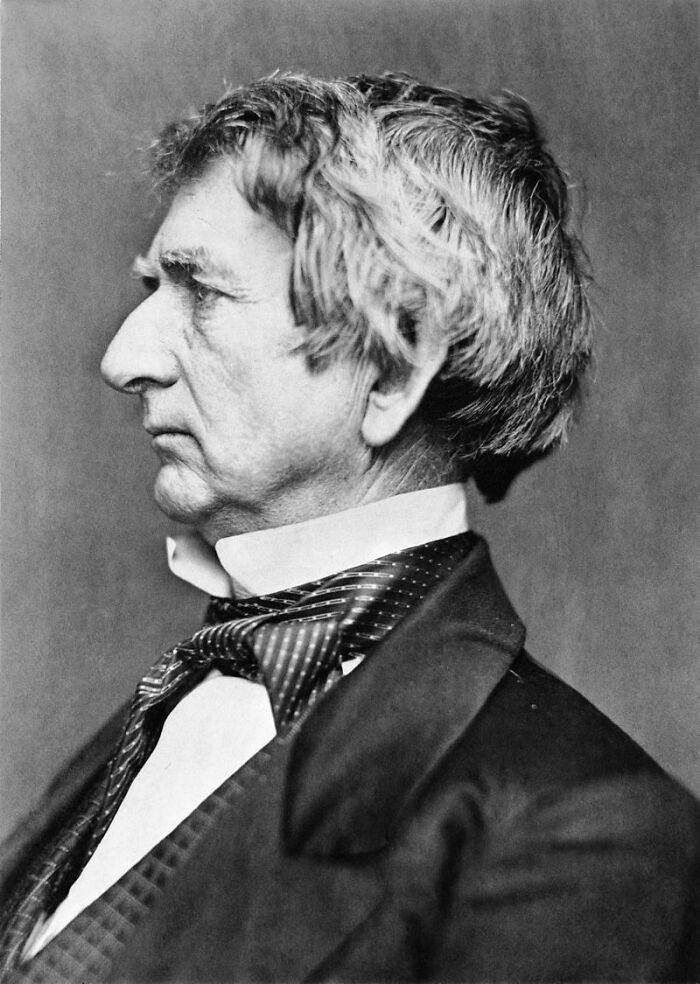
In 1867, Secretary of State William Seward arranged the purchase of Alaska from Russia for $7.2 million. The deal faced harsh criticism, nicknamed 'Seward's Folly', and only narrowly passed Congress after nearly failing. Despite the initial ridicule, Alaska later proved extremely valuable due to gold discoveries and its strategic importance.
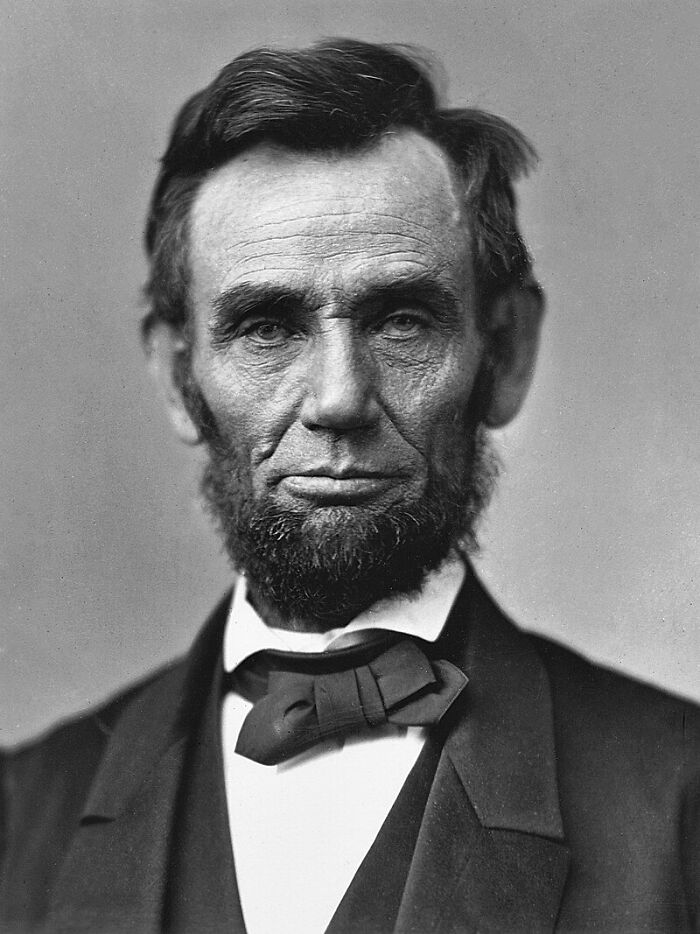
President Lincoln made a last-minute decision to attend Ford's Theatre on April 14, 1865, even though General Grant had cancelled and Lincoln's preferred bodyguard was unavailable. During the play, the guard assigned to Lincoln left his post. This sequence of events left the president unprotected, allowing John Wilkes Booth to enter his box and carry out the assassination.
“As the animal is expressing one choice, the wiring of the neuronal circuit may help stabilize that choice by suppressing other choices,” Lee said. “This could be a mechanism that helps an animal maintain a decision and prevents ‘changes of mind.’”
Of course, these findings have to be confirmed with humans. But since mice are genetically very similar to humans, the same might apply to people. Interestingly enough, mice have become popular research subjects for the same reason, in addition to being easy to keep, having a short generation time, and being able to be produced in large numbers.
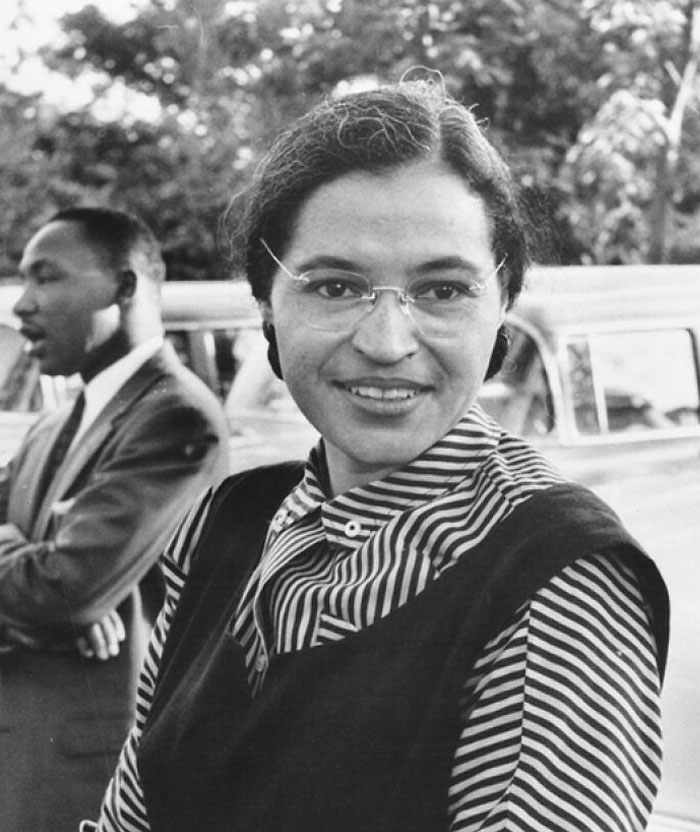
In 1955, Rosa Parks decided not to give up her seat on a Montgomery city bus to white passengers, leading to her arrest under local segregation laws. This single act sparked the Montgomery bus boycott. The boycott ultimately succeeded in desegregating the city's buses and became a significant catalyst for the American civil rights movement.
When an oxygen tank exploded on Apollo 13, the crew faced deadly carbon dioxide buildup. Engineers on the ground had to quickly design a filter using only materials available on the spacecraft, like plastic bags and duct tape. This improvised, last-minute solution was successful and saved the astronauts' lives.
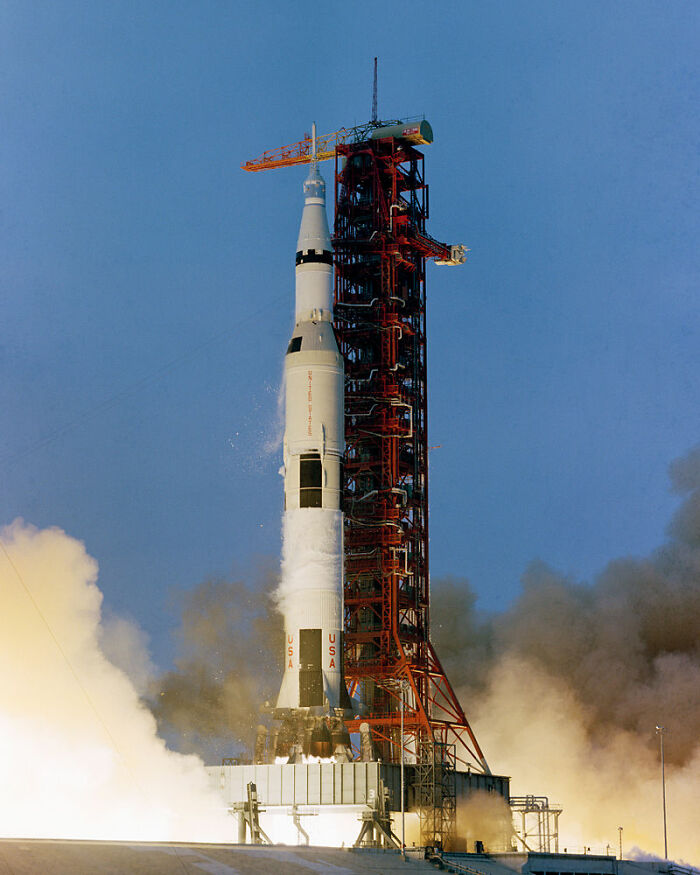
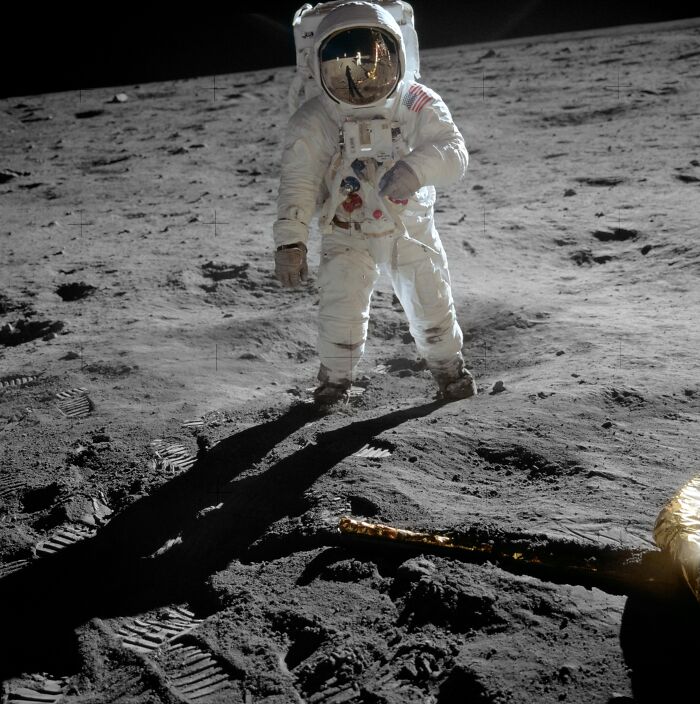
Just days before its scheduled launch in July 1969, the final go-ahead was given for the Apollo 11 mission, even with existing technical issues. This decision led to the first humans landing on the Moon. The successful mission met a national objective and represented a key milestone in space exploration.
Getting back to the topic of decision-making, researchers also claim that many of our choices are made unconsciously. Since we make hundreds of decisions every day, we don’t think carefully through each one of them and often rely on our subconscious and emotions.
While looking at brain activity, researchers could predict what choices people would make 7-10 seconds before they were even aware of it themselves. This means that even when we think we’re making a conscious, logical decision, chances are that we aren’t aware that it was unconscious.
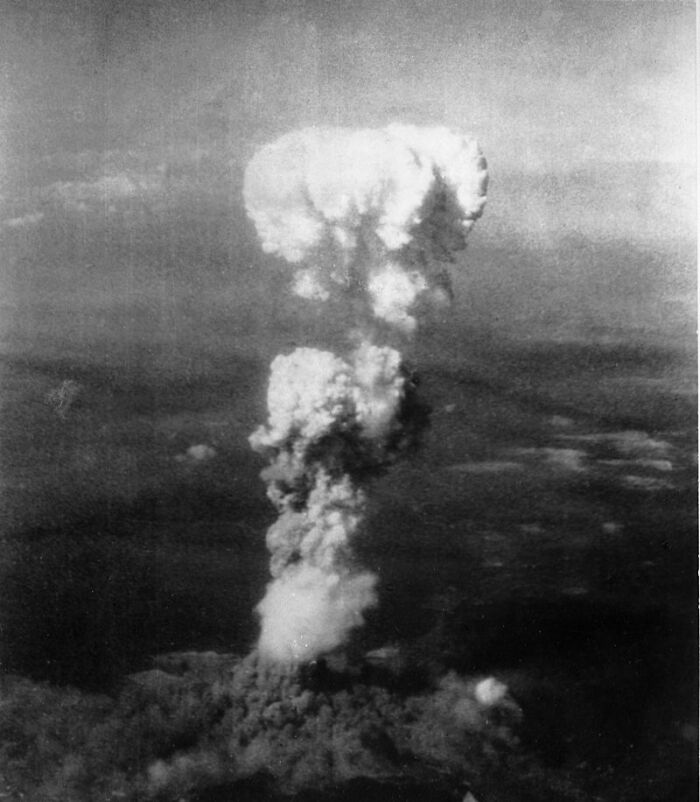
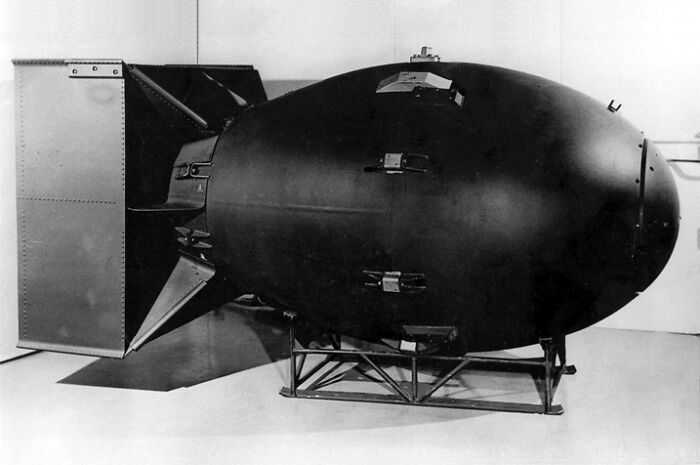
Kokura was the primary target for the second U.S. atomic bomb in August 1945, following Hiroshima. Due to clouds obscuring the city, the bomber could not proceed with the attack there. The mission was diverted to the secondary target, Nagasaki, which consequently suffered the bombing instead of Kokura.
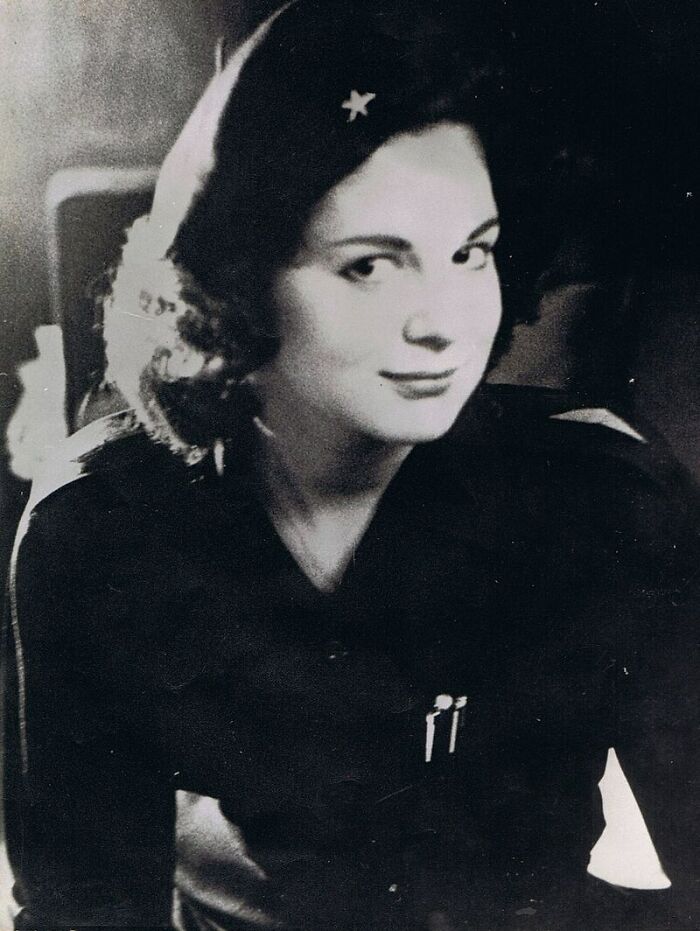
CIA agent Marita Lorenz was assigned to poison Fidel Castro in 1959 using poison pills. However, at the decisive moment, she decided not to proceed with the plan and disposed of the pills instead. This inaction allowed Castro to continue leading Cuba for many decades.
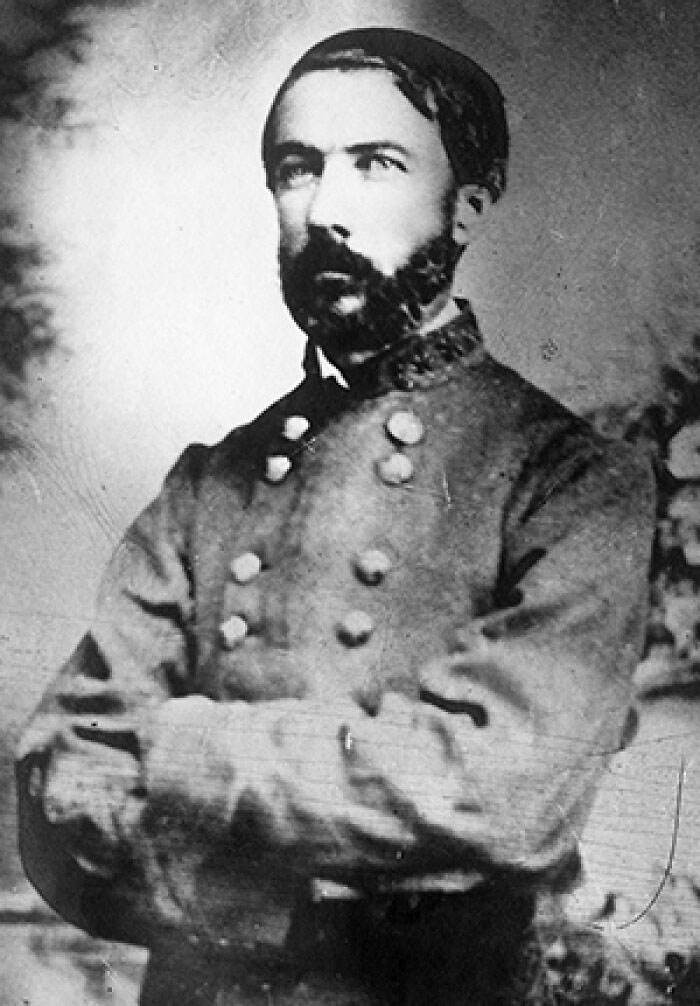
During the Civil War, Confederate Major General D.H. Hill inadvertently lost crucial battle plans meant for General Robert E. Lee. Reportedly left behind in an envelope, the documents detailed Union General McClellan's troop movements. A Union soldier found the plans, allowing McClellan to use this intelligence before the Battle of Antietam.
That’s probably what also happened with the people on this list who made the last-minute decisions that changed the course of history. In addition, they were also probably influenced by their gut feeling and emotions, since we can’t make choices without feelings, thanks to the ventromedial prefrontal cortex (or ‘vmPFC’) in our brain.
It’s a part of the front of the brain, which is responsible for regulating anxiety and fear, and allows us to make decisions. So when a person can’t make up their mind about something, they’re better persuaded by appealing to their emotions than logical arguments.
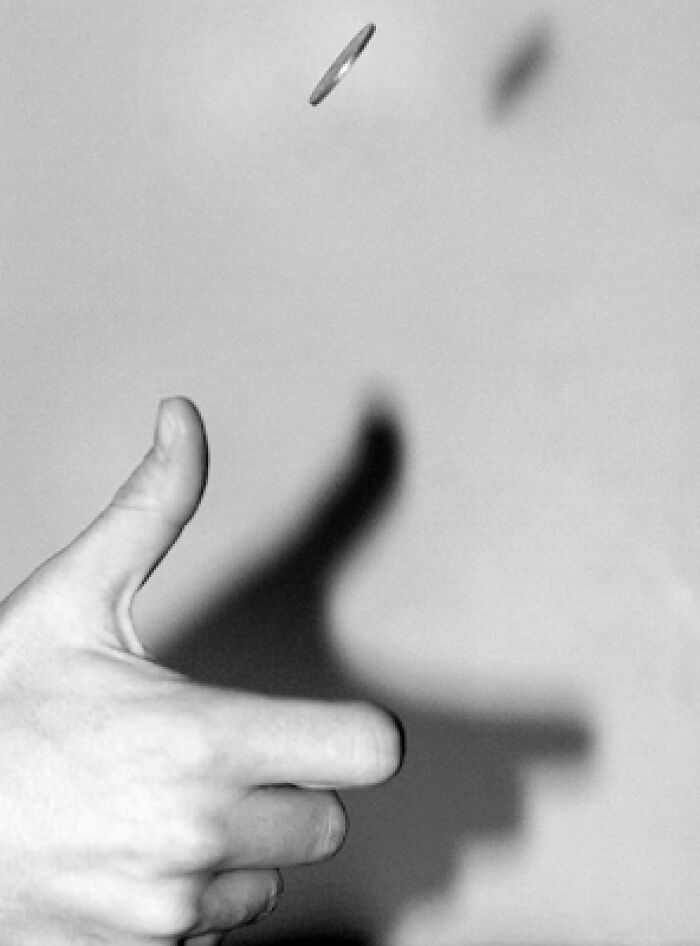
The name of Portland, Oregon, was determined by a coin toss between its founders, Asa Lovejoy and Francis Pettygrove. Each wanted to name the settlement after his respective hometown, Boston, Massachusetts, or Portland, Maine. Pettygrove won the best two-out-of-three toss, and the Oregon city was named Portland.
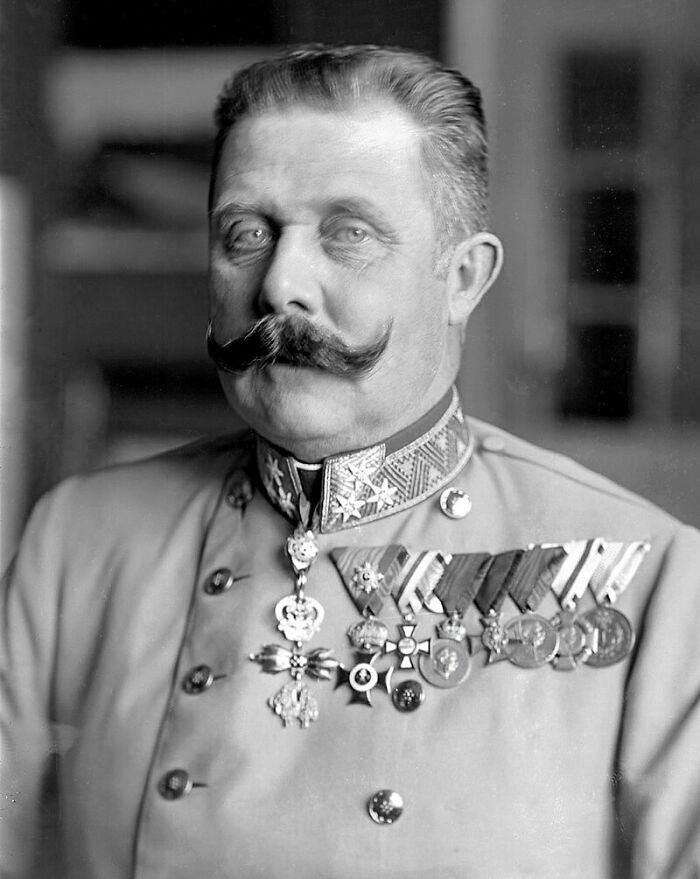
A driver's error directly contributed to the start of World War I in 1914. After Archduke Franz Ferdinand survived an initial assassination attempt, his driver made a wrong turn. This mistake placed the Archduke's car directly in the path of Gavrilo Princip, who then shot and k**led him, triggering the war.
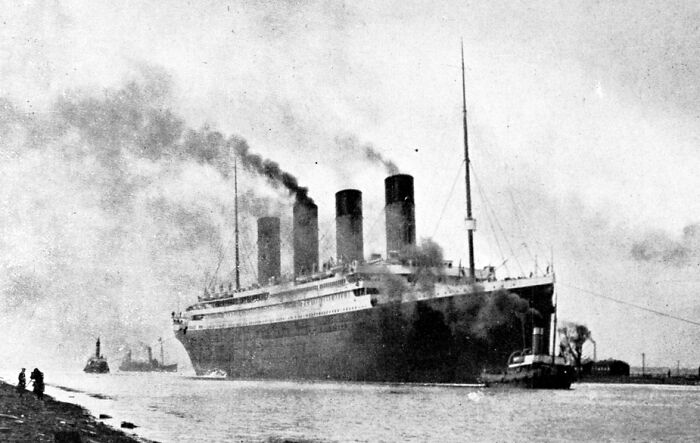
A last-minute crew change before the Titanic's voyage meant departing officer David Blair accidentally kept the key to the lookout's binoculars locker. Because the key was missing, lookout Frederick Fleet did not have access to binoculars on the night the ship encountered the iceberg. Fleet later testified that with binoculars, he might have spotted the iceberg sooner, potentially preventing the disaster.
Most of our decision-making is unconscious or emotional, but that doesn’t mean that it’s poor or irrational. Since we receive an overwhelming amount of data every day, our unconscious has evolved to process most of it and to make decisions that, most of the time, are in our best interests. This could be described as “trusting your gut,” and it often tends to work, just like it did for the people in this list.
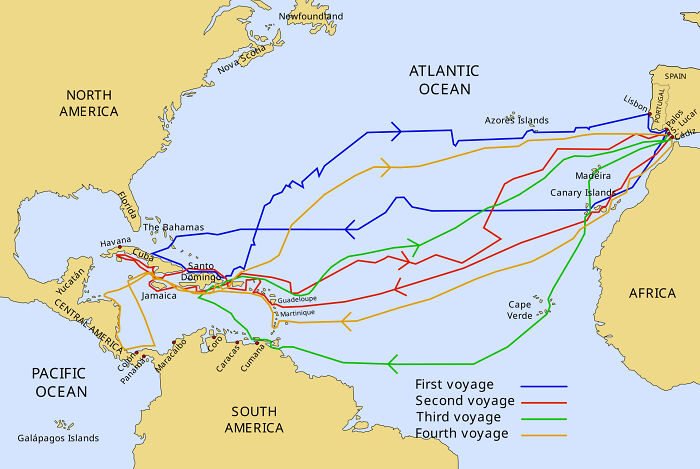
Shortly before his 1492 voyage, Christopher Columbus changed his planned route across the Atlantic. He decided against a more northern course and instead sailed west from the Canary Islands. This last-minute navigational choice resulted in his arrival in the Caribbean.
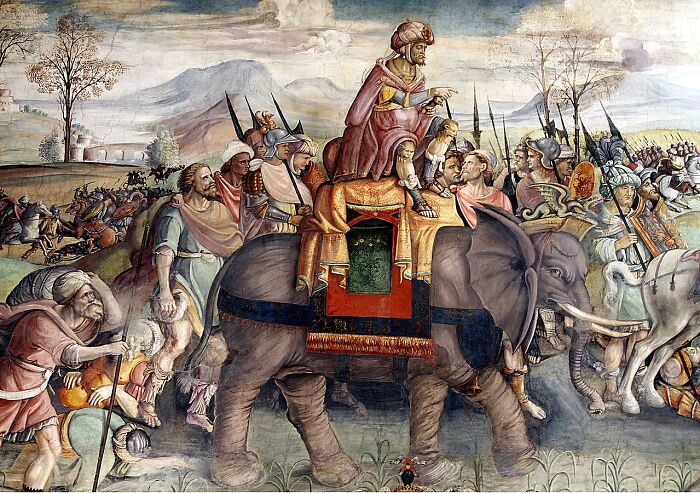
While leading his army across the Alps, Carthaginian general Hannibal Barca encountered heavy snowfall. To demonstrate the ground was solid beneath the snow, he reportedly struck a large drift with his walking cane. This action triggered an avalanche, which unfortunately resulted in the deaths of many of his soldiers.


This page is a great example of how to write posts without checking the facts first.
Not exactly last-minute, but Hannibal Barca deciding not to march on Rome after the Carthaginian victory at the Battle of Caanae in 216BC. Try to imagine the world today without the influence of the Roman Empire.
This page is a great example of how to write posts without checking the facts first.
Not exactly last-minute, but Hannibal Barca deciding not to march on Rome after the Carthaginian victory at the Battle of Caanae in 216BC. Try to imagine the world today without the influence of the Roman Empire.















 No fees, cancel anytime