Get Premium
Dark mode theme is available exclusively for premium users. Learn more about the benefits of subscribing.
No fees, cancel anytime.

 Dark Mode Ad-Free Browsing Unlimited Content
 Ad-Free Browsing Unlimited Content Dark Mode
Join 1.2 million Panda readers who get the best art, memes, and fun stories every week!
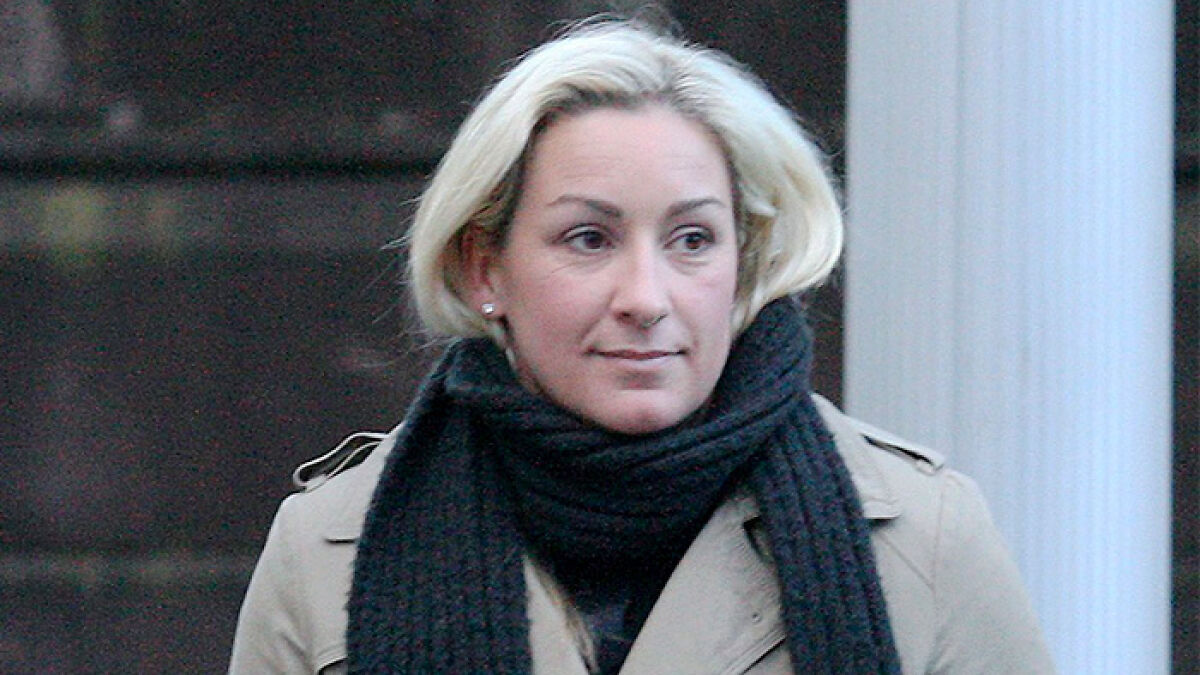
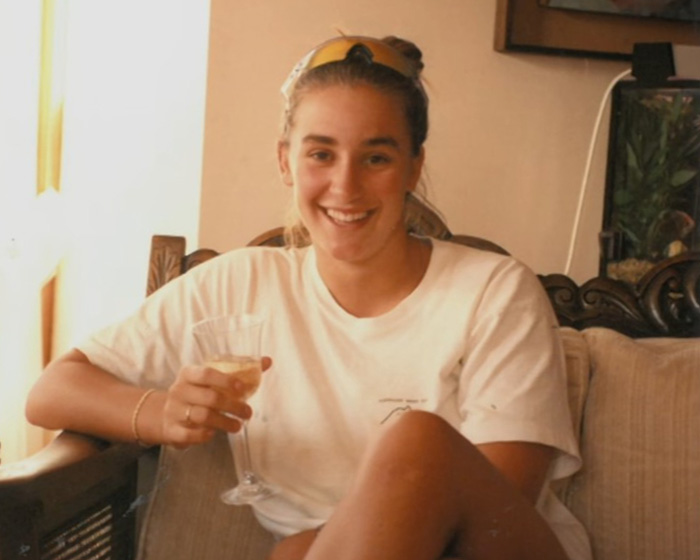
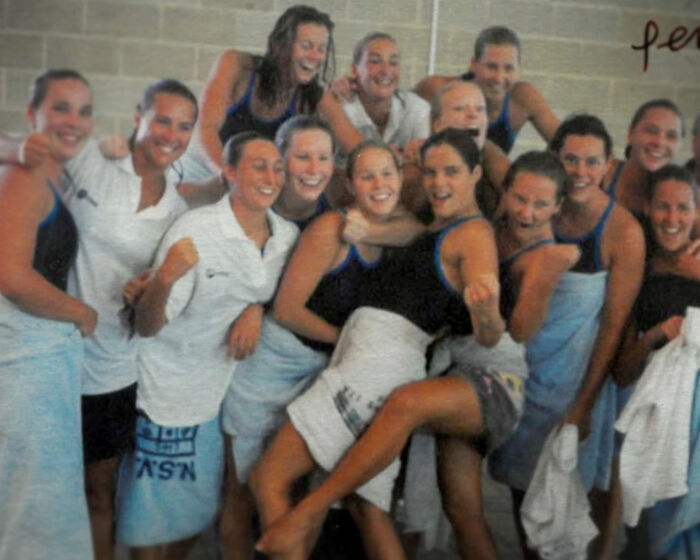
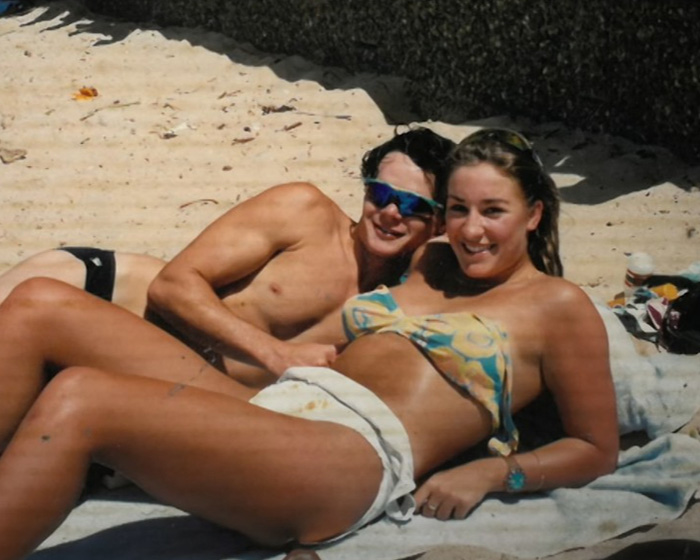
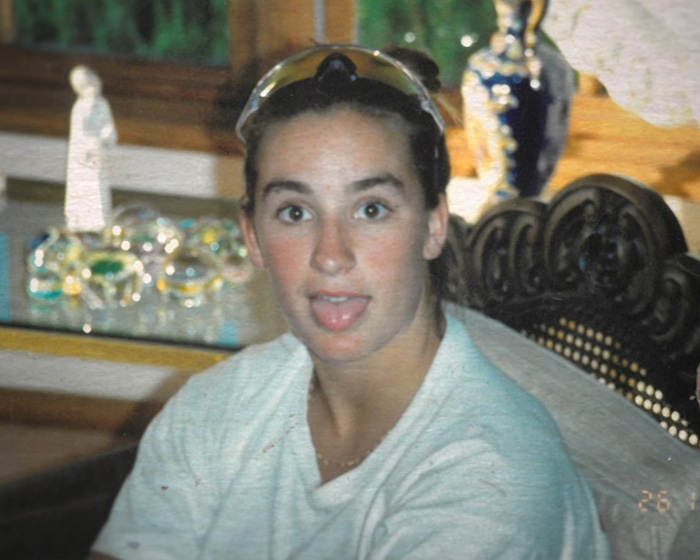
In 1995, Keli Lane looked like the future of Australian water polo. A silver‑medal‑winning performance with the Junior Women’s team at the World Championships in Quebec marked her as one of the country’s brightest young athletes.
By then, she was already being tipped as a possible contender for the 2000 Sydney Olympics. To the public, she was the “golden girl”: disciplined, driven, and seemingly on a straightforward path to sporting stardom.
But behind that image, prosecutors later said, Lane was living a double life built around secrecy.
Over roughly seven years in the 1990s, she was said to have become pregnant multiple times, weaving a pattern of concealed terminations, adoptions, and at least one birth that ended in tragedy.
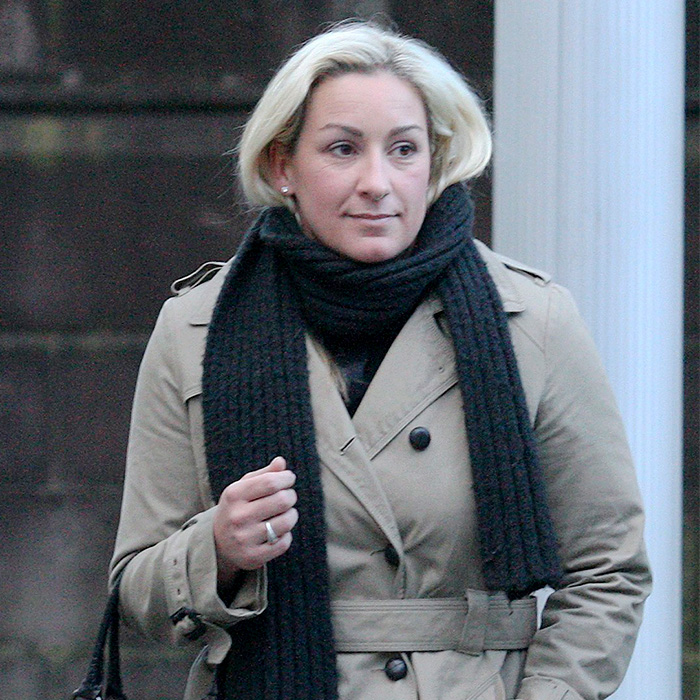
That hidden history would eventually become the center of one of Australia’s most controversial criminal cases – one that has divided the public for years and landed Keli in jail with an 18-year sentence.
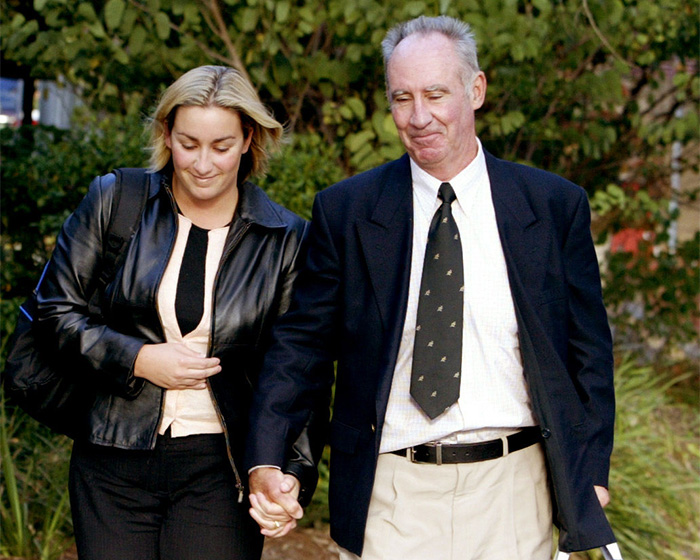
Image credits: Fairfax Media/Getty Images
The story crystallizes around Tegan Lane, the infant daughter whose disappearance in 1996 set everything in motion.
Lane gave birth to Tegan on 12 September 1996 at Auburn Hospital, roughly 38 weeks into the pregnancy. Two days later, on 14 September, she was discharged from the hospital and left with the newborn sometime between about 11 am and 12 pm.
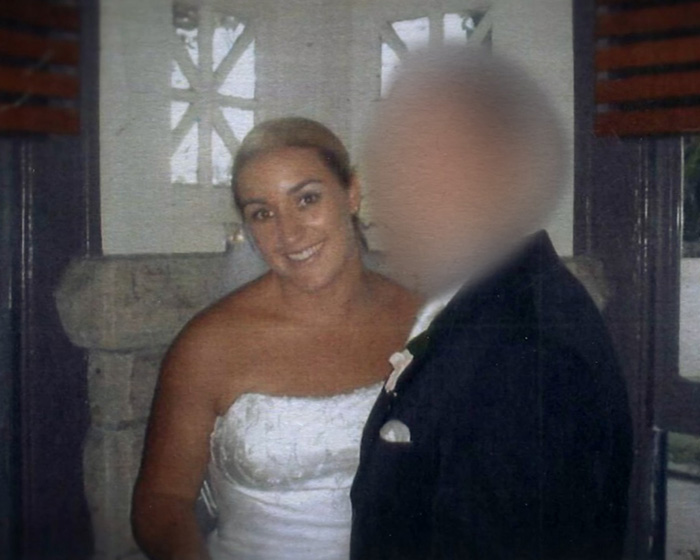
By 3 pm, she had arrived at her parents’ home alone, and by that evening she was at a friend’s wedding in a white dress, accompanying her then‑partner, rugby union player Duncan Gillies.
Image credits: Netflix
No one saw Tegan after Lane left the hospital.
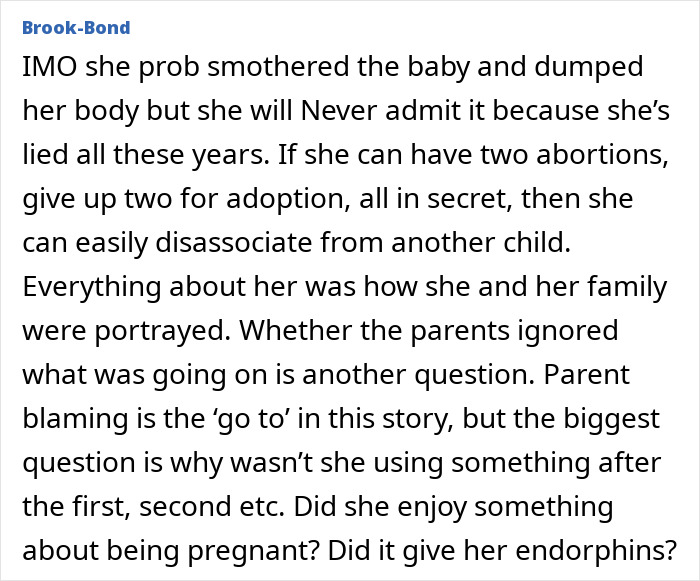
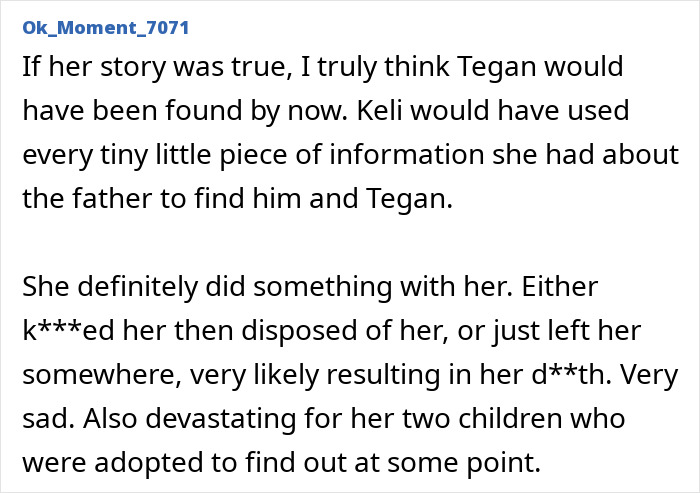
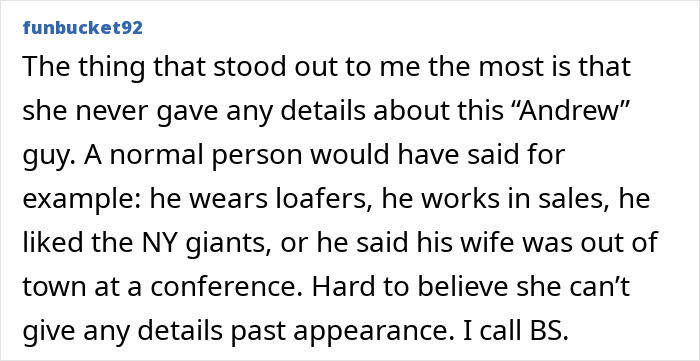
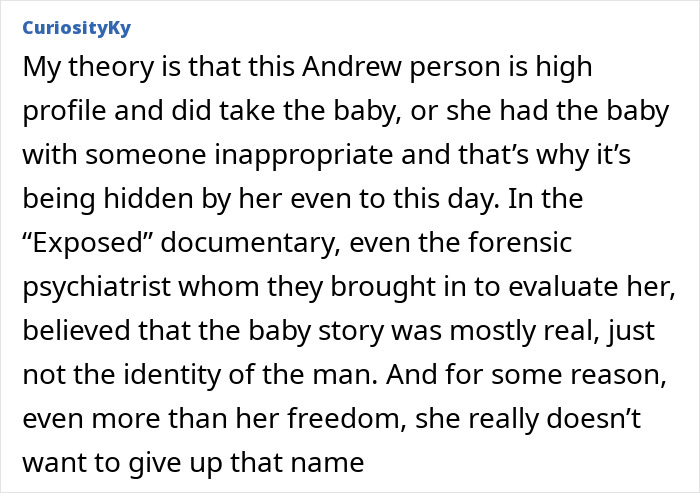
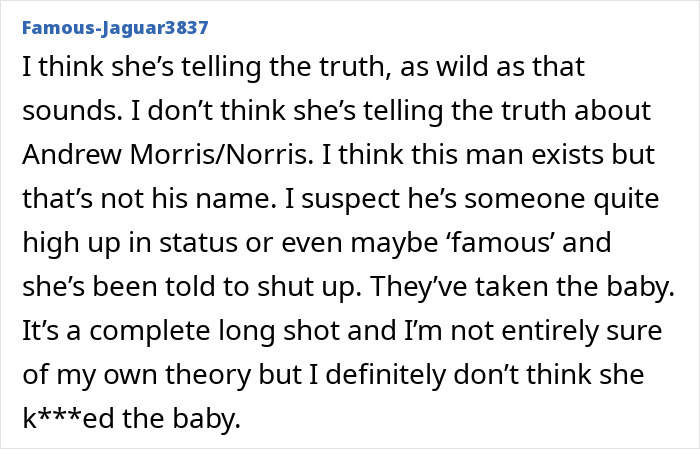
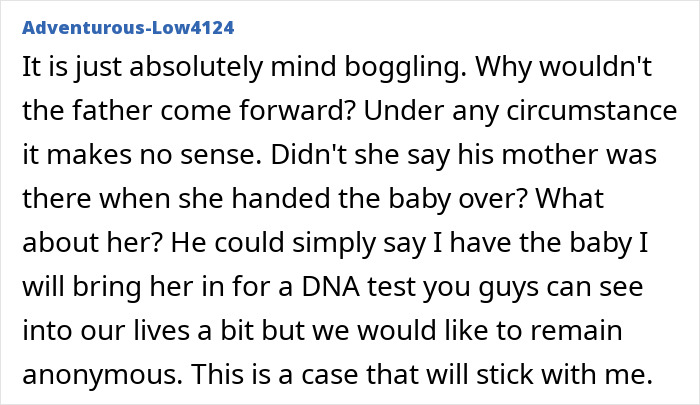
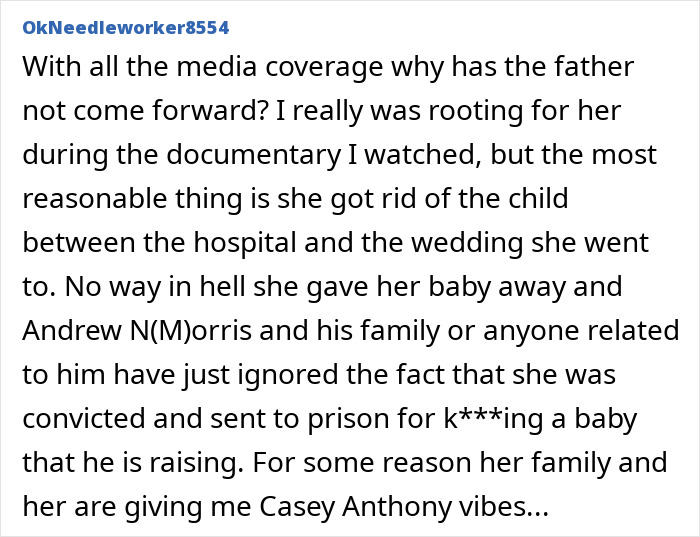
For years, Tegan simply vanished. Lane later claimed she had handed the baby to the child’s father, a man she identified as Andrew Norris, and that he had taken Tegan away.
However, no independent evidence confirmed Norris’s existence, and no trace of Tegan ever surfaced. Unlike most homicide convictions, the case was built without a body, a confession, any forensic link, or an eyewitness to a homicide.
Image credits: Netflix
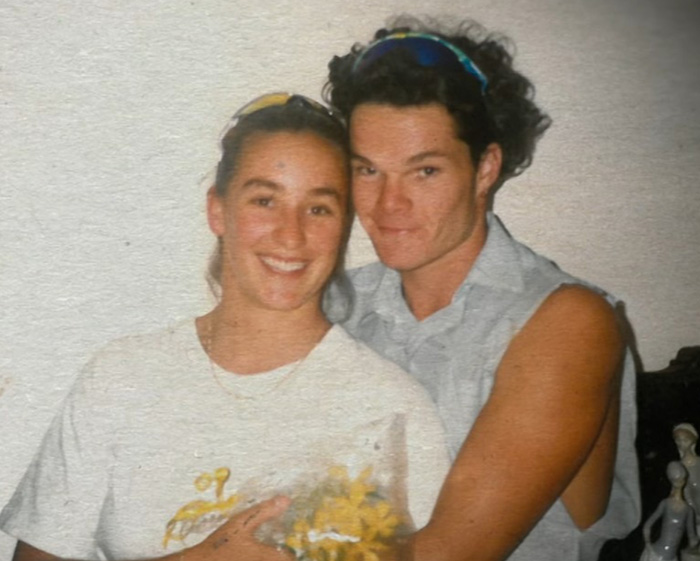
Lane’s life in the 1990s was already marked by secrecy. She had been in a relationship with Gillies between 1994 and 1998, yet he later testified that he knew nothing about her pregnancies at the time.
In 1995, Lane gave birth to a child and placed the baby for adoption, a move that later became central to the prosecution’s theory of motive.
Less than a year later, in 1996, came Tegan’s birth and disappearance. Years afterwards, in 1999, Lane was again pregnant and traveling to Queensland to seek a late‑term abortion, only to be refused because the fetus was viable.
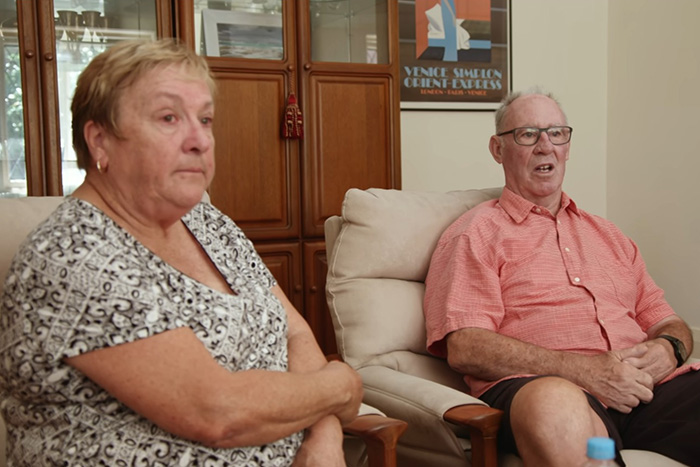
Image credits: ABC News (Australia)
Three months later, she gave birth to a boy and again placed him for adoption, telling the adopting social worker that this was her first child and that Gillies was the father.
It was there that the cracks began to show. The social worker, suspicious that Lane’s story did not add up, started asking questions.
Eventually, it emerged that Lane had actually given birth at least three times before: in 1995, in 1996 with Tegan, and earlier in her relationship with Gillies.
When confronted, Lane first denied that the earlier children existed. Later, she shifted her account, claiming that Tegan was living with a family in Perth..
Image credits: Netflix
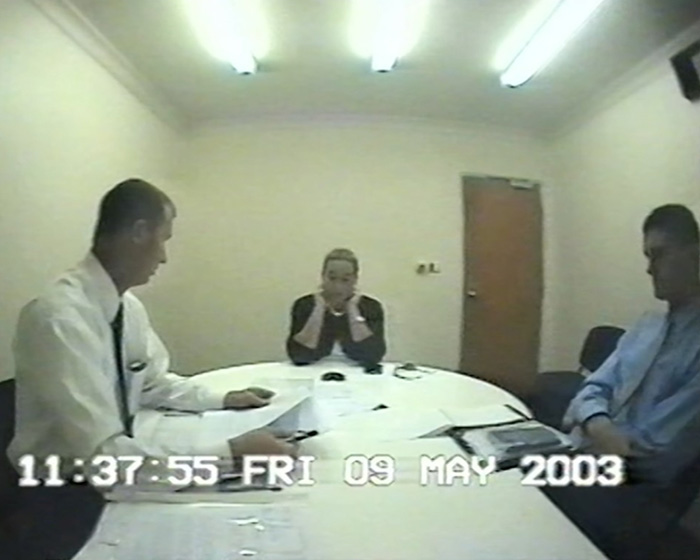
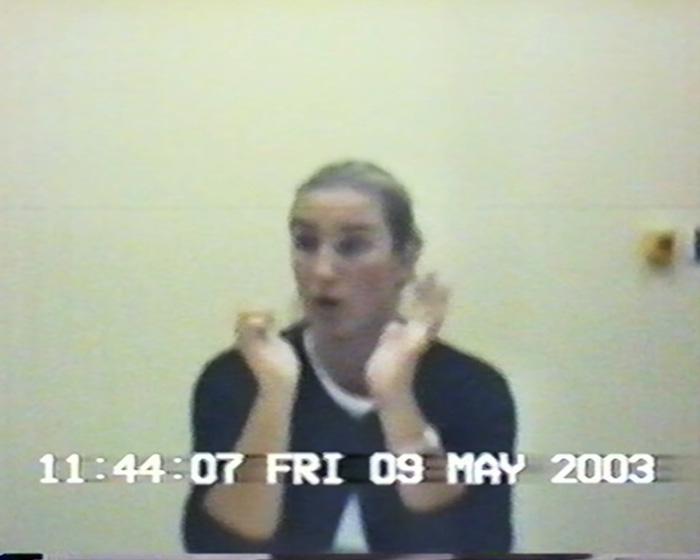
In 2001, Lane was interviewed again by police, this time while she was pregnant with another child.
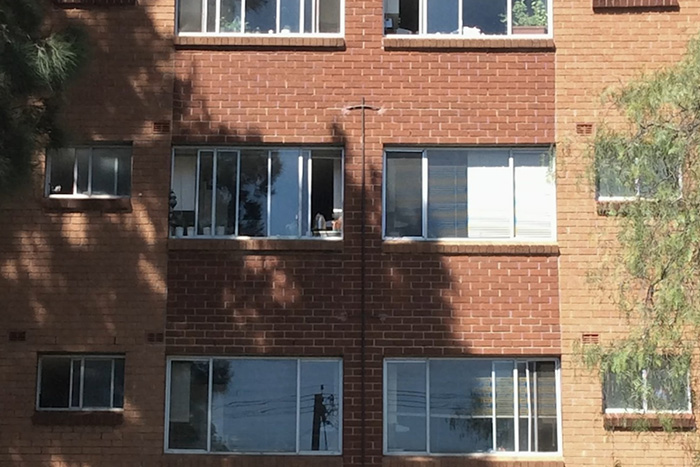
By then, the pieces of the larger puzzle were starting to fit together. Lane told investigators that she had met Norris at a unit block in Balmain on Friday nights after drinking at the Town Hall pub.
She described him as having a long‑term partner, Melanie, who worked in retail, and claimed that Tegan had been handed to Norris in the Auburn Hospital car park, later changing her account to say the handover had occurred inside the hospital foyer.
The prosecution seized on those inconsistencies.
Image credits: Netflix
Authorities later said there were nine documented versions of how Tegan had left the hospital, each one different enough to suggest that Lane was improvising.
During the trial, the Crown argued that the shifting stories were calculated lies designed to obscure what had really happened to the baby. Lane, however, maintained that she was simply trying to reconstruct events from memory and that the variations did not prove guilt.
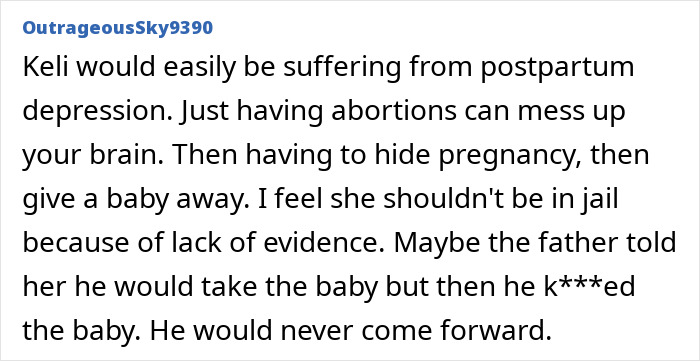
Lane also reportedly told police that she had hidden her pregnancies because she feared the reaction of her family and friends, and that she was uncertain who some of the fathers were.
In an intercepted phone call, she told her mother, “I had no other choice,” referring to why she said she had handed Tegan to Norris.
Image credits: ABC News (Australia)
By 2005, Tegan had been missing for almost a decade, and the unanswered questions had grown too heavy for the police investigation alone.
A coronial inquest began in June 2005 and ran until February 2006, presided over by State Coroner John Abernethy. The inquest heard evidence about the extensive efforts police had made to find Tegan, including DNA‑based searches and attempts to track down children named Tegan across Australia.
Image credits: Netflix
In the end, Abernethy concluded that he was “comfortably satisfied” that Tegan was deceased and that she had likely met with foul play. He ordered that a d**th certificate be issued and recommended that the case be passed to the New South Wales Homicide Squad for further investigation.
Police widened their search, checking records from more than 9,000 primary schools in an attempt to locate Tegan.
Image credits: Netflix
Two girls named Tegan Lane were found in Queensland, and another possible lead emerged on a Torres Strait island. All were ruled out. Investigators also tried to track down Andrew Norris, Melanie, and Noeline Norris, the woman Lane described as Andrew’s mother.
No one matching those profiles was ever located.
Still, there was no body, no direct proof of a crime, and no forensic confirmation of cause of passing.
On 17 November 2009, the New South Wales Director of Public Prosecutions, Nicholas Cowdery, announced that Lane would be charged with the homicide of Tegan Lane.
Image credits: Netflix
Lane’s trial began on 9 August 2010 in the Supreme Court of New South Wales before Justice Anthony Whealy.
The prosecution, led by Mark Tedeschi QC, argued that Lane had taken Tegan life because children repeatedly interfered with her ambitions: her education, her social life, and especially her chances of representing Australia in water polo at the Sydney 2000 Olympics.
Image credits: ABC News (Australia)
The wedding later that day was presented as a crucial pressure point. Lane had to shed the burden of a baby so she could appear in public as the unencumbered, marriage‑ready fiancée of a rugby star.
Under Australian law, the Crown did not need to prove the precise method of Tegan’s passing.
Instead, it had to prove three things beyond reasonable doubt: that Lane committed an act or omission, that the act or omission was done with reckless indifference to human life or with intent to inflict grievous bodily harm, and that the act or omission caused Tegan’s passing.
Image credits: Netflix
The trial lasted six months. The defense, led by Keith Chapple SC, argued that the prosecution’s case was built on vague assumptions and an absence of concrete proof.
Lane chose not to testify, a decision that was within her legal rights but that encouraged the perception that she was hiding something.
By the end of the case, the jury could not reach a unanimous verdict on the homicide charge.
Under Whealy’s guidance, they were invited to consider a majority verdict of 11–1. On 13 December 2010, they returned guilty verdicts on three counts of false swearing related to her earlier adoption documents and, later that day, on the homicide of Tegan.
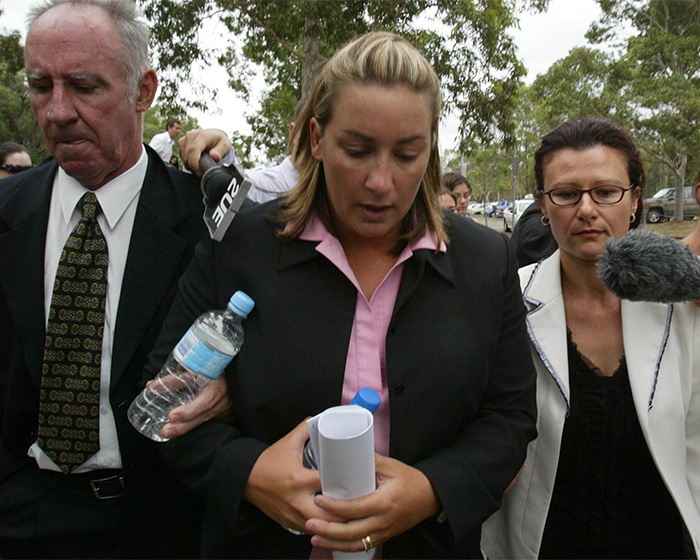
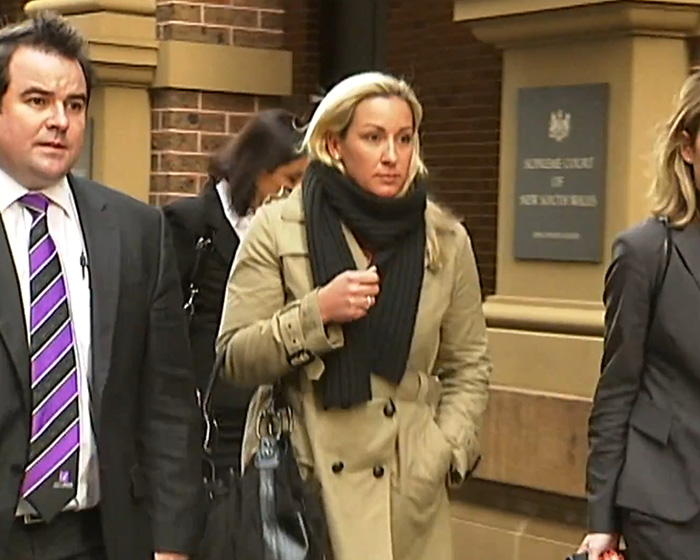
Image credits: Fairfax Media/Getty Images
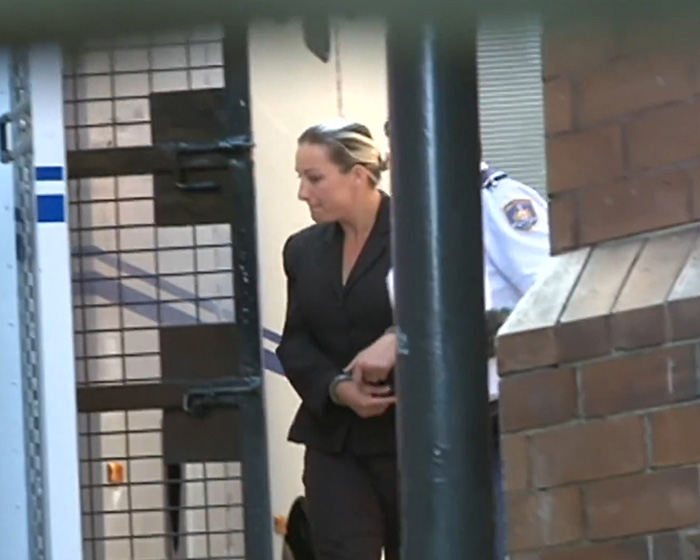
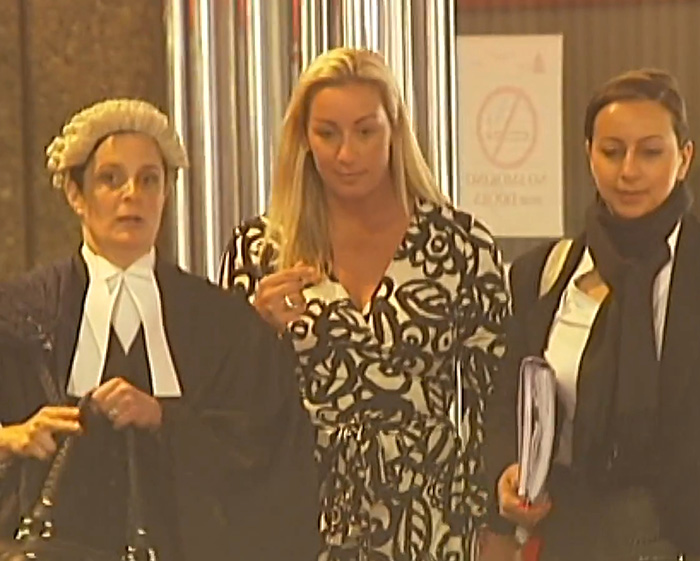
The sentence was set to expire on 12 December 2028. An appeal to the New South Wales Court of Criminal Appeal failed in 2013, with the court saying there was “ample” evidence available to the jury of her guilt.
Lane then applied for leave to appeal to the High Court of Australia, but that final effort was rejected in August 2014.
Image credits: Netflix
Even after the appeals were exhausted, the case did not settle. The 2018 ABC documentary Exposed: The Case of Keli Lane reignited public debate, focusing on what critics described as a flawed investigation.
The film also noted that several potential witnesses –such as Natalie McCauley, who reportedly could support Lane’s account of Norris, and Darryl Henson, a tenant who said he saw Lane leaving the Balmain unit block– did not testify at the trial.
Image credits: Fairfax Media/Getty Images
Supporters have also questioned the application of the 2022 “no body, no parole” law, which bars convicted m*rderers from being granted parole unless they disclose the location of their victim’s remains.
Lane became eligible for parole on 12 May 2024, but the New South Wales State Parole Authority denied her application on 22 March 2024.
Image credits: Netflix
Critics argue that the law is being applied retrospectively and punitively. Lane was convicted long before the 2022 legislation existed, yet she is now being kept in prison largely because she will not, or cannot, reveal the location of the body.
Since then, the case has continued to generate legal and public‑policy debate.
In March 2026, Lane was granted supervised day‑release from Silverwater Women’s Correctional Centre so she could attend court hearings related to her long‑term partner, Patrick Cogan.
The day‑release is strictly supervised, and she remains classified as a serving prisoner rather than a parolee.

By entering your email and clicking Subscribe, you're agreeing to let us send you customized marketing messages about us and our advertising partners. You are also agreeing to our Privacy Policy.
Thank you! You've successfully subscribed to newsletters!













 No fees, cancel anytime





27
0