Get Premium
Dark mode theme is available exclusively for premium users. Learn more about the benefits of subscribing.
No fees, cancel anytime.

 Dark Mode Ad-Free Browsing Unlimited Content
 Ad-Free Browsing Unlimited Content Dark Mode
Join 1.2 million Panda readers who get the best art, memes, and fun stories every week!

Not everyone is cut out to be a parent. Some people just don’t have the instinct to nurture, but for others, more serious issues get in the way. For example, in the U.S., 81,000 children were removed from their homes because their parents had substance-related issues in 2021 alone.
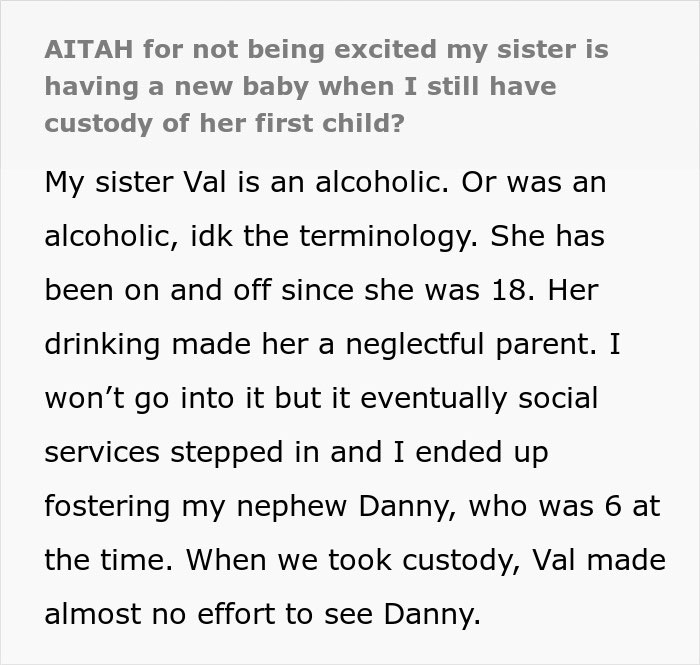
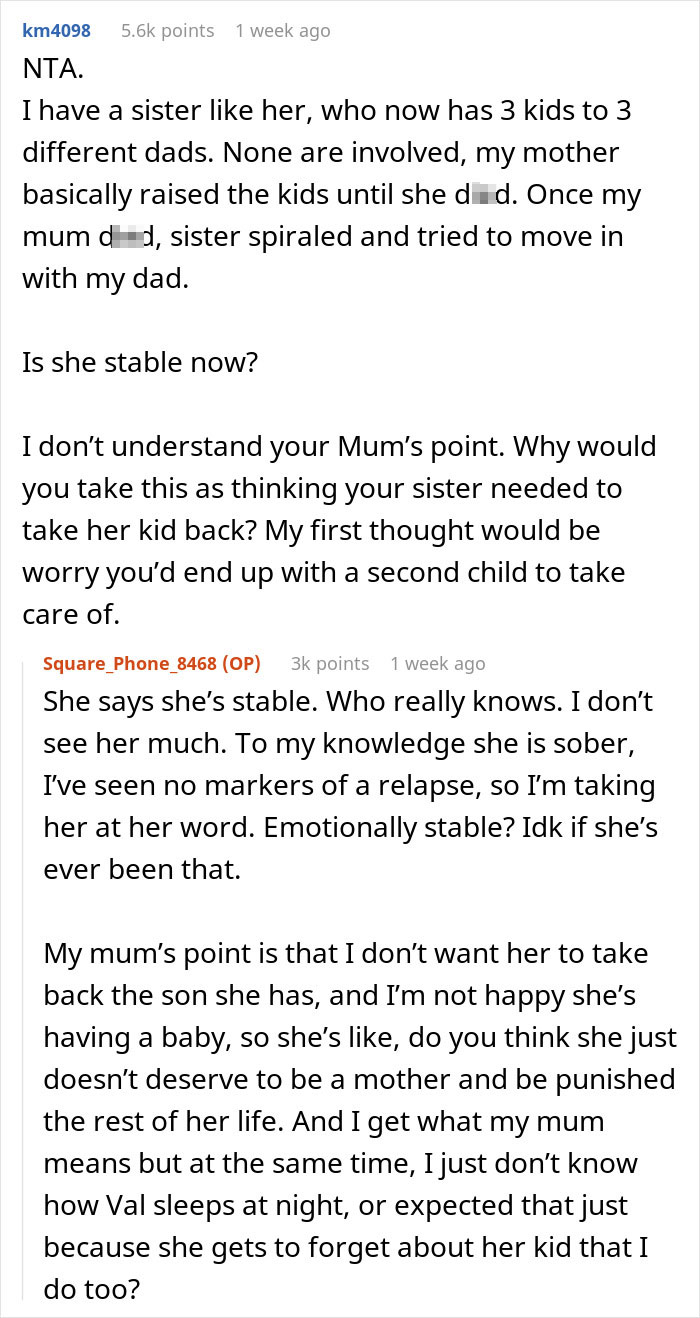
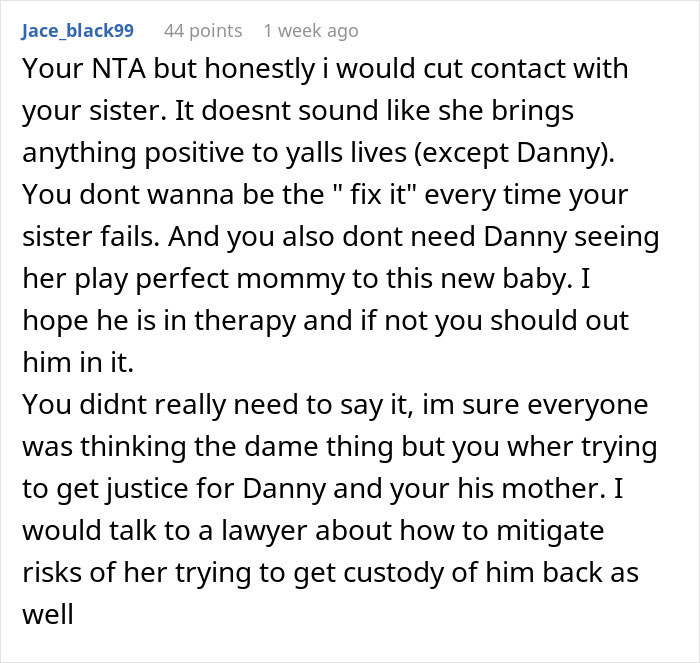
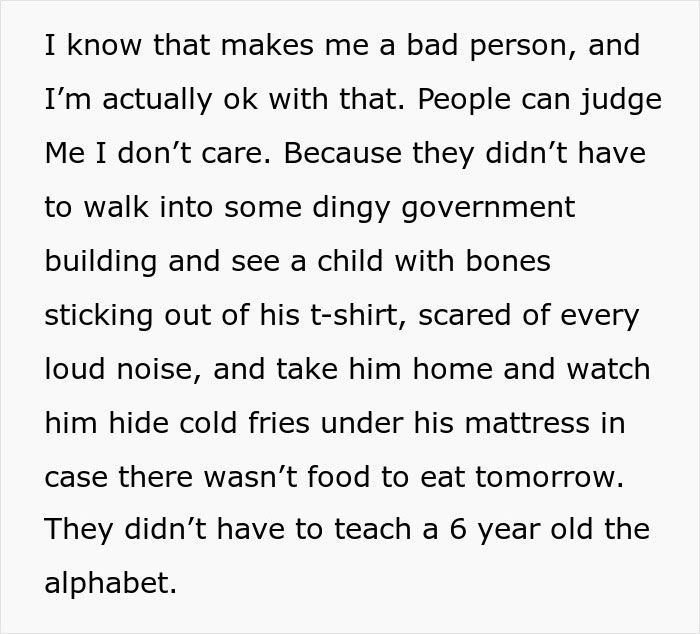
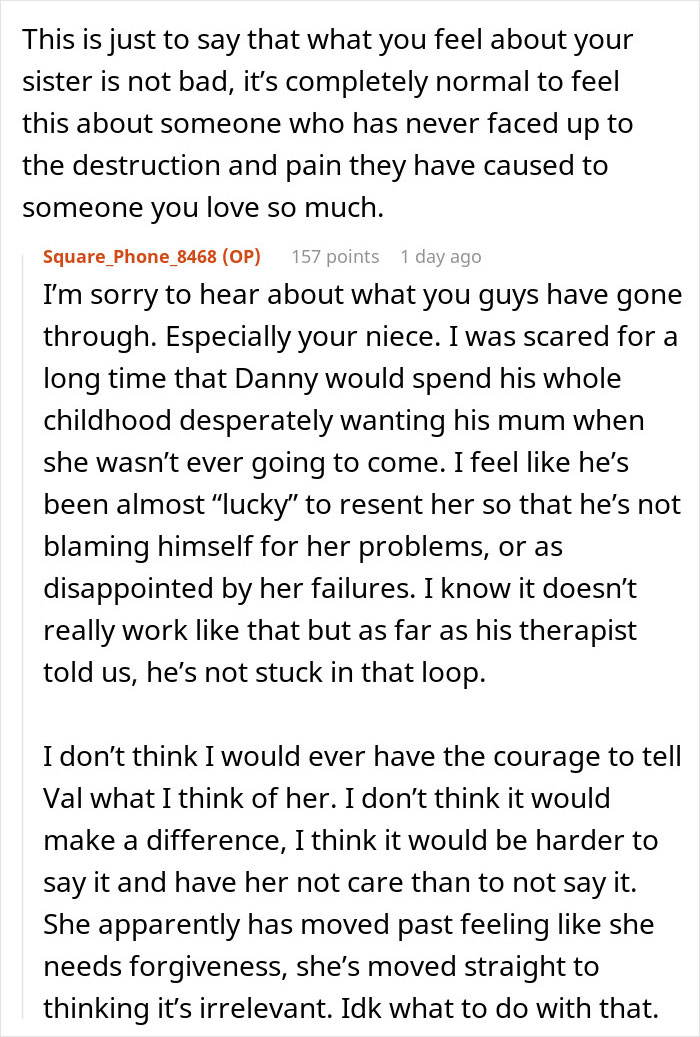
When this woman’s alcoholism drove her to neglect her 6-year-old, her sister stepped up and became his guardian. However, when she announced her pregnancy five years later, the sister couldn’t feel happy for her. She thought the mom still had to make amends with her now 11-year-old son before having a “do-over baby” and refused to celebrate.
Image credits: Rosivan Morais / Pexels (not the actual photo)
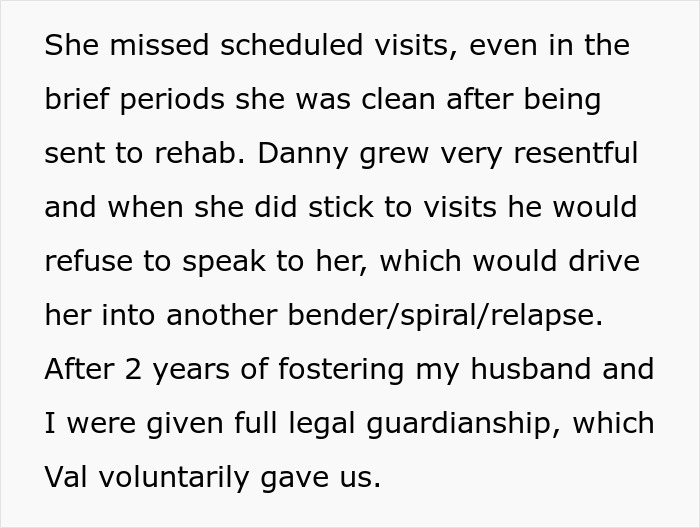
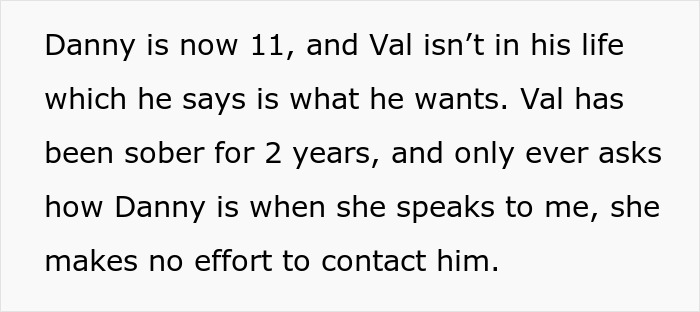
Image credits: cottonbro studio / Pexels (not the actual photo)
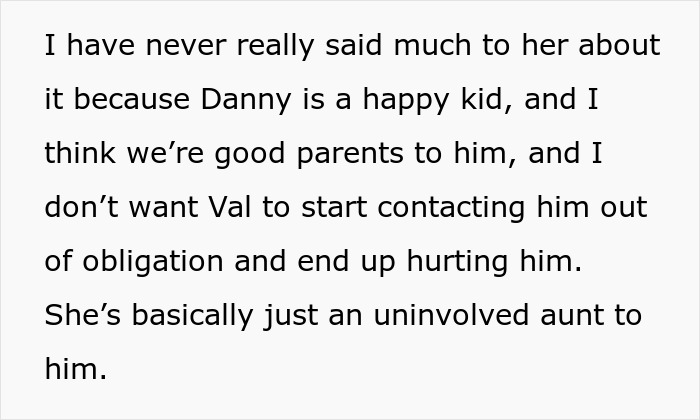
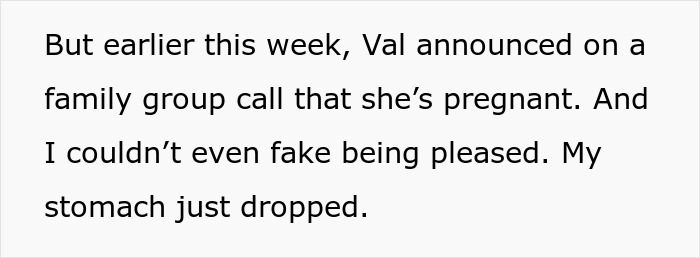
Image credits: Nataliya Vaitkevich / Pexels (not the actual photo)
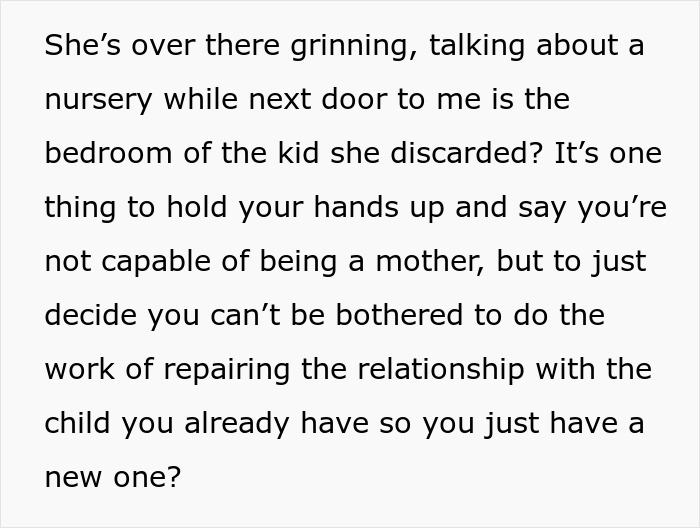
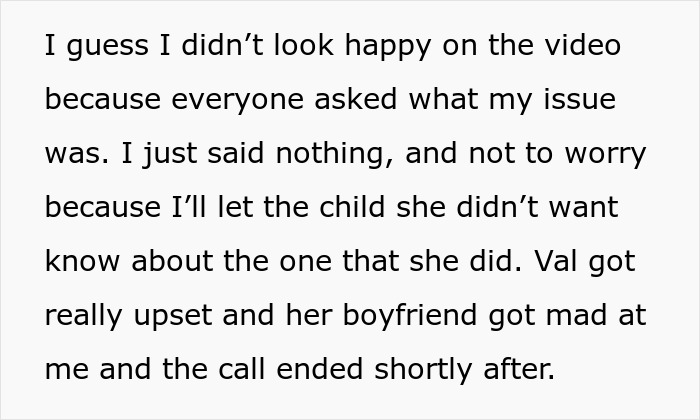
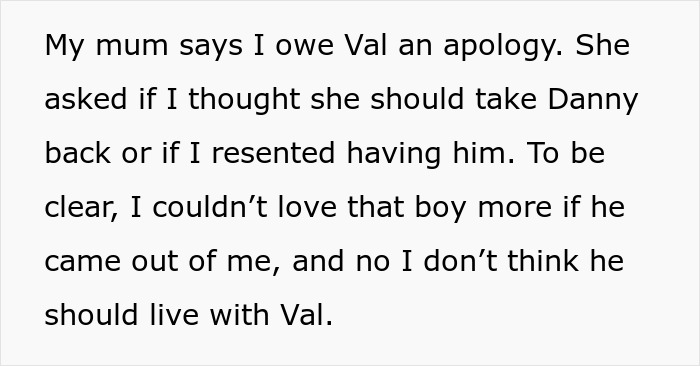
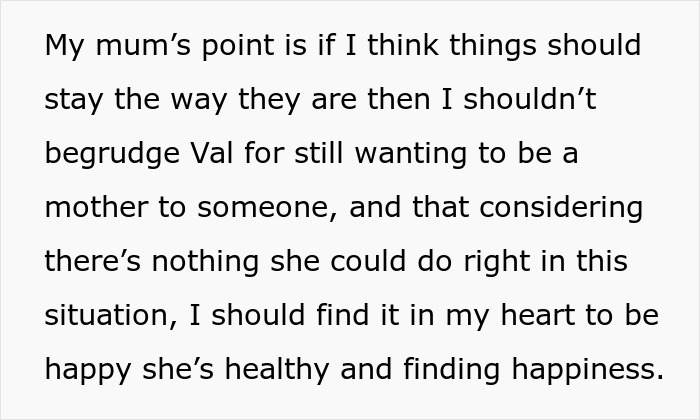
Image credits:Tima Miroshnichenko / Pexels (not the actual photo)
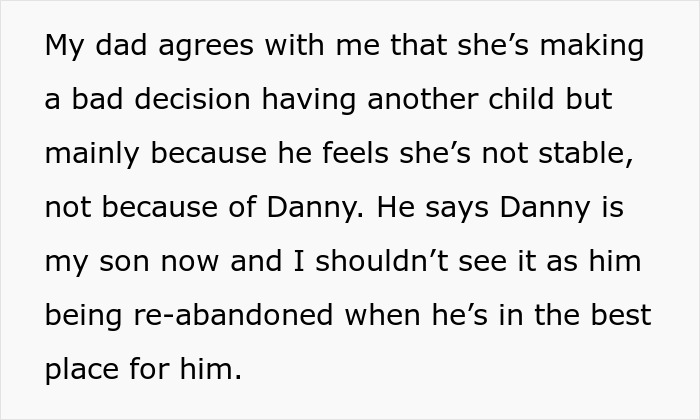
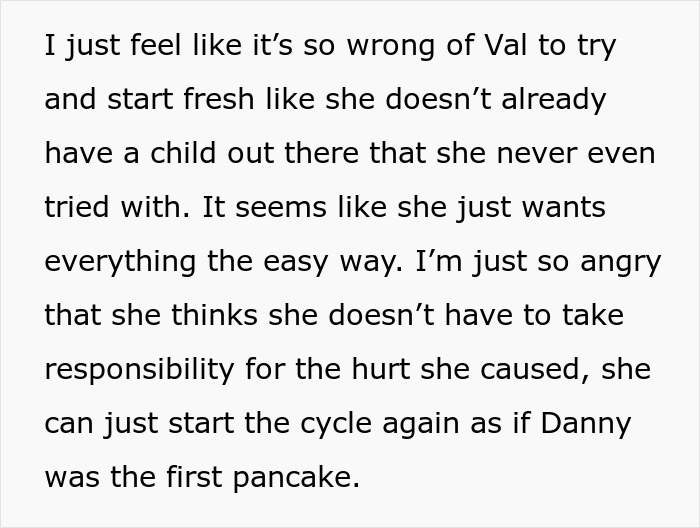

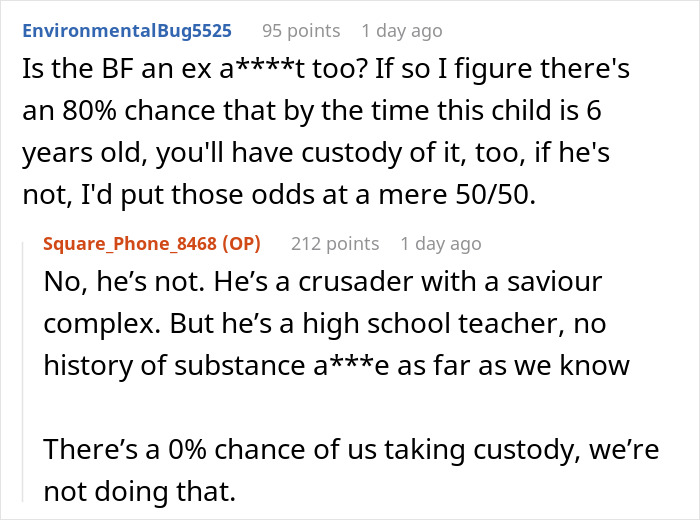
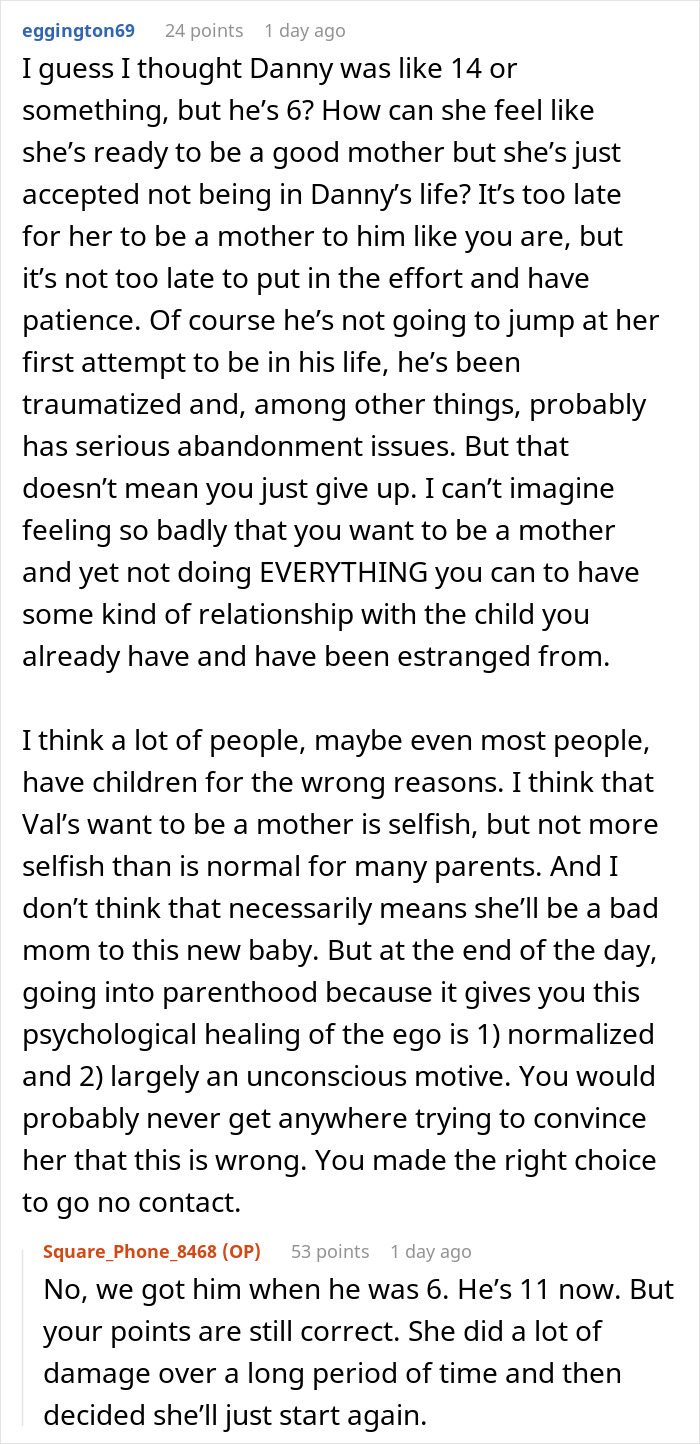
Image credits: Square_Phone_8468
Image credits: Hala Hejazy / Pexels (not the actual photo)
A lot of kids in the U.S. are in a similar situation as Danny. When a parent is not fit to care for their child, other family members are usually the primary default guardians. Statistically, only 4% of all children in America are in kinship care (meaning that their uncles, aunts, grandparents, or even siblings are their primary guardians).
But when we consider that these 4% are actually 2.5 million kids, it certainly puts things into perspective. There’s no question about which family situation is better for the kid. Living with a parent who neglects them is harmful to children in the moment, but also impacts their development in the long run.
Kinship care is also more beneficial for children than the foster system. Research finds that kids have a 54% lower chance of experiencing mental illness and are 1.9 times more likely to report positive emotional well-being. The majority (80%) of the kids the researchers looked into lived in urban settings and were removed from their homes because their parents had issues with substances.
What’s more, they’re less likely to have behavioral problems. According to a 2009 study, 23% of children in kinship care had behavioral problems at the age of 3 years. In comparison, 46% of children in foster care displayed disruptive behaviors. The researchers concluded that being placed with family members from the outset benefited children a great deal.
Image credits: محمد عزام الشيخ يوسف / Pexels (not the actual photo)
Danny’s reluctance to reconcile with his mother is also understandable. He was 6 years old when he was taken from his mother’s care, and that’s old enough to remember the maltreatment. Although our memory abilities don’t fully form until around age 7, people tend to remember nothing until the age of 3. After that, some memories remain.
That’s especially true if those memories are traumatic. Research from 1998 states that from about age 3 and on, “children can give reasonably coherent accounts of their past experiences and can retain these memories over long durations.” Another 2025 study also concluded that early childhood trauma (usually from ages 0-6 years) has “lasting effects on cognitive, emotional, and neurodevelopmental outcomes.”
In other words, even if the child doesn’t remember, their body does. Kids may not remember specific events, say, a mother neglecting to feed them. What they remember instead is the feeling: hunger, being unsafe, and the unpredictability of their everyday lives.
The road to reconciliation between a child and a parent who neglected them is long and arduous. The process may be stressful and confusing for children, as it may re-trigger past traumas and events.
Statistics also show that even when reunification happens, it doesn’t always last. Research shows that around 44% of children whose parents have substance issues are reunited with them. At the same time, 27% of children may re-enter the foster care system in the next three years after reunification.
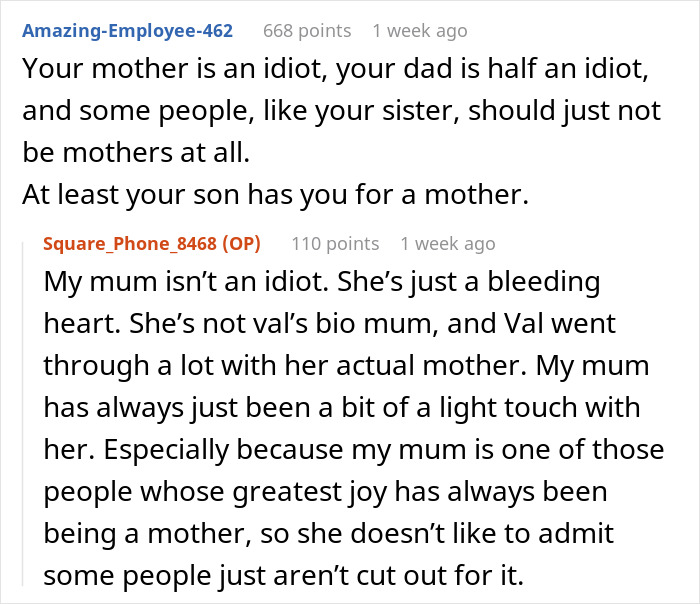
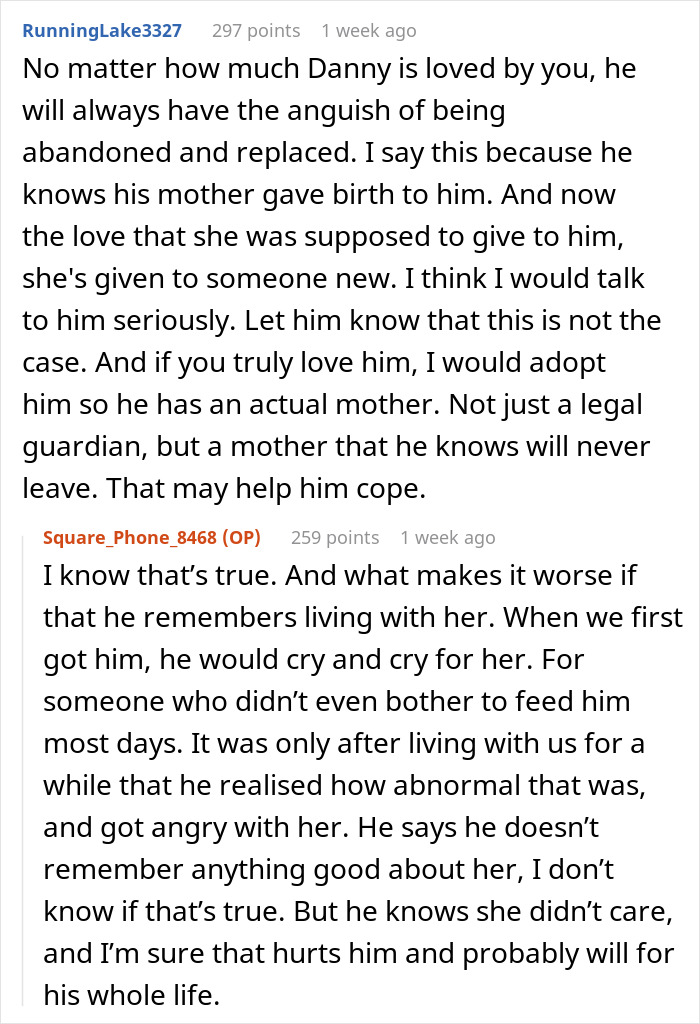
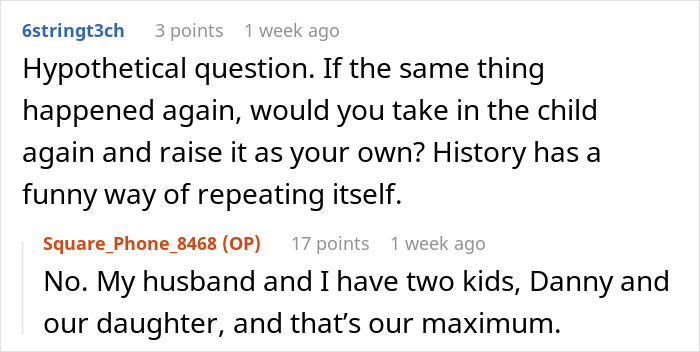


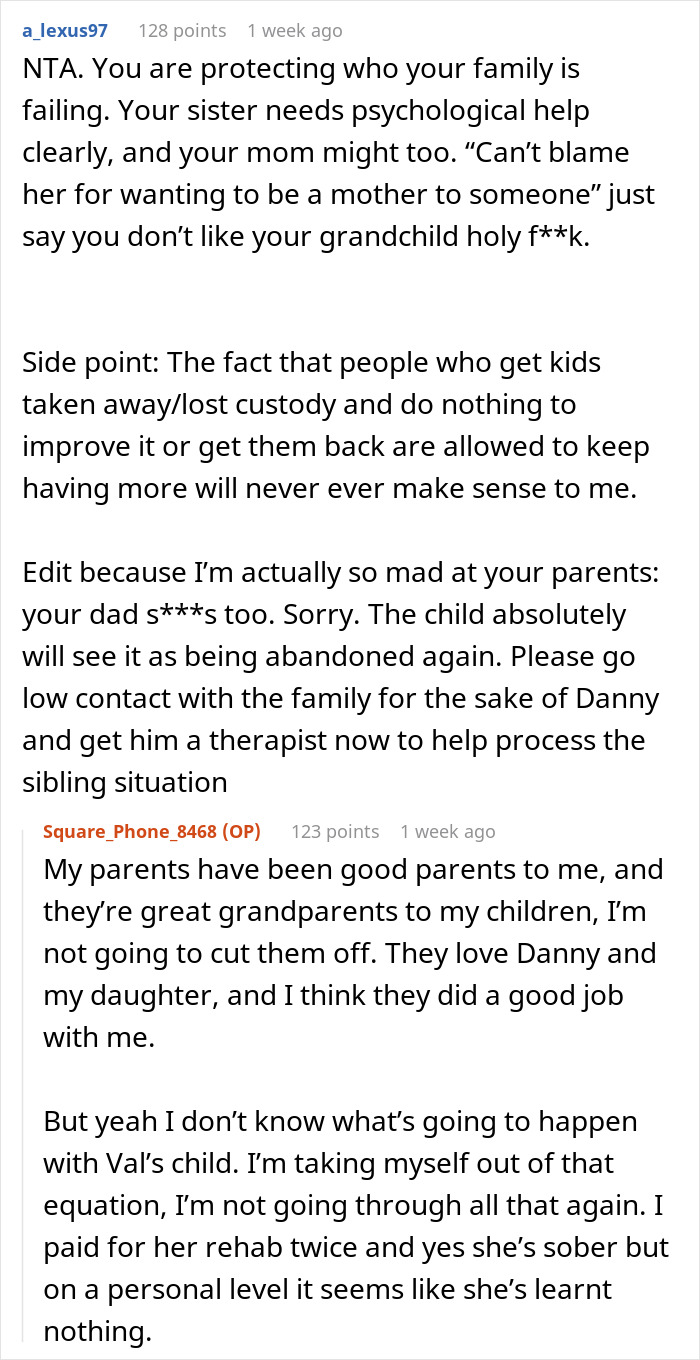
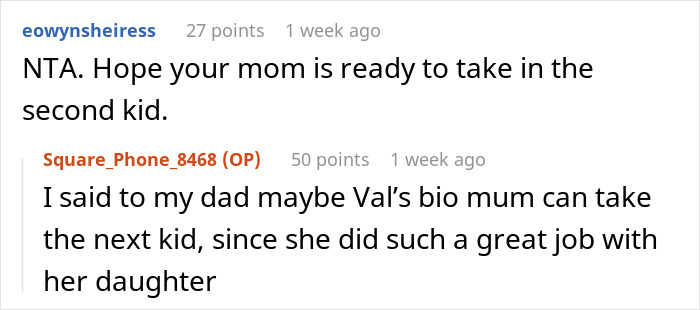
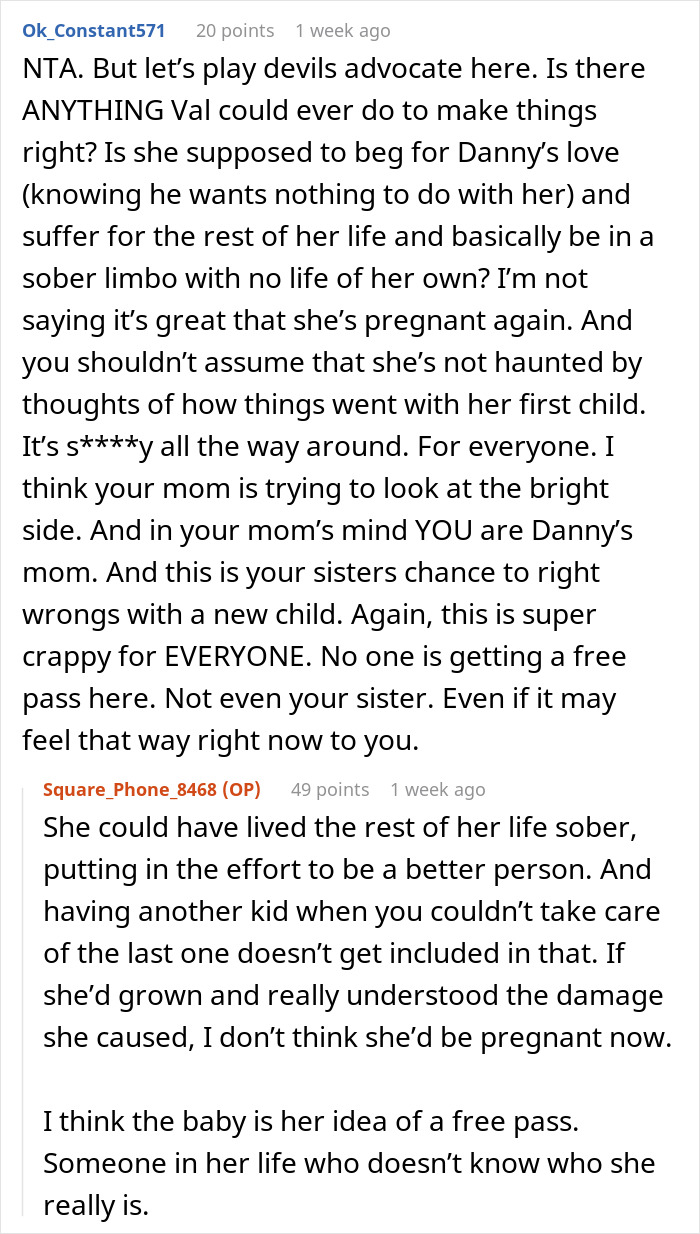
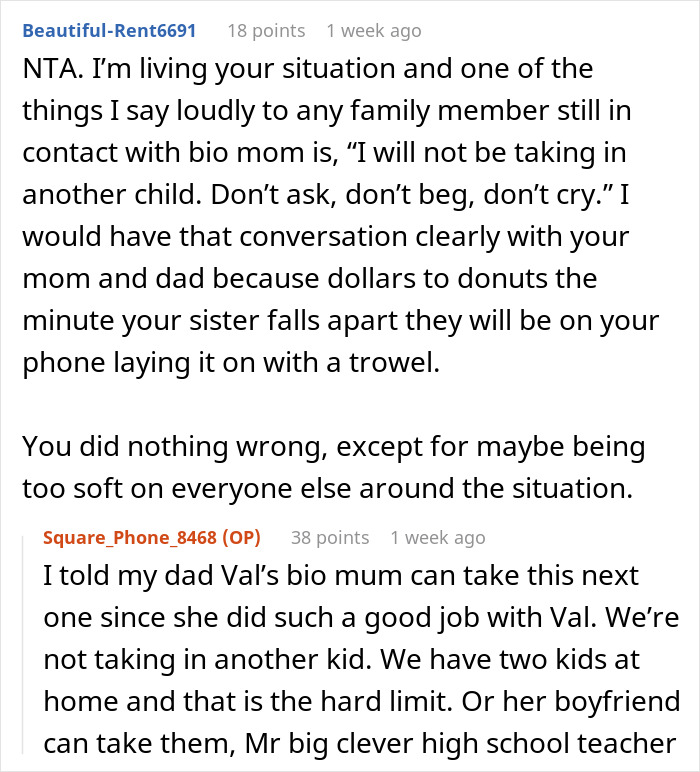

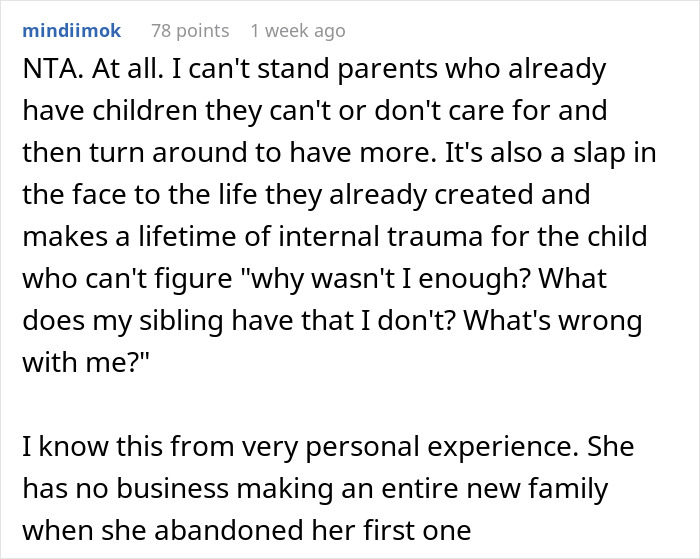

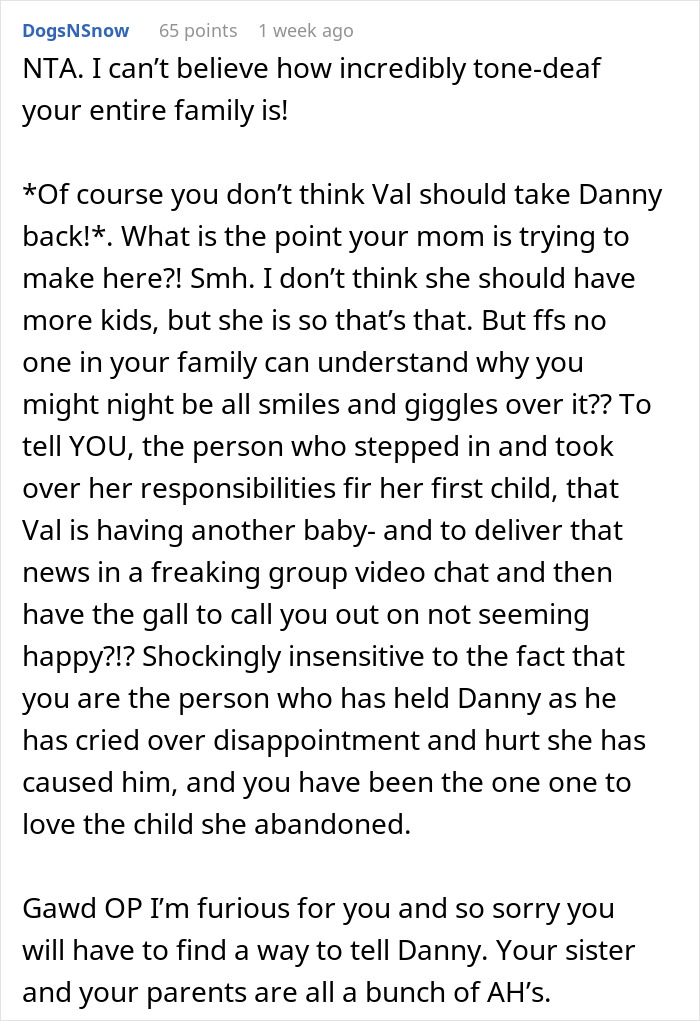


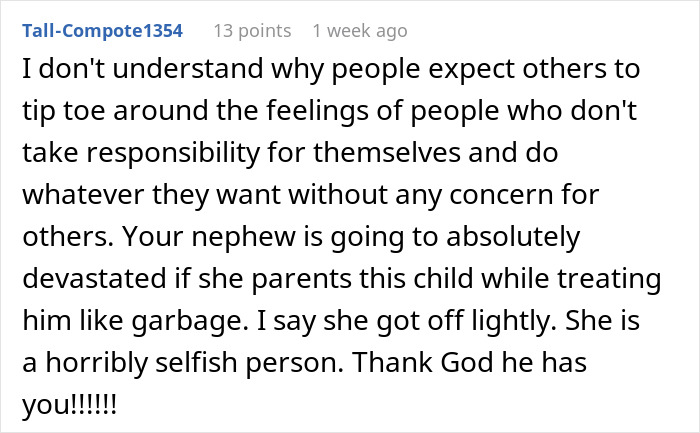
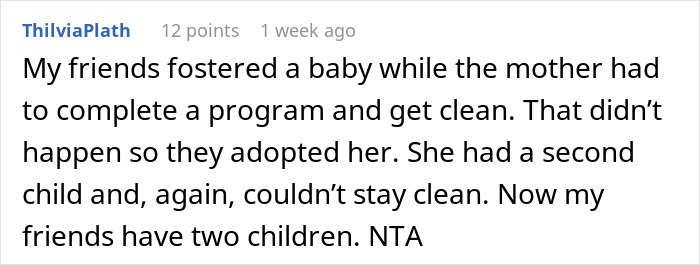

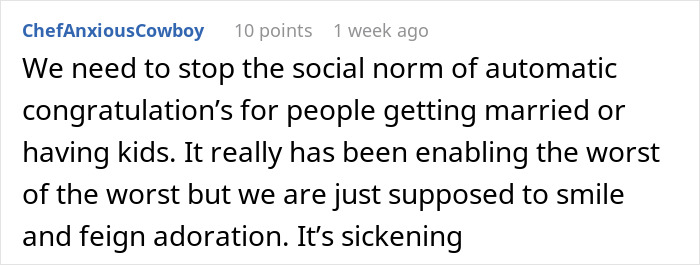

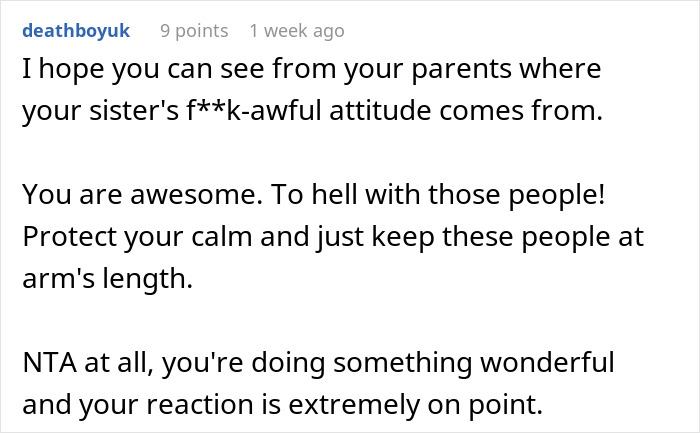

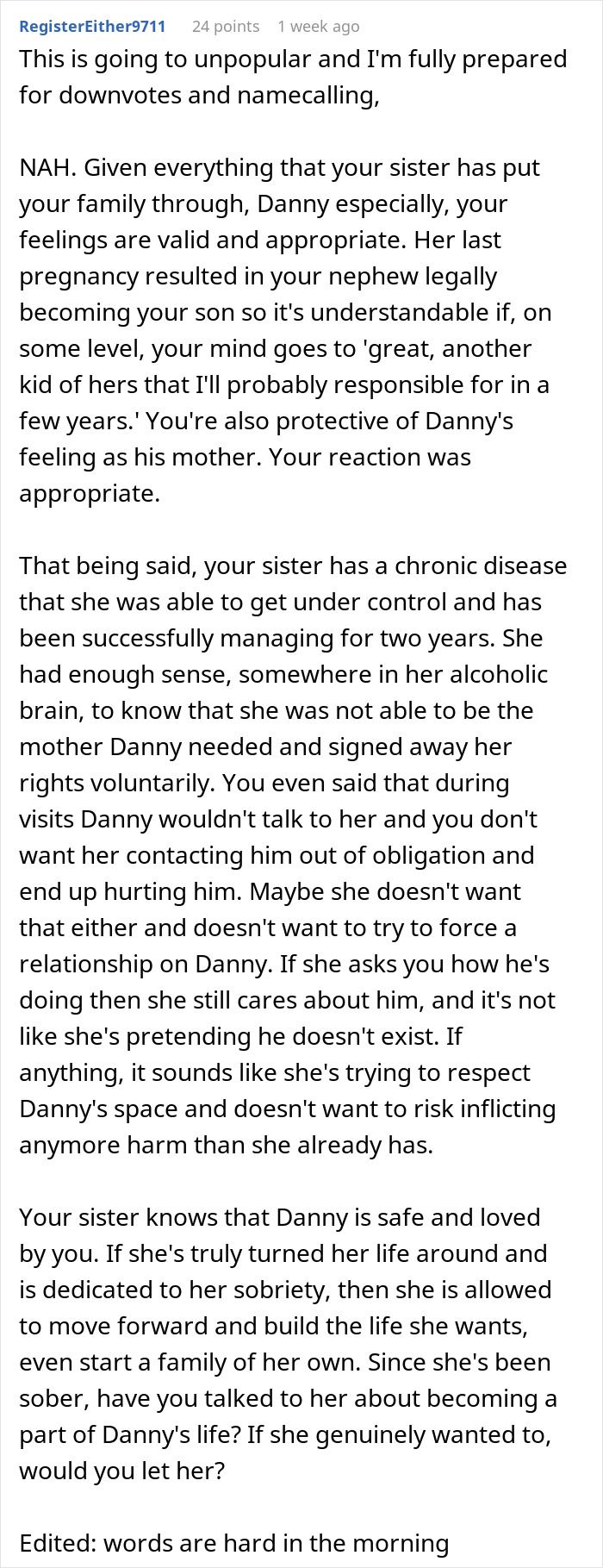
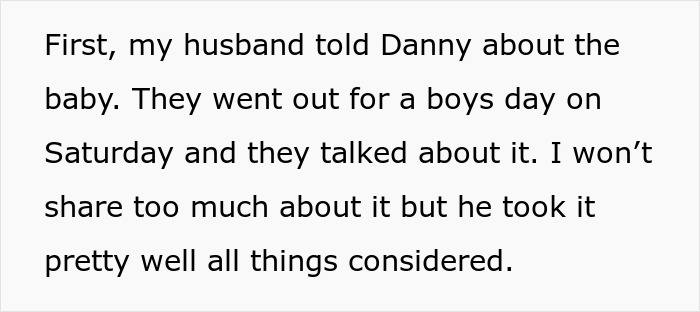

Image credits: cottonbro studio / Pexels (not the actual photo)
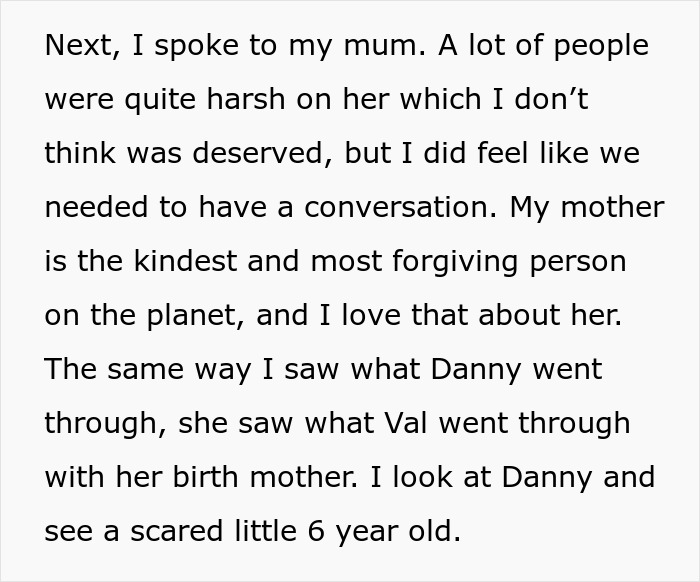
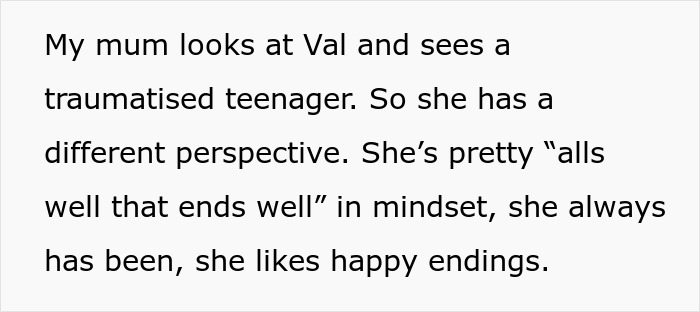

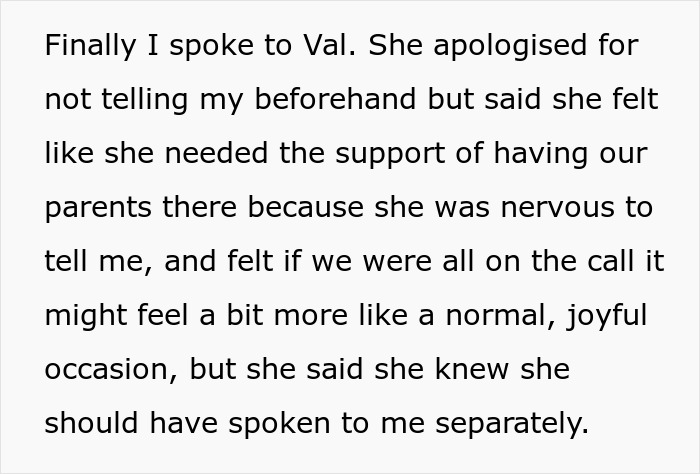
Image credits: Liza Summer / Pexels (not the actual photo)

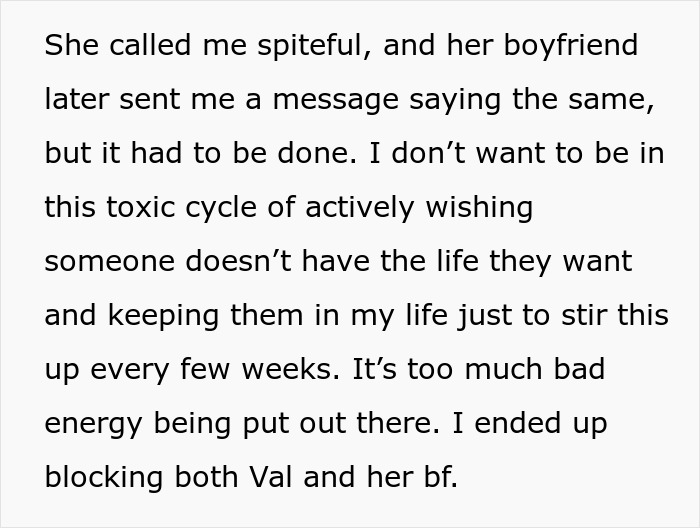
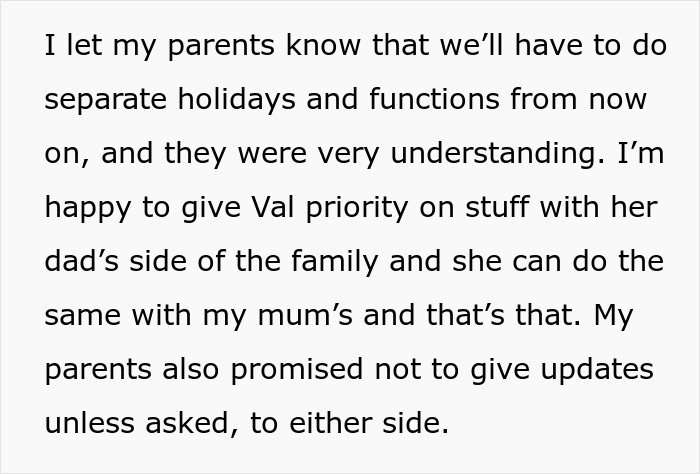
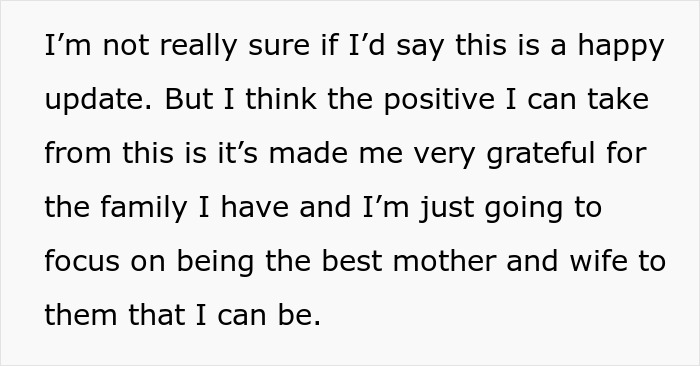
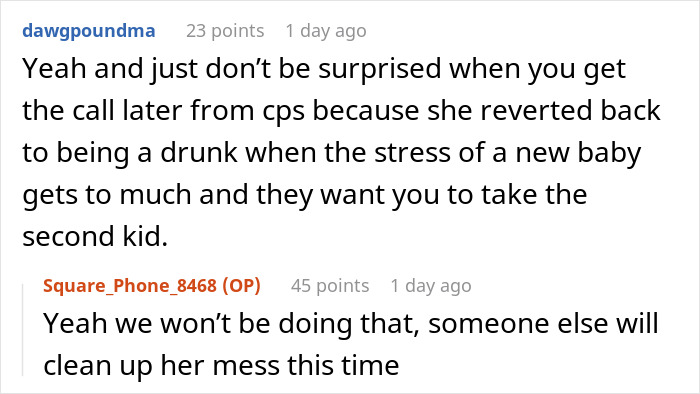
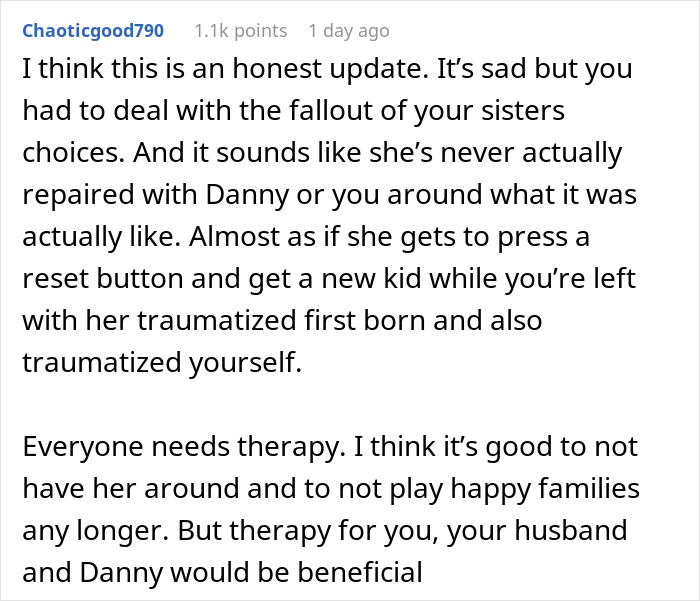
Image credits: Square_Phone_8468





By entering your email and clicking Subscribe, you're agreeing to let us send you customized marketing messages about us and our advertising partners. You are also agreeing to our Privacy Policy.
Thank you! You've successfully subscribed to newsletters!



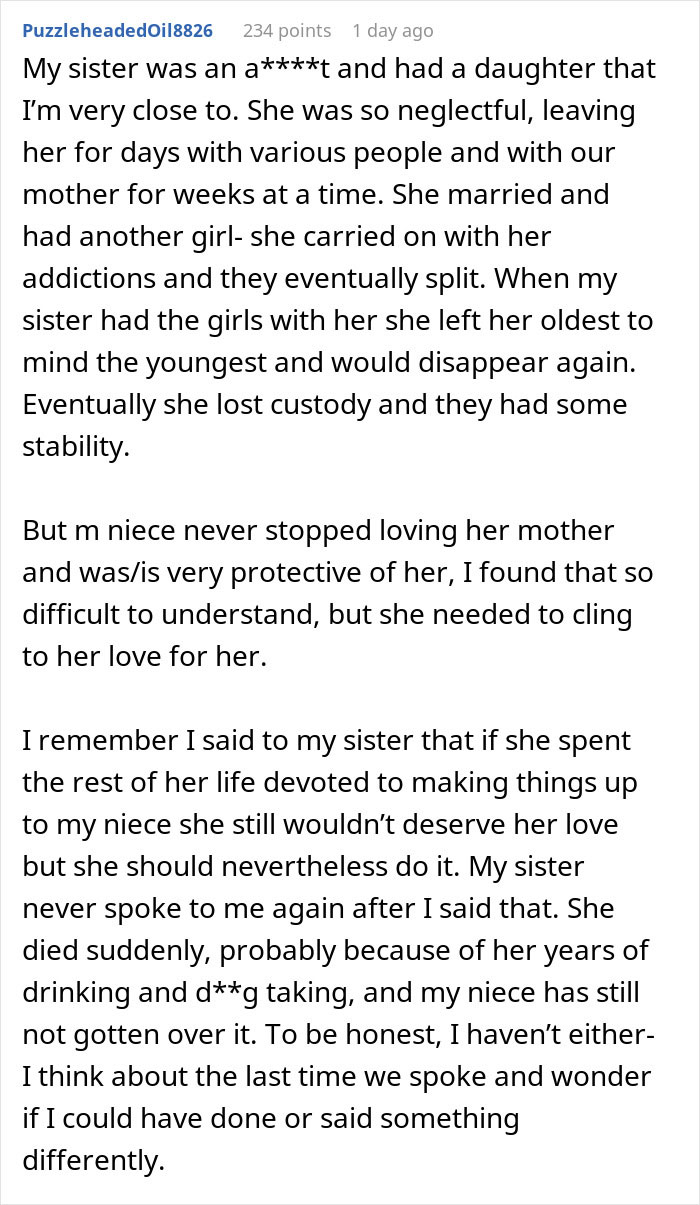
I was the first daughter who my mother lost custody of because of being an alcoholic. She had a second chance. She had another daughter. I had to look after that daughter when I was 18 and she was 12 while my mother spent 6 months in hospital after alcohol collapse. She remembers and held it over my mother for the rest of her life. I really hope things turn out differently here, but right now my spectacles will not turn rose shade for that baby's future, they're clouded by my own experience. My heart here has all the feels for Danny but he is going to be ok because his aunt-mom has got him in every way.


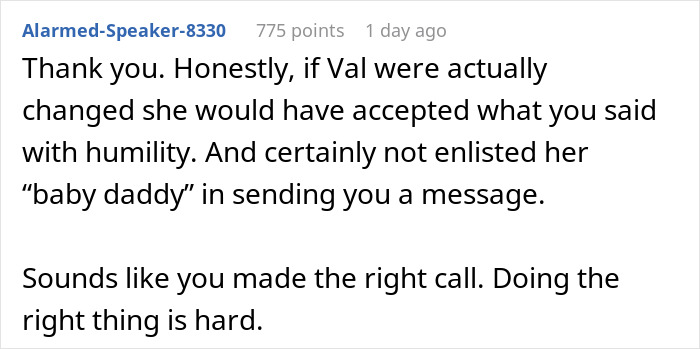
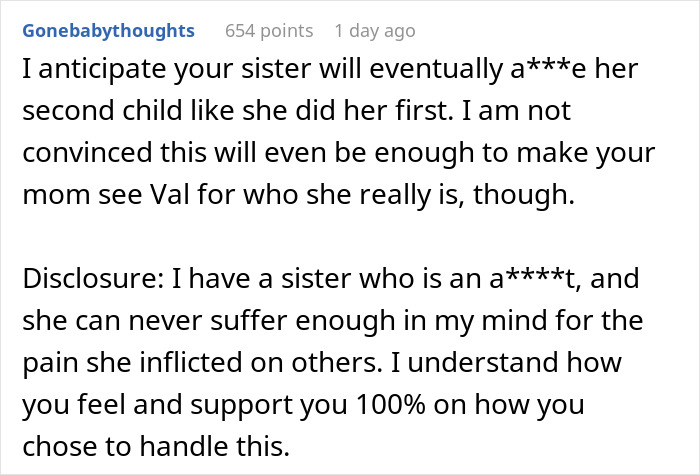
Well, she couldn't possibly do worse. I don't think this will end well, she will not be able to maintain her sobriety with the pressures of a new baby, then a fussy baby. I'm going to guess that her partner/husband will not be her hero when she fails so badly.
Load More Replies... I was the first daughter who my mother lost custody of because of being an alcoholic. She had a second chance. She had another daughter. I had to look after that daughter when I was 18 and she was 12 while my mother spent 6 months in hospital after alcohol collapse. She remembers and held it over my mother for the rest of her life. I really hope things turn out differently here, but right now my spectacles will not turn rose shade for that baby's future, they're clouded by my own experience. My heart here has all the feels for Danny but he is going to be ok because his aunt-mom has got him in every way.
Well, she couldn't possibly do worse. I don't think this will end well, she will not be able to maintain her sobriety with the pressures of a new baby, then a fussy baby. I'm going to guess that her partner/husband will not be her hero when she fails so badly.
Load More Replies...























 No fees, cancel anytime











35
9