Get Premium
Dark mode theme is available exclusively for premium users. Learn more about the benefits of subscribing.
No fees, cancel anytime.

 Dark Mode Ad-Free Browsing Unlimited Content
 Ad-Free Browsing Unlimited Content Dark Mode
Join 1.2 million Panda readers who get the best art, memes, and fun stories every week!
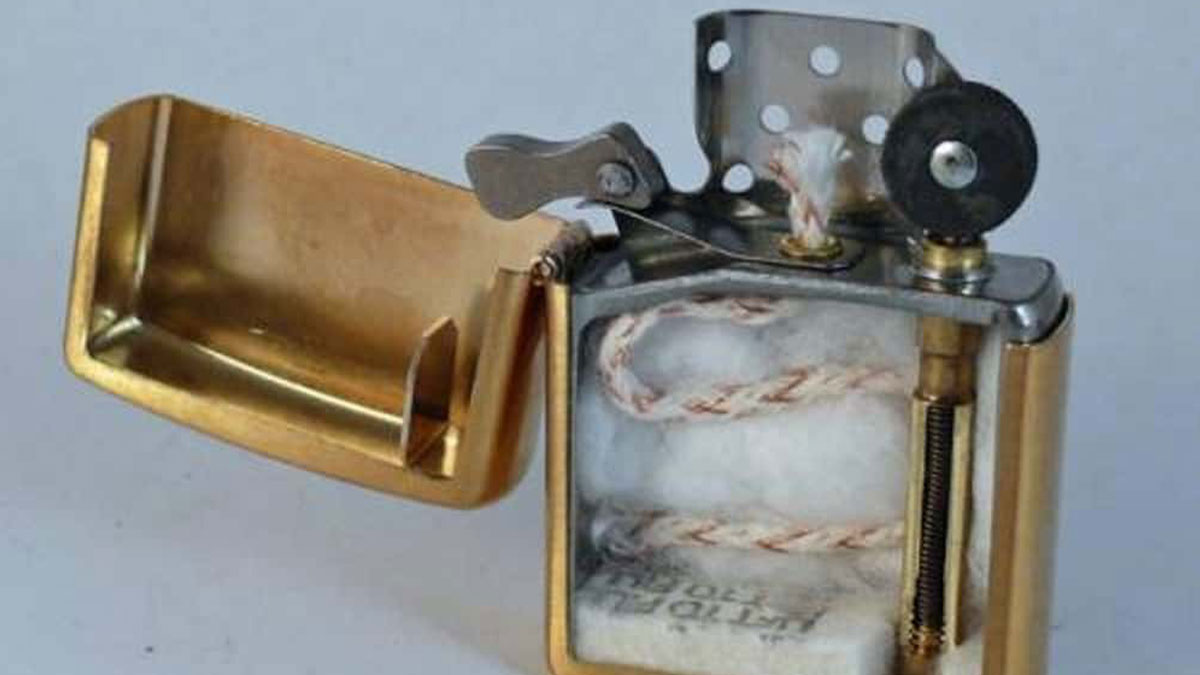
We deal with objects every day without giving their inner workings all that much thought. That is, until something goes wrong and they mysteriously stop working. If we’re lucky, sometimes it’s only a battery that needs replacing or a port that needs cleaning. But there are more serious cases, too. And that’s when, for the adventurous, the screwdrivers come out, sleeves are rolled up, and metaphorical guts are spilled. It’s hard not to see the appeal.
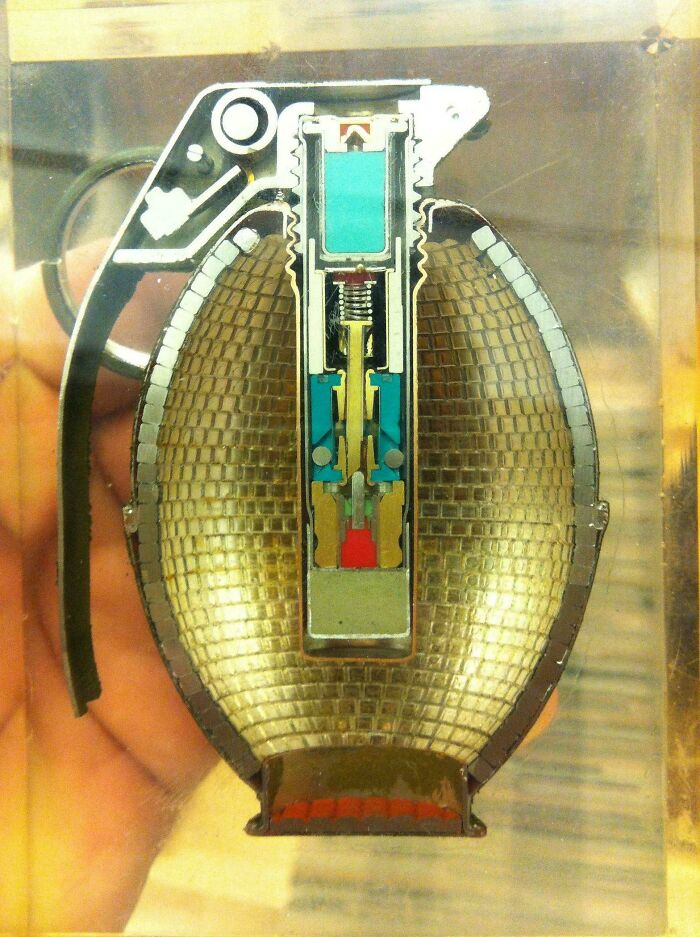
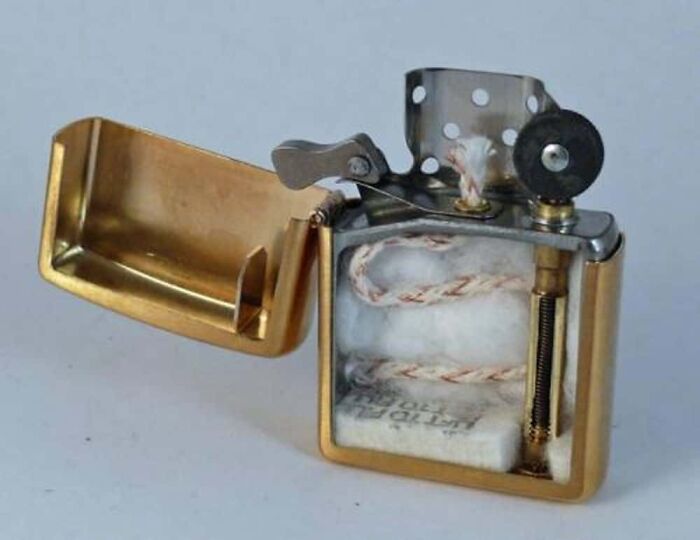
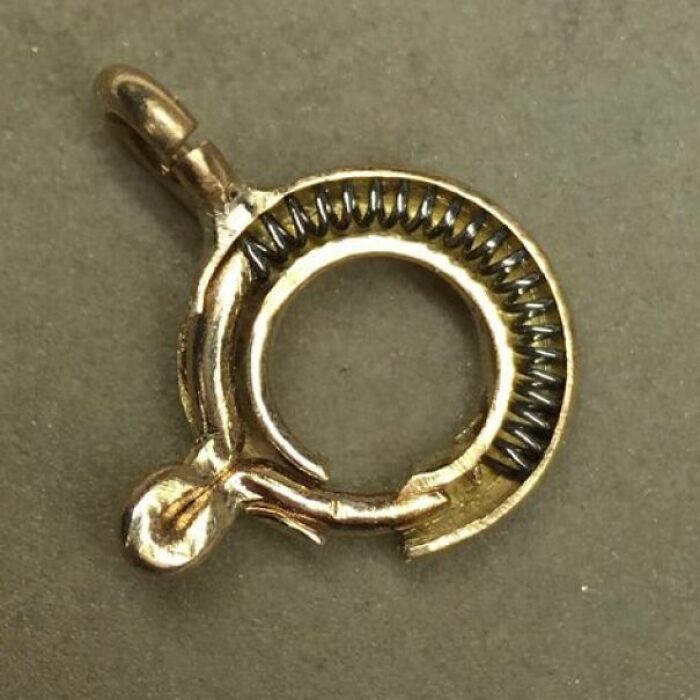
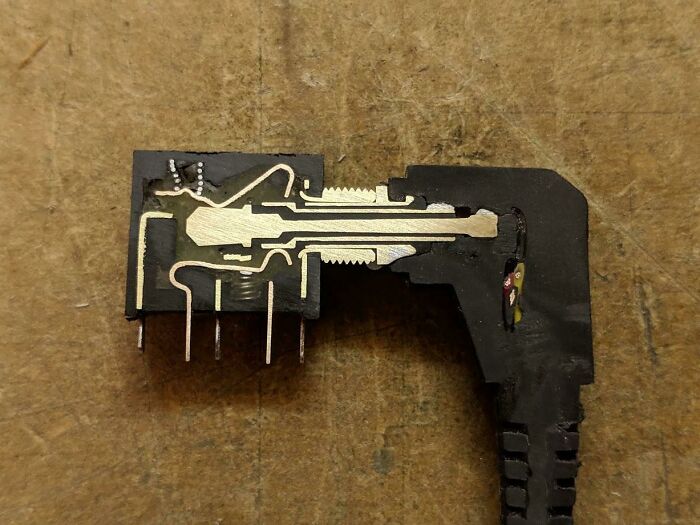
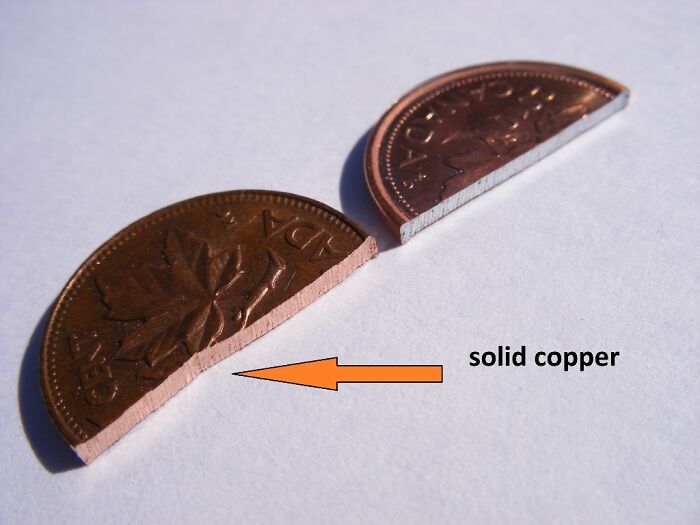
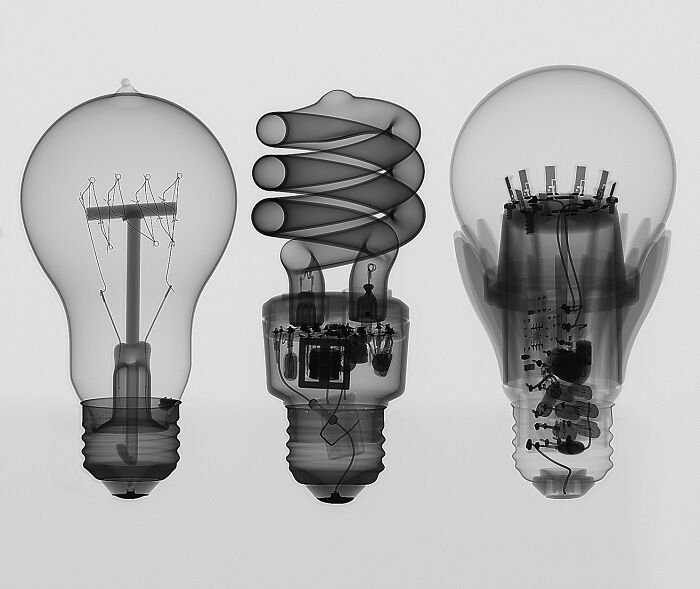
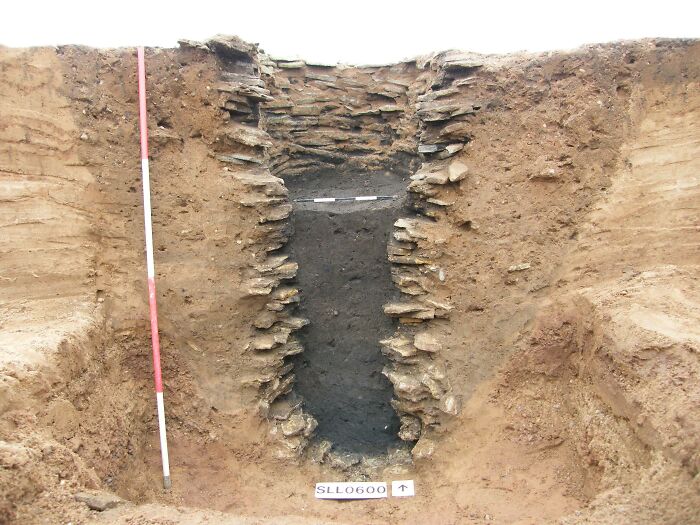
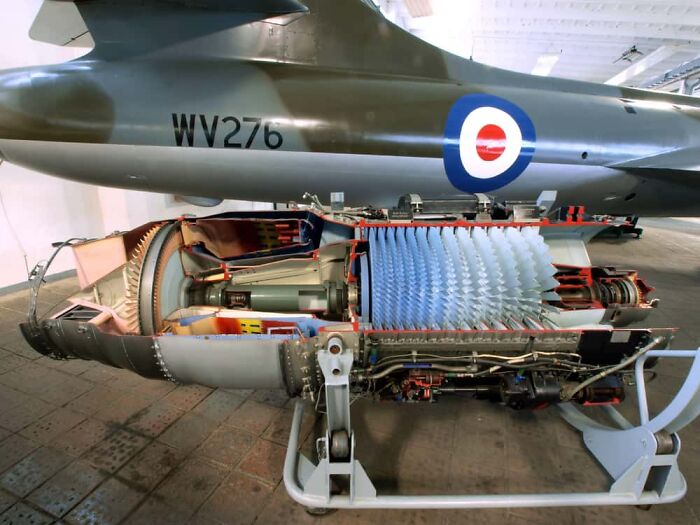
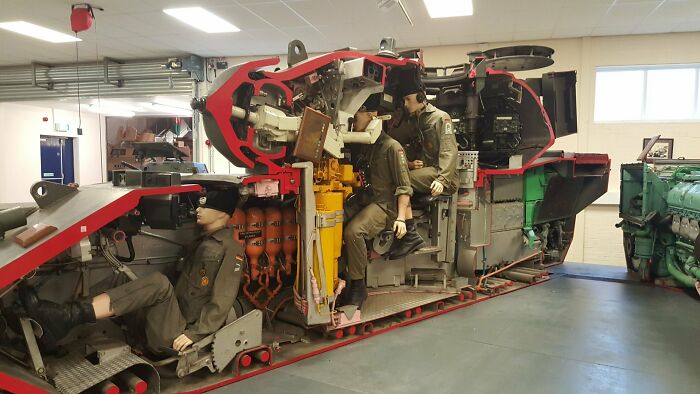
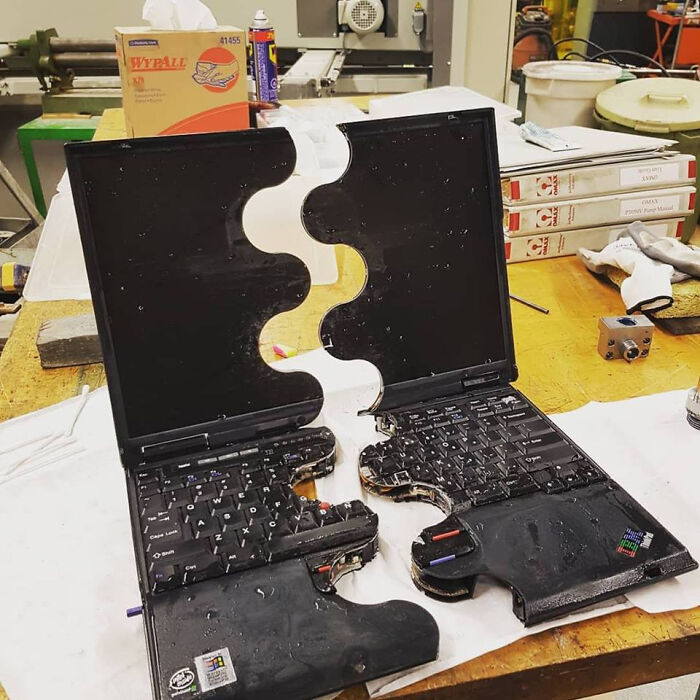
Sure, there’s something rewarding about fixing something yourself. It certainly beats having to replace it. But there’s also something innately satisfying about seeing an object’s innards—all those moving parts packaged so neatly and discreetly that we forget they’re even there. And that’s kind of the appeal of many of the cross-sections we’ve gathered for you today. You might never have stumbled upon objects like these, let alone had the opportunity or means to cut them open yourself. But there’s something fascinating about seeing what’s hidden beneath the surface, and surprisingly often, the results can be pretty exquisite.
This post may include affiliate links.


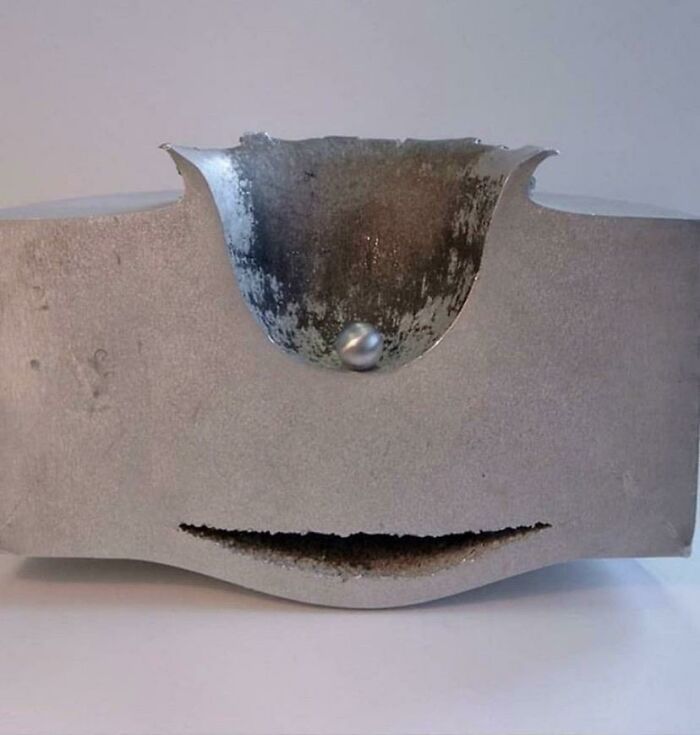
Cool to see not just the impact crater, but the transferred shock to the back side and the 'trauma' there.

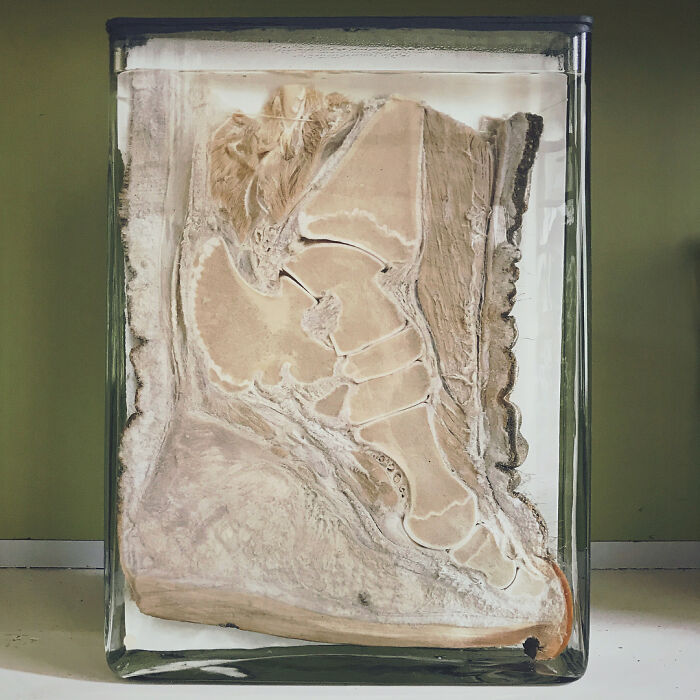
It's always wild to see, that there's almost a human foot in there!

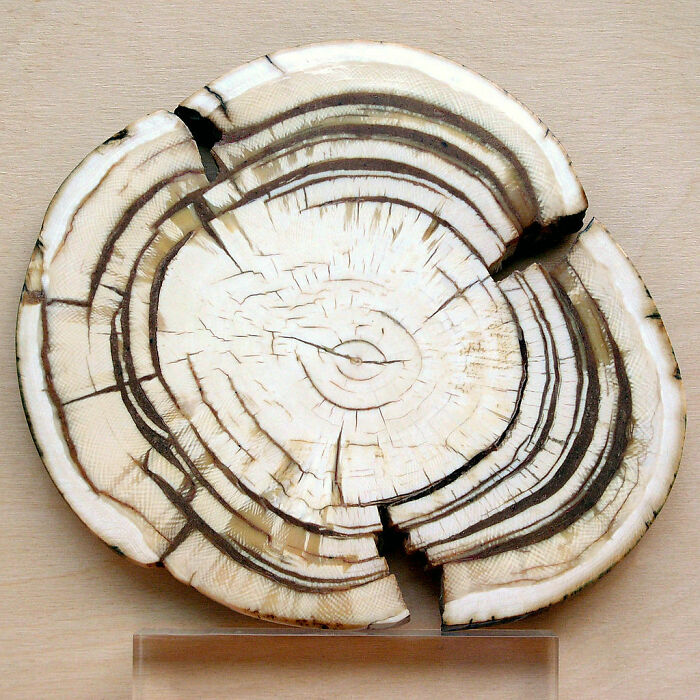
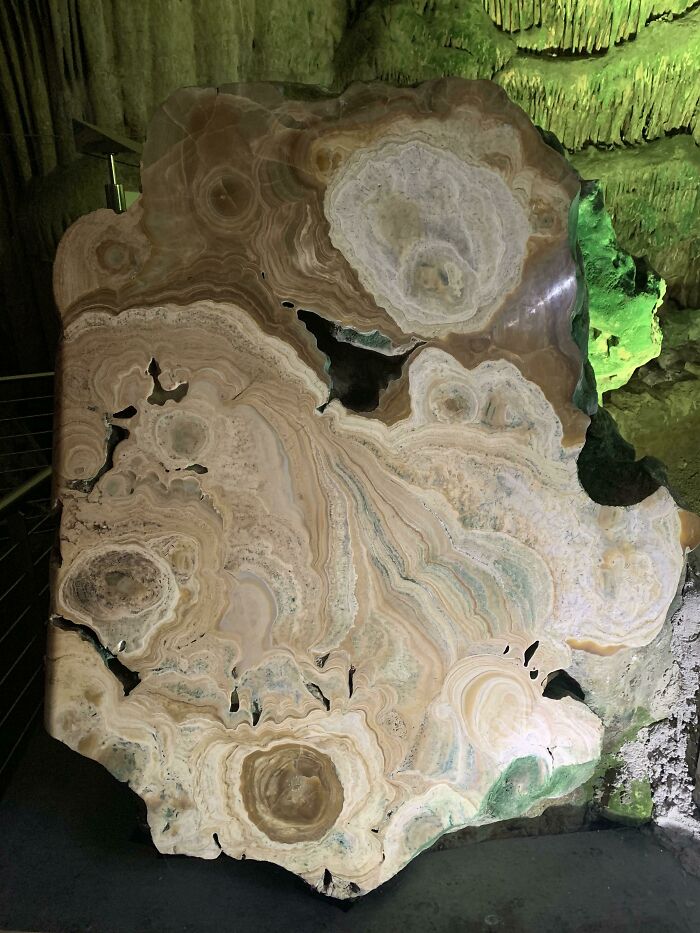
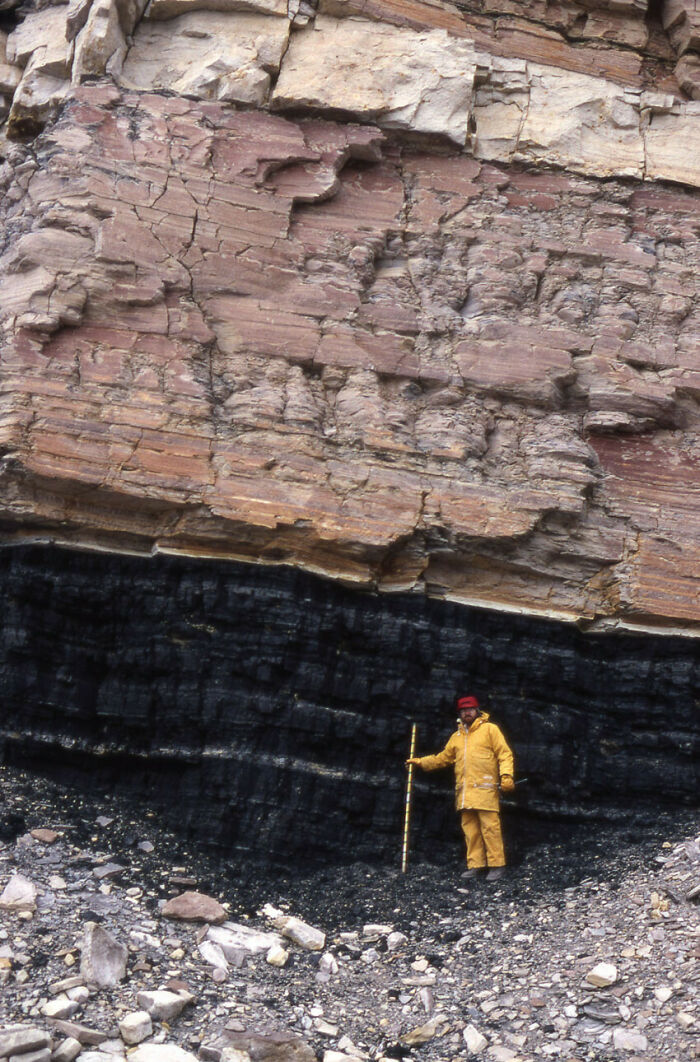
"But the earth is only 6000 years old!" say the myopic brainwashed bible bangers.

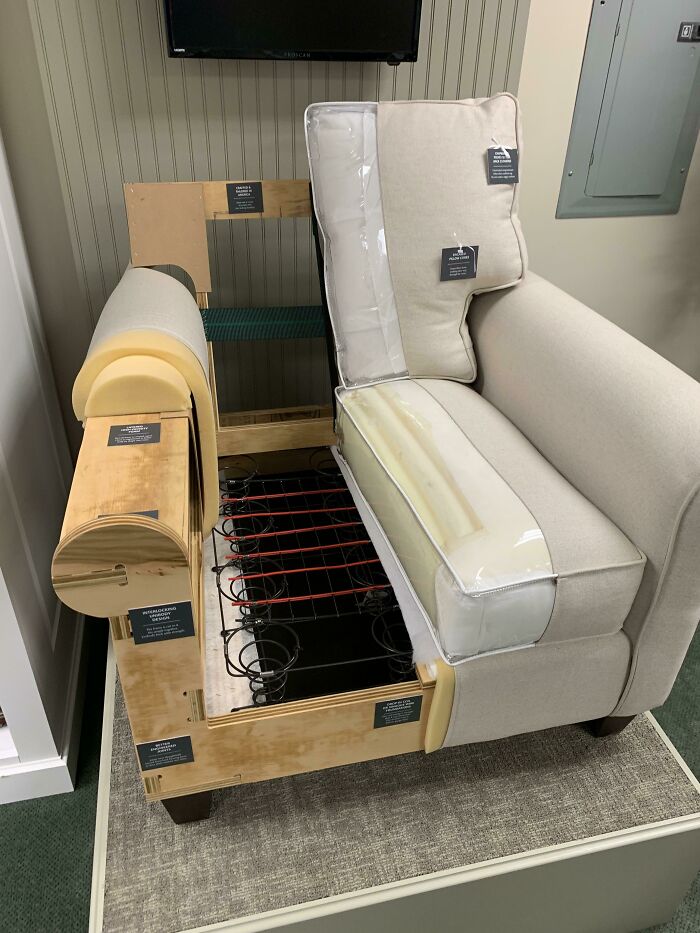
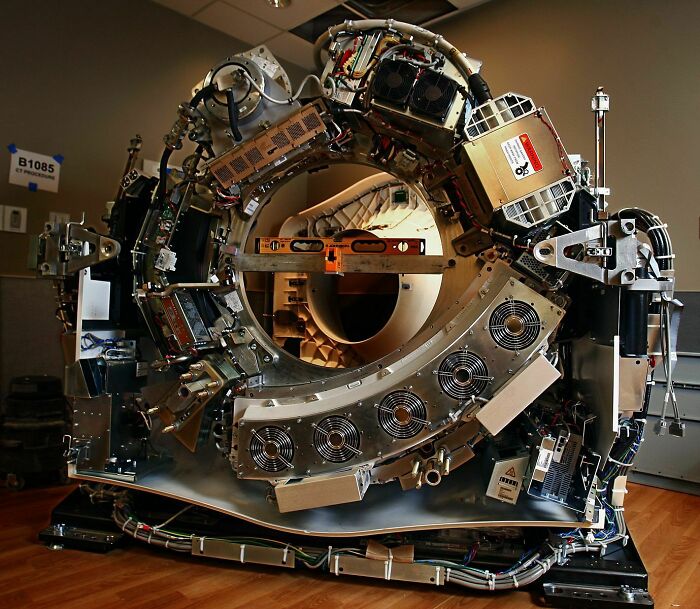
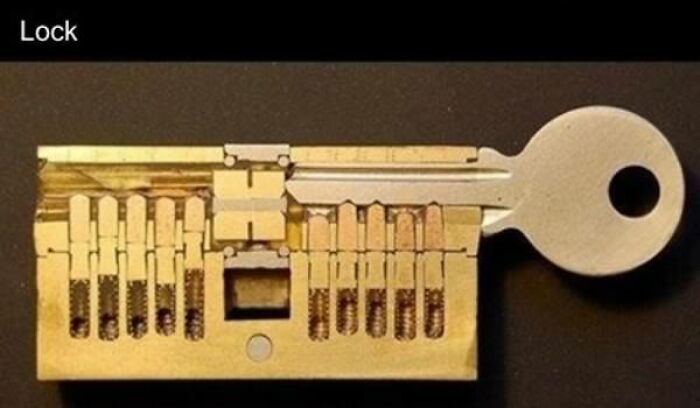
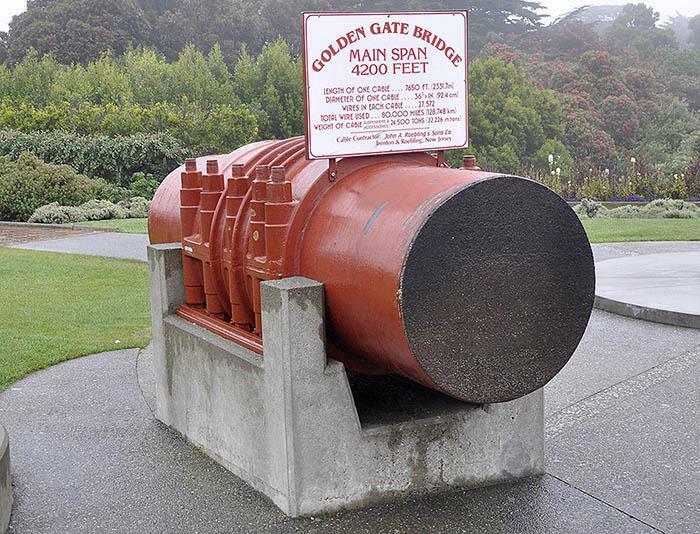
That's a neat way to show what you'll be getting when you pay for it. Also, a display of the engineering and workmanship quality.

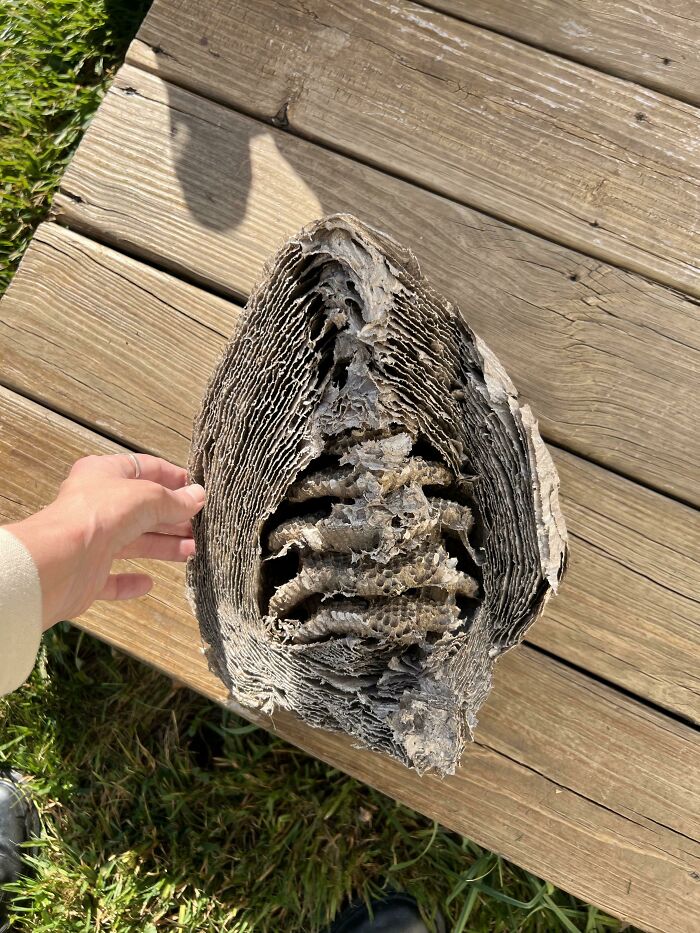
I think we got the idea of honeycomb filled aircraft components that are strong but light from things like this.

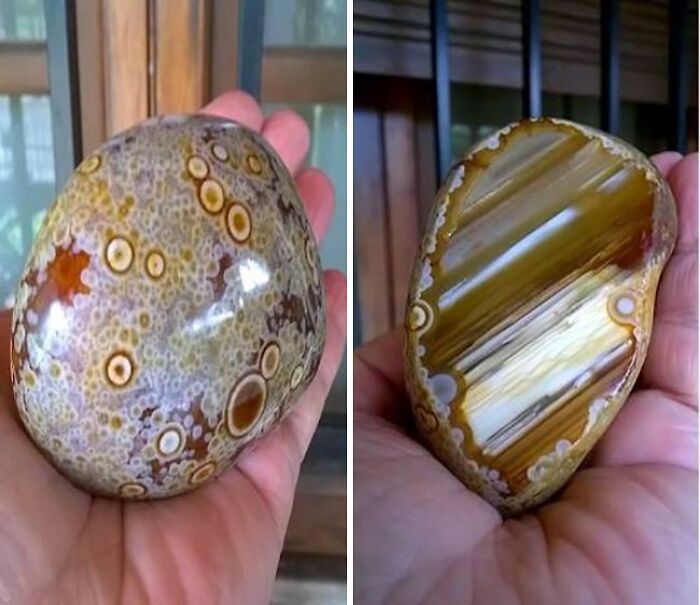
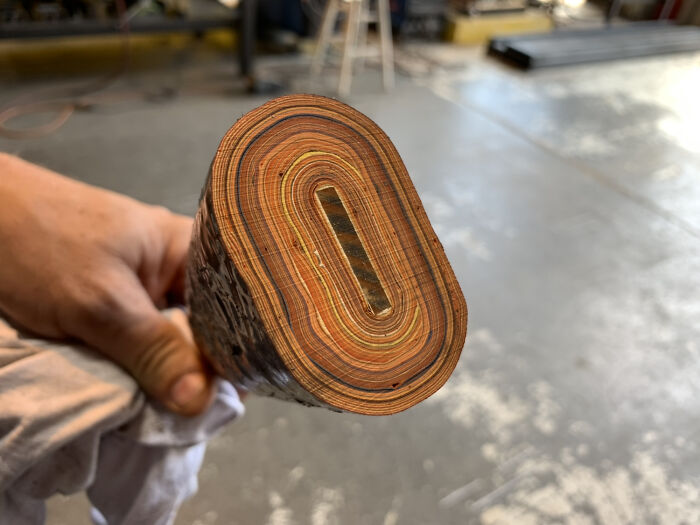
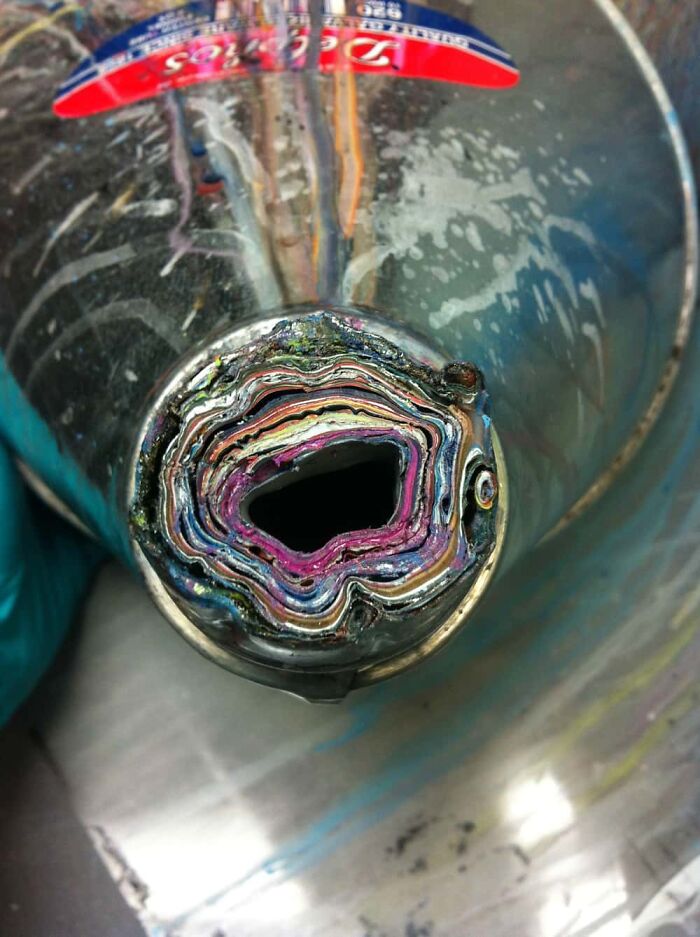
Look up Fordite. It's the paint chipped off the old manufacturing plant paint carts that pulled automotive bodies through paint booths back in the day.
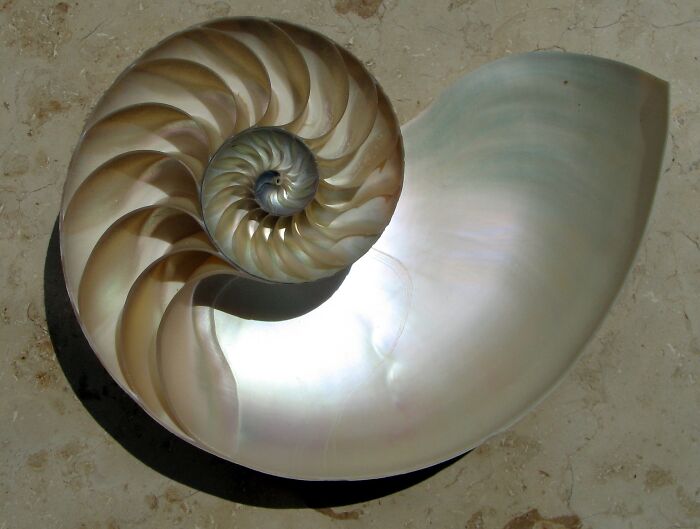
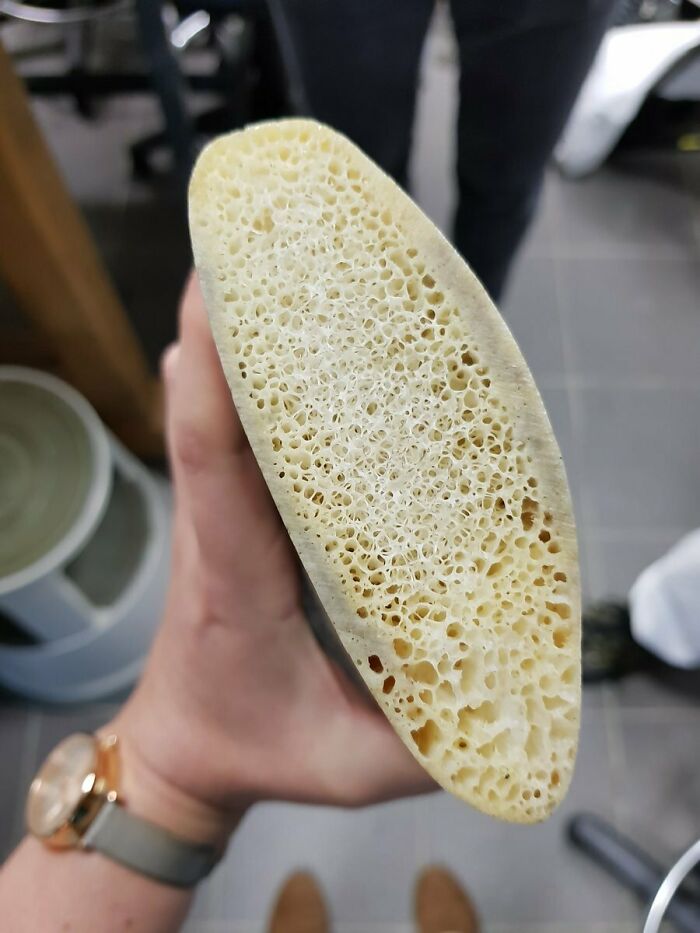
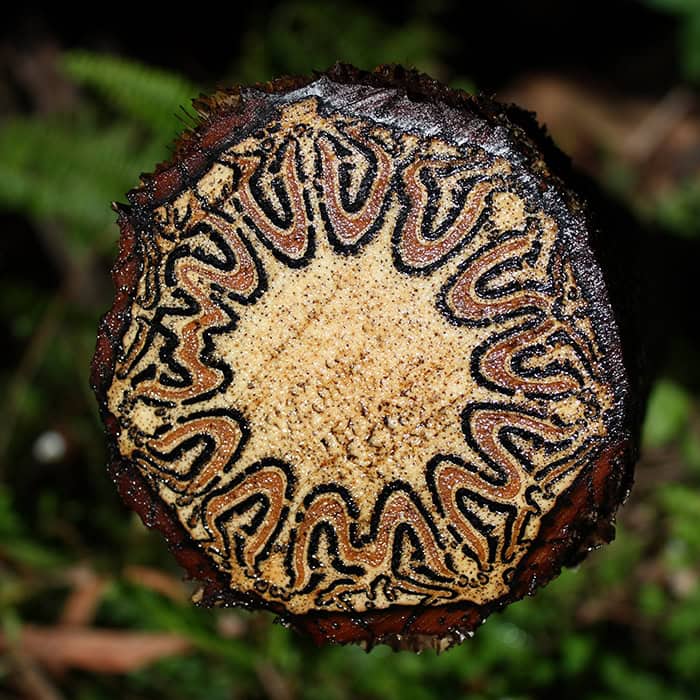
So a wood like core supporting a spongy mass that can absorb masses of water. Cool.
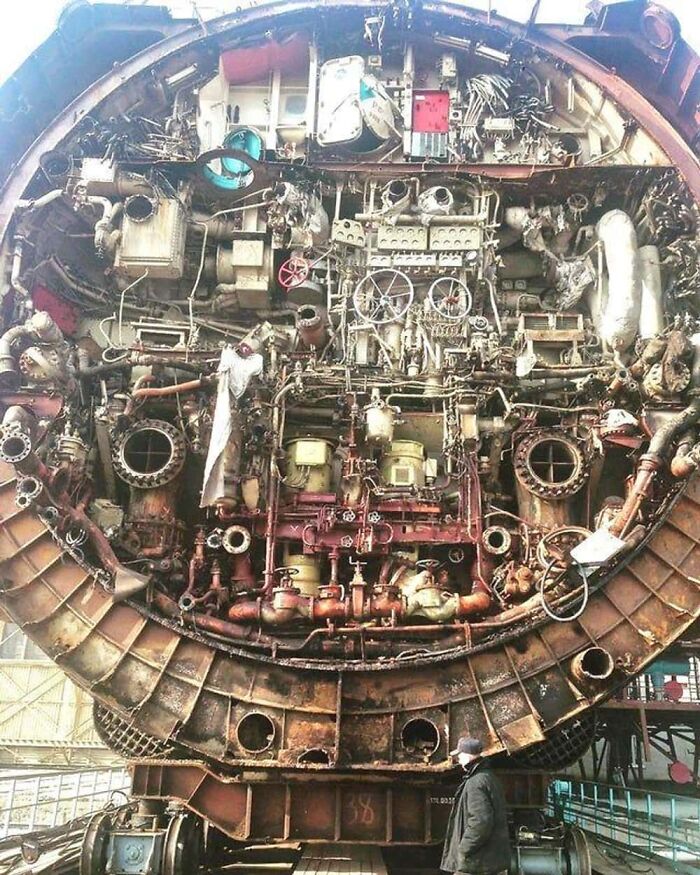
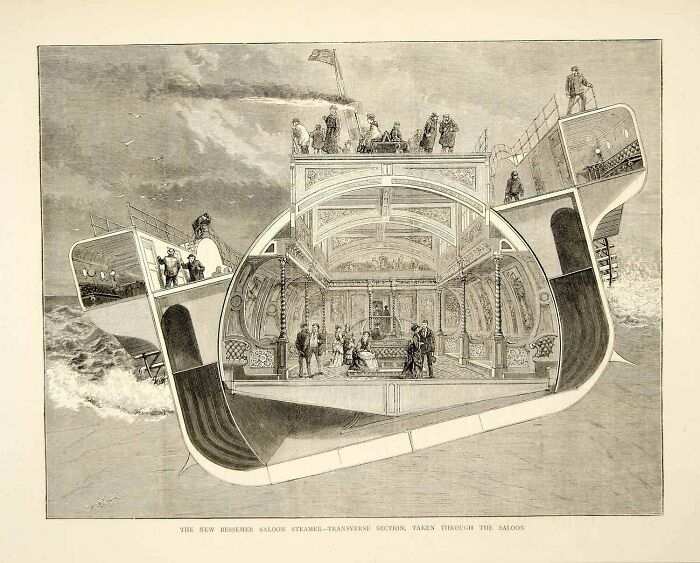
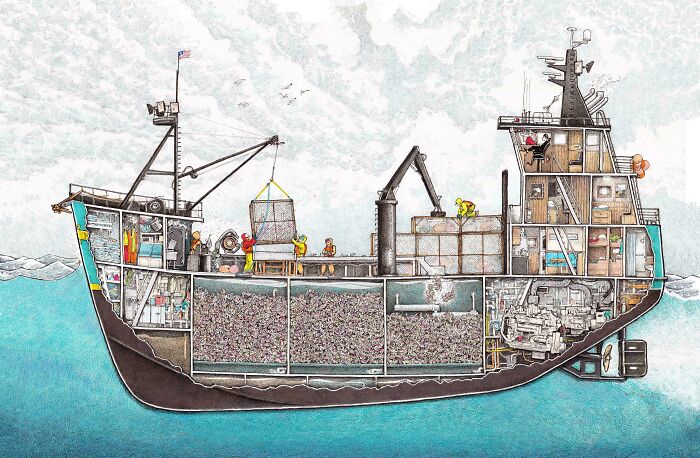
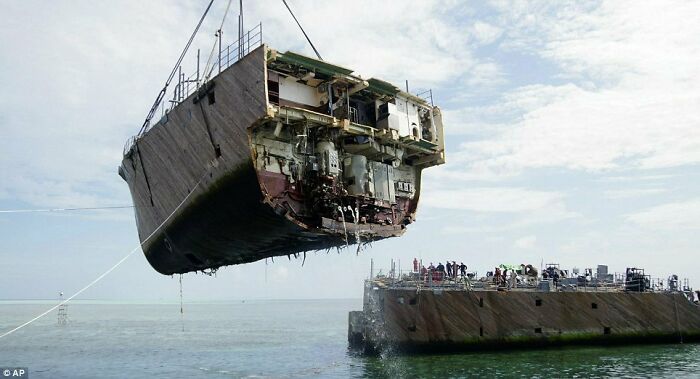
To think that so many things that humans travel in are extremely complex and if just one part fails, or was assembled late on a Friday when the worker is in a hurry to go home, that one breaking part can mean catastrophe.
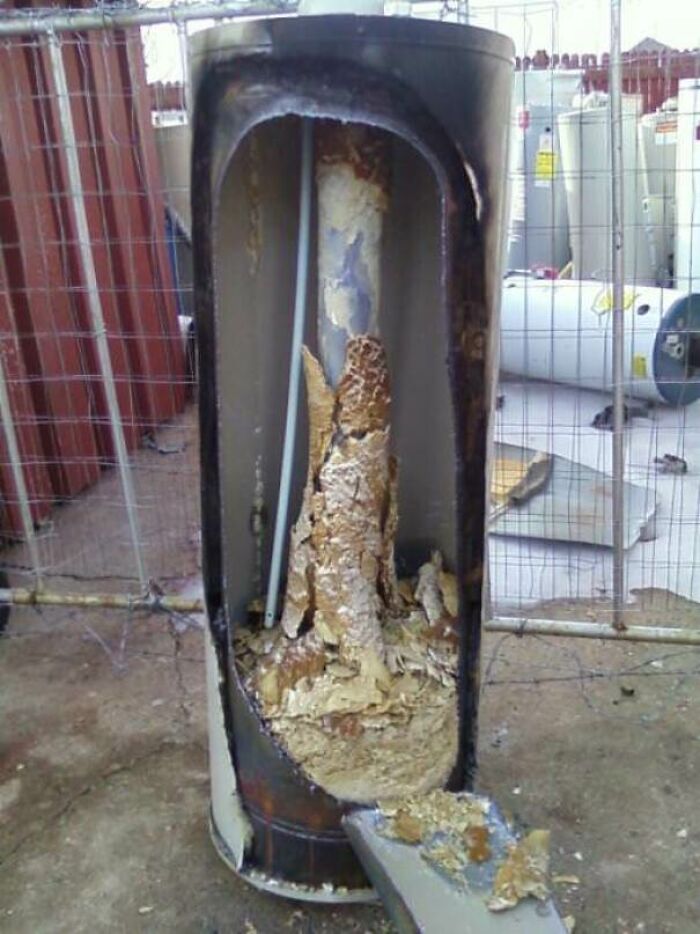
This is why water heaters should be completely drained down once a year and the sacrificial anode replaced when used up. Not DIY without training -- call a plumber first.

That doesn't look like the underside of the termite mound that David Attenborough stuck his head into. Must be different internals for different termite species.

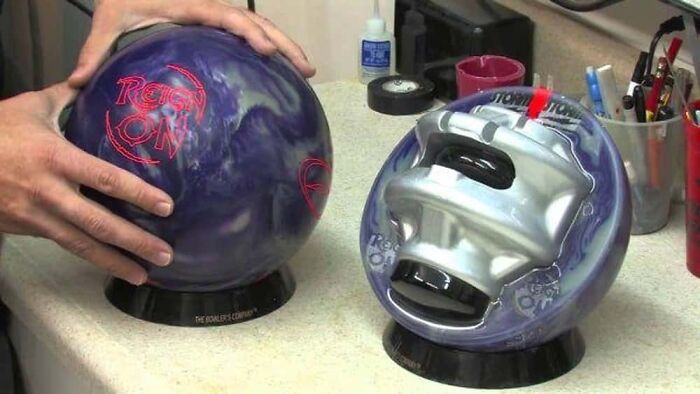
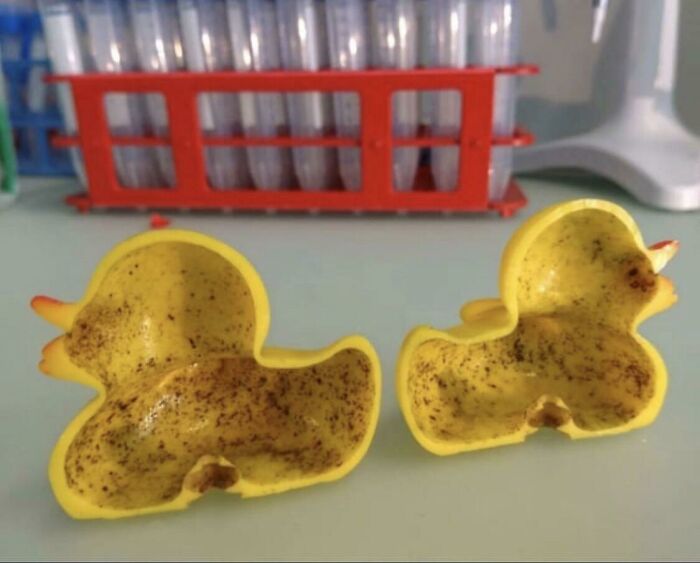
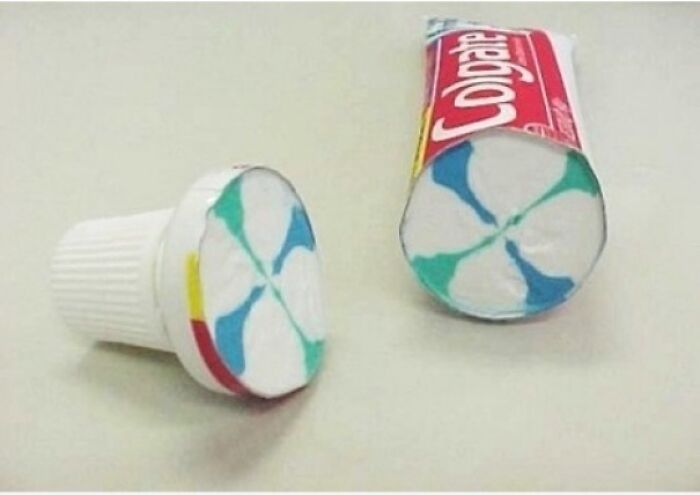
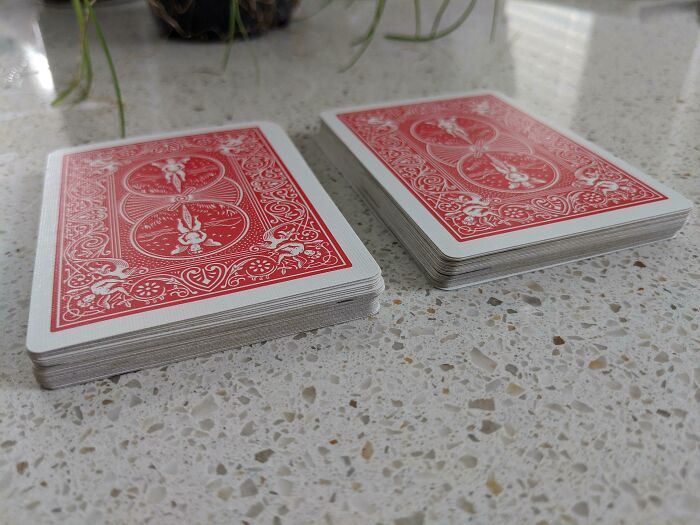
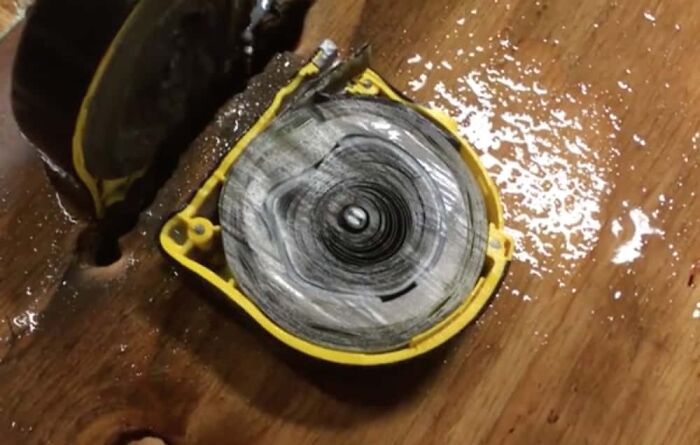
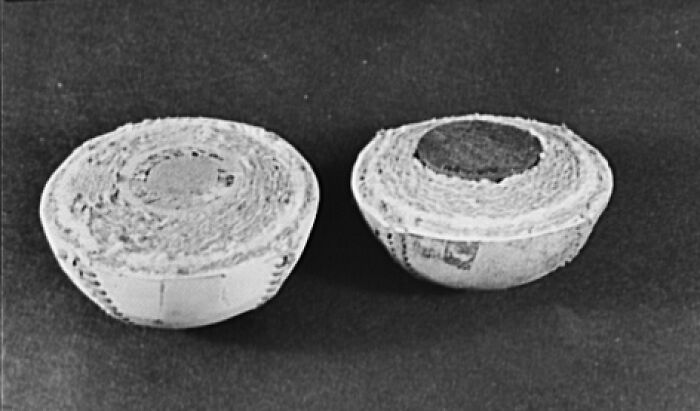
I'm pretty sure we've all thought about splitting one of these in half.
Did you know? "Currently, before all Major League (MLB) and Minor League (MiLB) baseball games, an umpire or clubhouse attendant rubs six dozen or more balls with mud. The practice is required by MLB Rule 4.01(c), which states that all baseballs shall be "properly rubbed so that the gloss is removed"." "The most prominent brand of specially prepared mud that is sold specifically for this purpose is Lena Blackburne Baseball Rubbing Mud. Although official rules do not require using specially prepared mud, and although other brands do exist, none of the other brands are well known, and the market for specially prepared mud is so small that the Blackburne brand does not generate enough revenue to pay for a single person's full-time employment."


This needs an empty space for Post-2012. We stopped making and using them entirely, once the cost to manufacture one exceeded its value.
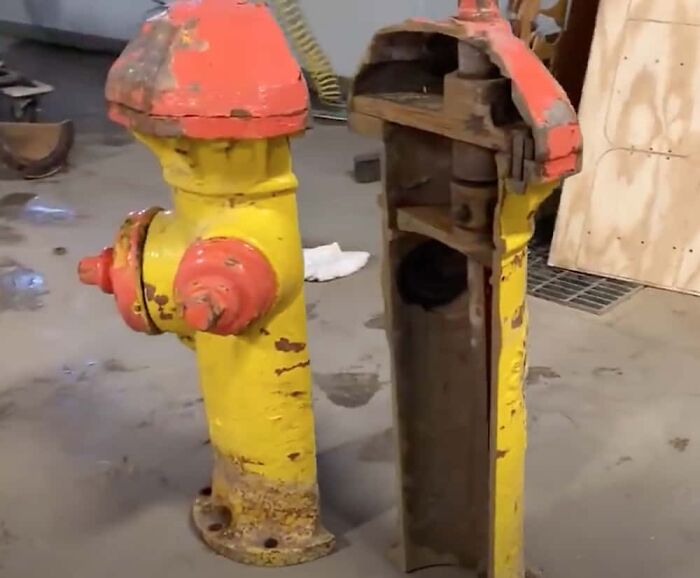
The actual valve gate for the fire hydrant is usually about ten feet or so below ground surface. The hydrant is just a support structure for the valve actuating rod and the outlet pipe for the water with hose connection ports. So when you see the Hollywood fire hydrant get smashed by a car and then erupt, that's not what would usually happen in reality. What would usually happen in reality if you smash into a fire hydrant is pretty much nothing; mainly a busted car and just a bent hydrant, maybe broke off, but almost certainly not erupting.

I’m cruelly surprised by how simply this looks. Other items on this page are sooo much more complicated yet do quotidian things, but a plane that’s sposta flight someone around is THAT simple? I’ve a feeling it’s more complicated somewhere we can’t see?

This one absolutely needs a banana for scale. It's bigger than you think.

I'm guessing it didn't work or wasn't practical/cost effective to build.
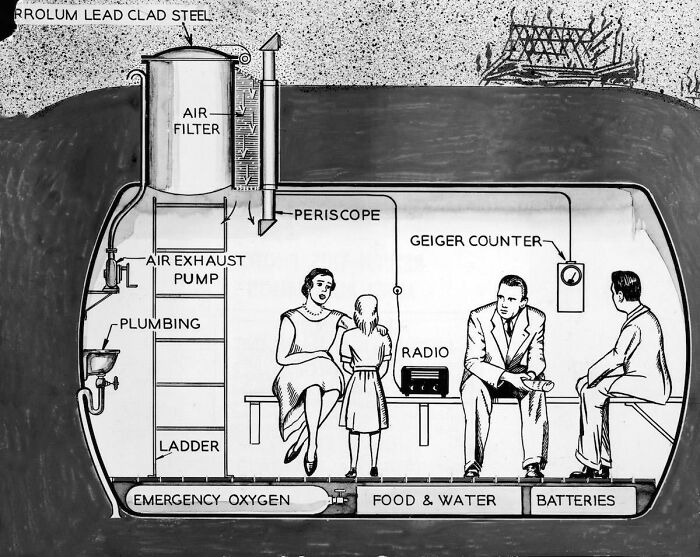
Probably be more miserable ending one's days in that than being obliterated in a few seconds.
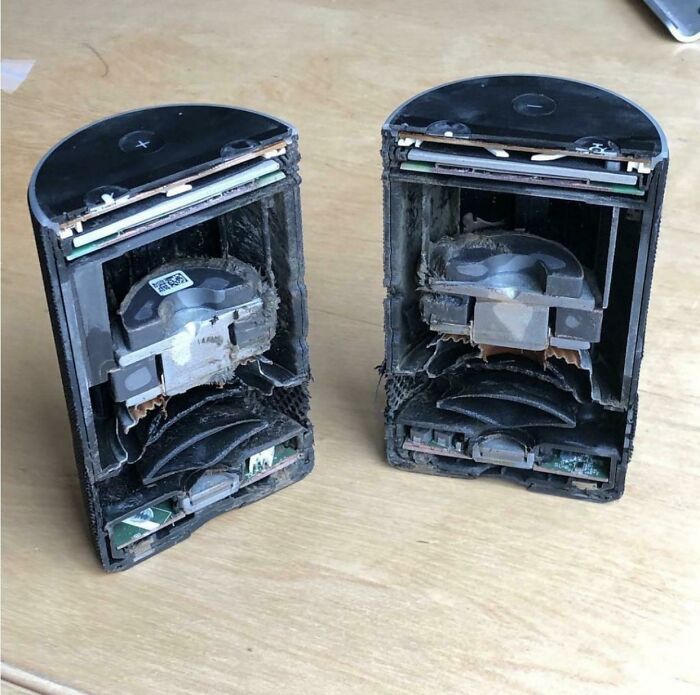
Someone with a katana had clearly had enough of Alexa getting everything wrong

Fabulous! Can we have more like these BP? An article like this is worth a dozen of MIL and bridezilla stories.

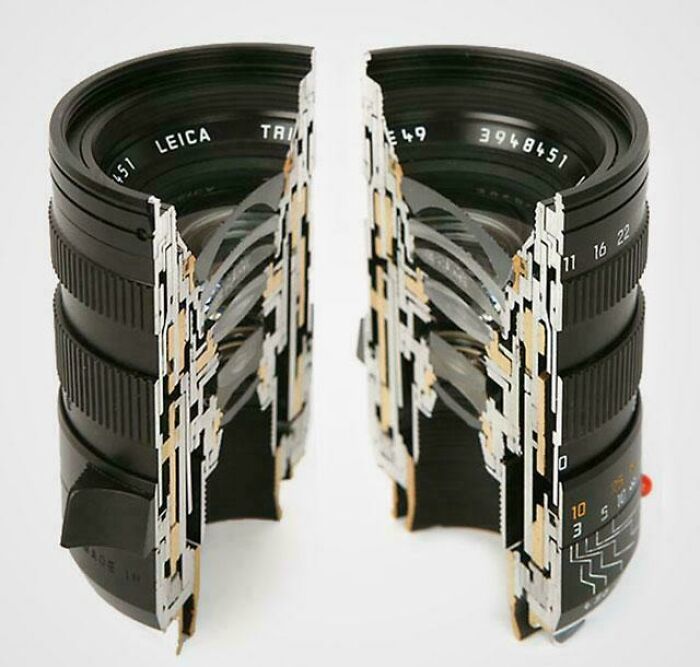
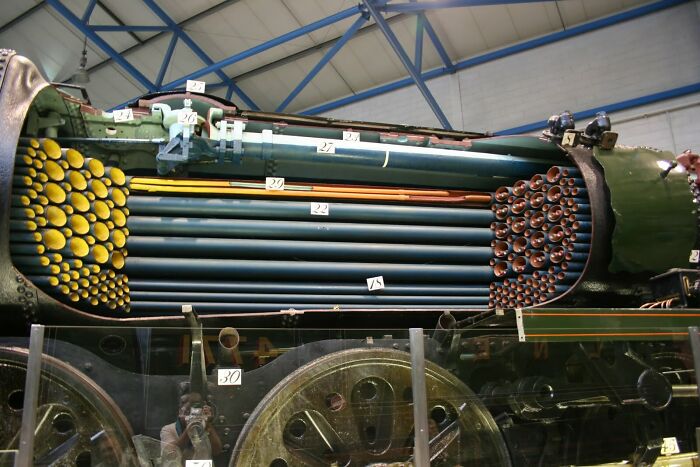
I absolutely love cutaways. Creating engine cutaways is an absolute art form, older ones from the very early parts of the machine age are especially awesome.
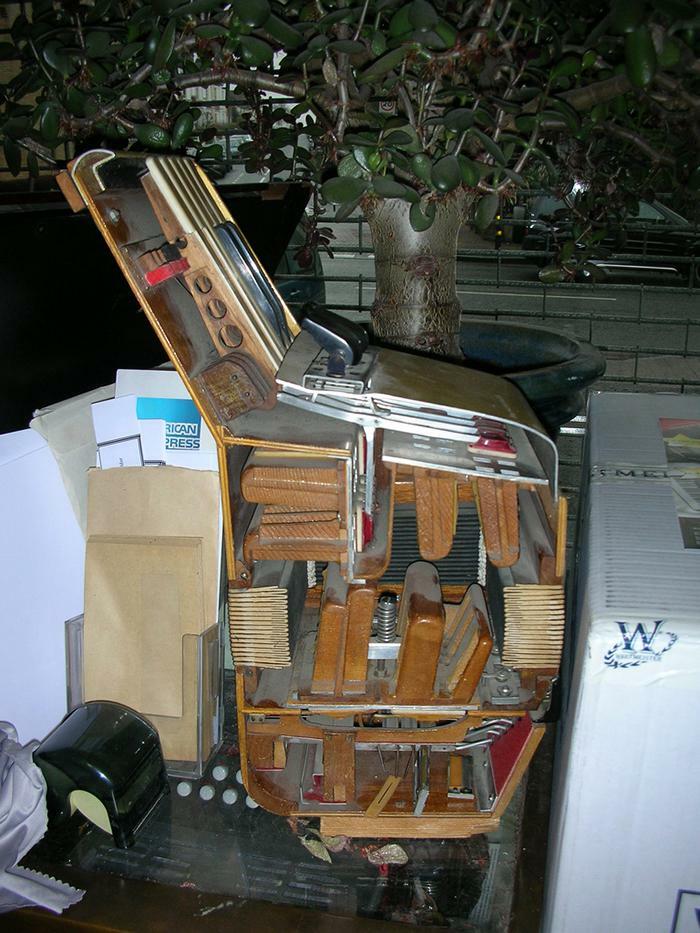
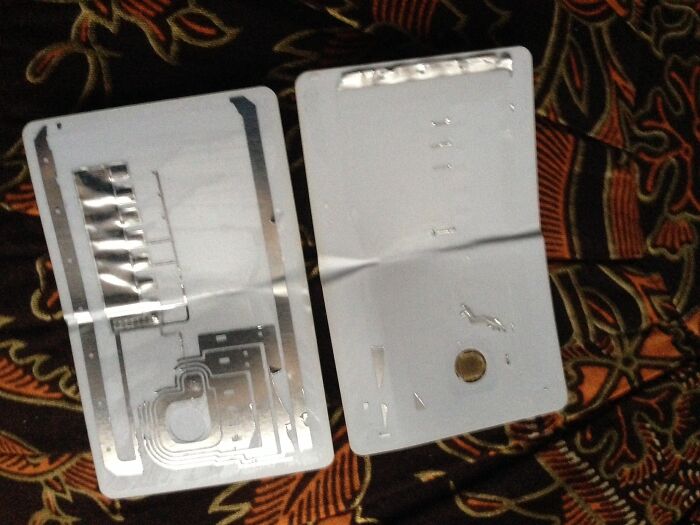
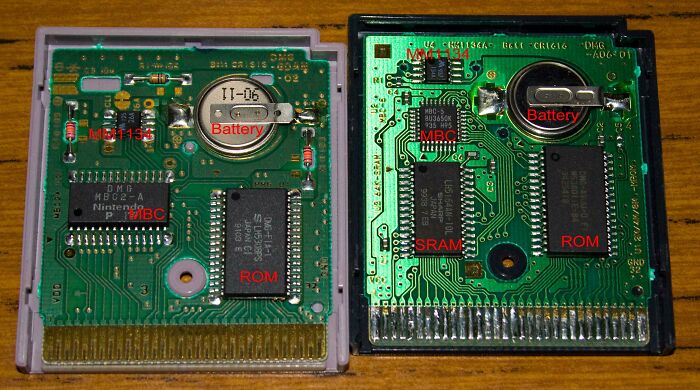
As Classics IV would say, “Tickets torn in half. Memories in bits and pieces.”
Fabulous! Can we have more like these BP? An article like this is worth a dozen of MIL and bridezilla stories.
I absolutely love cutaways. Creating engine cutaways is an absolute art form, older ones from the very early parts of the machine age are especially awesome.
As Classics IV would say, “Tickets torn in half. Memories in bits and pieces.”




































 No fees, cancel anytime