Get Premium
Dark mode theme is available exclusively for premium users. Learn more about the benefits of subscribing.
No fees, cancel anytime.

 Dark Mode Ad-Free Browsing Unlimited Content
 Ad-Free Browsing Unlimited Content Dark Mode
Join 1.2 million Panda readers who get the best art, memes, and fun stories every week!
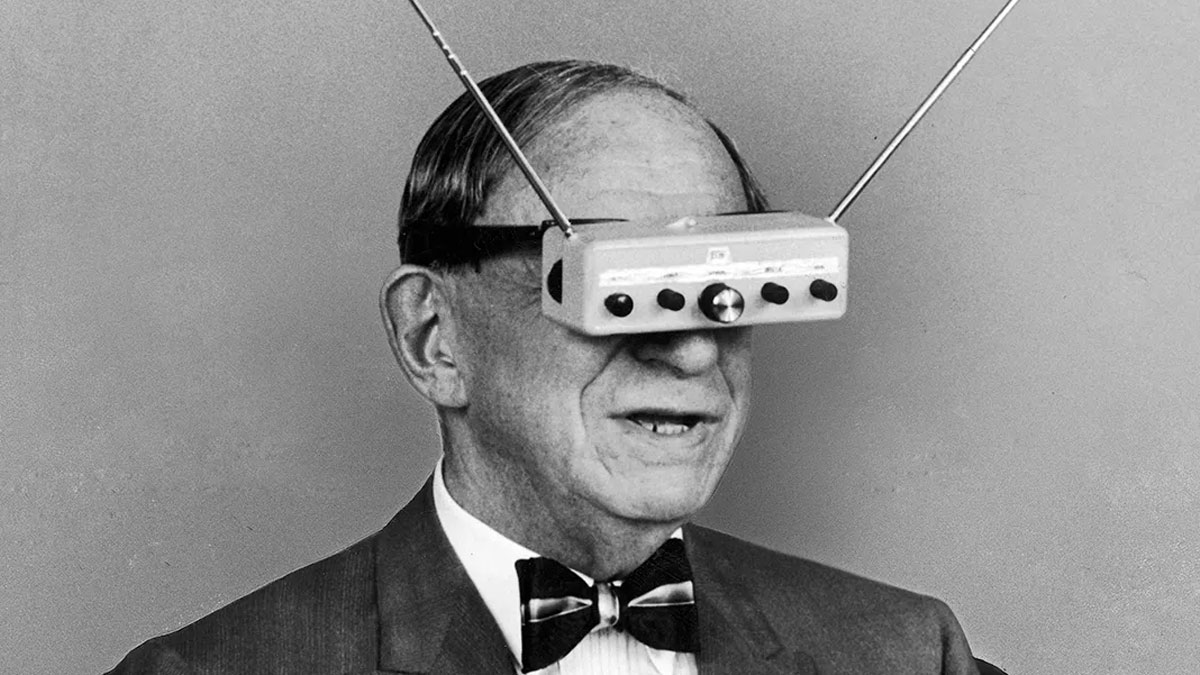
The invention of photography truly changed the world. Before it became widely available, capturing a person, place, or moment realistically meant spending hours bringing it to life through painting. But once cameras came along and gradually became more advanced, people were able to preserve what was in front of them in a matter of seconds.
Thanks to that, we’ve built up an archive of photographs from around the world since the 19th century, giving us a unique glimpse into the past. The Instagram page Rare Historical Photos is full of brilliant examples, and we’ve gathered some of the most interesting ones for you below. Scroll down to take a look.
This post may include affiliate links.

These days we snap photos without thinking twice. Pull out your phone, tap the screen, done. We photograph everything from grocery store shelves to random dogs we pass on the street.
It’s so ordinary now that we forget the camera in our pocket once captured history itself. Looking back at how photography began makes you appreciate just how far we’ve come.

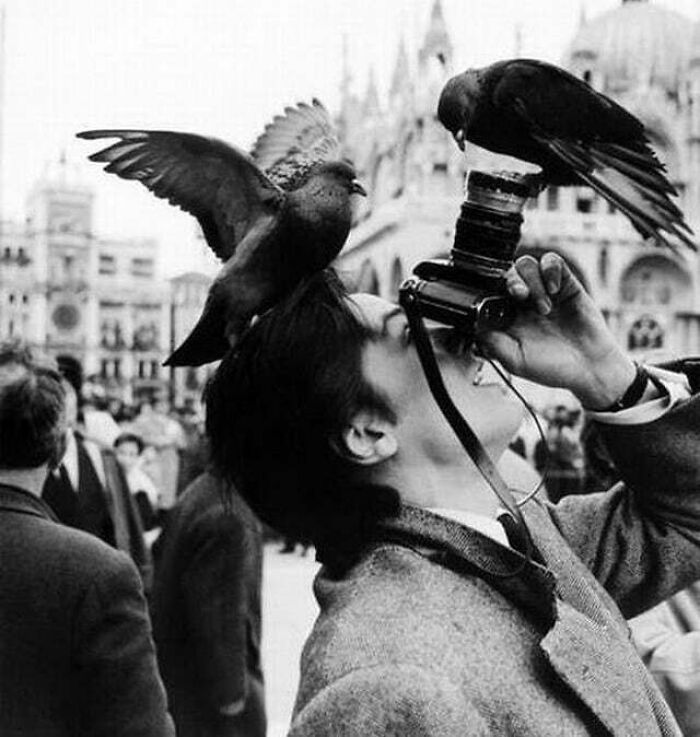
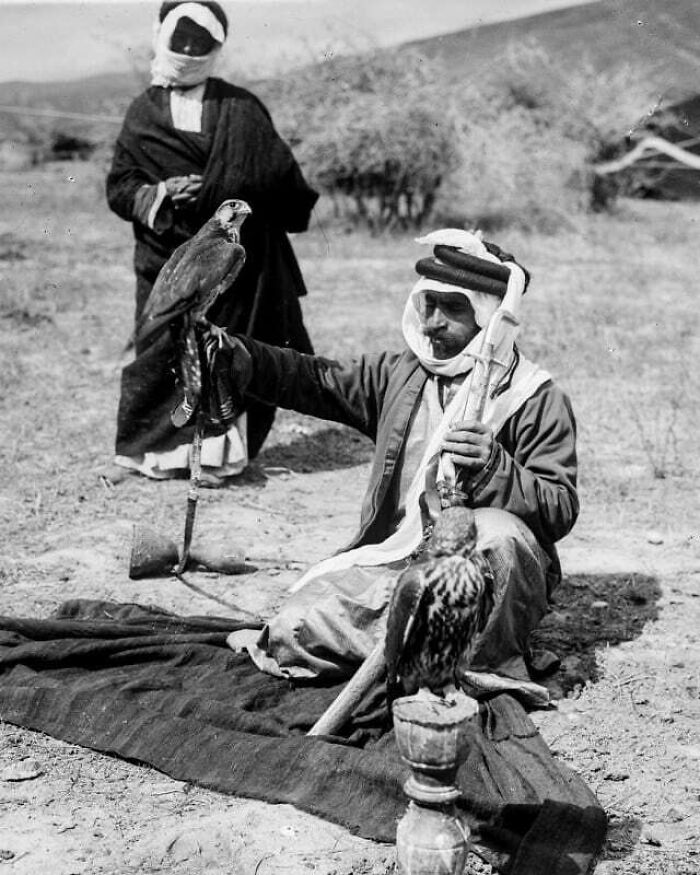
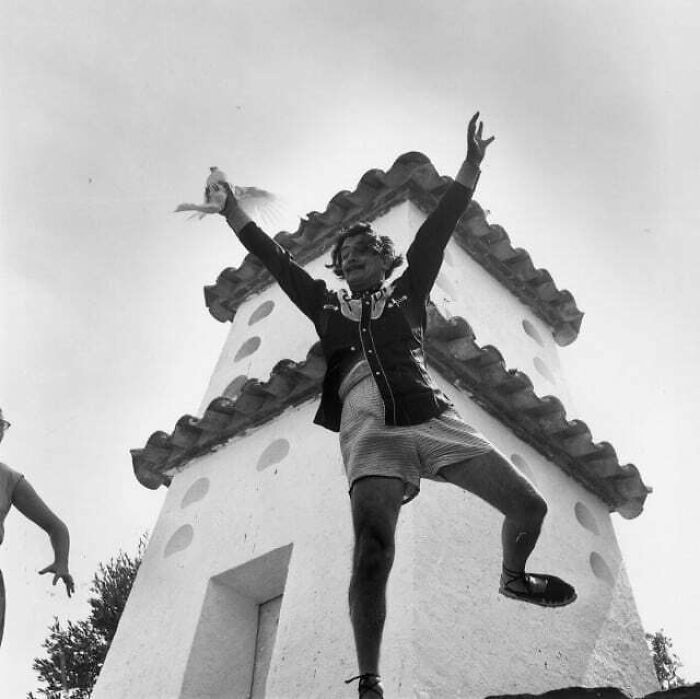
Knowing what birds tend to do, there's no way I'd have my mouth open below it... :-)
Photography’s roots go back way further than most people realize. Long before actual cameras existed, there was something called a camera obscura. Picture a dark room with a small hole in the wall. Light coming through that hole would project whatever was outside onto the opposite wall, upside down.
Ancient thinkers like Aristotle knew about this trick over 2,000 years ago. By the 1500s, an Italian scientist named Giambattista della Porta demonstrated and described in detail the use of a camera obscura with a lens.

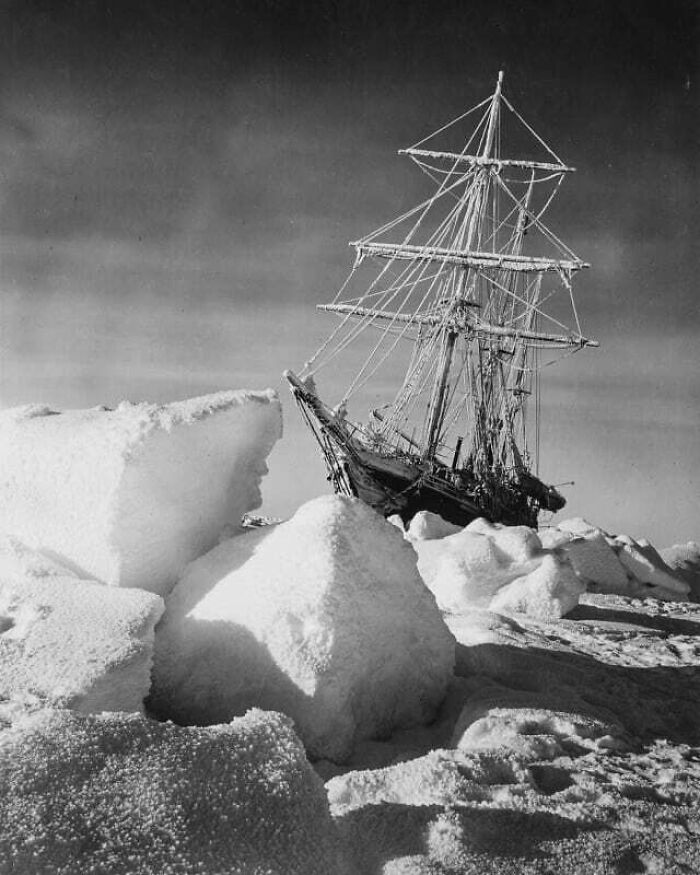
This is Shackleton's ship Endurance stuck in the ice in the Weddell Sea 1915. This was during his expedition to traverse Antarctica. Gradually the ship was crushed by the pressure and sank. Shakleton led the crew to safety on Elephant Island after a year walking. One of the most incredible survival stories ever. The wreck of the Endurance was found on the sea bed a few years ago.
The real breakthrough came from a Frenchman named Joseph Nicéphore Niépce. He spent years trying to make images permanent using light-sensitive chemicals, but they kept turning dark and ruining everything. Finally in 1826, he managed to capture an actual photograph.
It was just the view out his workroom window, and it took over 8 hours of exposure to work. The image was recorded on a metal plate covered in a tar-like substance. Primitive as it was, this was the first real photograph ever taken.
A painter named Louis Daguerre heard about what Niépce had done and immediately wanted in. The two men became partners and kept experimenting together. Daguerre switched to using silver-coated copper plates and mercury fumes, which sounds dangerous but actually worked much better.
Most importantly, he figured out how to cut down the exposure time dramatically. By the late 1830s, Daguerre was confident enough to start showing his work to important scientists and artists around Paris.
In January 1839, Daguerre unveiled his invention to the French Academy of Sciences. The audience was stunned by how detailed and realistic the images looked. He called his process the daguerreotype, and each one was unique, captured on a shiny silver plate that almost looked like a mirror.
By August of that year, Daguerre was demonstrating the whole process in front of huge crowds. People were so excited they packed into courtyards just to catch a glimpse. Within months, exposure times had dropped to just seconds, making it possible to take portraits of actual people. Photography was suddenly a business.
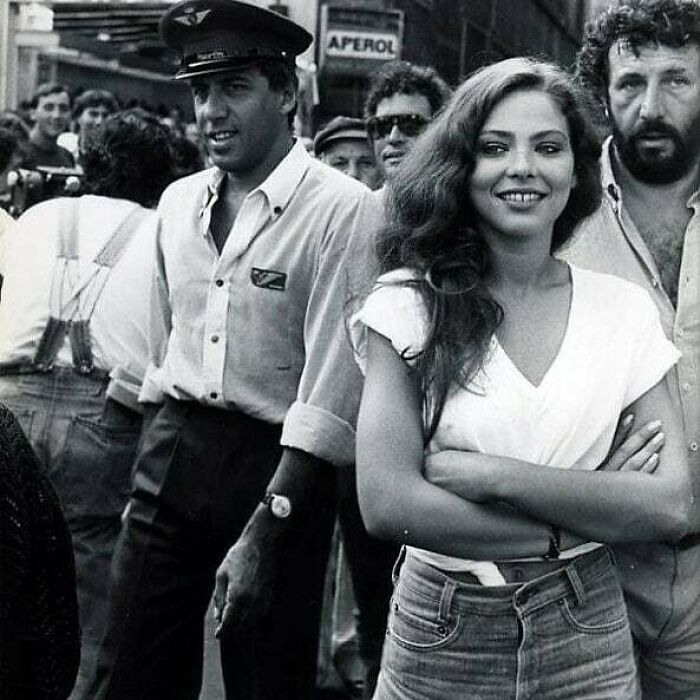
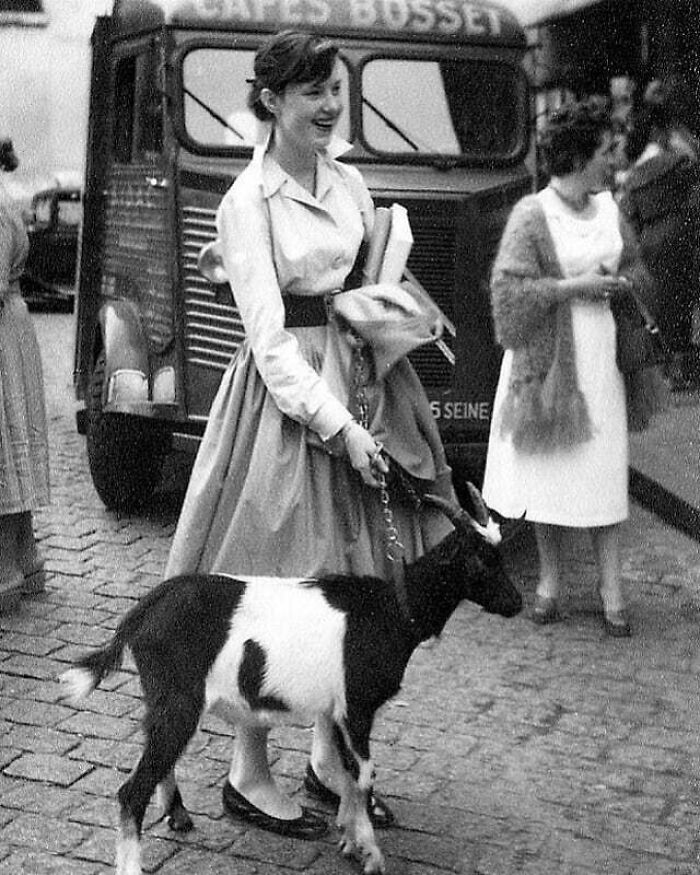
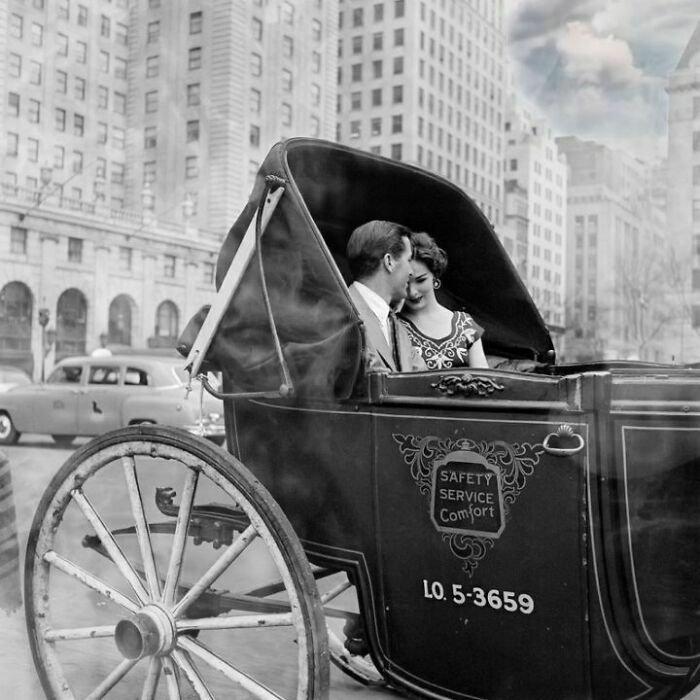
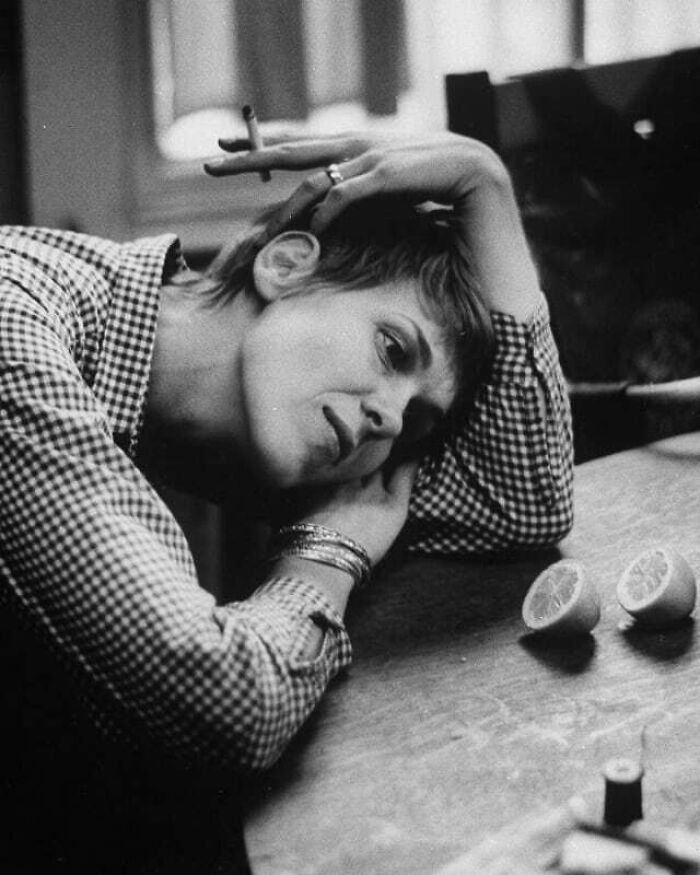
Ornella Muti and Adriano Celentano, I guess? They did some movies in the 80th.
Other inventors quickly jumped in with their own improvements. In the early 1840s, William Henry Fox Talbot created a process called the calotype that made negatives, meaning you could print multiple copies from a single photograph.
Then in 1851, Frederick Scott Archer came up with a method using glass plates that gave incredibly sharp images. These glass plate photographs, called tintypes when printed on metal, stayed popular for decades. Each advancement made photography cheaper and more accessible to regular people.
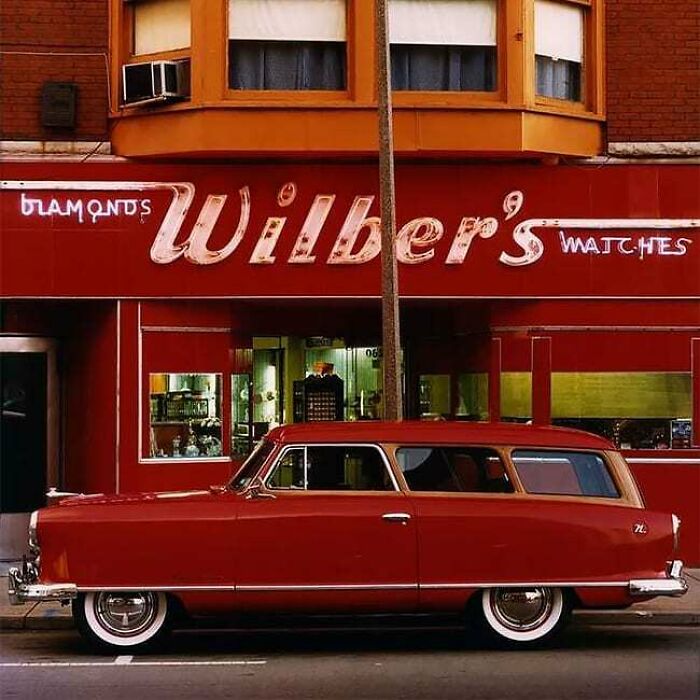
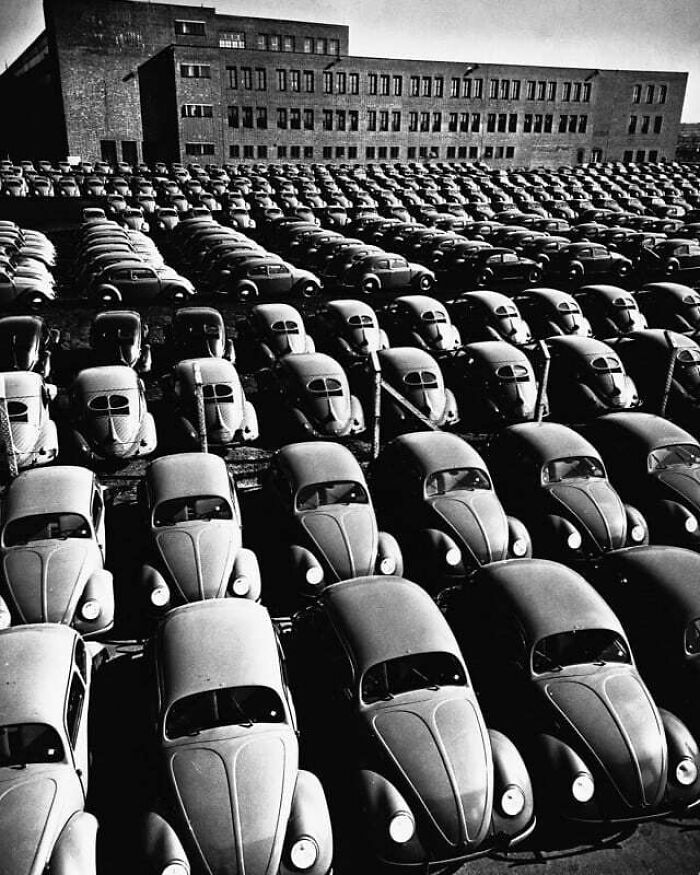
My parents were among the few people who drove Volkswagens back in the late 1960s Seattle, at least in our neighborhood. They had a Bug and a Wagon, and most notably they made a distinctive noise when driving that sounded different than (at that time) the mostly American-made cars on the road.
I can still play back that sound in my head. There was nothing else like it.
Load More Replies...
Those were great little cars! We should appreciate the person responsible for them (does some research) Oh...maybe not.
Richard Smith: Ferdinand Porsche probably did steal some of the design principles from earlier vehicles, but he wasn't all that bad. It was British Army Major Ivan Hirst who got the things put into mass production and he wasn't too bad either. Oh, you mean that silly little Austrian moustache? Yeah, well... 😬
Load More Replies...


my dad bought a "bug" new in 1971 paid 1100 for it it got totaled in 1982 insurance paid him 5k for it
$1,100 in 1971 is worth $2,620.99 in 1982 according to an internet in-/deflation calculator. Do indeed a good deal.
Load More Replies...
The next major leap happened with film. Thomas Edison originally developed 35mm film in the 1890s for moving pictures, but a German engineer named Oskar Barnack saw its potential for still photography. Around 1913, he started building prototypes, and in 1925 his company released the Leica I, the first commercial 35mm camera.
Then in 1975, a Kodak engineer named Steve Sasson built the first digital hand-held camera. It was the size of a toaster and weighed 8 pounds. It took nearly half a minute to save a single grainy black-and-white photo. But it worked.
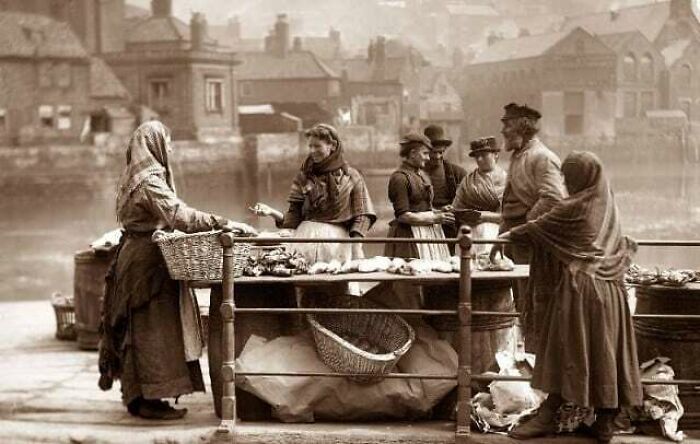
Let's see, I see fish for sale, anybody else figured out what else is being sold?

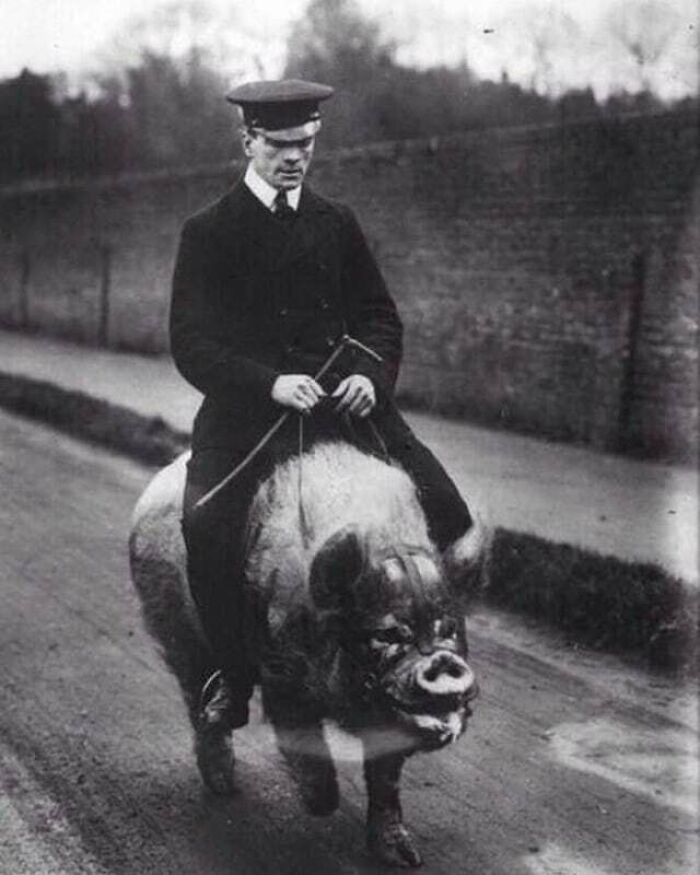
"Ah, sir? No matter how hard you make him gallop down the runway ... that's just an expression."

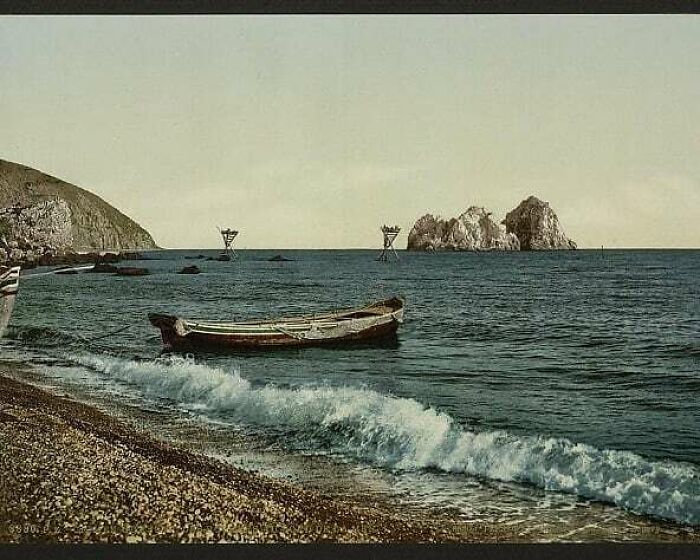
This is titled "Gursuff", which is modern day Gurzuf, on the Black Sea in Crimea.
From that clunky first digital camera to the sleek devices we carry today took just a few decades. What once required hours of exposure time now happens in a fraction of a second. What once needed specialized equipment and expertise now fits in everyone’s pocket.
Photography went from being a rare and expensive novelty to something we do hundreds of times a day without even thinking about it.
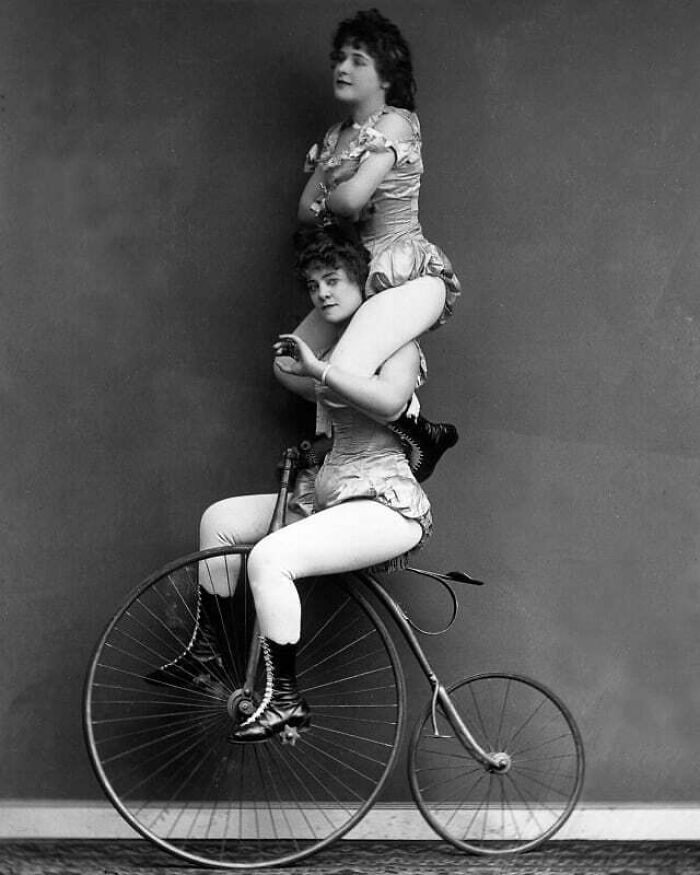
'20th April 1891: Victorian trick cyclists performing a balancing act. 'Auckland' (Photo by London Stereoscopic Company/Hulton Archive/Getty Images)' Link follows.

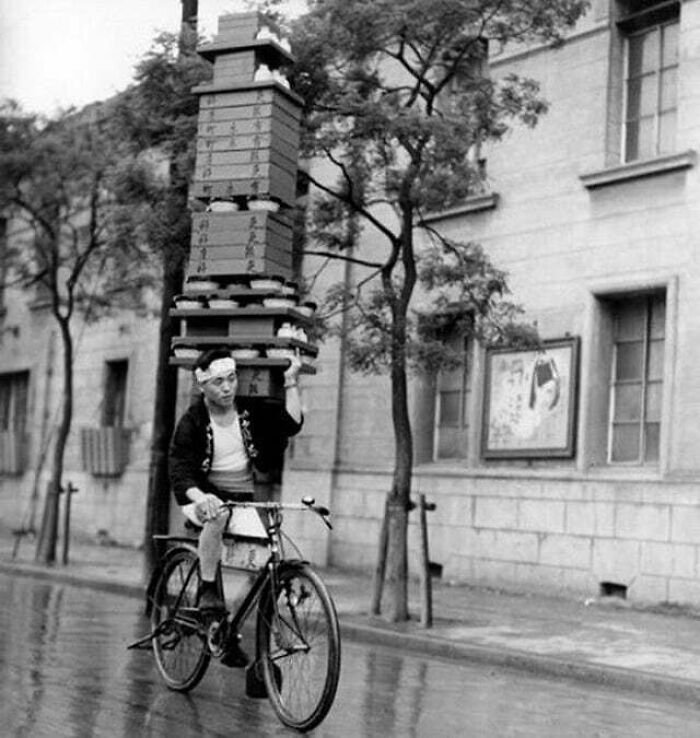
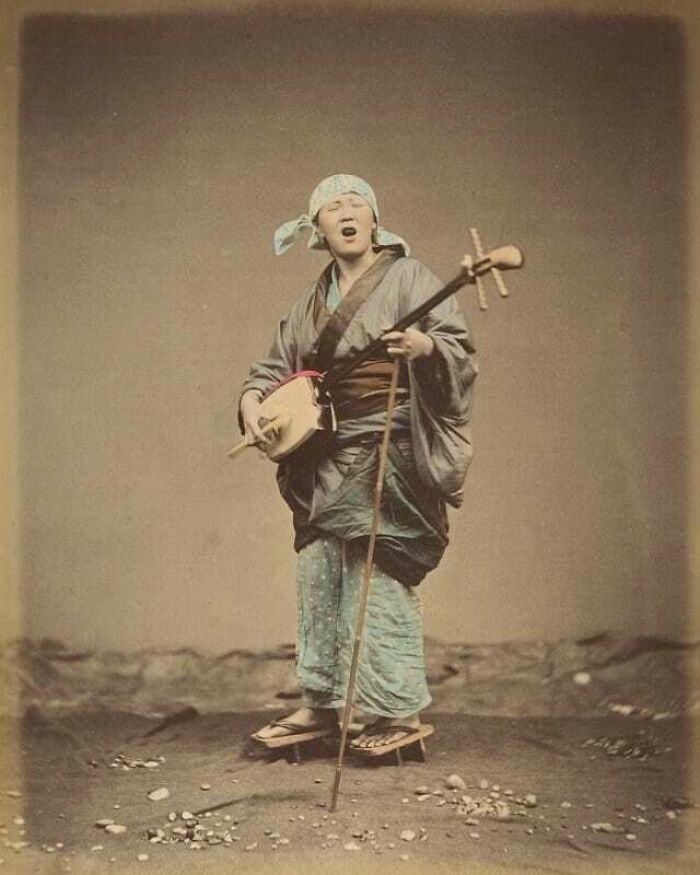
A shamisen, I think. Used to accompany kabuki theatre. Derived from the Chinese sanxian.
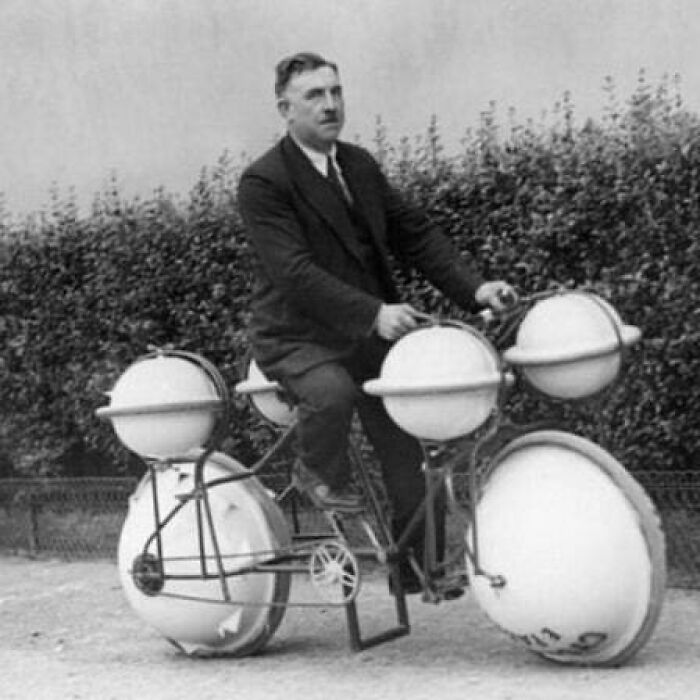
Is he expecting to ride that into - or should I say, on to - the lake?
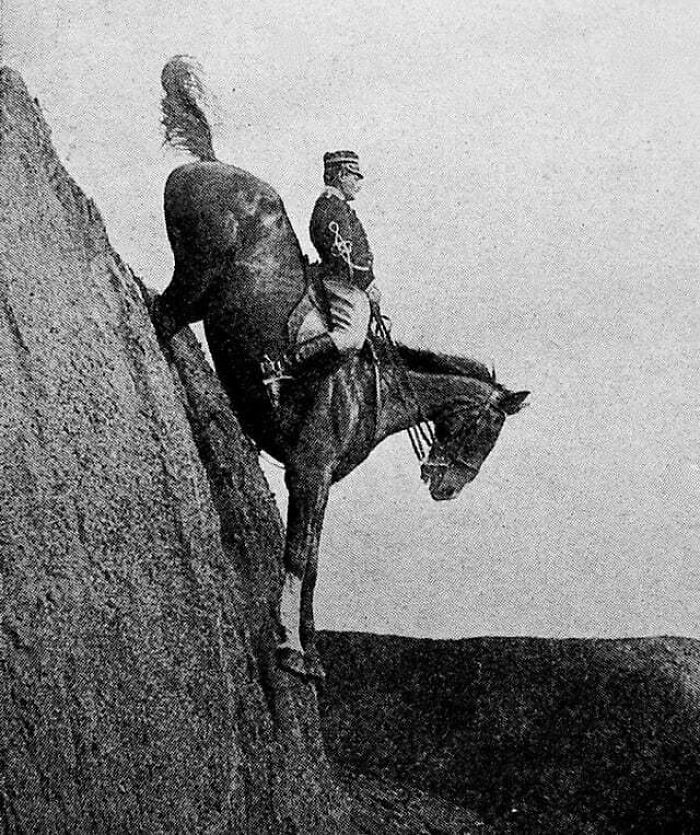
Working from memory here, I believe that's Federico Caprilli. He was among the first to realize the importance of keeping the rider's center of gravity over the horse's center of gravity, making riding more humane for the horse and more comfortable for the rider. It's the position known as the forward seat.
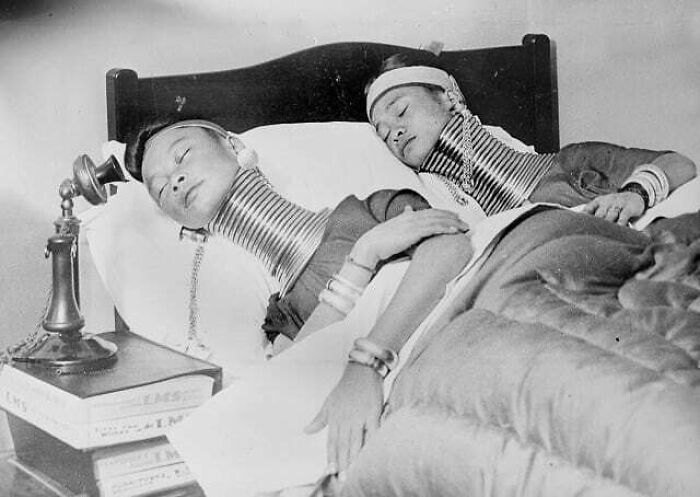
Fun fact, these don't actually stretch the neck, they deform the collarbones downward.
Fascinating - but the lack of description in many cases was a little disappointing. Thank you.

This is a very well-curated compilation and fascinating to view. Thank you.

All of these photos are from Instagram, and there's zero context there, either. Same photos. no description at all.
There is in the image alt text, on pc you can hover over them with mouse to see it.
Load More Replies...
These need a a heading to let people know what is taking place in these photos.
Fascinating - but the lack of description in many cases was a little disappointing. Thank you.
This is a very well-curated compilation and fascinating to view. Thank you.
All of these photos are from Instagram, and there's zero context there, either. Same photos. no description at all.
There is in the image alt text, on pc you can hover over them with mouse to see it.
Load More Replies... These need a a heading to let people know what is taking place in these photos.



























 No fees, cancel anytime