Get Premium
Dark mode theme is available exclusively for premium users. Learn more about the benefits of subscribing.
No fees, cancel anytime.

 Dark Mode Ad-Free Browsing Unlimited Content
 Ad-Free Browsing Unlimited Content Dark Mode
Join 1.2 million Panda readers who get the best art, memes, and fun stories every week!
The world is constantly changing and progressing, but there’s still always more to learn about the past. So if you’re tired of worrying about what’s to come in the future, you can take the next ten minutes to look back on history.
We took a trip to How History Looks on Instagram and compiled a list of their most intriguing posts below. From fun facts about the past to stories that you definitely didn’t hear about in school, we hope that this article will teach you something new. Enjoy scrolling through these posts, and be sure to upvote the ones that inspire you to dive deeper into your historical studies!
This post may include affiliate links.
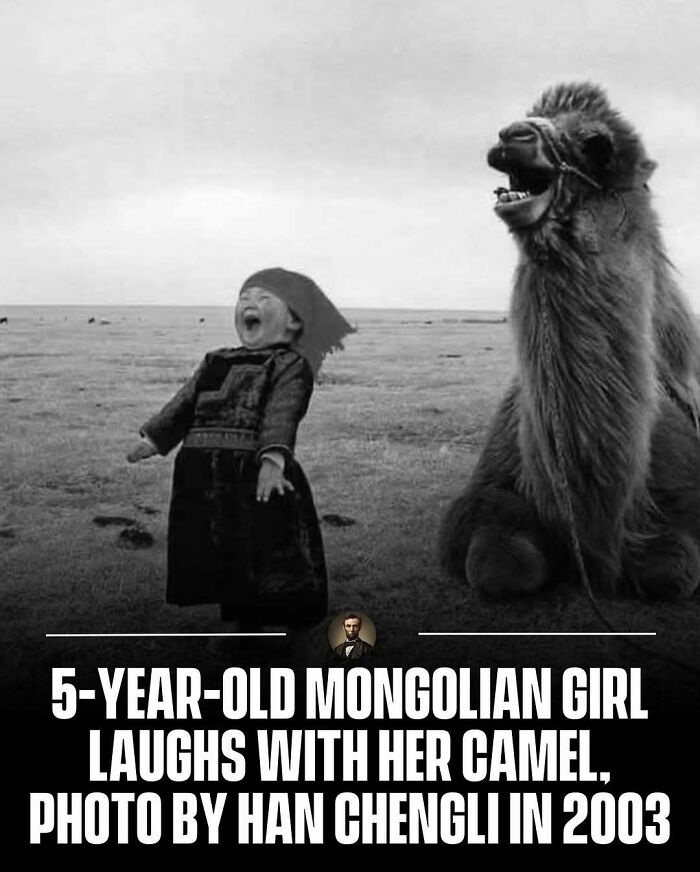
Inner Mongolian girl laughs with her camel by her side. The little girl’s name is Butedmaa and she was just 5 when this photo was taken by photographer Han Chengli in 2003.
Inner Mongolia is an autonomous region within China, distinct from the independent nation of Mongolia, which was historically referred to as Outer Mongolia.
Located in northern China along the border with modern-day Mongolia and Russia, Inner Mongolia is home to both Han Chinese and ethnic Mongols.
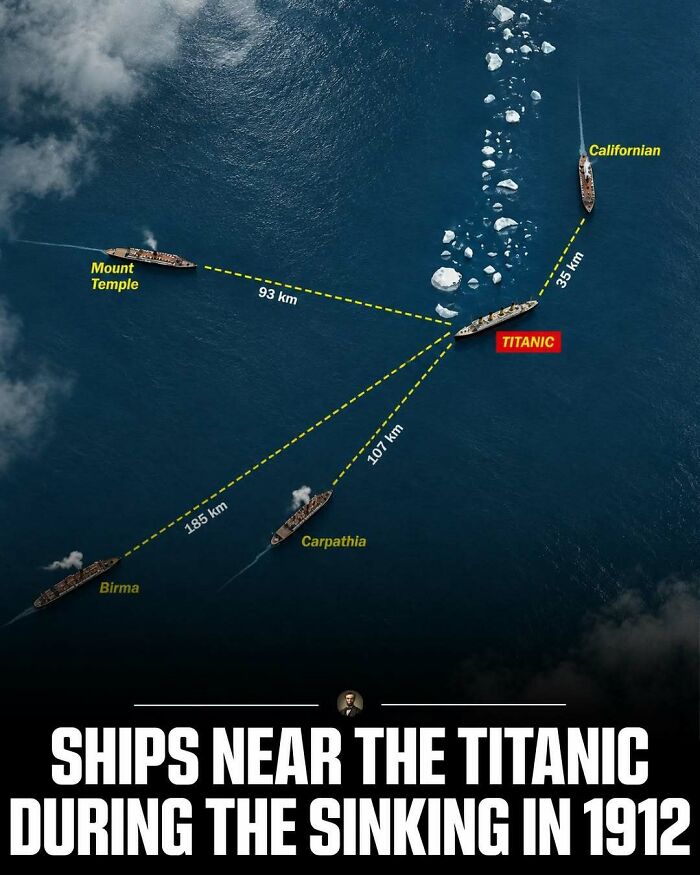
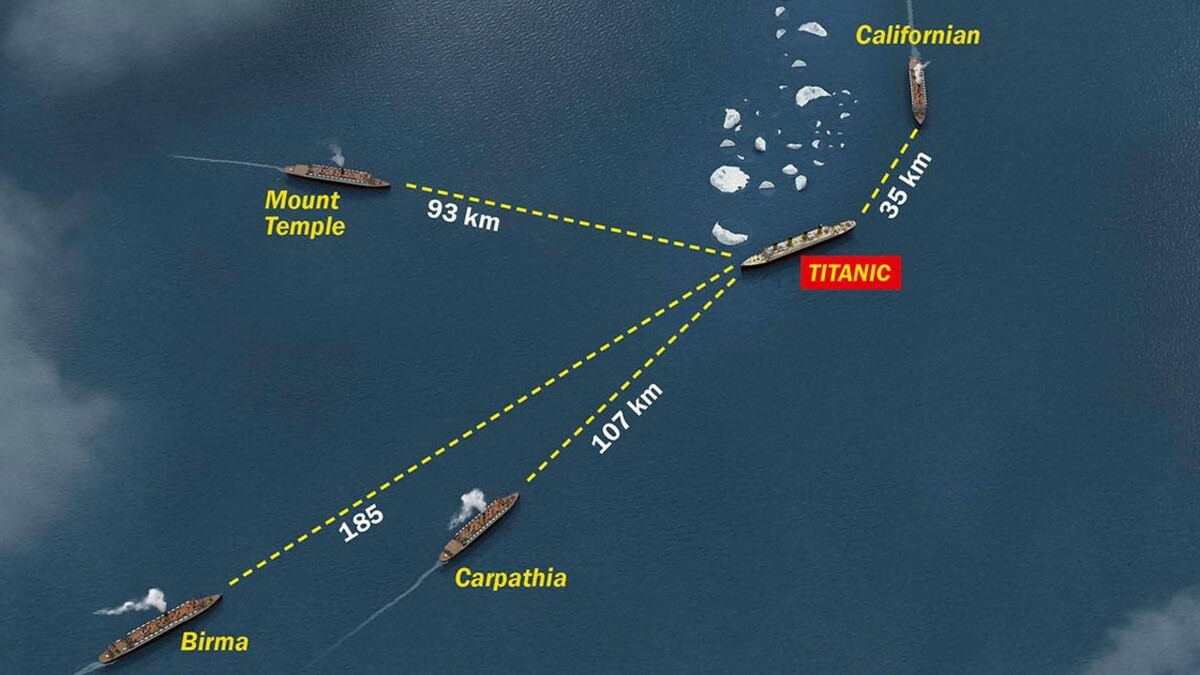
When the Titanic struck an iceberg and began sinking on April 15, 1912, several ships were scattered across the North Atlantic at very different distances. The Californian was reportedly the closest, while the Carpathia was over 100 km away and raced through the night to reach the survivors. 🚢❄️
Carpathia arrived after the Titanic had disappeared beneath the surface and rescued more than 700 people from the lifeboats. The tragedy has since sparked decades of debate over whether a nearby ship could have reached Titanic sooner and changed the outcome.
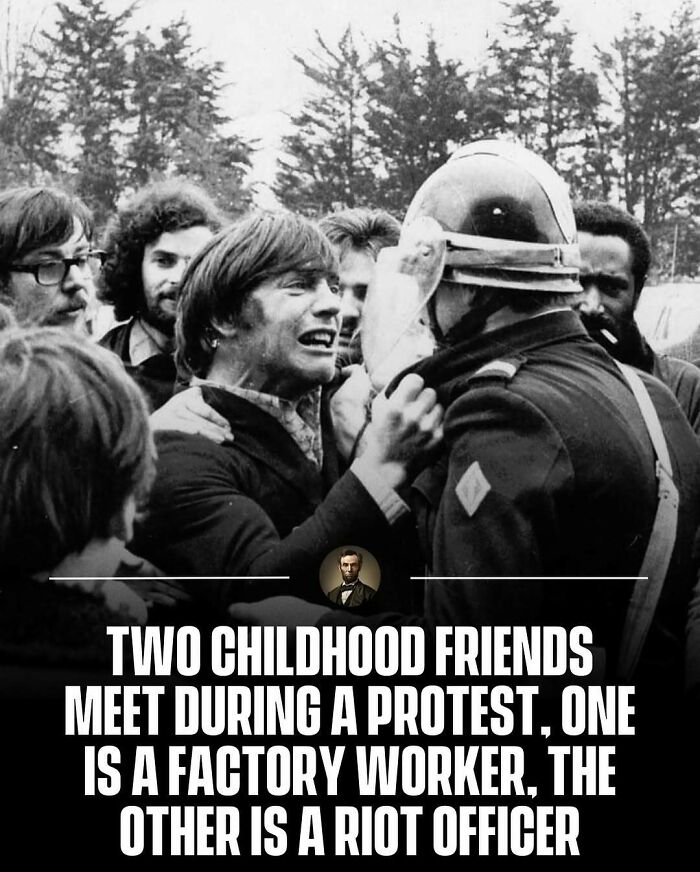
Guy Burmieux and Jean-Yvon Antignac were childhood friends but they chose different paths in life. On April 6, 1972 in Brittany, France, Guy was part of a protest to get better working conditions. Jean-Yvon and other riot officers were called in to quell the protestors.
Guy remembers the moment:
“I was part of the core of rebellious workers…We spent the night there, drinking coffee upon coffee. In the morning, the atmosphere was electric. After the police officers, the anti-riot police, it was the officers of the [Compagnies Républicaines de Sécurité 13] which emerged suddenly. There I found Jean-Yvon!”
The photographer, Jacques Gourmelen, captured the moment when the two met face-to-face.
Gourmelen, described what he saw:
“I took the photo on instinct. Guy had recognized his old friend and classmate. I saw Guy going toward his old friend and grab him by the collar. Guy yelled with rage and told him, ‘Go ahead and hit me while you’re at it!’ The other one didn’t move a muscle.”
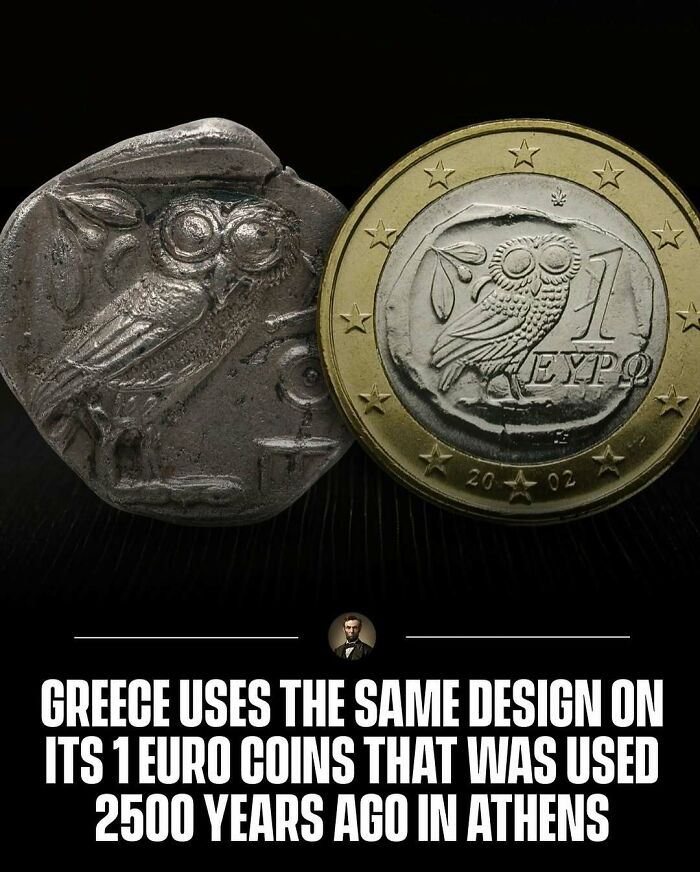
The image of the owl featured in this design was copied from an ancient Athenian 4-drachma coin (fifth century BC)
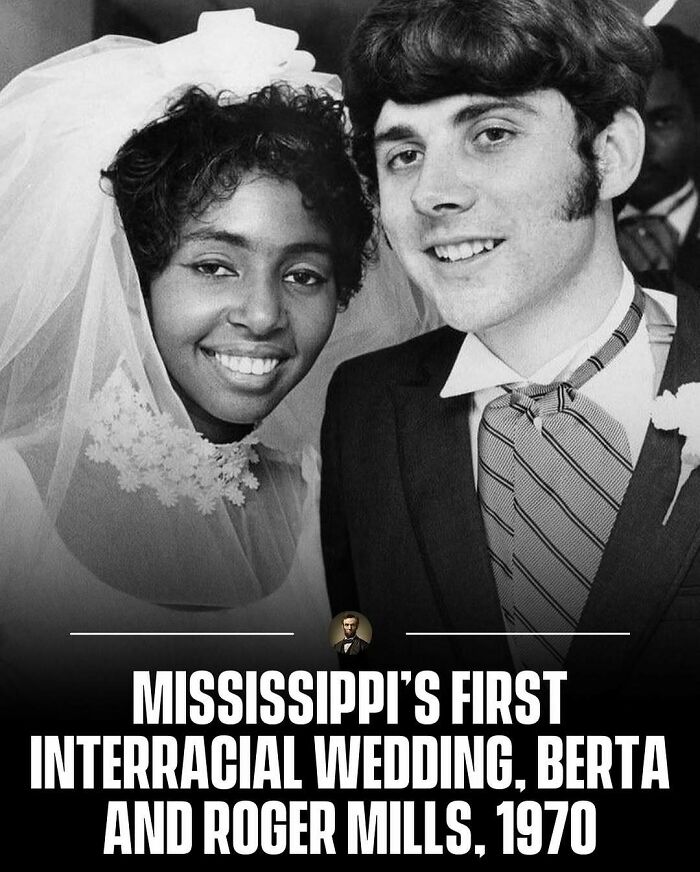
Newlyweds Roger and Berta Mills live quietly in a modest apartment, its location known only to a few close friends. They avoid grocery stores during busy hours. ‘We don’t want to advertise,’ Roger explains. Without a home phone, they use the law office where Roger works as a clerk for their mail. ‘We’re trying to stay under the radar to avoid as much hate mail and as many calls as possible,’ he says.
Despite the challenges, Roger, who is white, calls his 11-week marriage to Berta Linson, who is Black, ‘a very, very pleasant experience.’ ‘It’s been real smooth. I feel like I’m still on my honeymoon.’
The couple occasionally gathers with four other interracial couples living in the area, all of whom married in other states. ‘The white people I know in Jackson are attorneys and some wealthy folks,’ Roger says. ‘It would be a step down for them to visit us where we live.’ Still, he considers Mississippi ‘a pretty good state.’ ‘Things are moving forward. I kind of like Jackson and the state, but Berta is tired of the tension.’
Berta is looking forward to leaving for Washington next year when Roger plans to return to law school at George Washington University. Although the U.S. Supreme Court had already ruled that states could not ban interracial marriages, Mississippi still had laws on the books prohibiting them. Only after significant publicity and a federal court order were the Mills able to marry at Jackson’s Central United Church.
‘Berta hated every minute of it, and it caused her a lot of anguish,’ Roger recalls. The media attention followed them to Gatlinburg, Tennessee, where they honeymooned at the foot of the Smoky Mountains. ‘Everywhere we stopped, we saw newspapers covering our marriage,’ Roger said.
In Vietnam, giant centipedes, specifically Scolopendra subspinipes, are known for their aggressive nature and painful venomous bite.
A famous, possibly staged, photograph from the Vietnam War era shows an American soldier holding one up, but it appears larger than it actually is due to forced perspective.
These centipedes are native to Southeast Asia and are capable of overpowering and consuming small animals.
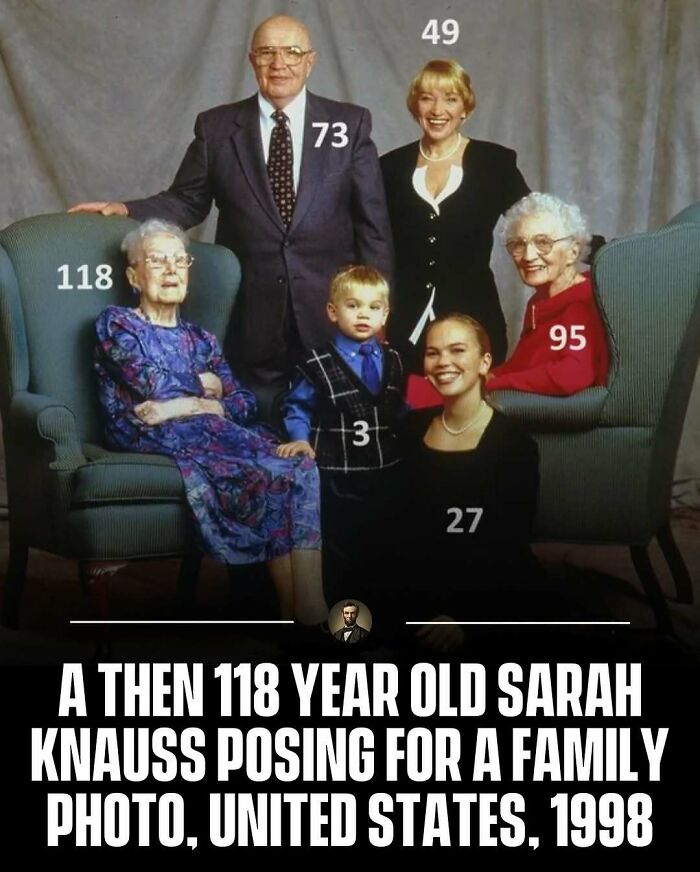
Sarah DeRemer Knauss was an American supercentenarian.
She is the oldest person ever from the United States and, on April 16, 1998, became the world’s oldest living person.
She is the third-oldest verified person ever, living to the age of 119 years and 97 days.
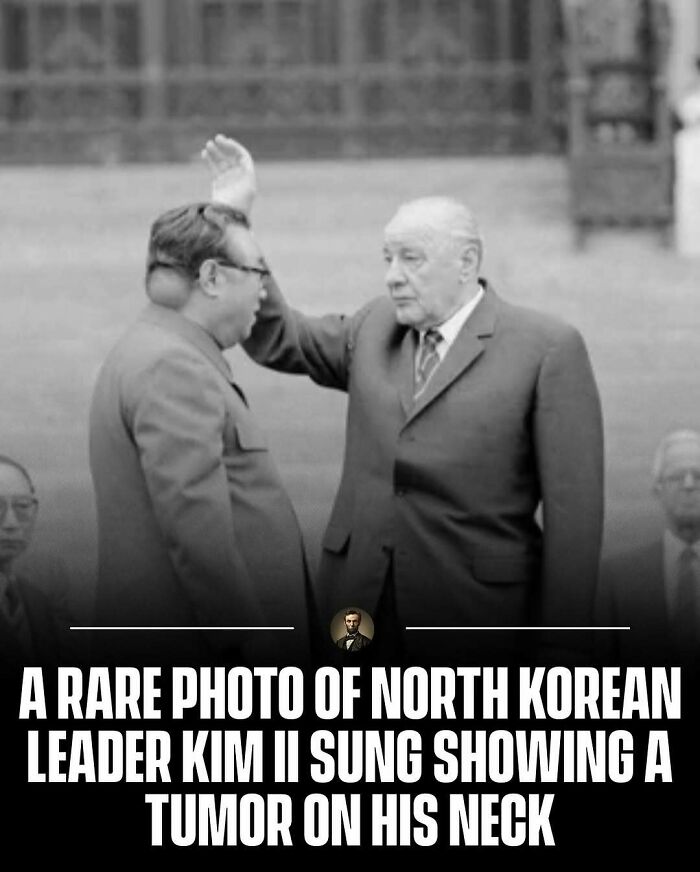
A rare photo of North Korean leader Kim Il Sung showing a tumor on his neck.
Photographers were forbidden to photograph the right side of his face. Late 1980s.
The idea behind this proverb is closely linked to the writings of Zhuangzi, one of the most influential Daoist thinkers of the 4th century BCE. In the Zhuangzi, there is a famous story about a huge, twisted tree that carpenters refuse to cut down because its wood is considered useless. Ironically, that very “uselessness” allows the tree to survive and live out its full natural life. 🌳
Zhuangzi used the story as a metaphor for human life. In Daoist thought, being useful according to society’s strict expectations can sometimes make people easier to exploit, control or exhaust. Those who are unconventional, overlooked or unwilling to fit narrow standards may instead preserve their freedom and live more naturally.
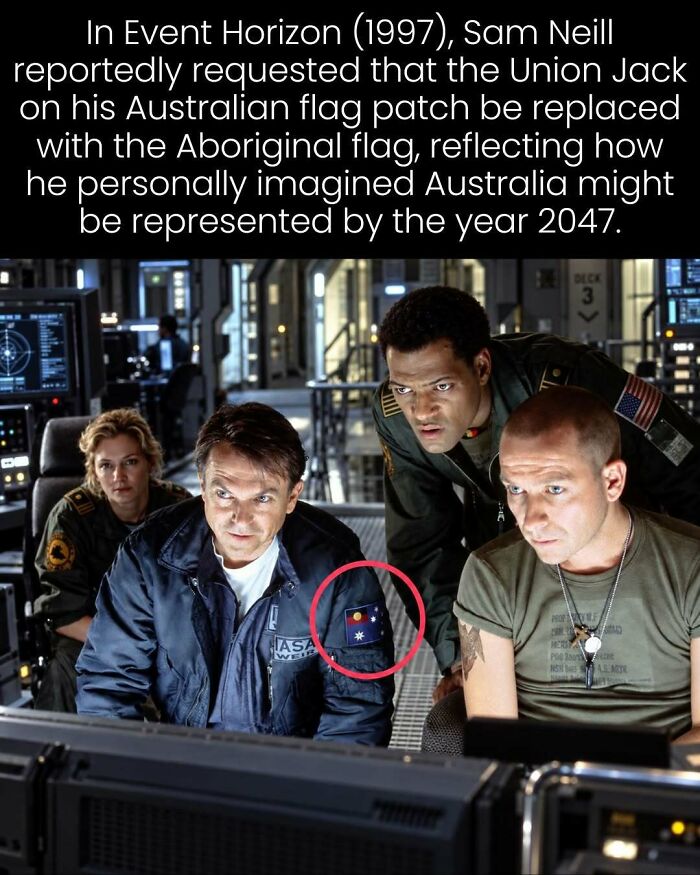
In Event Horizon, Sam Neill reportedly requested a small but meaningful change to the costume of his character, Dr. William Weir. The original Australian flag patch on his uniform featured the traditional Union Jack, but Neill asked for it to be replaced with the Aboriginal flag. He felt this better represented how Australia’s identity and culture might evolve by 2047, the year the film takes place. 🇦🇺🎬
The change is never explained in the movie, making it an easy detail to miss. The Aboriginal flag, designed by artist Harold Thomas in 1971, had already become an important symbol of Aboriginal identity by the time the film was made. Its appearance in the futuristic setting quietly imagined an Australia where Indigenous representation played a more prominent role in the country’s national identity.
This photograph captures an extraordinary moment of everyday life continuing amid the devastation of lower Manhattan after September 11, 2001. Taken by photographer Jane Tyska on September 24, it shows a man and woman washing a heavy coating of grey dust from their black Mazda Miata convertible. 🚗
Behind them, enormous cranes rise above the skeletal remains of the World Trade Center, where recovery efforts were underway. The contrast between something as ordinary as cleaning a car and the destruction surrounding them became a striking image of New Yorkers trying to restore some sense of normal life in the aftermath of tragedy. 🕊️
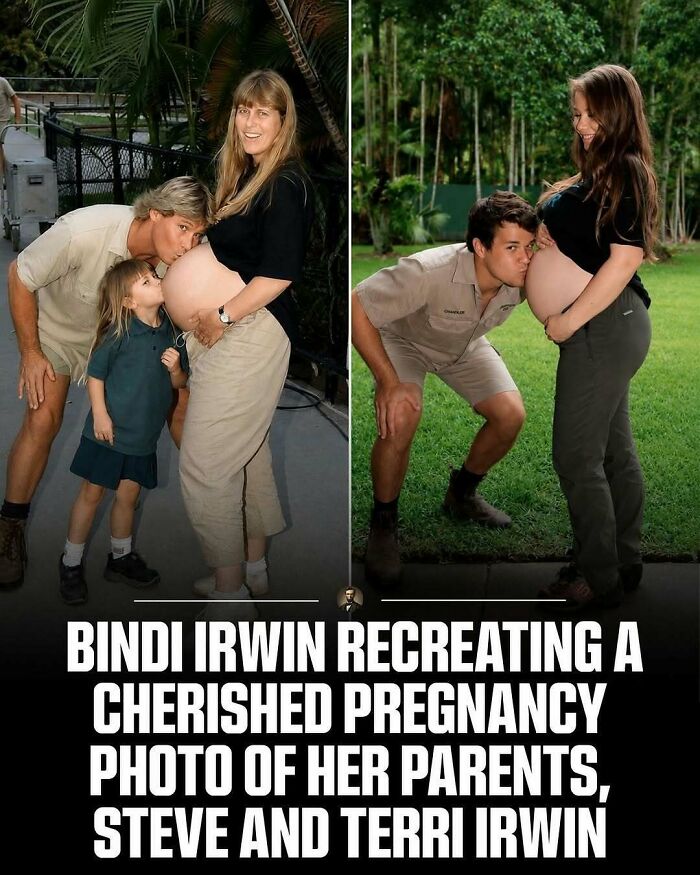
Bindi Irwin recreated a treasured family photo taken while her mother Terri was pregnant with Robert. In the original, Steve Irwin and a young Bindi kiss Terri’s baby bump, while the new version shows Bindi in the same pose as her husband Chandler Powell kisses her stomach.
Bindi shared the recreation in January 2021 during her third trimester, calling it a very special moment. The touching tribute celebrated her growing family while keeping the memory of her late father at the heart of the occasion ❤️🐊
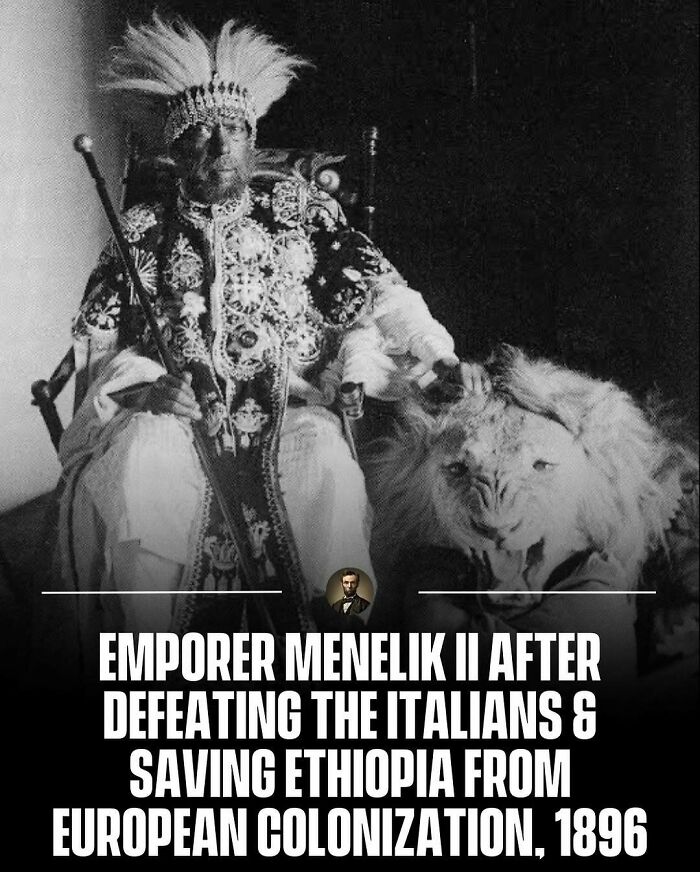
Emperor Menelik II of Ethiopia decisively defeated the Italian army at the Battle of Adwa on March 1, 1896, thwarting Italy’s attempt to colonize Ethiopia.
This victory, a major event in the First Italo-Ethiopian War, secured Ethiopia’s sovereignty and became a symbol of African resistance against European imperialism
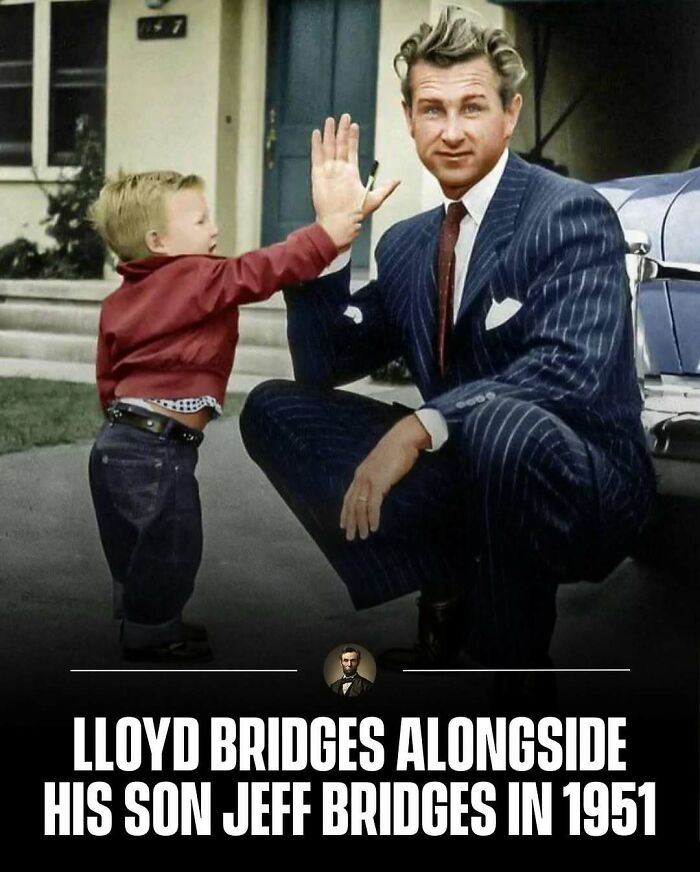
Lloyd Vernet Bridges Jr. was an American film, stage and television actor who starred in a number of television series and appeared in more than 150 feature films.
He was the father of four children, including the actors Beau Bridges and Jeff Bridges.
Lewinsky became internationally known in the late 1990s after U.S. President Bill Clinton admitted to having had an affair with her during her days as a White House intern between 1995 and 1997.
The affair and its repercussions (which included Clinton’s impeachment) became known as the Clinton–Lewinsky scandal.
A poor rural family standing at attention for RFK’s funeral train (1968) 🇺🇸
On June 8, 1968, a 21-car funeral train carried Senator Robert F. Kennedy’s body from New York City to Washington, D.C., for burial at Arlington National Cemetery.
Millions of mourners lined the 225-mile route, paying respects. Photographer Paul Fusco captured iconic images of grieving Americans. The journey, meant to take four hours, lasted over eight due to the crowds.
Muammar Gaddafi with one of his lady bodyguards, Cairo, 1994. She was a member of the Amazonian Guard (officially known as the Revolutionary Nuns), which was an elite group of female security agents. From 1969 to 2011, the Nuns protected him
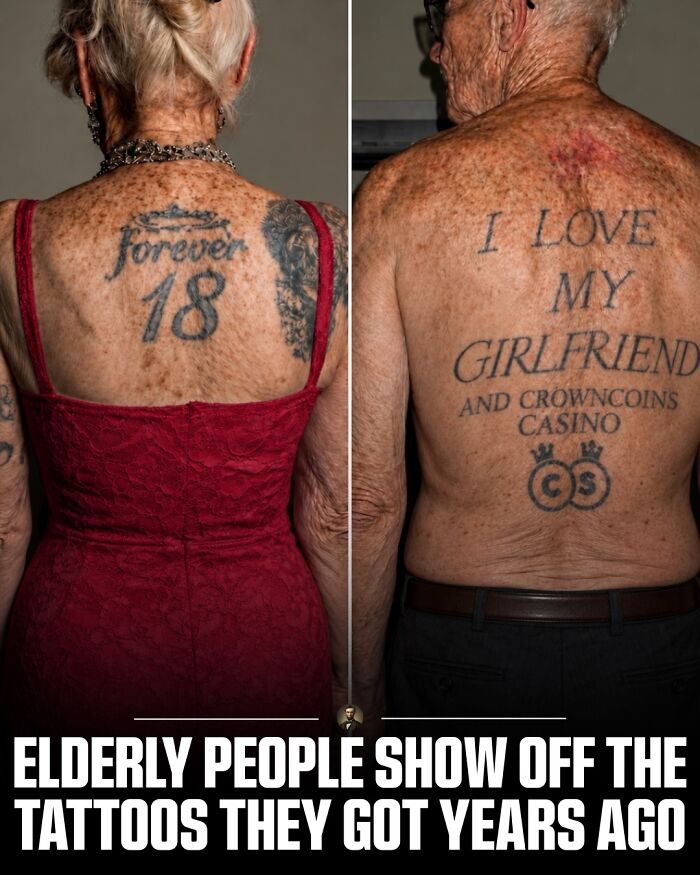
Some tattoos fade, but @Crowncoinscasino is apparently forever 😂
These photos show something people rarely get to see: what tattoos can look like after years of aging alongside the people who got them.
Over time, tattoo ink can fade, blur, and spread as skin changes and years of sun exposure take their toll. Lines that were once sharp may soften, while colors can lose some of their original intensity.
Still, many remain surprisingly recognizable, becoming permanent snapshots of the people, relationships, memories, and apparently casinos that mattered most 😂
Kangnido is a world map completed by the Korean scholars Kwon Kun and Yi Hoe in 1402, during the Joseon dynasty.
In September 1987, however, reports emerged that he had plagiarized a speech by the British Leader of the Opposition and Labour Party Leader, Neil Kinnock.
Other allegations of past law school plagiarism and exaggerating his academic record soon followed and Biden withdrew from the race later that month.
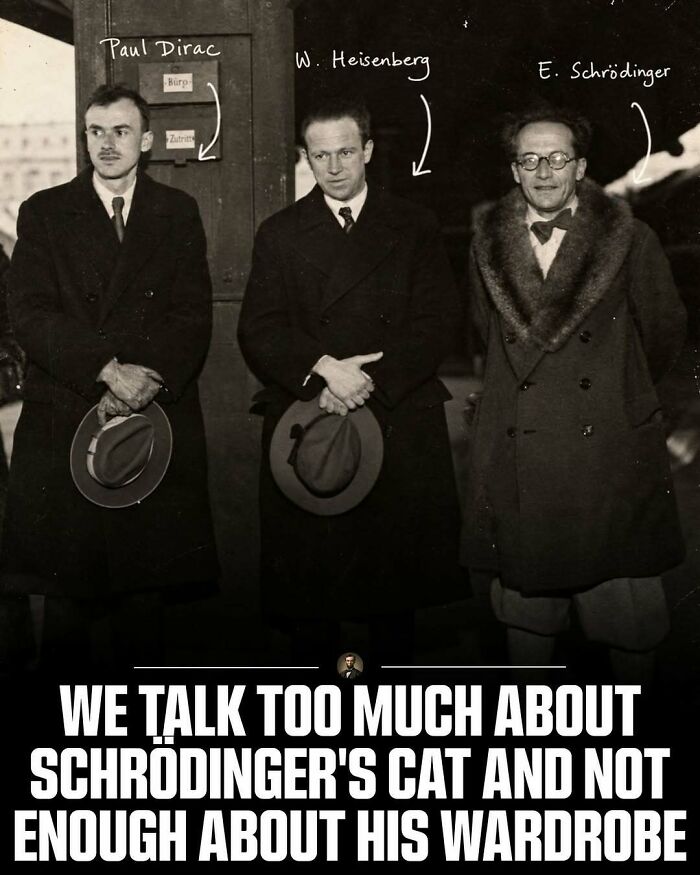
Erwin Schrödinger stood out in the physics world not only for his groundbreaking work on quantum mechanics, but also for his distinctive personal style. While contemporaries such as Paul Dirac and Werner Heisenberg often wore traditional dark coats and formal neckwear, Schrödinger regularly appeared in round spectacles, patterned bow ties, fur lined coats, and knickerbockers with knee socks. 🎩
His unconventional wardrobe matched his reputation as a deeply individual and nonconformist figure. Even surrounded by some of the greatest physicists of his generation, Schrödinger managed to look completely unlike anyone else in the room. 🧠✨
Tunnel Rock is a massive granite formation in Sequoia National Park, California, located along Generals Highway near the park’s southern entrance. In the 1930s, the Civilian Conservation Corps built the original roadway beneath the rock, allowing vehicles to pass directly underneath it for decades. 🚗🪨
By the mid 1990s, larger modern vehicles made the narrow passage less practical and the highway was eventually rerouted around it. Today, cars no longer drive beneath Tunnel Rock, but visitors can still walk along the preserved old roadway, take photos underneath the formation, and carefully climb onto the top for a closer look.
The top image shows Uttam Nagar, while the bottom shows Dwarka. After India gained independence in 1947, Delhi’s population grew rapidly as refugees, migrants, and workers moved into the capital. With demand for affordable housing rising faster than supply, areas such as Uttam Nagar expanded through dense, largely unplanned construction, resulting in tightly packed buildings, narrow streets, and very little open space. 🏙️
Dwarka developed very differently. Planned in the 1980s and built mainly from the 1990s by the Delhi Development Authority, it was designed with wider roads, parks, apartment complexes, schools, and modern infrastructure. One of the most striking differences is temperature, as greener parts of Delhi can reportedly be far cooler than densely built neighborhoods. With less vegetation, more concrete and metal roofing, and limited access to cooling, some areas experience an intense urban heat island effect during summer temperatures that can exceed 45°C.
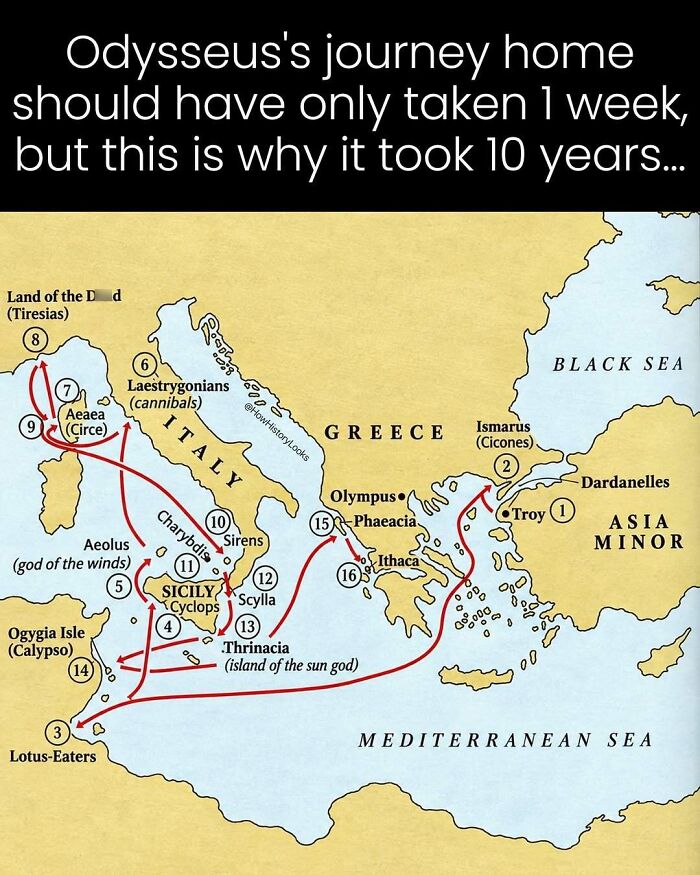
After the Trojan War, Odysseus should have been able to return to Ithaca in roughly a week. Instead, the journey took 10 years after he blinded the Cyclops Polyphemus and angered Poseidon, while his crew repeatedly ignored warnings and made costly mistakes. ⚔️🌊
Along the way, they encountered the Lotus Eaters, escaped the Cyclops, lost their chance to reach home when the crew opened Aeolus’ bag of winds, and saw most of their fleet destroyed by the Laestrygonians. Odysseus later spent a year with Circe, travelled to the Underworld to seek Tiresias, passed the Sirens, and survived Scylla and Charybdis.
After his men perished the sacred cattle of Helios, Zeus destroyed their ship, leaving Odysseus as the only survivor. He then spent seven years stranded on Calypso’s island before the Phaeacians finally helped him reach Ithaca. By the time he returned, he had been away for 20 years, with 10 spent fighting at Troy and another 10 simply trying to get home. 🏛️
Canada, California, and the Greater Tokyo Area all have populations of roughly 40 million people, yet the amount of land they occupy is dramatically different. Canada covers nearly 10 million square kilometres, California spans more than 420,000 square kilometres, while the Greater Tokyo Area fits into only around 13,500 square kilometres. 🌍
If the land were divided equally among every resident, each person in Canada would have roughly 243,000 square metres, compared with around 10,900 square metres in California and just 330 square metres in Greater Tokyo. Tokyo is the largest metropolitan area in the world and has more people than entire countries including Australia, Poland, Morocco, Saudi Arabia, Uzbekistan, and Peru. 🏙️
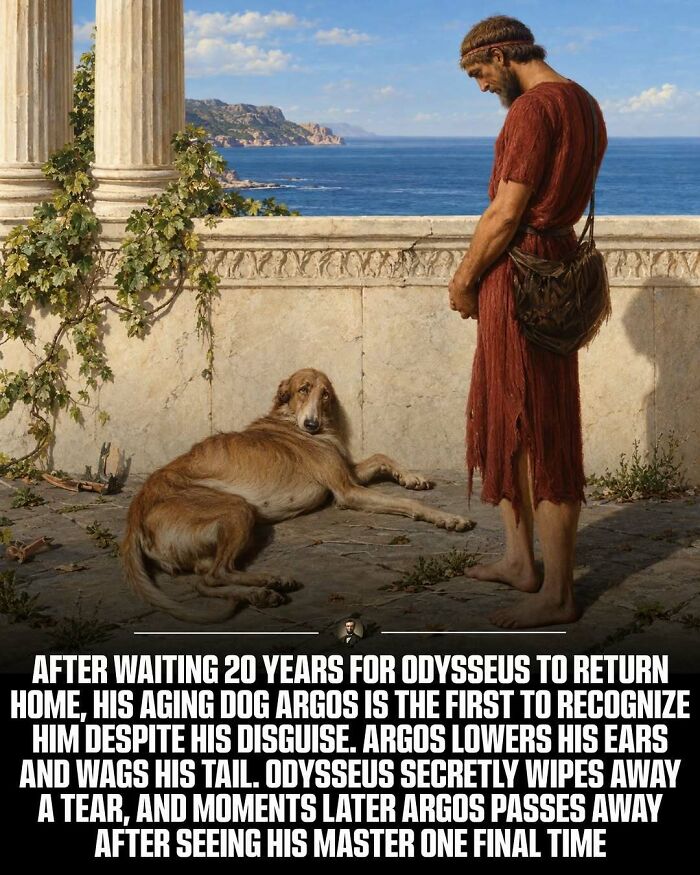
Odysseus raised Argos to be a hunting dog, but sailed for Troy before they ever had the chance to hunt together. During his absence, other young men took Argos hunting wild goats, deer and hares, and Eumaeus later remembered him as an outstanding tracker that few animals could escape. 🐕
By the time Odysseus finally returned, after 10 years at Troy and another 10 years wandering, Argos had been neglected. He lay outside the palace on a manure heap, covered in parasites and too weak to even stand.
Athena had disguised Odysseus as an elderly beggar so he could enter his occupied palace without being recognised. Despite the disguise, Argos knew his master immediately, lowering his ears and wagging his tail, though he no longer had the strength to approach him.
Odysseus secretly wiped away his tears and pretended not to know the dog, even asking Eumaeus about Argos and what he had once been like. Greeting him openly could have exposed his identity and ruined his plan.
After Odysseus entered the palace, Argos died, having survived just long enough to see his master return. He was the only member of Odysseus’s household to recognise him instantly without divine help or physical proof. 💔
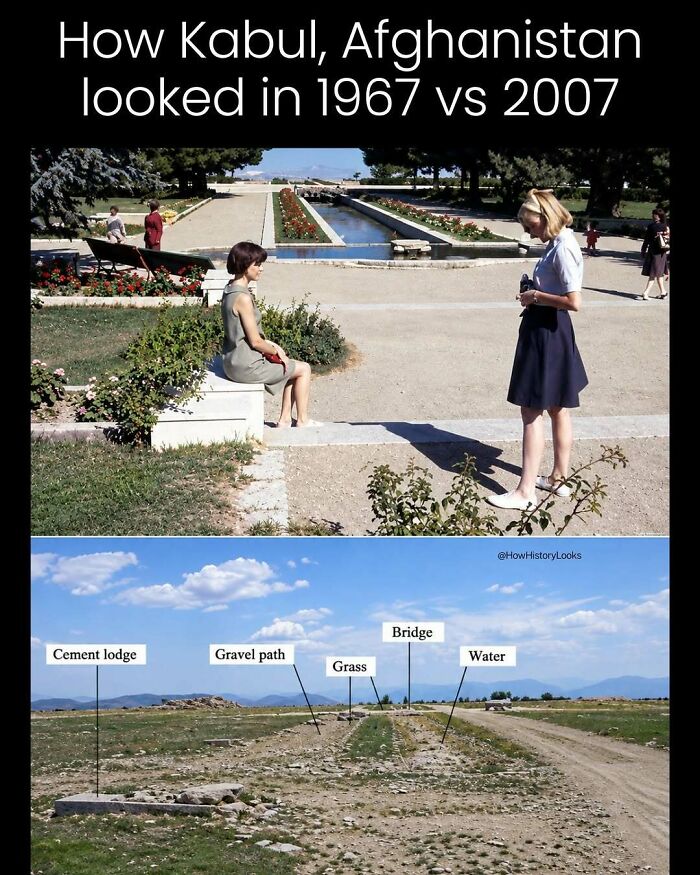
In 1967, Arizona State University professor Dr. Bill Podlich travelled to Afghanistan on a two year UNESCO assignment, where he taught at the Higher Teachers College in Kabul. He was joined by his wife, Margaret, and daughters, Peg and Jan, documenting everyday life across the country through hundreds of photographs. 📸🇦🇫
The top photo shows Jan on the left and Peg at Kabul’s Paghman Gardens, once a popular park filled with formal gardens, reflecting pools and tree lined walkways. The area was badly damaged during decades of conflict beginning in the late 1970s, although parts have since been restored. Podlich retired in 1981 and passed away in 2008 at the age of 92.
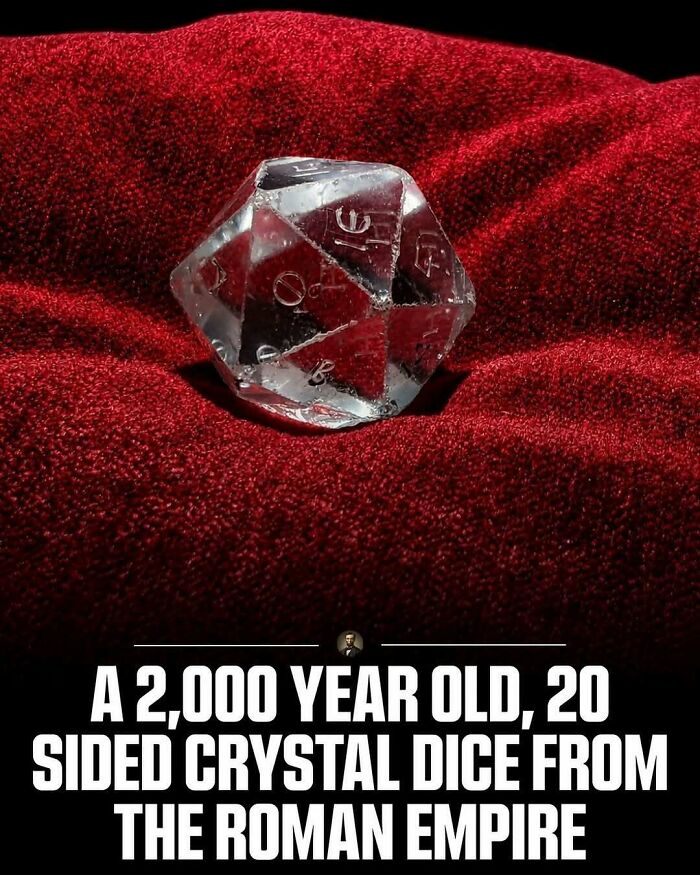
Long before modern tabletop games made the 20 sided die famous, people in the ancient world were already using remarkably similar objects. This Roman era example is an icosahedron carved from rock crystal, with each of its 20 faces marked with a Latin letter and corresponding Roman numeral. Similar polyhedral dice have survived from the Hellenistic and Roman periods, including examples discovered in ancient Egypt. 🎲🏛️
Exactly what these unusual dice were used for remains uncertain. Archaeologists have suggested they may have been connected to games or divination, where a roll could correspond to an answer in an oracle text. Ancient texts describe systems in which randomly generated numbers were used to select predetermined questions or prophecies, making these objects potentially closer to fortune telling tools than ordinary gaming dice.
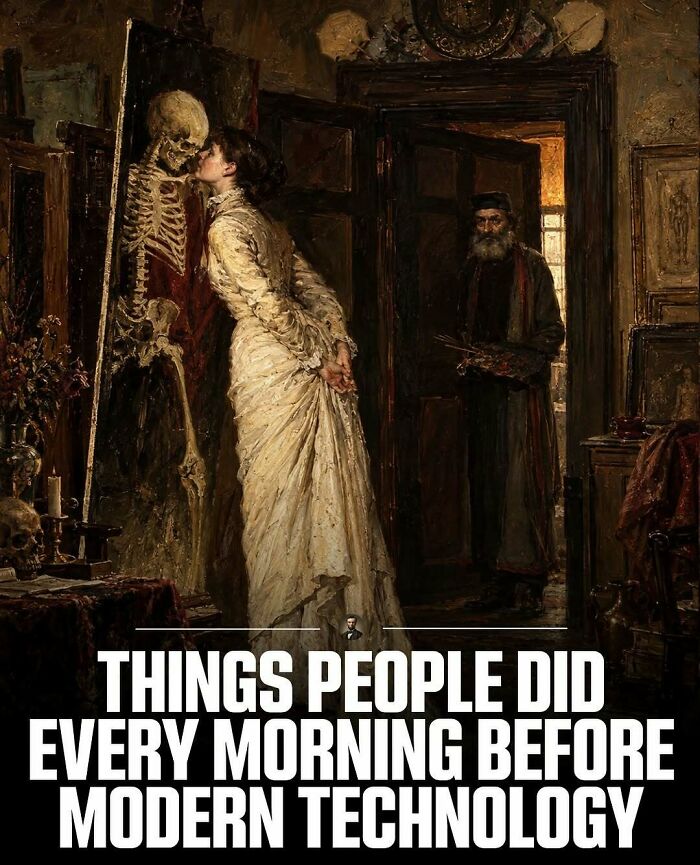
Before alarm clocks, phones and instant news, mornings were shaped by rituals, public signals and the people around you. Church bells helped communities track the day, Roman clients visited wealthy patrons at dawn, and Mughal emperors such as Akbar appeared before crowds during the morning jharokha darshan. 🌅
At Versailles, selected courtiers could attend Louis XIV’s elaborate morning “lever” as he was washed and dressed, while centuries later some British workers paid “knocker uppers” to wake them by tapping windows or even firing dried peas through blowpipes. Daily life looked very different when getting up on time could depend on bells, sunlight or another person outside your window. ⏰
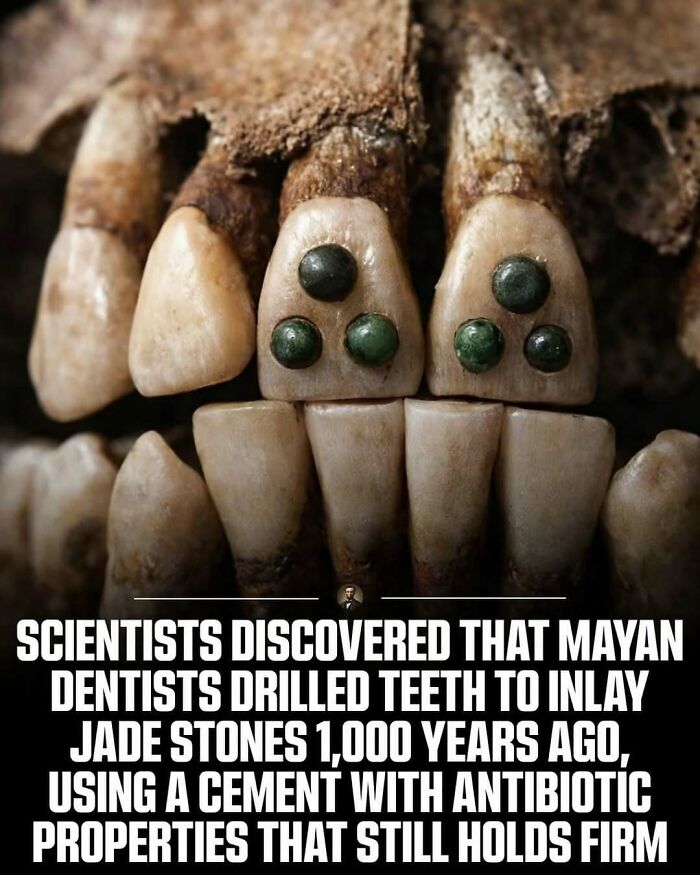
More than a thousand years ago, Maya dental specialists were doing something that still feels astonishing today: they carefully drilled into front teeth and set polished stones like jade into the surface with remarkable precision. Archaeologists and researchers say these inlays were part of a sophisticated tradition practiced in the ancient Maya world, showing both technical skill and a strong sense of beauty and identity. ✨🦷
What makes it even more impressive is the material used to hold the stones in place. A modern analysis of ancient Maya tooth sealants found plant based compounds with properties that may have helped prevent infection and tooth decay, helping explain why some of these inlays remained firmly attached for centuries. The common social media wording says “1,000 years ago,” but the evidence actually spans the Classic Maya period, roughly A.D. 200 to 900, so “over 1,000 years ago” is the safer claim. 🌿💎
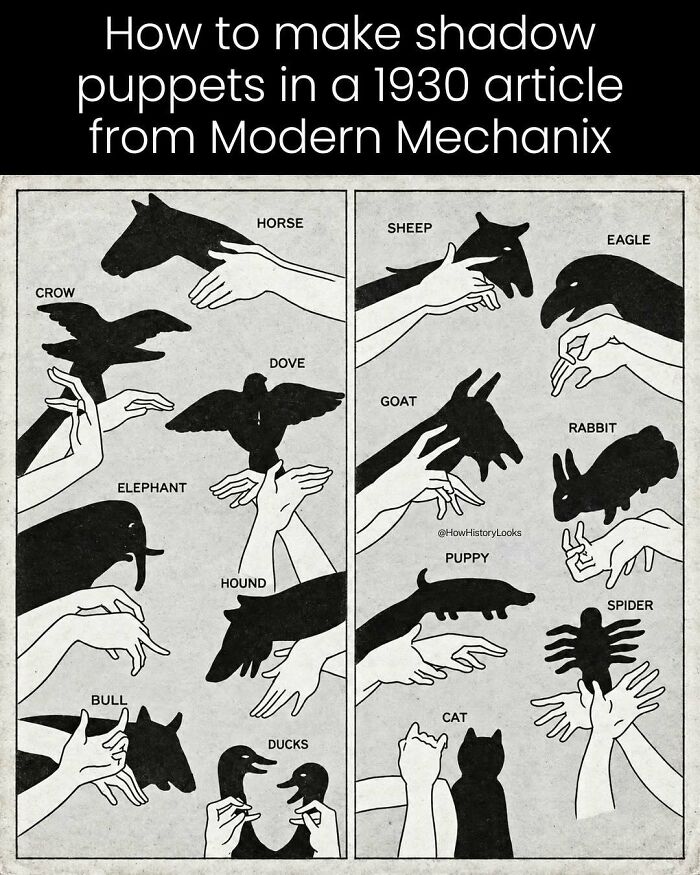
Long before televisions became a normal part of everyday life, shadow puppets provided a simple form of entertainment using little more than a pair of hands, a light source and a blank wall. 🕯️
Illustrated guides showed readers how to position their fingers and arms to form recognizable animal shapes through carefully created silhouettes.
The designs included familiar animals such as horses, rabbits and cats, alongside more difficult figures like elephants, eagles and spiders. Some could be made by one person, while others required two people working together to complete the shape.
By placing their hands between a bright lamp and a wall or sheet, people could block the light and turn simple hand movements into large animal shadows. 🐇
Early popular mechanics style magazines often focused on teaching readers how to build useful household items, perform tricks, try experiments and create inexpensive entertainment at home.
During the early years of the Great Depression, activities that cost little or nothing would have been especially attractive to families searching for simple ways to pass the time together.
Added Fact: Shadow puppetry is much older than this 1930 guide. Detailed traditions using carved figures developed centuries ago across parts of Asia, especially in China, India and Indonesia. The Indonesian tradition of wayang kulit uses beautifully decorated leather puppets placed behind a screen and lit from behind to create dramatic shadow performances.
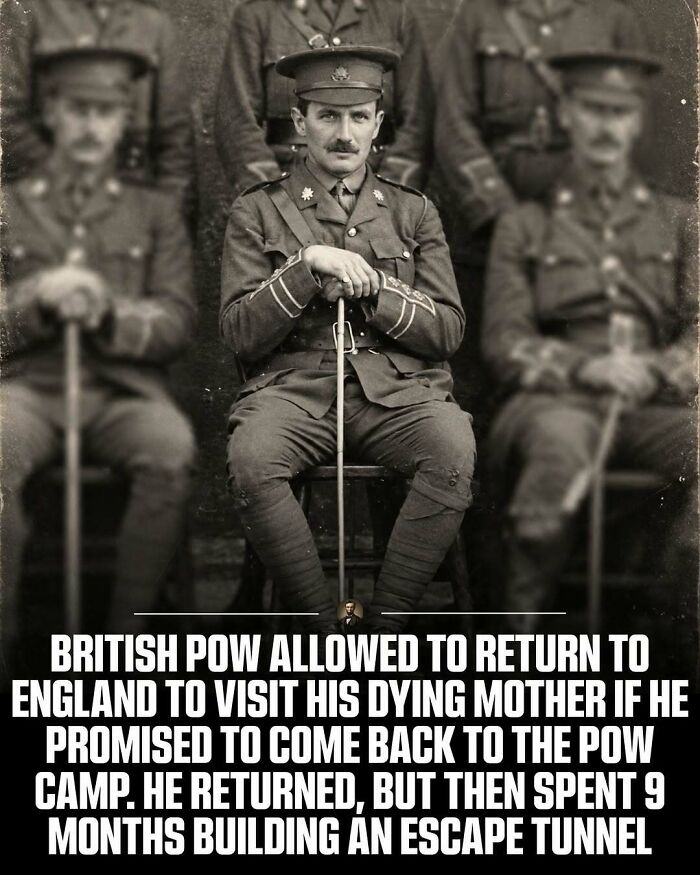
Captain Robert Campbell was a British Army officer captured by German forces during the opening weeks of World War I. After being seriously wounded near Mons in August 1914, he was treated in a military hospital before being held as a prisoner of war in Germany. 🎖️
Two years into captivity, Campbell discovered that his mother, Louise, was dying of cancer back home in England. Hoping to see her one final time, he wrote directly to Kaiser Wilhelm II and asked to be temporarily released on compassionate grounds.
Remarkably, the Kaiser agreed to let him leave for two weeks on one condition: Campbell had to give his word as a British officer that he would return. He travelled through the neutral Netherlands and arrived in England in November 1916, spending around a week with his mother before voluntarily returning to Germany. She died several months later.
What makes the story even more unusual is that Campbell still considered himself free to attempt an escape afterward. In his view, his promise had only required him to return from compassionate leave, not to remain a prisoner indefinitely.
Campbell and several other prisoners reportedly spent around nine months digging a tunnel beneath the camp. They eventually escaped and made their way toward the neutral Netherlands, but were recaptured close to the Dutch border.
He remained in captivity until the war ended in 1918. ⛓️
Added Fact: Campbell later served again during World War II, working as a chief observer with the Royal Observer Corps on the Isle of Wight.
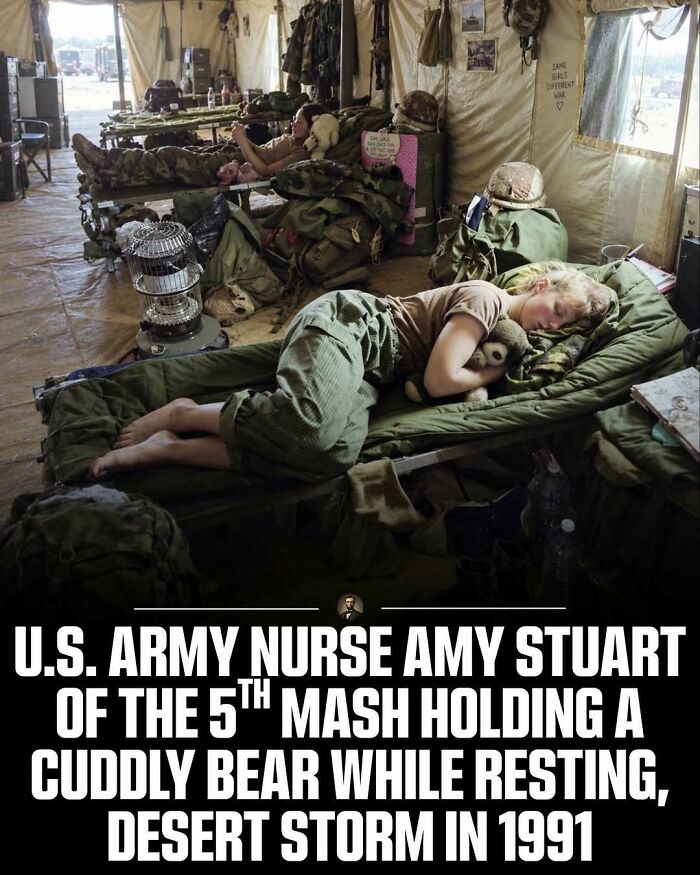
Photographer David Turnley captured this quiet moment at King Abdulaziz Air Base in Dhahran, Saudi Arabia, where Army nurse Amy Stuart had fallen asleep on a cot while holding a teddy bear sent by her family. Around her were the everyday signs of deployment, including military packs, helmets, blankets, a portable heater and rows of closely packed cots. The bear offered a small reminder of home in an environment where medical staff lived with the constant possibility that wounded soldiers could arrive at any time. 🧸
Stuart was serving with the 5th Mobile Army Surgical Hospital, which had deployed from Fort Bragg, North Carolina, and became the first fully operational U.S. Army hospital established in Saudi Arabia during the crisis. Built to move alongside advancing forces, the unit provided emergency surgery and stabilized critically wounded patients before they were transferred to larger medical facilities.
The photograph was taken on February 22, 1991, during the final days of the Gulf War’s aerial campaign. Just two days later, coalition forces launched the major ground offensive to push Iraqi troops out of Kuwait. The calmness of the scene stands in sharp contrast to what was about to unfold. 📸
During the offensive, the 5th MASH moved forward with the U.S. Army’s 24th Infantry Division, setting up surgical facilities closer to the advancing front lines so treatment could reach wounded troops as quickly as possible.
Crates of Thebes was one of the most unusual and well liked philosophers of ancient Athens. Born into a wealthy family around 365 BC, he eventually gave away his fortune and chose the extreme simplicity of Cynic philosophy instead. He became a follower of Diogenes of Sinope, living with almost nothing while openly rejecting wealth, status and many of the social expectations of Greek society. 🏛
Crates also became famous for something far stranger. Ancient accounts say he earned the nickname “Door Opener” because he would casually walk into people’s homes, often without being invited, and start offering advice. Rather than throwing him out, Athenians reportedly welcomed him, and later traditions describe him helping families settle arguments and personal disputes before moving on to another house.
His personality seems to have played a big part in this. Unlike the famously confrontational Diogenes, Crates was remembered as cheerful and humorous, using his own simple lifestyle as an example rather than constantly attacking those around him. He showed that Cynicism could be practiced with warmth as well as defiance.
Crates also became the teacher of Zeno of Citium, who later founded Stoicism. That means this eccentric philosopher, known for wandering into strangers’ homes and giving unsolicited advice, became an important link between Cynicism and one of the most influential schools of philosophy in Western history. 📚
At 30 years old, Leo Tolstoy was still years away from writing War and Peace and Anna Karenina when he made these diary entries in September 1858. By that point, he had already served in the Caucasus and the Crimean War, published several early works, and developed a habit of closely recording his behaviour, ambitions and failures. His journals often included strict rules for himself about work, discipline, gambling, drinking, relationships and morality. 📖
That is what makes these two entries feel so typical of Tolstoy. On September 19, he reduced life to one simple idea: “one must love and work.” Just a day later, he admitted he had managed neither. His diaries repeatedly reveal this cycle of setting demanding standards for himself, then becoming frustrated when he failed to live up to them. Long before his later religious and philosophical writings, Tolstoy was already deeply preoccupied with one question: how should a person live? 🤔
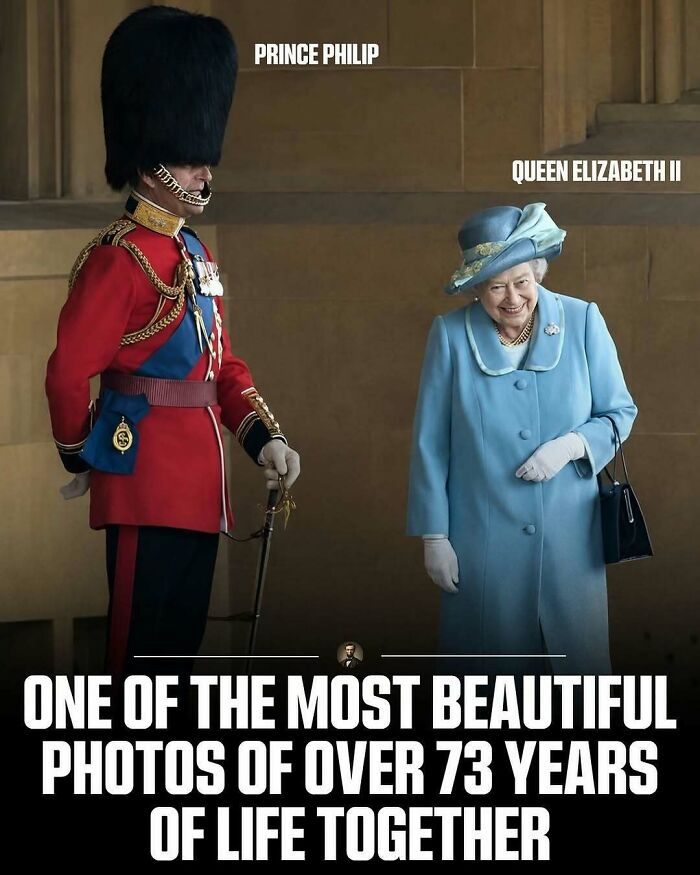
After more than 73 years together, moments like this say more than any official portrait ever could. In 2003, Prince Philip stood in the Queen’s Guard uniform as Queen Elizabeth walked past him and suddenly burst out laughing 😂
It is such a small, human glimpse into a life lived mostly in public, but shared privately between two people who knew each other better than anyone else. Behind the crowns, uniforms, and ceremonies, there was still a couple who could make each other laugh after decades together ❤️
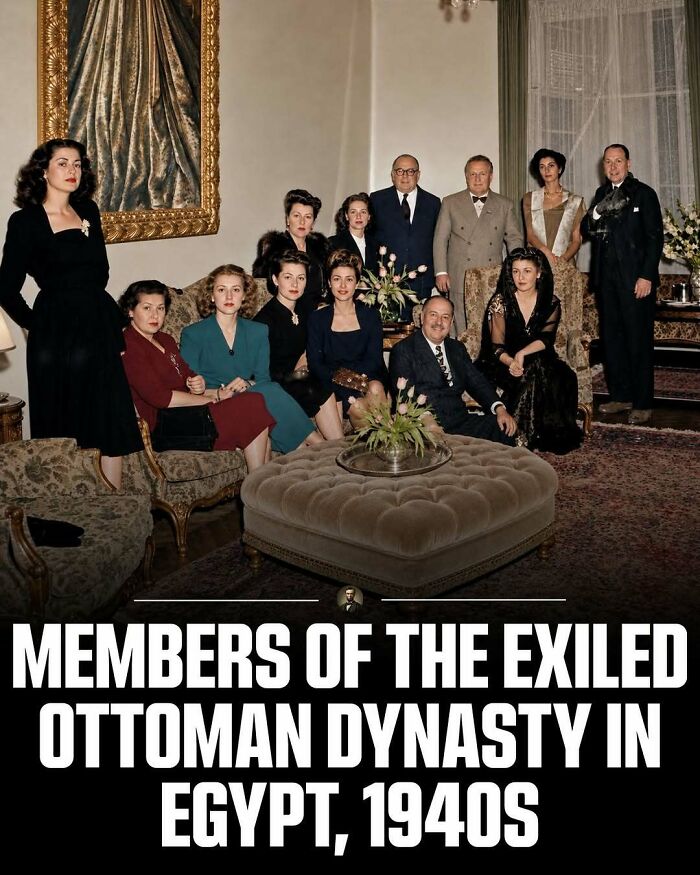
The Ottoman dynasty had ruled for more than six centuries, but its collapse came remarkably quickly after World War I. Following the empire’s defeat in 1918, Allied forces occupied parts of Ottoman territory, including Constantinople, while Sultan Mehmed VI remained on the throne with increasingly limited authority.
Meanwhile, Mustafa Kemal, later known as Atatürk, established a rival nationalist movement based in Ankara and led the Turkish War of Independence between 1919 and 1922. After nationalist forces regained control over much of Anatolia, the future of the monarchy was effectively sealed.
On November 1, 1922, the Grand National Assembly abolished the Ottoman sultanate, formally ending the political institution that had existed for centuries. Mehmed VI left Constantinople aboard a British warship later that month, and the Republic of Turkey was officially proclaimed on October 29, 1923. 🇹🇷
The Ottoman dynasty was not expelled immediately, as the position of caliph briefly continued under Abdülmecid II. However, on March 3, 1924, the caliphate was also abolished and members of the imperial family were sent into exile.
Many family members eventually settled across Europe and the Middle East, including Egypt, where Ottoman princesses married into the Egyptian royal family. One of them was Neslişah Sultan, a granddaughter of Mehmed VI, who married Egyptian Prince Muhammad Abdel Moneim in 1940.
In an extraordinary twist, Egypt’s monarchy was itself overthrown in 1952, meaning Neslişah lived through the disappearance of two royal worlds during her lifetime. 👑 Members of the Ottoman family were gradually allowed to return to Turkey decades later, bringing an exile that had begun with the empire’s collapse slowly to an end.
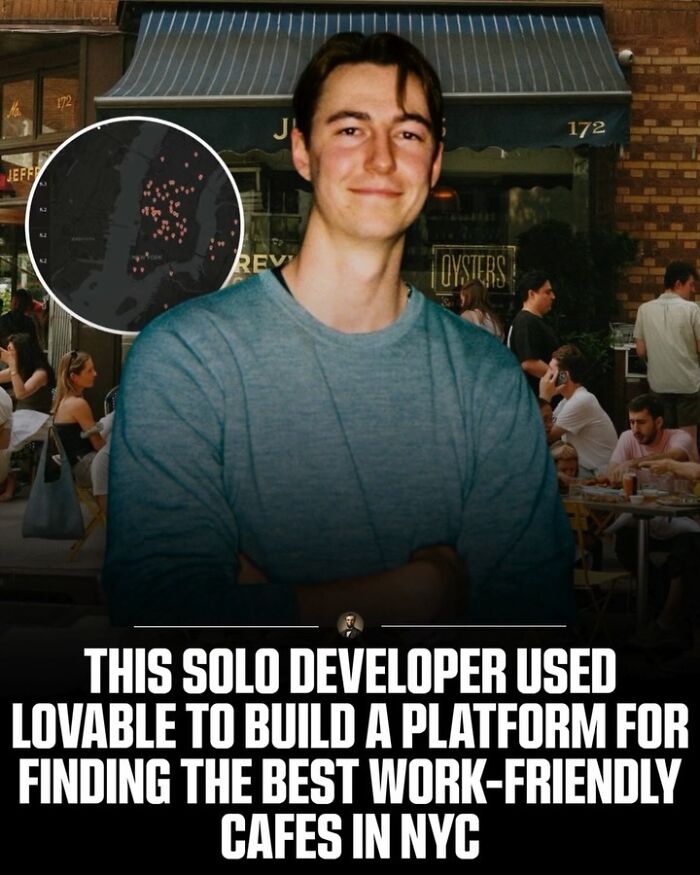
@Lovable.dev was used to build a new website making it easier to find the best cafes across New York City, bringing recommendations together in one place for anyone looking for their next coffee stop.
After struggling to find good places to work from around New York City, solo developer Jonas started keeping track of his favorite spots. Eventually, he decided to turn that list into something anyone could use.
Using Lovable, he built an interactive web app that helps people discover work-friendly cafés across NYC, complete with a map, community ratings, WiFi and outlet info, opening status, and overall vibe.
It’s a simple idea turned into a real, useful product, showing how quickly one person can take an idea and build it with Lovable.
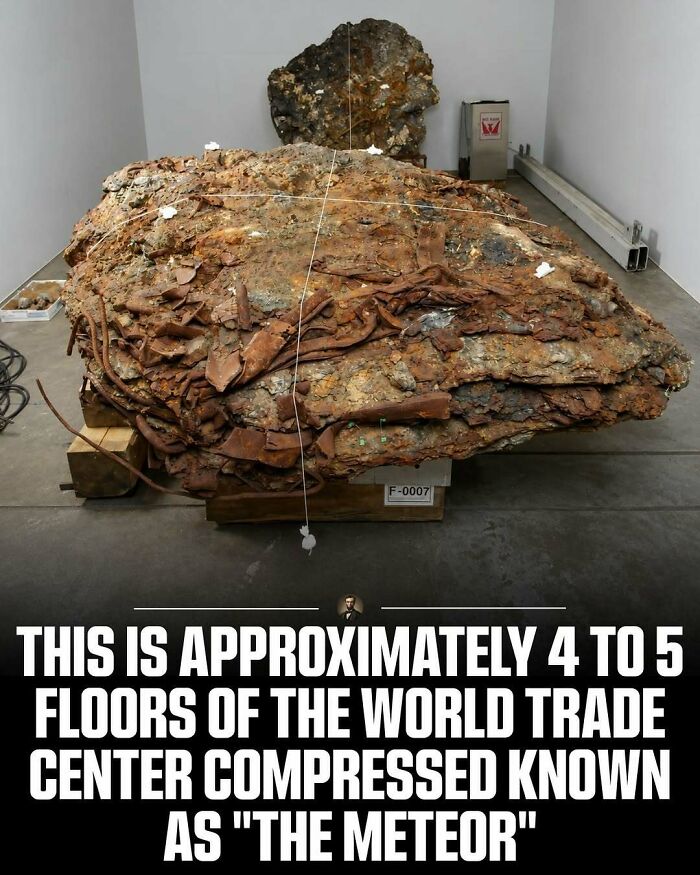
Known as “The Meteor,” this enormous mass was recovered from the ruins of the World Trade Center after the September 11, 2001 terrorist attacks. It is made up of building materials and everyday objects that were crushed and fused together as the towers collapsed. 🏙
The claim that it represents roughly four to five floors does not mean several complete floors survived intact. Instead, the immense force of the collapse compressed concrete, steel, reinforcing bars, office contents and other debris into one extremely dense formation.
Parts of the debris pile remained intensely hot for weeks after the attacks. Combined with the pressure created by hundreds of thousands of tons of wreckage, those conditions helped transform familiar building materials into something that looked unlike the remains of an ordinary structural collapse.
Its rounded, rocklike appearance reminded recovery workers of something that had fallen from space, leading to the nickname “The Meteor.” Up close, however, twisted metal and fragments of other materials can still be seen embedded throughout the mass.
Rather than preserving a single office or specific section of the building, it contains fragments from many different spaces and objects that were violently compressed together during the destruction of the towers.
Investigators and museum conservators often refer to formations like this as “composites” because they contain several materials, including steel, concrete, glass and office objects, fused into one mass. 🧱
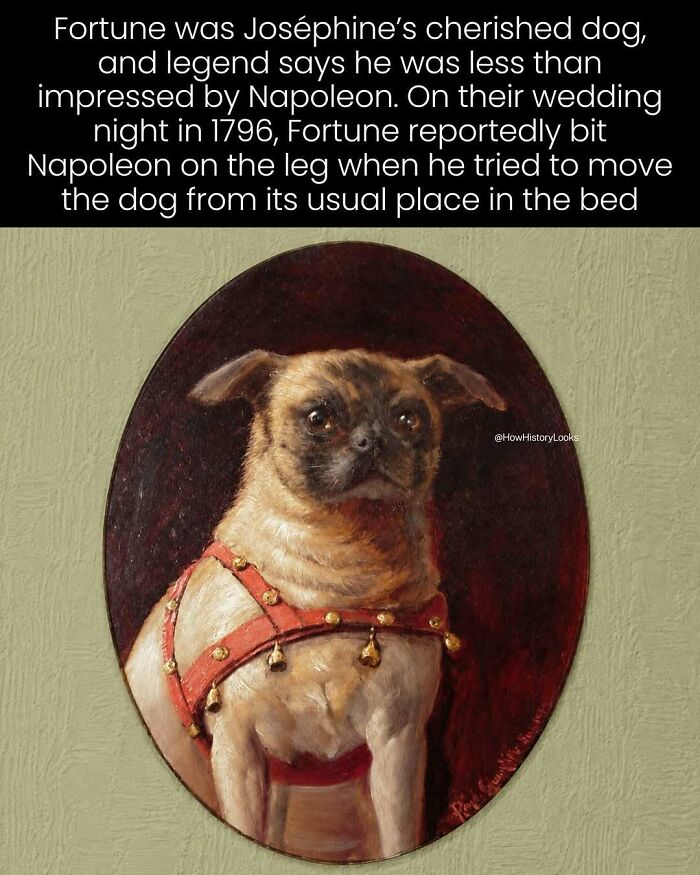
Joséphine already owned Fortuné before marrying Napoleon and was deeply attached to the little dog. According to a later account from playwright Antoine Vincent Arnault, she warned Napoleon that Fortuné always slept in her bed and that this arrangement was not going to change. Napoleon later recalled that the dog strongly objected to sharing the space and bit him hard enough to leave a mark on his leg. 🐶🛏
The story became even more amusing because of what followed. Only days after the wedding, Napoleon left Paris to take command of the Army of Italy, beginning the campaign that would turn the 26 year old general into one of Europe’s most famous military figures.
He would go on to defeat powerful armies across the continent, but apparently winning over Fortuné was a much harder battle. 😂⚔️
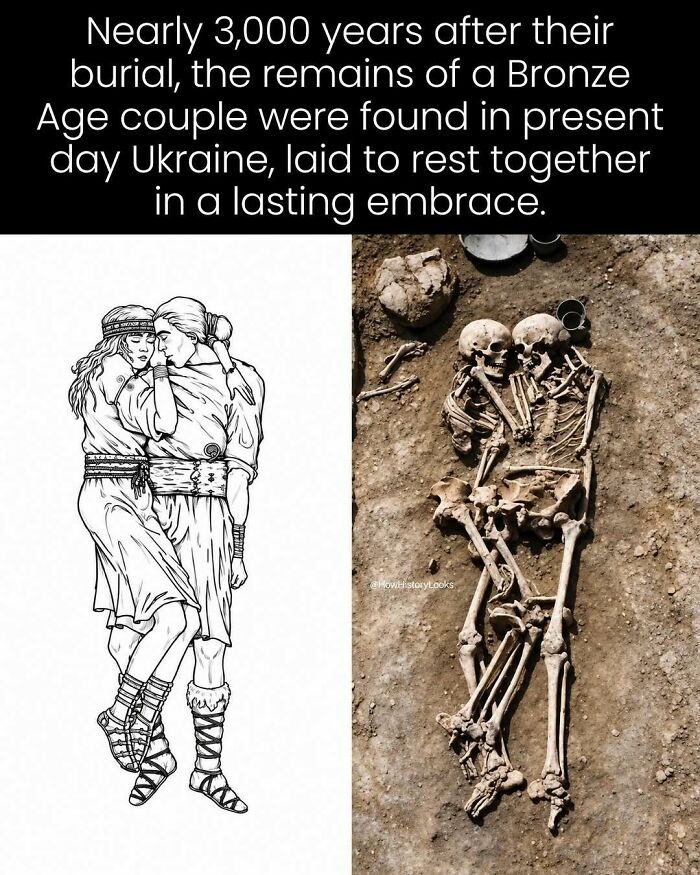
Dating back to roughly 1200 to 1000 BC, this remarkable grave belonged to the Vysotska culture. A man and woman were deliberately buried facing one another, with their arms placed around each other, alongside pottery and bronze ornaments. 🏺🕊
The cemetery contained more than 100 burials, but this was the only grave where two people were found in such an intimate position. Archaeologists believe the arrangement was intentional, although its exact meaning is still unknown. Some think it may have represented a special burial custom or an unusually close bond between the pair. ❤️🩹
In November 2016, a huge sinkhole suddenly opened in the middle of Fukuoka, Japan, after construction work on a nearby subway tunnel. The crater stretched around 30 metres across and reached roughly 15 metres deep, swallowing a large section of road. 🚧🇯🇵
Repair crews worked nonstop to fill the hole, restore damaged utilities and make the area safe again. Remarkably, the road reopened to traffic about a week later after extensive safety checks, becoming a widely shared example of Japan’s rapid infrastructure response. 🛠👏
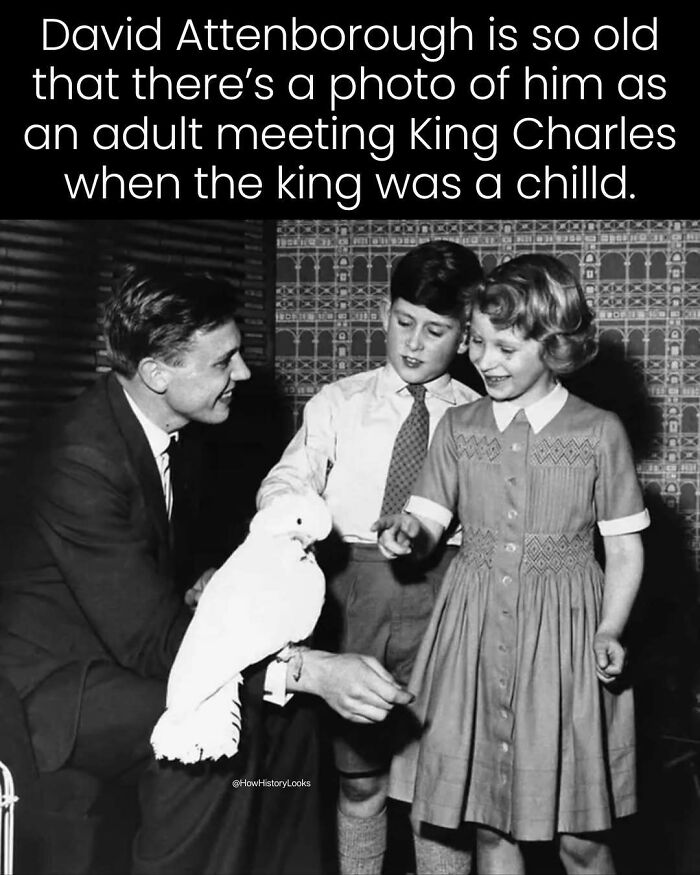
This completely real photo was taken in January 1958 and shows a 31 year old David Attenborough meeting a 10 year old Prince Charles during a visit to the BBC studios. Attenborough, who was already working as a producer, also welcomed seven year old Princess Anne and introduced the young royals to a cockatoo named Cocky. 📺🦜
The image often surprises people because of how strangely it compresses history. It captures Attenborough already established in broadcasting decades before Charles would eventually become King, making it one of those rare photos that completely changes your sense of time. 👑📸
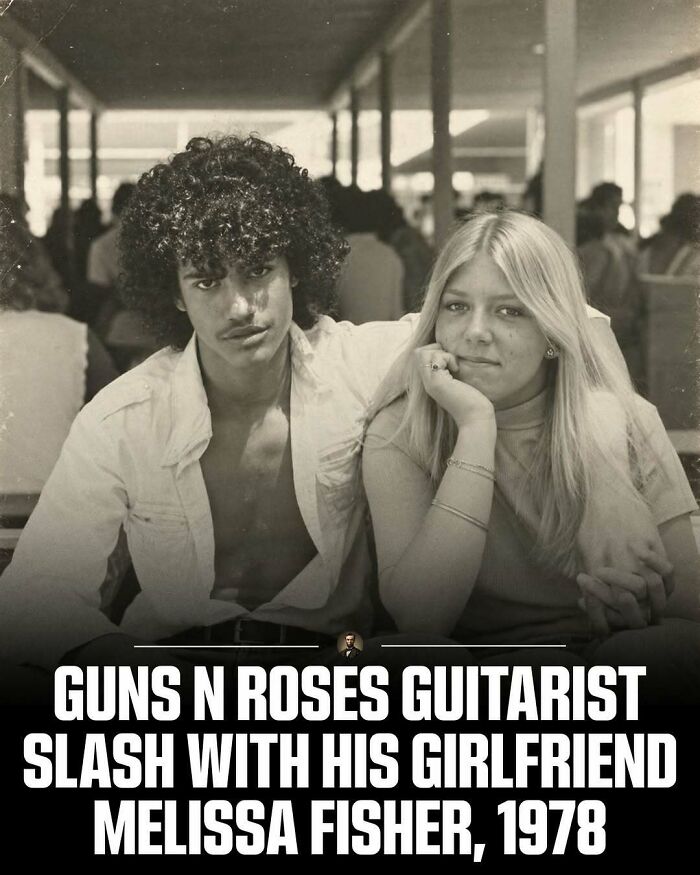
This rare photo from 1978 shows 13 year old Saul Hudson, who would later become Guns N’ Roses guitarist Slash, alongside his first girlfriend, 12 year old Melissa Fisher Fink, at Bancroft Junior High in Los Angeles. At the time, he was still years away from becoming one of rock music’s most recognizable guitarists. 🎸📸
The image captures a normal middle school moment from long before fame, when Hudson was more interested in BMX biking and art than music. It is a fascinating glimpse at the ordinary teenage life behind someone who would later become a global rock icon. 🤘✨
On September 11, 2001, American Airlines flight attendant Betty Ong called the airline from hijacked Flight 11 and remained on the line for about 23 minutes. Speaking calmly, she reported that the cockpit was not responding, crew members had been injured and the aircraft appeared to be under attack. She also provided the seat locations of the suspected hijackers, information that later proved important to investigators. 📞✈️
Ong’s call was among the earliest detailed reports from inside a hijacked aircraft and helped American Airlines understand the scale of the emergency. Her information contributed to the wider response that morning, although the eventual decision to ground every civilian aircraft in the United States was made by the FAA based on information from multiple sources. 🇺🇸🕊️
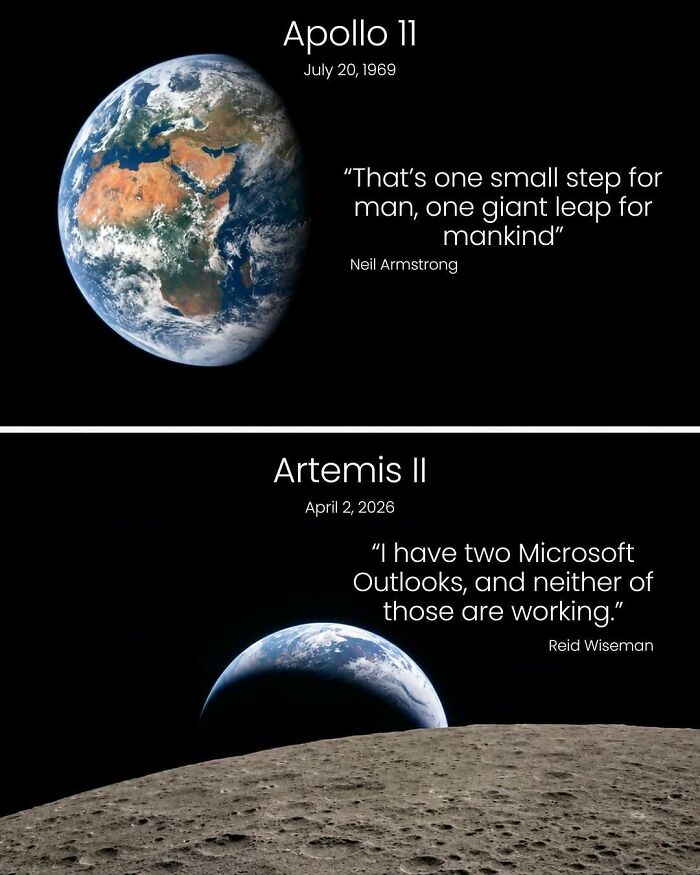
During the Apollo 11 landing, the Apollo Guidance Computer briefly became overloaded and triggered the 1201 and 1202 alarms, warning that it did not have enough processing time to handle every task at once. The issue was linked to the rendezvous radar feeding the computer extra data during the descent. 🚀
Rather than crashing, the computer’s priority system automatically abandoned less important tasks and focused on the functions needed to land safely. Mission Control quickly recognized the alarms and gave the crew the go ahead to continue, while Neil Armstrong later took partial manual control to avoid a rough landing area. 🌕 The incident became an impressive early example of a real time computer successfully handling unexpected overload under extreme conditions.
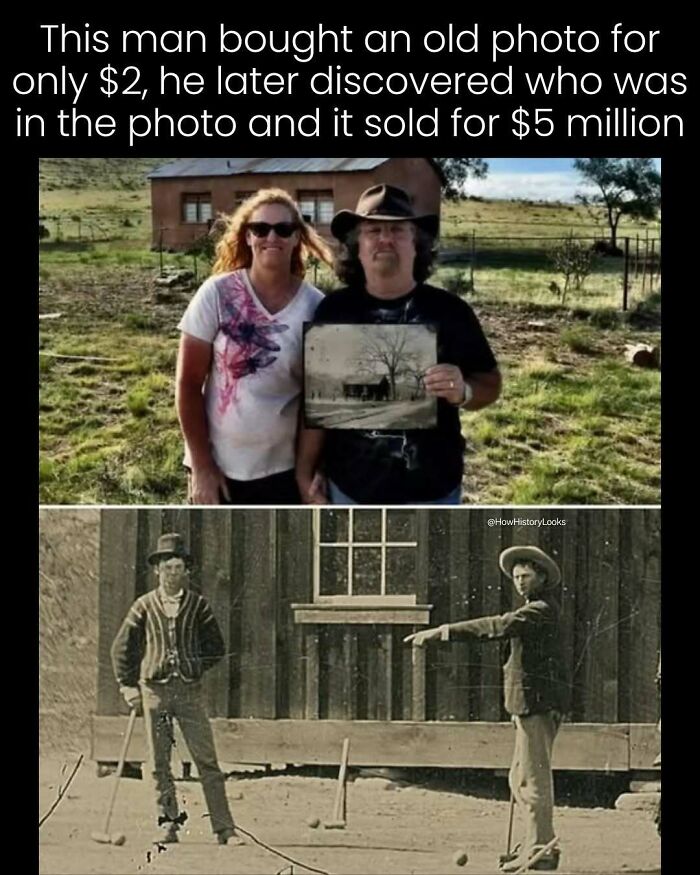
In 2010, collector Randy Guijarro bought an old tintype photograph for just $2 from a California memorabilia shop. After years of research, the image was authenticated by Kagin’s as showing outlaw Billy the Kid with members of the Regulators playing croquet in New Mexico in 1878. 📸
The discovery made the photograph incredibly valuable, with it later insured and valued at around $5 million. It became only the second known authenticated image said to show Billy the Kid, turning an ordinary junk shop purchase into a remarkable piece of Wild West history. 🤯
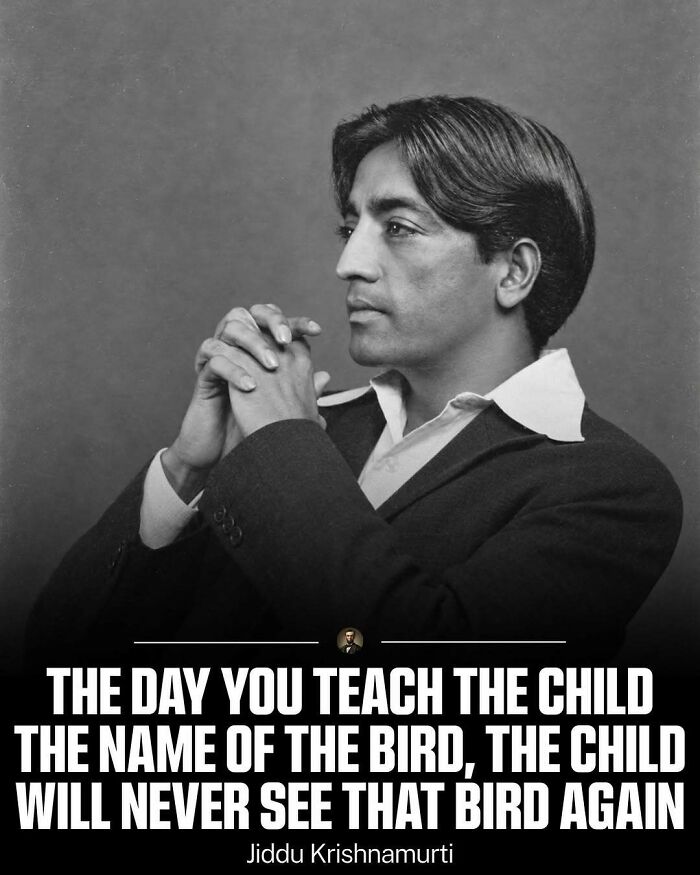
The idea is that once we give something a label, we can stop seeing it as it truly is and start seeing the concept we have attached to it instead. A child might look at a bird with complete curiosity, but once they are told, “that is a sparrow,” it can quickly become something familiar and ordinary. 🐦✨
Thinkers like Jiddu Krishnamurti argued that labels are useful, but they can also limit how deeply we experience the world. True awareness means looking beyond names and categories and noticing each moment as if you were seeing it for the first time. 👀
The original Teenage Mutant Ninja Turtles movie was an independent production that massively outperformed expectations. Made for around $13.5 million, a relatively modest budget for an effects heavy action film at the time, it went on to earn more than $200 million worldwide after its release in 1990. 🐢🎬
Its success made it the highest grossing independent film ever at the time and helped turn the Turtles into an even bigger global phenomenon. Today, it still ranks among the most successful independent films ever released, while The Passion of the Christ holds the top spot. 💰🔥
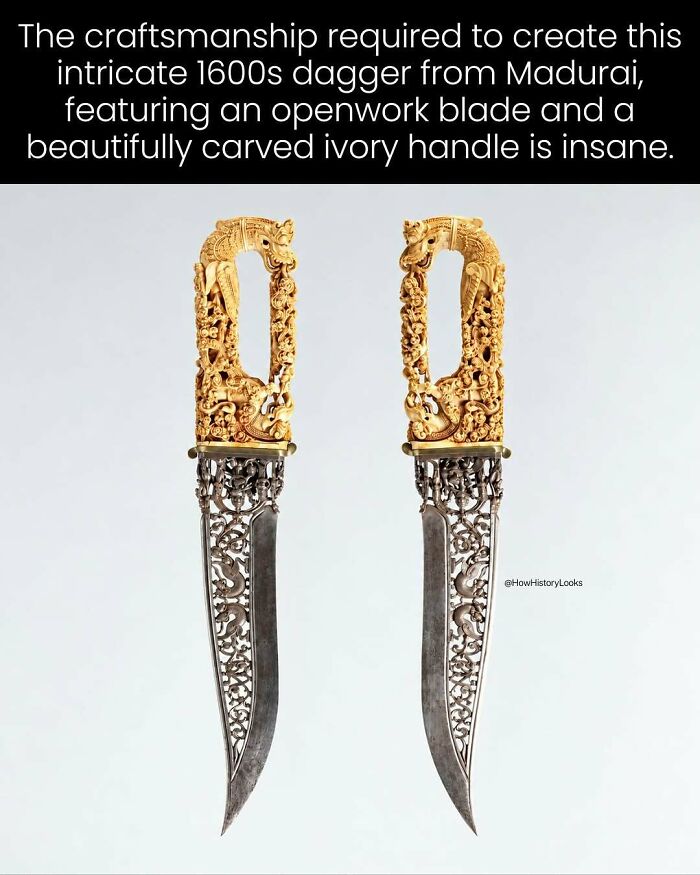
This extraordinary 17th century dagger from Madurai was created for Thirumalai Nayak, ruler of Madurai, as a ceremonial offering to a Hindu temple. Its carved ivory handle is covered with tiny elephants, floral details and a yali, a mythical guardian creature from South Indian tradition. 🗡🇮🇳
The openwork steel blade was made more as a symbol of royal power and devotion than as a battlefield weapon. It features intricate tracery, mythical birds and an image of Shiva wielding a trident, showing the remarkable level of craftsmanship achieved by artisa
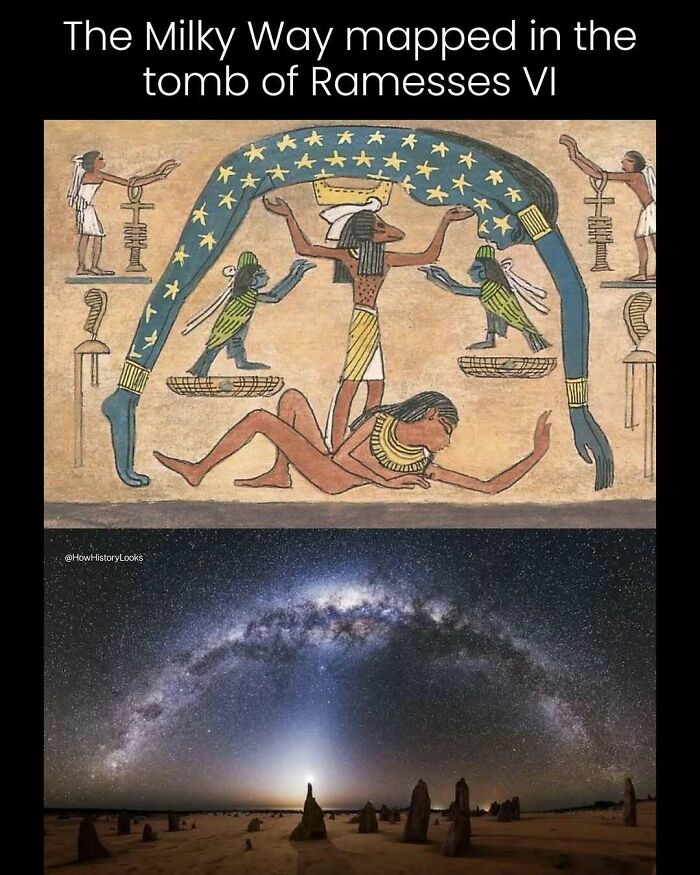
The astronomical ceiling inside the burial chamber of Ramesses VI depicts Nut, the ancient Egyptian goddess of the sky, stars and cosmos. Her long, star covered body represented the heavens and the path of the sun across the universe. 🌌✨
According to Egyptian belief, Nut swallowed the sun god Ra at sunset, carried him through the darkness during the night, and gave birth to him again at dawn. For the pharaoh, this image was more than decoration. It symbolized his own journey through the afterlife and his hope of being reborn eternally among the stars.
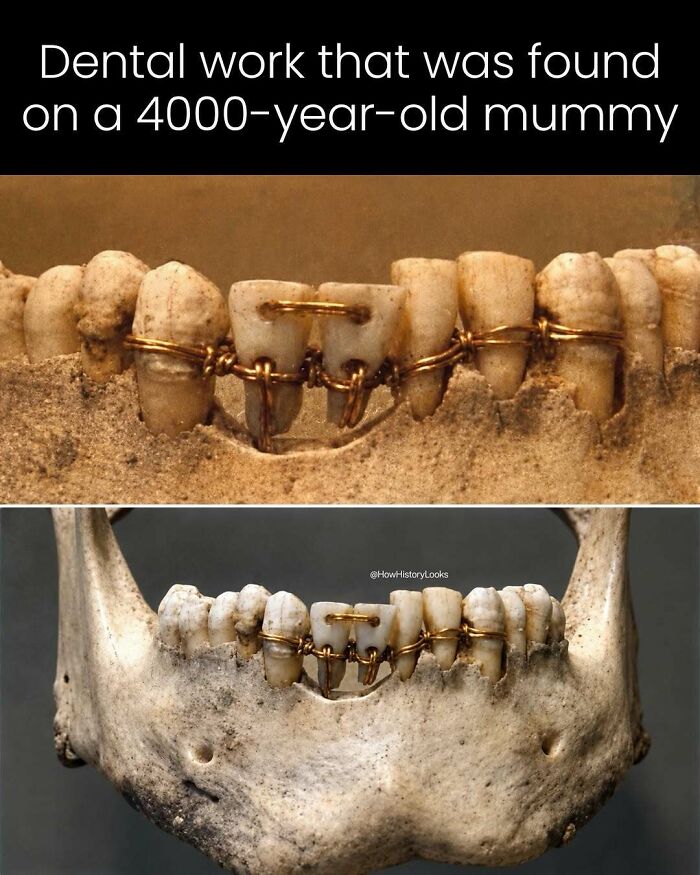
This remarkable dental work shows that people were attempting to repair damaged teeth thousands of years ago. Found on an ancient mummy, the wired teeth are often seen as evidence that early civilizations were already experimenting with ways to replace or stabilize teeth long before modern dentistry existed. 🦷🏺
It is a fascinating reminder that tooth pain, tooth loss, and dental problems are not just modern issues. Even 4,000 years ago, people were looking for practical ways to deal with them, leaving behind evidence of surprisingly advanced care for the time.
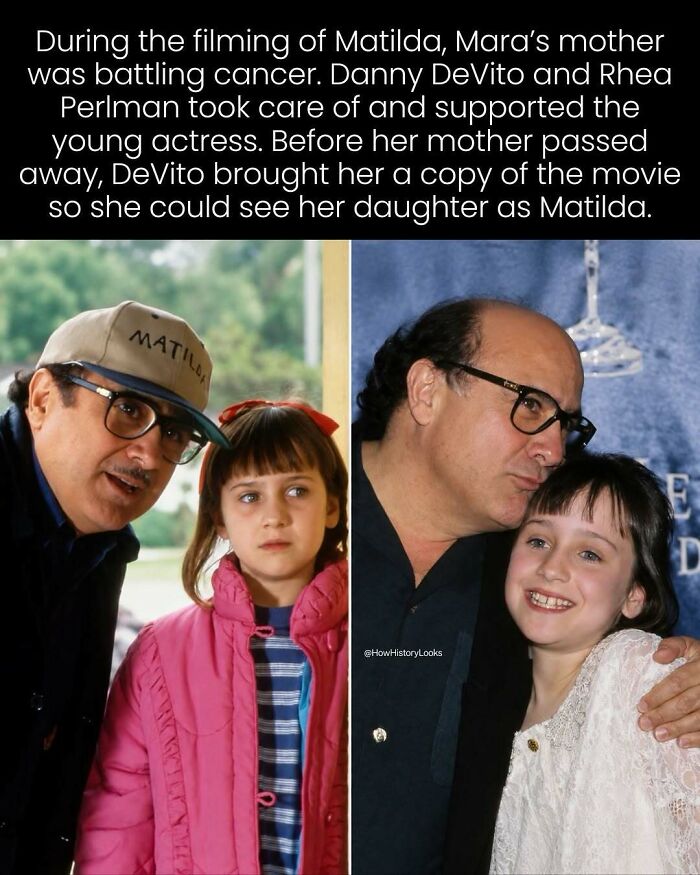
While filming Matilda, young actress Mara Wilson was dealing with an incredibly difficult time as her mother battled cancer. Danny DeVito and Rhea Perlman became a source of support for her, helping care for Mara and making sure she felt looked after during production. ❤️🎬
Before Mara’s mother passed away, DeVito reportedly arranged for her to see an early cut of the film so she could watch her daughter as Matilda. It added an especially emotional layer to a movie that would go on to become a childhood classic
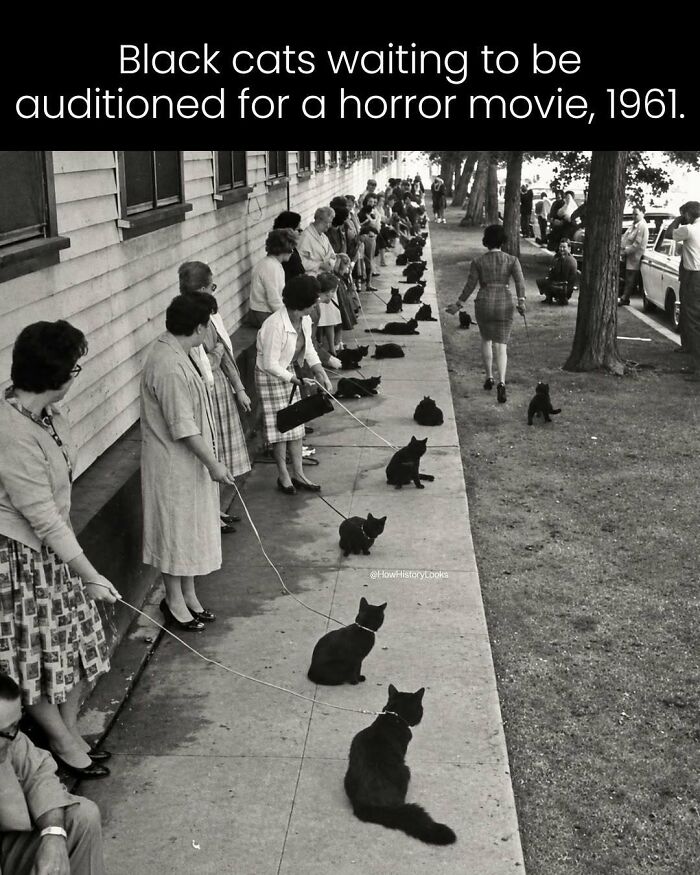
In 1961, dozens of black cats and their owners gathered in Hollywood for an unusual casting call, hoping their pets would land a role in a horror production. The sight of so many nearly identical cats lined up along the pavement made for one of the era’s most memorable behind the scenes photographs. 🐈⬛🎬
Black cats had long been associated with superstition, mystery and horror, making them perfect for the genre. What began as a simple movie audition ended up producing an image that still feels strangely cinematic more than 60 years later.
On September 11, 2001, blind computer salesman Michael Hingson was working on the 78th floor of the North Tower when the World Trade Center was attacked. His guide dog, Roselle, remained calm and helped lead him down dozens of floors through smoke, confusion and crowded stairwells. 🐕🦺🏢
After a long descent, Hingson and Roselle safely escaped the tower shortly before it collapsed. Their remarkable story became one of the most memorable accounts of 9/11, highlighting the incredible trust between a guide dog and its owner.
Disney World ticket prices have increased dramatically since the park opened in 1971, when admission cost just $3.50. By 2026, a one day ticket can cost as much as $189, representing an increase of more than 3,800%. 🎟🏰
Adjusted for inflation, that original $3.50 would be roughly $27 to $30 today. The 1971 price did not include unlimited rides, as guests often needed separate attraction coupons, but the comparison still highlights just how much more expensive a Disney visit has become over the decades.
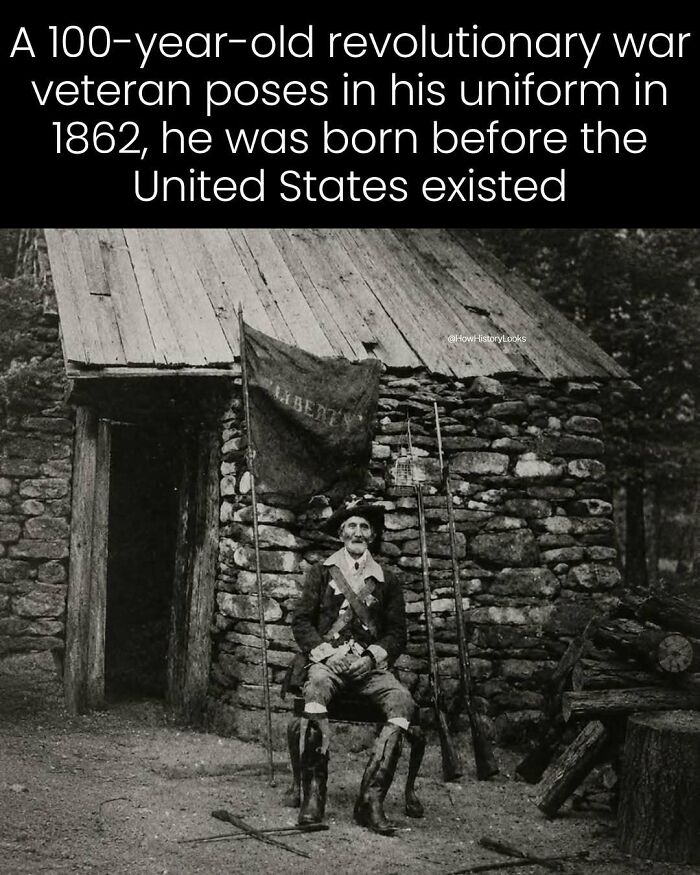
Nicholas G. Veeder was born in New York on December 25, 1761, almost 15 years before the Declaration of Independence. At just 16 years old, he joined the 2nd Albany County Militia in late 1777 and went on to serve throughout the Revolutionary War. 🇺🇸🪖
His service included scouting near Ballston and Galway, guarding Fort Paris, pursuing Joseph Brant’s forces after the destruction of Canajoharie, responding to the 1780 attack on Ballston and taking part in operations connected to Johnstown in 1781. Later in life, Veeder lived in Scotia, New York, in a home known as the “Old Fort,” which he filled with Revolutionary War weapons and artifacts like a small personal museum. He lived to the age of 100, passing away on April 7, 1862.
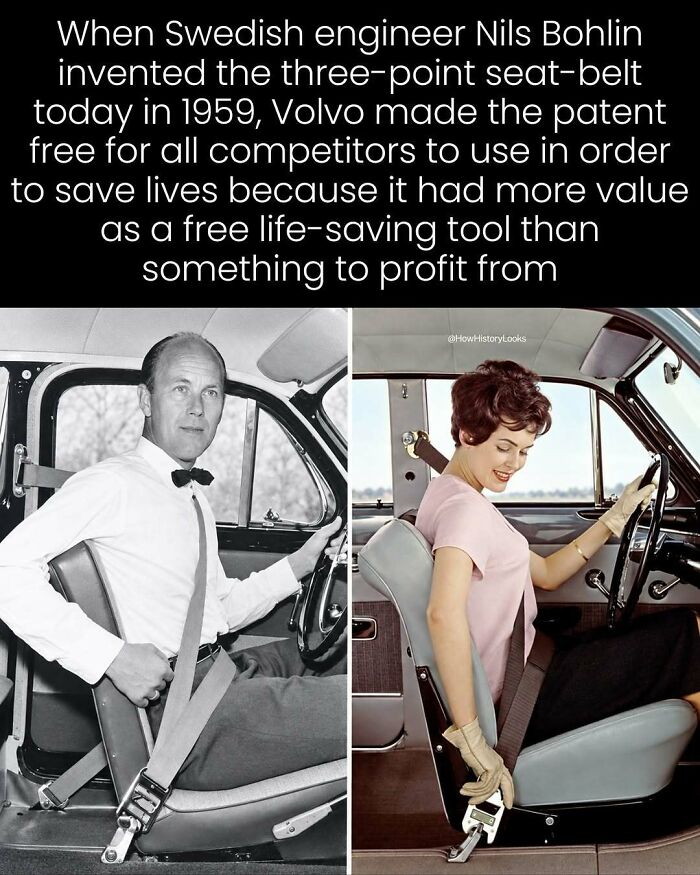
In 1959, Volvo engineer Nils Bohlin introduced the modern three point seat belt, a simple design that secured both the upper and lower body far more effectively than earlier restraints. Volvo became the first car manufacturer to fit the design as standard in its vehicles, including the PV544 and Amazon. 🚗🛡️
Rather than keeping the technology exclusive, Volvo made Bohlin’s patent available for other manufacturers to use free of charge, prioritising road safety over potential licensing profits. The basic design remains standard in cars around the world today and is estimated to have saved more than a million lives.
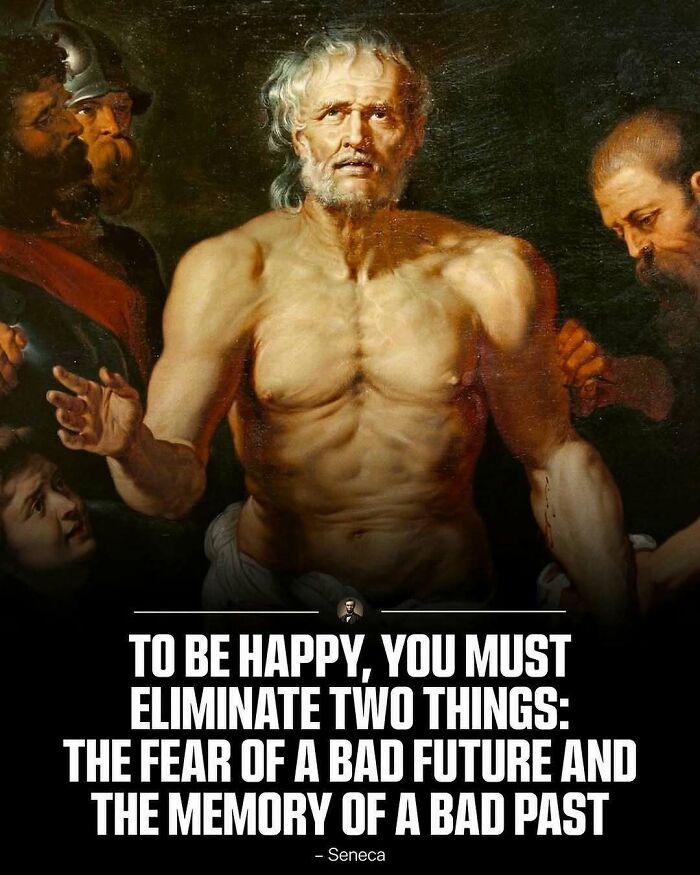
Seneca, the Roman Stoic philosopher who lived from 4 BC to 65 AD and advised Emperor Nero, believed much of human suffering is created by our own minds.
In his Letters to Lucilius, he famously wrote that we “suffer more often in imagination than in reality.” In other words, people tend to feel more pain from fearing future problems than from the problems themselves. According to Seneca, worrying about what might happen shows a misunderstanding of nature and fate. The Stoic view teaches that events outside our control should be met with calm and clear thinking. What truly matters is not the event itself, but the attitude we choose in response. 🧠
Seneca also warned about becoming stuck in the past. In works such as On the Shortness of Life, he argued that many people waste their lives dwelling on past mistakes or constantly stressing about what may come next. The past cannot be changed, so reliving it through regret or bitterness only steals time from the present. For the Stoics, real happiness comes from focusing on the present moment, building good character, and training the mind to remain steady. 🌿
That said, Seneca was not suggesting that people should forget their memories or stop preparing for the future. His point was that being emotionally chained to past pain or future fear destroys inner peace. His philosophy encourages living with reason, accepting the reality of mortality, and understanding that time is our most precious resource. ⏳
Freedom from regret and fear does not mean apathy. Instead, it means gaining control over your thoughts and choosing how you respond to life.
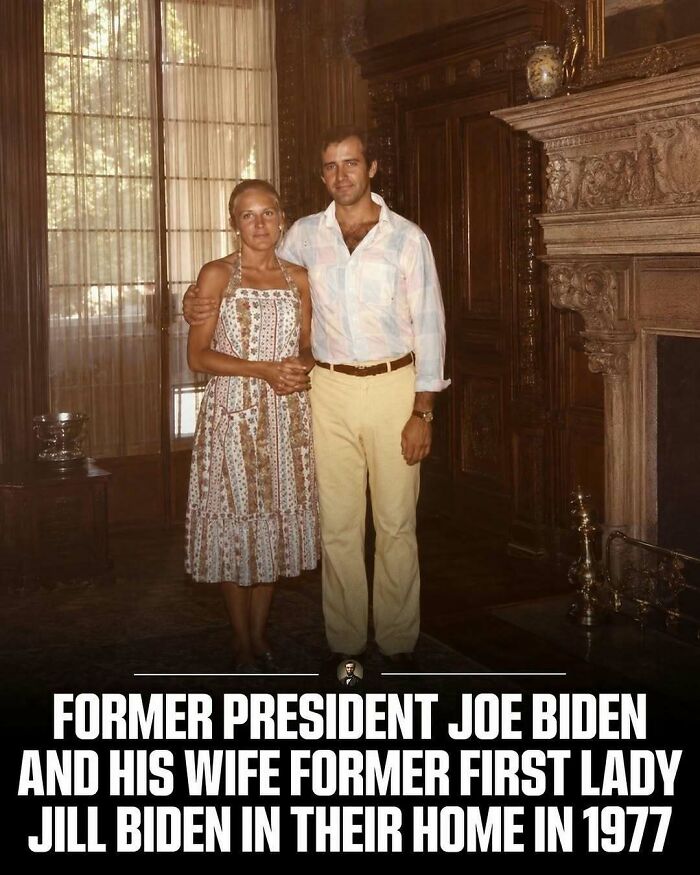
This candid photograph captures Joe Biden and Jill Biden during a pivotal chapter of their lives in 1977, the year they married after meeting on a blind date in 1975. At the time, Joe Biden was a young U.S. senator from Delaware, while Jill was building her career as an educator. Their relationship helped Biden rebuild his personal life after the tragic loss of his first wife, Neilia, and infant daughter Naomi in 1972. The couple married on June 17, 1977, beginning a partnership that would span nearly five decades.
The image offers a rare glimpse into the Bidens’ private world before the national spotlight of the vice presidency and presidency. Dressed casually and standing together in an elegant, wood paneled room, they appear at the start of a journey that would eventually take them to the White House. Historical sources identify this photograph as an early image of Joe and Jill Biden dating from around 1975 to 1977, making it one of the earliest known photographs of the couple together.
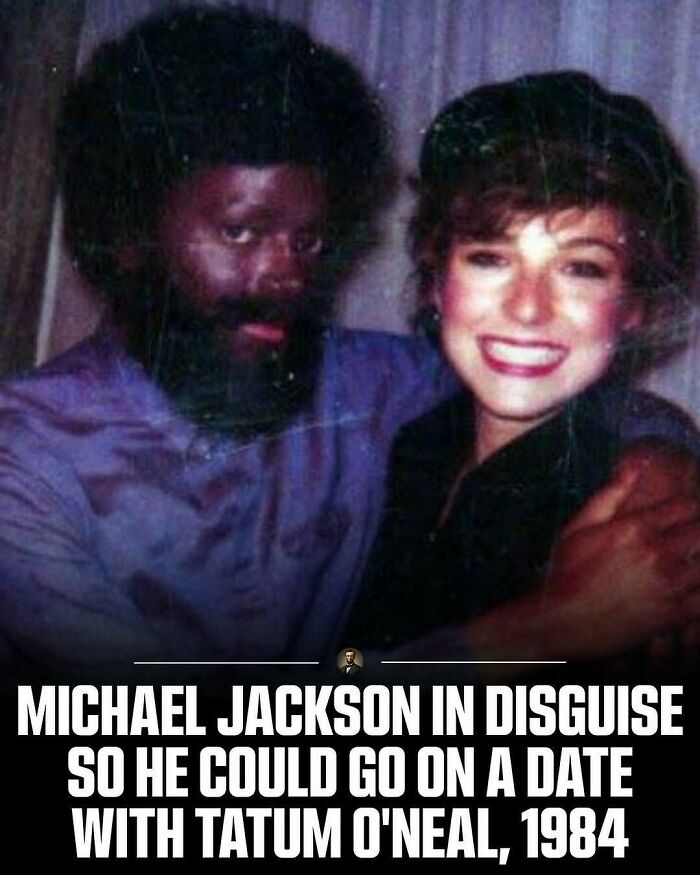
Michael Jackson was known for going to great lengths to protect his privacy, and one story from 1984 claims he even wore a disguise just to enjoy a normal date with Tatum O’Neal. At the height of his fame, blending in wasn’t easy, so moments like these were rare glimpses into his desire for an ordinary life away from the spotlight 🎭
Despite the masks and secrecy, it highlights a more human side of Michael Jackson—someone navigating fame while still wanting simple experiences like dating. Behind the legend and global attention, there were still attempts to hold onto normalcy, even if it meant going undercover for a night
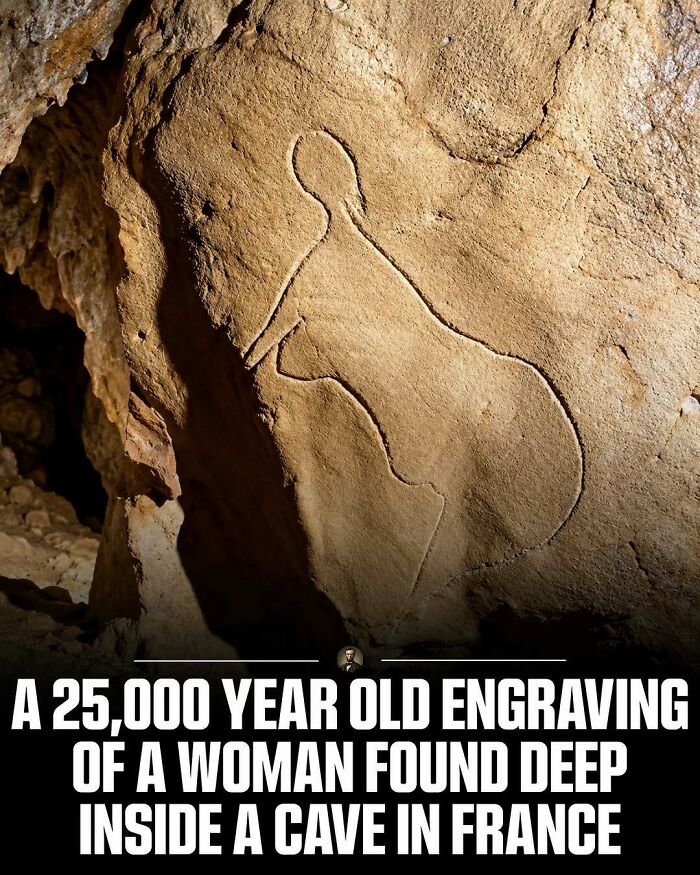
A remarkable engraving of a woman dating back around 25,000 years was discovered deep inside Cussac Cave in the Dordogne region of southwestern France. The cave was found by speleologist Marc Delluc in 2000, and its extraordinary artwork is linked to the Gravettian culture of the Upper Paleolithic period. 🪨✨
The rare female figure appears alongside more than 150 engravings depicting Ice Age animals such as mammoths, rhinoceroses and bison. The cave also contains the intentional burials of at least six people, leading researchers to believe the site may have held both artistic and ritual importance for prehistoric communities.
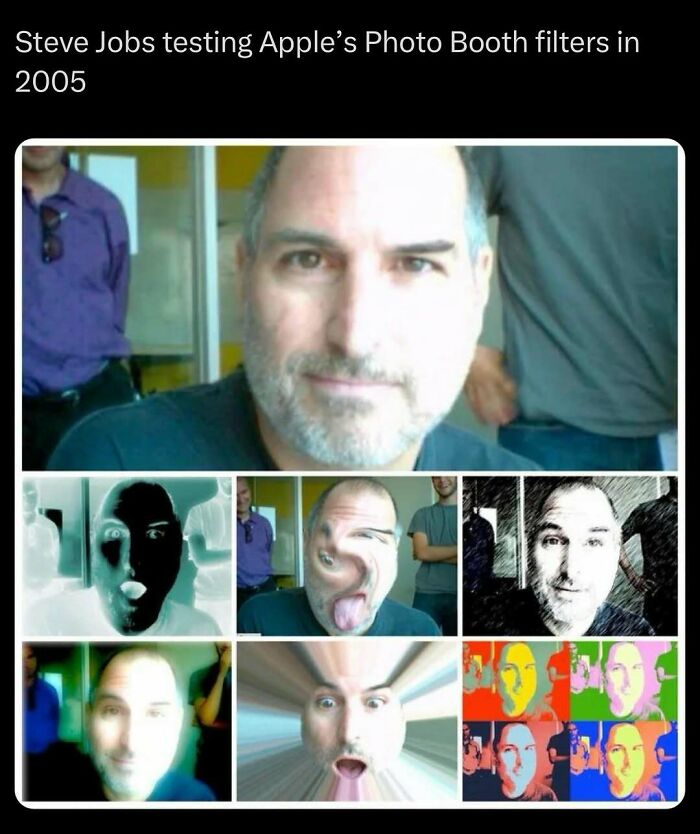
In 2005, Steve Jobs tested Photo Booth, a new Mac app with fun camera filters.
He visited designer Mike Matas’s office, tried effects like face warping, and took silly photos. These rare shots, later shared online, showed a playful Jobs.
He ensured the app, launched with the iMac G5, was user-friendly, reflecting his focus on creativity. It became a hit, proving his attention to detail.
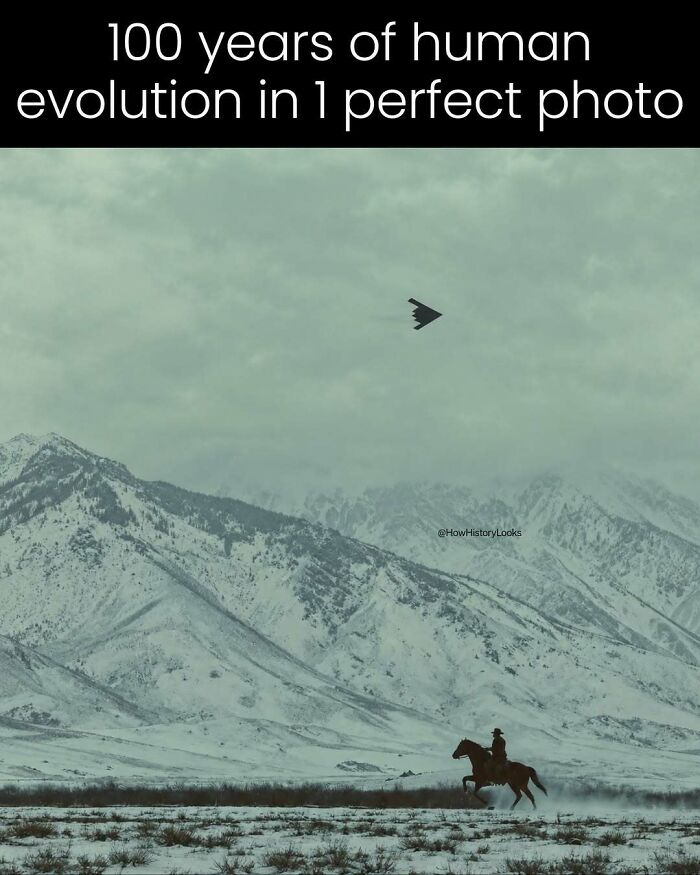
A century of technological change captured in one striking image. A cowboy rides calmly across a frozen, snow covered landscape while a B-2 Spirit stealth plane passes through the cloudy sky above, creating an incredible contrast between two very different eras. ❄️✈️
The scene brings traditional horseback travel and modern aerospace engineering together in a single frame. The horse represents a form of transport humans relied on for centuries, while the B-2 Spirit shows just how far aviation and military technology have advanced, making the comparison especially dramatic. 🐎
































 No fees, cancel anytime