Get Premium
Dark mode theme is available exclusively for premium users. Learn more about the benefits of subscribing.
No fees, cancel anytime.

 Dark Mode Ad-Free Browsing Unlimited Content
 Ad-Free Browsing Unlimited Content Dark Mode
Join 1.2 million Panda readers who get the best art, memes, and fun stories every week!
Learning human history can be a tricky thing; you’re most likely never going to learn everything there is to learn. In school, we only learn the broad strokes of the past, but throughout our lives, we have the opportunity to delve into history more deeply.
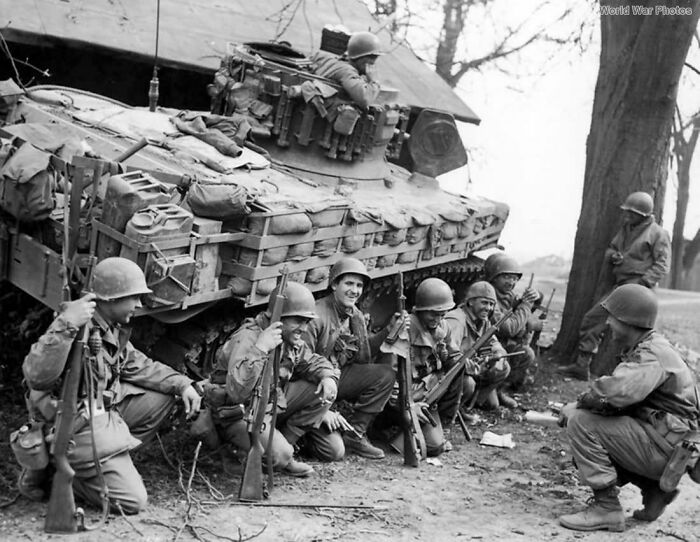
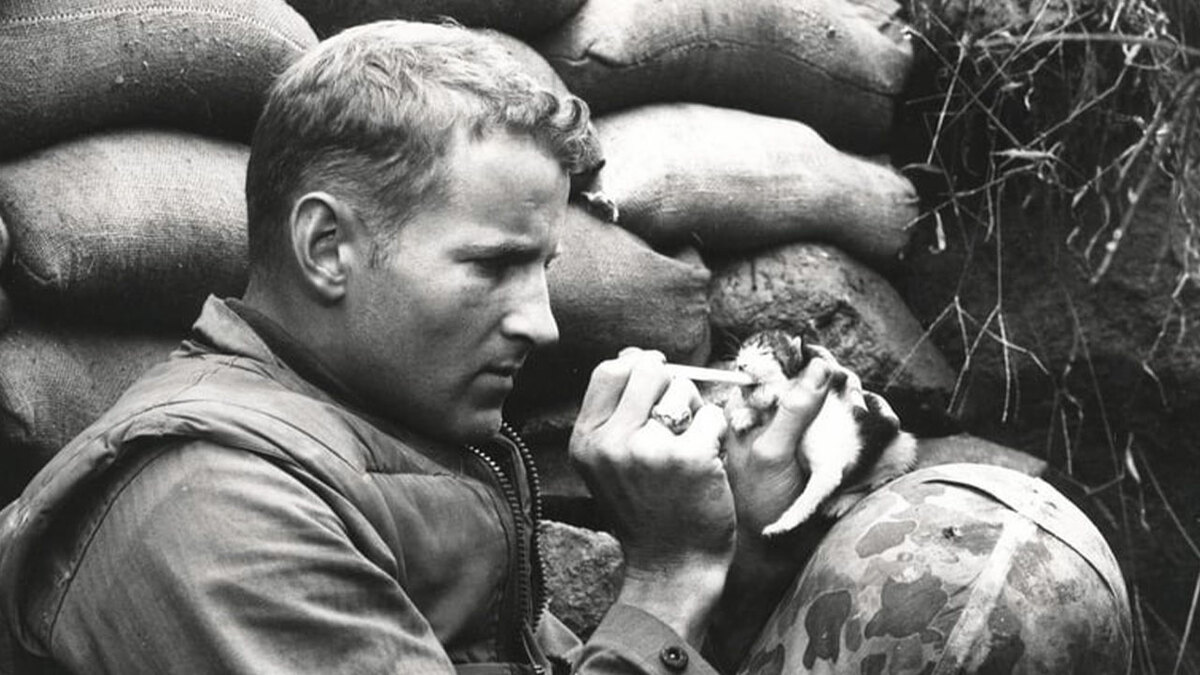
The largest history server on Discord, “World History,” is a community of enthusiasts “who live and breathe history.” They even have a dedicated subreddit where other corners of the Internet can come and see rare photographs and stories they might not have come across before — “Historycord.” Here is a selection of some interesting historical pics you, Pandas, can enjoy as well!
More info: Reddit
This post may include affiliate links.

Very sad, but she won the war. I couldn't afford a ticket, but I saw her all over TV.
When you really think about it, what is history to you, Pandas? Is it just a bunch of dates and events that happened in the past when you weren’t even alive? Or do you look at history through a more personal lens: the sum of all the people who came before — their stories, photographs, and personal connection to you?
Some people may claim that there is no use in learning history — there’s no practical application to what you learn. Yet, historians would beg to differ. And so would many people in general, at least according to this poll by the American Historical Association and Farleigh Dickinson University. 84% of respondentss in the national survey said history is just as valuable as other fields of study.

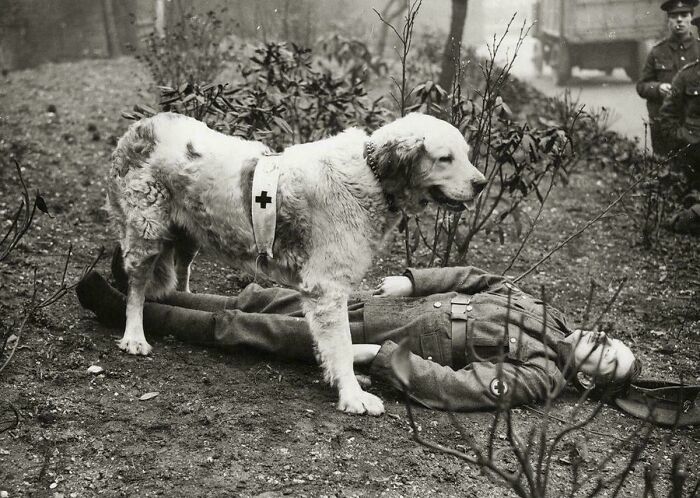
The 16 million refers to estimates of the total number of animals used by the armed forces of all sides through the First World War, including camels, pigeons, donkeys, mules and horses. The latter 3 equines were by far the greater in number, probably over 95% of the total, while total dogs, most of which were not used for the purpose shown here, probably only around 50,000 (0.03% ) or less.
If you were to ask a historian what history really is, they would probably say it’s a field that offers explanations about the past. However, the public has a different view: two-thirds of the respondents in the study saw it as a mix of dates, names, and events. Americans seem more interested in the “what” of history and less in the “why,” especially as they focus on what they were not taught in the classroom.
The sources that people get their history from nowadays are also somewhat surprising. Instead of standard sources like museums, history books, and higher education institutions, many people get their history from video formats — documentaries, fictional movies, and news on TV.
But we shouldn’t sell people short: many view these sources critically, as films and TV shows ranked lowest in trustworthiness despite being the most popular sources.
Americans are also quite skeptical about how their children are taught history at school. According to a 2025 national survey from the Driving Force Institute for Public Engagement (DFI), only 15% of U.S. adults agree that public schools are doing “an excellent job” of teaching U.S. history, and 43% think they’re doing a bad job.
DFI President and CEO Patrick Richards called this a crisis point. He explained that learning history is vital to a nation's economy and civil society, and people’s attitudes toward teaching American history in public schools signal a worrying trend. “We are seeing that history is viewed as uninteresting, irrelevant, and poorly taught,” he said.
Professor Peter N. Stearns of George Mason University has said that learning history is vital to the health of any society and nation. In his 1998 essay “Why Study History?” he posits two fundamental reasons:
“A study of history is essential for good citizenship, both to one’s country and within a global community,” Stearns wrote. “History highlights the emergence of national institutions, problems, and values ... It offers evidence also about how America has interacted with other societies, and what that means for us today as citizens. Studying history also encourages habits of mind that are vital for responsible public behavior, whether as a national or community leader, an informed voter, a petitioner, or a simple observer.”
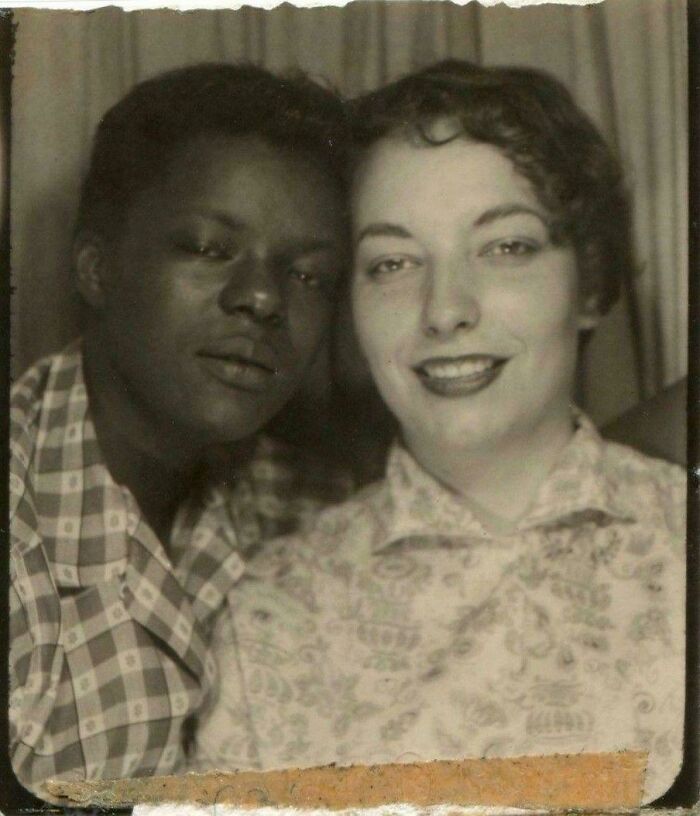
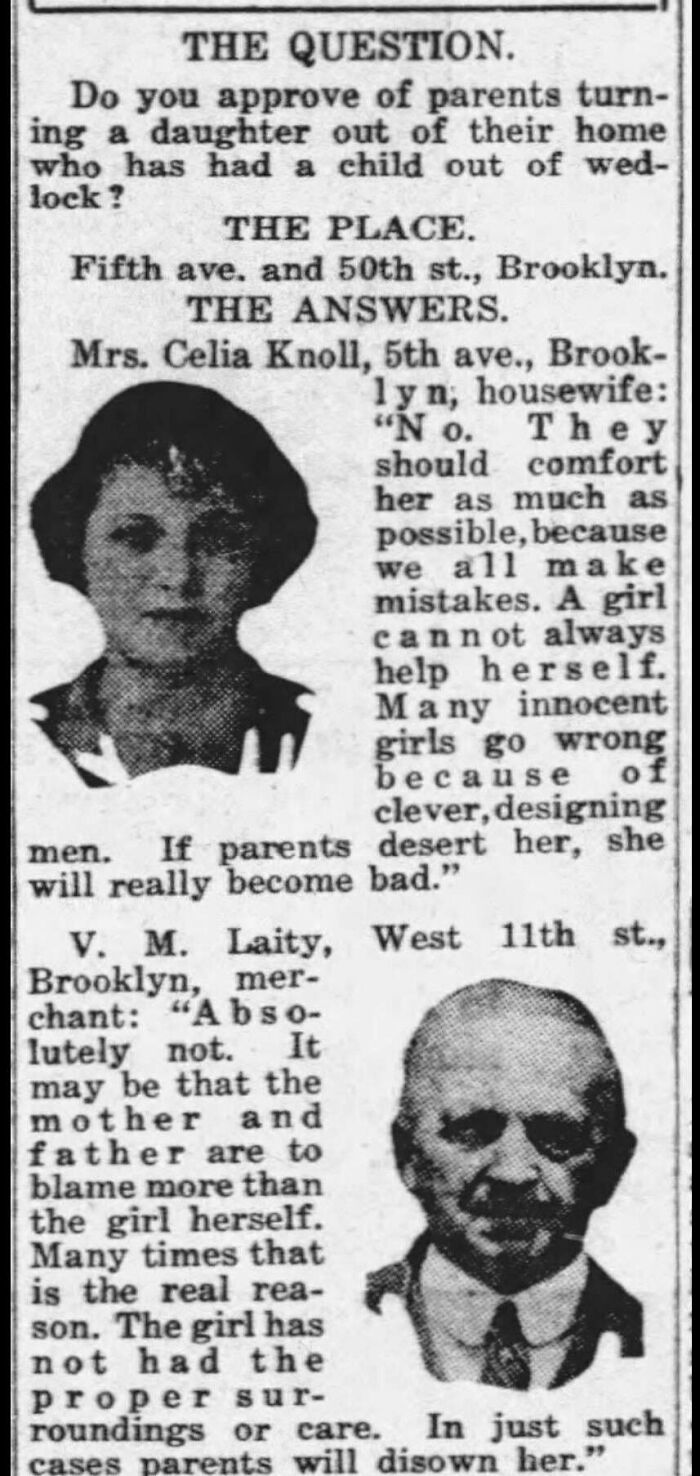
I like these responses. My mom was of the opinion that an unwed daughter should be thrown out and declared d**d to the family. I ended up not having children at all.
“Why study history? The answer is because we virtually must, to gain access to the laboratory of human experience,” was Stearns’ concluding thought. Why do you think we need to these types of photographs, Pandas, and reflect on what has happened in the past? Share your thoughts with us in the comments! And to see even more fascinating historical pics from “HistoryCord,” check out our previous publications here and here!

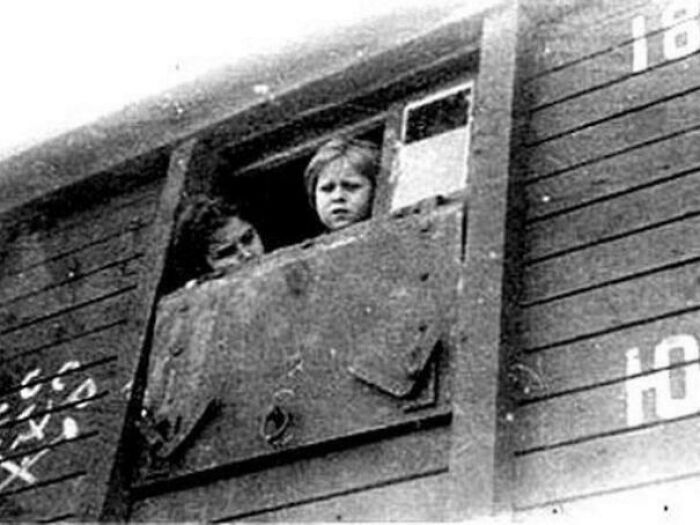
Not "deportation" but evacuation : due to N*zi Germany atacked the USSR

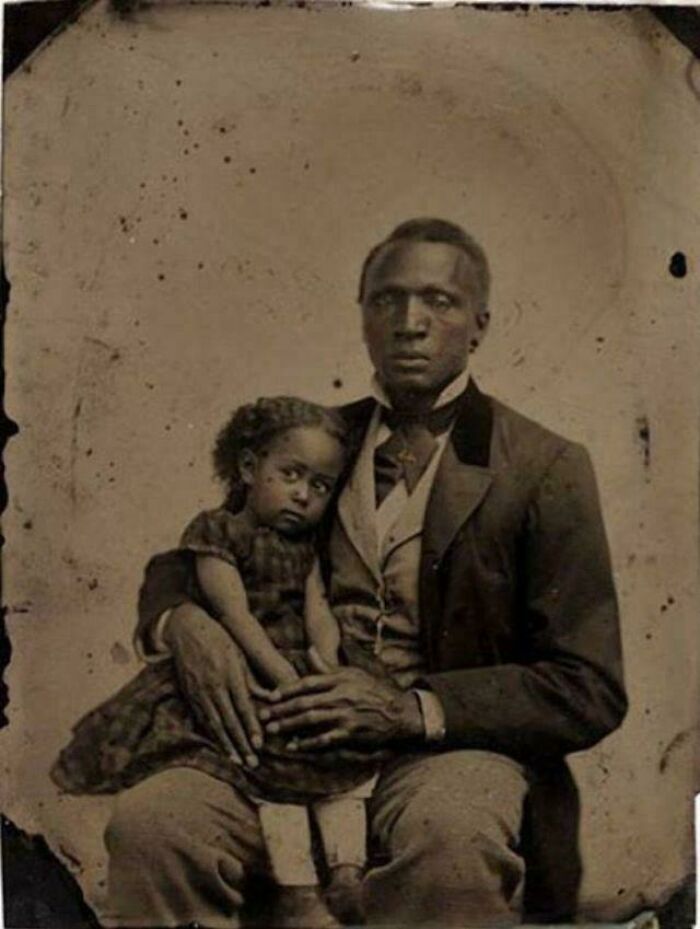
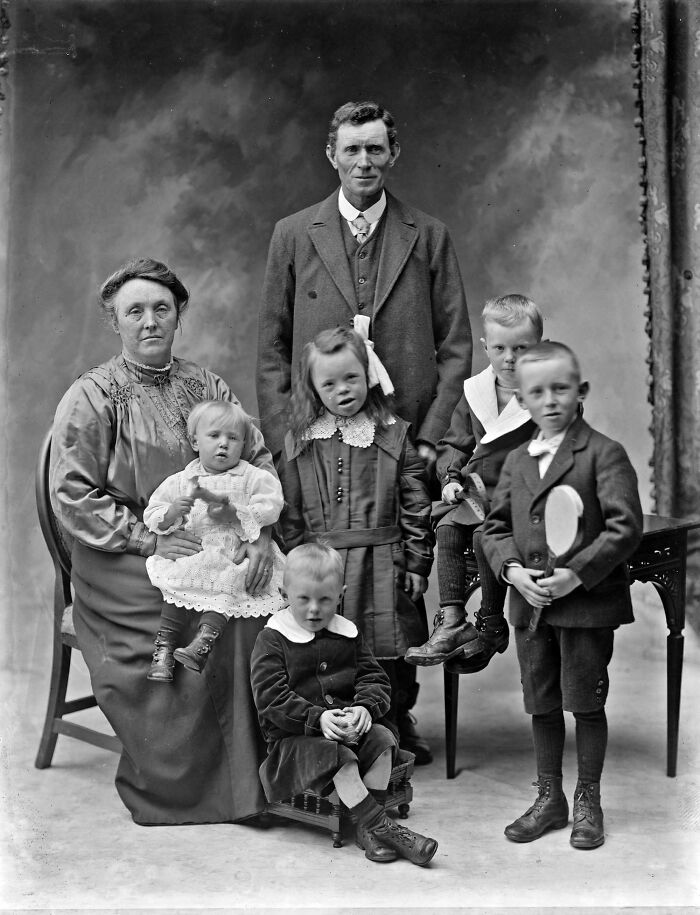
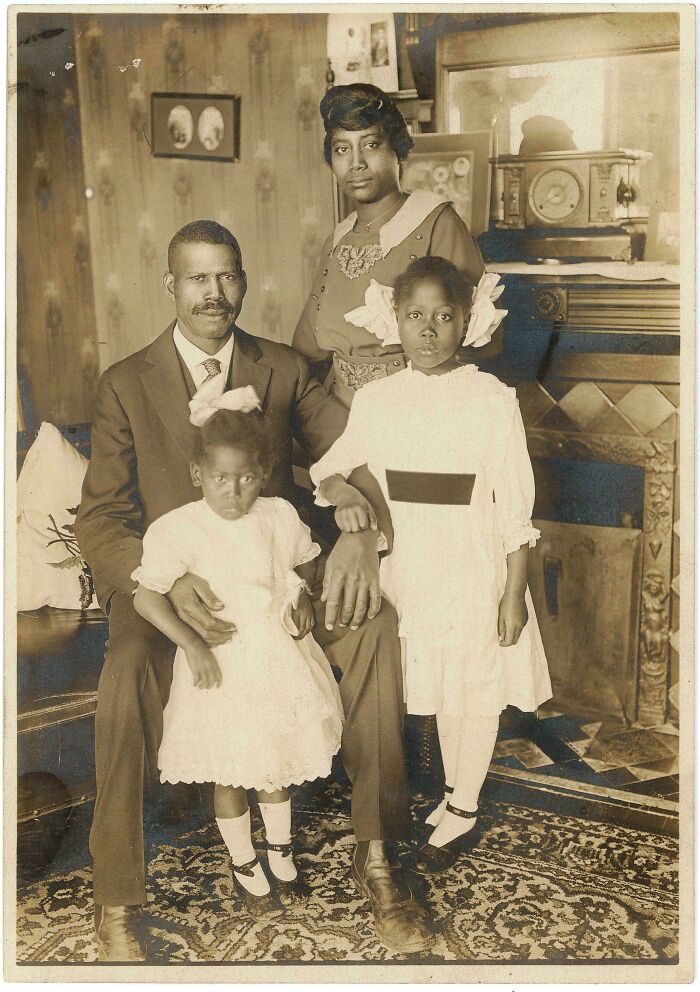
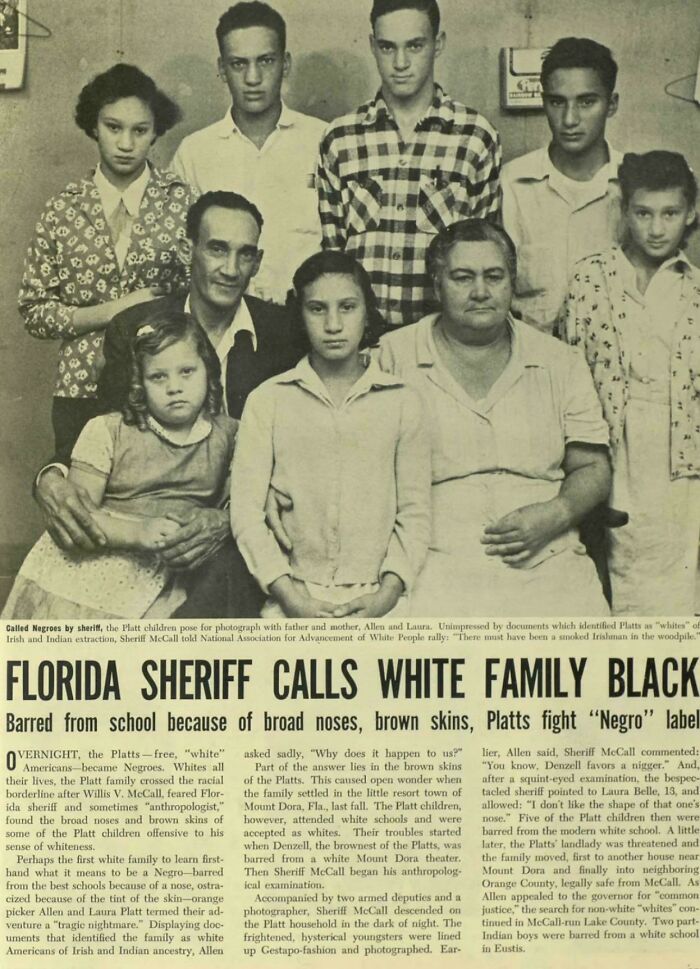
The parents look really old but they’re probably only in their thirties.

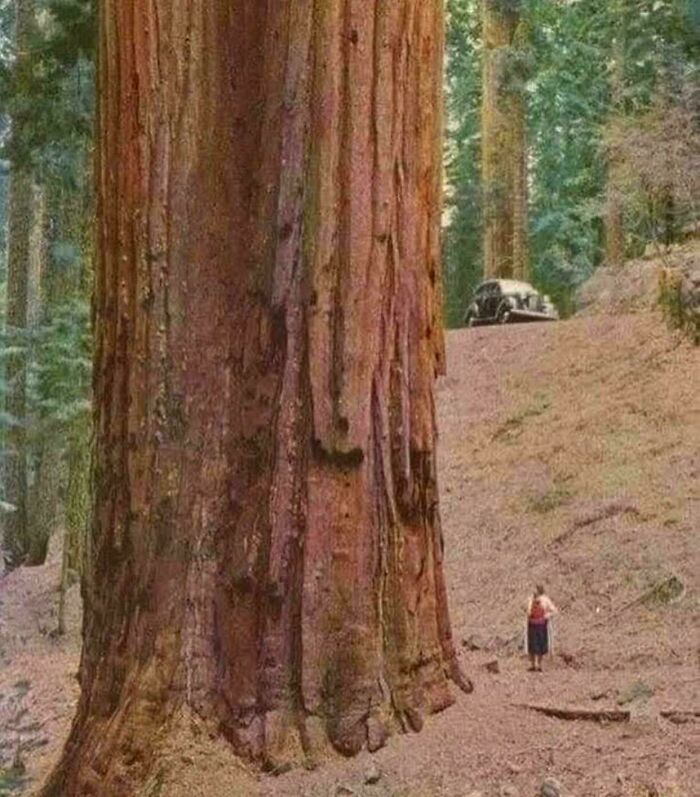
I have photos of my mother as a toddler among the redwoods, in 1950. She and my grandparents were traveling from Edmonton to Pasadena for my grandfather to attend graduate school.

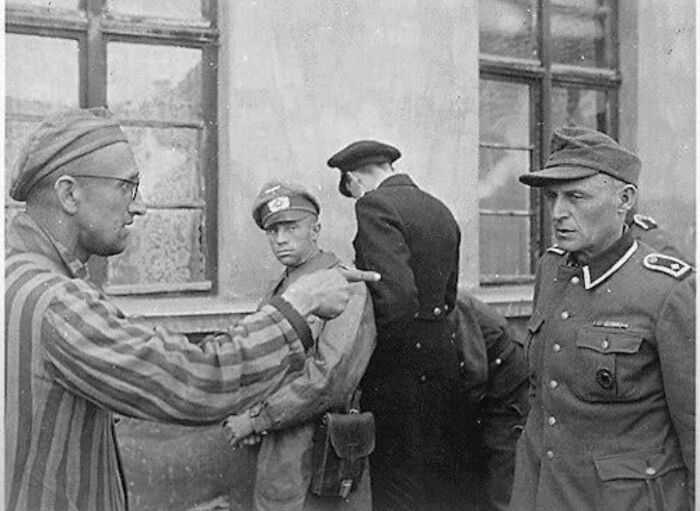
Croatian, Latvian, Estonian and Lithuanian nazis immigrated to the USA, lying on their applications.

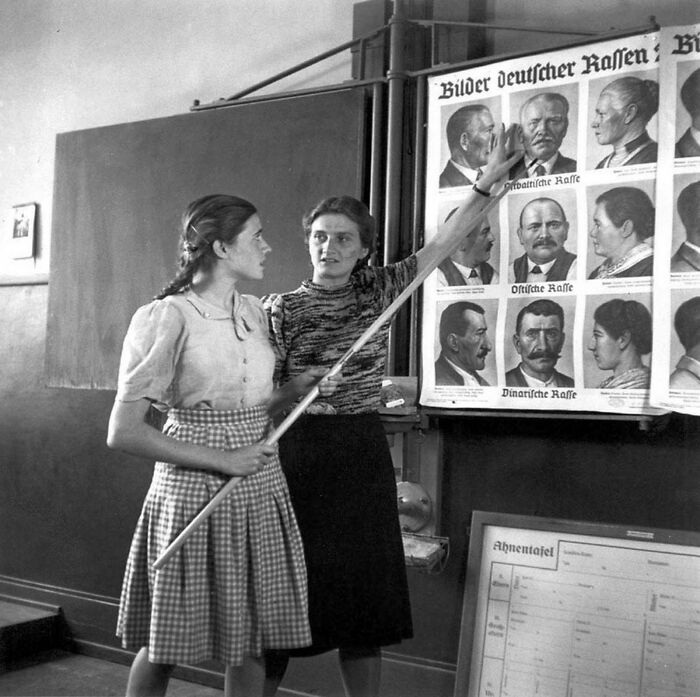
South African ID numbers (kind of like American social security numbers) used to use the last 3 digits to identify your 'race'. When I renewed my ID in 2003 they crossed out the original numbers and changed them. ... It took another 23 years for the change of ID number to be reflected on my payslip. That's the Education Department for you!
In this war Saddam Hussein is an ally of USA and NATO and heavily supplied by NATO weapons







































 No fees, cancel anytime