Get Premium
Dark mode theme is available exclusively for premium users. Learn more about the benefits of subscribing.
No fees, cancel anytime.

 Dark Mode Ad-Free Browsing Unlimited Content
 Ad-Free Browsing Unlimited Content Dark Mode
Join 1.2 million Panda readers who get the best art, memes, and fun stories every week!
Every day, we come across countless examples of design without really giving them a second thought. From the buildings around us to furniture, packaging, gadgets, and little details in everyday objects, good design is often so seamlessly integrated into our lives that we barely notice it.
But every now and then, something catches our eye and makes us stop scrolling. It might be an ingenious idea, an unexpectedly beautiful detail, or a clever solution that makes you wonder why you didn't think of it yourself. These are the kinds of designs that prove creativity can turn even the most ordinary things into something memorable.
Here are some of the coolest and most interesting examples shared by Designboom, an Instagram page followed by more than 4 million people. Fair warning: these designs are seriously scroll-stopping, so you might want to settle in for a while.
This post may include affiliate links.

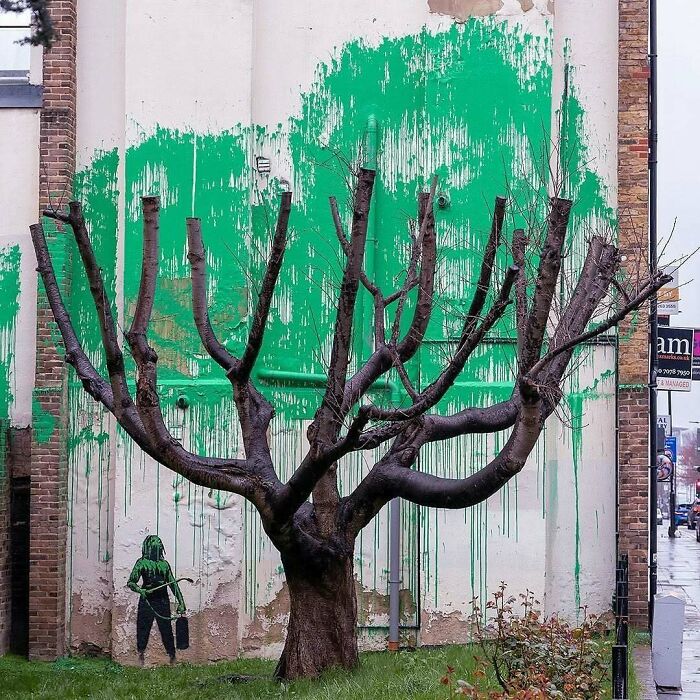
"When the bough breaks the cradle will fall, And down will come baby, cradle and all.”
banksy unveils his latest work in london, believed to be calling for ceasefire in gaza
There is a reason some of these designs immediately catch the eye. According to Gatesman Agency, humans tend to appreciate visual order because symmetry and regularity make information easier for the brain to process. When a design feels organized and coherent, we can understand it almost instinctively.
However, that doesn't necessarily mean the most satisfying designs are the simplest ones. Effective design often combines order with variation, contrast, and complexity. Too much repetition can become dull, while carefully introduced differences give the eye something interesting to discover without making the composition feel chaotic.
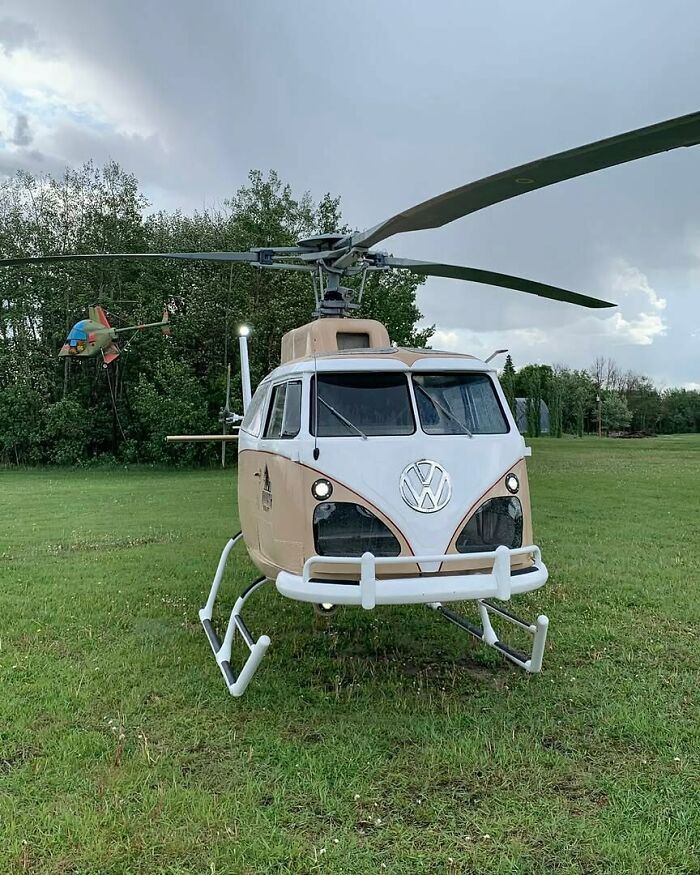
canadian aircraft maintenance expert is hybridizing a classic VW T1 bus with parts from an airbus H125 helicopter
This may also explain why some of the images feel almost effortless to look at. SmartSource points to processing fluency, or the subjective feeling that something is easy to understand. When shapes, spacing, contrast, and symmetry work together naturally, the brain can make sense of the image with little effort.
The viewer probably isn't consciously analyzing all those elements, either. Instead, the image simply feels clear, smooth, or pleasing. Research generally finds that people tend to like images more when they experience them as easy to process. In other words, visual simplicity can quietly translate into aesthetic enjoyment.
Repetition can make that experience even stronger. Talent Whisperers explains that patterns allow the brain to anticipate what comes next. Rows of windows, repeated circles, alternating colors, or evenly spaced objects stop feeling like separate elements and become one larger visual pattern that the mind can recognize almost instantly.
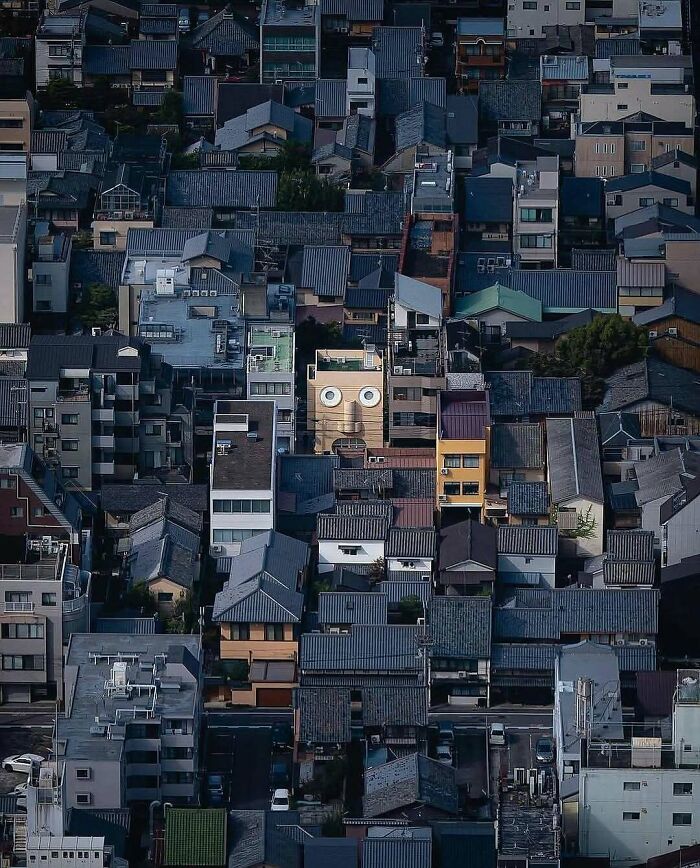
this 1974-built structure, known as ‘the face house,’ is hidden among the complex alleyways of kyoto. the building was designed by #japanese architect kazumasa yamashita to house a ground-floor shop and studio apartments above.
That predictability can be surprisingly satisfying. Recognizing a pattern requires fewer mental resources, creates a sense that the environment is understandable, and gives the composition a feeling of unity. It can even help the eyes move naturally through an image, which is one reason perfectly arranged objects can be so difficult to stop staring at.
Yet there is a catch: if everything follows the same pattern perfectly, our attention has little reason to linger. Quanta Magazine suggests that interesting designs often need some degree of tension. An unexpected color, asymmetrical shape, contrasting texture, or slightly unusual arrangement can interrupt the pattern and invite a closer look.
This tension doesn't necessarily make a design uncomfortable. Instead, it can act as a visual invitation. Order gives us a framework for understanding what we see, while complexity introduces enough difference to keep things interesting. The most compelling designs often find that middle ground between predictable repetition and overwhelming chaos.
Some images take this idea a step further by deliberately making us question what we're seeing. The so-called "aha!" effect happens when an initially confusing image suddenly reorganizes itself into something meaningful. A hidden shape, clever arrangement, or unexpected relationship can make the viewer go from “What am I looking at?” to "Oh, I get it!"
That moment of discovery can make an image especially rewarding. The initial surprise creates a mismatch between what we expect and what is actually there, encouraging us to investigate. Once the separate details suddenly make sense, the uncertainty disappears and is replaced by the satisfying feeling of having solved a tiny visual puzzle.
Christian Butler, an interdisciplinary designer, argues that good design ultimately goes beyond simply being orderly or attractive. Composition, curves, proportion, and contrast can influence whether something feels calm, warm, energetic, elegant, curious, or awe-inspiring. These elements don't just tell us what to look at; they influence how we experience it.
And perhaps that's what makes the designs featured here so compelling. They aren't satisfying for just one reason. Some give our brains pleasing patterns, others surprise us, while others balance order and complexity beautifully. Together, they show how thoughtful design can organize what we see, guide our attention, and turn an ordinary visual moment into something we genuinely enjoy.
And if you thought the first few examples were satisfying, there’s plenty more where those came from. From clever little details to beautifully balanced compositions and designs that make you look twice, the following examples show just how creative everyday aesthetics can get. So keep scrolling, you might find yourself saving a few ideas for later, or simply staring at some of these longer than you expected.

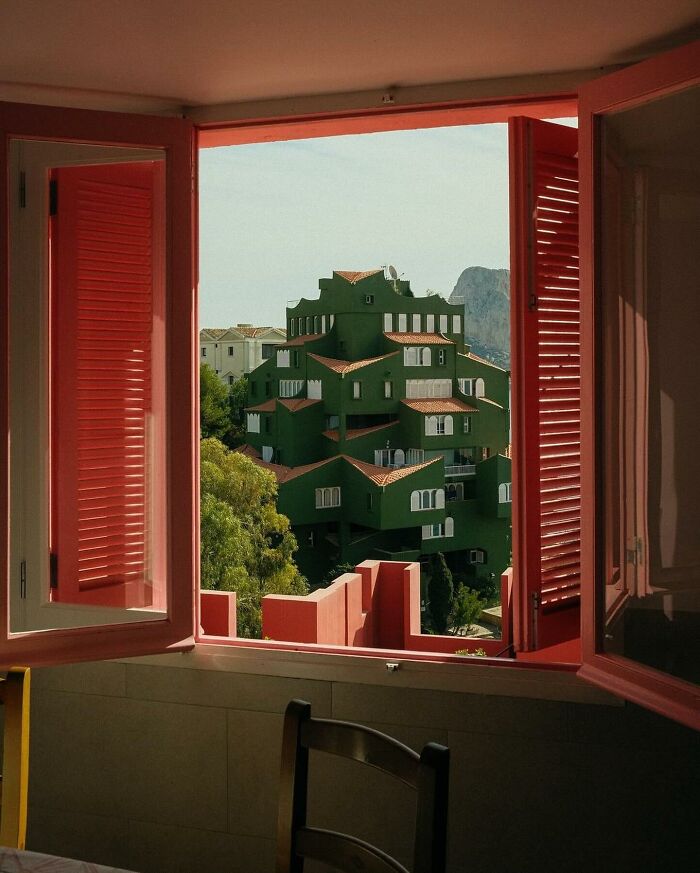
"Edificio Xanadú, a distinctive green residential apartment building in Calp, Spain, designed by renowned Spanish architect Ricardo Bofill and completed in 1971."
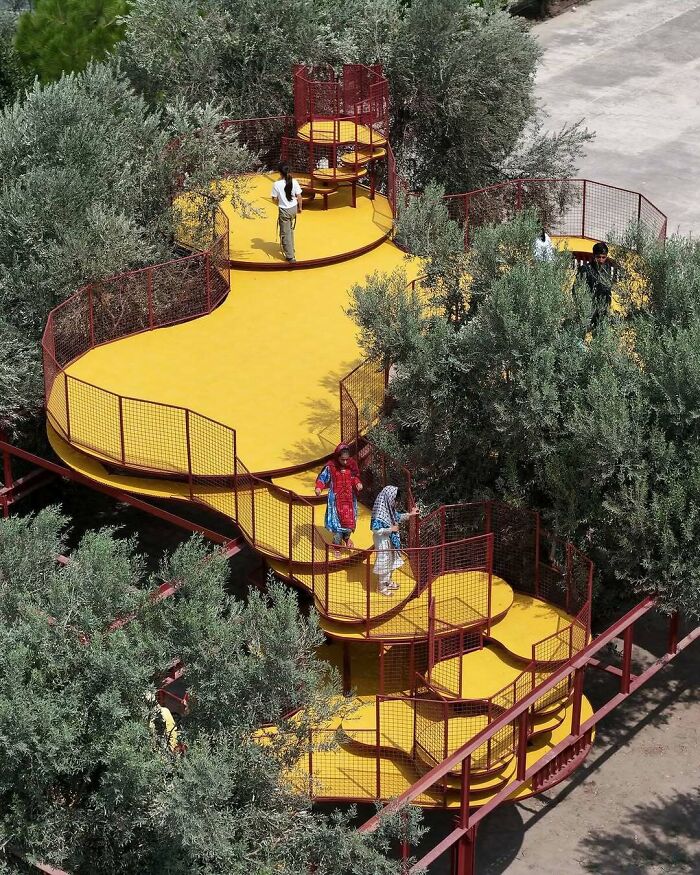
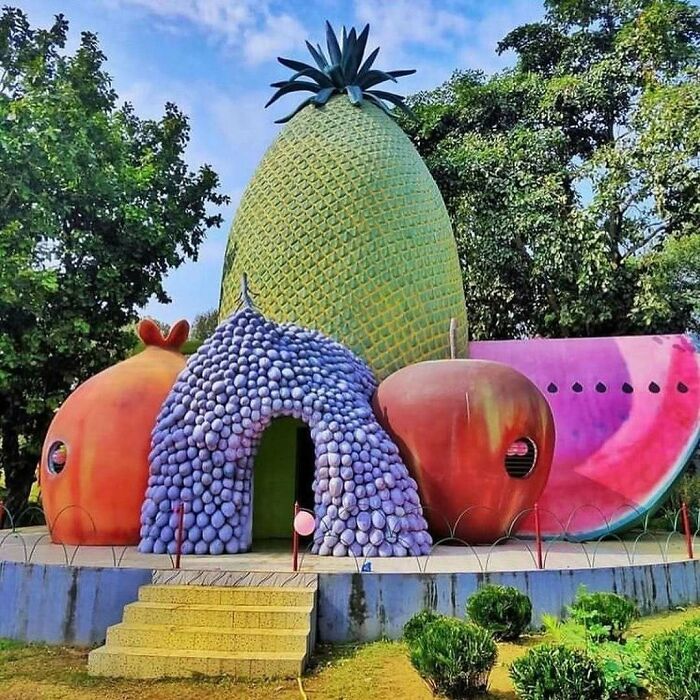
"Cheshm Cheran Bazi Playground in Minudasht, Iran, designed by ZAV Architects."
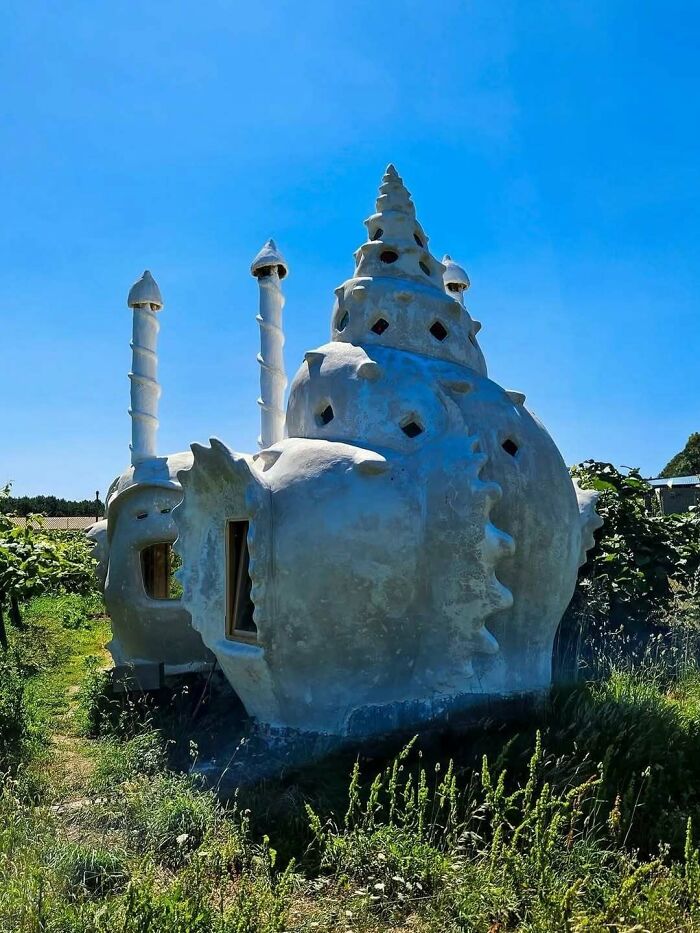
'Casa Caracola (Shell House), a unique, hand-sculpted seashell-shaped building located in O Grove, Galicia, Spain. It was built entirely by hand by local builder José Luis Torres, who is often referred to locally as the "Gaudí of O Grove." '
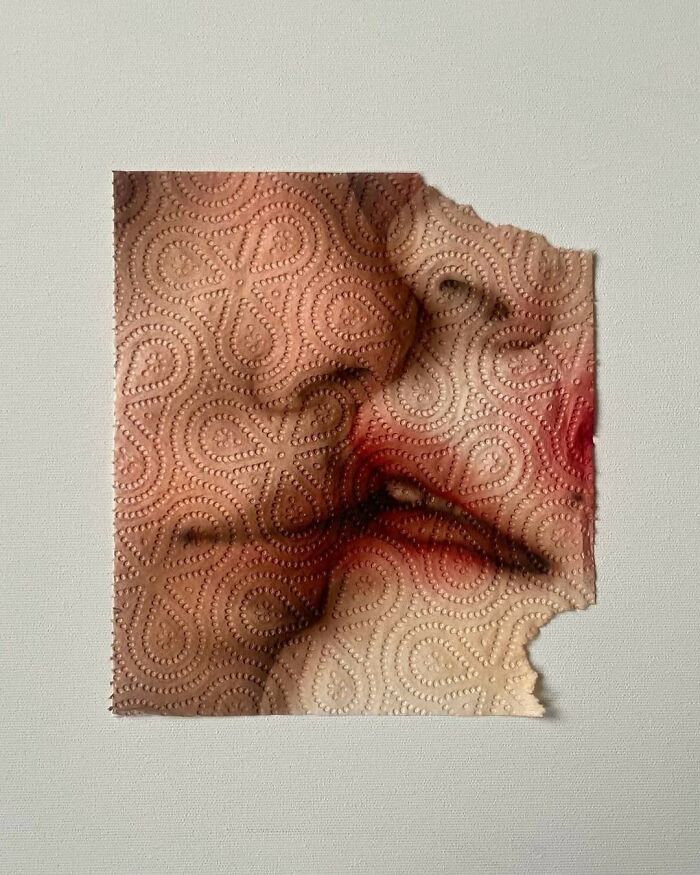
helena minginowicz transforms paper towels, tissues, and napkins into delicate artworks, airbrushing portraits and imagery onto disposable surfaces
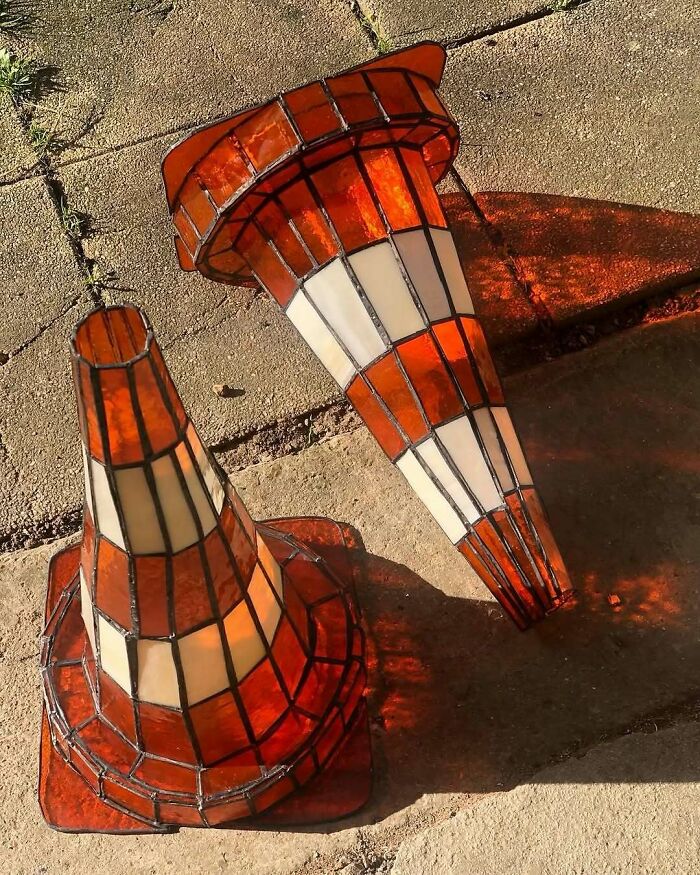
"Pia Hinz subverts the practical purpose of tools and machinery by recreating them in stained glass, rendering each object antithetical to its original form." <-- Facebook
sun allergy diaries
“I grew up on the beach. At age 11, I developed an allergy to the sun which awakened a feeling of artificiality in me. Suddenly I had to start protecting myself from nature… from something considered beautiful, nourishing and relaxing. Ever since I have been developing systems of protection so my story could have a happy ending.” This is how SiiGii, a gender fluid Spanish artist based in New York depicts their series of three projects for S.A.D. Sun Allergy Diaries, conceived to overcome a super rare health condition that keeps them out of the sun.
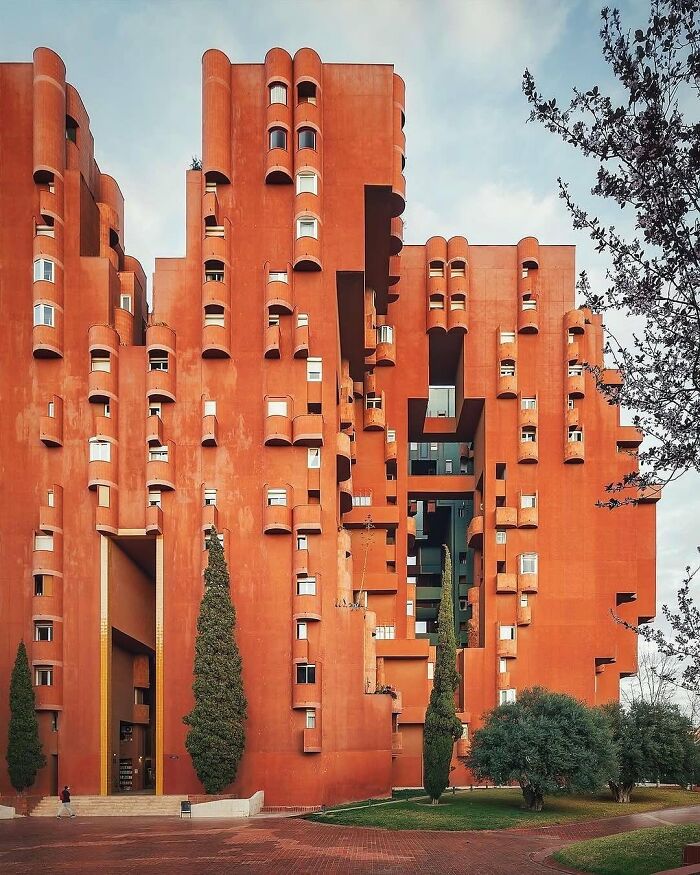
Walden 7 - "a visionary residential complex located in Sant Just Desvern near Barcelona, Spain, designed by the Ricardo Bofill Taller de Arquitectura and completed in 1975."
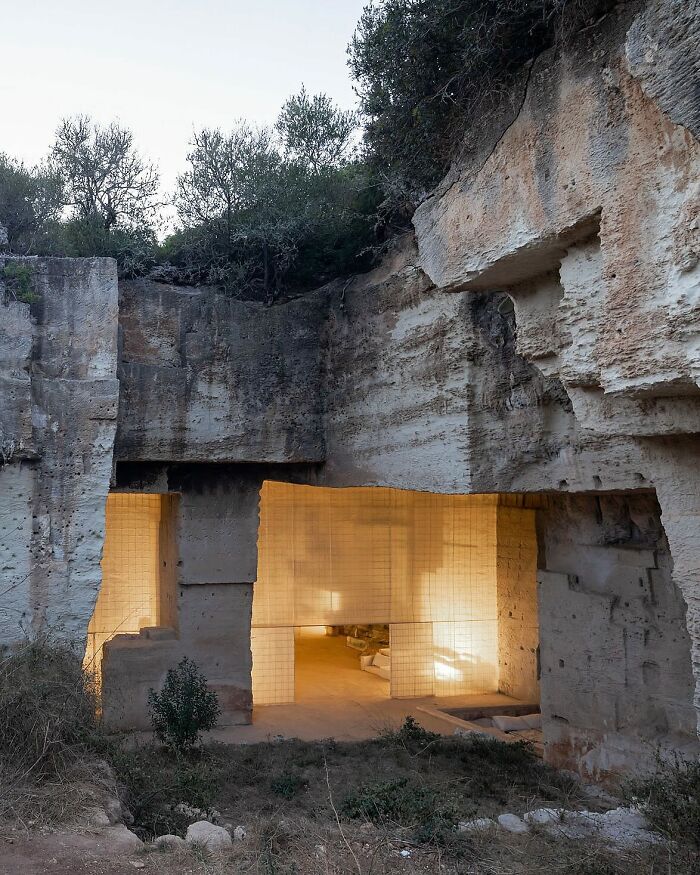
Yellow Trace --> "Should you ever find yourself in the stony landscape of Menorca, there’s a chance you may need to revisit a rocky façade. A closer inspection of rock sediment hidden among the leaves and tall grass through the lens of curiosity surprisingly reveals Ca’n Terra House — a homely cavern uncovered through the eyes of Anton Garcia-Abril and Debora Mesa, principals of Ensamble Studio. Ca’n Terra (meaning ‘house belonging to the earth’ in Catalan) manifested from a happy discovery during the couple’s family vacation. A stumble into the cavern that was actually an abandoned Mares stone quarry occupied during the Spanish Civil War prompted the architects to purchase the empty site — thus beginning the process of transforming the quarry into a holiday home."
I'm sure they had to have an engineer in to approve this, but still . . . . . .
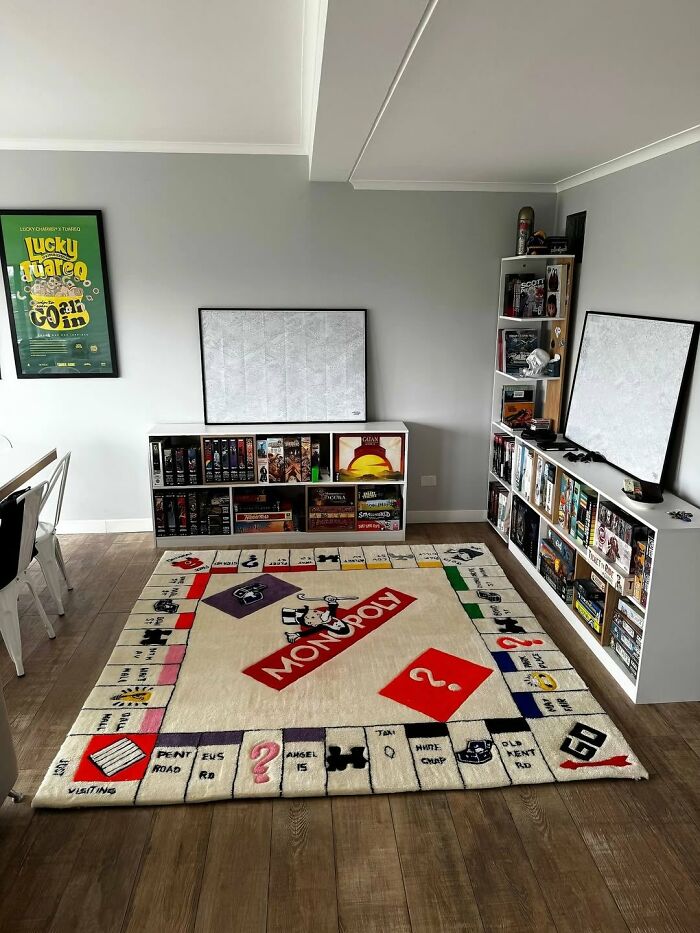
Pentonville Road, Euston Road, Angel Islington. Good. The British version.
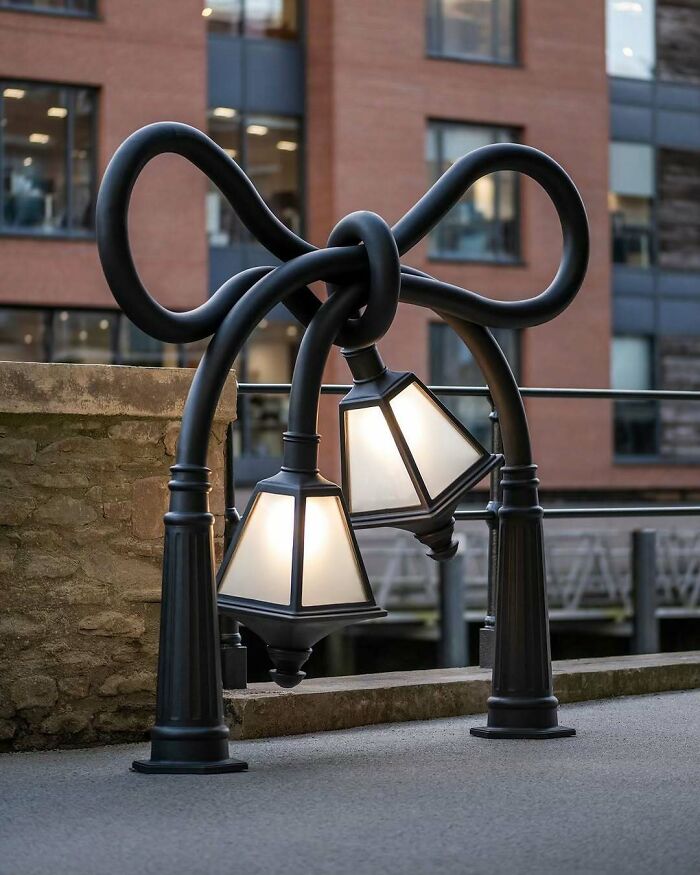
Hype Beast Beta --> "At Assembly Bristol in the UK, the city’s newest waterfront spot, artist Alex Chinneck has introduced a series of sculptural street lamps that blend traditional charm with unexpected twists. Cast in steel, Chinneck’s creations reimagine Victorian-style lampposts with playful forms: two lamps twist into a dramatic bow, while another pair wraps closely together, an embrace the artist calls “First Kiss at Last Light.” A single, upright lamp post completes the scene, contrasting the surreal with a touch of the familiar."
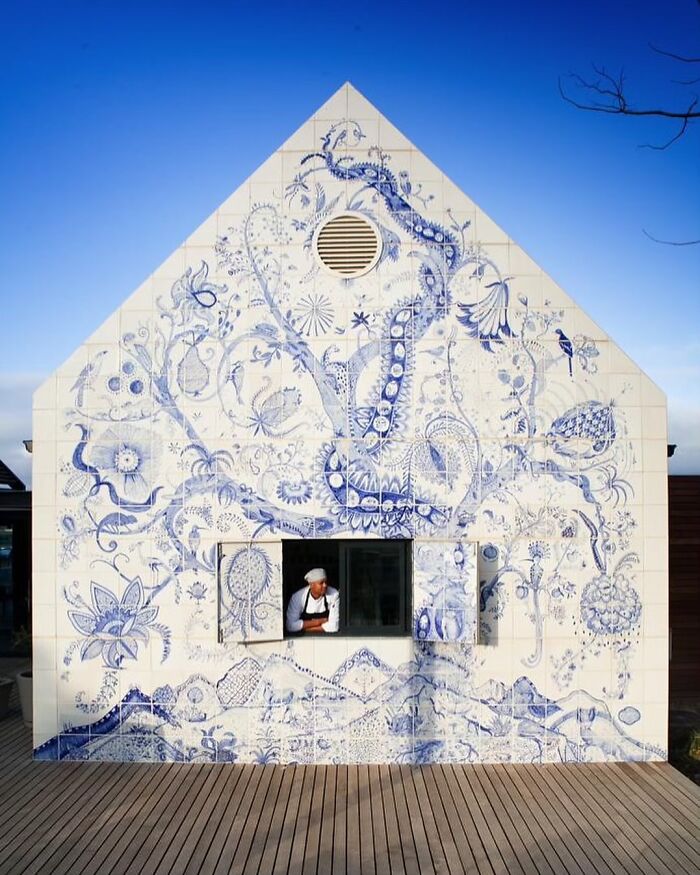
Instagram --> bosjes_farm: "Our beautiful mural, the BOSJES Tree of Life, was designed by Michael Chandler and Lucy de Moyencourt using 100 species of endemic fauna and flora. Each of the 366 handmade, painted, and baked tiles was crafted over 12 months from design to installation. A blue ribbon at the center features circles painted by family members and children who grew up on the farm. Hidden among the species are the fruits of our labour: peaches, proteas, grapes, and olives."
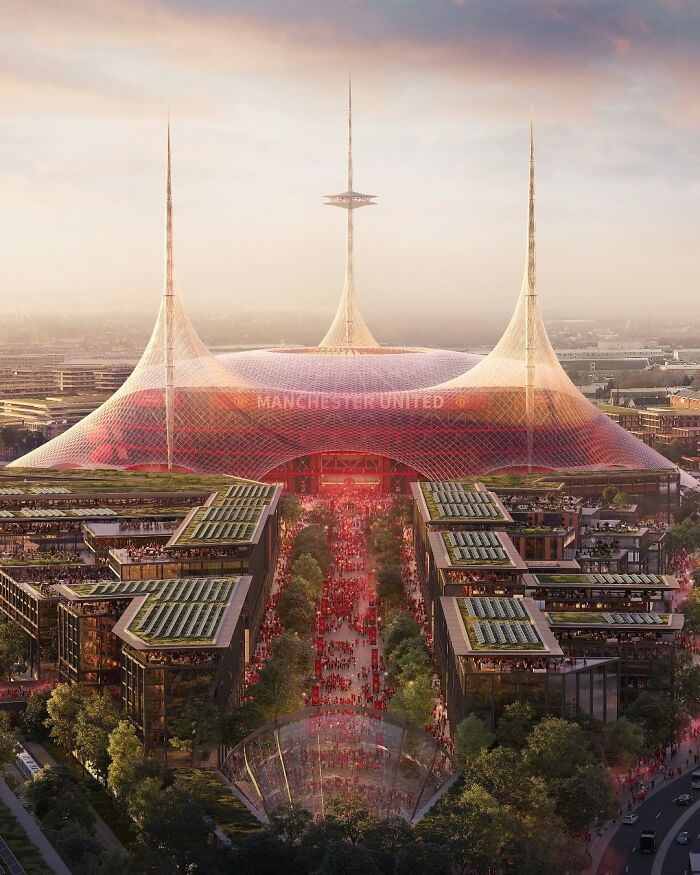
de zeen --> "British studio Foster + Partners has revealed designs for a stadium covered by "a vast umbrella" for English football club Manchester United, which will become the biggest stadium in the UK. Forming part of the regeneration of the Old Trafford area in Manchester, the 100,000-seat stadium is set to be built next to the football team's current 74,197-capacity Old Trafford stadium. Once complete, the Foster + Partners-designed stadium will surpass the UK's current largest football stadium, Wembley Stadium, which has a capacity of 90,000. Renders show the stadium covered in Manchester United's signature red colour, enveloped by a tent-like structure that extends over public outdoor space."
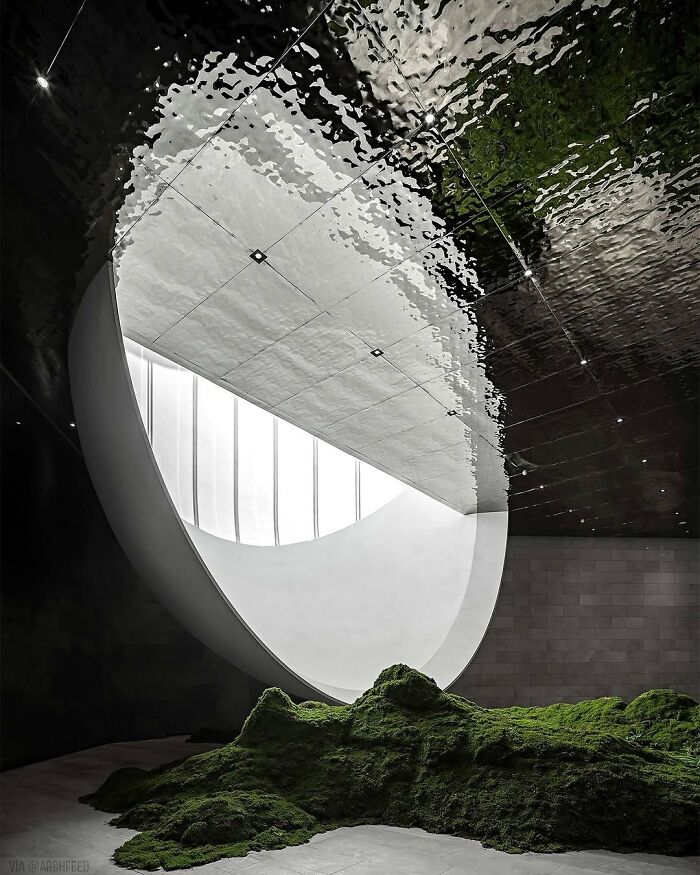
de zeen --> "An illuminated semicircular window above a pool of water simulates "a moon that never sets" on the roof of a ceremonial hall designed by Syn Architects, in the dramatic landscape surrounding Mount Tai in China. Hometown Moon is part of a creative strategy commissioned by the Lushang Group in 2019 for a 55-square-kilometre area north of Tai'an City, intended to encourage visitors to explore the natural landscape and to better connect the local villages."
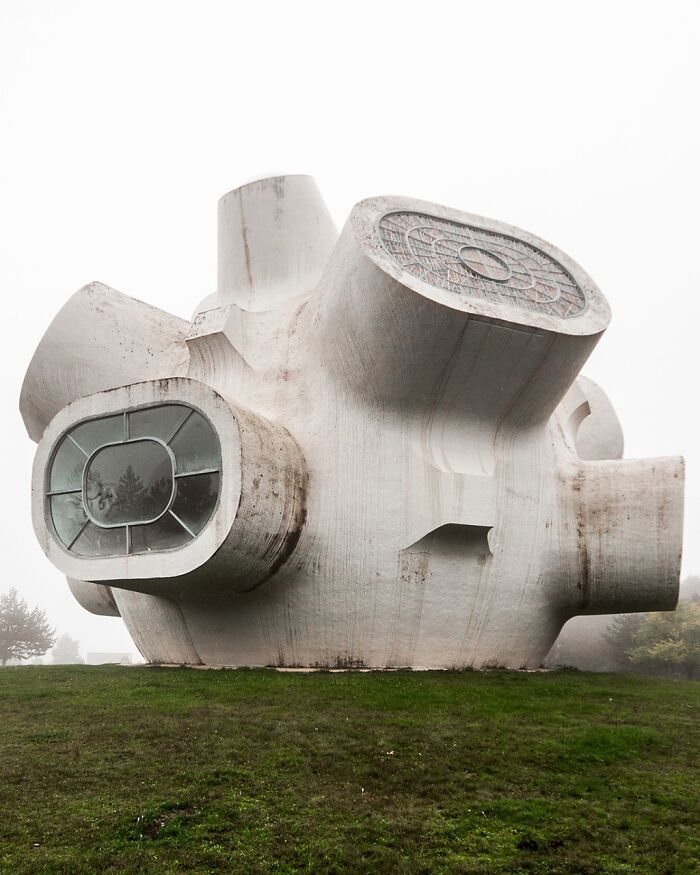
Instagram ➡️ This is the Makedonium or Ilinden monument located in Kruševo, North Macedonia. Built in 1974 it commemorates the Ilinden uprising of 1903 as well as the soldiers who fought for the liberation of Macedonia during World War II. The Ilinden uprising was a revolt aimed at gaining Macedonian independence. It managed to liberate the town of Kruševo from Ottoman rule and and established it as an independent republic. Nikola Karev, a school teacher and revolutionary led the Republic of Kruševo, which only lasted from August 3rd to 13th 1903, crushed under the overwhelming force and brutality of the Ottoman retaliation. Karev was k****d in combat two years later and is laid to rest beneath the monument. The main building is meant to look like a mace and the site also contains an amphitheater, colourful murals and a courtyard nicknamed the “crypt”, which features 58 round metal plaques that record the names of important people, events and places related to the Ilinden uprising.
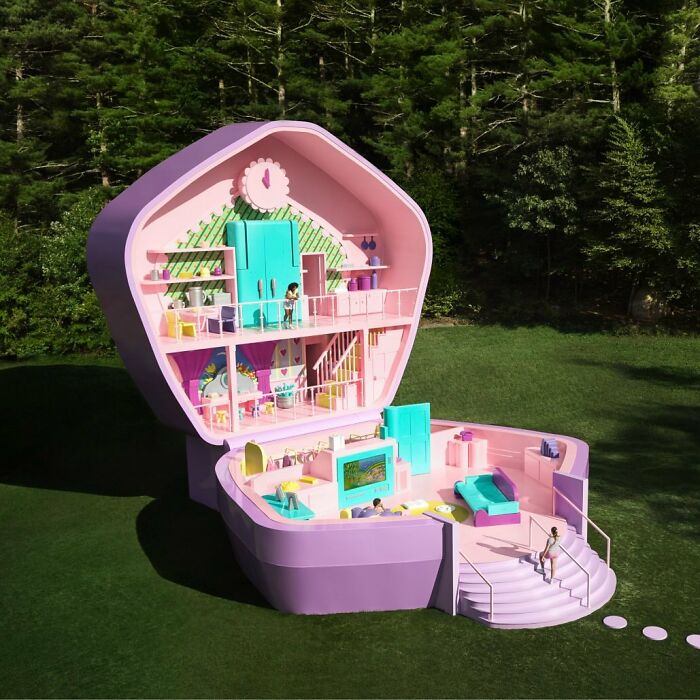
de zeen magazine --> "As part of its ongoing Icons series, Airbnb has created a life-size rental version of a Polly Pocket compact toy, which includes mock-up versions of clothing and oversized furniture. Located in Littleton, Massachusetts, the rental was created to resemble a full-scale version of a Mattel Polly Pocket toy, a series of small plastic compacts that contained themed environments inhabited by a doll."
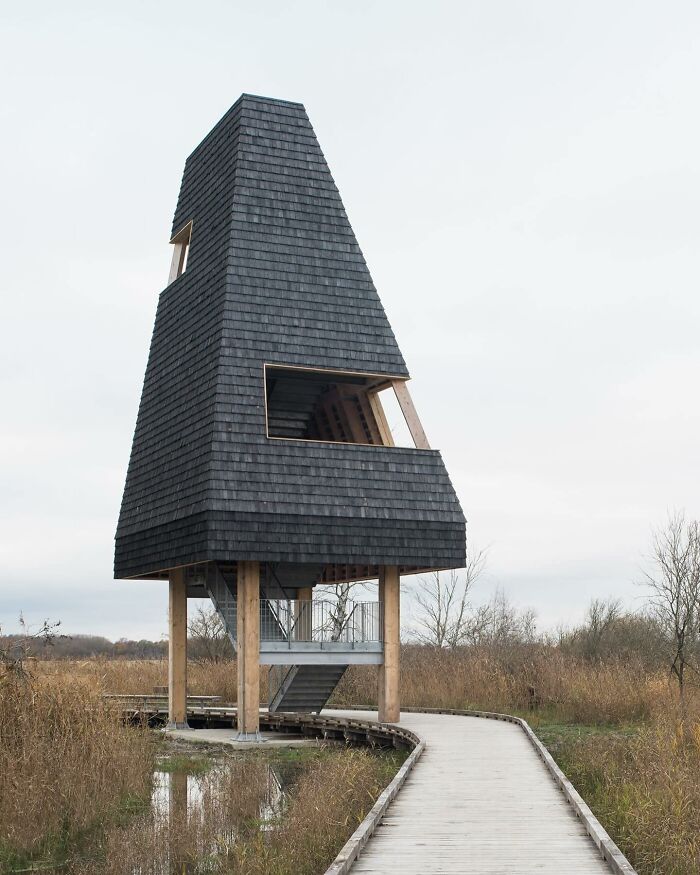
de zeen --> "A series of viewpoints clad in charred-timber shingles have been perched throughout the largest nature park in Copenhagen by Danish studios LYTT Architecture and ADEPT. Located along a stretch of coastline east of the capital city, the 35-square-kilometre Amager Nature Park contains a mix of wetlands, marshes and areas of forest. LYTT Architecture and ADEPT have introduced a winding wooden boardwalk throughout the park that is dotted with viewpoints and elevated above ground to minimise disruption to the landscape."
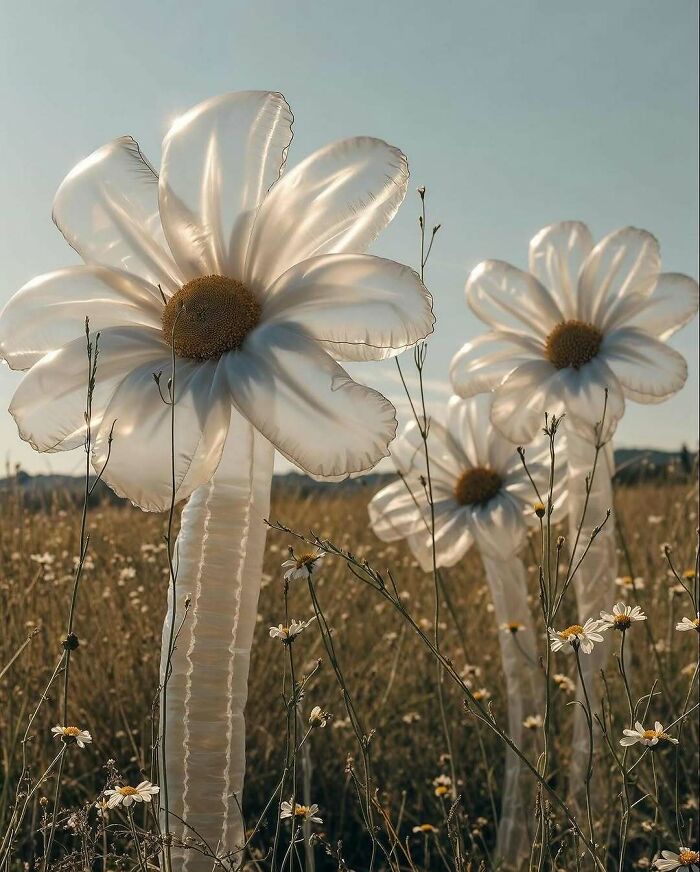
Instagram --> "Transparent flowers, an AI image concept by art studio Joann"
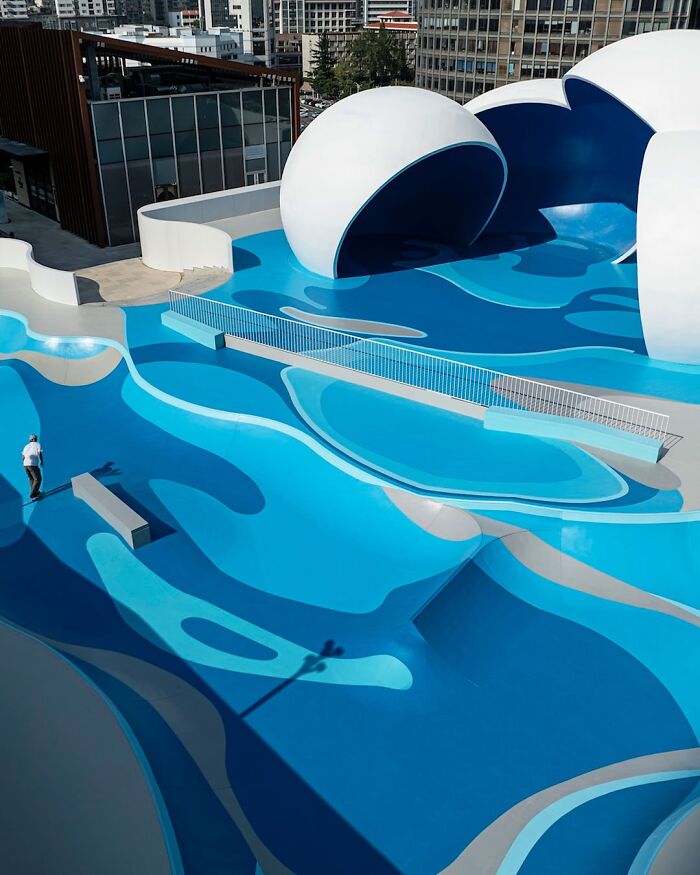
de zeen --> "Flowing curves and a cloud-like cluster of spherical domes are intended to evoke the sea and the sky at this rooftop skatepark in Qingdao, China, by local practice Within Beyond Studio. Located atop the Wanda Plaza Mall, the 1,500-square-metre Qingdao MixC Rooftop Skatepark provides space for both skateboarders and spectators overlooking the city and sea. Within Beyond Studio drew on the site's close relationship to the sky and the sea to inform the blue finishes and wave-like shapes of the skatepark, which also provides access to the mall below."
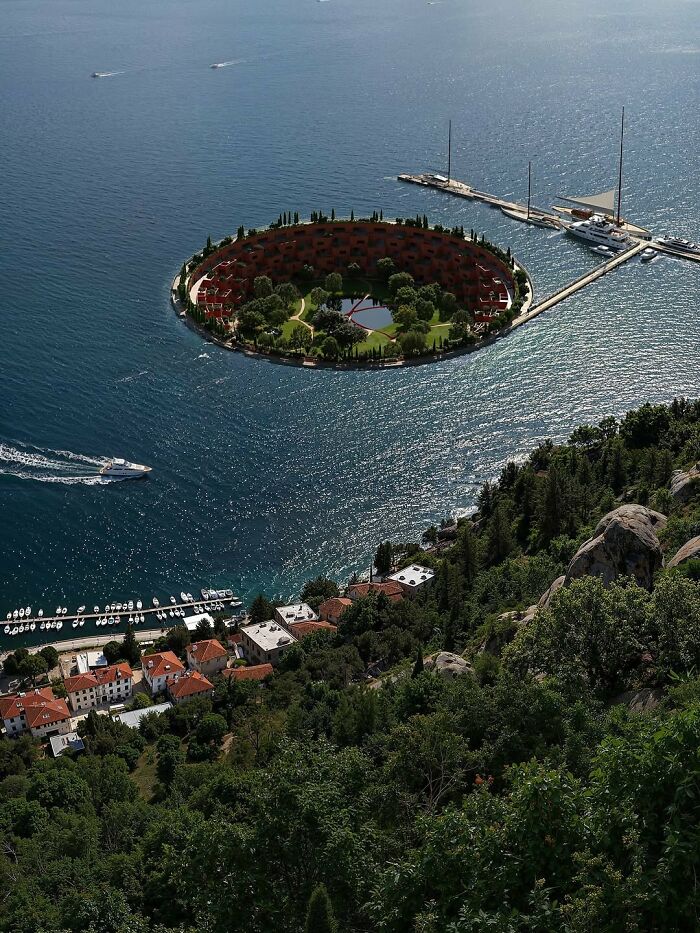
Instagram --> "Concept by @dyatlov.studio explores architecture as an extension of the landscape. Imagined for Lake Como, Italy, the project is shaped to merge almost invisibly with its surroundings, dissolving boundaries between built form and nature. Embedded within the terrain, the architecture prioritizes seclusion, atmosphere, and continuity with the environment. Rather than dominating the site, the concept allows landscape, light, and topography to define the spatial experience."
You do know that they're all supposed to be pointed in the same direction, right?
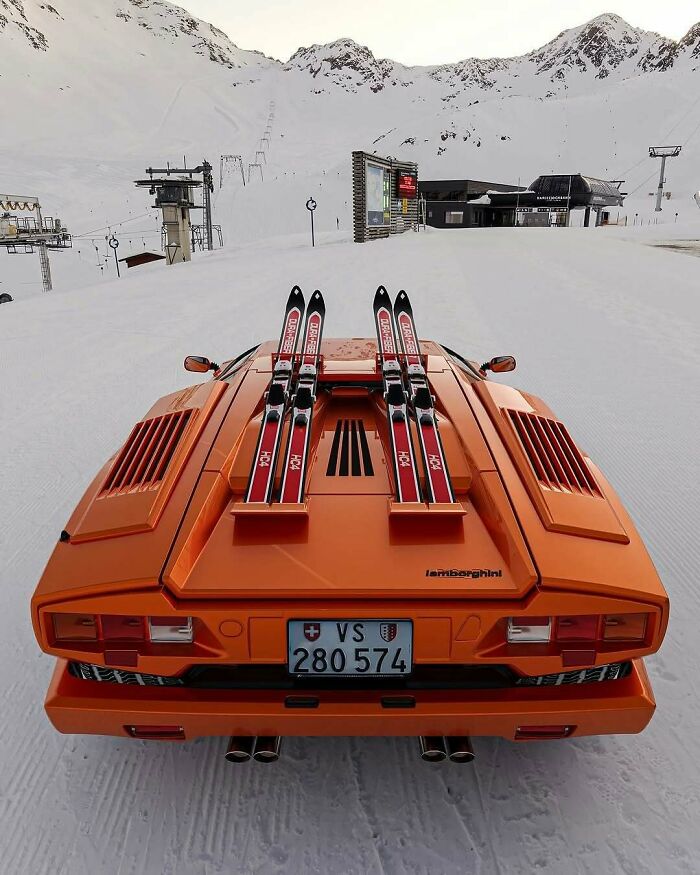
lamborghini countach 5000 on a snow day

No tracks... it might have been inserted by helicopter, or photoshopter.
Inventive. Creative. Impractical. Looks like it's dominated by senior year projects from industrial design students.
Inventive. Creative. Impractical. Looks like it's dominated by senior year projects from industrial design students.


























 No fees, cancel anytime