Get Premium
Dark mode theme is available exclusively for premium users. Learn more about the benefits of subscribing.
No fees, cancel anytime.

 Dark Mode Ad-Free Browsing Unlimited Content
 Ad-Free Browsing Unlimited Content Dark Mode
Join 1.2 million Panda readers who get the best art, memes, and fun stories every week!
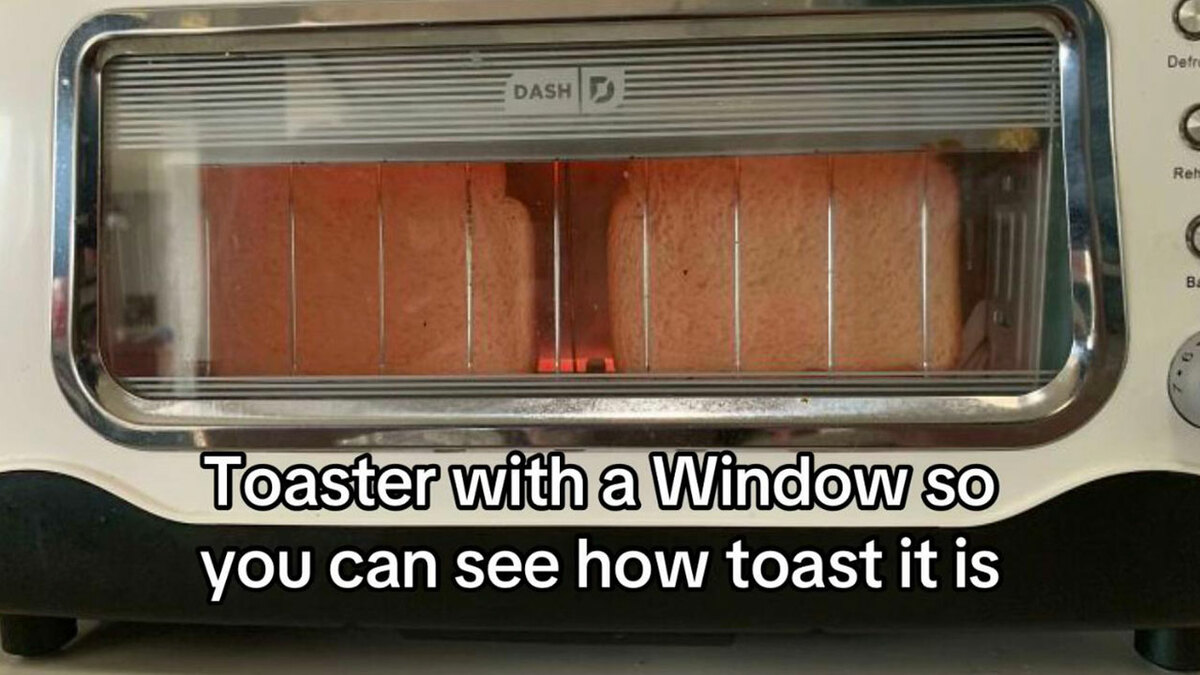
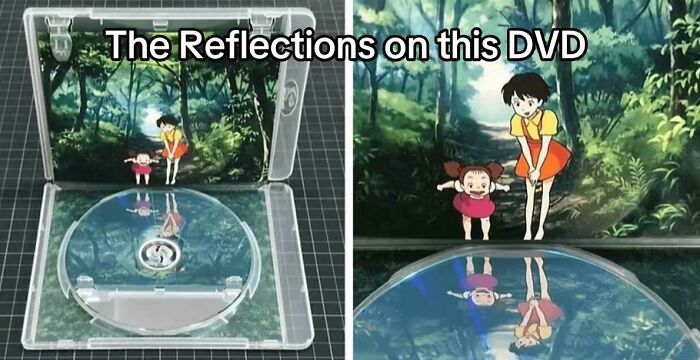
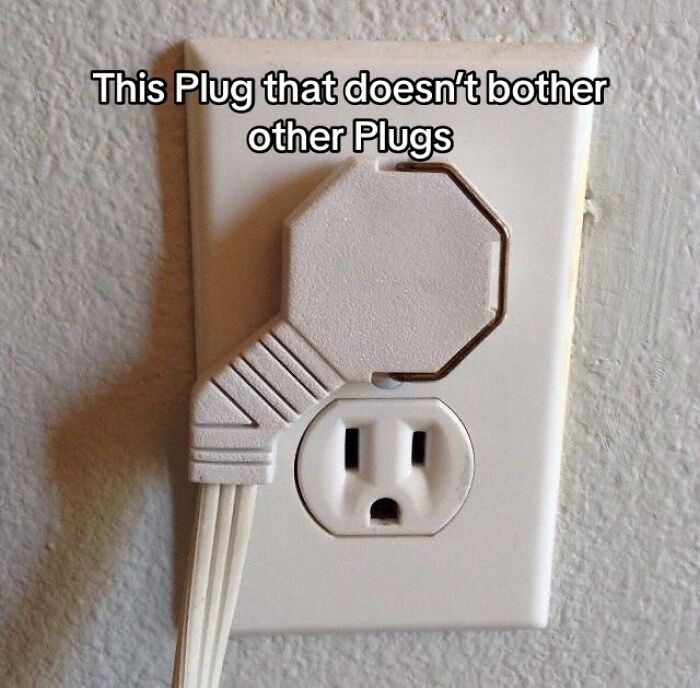
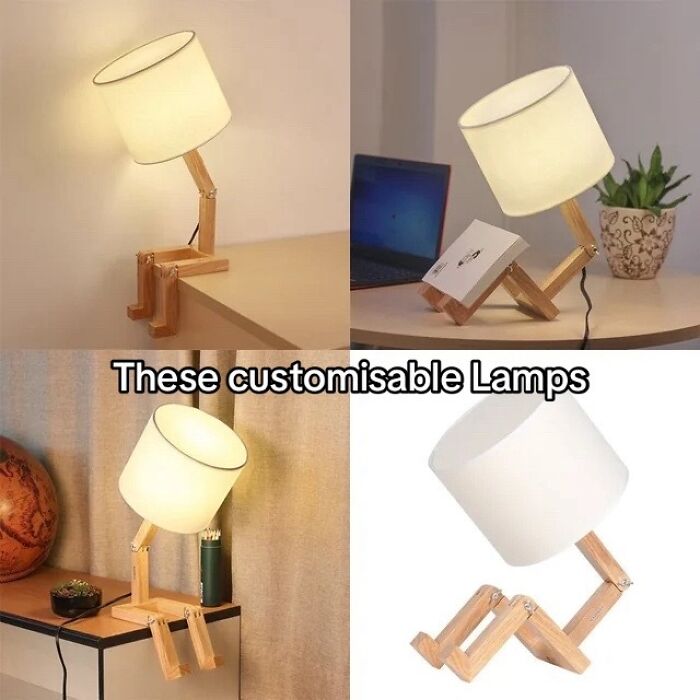
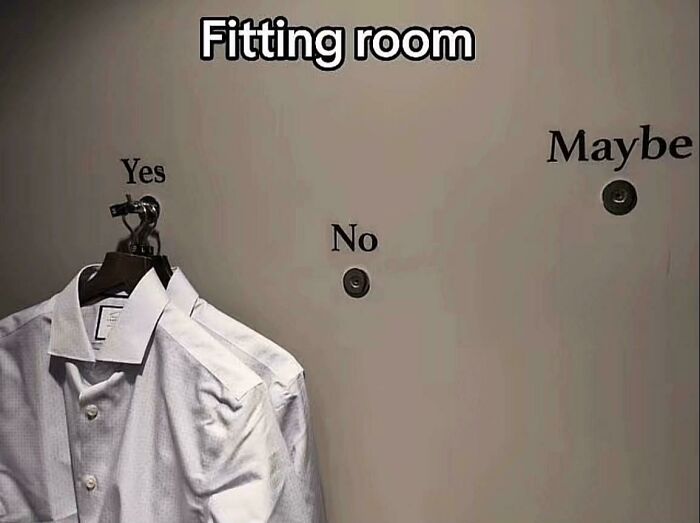
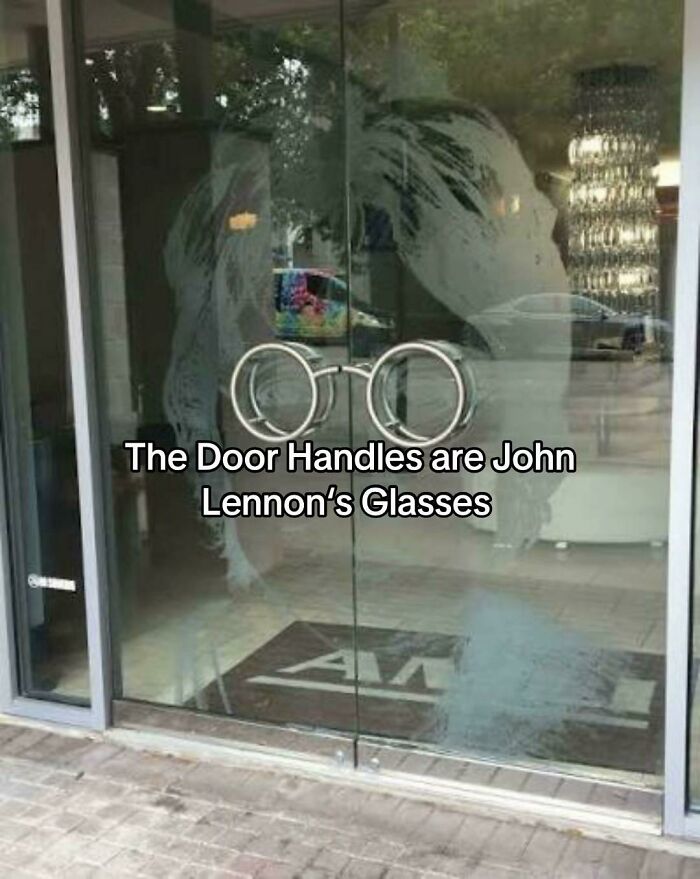
Some ideas are so simple that you wonder how nobody thought of them before. A tiny change to an everyday object, a surprisingly practical solution to an annoying problem, or one clever detail can make something ordinary feel completely different. And once you notice it, there’s no going back.
That was the idea behind the many clever designs people keep sharing online. From products with unexpectedly useful features to everyday solutions that solve problems you didn’t even realize you had, the internet is full of examples of designers thinking a little differently.
Some are practical, some are delightfully weird, and others make you wonder why the obvious solution took so long to appear. Here are some designs that prove a clever idea doesn’t have to be complicated to make a lasting impression.
This post may include affiliate links.
Before industrial design was recognized as a profession, people created things through skilled craftsmanship. The maker of a chair, tool, or decorative object usually handled everything, from planning its shape to making the final product.
Design and manufacturing were closely linked because the same person could both imagine and build the object. This relationship changed as industrial production grew.
In the 19th century, manufacturers could make goods in much larger quantities, but mass production did not always lead to attractive or well-designed products. Designers, manufacturers, and educators started to discuss how design should adapt to new technologies and industrial methods.
These debates led to ideas that still feel modern today. British design reformers said decoration should come after form, and form should fit the object’s function and materials. In short, an object should not just look good; its design should suit its purpose and how it is made.
By the late 1800s, designers like Christopher Dresser started working mainly for industrial production instead of just traditional crafts. Dresser created products for several manufacturers and welcomed the new opportunities of mass production.
He helped shape the idea of the designer as someone who could create objects for a growing consumer market.
This history helps explain why the classic image of the eccentric inventor feels so familiar. Characters like Maurice, Bella’s father in Beauty and the Beast, come from a long tradition of people who spend their days with tools, sketches, machines, and unfinished ideas. While they might seem fictional, many real people were just as curious and wanted to understand how things worked.
Leonardo da Vinci took the inventor’s mindset to an extreme. His notebooks move quickly from hydraulics and weights to locks, architecture, anatomy, and complex machines, sometimes mixing unrelated topics on a single page.
He didn’t just sketch things he wanted to build. He used his notebooks to observe, ask questions, experiment, and try to understand how the world worked.
Jacques de Vaucanson took mechanical invention in a new and unusual direction. In the 1700s, he built detailed automata that copied the movements of living creatures and people, like a mechanical duck and a figure that played the flute.
His machines were both entertainment and engineering experiments, showing what was possible when someone tried to copy nature using metal and moving parts.
James Watt shows us another important point: sometimes the key invention is not a brand new machine. While working as an instrument maker, Watt studied a Newcomen steam engine and saw that heating and cooling the cylinder over and over wasted a lot of energy.
He solved this by adding a separate condenser, which made steam power much more practical.
Leonardo, Vaucanson, and Watt lived in different times and had different goals, but they all shared a modern way of thinking. They looked at things that already existed and didn’t settle for just accepting them. Sometimes they dreamed up something entirely new. Other times, they found better ways to improve ideas that were already there.
This might be why clever designs can sometimes feel almost insulting once we notice them. After someone finds a solution, it often seems obvious, because the finished idea changes how we remember the problem. Hindsight bias makes outcomes look more predictable than they really were, hiding the uncertainty and mistakes that happened before the final answer.
Clever design often means looking at an object in a new way. Psychologists call this challenge functional fixedness. When we are used to an object’s usual purpose, it is harder to imagine other uses.
Studies on fixation show that old solutions and familiar features can limit creative problem-solving. This helps explain why coming up with a simple new idea can actually take a lot of mental effort.
The best designs do more than just solve technical problems. They also anticipate what people are likely to do. The idea of affordances, first described by psychologist James J. Gibson and later used in design by Don Norman, explains how objects and environments can suggest possible actions. Good design can make its intended use feel almost natural.
This might be why clever design feels so satisfying. Sometimes, just a small change or an unexpected detail can make an ordinary object work in a whole new way. Once you start noticing these ideas, you see them everywhere.
Which of these clever designs impressed you the most? Have you ever spotted a simple idea that made you wonder why nobody thought of it sooner? Share your thoughts in the comments!

































 No fees, cancel anytime