Get Premium
Dark mode theme is available exclusively for premium users. Learn more about the benefits of subscribing.
No fees, cancel anytime.

 Dark Mode Ad-Free Browsing Unlimited Content

 Ad-Free Browsing Unlimited Content Dark Mode

Join 1.2 million Panda readers who get the best art, memes, and fun stories every week!
Objects from the past offer us a tangible connection to history. It could be a book, a documentary, or an ancient artifact. Whether they date back eons, they can show us how people lived in a very different time and make their experiences feel more real.
Just look at these examples from this subreddit, which features relics “made or shaped by mankind throughout history.” They have 146,000 “artifact lovers” and counting, proving our inherent fascination with objects from older civilizations that carry colorful backstories.
This list features some of the community's most eye-catching posts. Many of these may make you want to dig a little deeper (pun intended), which is always fun if you consider yourself a history buff. Don’t forget to upvote your favorites!
This post may include affiliate links.
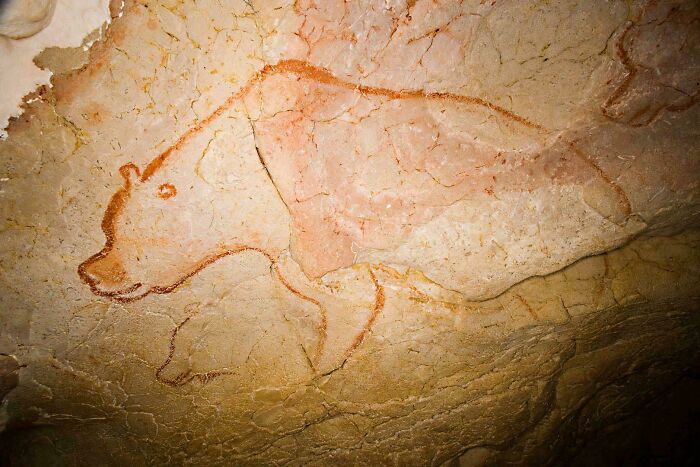
Was Drawn With 14 Lines Around 32,000 Years Ago. The Artist Used A Technique Known As 'Stump-Drawing' - The Use Of Fingers Or A Piece Of Hide To Paint The Muzzle And To Emphasize The Outlines Of The Head And Forequarters.
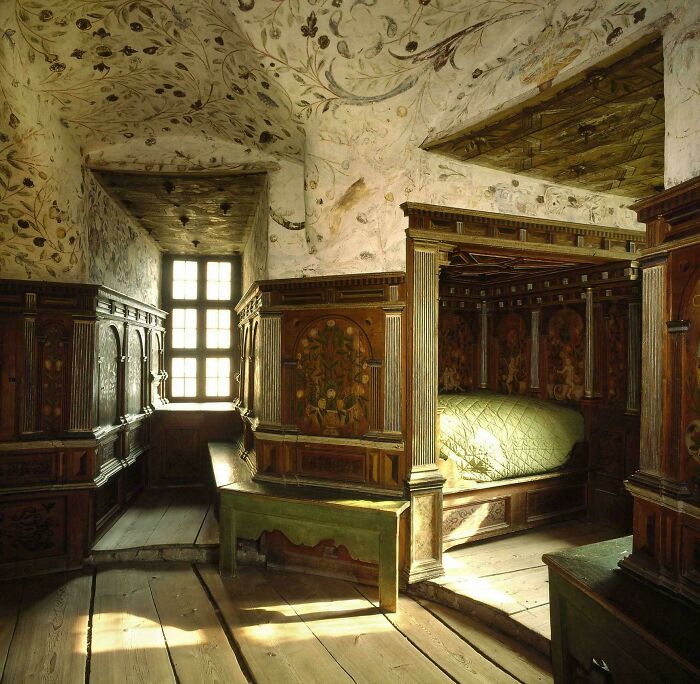
The Castle's Only Fully Preserved Room From The Vasa Period, And Is One Of The Oldest Renaissance Interiors In Sweden. The Décor Is Virtually Untouched Since The Chamber Was Created For Gustav Vasa's Youngest Son In The 1570s.

Many of the artifacts featured on this list are centuries old. Yet they remain intact for everyone to marvel at today, and even touch, to a degree. That can make one wonder: how are these objects preserved?
Conservators Laura D’Alessandor and Alison Whyte shared insider details in a 2024 interview with the University of Chicago.
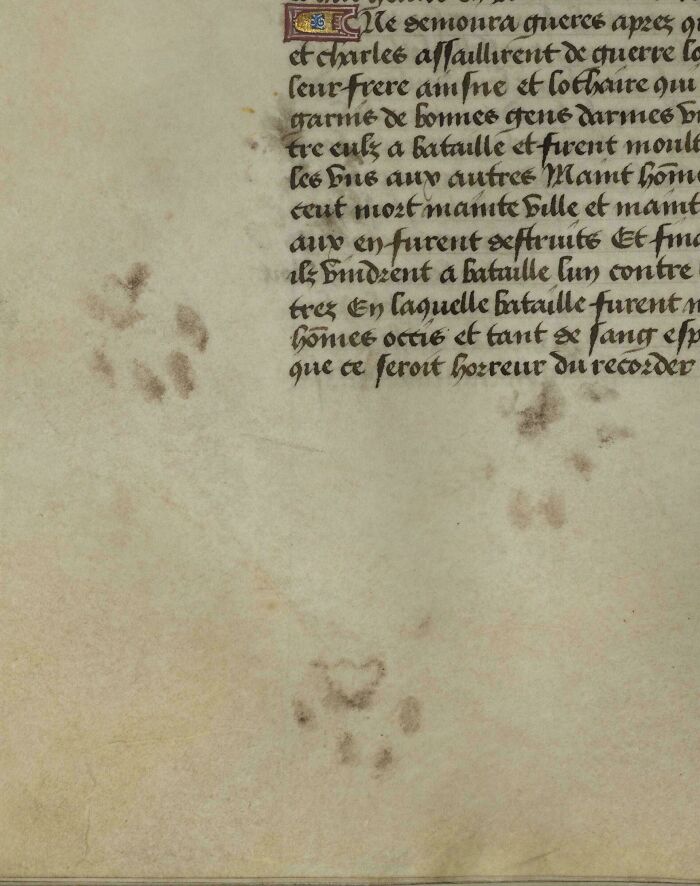
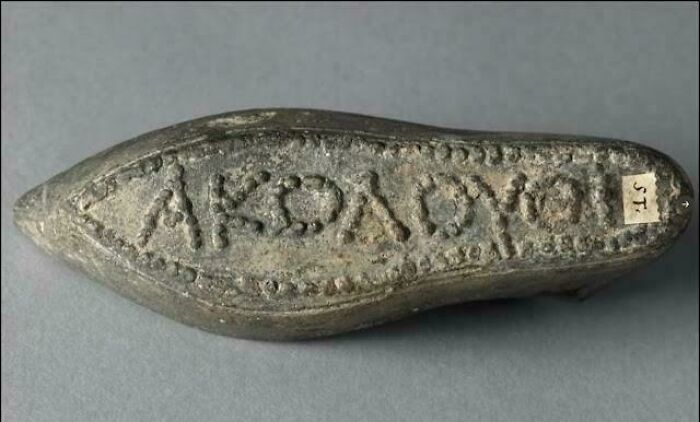
Designed To Leave The Message In Footprints Guiding Potential Customers Who Noticed It.
According to Whyte, artifacts go through a rigorous process in which conservators like her determine and maintain the optimal environment for them. Relative humidity and light levels are just two key factors to consider.
“We carry out treatments on objects when necessary, including cleaning, stabilization, repairs, and reconstructions,” Whyte said.
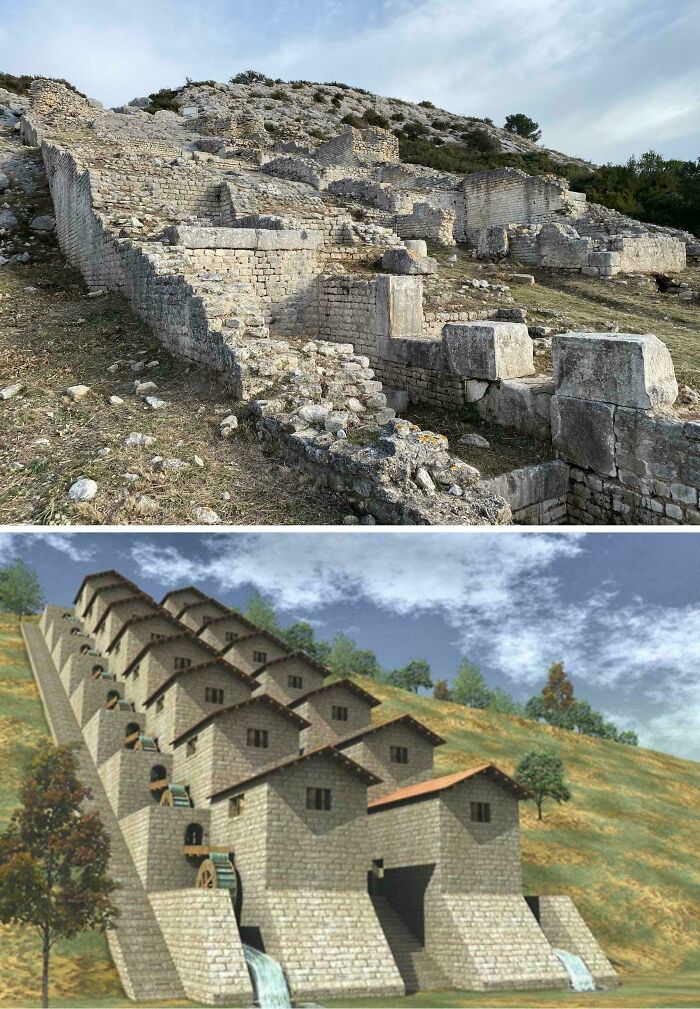
The First Known Attempt In Europe To Set Up An Industrial-Scale Complex Of Machines. The Mills Had An Estimated Production Capacity Of 25 Tonnes Of Flour Per Day.
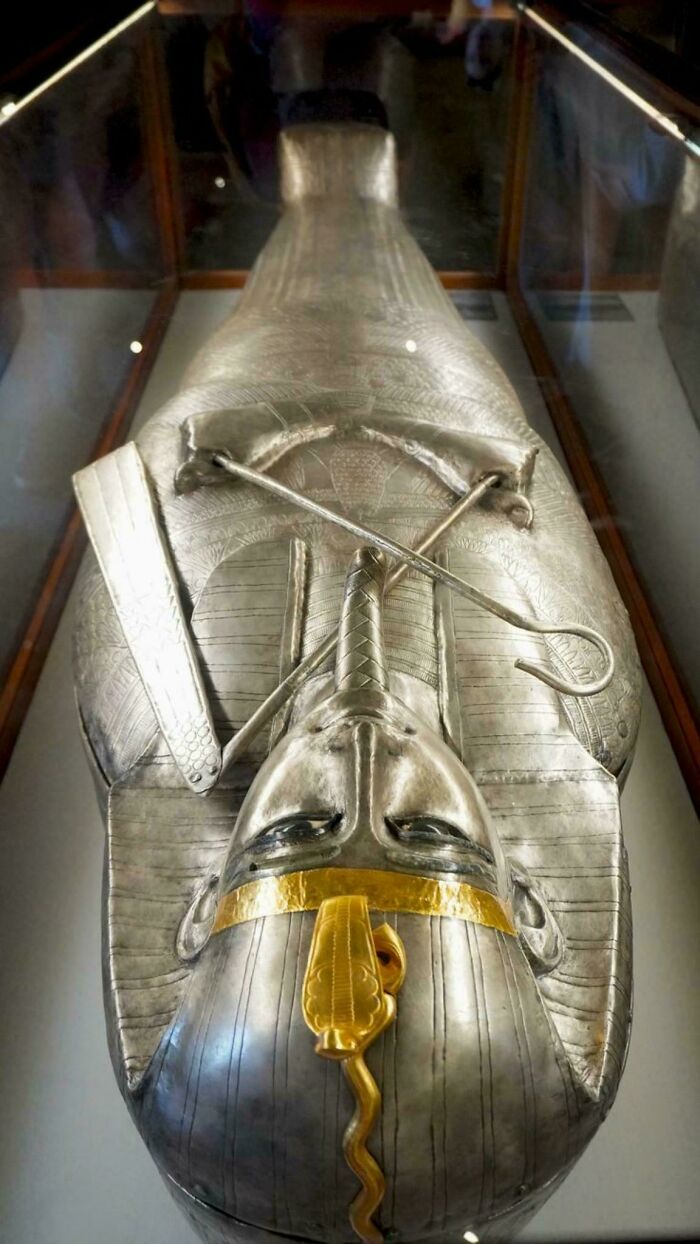
Now Housed At The Egyptian Museum In Cairo. Since Silver Was Considerably Rarer In Egypt Than Gold, Psusennes I's Silver Coffin Represents A Sumptuous Burial Of Great Wealth During Egypt's Declining Years.
During the interview, Whyte and D’Alessandro were conserving a collection of nearly 300 glazed clay bricks dating to the eighth century B.C.E. from the Sin Temple at Dur-Sharrukin, in today’s Khorsabad, Iraq.
As D’Alessandro explains, the excavators photographed and labeled each brick before carefully packing them into more than 40 crates.
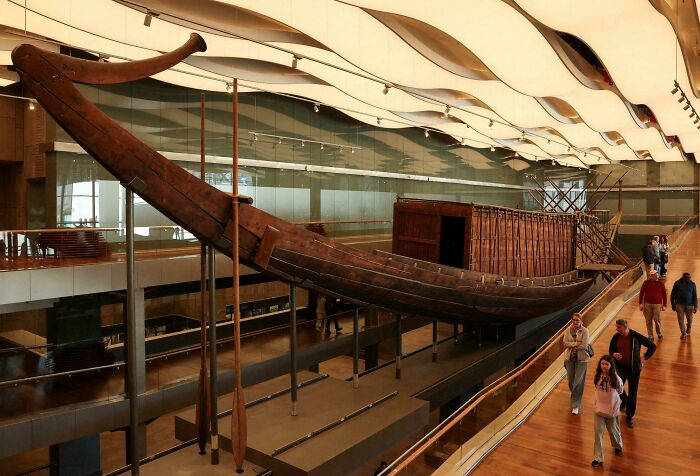
Intact Full-Size Solar Barque From Ancient Egypt That Was Sealed Into A Pit At The Foot Of The Great Pyramid Of Pharaoh Khufu In The Giza Pyramid Complex. The Ship Is 43.4 M Long And 5.9 M Wide And Was Identified As The World's Oldest Intact Ship.
Whyte then explained that the process of taking them out of the crates required much patience, considering the fragility of the bricks
“Stabilization can involve cleaning to remove any residual dirt from burial, consolidation, and repairs,” she explained. “Consolidation essentially means applying a low concentration of an adhesive to the surface to try to make it stronger.”
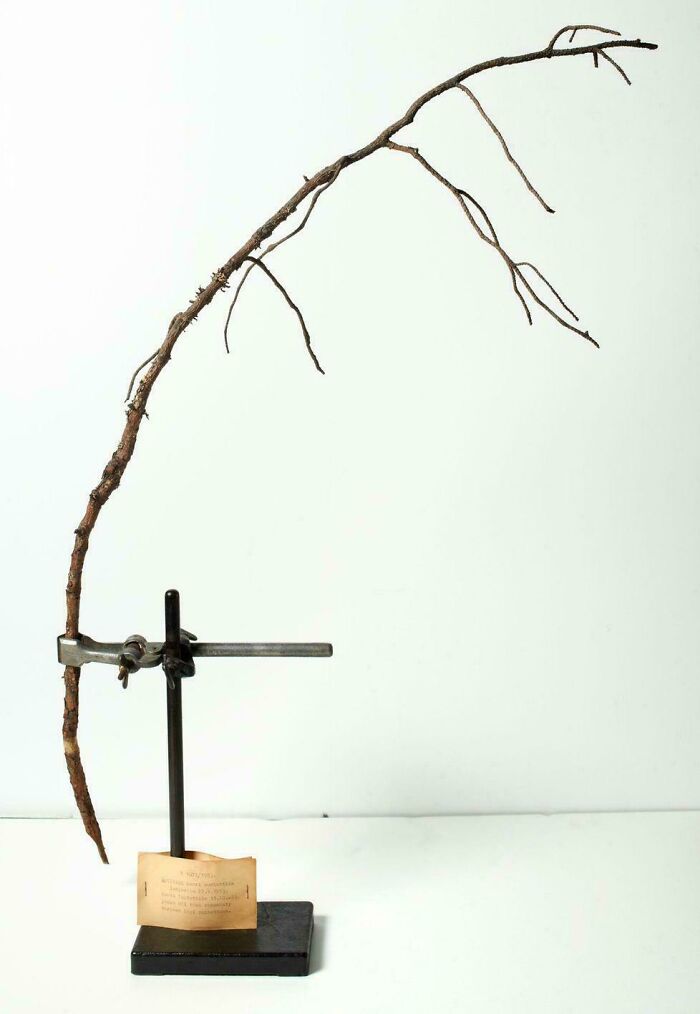
Auli Kyllikki Saari (6 December 1935 – 1953) was a 17-year-old Finnish girl whose m**der in 1953 became one of the most infamous cases of homicide in Finland's history. Her m**der in Isojoki remains unsolved.
s**t-n-water:
I don't understand, did the k**ler plant that stick as a sort of grave marker on the bog and it was recovered?
Exciting-Detail-58 OP:
Yes. The stick was sharpened with a knife on the other end and when it was struck to the ground it pierced one of victim’s lungs. Investigation concluded that the body must have been in the state of decomposition in order for it to be possible. So perhaps the k**ler has been visiting the site multiple times or the body was buried long after she was k**led.
Spudbanger:
"To create certain designs, Egyptian glassworkers began stretching lumps of glass into long thin rods called canes. These canes could later be re-heated and moulded, and were sometimes used to decorate vessels, or shaped to create earrings."
Millefiori designs, invented in Egypt, fused slices of rods, which were coloured and patterned in layers, like sticks of rock, to form patterns likened to a thousand flowers - millefiori.
A conservator’s job is to preserve these historical relics and make them stand the test of time for future generations to see up close. It is an essential and arduous undertaking, which is why D’Alessandro takes pride in her work.
“We are the caretakers of a remarkable part of the world’s cultural heritage here at the University of Chicago. And it's an amazing resource for people locally, as well as researchers from all over the world.”
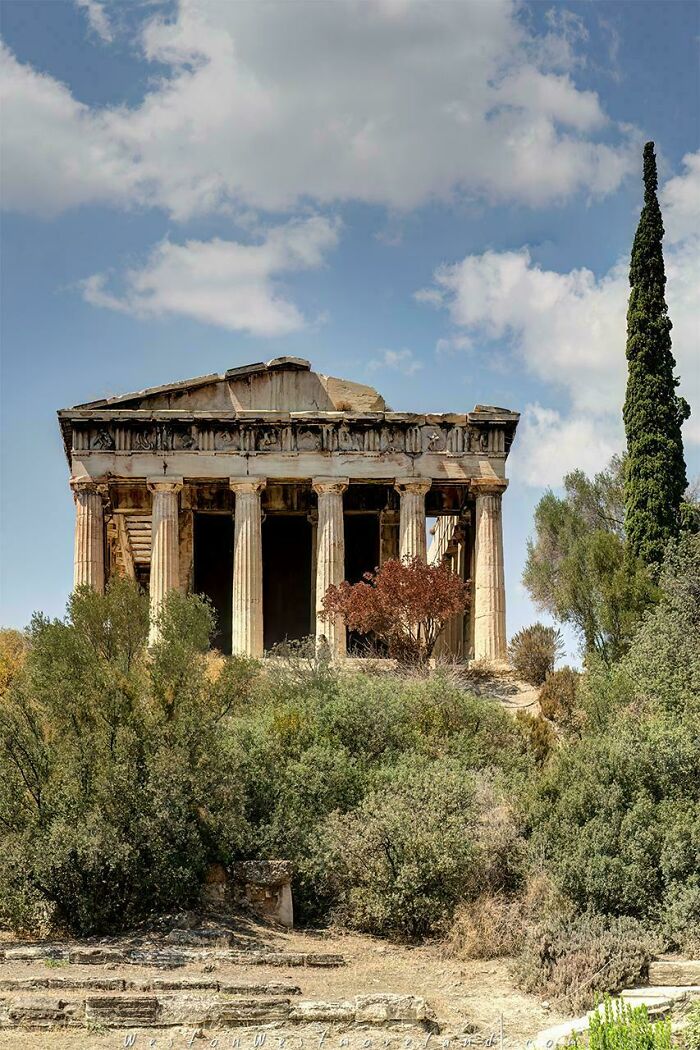
A Doric Peripteral Temple At The North-West Side Of The Agora Of Athens, Is One Of The Best-Preserved Greek Temples Anywhere. It Remains Standing Largely Intact Today. The Building Keeps The Frieze, Pronaos, Cella And Opisthodomos Structures.
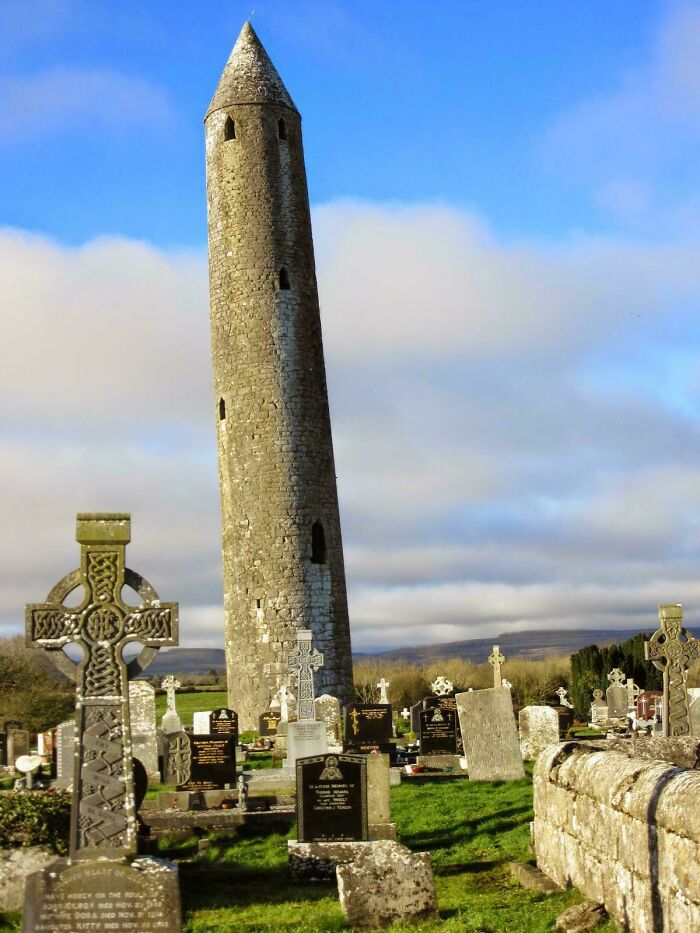
, Is Notable Both For Being Well-Preserved But Also Because Of Its Heavy Lean, Over Half A Metre From The Vertical. The Tower Is Over 30 Metres Tall, And Probably Dates From The 10th Century Ce
It’s amazing how much history can live and survive in a single object. Each artifact on this list offers a sneak peek into a world that existed long before ours. And who knows how many more are still undiscovered?
For now, feel free to join the conversation. Which of these artifacts impressed you the most, and which ones would you love to learn more about? Share your thoughts in the comments below!
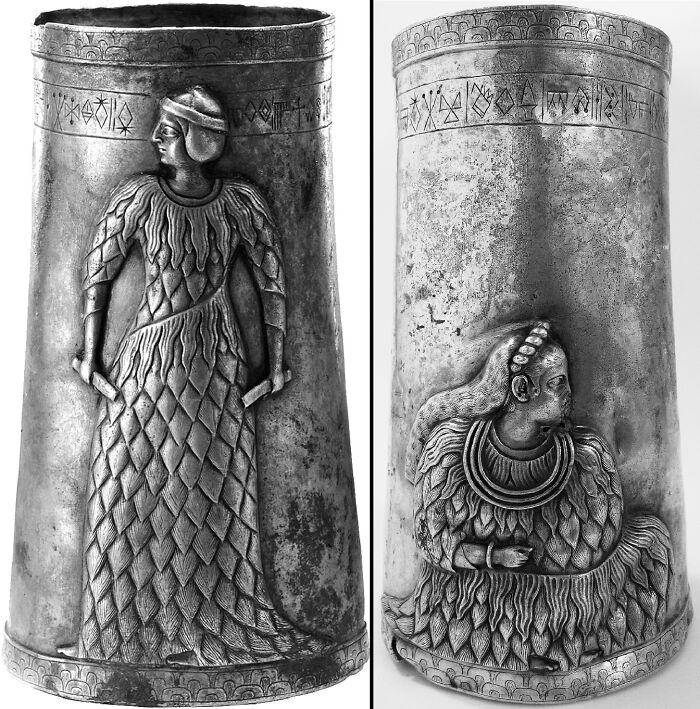
Depicting On One Side, A Standing Woman Wearing A Kaunakes And A Tiara Or Headband, And On The Other Side, A Seated Woman With Long Flowing Hair, Also Wearing A Kaunakes, 3 Necklaces And A Braid Or Hairband. 2000 Bce, Museum Of Ancient Iran.

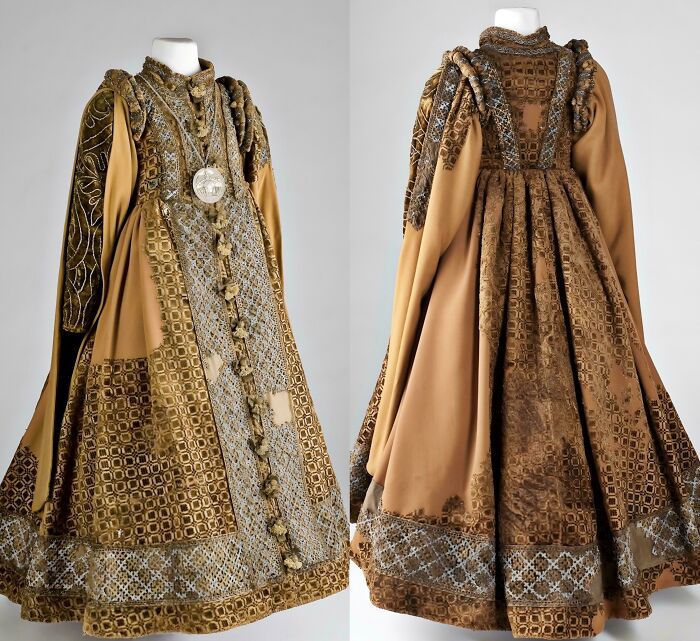
Clearly higher class children in those days didn't play. That's a burden for a young child.
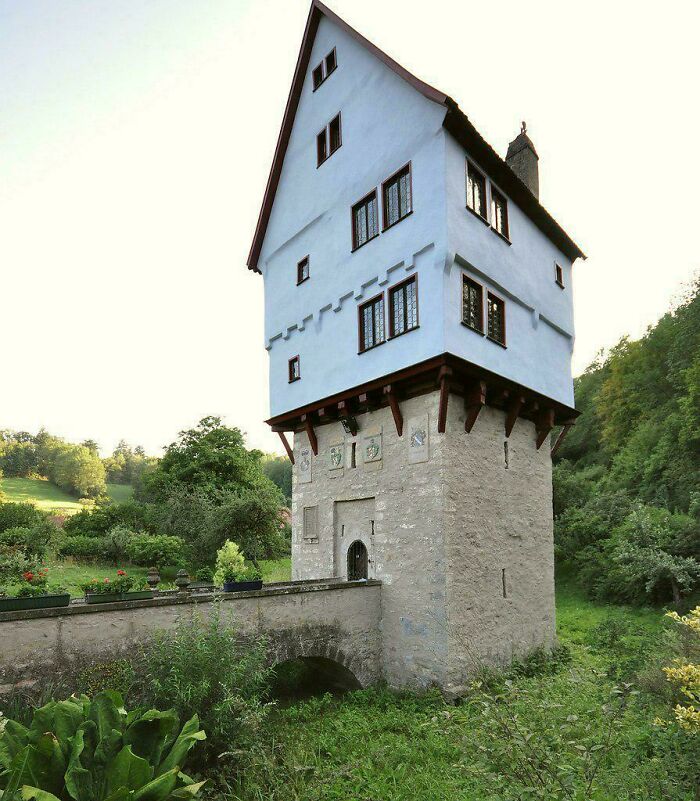
Built In 1388 Ce By Heinrich Toppler, The Mayor Of Rothenburg, As A Summer Residence. The Fully Preserved Building Is Furnished With Furniture From The 16th To The 19th Centuries.
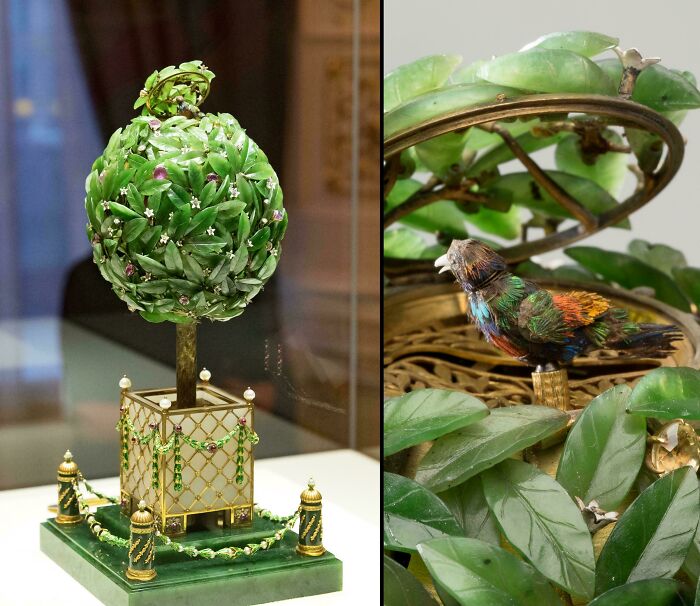
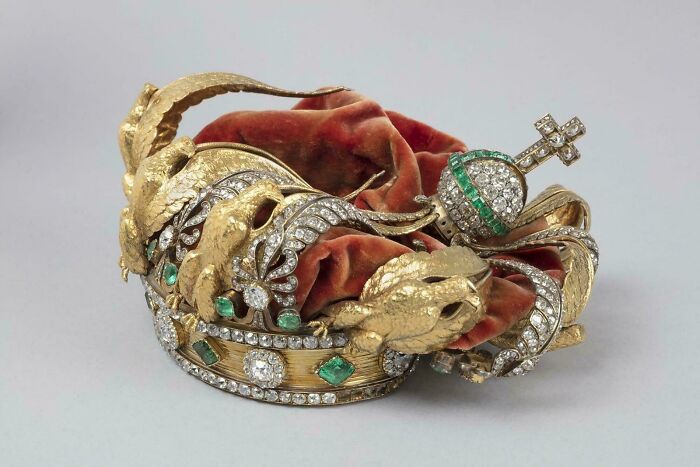
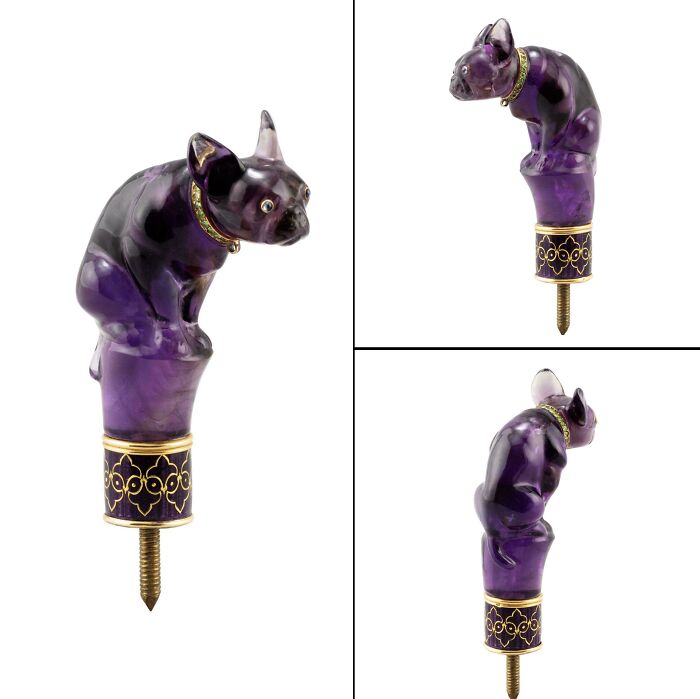
Given To Empress Dowager Maria Feodorovna On Easter By Her Son, Emperor Nicholas II. Saint Petersburg, Russia, 1911.

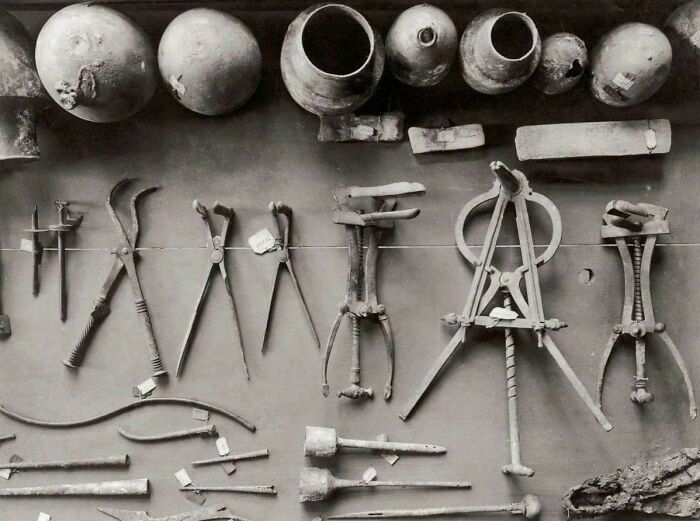
Yikes on bikes! Every time I see ancient surgical tools it makes me grateful all over again for modern medicine.
Depicting A Hedgehog With Grapes On Its Quills. It Was Believed In Medieval Times That Hedgehogs Had Spikes So They Could Roll Over Fruit To Carry Home To Their Children. From Paris, CA. 1420-1425 Ce, Now Housed At The Morgan Library.

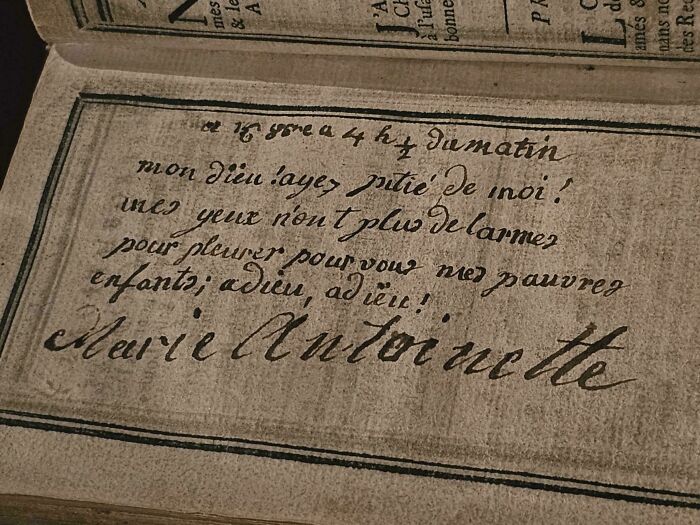
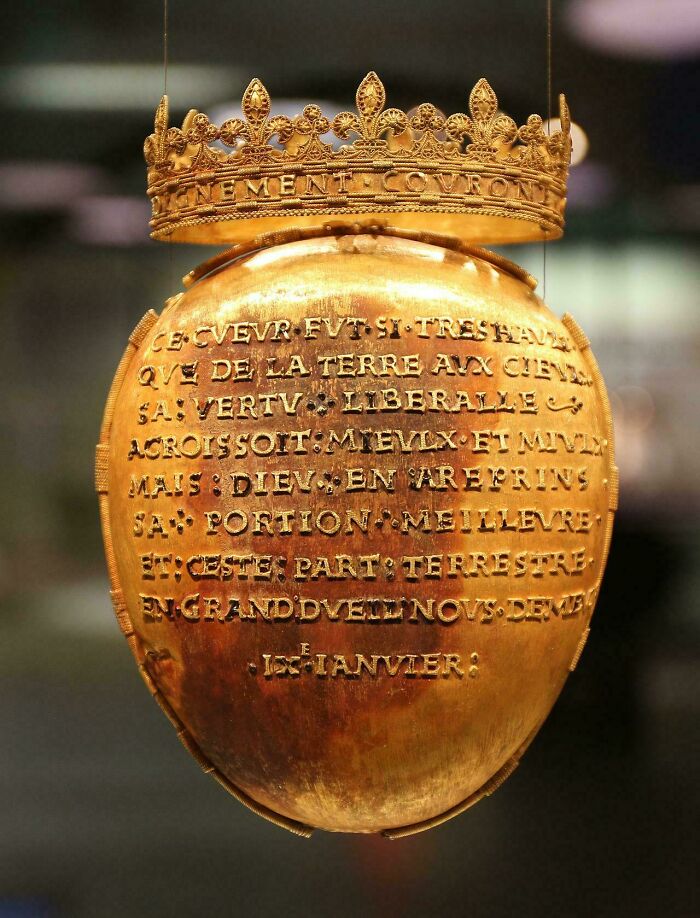
Full Text:- "It is to you, my sister, that I write for the last time. I have just been condemned, not to an ignominious d***h—it is such only for criminals—but to go and rejoin your brother. Innocent as he, I hope to show the same firmness in my last moments. I am calm, as one is when conscience holds no reproach. I deeply regret abandoning my poor children. You know that I existed only for them and you, my good and tender sister. You who, in your affection, have sacrificed everything to be with us—I commend to you my poor children. Never forget the last words of their father: that we must forgive our enemies. I d*e in the Catholic, Apostolic, and Roman faith. I bid farewell to my aunts and to all my poor and faithful friends. I embrace you with all my heart, as well as my dear and tender children. My God, how heartbreaking it is to leave them forever! Farewell! Farewell!"
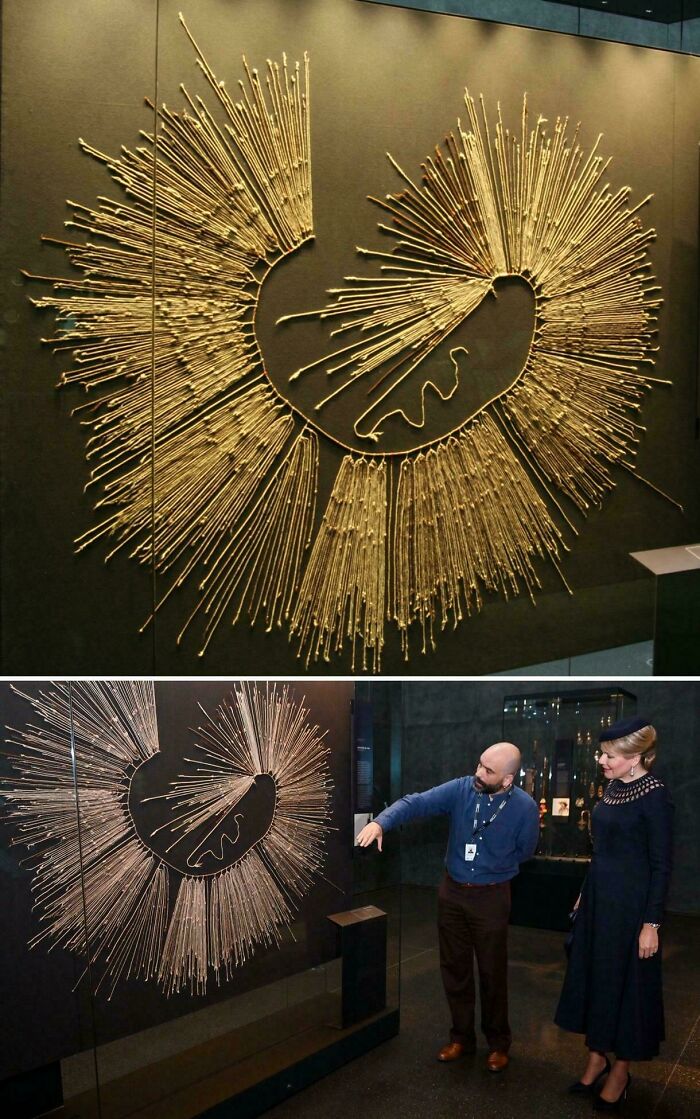
This Large Quipu Has 586 Cords, Organized Into 8 Sections Of 10 Sets, Each With Up To 13 Sub-Levels Of Information. Overall, It Holds 15,024 Items Of Data On Production, Though The Specifics Are Not Known.
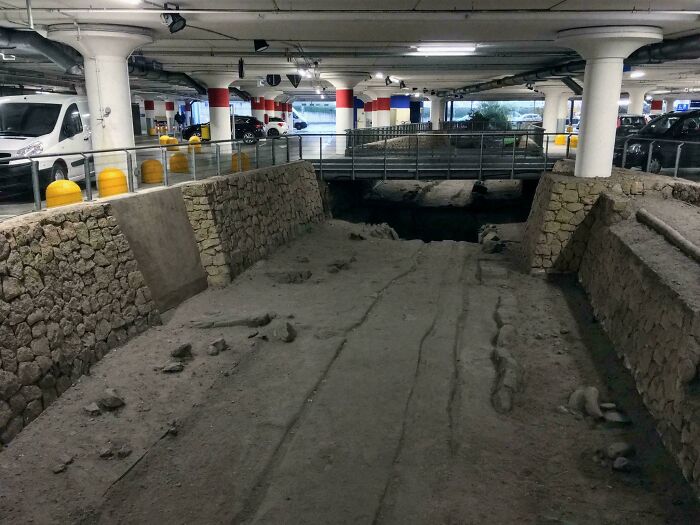
Archaeologists Uncovered The Remains Of A Roman Road, Believed To Have Been Used Between The 2nd-4th Centuries Ce, And Which Still Bore The Marks Of Wagon Wheels Carved Into Its Stone Surface.
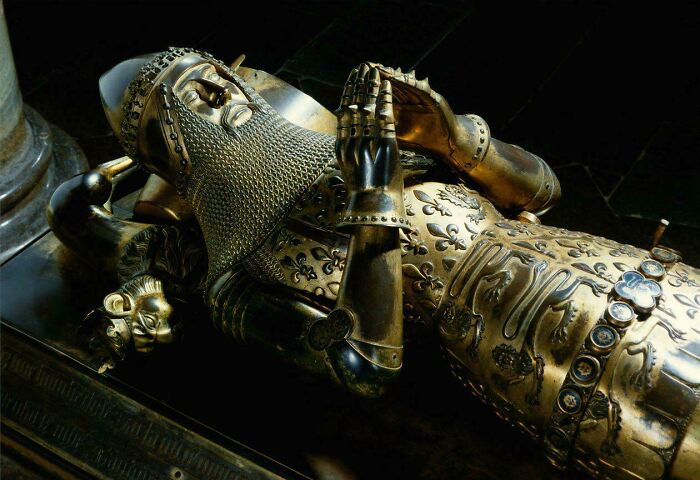
Due To Its Highly Detailed Armour, The Effigy Is Considered One Of The Most Important Examples Of English Medieval Funerary Art Given That So Few Examples Of Contemporary Armour Survive.
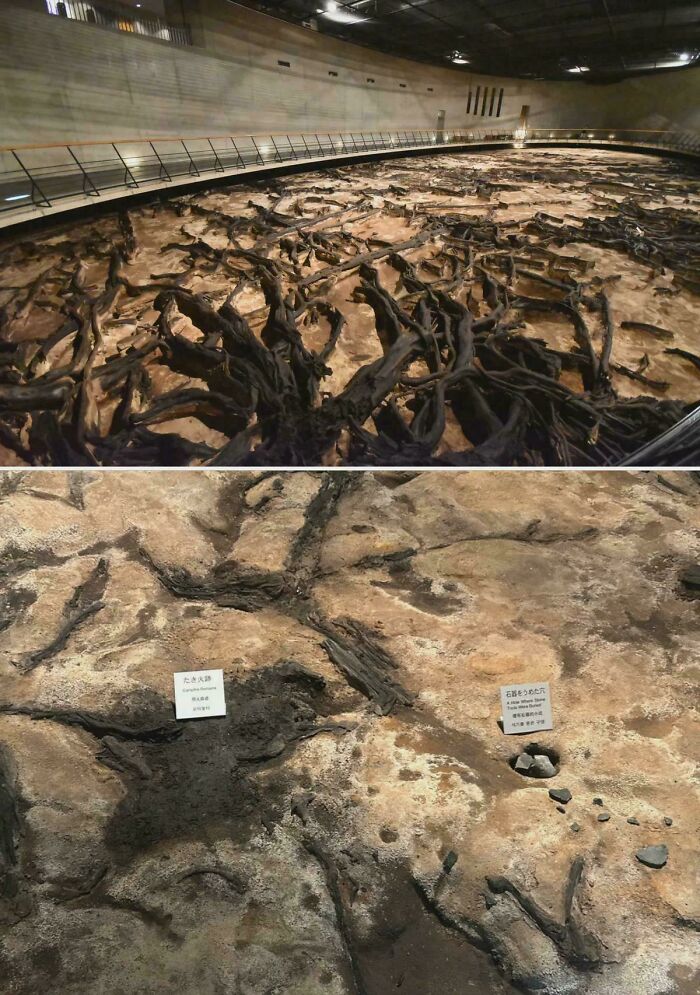
Preserves A Fossilized Forest, Where The Remains Of Human Habitation That Occurred 20,000 Years Ago Were Discovered In 1988. The Bottom Picture Shows A Campfire Remains And A Hole Where Stone Tools Were Buried.
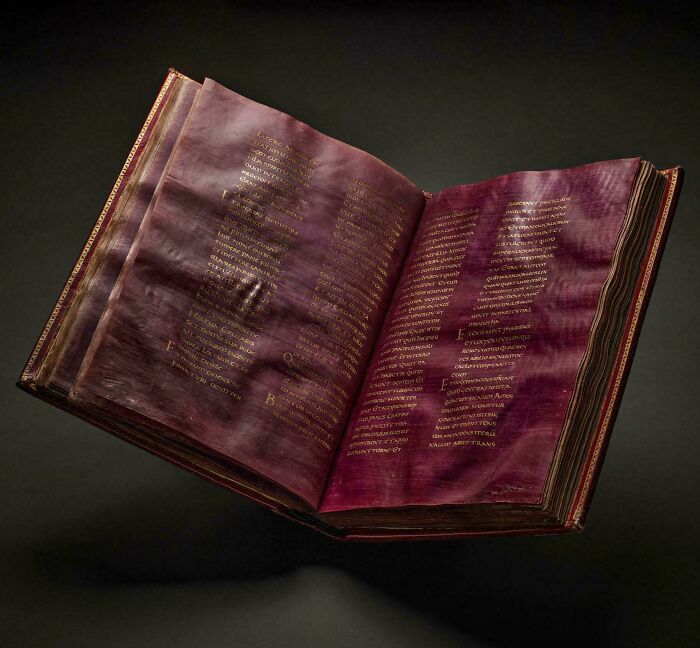
They Used Gold Ink To Copy The Text Of The Gospels Onto Parchment That Had Been Dyed With A Plant-Based Purple Pigment. Now Housed At The Morgan Library & Museum In New York.
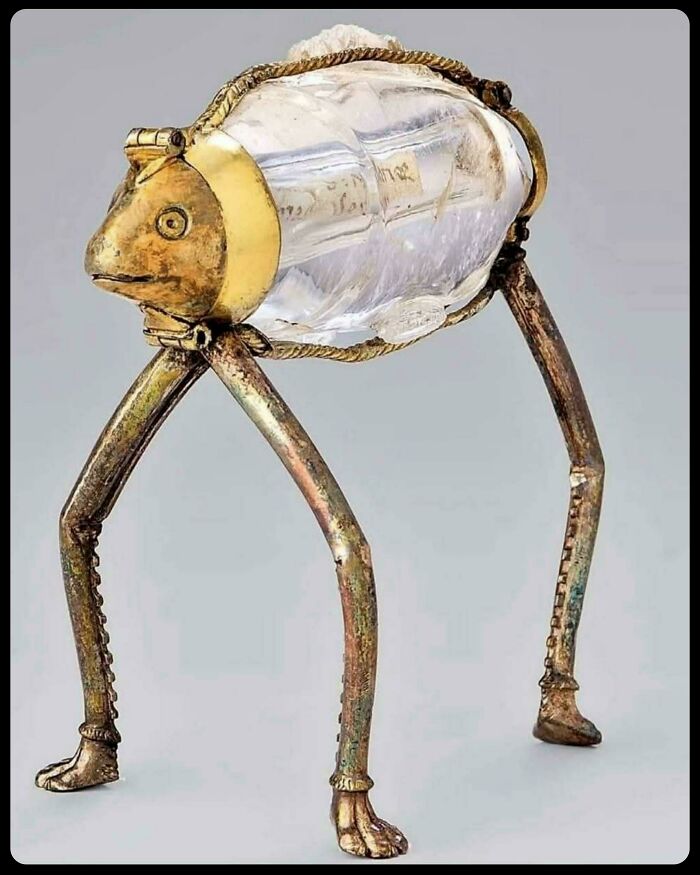
This Reliquary Was Crafted From Rock Crystal And Silver-Gilt, And It Was Designed As A Vessel For Relics Of Mary Magdalene.
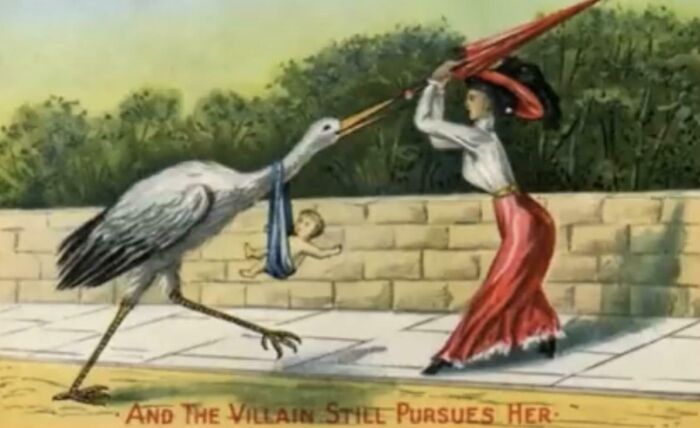
Cartoon Artwork Depicting A Woman Using A Parasol To Swat Away The Stork Bringing Her A New-Born Child. The Caption Reads, "And The Villain Still Pursues Her."
Fuckoff555:
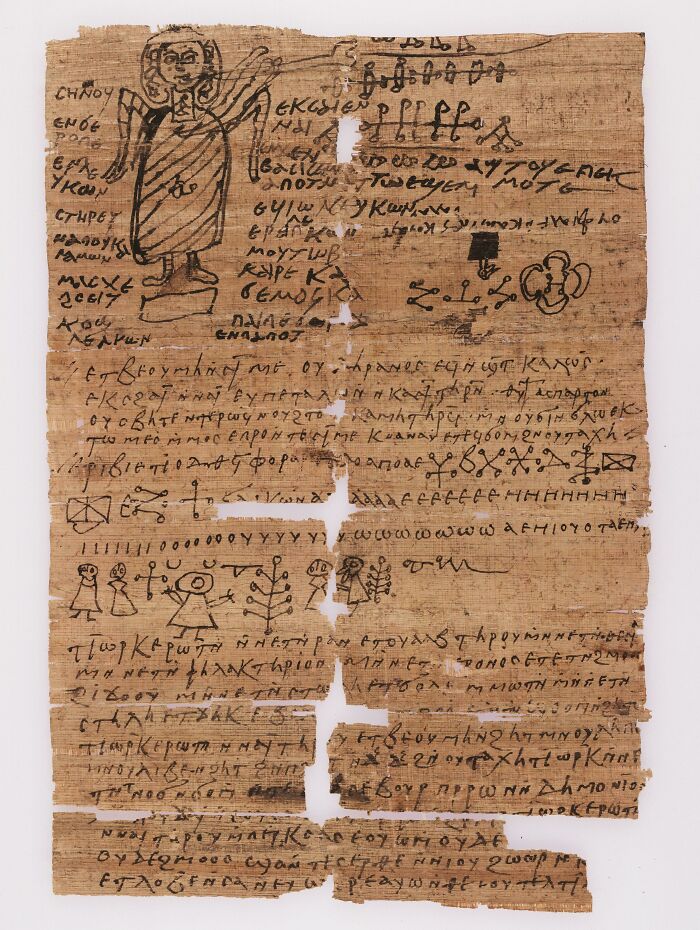
This papyrus records two different spells. The upper text is a spell to obtain a beautiful singing voice. The petitioner is instructed to prepare special ink so as to inscribe a chalice with powerful signs. Next, the petitioner is told to procure a divination bowl and an offering, and recite a prayer to “Harmozel, the great ruler.” The conclusion of the prayer invokes the power of the Holy Trinity: “Yea, yea, for I adjure you by the left hand of the Father, I adjure you by the head of the Son, I adjure you by the hair of the Holy Spirit.” Harmozel is depicted as a winged angel; his trumpet emits strings of Coptic letters as he blows.
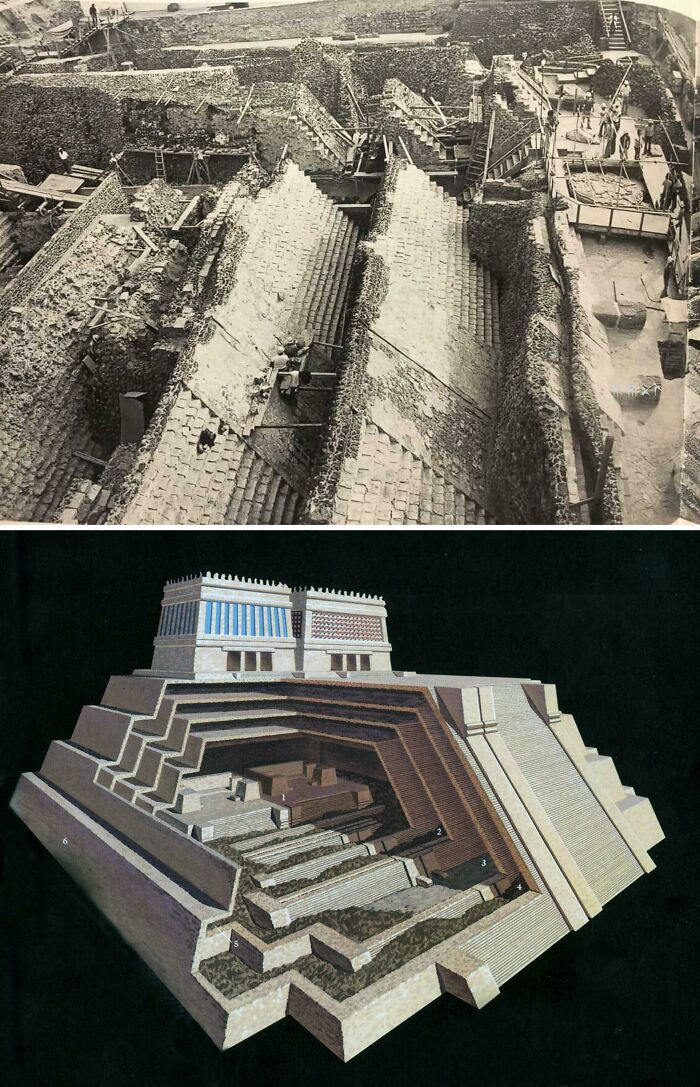
The Aztecs Began Construction Of Templo Mayor Sometime After 1325 Ce, And The Temple Was Rebuilt Six Times.


























 No fees, cancel anytime