Get Premium
Dark mode theme is available exclusively for premium users. Learn more about the benefits of subscribing.
No fees, cancel anytime.

 Dark Mode Ad-Free Browsing Unlimited Content
 Ad-Free Browsing Unlimited Content Dark Mode
Join 1.2 million Panda readers who get the best art, memes, and fun stories every week!
When a person is not in the right frame of mind, they might do things that jeopardize their relationships. According to the WHO, bipolar disorder affects about 0.5% of the global population. Living with it is hard for the person, but it might be even harder for their partners.
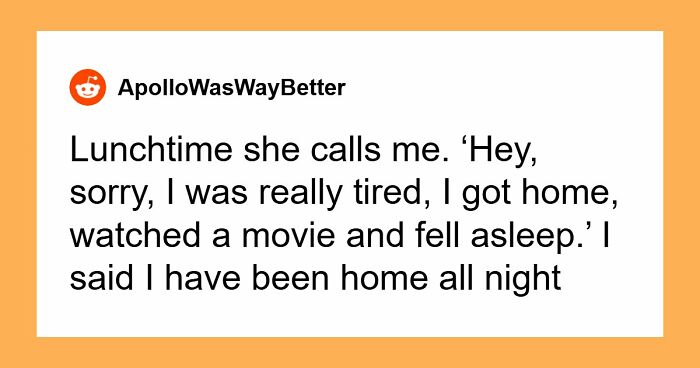
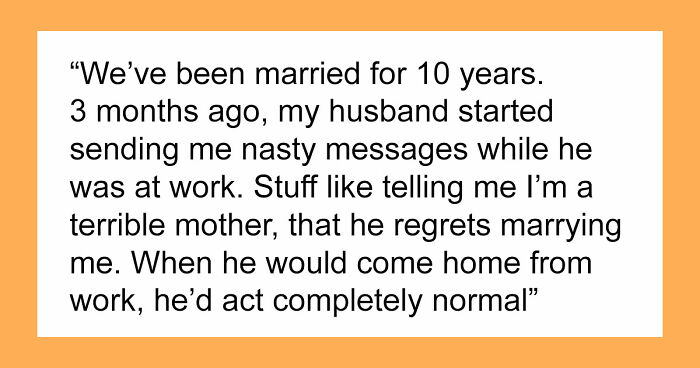
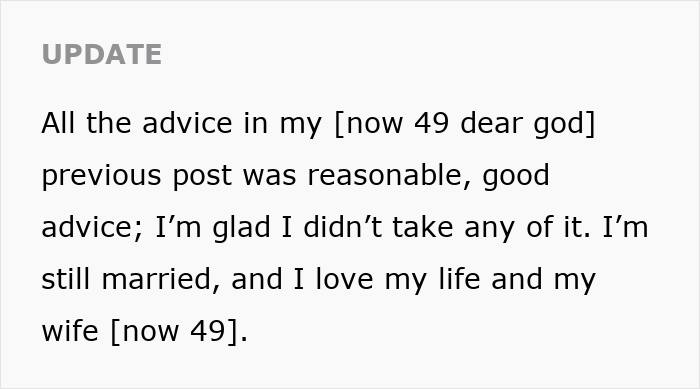
This man didn’t even know his wife had bipolar disorder until he found some incriminating text messages that alluded to her cheating. When he confronted her, she had a breakdown and had to be hospitalized. The husband was on the fence about the future of their relationship but came back with an update 10 years later.
Image credits: Getty Images (not the actual photo)



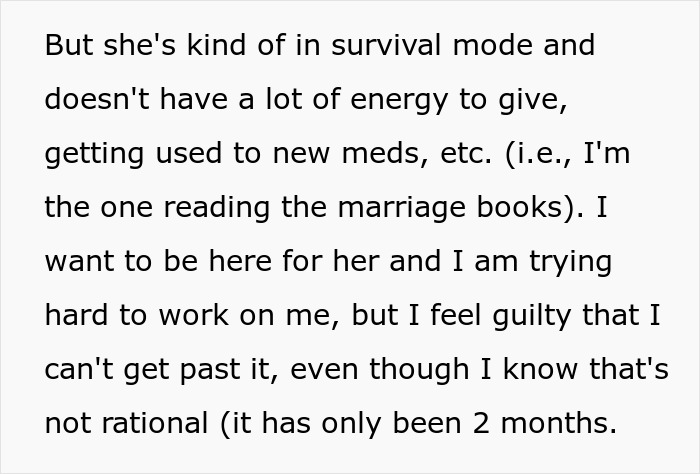
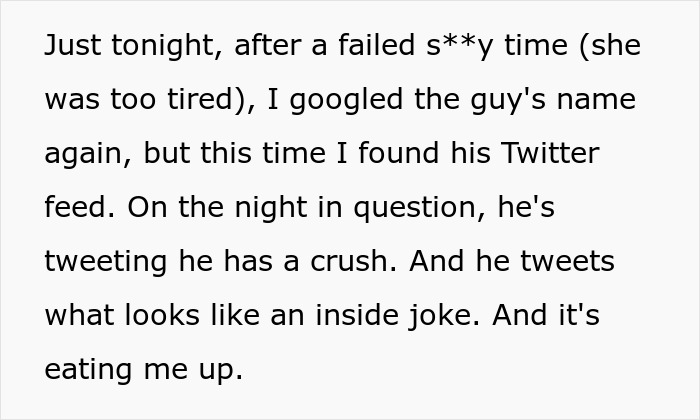
Image credits: Getty Images (not the actual photo)

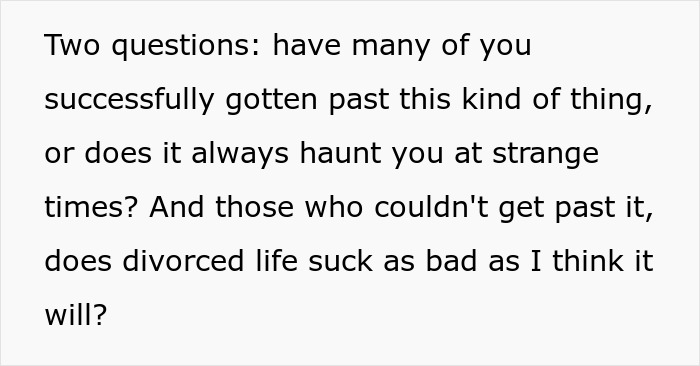
Image source: TatteredYahoo
Image credits: Kateryna Hliznitsova (not the actual photo)
When two people get married, they promise to stay together through thick and thin. But many factors might alter that promise, one of which is mental health struggles. When a partner gets diagnosed with a mental health disorder years into a marriage, that can change things.
Supporting someone with mental health struggles, such as depression or anxiety, can already be difficult. However, when a partner has bipolar disorder, it’s even more difficult. During euphoric episodes, people with bipolar might engage in risky romantic behaviors. It’s not uncommon for them to cheat on partners, too.
Impulsiveness and risky romantic behavior are some of the ways in which the disorder manifests. Although there’s not much recent research, studies from the 1970s and the 1980s have examined how often that happens. A 1975 study showedthat almost 75% of patients with bipolar affective disorder (BAP) have cheated on their partners in the past. 28.6% admitted to doing so at least 10 times.
Another study found that 80% of people with BAD had cheated on their partners at least once, and yet another one claimed that 45% of BAD patients engage in infidelity at least at some point in their lives.
While a BAD diagnosis doesn’t automatically imply that a person will cheat on their partner, there is a correlation. Lots of BAD patients may experience increased drive and seek connection in impulsive ways. According to a 2016 study, about 25% to 80% of bipolar disorder patients experience periods of hyperactive libido and intimacy-seeking behavior.
Image credits: Getty Images (not the actual photo)
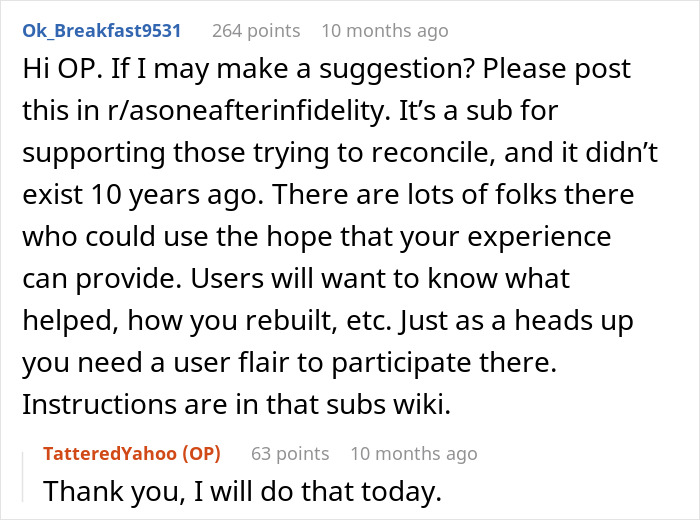
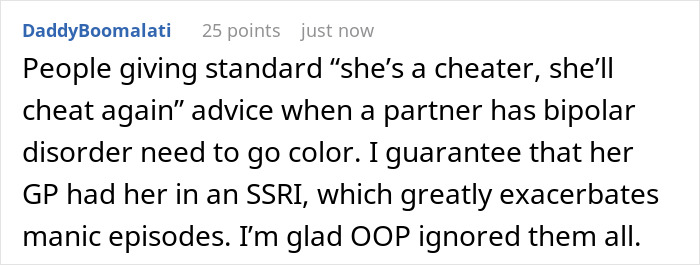
The decision of whether to stay with a partner who cheated on you or might cheat in the future is a tough one. After the husband’s initial post, many commenters urged him to get a divorce and painted a bleak picture if he were to stay in the marriage.
However, infidelity isn’t always a dealbreaker for couples. Even in cases when there is no bipolar disorder in the picture, many couples stay together after one partner cheats. Research finds that about half of partners who have cheated are still married.
Interestingly, women are more likely to get a divorce after cheating. 44% of women stay in their marriages after infidelity. In contrast, 61% of men who cheated remain married. Each case differs, of course, but it’s clear that many couples are willing to do the hard work of recommitting to a relationship and working through betrayal for the sake of marriage.
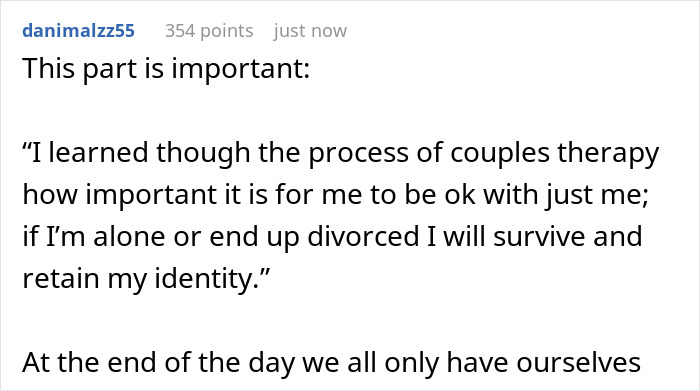
With a partner’s bipolar disorder thrown in the mix, the process of reconciliation can be even harder. According to marriage and family therapist Daniel Dashnaw, couples dealing with bipolar disorder must communicate openly.
But perhaps even more important is treatment. “Effective treatment and management of bipolar disorder can significantly reduce the likelihood of infidelity,” Dashnaw writes. Medications, such as mood stabilizers and antipsychotics, can help BAD patients a lot. Dashnaw also mentions cognitive-behavioral therapy and family-focused therapy as effective in improving relationship dynamics.
Couples also need to plan for if and when depressive and manic episodes happen. “This includes discussing the potential for [heightened desire] and risky behaviors during mania and agreeing on strategies to handle these challenges,” according to Dashnaw.
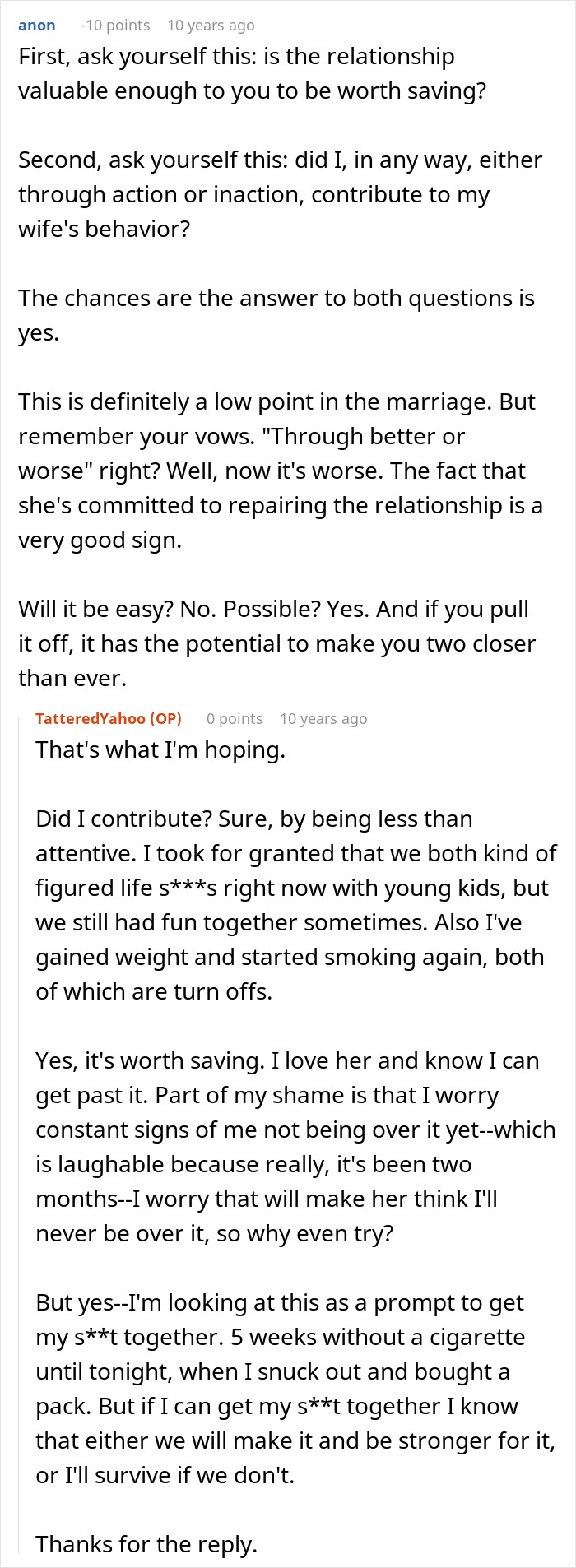
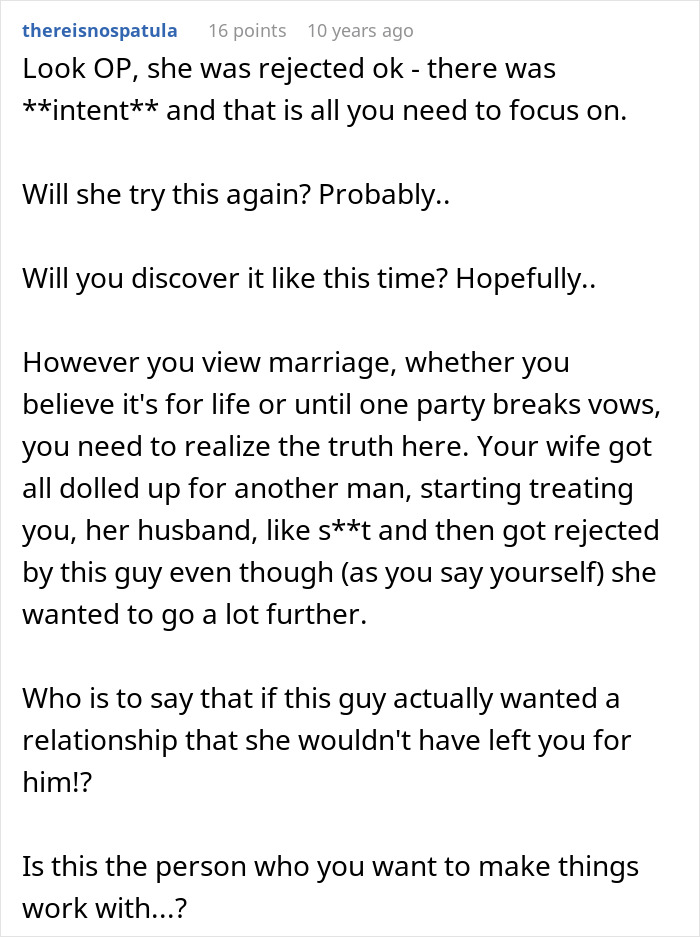
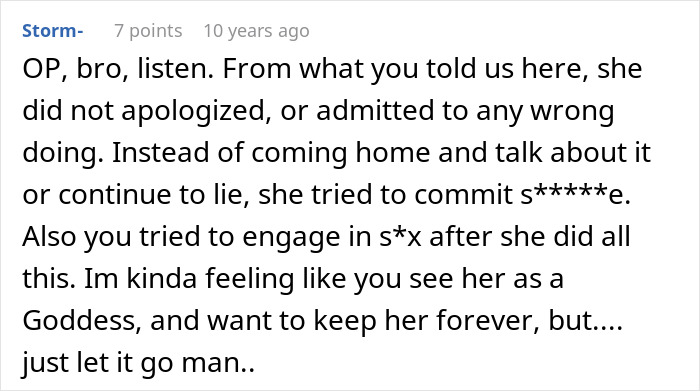
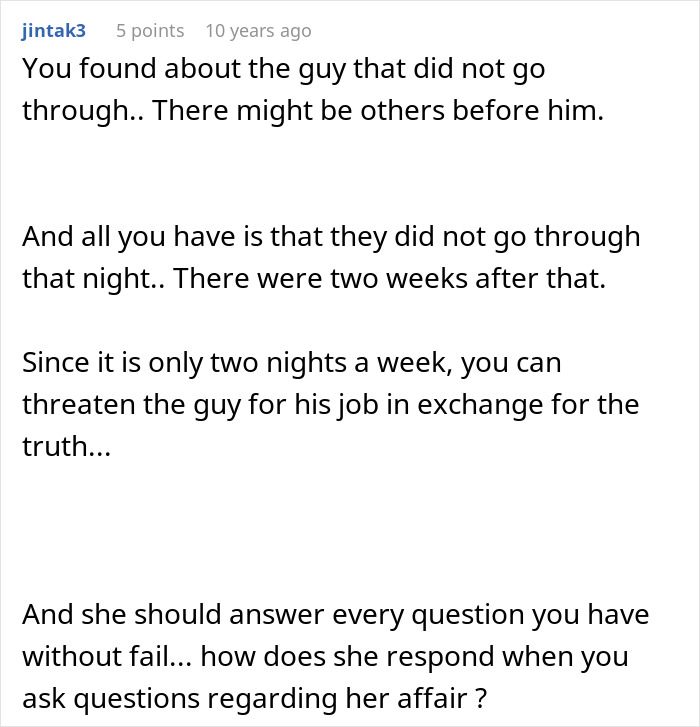
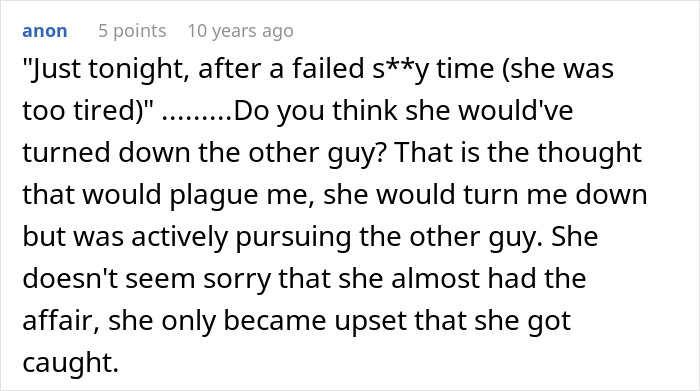

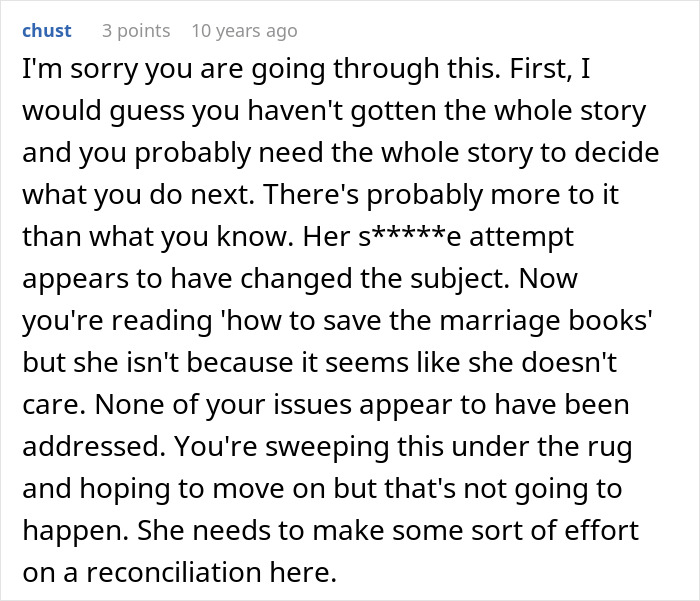

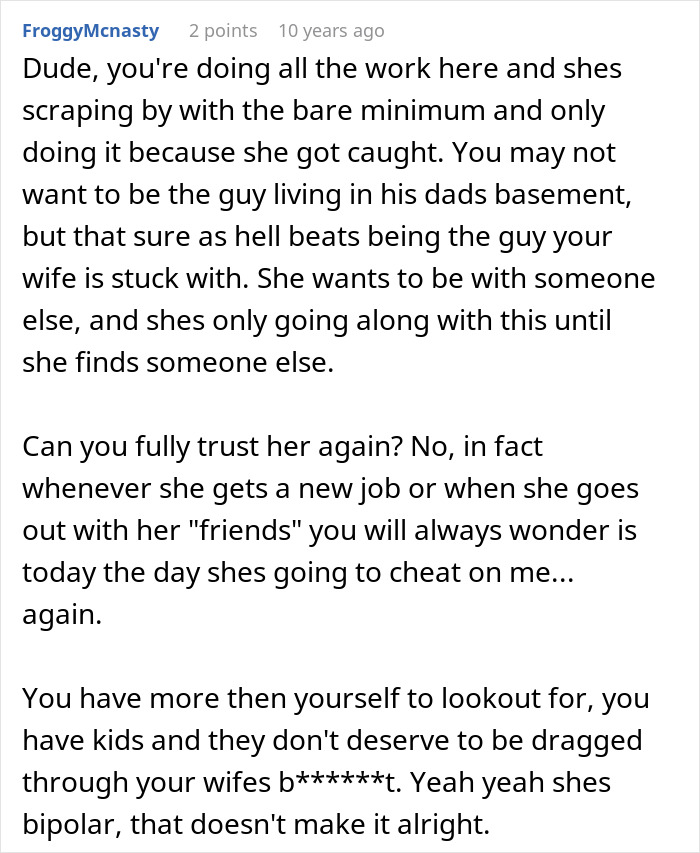

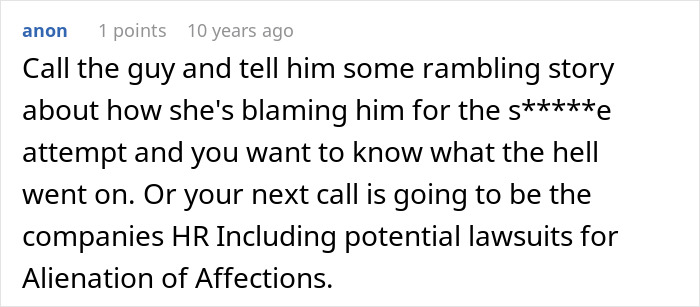
Image credits: Getty Images (not the actual photo)
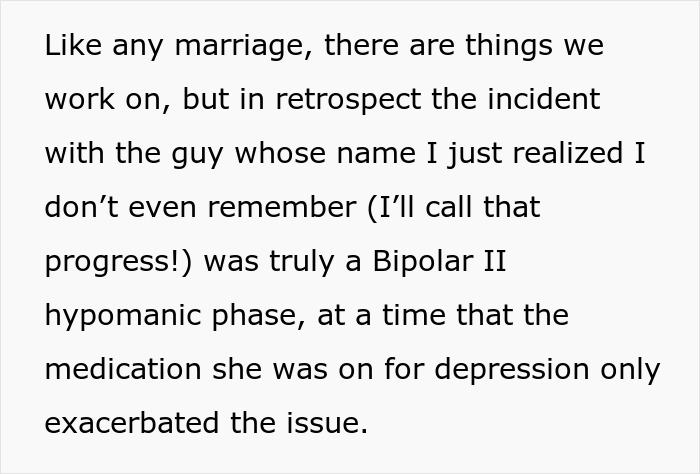

Image credits: Nathan Anderson (not the actual photo)

Image source: TatteredYahoo














By entering your email and clicking Subscribe, you're agreeing to let us send you customized marketing messages about us and our advertising partners. You are also agreeing to our Privacy Policy.
Thank you! You've successfully subscribed to newsletters!


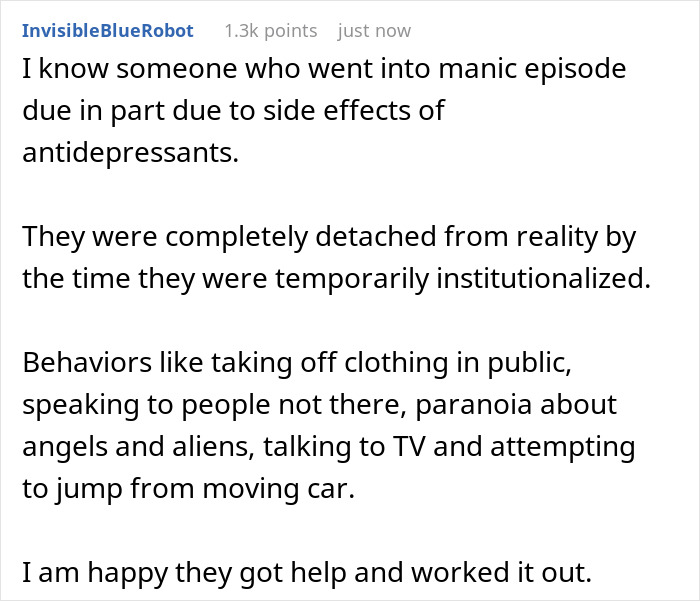
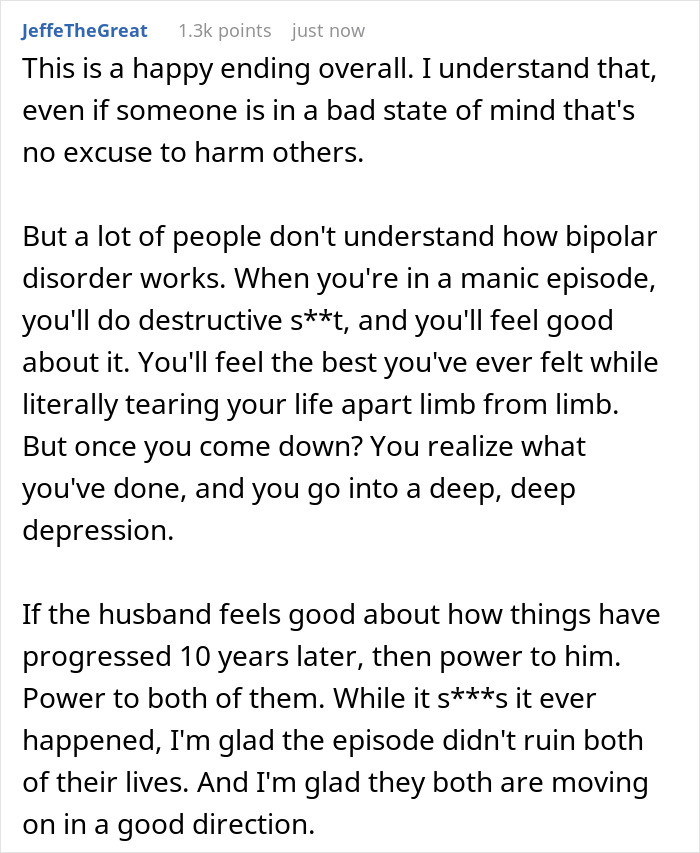
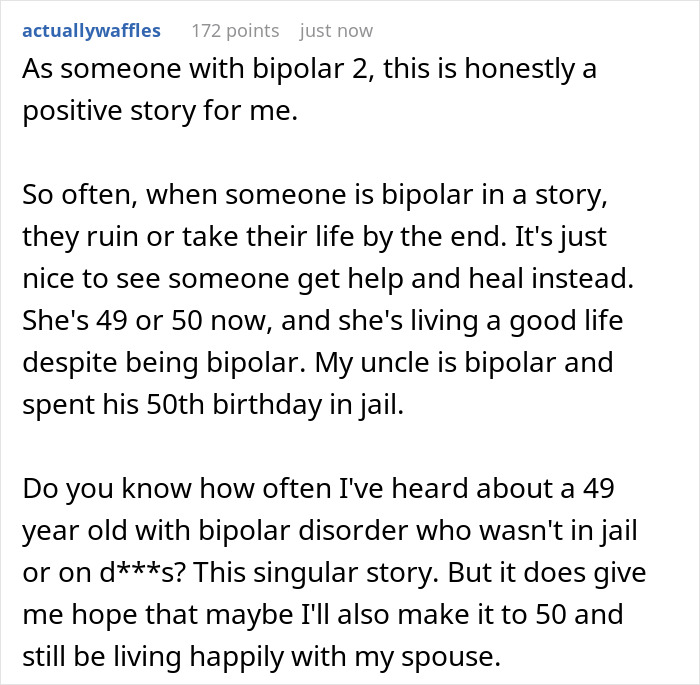
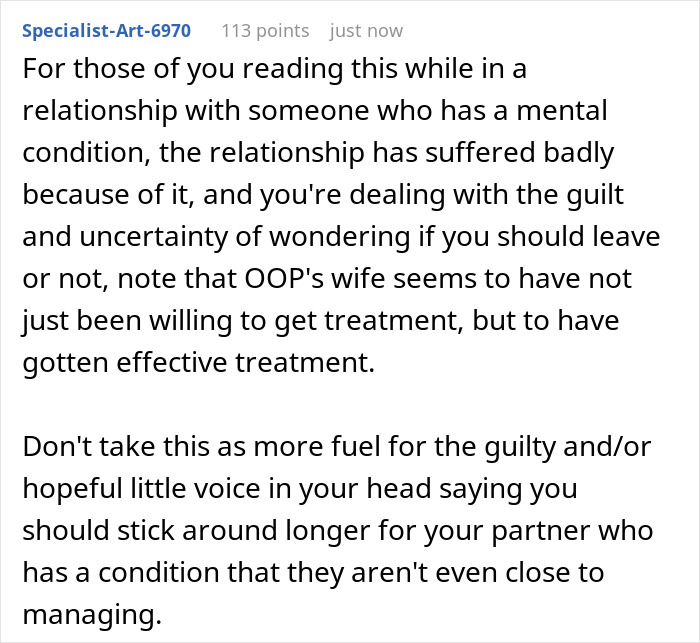
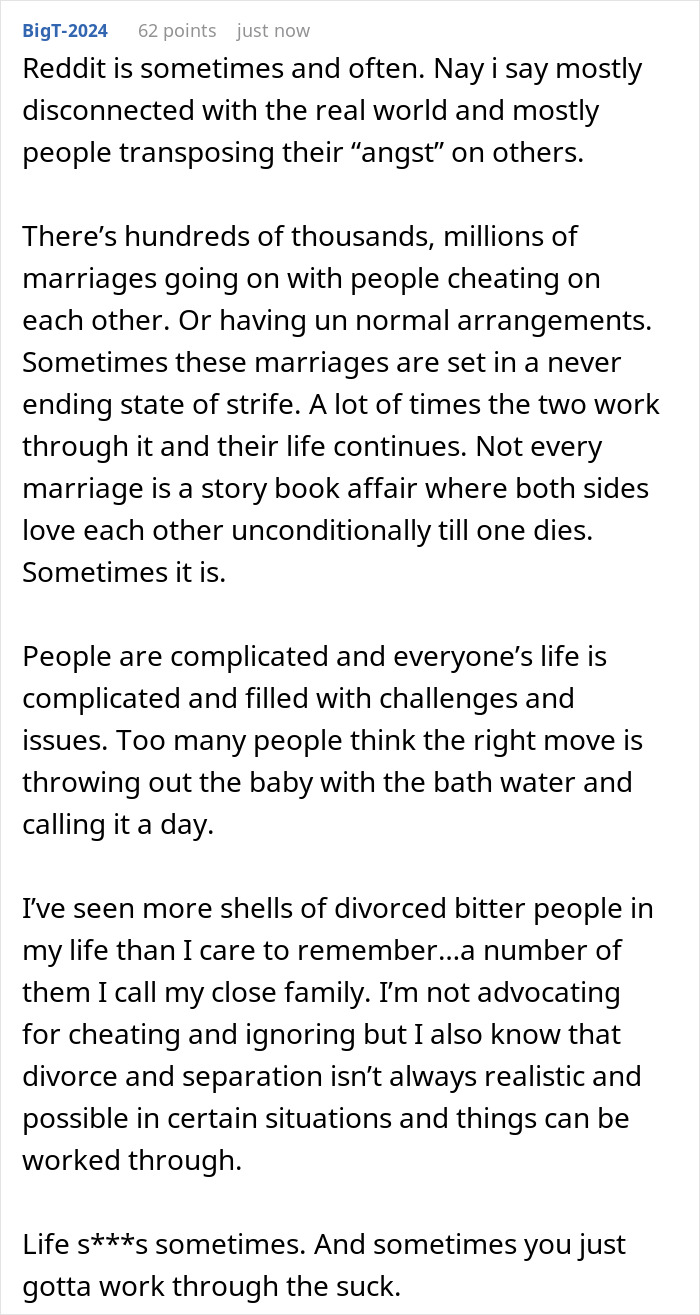
im so glad that she got the help and support she needed. most of the redditors on this one really sucked- completely erasing the disorder, demonizing bipolar entirely, and acting like it was her active choice

Right? If she had a physical illness Reddit would jump all over him for thinking about leaving because things were hard for him.
Load More Replies...
I have a friend who's gone through something very similar, only in their case it was about a very sudden urge to have a baby (when they had agreed not to, and both had been absolutely sure for years). She had several manic episodes that were really extreme (to the point of losing days at a time). Now I hear they're back together after a year apart, but who knows what will happen next... and when.
im so glad that she got the help and support she needed. most of the redditors on this one really sucked- completely erasing the disorder, demonizing bipolar entirely, and acting like it was her active choice
Right? If she had a physical illness Reddit would jump all over him for thinking about leaving because things were hard for him.
Load More Replies... I have a friend who's gone through something very similar, only in their case it was about a very sudden urge to have a baby (when they had agreed not to, and both had been absolutely sure for years). She had several manic episodes that were really extreme (to the point of losing days at a time). Now I hear they're back together after a year apart, but who knows what will happen next... and when.





























 No fees, cancel anytime











37
7