Bored Panda works better on our iPhone app
Continue in app Continue in browser

The Bored Panda iOS app is live! Fight boredom with iPhones and iPads here.

Woman Goes Viral Explaining Why The Beast Gets The Beauty But The Ogre Never Gets The Prince
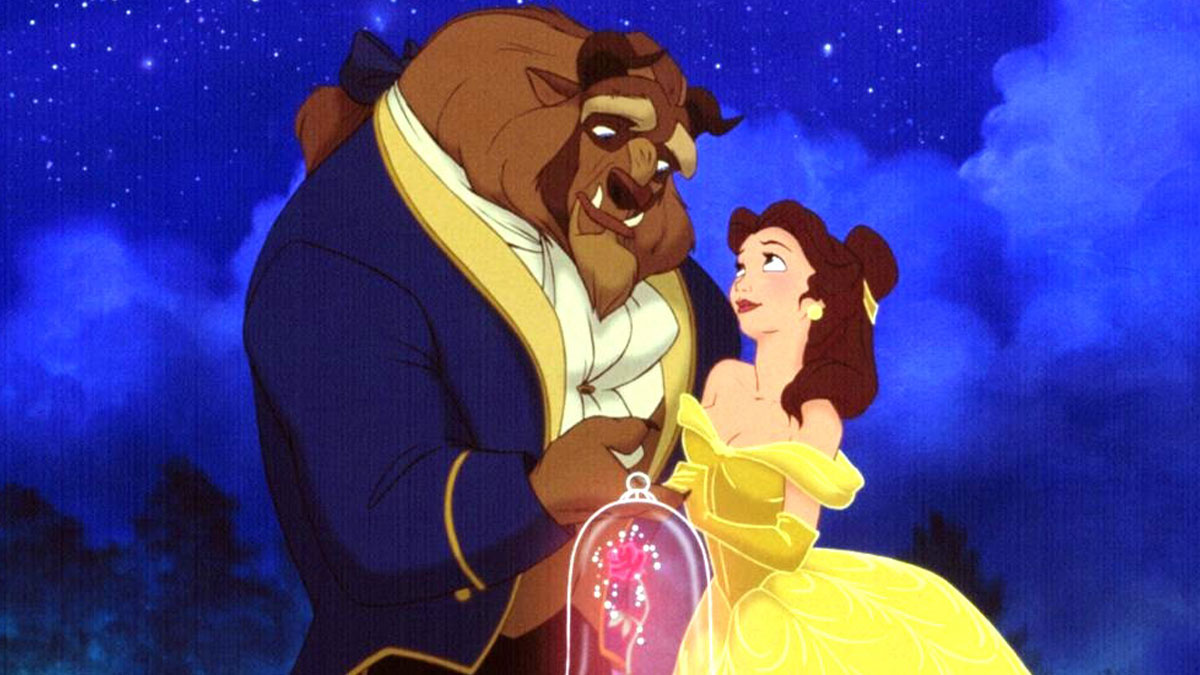
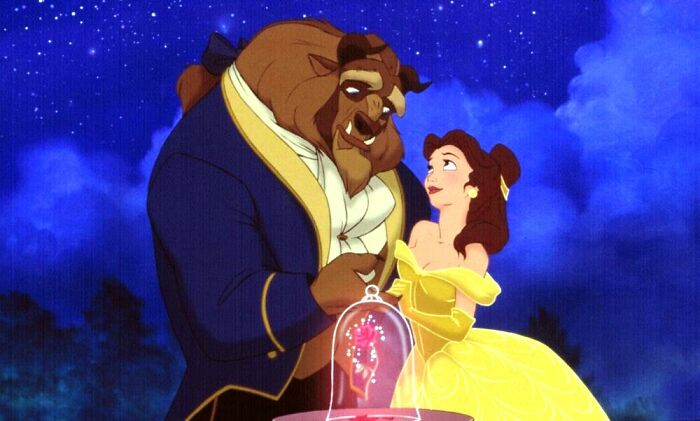
Animated scene showing human female and male beast characters from a fairy tale under a starry night sky.
56

Woman Goes Viral Explaining Why The Beast Gets The Beauty But The Ogre Never Gets The Prince

Interview With Expert

24

ADVERTISEMENT

You know how it goes. A kind, beautiful woman meets a beast of a man. She might be trapped in his home or bound to him by a curse. But thanks to her patience and kindness, he transforms—and gets his happy ending.

But have you ever seen that story told the other way around?

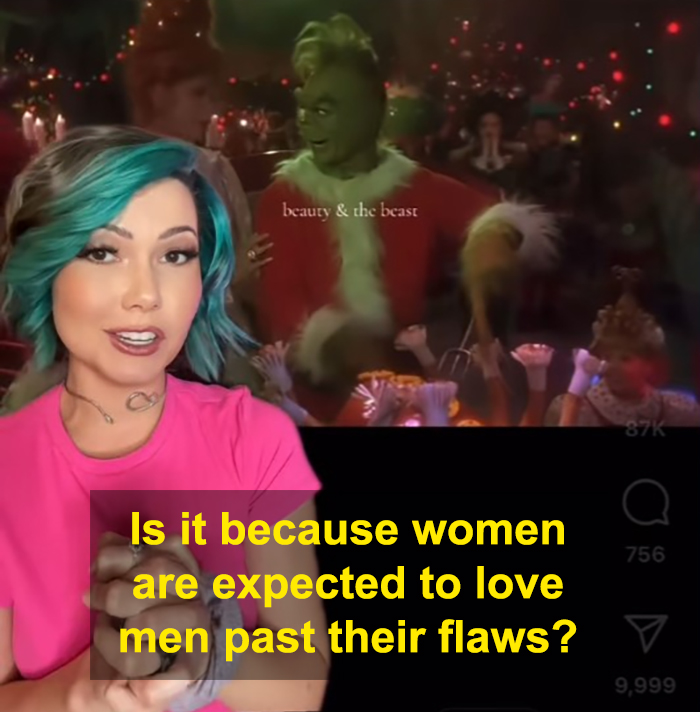
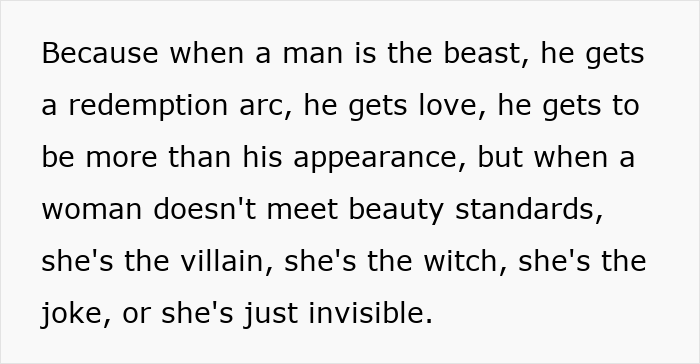
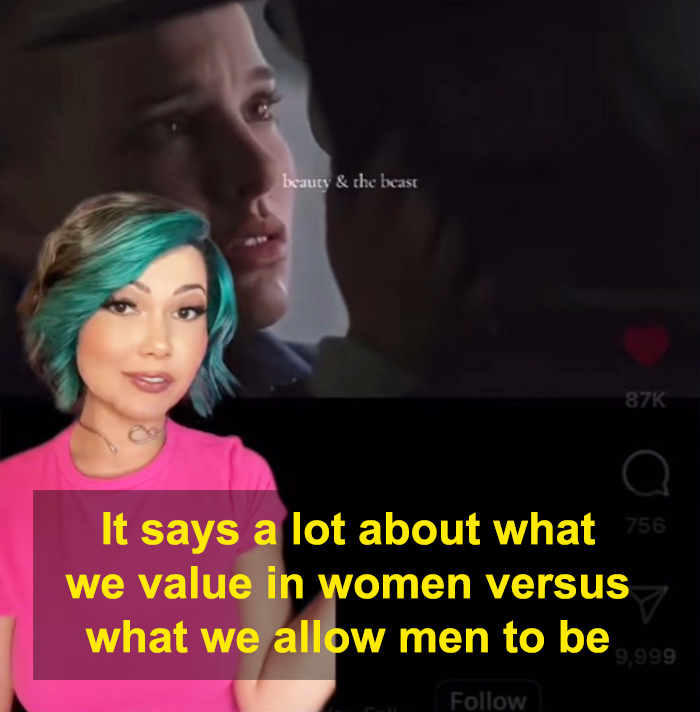
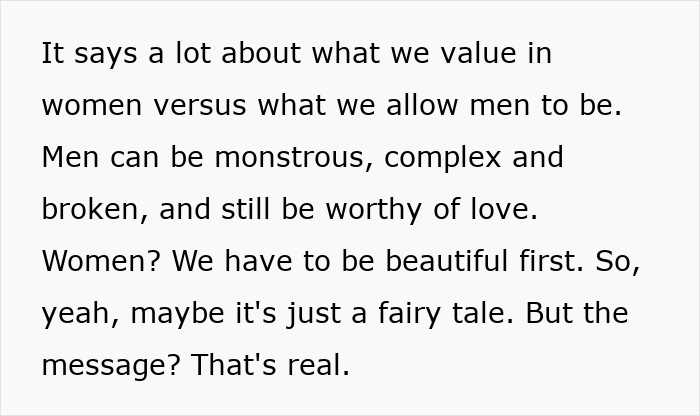
Kayla Gardner hadn’t either. In a viral TikTok, she broke down how the Beauty and the Beast trope always plays out the same way: women must be lovely to be loved, while men can be monstrous and still win.

Her take struck a nerve. Read more about it below, and don’t miss what feminist writer Paris Mwendwa had to say about how we can start breaking that cycle.

RELATED:

    Beauty and the Beast is one of the best-known fairytale tropes

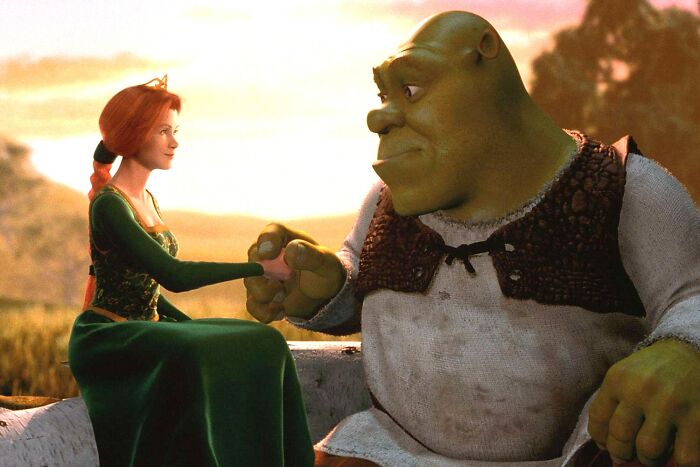
    Animated scene showing a human female and male beast highlighting beauty standards in fairy tales at night.

    Image credits: Walt Disney Pictures

    But behind the romance, there’s a message that isn’t nearly as heartwarming as it looks

    Woman and male beast from fairy tales highlighting beauty standards and gender roles in animated scene at sunset

    ADVERTISEMENT

    Image credits: Dreamworks Pictures

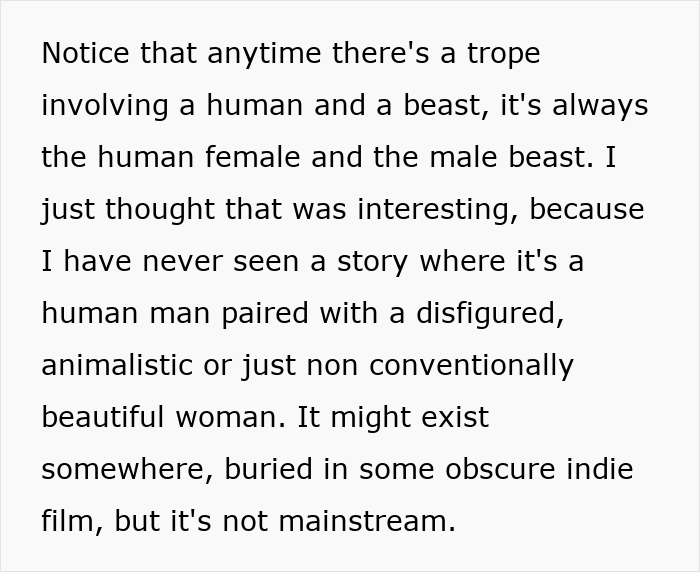
    Text highlighting beauty standards in fairy tales showing always a human female and the male beast trope discussed.

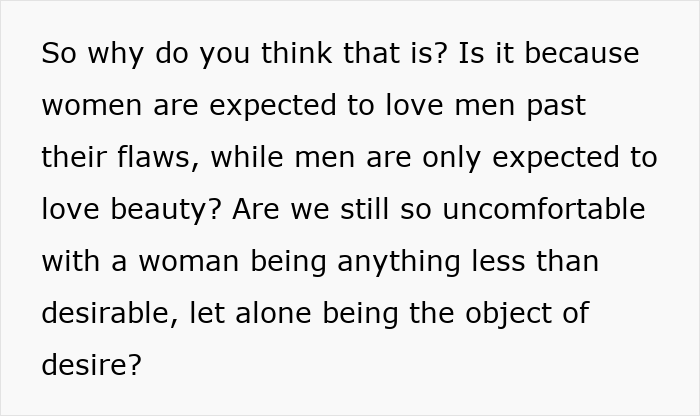
    Text exploring beauty standards in fairy tales, questioning gender expectations of the human female and the male beast roles.

    Woman exposing beauty standards in fairy tales with a viral message about human female and male beast roles.

    ADVERTISEMENT

    Image credits: kayla.g21

    ADVERTISEMENT

    Text image highlighting beauty standards in fairy tales focusing on the human female and the male beast contrast.

    Woman exposing beauty standards in fairy tales with emphasis on human female and male beast roles.

    Image credits: kayla.g21

    Text highlighting beauty standards in fairy tales focusing on human female and male beast roles and their values.

    ADVERTISEMENT

    Watch the full video below

    @kayla.g21 This revelation really had my jaw on the ground ngl. & no one say Penelope, Avatar, or Shrek either bc no 💀✋🏼 #beautyandthebeast#lovetropes♬ Documentary video: Tension orchestra(1259187) – RE:MUSICA

    How can we unlearn what fairytales taught us about beauty?

    For many of us, the classic fairytales we remember are magical stories we still hold close to our hearts. They’re part of our childhood. They’re comforting. They let us escape into fantasy worlds where our imaginations could run wild.

    But when we look at them through a critical lens as modern, educated adults, we start to notice a lot of questionable, even troubling moments. Moments that make us pause and ask, Wait, did we actually grow up on this?

    ADVERTISEMENT

    It’s a tough truth to accept: the fairytales so many young girls looked up to are filled with sexist messages.

    If that sounds like an exaggeration, let’s take a closer look. Many fairytales tie a woman’s value directly to her beauty and obedience. In 2003, researchers at Purdue University examined 168 of the Grimm Brothers’ tales and found that 94% referenced physical appearance. On average, there were 13.6 mentions of looks per story. In one tale alone, female beauty was referenced 114 times. By contrast, mentions of male beauty never exceeded 35 in any story.

    ADVERTISEMENT

    Age is another recurring theme. In most versions of Little Red Riding Hood, the elderly grandmother gets eaten, while the child survives. In Snow White, as soon as the young daughter is born, the mother dies, and the story shifts focus to the girl. Youth is rewarded; age is erased.
    Older women in these tales are usually shown as hags, witches, or cruel stepmothers—think of the stepmother in Snow White. While there are some positive examples, like the Fairy Godmother in Cinderella, these are rare exceptions rather than the norm.

    So what does this recurring focus on women’s appearance, while men are judged more on their character, say about the values we’ve internalized?

    Bored Panda reached out to writer and feminist Paris Mwendwa to hear her perspective.

    “I think the Beauty and the Beast trope reflects our society’s belief that men are full human beings, capable of growth and deep emotional incracies, and women exist to serve them,” she said.

    “Women are meant to represent all the beauty in the world, both by being beautiful and embodying it,” she argued. “In these stories they inspire the beast to improve and change. They motivate them with their goodness. While this dynamic seems kind to women on the outside, it denies them the complexity that men are allowed to have.”

    ADVERTISEMENT

    As Mwendwa explained, the result is that women aren’t allowed to be angry, complicated, or even slightly unkind. They’re small, pretty things meant only to motivate or inspire the man.

    “All of this does come together to further cement the idea that women must be beautiful to be loved or accepted. Women are not featured positively in stories unless they are pretty. Even if they start out unattractive, a core part of the plot will be improving their looks,” she said.

    Again and again, women are told they won’t receive love or kindness unless they’re beautiful first.

    But Mwendwa believes we can do more than just analyze the message. We can actively fight it.

    “We push back by not trying to be beautiful. By engaging in the pursuit of beauty we are going along with the idea that beauty is a worthwhile goal. We signal that the industry of beauty and the social pressures surrounding it should not be fought against,” she said.

    “When you stop trying to be beautiful and allow yourself to exist in the world as you are, you force the world to accept you back. You start to assert the truth that women deserve love and care and don’t need to first contort their appearance to get it,” she explained.

    ADVERTISEMENT

    “Living in the world, going to school, work, falling in love, all without trying to be beautiful first is what will deconstruct this idea.”

    Readers were frustrated that this outdated trope is still around

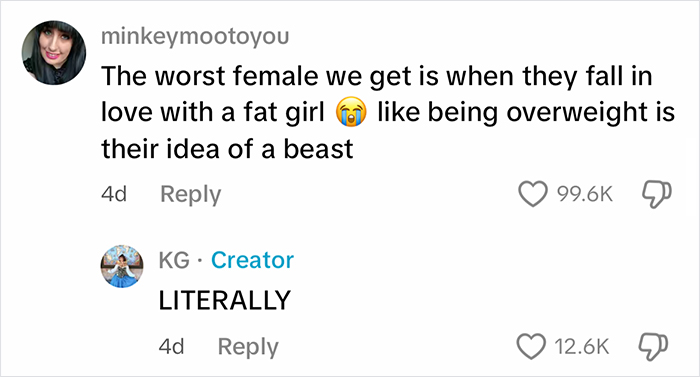
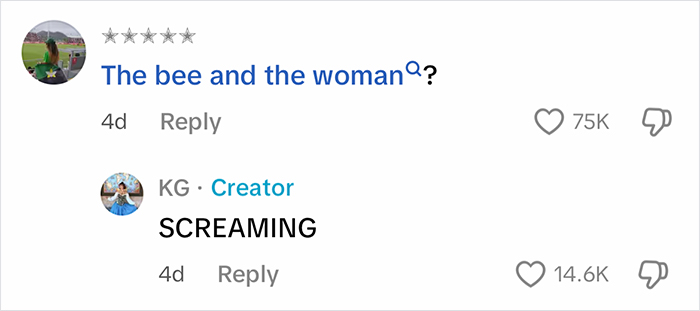
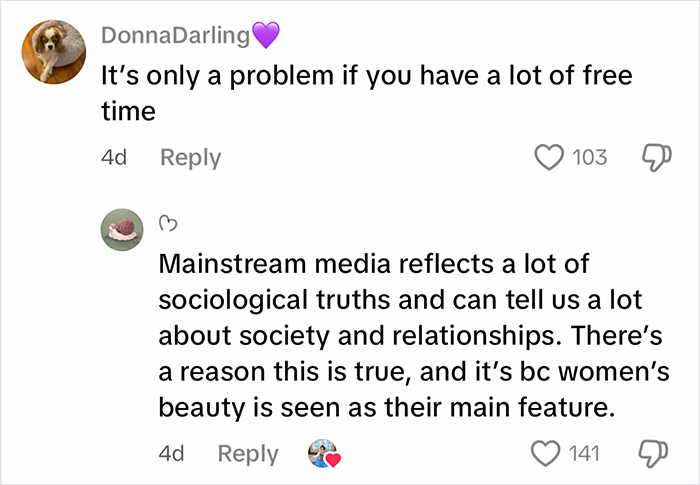
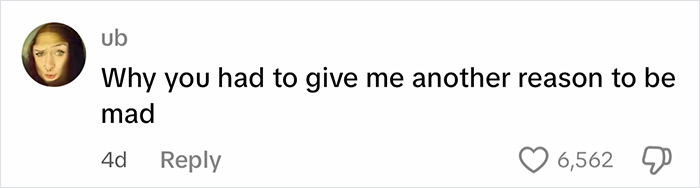
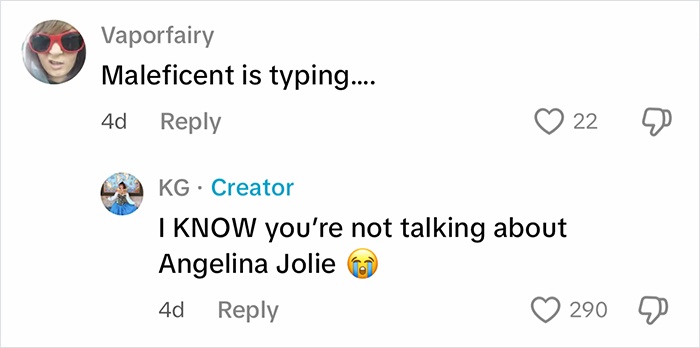
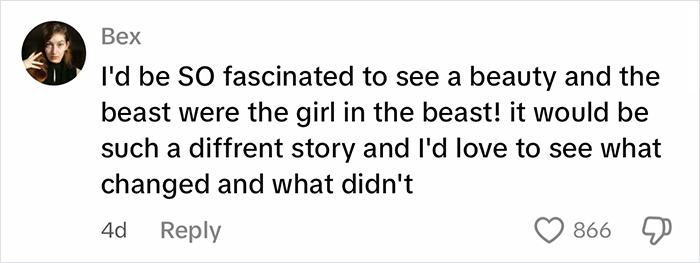
    Comment highlighting beauty standards in fairy tales focusing on human female and male beast relationships going viral.

    ADVERTISEMENT

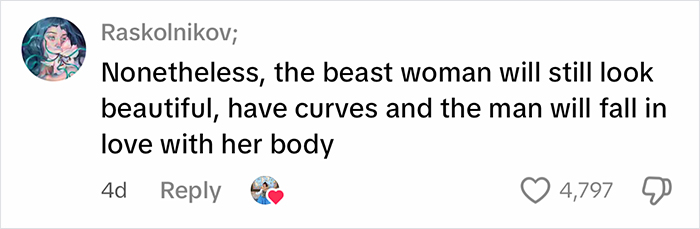
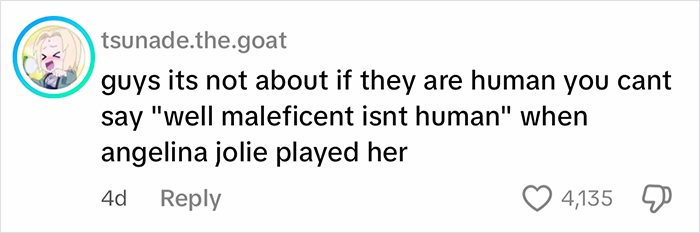
    Screenshot of a viral comment thread discussing beauty standards in fairy tales featuring human females and male beasts.

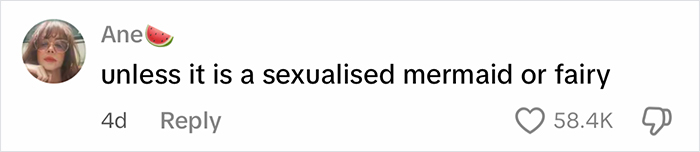
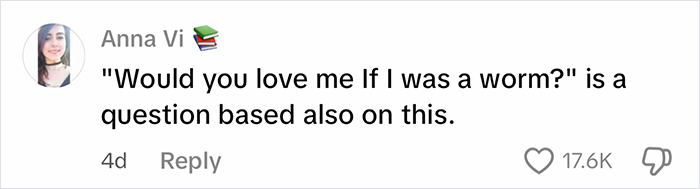
    Comment on social media post by a woman exposing beauty standards in fairy tales, mentioning sexualized mermaids or fairies.

    ADVERTISEMENT

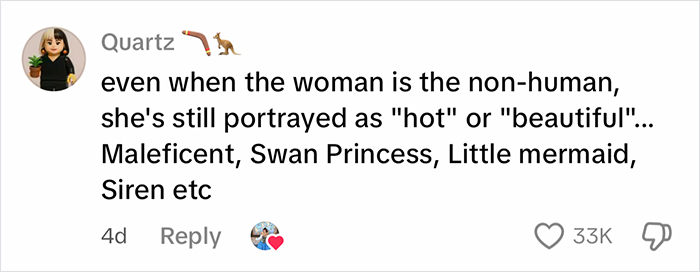
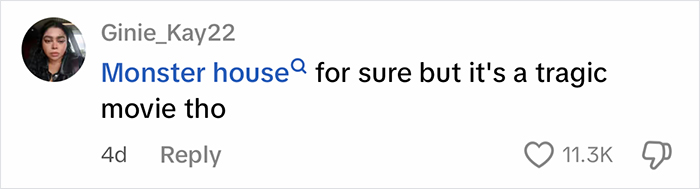
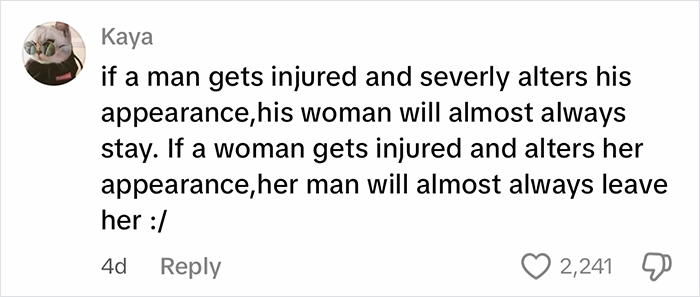
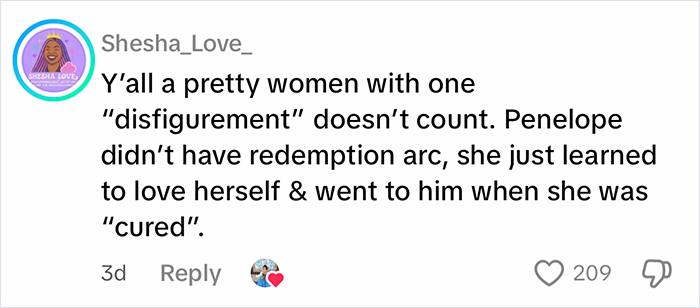
    Screenshot of a comment discussing beauty standards in fairy tales focusing on human female and male beast roles.

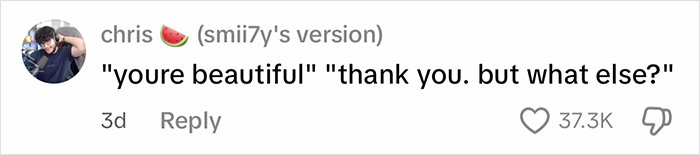
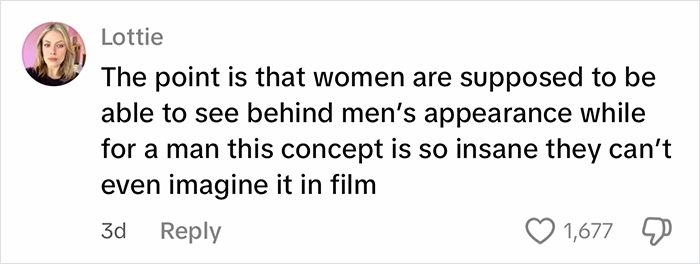
    Screenshot of a social media comment expressing a dialogue, highlighting a woman exposing beauty standards in fairy tales.

    ADVERTISEMENT

    Comment by a woman exposing beauty standards in fairy tales, highlighting human female and male beast portrayals.

    ADVERTISEMENT

    Comment on social media post discussing fairy tale beauty standards, highlighting human female and male beast portrayal.

    Comments discussing beauty standards in fairy tales, focusing on the recurring theme of human female and male beast.

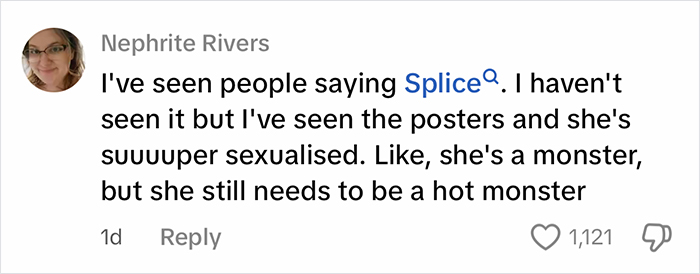
    Commenter discusses sexualized beauty standards in fairy tales, highlighting portrayal of human female and male beast characters.

    ADVERTISEMENT
    ADVERTISEMENT

    Screenshot of social media comments discussing beauty standards and societal views in fairy tales featuring human female and male beast.

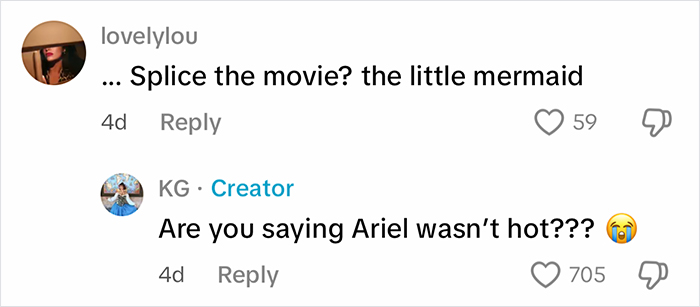
    Screenshot of a social media exchange discussing beauty standards in fairy tales featuring a reference to The Little Mermaid.

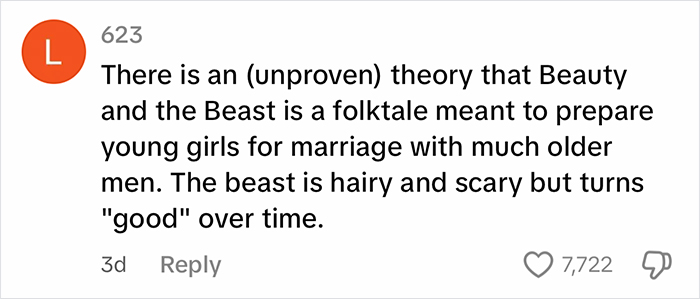
    Comment discussing the theory behind beauty standards in fairy tales featuring a human female and a male beast.

    ADVERTISEMENT

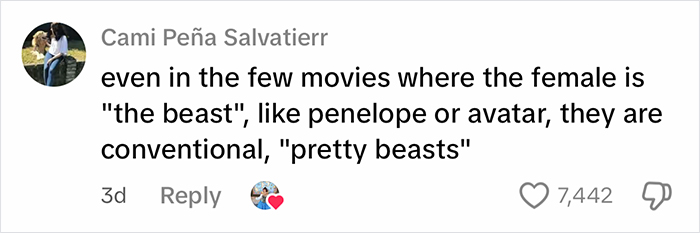
    Comment by Cami Peña Salvatier discussing beauty standards in fairy tales focusing on human female and male beast roles.

    ADVERTISEMENT

    Screenshot of a social media comment reacting to a viral post about woman exposing beauty standards in fairy tales.

    Comment highlighting beauty standards in fairy tales focusing on human female and male beast roles.

    ADVERTISEMENT

    Social media comment exposing beauty standards in fairy tales focusing on human female and male beast roles.

    Screenshot of a social media comment discussing beauty standards in fairy tales focusing on human female and male beast roles.

    ADVERTISEMENT

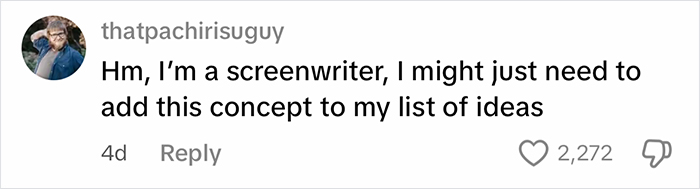
    Comment from user that highlights adding the concept exposing beauty standards in fairy tales featuring human female and male beast.

    ADVERTISEMENT

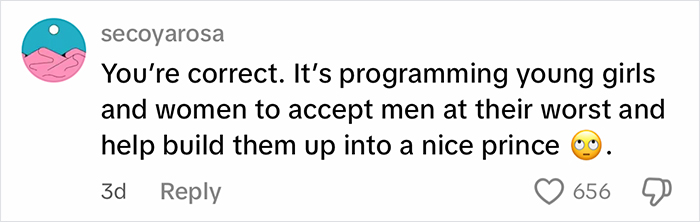
    Social media comment discussing programming young girls to accept men at their worst and build them into princes.

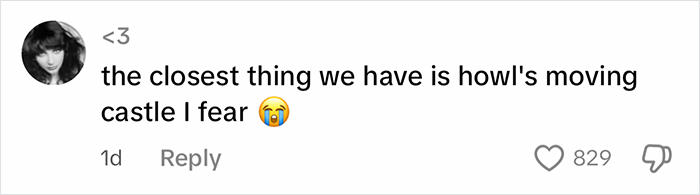
    Comment reading the closest thing we have is Howl's Moving Castle with a crying emoji, discussing beauty standards in fairy tales.

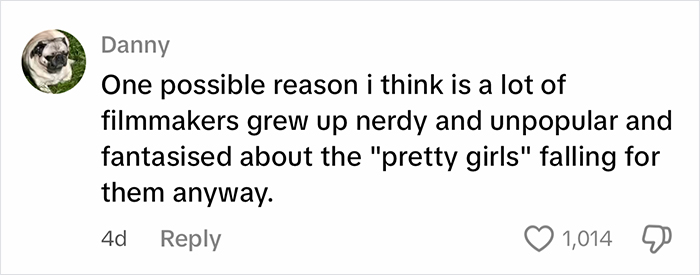
    Comment about filmmakers exposing beauty standards in fairy tales, highlighting human female and male beast roles.

    ADVERTISEMENT
    ADVERTISEMENT

    Screenshot of a viral comment exchange discussing beauty standards in fairy tales featuring the human female and male beast.

    Comment from user discussing beauty standards in fairy tales, highlighting human female and male beast character roles.

    Social media comment discussing beauty standards in fairy tales focusing on human female and male beast characters.

    ADVERTISEMENT

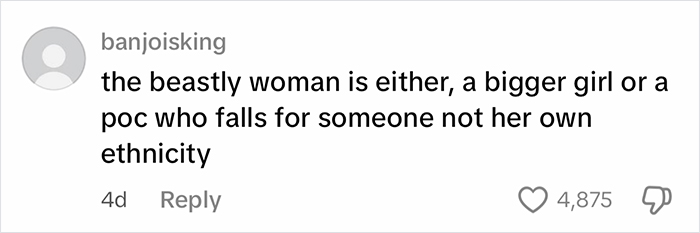
    Comment from user banjoisking discussing beauty standards in fairy tales about the human female and male beast characters.

    ADVERTISEMENT

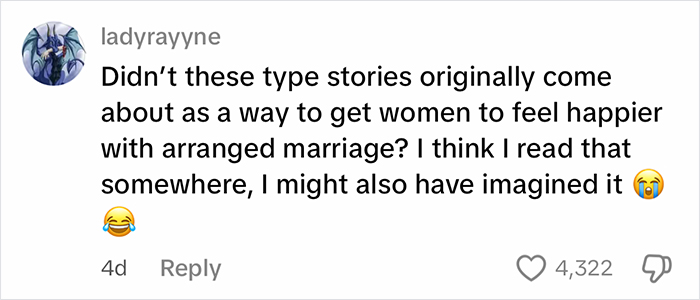
    Comment discussing original purpose of fairy tales related to women and arranged marriage, highlighting beauty standards in fairy tales.

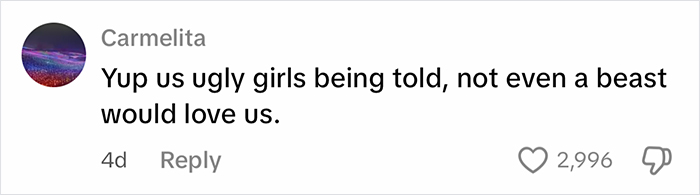
    Comment from Carmelita exposing beauty standards in fairy tales with human female and male beast roles.

    ADVERTISEMENT

    Comment discussing beauty standards in fairy tales focusing on the human female and male beast roles.

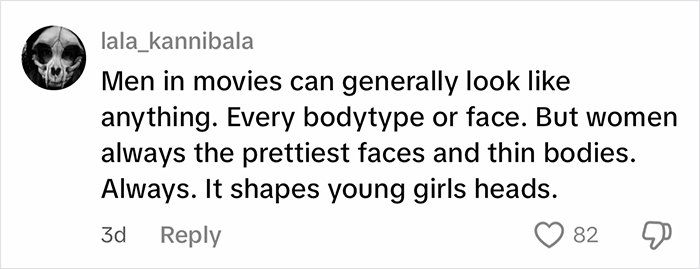
    Screenshot of a social media comment discussing how beauty standards in movies shape young girls’ perceptions of female appearance.

    ADVERTISEMENT

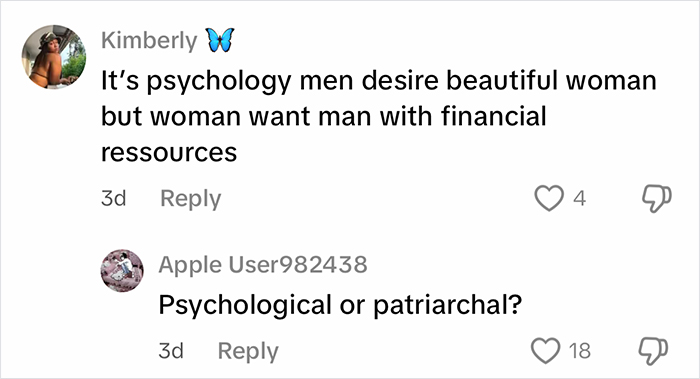
    Screenshot of online comments discussing beauty standards and gender roles in psychology and patriarchal views related to fairy tales.

    ADVERTISEMENT

    Poll Question

    Total votes ·

    Thanks! Check out the results:

    Total votes ·
    Share on Facebook
    Oleksandra Kyryliuk

    Oleksandra Kyryliuk

    Writer, BoredPanda staff

    Read more »

    Oleksandra is an experienced copywriter from Ukraine with a master’s degree in International Communication. Having covered everything from education, finance, and marketing to art, pop culture, and memes, she now brings her storytelling skills to Bored Panda. For the past five years, she’s been living and working in Vilnius, Lithuania.

    Read less »
    Oleksandra Kyryliuk

    Oleksandra Kyryliuk

    Writer, BoredPanda staff

    Oleksandra is an experienced copywriter from Ukraine with a master’s degree in International Communication. Having covered everything from education, finance, and marketing to art, pop culture, and memes, she now brings her storytelling skills to Bored Panda. For the past five years, she’s been living and working in Vilnius, Lithuania.

    Gabija Palšytė

    Gabija Palšytė

    Author, BoredPanda staff

    Read more »

    Gabija is a photo editor at Bored Panda. Before joining the team, she achieved a Professional Bachelor degree in Photography and has been working as a freelance photographer since. She also has a special place in her heart for film photography, movies and nature.

    Read less »

    Gabija Palšytė

    Gabija Palšytė

    Author, BoredPanda staff

    Gabija is a photo editor at Bored Panda. Before joining the team, she achieved a Professional Bachelor degree in Photography and has been working as a freelance photographer since. She also has a special place in her heart for film photography, movies and nature.

    Shelly Fourer

    Shelly Fourer

    Author, Community member

    Read more »

    Hey there! I'm Shelly, a Visual Editor at Bored Panda

    Read less »

    Shelly Fourer

    Shelly Fourer

    Author, Community member

    Hey there! I'm Shelly, a Visual Editor at Bored Panda

    What do you think ?
    StrangeOne
    Community Member
    7 months ago Created by potrace 1.15, written by Peter Selinger 2001-2017

    There's a lot to unpack with this topic. People tend to overreach and overthink of fairy tales. They're just fictional stories that are fun to read and watch. We shouldn't be pointing out the unimportant details when there's a good moral to the stories. B&TB, the name Belle is French for beauty, m'kay. The prince wasn't initially a physical beast, but his wrath, gluttony, misery and selfishness was what made him on the inside, and that's what the sorceress proved with her spell to turn is beastly side outward. I don't necessarily find anything negative about having a female protagonist being pretty. I don't find all "pretty" females in fairy tales beautiful, imo. OP also asks about stories were the female is an animal. There's Swan Lake, The Little Mermaid, etc. OP says all female villains are hags, witches and evil. Actually, in Snow White, the evil queen is supposed to be beautiful, then turns herself into a h*g as a disguise. Maleficent is also supposed to be beautiful.

    StrangeOne
    Community Member
    7 months ago Created by potrace 1.15, written by Peter Selinger 2001-2017

    I also notice both male villains and princes, they take a backseat in the fairy tales. With a few exceptions, such as Aladdin, but that's the Disnified version. Disney actually muddied the stories, confusing what the audience is supposed to take from the stories vs. the originals. I don't particularly think the original fairy tales are child-friendly, and meant to scare kids from misbehaving, going out at night, staying up late, wandering off, and what to do in scary situations. They were mainly just stories to entertain people, in the grand scheme of things. Some were based off of/inspired by real people and events. Using Shrek as an example is comical. Fiona was an average looking girl, and a normal looking woman. She was turned into an ogre at night and then the spell stuck. She even got upset at Shrek for turning himself into a better looking human because that's not what was important to her. Shrek basically mocks fairy tales. It's funny. We can put aside feminism and gender roles

    Load More Replies...

    Tussilago
    Community Member
    7 months ago Created by potrace 1.15, written by Peter Selinger 2001-2017

    Sweden has a fairy tale where the protagonist gets married to a fat rat. In the end, she transforms, but he does propose without knowing about her really being a cursed human.
    Charlotte A.
    Community Member
    7 months ago Created by potrace 1.15, written by Peter Selinger 2001-2017

    We do? I never heard of this one. What's it called?

    Load More Replies...

    ADVERTISEMENT
    AG
    Community Member
    7 months ago Created by potrace 1.15, written by Peter Selinger 2001-2017

    First off let's remember these cartoons are directed at kids. Kids aren't over analyzing the cartoon like the adult are, they are just enjoying the entertaining story. Second, I don't think kids would be interested if it was the other way around. No one's going to walk around Disney dressed as the unfortunate looking princess. The people have been surveyed and most of the people that will be interested in any type of story like it want to see a beautiful princess. Honestly, Disney's just giving the audience what they're willing to pay the MOST for. People will pay to see a Monster female but it will never be as popular as a pretty princess story and that's on the viewer.
    Jan
    Community Member
    7 months ago Created by potrace 1.15, written by Peter Selinger 2001-2017

    There is a story that I can't completely recall and do not know the name of where a handsome man or prince was forced to marry a hideous woman. The first night of the marriage she appeared as a beautiful woman. She explained that she was cursed to spend half of every day as a monster and half as her normal self. She said that he was to choose if she should be beautiful during the day in public or at night when it was just the 2 of them. He could not decide after much contemplation and finally said that she should choose whatever her preference was. At that, the spell she was under was broken because of his gift of agency over herself and her full time beauty was restored. something like that anyway. Anyone heard this tale before?

    Keith Handly (Ike)
    Community Member
    7 months ago Created by potrace 1.15, written by Peter Selinger 2001-2017

    The original French tale was a way to get men to be gentlemen to women. The problem isn't the tale. It's this particular interpretation of it.

    Royal Stray
    Community Member
    7 months ago Created by potrace 1.15, written by Peter Selinger 2001-2017

    Yeah, didn't it have more to do with "if you act like a beast you can't expect to be loved like a man". Only reason she actually falls for him is because he acts better towards her and starts caring for the people around him. Even in the original she doesn't care for him at all when he acts awful

    Load More Replies...
    Laura Gillette
    Community Member
    7 months ago Created by potrace 1.15, written by Peter Selinger 2001-2017

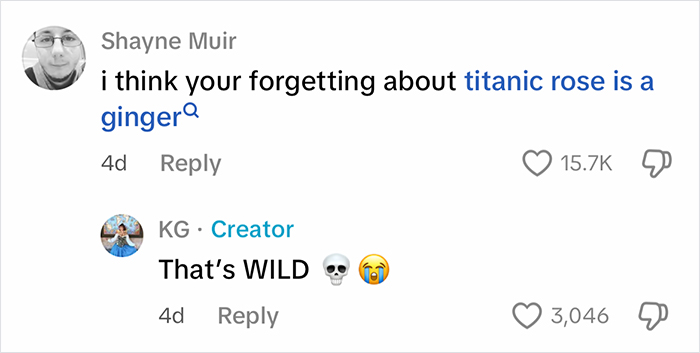
    What's the "titanic rose is a ginger" referring to? I know Rose was a redhead in the movie Titanic. How is that relevant to this discussion?

    Agat
    Community Member
    7 months ago Created by potrace 1.15, written by Peter Selinger 2001-2017

    I believe that is a joke about ginger people being "monsters".

    Load More Replies...
    Charlotte A.
    Community Member
    7 months ago Created by potrace 1.15, written by Peter Selinger 2001-2017

    I feel a need to point out that Shrek might not have been the best example, because the girl turned out to be an ogre too. A pretty ogre, but still. (And no, I'm not taking this entirely seriously)

    roddy
    Community Member
    7 months ago Created by potrace 1.15, written by Peter Selinger 2001-2017

    Jane Eyre and Mr. Rochester is another case. But where is the man in fiction who loves a scarred blind woman?

    DramaDoc
    Community Member
    7 months ago Created by potrace 1.15, written by Peter Selinger 2001-2017

    This is just a slice of the whole Virgin/W***e binary that gets imposed on women that got mixed with the Aristotelian notion of virtue and Keats' "truth = beauty; beauty=truth" that reinforces this concept of women as either saints or sinners, where the outside must match the inside--and if it doesn't, then she's a villain and/or predatory woman taking advantage of poor, innocent, little men. Related to this, this binary is also probably why most of the horrific villains and monsters in world mythology are women--because women are traditionally to be both subjugated and feared (usually because they refuse subjugation in some way.

    Agnes
    Community Member
    7 months ago Created by potrace 1.15, written by Peter Selinger 2001-2017

    The longer I live, the more I see couples where a woman is unattractive and married for 20-25 years to a guy who could be a model. Some men are not shallow 🌹

    Load More Comments
    StrangeOne
    Community Member
    7 months ago Created by potrace 1.15, written by Peter Selinger 2001-2017

    There's a lot to unpack with this topic. People tend to overreach and overthink of fairy tales. They're just fictional stories that are fun to read and watch. We shouldn't be pointing out the unimportant details when there's a good moral to the stories. B&TB, the name Belle is French for beauty, m'kay. The prince wasn't initially a physical beast, but his wrath, gluttony, misery and selfishness was what made him on the inside, and that's what the sorceress proved with her spell to turn is beastly side outward. I don't necessarily find anything negative about having a female protagonist being pretty. I don't find all "pretty" females in fairy tales beautiful, imo. OP also asks about stories were the female is an animal. There's Swan Lake, The Little Mermaid, etc. OP says all female villains are hags, witches and evil. Actually, in Snow White, the evil queen is supposed to be beautiful, then turns herself into a h*g as a disguise. Maleficent is also supposed to be beautiful.

    StrangeOne
    Community Member
    7 months ago Created by potrace 1.15, written by Peter Selinger 2001-2017

    I also notice both male villains and princes, they take a backseat in the fairy tales. With a few exceptions, such as Aladdin, but that's the Disnified version. Disney actually muddied the stories, confusing what the audience is supposed to take from the stories vs. the originals. I don't particularly think the original fairy tales are child-friendly, and meant to scare kids from misbehaving, going out at night, staying up late, wandering off, and what to do in scary situations. They were mainly just stories to entertain people, in the grand scheme of things. Some were based off of/inspired by real people and events. Using Shrek as an example is comical. Fiona was an average looking girl, and a normal looking woman. She was turned into an ogre at night and then the spell stuck. She even got upset at Shrek for turning himself into a better looking human because that's not what was important to her. Shrek basically mocks fairy tales. It's funny. We can put aside feminism and gender roles

    Load More Replies...
    Tussilago
    Community Member
    7 months ago Created by potrace 1.15, written by Peter Selinger 2001-2017

    Sweden has a fairy tale where the protagonist gets married to a fat rat. In the end, she transforms, but he does propose without knowing about her really being a cursed human.

    Charlotte A.
    Community Member
    7 months ago Created by potrace 1.15, written by Peter Selinger 2001-2017

    We do? I never heard of this one. What's it called?

    Load More Replies...
    ADVERTISEMENT
    AG
    Community Member
    7 months ago Created by potrace 1.15, written by Peter Selinger 2001-2017

    First off let's remember these cartoons are directed at kids. Kids aren't over analyzing the cartoon like the adult are, they are just enjoying the entertaining story. Second, I don't think kids would be interested if it was the other way around. No one's going to walk around Disney dressed as the unfortunate looking princess. The people have been surveyed and most of the people that will be interested in any type of story like it want to see a beautiful princess. Honestly, Disney's just giving the audience what they're willing to pay the MOST for. People will pay to see a Monster female but it will never be as popular as a pretty princess story and that's on the viewer.
    Jan
    Community Member
    7 months ago Created by potrace 1.15, written by Peter Selinger 2001-2017

    There is a story that I can't completely recall and do not know the name of where a handsome man or prince was forced to marry a hideous woman. The first night of the marriage she appeared as a beautiful woman. She explained that she was cursed to spend half of every day as a monster and half as her normal self. She said that he was to choose if she should be beautiful during the day in public or at night when it was just the 2 of them. He could not decide after much contemplation and finally said that she should choose whatever her preference was. At that, the spell she was under was broken because of his gift of agency over herself and her full time beauty was restored. something like that anyway. Anyone heard this tale before?

    Keith Handly (Ike)
    Community Member
    7 months ago Created by potrace 1.15, written by Peter Selinger 2001-2017

    The original French tale was a way to get men to be gentlemen to women. The problem isn't the tale. It's this particular interpretation of it.

    Royal Stray
    Community Member
    7 months ago Created by potrace 1.15, written by Peter Selinger 2001-2017

    Yeah, didn't it have more to do with "if you act like a beast you can't expect to be loved like a man". Only reason she actually falls for him is because he acts better towards her and starts caring for the people around him. Even in the original she doesn't care for him at all when he acts awful

    Load More Replies...
    Laura Gillette
    Community Member
    7 months ago Created by potrace 1.15, written by Peter Selinger 2001-2017

    What's the "titanic rose is a ginger" referring to? I know Rose was a redhead in the movie Titanic. How is that relevant to this discussion?

    Agat
    Community Member
    7 months ago Created by potrace 1.15, written by Peter Selinger 2001-2017

    I believe that is a joke about ginger people being "monsters".

    Load More Replies...
    Charlotte A.
    Community Member
    7 months ago Created by potrace 1.15, written by Peter Selinger 2001-2017

    I feel a need to point out that Shrek might not have been the best example, because the girl turned out to be an ogre too. A pretty ogre, but still. (And no, I'm not taking this entirely seriously)

    roddy
    Community Member
    7 months ago Created by potrace 1.15, written by Peter Selinger 2001-2017

    Jane Eyre and Mr. Rochester is another case. But where is the man in fiction who loves a scarred blind woman?

    DramaDoc
    Community Member
    7 months ago Created by potrace 1.15, written by Peter Selinger 2001-2017

    This is just a slice of the whole Virgin/W***e binary that gets imposed on women that got mixed with the Aristotelian notion of virtue and Keats' "truth = beauty; beauty=truth" that reinforces this concept of women as either saints or sinners, where the outside must match the inside--and if it doesn't, then she's a villain and/or predatory woman taking advantage of poor, innocent, little men. Related to this, this binary is also probably why most of the horrific villains and monsters in world mythology are women--because women are traditionally to be both subjugated and feared (usually because they refuse subjugation in some way.
    Agnes
    Community Member
    7 months ago Created by potrace 1.15, written by Peter Selinger 2001-2017
    The longer I live, the more I see couples where a woman is unattractive and married for 20-25 years to a guy who could be a model. Some men are not shallow 🌹

    Load More Comments
    Related on Bored Panda
    Popular on Bored Panda
    Trending on Bored Panda
    Also on Bored Panda
    ADVERTISEMENT