Get Premium
Dark mode theme is available exclusively for premium users. Learn more about the benefits of subscribing.
No fees, cancel anytime.

 Dark Mode Ad-Free Browsing Unlimited Content
 Ad-Free Browsing Unlimited Content Dark Mode
Join 1.2 million Panda readers who get the best art, memes, and fun stories every week!
“Change is the only constant.” You’ve likely heard different variations of this quote, but it ultimately expresses one of life’s fundamental truths: everything is bound to transform, whether through progression or regression.
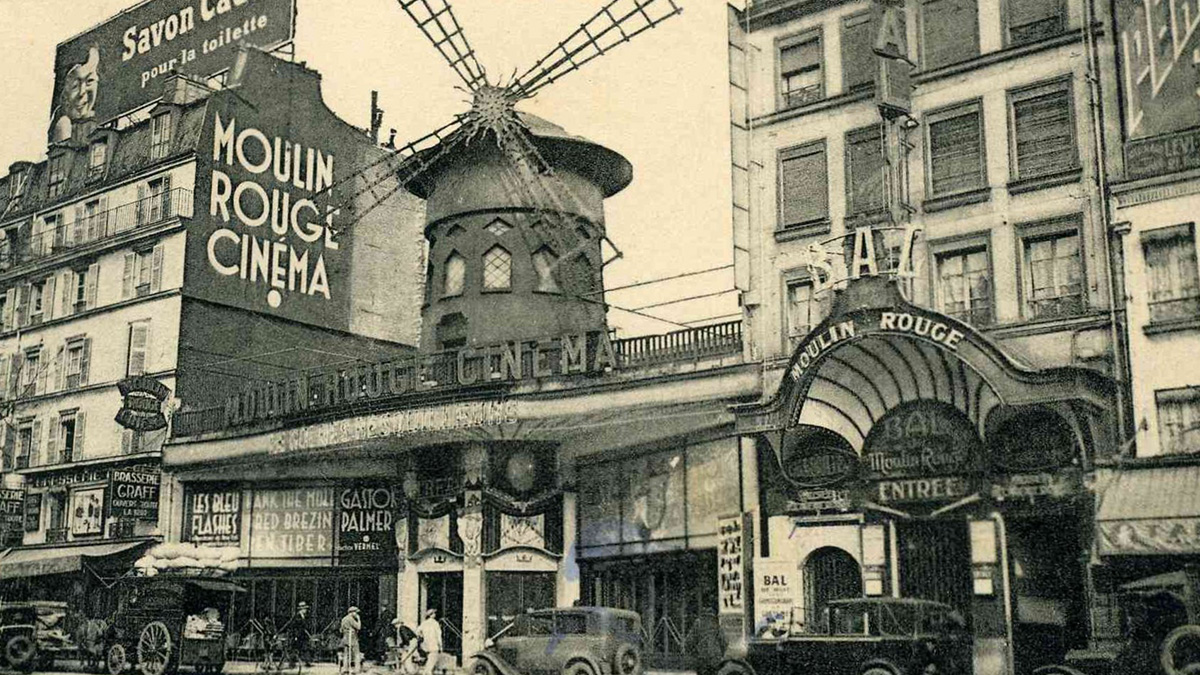
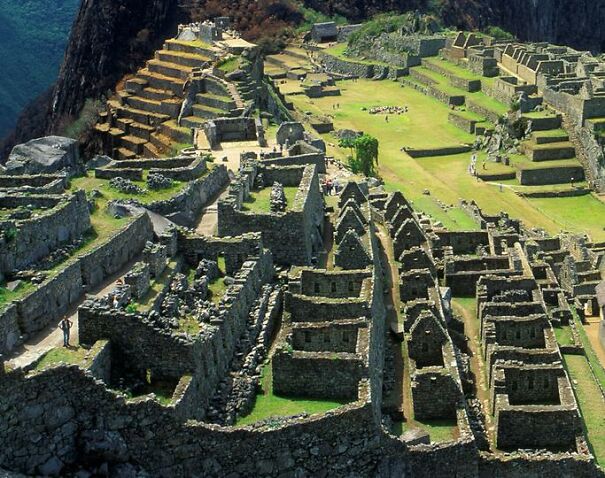
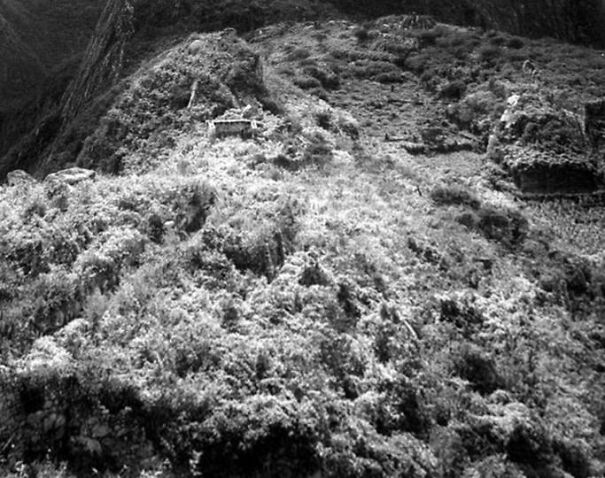
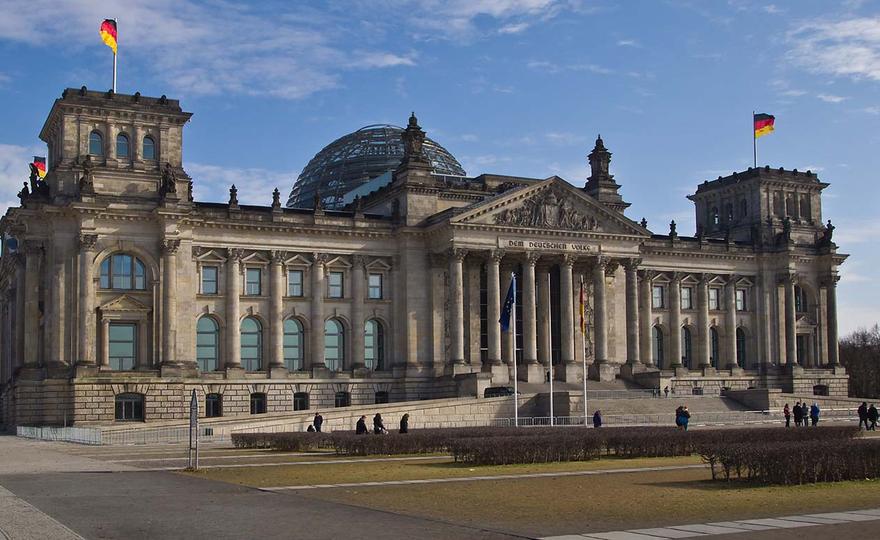
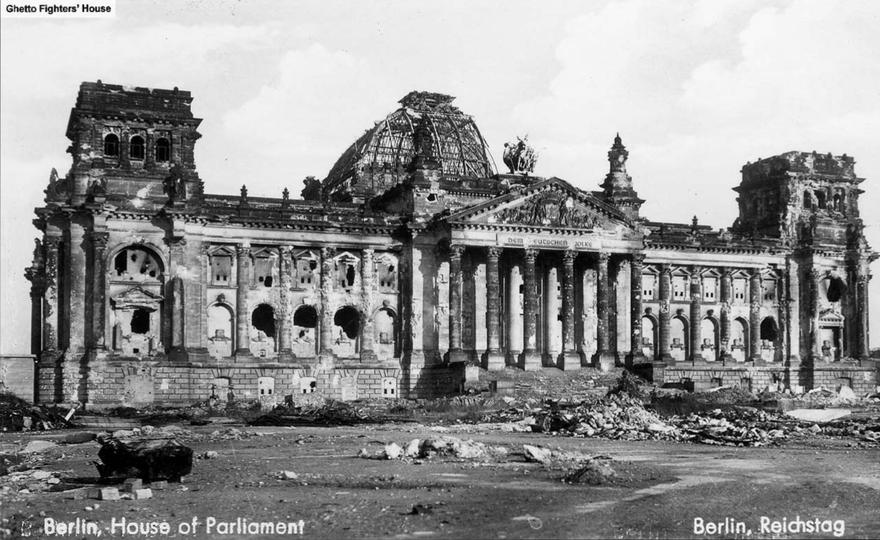
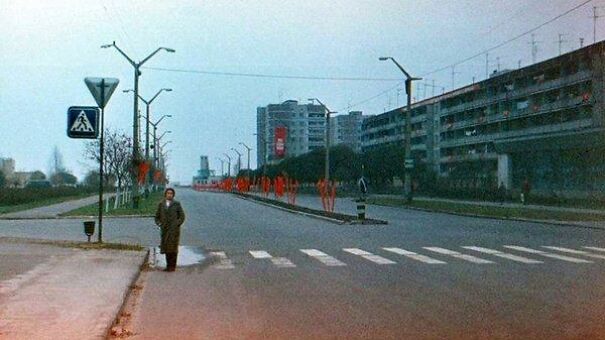
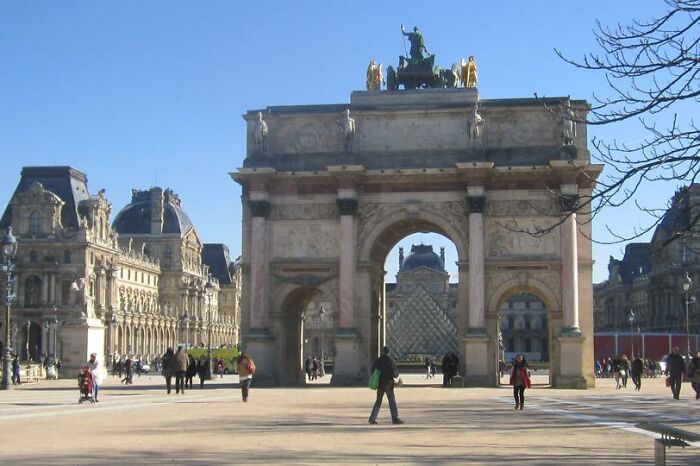
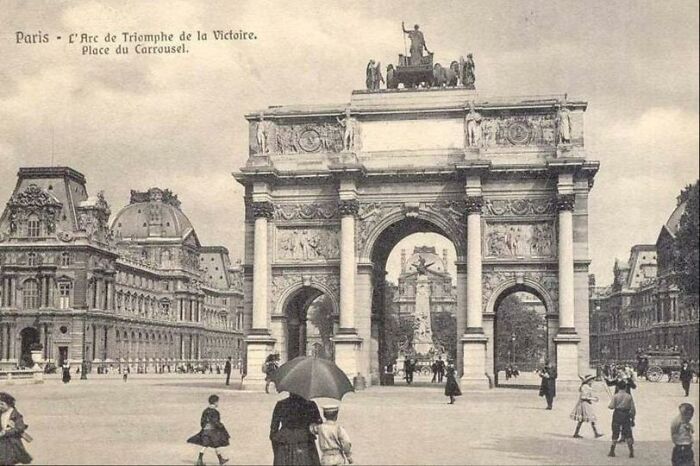
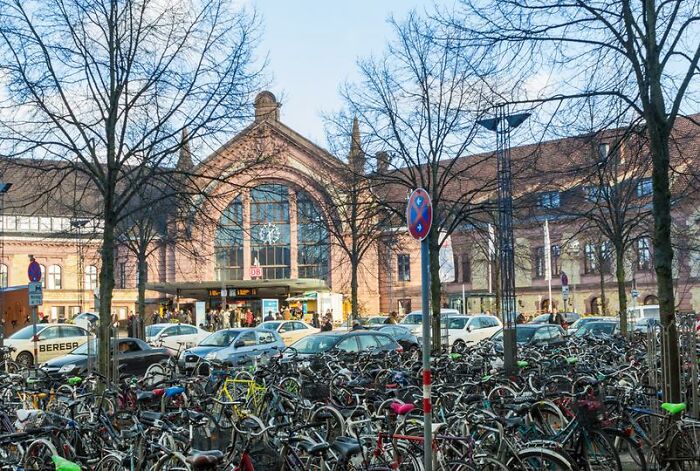
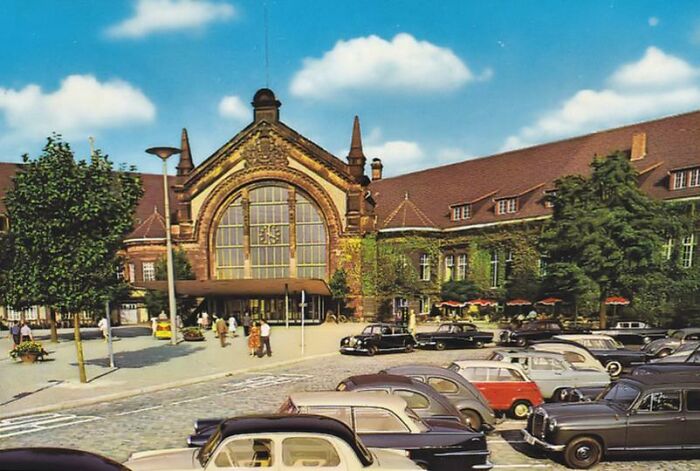
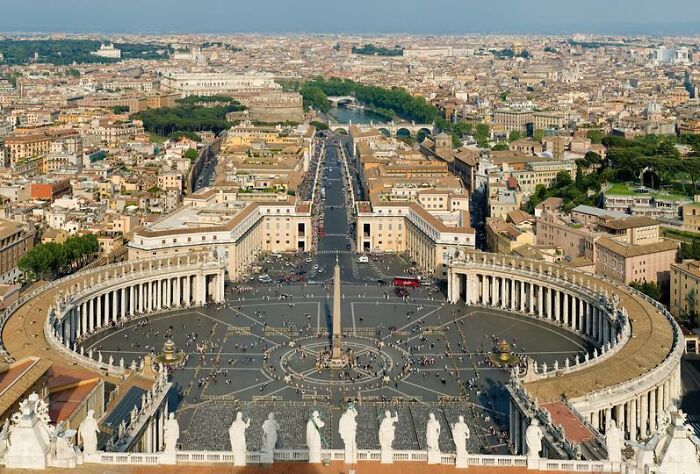
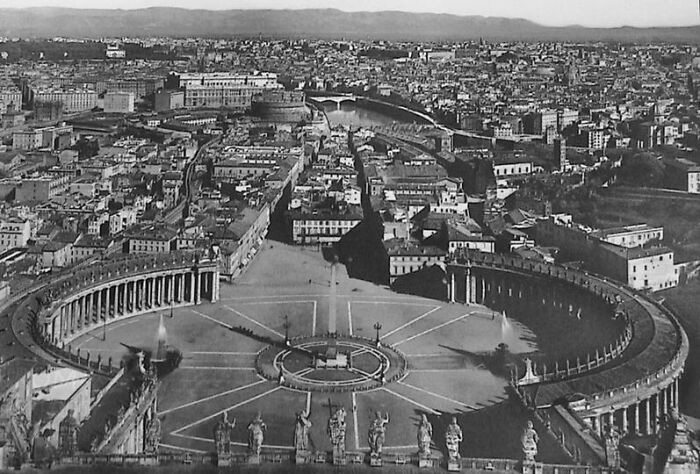
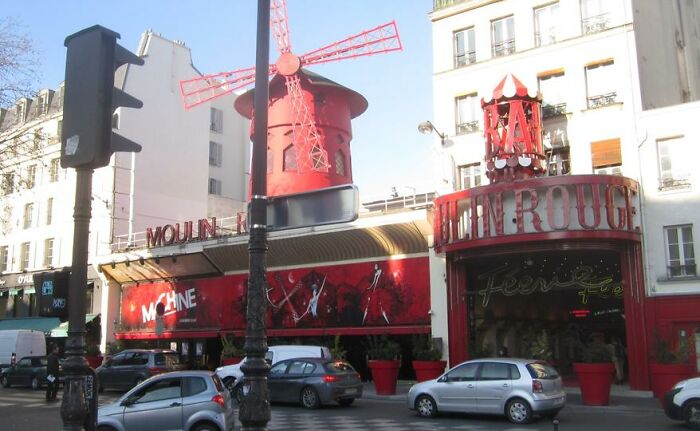
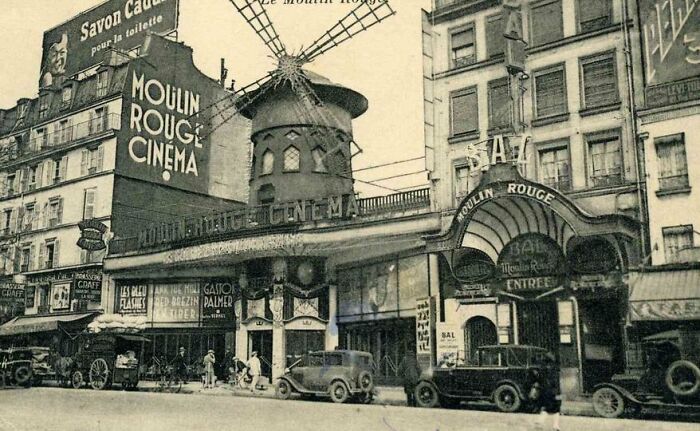
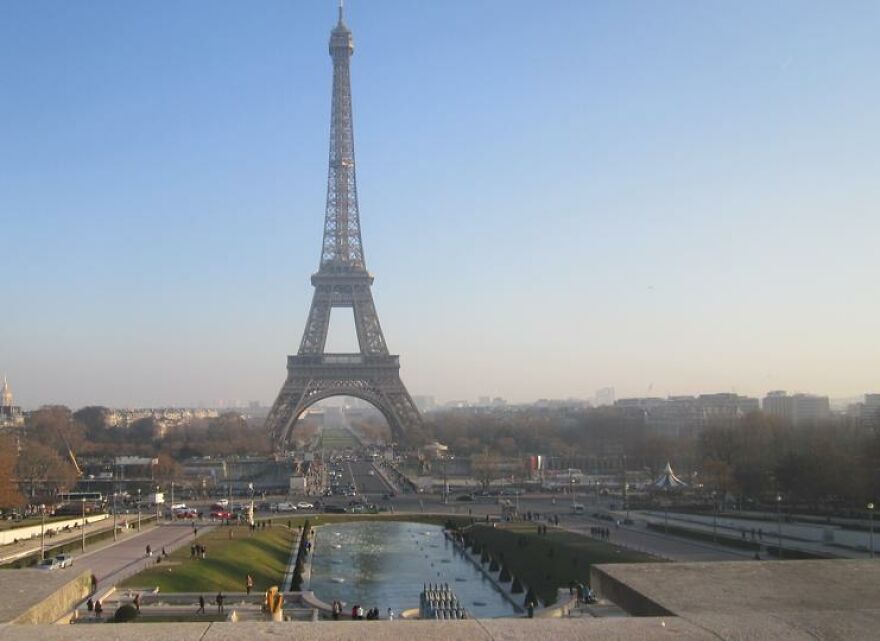
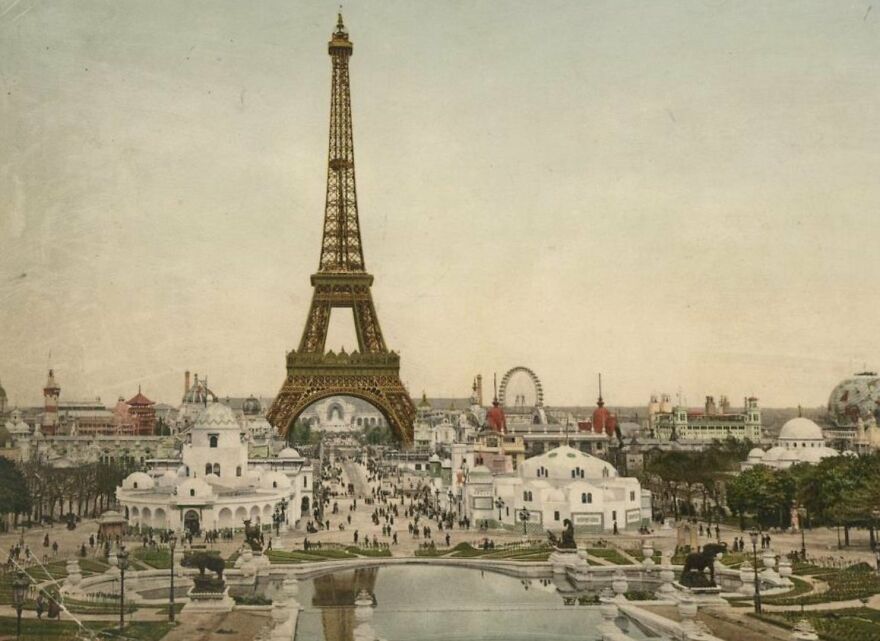
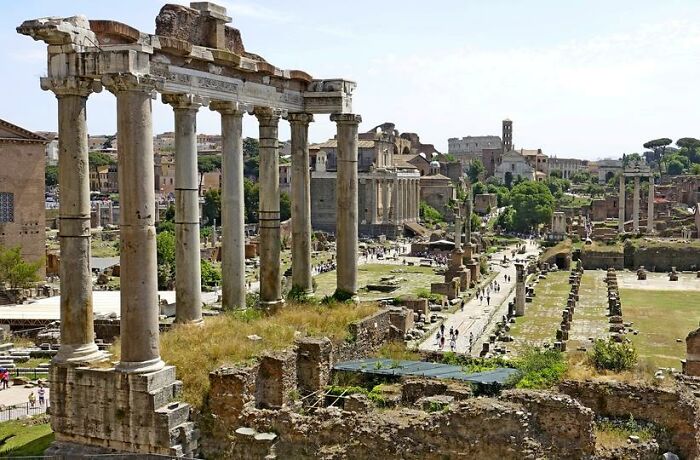
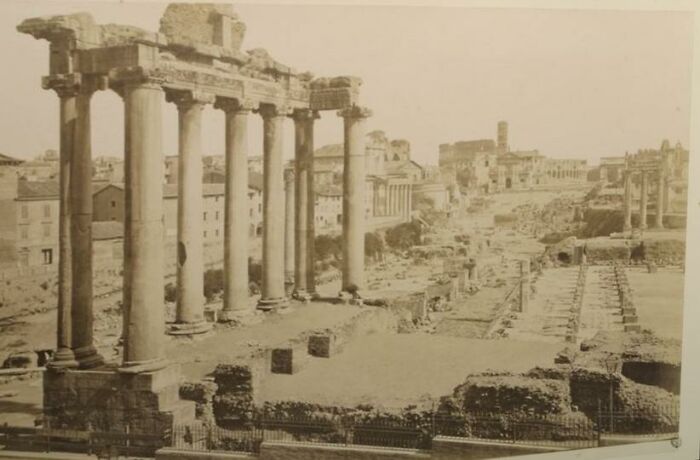
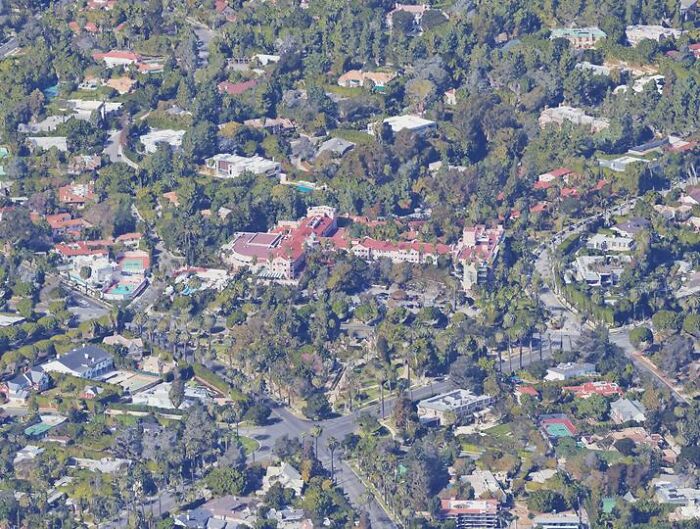
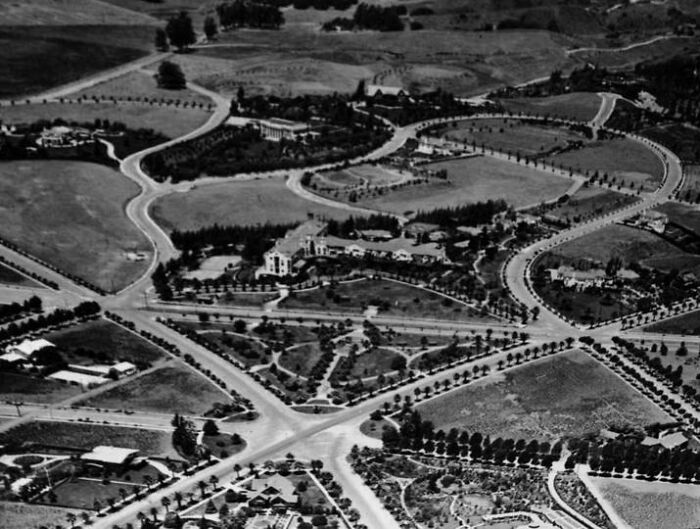
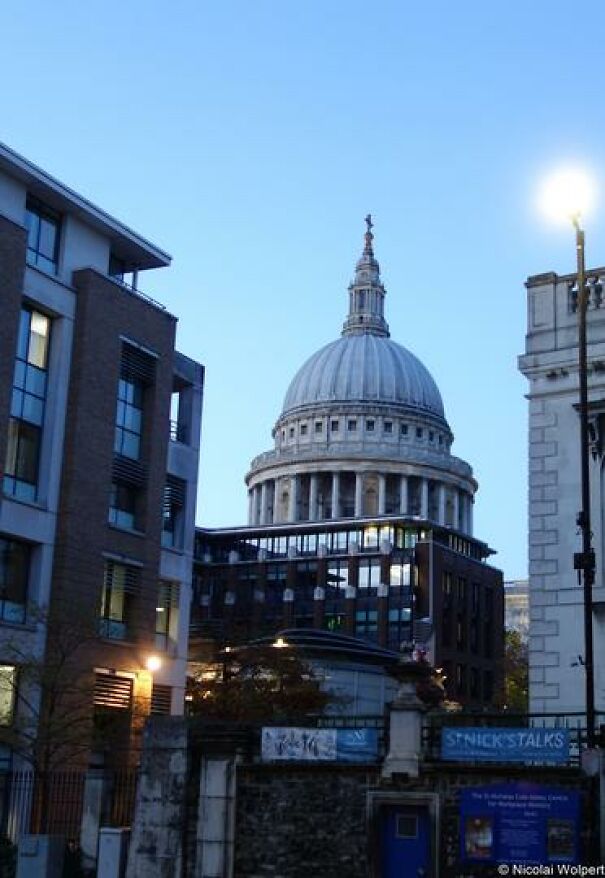
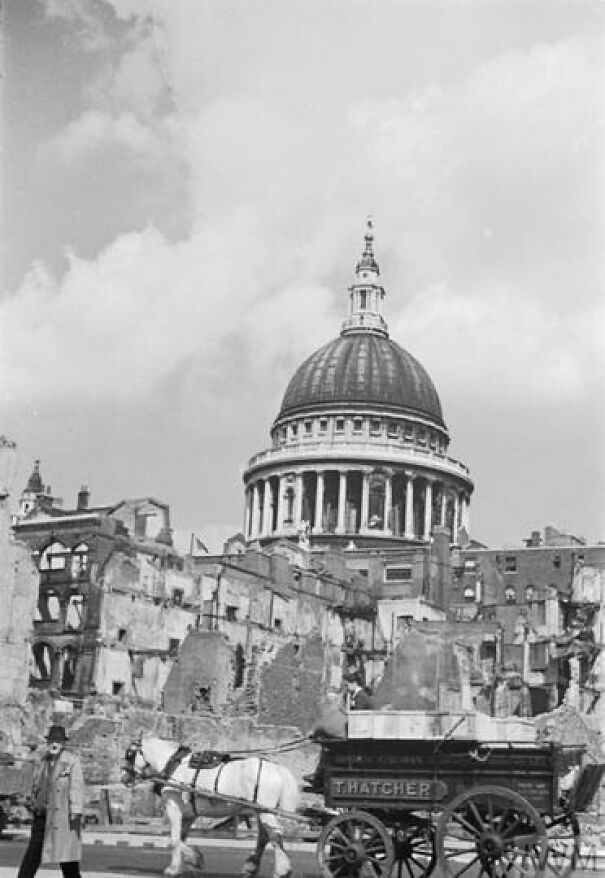
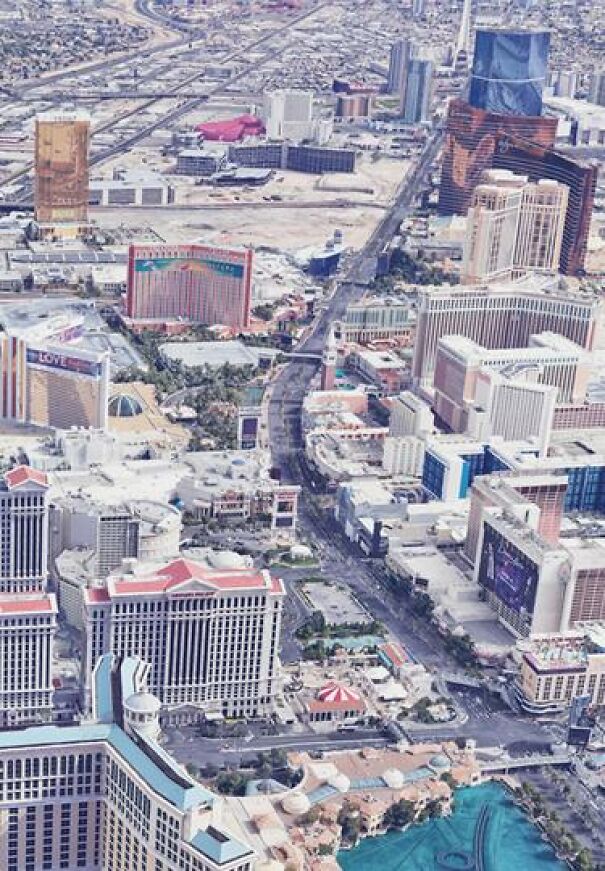
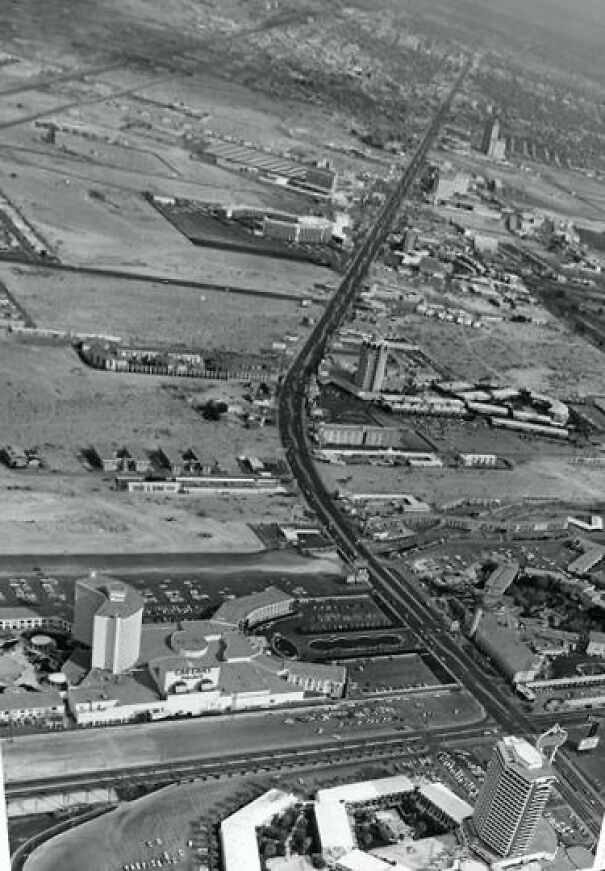
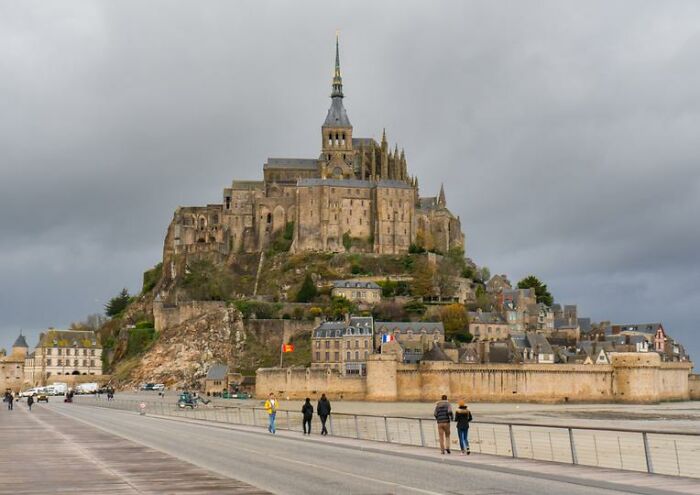
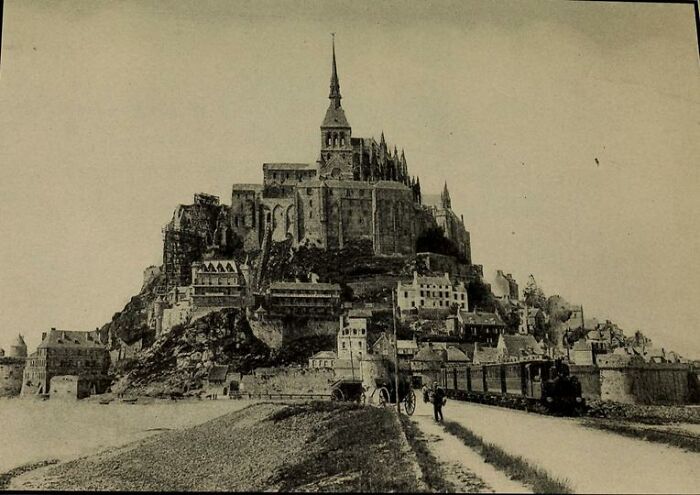
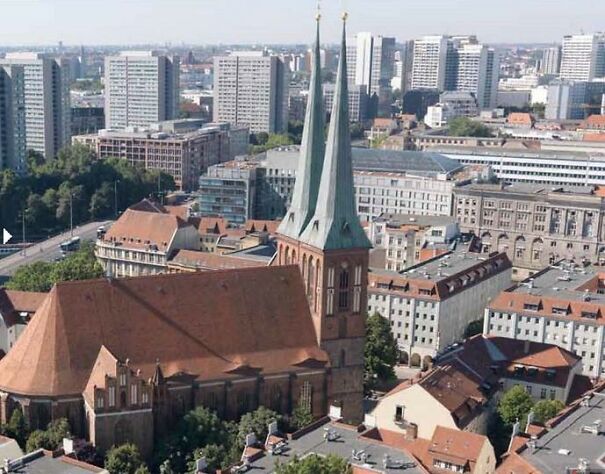
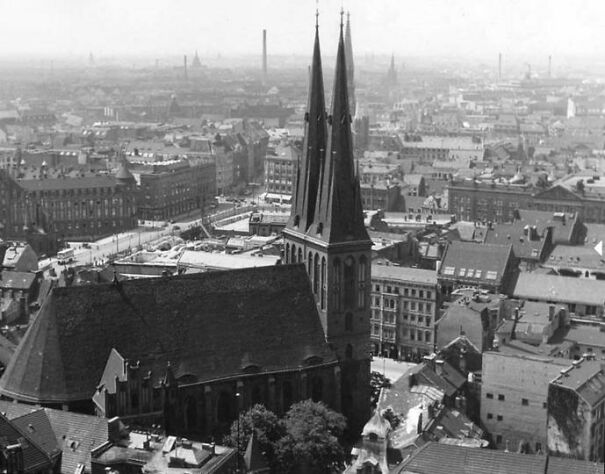
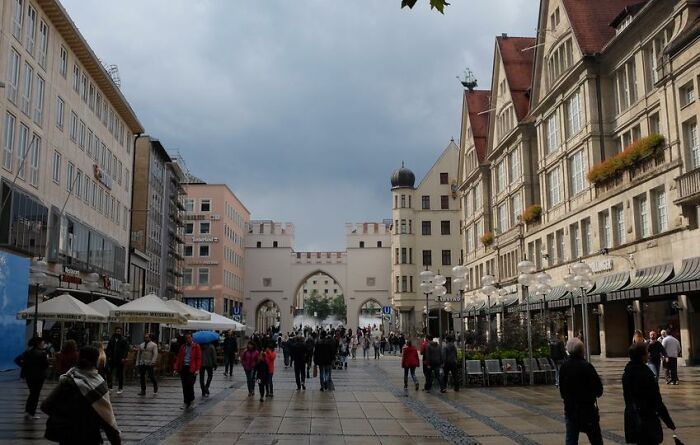
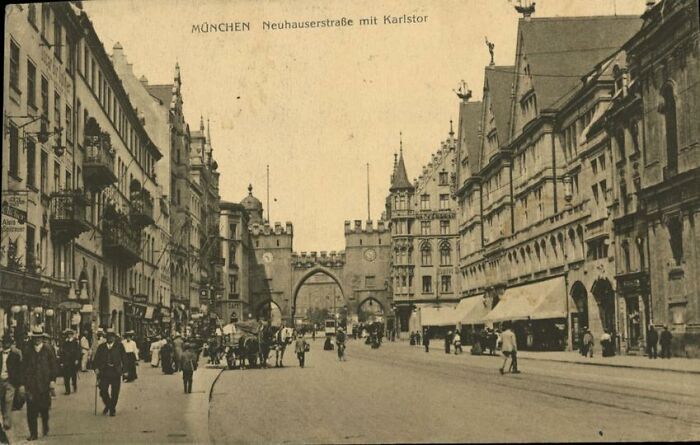
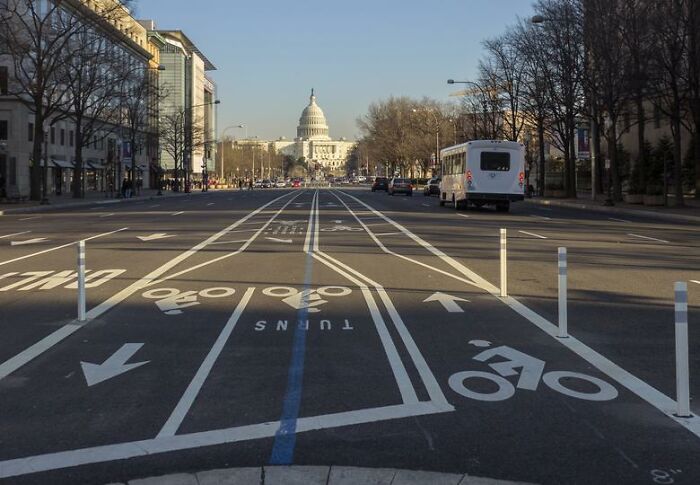
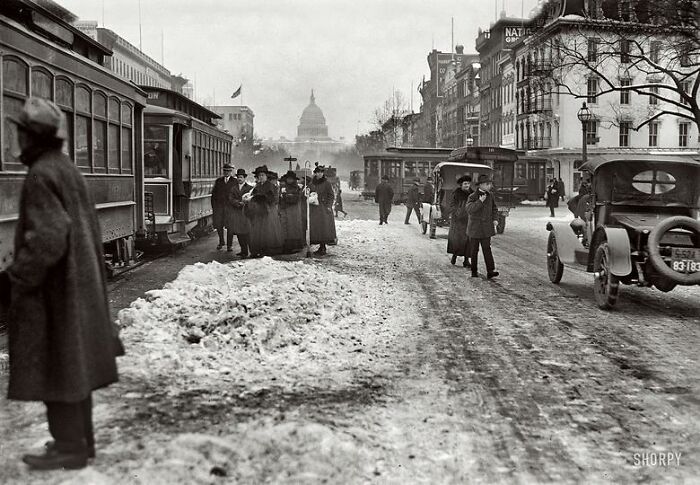
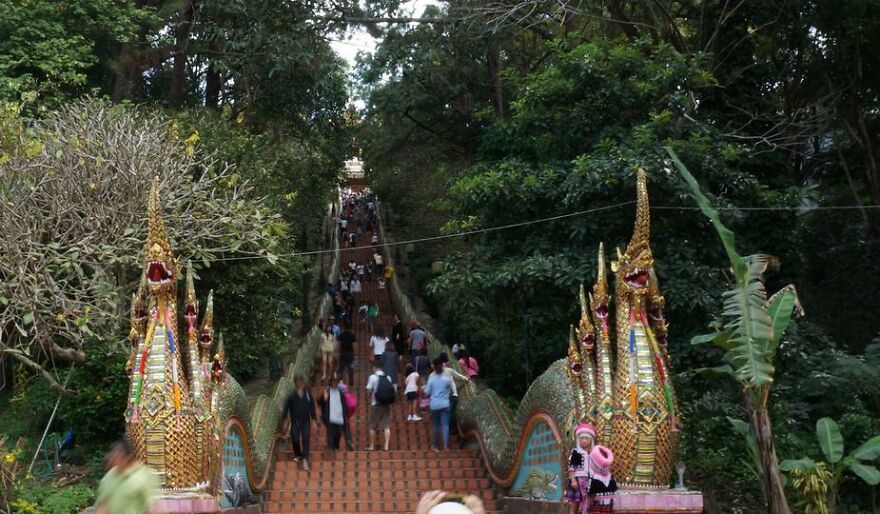
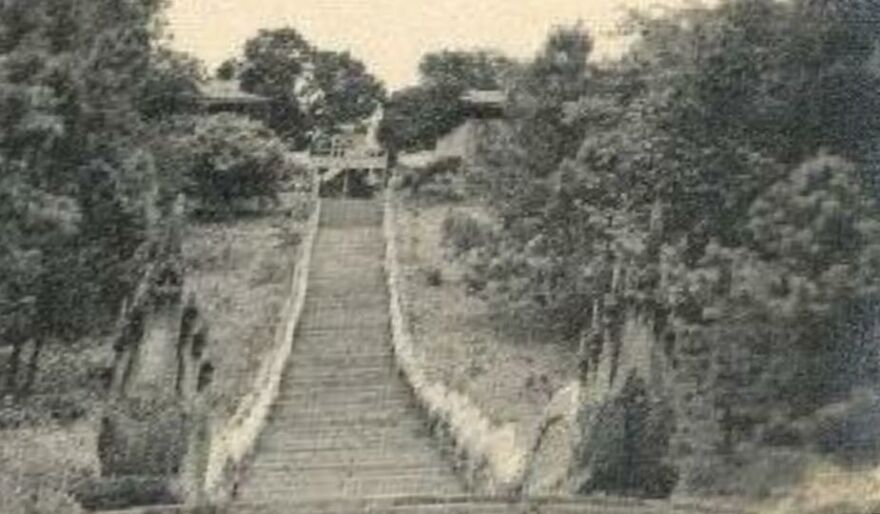
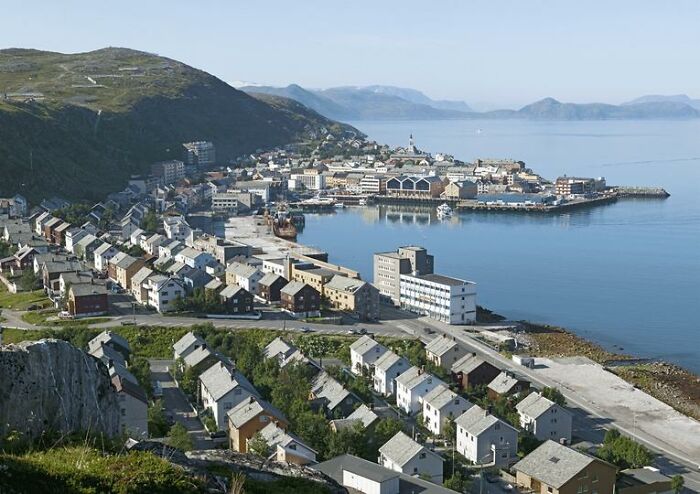
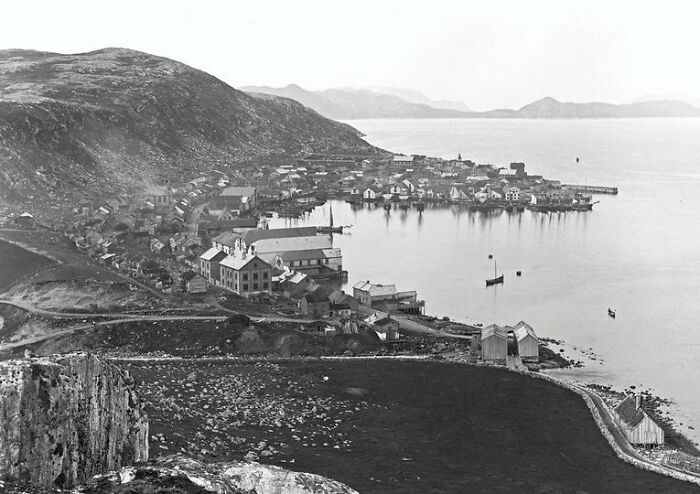
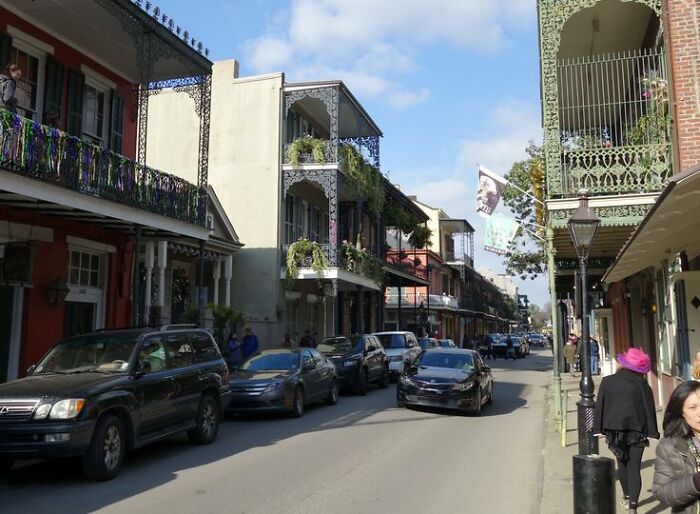
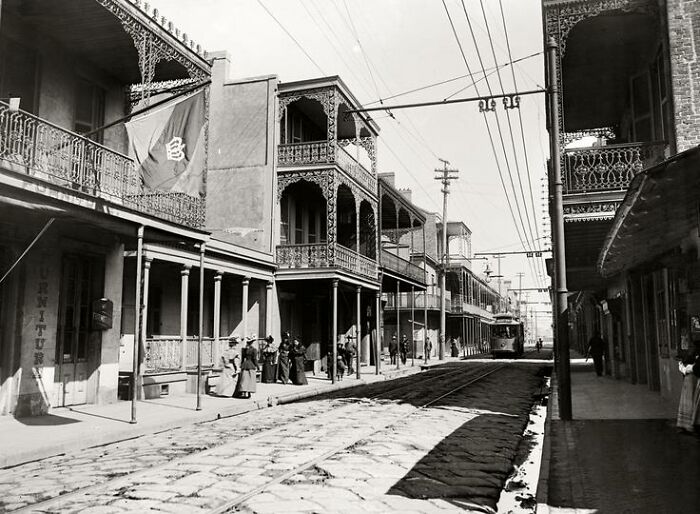
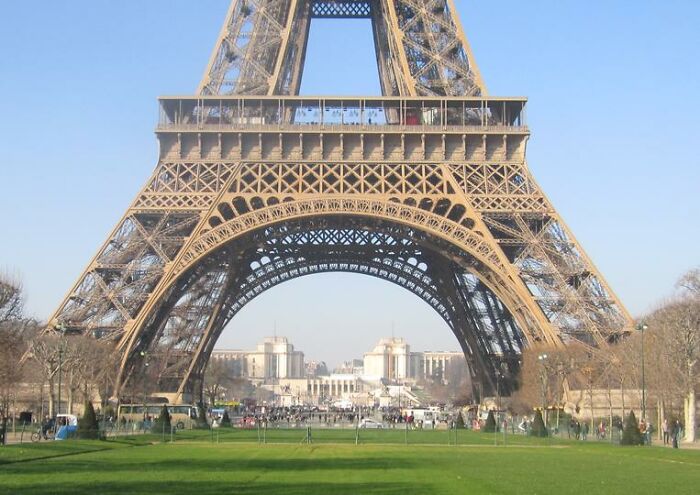
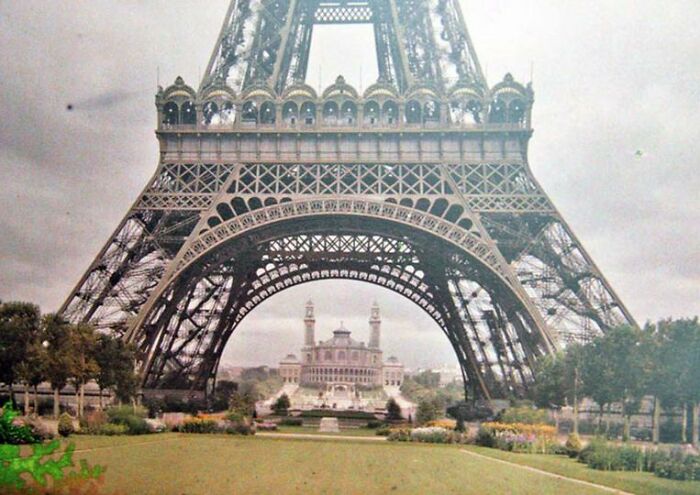
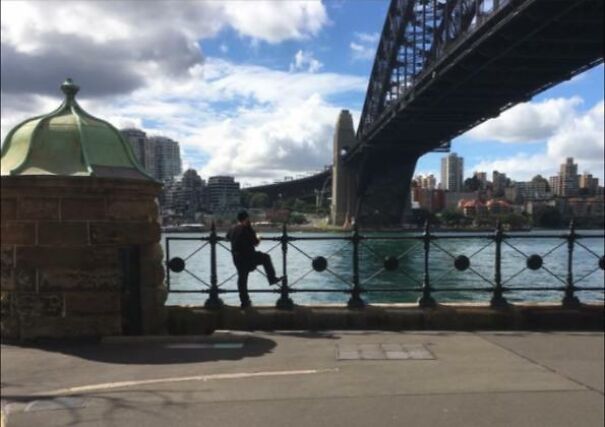
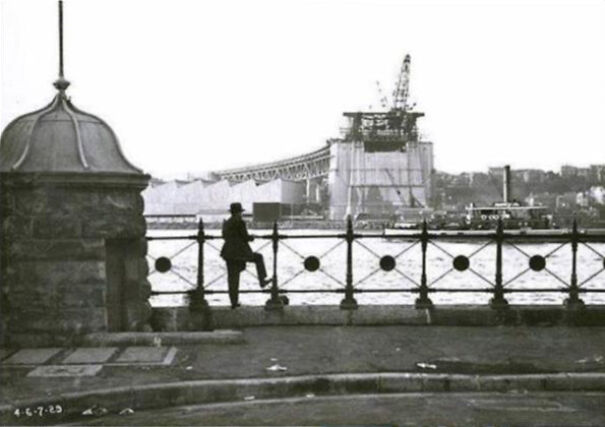
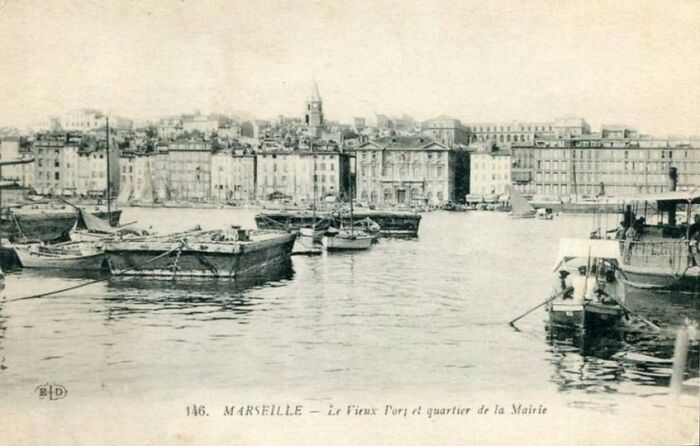
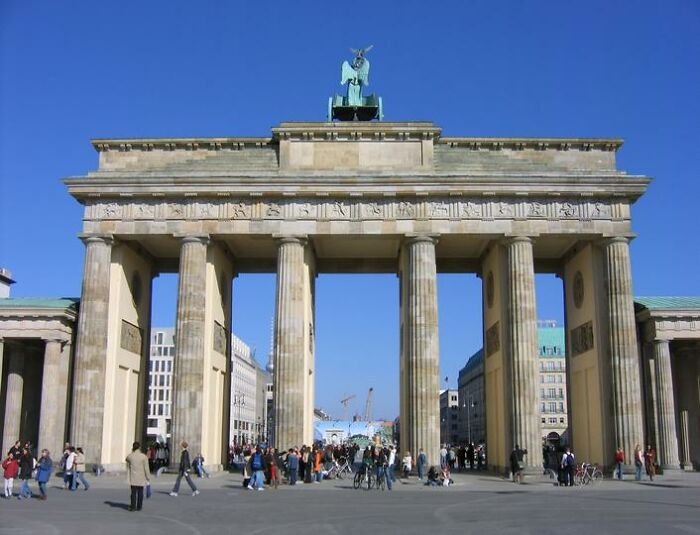
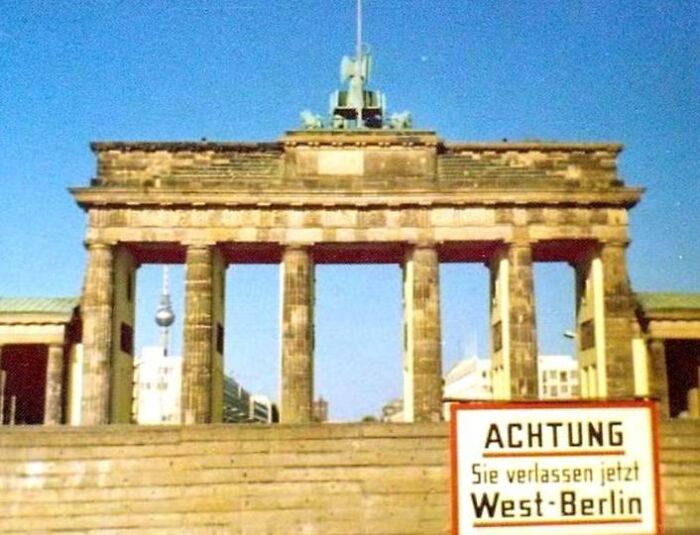
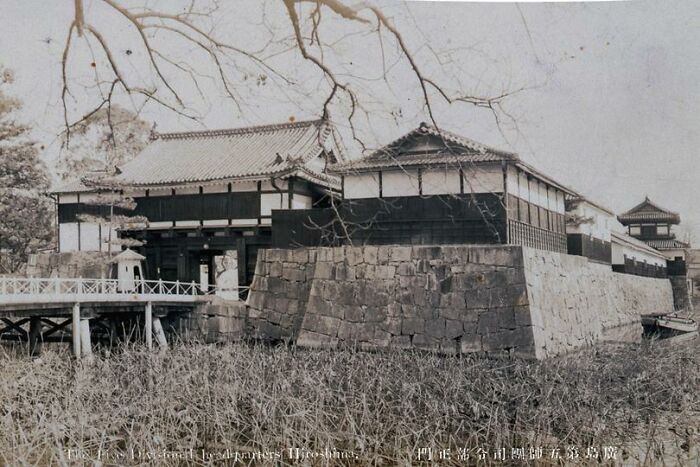
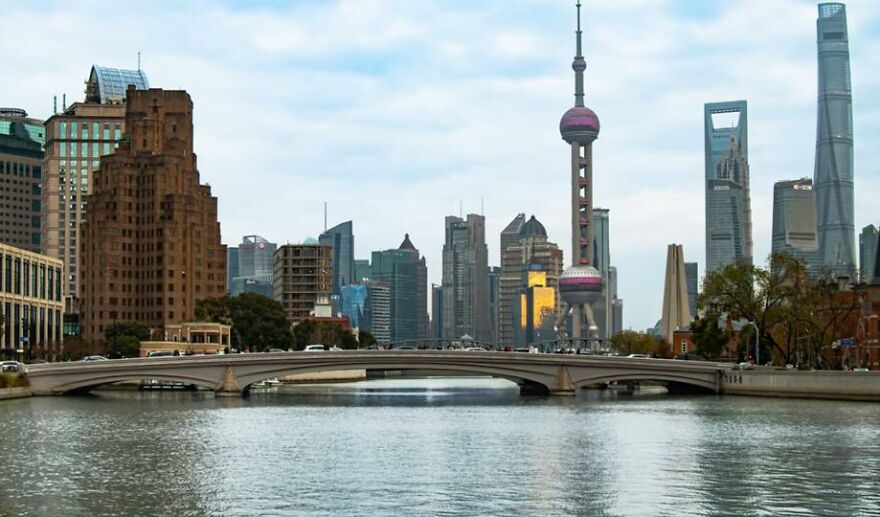
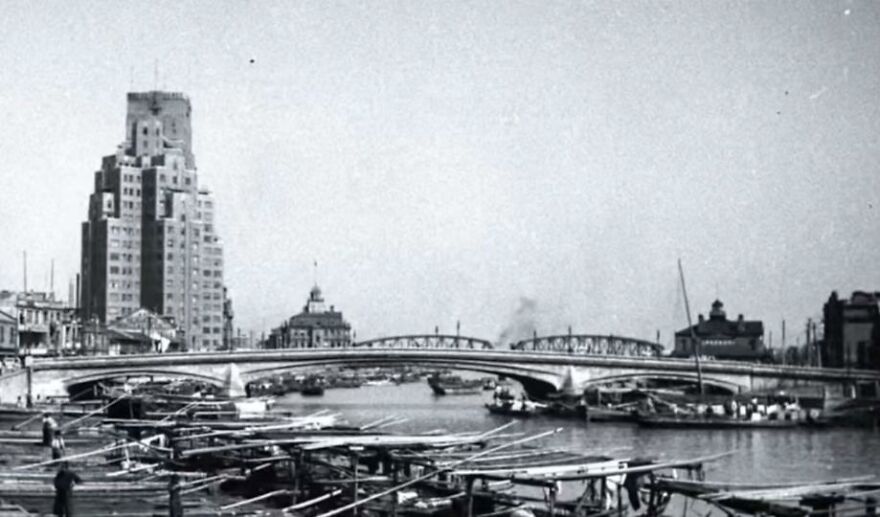
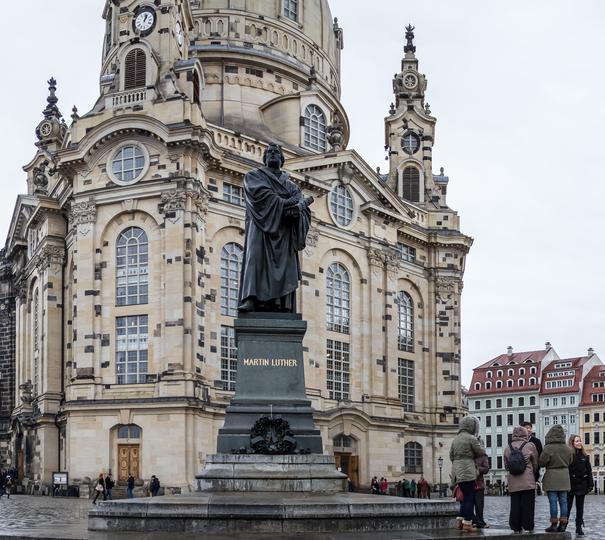
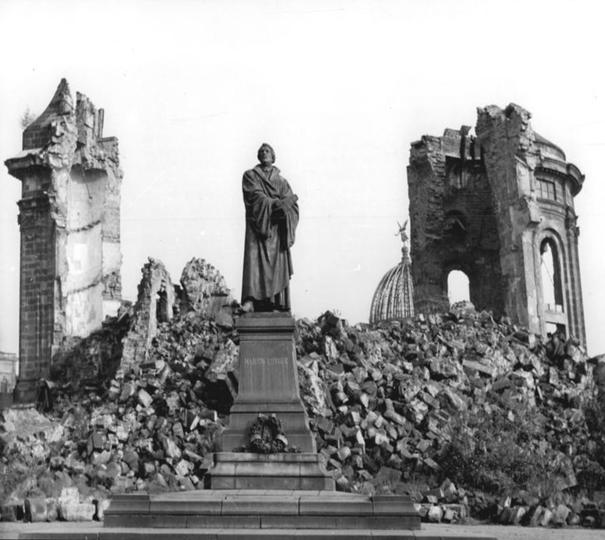
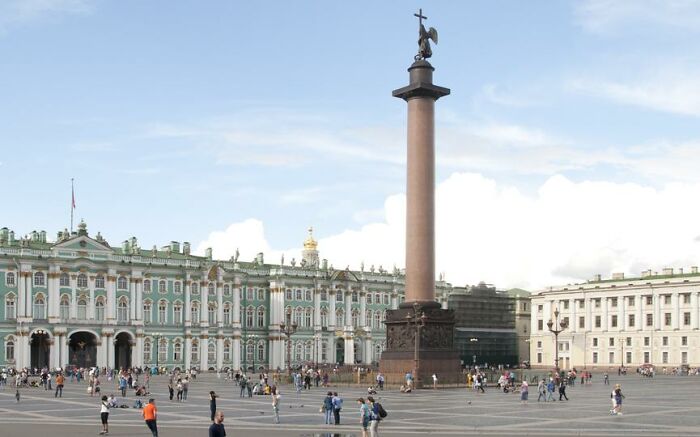
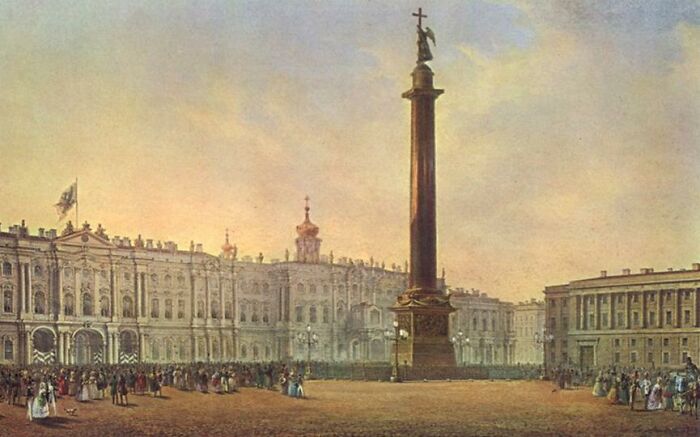
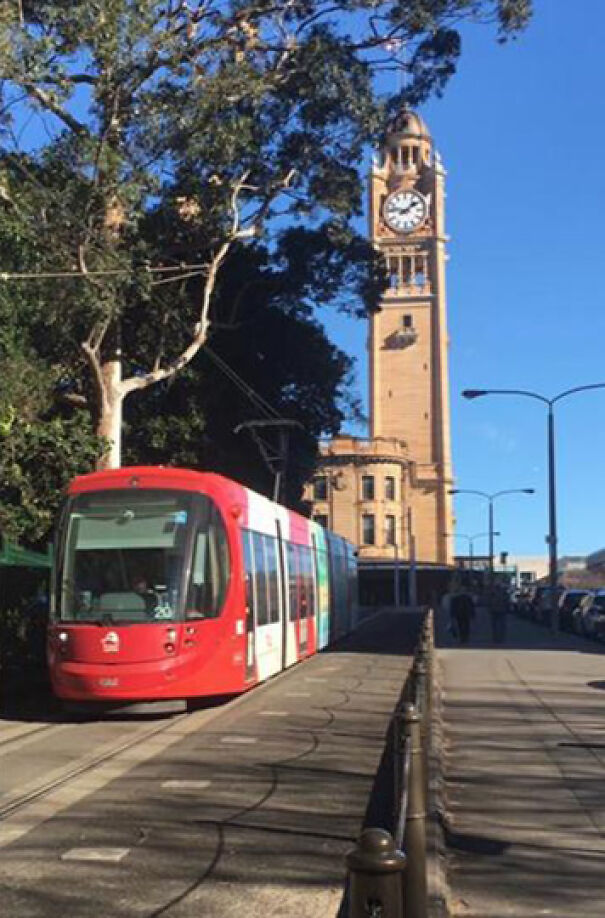
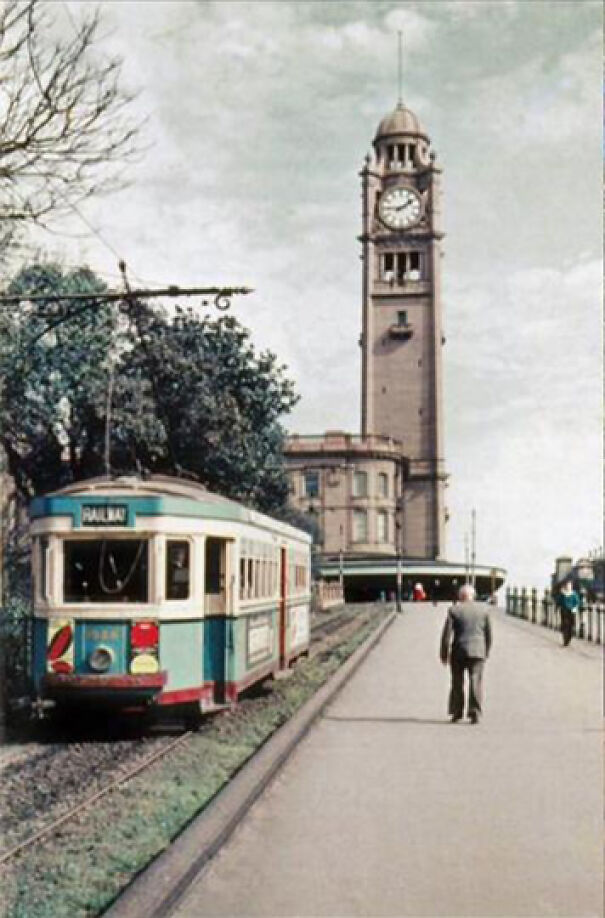
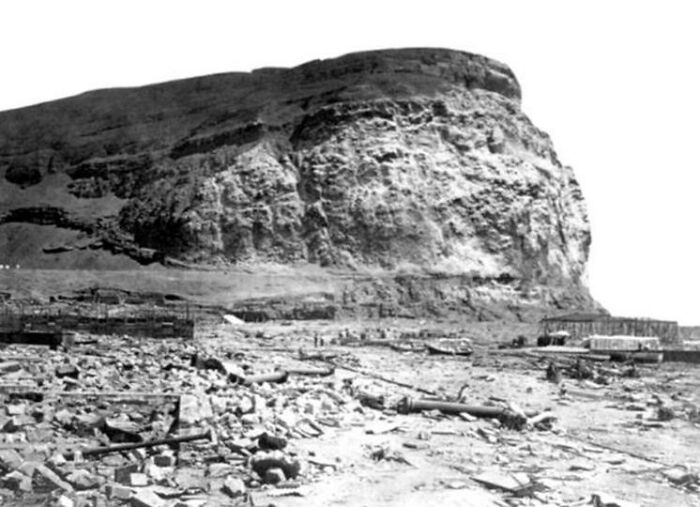
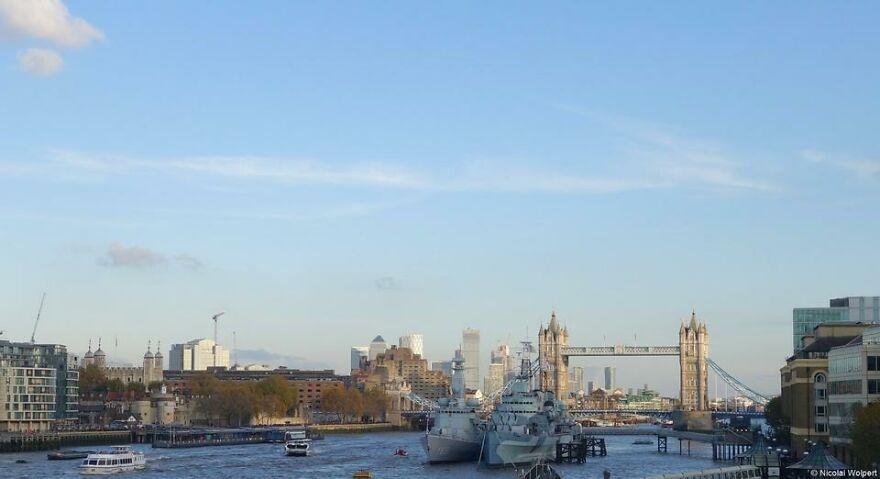
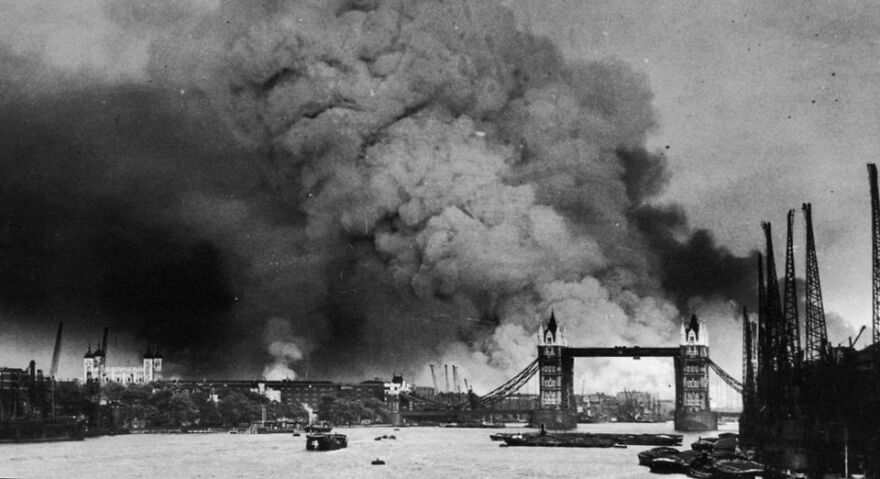
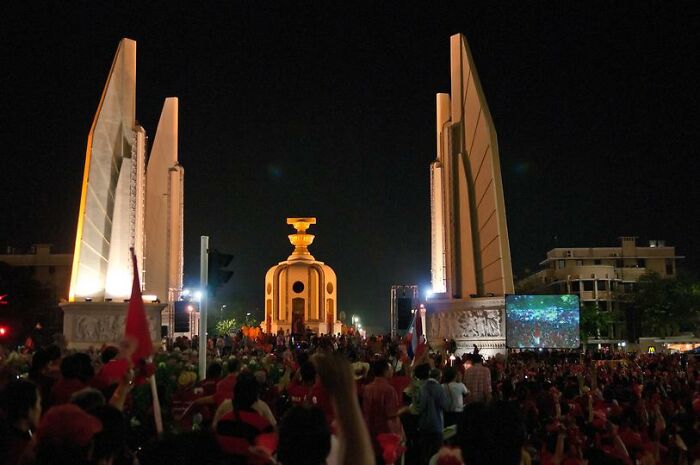
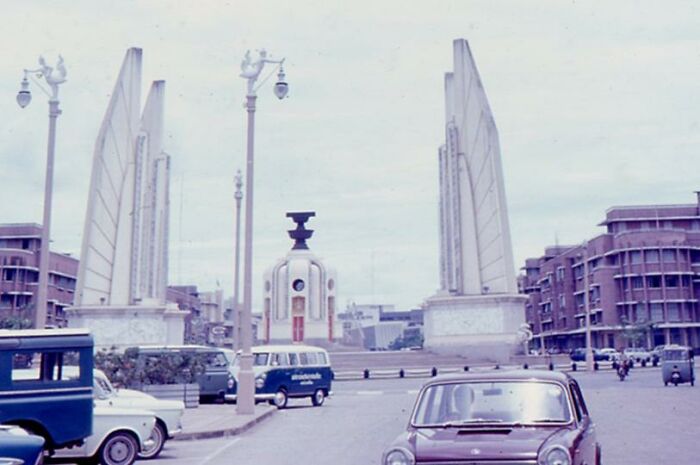
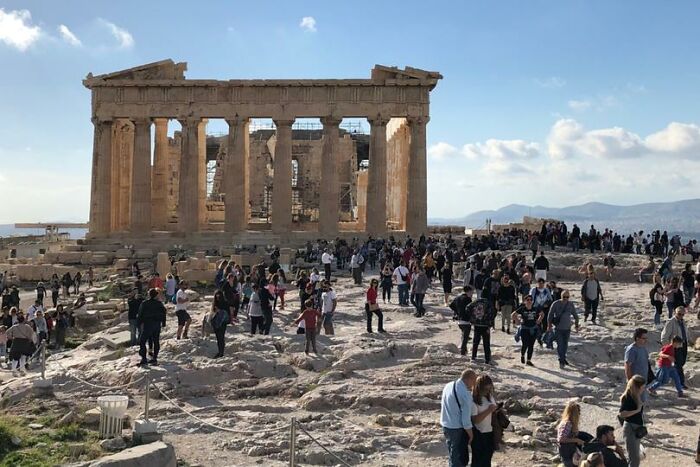
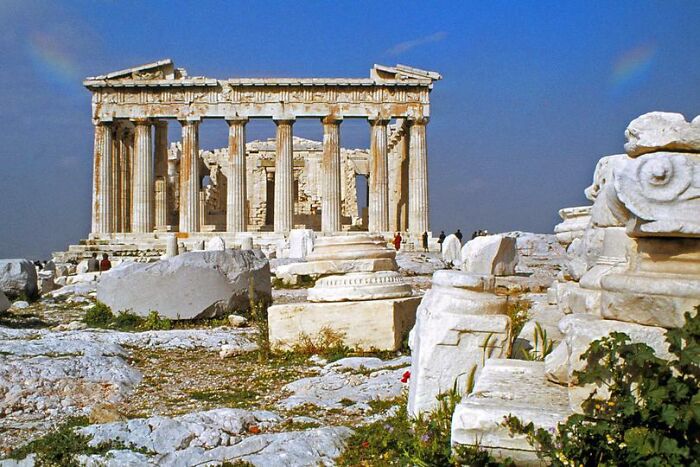
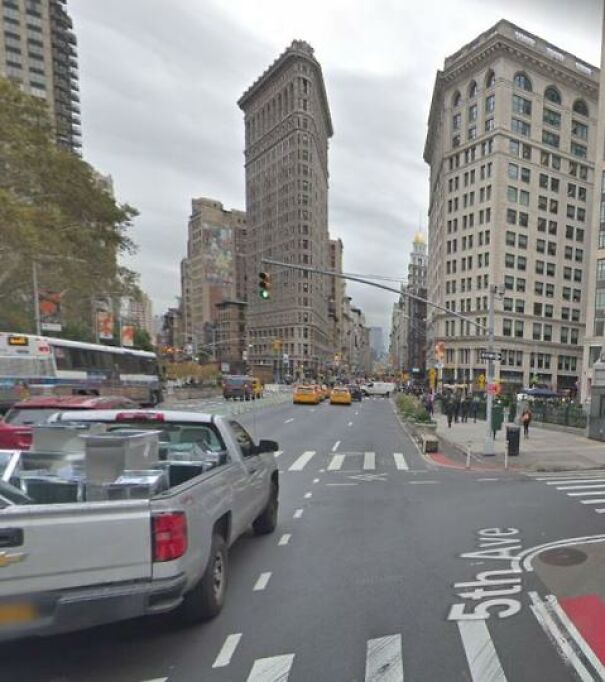
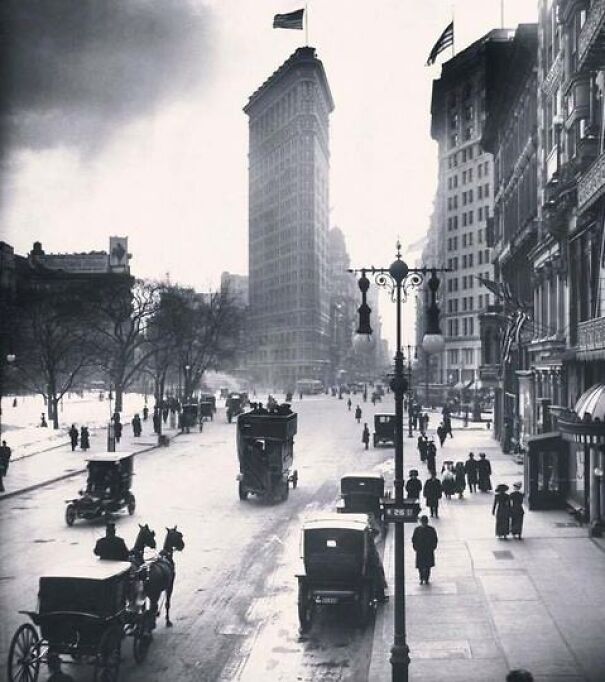
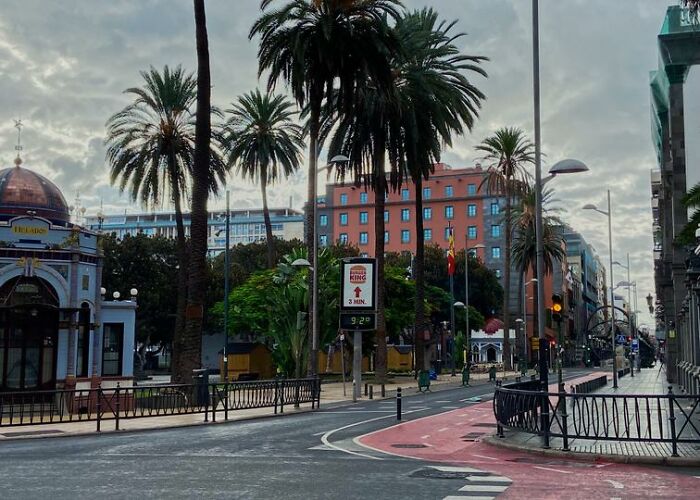
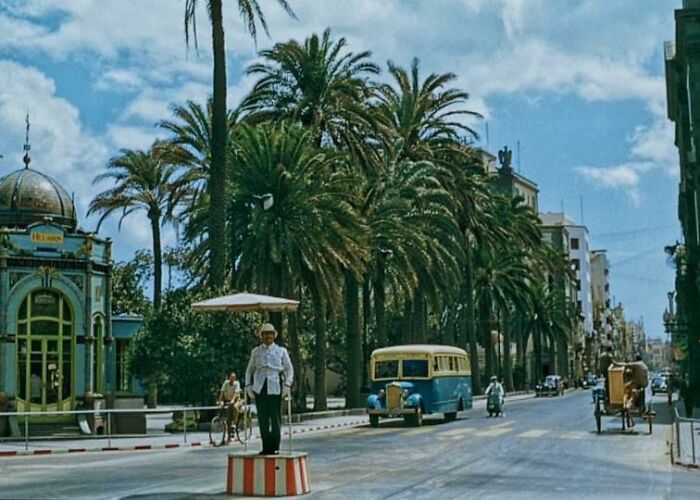
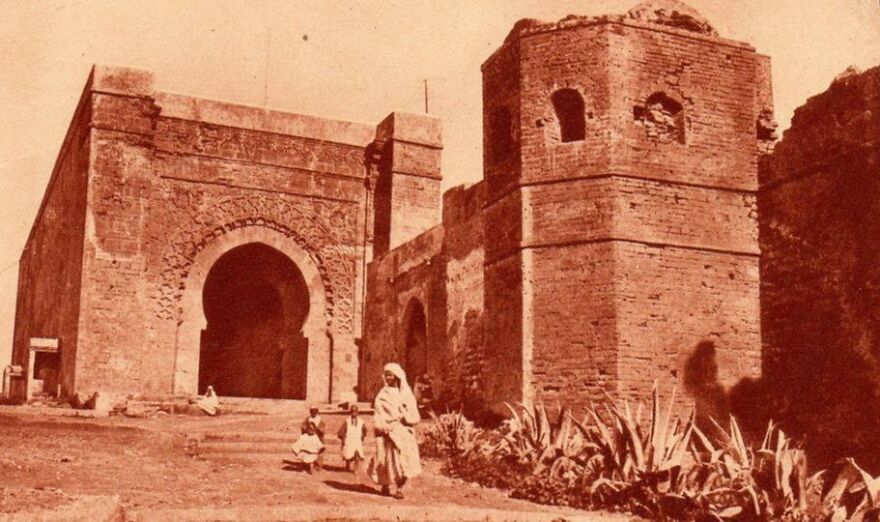
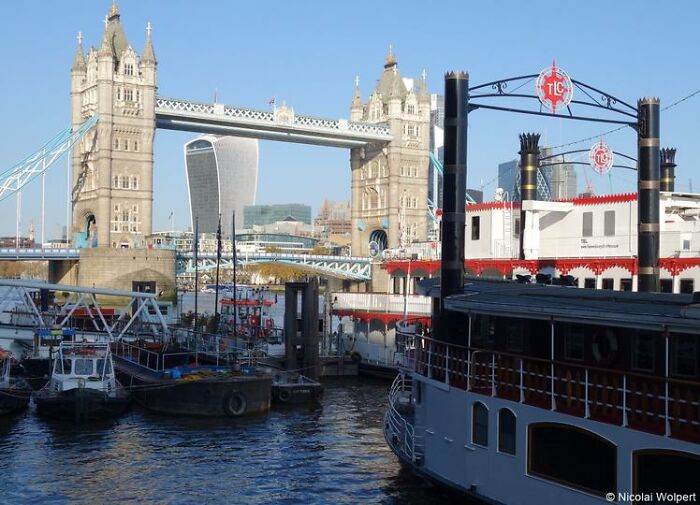
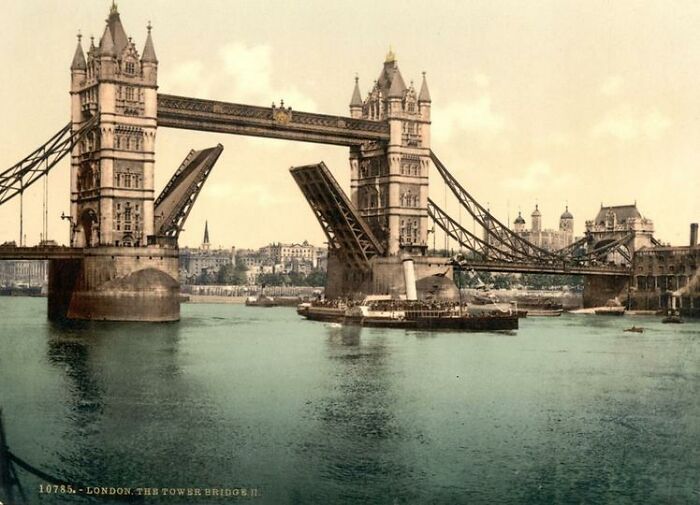
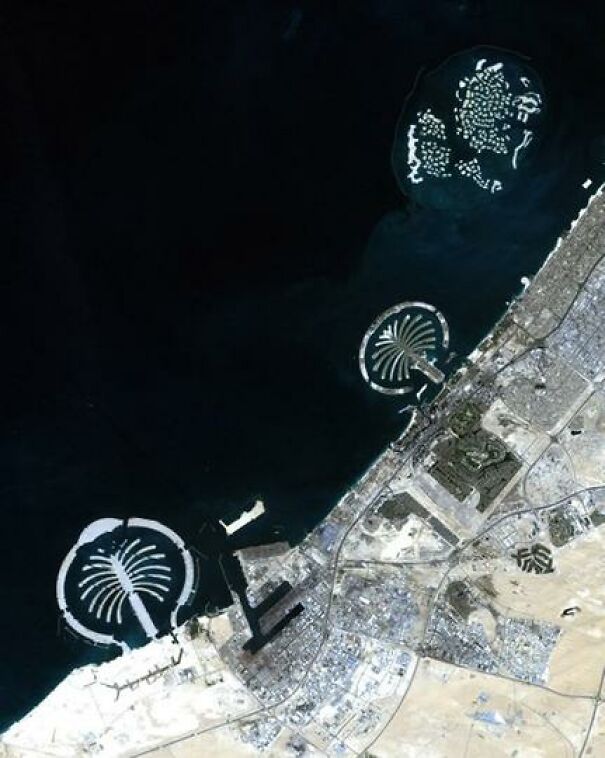
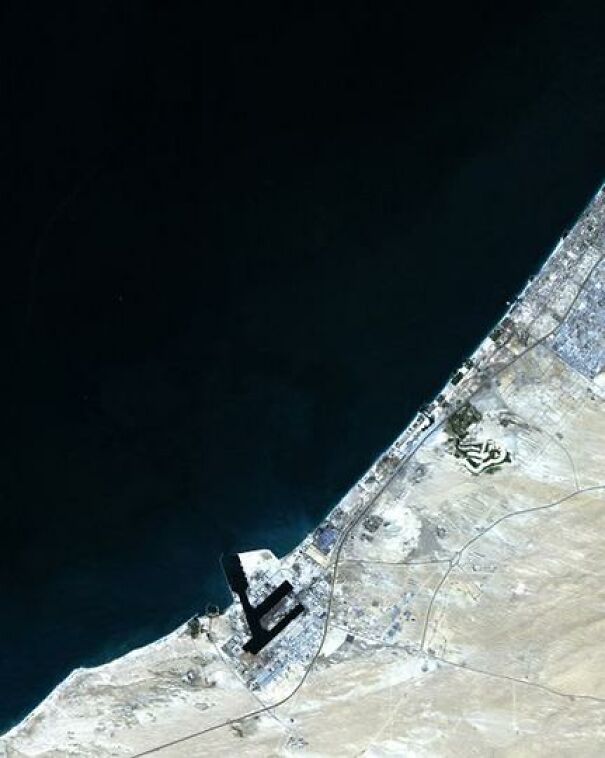
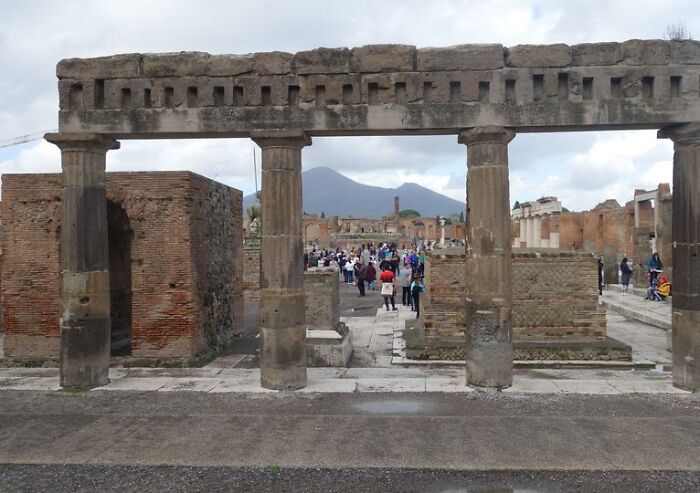
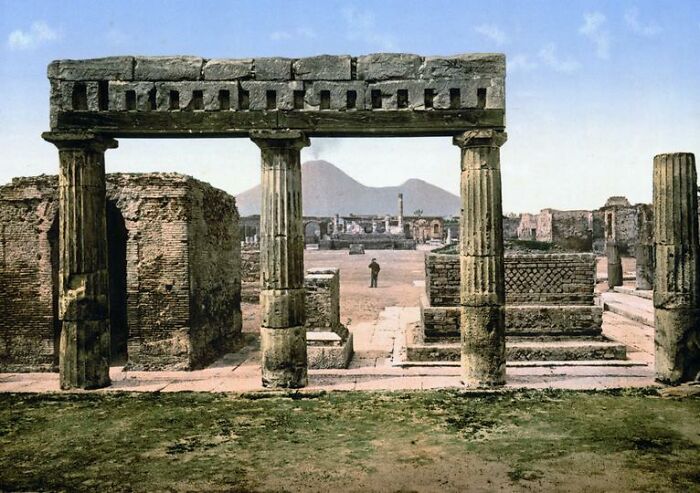
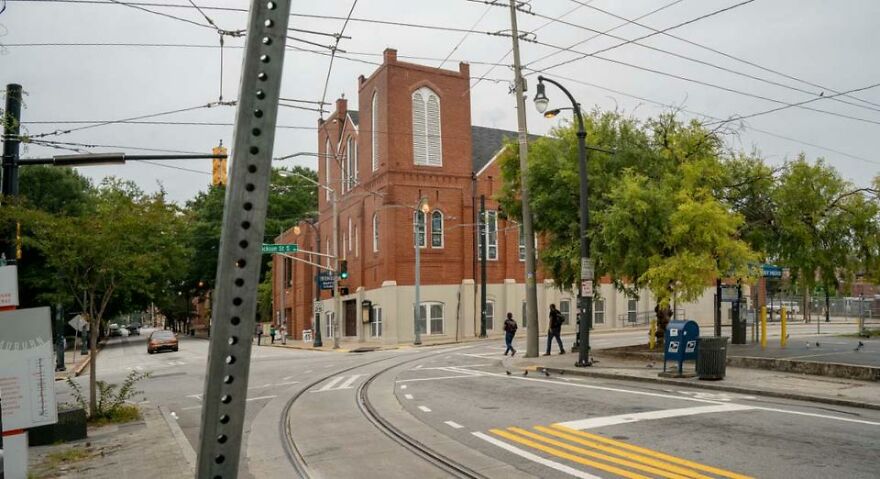
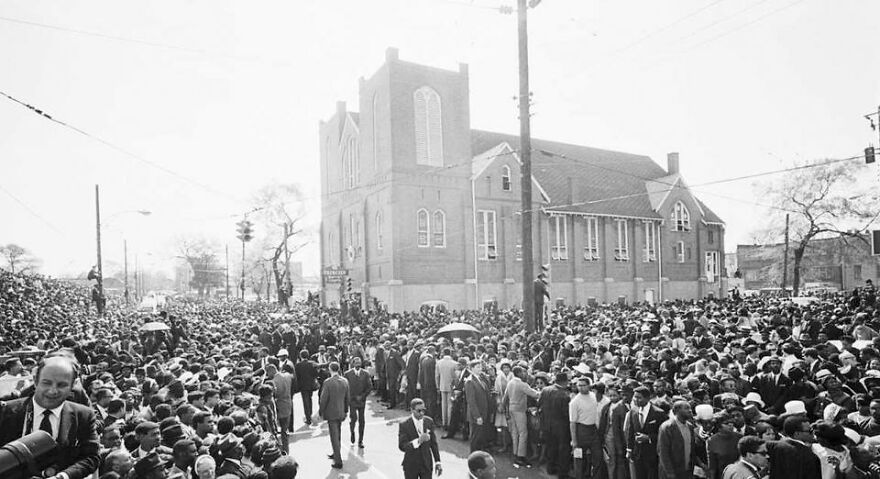
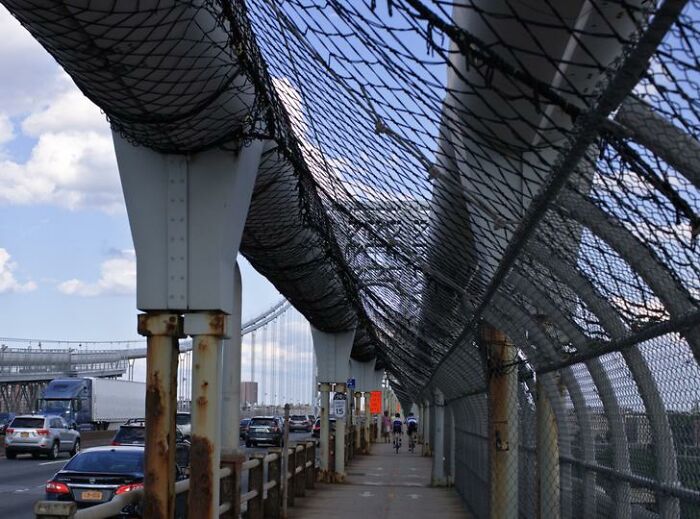
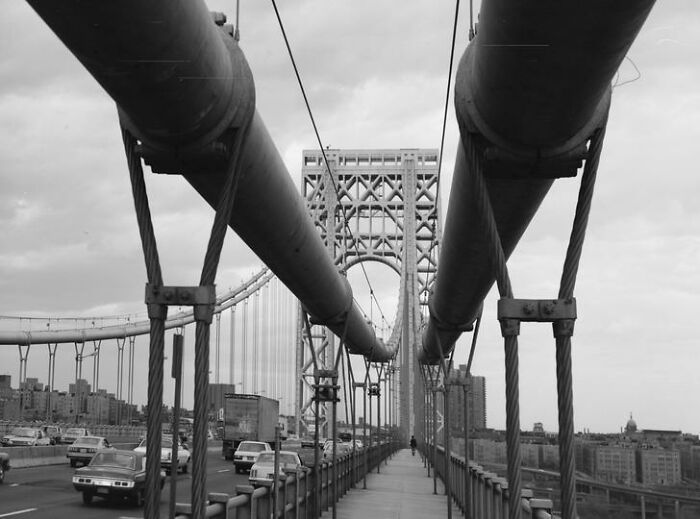
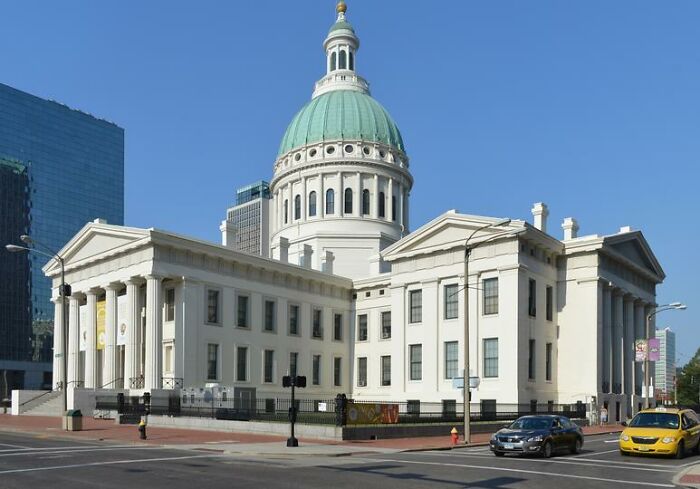
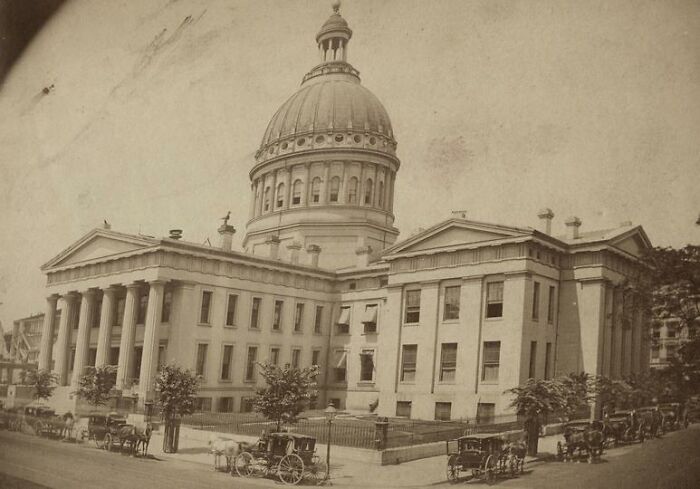
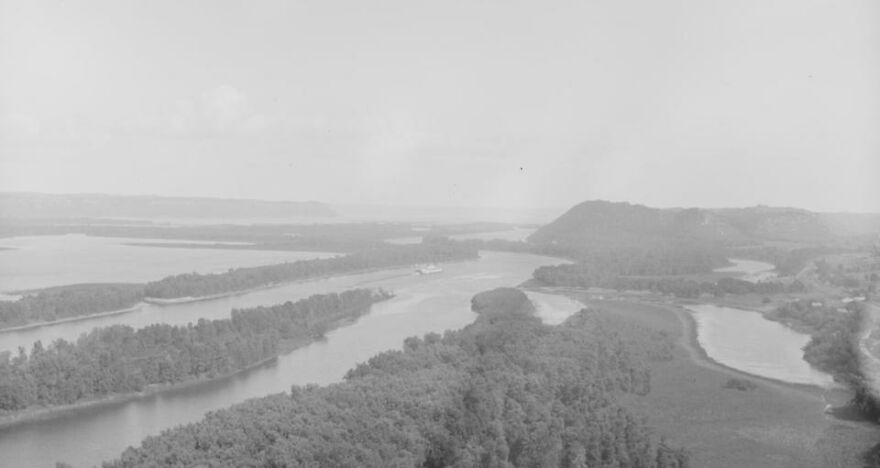
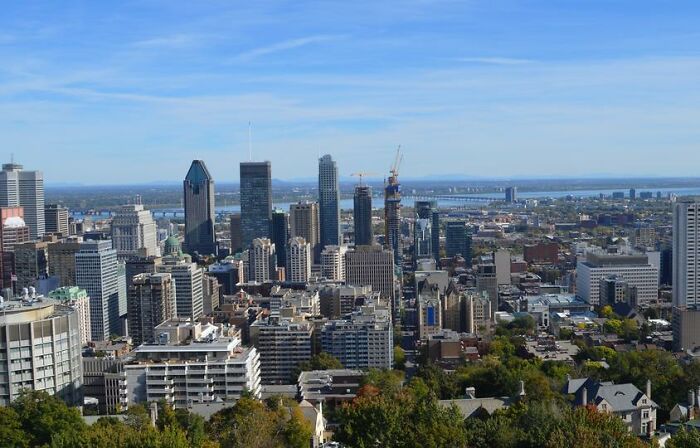
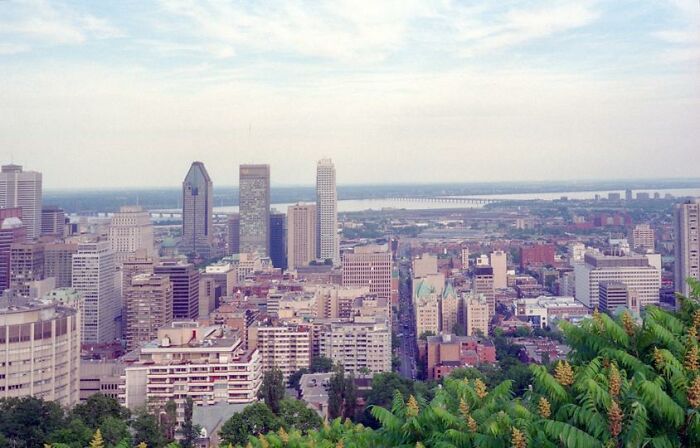
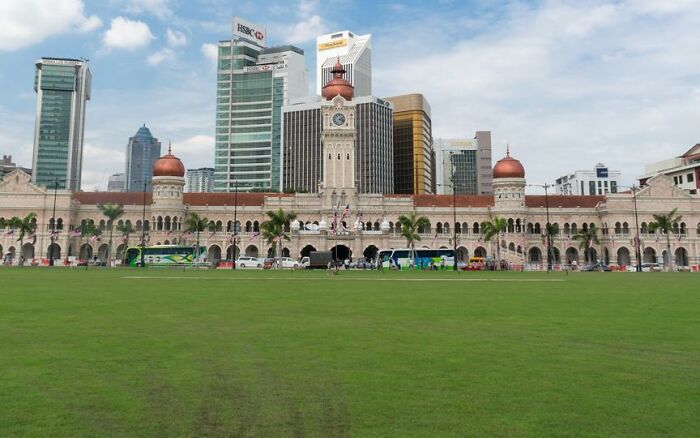
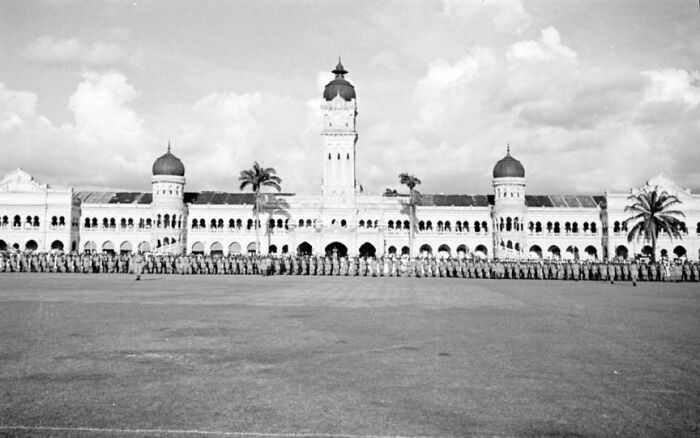
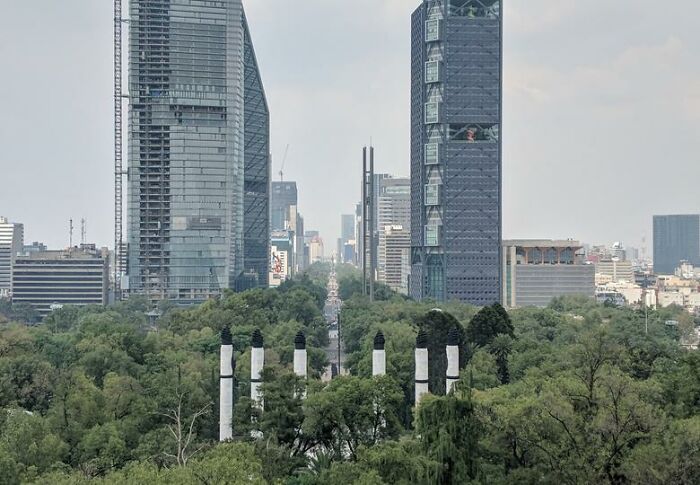
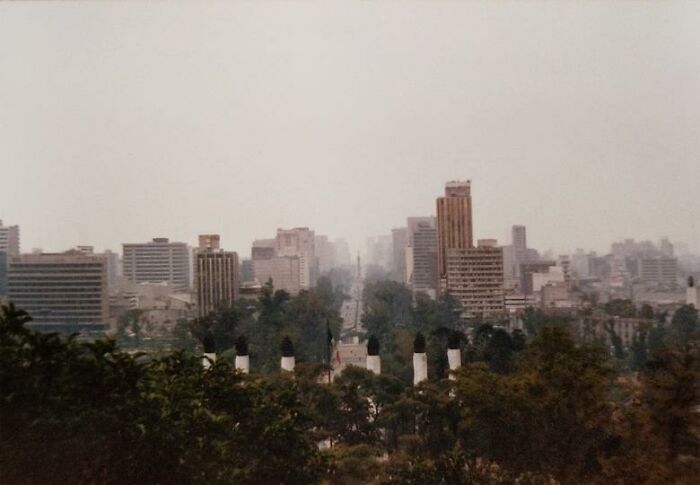
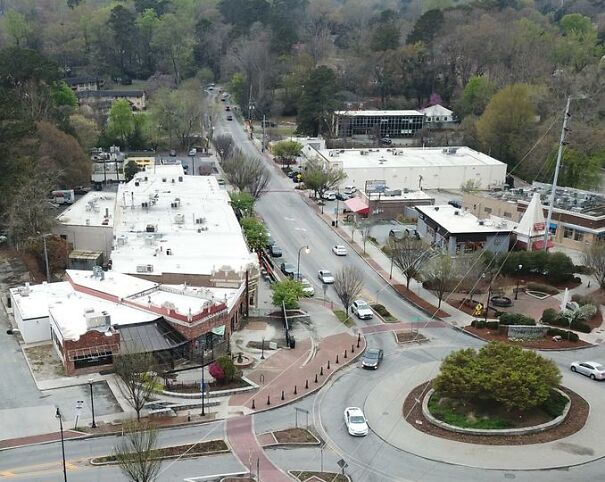
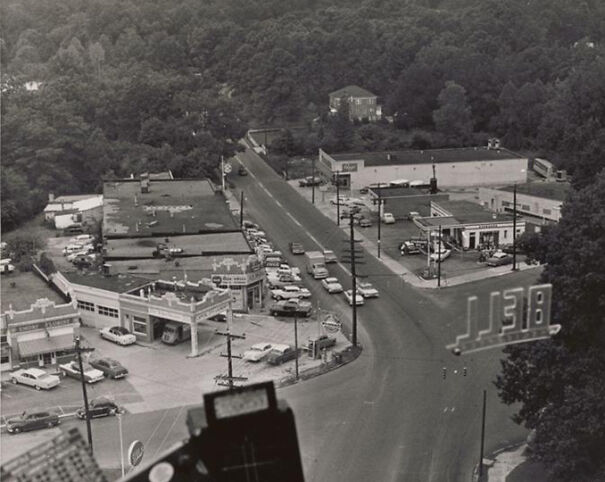
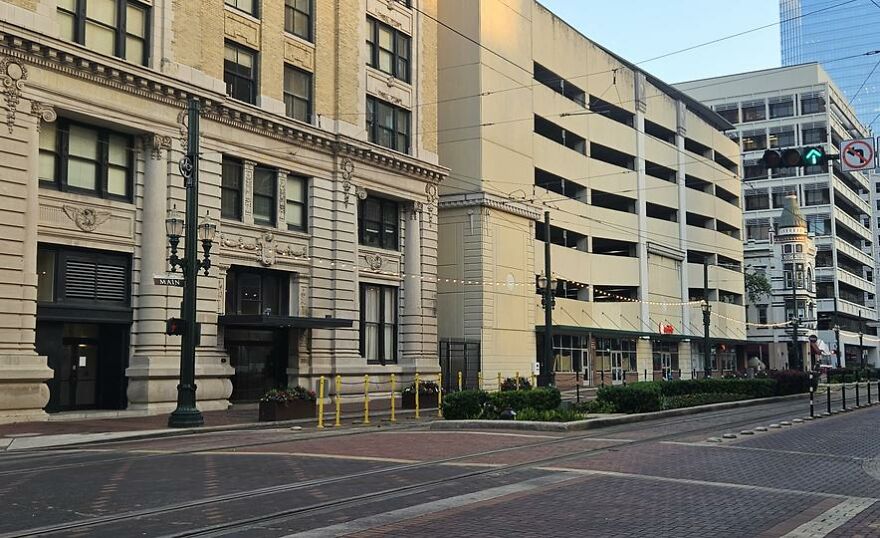
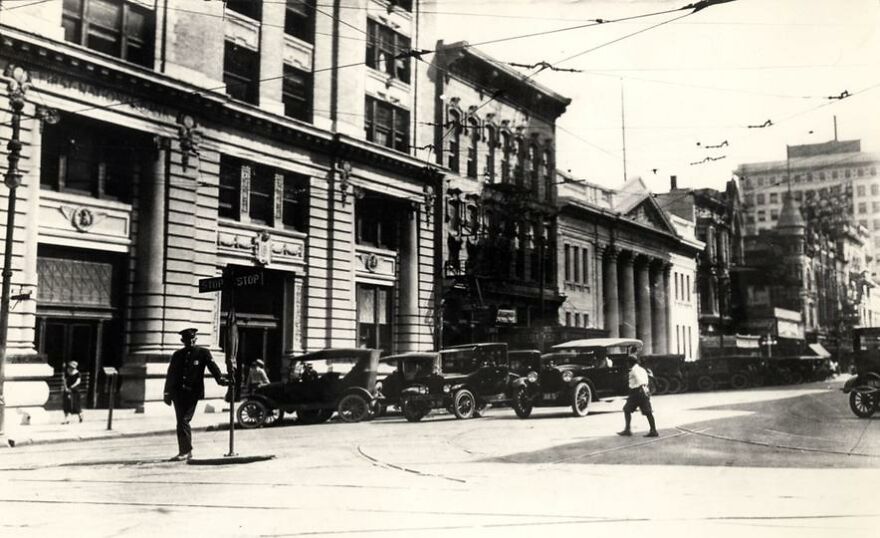
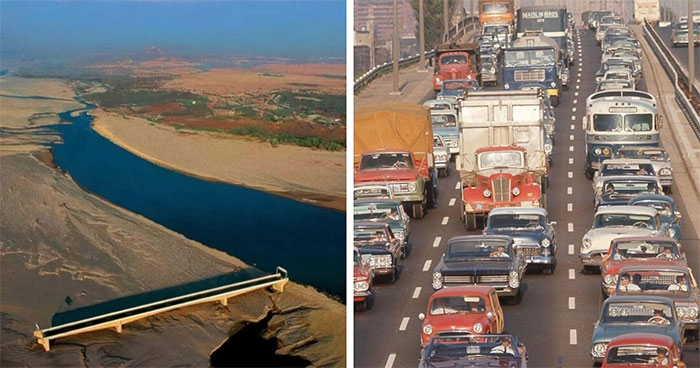
Check out these photos and see for yourself. We’ve collected images of various landmarks around the world, showing how humans and Father Time have treated them over the decades.
The best part: you can see the differences in each picture with a simple swipe to the right. Enjoy!
This post may include affiliate links.
As places go through significant changes, so do their inhabitants. Experts refer to this as urban evolution, where genetic transformations occur to help make these environments more adaptable.
An example is the rat population in New York City. Studies have shown that Big Apple rodents have evolved to have shorter rows of teeth, likely due to their diet of softer foods in an urban setting.
Urban coyotes also went through a similar evolution, according to a January 2025 study published in Genome Biology and Evolution. Research has shown that urban coyotes have become more adaptable to starches due to increased access to pet and human food.
Each of the major cities on this list has undergone notable changes, as evident in the photo comparisons. Urbanization does drive evolution, and according to recent developments, may spawn new life forms.
In 2024, a new species of mosquitoes was discovered in Mesa County, Colorado. These pests can lay eggs in small amounts of water, which, according to experts, has made them more difficult to control.
Before the invention of light bulbs and electricity, people relied on flames as their primary light source. The less illumination there was, the darker night skies became, unlike in today’s perpetually illuminated world.
Author and environmental philosopher Christoper Preston blames light pollution for less starry skies and disrupted circadian rhythms.
“There is no doubt (urbanization) is a path causing an unstoppable shift in who we, as well as the species that like to live alongside us, essentially are,” Preston wrote in an article for The MIT Press Reader.
As always, your insights are valued, dear readers. Which of these photos do you find most fascinating? What drew you in? Let’s liven up the comment boxes!

































 No fees, cancel anytime