Get Premium
Dark mode theme is available exclusively for premium users. Learn more about the benefits of subscribing.
No fees, cancel anytime.

 Dark Mode Ad-Free Browsing Unlimited Content
 Ad-Free Browsing Unlimited Content Dark Mode
Join 1.2 million Panda readers who get the best art, memes, and fun stories every week!
The past can often seem distant and difficult to approach, but that doesn’t mean it’s not worth learning about. Let’s face it, giant, dusty historical tomes are just not for everyone, so it can be useful to check out something easier to digest.
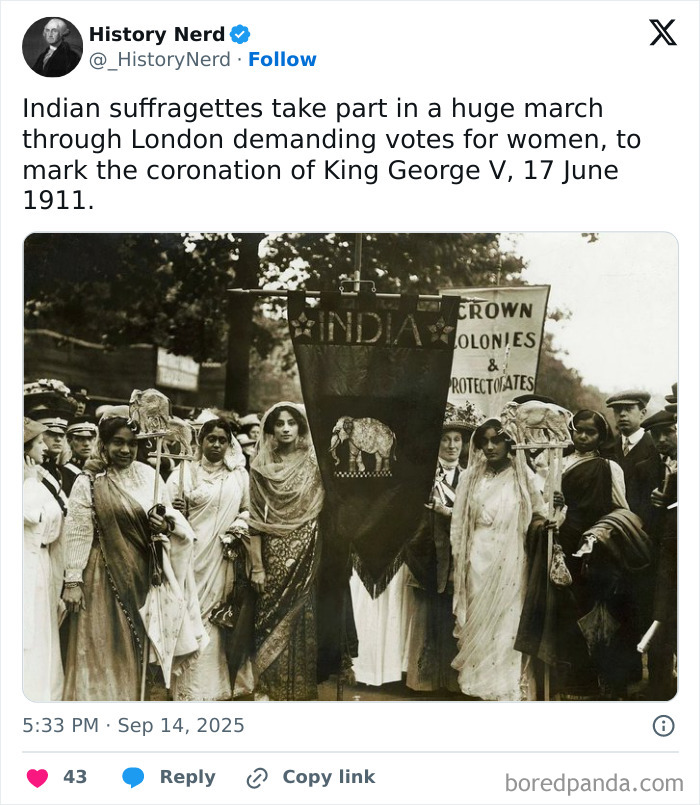
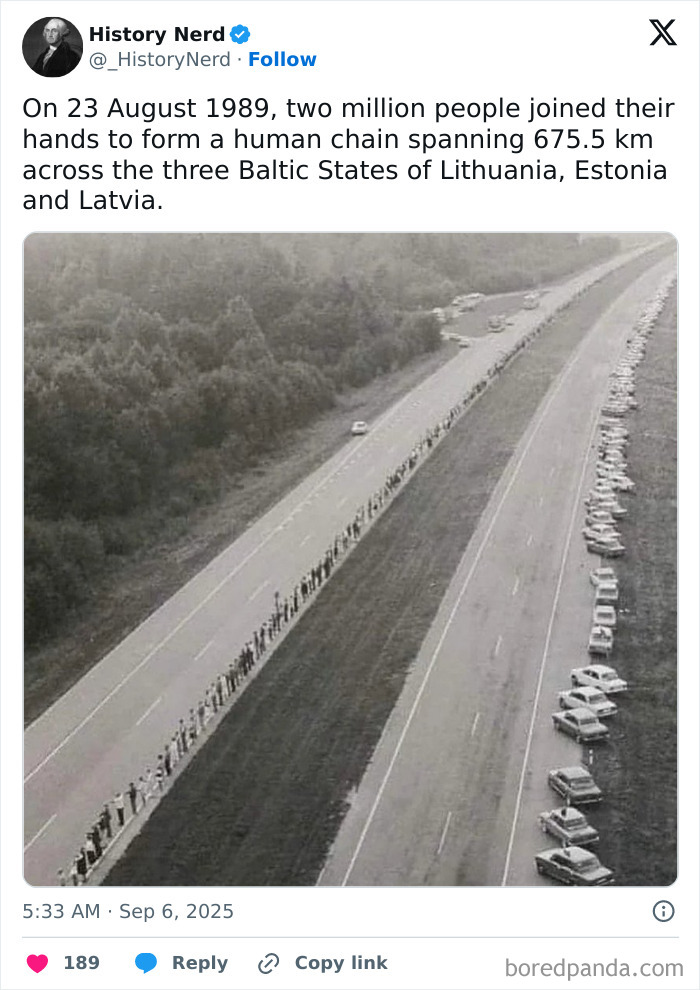
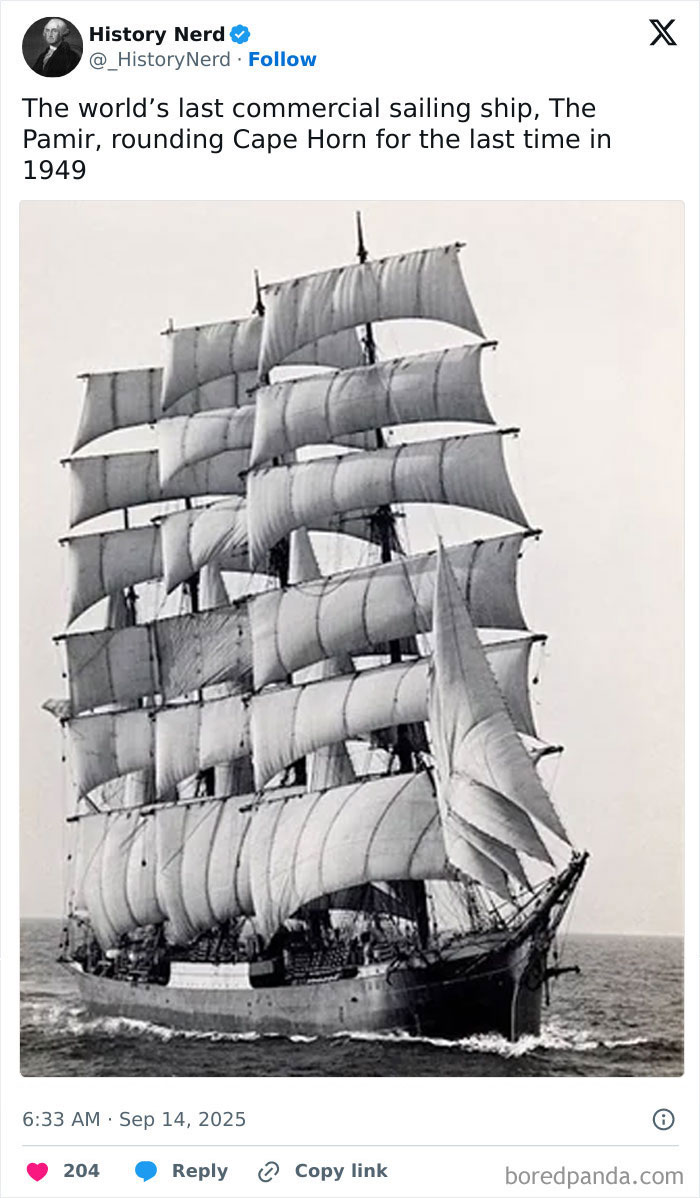
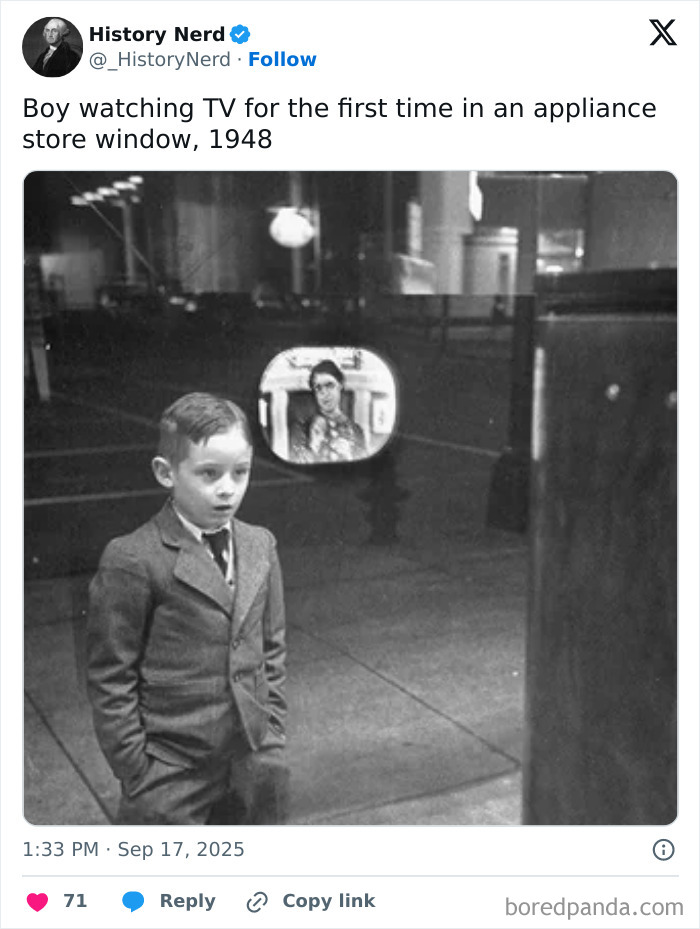
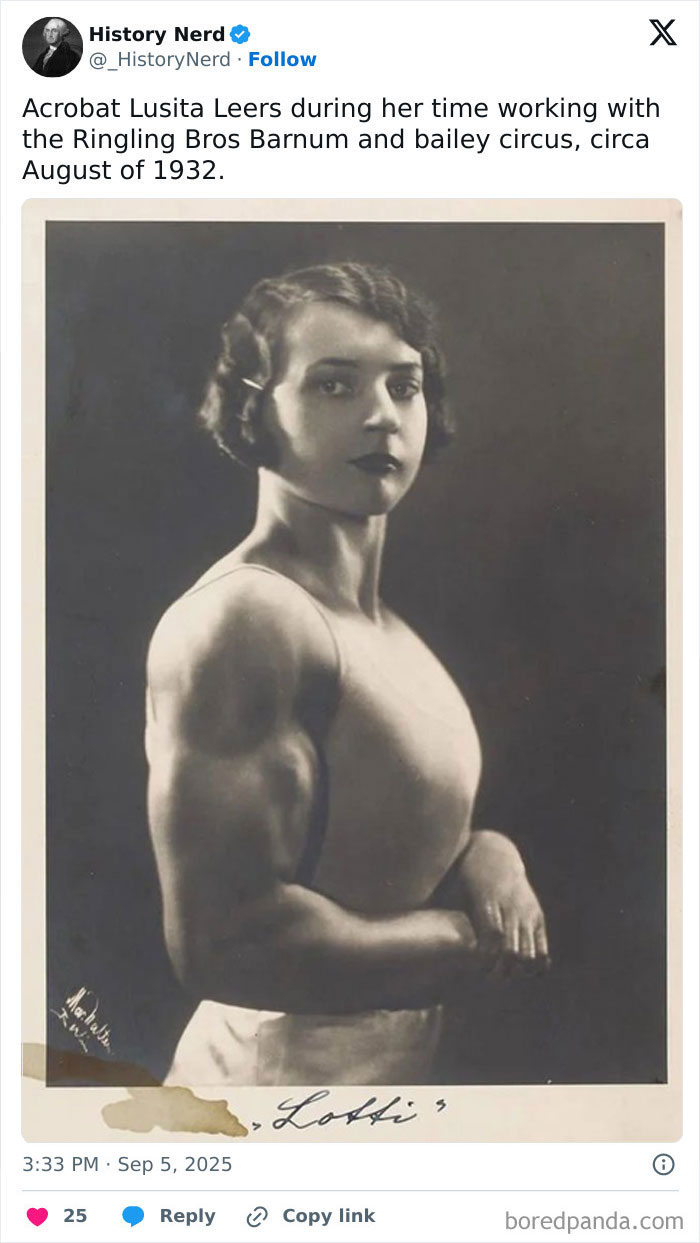
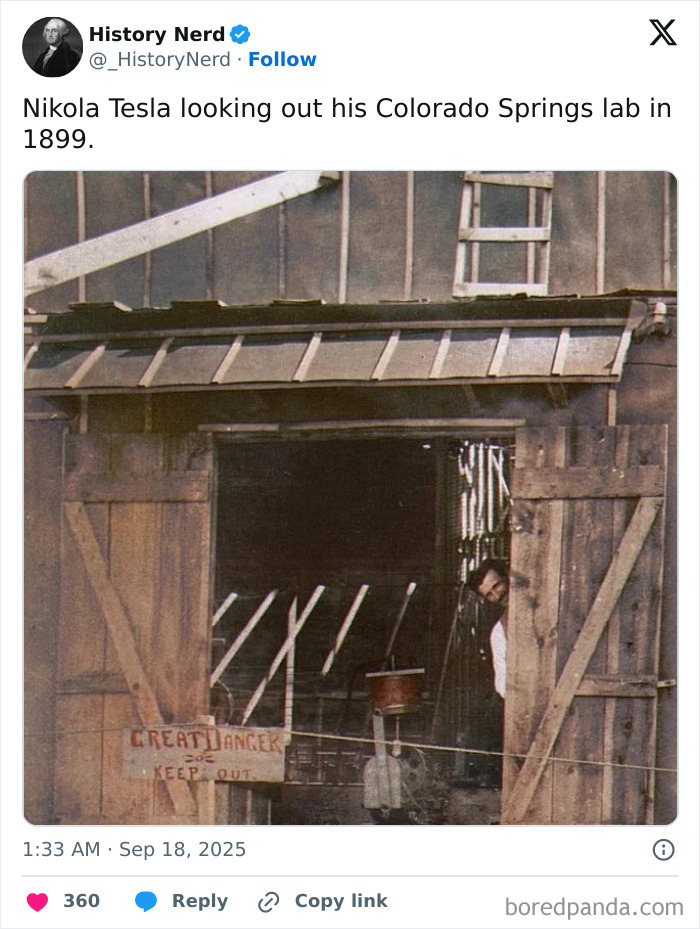
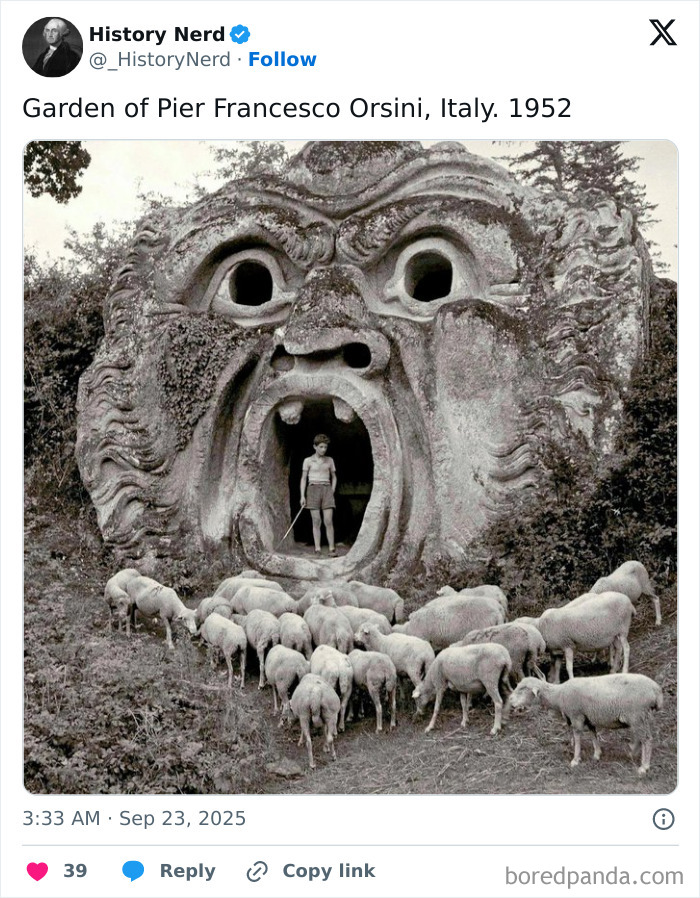
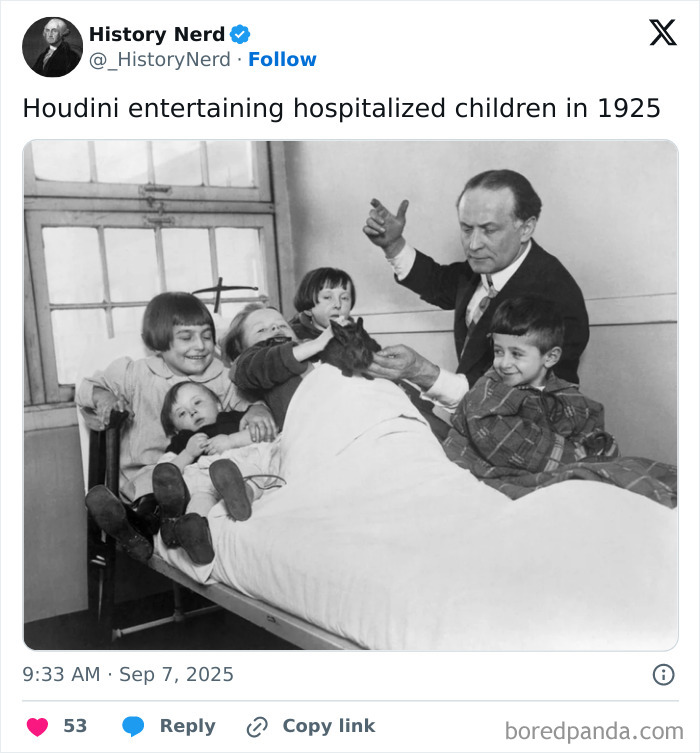
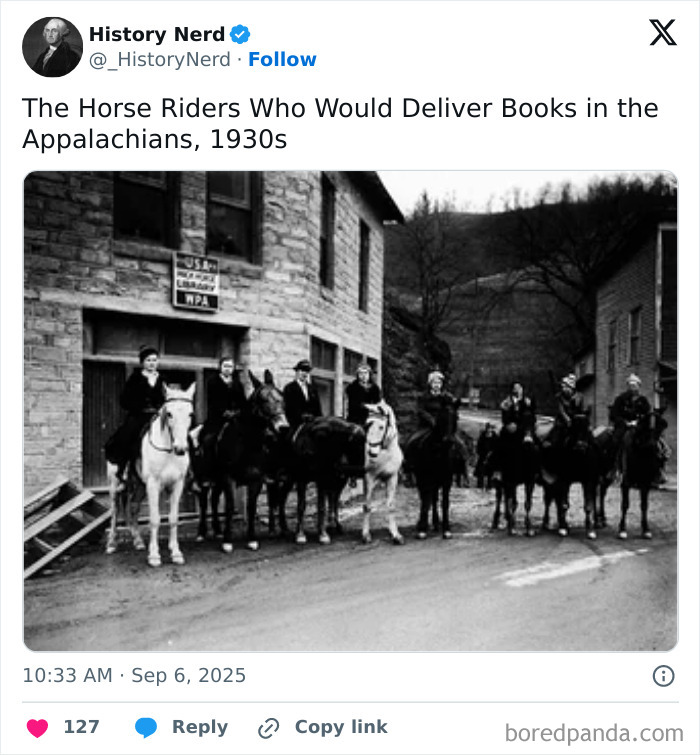
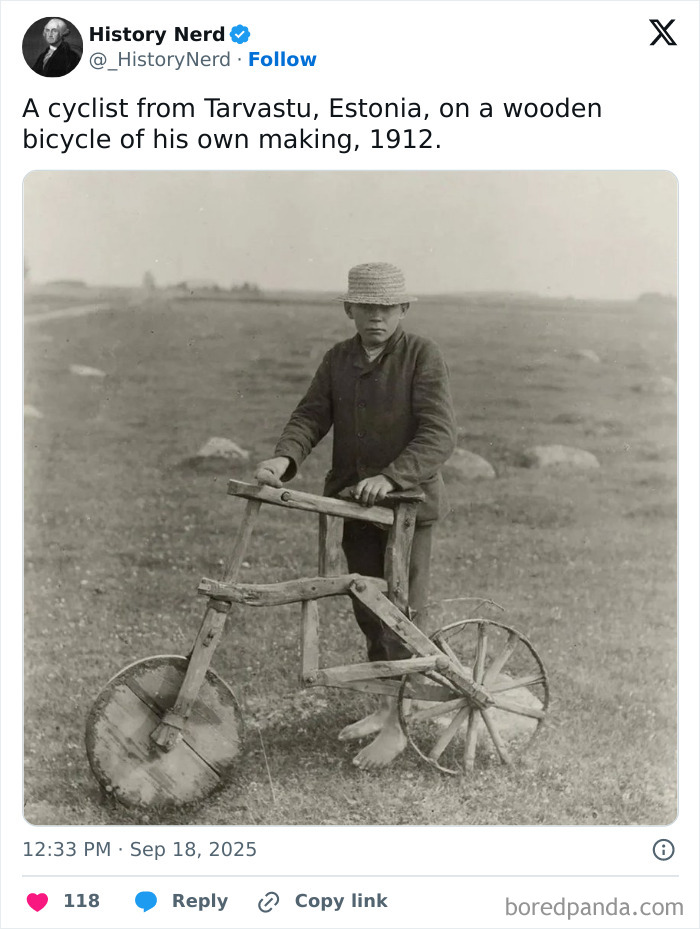
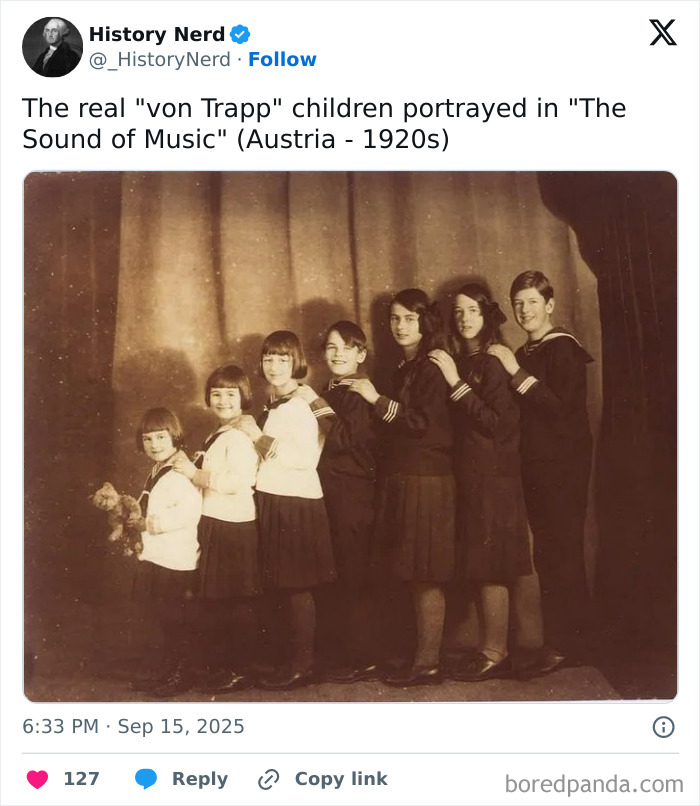
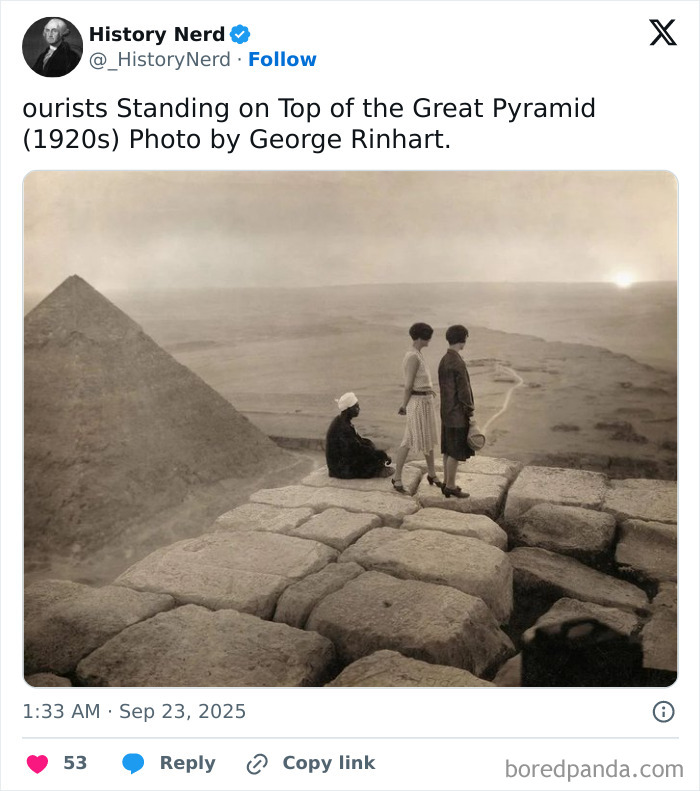
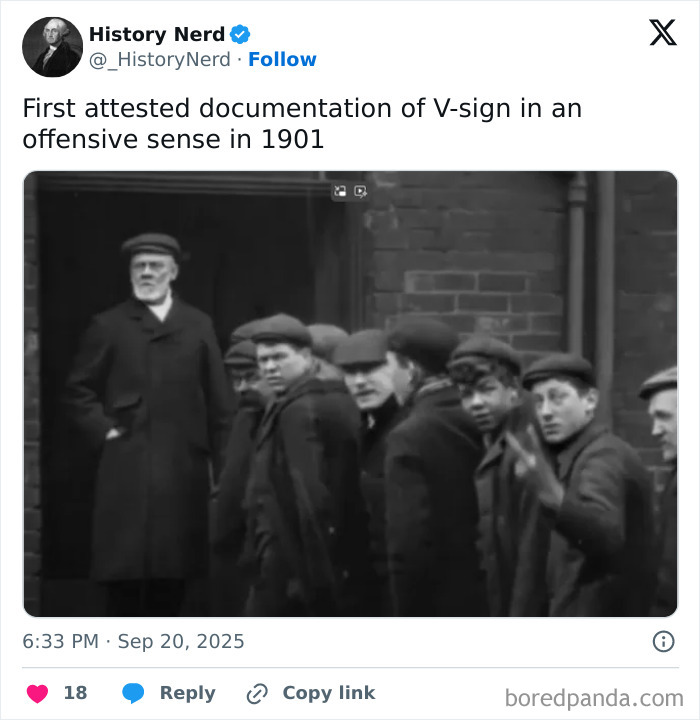
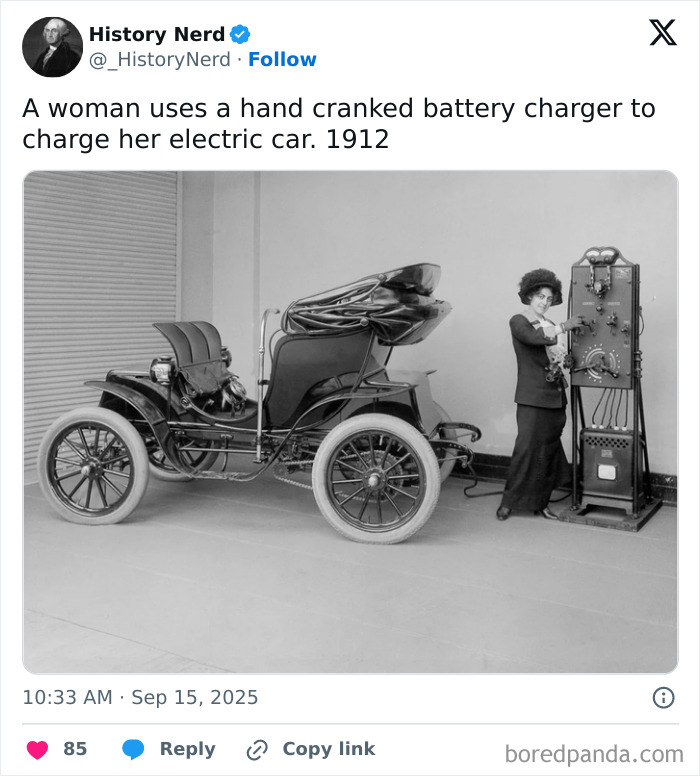
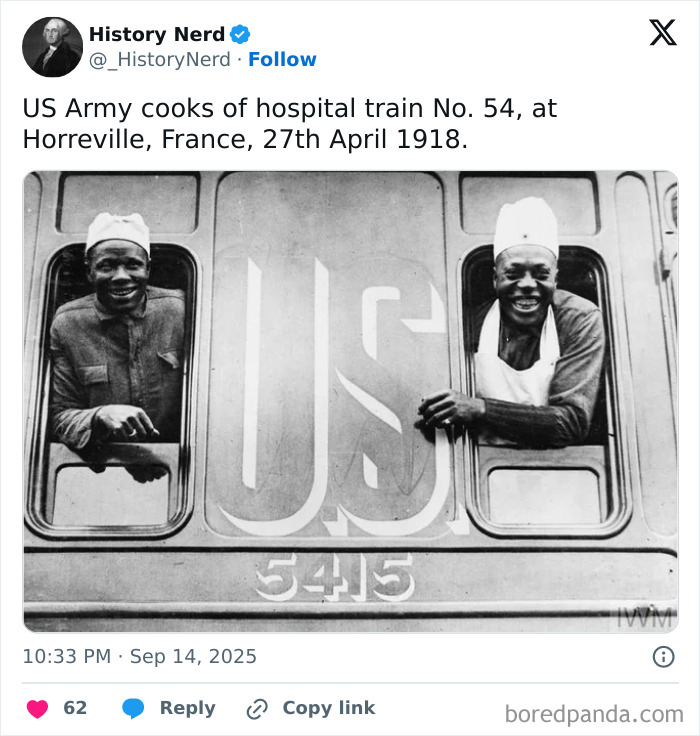
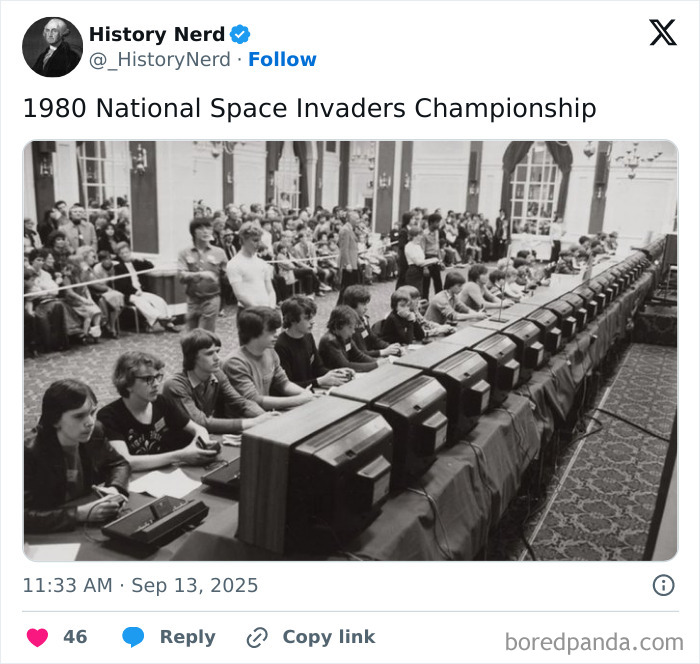
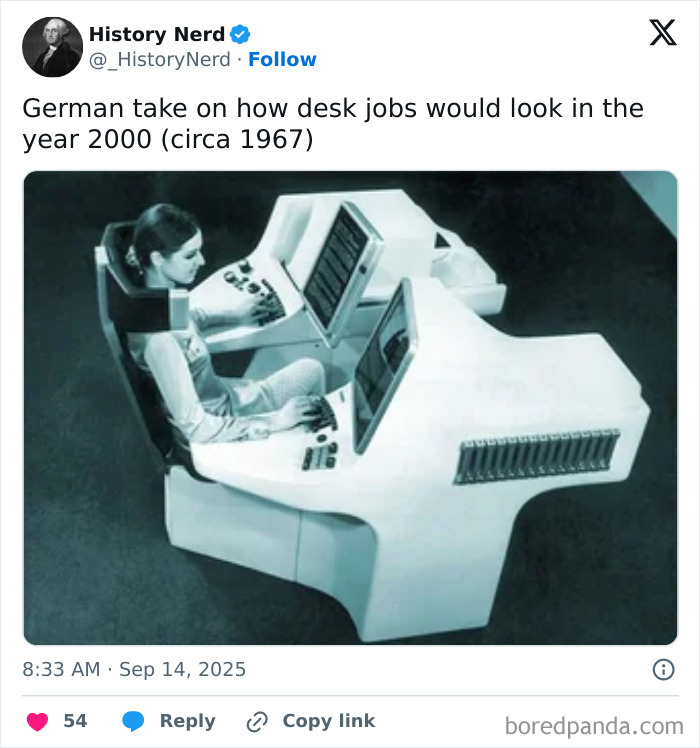
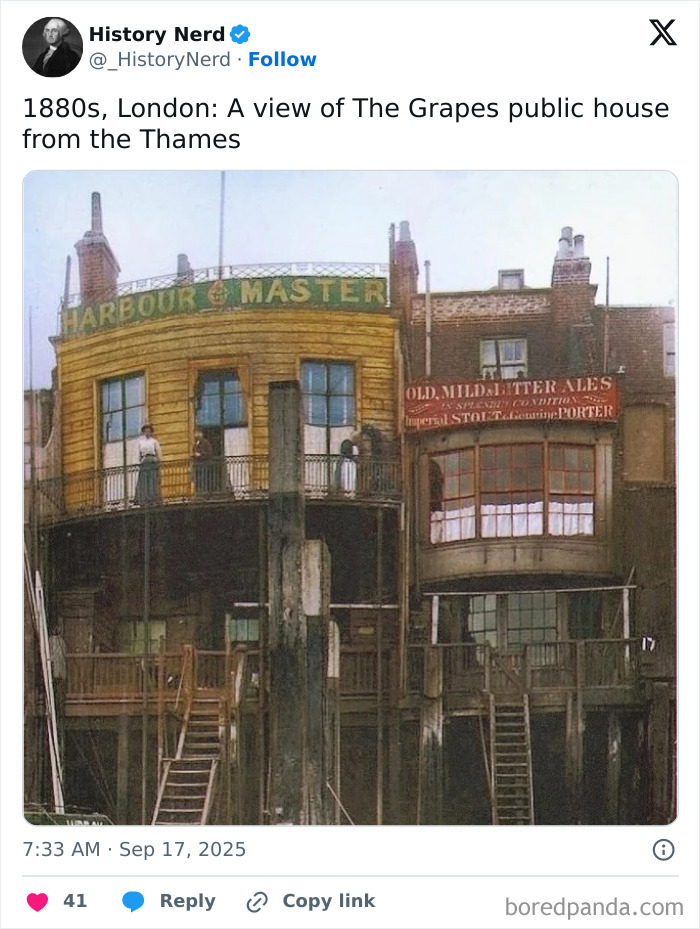
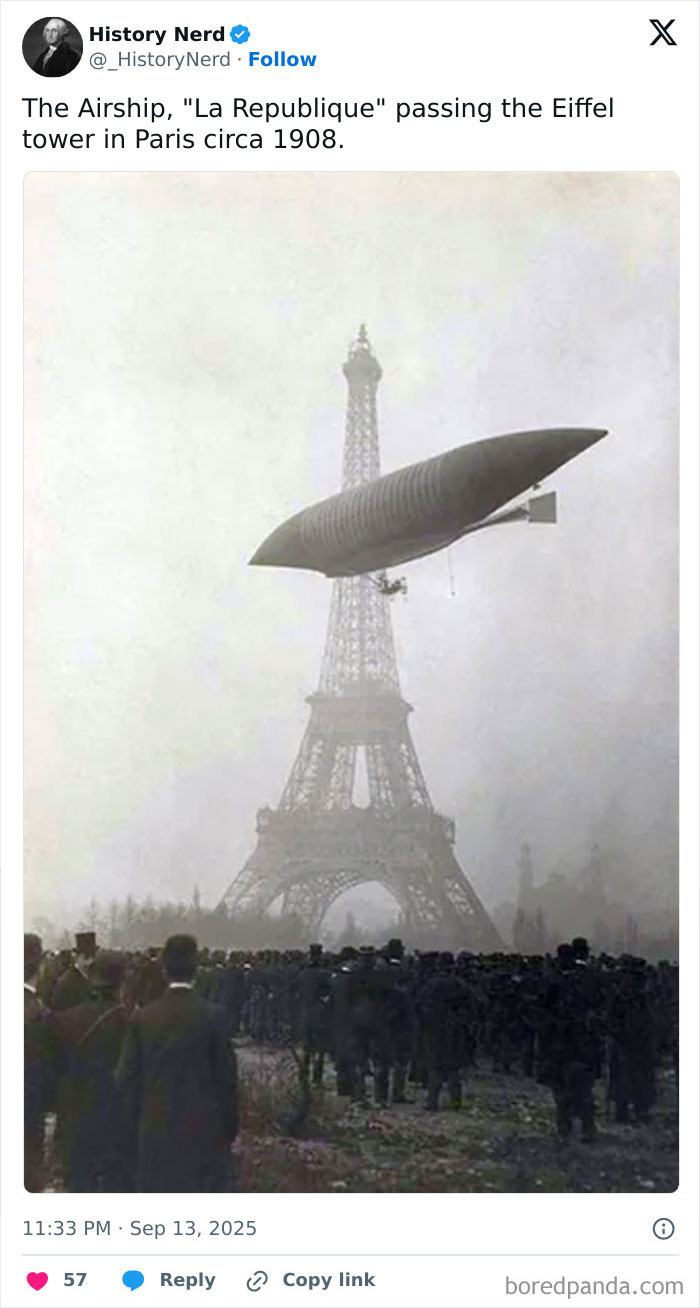
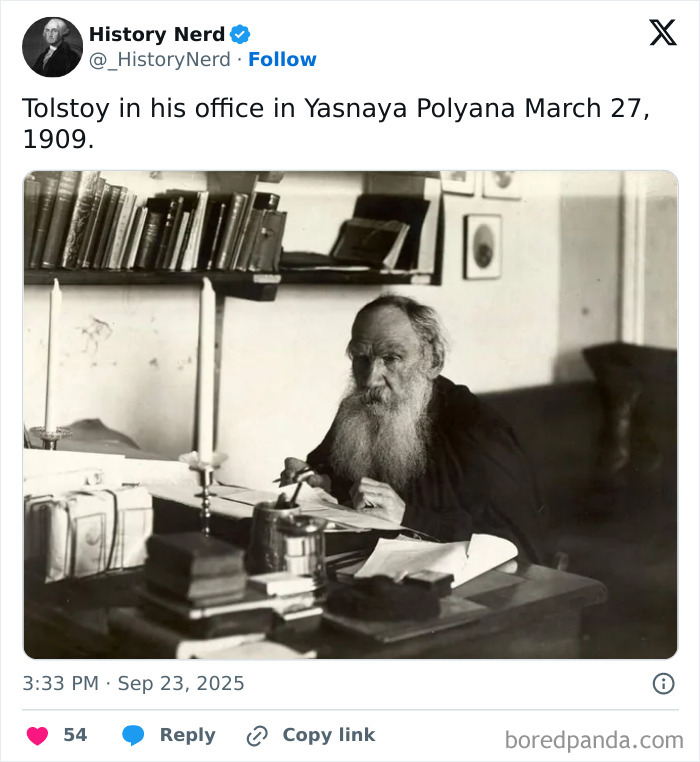
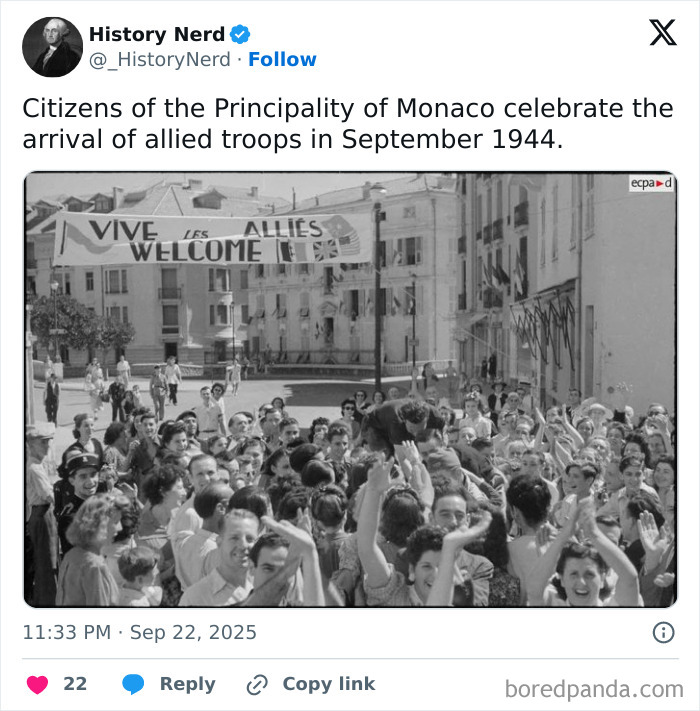
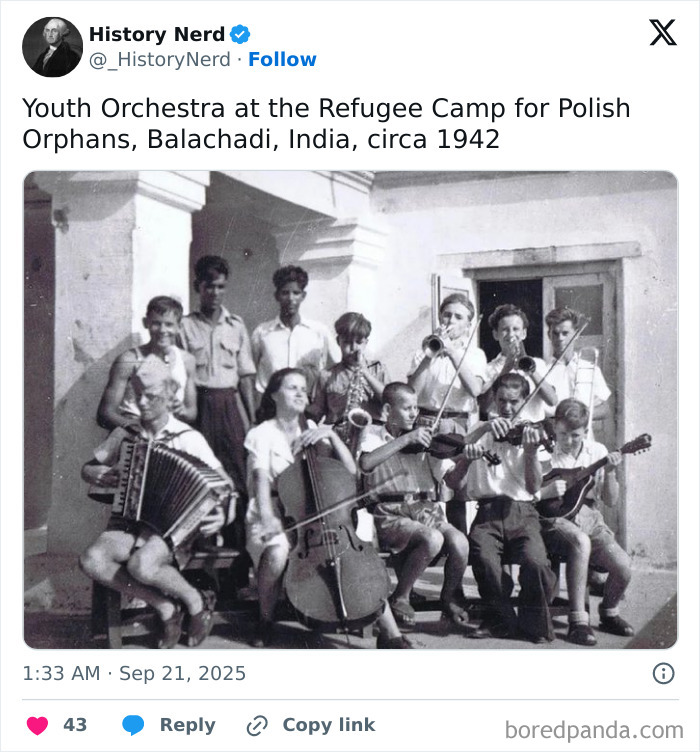
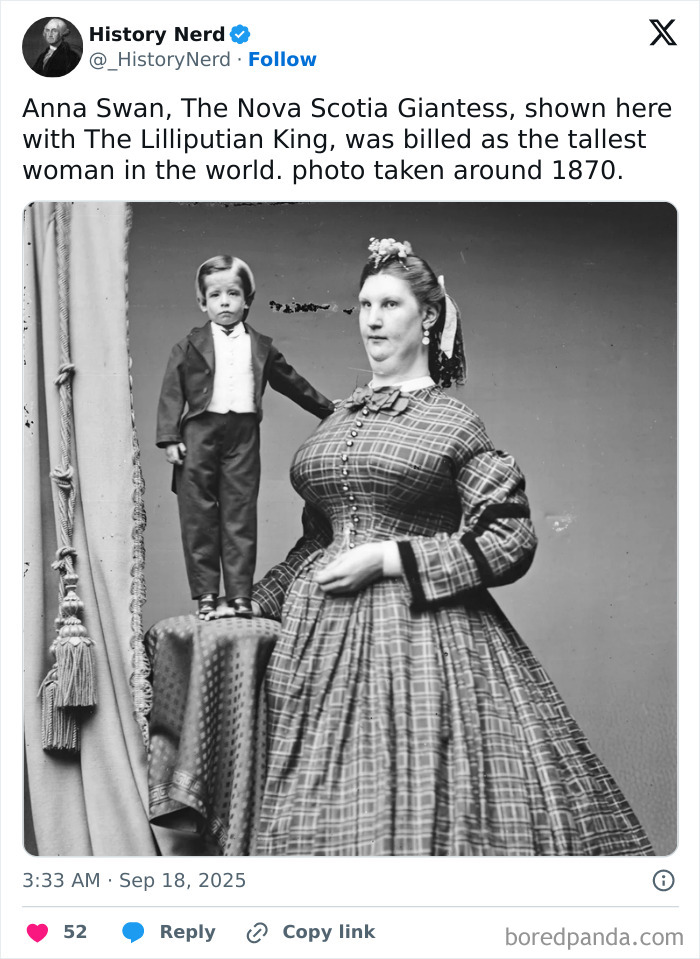
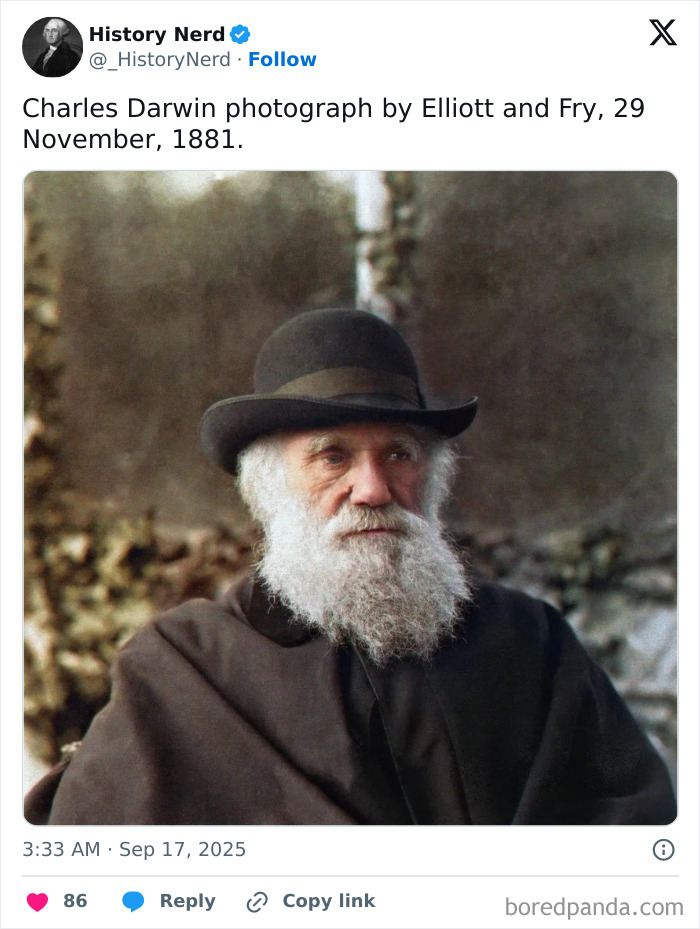
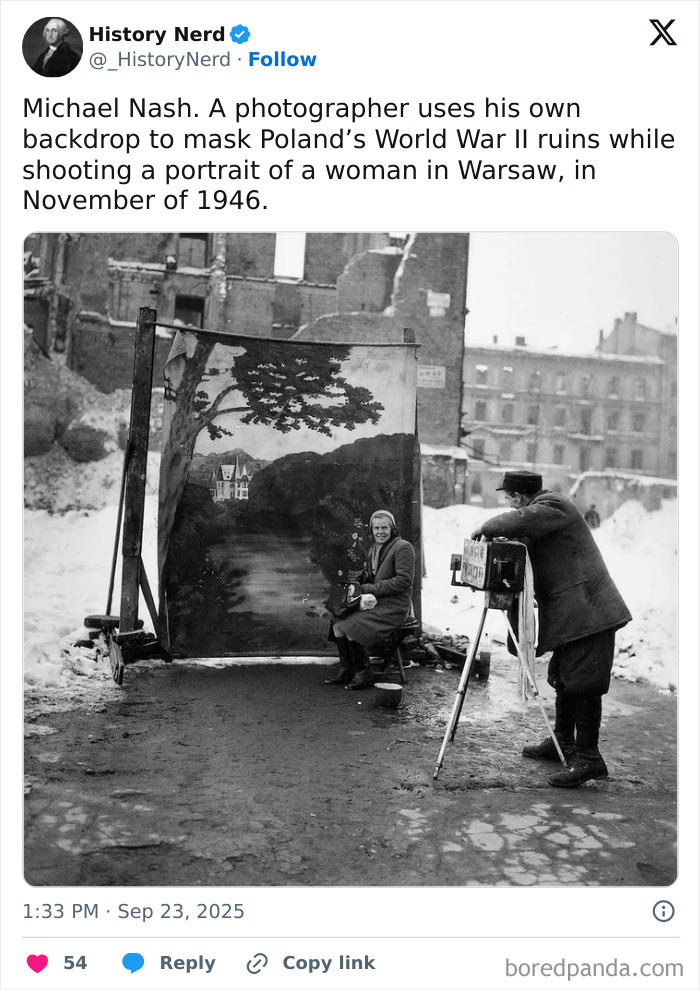
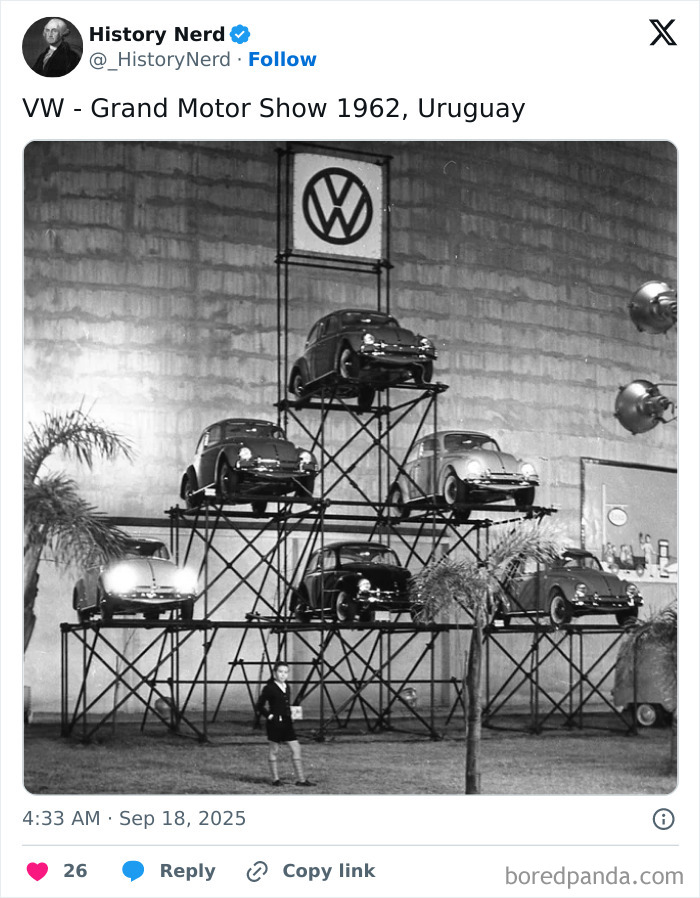
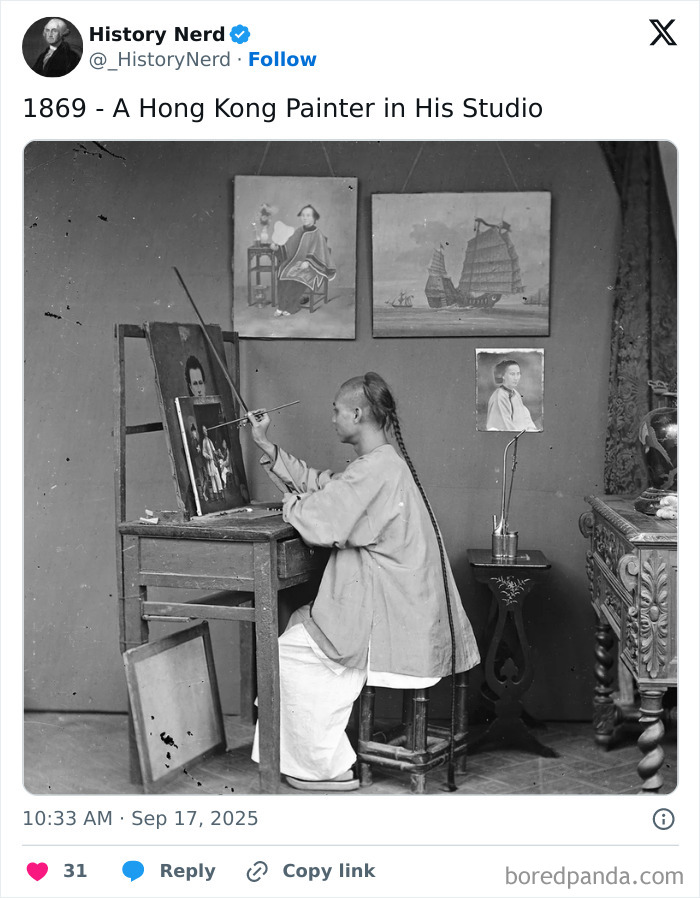
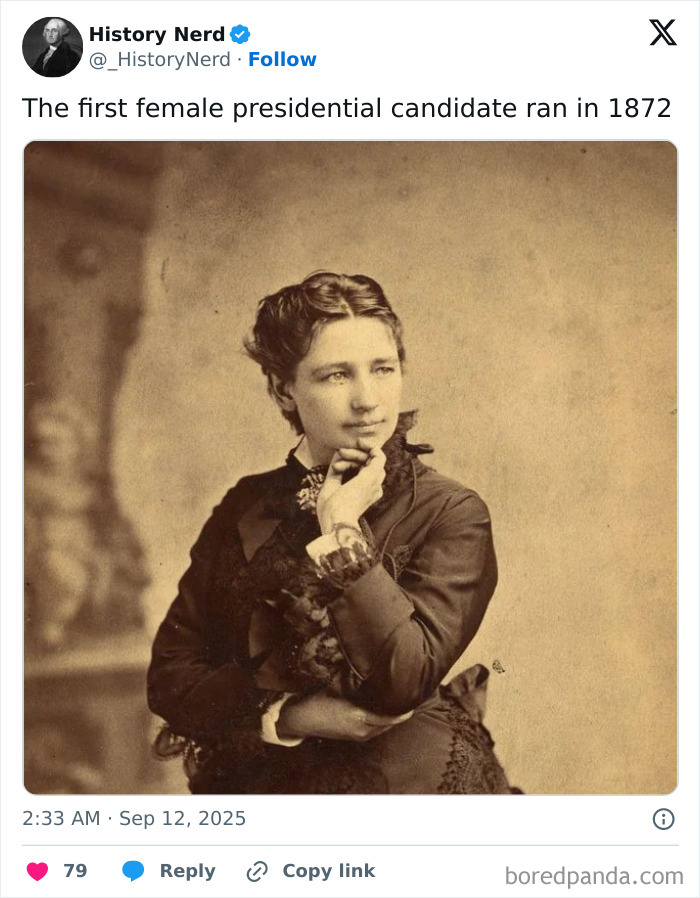
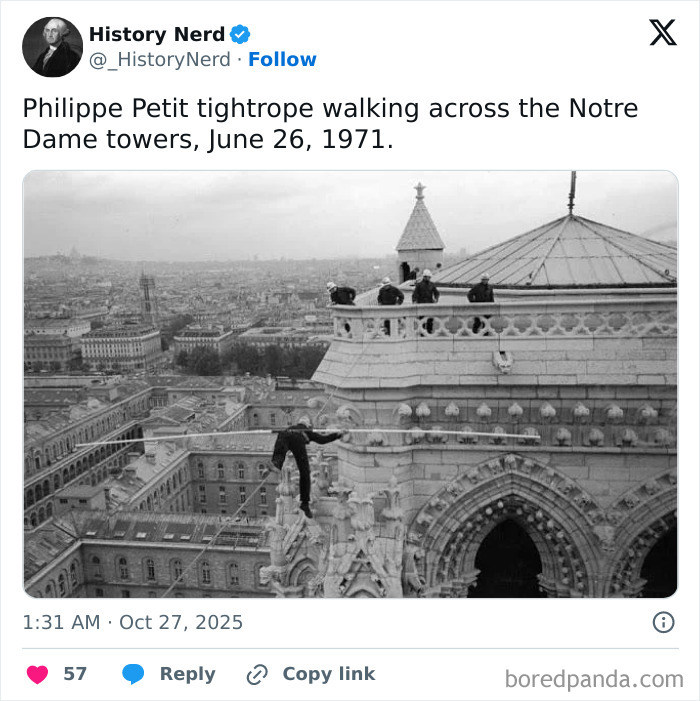
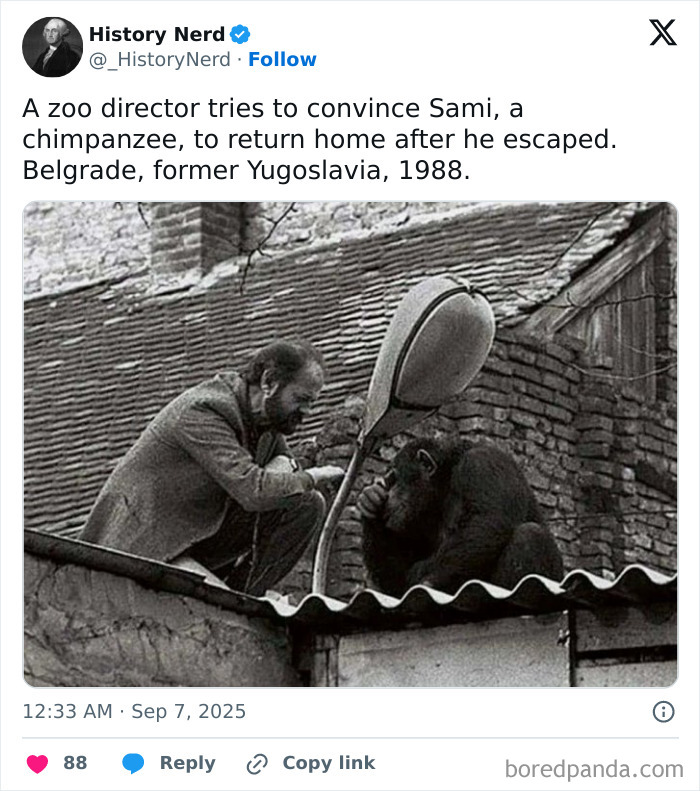
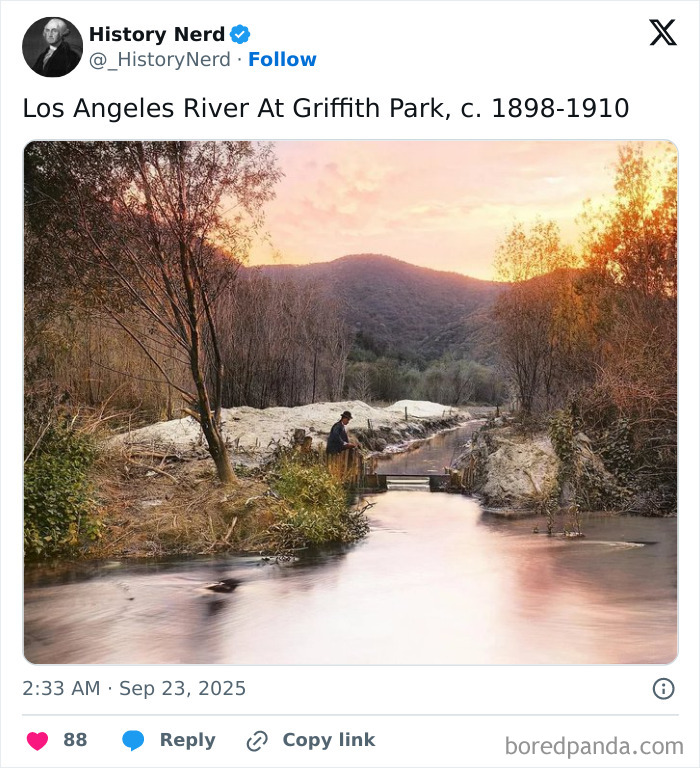
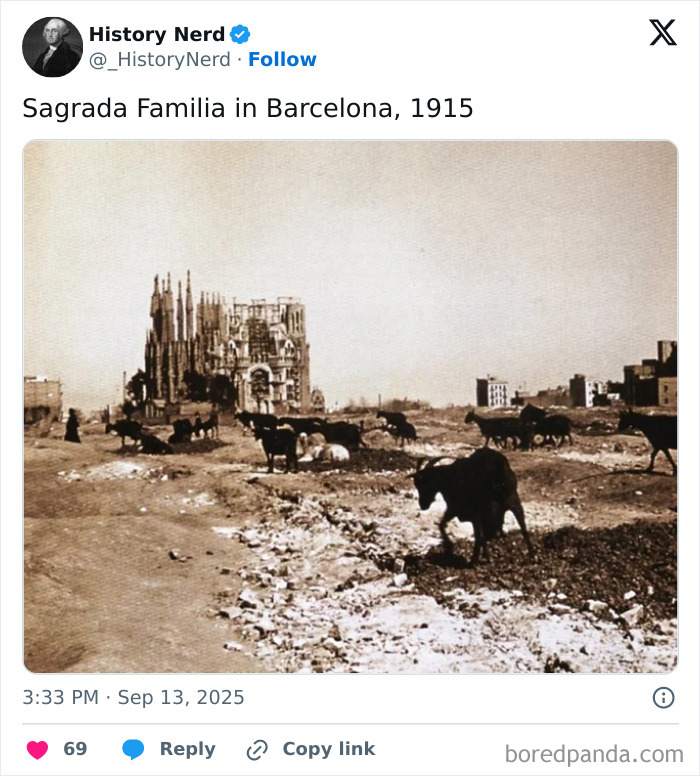
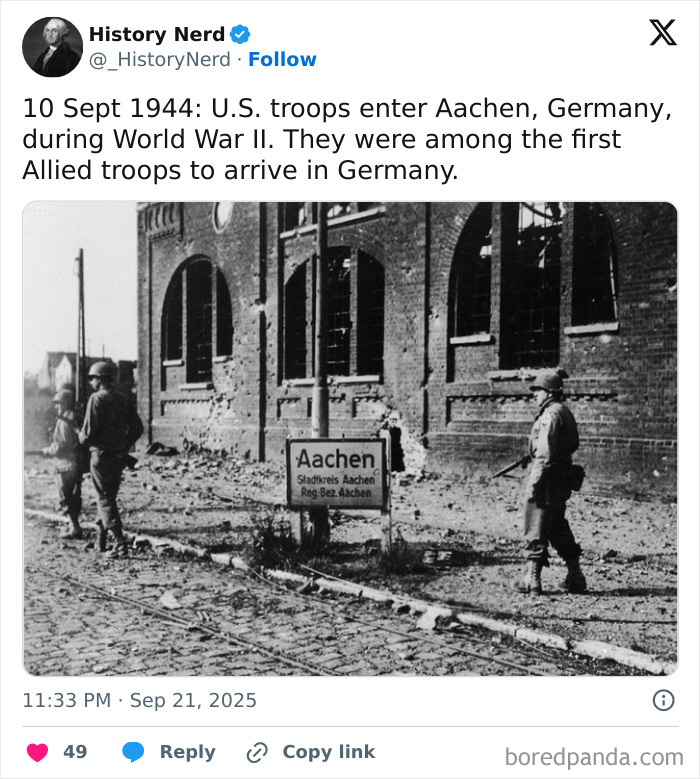
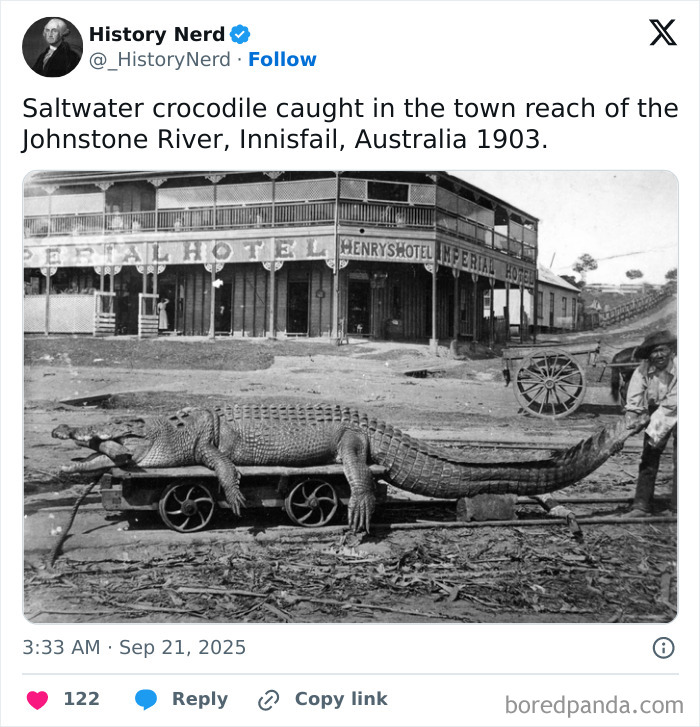
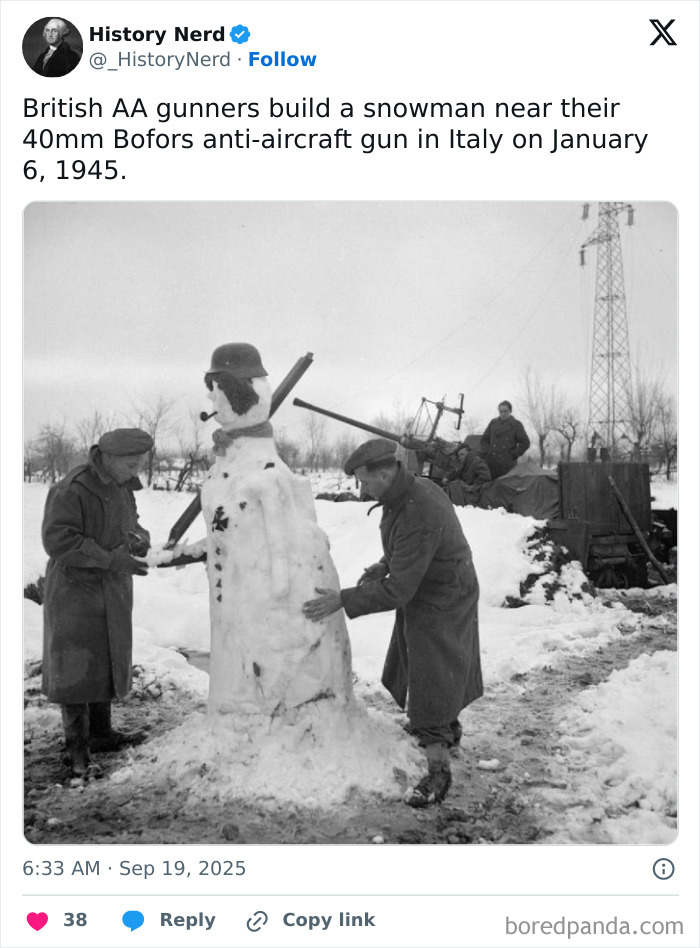
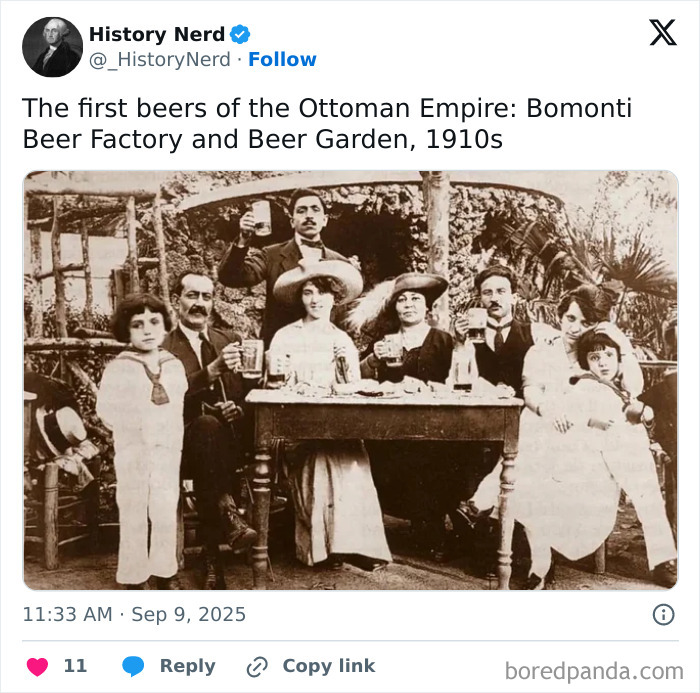
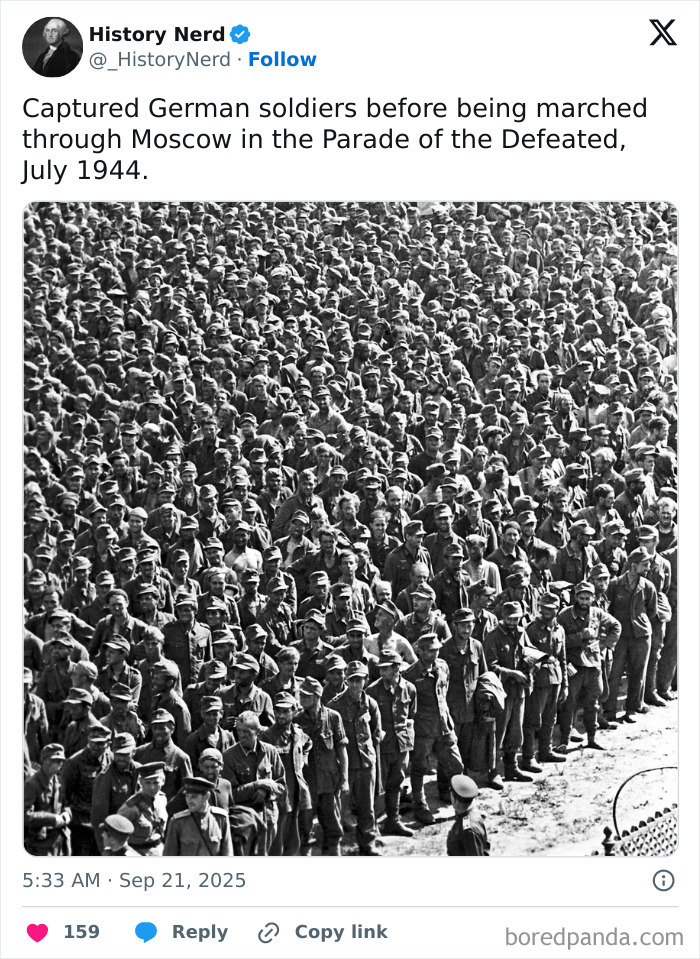
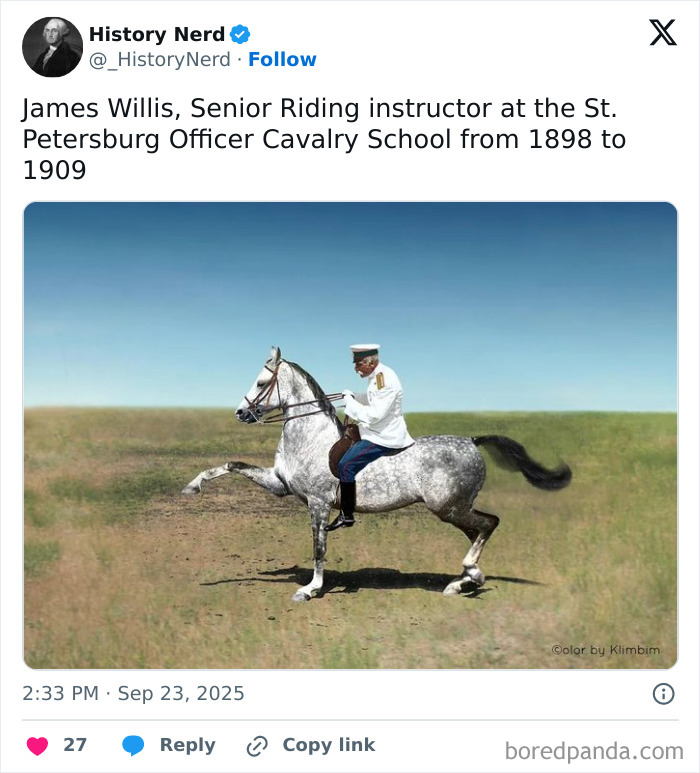
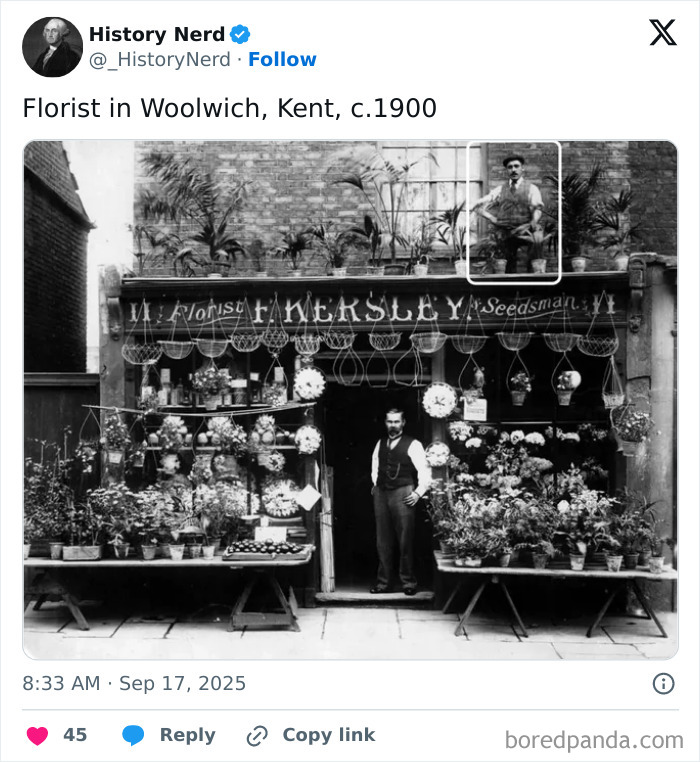
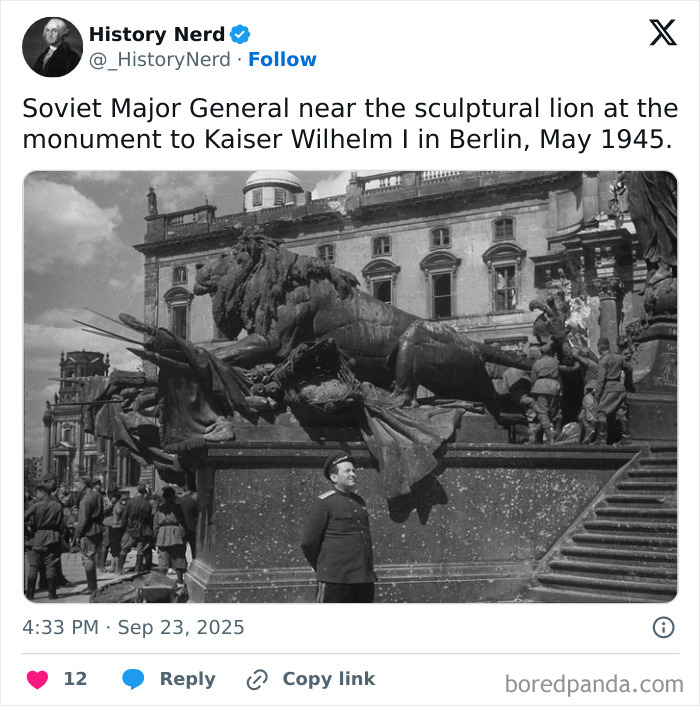
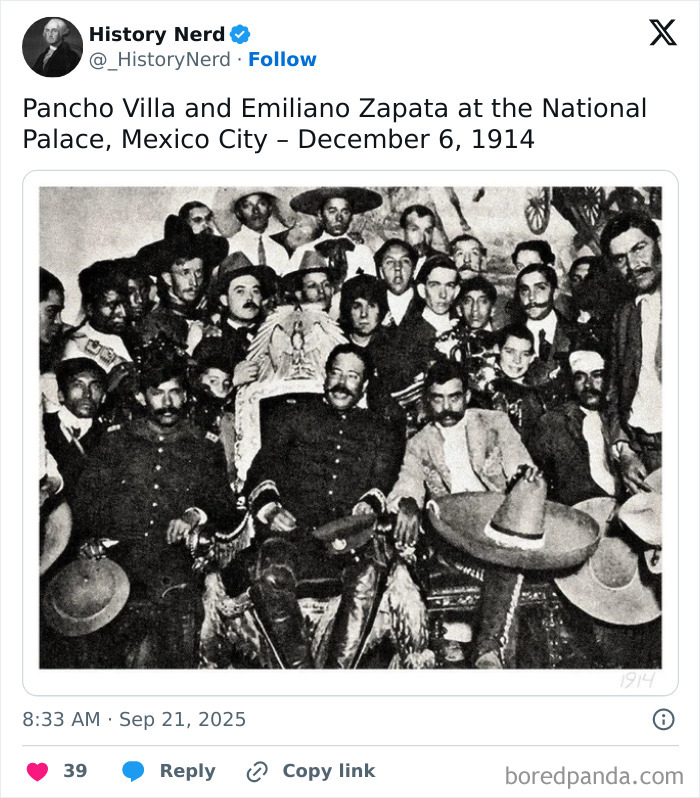
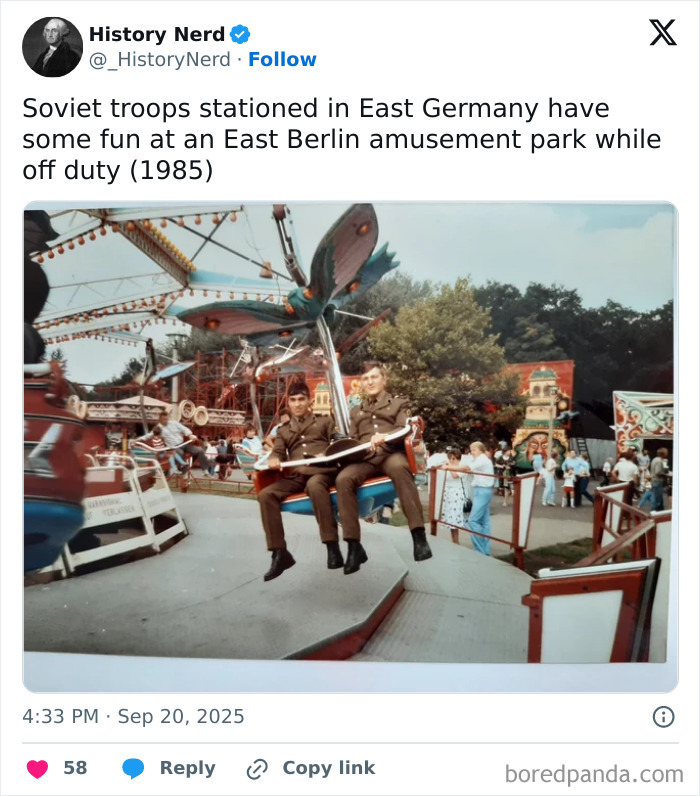
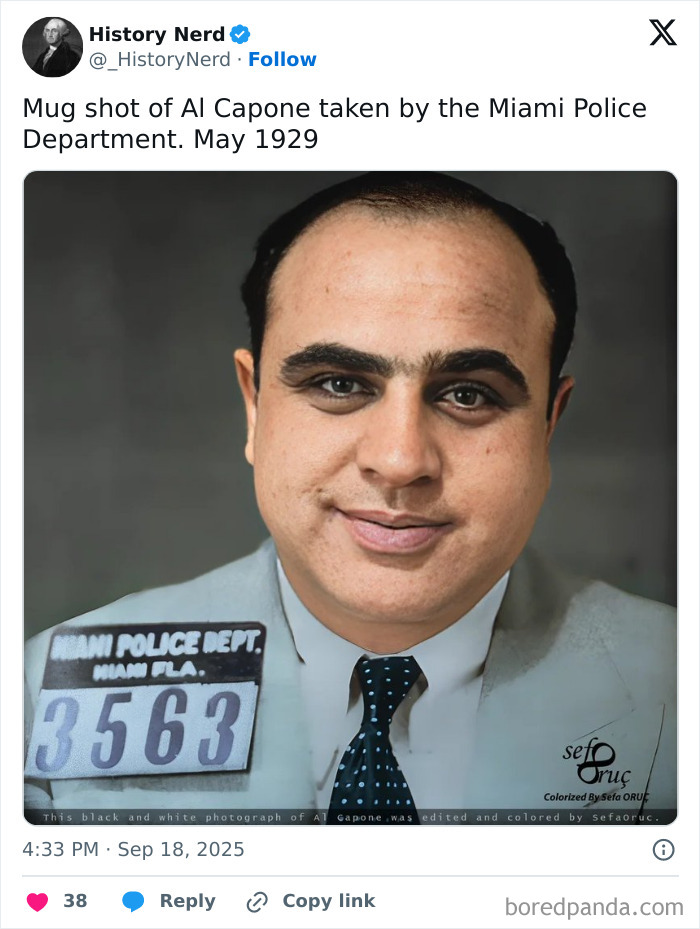
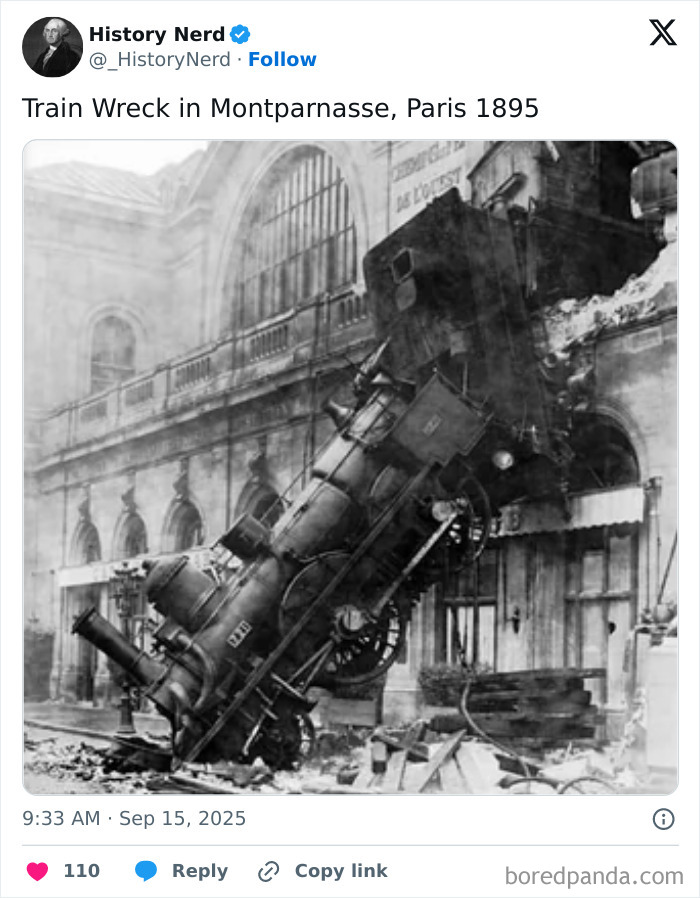
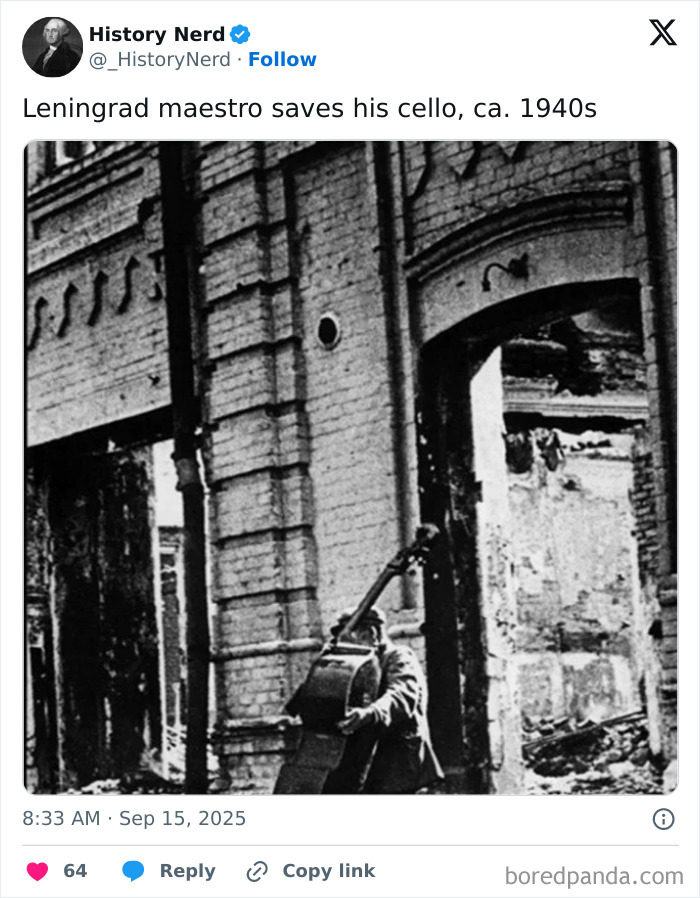
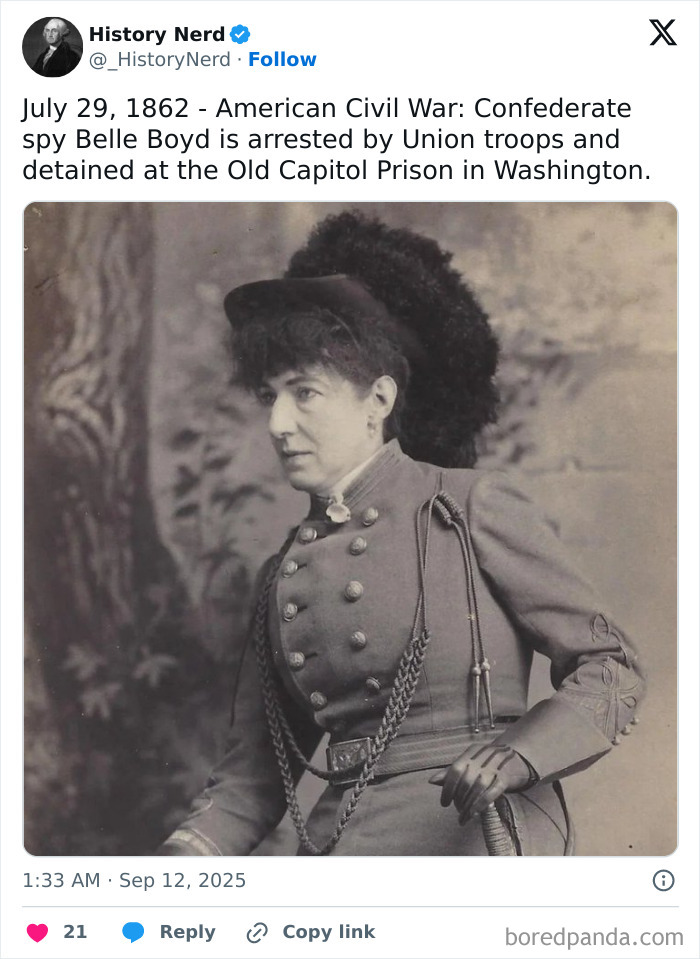
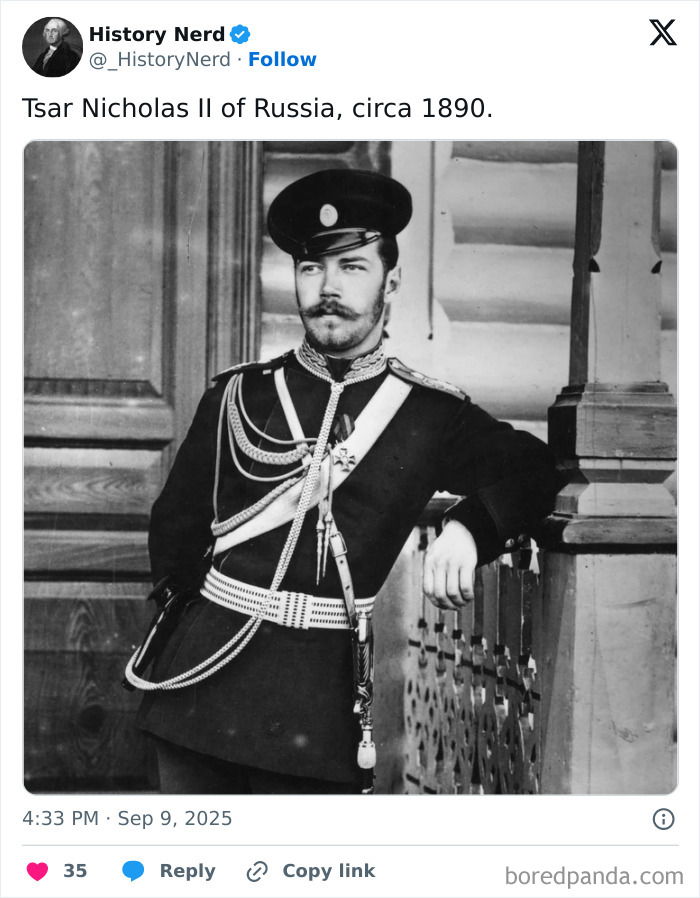
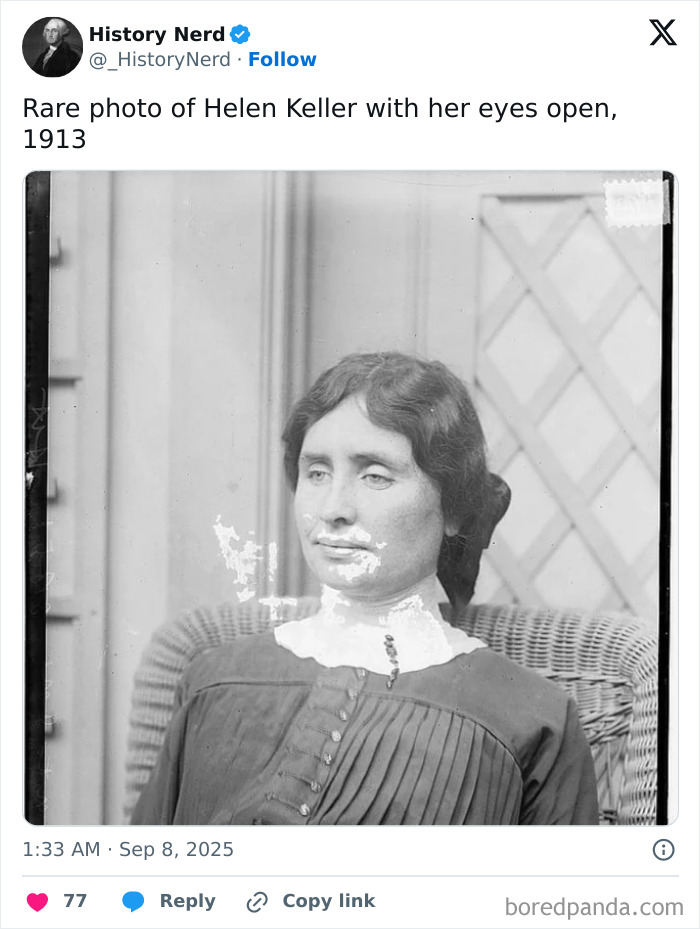
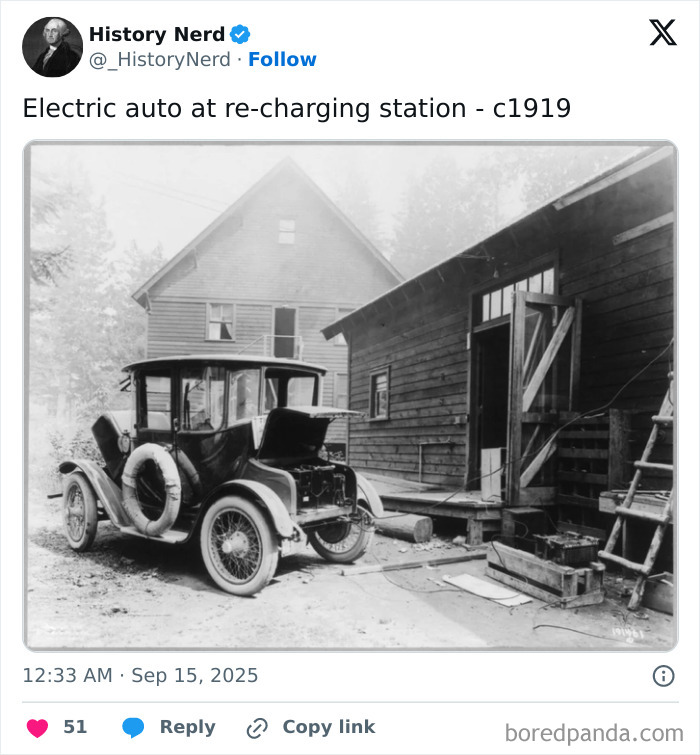
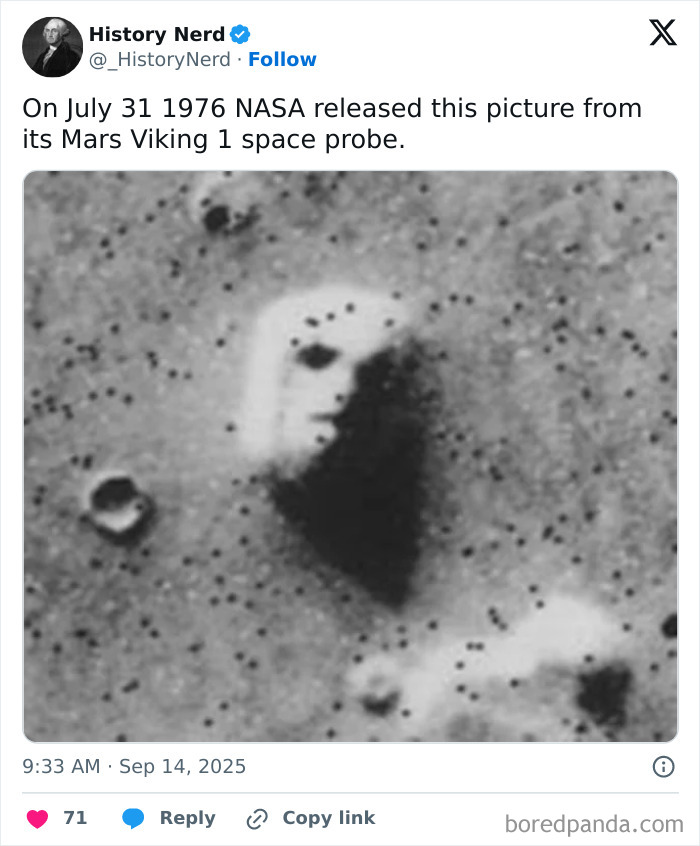
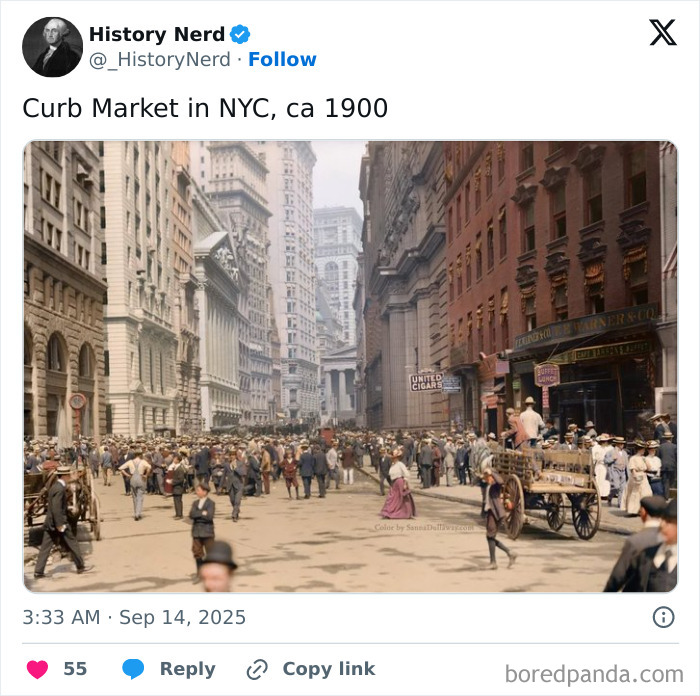
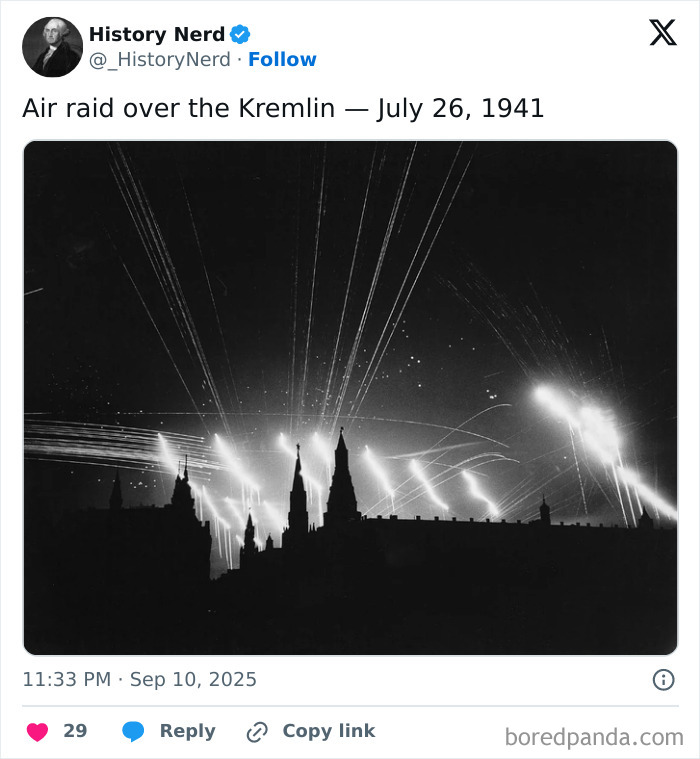
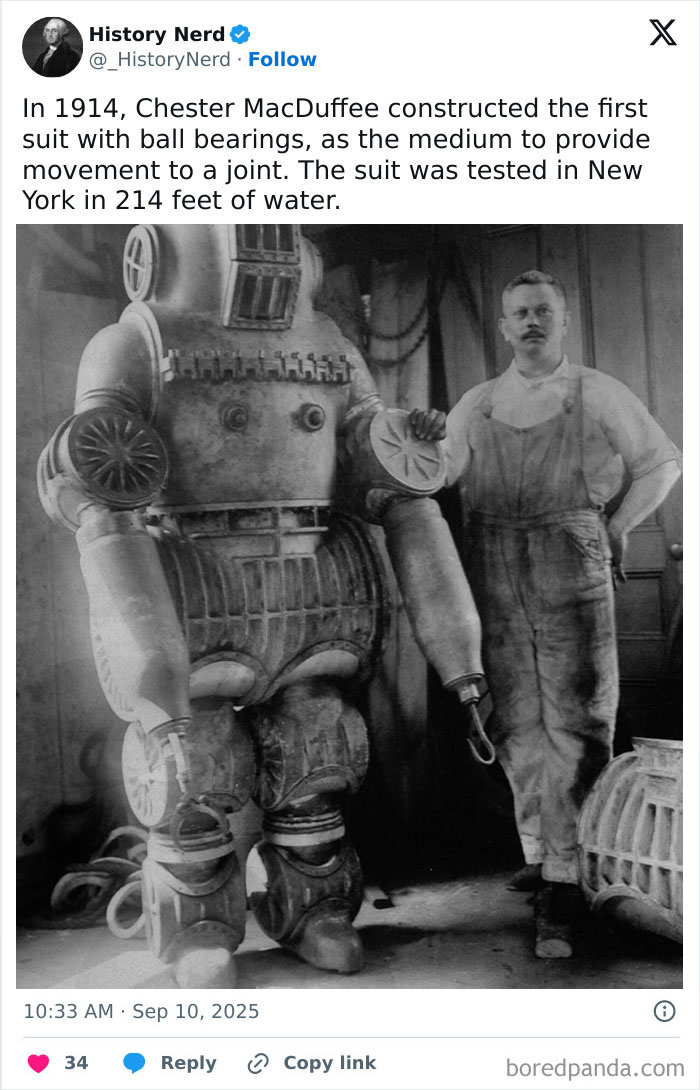
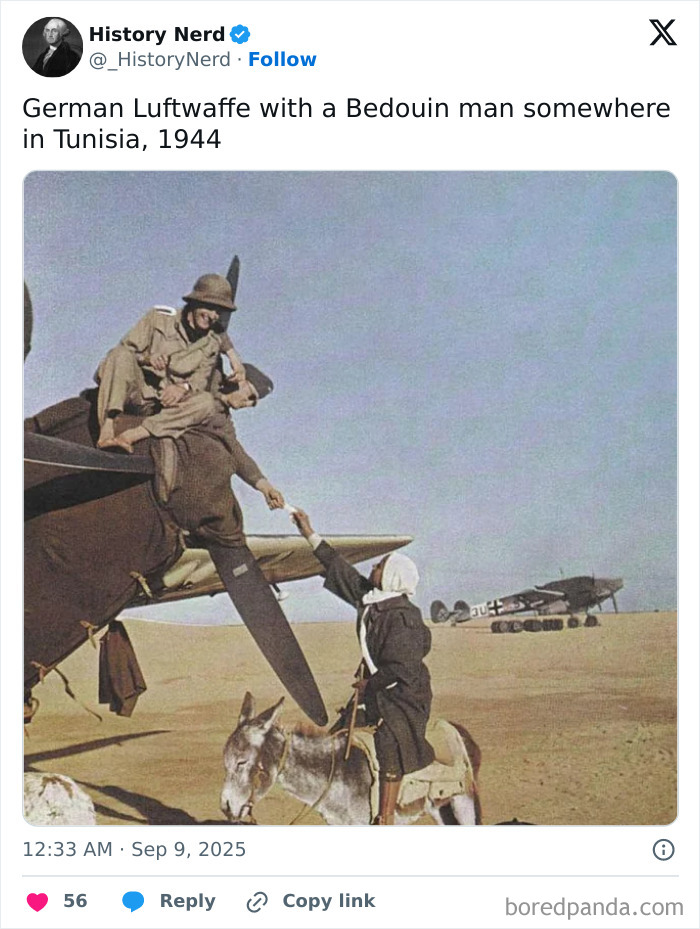
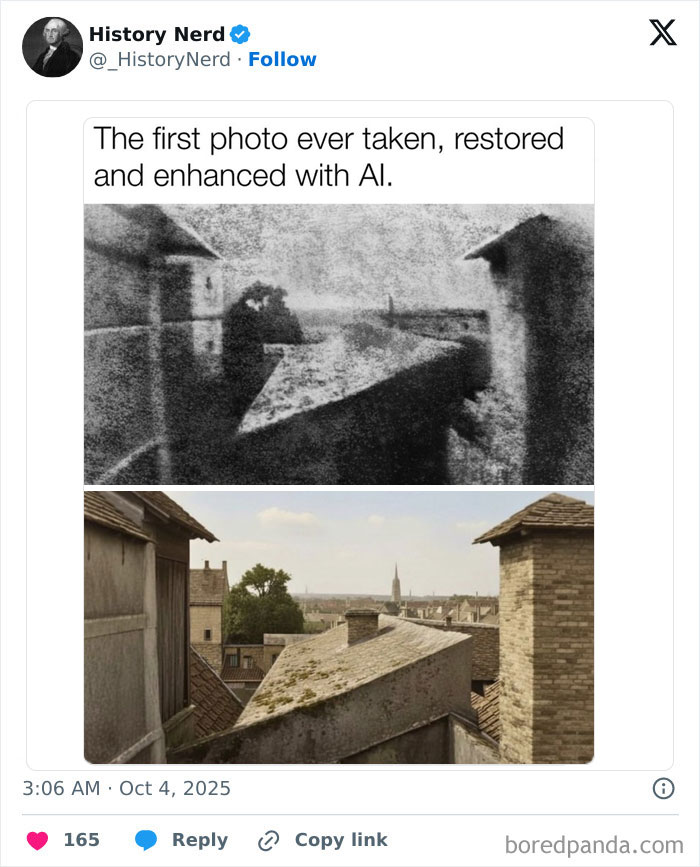
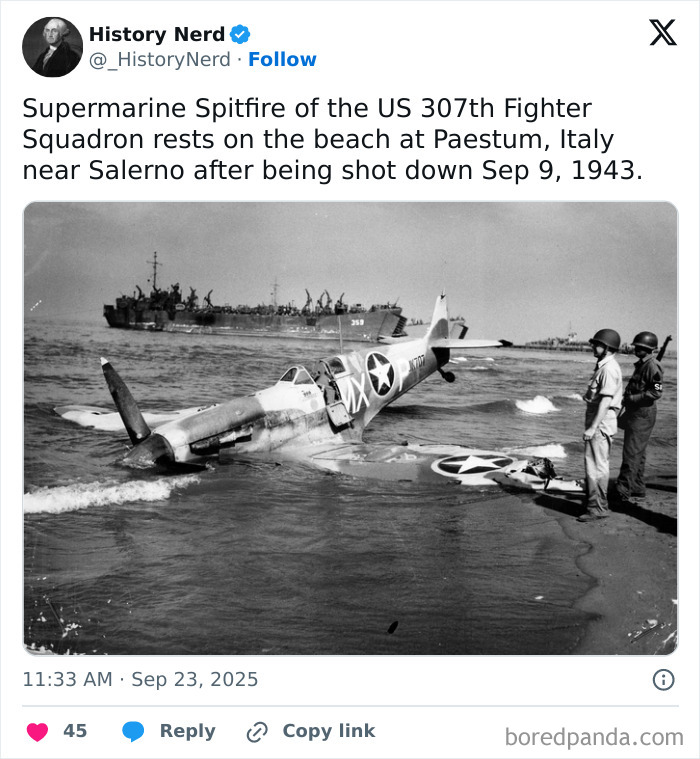
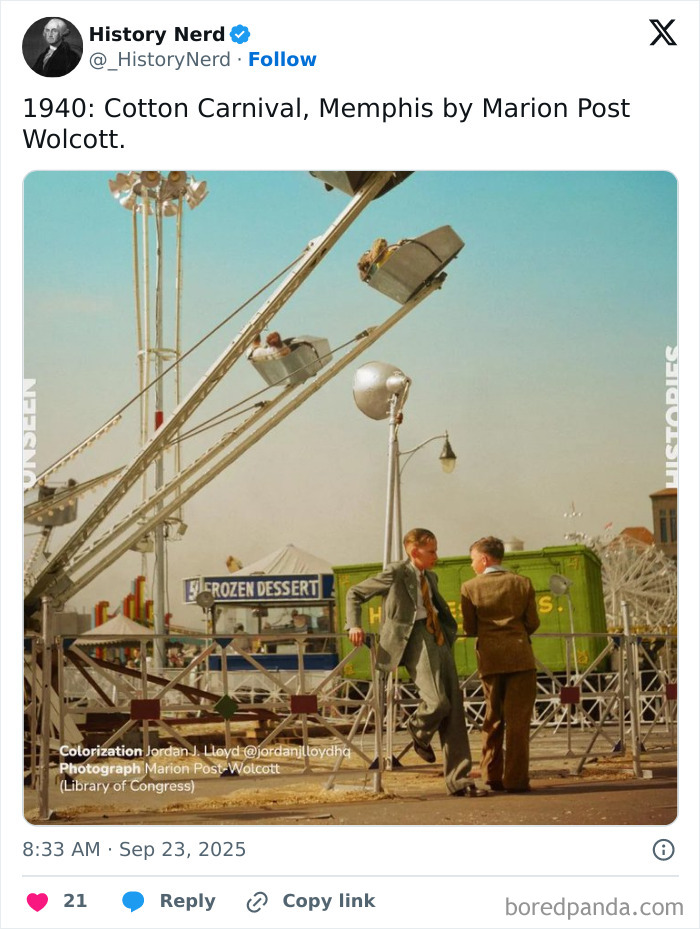
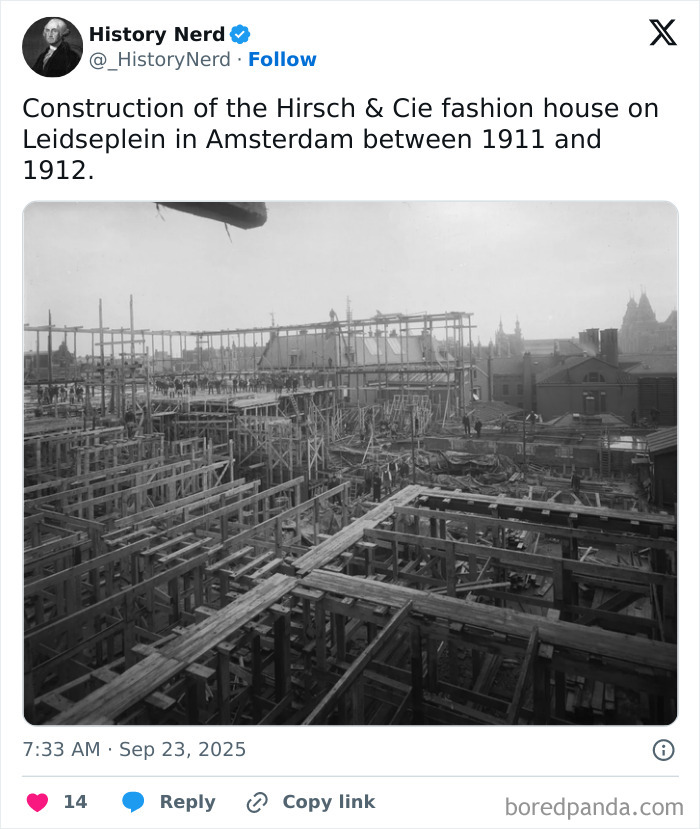
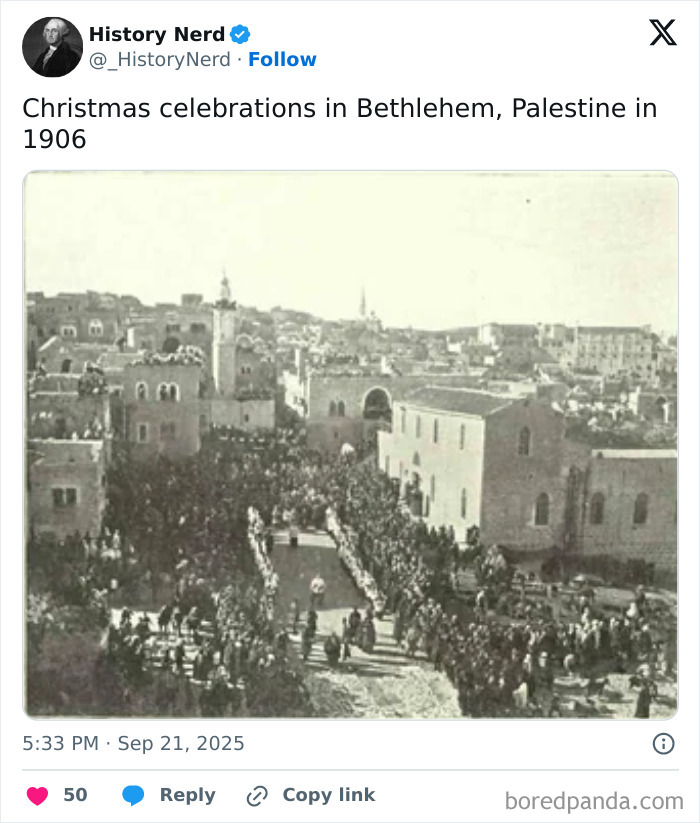
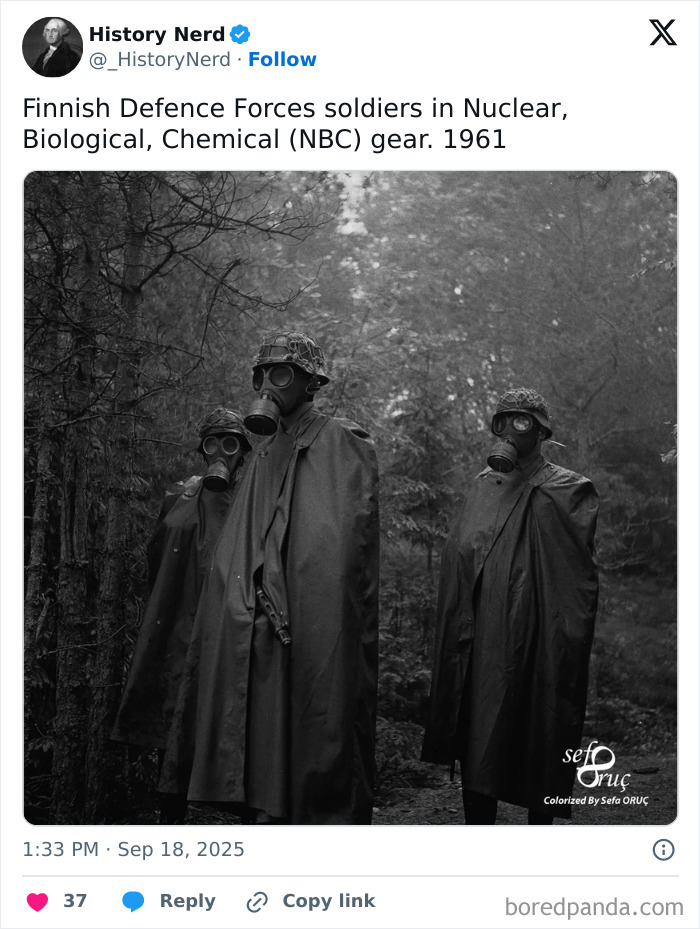
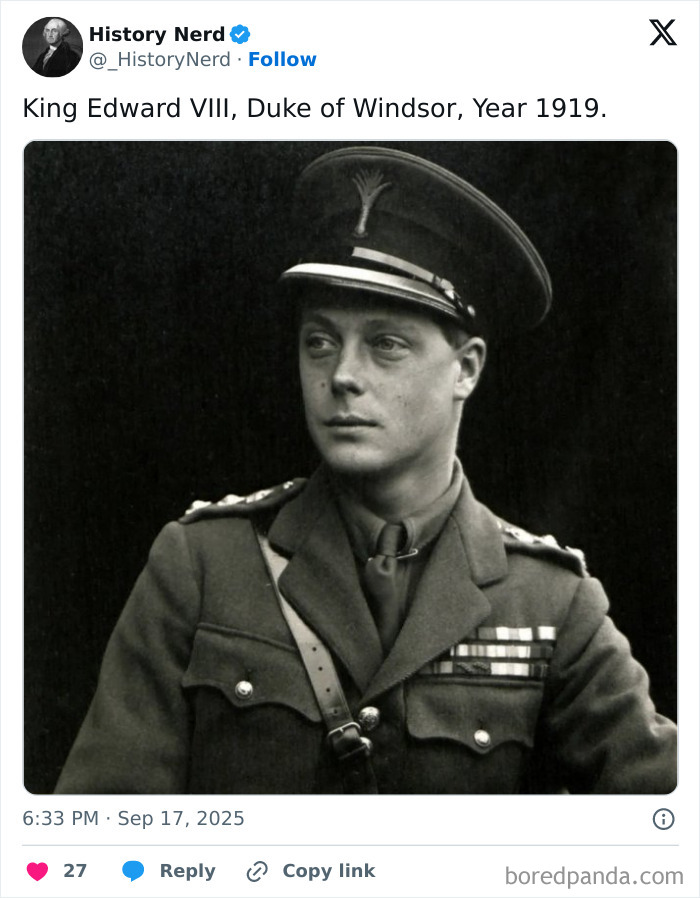
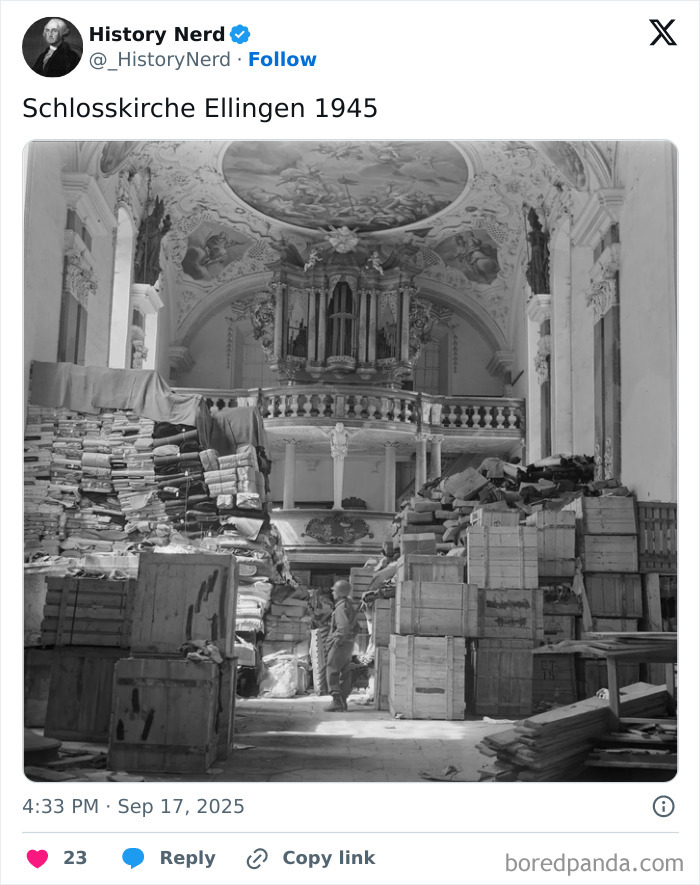
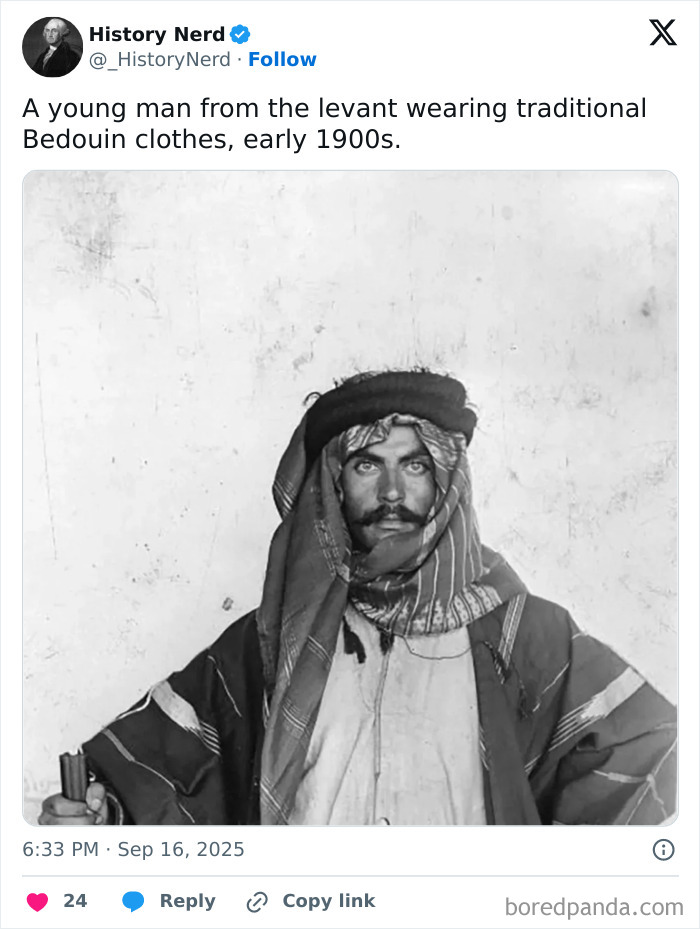
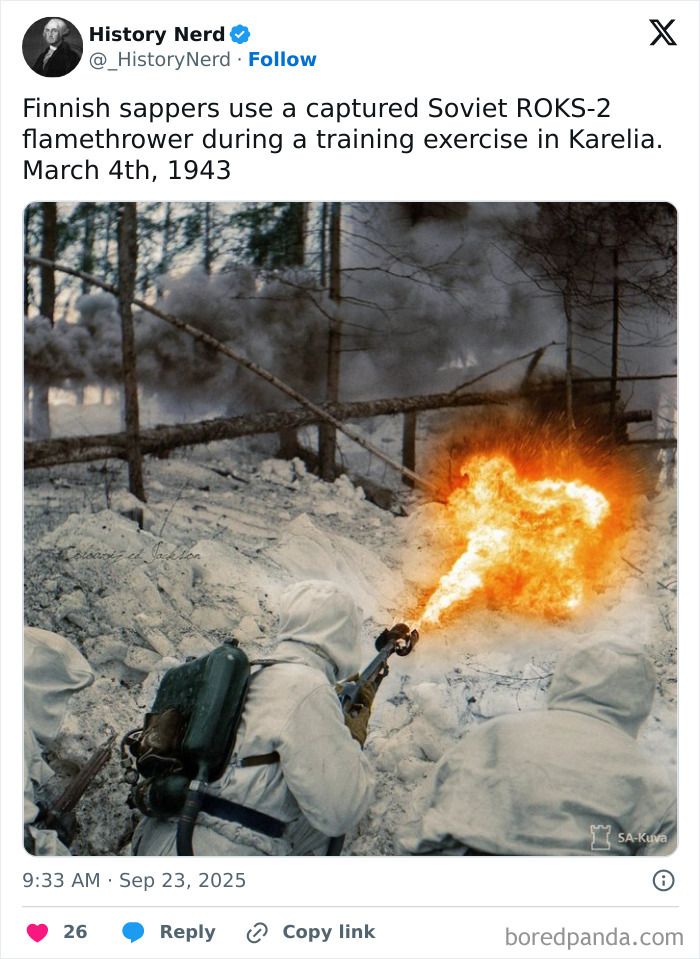
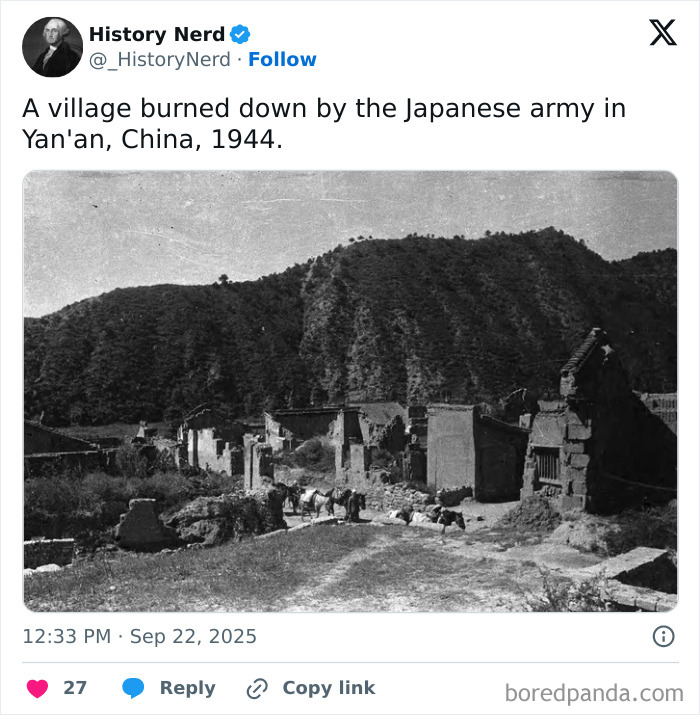
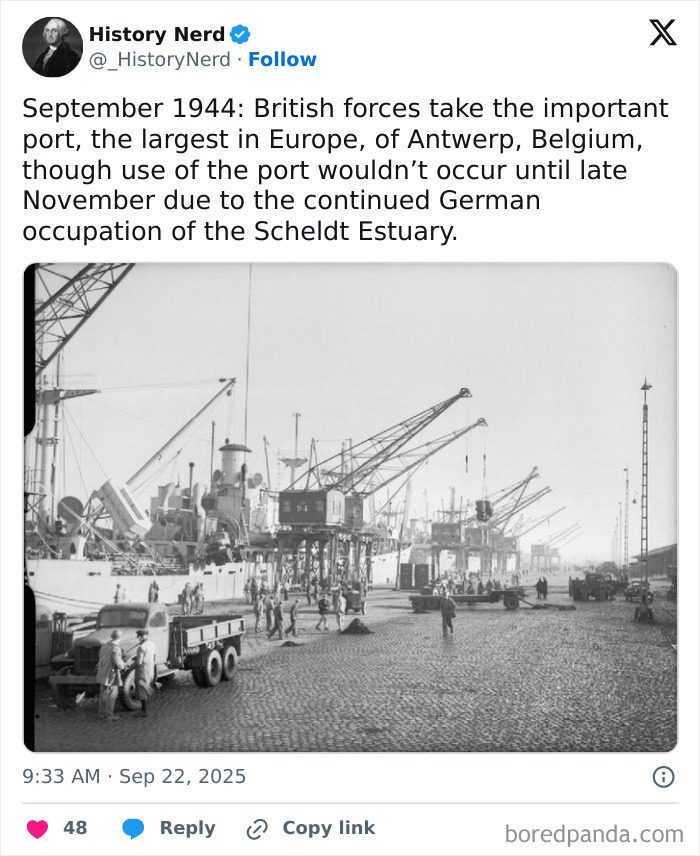
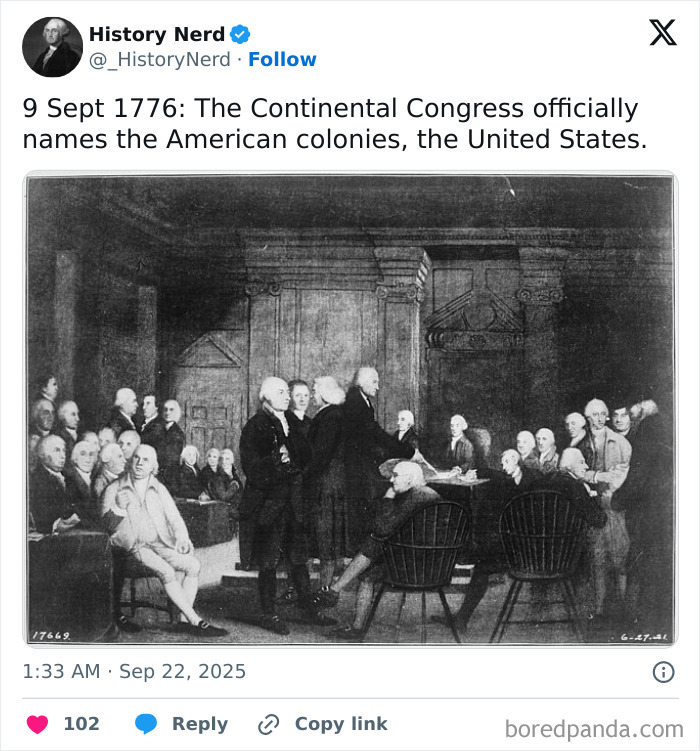
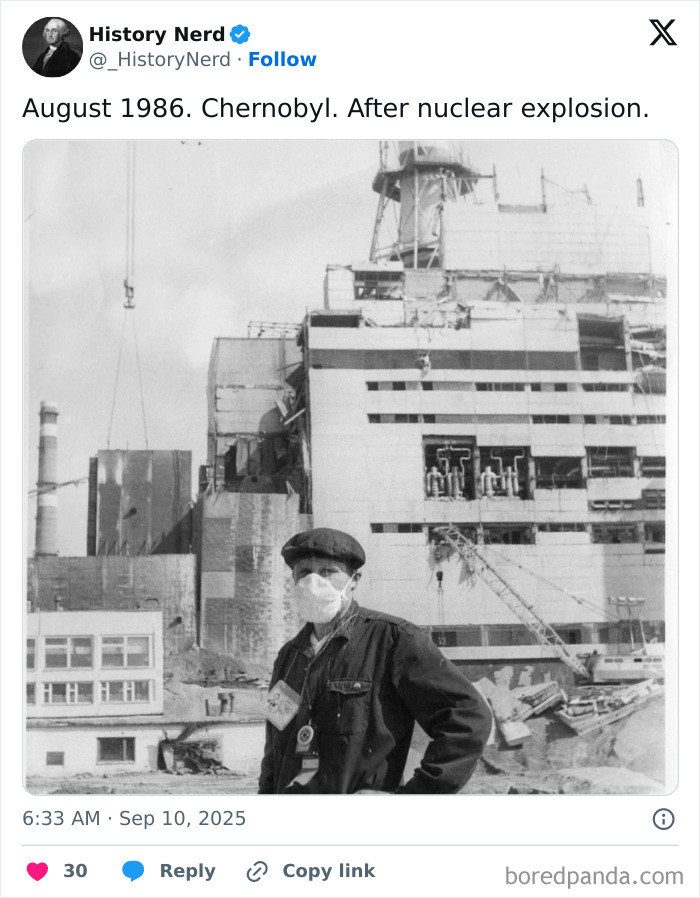
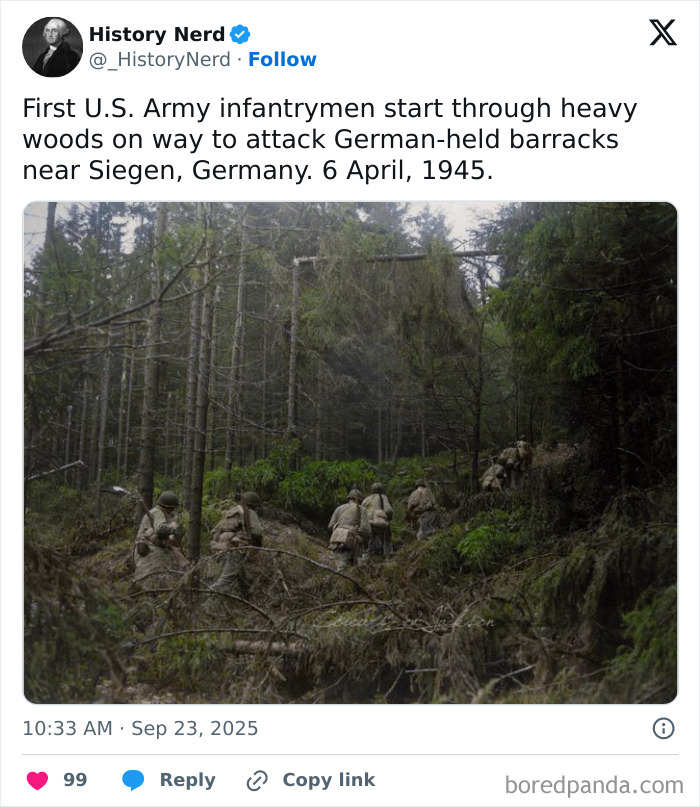
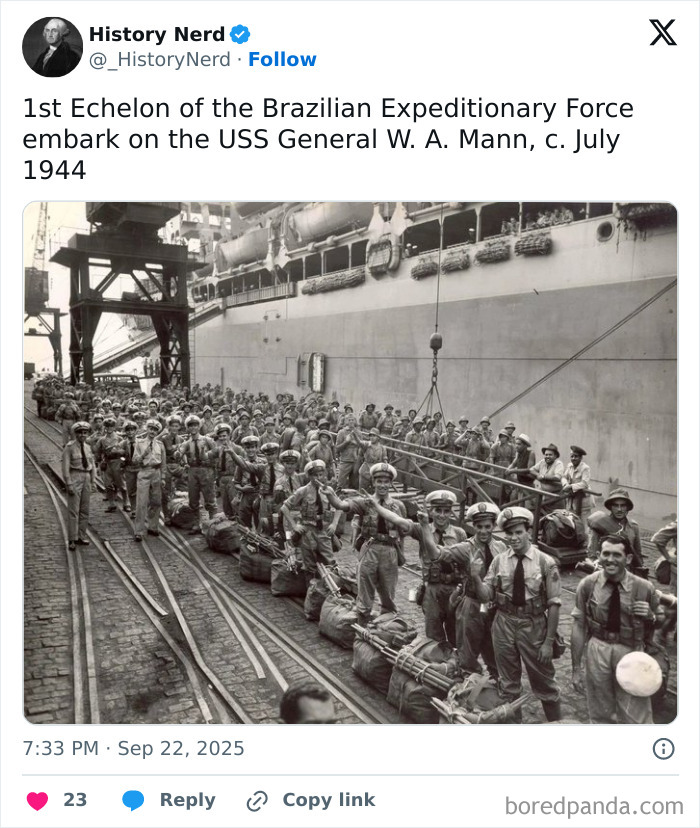
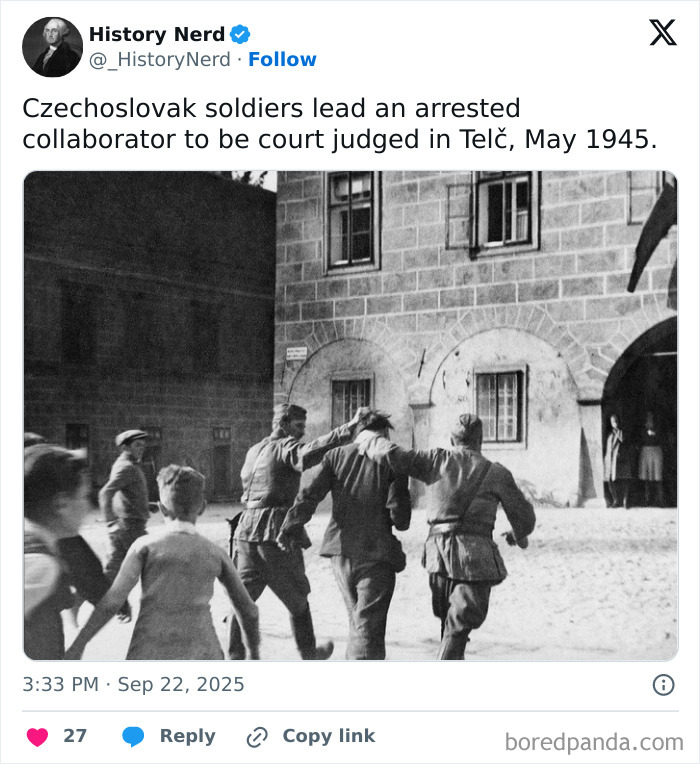
The “History Nerd” page on X (historically, Twitter) is dedicated to interesting pictures from the past. So get comfortable, prepare to be transported to another century (or at least decade), upvote your favorites and be sure to share your thoughts and experiences in the comments down below.
This post may include affiliate links.
There is something profoundly captivating about old photographs. Whether it is a grainy image of strangers from the 1920s or a faded family portrait from decades past, historic photos have an almost magnetic quality that draws people in. This fascination extends far beyond personal nostalgia, tapping into something deeply wired into human psychology. Recent studies suggest that 79% of people get nostalgic at least once a week, and old photographs serve as one of the most powerful triggers for this universal emotion.
Psychologist Clay Routledge, who studies nostalgia at North Dakota State University, explains that there are two types of nostalgia: autobiographical, which is a fondness for your own memories, and historical, which is a fondness for broader cultural ones.
Historic photographs uniquely satisfy both categories. Even when viewing images of people and places we have never personally experienced, we feel connected to them through our shared humanity and cultural heritage. These images transport us to eras we can only imagine, allowing us to witness moments frozen in time.
The psychological benefits of nostalgia help explain why we are so drawn to these images. Research has found that nostalgia generates positive feelings, improves self regard, and enhances our bonds with others. Old photographs serve as visual gateways to these emotional benefits.
When we look at a historic street scene or a portrait from another era, we are not simply observing the past but engaging in a form of mental time travel that can actually improve our wellbeing. A study published in the November 2013 issue of Personality and Social Psychology Bulletin found that test participants who recalled a nostalgic event reported feeling more optimism than those who remembered an ordinary one.
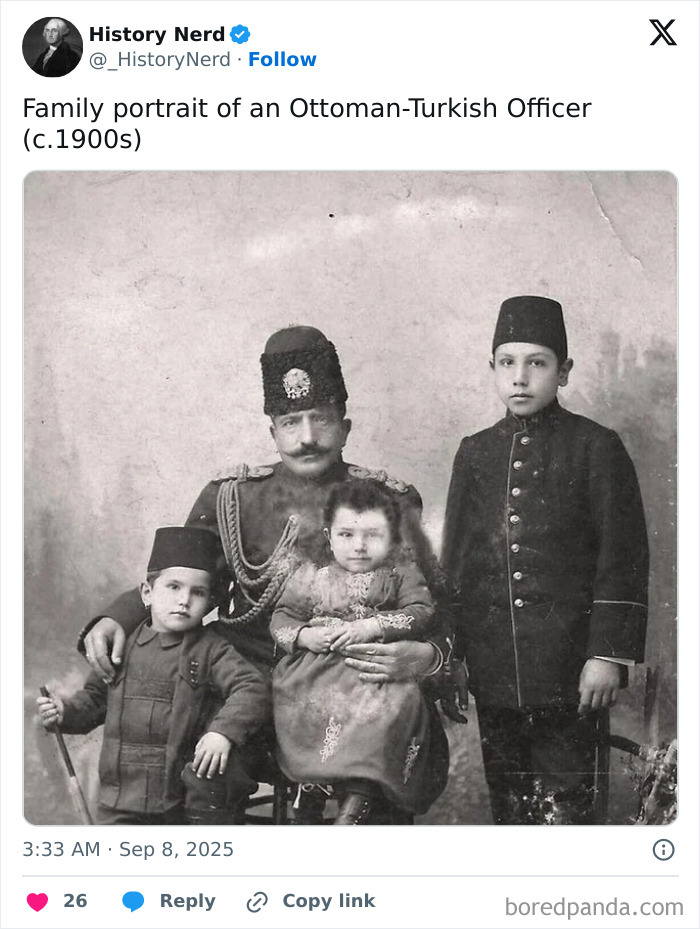
Photographs are one of the most powerful tools used to trigger nostalgia because they evoke feelings of sentimental longing and affection for a period past that remains untouched on paper. The physical characteristics of old photos themselves contribute to their appeal. Fuzzy frames, silver prints, and faded copies evoke memories of an idealized past, even if the subject is from the near present.
These imperfections that come with age create an aesthetic quality that modern digital images often lack. There is authenticity in deterioration, a reminder that these moments actually happened and that real people lived these lives.
Historic photos also satisfy our need for continuity and meaning. Professor Krystine Batcho asserts that consuming nostalgic media of all types gives us a way of thinking about who we are and helps us make sense of our purpose in life. When we view photographs from previous generations, we see evidence of human resilience, creativity, and everyday existence. These images remind us that life has always been a mix of joy and struggle, that people have always fallen in love, raised families, worked hard, and found moments of happiness. This connection across time provides comfort in our own lives.
The phenomenon of rosy retrospection plays a significant role in our attraction to old photos. This cognitive bias makes us remember and recollect past events more fondly and positively than they might have actually been. When viewing historic images, we tend to project an idealized version of the past onto them, imagining simpler times and stronger communities. While this may not always reflect reality, it serves an important psychological function by giving us hope and perspective on our present circumstances.
During challenging times, our attraction to old photographs intensifies. Professor Ziyan Yang asserts that movies and music easily trigger nostalgia and that nostalgic experiences can be particularly comforting in trying times, be they personal or global. Historic photos offer an escape from current anxieties while simultaneously grounding us in the knowledge that humanity has weathered storms before. They provide both comfort and inspiration, showing us that life continues and that moments worth capturing have always existed.
The appeal of historic photographs transcends age and culture. Even in our digital age where billions of photos are taken daily, there remains something special about images from bygone eras. They are windows into worlds we can never visit, evidence of lives we can never live, yet they speak to universal human experiences that remain remarkably consistent across time. This timeless quality ensures that old photographs will continue to fascinate and move us, connecting past to present in ways that words alone cannot achieve.

I've not seen most of these before. All fascinating - thank you.
I've not seen most of these before. All fascinating - thank you.






























 No fees, cancel anytime